Assessment for Learning
  and Differentiation
       Monday, Oct.26th, 2009
   Concordia International School
         Shanghai (gr.5-8)
           Faye Brownlie
        Vancouver, Canada
Learning Intentions
  I can understand and can explain
   to others the concepts of Assessment
   for Learning (AFL)
  I can identify and give specific
   examples of the six big AFL
   strategies
  I can explain a structure to
   differentiate instruction.
  I have a plan to implement a
   strategy which is new to me.
    I can determine a next step
Universal Design for Learning

Multiple means:
-to tap into background knowledge,
  to activate prior knowledge, to
  increase engagement and
  motivation
-to acquire the information and
  knowledge to process new ideas
  and information
-to express what they know.
                   Rose & Meyer, 2002
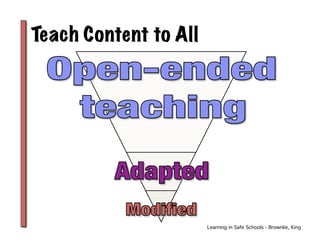
Teach Content to All	


                        Learning in Safe Schools - Brownlie, King"
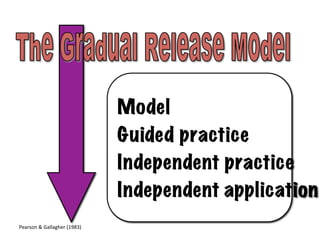
Model
                                          Guided practice
                                          Independent practice
                                          Independent application	
  
Pearson	
  &	
  Gallagher	
  (1983)	
  
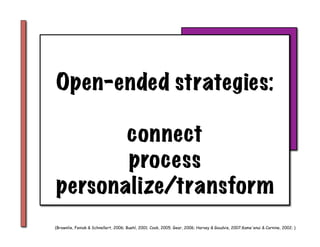
Open-ended strategies:

       connect
       process
personalize/transform
(Brownlie, Feniak & Schnellert, 2006; Buehl, 2001; Cook, 2005; Gear, 2006; Harvey & Goudvis, 2007;Kame'enui & Carnine, 2002; )
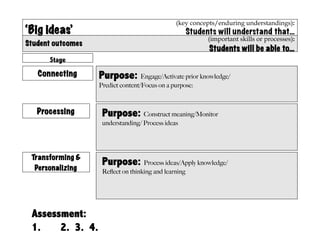
(key concepts/enduring understandings):
‘Big ideas’                                           Students will understand that…
                                                            (important skills or processes):
Student outcomes
                                                            Students will be able to…
      Stage
   Connecting      Purpose: Engage/Activate prior knowledge/
                   Predict content/Focus on a purpose:


   Processing       Purpose: Construct meaning/Monitor
                    understanding/ Process ideas


 Transforming &
  Personalizing
                    Purpose: Process ideas/Apply knowledge/
                    Reflect on thinking and learning


 Assessment:
 1.    2. 3. 4.
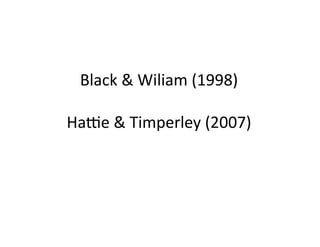
Black	
  &	
  Wiliam	
  (1998)	
  

Ha;e	
  &	
  Timperley	
  (2007)	
  
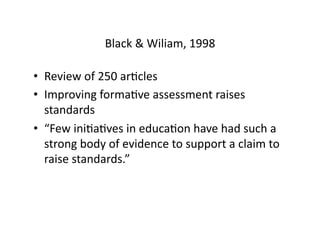
Black	
  &	
  Wiliam,	
  1998	
  

•  Review	
  of	
  250	
  arHcles	
  
•  Improving	
  formaHve	
  assessment	
  raises	
  
   standards	
  
•  “Few	
  iniHaHves	
  in	
  educaHon	
  have	
  had	
  such	
  a	
  
   strong	
  body	
  of	
  evidence	
  to	
  support	
  a	
  claim	
  to	
  
   raise	
  standards.”	
  
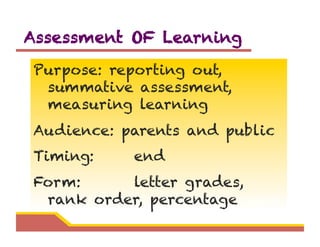
Assessment OF Learning

Purpose: reporting out,
 summative assessment,
 measuring learning
Audience: parents and public
Timing:      end
Form:     letter grades,
 rank order, percentage scores	
  
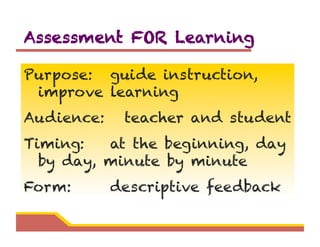
Assessment FOR Learning

Purpose: guide instruction,
 improve learning
Audience:    teacher and student
Timing:   at the beginning, day
  by day, minute by minute
Form:       descriptive feedback
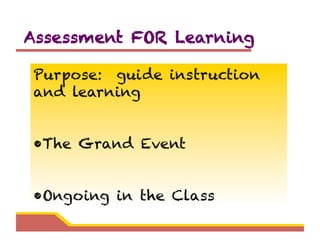
Assessment FOR Learning

Purpose: guide instruction
and learning


•The Grand Event


•Ongoing in the Class
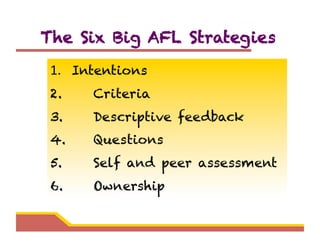
The Six Big AFL Strategies

 1. 	
   	
  Intentions
 2.       Criteria
 3.       Descriptive feedback
 4.       Questions
 5.       Self and peer assessment
 6.       Ownership
Learning Outcomes/Learning
         Intentions
    Computer Science 6
          Math 7
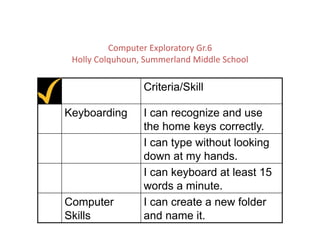
Computer	
  Exploratory	
  Gr.6	
  
 Holly	
  Colquhoun,	
  Summerland	
  Middle	
  School   	
  
                      Criteria/Skill

Keyboarding           I can recognize and use
                      the home keys correctly.
                      I can type without looking
                      down at my hands.
                      I can keyboard at least 15
                      words a minute.
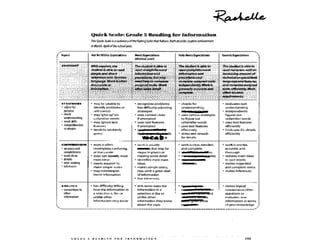
Computer              I can create a new folder
Skills                and name it.
Sequence:

Science 8
Gr.	
  8	
  Science	
  
 “The	
  DigesHve	
  System”	
  
Paul	
  Paling,	
  Prince	
  Rupert	
  

       Learning	
  Inten+on:	
  
  Demonstrate	
  where	
  in	
  the	
  body	
  
digesHon	
  occurs	
  and	
  what	
  happens	
  
              to	
  the	
  food	
  
ConnecHng/processing	
  Strategy:	
  	
  What’s	
  In,	
  
                               What’s	
  Out?	


                    (Reading	
  44,	
  adapted	
  by	
  PPaling)	
  
•    stomach 	
   	
   	
  squeezing	
  
•    abdomen 	
   	
   	
  hungry	
  
•    saliva	


  ulcer	
  
•    bolus 	


  tongue	
  
•    gastric	
  juices 	
   	
  mucus	
  
•    pepsin	


  carbohydrates	
  
•    muscles 	


  mechanical	
  
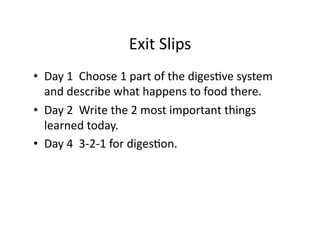
Exit	
  Slips	
  
•  Day	
  1	
  	
  Choose	
  1	
  part	
  of	
  the	
  digesHve	
  system	
  
   and	
  describe	
  what	
  happens	
  to	
  food	
  there.	
  
•  Day	
  2	
  	
  Write	
  the	
  2	
  most	
  important	
  things	
  
   learned	
  today.	
  
•  Day	
  4	
  	
  3-­‐2-­‐1	
  for	
  digesHon.	
  
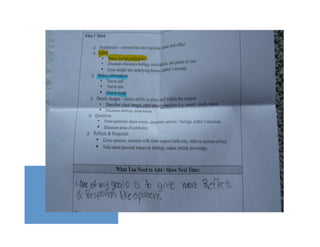
Working with Criteria
Self & Peer Assessment
      Ownership
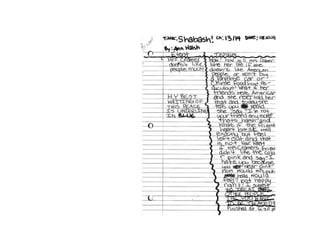
   Language Arts 5-7
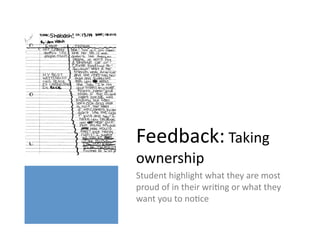
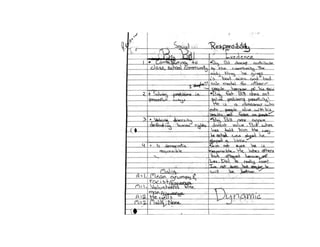
Feedback:	
  Taking	
  
ownership	
  
Student	
  highlight	
  what	
  they	
  are	
  most	
  
proud	
  of	
  in	
  their	
  wriHng	
  or	
  what	
  they	
  
want	
  you	
  to	
  noHce	
  
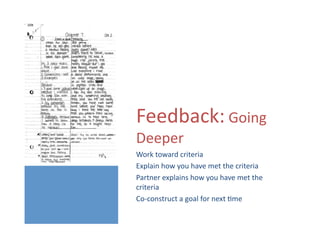
Feedback:	
  Going	
  
Deeper	
  
Work	
  toward	
  criteria	
  
Explain	
  how	
  you	
  have	
  met	
  the	
  criteria	
  
Partner	
  explains	
  how	
  you	
  have	
  met	
  the	
  
criteria	
  
Co-­‐construct	
  a	
  goal	
  for	
  next	
  Hme	
  
Feedback:	
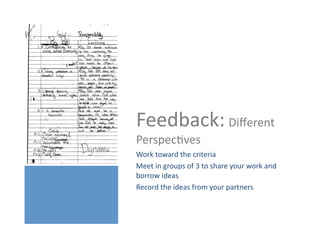
  Different	
  
PerspecHves	
  
Work	
  toward	
  the	
  criteria	
  
Meet	
  in	
  groups	
  of	
  3	
  to	
  share	
  your	
  work	
  and	
  
borrow	
  ideas	
  
Record	
  the	
  ideas	
  from	
  your	
  partners	
  
Assessment for Learning:

   The Grand Event
(with the goal in mind)


What do I need to teach?
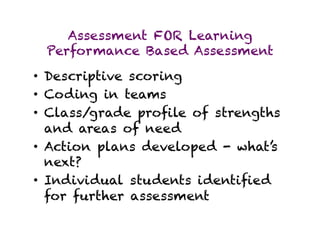
Assessment FOR Learning
 Performance Based Assessment
•  Descriptive scoring
•  Coding in teams
•  Class/grade profile of strengths
   and areas of need
•  Action plans developed - what’s
   next?
•  Individual students identified
   for further assessment
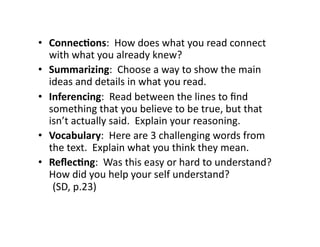
•  Connec&ons:	
  	
  How	
  does	
  what	
  you	
  read	
  connect	
  
   with	
  what	
  you	
  already	
  knew?	
  
•  Summarizing:	
  	
  Choose	
  a	
  way	
  to	
  show	
  the	
  main	
  
   ideas	
  and	
  details	
  in	
  what	
  you	
  read.	
  
•  Inferencing:	
  	
  Read	
  between	
  the	
  lines	
  to	
  find	
  
   something	
  that	
  you	
  believe	
  to	
  be	
  true,	
  but	
  that	
  
   isn’t	
  actually	
  said.	
  	
  Explain	
  your	
  reasoning.	
  
•  Vocabulary:	
  	
  Here	
  are	
  3	
  challenging	
  words	
  from	
  
   the	
  text.	
  	
  Explain	
  what	
  you	
  think	
  they	
  mean.	
  
•  Reflec&ng:	
  	
  Was	
  this	
  easy	
  or	
  hard	
  to	
  understand?	
  	
  
   How	
  did	
  you	
  help	
  your	
  self	
  understand? 	


  (SD,	
  p.23)	
  
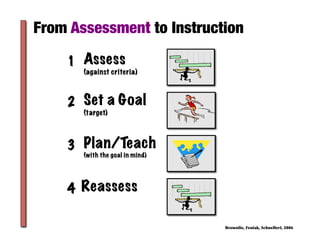
From Assessment to Instruction

    1 Assess
       (against criteria)


    2 Set a Goal
       (target)


    3 Plan/Teach
       (with the goal in mind)


    4 Reassess
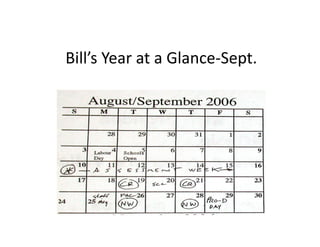
Bill’s	
  Year	
  at	
  a	
  Glance-­‐Sept.	
  
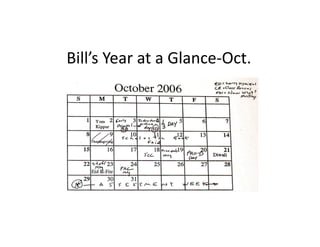
Bill’s	
  Year	
  at	
  a	
  Glance-­‐Oct.	
  
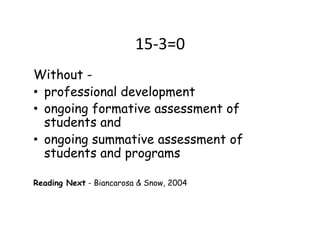
15-­‐3=0	
  
Without -
•  professional development
•  ongoing formative assessment of
   students and
•  ongoing summative assessment of
   students and programs

Reading Next - Biancarosa & Snow, 2004	
  

AFL/Differentiation

  • 1.
    Assessment for Learning and Differentiation Monday, Oct.26th, 2009 Concordia International School Shanghai (gr.5-8) Faye Brownlie Vancouver, Canada
  • 2.
    Learning Intentions  Ican understand and can explain to others the concepts of Assessment for Learning (AFL)  I can identify and give specific examples of the six big AFL strategies  I can explain a structure to differentiate instruction.  I have a plan to implement a strategy which is new to me.  I can determine a next step
  • 3.
    Universal Design forLearning Multiple means: -to tap into background knowledge, to activate prior knowledge, to increase engagement and motivation -to acquire the information and knowledge to process new ideas and information -to express what they know. Rose & Meyer, 2002
  • 4.
    Teach Content toAll    Learning in Safe Schools - Brownlie, King"
  • 5.
    Model Guided practice Independent practice Independent application   Pearson  &  Gallagher  (1983)  
  • 6.
    Open-ended strategies: connect process personalize/transform (Brownlie, Feniak & Schnellert, 2006; Buehl, 2001; Cook, 2005; Gear, 2006; Harvey & Goudvis, 2007;Kame'enui & Carnine, 2002; )
  • 7.
    (key concepts/enduring understandings): ‘Bigideas’ Students will understand that… (important skills or processes): Student outcomes Students will be able to… Stage Connecting Purpose: Engage/Activate prior knowledge/ Predict content/Focus on a purpose: Processing Purpose: Construct meaning/Monitor understanding/ Process ideas Transforming & Personalizing Purpose: Process ideas/Apply knowledge/ Reflect on thinking and learning Assessment: 1. 2. 3. 4.
  • 8.
    Black  &  Wiliam  (1998)   Ha;e  &  Timperley  (2007)  
  • 9.
    Black  &  Wiliam,  1998   •  Review  of  250  arHcles   •  Improving  formaHve  assessment  raises   standards   •  “Few  iniHaHves  in  educaHon  have  had  such  a   strong  body  of  evidence  to  support  a  claim  to   raise  standards.”  
  • 10.
    Assessment OF Learning Purpose:reporting out, summative assessment, measuring learning Audience: parents and public Timing: end Form: letter grades, rank order, percentage scores  
  • 11.
    Assessment FOR Learning Purpose:guide instruction, improve learning Audience: teacher and student Timing: at the beginning, day by day, minute by minute Form: descriptive feedback
  • 12.
    Assessment FOR Learning Purpose:guide instruction and learning •The Grand Event •Ongoing in the Class
  • 13.
    The Six BigAFL Strategies 1.     Intentions 2.  Criteria 3.  Descriptive feedback 4.  Questions 5.  Self and peer assessment 6.  Ownership
  • 14.
    Learning Outcomes/Learning Intentions Computer Science 6 Math 7
  • 15.
    Computer  Exploratory  Gr.6   Holly  Colquhoun,  Summerland  Middle  School   Criteria/Skill Keyboarding I can recognize and use the home keys correctly. I can type without looking down at my hands. I can keyboard at least 15 words a minute. Computer I can create a new folder Skills and name it.
  • 17.
  • 18.
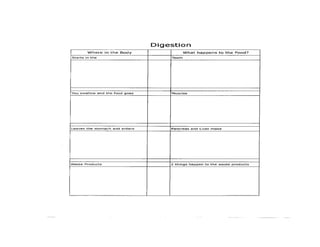
    Gr.  8  Science   “The  DigesHve  System”   Paul  Paling,  Prince  Rupert   Learning  Inten+on:   Demonstrate  where  in  the  body   digesHon  occurs  and  what  happens   to  the  food  
  • 19.
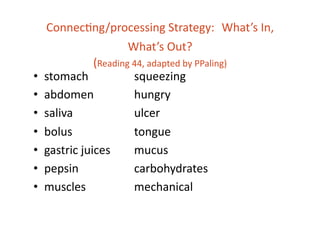
    ConnecHng/processing  Strategy:    What’s  In,   What’s  Out?       (Reading  44,  adapted  by  PPaling)   •  stomach      squeezing   •  abdomen      hungry   •  saliva          ulcer   •  bolus          tongue   •  gastric  juices    mucus   •  pepsin          carbohydrates   •  muscles        mechanical  
  • 22.
    Exit  Slips   • Day  1    Choose  1  part  of  the  digesHve  system   and  describe  what  happens  to  food  there.   •  Day  2    Write  the  2  most  important  things   learned  today.   •  Day  4    3-­‐2-­‐1  for  digesHon.  
  • 23.
    Working with Criteria Self& Peer Assessment Ownership Language Arts 5-7
  • 24.
    Feedback:  Taking   ownership   Student  highlight  what  they  are  most   proud  of  in  their  wriHng  or  what  they   want  you  to  noHce  
  • 28.
    Feedback:  Going   Deeper   Work  toward  criteria   Explain  how  you  have  met  the  criteria   Partner  explains  how  you  have  met  the   criteria   Co-­‐construct  a  goal  for  next  Hme  
  • 30.
    Feedback:  Different   PerspecHves   Work  toward  the  criteria   Meet  in  groups  of  3  to  share  your  work  and   borrow  ideas   Record  the  ideas  from  your  partners  
  • 34.
  • 35.
    (with the goalin mind) What do I need to teach?
  • 36.
    Assessment FOR Learning Performance Based Assessment •  Descriptive scoring •  Coding in teams •  Class/grade profile of strengths and areas of need •  Action plans developed - what’s next? •  Individual students identified for further assessment
  • 37.
    •  Connec&ons:    How  does  what  you  read  connect   with  what  you  already  knew?   •  Summarizing:    Choose  a  way  to  show  the  main   ideas  and  details  in  what  you  read.   •  Inferencing:    Read  between  the  lines  to  find   something  that  you  believe  to  be  true,  but  that   isn’t  actually  said.    Explain  your  reasoning.   •  Vocabulary:    Here  are  3  challenging  words  from   the  text.    Explain  what  you  think  they  mean.   •  Reflec&ng:    Was  this  easy  or  hard  to  understand?     How  did  you  help  your  self  understand?        (SD,  p.23)  
  • 40.
    From Assessment toInstruction 1 Assess (against criteria) 2 Set a Goal (target) 3 Plan/Teach (with the goal in mind) 4 Reassess
  • 41.
    Bill’s  Year  at  a  Glance-­‐Sept.  
  • 42.
    Bill’s  Year  at  a  Glance-­‐Oct.  
  • 43.
    15-­‐3=0   Without - • professional development •  ongoing formative assessment of students and •  ongoing summative assessment of students and programs Reading Next - Biancarosa & Snow, 2004