Vancouver	
  AFL	
  –	
  Going	
  Deeper	
  
     with	
  the	
  Strategies	
  
         October	
  ,	
  2010,	
  May,	
  2011	
  
      Masonic	
  Hall,	
  Italian	
  Cultural	
  Centre	
  
                  Faye	
  Brownlie	
  
             www.slideshare.net	
  
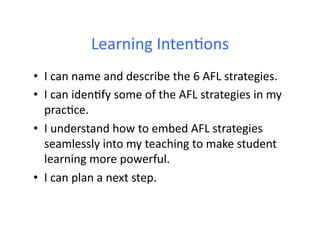
Learning	
  IntenHons	
  
•  I	
  can	
  name	
  and	
  describe	
  the	
  6	
  AFL	
  strategies.	
  
•  I	
  can	
  idenHfy	
  some	
  of	
  the	
  AFL	
  strategies	
  in	
  my	
  
   pracHce.	
  
•  I	
  understand	
  how	
  to	
  embed	
  AFL	
  strategies	
  
   seamlessly	
  into	
  my	
  teaching	
  to	
  make	
  student	
  
   learning	
  more	
  powerful.	
  
•  I	
  can	
  plan	
  a	
  next	
  step.	
  
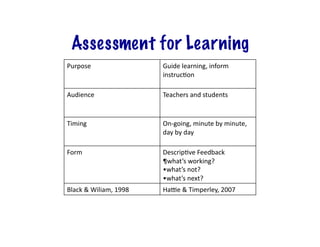
Assessment for Learning
Purpose	
                           Guide	
  learning,	
  inform	
  
                                    instrucHon	
  

Audience	
  	
                      Teachers	
  and	
  students	


Timing	
  	
                        On-­‐going,	
  minute	
  by	
  minute,	
  
                                    day	
  by	
  day	
  

Form	
  	
                          DescripHve	
  Feedback	
  
                                    ¶what’s	
  working?	
  
                                    •what’s	
  not?	
  
                                    •what’s	
  next?	
  
Black	
  &	
  Wiliam,	
  1998	
     HaYe	
  &	
  Timperley,	
  2007	
  
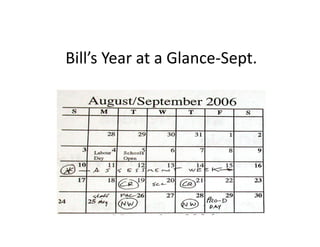
Bill’s	
  Year	
  at	
  a	
  Glance-­‐Sept.	
  
Bill’s	
  Year	
  at	
  a	
  Glance-­‐Oct.	
  
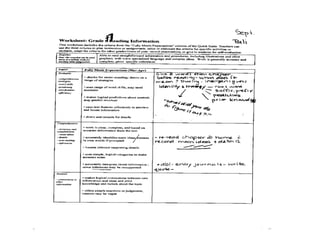
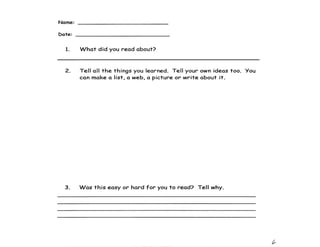
•  Connec&ons:	
  	
  How	
  does	
  what	
  you	
  read	
  connect	
  
   with	
  what	
  you	
  already	
  knew?	
  
•  Summarizing:	
  	
  Choose	
  a	
  way	
  to	
  show	
  the	
  main	
  
   ideas	
  and	
  details	
  in	
  what	
  you	
  read.	
  
•  Inferencing:	
  	
  Read	
  between	
  the	
  lines	
  to	
  find	
  
   something	
  that	
  you	
  believe	
  to	
  be	
  true,	
  but	
  that	
  
   isn’t	
  actually	
  said.	
  	
  Explain	
  your	
  reasoning.	
  
•  Vocabulary:	
  	
  Here	
  are	
  3	
  challenging	
  words	
  from	
  
   the	
  text.	
  	
  Explain	
  what	
  you	
  think	
  they	
  mean.	
  
•  Reflec&ng:	
  	
  Was	
  this	
  easy	
  or	
  hard	
  to	
  understand?	
  	
  
   How	
  did	
  you	
  help	
  your	
  self	
  understand? 	


  (SD,	
  p.23)	
  
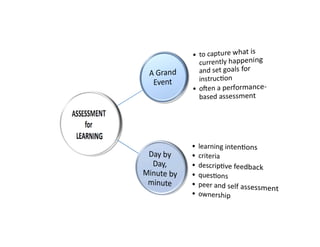
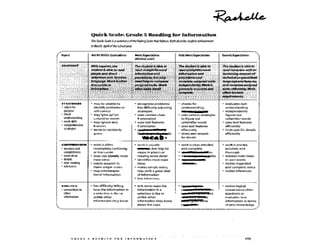
Assessment for Learning
•    Learning	
  intenHons	
  
•    Criteria	
  
•    DescripHve	
  feedback	
  
•    QuesHoning	
  
•    Peer	
  and	
  self	
  assessment	
  
•    Ownership	
  
Embedding	
  AFL	
  
Frameworks


It’s All about Thinking – Brownlie & Schnellert, 2009
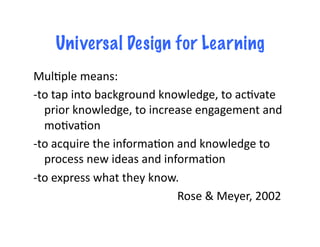
Universal Design for Learning
MulHple	
  means:	
  
-­‐to	
  tap	
  into	
  background	
  knowledge,	
  to	
  acHvate	
  
        prior	
  knowledge,	
  to	
  increase	
  engagement	
  and	
  
        moHvaHon	
  
-­‐to	
  acquire	
  the	
  informaHon	
  and	
  knowledge	
  to	
  
        process	
  new	
  ideas	
  and	
  informaHon	
  
-­‐to	
  express	
  what	
  they	
  know.	


  Rose	
  &	
  Meyer,	
  2002	
  
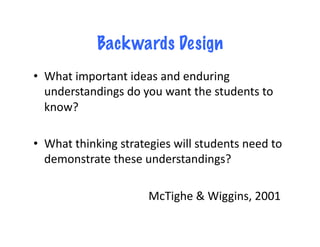
Backwards Design
•  What	
  important	
  ideas	
  and	
  enduring	
  
   understandings	
  do	
  you	
  want	
  the	
  students	
  to	
  
   know?	
  

•  What	
  thinking	
  strategies	
  will	
  students	
  need	
  to	
  
   demonstrate	
  these	
  understandings?	


  McTighe	
  &	
  Wiggins,	
  2001	
  
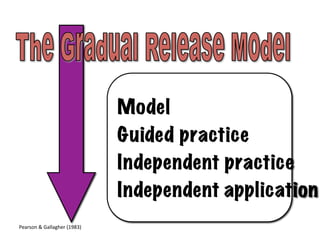
Model
                                          Guided practice
                                          Independent practice
                                          Independent application	
  
Pearson	
  &	
  Gallagher	
  (1983)	
  
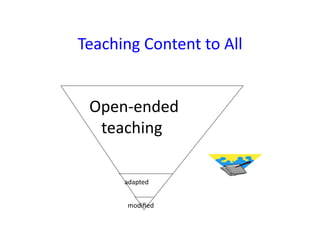
Teaching	
  Content	
  to	
  All	


  Open-­‐ended	


  teaching	
  

          adapted	


           modified	
  
Open-ended strategies:

   Connect-activate
    Process-acquire
Personalize/transform-
         apply
(Brownlie, Feniak & Schnellert, 2006; Buehl, 2001; Cook, 2005; Gear, 2006; Harvey & Goudvis, 2007; Kame'enui & Carnine, 2002)
Essential Lesson Components


•    EssenHal	
  quesHon/learning	
  intenHon/a	
  big	
  idea	
  
•    Open-­‐ended	
  strategies:	
  	
  connect-­‐process-­‐transform	
  
•    DifferenHaHon	
  –	
  choice,	
  choice,	
  choice	
  
•    Assessment	
  for	
  learning	
  
•    Gradual	
  release	
  of	
  responsibility	
  
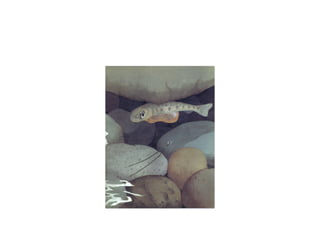
QuesHoning	
  –	
  gr.	
  2/3	
  
Goal:	
  	
  creaHng	
  real	
  quesHons,	
  using	
  quesHons	
  to	
  
        link	
  background	
  knowledge	
  with	
  new	
  
                informaHon,	
  create	
  curiosity	
  

•  Present	
  an	
  image.	
  
•  Ager	
  each	
  image,	
  ask	
  students	
  to	
  pose	
  
   quesHons	
  about	
  the	
  image	
  and	
  to	
  resist	
  the	
  
   urge	
  to	
  answer	
  someone	
  else’s	
  quesHon.	
  
•  Repeat	
  with	
  3-­‐4	
  images.	
  
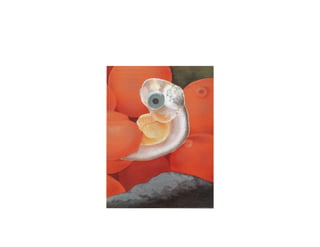
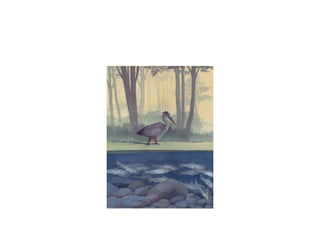
Salmon	
  Creek	
  –	
  Anneie	
  LeBox	
  &	
  Karen	
  Reczuch	


  2002,	
  Douglas	
  &	
  McIntyre	
  
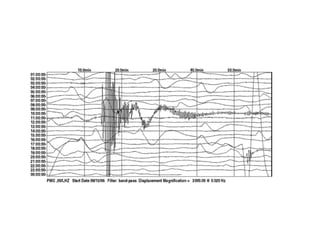
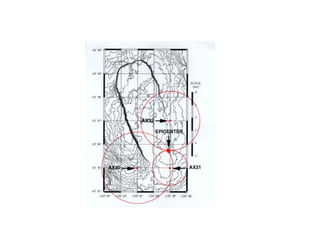
Questioning – Joni Tsui
•  IntroducHon	
  to	
  earthquakes	
  in	
  geology	
  12.	
  	
  
•  Students	
  have	
  all	
  seen	
  earthquakes	
  in	
  
      previous	
  classes	
  (some	
  more	
  than	
  others).	
  
•  We	
  completed	
  the	
  acHvity	
  and	
  I	
  made	
  sure	
  
      every	
  student	
  in	
  class	
  wondered	
  at	
  least	
  one	
  
      thing.	


•  How	
  is	
  this	
  effecHve	
  teaching?	
  

•  How	
  is	
  this	
  assessment	
  for	
  learning?	
  

•  How	
  could	
  I	
  adapt	
  this	
  to	
  use	
  with	
  my	
  
   students,	
  in	
  my	
  context?	
  
Goal:	
  	
  more	
  descripHve	
  feedback	
  
       J.	
  Mercuri,	
  McBride	
  Secondary	
  
•  Grade	
  10	
  socials	
  students	
  –	
  first	
  drag	
  of	
  essay	
  
•  Explained	
  the	
  rubric	
  to	
  the	
  grade	
  12	
  English	
  
   students,	
  then	
  they	
  used	
  the	
  rubric	
  to	
  
   highlight	
  the	
  	
  anonymous	
  essays	
  
•  Grade	
  12	
  students	
  included	
  with	
  their	
  
   feedback,	
  2	
  stars	
  and	
  a	
  wish	
  
•  Grade	
  10	
  students	
  used	
  the	
  feedback	
  to	
  revise	
  
   their	
  essay,	
  then	
  handed	
  them	
  in	
  for	
  marks	
  
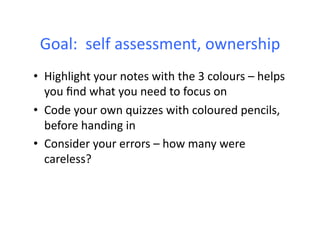
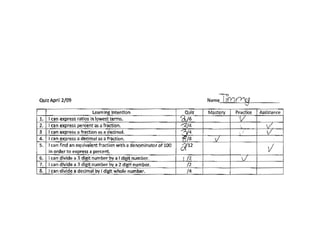
Goal:	
  	
  self	
  assessment,	
  ownership	
  
•  Highlight	
  your	
  notes	
  with	
  the	
  3	
  colours	
  –	
  helps	
  
   you	
  find	
  what	
  you	
  need	
  to	
  focus	
  on	
  
•  Code	
  your	
  own	
  quizzes	
  with	
  coloured	
  pencils,	
  
   before	
  handing	
  in	
  
•  Consider	
  your	
  errors	
  –	
  how	
  many	
  were	
  
   careless?	
  
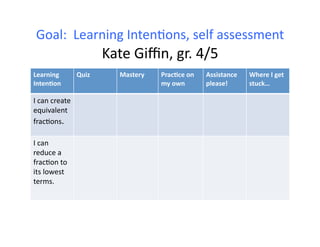
Goal:	
  	
  Learning	
  IntenHons,	
  self	
  assessment	
  
                                    Kate	
  Giffin,	
  gr.	
  4/5	
  
Learning	
               Quiz	
         Mastery	
     Prac&ce	
  on	
     Assistance	
     Where	
  I	
  get	
  
Inten&on	
                                            my	
  own	
         please!	
        stuck…	
  

I	
  can	
  create	
  
equivalent	
  
fracHons.	
  

I	
  can	
  
reduce	
  a	
  
fracHon	
  to	
  
its	
  lowest	
  
terms.	
  
•  How	
  are	
  these	
  effecHve	
  teaching?	
  

•  How	
  is	
  this	
  assessment	
  for	
  learning?	
  

•  How	
  could	
  I	
  adapt	
  this	
  to	
  use	
  with	
  my	
  
   students,	
  in	
  my	
  context?	
  
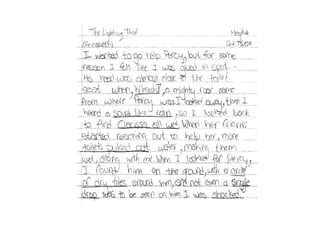
How	
  can	
  I	
  help	
  my	
  students	
  develop	
  more	
  depth	
  
 in	
  their	
  responses?	
  	
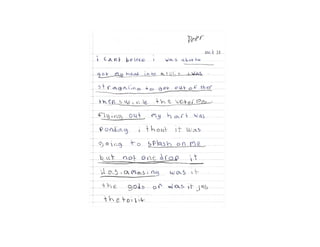
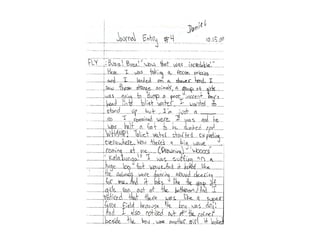
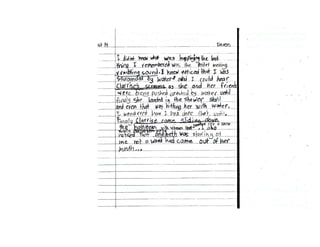
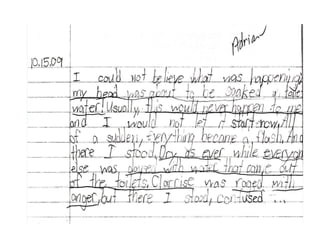
  They	
  are	
  wriHng	
  with	
  no	
  
 voice	
  when	
  I	
  ask	
  them	
  to	
  imagine	
  themselves	
  
 as	
  a	
  demi-­‐god	
  in	
  the	
  novel.	
  
Students	
  need:	
  
•  to	
  ‘be’	
  a	
  character	
  
•  support	
  in	
  ‘becoming’	
  that	
  character	
  
•  to	
  use	
  specific	
  detail	
  and	
  precise	
  vocabulary	
  to	
  
   support	
  their	
  interpretaHon	
  
•  choice	
  
•  pracHce	
  	
  
•  to	
  develop	
  models	
  of	
  ‘what	
  works’	
  
•  a	
  chance	
  to	
  revise	
  their	
  work	
  
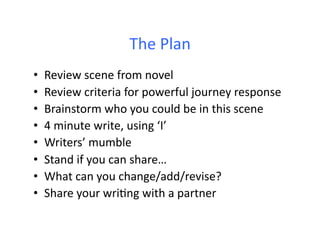
The	
  Plan	
  
•    Review	
  scene	
  from	
  novel	
  
•    Review	
  criteria	
  for	
  powerful	
  journey	
  response	
  
•    Brainstorm	
  who	
  you	
  could	
  be	
  in	
  this	
  scene	
  
•    4	
  minute	
  write,	
  using	
  ‘I’	
  
•    Writers’	
  mumble	
  
•    Stand	
  if	
  you	
  can	
  share…	
  
•    What	
  can	
  you	
  change/add/revise?	
  
•    Share	
  your	
  wriHng	
  with	
  a	
  partner	
  
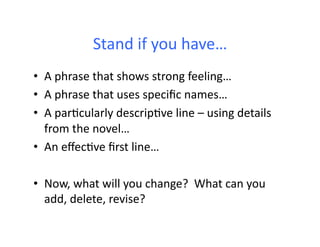
Stand	
  if	
  you	
  have…	
  
•  A	
  phrase	
  that	
  shows	
  strong	
  feeling…	
  
•  A	
  phrase	
  that	
  uses	
  specific	
  names…	
  
•  A	
  parHcularly	
  descripHve	
  line	
  –	
  using	
  details	
  
   from	
  the	
  novel…	
  
•  An	
  effecHve	
  first	
  line…	
  

•  Now,	
  what	
  will	
  you	
  change?	
  	
  What	
  can	
  you	
  
   add,	
  delete,	
  revise?	
  
Criteria	
  
•    Write	
  in	
  role	
  –	
  use	
  ‘I’	
  
•    Use	
  specific	
  names	
  
•    Phrases/words	
  that	
  show	
  feeling	
  
•    ParHcularly	
  descripHve	
  details	
  of	
  the	
  event	
  
•    Powerful	
  first	
  line	
  

•  What	
  will	
  you	
  change	
  ager	
  listening	
  to	
  others?	
  
•  How	
  is	
  this	
  effecHve	
  teaching?	
  

•  How	
  is	
  this	
  assessment	
  for	
  learning?	
  

•  How	
  could	
  I	
  adapt	
  this	
  to	
  use	
  with	
  my	
  
   students,	
  in	
  my	
  context?	
  

Vancouver afl - going deeper.may.2011

  • 1.
    Vancouver  AFL  –  Going  Deeper   with  the  Strategies   October  ,  2010,  May,  2011   Masonic  Hall,  Italian  Cultural  Centre   Faye  Brownlie   www.slideshare.net  
  • 2.
    Learning  IntenHons   • I  can  name  and  describe  the  6  AFL  strategies.   •  I  can  idenHfy  some  of  the  AFL  strategies  in  my   pracHce.   •  I  understand  how  to  embed  AFL  strategies   seamlessly  into  my  teaching  to  make  student   learning  more  powerful.   •  I  can  plan  a  next  step.  
  • 3.
    Assessment for Learning Purpose   Guide  learning,  inform   instrucHon   Audience     Teachers  and  students   Timing     On-­‐going,  minute  by  minute,   day  by  day   Form     DescripHve  Feedback   ¶what’s  working?   •what’s  not?   •what’s  next?   Black  &  Wiliam,  1998   HaYe  &  Timperley,  2007  
  • 8.
    Bill’s  Year  at  a  Glance-­‐Sept.  
  • 9.
    Bill’s  Year  at  a  Glance-­‐Oct.  
  • 11.
    •  Connec&ons:    How  does  what  you  read  connect   with  what  you  already  knew?   •  Summarizing:    Choose  a  way  to  show  the  main   ideas  and  details  in  what  you  read.   •  Inferencing:    Read  between  the  lines  to  find   something  that  you  believe  to  be  true,  but  that   isn’t  actually  said.    Explain  your  reasoning.   •  Vocabulary:    Here  are  3  challenging  words  from   the  text.    Explain  what  you  think  they  mean.   •  Reflec&ng:    Was  this  easy  or  hard  to  understand?     How  did  you  help  your  self  understand?        (SD,  p.23)  
  • 12.
    Assessment for Learning •  Learning  intenHons   •  Criteria   •  DescripHve  feedback   •  QuesHoning   •  Peer  and  self  assessment   •  Ownership  
  • 13.
  • 14.
    Frameworks It’s All aboutThinking – Brownlie & Schnellert, 2009
  • 15.
    Universal Design forLearning MulHple  means:   -­‐to  tap  into  background  knowledge,  to  acHvate   prior  knowledge,  to  increase  engagement  and   moHvaHon   -­‐to  acquire  the  informaHon  and  knowledge  to   process  new  ideas  and  informaHon   -­‐to  express  what  they  know.                        Rose  &  Meyer,  2002  
  • 16.
    Backwards Design •  What  important  ideas  and  enduring   understandings  do  you  want  the  students  to   know?   •  What  thinking  strategies  will  students  need  to   demonstrate  these  understandings?                      McTighe  &  Wiggins,  2001  
  • 17.
    Model Guided practice Independent practice Independent application   Pearson  &  Gallagher  (1983)  
  • 18.
    Teaching  Content  to  All   Open-­‐ended          teaching   adapted   modified  
  • 19.
    Open-ended strategies: Connect-activate Process-acquire Personalize/transform- apply (Brownlie, Feniak & Schnellert, 2006; Buehl, 2001; Cook, 2005; Gear, 2006; Harvey & Goudvis, 2007; Kame'enui & Carnine, 2002)
  • 20.
    Essential Lesson Components •  EssenHal  quesHon/learning  intenHon/a  big  idea   •  Open-­‐ended  strategies:    connect-­‐process-­‐transform   •  DifferenHaHon  –  choice,  choice,  choice   •  Assessment  for  learning   •  Gradual  release  of  responsibility  
  • 21.
    QuesHoning  –  gr.  2/3   Goal:    creaHng  real  quesHons,  using  quesHons  to   link  background  knowledge  with  new   informaHon,  create  curiosity   •  Present  an  image.   •  Ager  each  image,  ask  students  to  pose   quesHons  about  the  image  and  to  resist  the   urge  to  answer  someone  else’s  quesHon.   •  Repeat  with  3-­‐4  images.  
  • 25.
    Salmon  Creek  –  Anneie  LeBox  &  Karen  Reczuch          2002,  Douglas  &  McIntyre  
  • 26.
    Questioning – JoniTsui •  IntroducHon  to  earthquakes  in  geology  12.     •  Students  have  all  seen  earthquakes  in   previous  classes  (some  more  than  others).   •  We  completed  the  acHvity  and  I  made  sure   every  student  in  class  wondered  at  least  one   thing.          
  • 30.
    •  How  is  this  effecHve  teaching?   •  How  is  this  assessment  for  learning?   •  How  could  I  adapt  this  to  use  with  my   students,  in  my  context?  
  • 31.
    Goal:    more  descripHve  feedback   J.  Mercuri,  McBride  Secondary   •  Grade  10  socials  students  –  first  drag  of  essay   •  Explained  the  rubric  to  the  grade  12  English   students,  then  they  used  the  rubric  to   highlight  the    anonymous  essays   •  Grade  12  students  included  with  their   feedback,  2  stars  and  a  wish   •  Grade  10  students  used  the  feedback  to  revise   their  essay,  then  handed  them  in  for  marks  
  • 32.
    Goal:    self  assessment,  ownership   •  Highlight  your  notes  with  the  3  colours  –  helps   you  find  what  you  need  to  focus  on   •  Code  your  own  quizzes  with  coloured  pencils,   before  handing  in   •  Consider  your  errors  –  how  many  were   careless?  
  • 34.
    Goal:    Learning  IntenHons,  self  assessment   Kate  Giffin,  gr.  4/5   Learning   Quiz   Mastery   Prac&ce  on   Assistance   Where  I  get   Inten&on   my  own   please!   stuck…   I  can  create   equivalent   fracHons.   I  can   reduce  a   fracHon  to   its  lowest   terms.  
  • 35.
    •  How  are  these  effecHve  teaching?   •  How  is  this  assessment  for  learning?   •  How  could  I  adapt  this  to  use  with  my   students,  in  my  context?  
  • 36.
    How  can  I  help  my  students  develop  more  depth   in  their  responses?    They  are  wriHng  with  no   voice  when  I  ask  them  to  imagine  themselves   as  a  demi-­‐god  in  the  novel.  
  • 37.
    Students  need:   • to  ‘be’  a  character   •  support  in  ‘becoming’  that  character   •  to  use  specific  detail  and  precise  vocabulary  to   support  their  interpretaHon   •  choice   •  pracHce     •  to  develop  models  of  ‘what  works’   •  a  chance  to  revise  their  work  
  • 38.
    The  Plan   •  Review  scene  from  novel   •  Review  criteria  for  powerful  journey  response   •  Brainstorm  who  you  could  be  in  this  scene   •  4  minute  write,  using  ‘I’   •  Writers’  mumble   •  Stand  if  you  can  share…   •  What  can  you  change/add/revise?   •  Share  your  wriHng  with  a  partner  
  • 39.
    Stand  if  you  have…   •  A  phrase  that  shows  strong  feeling…   •  A  phrase  that  uses  specific  names…   •  A  parHcularly  descripHve  line  –  using  details   from  the  novel…   •  An  effecHve  first  line…   •  Now,  what  will  you  change?    What  can  you   add,  delete,  revise?  
  • 41.
    Criteria   •  Write  in  role  –  use  ‘I’   •  Use  specific  names   •  Phrases/words  that  show  feeling   •  ParHcularly  descripHve  details  of  the  event   •  Powerful  first  line   •  What  will  you  change  ager  listening  to  others?  
  • 47.
    •  How  is  this  effecHve  teaching?   •  How  is  this  assessment  for  learning?   •  How  could  I  adapt  this  to  use  with  my   students,  in  my  context?