BY: EUSIVIA PASI
MPT
MANAGEMENT OF UPPER LIMB
POST STROKE WITH RECENT
ADVANCES
DEFINITION OF STROKE
Cerebral vascular accident has been defined as ‘a
sudden, non-convulsive loss of neurologic function due to
an ischemic or hemorrhagic intracranial vascular event’
(pubmed [medline], mesh database, 2005).
The world health organization (who) definition of stroke is:
“rapidly developing clinical signs of focal (or global)
disturbance of cerebral function, with symptoms lasting 24
hours or longer or leading to death, with no apparent cause
other than of vascular origin”
 “Stroke or Brain Attack is the sudden loss of neurological
function caused by an interruption of blood flow to the brain”
by Susan B. O’Sullivan
 “a focal (or at times global) neurological impairment of
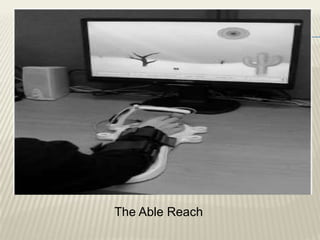
sudden onset lasting more than 24 hours (or leading to
death) and of presumed vascular origin” by WHO Journal of
the association of physicians of India, October 2013, Vol. 61
 “a sudden loss of brain function resulting from an
interference with blood supply to the brain” by National
Institute of Neurologic Disorders and Stroke (NINDS), USA.
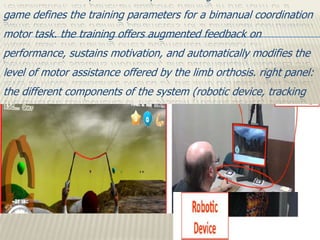
COMMON IMPAIRMENTS IN STROKE:
 Altered consciousness/attention
 Dysphagia
 Dysphonia/Dysarthria/Dysphasia
 Reduced muscle power/tone
 Altered sensations
 Reduced coordination
 Loss of visual acquity
 Reduced joint mobility/stability
 Balance and Gait impairments
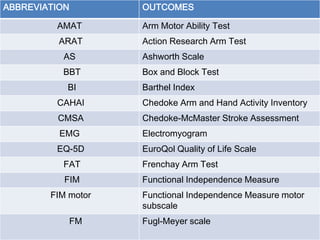
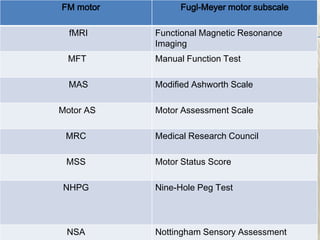
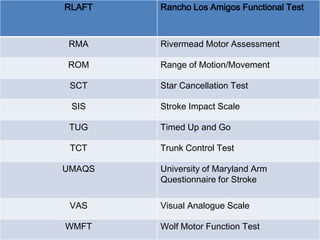
OUTCOME MEASURES
 Functional movement of the upper limb are categorised into the
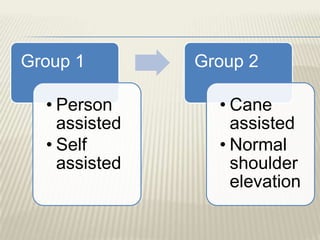
following subgroups:
1. arm functional movement and
2. hand functional movement
 And categorised motor impairment of the upper limb into the
following subgroups:
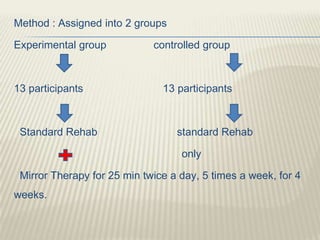
1. motor impairment scales
2. temporal outcomes,
3. spatial outcomes and
4. strength outcomes.
ABBREVIATION OUTCOMES
AMAT Arm Motor Ability Test
ARAT Action Research Arm Test
AS Ashworth Scale
BBT Box and Block Test
BI Barthel Index
CAHAI Chedoke Arm and Hand Activity Inventory
CMSA Chedoke-McMaster Stroke Assessment
EMG Electromyogram
EQ-5D EuroQol Quality of Life Scale
FAT Frenchay Arm Test
FIM Functional Independence Measure
FIM motor Functional Independence Measure motor
subscale
FM Fugl-Meyer scale
FM motor Fugl-Meyer motor subscale
fMRI Functional Magnetic Resonance
Imaging
MFT Manual Function Test
MAS Modified Ashworth Scale
Motor AS Motor Assessment Scale
MRC Medical Research Council
MSS Motor Status Score
NHPG Nine-Hole Peg Test
NSA Nottingham Sensory Assessment
RLAFT Rancho Los Amigos Functional Test
RMA Rivermead Motor Assessment
ROM Range of Motion/Movement
SCT Star Cancellation Test
SIS Stroke Impact Scale
TUG Timed Up and Go
TCT Trunk Control Test
UMAQS University of Maryland Arm
Questionnaire for Stroke
VAS Visual Analogue Scale
WMFT Wolf Motor Function Test
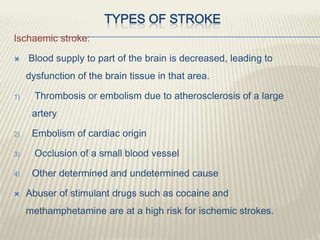
TYPES OF STROKE
Ischaemic stroke:
 Blood supply to part of the brain is decreased, leading to
dysfunction of the brain tissue in that area.
1) Thrombosis or embolism due to atherosclerosis of a large
artery
2) Embolism of cardiac origin
3) Occlusion of a small blood vessel
4) Other determined and undetermined cause
 Abuser of stimulant drugs such as cocaine and
methamphetamine are at a high risk for ischemic strokes.
Haemorrhagic stroke:
 is the accumulation of blood anywhere within the skull vault.
(1) Intra-axial hemorrhage (blood inside the brain)
 is due to intraparenchymal hemorrhage or intraventricular
hemorrhage (blood in the ventricular system)
(2) Extra-axial hemorrhage (blood inside the skull but outside the
brain).
 epidural hematoma (bleeding between the dura mater and the
skull),
 subdural hematoma (in the subdural space) and
 subarachnoid hemorrhage (between the arachnoid mater and pia
mater).
UPPER LIMB IMPAIRMENTS:
 Subluxation.
 Changes in sensation.
 Contracture.
 Swelling.
 Co-ordination problems.
 Weakness.
 Altered muscle power
 Changes in muscle tone (called hypertonia or spasticity)
 Hand dysfunction
RECENT ADVANCE
 Search criteria : PubMed, APTA, COCHRANE, Elsevier,
Australian Journal Of Physiotherapy, British Medical
Journal, Clinical Rehabilitation, Neuroscience and medicine,
Journal of physical therapy science, Journal of neurological
physical therapy
 2009 to 2013
 Abstract and full text articles
 Systemic review, RCT, cohort studies, pilot studies
 Keywords: stroke, stroke rehabilitation, upper limb
training, functional electrical stimulation, motor recovery
 LOE: PEDro
TITLE : LONG-TERM USE OF A STATIC HAND-
WRIST ORTHOSIS IN CHRONIC STROKE
PATIENTS: A PILOT STUDY
AUTHOR :
1. Aukje Andringa
2. Ingrid van de Port and
3. Jan-WillemMeijer
JOURNAL : Stroke Research and Treatment
YEAR PUBLISHED : 31st January 2013
OBJECTIVES:. Evaluating long-term use of static hand-wrist orthoses and
experienced comfort in chronic stroke patients.
METHODS
11 stroke patients who were advised to use a static orthosis for at least one
year ago were included. Semistructured telephone interviews were
conducted to explore the long-term use and experienced comfort with the
orthosis. Data were analyzed using descriptive statistics.
RESULTS
After at least one year, seven patients still wore the orthosis for the
prescribed hours per day. Two patients were unable to wear the orthosis 8
hours per day, due to poor comfort. Two patients stopped using the
orthosis because of an increase in spasticity or pain.
CONCLUSIONS.
These pilot data suggest that a number of stroke patients
cannot tolerate a static orthosis over a long-term period
because of discomfort. Without appropriate treatment
opportunities, these patients will remain at risk of developing
a clenched fist and will experience problems with daily
activities and hygiene maintenance.
.
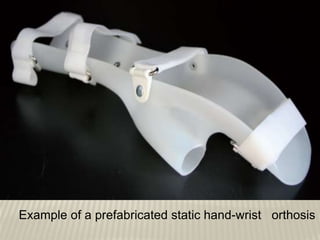
Example of a prefabricated static hand-wrist orthosis
TITLE : TABLE-TOP EXERGAMING IMPROVES
ARM FUNCTION IN CHRONIC STROKE
AUTHOR :
1. Kimberlee Jordan
2. Michael Sampson
3. Marcus King
METHOD
Seven chronic stroke survivors (5 female) aged 59.4 –79.6 years completed
a 4 - 6 week upper limb training program using a table-supported
computer input device (the Able Reach) to play bespoke computer
games designed to encourage a large number of goal oriented arm
movements. Over the course of the intervention, participants received
between 9 (n = 4) and 16 (n = 3) hours of game play. On average, Fugl-
Meyer scores increased by 4.9 over the course of the
intervention, ranging up to 9 points. One participant gradually
deteriorated throughout the trial. These results suggest that the Able
Reach is a useful adjunct to regular physical therapy in a stroke
population
The Able Reach
CONCLUSION
Results provide evidence that the Able Reach in
conjunction with bespoke computer games can
significantly reduce upper limb impairment in chronic
stroke survivors, is well tolerated and found to be
motivating, useful and enjoyable. Future research
include a larger clinical trial to confirm these results as
well as automating the system so that it can be used
without direct supervision.
TITLE: COMBINING VIRTUAL REALITY AND A MYO-
ELECTRIC LIMB ORTHOSIS TO RESTORE ACTIVE
MOVEMENT AFTER STROKE: A PILOT STUDY
AUTHOR:
1. S Bermúdez i Badia
2. E Lewis
3. S Bleakley
JOURNAL , YEAR PUBLISHED
Proc. 9th Intl Conf. Disability, Virtual Reality & Associated
Technologies Laval, France, 10–12 Sept. 2012
METHOS
 A novel rehabilitation technology for upper limb rehabilitation
after stroke that combines a virtual reality training paradigm
with a myo-electric robotic limb orthosis.
 Rehabilitation system is based on clinical guidelines and is
designed to recruit specific motor networks to promote
neuronal reorganization.
 The main hypothesis is that the restoration of active
movement facilitates the full engagement of motor control
networks during motortraining.
 By using a robotic limb orthosis,the ablility to restore active
arm movement in severely affected stroke patients.
 In a pilot study, successfully deployed and evaluated
system with 3 chronic stroke patients by means of
behavioral data and self-report questionnaires.
 The results show that this system is able to restore up to
60% of the active movement capacity of patients.
 Further, it show that it can assess the specific contribution
of the biceps/triceps movement of the paretic arm to the
virtual reality bilateral training task.
 Questionnaire data show enjoyment and acceptance of the
proposed rehabilitation system and its VR training task.
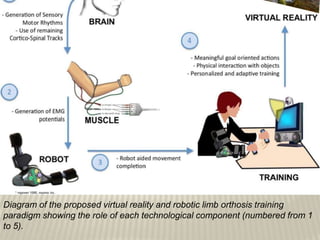
Diagram of the proposed virtual reality and robotic limb orthosis training
paradigm showing the role of each technological component (numbered from 1
to 5).
game defines the training parameters for a bimanual coordination
motor task. the training offers augmented feedback on
performance, sustains motivation, and automatically modifies the
level of motor assistance offered by the limb orthosis. right panel:
the different components of the system (robotic device, tracking
setup, and training game task) while being used by a stroke
patient.
TITLE : VIRTUAL REALITY FOR THE REHABILITATION OF THE
UPPER LIMB MOTOR FUNCTION AFTER STROKE: A
PROSPECTIVE CONTROLLED TRIAL
AUTHORS :
 Andrea Turolla
 Mauro Dam
 Laura Ventura
 Paolo Tonin1, Michela Agostini
 Carla Zucconi
 Pawel Kiper
 Annachiara Cagnin and
 Lamberto Piron
Key words: Stroke, Upper limb, Exercise therapy,
Virtual reality, Motor recovery, Treatment outcome
Journal: Journal of NeuroEngineering and
Rehabilitation
Year: 2013
OBJECTIVES:
To evaluate the effectiveness of non-immersive VR treatment for the
restoration of the upper limb motor function and its impact on the
activities of daily living capacities in post-stroke patients.
METHODS:
A pragmatic clinical trial of 376 subjects who had a motor arm
subscore on the Italian version of the National Institutes of Health
Stroke Scale (It-NIHSS) between 1 and 3 and without severe
neuropsychological impairments interfering with recovery. Patients
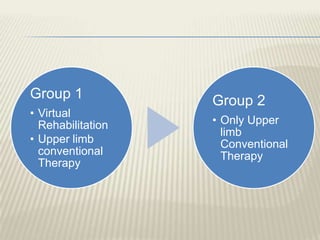
were allocated to two treatments groups, receiving combined VR
and upper limb conventional (ULC) therapy or ULC therapy alone.
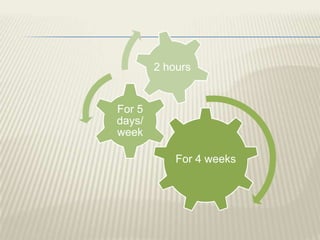
The treatment programs consisted of 2 hours of daily
therapy, delivered 5 days per week, for 4 weeks.
Outcome Measures:
 Fugl-Meyer Upper Extremity (F-M UE) and
 Functional Independence Measure (FIM) scales.
Study design:
Cohort study
Group 1
• Virtual
Rehabilitation
• Upper limb
conventional
Therapy
Group 2
• Only Upper
limb
Conventional
Therapy
For 4 weeks
For 5
days/
week
2 hours
Results:
The improvement obtained with VR
rehabilitation was significantly greater than that achieved
with ULC therapy alone.
With F-M UE was 2.5 ± 0.5 (P < 0.001) and FIM scores
3.2 ± 1.2 (P = 0.007) respectively.
Conclusions:
VR rehabilitation in post-stroke patients seems more
effective than conventional interventions in restoring
upper limb motor impairments and motor related
functional abilities.
LOE:2b
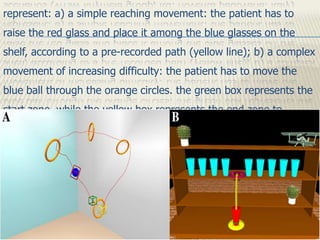
represent: a) a simple reaching movement: the patient has to
raise the red glass and place it among the blue glasses on the
shelf, according to a pre-recorded path (yellow line); b) a complex
movement of increasing difficulty: the patient has to move the
blue ball through the orange circles. the green box represents the
start zone, while the yellow box represents the end zone to
reach, following the circular-like displayed path.
TITLE : SCAPULAR AND HUMERAL MOVEMENT
PATTERNS OF PEOPLE WITH STROKE DURING
RANGE-OF-MOTION EXERCISES
Authors:
Dustin D. Hardwick, PT, PhD, and Catherine E. Lang,
Journal: Journal of Neurological Physiotherapy 35: 18–25
Year:2011
KEY WORDS:
kinematics, rehabilitation, shoulder pain, stroke
PURPOSE:
Range-of-motion (ROM) exercises may contribute to hemiparetic
shoulder pain, but the underlying mechanisms are unknown. This
study examined scapular and humeral movement patterns in people
with poststroke hemiparesis as they performed commonly
prescribed ROM exercises.
OUTCOMES MEASURES:
 Stroke Impact Scale(Hand Function subscale)
 Numeric pain rating scale (0-10 points)
 Modified Ashworth scale.
STUDY DESIGN: Pilot study
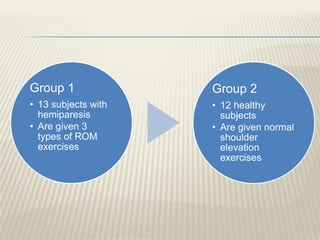
Group 1
• 13 subjects with
hemiparesis
• Are given 3
types of ROM
exercises
Group 2
• 12 healthy
subjects
• Are given normal
shoulder
elevation
exercises
Group 1
• Person
assisted
• Self
assisted
Group 2
• Cane
assisted
• Normal
shoulder
elevation
 Where pain is assessed by pain rating scale
 And kinematic measurements by electro magnetic tracking system.
RESULTS:
Person assisted ROM exercises are found to be more effective than Self
assisted and cane assisted exercises.
CONCLUSION:
There appears to be little relationship between the severity of pain
experienced with exercise and the extent of movement abnormality.
LOE:4
TITLE: MIRROR THERAPY PROGRAM IN PATIENTS
WITH STROKE.
AUTHOR: Lee, Myung Mo; Cho, Hwi-young; Song, Chang Ho
JOURNAL: American Journal of Physical Medicine &
Rehabilitation.
YEAR: March 2012
OUTCOME MEASURES:
Fugl-Meyer Assessment
Brunnstrom stages for upper limb and hand
Manual Function Test
 PURPOSE: To evaluate the effects of the mirror therapy
program on upper-limb motor recovery and motor function in
patients with acute stroke
 STUDY DESIGN: Randomized control trail
 LOE:1c
Method : Assigned into 2 groups
Experimental group controlled group
13 participants 13 participants
Standard Rehab standard Rehab
only
Mirror Therapy for 25 min twice a day, 5 times a week, for 4
weeks.
RESULTS:
In upper-limb motor recovery, the scores of Fugl-
Meyer Assessment, Brunnstrom stages for upper limb
and hand and Manual Function Test scores were
improved more in the experimental group than in the
control group.
Whereas no significant differences were found
between the groups for the coordination items in
Fugl-Meyer Assessment.
TITLE:ENGAGE: GUIDED ACTIVITY-BASED GAMING IN
NEUROREHABILITATION AFTER STROKE
AUTHORS:
Ann Reinthal, Kathy Szirony, Cindy Clark, Jeffrey
Swiers, Michelle Kellicker and Susan Linder
JOURNAL:
Hindawi Publishing Corporation Stroke Research and
Treatment
YEAR: 2012
PURPOSE: to assess the feasibility and outcomes of a novel
video gaming repetitive practice paradigm, (ENGAGE)
enhanced neurorehabilitation guided activity-based gaming
exercise.
OUTCOME MEASURES:
 Wolf motor function test (WMFT)
 Fugl-Meyer assessment (FMA)
 Intrinsic Motivation Inventory
STUDY DESIGN: Pilot study
METHODS:
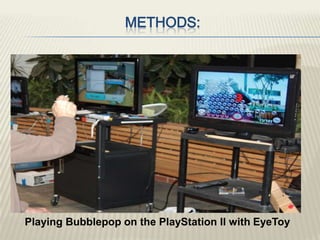
Playing Bubblepop on the PlayStation II with EyeToy
 It uses a game selection algorithm that provides focused, carefully
graded activity-based repetitive practice of cognitive-perceptual motor
tasks.
 It uses a limited number of gaming system platforms and games.
 It is guided by the neuromuscular rehabilitation clinician.
RESULT:
 The use of ENGAGE protocol was feasible in a clinical environment.
 There was a statistically significant improvement in upper extremity
function as measured by the upper extremity portion of the FMA and by
the WMFT, and participants were motivated to use this gaming protocol.
LOE:4
TITLE:THERAPY INCORPORATING A DYNAMIC WRIST-
HAND ORTHOSIS VERSUS MANUAL ASSISTANCE IN
CHRONIC STROKE
Author: Joni G. Barry, PT, DPT, NCS, Sandy A. Ross, PT, DPT,
MHS, PCS, and Judy Woehrle, PT, PhD, OCS
Journal: Journal of Neurological Physical therapy, Volume 36
Year: 2012
Keywords: arm, function, orthosis, recovery, rehabilitation, repetition,
stroke
Objectives: To compare the effect of therapy using a wrist-hand
orthosis (WHO) versus manual-assisted therapy (MAT) for
individuals with chronic, moderate-to-severe hemiparesis.
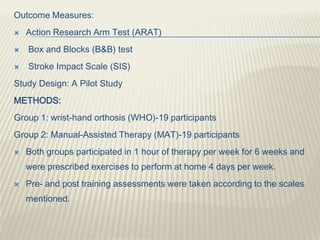
Outcome Measures:
 Action Research Arm Test (ARAT)
 Box and Blocks (B&B) test
 Stroke Impact Scale (SIS)
Study Design: A Pilot Study
METHODS:
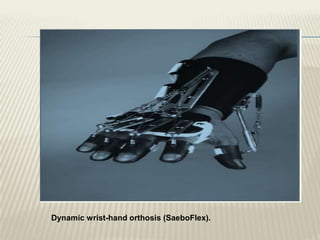
Group 1: wrist-hand orthosis (WHO)-19 participants
Group 2: Manual-Assisted Therapy (MAT)-19 participants
 Both groups participated in 1 hour of therapy per week for 6 weeks and
were prescribed exercises to perform at home 4 days per week.
 Pre- and post training assessments were taken according to the scales
mentioned.
Dynamic wrist-hand orthosis (SaeboFlex).
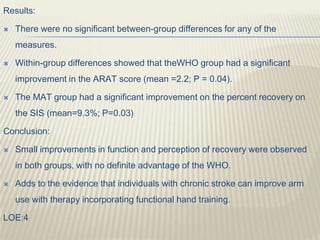
Results:
 There were no significant between-group differences for any of the
measures.
 Within-group differences showed that theWHO group had a significant
improvement in the ARAT score (mean =2.2; P = 0.04).
 The MAT group had a significant improvement on the percent recovery on
the SIS (mean=9.3%; P=0.03)
Conclusion:
 Small improvements in function and perception of recovery were observed
in both groups, with no definite advantage of the WHO.
 Adds to the evidence that individuals with chronic stroke can improve arm
use with therapy incorporating functional hand training.
LOE:4
TITLE: EFFECTS OF ROBOT-ASSISTED THERAPY
ON UPPER LIMB RECOVERY AFTER
STROKE: A SYSTEMATIC REVIEW
AUTHOR :Gert Kwakkel, Boudewijn J. Kollen, and Hermano I.
Krebs
JOURNAL :Neurorehabil Neural Repair.
YEAR PUBLISHED: 2008
PURPOSE: To present a systematic review of studies that
investigates the effects of robot-assisted therapy on motor
and functional recovery in patients with stroke.
Summary of Review—A database of articles published up to
October 2006 was compiled using the following MEDLINE
key words: cerebral vascular accident, cerebral vascular
disorders, stroke, paresis, hemiplegia, upper extremity, arm
and robot.
 Studies that satisfied the following selection criteria were
included:
1) patients were diagnosed with cerebral vascular accident
2) effects of robot-assisted therapy for the upper limb were
investigated
3) the outcome was measured in terms of motor and/or
functional recovery of the upper paretic limb
 The study was a randomised clinical trial (RCT).
 For each outcome measure, the estimated effect size (ES) and the
summary effect size (SES) expressed in standard deviation units
(SDU) were calculated for motor recovery and functional ability (ADL)
using fixed and random effect models. Ten studies, involving 218
patients, were included in the synthesis.
 Their methodological quality ranged from 4 to 8 on a (maximum) 10
point scale.
 Meta-analysis showed a non-significant heterogeneous SES in terms
of upper limb motor recovery.
 Sensitivity analysis of studies involving only shoulder-elbow robotics
subsequently demonstrated a significant homogeneous SES for motor
recovery of the upper paretic limb.
 No significant SES was observed for functional ability (ADL).
CONCLUSION—
 No overall significant effect in favour of robot-assisted therapy was
found in the present meta-analysis.
 Sensitivity analysis showed a significant improvement in upper limb
motor function after stroke for upper arm robotics.
 No significant improvement was found in ADL function.
 The administered ADL scales in the reviewed studies fail to
adequately reflect recovery of the paretic upper limb and valid
instruments that measure outcome of dexterity of the paretic arm
and hand are mostly absent in selected studies.
 Future research on the effects of robot-assisted therapy to
distinguish between upper and lower robotics arm training and
concentrate on kinematical analysis to differentiate between
genuine upper limb motor recovery and functional recovery due to
compensation strategies by proximal control of the trunk and upper
limb.
 Robotics has been defined as: ‘The application of electronic,
computerized control systems to mechanical devices
designed to perform human functions’. (PubMed [Medline],
MeSH database, 2005).
TITLE : CONCURRENT NEUROMECHANICAL AND
FUNCTIONAL GAINS
FOLLOWING UPPER-EXTREMITY POWER TRAINING
POST-STROKE
AUTHOR : Carolynn Patten, Elizabeth G Condliffe, Christine A
Dairaghi and Peter S Lum
JOURNAL : Journal of NeuroEngineering and Rehabilitation
2013,
PURPOSE :
 Investigated how power training (i.e., high-
intensity, dynamic resistance training) affects recovery of
upper-extremity motor function post-stroke.
 Hypothesized that power training, as a component of
upper-extremity rehabilitation, would promote greater
functional gains than functional task practice without
deleterious consequences.
METHOD:
 Nineteen chronic hemiparetic individuals using a crossover design.
 All participants received both functional task practice (FTP) and
HYBRID (combined FTP and power training) in random order.
 Blinded evaluations performed at baseline, following each intervention
block and 6-months post-intervention included:
1. Wolf Motor Function Test (WMFT-FAS, Primary Outcome)
2. Upper-extremity Fugl-Meyer Motor Assessment, AshworthScale and
3. Functional Independence Measure.
 Neuromechanical function was evaluated using isometric and dynamic
joint torques and concurrent agonist EMG. Biceps stretch reflex
responses were evaluated using passive elbow stretches ranging from
60 to 180º/s and determining: EMG onset position threshold, burst
duration, burst intensity and passive torque at each speed.
 RESULTS:
 Primary outcome: Improvements in WMFT-FAS were significantly greater following HYBRID vs.
FTP (p = .049), regardless of treatment order. These functional improvements were retained 6-
months post-intervention (p = .03).
 Secondary outcomes: A greater proportion of participants achieved minimally important
differences (MID) following
 HYBRID vs. FTP (p = .03). MIDs were retained 6-months post-intervention. Ashworth scores
were unchanged (p > .05).
 Increased maximal isometric joint torque, agonist EMG and peak power were significantly
greater following HYBRID
 vs. FTP (p < .05) and effects were retained 6-months post-intervention (p’s < .05). EMG position
threshold and burst
 duration were significantly reduced at fast speeds (≥120º/s) (p’s < 0.05) and passive torque was
reducedpost-washout (p < .05) following HYBRID.
CONCLUSIONS:
 Functional and neuromechanical gains were greater following
HYBRID vs. FPT. Improved stretch reflex modulation and
increased neuromuscular activation indicate potent neural
adaptations.
 Importantly, no deleterious consequences, including
exacerbation of spasticity or musculoskeletal complaints, were
associated with HYBRID.
 These results contribute to an evolving body of contemporary
evidence regarding the efficacy of high-intensity training in
neurorehabilitation and the physiological mechanisms that
mediate neural recovery.
TITLE: STRENGTH TRAINING IMPROVES UPPER-
LIMB FUNCTION IN
INDIVIDUALS WITH STROKE
AUTH0R : Jocelyn E. Harris; Janice J.
JOURNAL :
American Heart Association
YEAR PUBLISHED : 2009
PURPOSE
After stroke, maximal voluntary force is reduced in the arm
and hand muscles, and upper-limb strength training is 1
intervention with the potential to improve function.
METHODS
 a meta-analysis of randomized controlled trials.
 Electronic databases were searched from 1950 through
April 2009.
 Strength training articles were assessed according to
outcomes: strength, upper-limb function, and activities of
daily living.
 The standardized mean difference (SMD) was calculated
to estimate the pooled effect size with random-effect
models.
RESULTS
From the 650 trials identified, 13 were included in this
review, totaling 517 individuals. A positive outcome for
 strength training was found for grip strength
(SMD0.95, P0.04) and upper-limb function
(SMD0.21, P0.03). No
 treatment effect was found for strength training on measures
of activities of daily living. A significant effect for strength
 training on upper-limb function was found for studies
including subjects with moderate (SMD0.45, P0.03) and
mild
 (SMD0.26, P0.01) upper-limb motor impairment. No trials
reported adverse effects.
CONCLUSIONS
 There is evidence that strength training can improve upper-
limb strength and function without increasing
Stroke

Stroke

  • 1.
    BY: EUSIVIA PASI MPT MANAGEMENTOF UPPER LIMB POST STROKE WITH RECENT ADVANCES
  • 2.
    DEFINITION OF STROKE Cerebralvascular accident has been defined as ‘a sudden, non-convulsive loss of neurologic function due to an ischemic or hemorrhagic intracranial vascular event’ (pubmed [medline], mesh database, 2005). The world health organization (who) definition of stroke is: “rapidly developing clinical signs of focal (or global) disturbance of cerebral function, with symptoms lasting 24 hours or longer or leading to death, with no apparent cause other than of vascular origin”
  • 3.
     “Stroke orBrain Attack is the sudden loss of neurological function caused by an interruption of blood flow to the brain” by Susan B. O’Sullivan  “a focal (or at times global) neurological impairment of sudden onset lasting more than 24 hours (or leading to death) and of presumed vascular origin” by WHO Journal of the association of physicians of India, October 2013, Vol. 61  “a sudden loss of brain function resulting from an interference with blood supply to the brain” by National Institute of Neurologic Disorders and Stroke (NINDS), USA.
  • 4.
    COMMON IMPAIRMENTS INSTROKE:  Altered consciousness/attention  Dysphagia  Dysphonia/Dysarthria/Dysphasia  Reduced muscle power/tone  Altered sensations  Reduced coordination  Loss of visual acquity  Reduced joint mobility/stability  Balance and Gait impairments
  • 5.
    OUTCOME MEASURES  Functionalmovement of the upper limb are categorised into the following subgroups: 1. arm functional movement and 2. hand functional movement  And categorised motor impairment of the upper limb into the following subgroups: 1. motor impairment scales 2. temporal outcomes, 3. spatial outcomes and 4. strength outcomes.
  • 6.
    ABBREVIATION OUTCOMES AMAT ArmMotor Ability Test ARAT Action Research Arm Test AS Ashworth Scale BBT Box and Block Test BI Barthel Index CAHAI Chedoke Arm and Hand Activity Inventory CMSA Chedoke-McMaster Stroke Assessment EMG Electromyogram EQ-5D EuroQol Quality of Life Scale FAT Frenchay Arm Test FIM Functional Independence Measure FIM motor Functional Independence Measure motor subscale FM Fugl-Meyer scale
  • 7.
    FM motor Fugl-Meyermotor subscale fMRI Functional Magnetic Resonance Imaging MFT Manual Function Test MAS Modified Ashworth Scale Motor AS Motor Assessment Scale MRC Medical Research Council MSS Motor Status Score NHPG Nine-Hole Peg Test NSA Nottingham Sensory Assessment
  • 8.
    RLAFT Rancho LosAmigos Functional Test RMA Rivermead Motor Assessment ROM Range of Motion/Movement SCT Star Cancellation Test SIS Stroke Impact Scale TUG Timed Up and Go TCT Trunk Control Test UMAQS University of Maryland Arm Questionnaire for Stroke VAS Visual Analogue Scale WMFT Wolf Motor Function Test
  • 9.
    TYPES OF STROKE Ischaemicstroke:  Blood supply to part of the brain is decreased, leading to dysfunction of the brain tissue in that area. 1) Thrombosis or embolism due to atherosclerosis of a large artery 2) Embolism of cardiac origin 3) Occlusion of a small blood vessel 4) Other determined and undetermined cause  Abuser of stimulant drugs such as cocaine and methamphetamine are at a high risk for ischemic strokes.
  • 10.
    Haemorrhagic stroke:  isthe accumulation of blood anywhere within the skull vault. (1) Intra-axial hemorrhage (blood inside the brain)  is due to intraparenchymal hemorrhage or intraventricular hemorrhage (blood in the ventricular system) (2) Extra-axial hemorrhage (blood inside the skull but outside the brain).  epidural hematoma (bleeding between the dura mater and the skull),  subdural hematoma (in the subdural space) and  subarachnoid hemorrhage (between the arachnoid mater and pia mater).
  • 11.
    UPPER LIMB IMPAIRMENTS: Subluxation.  Changes in sensation.  Contracture.  Swelling.  Co-ordination problems.  Weakness.  Altered muscle power  Changes in muscle tone (called hypertonia or spasticity)  Hand dysfunction
  • 12.
    RECENT ADVANCE  Searchcriteria : PubMed, APTA, COCHRANE, Elsevier, Australian Journal Of Physiotherapy, British Medical Journal, Clinical Rehabilitation, Neuroscience and medicine, Journal of physical therapy science, Journal of neurological physical therapy  2009 to 2013
  • 13.
     Abstract andfull text articles  Systemic review, RCT, cohort studies, pilot studies  Keywords: stroke, stroke rehabilitation, upper limb training, functional electrical stimulation, motor recovery  LOE: PEDro
  • 14.
    TITLE : LONG-TERMUSE OF A STATIC HAND- WRIST ORTHOSIS IN CHRONIC STROKE PATIENTS: A PILOT STUDY AUTHOR : 1. Aukje Andringa 2. Ingrid van de Port and 3. Jan-WillemMeijer JOURNAL : Stroke Research and Treatment YEAR PUBLISHED : 31st January 2013
  • 15.
    OBJECTIVES:. Evaluating long-termuse of static hand-wrist orthoses and experienced comfort in chronic stroke patients. METHODS 11 stroke patients who were advised to use a static orthosis for at least one year ago were included. Semistructured telephone interviews were conducted to explore the long-term use and experienced comfort with the orthosis. Data were analyzed using descriptive statistics. RESULTS After at least one year, seven patients still wore the orthosis for the prescribed hours per day. Two patients were unable to wear the orthosis 8 hours per day, due to poor comfort. Two patients stopped using the orthosis because of an increase in spasticity or pain.
  • 16.
    CONCLUSIONS. These pilot datasuggest that a number of stroke patients cannot tolerate a static orthosis over a long-term period because of discomfort. Without appropriate treatment opportunities, these patients will remain at risk of developing a clenched fist and will experience problems with daily activities and hygiene maintenance.
  • 17.
    . Example of aprefabricated static hand-wrist orthosis
  • 18.
    TITLE : TABLE-TOPEXERGAMING IMPROVES ARM FUNCTION IN CHRONIC STROKE AUTHOR : 1. Kimberlee Jordan 2. Michael Sampson 3. Marcus King
  • 19.
    METHOD Seven chronic strokesurvivors (5 female) aged 59.4 –79.6 years completed a 4 - 6 week upper limb training program using a table-supported computer input device (the Able Reach) to play bespoke computer games designed to encourage a large number of goal oriented arm movements. Over the course of the intervention, participants received between 9 (n = 4) and 16 (n = 3) hours of game play. On average, Fugl- Meyer scores increased by 4.9 over the course of the intervention, ranging up to 9 points. One participant gradually deteriorated throughout the trial. These results suggest that the Able Reach is a useful adjunct to regular physical therapy in a stroke population
  • 20.
  • 21.
    CONCLUSION Results provide evidencethat the Able Reach in conjunction with bespoke computer games can significantly reduce upper limb impairment in chronic stroke survivors, is well tolerated and found to be motivating, useful and enjoyable. Future research include a larger clinical trial to confirm these results as well as automating the system so that it can be used without direct supervision.
  • 22.
    TITLE: COMBINING VIRTUALREALITY AND A MYO- ELECTRIC LIMB ORTHOSIS TO RESTORE ACTIVE MOVEMENT AFTER STROKE: A PILOT STUDY AUTHOR: 1. S Bermúdez i Badia 2. E Lewis 3. S Bleakley JOURNAL , YEAR PUBLISHED Proc. 9th Intl Conf. Disability, Virtual Reality & Associated Technologies Laval, France, 10–12 Sept. 2012
  • 23.
    METHOS  A novelrehabilitation technology for upper limb rehabilitation after stroke that combines a virtual reality training paradigm with a myo-electric robotic limb orthosis.  Rehabilitation system is based on clinical guidelines and is designed to recruit specific motor networks to promote neuronal reorganization.  The main hypothesis is that the restoration of active movement facilitates the full engagement of motor control networks during motortraining.  By using a robotic limb orthosis,the ablility to restore active arm movement in severely affected stroke patients.  In a pilot study, successfully deployed and evaluated system with 3 chronic stroke patients by means of behavioral data and self-report questionnaires.
  • 24.
     The resultsshow that this system is able to restore up to 60% of the active movement capacity of patients.  Further, it show that it can assess the specific contribution of the biceps/triceps movement of the paretic arm to the virtual reality bilateral training task.  Questionnaire data show enjoyment and acceptance of the proposed rehabilitation system and its VR training task.
  • 25.
    Diagram of theproposed virtual reality and robotic limb orthosis training paradigm showing the role of each technological component (numbered from 1 to 5).
  • 26.
    game defines thetraining parameters for a bimanual coordination motor task. the training offers augmented feedback on performance, sustains motivation, and automatically modifies the level of motor assistance offered by the limb orthosis. right panel: the different components of the system (robotic device, tracking setup, and training game task) while being used by a stroke patient.
  • 27.
    TITLE : VIRTUALREALITY FOR THE REHABILITATION OF THE UPPER LIMB MOTOR FUNCTION AFTER STROKE: A PROSPECTIVE CONTROLLED TRIAL AUTHORS :  Andrea Turolla  Mauro Dam  Laura Ventura  Paolo Tonin1, Michela Agostini  Carla Zucconi  Pawel Kiper  Annachiara Cagnin and  Lamberto Piron
  • 28.
    Key words: Stroke,Upper limb, Exercise therapy, Virtual reality, Motor recovery, Treatment outcome Journal: Journal of NeuroEngineering and Rehabilitation Year: 2013
  • 29.
    OBJECTIVES: To evaluate theeffectiveness of non-immersive VR treatment for the restoration of the upper limb motor function and its impact on the activities of daily living capacities in post-stroke patients. METHODS: A pragmatic clinical trial of 376 subjects who had a motor arm subscore on the Italian version of the National Institutes of Health Stroke Scale (It-NIHSS) between 1 and 3 and without severe neuropsychological impairments interfering with recovery. Patients were allocated to two treatments groups, receiving combined VR and upper limb conventional (ULC) therapy or ULC therapy alone. The treatment programs consisted of 2 hours of daily therapy, delivered 5 days per week, for 4 weeks.
  • 30.
    Outcome Measures:  Fugl-MeyerUpper Extremity (F-M UE) and  Functional Independence Measure (FIM) scales. Study design: Cohort study
  • 31.
    Group 1 • Virtual Rehabilitation •Upper limb conventional Therapy Group 2 • Only Upper limb Conventional Therapy
  • 32.
    For 4 weeks For5 days/ week 2 hours
  • 33.
    Results: The improvement obtainedwith VR rehabilitation was significantly greater than that achieved with ULC therapy alone. With F-M UE was 2.5 ± 0.5 (P < 0.001) and FIM scores 3.2 ± 1.2 (P = 0.007) respectively. Conclusions: VR rehabilitation in post-stroke patients seems more effective than conventional interventions in restoring upper limb motor impairments and motor related functional abilities. LOE:2b
  • 34.
    represent: a) asimple reaching movement: the patient has to raise the red glass and place it among the blue glasses on the shelf, according to a pre-recorded path (yellow line); b) a complex movement of increasing difficulty: the patient has to move the blue ball through the orange circles. the green box represents the start zone, while the yellow box represents the end zone to reach, following the circular-like displayed path.
  • 35.
    TITLE : SCAPULARAND HUMERAL MOVEMENT PATTERNS OF PEOPLE WITH STROKE DURING RANGE-OF-MOTION EXERCISES Authors: Dustin D. Hardwick, PT, PhD, and Catherine E. Lang, Journal: Journal of Neurological Physiotherapy 35: 18–25 Year:2011 KEY WORDS: kinematics, rehabilitation, shoulder pain, stroke
  • 36.
    PURPOSE: Range-of-motion (ROM) exercisesmay contribute to hemiparetic shoulder pain, but the underlying mechanisms are unknown. This study examined scapular and humeral movement patterns in people with poststroke hemiparesis as they performed commonly prescribed ROM exercises. OUTCOMES MEASURES:  Stroke Impact Scale(Hand Function subscale)  Numeric pain rating scale (0-10 points)  Modified Ashworth scale. STUDY DESIGN: Pilot study
  • 37.
    Group 1 • 13subjects with hemiparesis • Are given 3 types of ROM exercises Group 2 • 12 healthy subjects • Are given normal shoulder elevation exercises
  • 38.
    Group 1 • Person assisted •Self assisted Group 2 • Cane assisted • Normal shoulder elevation
  • 39.
     Where painis assessed by pain rating scale  And kinematic measurements by electro magnetic tracking system. RESULTS: Person assisted ROM exercises are found to be more effective than Self assisted and cane assisted exercises. CONCLUSION: There appears to be little relationship between the severity of pain experienced with exercise and the extent of movement abnormality. LOE:4
  • 40.
    TITLE: MIRROR THERAPYPROGRAM IN PATIENTS WITH STROKE. AUTHOR: Lee, Myung Mo; Cho, Hwi-young; Song, Chang Ho JOURNAL: American Journal of Physical Medicine & Rehabilitation. YEAR: March 2012 OUTCOME MEASURES: Fugl-Meyer Assessment Brunnstrom stages for upper limb and hand Manual Function Test
  • 41.
     PURPOSE: Toevaluate the effects of the mirror therapy program on upper-limb motor recovery and motor function in patients with acute stroke  STUDY DESIGN: Randomized control trail  LOE:1c
  • 42.
    Method : Assignedinto 2 groups Experimental group controlled group 13 participants 13 participants Standard Rehab standard Rehab only Mirror Therapy for 25 min twice a day, 5 times a week, for 4 weeks.
  • 43.
    RESULTS: In upper-limb motorrecovery, the scores of Fugl- Meyer Assessment, Brunnstrom stages for upper limb and hand and Manual Function Test scores were improved more in the experimental group than in the control group. Whereas no significant differences were found between the groups for the coordination items in Fugl-Meyer Assessment.
  • 44.
    TITLE:ENGAGE: GUIDED ACTIVITY-BASEDGAMING IN NEUROREHABILITATION AFTER STROKE AUTHORS: Ann Reinthal, Kathy Szirony, Cindy Clark, Jeffrey Swiers, Michelle Kellicker and Susan Linder JOURNAL: Hindawi Publishing Corporation Stroke Research and Treatment
  • 45.
    YEAR: 2012 PURPOSE: toassess the feasibility and outcomes of a novel video gaming repetitive practice paradigm, (ENGAGE) enhanced neurorehabilitation guided activity-based gaming exercise. OUTCOME MEASURES:  Wolf motor function test (WMFT)  Fugl-Meyer assessment (FMA)  Intrinsic Motivation Inventory STUDY DESIGN: Pilot study
  • 46.
    METHODS: Playing Bubblepop onthe PlayStation II with EyeToy
  • 47.
     It usesa game selection algorithm that provides focused, carefully graded activity-based repetitive practice of cognitive-perceptual motor tasks.  It uses a limited number of gaming system platforms and games.  It is guided by the neuromuscular rehabilitation clinician. RESULT:  The use of ENGAGE protocol was feasible in a clinical environment.  There was a statistically significant improvement in upper extremity function as measured by the upper extremity portion of the FMA and by the WMFT, and participants were motivated to use this gaming protocol. LOE:4
  • 48.
    TITLE:THERAPY INCORPORATING ADYNAMIC WRIST- HAND ORTHOSIS VERSUS MANUAL ASSISTANCE IN CHRONIC STROKE Author: Joni G. Barry, PT, DPT, NCS, Sandy A. Ross, PT, DPT, MHS, PCS, and Judy Woehrle, PT, PhD, OCS Journal: Journal of Neurological Physical therapy, Volume 36 Year: 2012 Keywords: arm, function, orthosis, recovery, rehabilitation, repetition, stroke Objectives: To compare the effect of therapy using a wrist-hand orthosis (WHO) versus manual-assisted therapy (MAT) for individuals with chronic, moderate-to-severe hemiparesis.
  • 49.
    Outcome Measures:  ActionResearch Arm Test (ARAT)  Box and Blocks (B&B) test  Stroke Impact Scale (SIS) Study Design: A Pilot Study METHODS: Group 1: wrist-hand orthosis (WHO)-19 participants Group 2: Manual-Assisted Therapy (MAT)-19 participants  Both groups participated in 1 hour of therapy per week for 6 weeks and were prescribed exercises to perform at home 4 days per week.  Pre- and post training assessments were taken according to the scales mentioned.
  • 50.
  • 51.
    Results:  There wereno significant between-group differences for any of the measures.  Within-group differences showed that theWHO group had a significant improvement in the ARAT score (mean =2.2; P = 0.04).  The MAT group had a significant improvement on the percent recovery on the SIS (mean=9.3%; P=0.03) Conclusion:  Small improvements in function and perception of recovery were observed in both groups, with no definite advantage of the WHO.  Adds to the evidence that individuals with chronic stroke can improve arm use with therapy incorporating functional hand training. LOE:4
  • 52.
    TITLE: EFFECTS OFROBOT-ASSISTED THERAPY ON UPPER LIMB RECOVERY AFTER STROKE: A SYSTEMATIC REVIEW AUTHOR :Gert Kwakkel, Boudewijn J. Kollen, and Hermano I. Krebs JOURNAL :Neurorehabil Neural Repair. YEAR PUBLISHED: 2008 PURPOSE: To present a systematic review of studies that investigates the effects of robot-assisted therapy on motor and functional recovery in patients with stroke.
  • 53.
    Summary of Review—Adatabase of articles published up to October 2006 was compiled using the following MEDLINE key words: cerebral vascular accident, cerebral vascular disorders, stroke, paresis, hemiplegia, upper extremity, arm and robot.  Studies that satisfied the following selection criteria were included: 1) patients were diagnosed with cerebral vascular accident 2) effects of robot-assisted therapy for the upper limb were investigated 3) the outcome was measured in terms of motor and/or functional recovery of the upper paretic limb  The study was a randomised clinical trial (RCT).
  • 54.
     For eachoutcome measure, the estimated effect size (ES) and the summary effect size (SES) expressed in standard deviation units (SDU) were calculated for motor recovery and functional ability (ADL) using fixed and random effect models. Ten studies, involving 218 patients, were included in the synthesis.  Their methodological quality ranged from 4 to 8 on a (maximum) 10 point scale.  Meta-analysis showed a non-significant heterogeneous SES in terms of upper limb motor recovery.  Sensitivity analysis of studies involving only shoulder-elbow robotics subsequently demonstrated a significant homogeneous SES for motor recovery of the upper paretic limb.  No significant SES was observed for functional ability (ADL).
  • 55.
    CONCLUSION—  No overallsignificant effect in favour of robot-assisted therapy was found in the present meta-analysis.  Sensitivity analysis showed a significant improvement in upper limb motor function after stroke for upper arm robotics.  No significant improvement was found in ADL function.  The administered ADL scales in the reviewed studies fail to adequately reflect recovery of the paretic upper limb and valid instruments that measure outcome of dexterity of the paretic arm and hand are mostly absent in selected studies.  Future research on the effects of robot-assisted therapy to distinguish between upper and lower robotics arm training and concentrate on kinematical analysis to differentiate between genuine upper limb motor recovery and functional recovery due to compensation strategies by proximal control of the trunk and upper limb.
  • 56.
     Robotics hasbeen defined as: ‘The application of electronic, computerized control systems to mechanical devices designed to perform human functions’. (PubMed [Medline], MeSH database, 2005).
  • 57.
    TITLE : CONCURRENTNEUROMECHANICAL AND FUNCTIONAL GAINS FOLLOWING UPPER-EXTREMITY POWER TRAINING POST-STROKE AUTHOR : Carolynn Patten, Elizabeth G Condliffe, Christine A Dairaghi and Peter S Lum JOURNAL : Journal of NeuroEngineering and Rehabilitation 2013,
  • 58.
    PURPOSE :  Investigatedhow power training (i.e., high- intensity, dynamic resistance training) affects recovery of upper-extremity motor function post-stroke.  Hypothesized that power training, as a component of upper-extremity rehabilitation, would promote greater functional gains than functional task practice without deleterious consequences.
  • 59.
    METHOD:  Nineteen chronichemiparetic individuals using a crossover design.  All participants received both functional task practice (FTP) and HYBRID (combined FTP and power training) in random order.  Blinded evaluations performed at baseline, following each intervention block and 6-months post-intervention included: 1. Wolf Motor Function Test (WMFT-FAS, Primary Outcome) 2. Upper-extremity Fugl-Meyer Motor Assessment, AshworthScale and 3. Functional Independence Measure.  Neuromechanical function was evaluated using isometric and dynamic joint torques and concurrent agonist EMG. Biceps stretch reflex responses were evaluated using passive elbow stretches ranging from 60 to 180º/s and determining: EMG onset position threshold, burst duration, burst intensity and passive torque at each speed.
  • 60.
     RESULTS:  Primaryoutcome: Improvements in WMFT-FAS were significantly greater following HYBRID vs. FTP (p = .049), regardless of treatment order. These functional improvements were retained 6- months post-intervention (p = .03).  Secondary outcomes: A greater proportion of participants achieved minimally important differences (MID) following  HYBRID vs. FTP (p = .03). MIDs were retained 6-months post-intervention. Ashworth scores were unchanged (p > .05).  Increased maximal isometric joint torque, agonist EMG and peak power were significantly greater following HYBRID  vs. FTP (p < .05) and effects were retained 6-months post-intervention (p’s < .05). EMG position threshold and burst  duration were significantly reduced at fast speeds (≥120º/s) (p’s < 0.05) and passive torque was reducedpost-washout (p < .05) following HYBRID.
  • 61.
    CONCLUSIONS:  Functional andneuromechanical gains were greater following HYBRID vs. FPT. Improved stretch reflex modulation and increased neuromuscular activation indicate potent neural adaptations.  Importantly, no deleterious consequences, including exacerbation of spasticity or musculoskeletal complaints, were associated with HYBRID.  These results contribute to an evolving body of contemporary evidence regarding the efficacy of high-intensity training in neurorehabilitation and the physiological mechanisms that mediate neural recovery.
  • 63.
    TITLE: STRENGTH TRAININGIMPROVES UPPER- LIMB FUNCTION IN INDIVIDUALS WITH STROKE AUTH0R : Jocelyn E. Harris; Janice J. JOURNAL : American Heart Association YEAR PUBLISHED : 2009
  • 64.
    PURPOSE After stroke, maximalvoluntary force is reduced in the arm and hand muscles, and upper-limb strength training is 1 intervention with the potential to improve function. METHODS  a meta-analysis of randomized controlled trials.  Electronic databases were searched from 1950 through April 2009.  Strength training articles were assessed according to outcomes: strength, upper-limb function, and activities of daily living.  The standardized mean difference (SMD) was calculated to estimate the pooled effect size with random-effect models.
  • 65.
    RESULTS From the 650trials identified, 13 were included in this review, totaling 517 individuals. A positive outcome for  strength training was found for grip strength (SMD0.95, P0.04) and upper-limb function (SMD0.21, P0.03). No  treatment effect was found for strength training on measures of activities of daily living. A significant effect for strength  training on upper-limb function was found for studies including subjects with moderate (SMD0.45, P0.03) and mild  (SMD0.26, P0.01) upper-limb motor impairment. No trials reported adverse effects. CONCLUSIONS  There is evidence that strength training can improve upper- limb strength and function without increasing