




GOOD MORNING
WORLD’S FASTEST HUMAN BEING!
A rapid manual
processing technique
for resource limited
small laboratories
Journal of Oral and Maxillofacial Pathology Vol. 19 Issue 3 Sep - Dec 2015
Dr. RAM KUMAR TIRANDAS,
III YR PG IN OMFP
CONTENTS
•INTRODUCTION
•OBJECTIVES
•MATERIALS AND METHODS
•STATISTICAL ANALYSIS
•RESULTS
•CONCLUSION
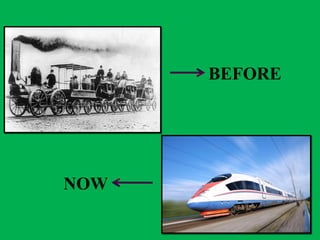
BEFORE
NOW
SOURCE OF INFORMATION
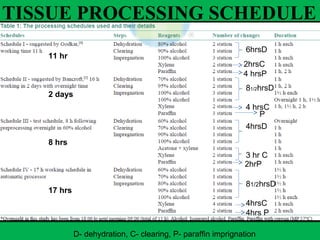
BEFORE
NOW
L
I
B
R
A
R
y
IMPORTANCE OF TIME
•INTRODUCTION
•Rapid diagnosis
•Management planning- prognosis
•Efficient pathology service
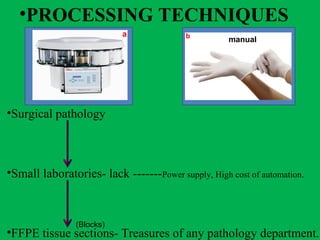
•PROCESSING TECHNIQUES
•Surgical pathology
•Small laboratories- lack -------Power supply, High cost of automation.
•FFPE tissue sections- Treasures of any pathology department.
a b
(Blocks)
manual
•16-48 hr rapid processing (2days).
•Test processing schedule is 8-9 hrs a day?
•Quality of the tissue processing.
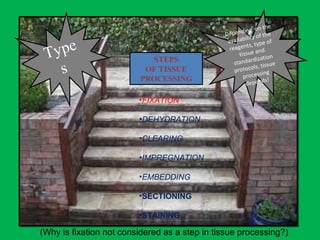
STEPS
OF TISSUE
PROCESSING
•FIXATION
•DEHYDRATION
•CLEARING
•IMPREGNATION
•EMBEDDING
•SECTIONING
•STAINING
Type
s
Depending on the
availability of the
reagents, type of
tissue and
standardization
protocols, tissue
processing
depends!
(Why is fixation not considered as a step in tissue processing?)
•OBJECTIVES
To evaluate the effectiveness of a new rapid
processing schedule and compare it with two
existing rapid processing schedules.
A B C D
Godkar’s Bancroft’s Test schedule Automatic
TP
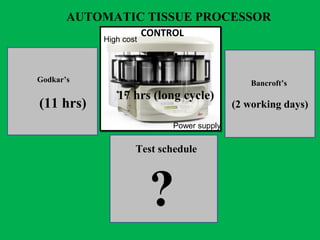
AUTOMATIC TISSUE PROCESSOR
Bancroft’s
(2 working days)
Godkar’s
(11 hrs)
CONTROL
High cost
Power supply
Test schedule
?
17 hrs (long cycle)
•MATERIALS AND METHODS
•Comparison among processing schedules
•Ethical clearance
•Animal housed medical college animal
house
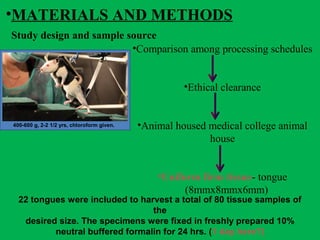
•Uniform firm tissue- tongue
(8mmx8mmx6mm)
22 tongues were included to harvest a total of 80 tissue samples of
the
desired size. The specimens were fixed in freshly prepared 10%
neutral buffered formalin for 24 hrs. (1 day here?)
Study design and sample source
400-600 g, 2-2 1/2 yrs, chloroform given.
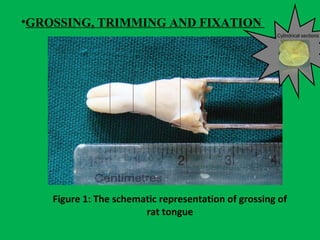
Figure 1: The schematic representation of grossing of
rat tongue
•GROSSING, TRIMMING AND FIXATION
Cylindrical sections
Which tissues are to be washed in water after fixation?
Pre processing preparation and measurements
Begg’s wire
Linear measurement in mm
(length)
3 chip CCD camera on Trinocular stereo microscope
(Olympus SZX7, Japan) calibrated for millimetre under × 10 magnification
Morphometric analysis
[8 mm × 8 mm × 6 mm]
a two dimension measurement of surface
area in square millimetres was done
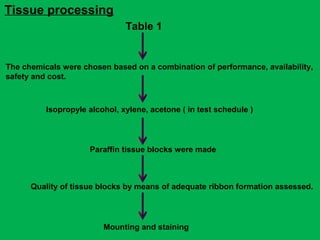
Tissue processing
The chemicals were chosen based on a combination of performance, availability,
safety and cost.
Table 1
Isopropyle alcohol, xylene, acetone ( in test schedule )
Paraffin tissue blocks were made
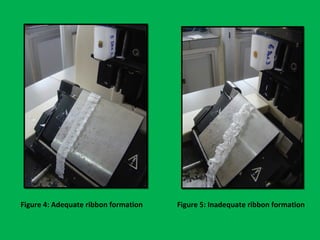
Quality of tissue blocks by means of adequate ribbon formation assessed.
Mounting and staining
Figure 4: Adequate ribbon formation Figure 5: Inadequate ribbon formation
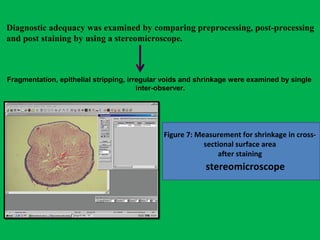
Diagnostic adequacy was examined by comparing preprocessing, post-processing
and post staining by using a stereomicroscope.
Fragmentation, epithelial stripping, irregular voids and shrinkage were examined by single
inter-observer.
Figure 7: Measurement for shrinkage in cross-
sectional surface area
after staining
stereomicroscope
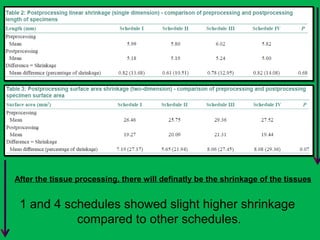
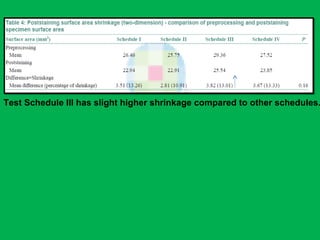
After the tissue processing, there will definatly be the shrinkage of the tissues
1 and 4 schedules showed slight higher shrinkage
compared to other schedules.
TISSUE PROCESSING SCHEDULE
11 hr
2 days
8 hrs
17 hrs
6hrsD
81/2hrsD
4 hrsC
4hrsD
3 hr C
81/2hrsD
4hrsC
4hrs P
2hrsC
4 hrsP
2hrP
P
D- dehydration, C- clearing, P- paraffin imprignation
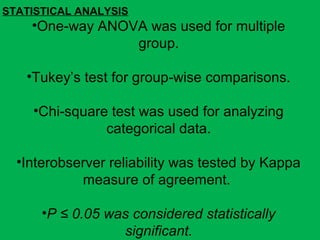
STATISTICAL ANALYSIS
•One way ANOVA was used for multiple‑
group.
•Tukey’s test for group wise comparisons.‑
•Chi square test was used for analyzing‑
categorical data.
•Interobserver reliability was tested by Kappa
measure of agreement.
•P ≤ 0.05 was considered statistically
significant.
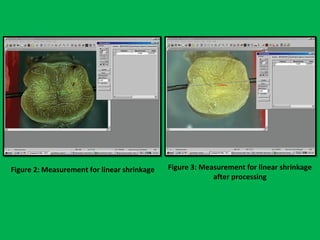
Figure 3: Measurement for linear shrinkage
after processing
Figure 2: Measurement for linear shrinkage
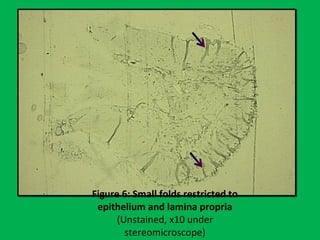
Figure 6: Small folds restricted to
epithelium and lamina propria
(Unstained, x10 under
stereomicroscope)
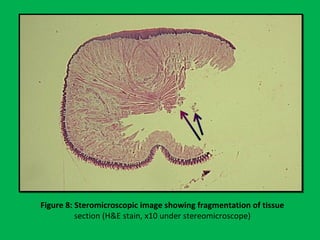
Figure 8: Steromicroscopic image showing fragmentation of tissue
section (H&E stain, x10 under stereomicroscope)
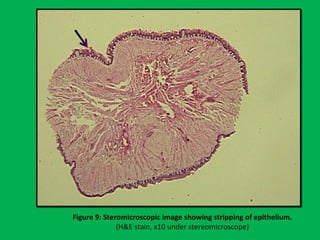
Figure 9: Steromicroscopic image showing stripping of epithelium.
(H&E stain, x10 under stereomicroscope)
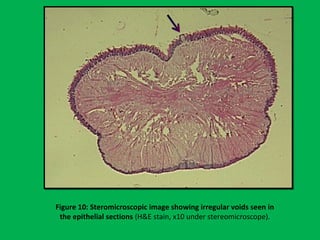
Figure 10: Steromicroscopic image showing irregular voids seen in
the epithelial sections (H&E stain, x10 under stereomicroscope).
RESULTS
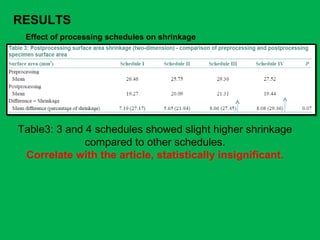
Effect of processing schedules on shrinkage
Table3: 3 and 4 schedules showed slight higher shrinkage
compared to other schedules.
Correlate with the article, statistically insignificant.
Test Schedule III has slight higher shrinkage compared to other schedules.
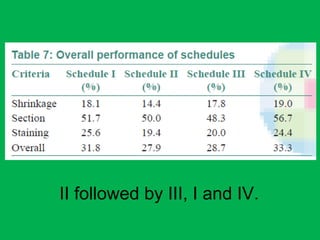
•Summary of the mean percentages [Table 5]
calculated from overall shrinkage values
demonstrated a range of 14.4–19% shrinkage
of specimens by the Schedules and showed
schedule II to have the least overall shrinkage
followed by schedule III, schedule I and
schedule IV.
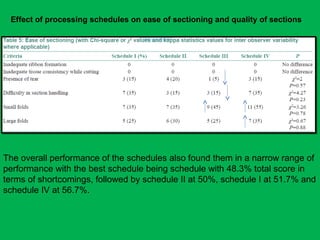
Effect of processing schedules on ease of sectioning and quality of sections
The overall performance of the schedules also found them in a narrow range of
performance with the best schedule being schedule with 48.3% total score in
terms of shortcomings, followed by schedule II at 50%, schedule I at 51.7% and
schedule IV at 56.7%.
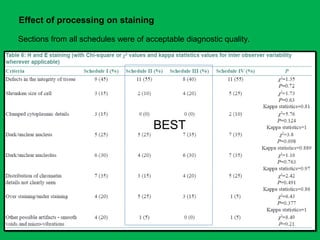
Effect of processing on staining
Sections from all schedules were of acceptable diagnostic quality.
BEST
II followed by III, I and IV.
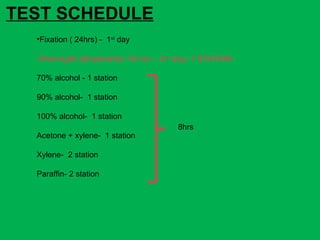
•Fixation ( 24hrs) - 1st
day
•Overnight dehydration 15 hrs – 2nd
day- 1 STATION
70% alcohol - 1 station
90% alcohol- 1 station
100% alcohol- 1 station
Acetone + xylene- 1 station
Xylene- 2 station
Paraffin- 2 station
8hrs
TEST SCHEDULE
REFERENCE
34
Thank
Q?

A rapid manual processing technique for resource‑limited small laboratories

  • 1.
  • 2.
    A rapid manual processingtechnique for resource limited small laboratories Journal of Oral and Maxillofacial Pathology Vol. 19 Issue 3 Sep - Dec 2015 Dr. RAM KUMAR TIRANDAS, III YR PG IN OMFP
  • 3.
  • 4.
  • 5.
  • 6.
    IMPORTANCE OF TIME •INTRODUCTION •Rapiddiagnosis •Management planning- prognosis •Efficient pathology service
  • 7.
    •PROCESSING TECHNIQUES •Surgical pathology •Smalllaboratories- lack -------Power supply, High cost of automation. •FFPE tissue sections- Treasures of any pathology department. a b (Blocks) manual
  • 8.
    •16-48 hr rapidprocessing (2days). •Test processing schedule is 8-9 hrs a day? •Quality of the tissue processing.
  • 9.
    STEPS OF TISSUE PROCESSING •FIXATION •DEHYDRATION •CLEARING •IMPREGNATION •EMBEDDING •SECTIONING •STAINING Type s Depending onthe availability of the reagents, type of tissue and standardization protocols, tissue processing depends! (Why is fixation not considered as a step in tissue processing?)
  • 10.
    •OBJECTIVES To evaluate theeffectiveness of a new rapid processing schedule and compare it with two existing rapid processing schedules. A B C D Godkar’s Bancroft’s Test schedule Automatic TP
  • 11.
    AUTOMATIC TISSUE PROCESSOR Bancroft’s (2working days) Godkar’s (11 hrs) CONTROL High cost Power supply Test schedule ? 17 hrs (long cycle)
  • 12.
    •MATERIALS AND METHODS •Comparisonamong processing schedules •Ethical clearance •Animal housed medical college animal house •Uniform firm tissue- tongue (8mmx8mmx6mm) 22 tongues were included to harvest a total of 80 tissue samples of the desired size. The specimens were fixed in freshly prepared 10% neutral buffered formalin for 24 hrs. (1 day here?) Study design and sample source 400-600 g, 2-2 1/2 yrs, chloroform given.
  • 13.
    Figure 1: Theschematic representation of grossing of rat tongue •GROSSING, TRIMMING AND FIXATION Cylindrical sections
  • 14.
    Which tissues areto be washed in water after fixation? Pre processing preparation and measurements Begg’s wire Linear measurement in mm (length) 3 chip CCD camera on Trinocular stereo microscope (Olympus SZX7, Japan) calibrated for millimetre under × 10 magnification Morphometric analysis [8 mm × 8 mm × 6 mm] a two dimension measurement of surface area in square millimetres was done
  • 15.
    Tissue processing The chemicalswere chosen based on a combination of performance, availability, safety and cost. Table 1 Isopropyle alcohol, xylene, acetone ( in test schedule ) Paraffin tissue blocks were made Quality of tissue blocks by means of adequate ribbon formation assessed. Mounting and staining
  • 16.
    Figure 4: Adequateribbon formation Figure 5: Inadequate ribbon formation
  • 17.
    Diagnostic adequacy wasexamined by comparing preprocessing, post-processing and post staining by using a stereomicroscope. Fragmentation, epithelial stripping, irregular voids and shrinkage were examined by single inter-observer. Figure 7: Measurement for shrinkage in cross- sectional surface area after staining stereomicroscope
  • 18.
    After the tissueprocessing, there will definatly be the shrinkage of the tissues 1 and 4 schedules showed slight higher shrinkage compared to other schedules.
  • 19.
    TISSUE PROCESSING SCHEDULE 11hr 2 days 8 hrs 17 hrs 6hrsD 81/2hrsD 4 hrsC 4hrsD 3 hr C 81/2hrsD 4hrsC 4hrs P 2hrsC 4 hrsP 2hrP P D- dehydration, C- clearing, P- paraffin imprignation
  • 20.
    STATISTICAL ANALYSIS •One wayANOVA was used for multiple‑ group. •Tukey’s test for group wise comparisons.‑ •Chi square test was used for analyzing‑ categorical data. •Interobserver reliability was tested by Kappa measure of agreement. •P ≤ 0.05 was considered statistically significant.
  • 21.
    Figure 3: Measurementfor linear shrinkage after processing Figure 2: Measurement for linear shrinkage
  • 22.
    Figure 6: Smallfolds restricted to epithelium and lamina propria (Unstained, x10 under stereomicroscope)
  • 23.
    Figure 8: Steromicroscopicimage showing fragmentation of tissue section (H&E stain, x10 under stereomicroscope)
  • 24.
    Figure 9: Steromicroscopicimage showing stripping of epithelium. (H&E stain, x10 under stereomicroscope)
  • 25.
    Figure 10: Steromicroscopicimage showing irregular voids seen in the epithelial sections (H&E stain, x10 under stereomicroscope).
  • 26.
    RESULTS Effect of processingschedules on shrinkage Table3: 3 and 4 schedules showed slight higher shrinkage compared to other schedules. Correlate with the article, statistically insignificant.
  • 27.
    Test Schedule IIIhas slight higher shrinkage compared to other schedules.
  • 28.
    •Summary of themean percentages [Table 5] calculated from overall shrinkage values demonstrated a range of 14.4–19% shrinkage of specimens by the Schedules and showed schedule II to have the least overall shrinkage followed by schedule III, schedule I and schedule IV.
  • 29.
    Effect of processingschedules on ease of sectioning and quality of sections The overall performance of the schedules also found them in a narrow range of performance with the best schedule being schedule with 48.3% total score in terms of shortcomings, followed by schedule II at 50%, schedule I at 51.7% and schedule IV at 56.7%.
  • 30.
    Effect of processingon staining Sections from all schedules were of acceptable diagnostic quality. BEST
  • 31.
    II followed byIII, I and IV.
  • 32.
    •Fixation ( 24hrs)- 1st day •Overnight dehydration 15 hrs – 2nd day- 1 STATION 70% alcohol - 1 station 90% alcohol- 1 station 100% alcohol- 1 station Acetone + xylene- 1 station Xylene- 2 station Paraffin- 2 station 8hrs TEST SCHEDULE
  • 33.
  • 34.