   Myxo – Mucous/mucin

   Myxovirus –
   RNA Virus infecting mucous membrane
    (respiratory)
    Affinity for certain mucins
    Causing agglutination of red blood cells

   ORTHO (Influenza) & PARA (Others)
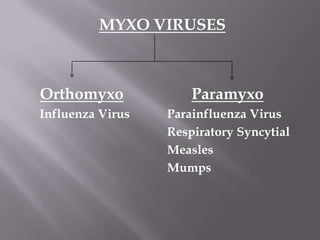
MYXO VIRUSES


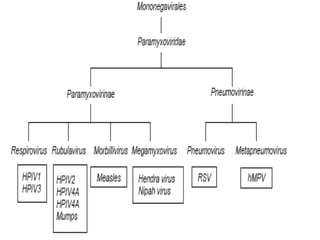
Orthomyxo             Paramyxo
Influenza Virus   Parainfluenza Virus
                  Respiratory Syncytial
                  Measles
                  Mumps
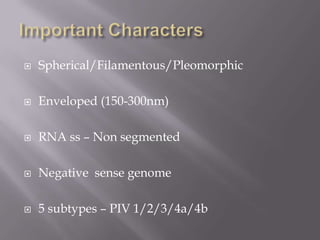
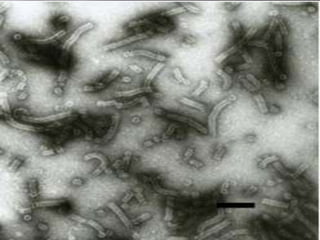
   Spherical/Filamentous/Pleomorphic

   Enveloped (150-300nm)

   RNA ss – Non segmented

   Negative sense genome

   5 subtypes – PIV 1/2/3/4a/4b
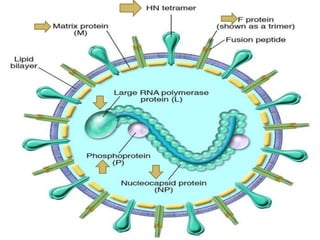
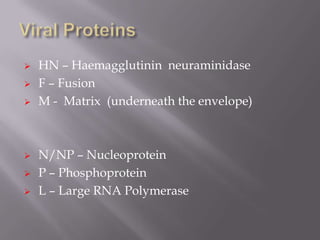
   HN – Haemagglutinin neuraminidase
   F – Fusion
   M - Matrix (underneath the envelope)


   N/NP – Nucleoprotein
   P – Phosphoprotein
   L – Large RNA Polymerase
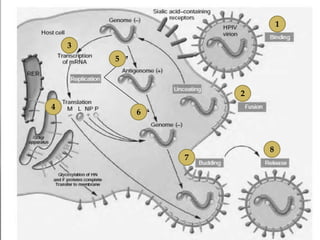
1

    3
        5


                    2
4
            6


                        8
                7
   Inhalation – Virus laden droplets

   Incubation
     2-8 days (nasopharyngeal epithelium)
     Further 1-3 days – Spread through tracheobronchial
      tree


   Both upper and lower RTI

   Viremia is uncommon in immunocompetent hosts

   Infants/children more commonly affected
   Respiratory illness

     Croup   (Laryngotracheobronchitis)
     Bronchiolitis
     Pneumonia


     Pharyngitis
     Common cold/rhinitis
   Airway inflammation
   Necrosis/sloughing of epithelium
   Oedema/excessive mucous production
   Croup (PIV1,2)
     Peaks between 1-2 yrs of age
     Swelling of vocal cords, larynx, trachea, bronchi
     Obstruction of inflow of air (Stridor)

   LRTI (PIV3)
     Alveolar filling
     Interstitial infiltration
   Maternal antibodies usually not protective
   Neutralizing antibodies (protective humoral
    immunity)
     HN & F
     May not protect against re-infection
     21 epitopes in PIV1 HN
     20 epitopes in PIV3 F
   Repeated infections needed for full protection
    (implications in vaccine development)
Specimens: All used successfully
     Throat swab
     nasopharyngeal swab
     nasal wash
     nasal aspirates

Transport
   Swab/2-3ml washings
   VTM (2-3ml) (MEM with 0.5% BSA +
    antibacterials/antifungals)
   4 °C
   If delay (Frozen – If delayed >24 hrs)
Serological diagnosis

   ELISA/RIA/HI/CFT/WB
     Drawback – cross reactivity among different PIV types
     CFT – least cross reactions (max specificity) but least
      sensitive
     ELISA – Most sensitive but least specific
     4 fold rise to any PIV type – significant (even if
      heterologous antibodies +ve) – can not tell the subtype


Antigen detection
     Direct immunofluorescence
     Rapid but less sensitive than viral isolation
     Highly specific immune reagents (MAbs)required for
      serotype identification
   Culture/Isolation
    Cell culture
       Primary monkey Kidney cells (best)
       Cynomolgus cell line
       CPE – 4-7 days – syncytia & roundening
       Identification & typing –
              IF – most rapid & accurate

    EGGS - Poor medium
        - Many repeated blind passages needed
   Supportive
   Prevent secondary bacterial infections

In vitro trials with antivirals
 Neuraminidase inhibitor – Zanamivir
 Protein synthesis inhibitor – Puromycin
 Ascorbic acid
 Calcium enolate


Novel approach
 Inhibitors of syncytia formation (synthetic peptides
  against F protein)
 Several immunostimulators tried (no significant
  outcome)
   Respiratory syncytial virus is the most
    important cause of lower respiratory
    tract illness in infants and young
    children, usually outranking all other
    microbial pathogens as the cause of
    bronchiolitis and pneumonia in infants
    under 1 year of age.
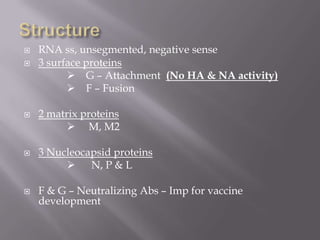
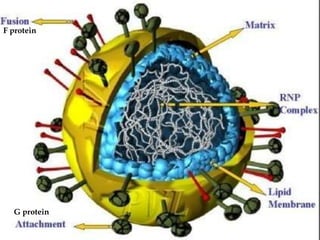
   RNA ss, unsegmented, negative sense
   3 surface proteins
           G – Attachment (No HA & NA activity)
           F – Fusion

   2 matrix proteins
           M, M2

   3 Nucleocapsid proteins
             N, P & L

   F & G – Neutralizing Abs – Imp for vaccine
    development
F protein


  G protein
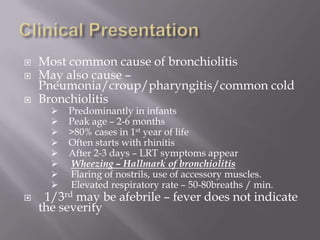
   Most common cause of bronchiolitis
   May also cause –
    Pneumonia/croup/pharyngitis/common cold
   Bronchiolitis
         Predominantly in infants
         Peak age – 2-6 months
         >80% cases in 1st year of life
         Often starts with rhinitis
         After 2-3 days – LRT symptoms appear
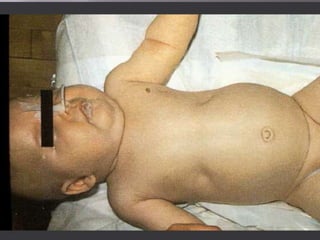
         Wheezing – Hallmark of bronchiolitis
         Flaring of nostrils, use of accessory muscles.
         Elevated respiratory rate – 50-80breaths / min.
    1/3rd may be afebrile – fever does not indicate
    the severity
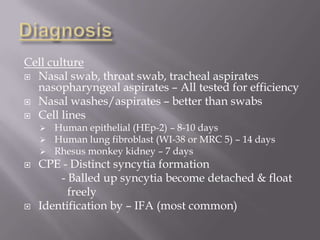
Cell culture
 Nasal swab, throat swab, tracheal aspirates
  nasopharyngeal aspirates – All tested for efficiency
 Nasal washes/aspirates – better than swabs
 Cell lines
       Human epithelial (HEp-2) – 8-10 days
       Human lung fibroblast (WI-38 or MRC 5) – 14 days
       Rhesus monkey kidney – 7 days
   CPE - Distinct syncytia formation
        - Balled up syncytia become detached & float
          freely
   Identification by – IFA (most common)
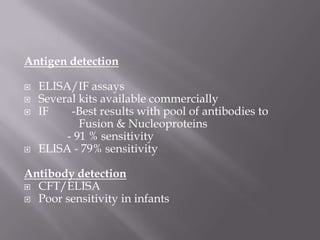
Antigen detection

   ELISA/IF assays
   Several kits available commercially
   IF    -Best results with pool of antibodies to
            Fusion & Nucleoproteins
         - 91 % sensitivity
   ELISA - 79% sensitivity

Antibody detection
 CFT/ELISA
 Poor sensitivity in infants
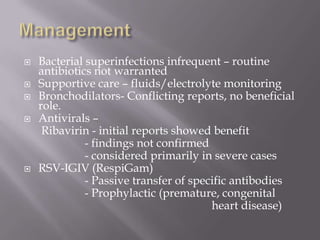
   Bacterial superinfections infrequent – routine
    antibiotics not warranted
   Supportive care – fluids/electrolyte monitoring
   Bronchodilators- Conflicting reports, no beneficial
    role.
   Antivirals –
     Ribavirin - initial reports showed benefit
              - findings not confirmed
              - considered primarily in severe cases
   RSV-IGIV (RespiGam)
              - Passive transfer of specific antibodies
              - Prophylactic (premature, congenital
                                        heart disease)
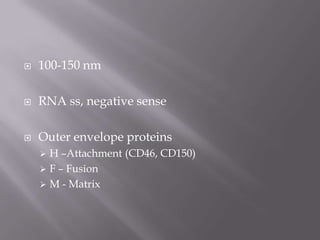
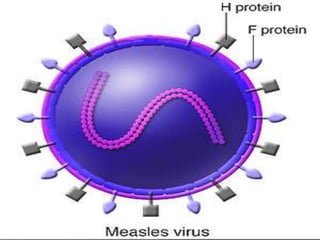
   100-150 nm

   RNA ss, negative sense

   Outer envelope proteins
     H –Attachment (CD46, CD150)
     F – Fusion
     M - Matrix
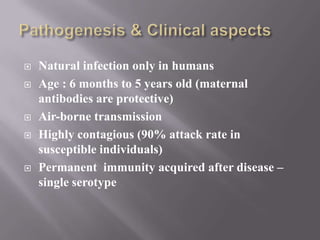
   Natural infection only in humans
   Age : 6 months to 5 years old (maternal
    antibodies are protective)
   Air-borne transmission
   Highly contagious (90% attack rate in
    susceptible individuals)
   Permanent immunity acquired after disease –
    single serotype
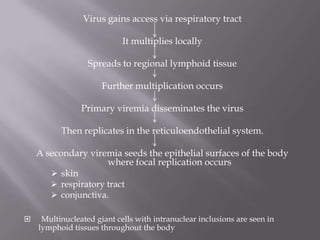
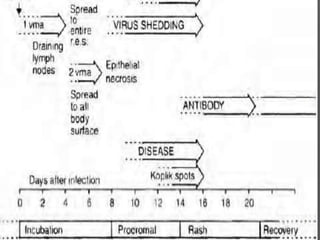
Virus gains access via respiratory tract

                            It multiplies locally

                  Spreads to regional lymphoid tissue

                      Further multiplication occurs

                Primary viremia disseminates the virus

          Then replicates in the reticuloendothelial system.

    A secondary viremia seeds the epithelial surfaces of the body
                     where focal replication occurs
        skin
        respiratory tract
        conjunctiva.

    Multinucleated giant cells with intranuclear inclusions are seen in
    lymphoid tissues throughout the body
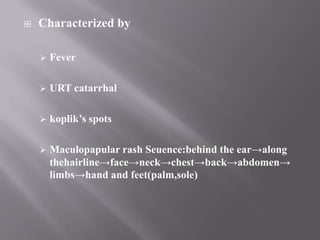
   Characterized by

       Fever

       URT catarrhal

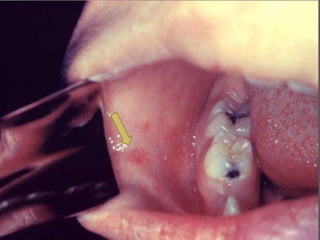
       koplik’s spots

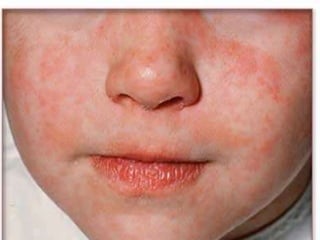
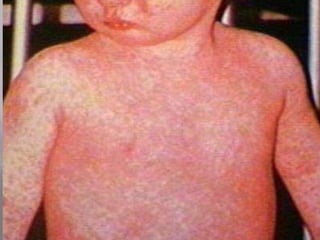
       Maculopapular rash Seuence:behind the ear→along
        thehairline→face→neck→chest→back→abdomen→
        limbs→hand and feet(palm,sole)
   Bronchopneumonia (most fatal complication)
   Otitis media
   Myocarditis
   Laryngitis
   Neurologic complications:
       Post Infectious Encephalomyelitis (PIE)
          1:1000
           After1-3 weeks
          Immunological reaction
       Subacute Sclerosing Panencephalitis (SSPE).
          1:300,000
          After 5-15 years (dormant/persistant infection)
          Defective viral replication
          High antibody titres in CSF
Antigen Detection
 Directly in epithelial cells in respiratory secretions
  and urine
 Nucleoprotein detection- The most abundant viral
  protein in infected cells
Serological Diagnosis
 fourfold rise in antibody titer between acute-phase
  and convalescent-phase sera
 Specific IgM antibody in a single serum specimen
  drawn between 1 and 2 weeks after the onset of
  rash
 ELISA, HI, and Nt tests all may be used
Isolation and Identification of Virus
 Samples
     Nasopharyngeal and conjunctival swabs
     Blood
     Respiratory secretions
     Urine
   Cell lines
     Monkey or human kidney cells
     Lymphoblastoid cell line (B95-a)
   Detection
     Cytopathic effects (multinucleated giant cells containing
      both intranuclear and intracytoplasmic inclusion bodies)
      take 7–10 days to develop
     Fluorescent antibody staining to detect measles antigens
      in the inoculated cultures.
   General therapy: rest, nursing and diet

   Symptomatic therapy: fever and cough

   Support therapy : Vitamin A

   Treatment of complications

   Active immunization
       Lived attenuated measles vaccine.
   Humans are the only natural hosts
   Acute contagious disease
   More than one-third of all mumps infections
    are asymptomatic.
   Primary replication occurs in nasal or upper
    respiratory tract epithelial cells.
   Viremia then disseminates the virus to the
    salivary glands and other major organ systems.
   Mumps is a systemic viral disease with a
    propensity to replicate in epithelial cells in
    various visceral organs.
   The incubation period -2 weeks to 4 weeks
   A prodromal period of malaise and anorexia
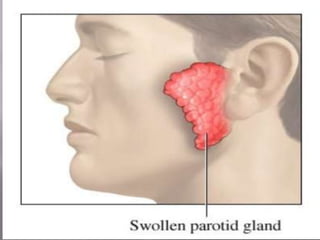
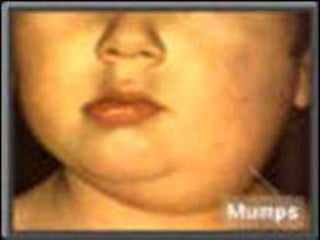
   Rapid enlargement of parotid glands as well as
    other salivary glands.
   Hallmark - Nonsuppurative enlargement salivary
    glands.
   Virus is shed in the saliva from about 3 days before
    to 9 days after the onset of salivary gland swelling.
   Infected individuals who do not exhibit obvious
    symptoms (inapparent infections) are equally
    capable of transmitting infection.
   Mostly causes a mild childhood disease, but in
    adults complications including meningitis and
    orchitis are fairly common.
   Central nervous system involvement – Aseptic
    meningitis (10-30% cases)

   Testes and ovaries may be affected, especially
    after puberty.

   Pancreatitis is reported in about 4% of cases
   Immunity is permanent after a single infection.
   There is only one antigenic type of mumps
    virus
   It does not exhibit significant antigenic
    variation
   Antibodies against the HN antigen correlate
    well with immunity.(Protective )
Serology
 Fourfold or greater rise in antibody titer is
  evidence of mumps infection.

   Specific IgM in serum drawn early in illness
    strongly suggests recent infection

   The ELISA or HI test is commonly used
Isolation and Identification of Virus
 Samples
       Saliva
       Cerebrospinal fluid
       Urine
   Cell line – Monkey Kidney cell line
   Detection
       Cytopathic effects typical of mumps virus consist of
        cell rounding and giant cell formation
       Immunofluorescence
   There is no specific therapy
   Supportive/symptomatic treatment
   Immunization with attenuated live mumps
    virus vaccine is the best approach
Paramyxoviruses

Paramyxoviruses

  • 2.
    Myxo – Mucous/mucin  Myxovirus –  RNA Virus infecting mucous membrane (respiratory)  Affinity for certain mucins  Causing agglutination of red blood cells  ORTHO (Influenza) & PARA (Others)
  • 4.
    MYXO VIRUSES Orthomyxo Paramyxo Influenza Virus Parainfluenza Virus Respiratory Syncytial Measles Mumps
  • 6.
    Spherical/Filamentous/Pleomorphic  Enveloped (150-300nm)  RNA ss – Non segmented  Negative sense genome  5 subtypes – PIV 1/2/3/4a/4b
  • 8.
    HN – Haemagglutinin neuraminidase  F – Fusion  M - Matrix (underneath the envelope)  N/NP – Nucleoprotein  P – Phosphoprotein  L – Large RNA Polymerase
  • 10.
    1 3 5 2 4 6 8 7
  • 11.
    Inhalation – Virus laden droplets  Incubation  2-8 days (nasopharyngeal epithelium)  Further 1-3 days – Spread through tracheobronchial tree  Both upper and lower RTI  Viremia is uncommon in immunocompetent hosts  Infants/children more commonly affected
  • 12.
    Respiratory illness  Croup (Laryngotracheobronchitis)  Bronchiolitis  Pneumonia  Pharyngitis  Common cold/rhinitis
  • 13.
    Airway inflammation  Necrosis/sloughing of epithelium  Oedema/excessive mucous production  Croup (PIV1,2)  Peaks between 1-2 yrs of age  Swelling of vocal cords, larynx, trachea, bronchi  Obstruction of inflow of air (Stridor)  LRTI (PIV3)  Alveolar filling  Interstitial infiltration
  • 14.
    Maternal antibodies usually not protective  Neutralizing antibodies (protective humoral immunity)  HN & F  May not protect against re-infection  21 epitopes in PIV1 HN  20 epitopes in PIV3 F  Repeated infections needed for full protection (implications in vaccine development)
  • 15.
    Specimens: All usedsuccessfully  Throat swab  nasopharyngeal swab  nasal wash  nasal aspirates Transport  Swab/2-3ml washings  VTM (2-3ml) (MEM with 0.5% BSA + antibacterials/antifungals)  4 °C  If delay (Frozen – If delayed >24 hrs)
  • 16.
    Serological diagnosis  ELISA/RIA/HI/CFT/WB  Drawback – cross reactivity among different PIV types  CFT – least cross reactions (max specificity) but least sensitive  ELISA – Most sensitive but least specific  4 fold rise to any PIV type – significant (even if heterologous antibodies +ve) – can not tell the subtype Antigen detection  Direct immunofluorescence  Rapid but less sensitive than viral isolation  Highly specific immune reagents (MAbs)required for serotype identification
  • 17.
    Culture/Isolation Cell culture  Primary monkey Kidney cells (best)  Cynomolgus cell line  CPE – 4-7 days – syncytia & roundening  Identification & typing – IF – most rapid & accurate EGGS - Poor medium - Many repeated blind passages needed
  • 18.
    Supportive  Prevent secondary bacterial infections In vitro trials with antivirals  Neuraminidase inhibitor – Zanamivir  Protein synthesis inhibitor – Puromycin  Ascorbic acid  Calcium enolate Novel approach  Inhibitors of syncytia formation (synthetic peptides against F protein)  Several immunostimulators tried (no significant outcome)
  • 20.
    Respiratory syncytial virus is the most important cause of lower respiratory tract illness in infants and young children, usually outranking all other microbial pathogens as the cause of bronchiolitis and pneumonia in infants under 1 year of age.
  • 21.
    RNA ss, unsegmented, negative sense  3 surface proteins  G – Attachment (No HA & NA activity)  F – Fusion  2 matrix proteins  M, M2  3 Nucleocapsid proteins  N, P & L  F & G – Neutralizing Abs – Imp for vaccine development
  • 22.
    F protein G protein
  • 23.
    Most common cause of bronchiolitis  May also cause – Pneumonia/croup/pharyngitis/common cold  Bronchiolitis  Predominantly in infants  Peak age – 2-6 months  >80% cases in 1st year of life  Often starts with rhinitis  After 2-3 days – LRT symptoms appear  Wheezing – Hallmark of bronchiolitis  Flaring of nostrils, use of accessory muscles.  Elevated respiratory rate – 50-80breaths / min.  1/3rd may be afebrile – fever does not indicate the severity
  • 25.
    Cell culture  Nasalswab, throat swab, tracheal aspirates nasopharyngeal aspirates – All tested for efficiency  Nasal washes/aspirates – better than swabs  Cell lines  Human epithelial (HEp-2) – 8-10 days  Human lung fibroblast (WI-38 or MRC 5) – 14 days  Rhesus monkey kidney – 7 days  CPE - Distinct syncytia formation - Balled up syncytia become detached & float freely  Identification by – IFA (most common)
  • 26.
    Antigen detection  ELISA/IF assays  Several kits available commercially  IF -Best results with pool of antibodies to Fusion & Nucleoproteins - 91 % sensitivity  ELISA - 79% sensitivity Antibody detection  CFT/ELISA  Poor sensitivity in infants
  • 27.
    Bacterial superinfections infrequent – routine antibiotics not warranted  Supportive care – fluids/electrolyte monitoring  Bronchodilators- Conflicting reports, no beneficial role.  Antivirals – Ribavirin - initial reports showed benefit - findings not confirmed - considered primarily in severe cases  RSV-IGIV (RespiGam) - Passive transfer of specific antibodies - Prophylactic (premature, congenital heart disease)
  • 29.
    100-150 nm  RNA ss, negative sense  Outer envelope proteins  H –Attachment (CD46, CD150)  F – Fusion  M - Matrix
  • 31.
    Natural infection only in humans  Age : 6 months to 5 years old (maternal antibodies are protective)  Air-borne transmission  Highly contagious (90% attack rate in susceptible individuals)  Permanent immunity acquired after disease – single serotype
  • 32.
    Virus gains accessvia respiratory tract It multiplies locally Spreads to regional lymphoid tissue Further multiplication occurs Primary viremia disseminates the virus Then replicates in the reticuloendothelial system. A secondary viremia seeds the epithelial surfaces of the body where focal replication occurs  skin  respiratory tract  conjunctiva.  Multinucleated giant cells with intranuclear inclusions are seen in lymphoid tissues throughout the body
  • 34.
    Characterized by  Fever  URT catarrhal  koplik’s spots  Maculopapular rash Seuence:behind the ear→along thehairline→face→neck→chest→back→abdomen→ limbs→hand and feet(palm,sole)
  • 38.
    Bronchopneumonia (most fatal complication)  Otitis media  Myocarditis  Laryngitis  Neurologic complications:  Post Infectious Encephalomyelitis (PIE) 1:1000  After1-3 weeks Immunological reaction  Subacute Sclerosing Panencephalitis (SSPE). 1:300,000 After 5-15 years (dormant/persistant infection) Defective viral replication High antibody titres in CSF
  • 39.
    Antigen Detection  Directlyin epithelial cells in respiratory secretions and urine  Nucleoprotein detection- The most abundant viral protein in infected cells Serological Diagnosis  fourfold rise in antibody titer between acute-phase and convalescent-phase sera  Specific IgM antibody in a single serum specimen drawn between 1 and 2 weeks after the onset of rash  ELISA, HI, and Nt tests all may be used
  • 40.
    Isolation and Identificationof Virus  Samples  Nasopharyngeal and conjunctival swabs  Blood  Respiratory secretions  Urine  Cell lines  Monkey or human kidney cells  Lymphoblastoid cell line (B95-a)  Detection  Cytopathic effects (multinucleated giant cells containing both intranuclear and intracytoplasmic inclusion bodies) take 7–10 days to develop  Fluorescent antibody staining to detect measles antigens in the inoculated cultures.
  • 41.
    General therapy: rest, nursing and diet  Symptomatic therapy: fever and cough  Support therapy : Vitamin A  Treatment of complications  Active immunization  Lived attenuated measles vaccine.
  • 43.
    Humans are the only natural hosts  Acute contagious disease  More than one-third of all mumps infections are asymptomatic.  Primary replication occurs in nasal or upper respiratory tract epithelial cells.  Viremia then disseminates the virus to the salivary glands and other major organ systems.  Mumps is a systemic viral disease with a propensity to replicate in epithelial cells in various visceral organs.
  • 44.
    The incubation period -2 weeks to 4 weeks  A prodromal period of malaise and anorexia  Rapid enlargement of parotid glands as well as other salivary glands.  Hallmark - Nonsuppurative enlargement salivary glands.  Virus is shed in the saliva from about 3 days before to 9 days after the onset of salivary gland swelling.  Infected individuals who do not exhibit obvious symptoms (inapparent infections) are equally capable of transmitting infection.  Mostly causes a mild childhood disease, but in adults complications including meningitis and orchitis are fairly common.
  • 47.
    Central nervous system involvement – Aseptic meningitis (10-30% cases)  Testes and ovaries may be affected, especially after puberty.  Pancreatitis is reported in about 4% of cases
  • 48.
    Immunity is permanent after a single infection.  There is only one antigenic type of mumps virus  It does not exhibit significant antigenic variation  Antibodies against the HN antigen correlate well with immunity.(Protective )
  • 49.
    Serology  Fourfold orgreater rise in antibody titer is evidence of mumps infection.  Specific IgM in serum drawn early in illness strongly suggests recent infection  The ELISA or HI test is commonly used
  • 50.
    Isolation and Identificationof Virus  Samples  Saliva  Cerebrospinal fluid  Urine  Cell line – Monkey Kidney cell line  Detection  Cytopathic effects typical of mumps virus consist of cell rounding and giant cell formation  Immunofluorescence
  • 51.
    There is no specific therapy  Supportive/symptomatic treatment  Immunization with attenuated live mumps virus vaccine is the best approach