Chapter 7 Consumer Learning
Chapter Outline The Elements of Consumer Learning Behavioral Learning Theories Cognitive Learning Theory Measures of Consumer Learning
Learning The process by which individuals acquire the purchase and consumption knowledge and experience that they apply to future related behavior Marketers must teach consumers: where to buy how to use how to maintain how to dispose of products
Learning Theories Behavioral Theories Based on observable behaviors (responses) that occur as the result of exposure to stimuli Cognitive Theories Learning based on mental information processing Often in response to problem solving
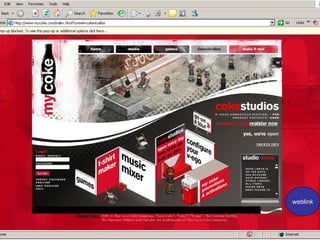
Discussion Question For Coca-Cola: How have they used behavioral theory in their marketing? Cognitive theory? How have they built brand loyalty?
weblink
Elements of  Learning Theories Motivation Cues Response Reinforcement
Behavioral Learning Theories Classical Conditioning Instrumental Conditioning Modeling or Observational Learning
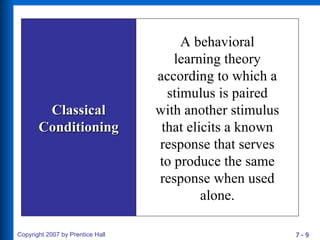
Classical Conditioning A behavioral learning theory according to which a stimulus is paired with another stimulus that elicits a known response that serves to produce the same response when used alone.
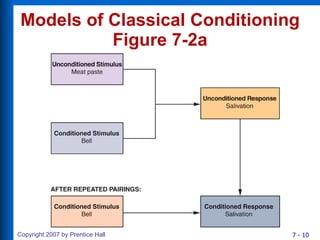
Models of Classical Conditioning Figure 7-2a
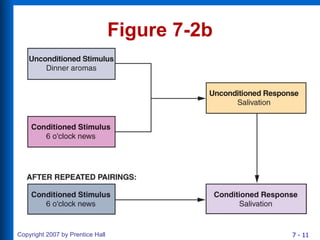
Figure 7-2b
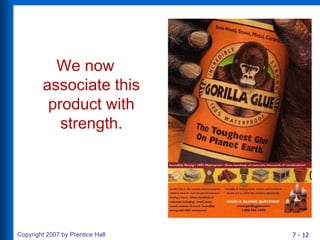
We now associate this product with strength.
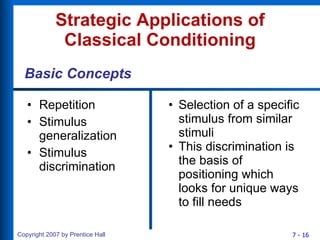
Strategic Applications of Classical Conditioning Repetition Stimulus generalization Stimulus discrimination Increases the association between the conditioned and unconditioned stimulus Slows the pace of forgetting Advertising wearout is a problem Basic Concepts
Strategic Applications of Classical Conditioning Repetition Stimulus generalization Stimulus discrimination Having the same response to slightly different stimuli Helps “me-too” products to succeed Useful in product extensions Basic Concepts
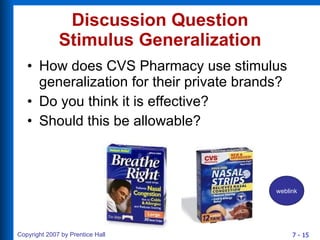
Discussion Question Stimulus Generalization How does CVS Pharmacy use stimulus generalization for their private brands? Do you think it is effective? Should this be allowable? weblink
Strategic Applications of Classical Conditioning Repetition Stimulus generalization Stimulus discrimination Selection of a specific stimulus from similar stimuli This discrimination is the basis of positioning which looks for unique ways to fill needs Basic Concepts
Instrumental (Operant) Conditioning A behavioral theory of learning based on a trial-and-error process, with habits forced as the result of positive experiences (reinforcement) resulting from certain responses or behaviors.
Types of Reinforcement Positive Negative Forgetting Extinction
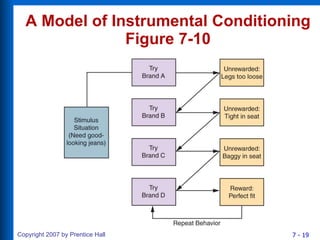
A Model of Instrumental Conditioning Figure 7-10
Instrumental Conditioning and Marketing Customer Satisfaction (Reinforcement) Reinforcement Schedules Shaping Massed versus Distributed Learning
Observational Learning A process by which individuals observe how others behave in response to certain stimuli and reinforcements.  Also known as modeling or vicarious learning.
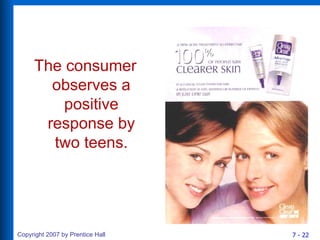
The consumer observes a positive response by two teens.
Cognitive Learning Theory Holds that the kind of learning most characteristic of human beings is problem solving, which enables individuals to gain some control over their environment.
Information Processing Relates to cognitive ability and the complexity of the information Individuals differ in imagery – their ability to form mental images which influences recall
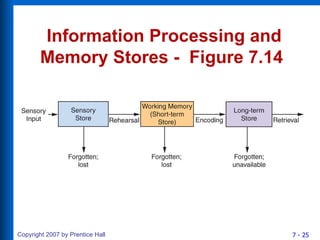
Information Processing and Memory Stores -  Figure 7.14
Information Processing Movement from short-term to long-term storage depends on Rehearsal Encoding
Discussion Question How do advertisers drive consumers to rehearse information? When does this work against the advertiser? Can you think of examples of advertisements which drive you to rehearse?
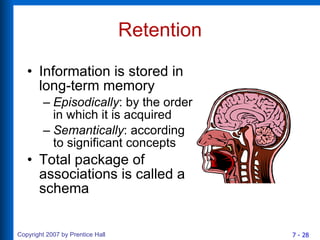
Retention Information is stored in long-term memory Episodically : by the order in which it is acquired Semantically : according to significant concepts Total package of associations is called a schema
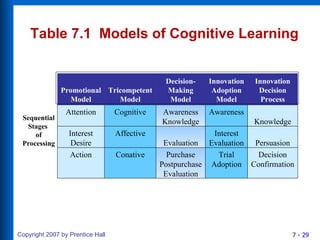
Table 7.1  Models of Cognitive Learning Attention Cognitive Action Conative Purchase Postpurchase Evaluation Trial Adoption Decision Confirmation Affective Evaluation Interest Evaluation Persuasion Knowledge Awareness Awareness Knowledge Interest Desire Sequential Stages  of Processing Innovation Adoption Model Decision-Making Model Tricompetent Model Innovation Decision Process Promotional Model
Issues in Involvement Theory Consumer Relevance Central and Peripheral Routes to Persuasion Measure of Involvement
Consumer Relevance Involvement depends on degree of personal relevance. High involvement is: Very important to the consumer  Provokes extensive problem solving
Central and Peripheral Routes  to Persuasion Central route to persuasion For high involvement purchases Requires cognitive processing Peripheral route to persuasion Low involvement Consumer less motivated to think Learning through repetition, visual cues, and holistic perception
Peripheral route to persuasion
Measures of Consumer Learning Recognition and Recall Measures Aided and Unaided Recall Cognitive Responses to Advertising Attitudinal and Behavioral Measures of Brand Loyalty
Brand Loyalty Function of three groups of influences Consumer drivers Brand drivers Social drivers Four types of loyalty No loyalty Covetous loyalty Inertia loyalty Premium loyalty
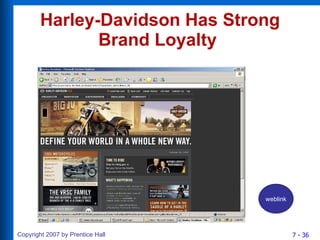
Harley-Davidson Has Strong Brand Loyalty  weblink
Brand Equity Refers to the value inherent in a well-known brand name Value stems from consumer’s perception of brand superiority Brand equity reflects learned brand loyalty Brand loyalty and brand equity lead to increased market share and greater profits

Consumer learning

  • 1.
  • 2.
    Chapter Outline TheElements of Consumer Learning Behavioral Learning Theories Cognitive Learning Theory Measures of Consumer Learning
  • 3.
    Learning The processby which individuals acquire the purchase and consumption knowledge and experience that they apply to future related behavior Marketers must teach consumers: where to buy how to use how to maintain how to dispose of products
  • 4.
    Learning Theories BehavioralTheories Based on observable behaviors (responses) that occur as the result of exposure to stimuli Cognitive Theories Learning based on mental information processing Often in response to problem solving
  • 5.
    Discussion Question ForCoca-Cola: How have they used behavioral theory in their marketing? Cognitive theory? How have they built brand loyalty?
  • 6.
  • 7.
    Elements of Learning Theories Motivation Cues Response Reinforcement
  • 8.
    Behavioral Learning TheoriesClassical Conditioning Instrumental Conditioning Modeling or Observational Learning
  • 9.
    Classical Conditioning Abehavioral learning theory according to which a stimulus is paired with another stimulus that elicits a known response that serves to produce the same response when used alone.
  • 10.
    Models of ClassicalConditioning Figure 7-2a
  • 11.
  • 12.
    We now associatethis product with strength.
  • 13.
    Strategic Applications ofClassical Conditioning Repetition Stimulus generalization Stimulus discrimination Increases the association between the conditioned and unconditioned stimulus Slows the pace of forgetting Advertising wearout is a problem Basic Concepts
  • 14.
    Strategic Applications ofClassical Conditioning Repetition Stimulus generalization Stimulus discrimination Having the same response to slightly different stimuli Helps “me-too” products to succeed Useful in product extensions Basic Concepts
  • 15.
    Discussion Question StimulusGeneralization How does CVS Pharmacy use stimulus generalization for their private brands? Do you think it is effective? Should this be allowable? weblink
  • 16.
    Strategic Applications ofClassical Conditioning Repetition Stimulus generalization Stimulus discrimination Selection of a specific stimulus from similar stimuli This discrimination is the basis of positioning which looks for unique ways to fill needs Basic Concepts
  • 17.
    Instrumental (Operant) ConditioningA behavioral theory of learning based on a trial-and-error process, with habits forced as the result of positive experiences (reinforcement) resulting from certain responses or behaviors.
  • 18.
    Types of ReinforcementPositive Negative Forgetting Extinction
  • 19.
    A Model ofInstrumental Conditioning Figure 7-10
  • 20.
    Instrumental Conditioning andMarketing Customer Satisfaction (Reinforcement) Reinforcement Schedules Shaping Massed versus Distributed Learning
  • 21.
    Observational Learning Aprocess by which individuals observe how others behave in response to certain stimuli and reinforcements. Also known as modeling or vicarious learning.
  • 22.
    The consumer observesa positive response by two teens.
  • 23.
    Cognitive Learning TheoryHolds that the kind of learning most characteristic of human beings is problem solving, which enables individuals to gain some control over their environment.
  • 24.
    Information Processing Relatesto cognitive ability and the complexity of the information Individuals differ in imagery – their ability to form mental images which influences recall
  • 25.
    Information Processing andMemory Stores - Figure 7.14
  • 26.
    Information Processing Movementfrom short-term to long-term storage depends on Rehearsal Encoding
  • 27.
    Discussion Question Howdo advertisers drive consumers to rehearse information? When does this work against the advertiser? Can you think of examples of advertisements which drive you to rehearse?
  • 28.
    Retention Information isstored in long-term memory Episodically : by the order in which it is acquired Semantically : according to significant concepts Total package of associations is called a schema
  • 29.
    Table 7.1 Models of Cognitive Learning Attention Cognitive Action Conative Purchase Postpurchase Evaluation Trial Adoption Decision Confirmation Affective Evaluation Interest Evaluation Persuasion Knowledge Awareness Awareness Knowledge Interest Desire Sequential Stages of Processing Innovation Adoption Model Decision-Making Model Tricompetent Model Innovation Decision Process Promotional Model
  • 30.
    Issues in InvolvementTheory Consumer Relevance Central and Peripheral Routes to Persuasion Measure of Involvement
  • 31.
    Consumer Relevance Involvementdepends on degree of personal relevance. High involvement is: Very important to the consumer Provokes extensive problem solving
  • 32.
    Central and PeripheralRoutes to Persuasion Central route to persuasion For high involvement purchases Requires cognitive processing Peripheral route to persuasion Low involvement Consumer less motivated to think Learning through repetition, visual cues, and holistic perception
  • 33.
  • 34.
    Measures of ConsumerLearning Recognition and Recall Measures Aided and Unaided Recall Cognitive Responses to Advertising Attitudinal and Behavioral Measures of Brand Loyalty
  • 35.
    Brand Loyalty Functionof three groups of influences Consumer drivers Brand drivers Social drivers Four types of loyalty No loyalty Covetous loyalty Inertia loyalty Premium loyalty
  • 36.
    Harley-Davidson Has StrongBrand Loyalty weblink
  • 37.
    Brand Equity Refersto the value inherent in a well-known brand name Value stems from consumer’s perception of brand superiority Brand equity reflects learned brand loyalty Brand loyalty and brand equity lead to increased market share and greater profits