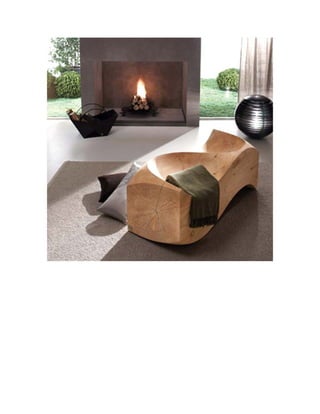
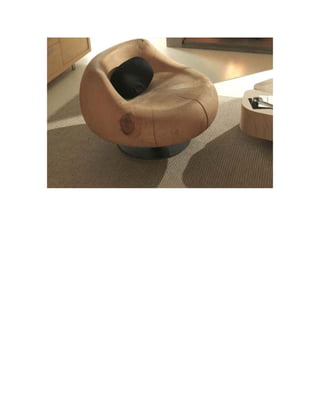
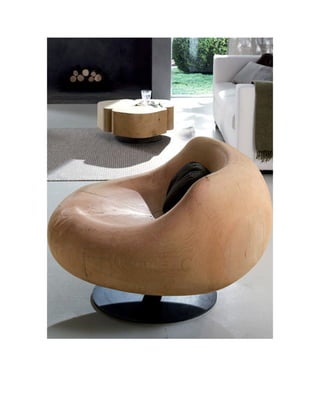
OAK
Oak is the most widely used hardwood. There are more than 60 species of oak grown in
the U.S., which can be separated into two basic varieties; white and red. The red variety
is also known as black oak (a reference to its bark).
Properties: Oak is a heavy, strong, light colored hardwood. It is ring porous, due to the
fact that more and larger conductive vessels are laid down early in the summer, rather
than later. Prominent rings and large pores give oak a course texture and prominent
grain. Oak also has conspicuous medullary rays which can be seen as "flakes" in quarter
sawed oak lumber.
Uses: Oak is the most popular wood used to craft American and English country designs.
It is also used for Gothic and William & Mary reproductions, as well as many transitional
and contemporary pieces.
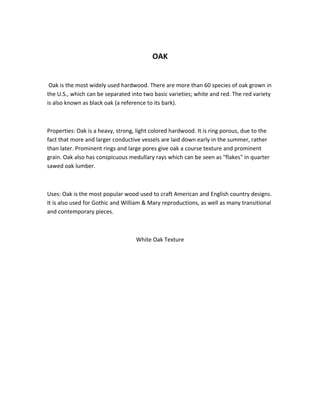
White Oak Texture
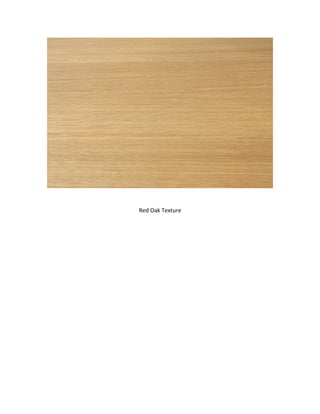
Red Oak Texture
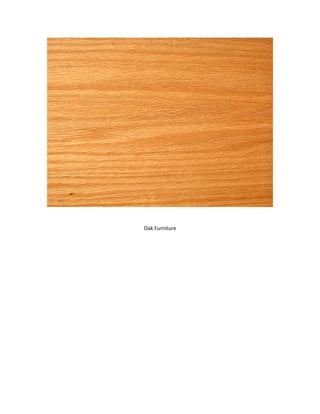
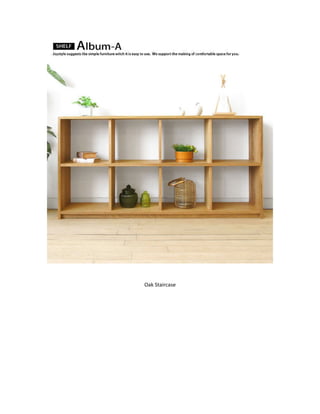
Oak Furniture
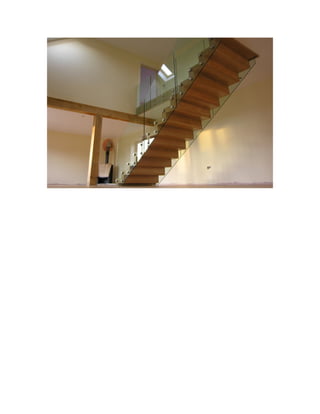
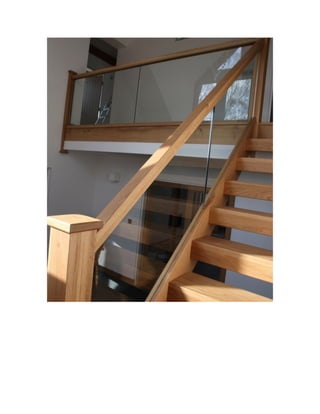
Oak Staircase
MAPLE
There are 115 species of maple. Only 5 commercially important species grow in the U.S. Two of
the five are hard rock maple and sugar maple.
Properties: Maple is so hard and resistant to shocks that it is often used for bowling alley floors.
Its diffuse evenly sized pores give the wood a fine texture and even grain. Maple that has a curly
grain is often used for violin backs (the pattern formed is known as fiddleback figure). Burls, leaf
figure, and birds-eye figures found in maple are used extensively for veneers. The Birds eye
figure in maple is said to be the result of stunted growth and is quite rare.
Uses: Maple is used extensively for furniture, especially in medium and lower priced categories.
It can also be stained to simulate cherry wood, which it resembles. Also useful in Industrial
Design as coverage.
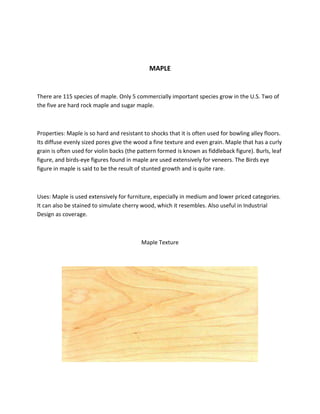
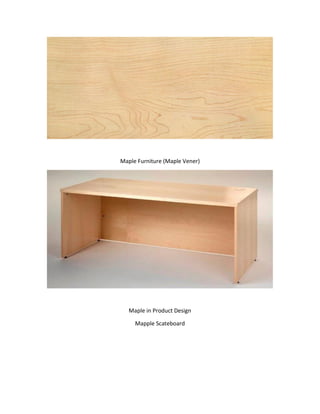
Maple Texture
Maple Furniture (Maple Vener)
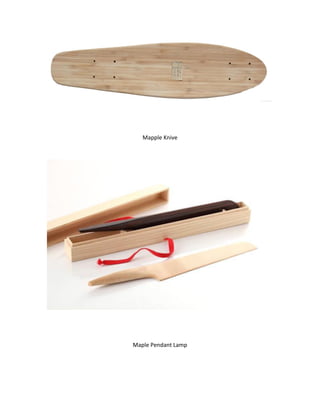
Maple in Product Design
Mapple Scateboard
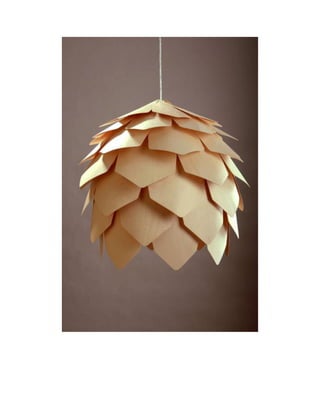
Mapple Knive
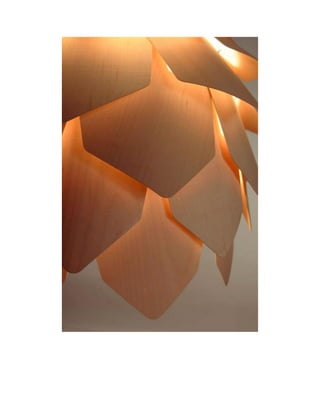
Maple Pendant Lamp
CHERRY
Cherry is grown in the Eastern half of the U.S.and Europe It is sometimes called
fruitwood. The term fruitwood is also used to describe a light brown finish on other
woods.
Properties: A moderately hard, strong, closed grain, light to red-brown wood, cherry
resists warping and checking. It is easy to carve and polish.
Uses: Cherry veneers and solids are used in a variety of styles. Cherry has been called
New England mahogany and is often used to craft 18th century, Colonial and French
Provincial designs.
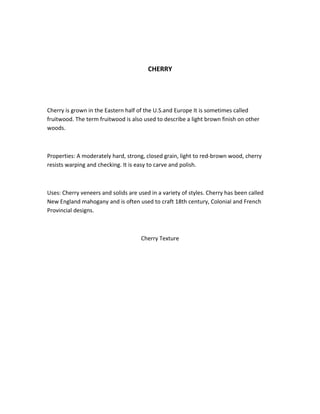
Cherry Texture
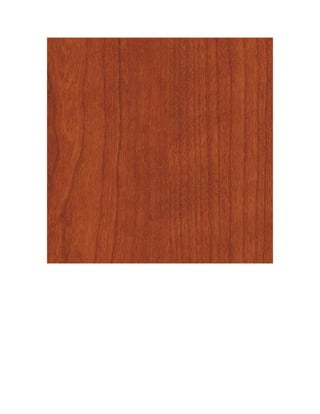
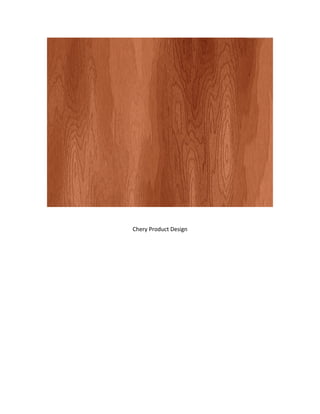
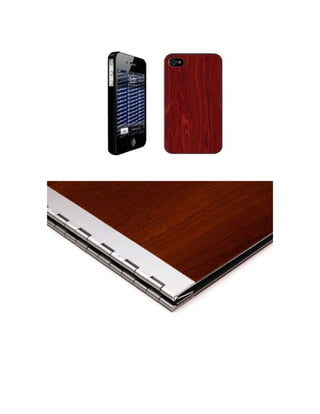
Chery Product Design
TEAK
True teak is indigenous to Southeast Asia, but similar wood species also grow in Africa.
Properties & Uses: Teak is a yellow to dark brown hardwood which is extremely heavy, strong
and durable. Often strongly figured, teak may show straight grain, mottled or fiddleback figures.
It carves well, but because of its high value, is often used as a veneer. Scandinavian modern, and
oriental furniture styles are often crafted of teak.
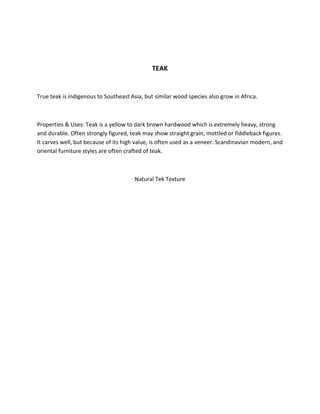
Natural Tek Texture
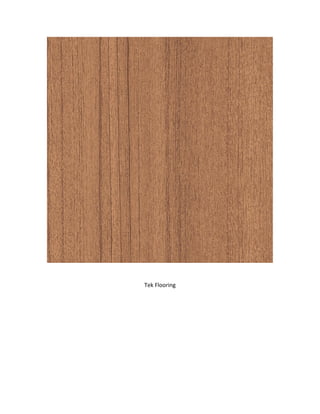
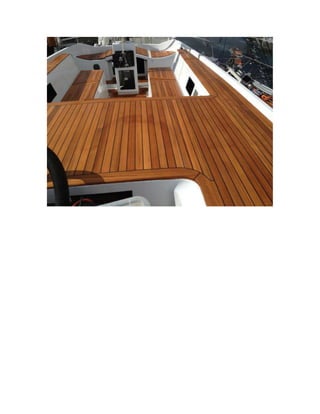
Tek Flooring
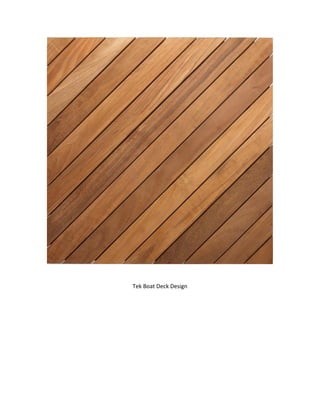
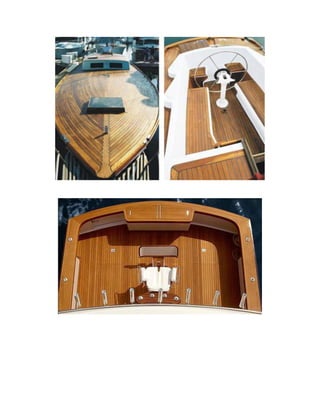
Tek Boat Deck Design
PINE
Pine is a sotwood which grows in most areas of the Northern Hemisphere. There are
more than 100 species worldwide.
Properies: Pine is a sot, white or pale yellow wood which is light weight, straight
grained and lacks igure. It resists shrinking and swelling. Knoty pine is oten used for
decoraive efect.
Uses: Pine is oten used for country or provincial furniture. Pickled, whitened, painted
and oil inishes are oten used on this wood.
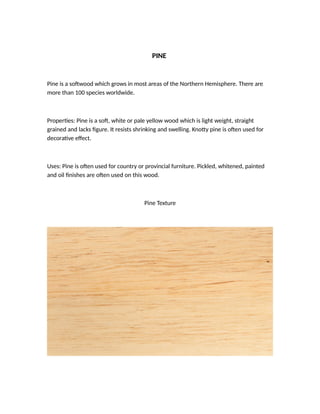
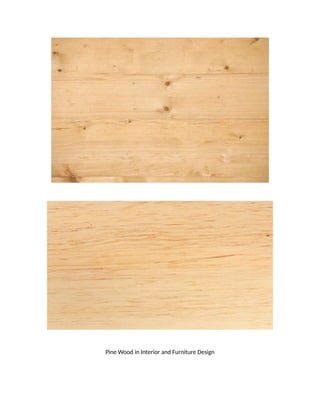
Pine Texture
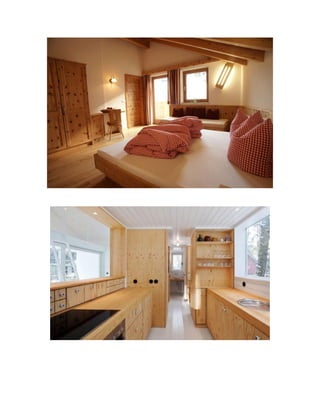
Pine Wood in Interior and Furniture Design
ASH
There are 16 species of ash which grow in the eastern United States. Of these, the white ash is
the largest and most commercially important.
Properties: Ash is a hard, heavy, ring porous hardwood. It has a prominent grain that resembles
oak, and a white to light brown color. Ash can be differentiated from hickory (pecan) which it
also resembles, by white dots in the darker summerwood which can be seen with the naked
eye. Ash burls have a twisted, interwoven figure.
Uses: Ash is widely used for structural frames and steam bent furniture pieces. It is often less
expensive than comparable hardwoods.
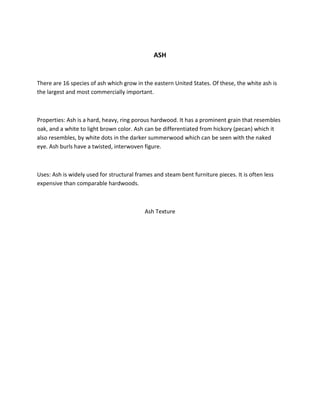
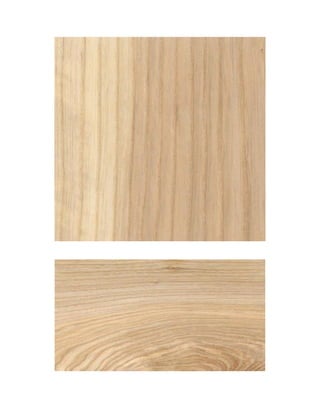
Ash Texture
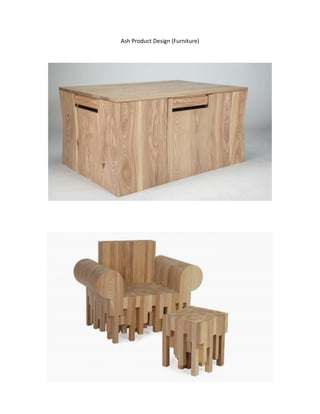
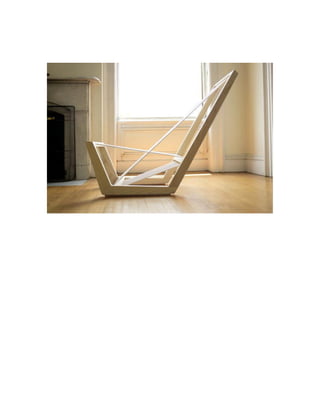
Ash Product Design (Furniture)
CEDAR
Several species of cedar grow in the southern United States, Central and South America.
Properties & Uses: Cedar is a knotty softwood which has a red-brown color with light
streaks. Its aromatic and moth repellent qualities have made it a popular wood for lining
drawers, chests and boxes. Simple cases and storage closets are also constructed from
this light, brittle wood.
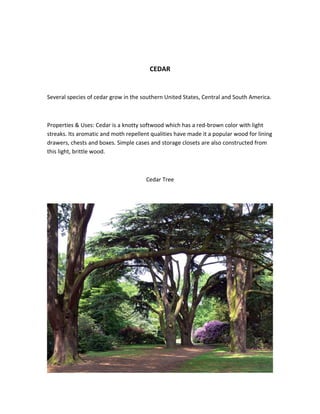
Cedar Tree
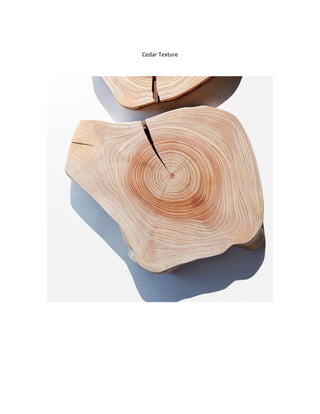
Cedar Texture
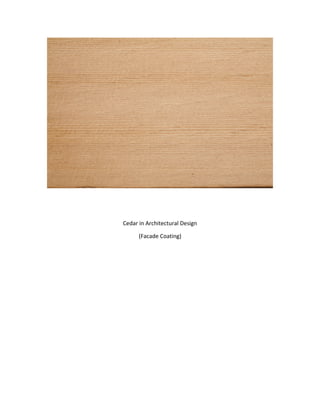
Cedar in Architectural Design
(Facade Coating)
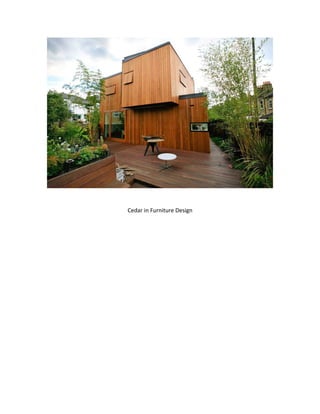
Cedar in Furniture Design
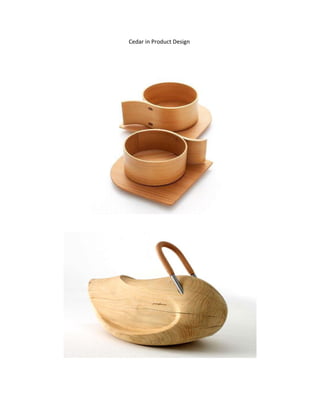
Cedar in Product Design
BIRCH
There are many species of birch. The yellow birch is the most commercially important. European
birch is fine grained, rare and expensive.
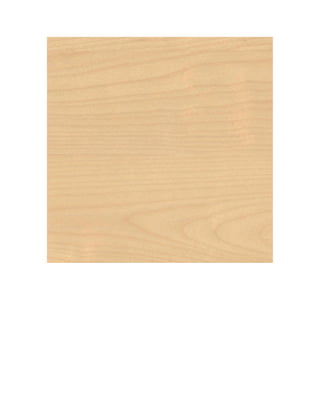
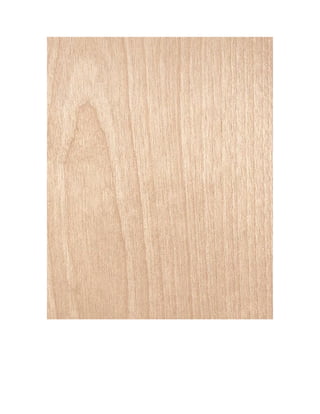
Properties & Uses: Birch is a hard, heavy, close grained hardwood with a light brown or reddish
colored heartwood and cream or light sapwood. Birch is often rotary or flat sliced, yielding
straight, curly or wavy grain patterns. It can be stained to resemble mahogany or walnut.
Birch Texture
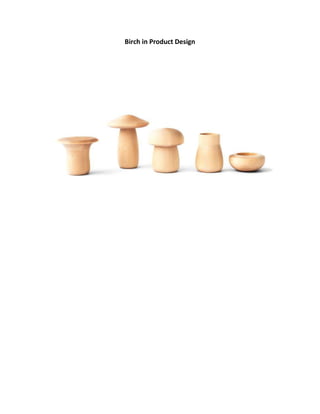
Birch in Product Design
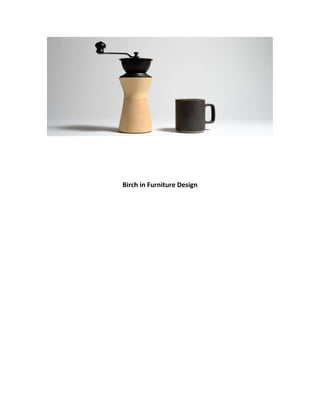
Birch in Furniture Design
Cork (Cork Oak)
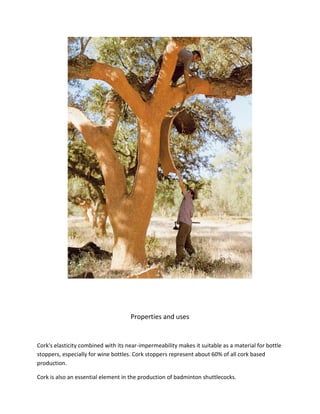
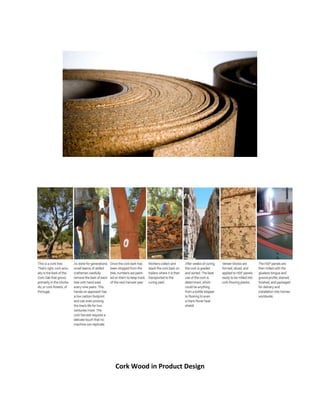
Cork is an impermeable, sustainable material, a prime-subset of bark tissue that is harvested for
commercial use primarily from Quercus suber (the Cork Oak), which is endemic to southwest
Europe and northwest Africa. Cork is composed of suberin, a hydrophobic substance, and
because of its impermeable, buoyant, elastic, and fire retardant properties, it is used in a variety
of products, the most common of which is for wine stoppers. The montado landscape of
Portugal produces approximately 50% of cork harvested annually worldwide
Properties and uses
Cork's elasticity combined with its near-impermeability makes it suitable as a material for bottle
stoppers, especially for wine bottles. Cork stoppers represent about 60% of all cork based
production.
Cork is also an essential element in the production of badminton shuttlecocks.
Cork's bubble-form structure and natural fire retardant make it suitable for acoustic and
thermal insulation in house walls, floors, ceilings and facades. The by-product of more lucrative
stopper production, corkboard is gaining popularity as a non-allergenic, easy-to-handle and safe
alternative to petrochemical-based insulation products which are flammable and emit highly
toxic fumes when burned.
Sheets of cork, also often the by-product of stopper production, are used to make bulletin
boards as well as floor and wall tiles
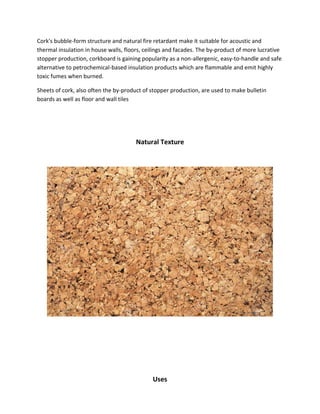
Natural Texture
Uses
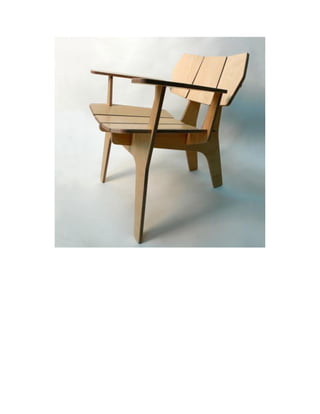
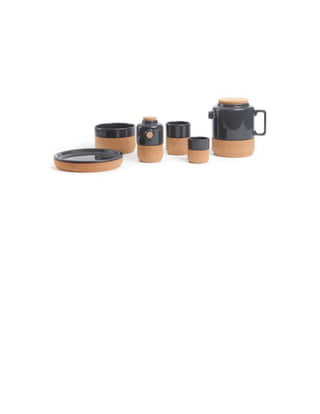
Cork Wood in Product Design
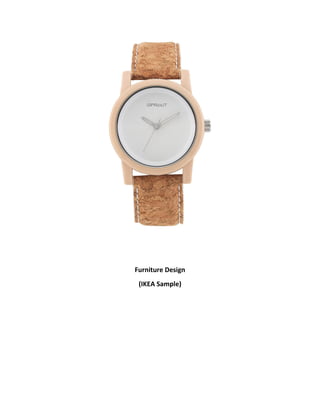
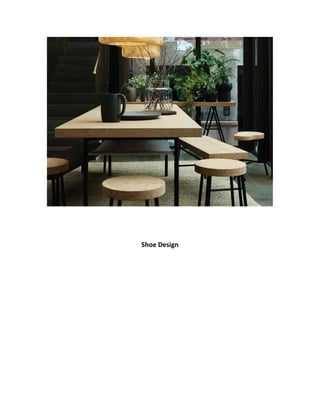
Furniture Design
(IKEA Sample)
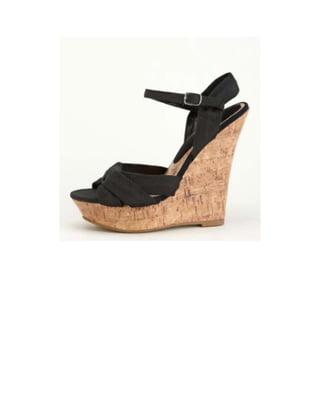
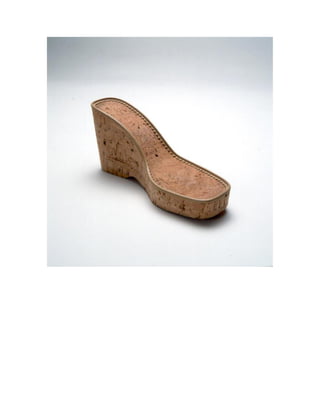
Shoe Design
Solid Wood in Product Design

Solid Wood in Product Design

  • 2.
    OAK Oak is themost widely used hardwood. There are more than 60 species of oak grown in the U.S., which can be separated into two basic varieties; white and red. The red variety is also known as black oak (a reference to its bark). Properties: Oak is a heavy, strong, light colored hardwood. It is ring porous, due to the fact that more and larger conductive vessels are laid down early in the summer, rather than later. Prominent rings and large pores give oak a course texture and prominent grain. Oak also has conspicuous medullary rays which can be seen as "flakes" in quarter sawed oak lumber. Uses: Oak is the most popular wood used to craft American and English country designs. It is also used for Gothic and William & Mary reproductions, as well as many transitional and contemporary pieces. White Oak Texture
  • 3.
  • 4.
  • 5.
  • 8.
    MAPLE There are 115species of maple. Only 5 commercially important species grow in the U.S. Two of the five are hard rock maple and sugar maple. Properties: Maple is so hard and resistant to shocks that it is often used for bowling alley floors. Its diffuse evenly sized pores give the wood a fine texture and even grain. Maple that has a curly grain is often used for violin backs (the pattern formed is known as fiddleback figure). Burls, leaf figure, and birds-eye figures found in maple are used extensively for veneers. The Birds eye figure in maple is said to be the result of stunted growth and is quite rare. Uses: Maple is used extensively for furniture, especially in medium and lower priced categories. It can also be stained to simulate cherry wood, which it resembles. Also useful in Industrial Design as coverage. Maple Texture
  • 9.
    Maple Furniture (MapleVener) Maple in Product Design Mapple Scateboard
  • 10.
  • 13.
    CHERRY Cherry is grownin the Eastern half of the U.S.and Europe It is sometimes called fruitwood. The term fruitwood is also used to describe a light brown finish on other woods. Properties: A moderately hard, strong, closed grain, light to red-brown wood, cherry resists warping and checking. It is easy to carve and polish. Uses: Cherry veneers and solids are used in a variety of styles. Cherry has been called New England mahogany and is often used to craft 18th century, Colonial and French Provincial designs. Cherry Texture
  • 15.
  • 18.
    TEAK True teak isindigenous to Southeast Asia, but similar wood species also grow in Africa. Properties & Uses: Teak is a yellow to dark brown hardwood which is extremely heavy, strong and durable. Often strongly figured, teak may show straight grain, mottled or fiddleback figures. It carves well, but because of its high value, is often used as a veneer. Scandinavian modern, and oriental furniture styles are often crafted of teak. Natural Tek Texture
  • 19.
  • 20.
  • 23.
    PINE Pine is asotwood which grows in most areas of the Northern Hemisphere. There are more than 100 species worldwide. Properies: Pine is a sot, white or pale yellow wood which is light weight, straight grained and lacks igure. It resists shrinking and swelling. Knoty pine is oten used for decoraive efect. Uses: Pine is oten used for country or provincial furniture. Pickled, whitened, painted and oil inishes are oten used on this wood. Pine Texture
  • 24.
    Pine Wood inInterior and Furniture Design
  • 27.
    ASH There are 16species of ash which grow in the eastern United States. Of these, the white ash is the largest and most commercially important. Properties: Ash is a hard, heavy, ring porous hardwood. It has a prominent grain that resembles oak, and a white to light brown color. Ash can be differentiated from hickory (pecan) which it also resembles, by white dots in the darker summerwood which can be seen with the naked eye. Ash burls have a twisted, interwoven figure. Uses: Ash is widely used for structural frames and steam bent furniture pieces. It is often less expensive than comparable hardwoods. Ash Texture
  • 29.
    Ash Product Design(Furniture)
  • 31.
    CEDAR Several species ofcedar grow in the southern United States, Central and South America. Properties & Uses: Cedar is a knotty softwood which has a red-brown color with light streaks. Its aromatic and moth repellent qualities have made it a popular wood for lining drawers, chests and boxes. Simple cases and storage closets are also constructed from this light, brittle wood. Cedar Tree
  • 32.
  • 33.
    Cedar in ArchitecturalDesign (Facade Coating)
  • 34.
  • 38.
  • 40.
    BIRCH There are manyspecies of birch. The yellow birch is the most commercially important. European birch is fine grained, rare and expensive. Properties & Uses: Birch is a hard, heavy, close grained hardwood with a light brown or reddish colored heartwood and cream or light sapwood. Birch is often rotary or flat sliced, yielding straight, curly or wavy grain patterns. It can be stained to resemble mahogany or walnut. Birch Texture
  • 43.
  • 46.
  • 50.
    Cork (Cork Oak) Corkis an impermeable, sustainable material, a prime-subset of bark tissue that is harvested for commercial use primarily from Quercus suber (the Cork Oak), which is endemic to southwest Europe and northwest Africa. Cork is composed of suberin, a hydrophobic substance, and because of its impermeable, buoyant, elastic, and fire retardant properties, it is used in a variety of products, the most common of which is for wine stoppers. The montado landscape of Portugal produces approximately 50% of cork harvested annually worldwide
  • 51.
    Properties and uses Cork'selasticity combined with its near-impermeability makes it suitable as a material for bottle stoppers, especially for wine bottles. Cork stoppers represent about 60% of all cork based production. Cork is also an essential element in the production of badminton shuttlecocks.
  • 52.
    Cork's bubble-form structureand natural fire retardant make it suitable for acoustic and thermal insulation in house walls, floors, ceilings and facades. The by-product of more lucrative stopper production, corkboard is gaining popularity as a non-allergenic, easy-to-handle and safe alternative to petrochemical-based insulation products which are flammable and emit highly toxic fumes when burned. Sheets of cork, also often the by-product of stopper production, are used to make bulletin boards as well as floor and wall tiles Natural Texture Uses
  • 53.
    Cork Wood inProduct Design
  • 55.
  • 56.