MARQUETRY
American University of Kurdistan College of Arts and Sciences IND308 Materials, Resources and Assembles
Fall Semester 2020 Asst.Prof. Sinša Prvanov
2
Marquetry (also spelled as marqueterie; from the French marqueter, to varigate) is the art
and craft of applying pieces of veneer to a structure to form decorative patterns, designs or pictures.
The technique may be applied to case furniture or even seat furniture, to decorative small objects
with smooth, veneerable surfaces or to freestanding pictorial panels appreciated in their own right.
Marquetry differs from the more ancient craft of Inlay, or Intarsia in which a solid body of one
material is cut out to receive sections of another to form the surface pattern. The word derives from a
Middle French word meaning "inlaid work".
Figure 1 a, b. Basic tools and woodworking technique.
3
Materials
The veneers used are primarily woods, but may include bone, ivory, turtle-shell (conventionally
called "tortoiseshell"), mother-of-pearl, pewter, brass or fine metals. Marquetry using
colored straw was a specialty of some European spa resorts from the end of the 18th century. Many
exotic woods as well as common European varieties can be employed, from the near-white
of boxwood[1]
to the near-black of ebony, with veneers that retain stains well, like sycamore, dyed to
provide colors not found in nature.
The French cabinet maker Andre-Charles Boulle (1642–1732) specialized in furniture using metal
and either wood or tortoiseshell together, the latter acting as the background.
The simplest kind of marquetry uses only two sheets of veneer, which are temporarily glued together
and cut with a fine saw, producing two contrasting panels of identical design, (in French
called partie and contre-partie, "part" and "counterpart").
Marquetry as a modern craft most commonly uses knife-cut veneers. However, the knife-cutting
technique usually requires a lot of time. For that reason, many marquetarians have switched to fret or
scroll saw techniques. Other requirements are a pattern of some kind, some brown gummed tape (IE
as the moistened glue dries it causes the tape to shrink and so the veneer pieces are pulled closer
together), PVA glue and a base-board with balancing veneers on the alternate face to compensate
stresses. Finishing the piece will require fine abrasive paper always backed by a sanding block.
4
Either ordinary varnish, special varnishes, modern polyurethane -oil or water based- good waxes and
even the technique of French polish are different methods used to seal and finish the piece.
Sand shading is a process used to make a picture appear to be more three-dimensional. A piece of
veneer to be incorporated into a picture is partially submerged into hot sand for a few seconds.
Another process is engraving fine lines into a picture and filling them with a mixture of India
ink and shellac.
Figure 2 a, b. Tilt-top table is veneered in a parquetry pattern by Isaac Leonard Wise, circa 1934 and Video: The Inlay Technique of
Marquetry, J. Paul Getty Museum.
5
6
https://youtu.be/9JcpyE01Yzc
New techniques
During the 1980s Georges Vriz developed a technique called technique VRIZ, layering two veneer
layers on top of each other and sanding through the top one, to the point of fiber transparency. This
has been used mainly in France, by professionals and marquetry students of the École Boulle. With
its technique, Georges Vriz promoted a resurgence of the marquetry he called RENAISSANCE. He
launch the contemporary marquetry. In the US the technique has been used at the American School
of French Marquetry by one of the teachers, artist Patrice Lejeune. The school staff is also proposing
a new name for it: "Given that 'piercing' is an unfortunate mistake in the veneering world, we chose
to use the word "Fusion" instead, by which term the artist expresses his intention of sanding through
the veneer as a decorative, textural effect, not as a mistake."
Patrice Lejeune again uses a technique he calls "sprinkling": using waste - sawdust, shavings,
scrapings etc. - as pigments to create a range of effects. Arguably this is no longer marquetry in the
pure sense, since it spills over into textured painting, even collage to some extent. This technique
also was invented by Georges Vriz, who employed it on a series of large panels exhibited in Paris at
the arency. It has been used mainly in France by professionals and students of the École de la Bonne
Graine in 1996.
Cutting-edge tech has also been applied to marquetry. Among these is laser cutting, where the
design is drawn or imported as a CAD or vector file and each piece is cut separately; each different
species of wood-and thickness-may need a specific adjustment of the beam power; the offset will
7
determine the gap between the pieces. In some cases, the beam will leave a dark edge due to the high
heat required by the process.
8
Figure 3 a, b. Laser Cutter and Engraver technique
9
Figure 4. Parquet technique
10
Figure 5. Parquet technique
11
Figure 6. Parquet technique and most common patterns.
12
Figure 7. Furniture example
13
Figure 8. Straw Marquetry example
14
Figure 9. Straw Marquetry materials
15
Figure 10. Japanese Kumiko Marquetry example
16
Figure 11. Japanese Kumiko Marquetry example
17
Figure 12. Japanese Kumiko Marquetry example
18
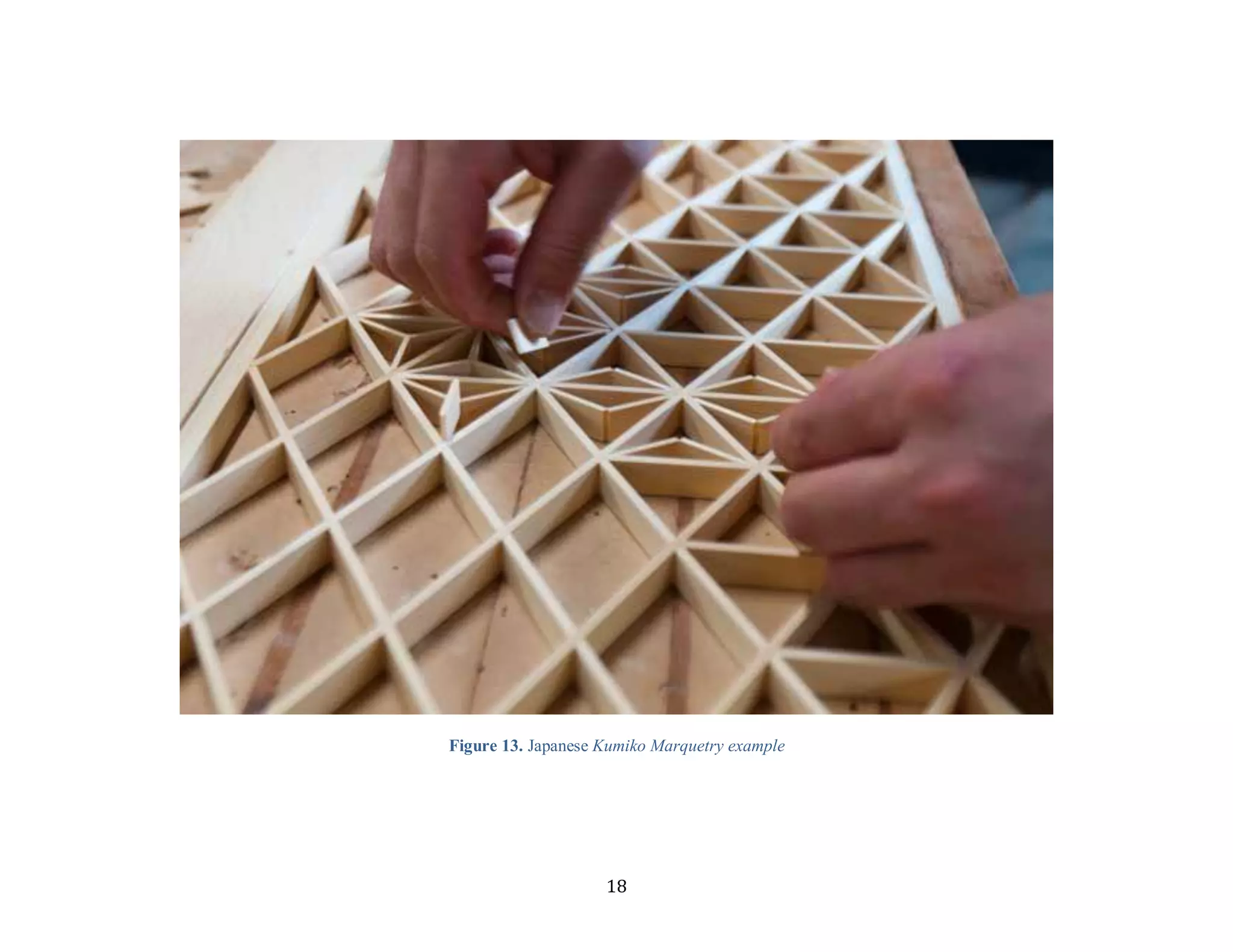
Figure 13. Japanese Kumiko Marquetry example
19
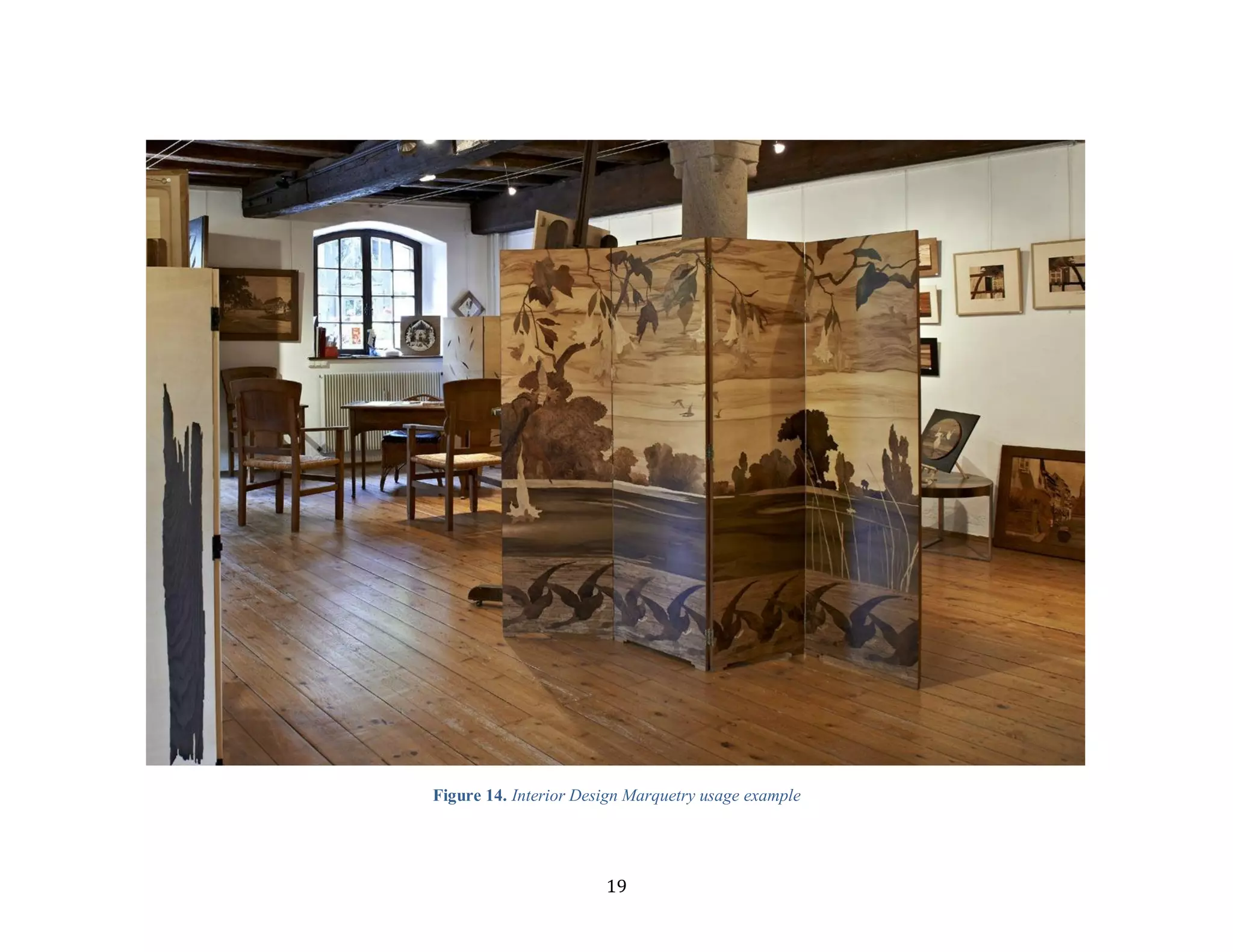
Figure 14. Interior Design Marquetry usage example
20
Figure 15. Interior Design Marquetry usage example
21
September 2020

Marquetry as a Decorative Technique

  • 1.
    MARQUETRY American University ofKurdistan College of Arts and Sciences IND308 Materials, Resources and Assembles Fall Semester 2020 Asst.Prof. Sinša Prvanov
  • 2.
    2 Marquetry (also spelledas marqueterie; from the French marqueter, to varigate) is the art and craft of applying pieces of veneer to a structure to form decorative patterns, designs or pictures. The technique may be applied to case furniture or even seat furniture, to decorative small objects with smooth, veneerable surfaces or to freestanding pictorial panels appreciated in their own right. Marquetry differs from the more ancient craft of Inlay, or Intarsia in which a solid body of one material is cut out to receive sections of another to form the surface pattern. The word derives from a Middle French word meaning "inlaid work". Figure 1 a, b. Basic tools and woodworking technique.
  • 3.
    3 Materials The veneers usedare primarily woods, but may include bone, ivory, turtle-shell (conventionally called "tortoiseshell"), mother-of-pearl, pewter, brass or fine metals. Marquetry using colored straw was a specialty of some European spa resorts from the end of the 18th century. Many exotic woods as well as common European varieties can be employed, from the near-white of boxwood[1] to the near-black of ebony, with veneers that retain stains well, like sycamore, dyed to provide colors not found in nature. The French cabinet maker Andre-Charles Boulle (1642–1732) specialized in furniture using metal and either wood or tortoiseshell together, the latter acting as the background. The simplest kind of marquetry uses only two sheets of veneer, which are temporarily glued together and cut with a fine saw, producing two contrasting panels of identical design, (in French called partie and contre-partie, "part" and "counterpart"). Marquetry as a modern craft most commonly uses knife-cut veneers. However, the knife-cutting technique usually requires a lot of time. For that reason, many marquetarians have switched to fret or scroll saw techniques. Other requirements are a pattern of some kind, some brown gummed tape (IE as the moistened glue dries it causes the tape to shrink and so the veneer pieces are pulled closer together), PVA glue and a base-board with balancing veneers on the alternate face to compensate stresses. Finishing the piece will require fine abrasive paper always backed by a sanding block.
  • 4.
    4 Either ordinary varnish,special varnishes, modern polyurethane -oil or water based- good waxes and even the technique of French polish are different methods used to seal and finish the piece. Sand shading is a process used to make a picture appear to be more three-dimensional. A piece of veneer to be incorporated into a picture is partially submerged into hot sand for a few seconds. Another process is engraving fine lines into a picture and filling them with a mixture of India ink and shellac. Figure 2 a, b. Tilt-top table is veneered in a parquetry pattern by Isaac Leonard Wise, circa 1934 and Video: The Inlay Technique of Marquetry, J. Paul Getty Museum.
  • 5.
  • 6.
    6 https://youtu.be/9JcpyE01Yzc New techniques During the1980s Georges Vriz developed a technique called technique VRIZ, layering two veneer layers on top of each other and sanding through the top one, to the point of fiber transparency. This has been used mainly in France, by professionals and marquetry students of the École Boulle. With its technique, Georges Vriz promoted a resurgence of the marquetry he called RENAISSANCE. He launch the contemporary marquetry. In the US the technique has been used at the American School of French Marquetry by one of the teachers, artist Patrice Lejeune. The school staff is also proposing a new name for it: "Given that 'piercing' is an unfortunate mistake in the veneering world, we chose to use the word "Fusion" instead, by which term the artist expresses his intention of sanding through the veneer as a decorative, textural effect, not as a mistake." Patrice Lejeune again uses a technique he calls "sprinkling": using waste - sawdust, shavings, scrapings etc. - as pigments to create a range of effects. Arguably this is no longer marquetry in the pure sense, since it spills over into textured painting, even collage to some extent. This technique also was invented by Georges Vriz, who employed it on a series of large panels exhibited in Paris at the arency. It has been used mainly in France by professionals and students of the École de la Bonne Graine in 1996. Cutting-edge tech has also been applied to marquetry. Among these is laser cutting, where the design is drawn or imported as a CAD or vector file and each piece is cut separately; each different species of wood-and thickness-may need a specific adjustment of the beam power; the offset will
  • 7.
    7 determine the gapbetween the pieces. In some cases, the beam will leave a dark edge due to the high heat required by the process.
  • 8.
    8 Figure 3 a,b. Laser Cutter and Engraver technique
  • 9.
  • 10.
  • 11.
    11 Figure 6. Parquettechnique and most common patterns.
  • 12.
  • 13.
    13 Figure 8. StrawMarquetry example
  • 14.
    14 Figure 9. StrawMarquetry materials
  • 15.
    15 Figure 10. JapaneseKumiko Marquetry example
  • 16.
    16 Figure 11. JapaneseKumiko Marquetry example
  • 17.
    17 Figure 12. JapaneseKumiko Marquetry example
  • 18.
    18 Figure 13. JapaneseKumiko Marquetry example
  • 19.
    19 Figure 14. InteriorDesign Marquetry usage example
  • 20.
    20 Figure 15. InteriorDesign Marquetry usage example
  • 21.