Downloaded 163 times
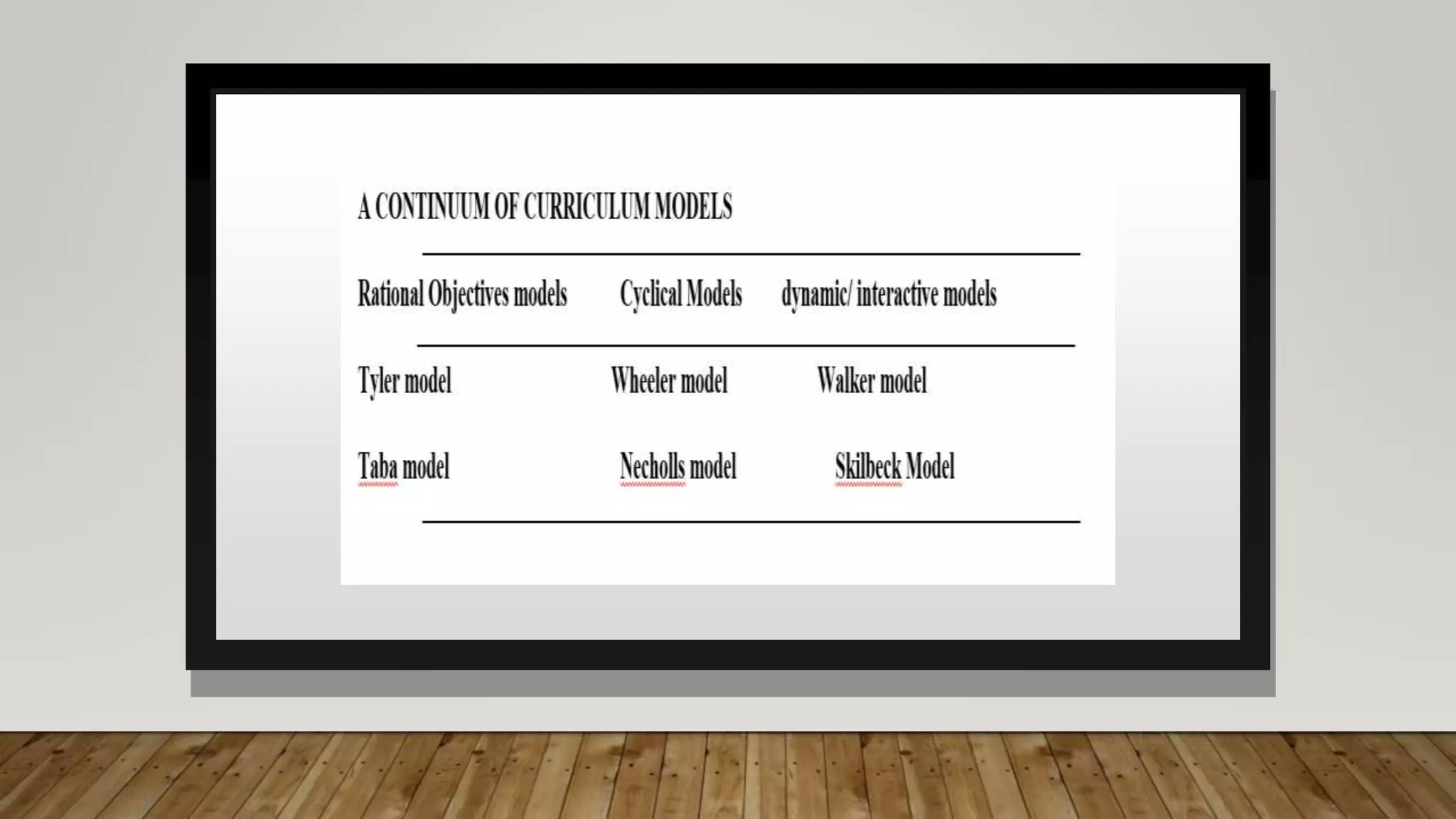
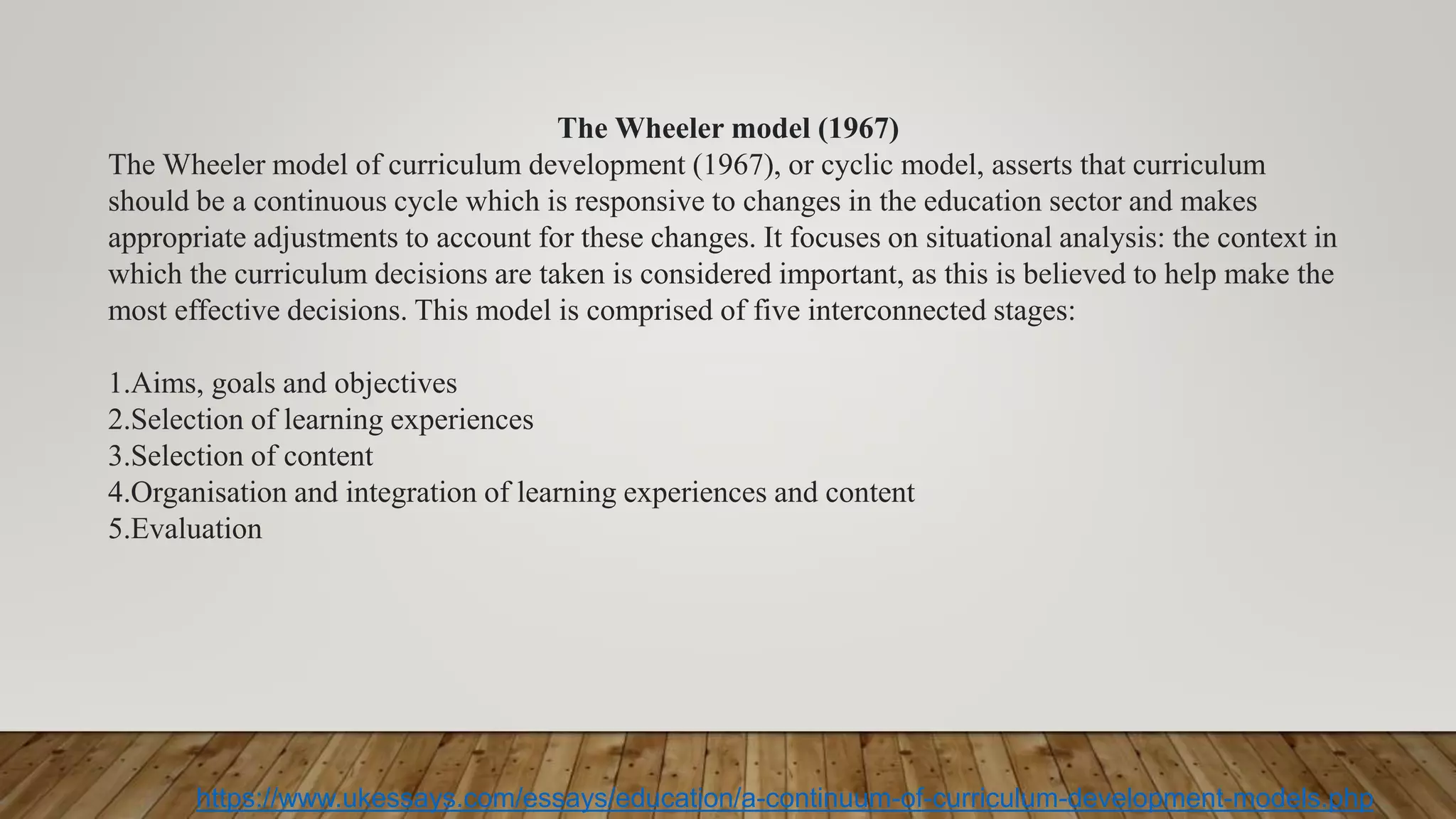
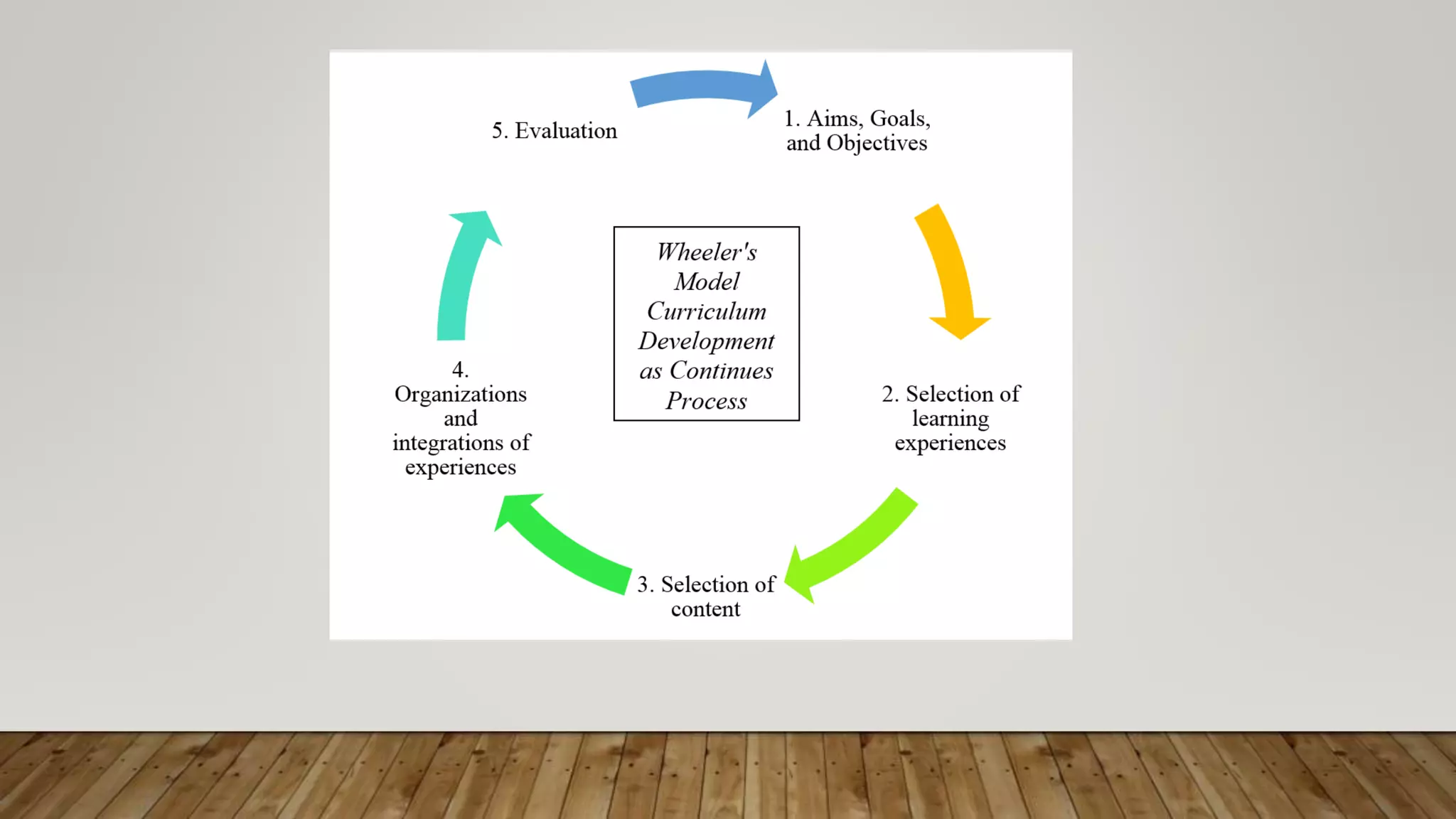


The Wheeler Model of curriculum development, proposed in 1967, emphasizes a cyclic process that adapts to changes in the education sector through five interconnected stages: aims and objectives, selection of learning experiences, selection of content, organization and integration, and evaluation. It highlights the importance of situational analysis in decision-making to enhance efficacy in curriculum design. This model serves as a comprehensive framework to ensure that educational practices remain relevant and effective.
Introduction of Wheeler's model of curriculum development presented by Hina Jalal.
Overview of the cyclic model highlighting five stages: aims, selection of experiences, content, organization, and evaluation.
Elaboration on each of the five interconnected stages of guided curriculum development, focusing on aims, content selection, and evaluation.


