Art Since 1945


Changes in Abstraction Art capital changes from Europe to New York after WWII Reduction  Colors, images Absence of illusionism Paint as paint Painting as an object “What you see is what you see” – Frank Stella
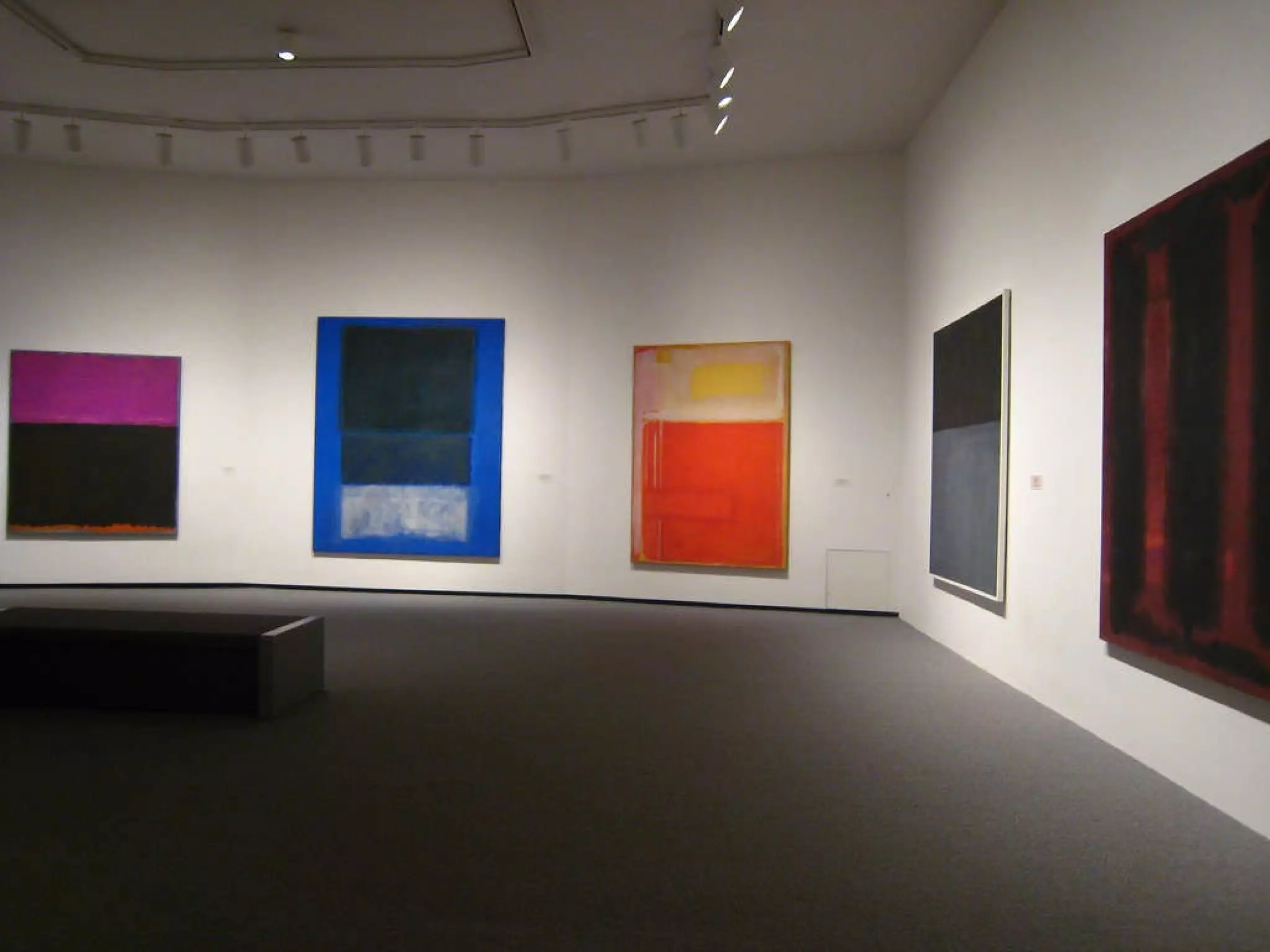
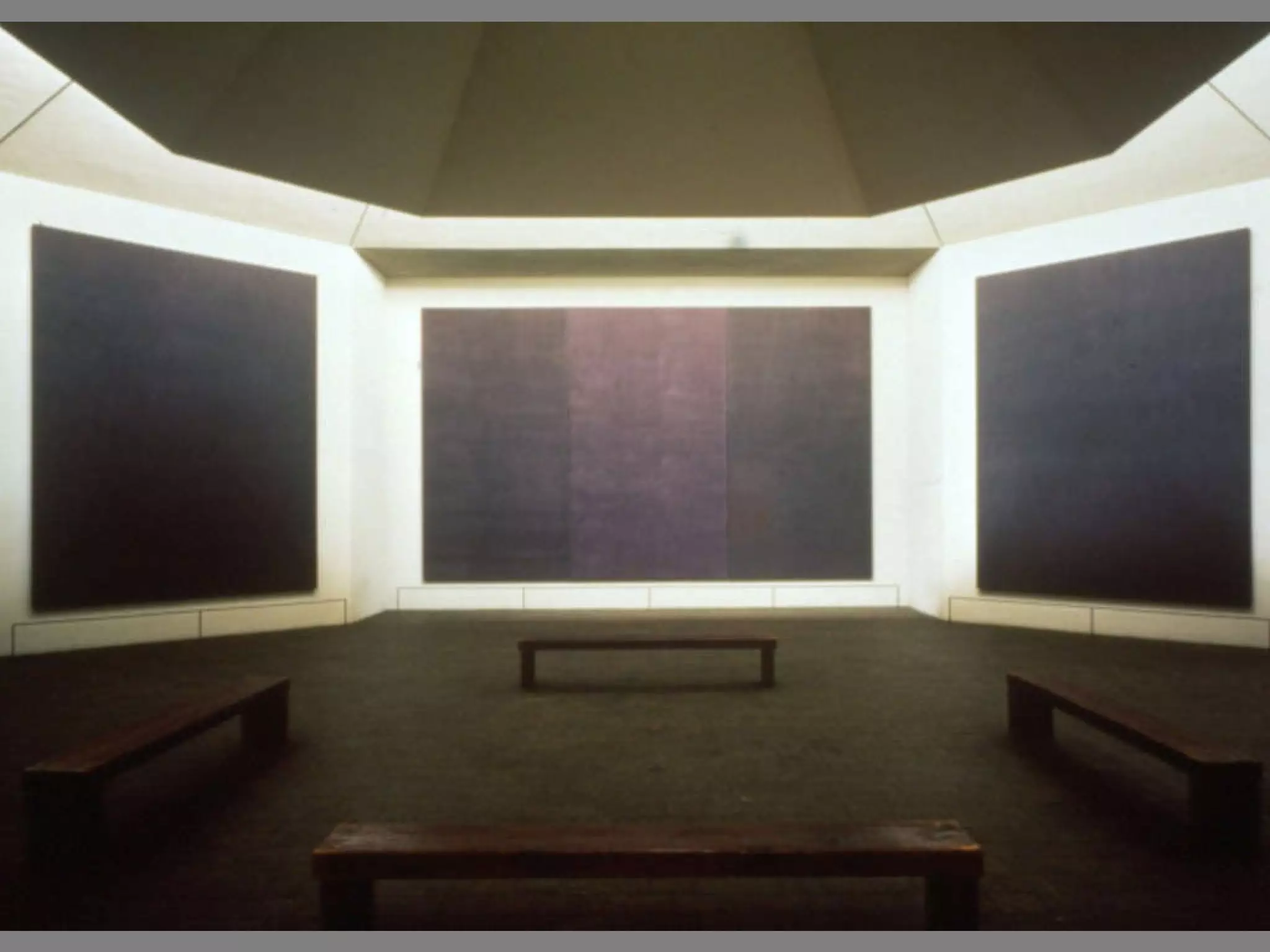
Abstract Expressionism Referenced automatism of Surrealism and non-objective improvised tendencies of Kandinsky Emotional intensity Self expression “ Action Painting” Pollock, De Kooning, Kline Instinctive way of painting - impulsive Color Field Mark Rothko Thinner paint
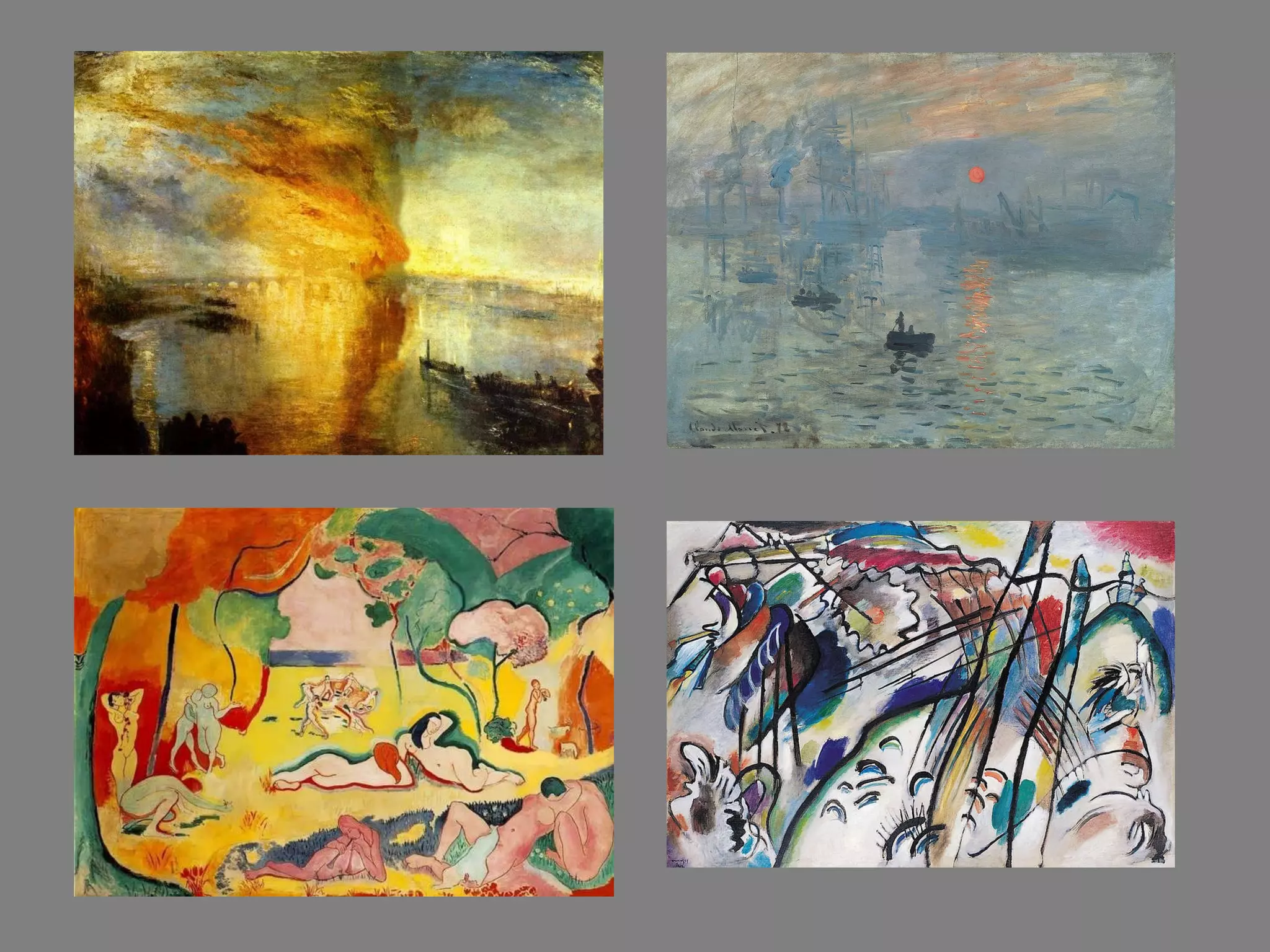
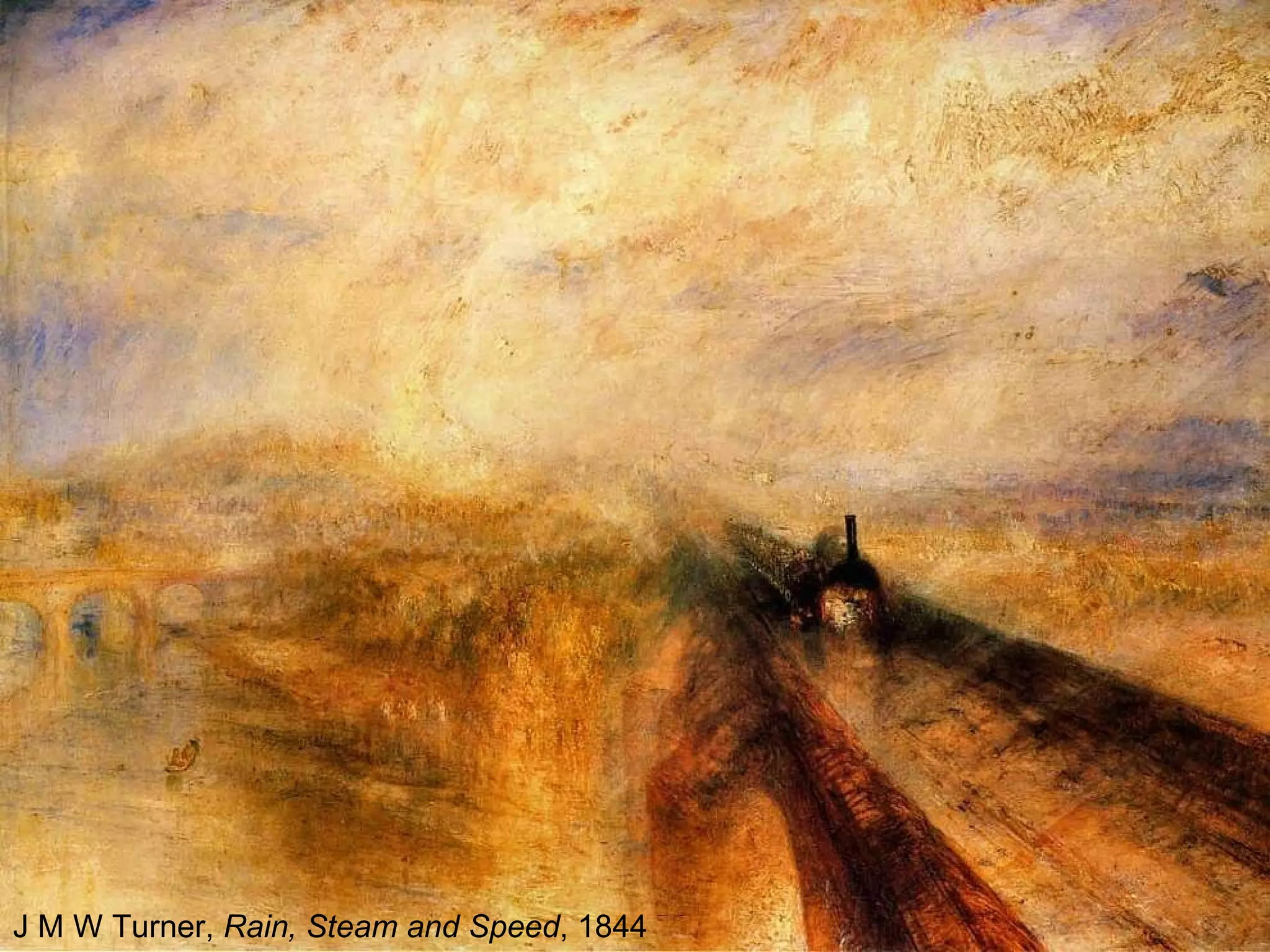
J M W Turner,  Rain, Steam and Speed , 1844
 
 
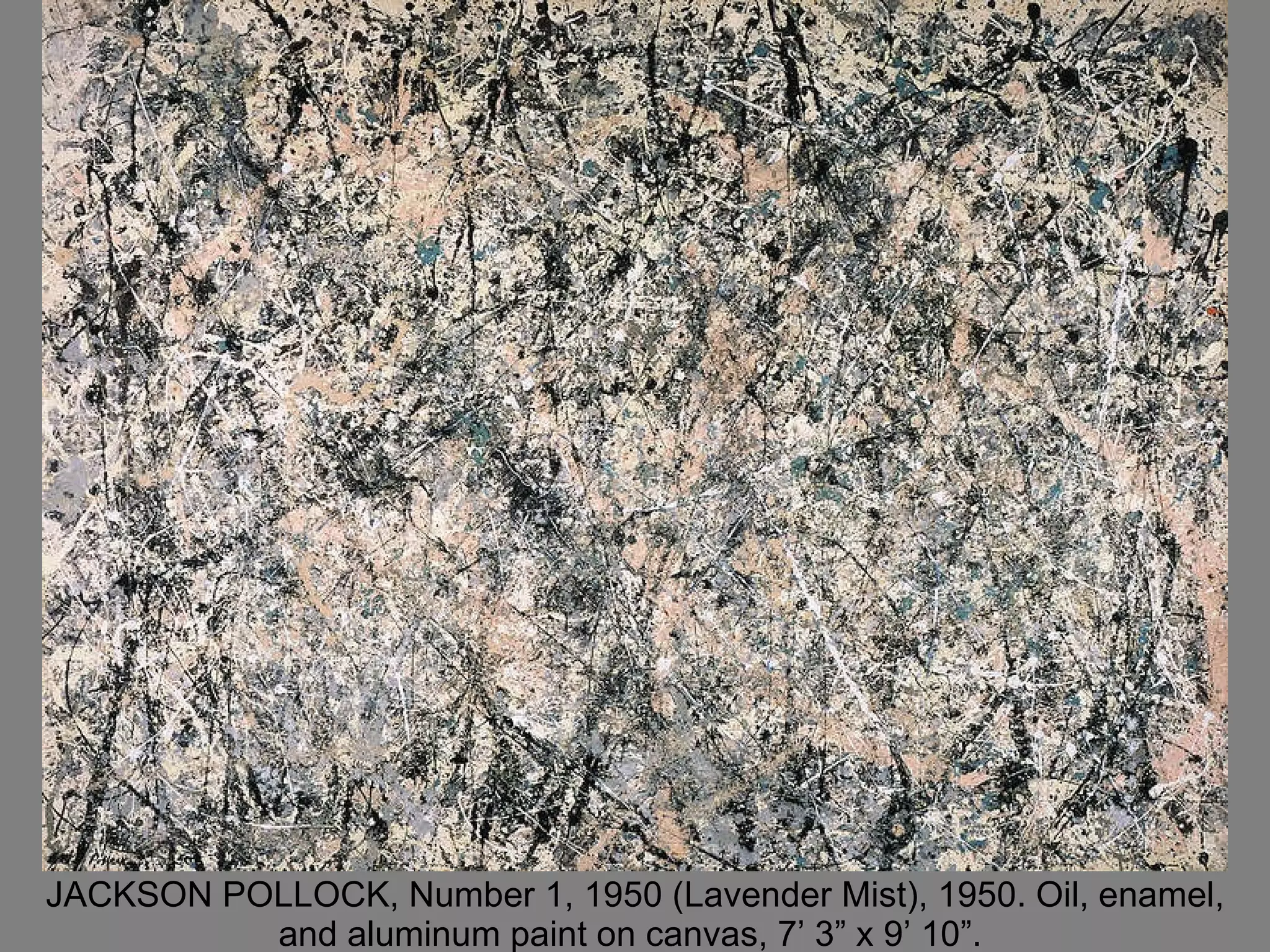
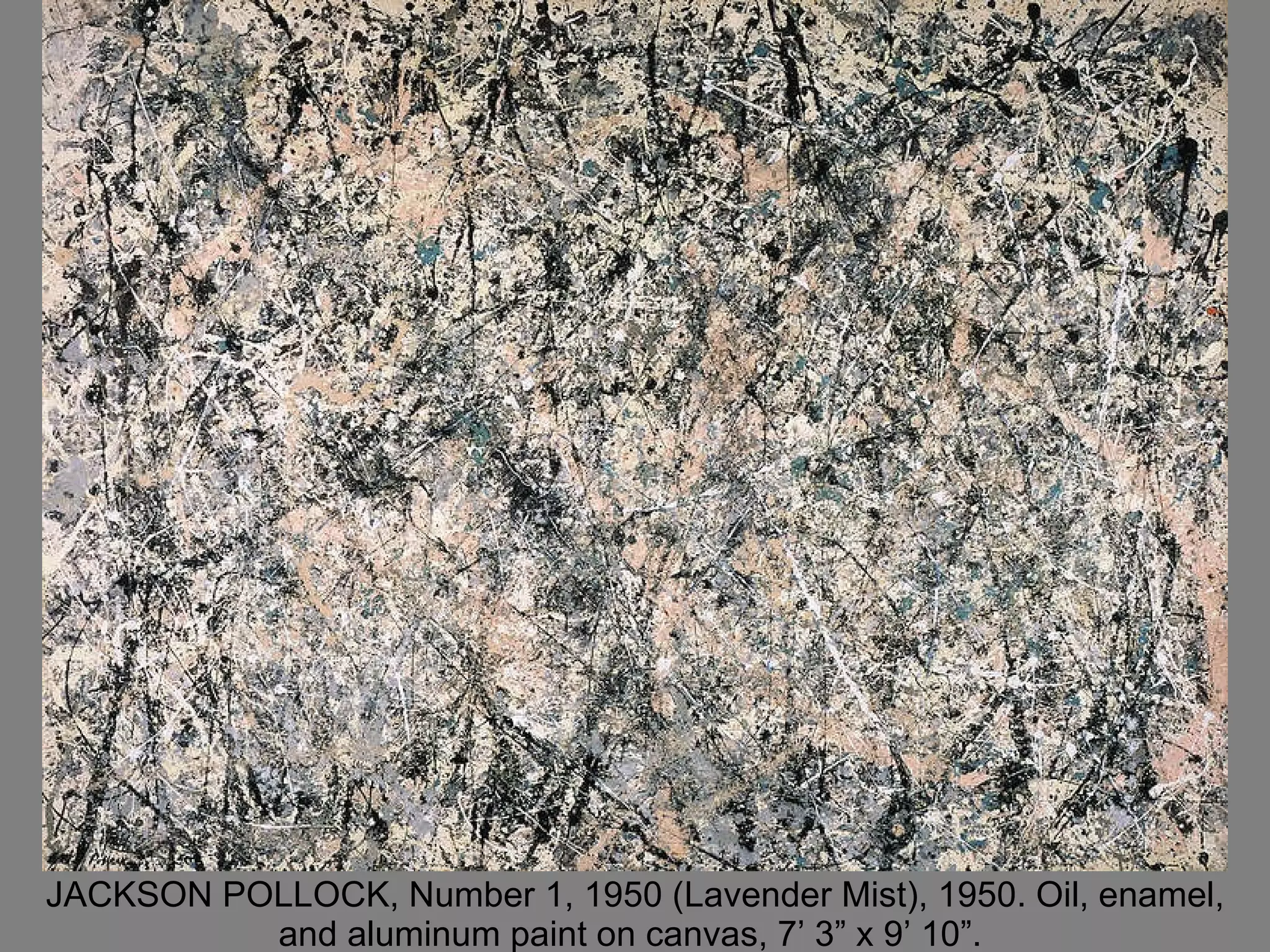
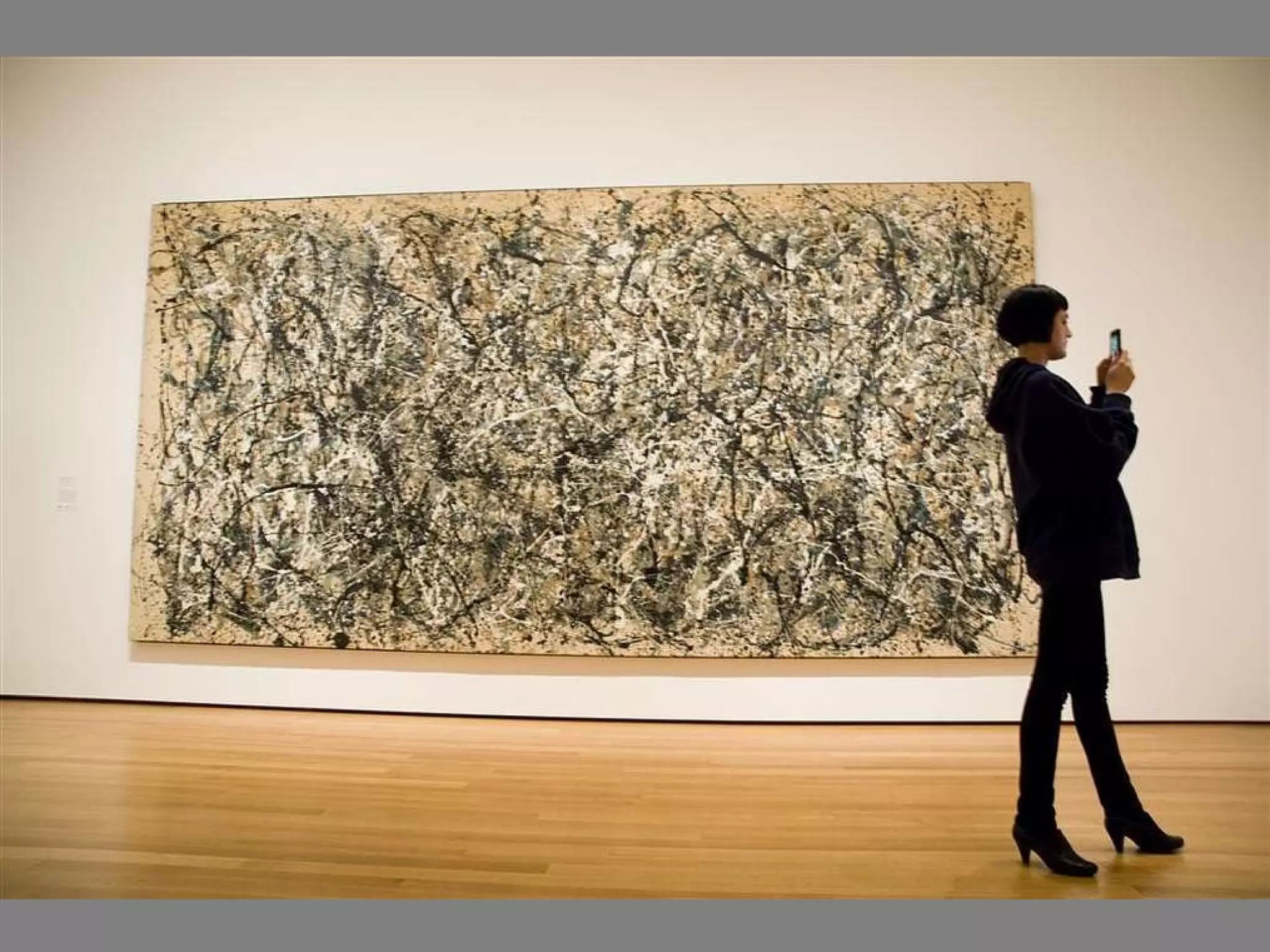
JACKSON POLLOCK, Number 1, 1950 (Lavender Mist), 1950. Oil, enamel, and aluminum paint on canvas, 7’ 3” x 9’ 10”.


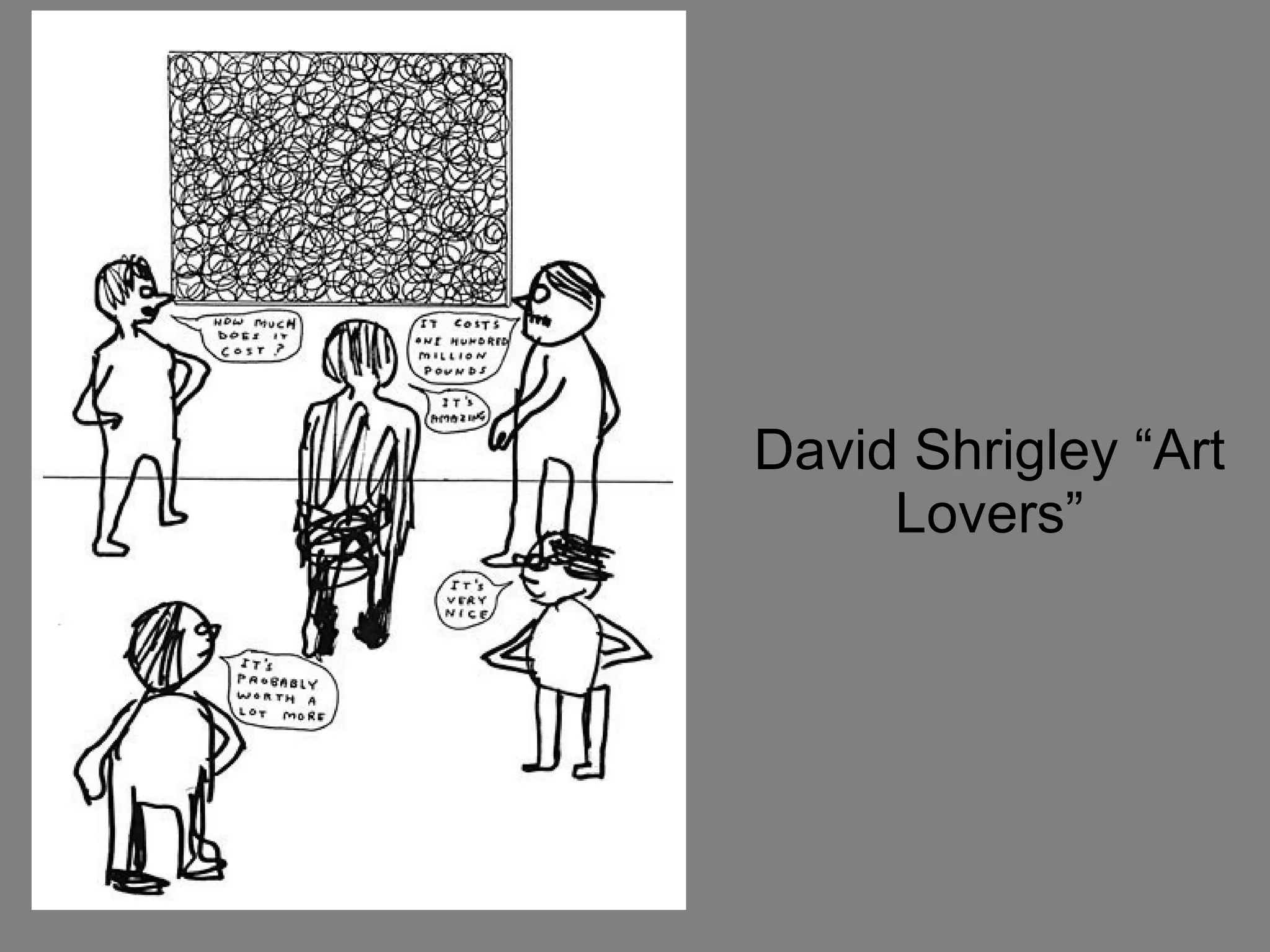
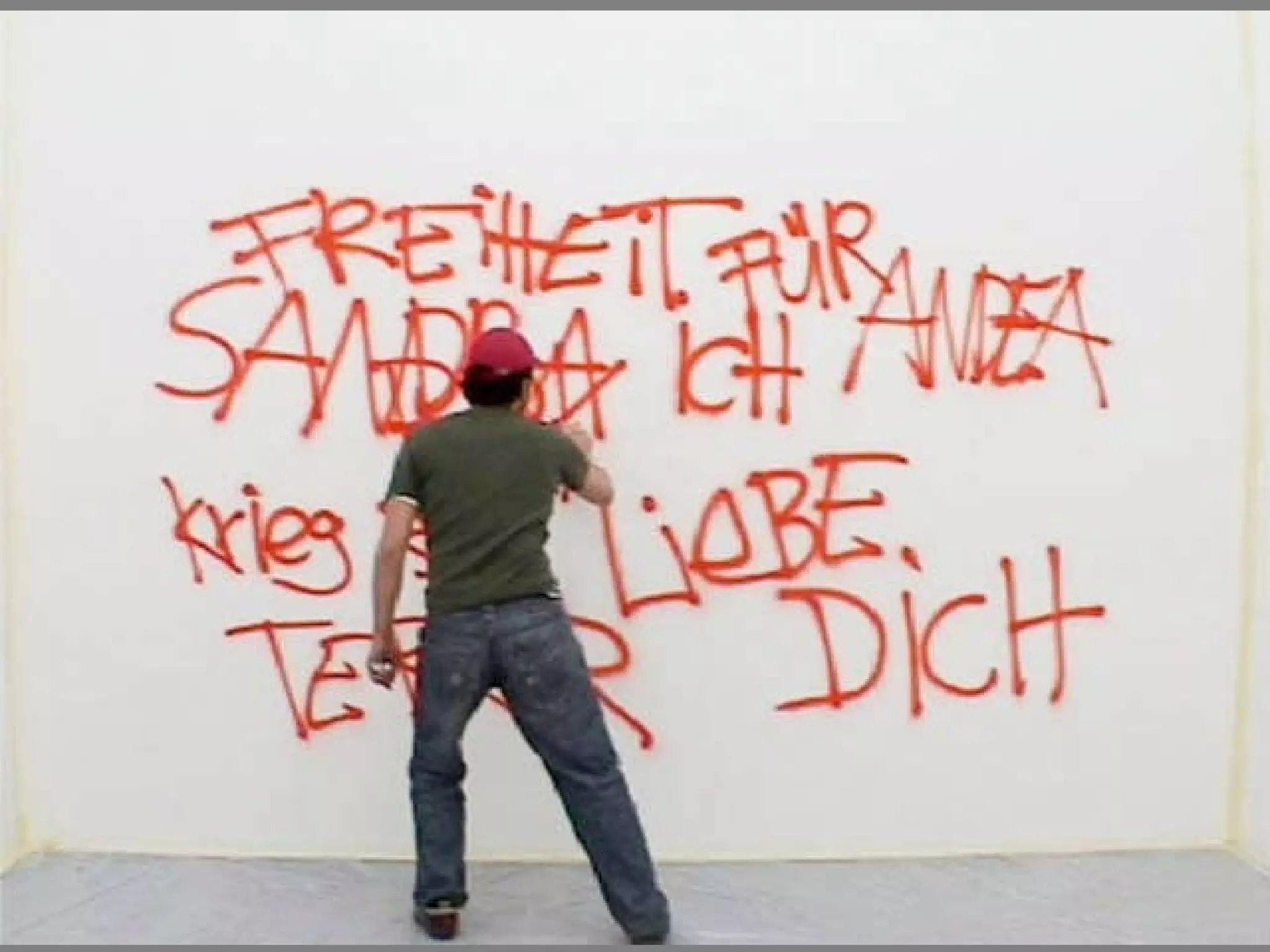
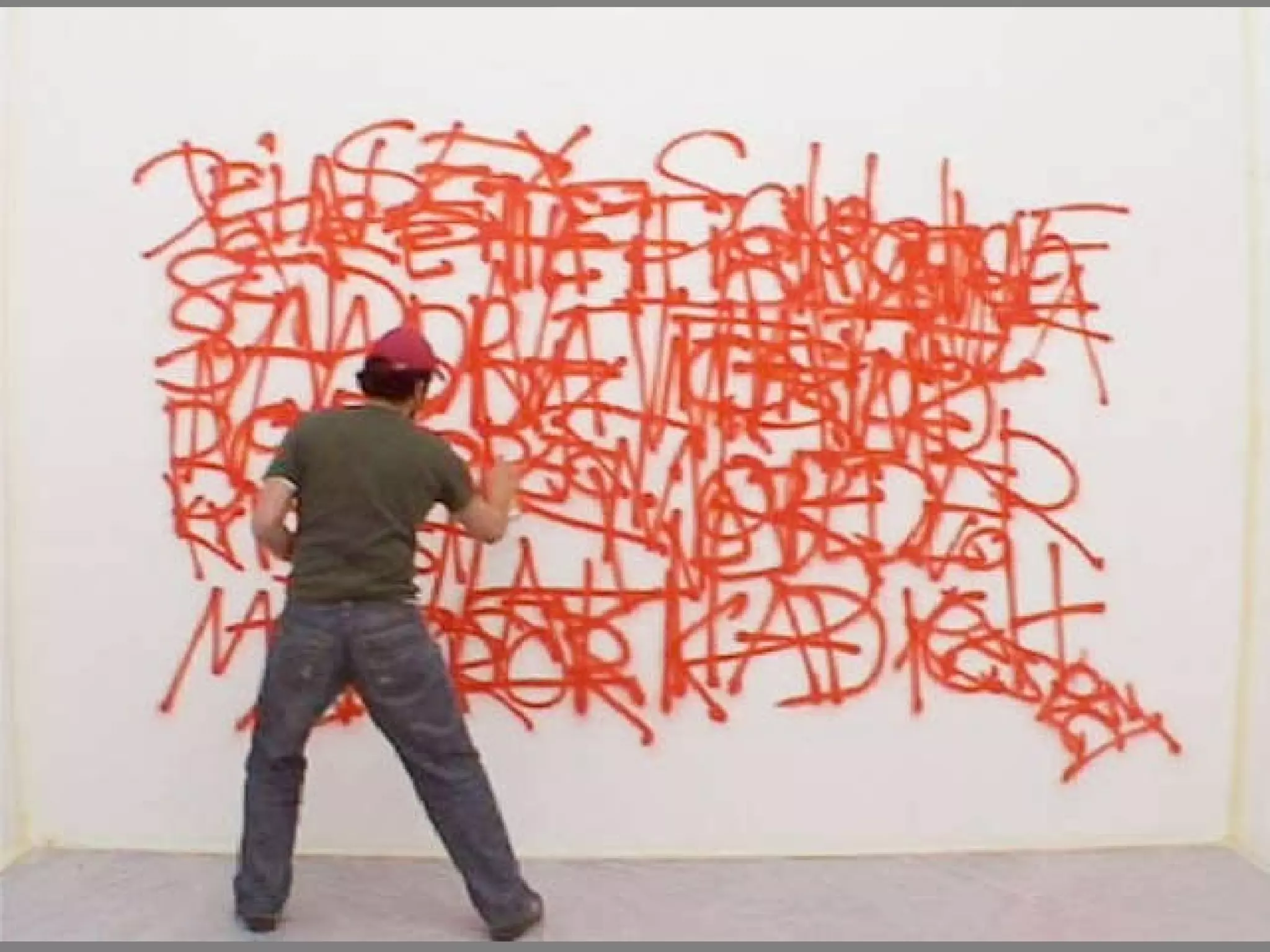
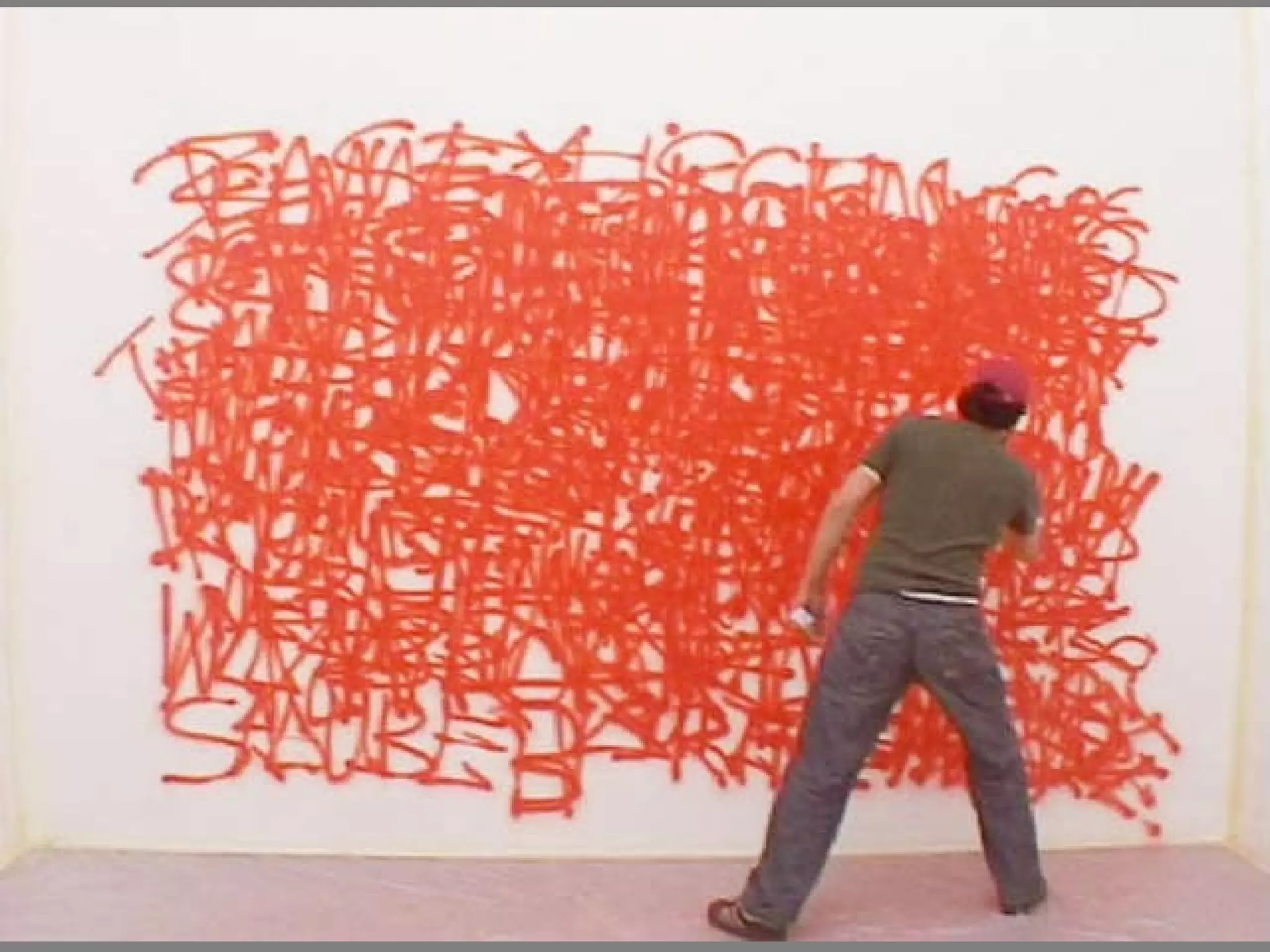
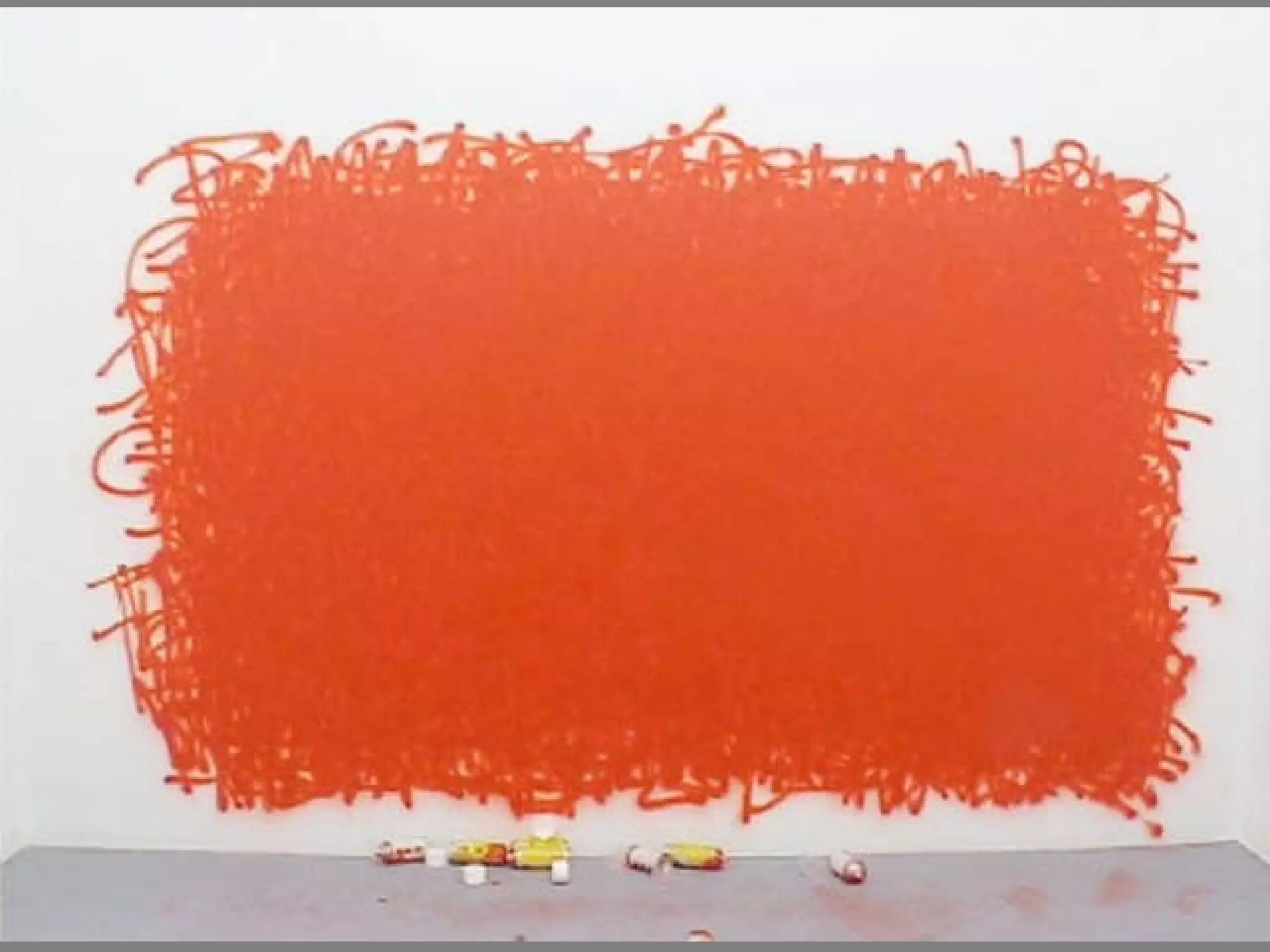
David Shrigley “Art Lovers”
 
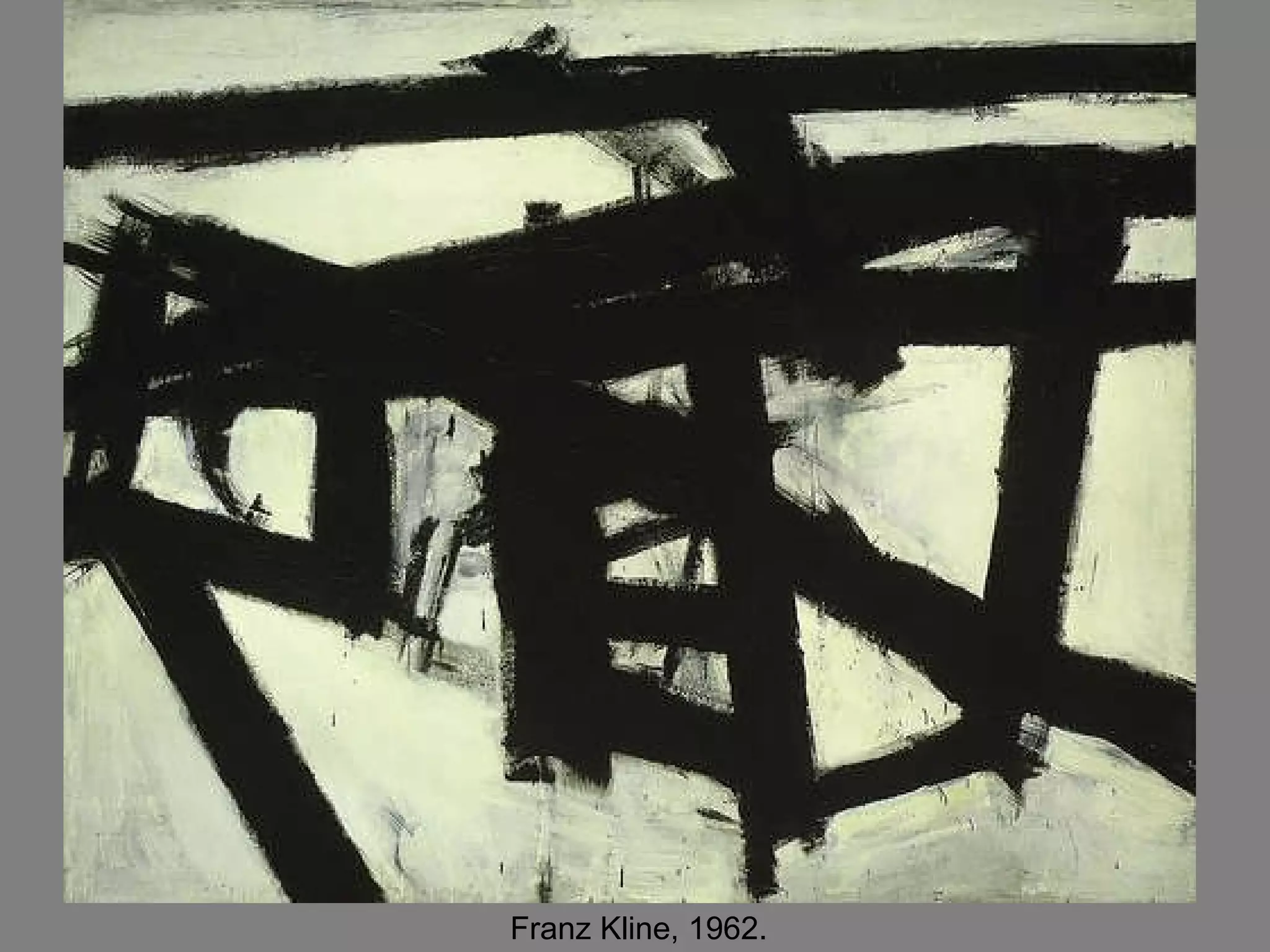
Franz Kline, 1962. 
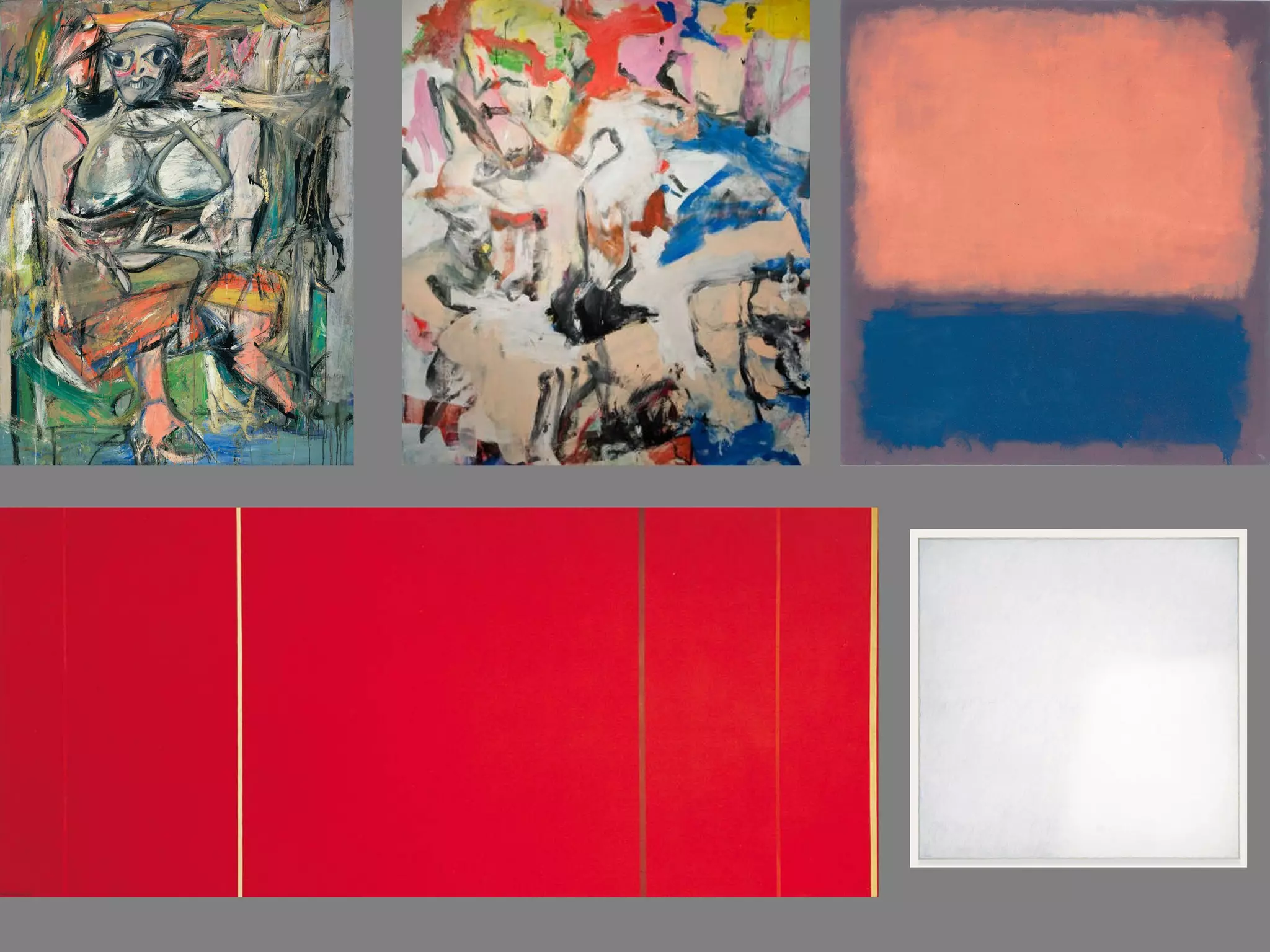
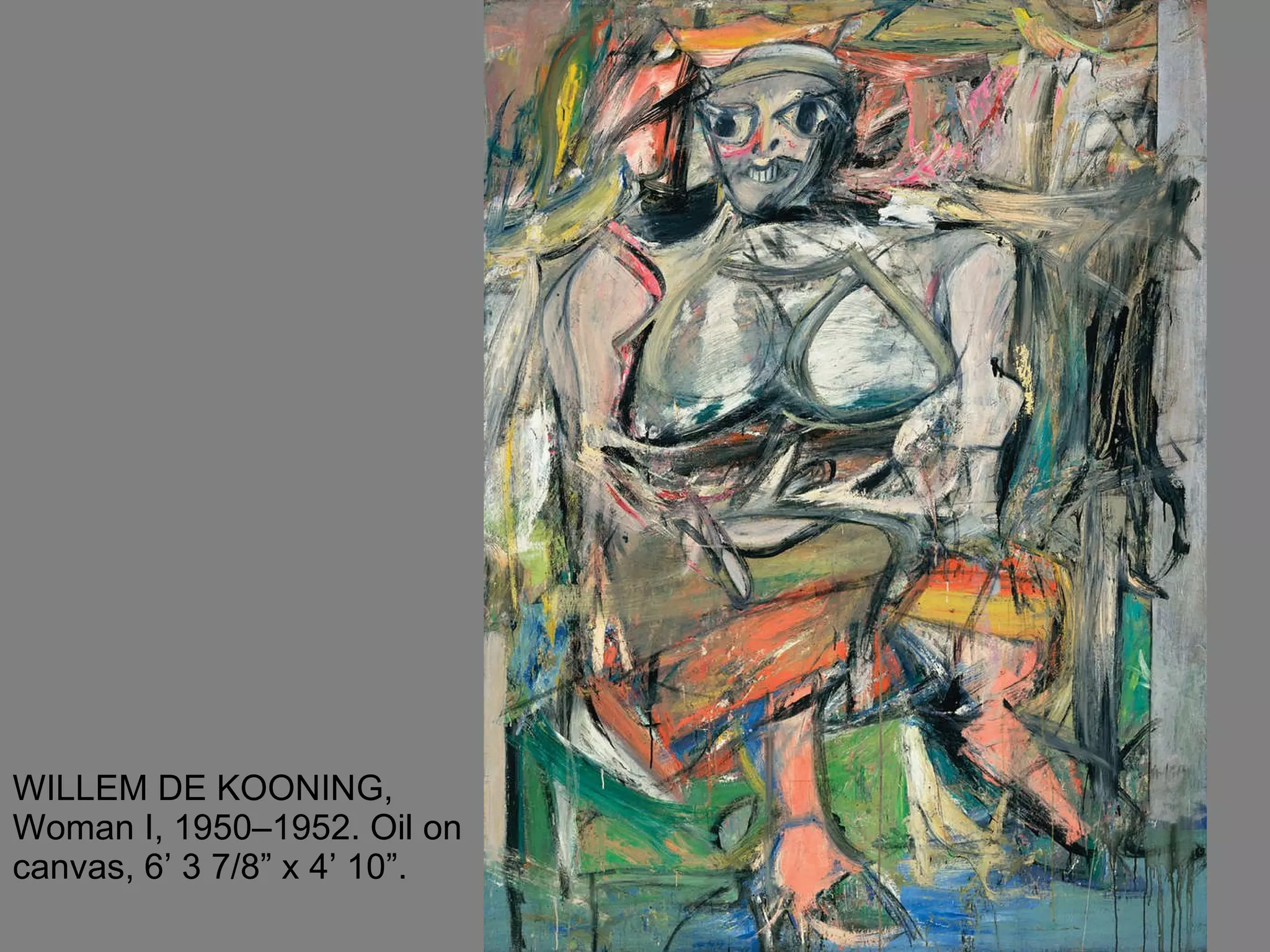
WILLEM DE KOONING, Woman I, 1950–1952. Oil on canvas, 6’ 3 7/8” x 4’ 10”.
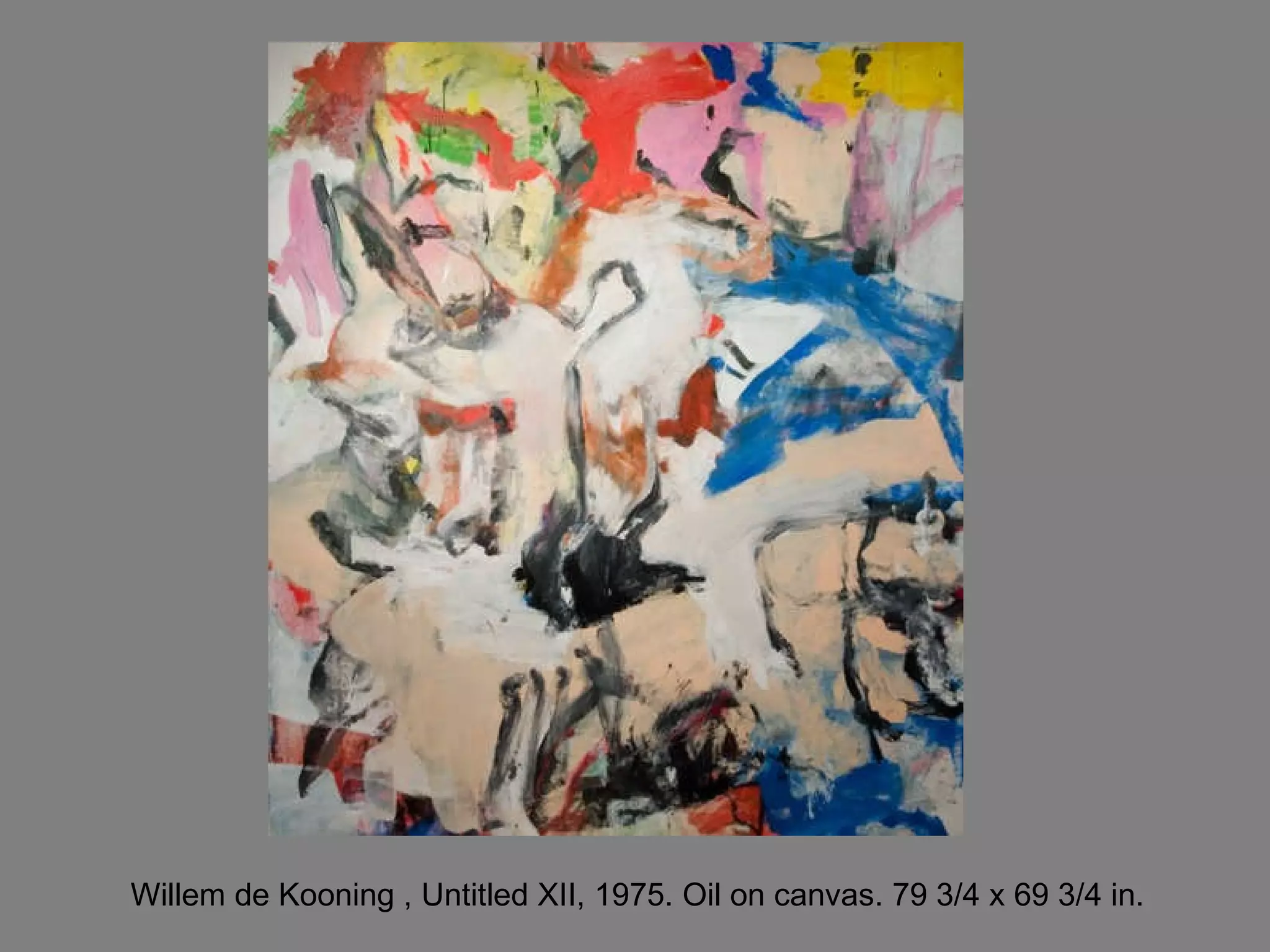
Willem de Kooning , Untitled XII, 1975. Oil on canvas. 79 3/4 x 69 3/4 in.
 
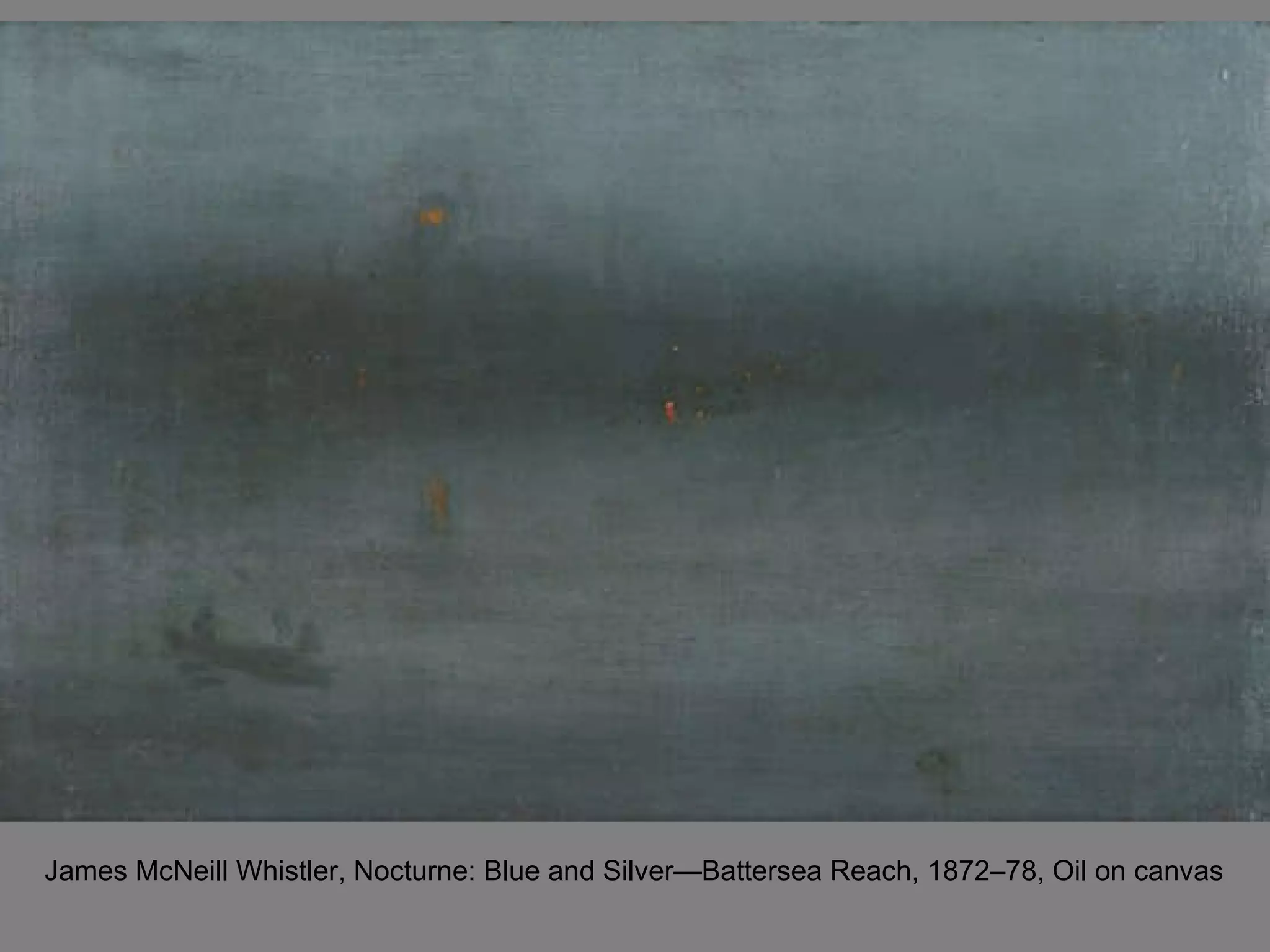
James McNeill Whistler, Nocturne: Blue and Silver—Battersea Reach, 1872–78, Oil on canvas
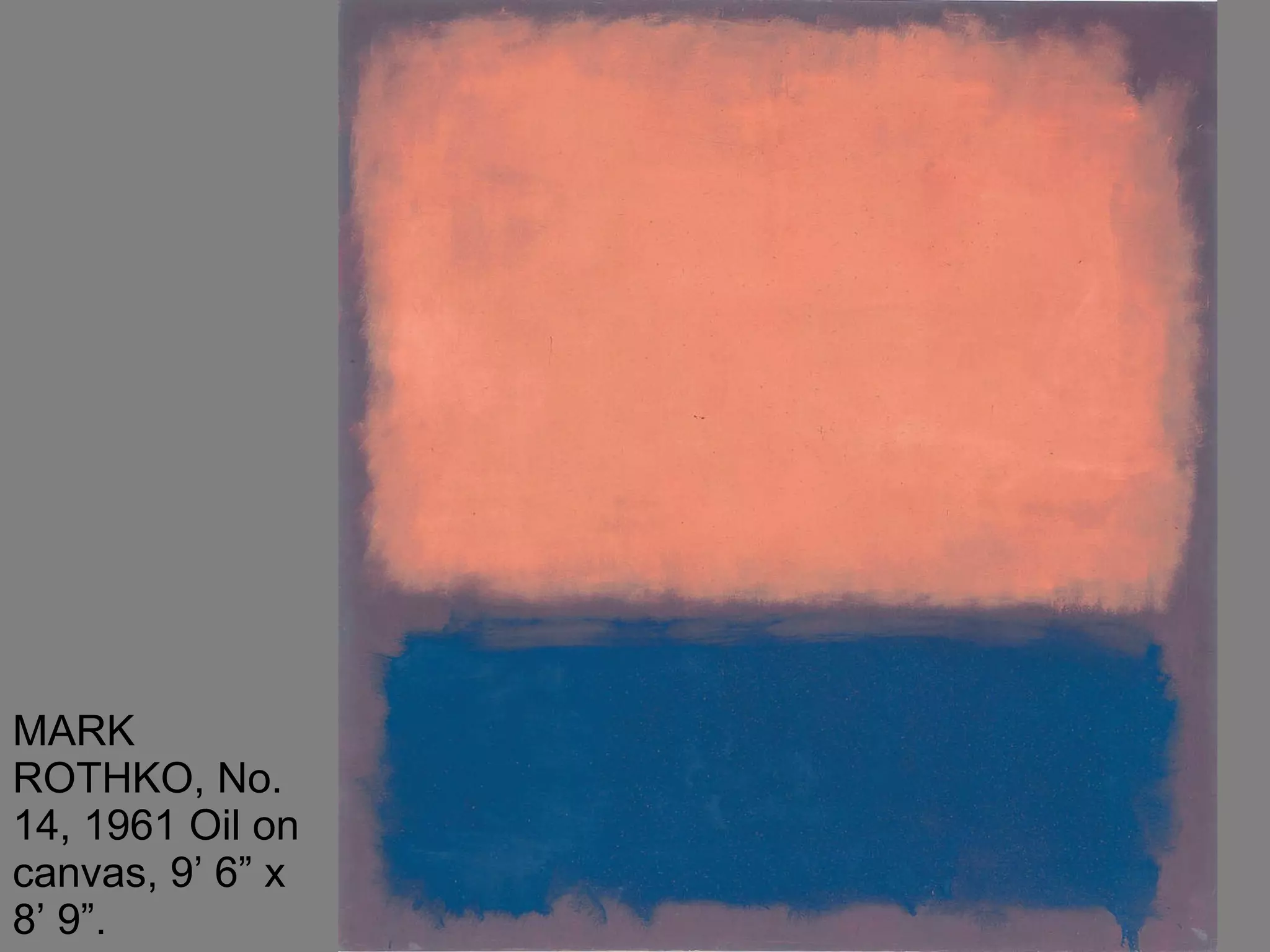
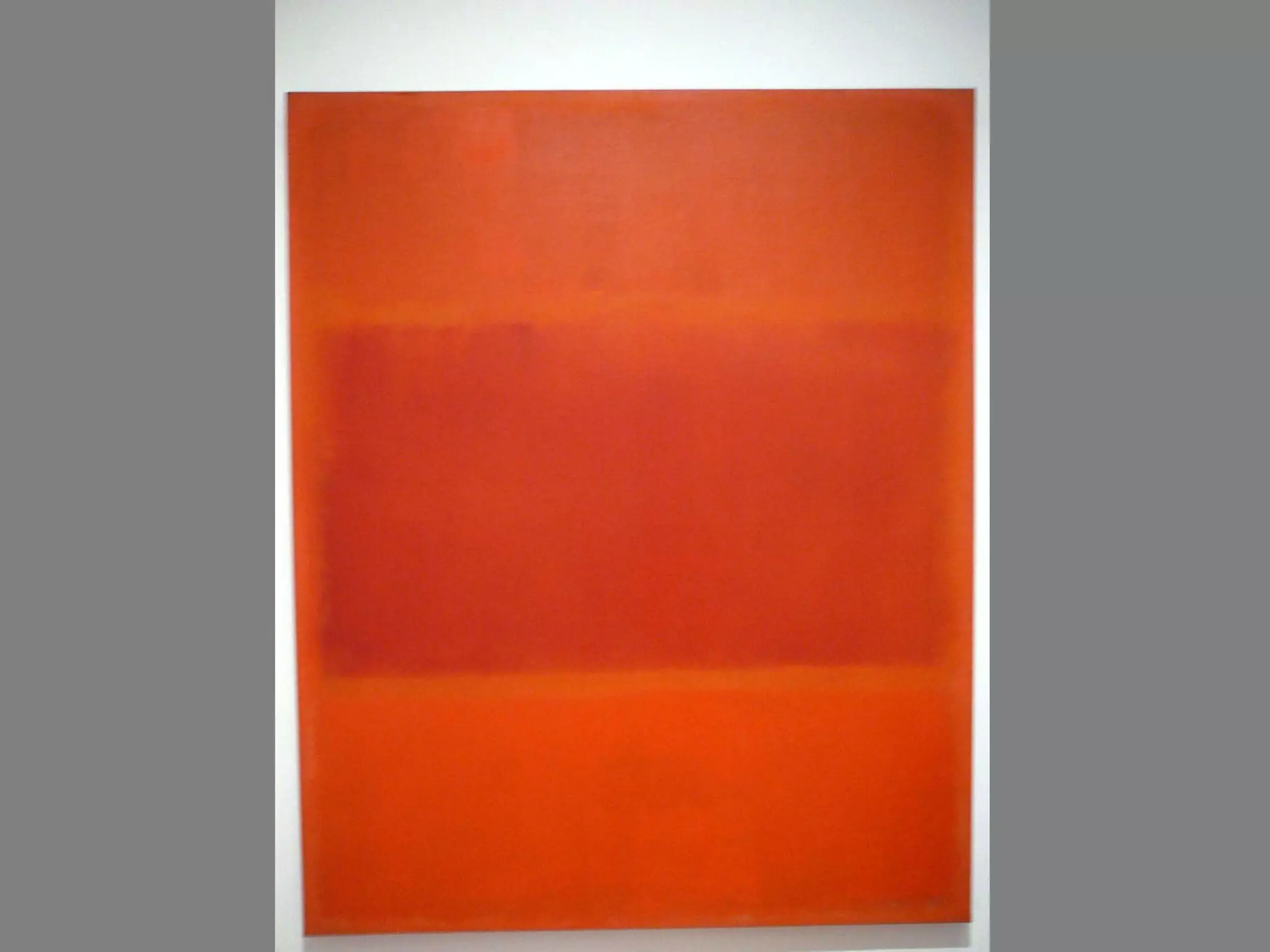
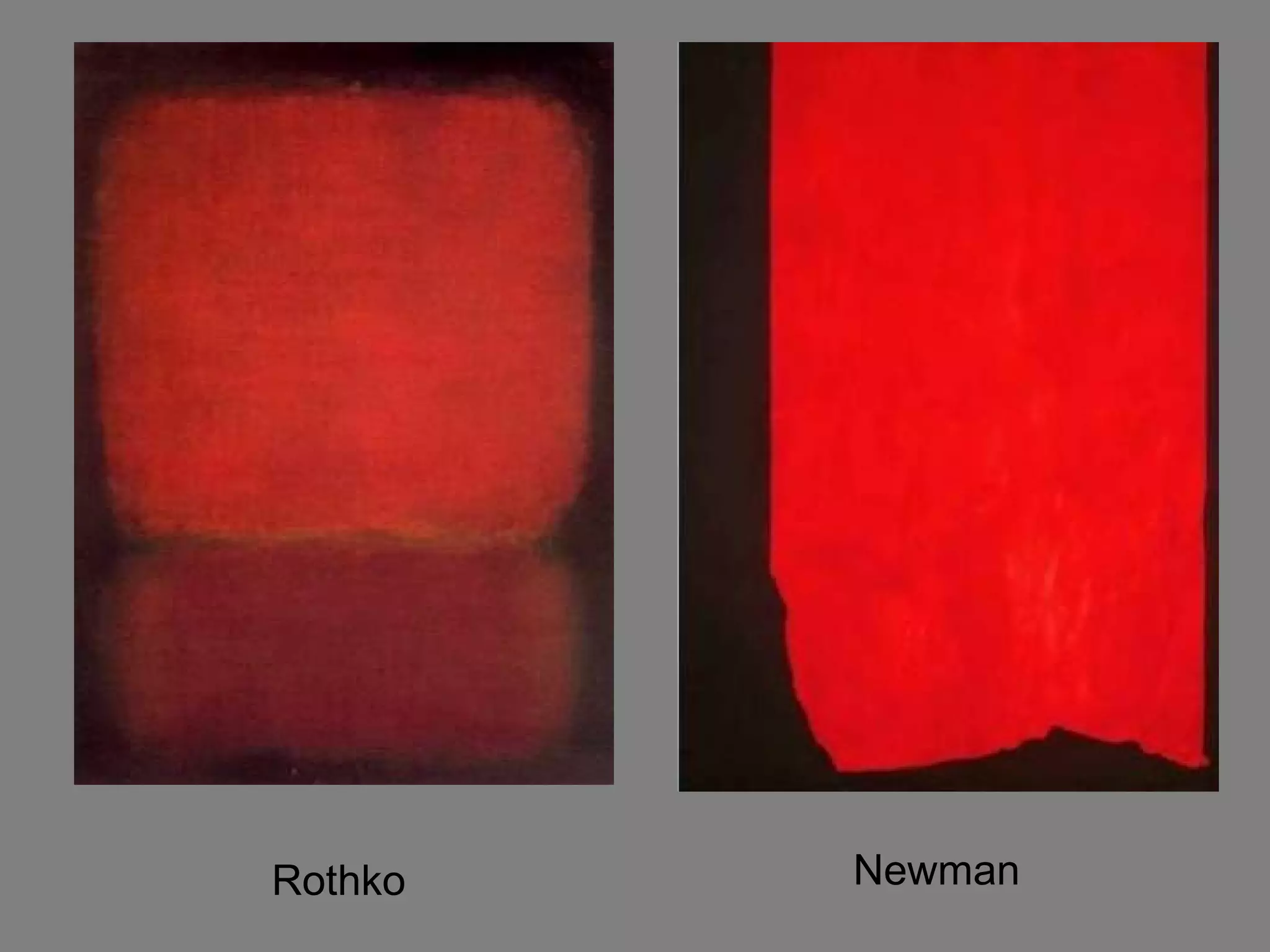
MARK ROTHKO, No. 14, 1961 Oil on canvas, 9’ 6” x 8’ 9”.


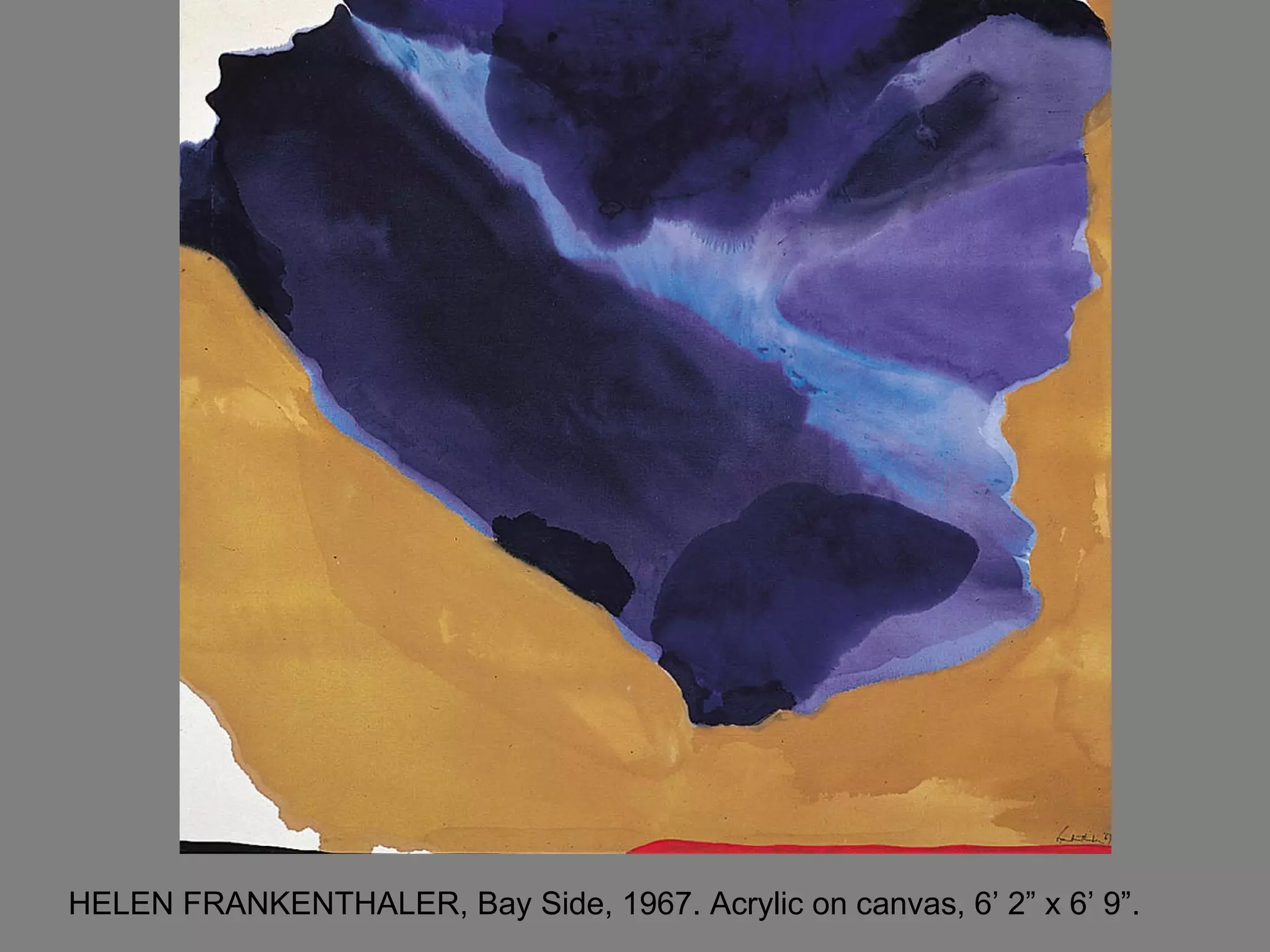
HELEN FRANKENTHALER, Bay Side, 1967. Acrylic on canvas, 6’ 2” x 6’ 9”.
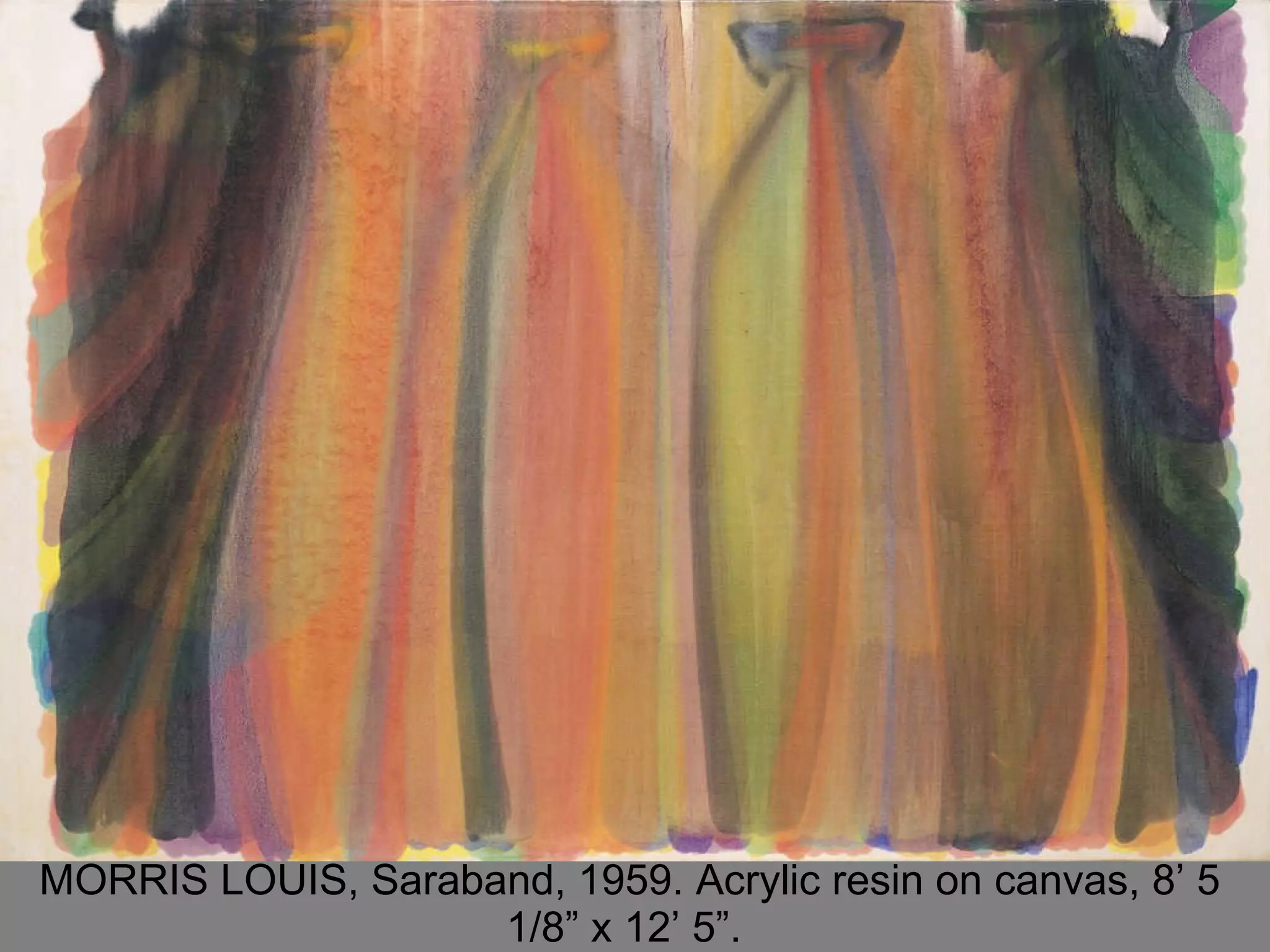
MORRIS LOUIS, Saraband, 1959. Acrylic resin on canvas, 8’ 5 1/8” x 12’ 5”.
 
Rothko Newman
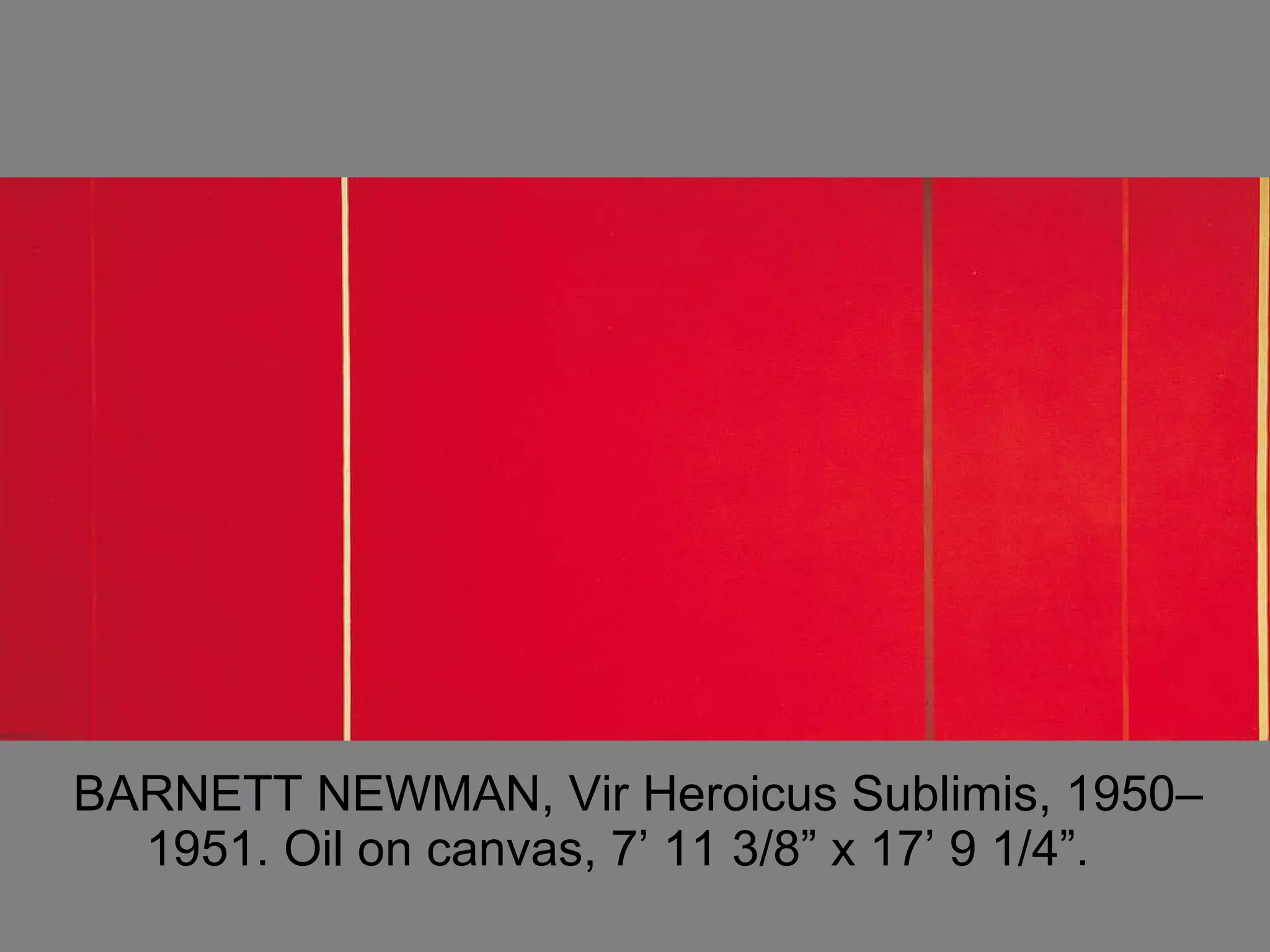
BARNETT NEWMAN, Vir Heroicus Sublimis, 1950–1951. Oil on canvas, 7’ 11 3/8” x 17’ 9 1/4”.
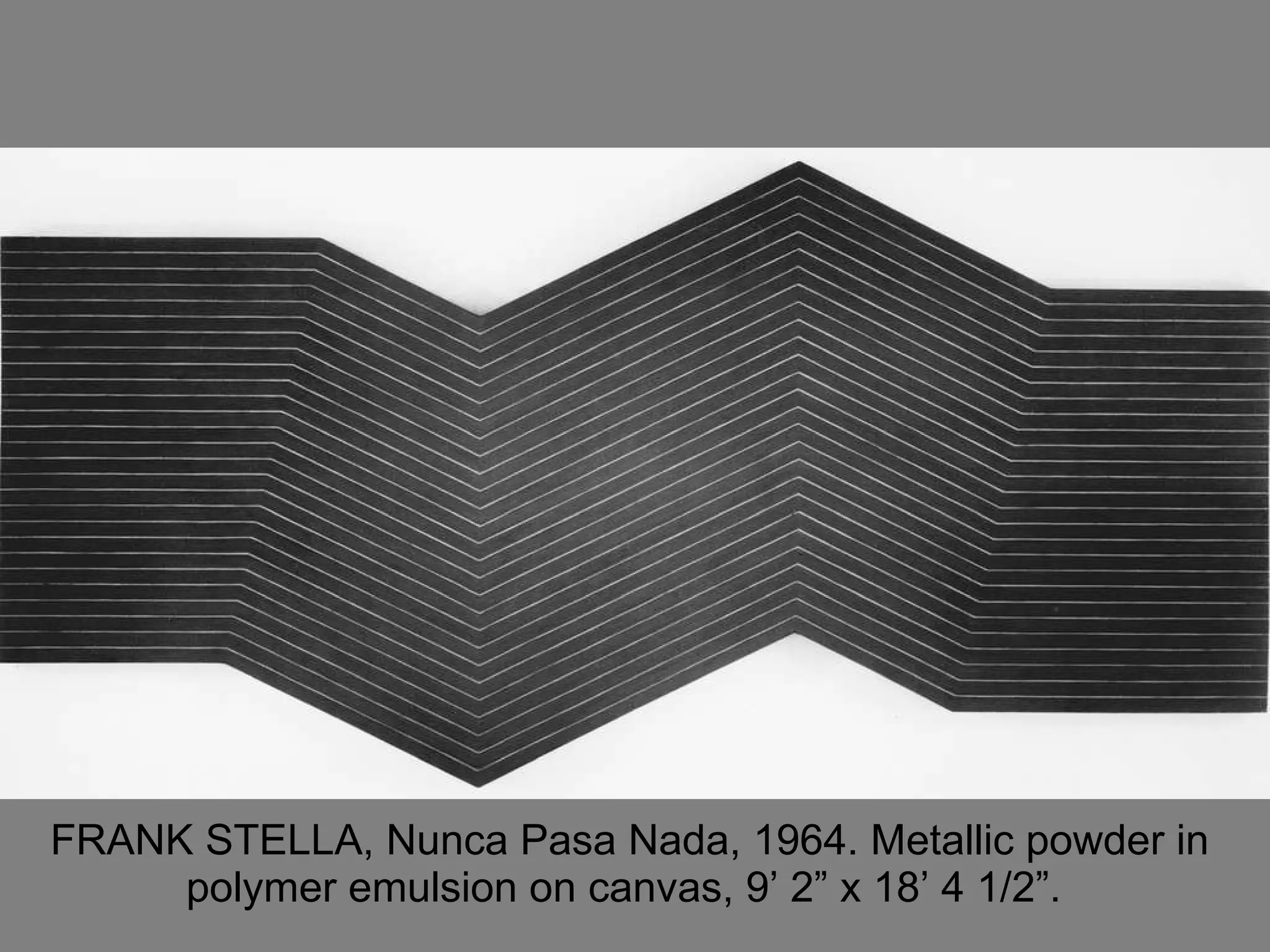
FRANK STELLA, Nunca Pasa Nada, 1964. Metallic powder in polymer emulsion on canvas, 9’ 2” x 18’ 4 1/2”.
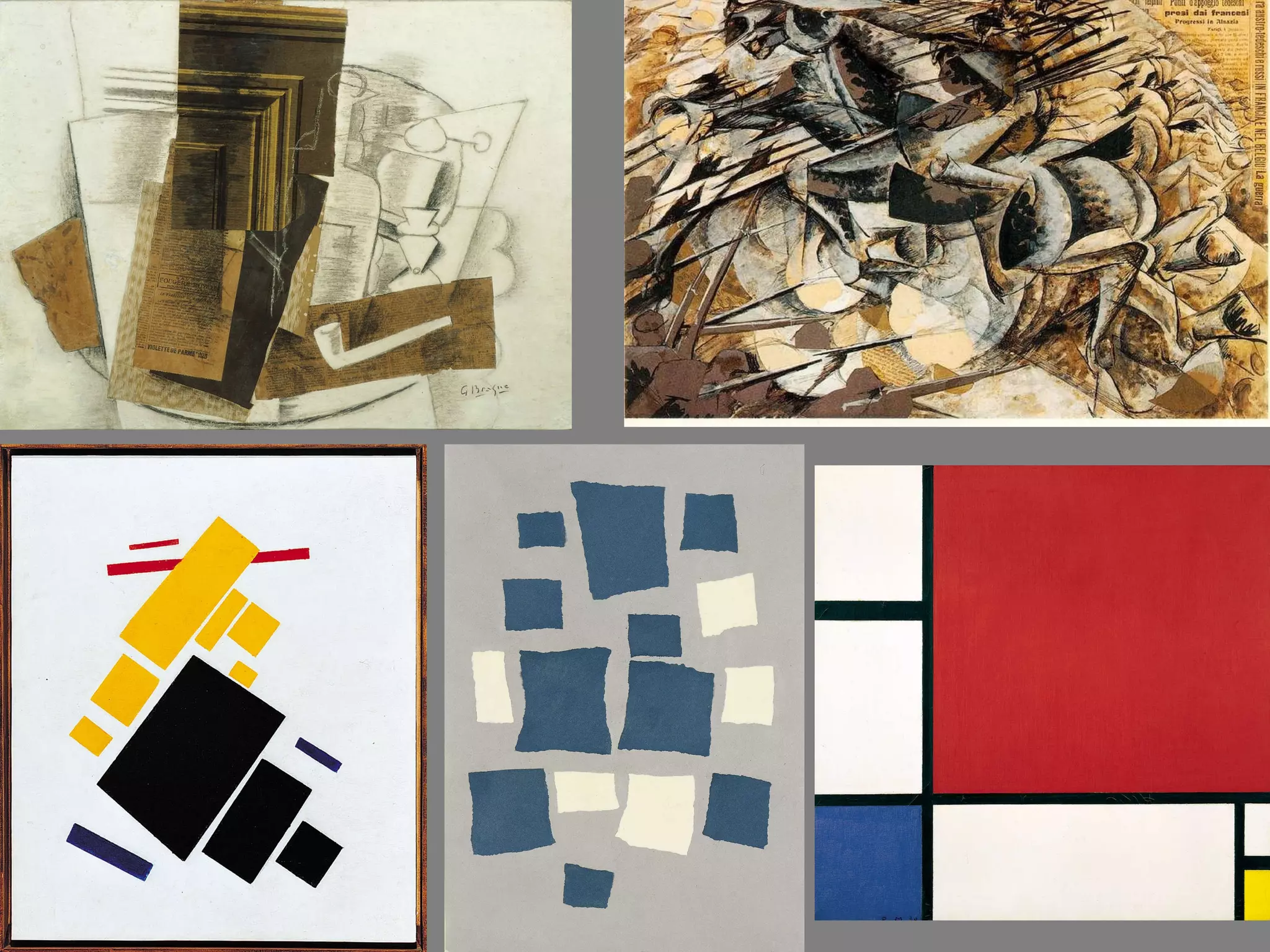
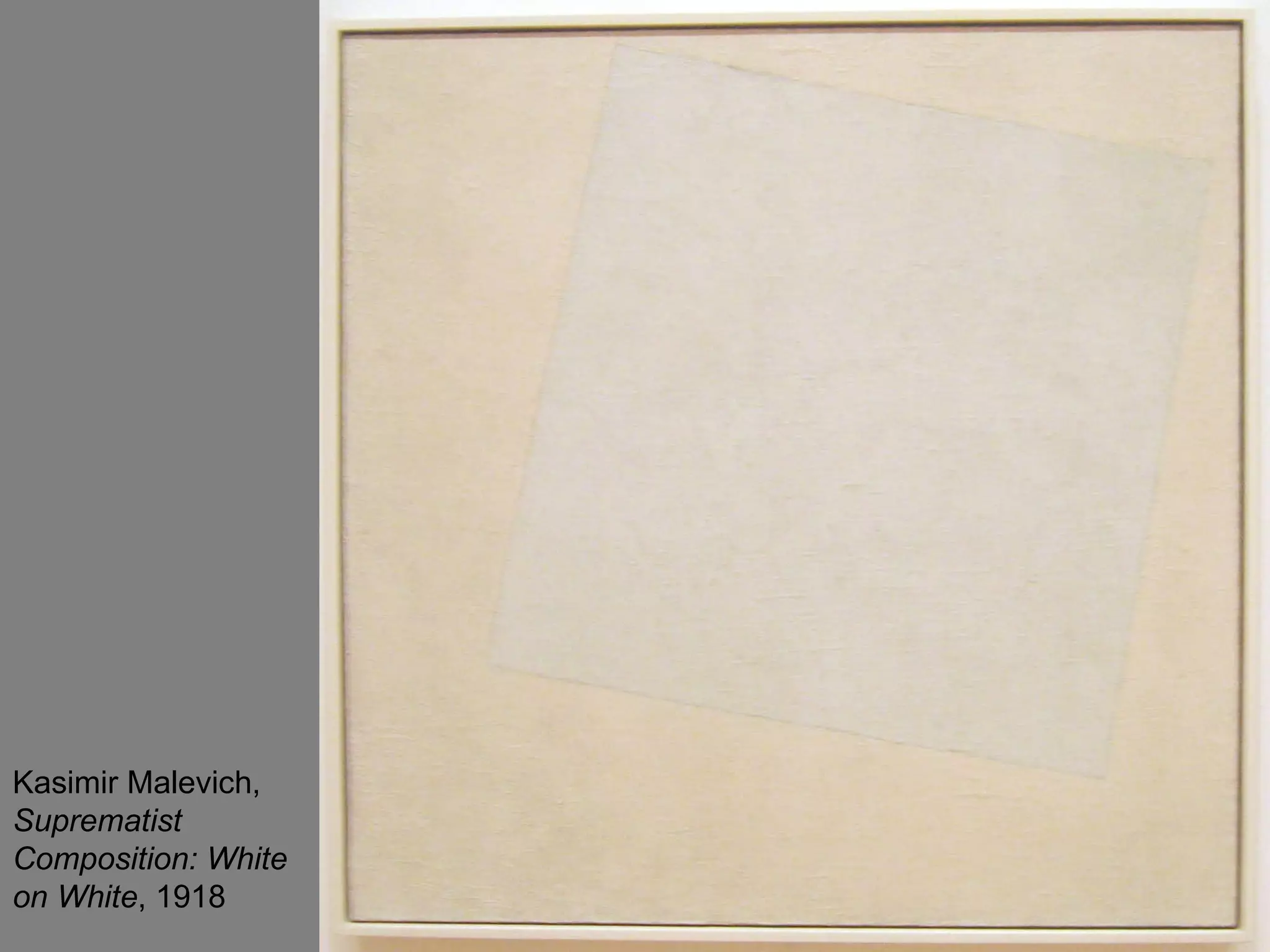
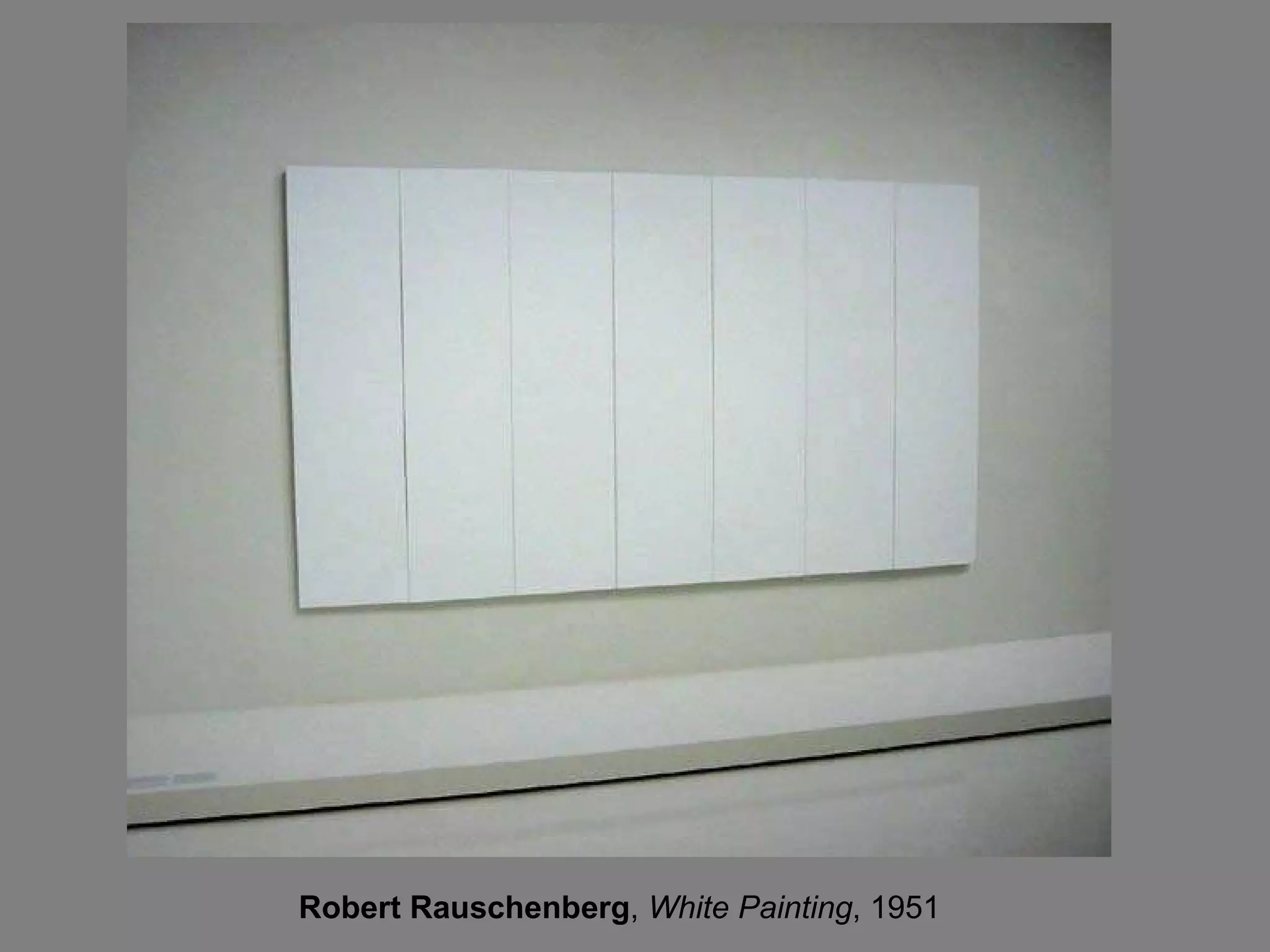
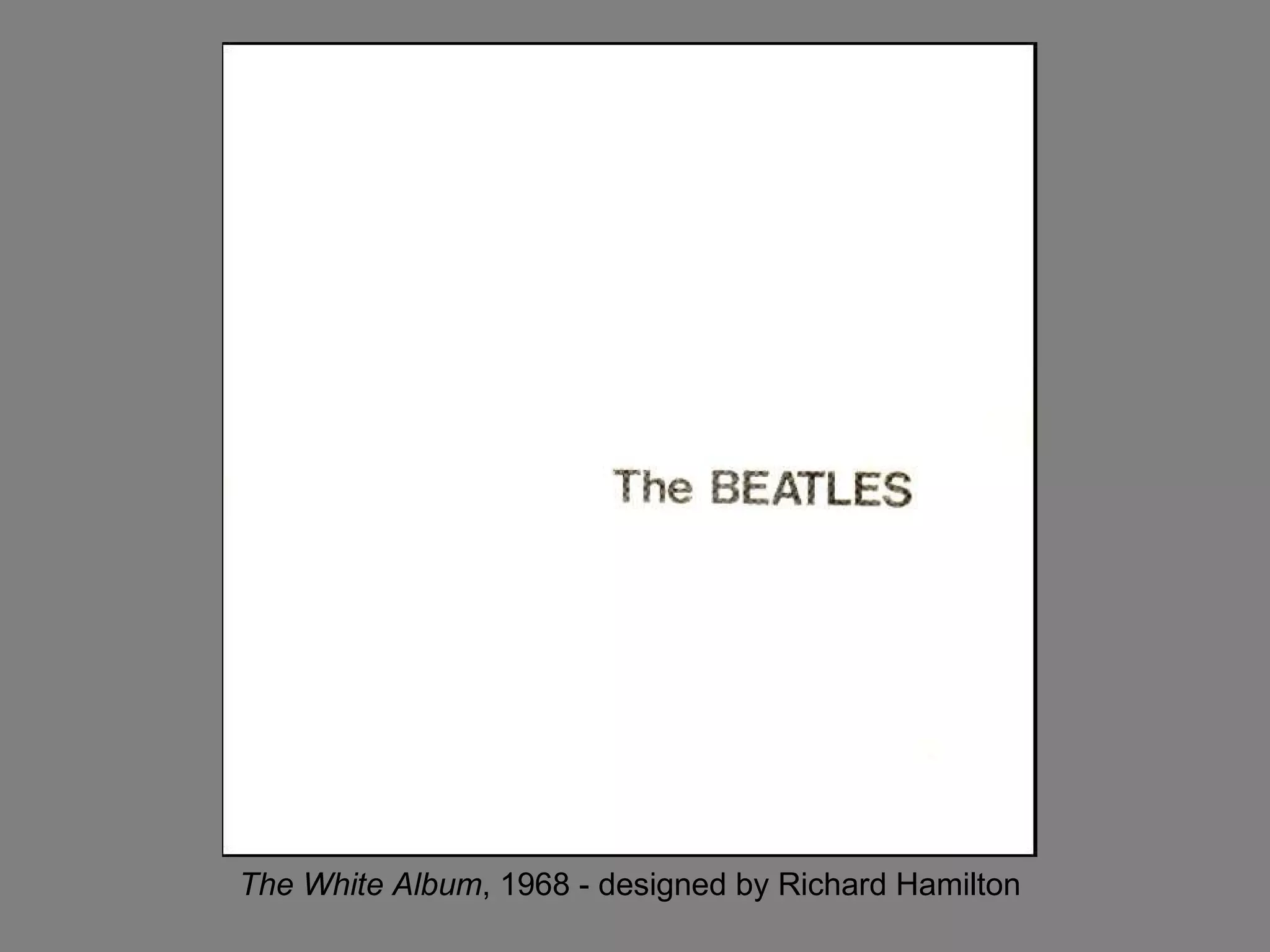
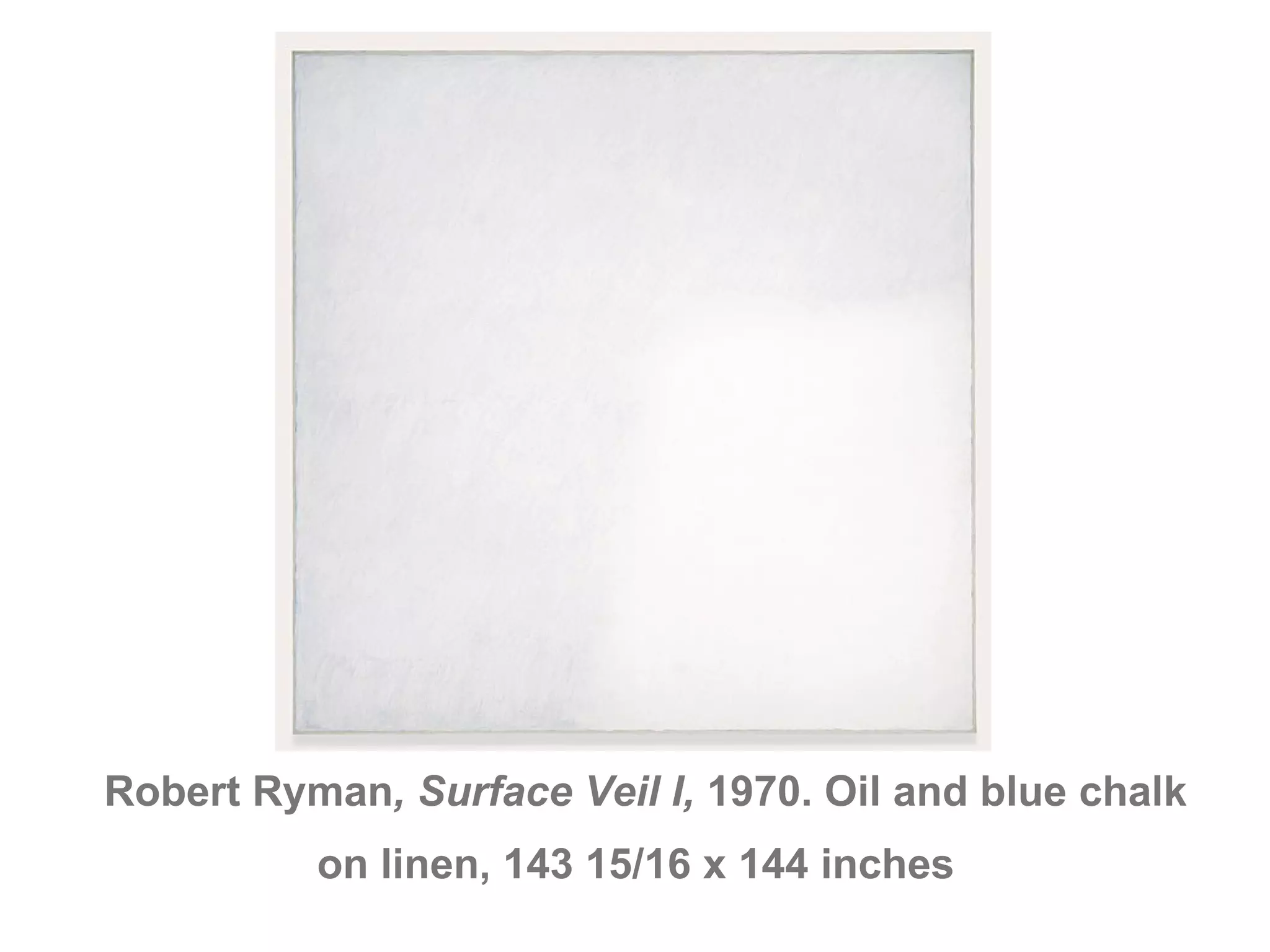
Monochrome/Minimal Abstraction “ painting as object” which represent nothing but itself, and therefore representing an ending in the evolution of illusionism in painting (“death of painting”) depiction of multidimensional (infinite) space, a fulfillment of illusionistic painting, representing a new evolution—a new beginning—in Western painting’s history (“pure feeling”) “ A work needs only to be interesting” – Donald Judd, 1965
Kasimir Malevich,  Suprematist Composition: White on White , 1918
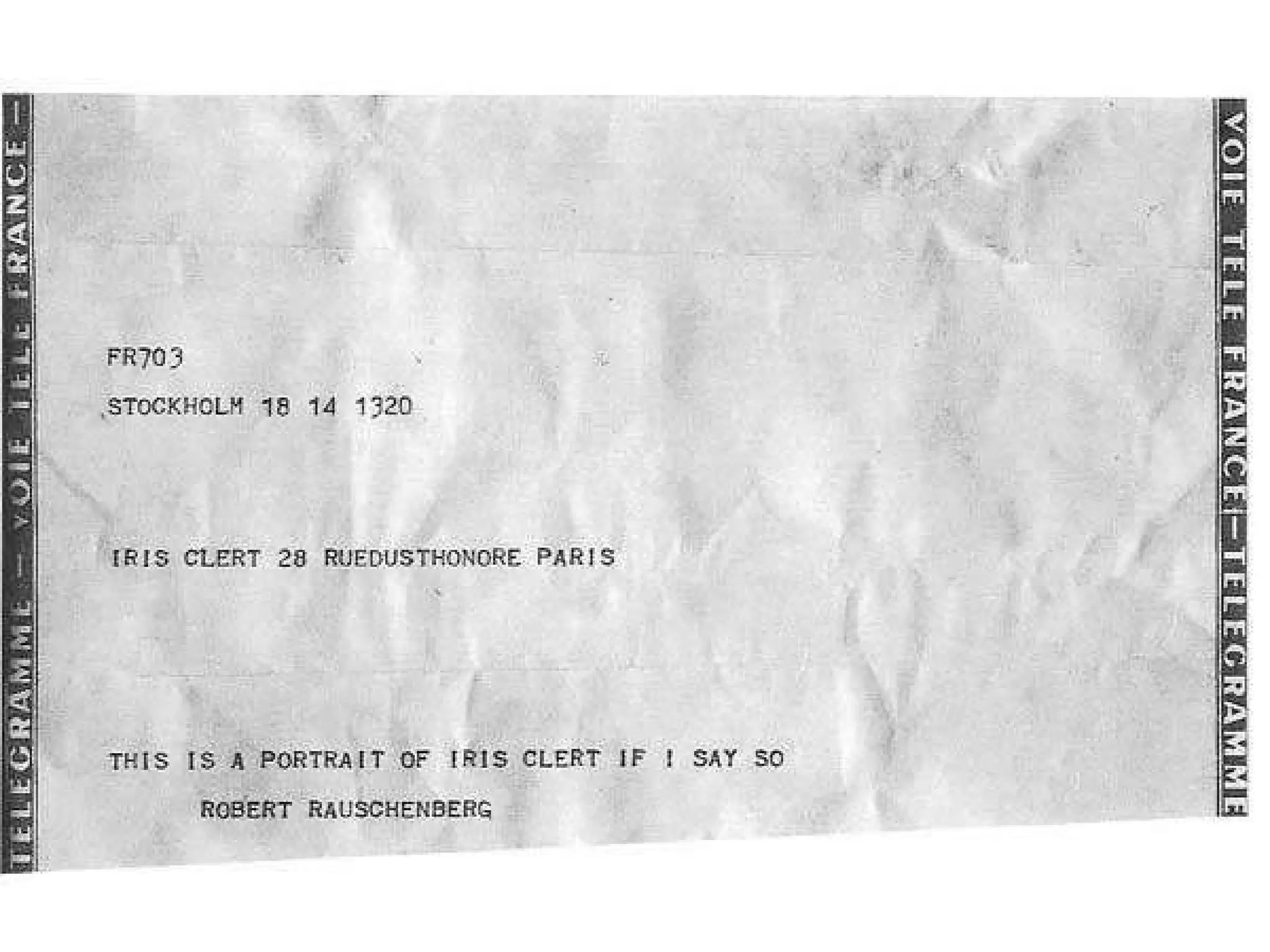
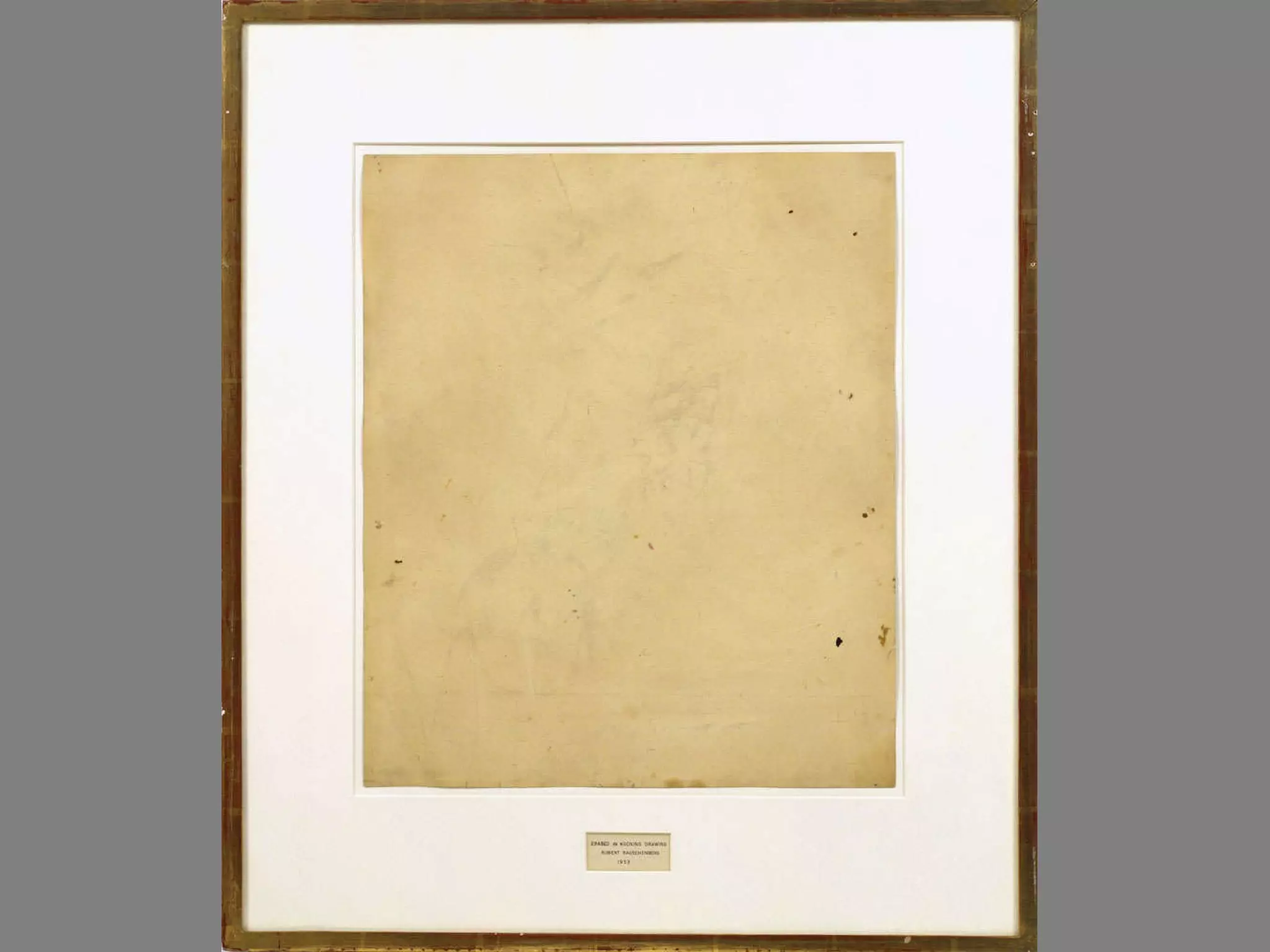
Robert Rauschenberg ,  White Painting , 1951
The White Album , 1968 - designed by Richard Hamilton
Robert Ryman , Surface Veil I,  1970. Oil and blue chalk on linen, 143 15/16 x 144 inches
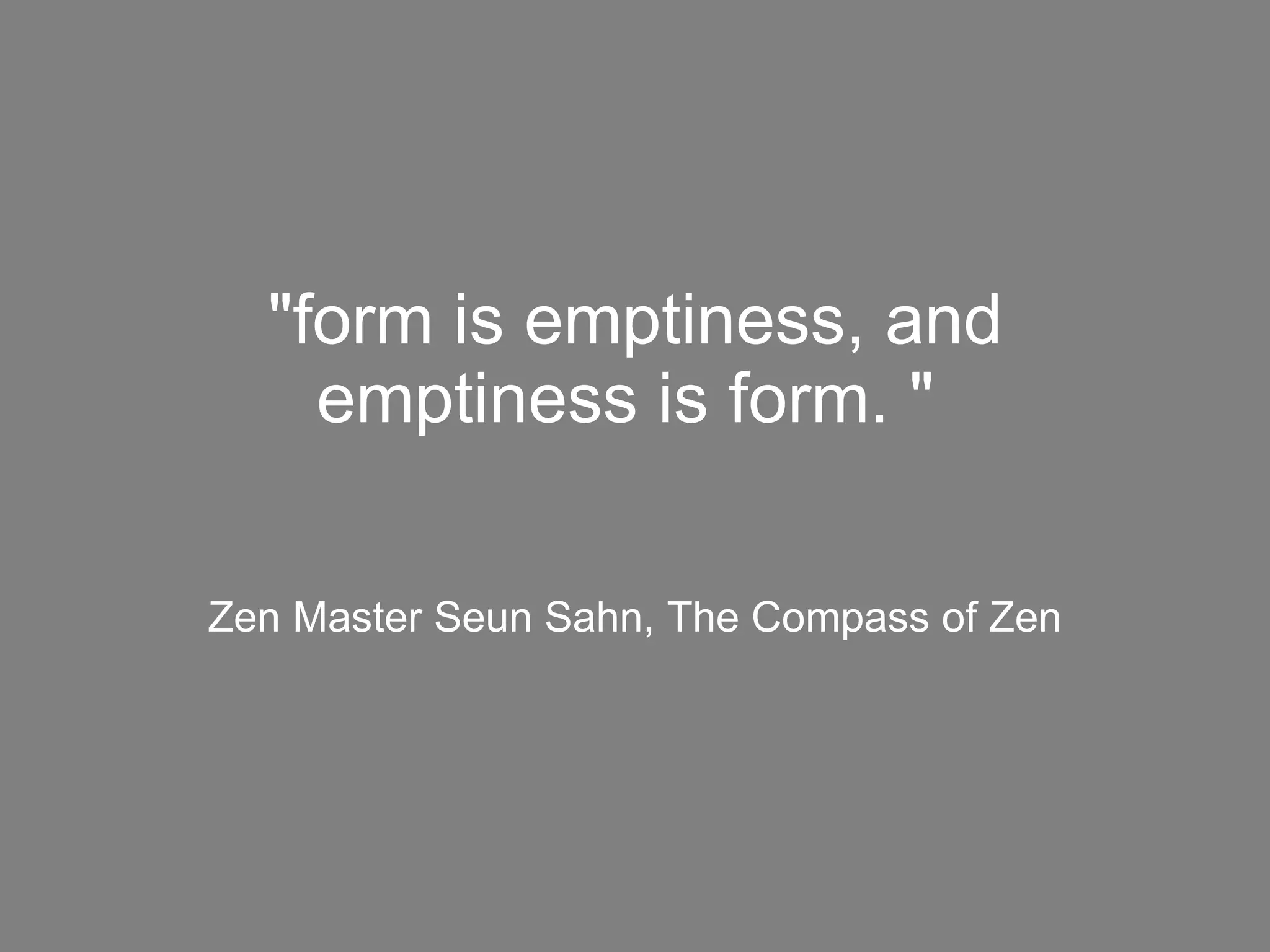
Zen Master Seun Sahn, The Compass of Zen  "form is emptiness, and emptiness is form. "
Felix Gonzalez-Torres Untitled [Passport]   1991
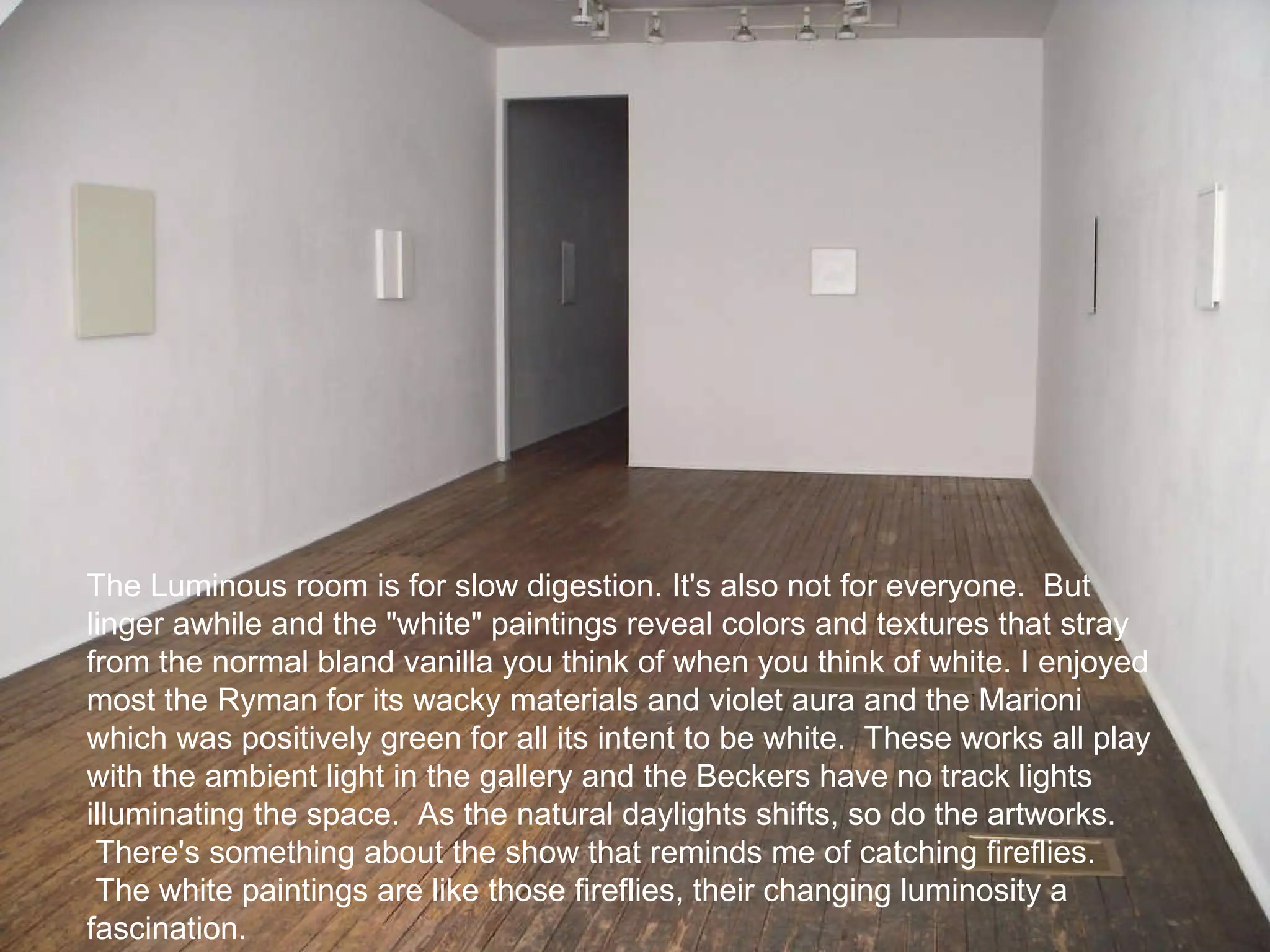
The Luminous room is for slow digestion. It's also not for everyone.  But linger awhile and the "white" paintings reveal colors and textures that stray from the normal bland vanilla you think of when you think of white. I enjoyed most the Ryman for its wacky materials and violet aura and the Marioni which was positively green for all its intent to be white.  These works all play with the ambient light in the gallery and the Beckers have no track lights illuminating the space.  As the natural daylights shifts, so do the artworks.  There's something about the show that reminds me of catching fireflies.  The white paintings are like those fireflies, their changing luminosity a fascination.
John Cage, 4’33”, 1952 "To Whom It May Concern: The white paintings came first; my silent piece came later." - John Cage   Note: The title of this work is the total length in minutes and seconds of its performance. At Woodstock, N.Y., August 29, 1952, the title was 4’33” and the three parts were 33”, 2’40”, and 1’20”. It was performed by David Tudor, pianist, who indicated the beginnings of parts by closing, the endings by opening, the keyboard lid. However the work may be performed by any instrumentalist or combination of instrumentalists and last any length of time.
 
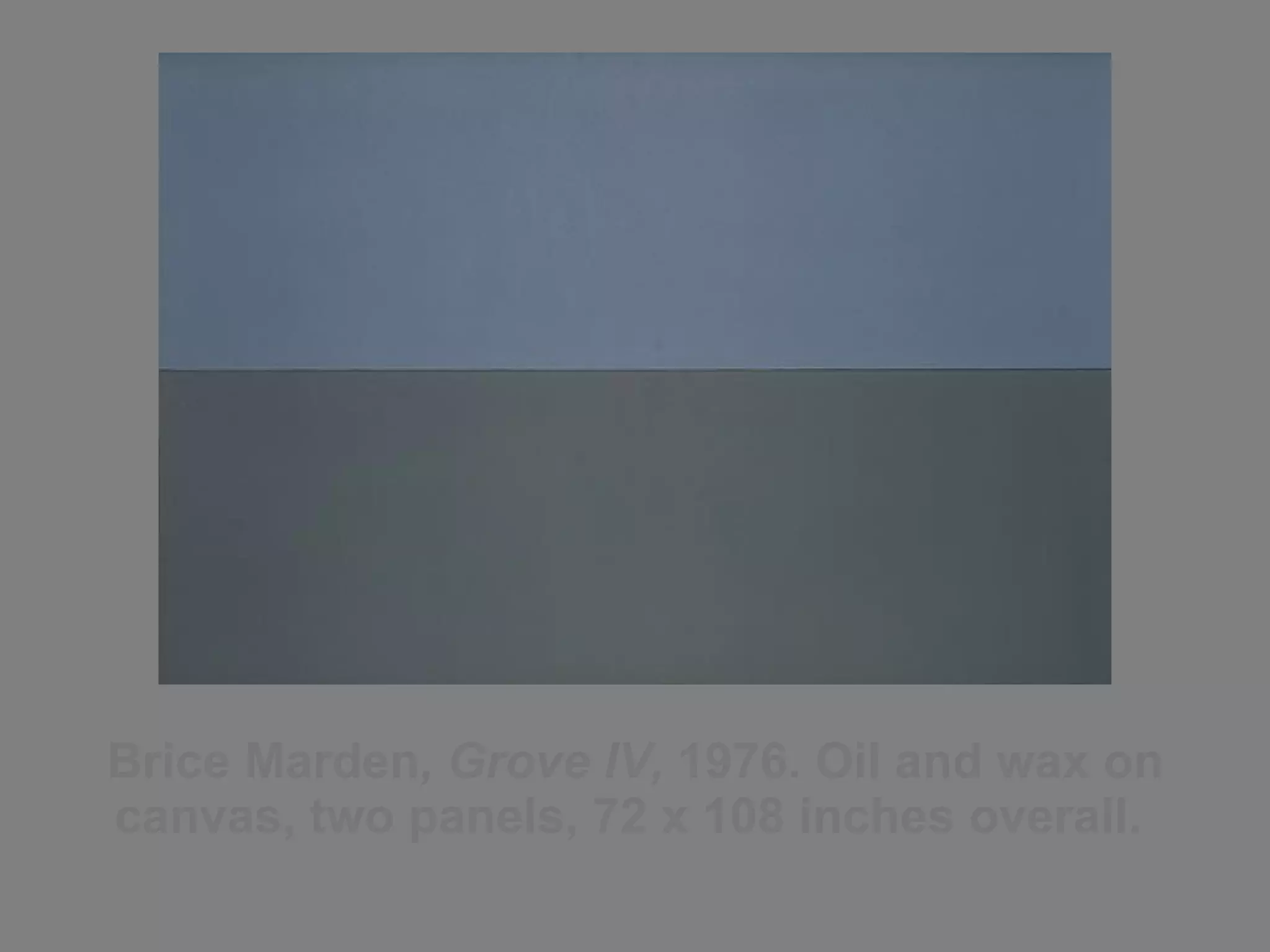
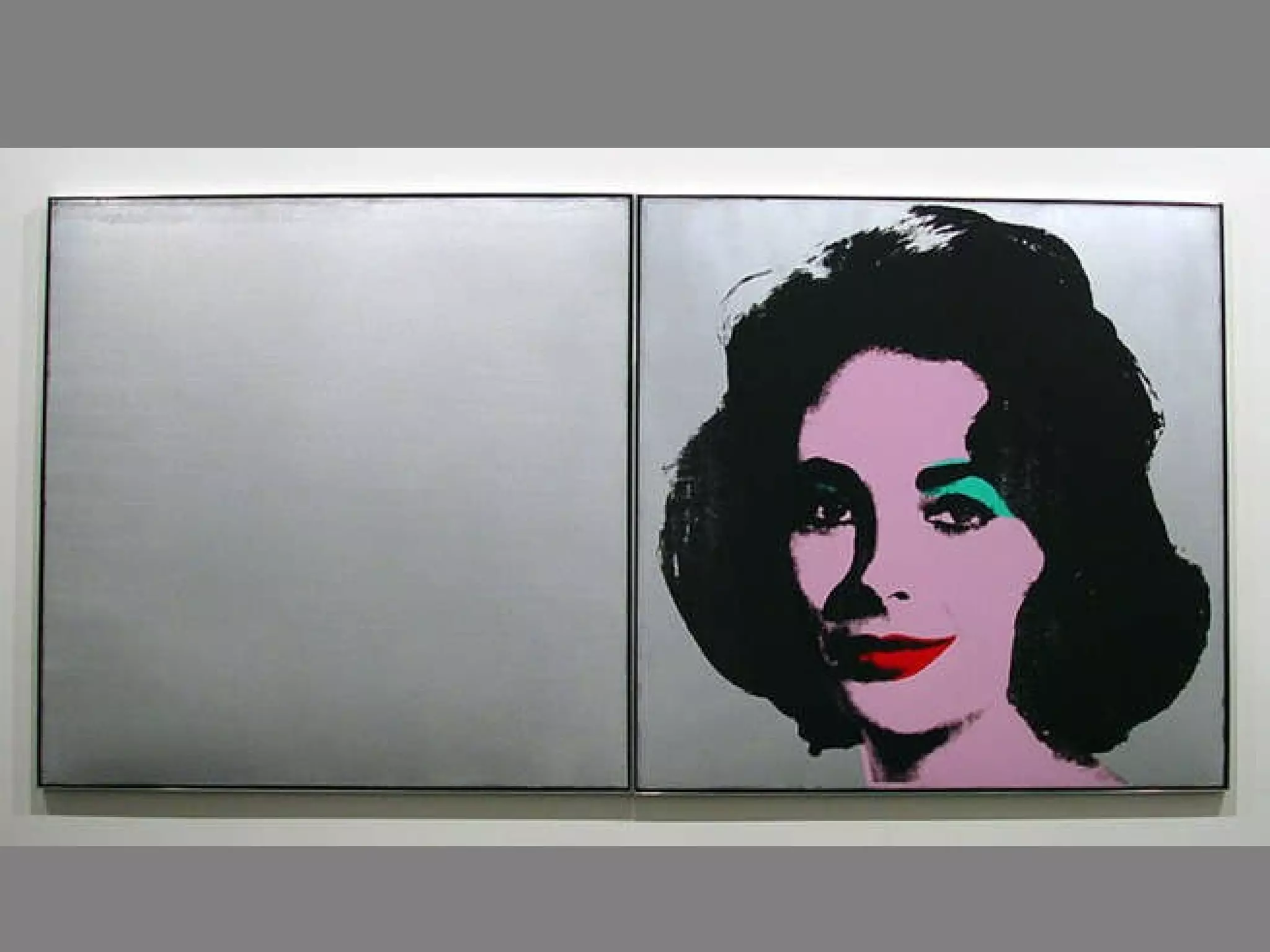
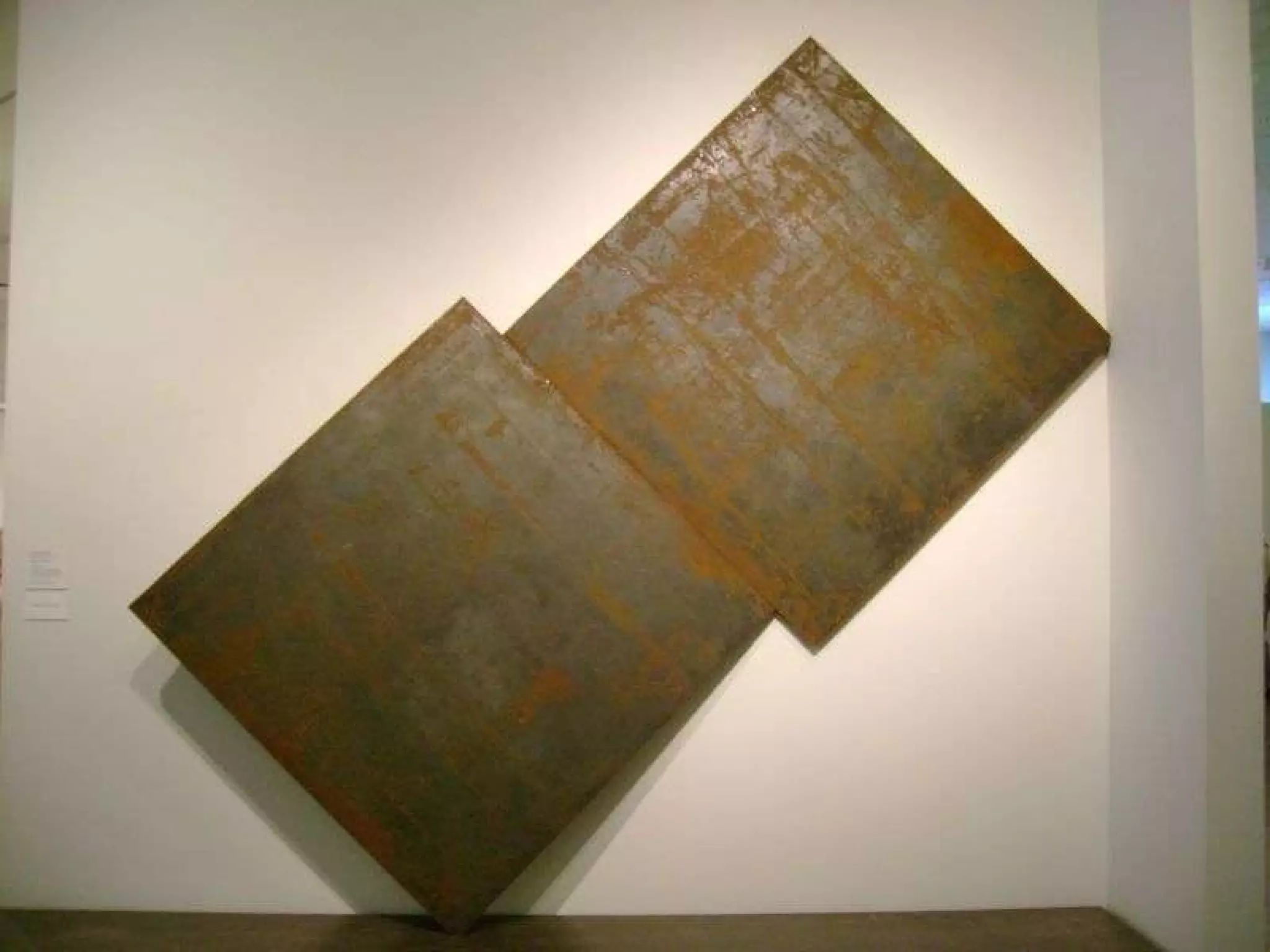
Brice Marden , Grove IV,  1976. Oil and wax on canvas, two panels, 72 x 108 inches overall.
 
 
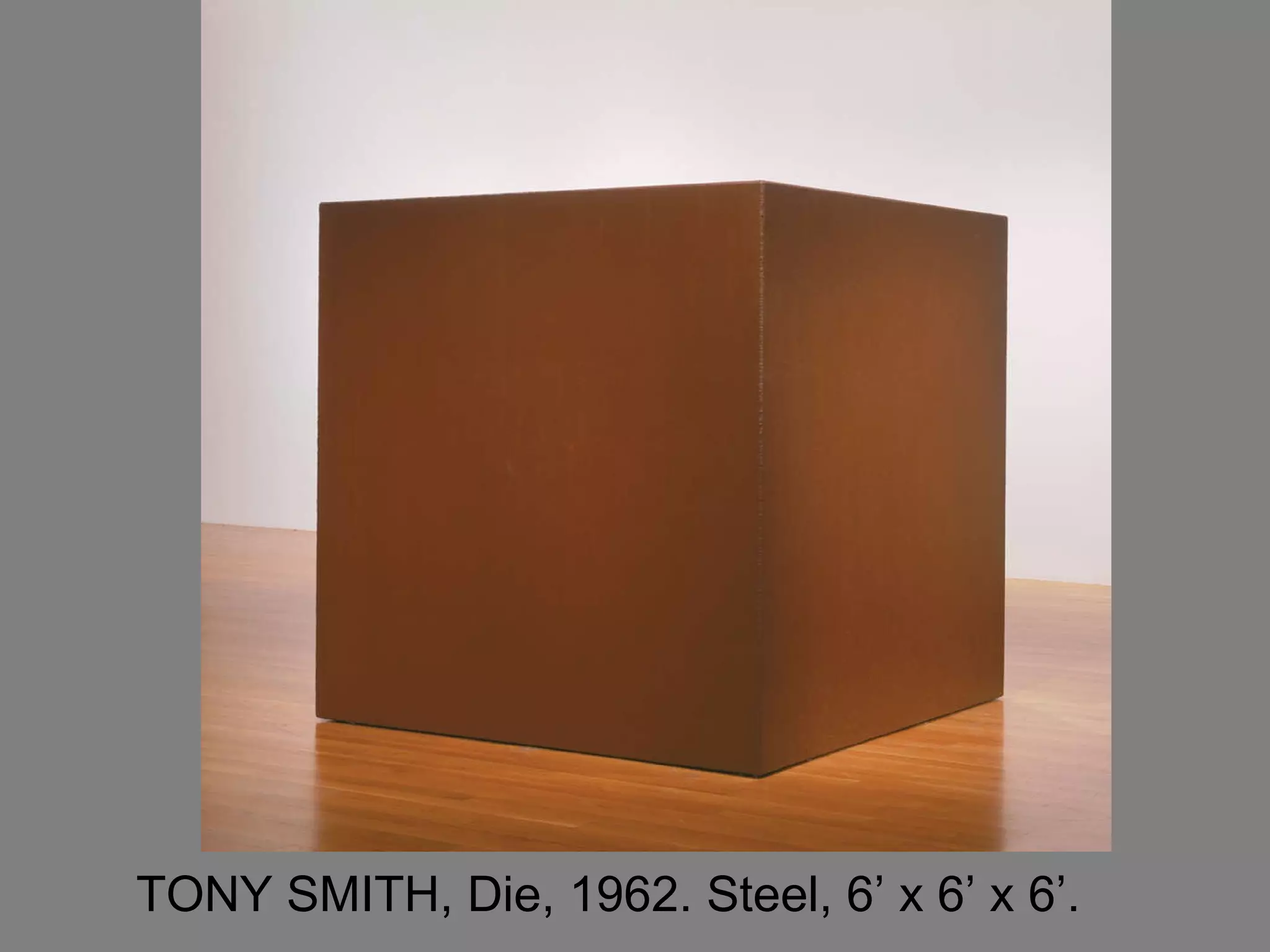
TONY SMITH, Die, 1962. Steel, 6’ x 6’ x 6’.
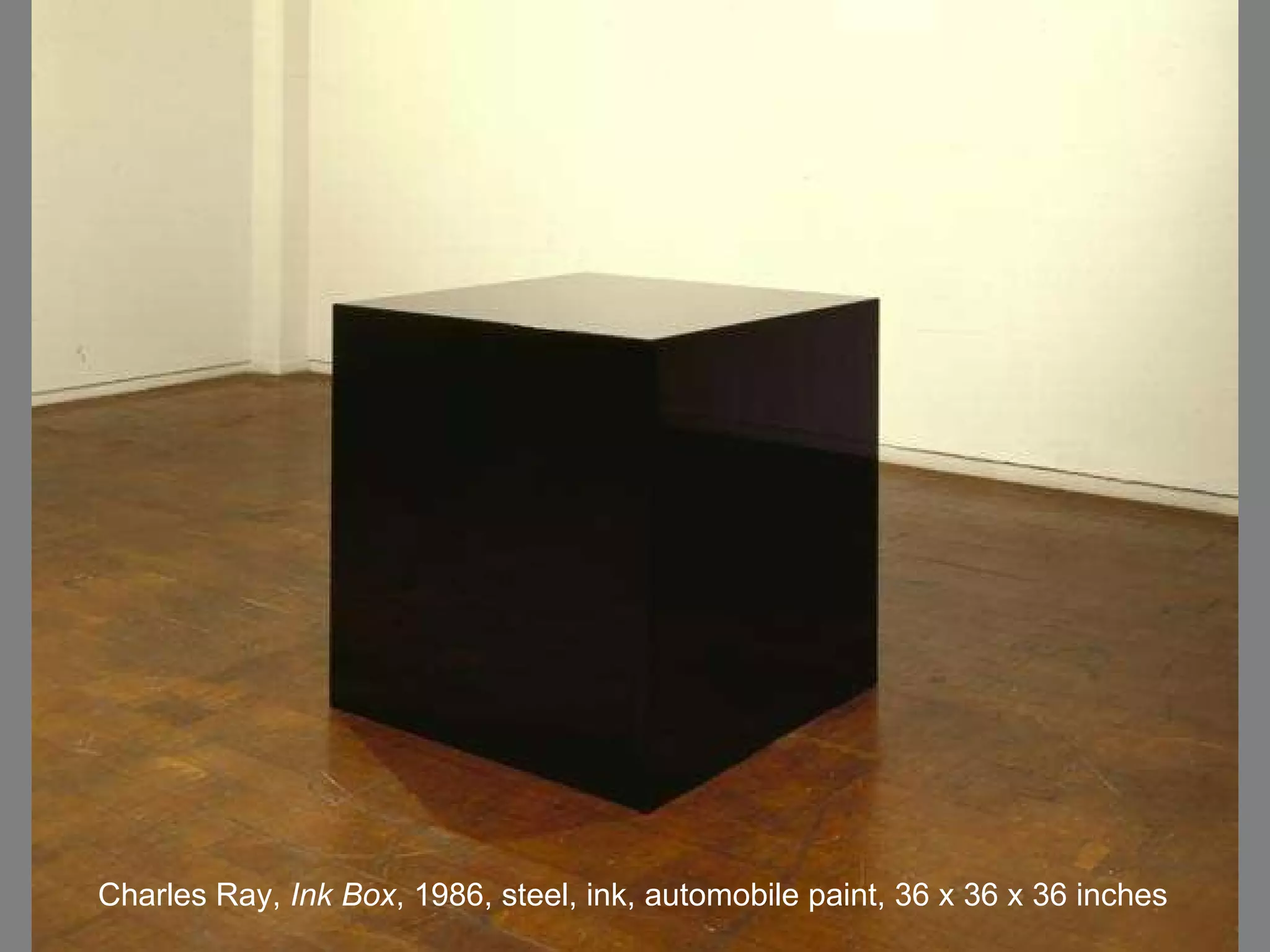
Charles Ray,  Ink Box , 1986, steel, ink, automobile paint, 36 x 36 x 36 inches
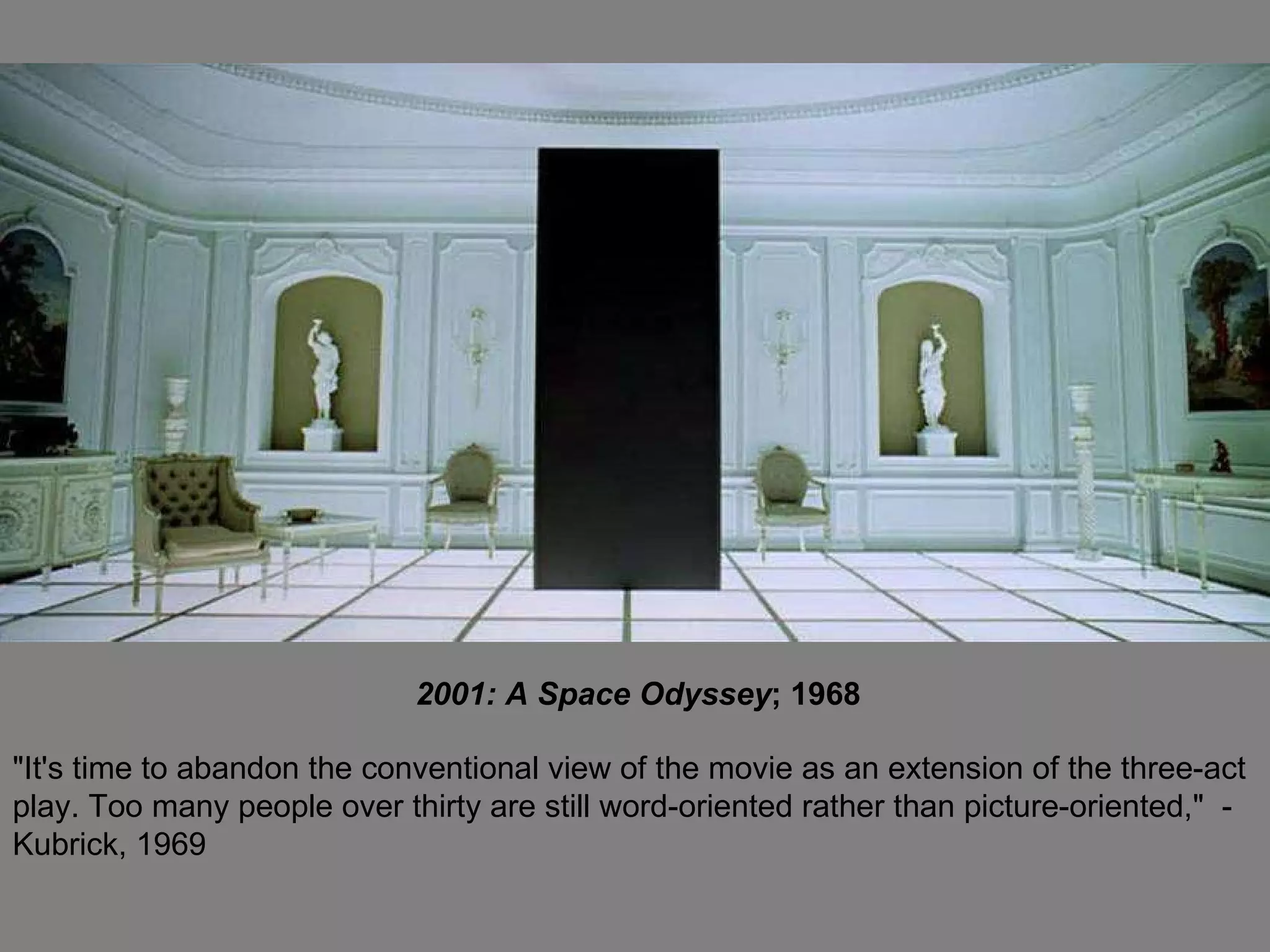
2001: A Space Odyssey ; 1968 "It's time to abandon the conventional view of the movie as an extension of the three-act play. Too many people over thirty are still word-oriented rather than picture-oriented,"  - Kubrick, 1969
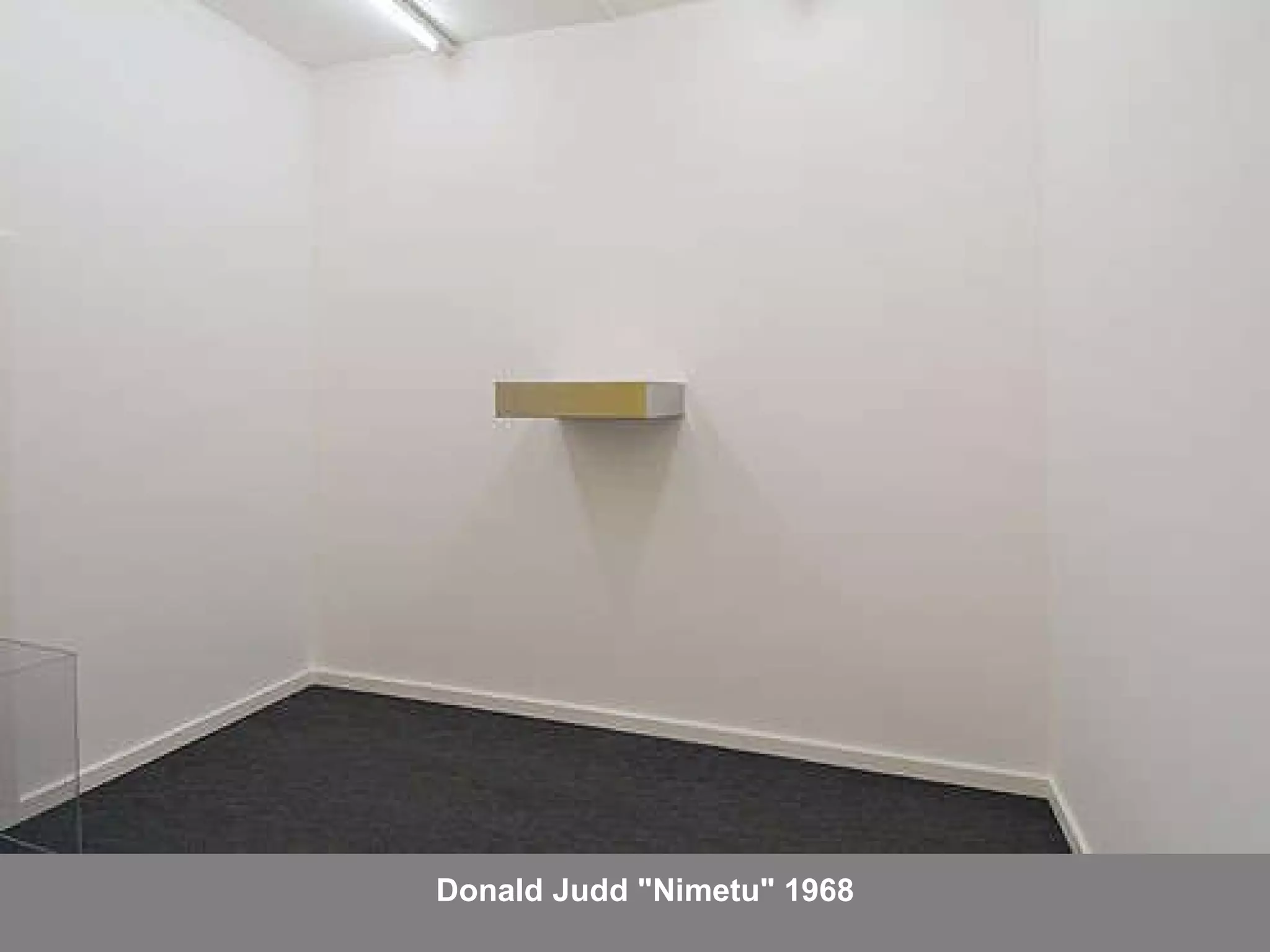
Donald Judd "Nimetu" 1968
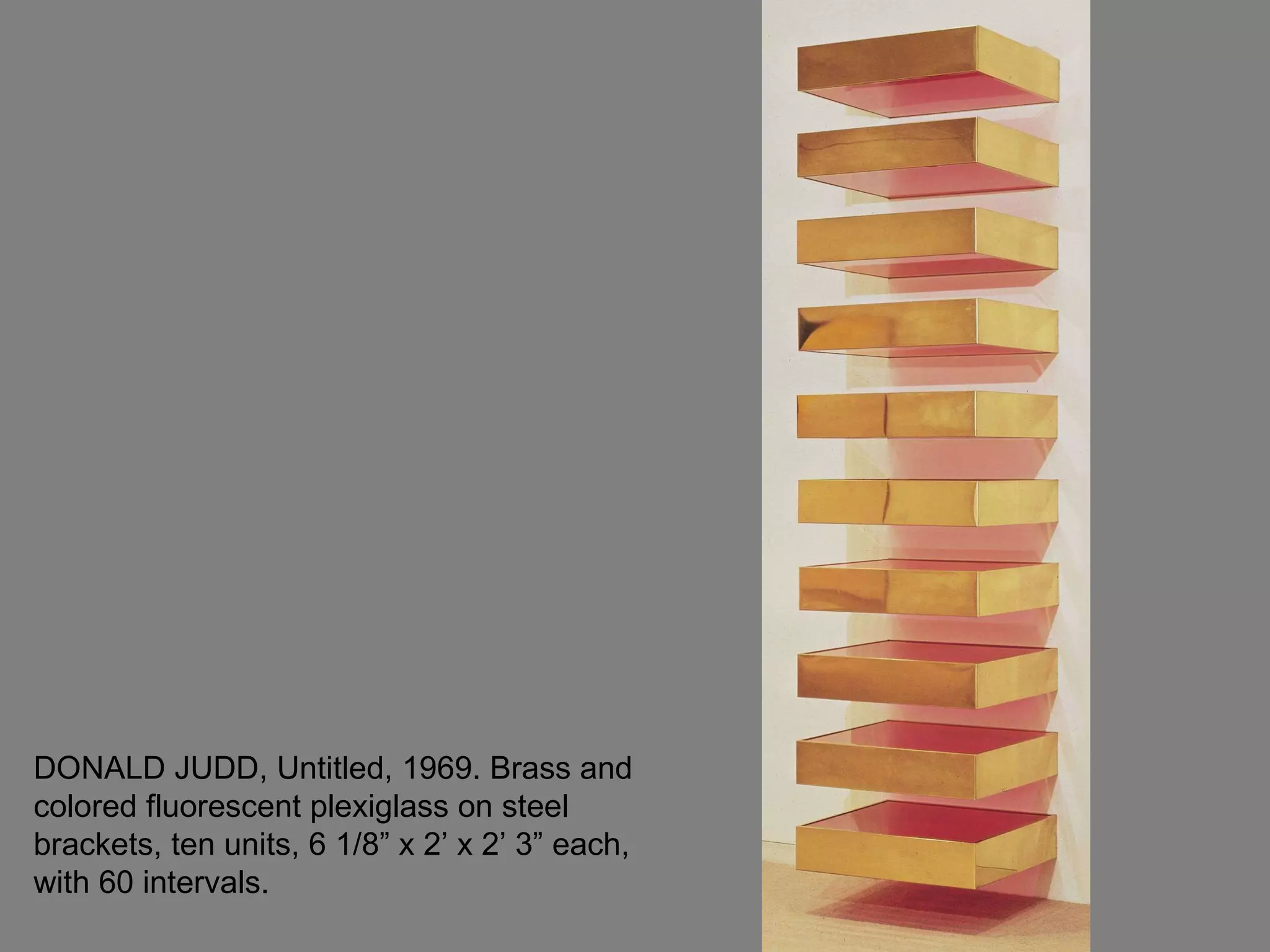
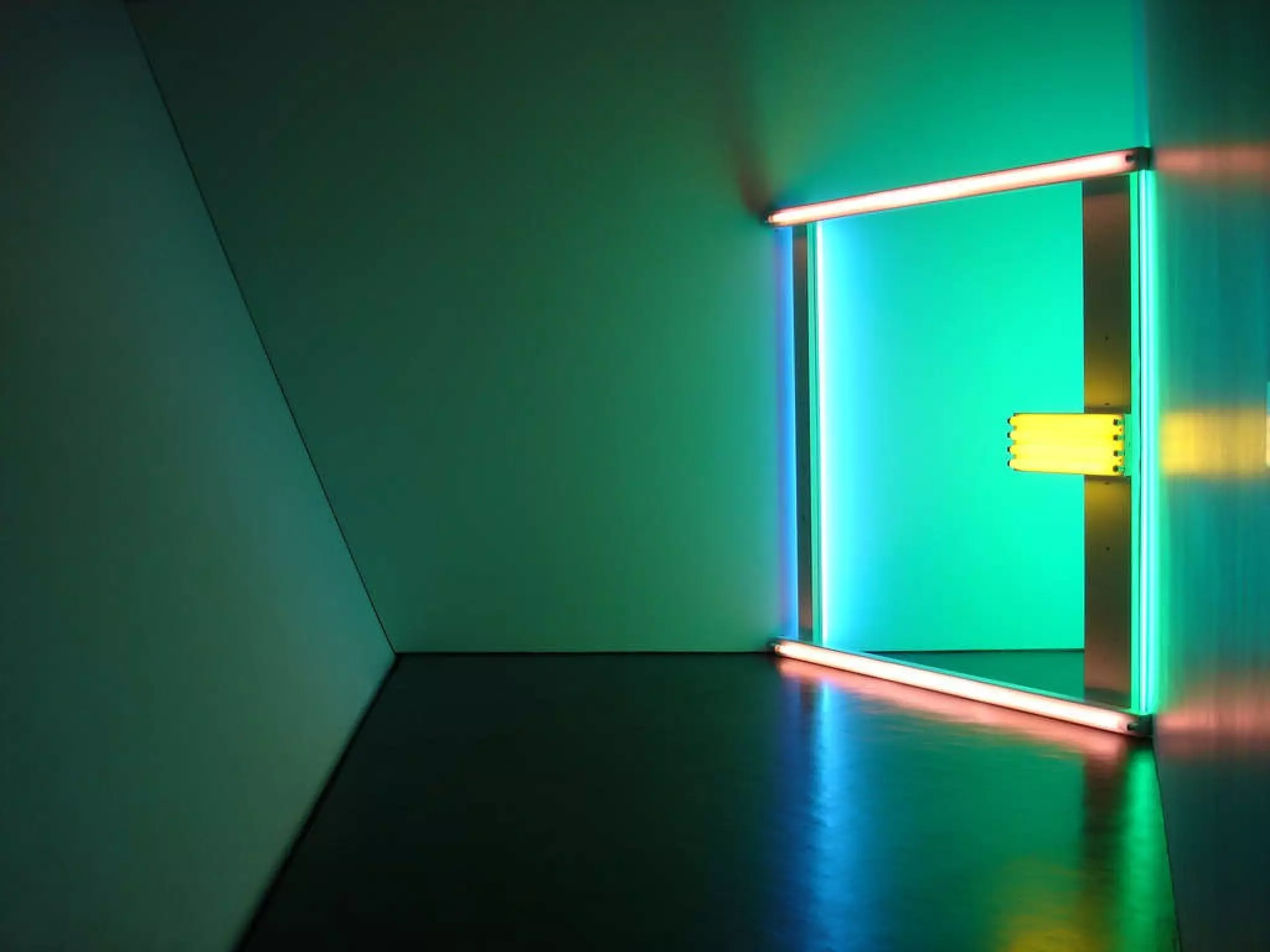
DONALD JUDD, Untitled, 1969. Brass and colored fluorescent plexiglass on steel brackets, ten units, 6 1/8” x 2’ x 2’ 3” each, with 60 intervals.
 
 
POP
 
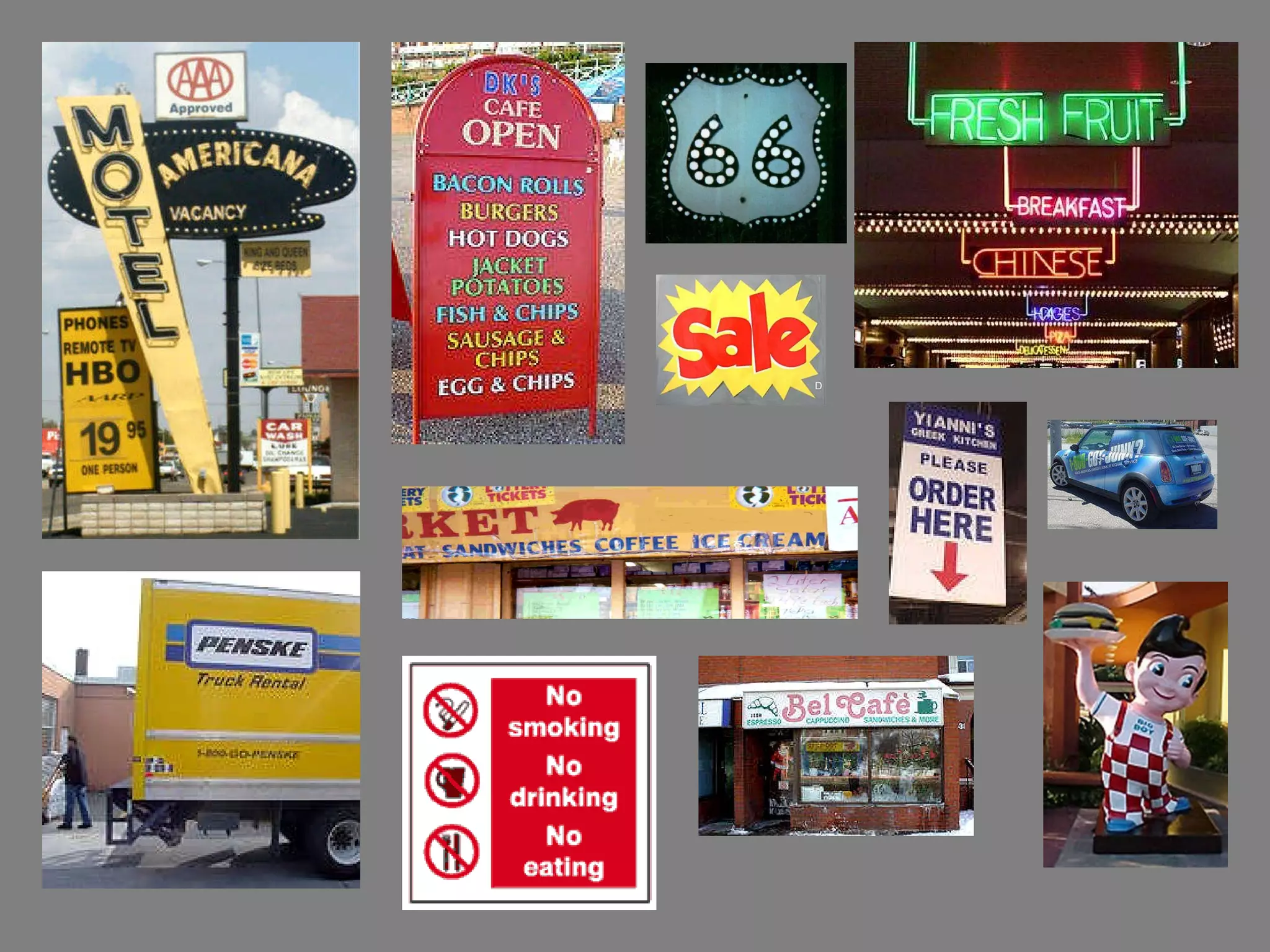
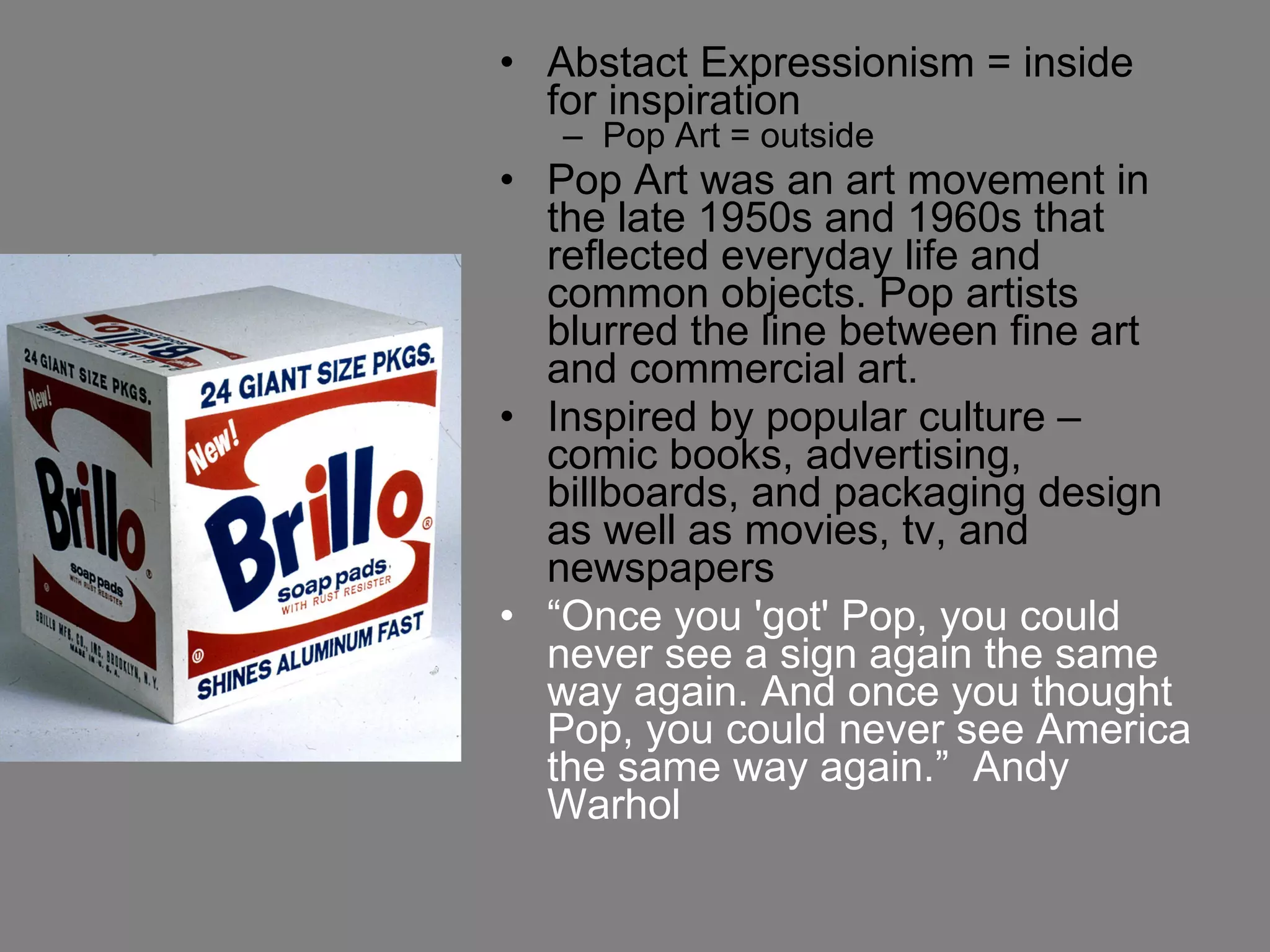
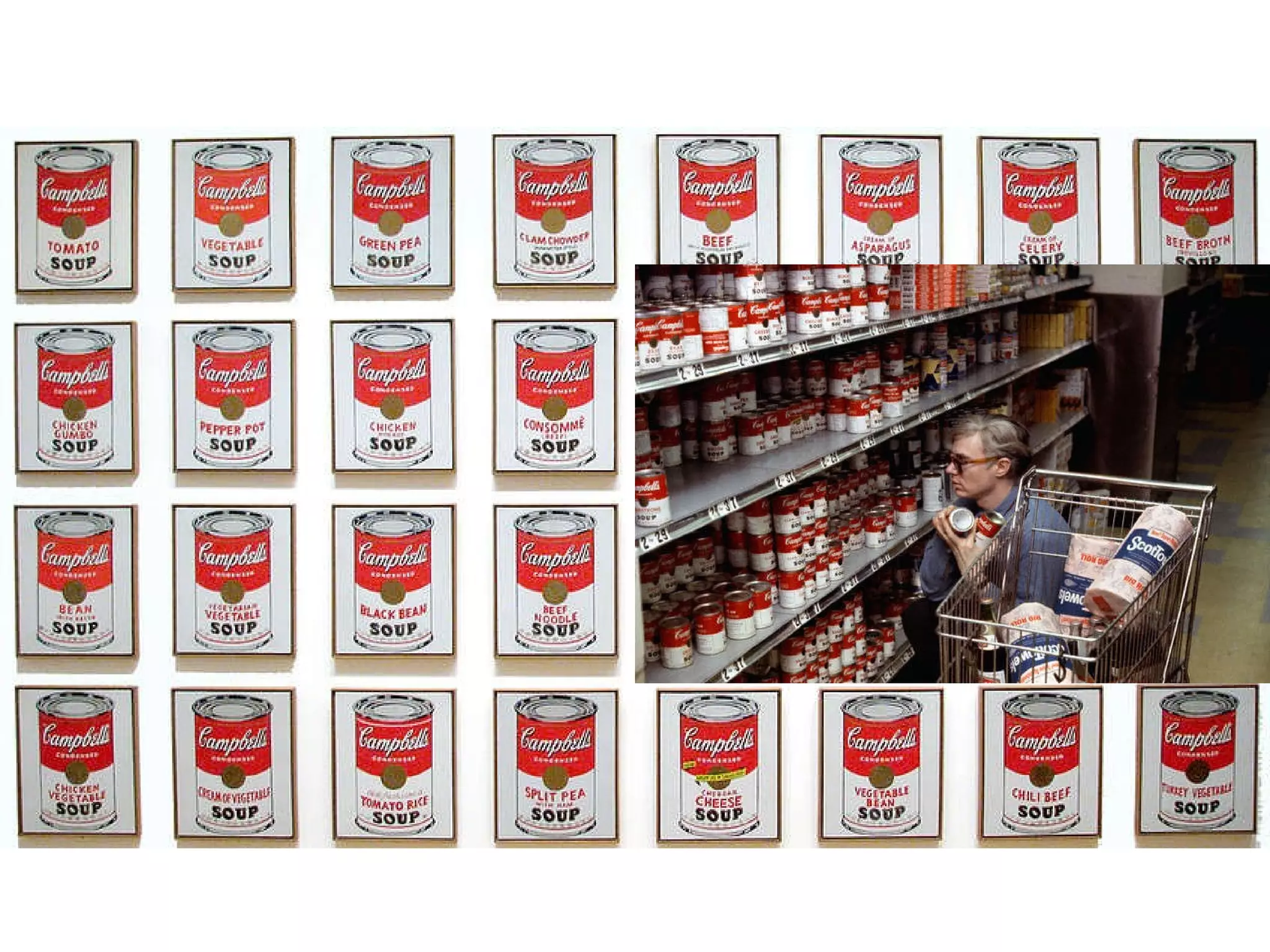
Abstact Expressionism = inside for inspiration Pop Art = outside Pop Art was an art movement in the late 1950s and 1960s that reflected everyday life and common objects. Pop artists blurred the line between fine art and commercial art. Inspired by popular culture – comic books, advertising, billboards, and packaging design as well as movies, tv, and newspapers  “ Once you 'got' Pop, you could never see a sign again the same way again. And once you thought Pop, you could never see America the same way again.”  Andy Warhol
"Pop Art is: Popular (designed for a mass audience) Transient (short-term solution) Expendable (easily forgotten) Low Cost Mass produced Young Witty Sexy Gimmicky Glamorous Big business ...Yours!" (Richard Hamilton - from a letter to Peter and Alison Smithson, 1957)
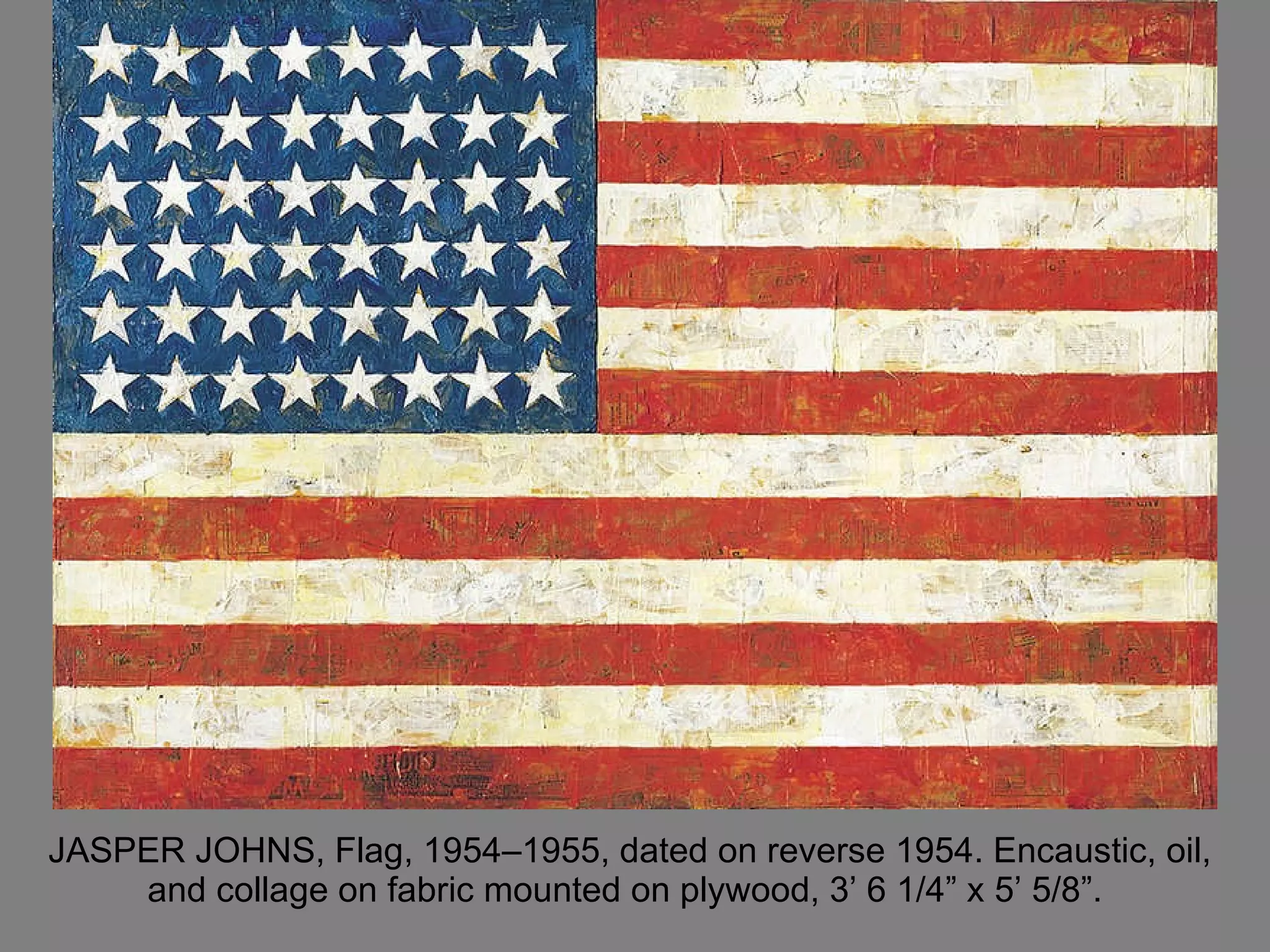
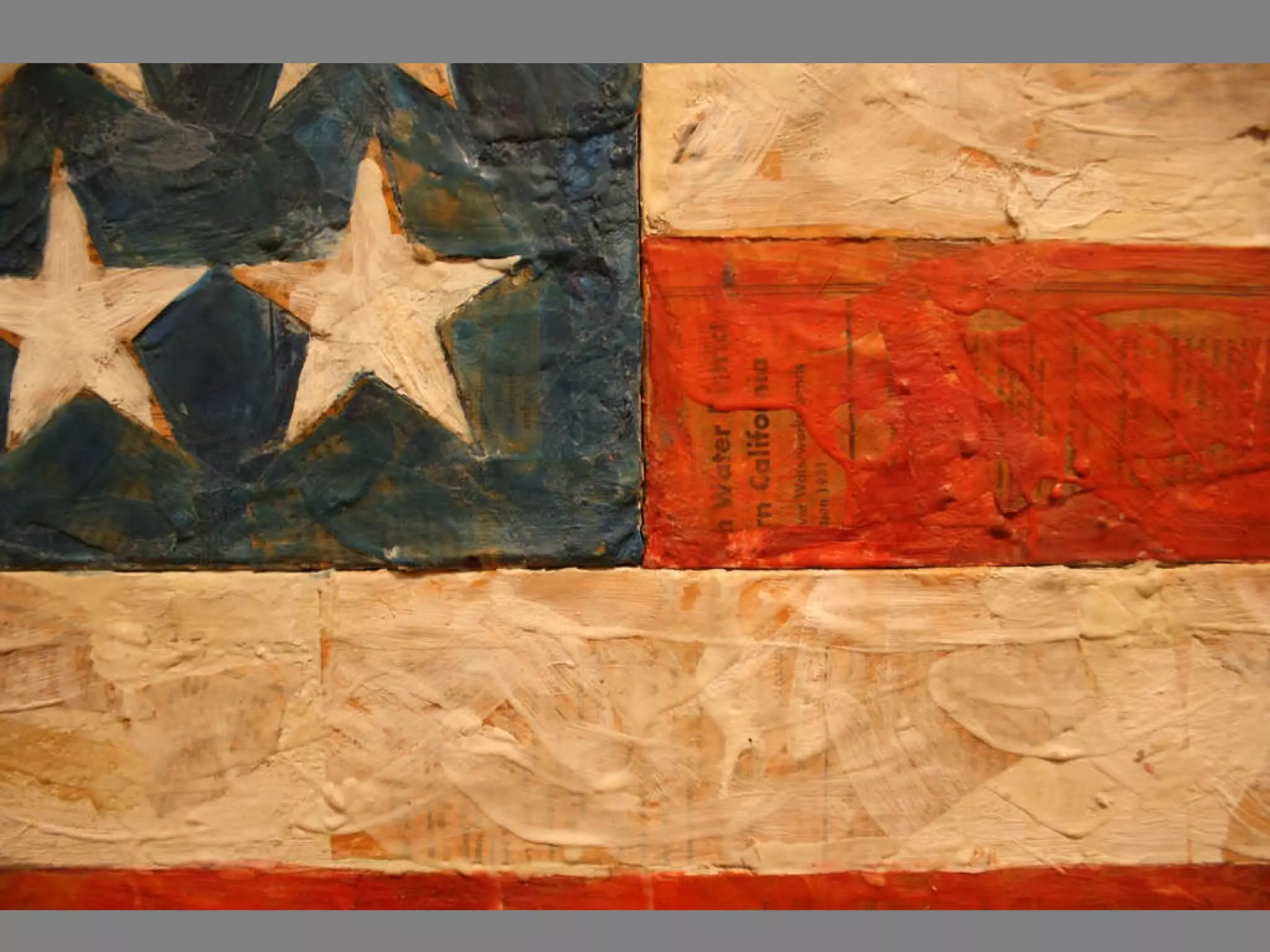
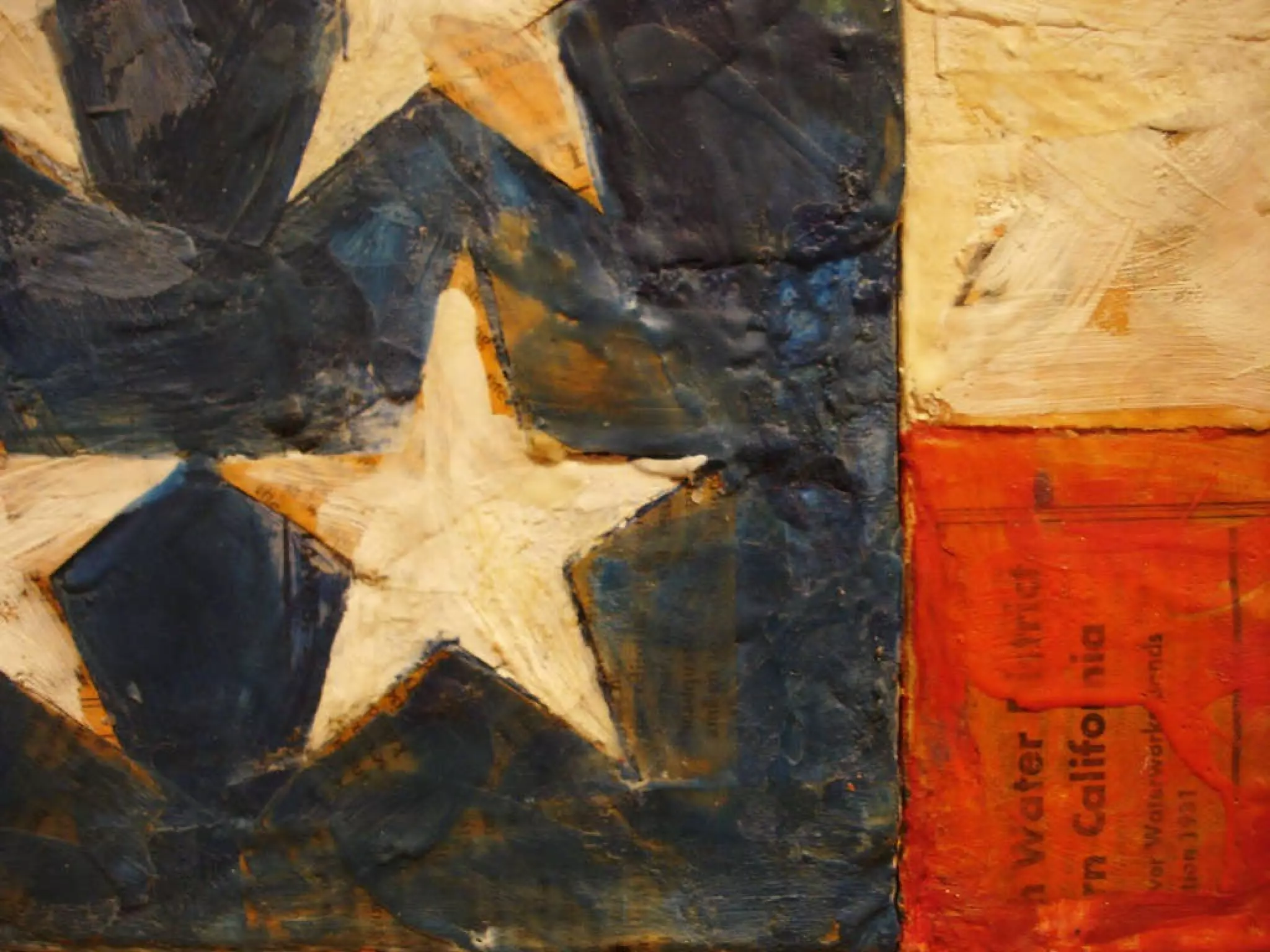
JASPER JOHNS, Flag, 1954–1955, dated on reverse 1954. Encaustic, oil, and collage on fabric mounted on plywood, 3’ 6 1/4” x 5’ 5/8”.
 
 
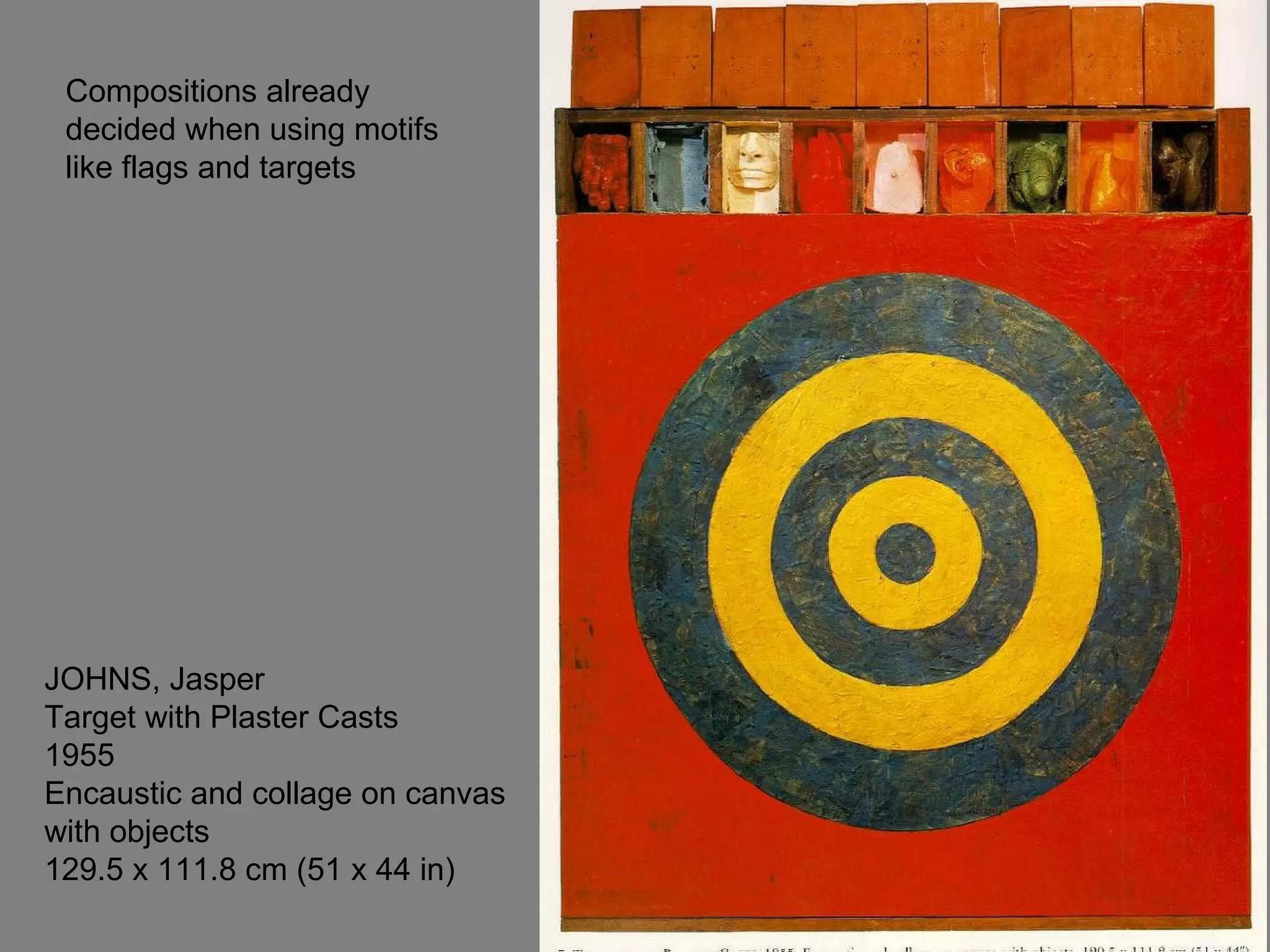
JOHNS, Jasper Target with Plaster Casts 1955 Encaustic and collage on canvas with objects 129.5 x 111.8 cm (51 x 44 in)  Compositions already decided when using motifs like flags and targets


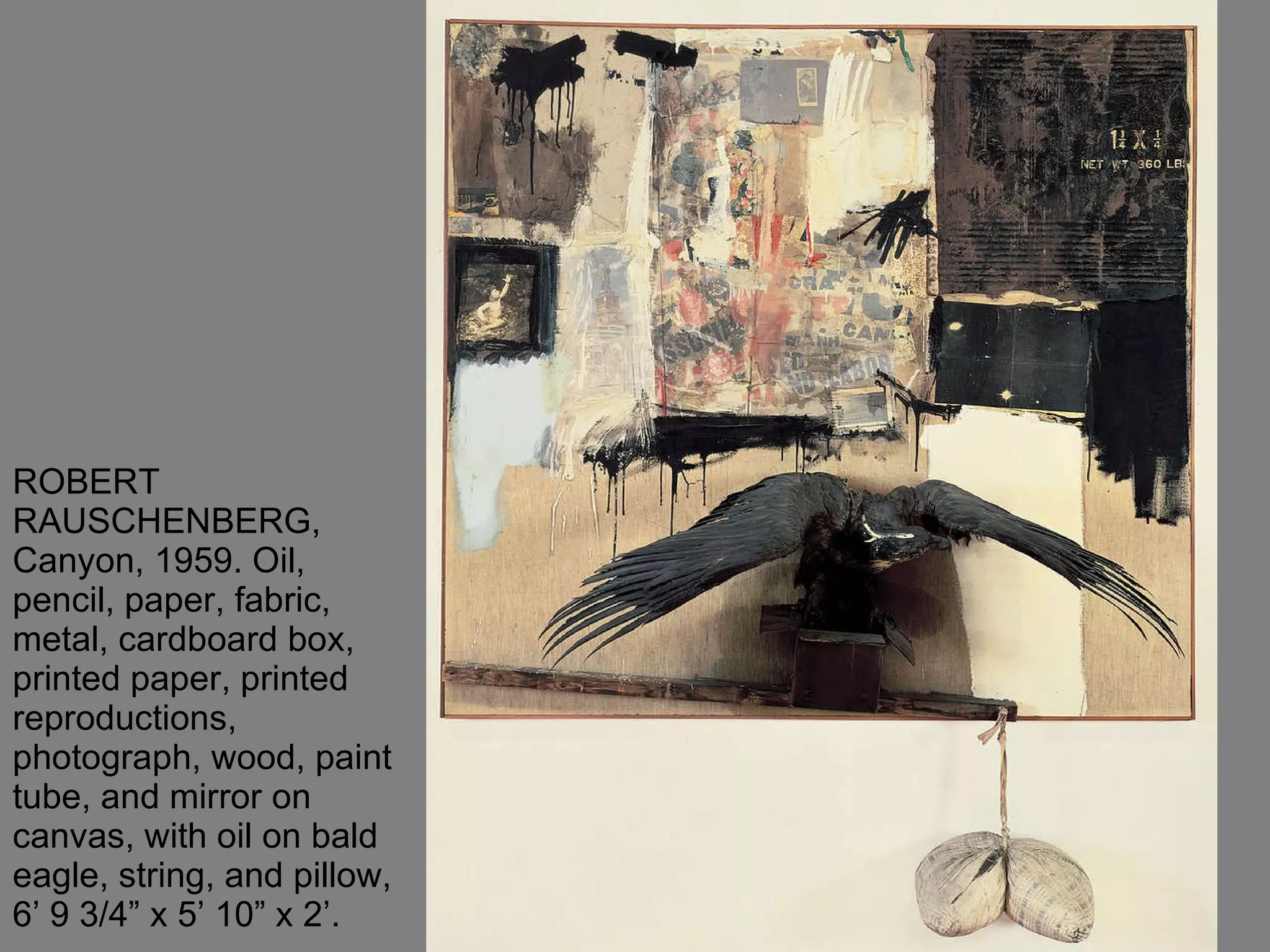
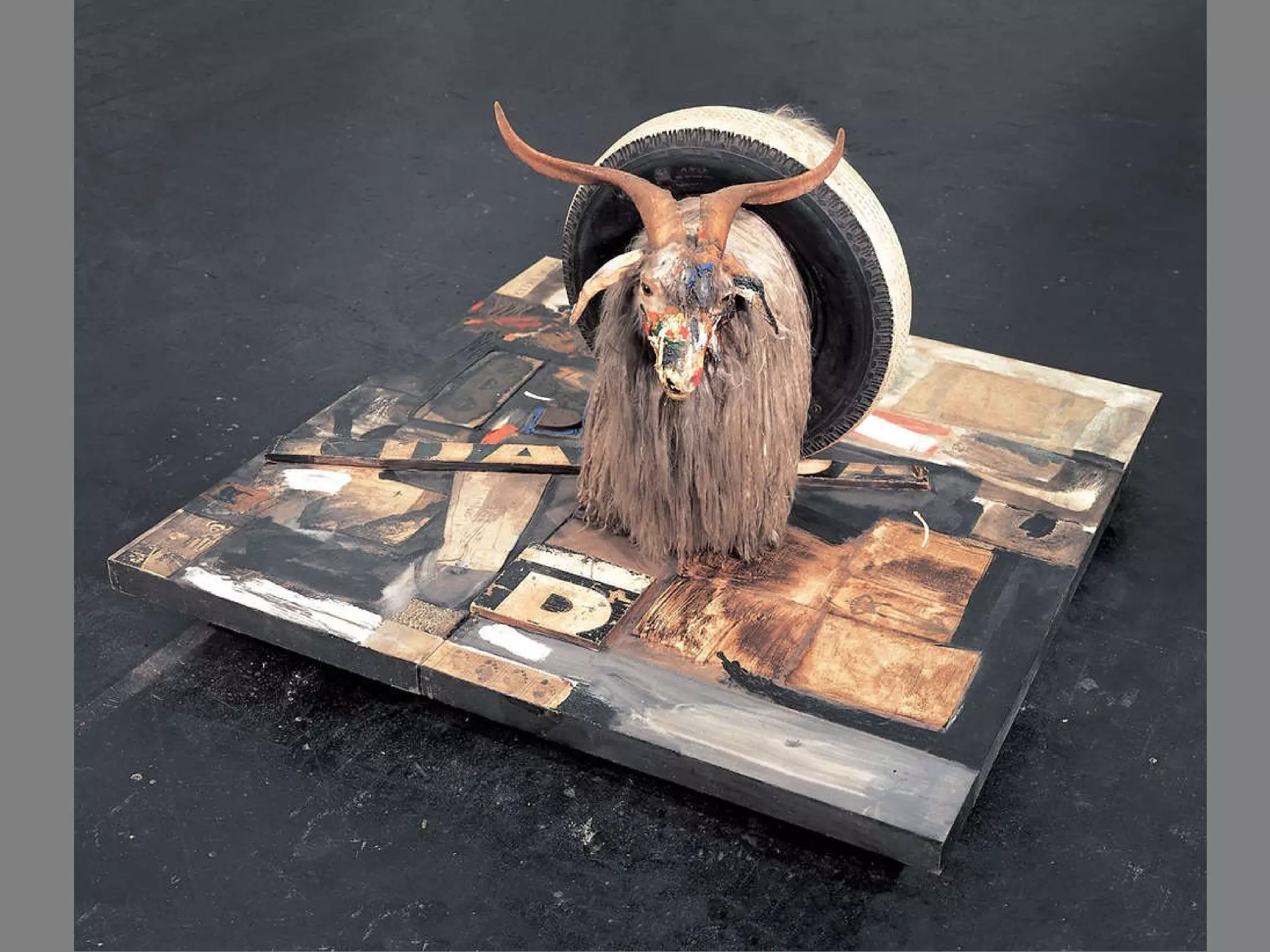
ROBERT RAUSCHENBERG, Canyon, 1959. Oil, pencil, paper, fabric, metal, cardboard box, printed paper, printed reproductions, photograph, wood, paint tube, and mirror on canvas, with oil on bald eagle, string, and pillow, 6’ 9 3/4” x 5’ 10” x 2’.
 
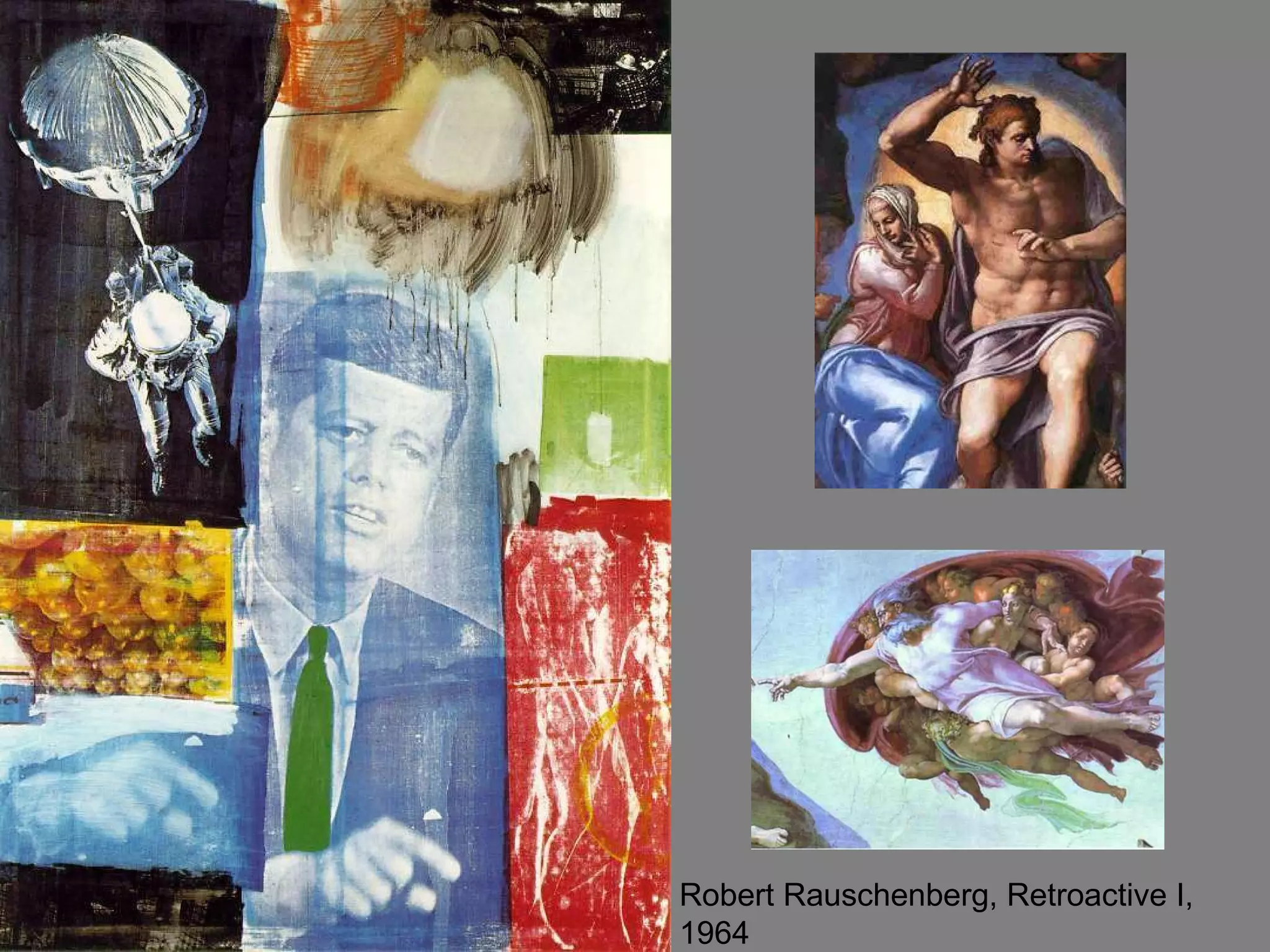
Robert Rauschenberg, Retroactive I, 1964
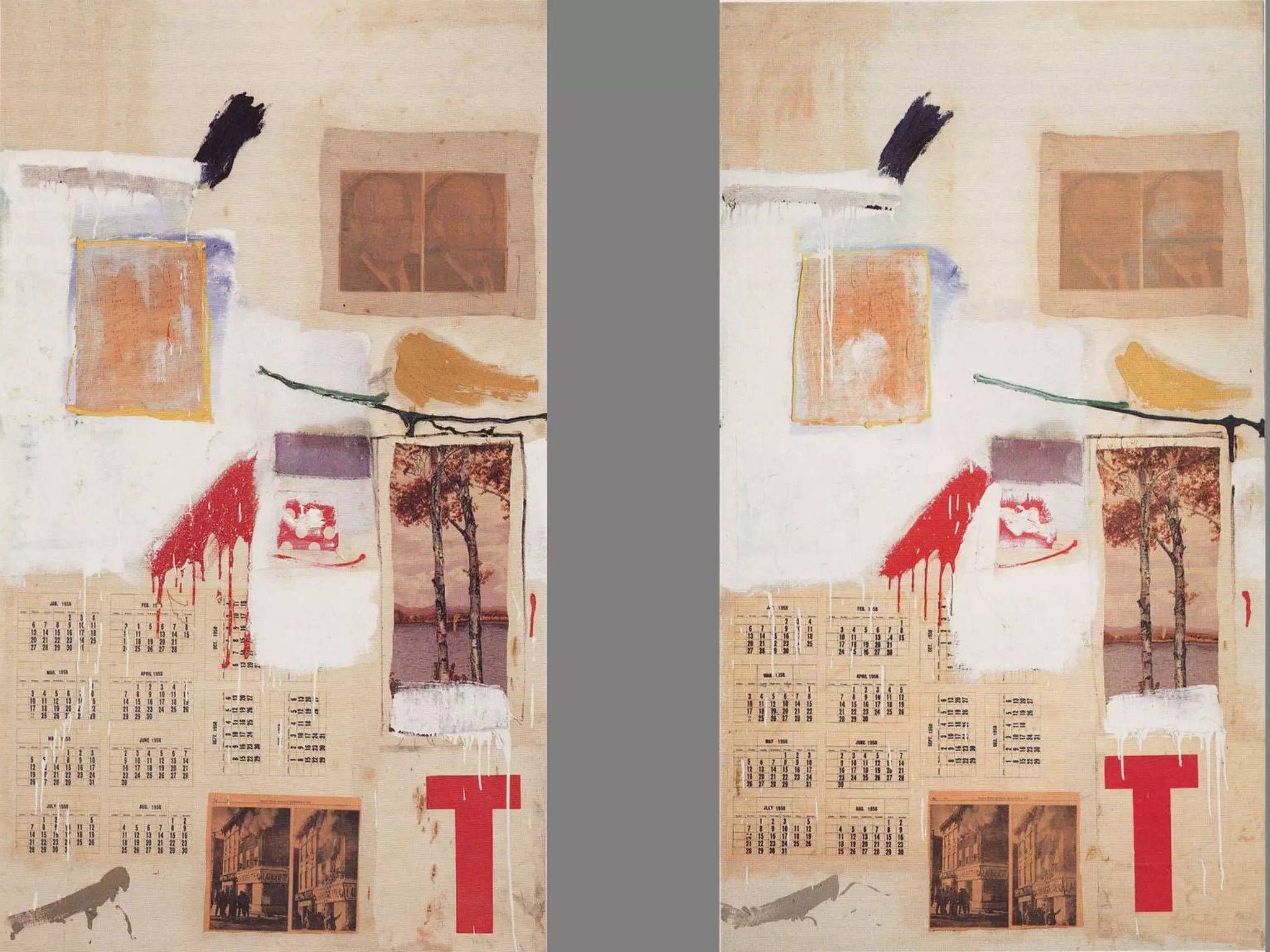
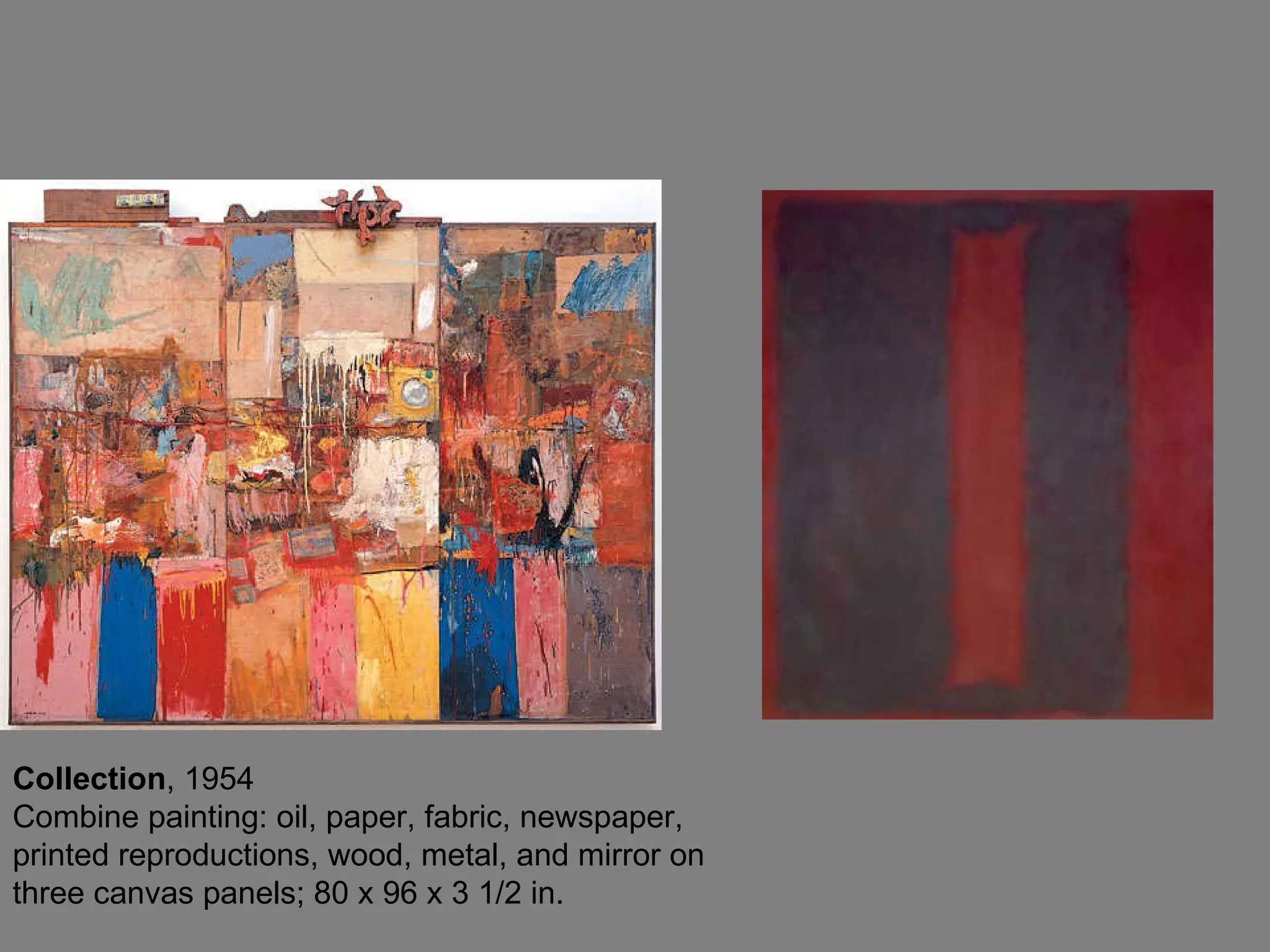
Collection , 1954 Combine painting: oil, paper, fabric, newspaper, printed reproductions, wood, metal, and mirror on three canvas panels; 80 x 96 x 3 1/2 in.
 
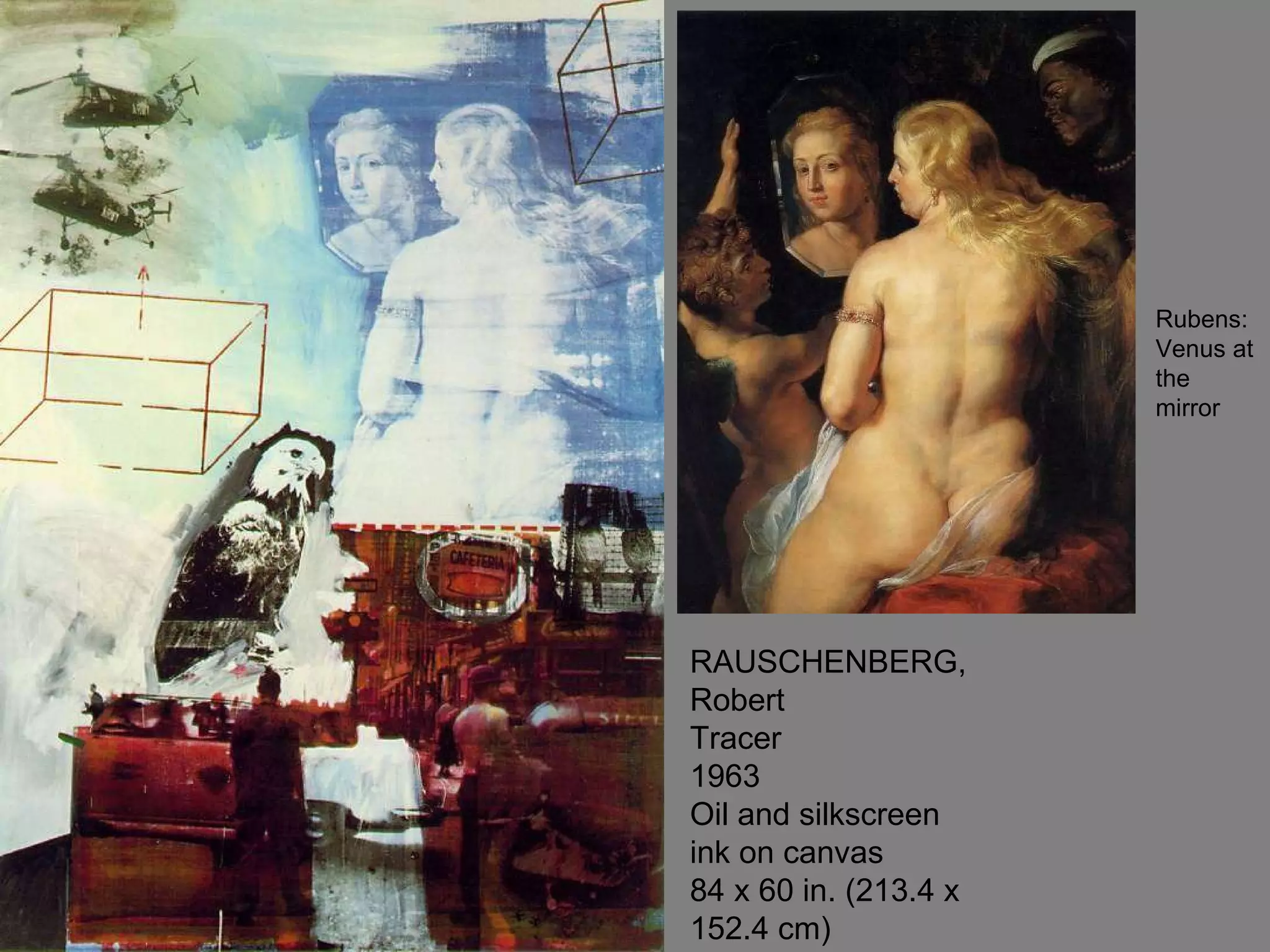
RAUSCHENBERG, Robert Tracer 1963 Oil and silkscreen ink on canvas 84 x 60 in. (213.4 x 152.4 cm)  Rubens:Venus at the mirror
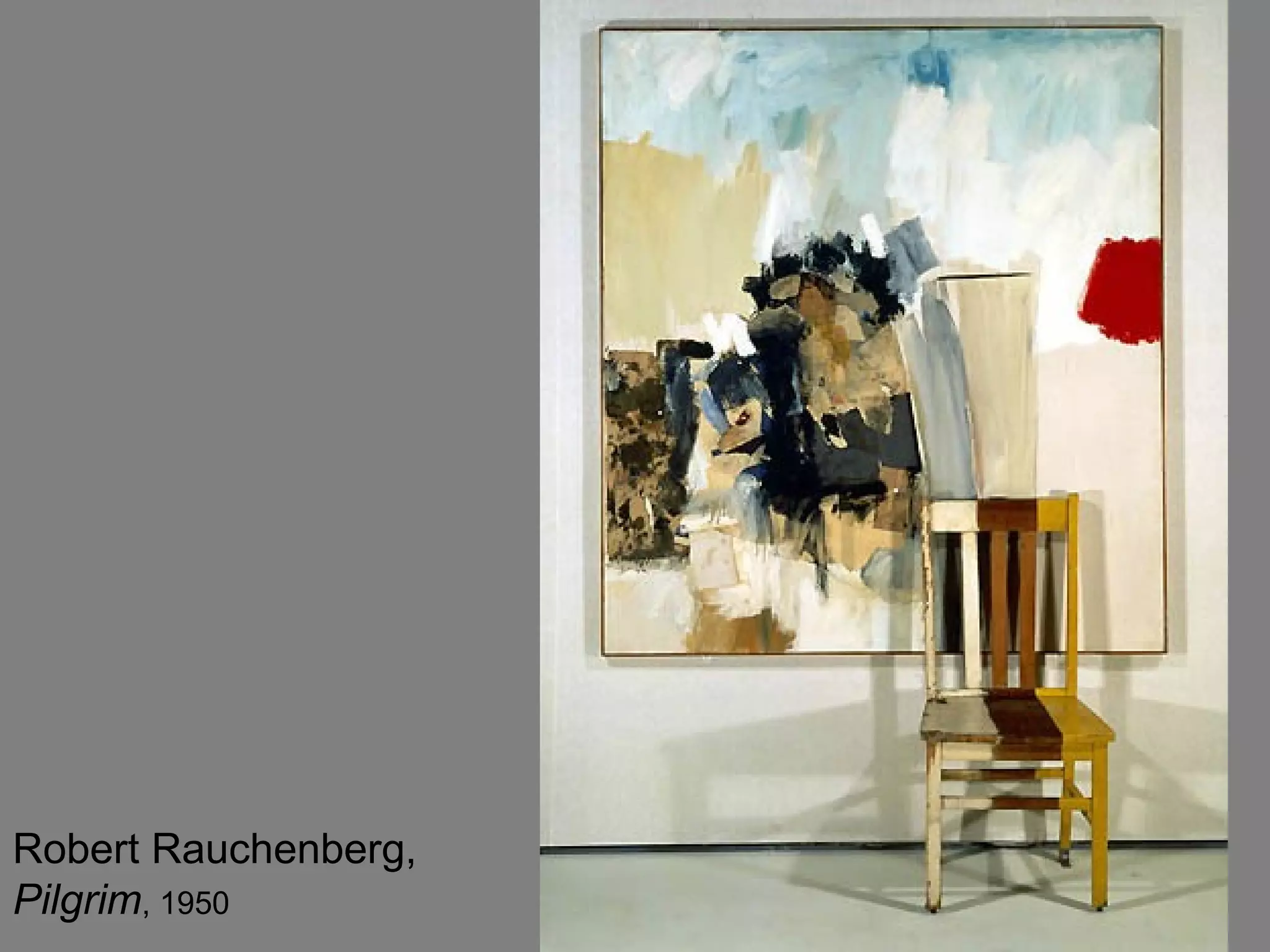
Robert Rauchenberg,  Pilgrim , 1950
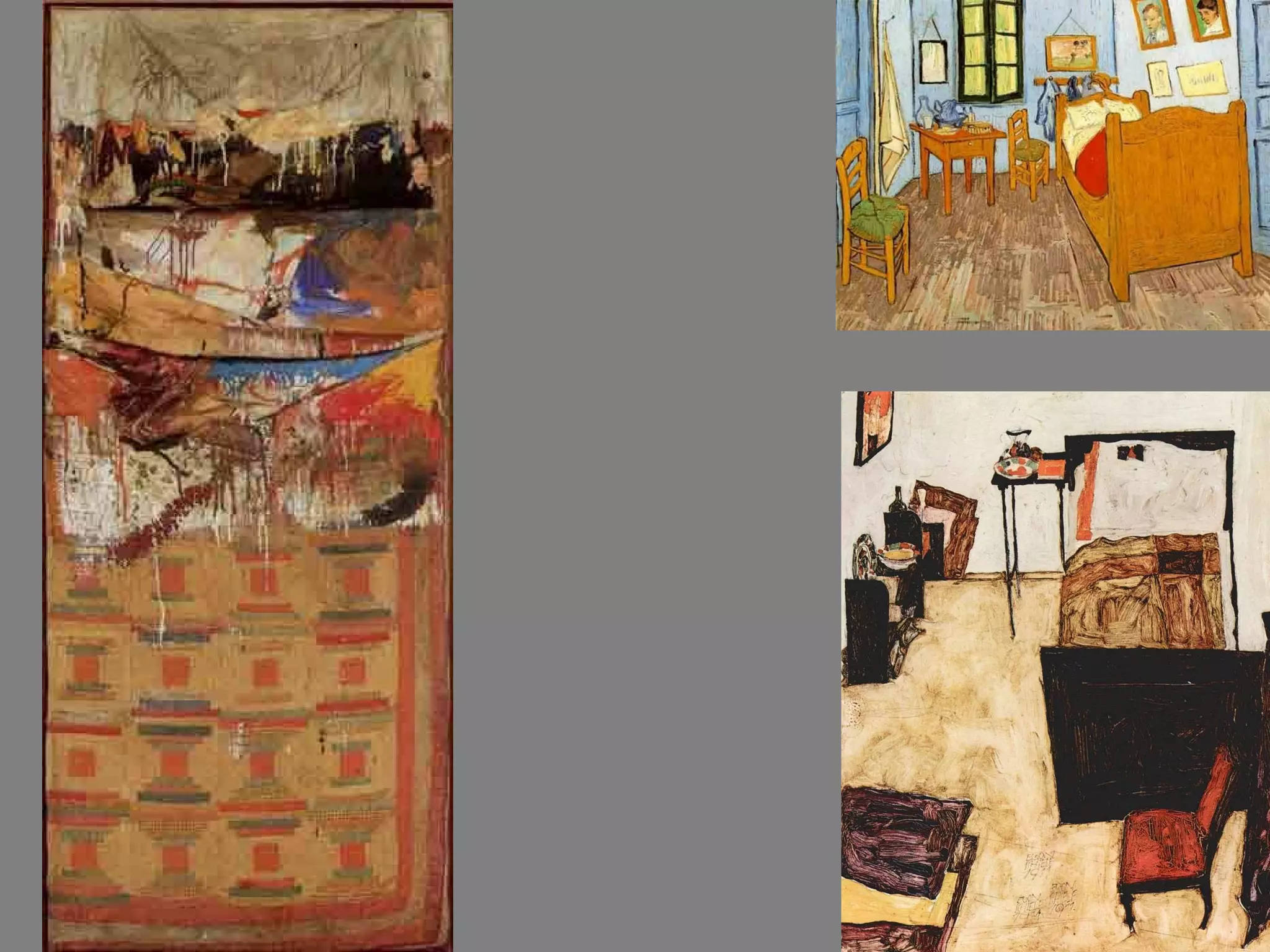
Happenings Alan Kaprow credits the following evolution of the form: as a progression from action painting to Assemblages, into Environments. Environments incorporating sound and people became happenings. a new kind of theater.
 
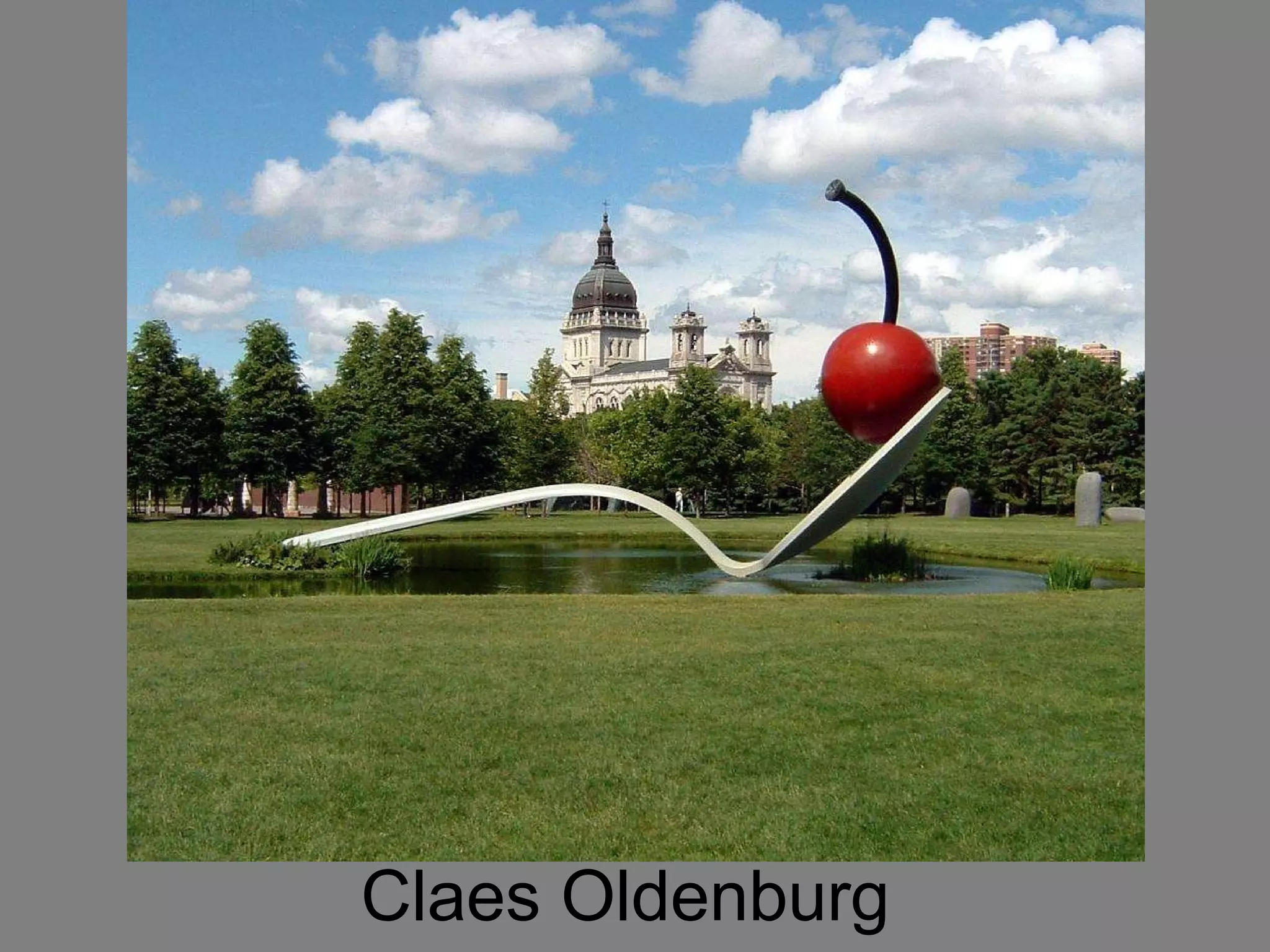
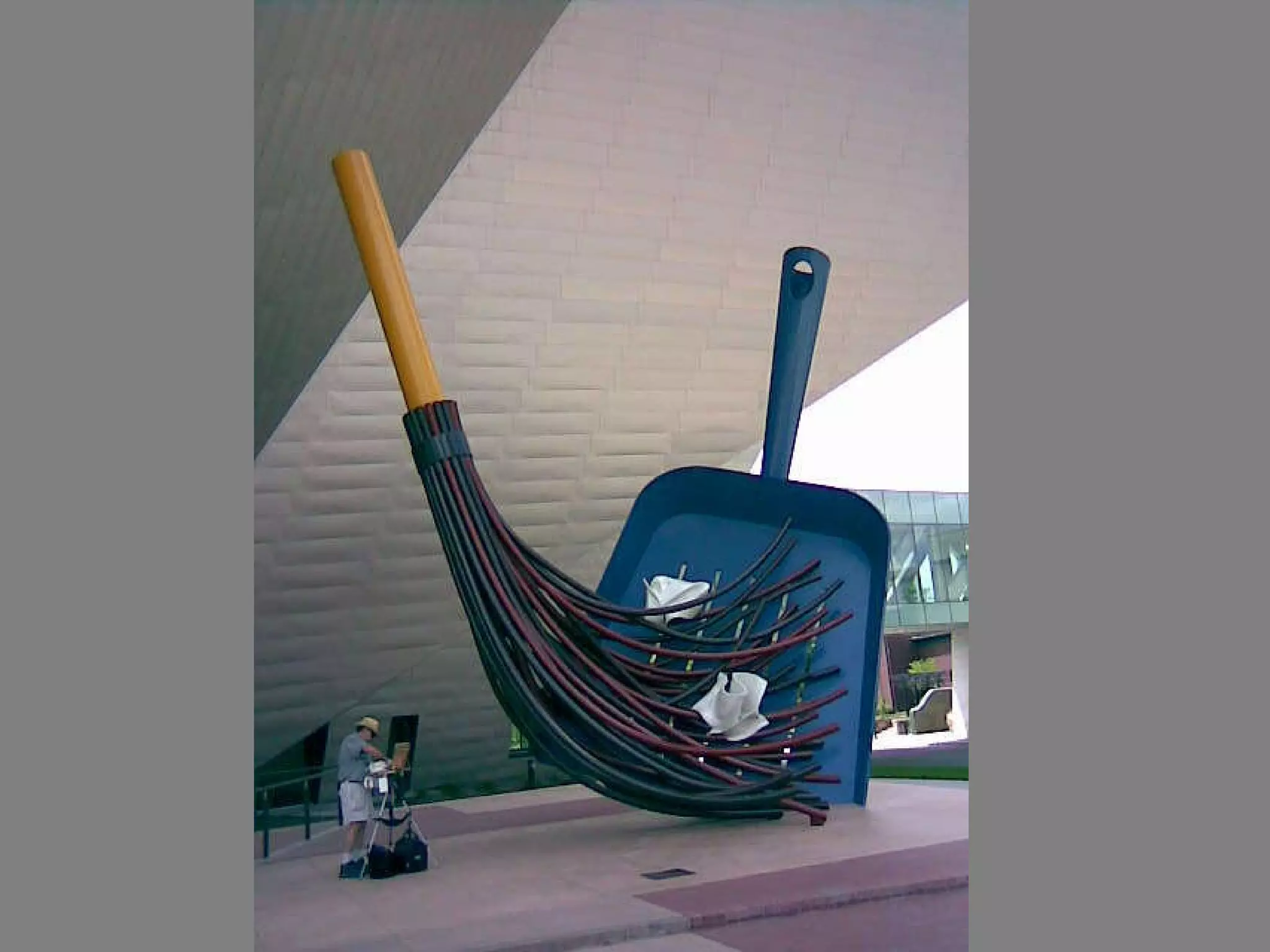
Claes Oldenburg
 
 
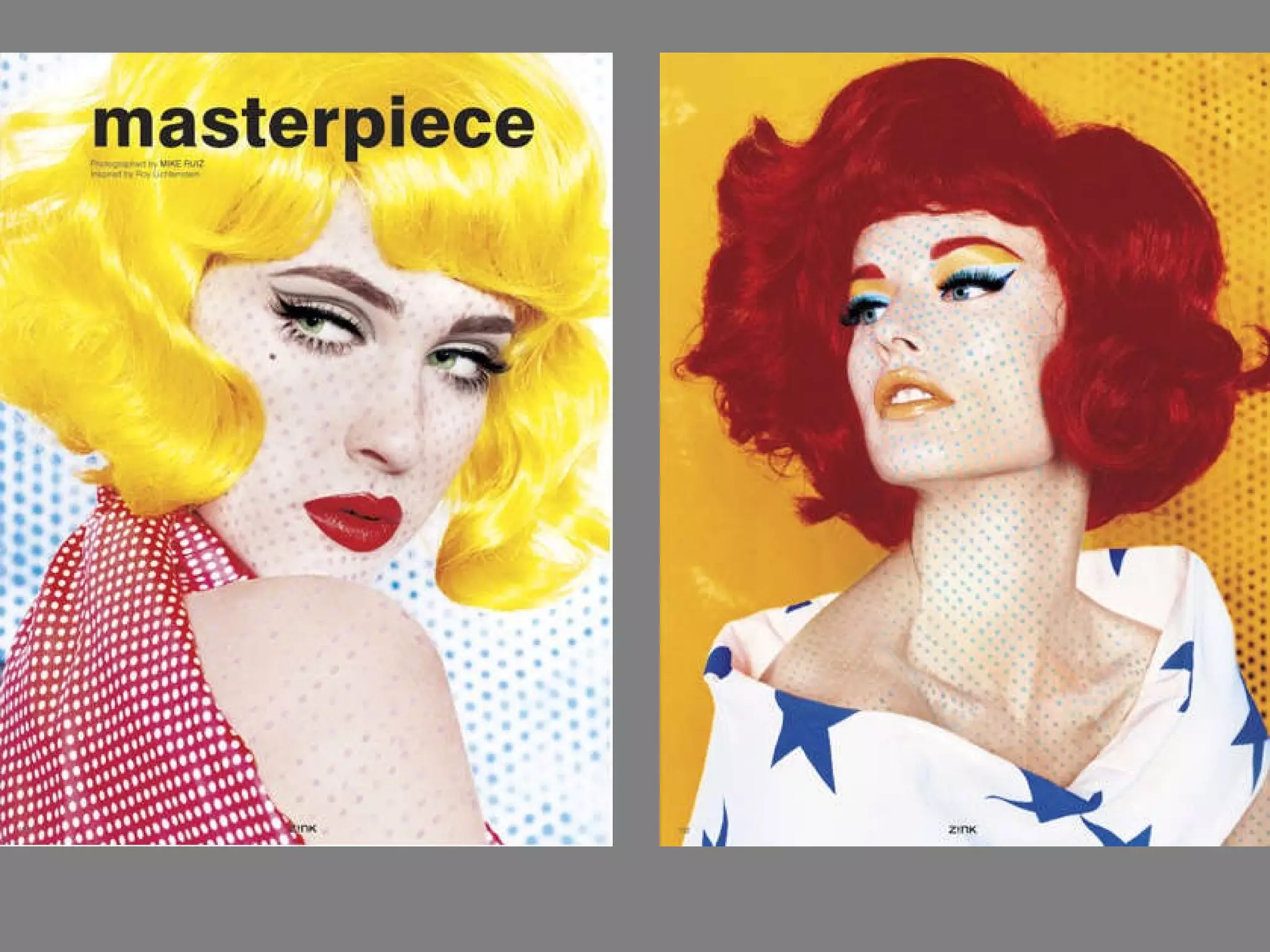
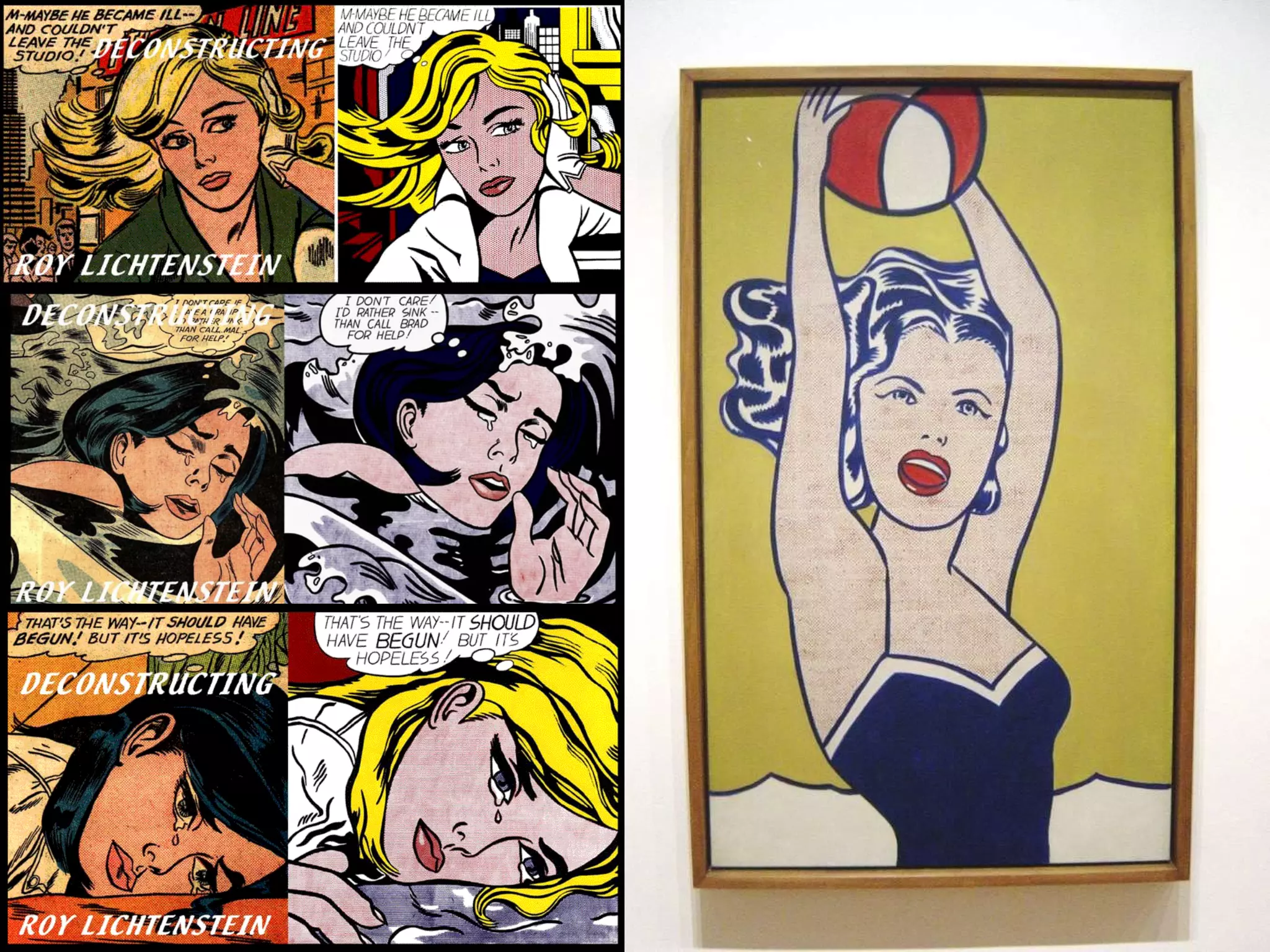
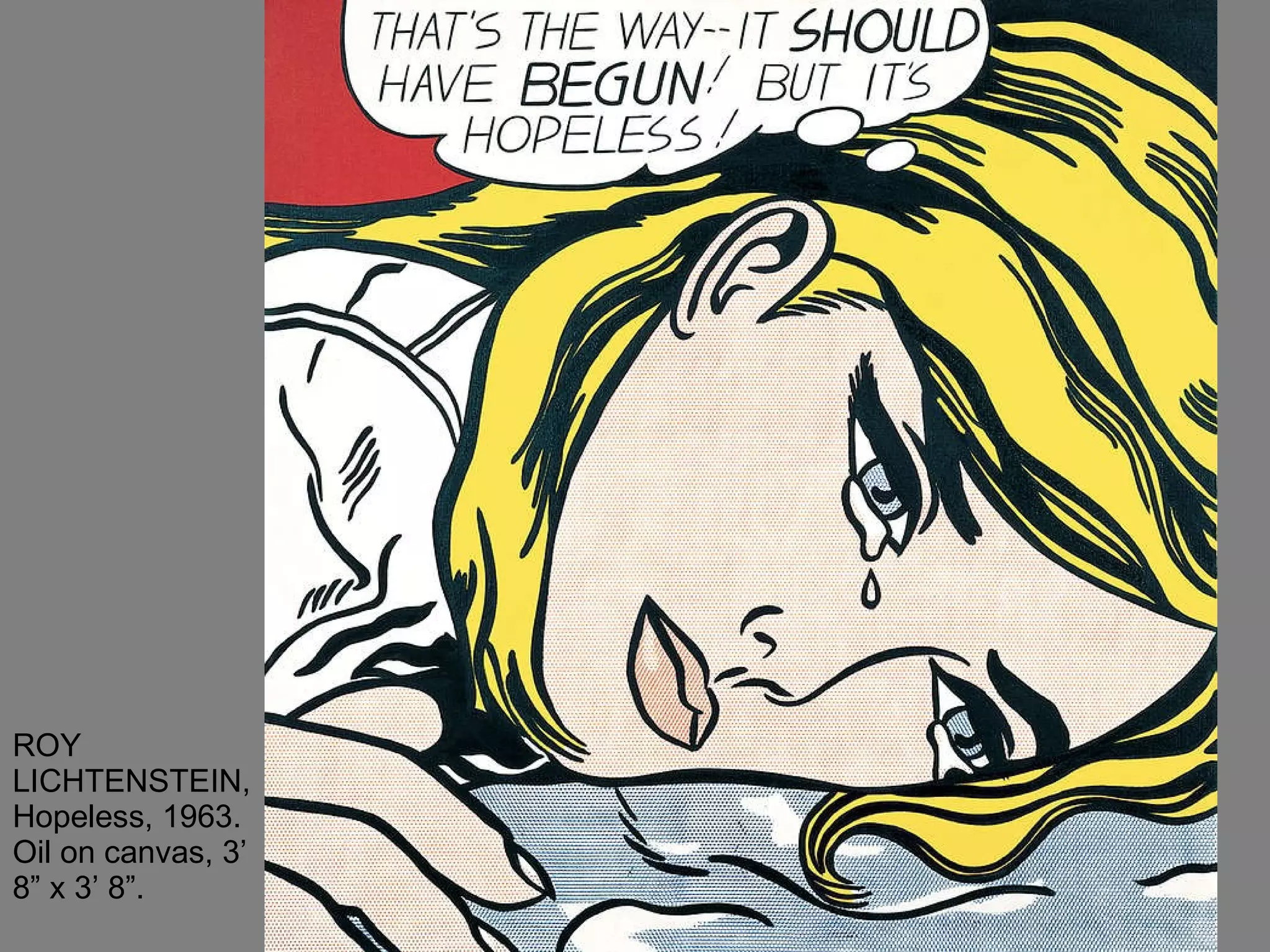
ROY LICHTENSTEIN, Hopeless, 1963. Oil on canvas, 3’ 8” x 3’ 8”.
 
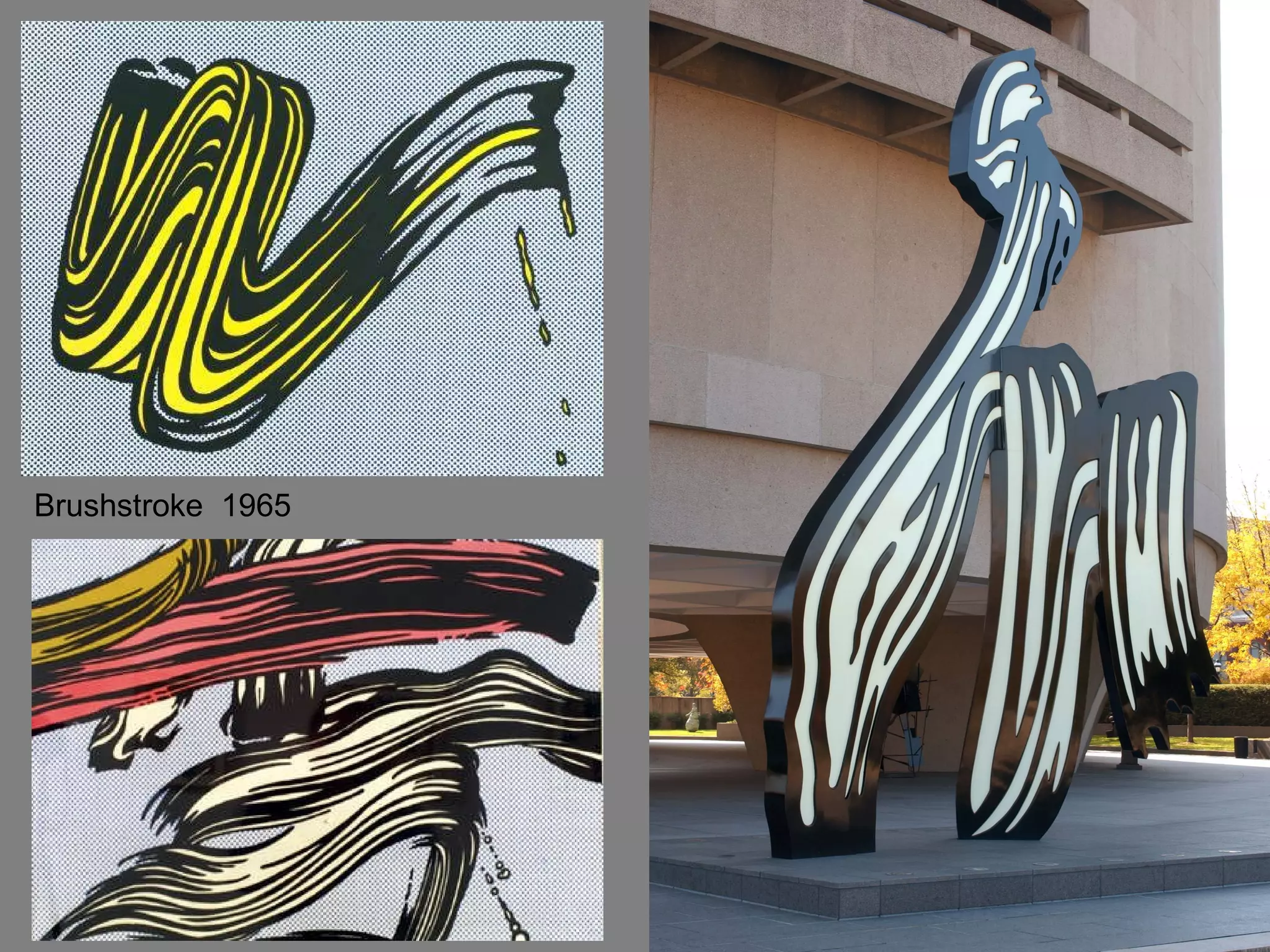
Brushstroke  1965
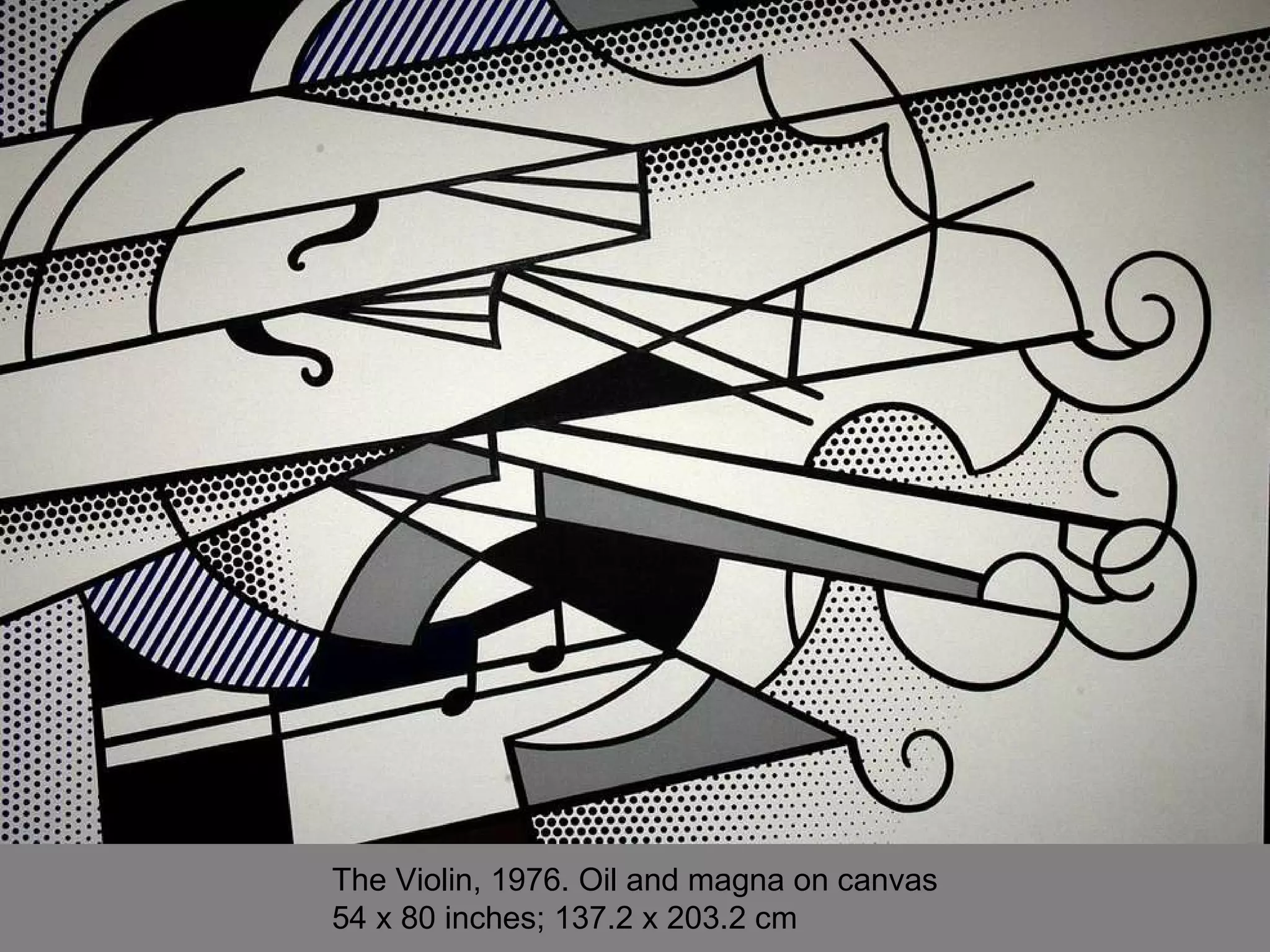
The Violin, 1976. Oil and magna on canvas 54 x 80 inches; 137.2 x 203.2 cm 
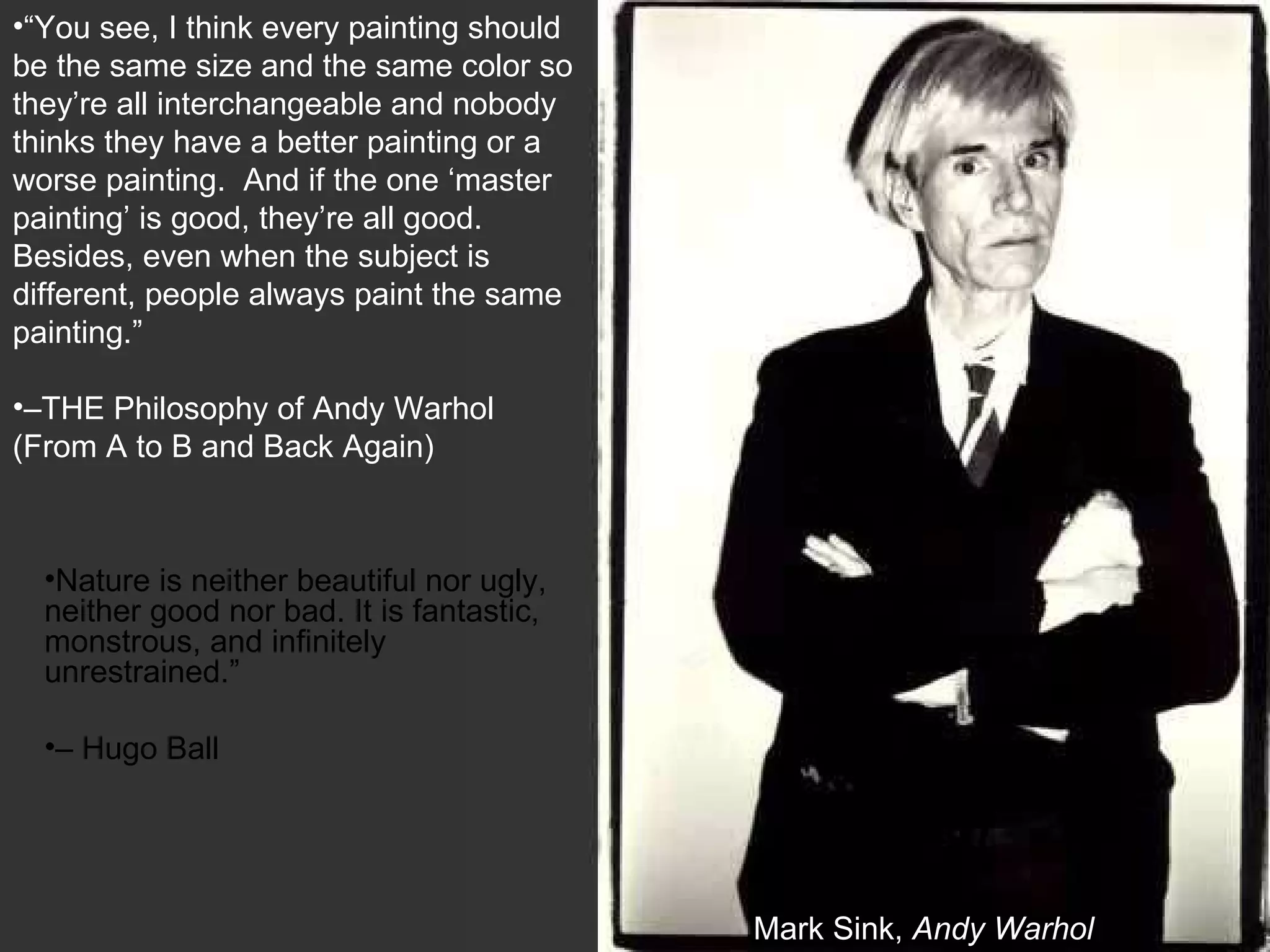
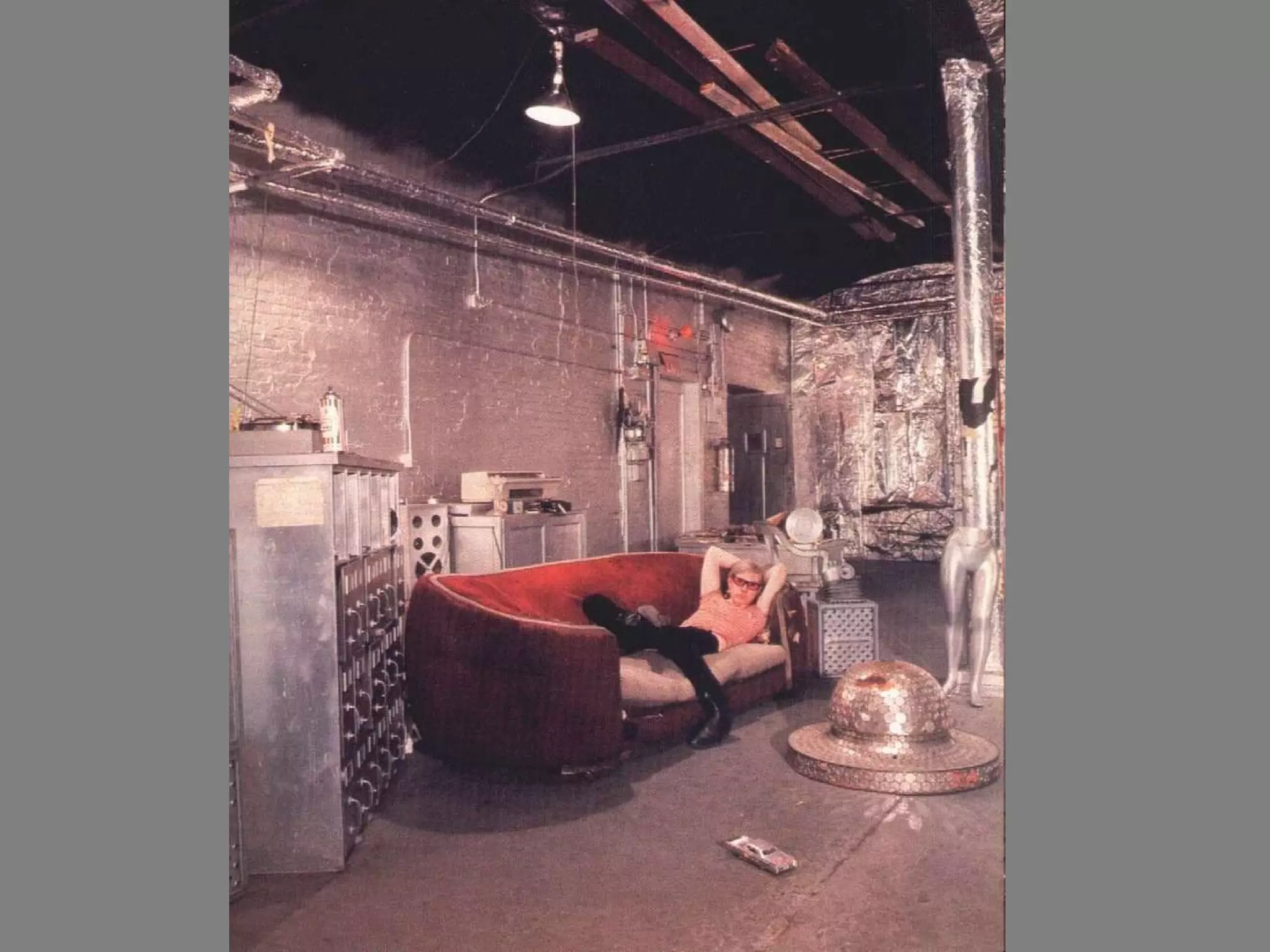
Mark Sink,  Andy Warhol “ You see, I think every painting should be the same size and the same color so they’re all interchangeable and nobody thinks they have a better painting or a worse painting.  And if the one ‘master painting’ is good, they’re all good.  Besides, even when the subject is different, people always paint the same painting.”  – THE Philosophy of Andy Warhol (From A to B and Back Again)   Nature is neither beautiful nor ugly, neither good nor bad. It is fantastic, monstrous, and infinitely unrestrained.”  – Hugo Ball
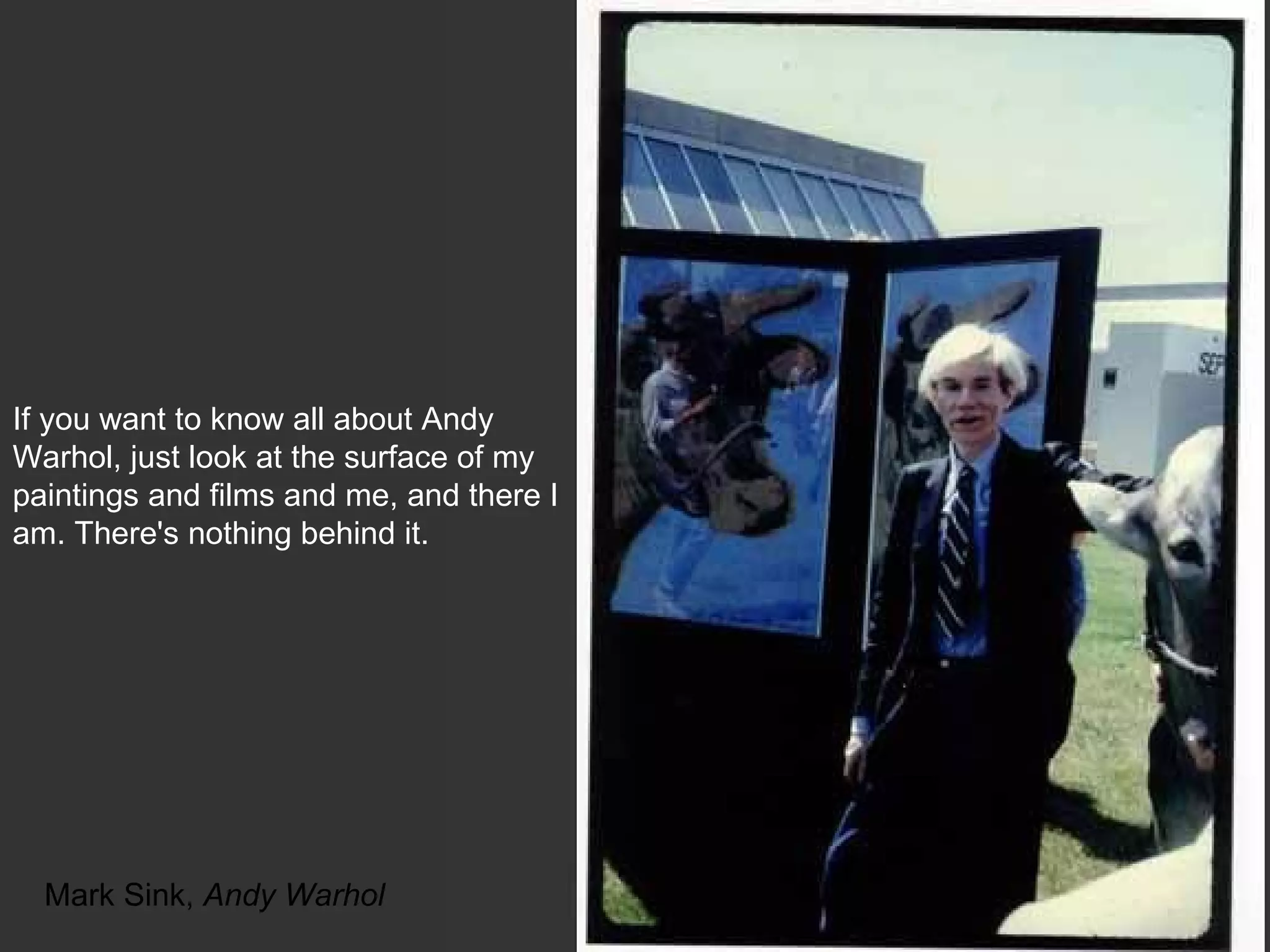
Mark Sink,  Andy Warhol If you want to know all about Andy Warhol, just look at the surface of my paintings and films and me, and there I am. There's nothing behind it.
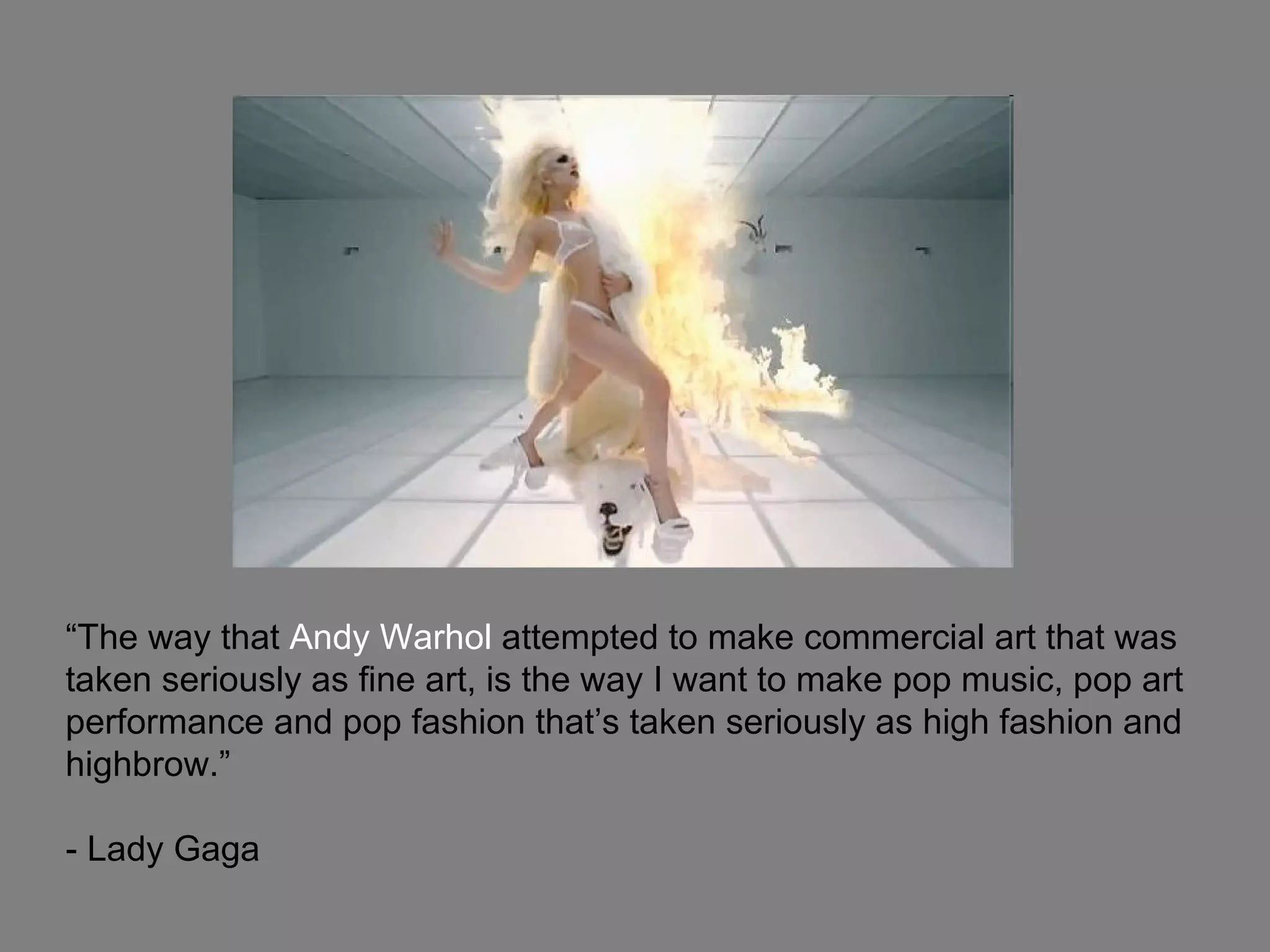
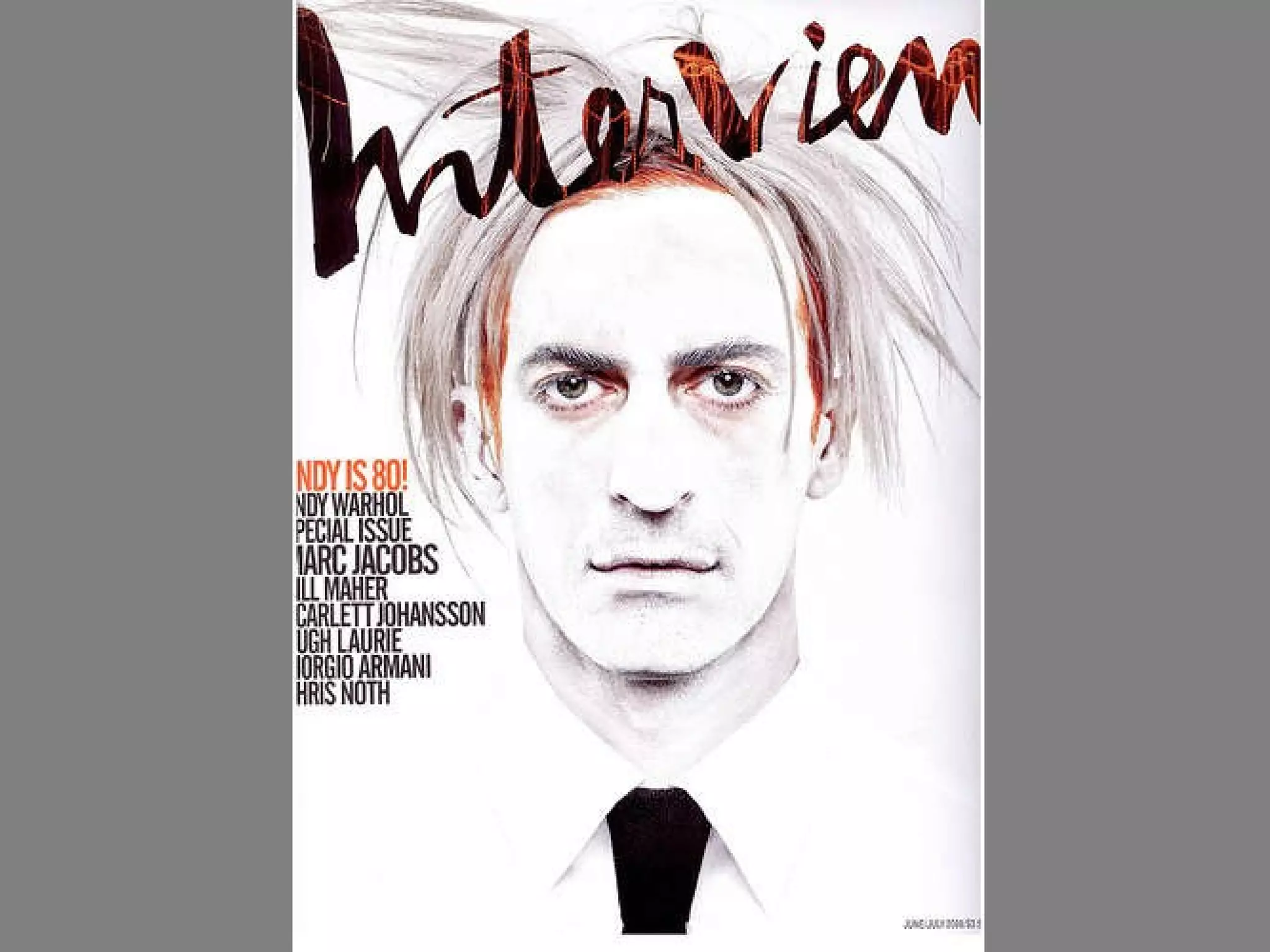
“ The way that  Andy Warhol  attempted to make commercial art that was taken seriously as fine art, is the way I want to make pop music, pop art performance and pop fashion that’s taken seriously as high fashion and highbrow.”  - Lady Gaga
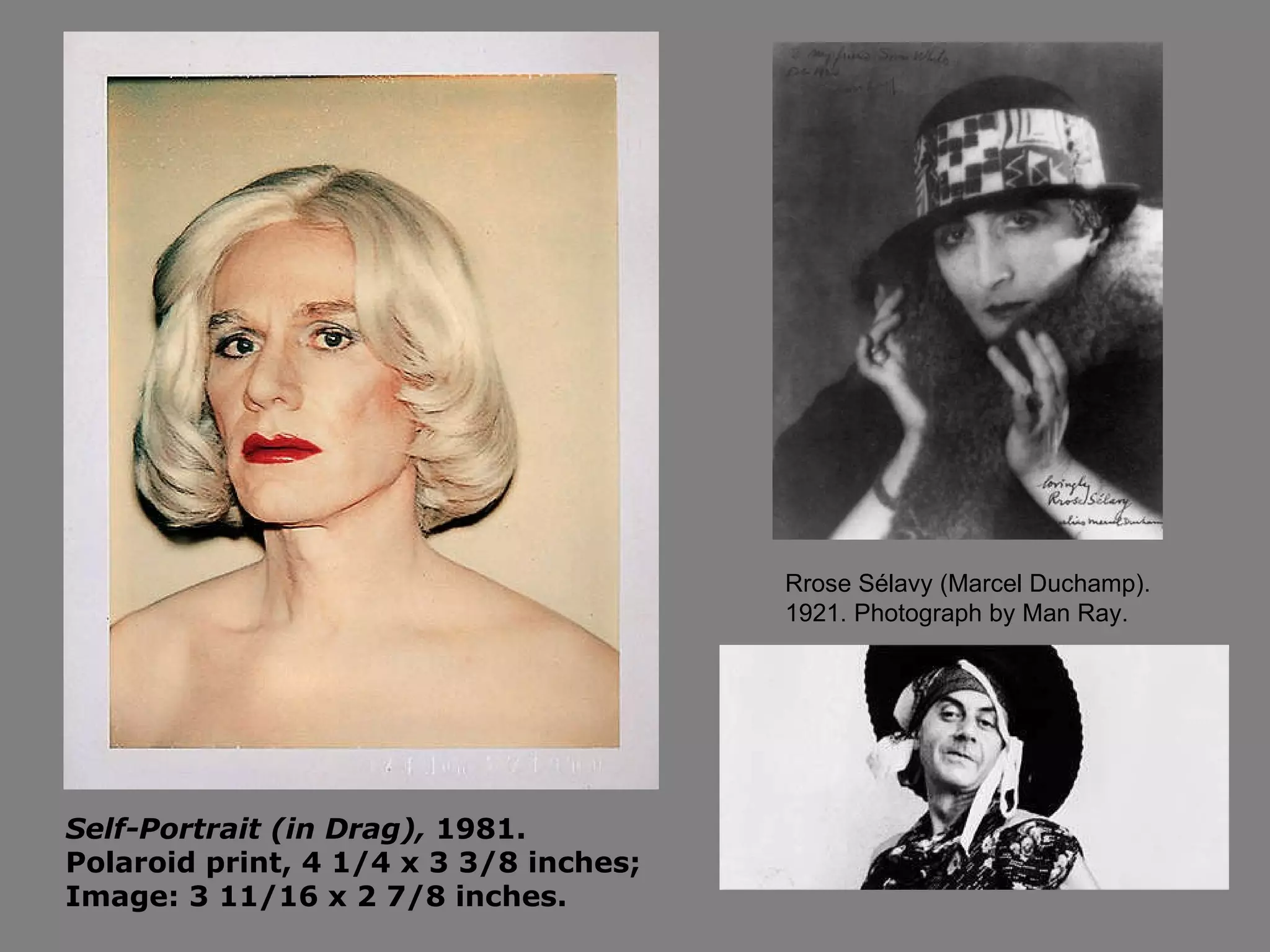
Rrose Sélavy (Marcel Duchamp). 1921. Photograph by Man Ray.  Self-Portrait (in Drag),  1981. Polaroid print, 4 1/4 x 3 3/8 inches; Image: 3 11/16 x 2 7/8 inches.
 
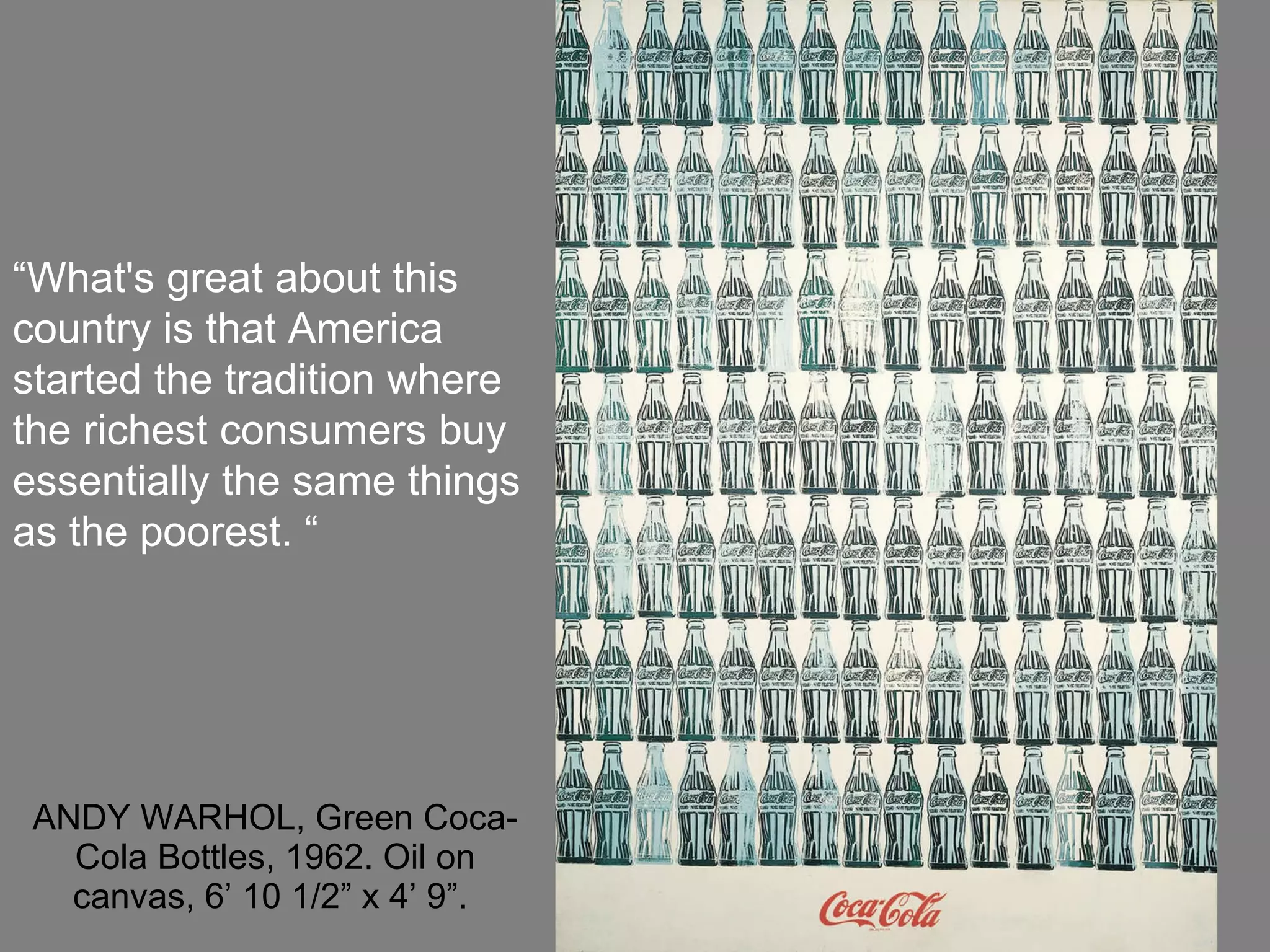
ANDY WARHOL, Green Coca-Cola Bottles, 1962. Oil on canvas, 6’ 10 1/2” x 4’ 9”.  “ What's great about this country is that America started the tradition where the richest consumers buy essentially the same things as the poorest. “
 
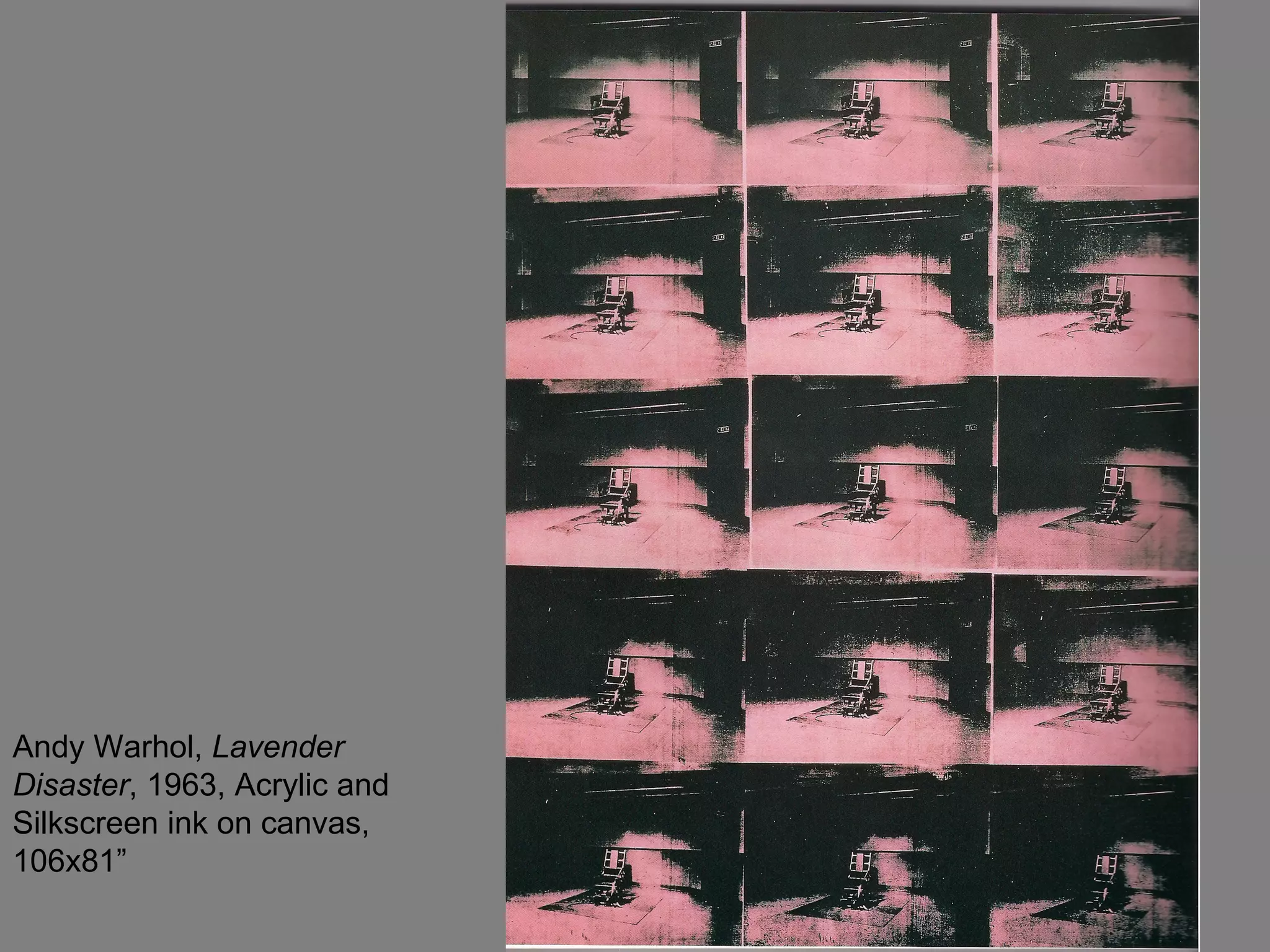
Andy Warhol,  Lavender Disaster , 1963, Acrylic and Silkscreen ink on canvas, 106x81”
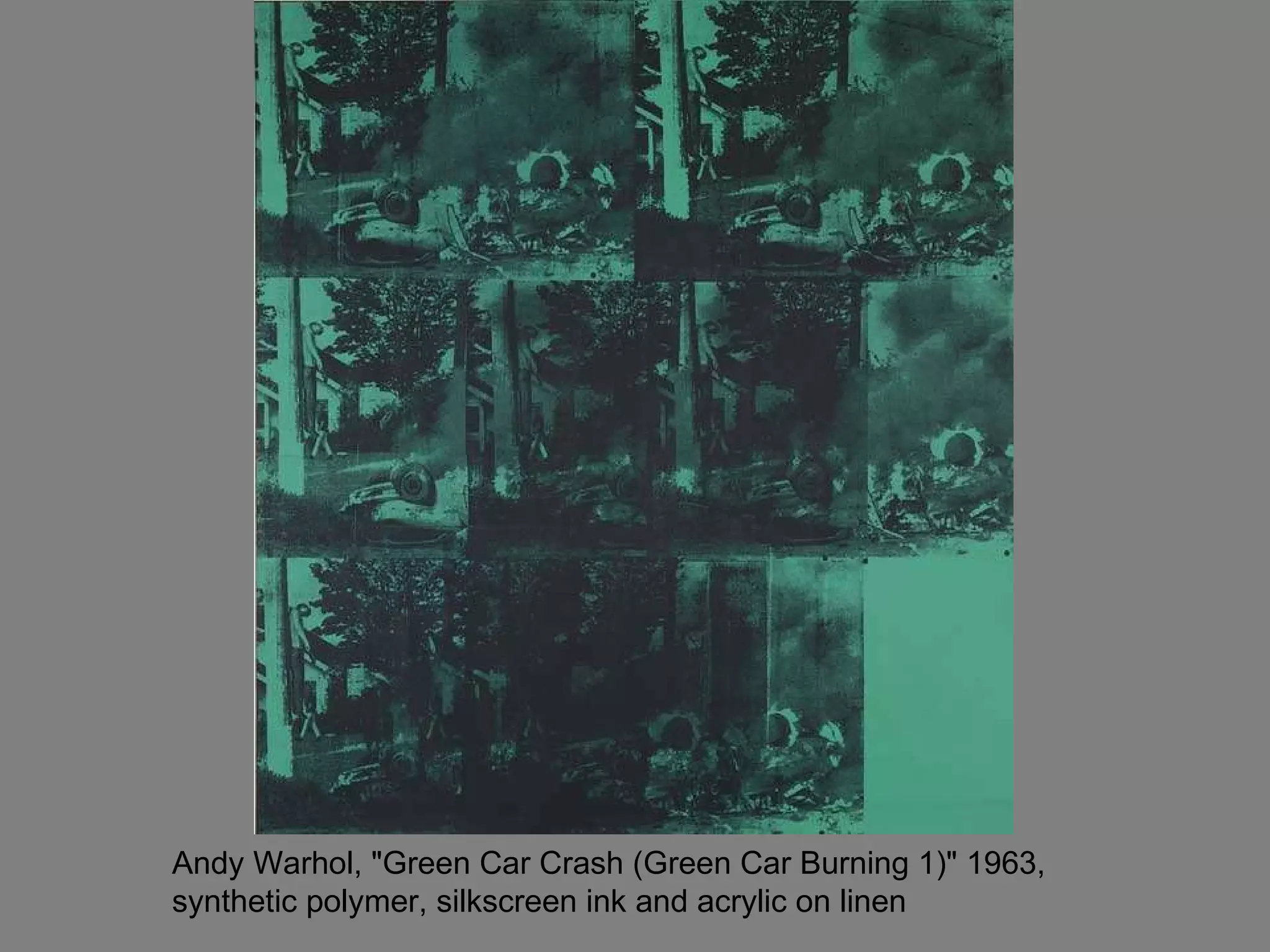
Andy Warhol, "Green Car Crash (Green Car Burning 1)" 1963,  synthetic polymer, silkscreen ink and acrylic on linen
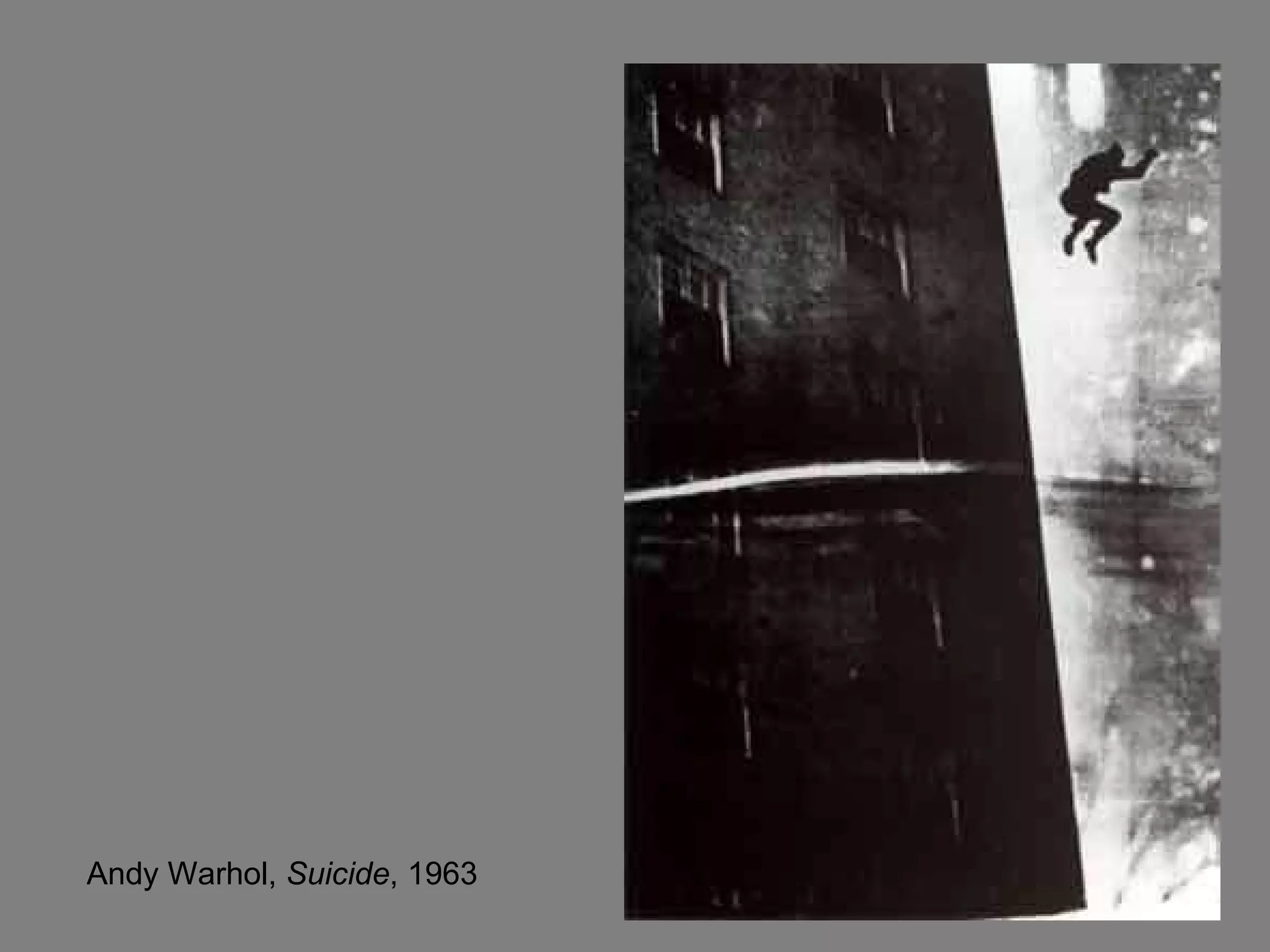
Andy Warhol,  Suicide , 1963
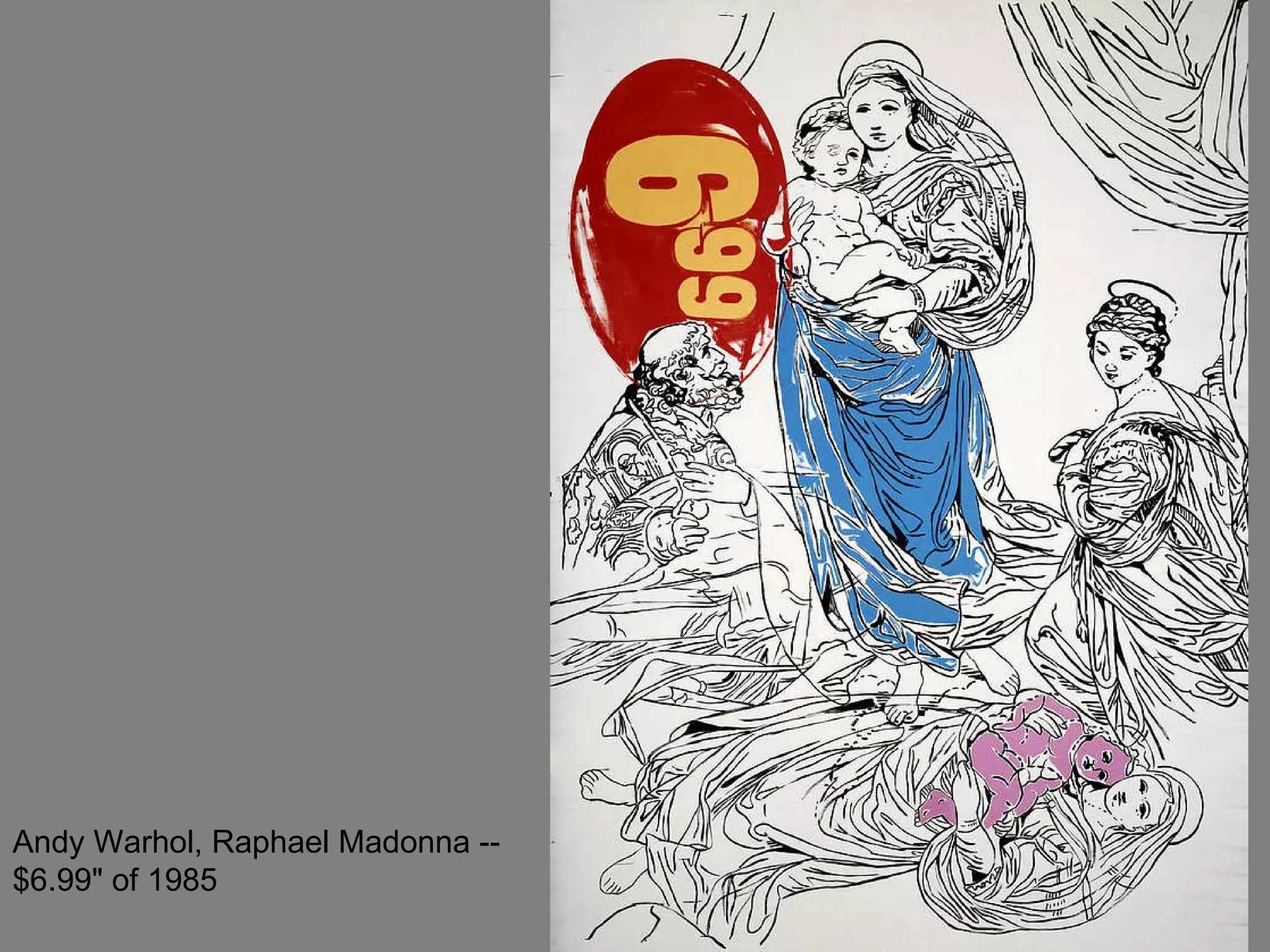
Andy Warhol, Raphael Madonna -- $6.99" of 1985
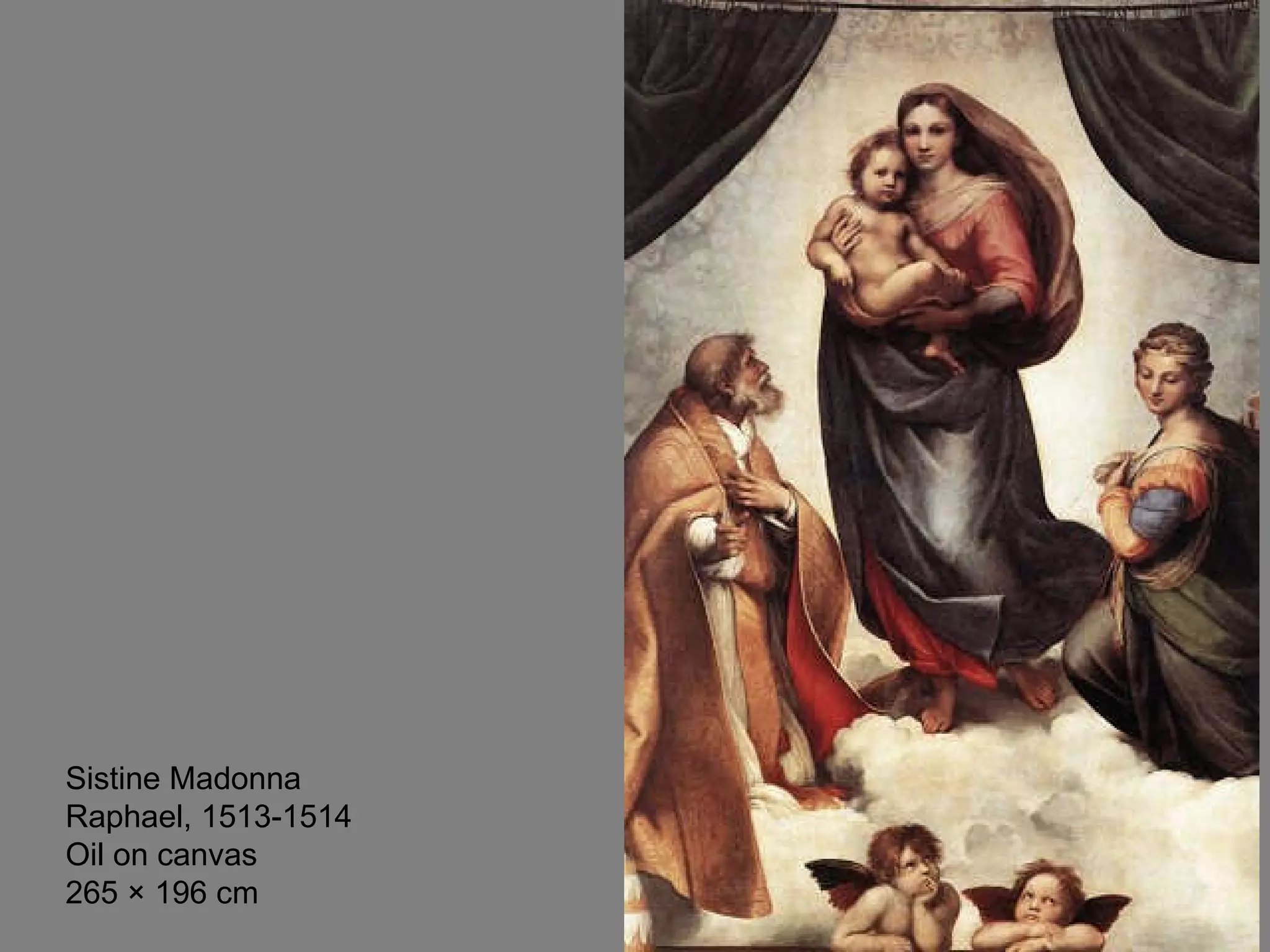
Sistine Madonna Raphael, 1513-1514 Oil on canvas 265 × 196 cm
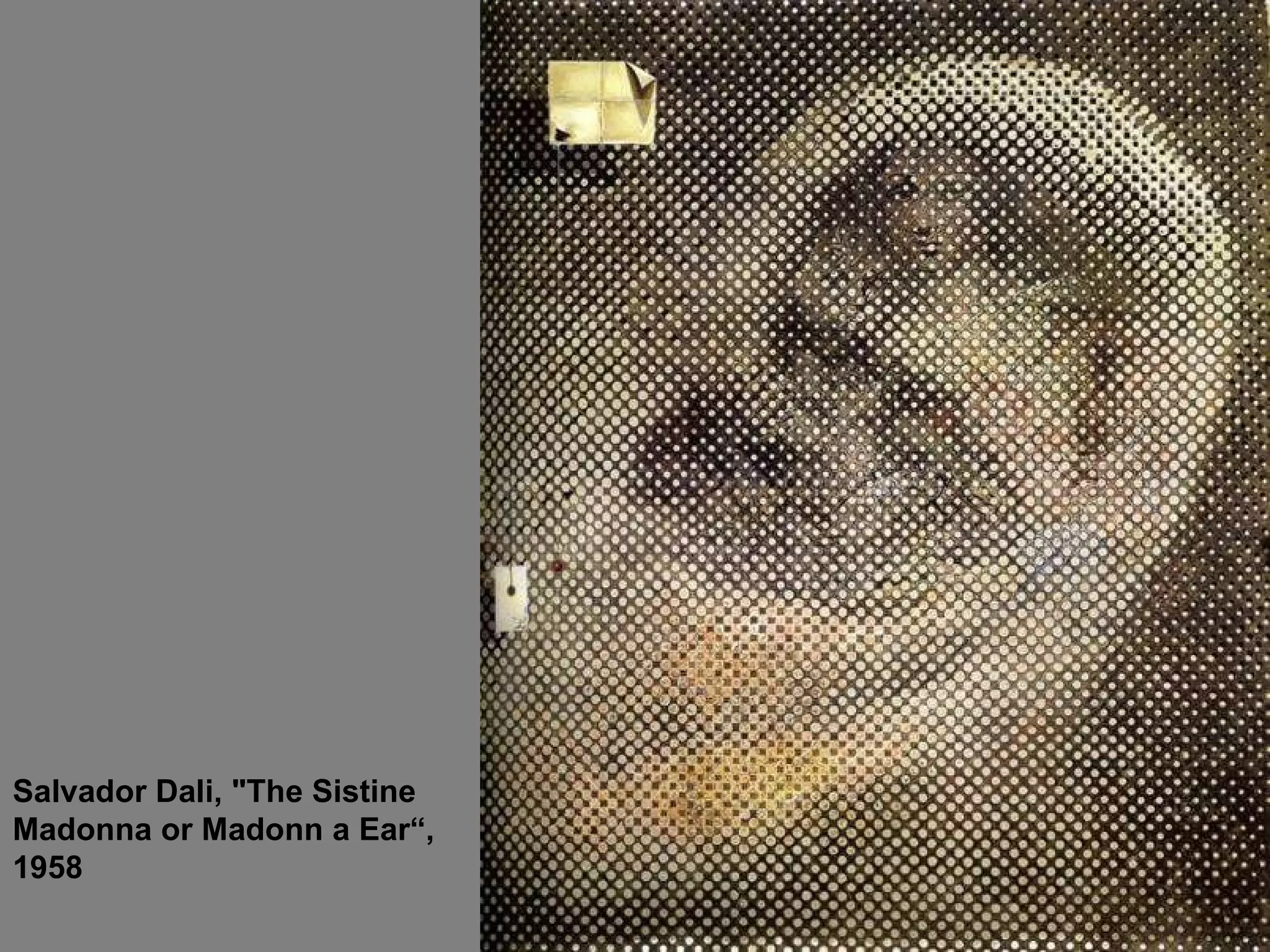
Salvador Dali, "The Sistine Madonna or Madonn a Ear“, 1958
 
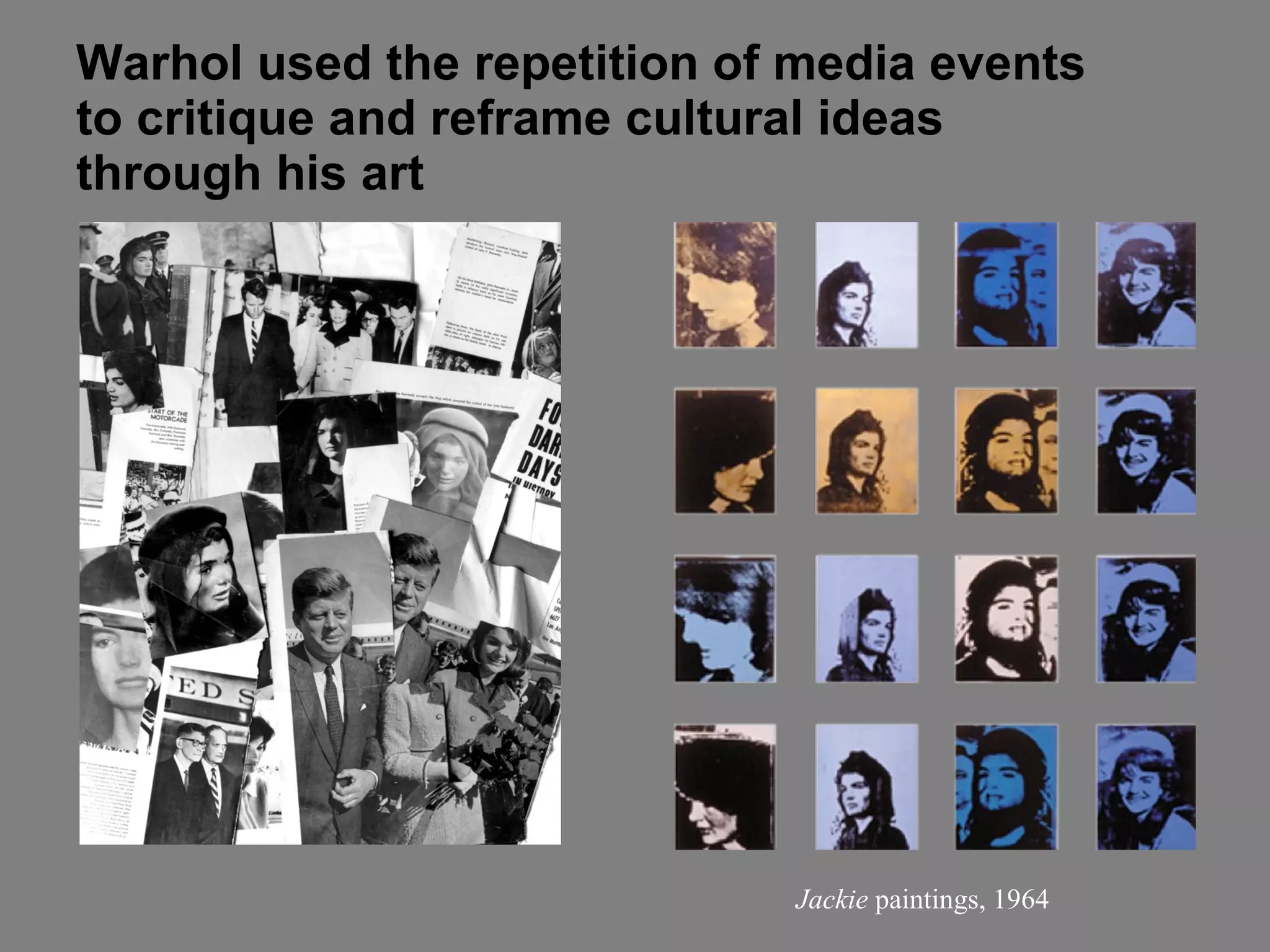
Warhol used the repetition of media events  to critique and reframe cultural ideas  through his art Jackie  paintings, 1964
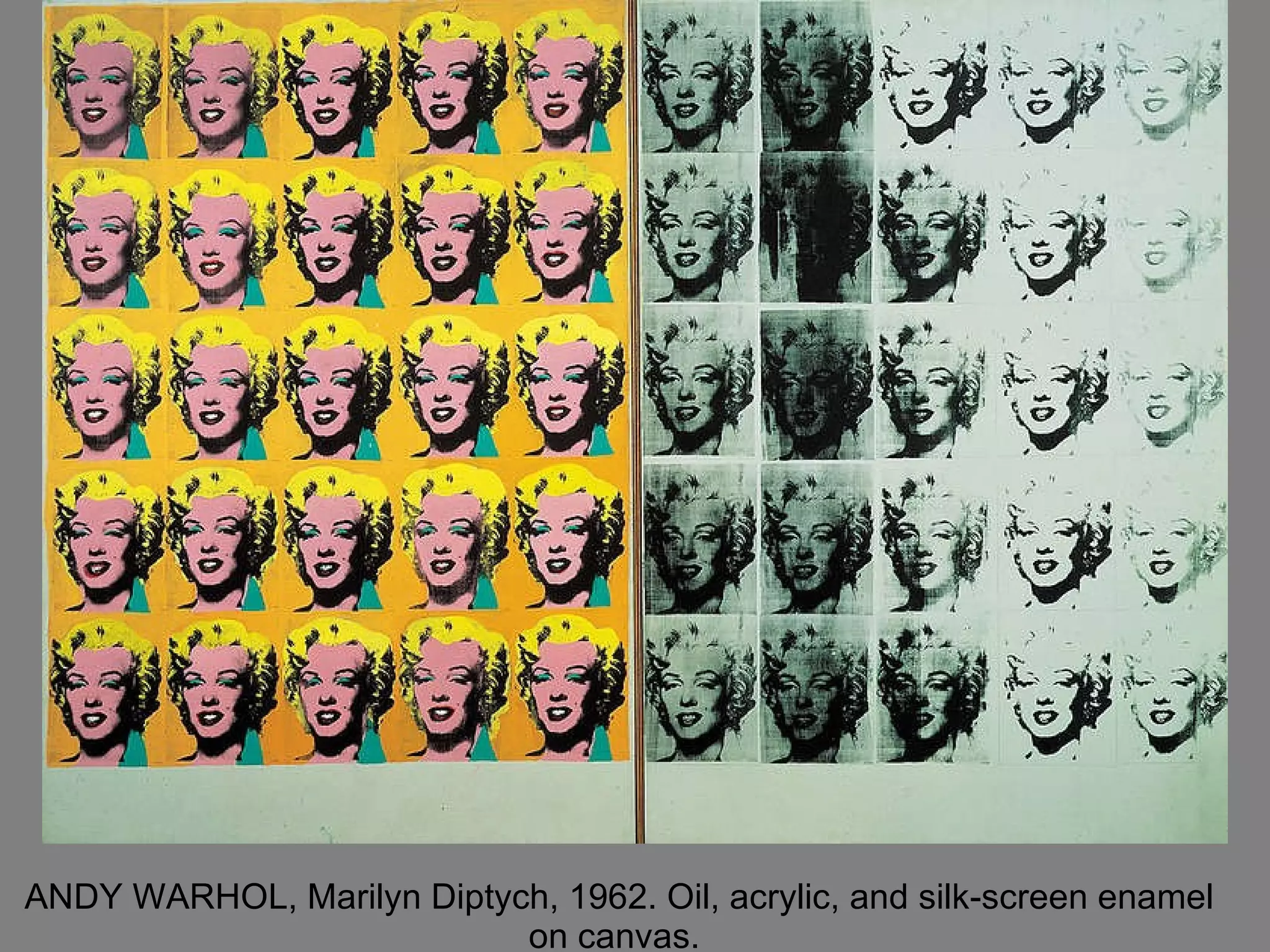
ANDY WARHOL, Marilyn Diptych, 1962. Oil, acrylic, and silk-screen enamel on canvas.
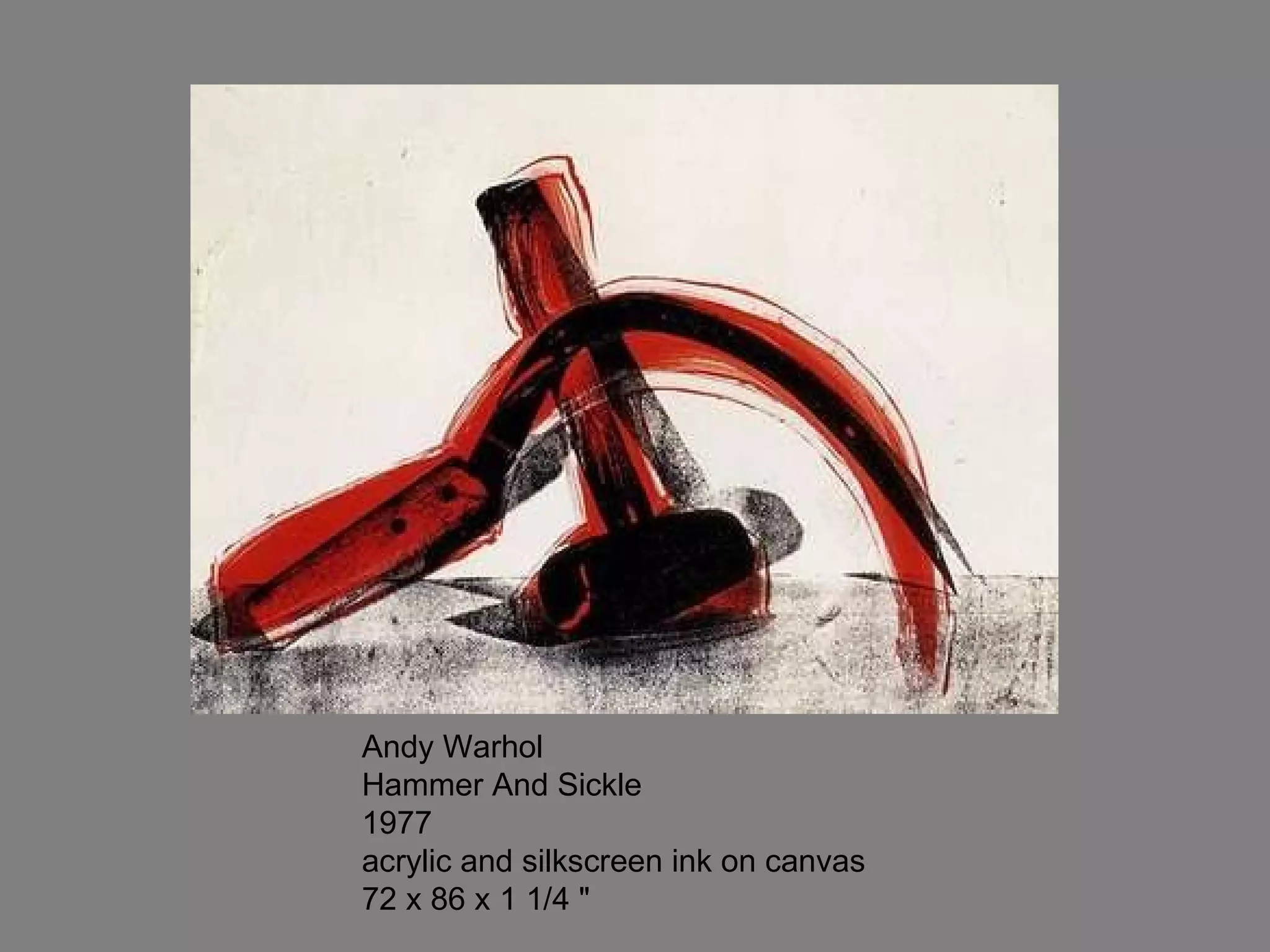
Andy Warhol Hammer And Sickle 1977 acrylic and silkscreen ink on canvas 72 x 86 x 1 1/4 "
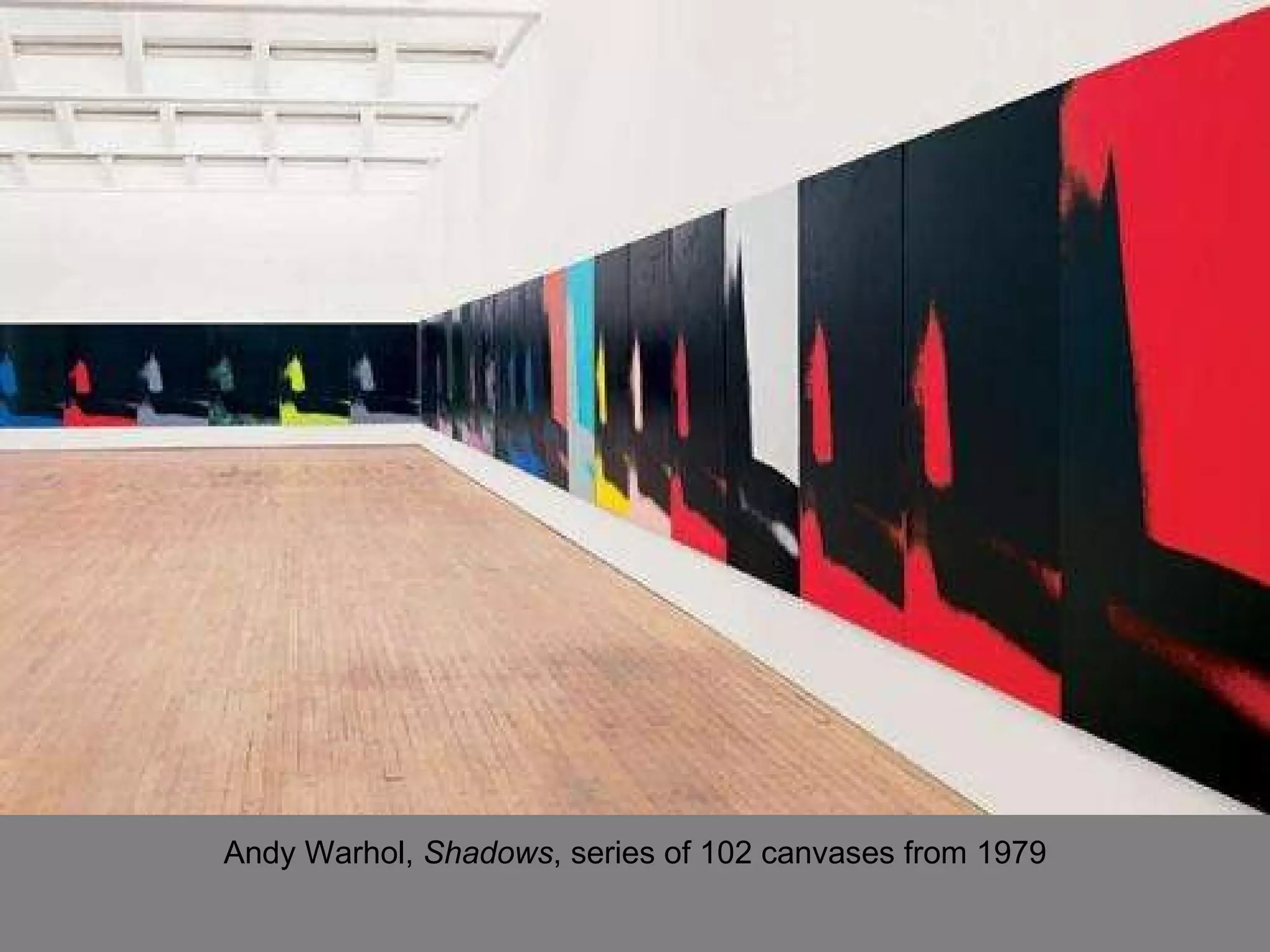
Andy Warhol,  Shadows , series of 102 canvases from 1979
 
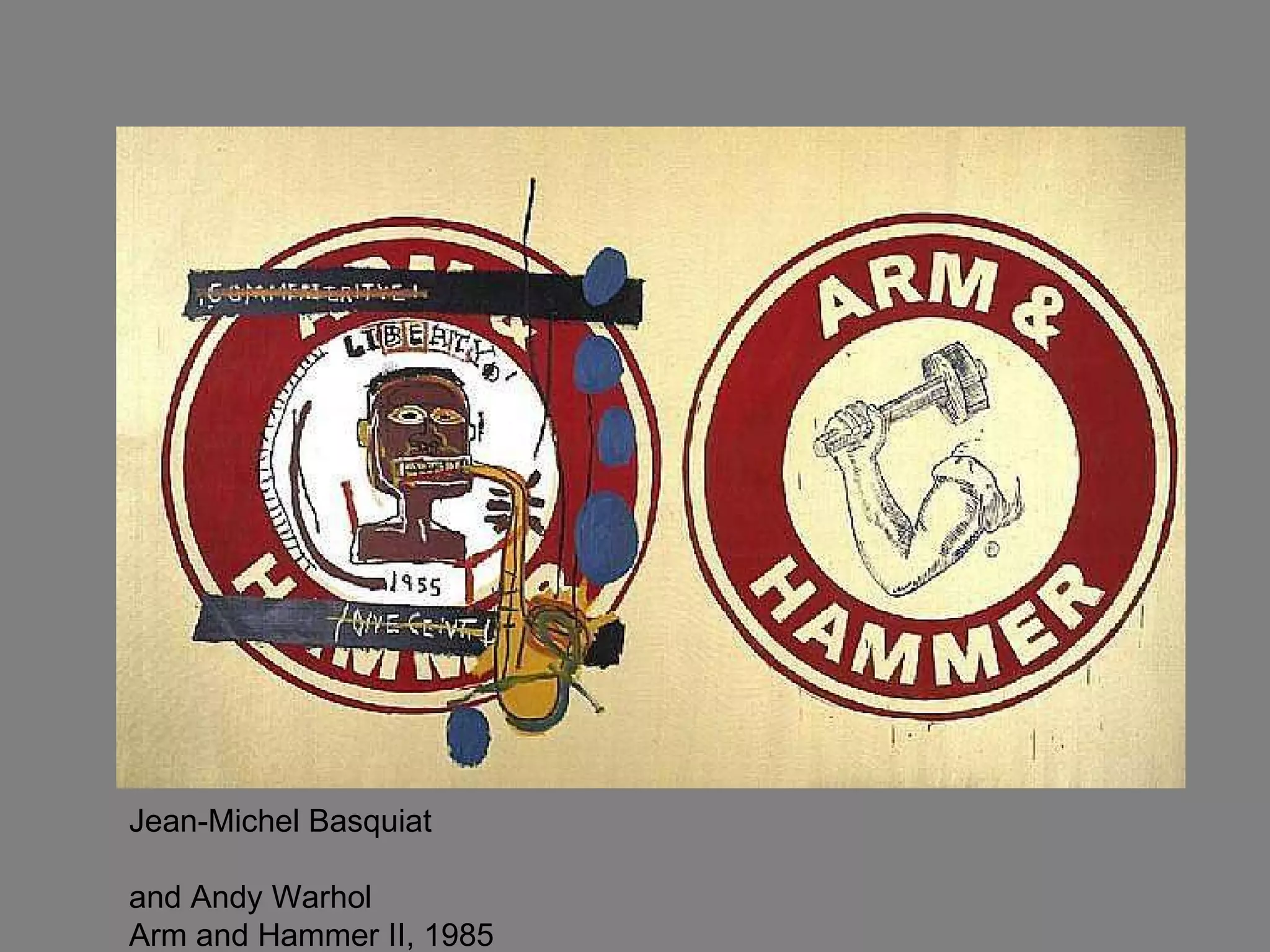
Jean-Michel Basquiat  and Andy Warhol Arm and Hammer II, 1985
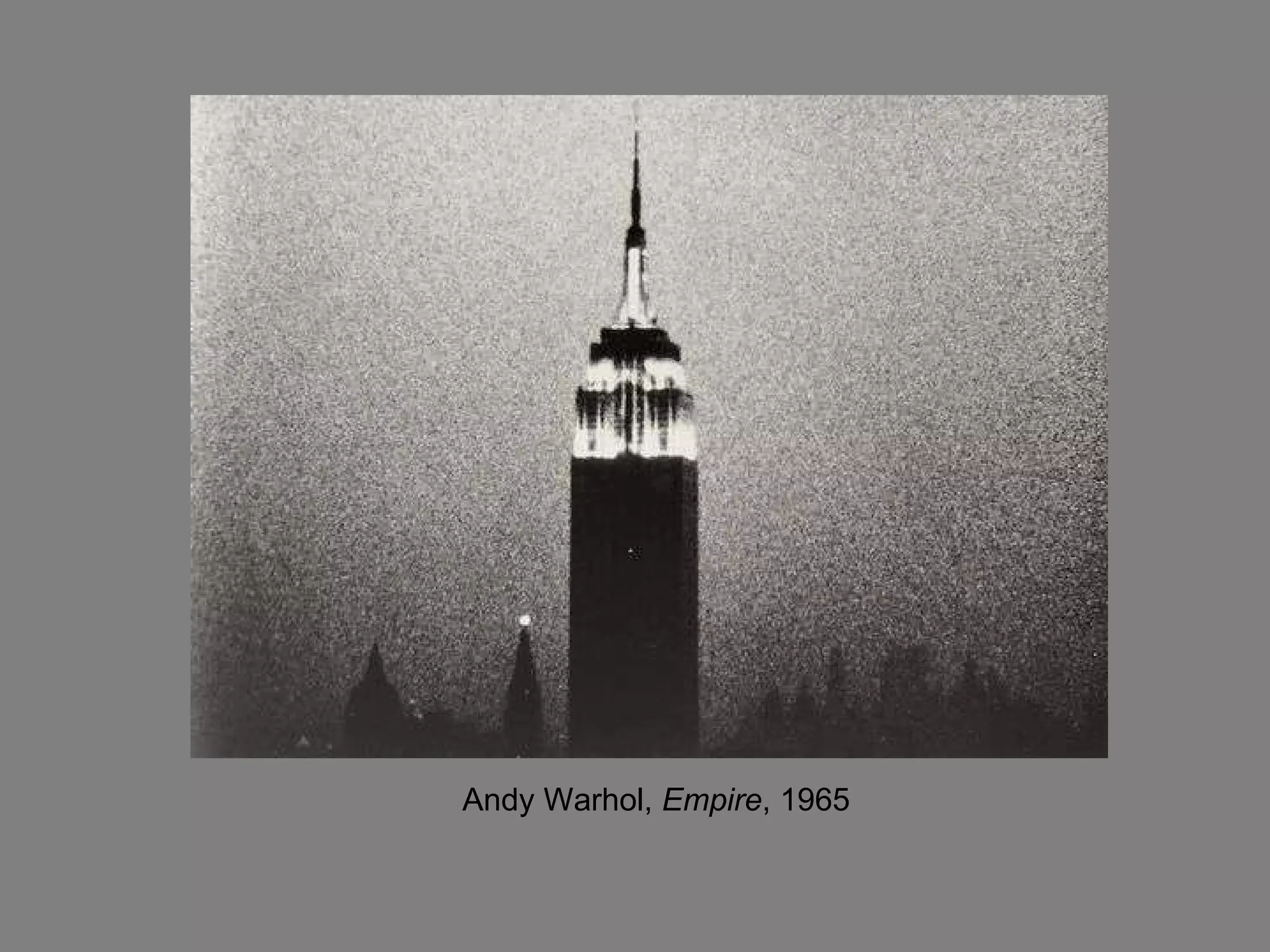
Andy Warhol,  Empire , 1965


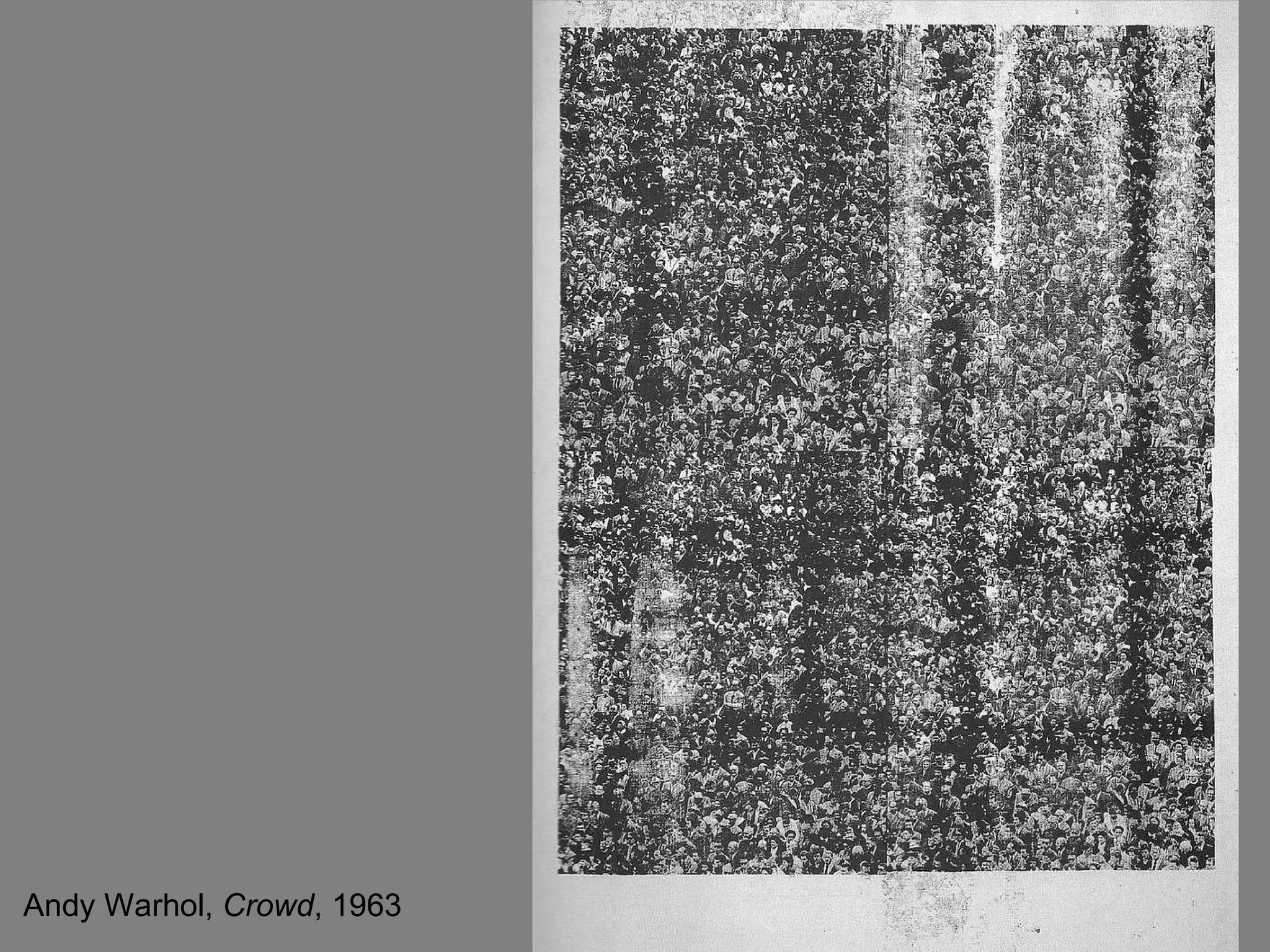
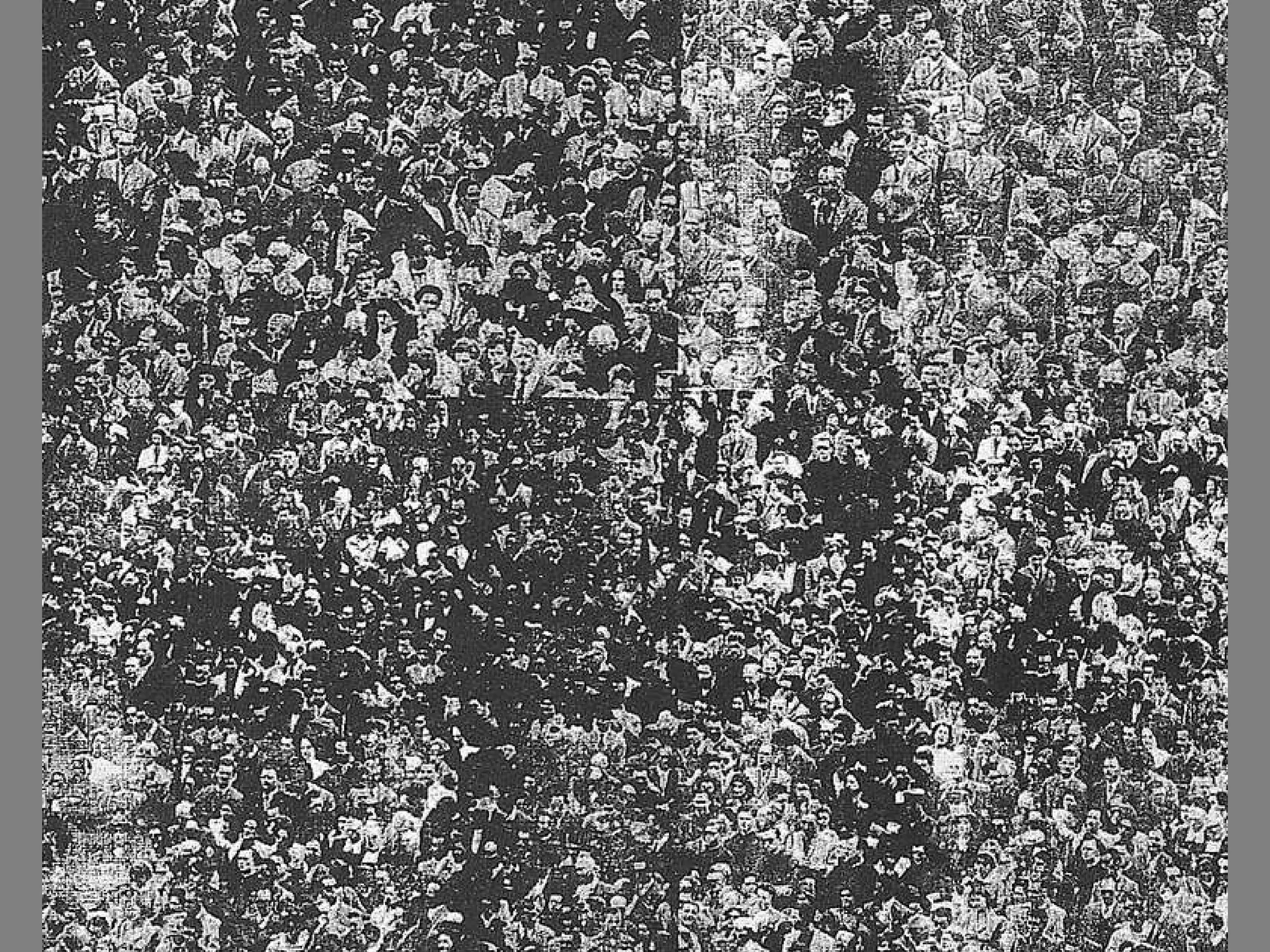
Andy Warhol,  Crowd , 1963
 
JACKSON POLLOCK, Number 1, 1950 (Lavender Mist), 1950. Oil, enamel, and aluminum paint on canvas, 7’ 3” x 9’ 10”.
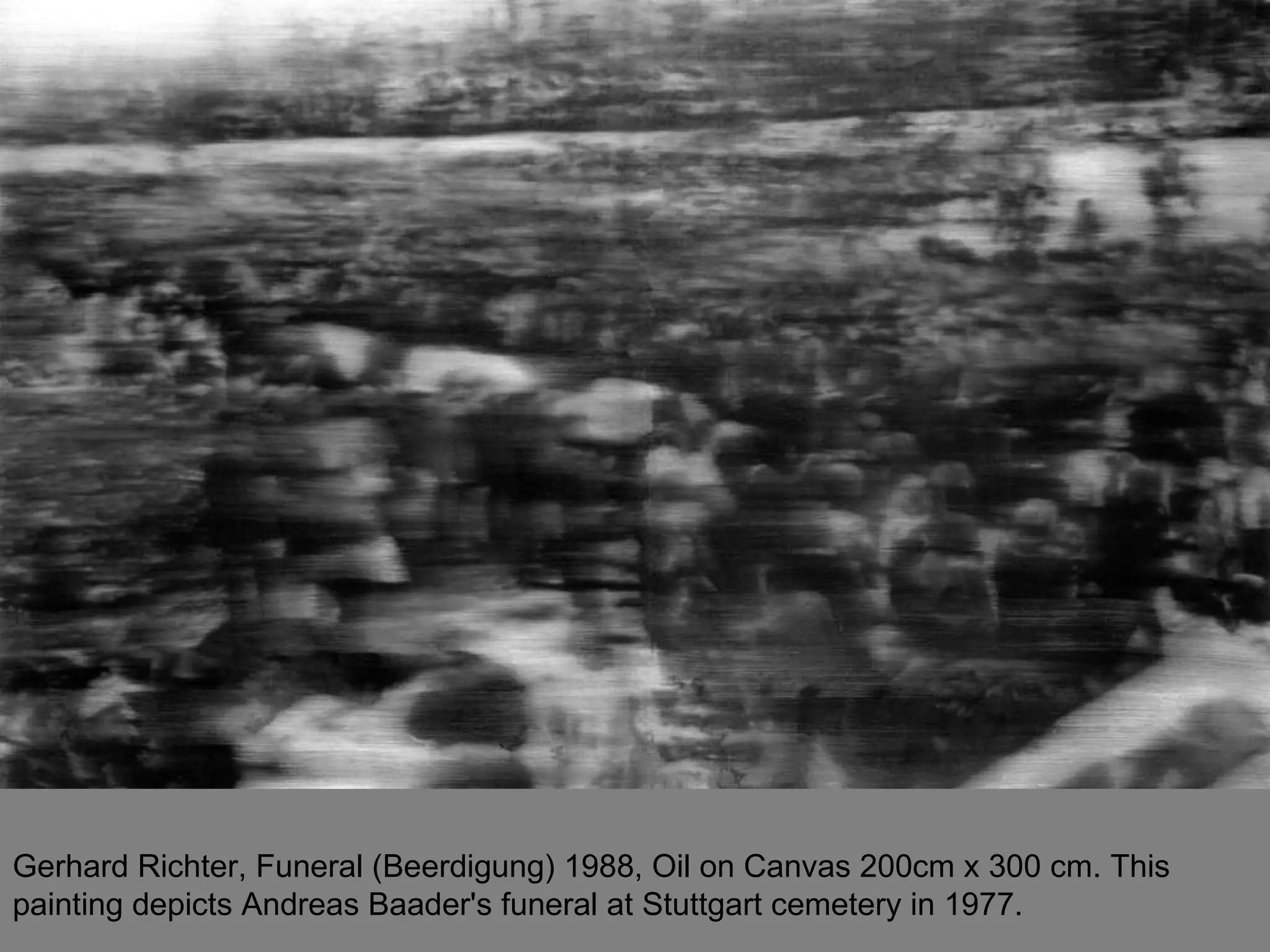
Gerhard Richter, Funeral (Beerdigung) 1988, Oil on Canvas 200cm x 300 cm. This painting depicts Andreas Baader's funeral at Stuttgart cemetery in 1977.
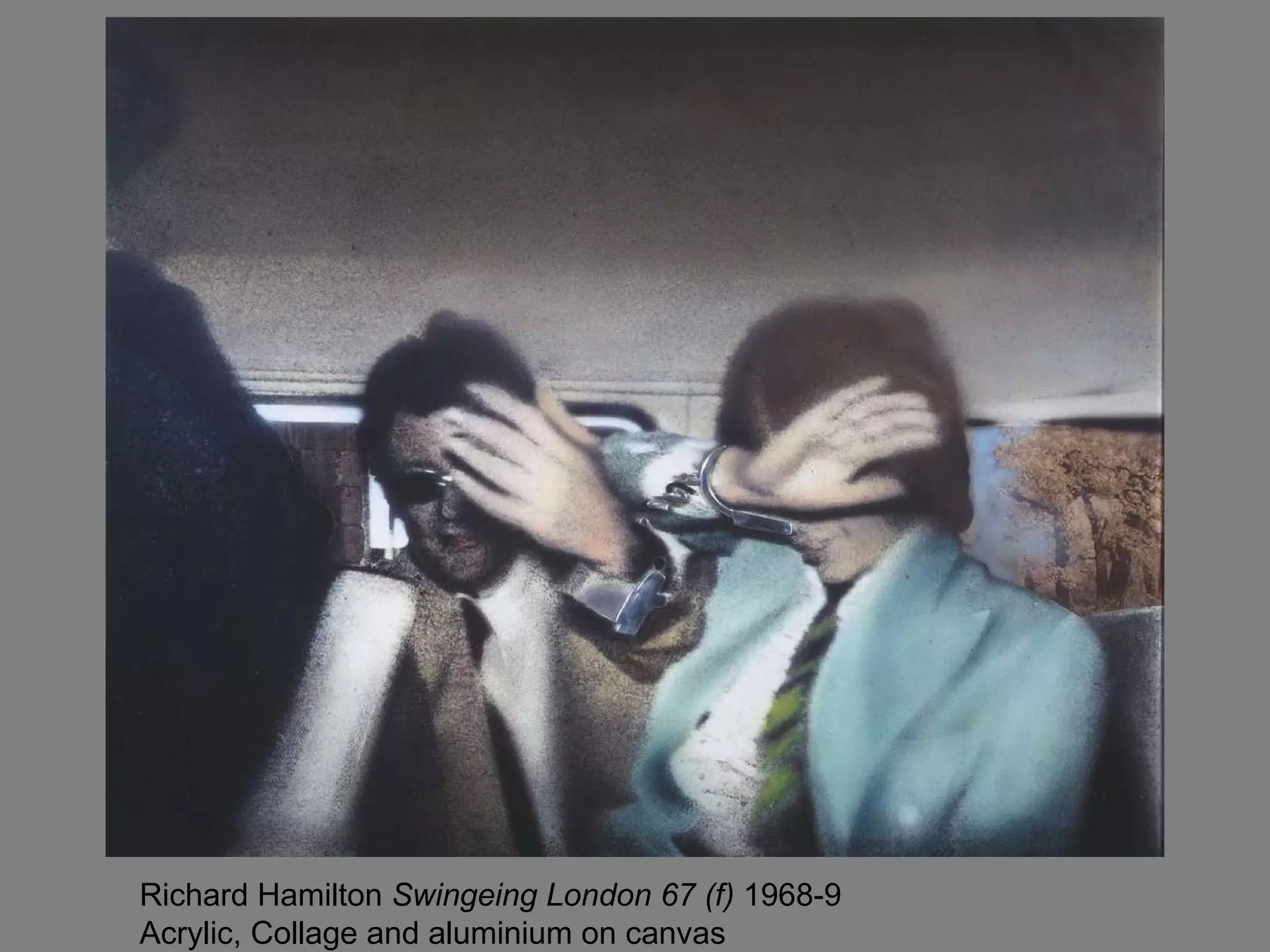
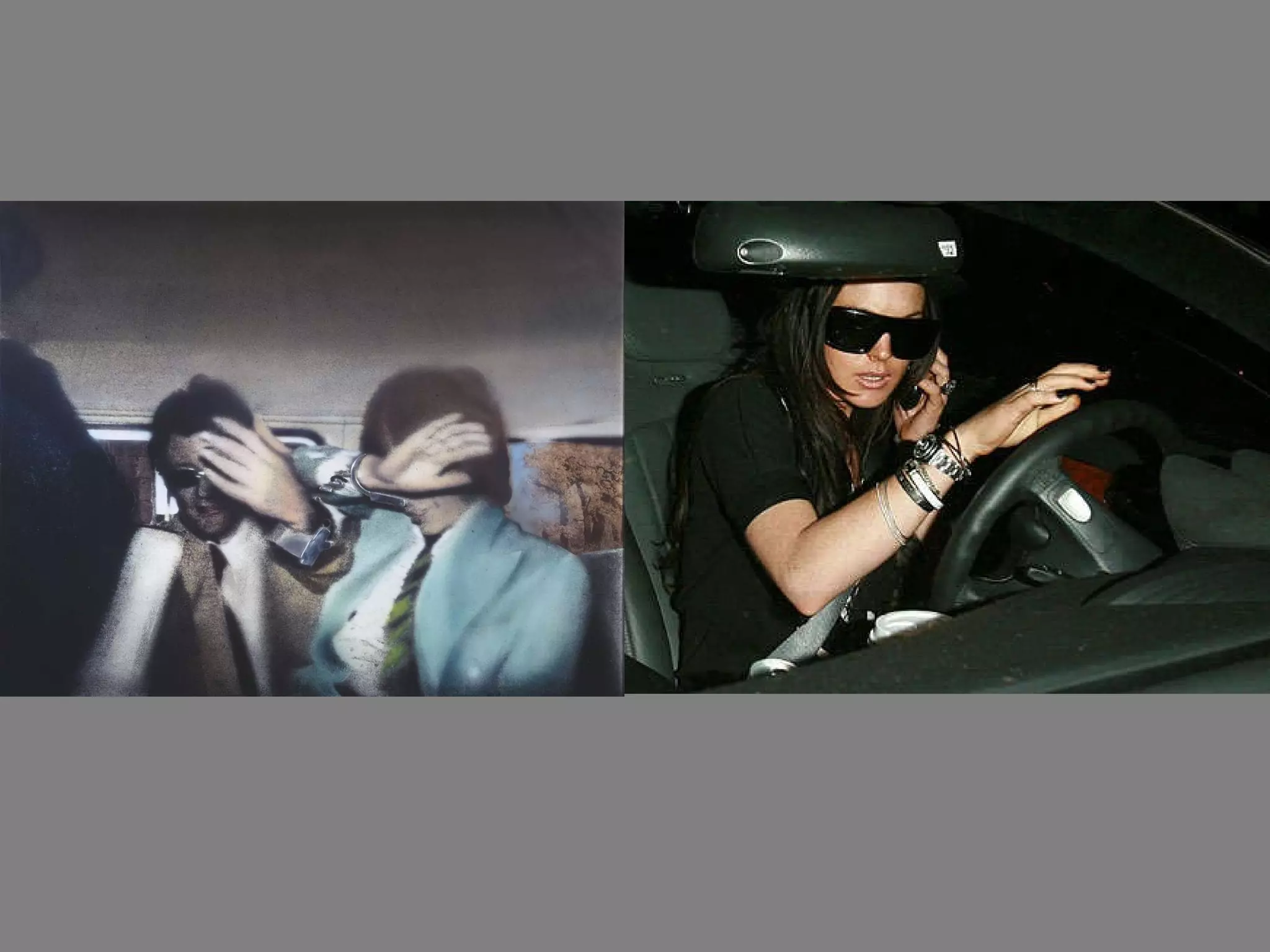
Richard Hamilton  Swingeing London 67 (f)  1968-9  Acrylic, Collage and aluminium on canvas
 

Week11 art after_1945b_sp10

  • 1.
  • 2.
  • 3.
  • 4.
  • 5.
    Changes in AbstractionArt capital changes from Europe to New York after WWII Reduction Colors, images Absence of illusionism Paint as paint Painting as an object “What you see is what you see” – Frank Stella
  • 6.
    Abstract Expressionism Referencedautomatism of Surrealism and non-objective improvised tendencies of Kandinsky Emotional intensity Self expression “ Action Painting” Pollock, De Kooning, Kline Instinctive way of painting - impulsive Color Field Mark Rothko Thinner paint
  • 7.
    J M WTurner, Rain, Steam and Speed , 1844
  • 8.
  • 9.
  • 10.
    JACKSON POLLOCK, Number1, 1950 (Lavender Mist), 1950. Oil, enamel, and aluminum paint on canvas, 7’ 3” x 9’ 10”.
  • 11.
  • 12.
  • 13.
  • 14.
  • 15.
  • 16.
  • 17.
    WILLEM DE KOONING,Woman I, 1950–1952. Oil on canvas, 6’ 3 7/8” x 4’ 10”.
  • 18.
    Willem de Kooning, Untitled XII, 1975. Oil on canvas. 79 3/4 x 69 3/4 in.
  • 19.
  • 20.
    James McNeill Whistler,Nocturne: Blue and Silver—Battersea Reach, 1872–78, Oil on canvas
  • 21.
    MARK ROTHKO, No.14, 1961 Oil on canvas, 9’ 6” x 8’ 9”.
  • 22.
  • 23.
  • 24.
  • 25.
  • 26.
  • 27.
  • 28.
  • 29.
  • 30.
    HELEN FRANKENTHALER, BaySide, 1967. Acrylic on canvas, 6’ 2” x 6’ 9”.
  • 31.
    MORRIS LOUIS, Saraband,1959. Acrylic resin on canvas, 8’ 5 1/8” x 12’ 5”.
  • 32.
  • 33.
  • 34.
    BARNETT NEWMAN, VirHeroicus Sublimis, 1950–1951. Oil on canvas, 7’ 11 3/8” x 17’ 9 1/4”.
  • 35.
    FRANK STELLA, NuncaPasa Nada, 1964. Metallic powder in polymer emulsion on canvas, 9’ 2” x 18’ 4 1/2”.
  • 36.
    Monochrome/Minimal Abstraction “painting as object” which represent nothing but itself, and therefore representing an ending in the evolution of illusionism in painting (“death of painting”) depiction of multidimensional (infinite) space, a fulfillment of illusionistic painting, representing a new evolution—a new beginning—in Western painting’s history (“pure feeling”) “ A work needs only to be interesting” – Donald Judd, 1965
  • 37.
    Kasimir Malevich, Suprematist Composition: White on White , 1918
  • 38.
    Robert Rauschenberg , White Painting , 1951
  • 39.
    The White Album, 1968 - designed by Richard Hamilton
  • 40.
    Robert Ryman ,Surface Veil I, 1970. Oil and blue chalk on linen, 143 15/16 x 144 inches
  • 41.
    Zen Master SeunSahn, The Compass of Zen "form is emptiness, and emptiness is form. "
  • 42.
  • 43.
    The Luminous roomis for slow digestion. It's also not for everyone.  But linger awhile and the "white" paintings reveal colors and textures that stray from the normal bland vanilla you think of when you think of white. I enjoyed most the Ryman for its wacky materials and violet aura and the Marioni which was positively green for all its intent to be white.  These works all play with the ambient light in the gallery and the Beckers have no track lights illuminating the space.  As the natural daylights shifts, so do the artworks.  There's something about the show that reminds me of catching fireflies.  The white paintings are like those fireflies, their changing luminosity a fascination.
  • 44.
    John Cage, 4’33”,1952 "To Whom It May Concern: The white paintings came first; my silent piece came later." - John Cage Note: The title of this work is the total length in minutes and seconds of its performance. At Woodstock, N.Y., August 29, 1952, the title was 4’33” and the three parts were 33”, 2’40”, and 1’20”. It was performed by David Tudor, pianist, who indicated the beginnings of parts by closing, the endings by opening, the keyboard lid. However the work may be performed by any instrumentalist or combination of instrumentalists and last any length of time.
  • 45.
  • 46.
    Brice Marden ,Grove IV, 1976. Oil and wax on canvas, two panels, 72 x 108 inches overall.
  • 47.
  • 48.
  • 49.
    TONY SMITH, Die,1962. Steel, 6’ x 6’ x 6’.
  • 50.
    Charles Ray, Ink Box , 1986, steel, ink, automobile paint, 36 x 36 x 36 inches
  • 51.
    2001: A SpaceOdyssey ; 1968 "It's time to abandon the conventional view of the movie as an extension of the three-act play. Too many people over thirty are still word-oriented rather than picture-oriented," - Kubrick, 1969
  • 52.
  • 53.
    DONALD JUDD, Untitled,1969. Brass and colored fluorescent plexiglass on steel brackets, ten units, 6 1/8” x 2’ x 2’ 3” each, with 60 intervals.
  • 54.
  • 55.
  • 56.
  • 57.
  • 58.
    Abstact Expressionism =inside for inspiration Pop Art = outside Pop Art was an art movement in the late 1950s and 1960s that reflected everyday life and common objects. Pop artists blurred the line between fine art and commercial art. Inspired by popular culture – comic books, advertising, billboards, and packaging design as well as movies, tv, and newspapers “ Once you 'got' Pop, you could never see a sign again the same way again. And once you thought Pop, you could never see America the same way again.” Andy Warhol
  • 59.
    "Pop Art is:Popular (designed for a mass audience) Transient (short-term solution) Expendable (easily forgotten) Low Cost Mass produced Young Witty Sexy Gimmicky Glamorous Big business ...Yours!" (Richard Hamilton - from a letter to Peter and Alison Smithson, 1957)
  • 60.
    JASPER JOHNS, Flag,1954–1955, dated on reverse 1954. Encaustic, oil, and collage on fabric mounted on plywood, 3’ 6 1/4” x 5’ 5/8”.
  • 61.
  • 62.
  • 63.
    JOHNS, Jasper Targetwith Plaster Casts 1955 Encaustic and collage on canvas with objects 129.5 x 111.8 cm (51 x 44 in) Compositions already decided when using motifs like flags and targets
  • 64.
  • 65.
  • 66.
  • 67.
  • 68.
  • 69.
    ROBERT RAUSCHENBERG, Canyon,1959. Oil, pencil, paper, fabric, metal, cardboard box, printed paper, printed reproductions, photograph, wood, paint tube, and mirror on canvas, with oil on bald eagle, string, and pillow, 6’ 9 3/4” x 5’ 10” x 2’.
  • 70.
  • 71.
  • 72.
    Collection , 1954Combine painting: oil, paper, fabric, newspaper, printed reproductions, wood, metal, and mirror on three canvas panels; 80 x 96 x 3 1/2 in.
  • 73.
  • 74.
    RAUSCHENBERG, Robert Tracer1963 Oil and silkscreen ink on canvas 84 x 60 in. (213.4 x 152.4 cm) Rubens:Venus at the mirror
  • 75.
    Robert Rauchenberg, Pilgrim , 1950
  • 76.
    Happenings Alan Kaprowcredits the following evolution of the form: as a progression from action painting to Assemblages, into Environments. Environments incorporating sound and people became happenings. a new kind of theater.
  • 77.
  • 78.
  • 79.
  • 80.
  • 81.
    ROY LICHTENSTEIN, Hopeless,1963. Oil on canvas, 3’ 8” x 3’ 8”.
  • 82.
  • 83.
  • 84.
    The Violin, 1976.Oil and magna on canvas 54 x 80 inches; 137.2 x 203.2 cm 
  • 85.
    Mark Sink, Andy Warhol “ You see, I think every painting should be the same size and the same color so they’re all interchangeable and nobody thinks they have a better painting or a worse painting. And if the one ‘master painting’ is good, they’re all good. Besides, even when the subject is different, people always paint the same painting.” – THE Philosophy of Andy Warhol (From A to B and Back Again) Nature is neither beautiful nor ugly, neither good nor bad. It is fantastic, monstrous, and infinitely unrestrained.” – Hugo Ball
  • 86.
    Mark Sink, Andy Warhol If you want to know all about Andy Warhol, just look at the surface of my paintings and films and me, and there I am. There's nothing behind it.
  • 87.
    “ The waythat Andy Warhol attempted to make commercial art that was taken seriously as fine art, is the way I want to make pop music, pop art performance and pop fashion that’s taken seriously as high fashion and highbrow.” - Lady Gaga
  • 88.
    Rrose Sélavy (MarcelDuchamp). 1921. Photograph by Man Ray. Self-Portrait (in Drag), 1981. Polaroid print, 4 1/4 x 3 3/8 inches; Image: 3 11/16 x 2 7/8 inches.
  • 89.
  • 90.
    ANDY WARHOL, GreenCoca-Cola Bottles, 1962. Oil on canvas, 6’ 10 1/2” x 4’ 9”. “ What's great about this country is that America started the tradition where the richest consumers buy essentially the same things as the poorest. “
  • 91.
  • 92.
    Andy Warhol, Lavender Disaster , 1963, Acrylic and Silkscreen ink on canvas, 106x81”
  • 93.
    Andy Warhol, "GreenCar Crash (Green Car Burning 1)" 1963, synthetic polymer, silkscreen ink and acrylic on linen
  • 94.
    Andy Warhol, Suicide , 1963
  • 95.
    Andy Warhol, RaphaelMadonna -- $6.99" of 1985
  • 96.
    Sistine Madonna Raphael,1513-1514 Oil on canvas 265 × 196 cm
  • 97.
    Salvador Dali, "TheSistine Madonna or Madonn a Ear“, 1958
  • 98.
  • 99.
    Warhol used therepetition of media events to critique and reframe cultural ideas through his art Jackie paintings, 1964
  • 100.
    ANDY WARHOL, MarilynDiptych, 1962. Oil, acrylic, and silk-screen enamel on canvas.
  • 101.
    Andy Warhol HammerAnd Sickle 1977 acrylic and silkscreen ink on canvas 72 x 86 x 1 1/4 "
  • 102.
    Andy Warhol, Shadows , series of 102 canvases from 1979
  • 103.
  • 104.
    Jean-Michel Basquiat and Andy Warhol Arm and Hammer II, 1985
  • 105.
    Andy Warhol, Empire , 1965
  • 106.
  • 107.
  • 108.
  • 109.
  • 110.
    Andy Warhol, Crowd , 1963
  • 111.
  • 112.
    JACKSON POLLOCK, Number1, 1950 (Lavender Mist), 1950. Oil, enamel, and aluminum paint on canvas, 7’ 3” x 9’ 10”.
  • 113.
    Gerhard Richter, Funeral(Beerdigung) 1988, Oil on Canvas 200cm x 300 cm. This painting depicts Andreas Baader's funeral at Stuttgart cemetery in 1977.
  • 114.
    Richard Hamilton Swingeing London 67 (f) 1968-9 Acrylic, Collage and aluminium on canvas
  • 115.

Editor's Notes

  • #72 Robert Rauschenberg, Retroactive I, 1964 1925-- Silkscreen resembling a collage Falling astronaut, falling paint; fall of Adam and Eve in right lower corner Kennedy in Christ like position