
Morning session
Rashid Abuelhassan
1
2
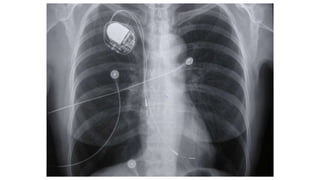
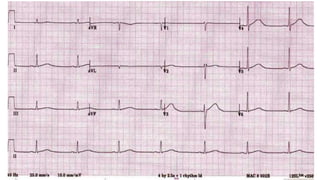
• A 61 year old man presents to his general practitioner with right
thoracic pain and dyspnoea, progressively worsening since three days.
He was discharged from cardiology a week before, for implantation of
a pacemaker for sick sinus syndrome
3
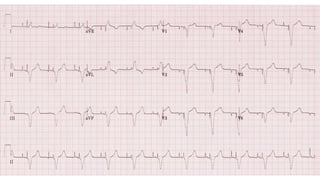
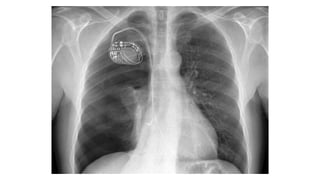
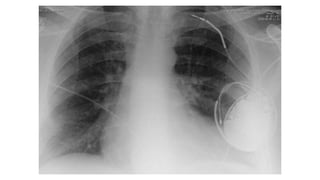
• A 60 year old female patient with known implanted pace maker
presented with a complain of dizziness and faints.
4
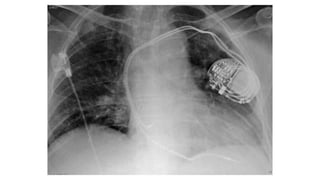
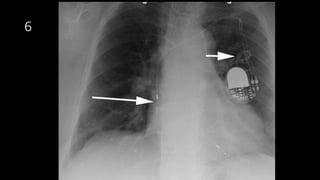
• A 77 year-old patient had a physiological pacemaker implanted for
symptomatic sinus bradycardia, with sinus arrest. she presented after
one week with continuous chest pain.
5
• A 68 year old patient, with a history of chronic obstructive pulmonary
disease and psychosis on medications, history of pace maker
implanted one month back .
6
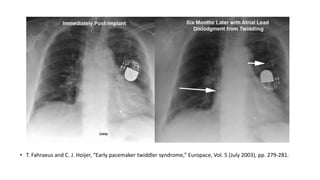
• T. Fahraeus and C. J. Hoijer, “Early pacemaker twiddler syndrome,” Europace, Vol. 5 (July 2003), pp. 279-281.
7
• elderly patient presented 6months after a dual chamber pacemaker
was implanted. They reported recurrence of exertional shortness of
breath that was experienced before pacemaker implantation.
Common presentations of pacemaker malfunction

Common presentations of pacemaker malfunction

  • 1.
  • 2.
  • 4.
    2 • A 61year old man presents to his general practitioner with right thoracic pain and dyspnoea, progressively worsening since three days. He was discharged from cardiology a week before, for implantation of a pacemaker for sick sinus syndrome
  • 7.
    3 • A 60year old female patient with known implanted pace maker presented with a complain of dizziness and faints.
  • 10.
    4 • A 77year-old patient had a physiological pacemaker implanted for symptomatic sinus bradycardia, with sinus arrest. she presented after one week with continuous chest pain.
  • 12.
    5 • A 68year old patient, with a history of chronic obstructive pulmonary disease and psychosis on medications, history of pace maker implanted one month back .
  • 15.
  • 16.
    • T. Fahraeusand C. J. Hoijer, “Early pacemaker twiddler syndrome,” Europace, Vol. 5 (July 2003), pp. 279-281.
  • 17.
    7 • elderly patientpresented 6months after a dual chamber pacemaker was implanted. They reported recurrence of exertional shortness of breath that was experienced before pacemaker implantation.

Editor's Notes

  • #5 o/e only no breath sound in Rt
  • #10 Chest X-ray showing migration of both atrial and ventricular leads.
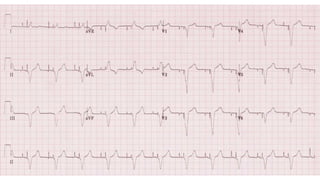
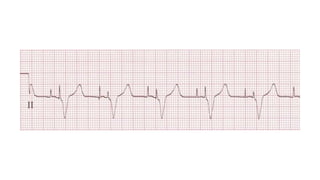
  • #11 o/e blood pressure was 130/80 mmHg, heart sounds were regular but a pericardial friction rub was audible. EKG showed a sinus rhythm with ventricular capture
  • #12 showing atrial and ventricular leads, with the ventricular lead clearly beyond the cardiac shadow
  • #13 o/e bradycardic hypotensive
  • #15 dual-coil ventricular lead displacement, causing pectoral permanent stimulation, in a case previously reported by our team (Essoh et al, 2010). TWIDDLER SYNDROME IN A PSYCHIATRIC PATIENT