Some Pitfalls in DF
Prof Hanan Gawish, MD, PhD
Diabetes and Endocrinology, Mansoura University
Chairman of the Egyptian Society of DF
IDF/ DF Consultative Section Board Secretary
Agenda
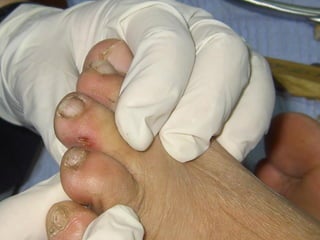
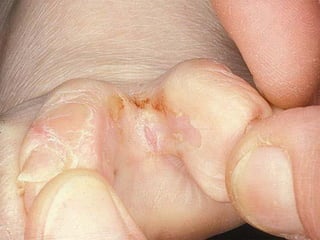
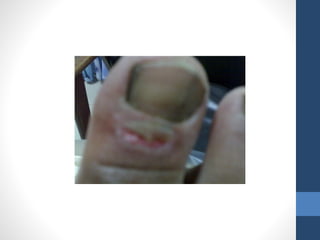
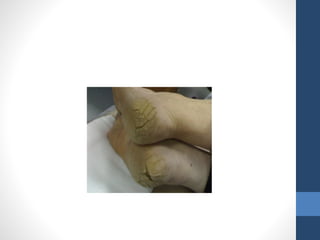
• Underestimation of the lesion
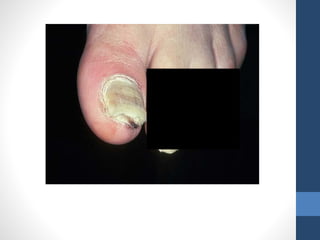
Agenda
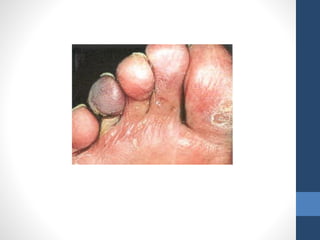
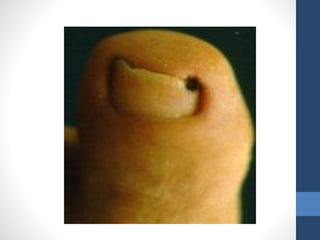
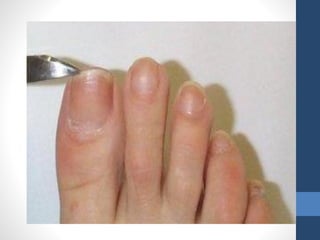
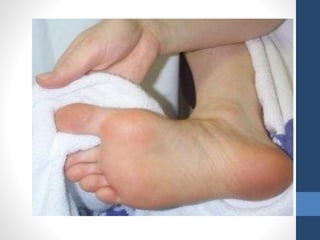
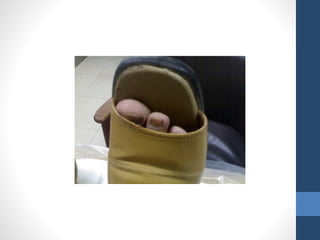
• No Underestimation of any trivial lesion
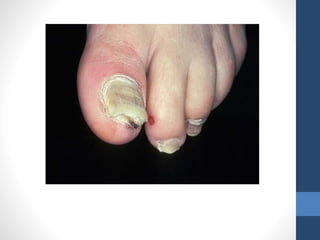
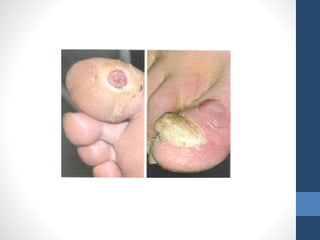
Agenda
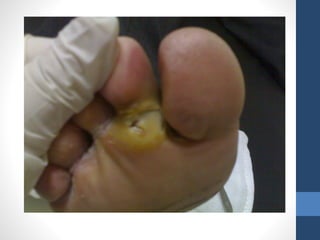
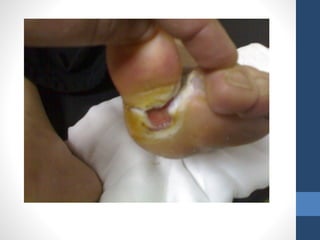
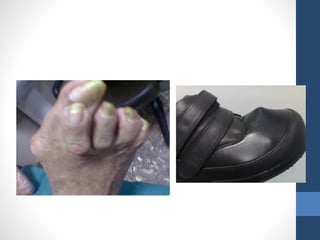
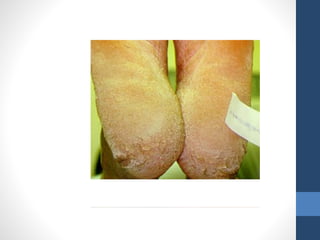
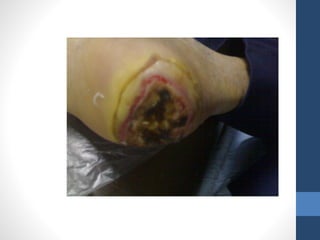
• No Underestimation of any lesion
• DF infection
Contamination: the presence of non-replicating
organisms in the wound
All chronic wounds are contaminated
Colonization: the presence of replicating microorganisms
adherent to the wound in the absence of injury to the
host
Infection: the presence of replicating microorganisms
within a wound that cause host injury
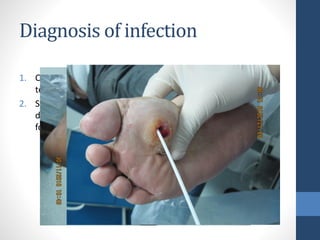
Diagnosis of infection
1. Classic signs of inflammation (redness, warmth, swelling,
tenderness, or pain or purulent secretions,
2. Secondary signs (eg, nonpurulent secretions, friable or
discolored granulation tissue, undermining of wound edges,
foul odor)
HOW DO YOU KNOW WHEN A WOUND
IS INFECTED?
• Often asymptomatic - no pain due to
diabetic polyneuropathy
• May cause mild discomfort
• Disturbance of blood glucose control may be
early evidence of a local infection.
• The failure of the wound to heal and
progressive deterioration of the wound
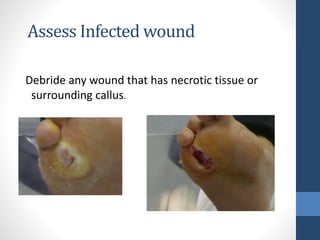
Debride any wound that has necrotic tissue or
surrounding callus.
Assess Infected wound
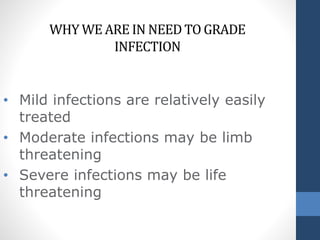
• Mild infections are relatively easily
treated
• Moderate infections may be limb
threatening
• Severe infections may be life
threatening
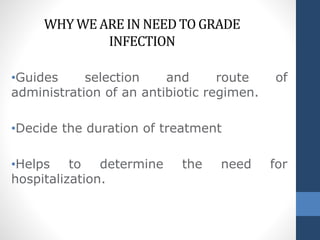
WHY WE ARE IN NEED TO GRADE
INFECTION
•Guides selection and route of
administration of an antibiotic regimen.
•Decide the duration of treatment
•Helps to determine the need for
hospitalization.
WHY WE ARE IN NEED TO GRADE
INFECTION
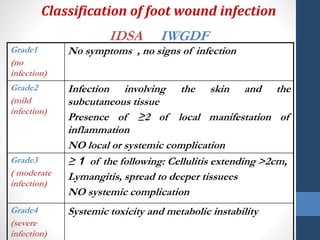
Classification of foot wound infection
IDSA IWGDF
No symptoms , no signs of infectionGrade1
(no
infection)
Infection involving the skin and the
subcutaneous tissue
Presence of ≥2 of local manifestation of
inflammation
NO local or systemic complication
Grade2
(mild
infection)
≥ 1 of the following: Cellulitis extending >2cm,
Lymangitis, spread to deeper tissuees
NO systemic complication
Grade3
( moderate
infection)
Systemic toxicity and metabolic instabilityGrade4
(severe
infection)
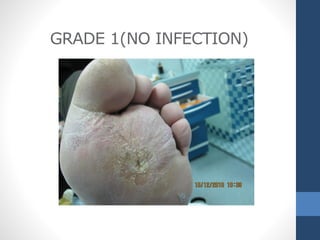
No symptoms or signs of infection
GRADE 1(NO INFECTION)
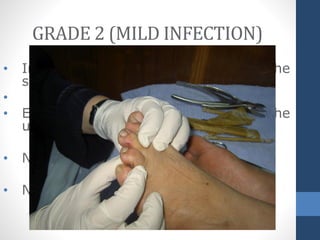
• Infection involving the skin and the
subcutaneous tissue only
•
• Erythema > 0.5 - 2 cm around the
ulcer.
• NO involvement of deeper tissues
• NO systemic signs.
GRADE 2 (MILD INFECTION)
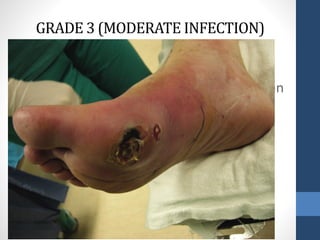
Infection involving structures deeper than
skin and subcutaneous tissues such as
abscess, osteomyelitis,
septic arthritis, fasciitis.
Erythema > 2 cm
No systemic inflammatory response
signs.
GRADE 3 (MODERATE INFECTION)
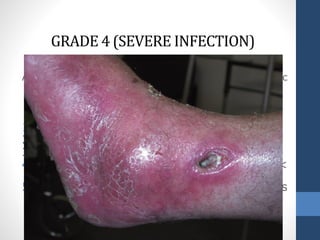
Any foot infection with signs of a systemic
inflammatory response syndrome (SIRS)
2 or more of the following :
1. Temperature > 38 or < 36°Celsius
2. Heart rate > 90 beats/min
3. Respiratory rate > 20 breaths/min
4. White blood cell count > 12.000 or <
4.000/cu mm
5. 10% immature (band) forms
GRADE 4 (SEVERE INFECTION)
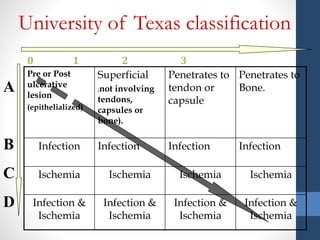
0 1 2 3
Pre or Post
ulcerative
lesion
(epithelialized)
Superficial
(not involving
tendons,
capsules or
bone).
Penetrates to
tendon or
capsule
Penetrates to
Bone.
Infection Infection Infection Infection
Ischemia Ischemia Ischemia Ischemia
Infection &
Ischemia
Infection &
Ischemia
Infection &
Ischemia
Infection &
Ischemia
A
B
C
D
University of Texas classification
Agenda
• No Underestimation of any lesion
• DF infection
• Dressings
Dressings have the
potential to deceive
both the doctor and
patient into
thinking that by
covering a wound
they were curing it
Dr. Paul Brand
• The old edict of keeping a wound dry and painting it with
antiseptics is no longer thought to be the treatment of choice
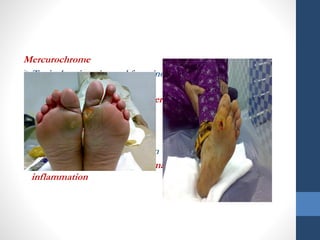
Mercurochrome
Topical antiseptic used for minor cuts
and scrapes.
No longer sold in the USA Mercury
content.
FDA ineffective, no longer
approved.
Dark red colour stains the skin
difficult detection of erythema or
inflammation
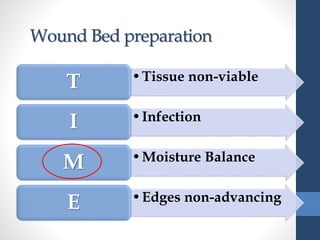
Wound Bed preparation
•Tissue non-viable
T
•InfectionI
•Moisture Balance
M
•Edges non-advancing
E
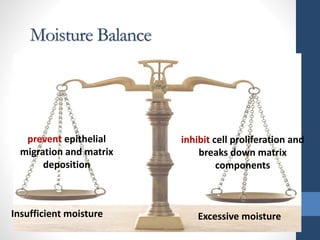
Moisture Balance
Insufficient moisture Excessive moisture
prevent epithelial
migration and matrix
deposition
inhibit cell proliferation and
breaks down matrix
components
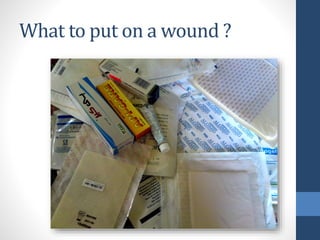
What to put on a wound ?
•It is not what you put on the wound.
It is what you take Off
•Offloading is much more important
than dressing
•Even saline dressing can work well if
patient is properly offloaded
The Greatest Catastrophe
No Internist was there for this diabetic patient
THANK YOU

Ueda2016 pitfalls in df - hanan gawish

  • 1.
    Some Pitfalls inDF Prof Hanan Gawish, MD, PhD Diabetes and Endocrinology, Mansoura University Chairman of the Egyptian Society of DF IDF/ DF Consultative Section Board Secretary
  • 2.
  • 27.
    Agenda • No Underestimationof any trivial lesion
  • 28.
    Agenda • No Underestimationof any lesion • DF infection
  • 29.
    Contamination: the presenceof non-replicating organisms in the wound All chronic wounds are contaminated Colonization: the presence of replicating microorganisms adherent to the wound in the absence of injury to the host Infection: the presence of replicating microorganisms within a wound that cause host injury
  • 30.
    Diagnosis of infection 1.Classic signs of inflammation (redness, warmth, swelling, tenderness, or pain or purulent secretions, 2. Secondary signs (eg, nonpurulent secretions, friable or discolored granulation tissue, undermining of wound edges, foul odor)
  • 31.
    HOW DO YOUKNOW WHEN A WOUND IS INFECTED? • Often asymptomatic - no pain due to diabetic polyneuropathy • May cause mild discomfort • Disturbance of blood glucose control may be early evidence of a local infection. • The failure of the wound to heal and progressive deterioration of the wound
  • 32.
    Debride any woundthat has necrotic tissue or surrounding callus. Assess Infected wound
  • 33.
    • Mild infectionsare relatively easily treated • Moderate infections may be limb threatening • Severe infections may be life threatening WHY WE ARE IN NEED TO GRADE INFECTION
  • 34.
    •Guides selection androute of administration of an antibiotic regimen. •Decide the duration of treatment •Helps to determine the need for hospitalization. WHY WE ARE IN NEED TO GRADE INFECTION
  • 35.
    Classification of footwound infection IDSA IWGDF No symptoms , no signs of infectionGrade1 (no infection) Infection involving the skin and the subcutaneous tissue Presence of ≥2 of local manifestation of inflammation NO local or systemic complication Grade2 (mild infection) ≥ 1 of the following: Cellulitis extending >2cm, Lymangitis, spread to deeper tissuees NO systemic complication Grade3 ( moderate infection) Systemic toxicity and metabolic instabilityGrade4 (severe infection)
  • 36.
    No symptoms orsigns of infection GRADE 1(NO INFECTION)
  • 37.
    • Infection involvingthe skin and the subcutaneous tissue only • • Erythema > 0.5 - 2 cm around the ulcer. • NO involvement of deeper tissues • NO systemic signs. GRADE 2 (MILD INFECTION)
  • 38.
    Infection involving structuresdeeper than skin and subcutaneous tissues such as abscess, osteomyelitis, septic arthritis, fasciitis. Erythema > 2 cm No systemic inflammatory response signs. GRADE 3 (MODERATE INFECTION)
  • 39.
    Any foot infectionwith signs of a systemic inflammatory response syndrome (SIRS) 2 or more of the following : 1. Temperature > 38 or < 36°Celsius 2. Heart rate > 90 beats/min 3. Respiratory rate > 20 breaths/min 4. White blood cell count > 12.000 or < 4.000/cu mm 5. 10% immature (band) forms GRADE 4 (SEVERE INFECTION)
  • 40.
    0 1 23 Pre or Post ulcerative lesion (epithelialized) Superficial (not involving tendons, capsules or bone). Penetrates to tendon or capsule Penetrates to Bone. Infection Infection Infection Infection Ischemia Ischemia Ischemia Ischemia Infection & Ischemia Infection & Ischemia Infection & Ischemia Infection & Ischemia A B C D University of Texas classification
  • 41.
    Agenda • No Underestimationof any lesion • DF infection • Dressings
  • 42.
    Dressings have the potentialto deceive both the doctor and patient into thinking that by covering a wound they were curing it Dr. Paul Brand
  • 43.
    • The oldedict of keeping a wound dry and painting it with antiseptics is no longer thought to be the treatment of choice
  • 44.
    Mercurochrome Topical antiseptic usedfor minor cuts and scrapes. No longer sold in the USA Mercury content. FDA ineffective, no longer approved. Dark red colour stains the skin difficult detection of erythema or inflammation
  • 45.
    Wound Bed preparation •Tissuenon-viable T •InfectionI •Moisture Balance M •Edges non-advancing E
  • 46.
    Moisture Balance Insufficient moistureExcessive moisture prevent epithelial migration and matrix deposition inhibit cell proliferation and breaks down matrix components
  • 47.
    What to puton a wound ?
  • 48.
    •It is notwhat you put on the wound. It is what you take Off •Offloading is much more important than dressing •Even saline dressing can work well if patient is properly offloaded
  • 49.
    The Greatest Catastrophe NoInternist was there for this diabetic patient
  • 50.