Frameworks for Collaboration
Richmond	
  Teams	
  
Faye	
  Brownlie	
  
Sept.	
  18,	
  2013,	
  March	
  6,	
  2014	
  
ww.slideshare.net/fayebrownlie/CollaboraEon.	
  Richmond	
  
#2	
  
Learning Intentions
•  I	
  have	
  a	
  beIer	
  understanding	
  of	
  
collaboraEon	
  and	
  co-­‐teaching.	
  
•  I	
  have	
  a	
  plan	
  of	
  how	
  to	
  increase	
  the	
  
effecEveness	
  of	
  my	
  collaboraEon	
  and	
  my	
  co-­‐
teaching.	
  
•  Did	
  you	
  try	
  a	
  class	
  review?	
  	
  How	
  did	
  it	
  go?	
  
•  What	
  has	
  worked	
  in	
  collabora9on?	
  
•  What’s	
  next?	
  
No plan, No point
Response To Intervention:
Literacy Framework
[One-­‐to-­‐One]	
  

[Small	
  Group	
  
–	
  Individual]	
  

[Whole	
  Class	
  –	
  
Small	
  Group	
  –	
  
Individual]	
  
Questions to Guide Co-Teaching
•  Are	
  all	
  students	
  acEvely	
  engaged	
  in	
  
meaningful	
  work?	
  
•  Are	
  all	
  students	
  parEcipaEng	
  by	
  answering	
  
and	
  asking	
  quesEons?	
  
•  Are	
  all	
  students	
  receiving	
  individual	
  feedback	
  
during	
  the	
  learning	
  sequence?	
  
•  How	
  is	
  evidence	
  of	
  learning	
  from	
  each	
  day’s	
  
co-­‐teaching	
  fueling	
  the	
  plan	
  for	
  the	
  next	
  day?	
  
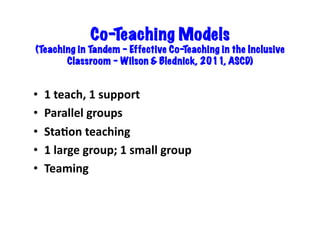
Co-Teaching Models
(Teaching in Tandem – Effective Co-Teaching in the Inclusive
Classroom – Wilson & Blednick, 2011, ASCD)

• 
• 
• 
• 
• 

1	
  teach,	
  1	
  support	
  
Parallel	
  groups	
  
StaEon	
  teaching	
  
1	
  large	
  group;	
  1	
  small	
  group	
  
Teaming	
  
One	
  Teach,	
  One	
  Support	
  
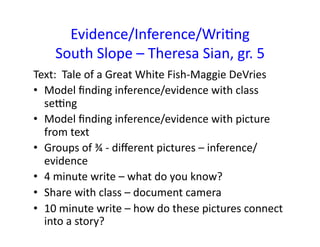
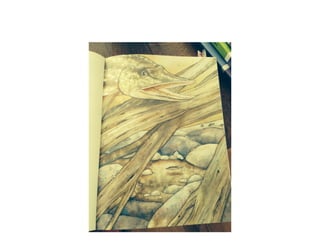
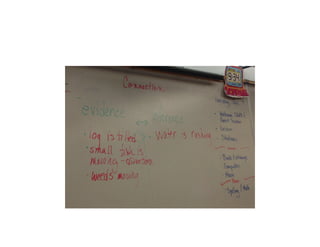
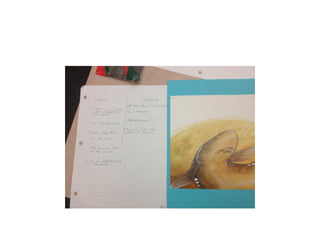
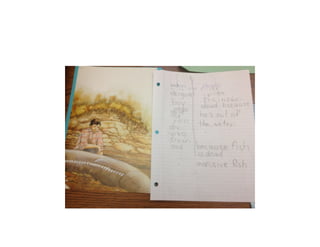
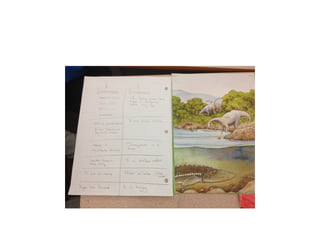
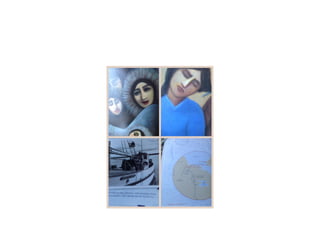
Evidence/Inference/Wri9ng	
  
South	
  Slope	
  –	
  Theresa	
  Sian,	
  gr.	
  5	
  
Text:	
  	
  Tale	
  of	
  a	
  Great	
  White	
  Fish-­‐Maggie	
  DeVries	
  
•  Model	
  finding	
  inference/evidence	
  with	
  class	
  
seOng	
  
•  Model	
  finding	
  inference/evidence	
  with	
  picture	
  
from	
  text	
  
•  Groups	
  of	
  ¾	
  -­‐	
  different	
  pictures	
  –	
  inference/
evidence	
  
•  4	
  minute	
  write	
  –	
  what	
  do	
  you	
  know?	
  
•  Share	
  with	
  class	
  –	
  document	
  camera	
  
•  10	
  minute	
  write	
  –	
  how	
  do	
  these	
  pictures	
  connect	
  
into	
  a	
  story?	
  
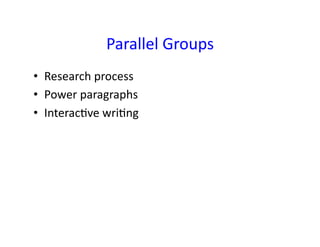
Parallel	
  Groups	
  
•  Research	
  process	
  
•  Power	
  paragraphs	
  
•  Interac9ve	
  wri9ng	
  
Sta9on	
  Teaching	
  
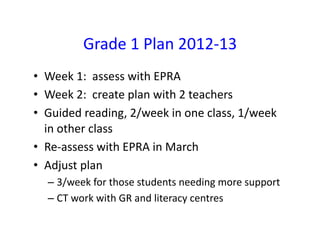
Grade	
  1	
  Plan	
  2012-­‐13	
  
•  Week	
  1:	
  	
  assess	
  with	
  EPRA	
  
•  Week	
  2:	
  	
  create	
  plan	
  with	
  2	
  teachers	
  
•  Guided	
  reading,	
  2/week	
  in	
  one	
  class,	
  1/week	
  
in	
  other	
  class	
  
•  Re-­‐assess	
  with	
  EPRA	
  in	
  March	
  
•  Adjust	
  plan	
  
–  3/week	
  for	
  those	
  students	
  needing	
  more	
  support	
  
–  CT	
  work	
  with	
  GR	
  and	
  literacy	
  centres	
  
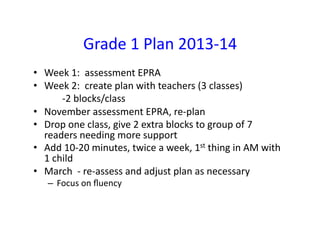
Grade	
  1	
  Plan	
  2013-­‐14	
  
•  Week	
  1:	
  	
  assessment	
  EPRA	
  	
  
•  Week	
  2:	
  	
  create	
  plan	
  with	
  teachers	
  (3	
  classes)	


  -­‐2	
  blocks/class	
  
•  November	
  assessment	
  EPRA,	
  re-­‐plan	
  
•  Drop	
  one	
  class,	
  give	
  2	
  extra	
  blocks	
  to	
  group	
  of	
  7	
  
readers	
  needing	
  more	
  support	
  
•  Add	
  10-­‐20	
  minutes,	
  twice	
  a	
  week,	
  1st	
  thing	
  in	
  AM	
  with	
  
1	
  child	
  
•  March	
  	
  -­‐	
  re-­‐assess	
  and	
  adjust	
  plan	
  as	
  necessary	
  
–  Focus	
  on	
  fluency	
  
One	
  Large	
  Group,	
  One	
  Small	
  
•  Writers’	
  workshop	
  while	
  one	
  teacher	
  runs	
  a	
  
small	
  edi9ng/proofreading	
  group	
  that	
  kids	
  
pass	
  through	
  
•  K	
  –	
  kids	
  building	
  the	
  sets	
  and	
  telling	
  the	
  story	
  
of	
  Three	
  Billy	
  Goats	
  Gruff	
  for	
  their	
  
performance;	
  small	
  group	
  listening	
  to	
  the	
  
story	
  again	
  to	
  build	
  background	
  knowledge	
  
Teaming	
  
Literature Circles: Residential
Schools
•  A	
  unit	
  co-­‐developed	
  by	
  	
  
–  Marla	
  Gamble,	
  gr.	
  6	
  Classroom	
  Teacher,	
  Prince	
  
Rupert,	
  BC	
  
–  Marilyn	
  Bryant,	
  Aboriginal	
  Educa9on	
  Program	
  
Resource	
  Teacher	
  
–  Raegan	
  Sawka,	
  LUCID	
  Support	
  Teacher	
  (Learning	
  
for	
  Understanding	
  through	
  Culturally	
  Inclusive	
  
Imagina9ve	
  Development)	
  
•  Lesson	
  2:	
  	
  co-­‐designed	
  and	
  co-­‐taught:	
  	
  Marla	
  &	
  Faye	
  
•  1st	
  lesson	
  

–  Slide	
  presenta9on	
  on	
  First	
  Na9ons	
  background	
  in	
  the	
  
geographic	
  area	
  with	
  some	
  reference	
  to	
  residen9al	
  schools	
  

•  2nd	
  lesson	
  

–  Whip	
  around	
  
–  Fishbowl	
  on	
  1st	
  paragraph	
  of	
  Fa#y	
  Legs	
  –	
  C.	
  Jordan-­‐Fenton	
  &	
  M.	
  
Poliak-­‐Fenton	
  (Annick	
  Press)	
  
–  Co-­‐created	
  criteria	
  for	
  effec9ve	
  group	
  
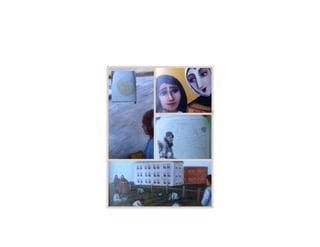
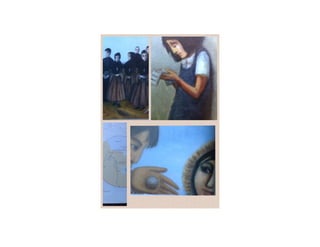
–  Envelopes	
  of	
  5-­‐6	
  pictures	
  from	
  Fa#y	
  Legs	
  
–  Make	
  a	
  story	
  
–  Share	
  some	
  stories	
  
–  Walk	
  and	
  talk	
  
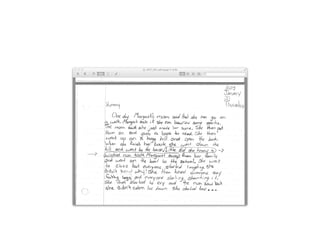
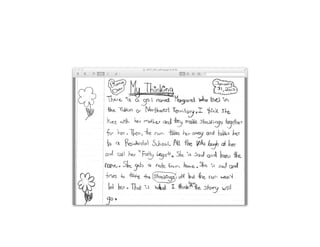
–  4	
  minute	
  write	
  –	
  story	
  behind	
  the	
  pictures	
  	
  
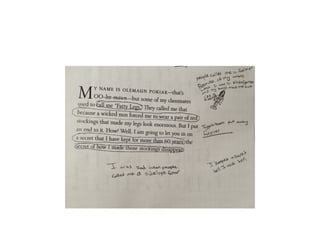
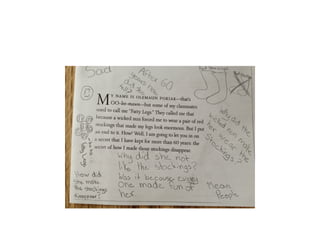
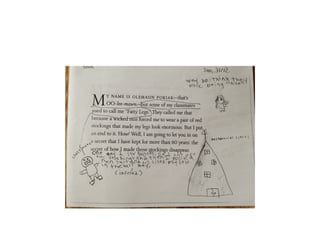
•  My	
  name	
  is	
  Olemaun	
  Pokiak	
  –	
  that’s	
  OO-­‐lee-­‐
mawn	
  -­‐	
  but	
  some	
  of	
  my	
  classmates	
  used	
  to	
  
call	
  me	
  “Faky	
  Legs”.	
  	
  They	
  called	
  me	
  that	
  
because	
  a	
  wicked	
  nun	
  forced	
  me	
  to	
  wear	
  a	
  
pair	
  of	
  red	
  stockings	
  that	
  made	
  my	
  legs	
  look	
  
enormous.	
  	
  But	
  I	
  put	
  an	
  end	
  to	
  it.	
  	
  How?	
  	
  Well,	
  
I	
  am	
  going	
  to	
  let	
  you	
  in	
  on	
  a	
  secret	
  that	
  I	
  have	
  
kept	
  for	
  more	
  than	
  60	
  years:	
  the	
  secret	
  of	
  how	
  
I	
  made	
  those	
  stockings	
  disappear.	
  
What’s your plan?

Next	
  Mee9ng:	
  	
  May	
  22,	
  AM	
  

Richmond collaboration teams.march

  • 1.
    Frameworks for Collaboration Richmond  Teams   Faye  Brownlie   Sept.  18,  2013,  March  6,  2014   ww.slideshare.net/fayebrownlie/CollaboraEon.  Richmond   #2  
  • 2.
    Learning Intentions •  I  have  a  beIer  understanding  of   collaboraEon  and  co-­‐teaching.   •  I  have  a  plan  of  how  to  increase  the   effecEveness  of  my  collaboraEon  and  my  co-­‐ teaching.  
  • 3.
    •  Did  you  try  a  class  review?    How  did  it  go?   •  What  has  worked  in  collabora9on?   •  What’s  next?  
  • 4.
  • 5.
    Response To Intervention: LiteracyFramework [One-­‐to-­‐One]   [Small  Group   –  Individual]   [Whole  Class  –   Small  Group  –   Individual]  
  • 6.
    Questions to GuideCo-Teaching •  Are  all  students  acEvely  engaged  in   meaningful  work?   •  Are  all  students  parEcipaEng  by  answering   and  asking  quesEons?   •  Are  all  students  receiving  individual  feedback   during  the  learning  sequence?   •  How  is  evidence  of  learning  from  each  day’s   co-­‐teaching  fueling  the  plan  for  the  next  day?  
  • 7.
    Co-Teaching Models (Teaching inTandem – Effective Co-Teaching in the Inclusive Classroom – Wilson & Blednick, 2011, ASCD) •  •  •  •  •  1  teach,  1  support   Parallel  groups   StaEon  teaching   1  large  group;  1  small  group   Teaming  
  • 8.
    One  Teach,  One  Support  
  • 9.
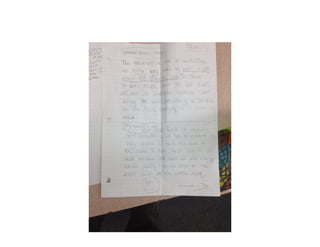
    Evidence/Inference/Wri9ng   South  Slope  –  Theresa  Sian,  gr.  5   Text:    Tale  of  a  Great  White  Fish-­‐Maggie  DeVries   •  Model  finding  inference/evidence  with  class   seOng   •  Model  finding  inference/evidence  with  picture   from  text   •  Groups  of  ¾  -­‐  different  pictures  –  inference/ evidence   •  4  minute  write  –  what  do  you  know?   •  Share  with  class  –  document  camera   •  10  minute  write  –  how  do  these  pictures  connect   into  a  story?  
  • 23.
    Parallel  Groups   • Research  process   •  Power  paragraphs   •  Interac9ve  wri9ng  
  • 24.
  • 25.
    Grade  1  Plan  2012-­‐13   •  Week  1:    assess  with  EPRA   •  Week  2:    create  plan  with  2  teachers   •  Guided  reading,  2/week  in  one  class,  1/week   in  other  class   •  Re-­‐assess  with  EPRA  in  March   •  Adjust  plan   –  3/week  for  those  students  needing  more  support   –  CT  work  with  GR  and  literacy  centres  
  • 26.
    Grade  1  Plan  2013-­‐14   •  Week  1:    assessment  EPRA     •  Week  2:    create  plan  with  teachers  (3  classes)        -­‐2  blocks/class   •  November  assessment  EPRA,  re-­‐plan   •  Drop  one  class,  give  2  extra  blocks  to  group  of  7   readers  needing  more  support   •  Add  10-­‐20  minutes,  twice  a  week,  1st  thing  in  AM  with   1  child   •  March    -­‐  re-­‐assess  and  adjust  plan  as  necessary   –  Focus  on  fluency  
  • 27.
    One  Large  Group,  One  Small   •  Writers’  workshop  while  one  teacher  runs  a   small  edi9ng/proofreading  group  that  kids   pass  through   •  K  –  kids  building  the  sets  and  telling  the  story   of  Three  Billy  Goats  Gruff  for  their   performance;  small  group  listening  to  the   story  again  to  build  background  knowledge  
  • 28.
  • 29.
    Literature Circles: Residential Schools • A  unit  co-­‐developed  by     –  Marla  Gamble,  gr.  6  Classroom  Teacher,  Prince   Rupert,  BC   –  Marilyn  Bryant,  Aboriginal  Educa9on  Program   Resource  Teacher   –  Raegan  Sawka,  LUCID  Support  Teacher  (Learning   for  Understanding  through  Culturally  Inclusive   Imagina9ve  Development)   •  Lesson  2:    co-­‐designed  and  co-­‐taught:    Marla  &  Faye  
  • 30.
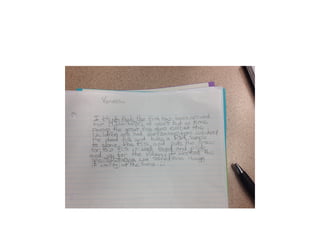
    •  1st  lesson   –  Slide  presenta9on  on  First  Na9ons  background  in  the   geographic  area  with  some  reference  to  residen9al  schools   •  2nd  lesson   –  Whip  around   –  Fishbowl  on  1st  paragraph  of  Fa#y  Legs  –  C.  Jordan-­‐Fenton  &  M.   Poliak-­‐Fenton  (Annick  Press)   –  Co-­‐created  criteria  for  effec9ve  group   –  Envelopes  of  5-­‐6  pictures  from  Fa#y  Legs   –  Make  a  story   –  Share  some  stories   –  Walk  and  talk   –  4  minute  write  –  story  behind  the  pictures    
  • 31.
    •  My  name  is  Olemaun  Pokiak  –  that’s  OO-­‐lee-­‐ mawn  -­‐  but  some  of  my  classmates  used  to   call  me  “Faky  Legs”.    They  called  me  that   because  a  wicked  nun  forced  me  to  wear  a   pair  of  red  stockings  that  made  my  legs  look   enormous.    But  I  put  an  end  to  it.    How?    Well,   I  am  going  to  let  you  in  on  a  secret  that  I  have   kept  for  more  than  60  years:  the  secret  of  how   I  made  those  stockings  disappear.  
  • 40.
    What’s your plan? Next  Mee9ng:    May  22,  AM