Igniting a Passion for
Literacy, #3
Coquitlam
February 25, 2019
Faye Brownlie
Slideshare.net/fayebrownlie.coquitlam.feb
Ministry of Education’s Definition of Literacy
Literacy is the ability and willingness to make meaning from
text and express oneself in a variety of modes and for a
variety of purposes.
Literacy includes making connections, analyzing critically,
comprehending, creating, and communicating.
B.C. Ministry of Education, 2017
2
Story is at the heart of reading and
writing.
Reading and writing grow through
interaction with others.
We are all readers, writers,
thinkers.
“Every Child, Every Day” – Richard Allington and Rachael Gabriel
In Educational Leadership, March 2012
6 elements of instruction for ALL students!
1. Every child reads something he or she chooses.
2. Every child reads accurately.
3. Every child reads something he or she understands.
4. Every child writes about something personally meaningful.
5. Every child talks with peers about reading and writing.
6. Every child listens to a fluent adult read aloud.
The Balance
• Whole class reading is thinking instruction
• Shared reading – modeling strategies and co-creating meaning
• Small group/guided reading/readers’ workshop/literature circles
• 1:1 conferences – oral reading, comprehension, feedback
• Choice and independent practice
• Daily writing, often connected to reading
The heart of our teacher
talk…feedback
Feedback
• The purpose of feedback is to improve future performance.
• …most of the time the focus of feedback should be on changing the
student rather than changing the work…
• Dylan Wiliam, April 2016
What should I notice?
Does your assessment – the results
of your conversations with and
observations of your children at
work – inform your teaching?
Fountas and Pinnell – interviewed in the
School Library Journal, Oct 15, 2017
• It is our belief that levels have no place in classroom libraries, in
school libraries, in public libraries, or on report cards….
• We designed the F&P Level Gradient to help teachers think more
analytically about the characteristics of texts and their demands on
the reading process.
• The goal was for each teacher to learn about the characteristics of
each level to inform their decisions in teaching …
• We created the levels for books, and not as labels for children…
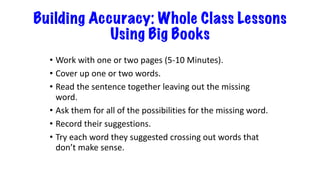
Building Accuracy: Whole Class Lessons
Using Big Books
• Work with one or two pages (5-10 Minutes).
• Cover up one or two words.
• Read the sentence together leaving out the missing
word.
• Ask them for all of the possibilities for the missing word.
• Record their suggestions.
• Try each word they suggested crossing out words that
don’t make sense.
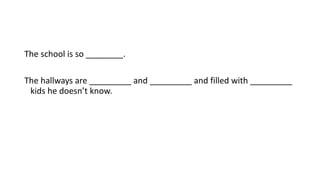
The school is so ________.
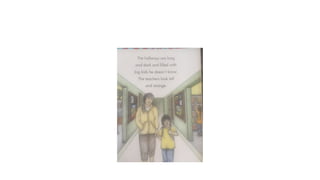
The hallways are _________ and _________ and filled with _________
kids he doesn’t know.
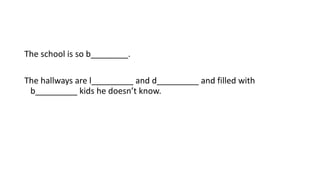
The school is so b________.
The hallways are l_________ and d_________ and filled with
b_________ kids he doesn’t know.
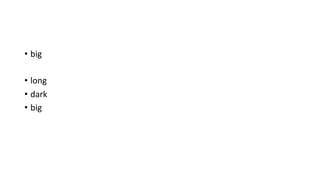
• big
• long
• dark
• big
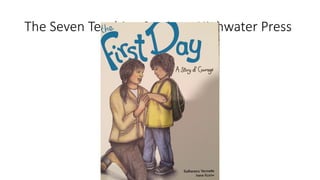
The Seven Teaching Stories – Highwater Press
M – meaning
Does this make sense?
S – language structure
Does this sound right?
V – visual information
Does this look right?
How did you figure that out?
What strategies did you use?
• Thinking about meaning.
• Thinking about parts of speech.
• Thinking if the word would sound right.
• With the ‘initial’ you now had visual information to add in.
• Meaning
• Syntax and sound
• Visual
• Children who are struggling with reading, often have trouble using all
sources of information and tend to rely on just one…their easiest one!
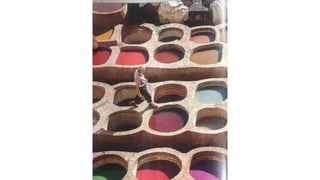
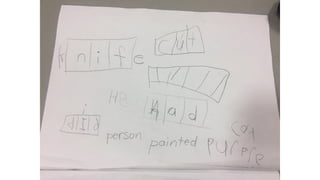
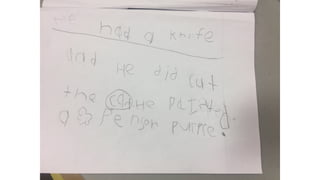
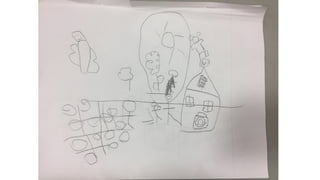
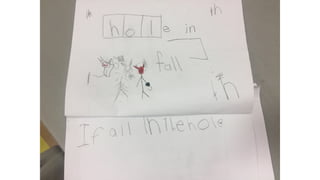
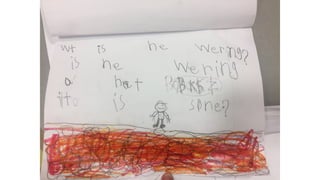
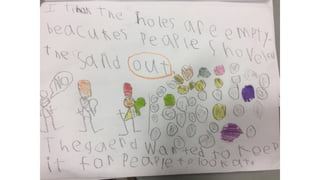
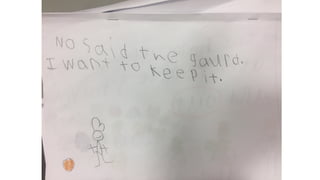
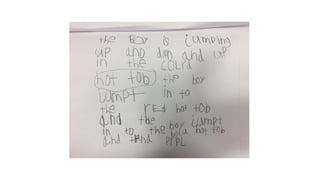
Teaming: a grade 1 collaboration
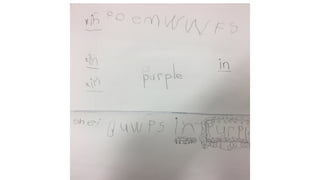
• Goal: writing
• Questioning from a picture
• All voices heard
• Oral language and connected thinking
• Write the story behind the picture
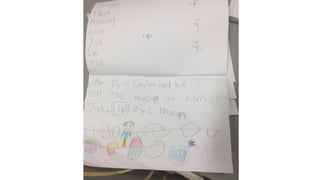
• Writing journals have a ‘thinking’ page
• As children write, we move to conference
• Tell me what is happening
• What should I notice?
• Extend the thinking
• Share with an adult
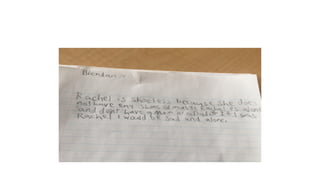
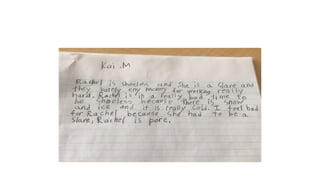
Lit Circle Response Writing
University Highlands, Burnaby
• Christine Yee, Gr. 4/5
• Kristina Carley, Gr. 4/5
• Michelle Van-Balkom, ELL
• Combine 2 classes twice a week with Michelle and introduce a lesson
• Sometimes 5 adults: also LST and 2 EAs (autism, hard of hearing)
• Meet with each book twice a week
• Collaborative planning!!!!
• Choose the weekly lesson focus in response to students strengths and
stretches
• Noticed:
• Eager to read and share their books
• Could retell much of what was read
• All were included
• In full class discussion, all could participate
• In small group discussion, with teacher scaffolding, students built on one and
other’s ideas
• Need:
• More depth in their written responses
• More evidence from the text and their experience to support their opinions –
in small group conversation and in written response
• Buffalo Hunt
• Terror in the Harbour
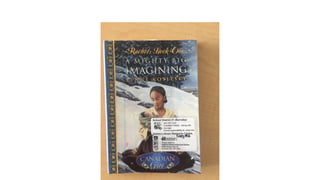
• A Mighty Big Imagining
• Camp X
• Ghost Train
• After Peaches
• When the Cherry Blossoms Fell
• The Gnome's Eye
• Flood Warning
• Drita My Homegirl
• Moses, Me & Murder
• Jo's Journey
• Novels are themed on Canadian history and immigration
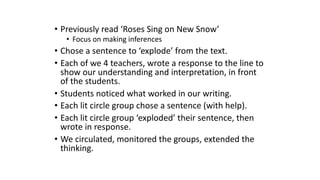
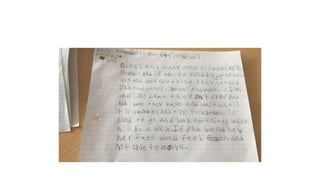
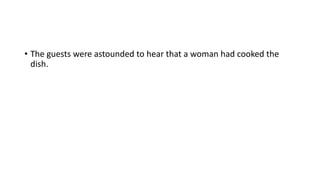
• The guests were astounded to hear that a woman had cooked the
dish.
Gradual Release of Responsibility
• Action:
• Direct teaching and modeling of response
• Co-create criteria for powerful response
• Practice in small groups, the process that was modeled
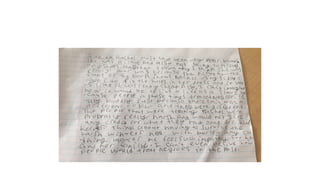
• Individual response write
• Individual student reflection on their writing, using the criteria
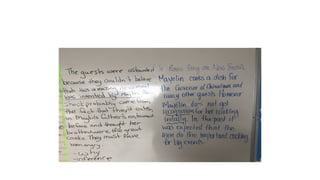
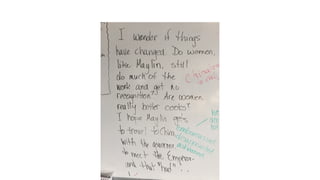
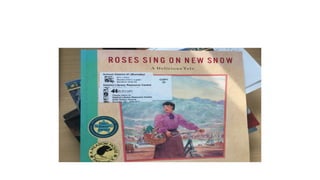
• Previously read ‘Roses Sing on New Snow’
• Focus on making inferences
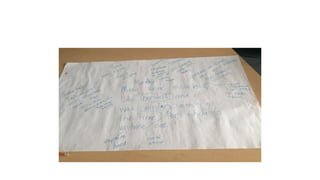
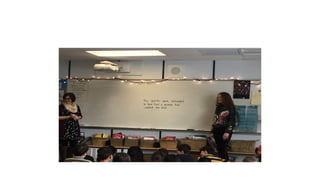
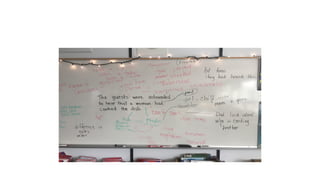
• Chose a sentence to ‘explode’ from the text.
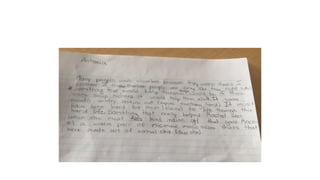
• Each of we 4 teachers, wrote a response to the line to
show our understanding and interpretation, in front
of the students.
• Students noticed what worked in our writing.
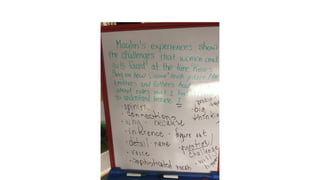
• Each lit circle group chose a sentence (with help).
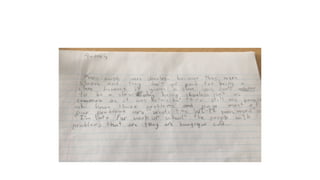
• Each lit circle group ‘exploded’ their sentence, then
wrote in response.
• We circulated, monitored the groups, extended the
thinking.
Literacy.Coquitlam.Feb

Literacy.Coquitlam.Feb

  • 1.
    Igniting a Passionfor Literacy, #3 Coquitlam February 25, 2019 Faye Brownlie Slideshare.net/fayebrownlie.coquitlam.feb
  • 2.
    Ministry of Education’sDefinition of Literacy Literacy is the ability and willingness to make meaning from text and express oneself in a variety of modes and for a variety of purposes. Literacy includes making connections, analyzing critically, comprehending, creating, and communicating. B.C. Ministry of Education, 2017 2
  • 3.
    Story is atthe heart of reading and writing. Reading and writing grow through interaction with others. We are all readers, writers, thinkers.
  • 4.
    “Every Child, EveryDay” – Richard Allington and Rachael Gabriel In Educational Leadership, March 2012 6 elements of instruction for ALL students!
  • 5.
    1. Every childreads something he or she chooses. 2. Every child reads accurately. 3. Every child reads something he or she understands. 4. Every child writes about something personally meaningful. 5. Every child talks with peers about reading and writing. 6. Every child listens to a fluent adult read aloud.
  • 6.
    The Balance • Wholeclass reading is thinking instruction • Shared reading – modeling strategies and co-creating meaning • Small group/guided reading/readers’ workshop/literature circles • 1:1 conferences – oral reading, comprehension, feedback • Choice and independent practice • Daily writing, often connected to reading
  • 7.
    The heart ofour teacher talk…feedback
  • 8.
    Feedback • The purposeof feedback is to improve future performance. • …most of the time the focus of feedback should be on changing the student rather than changing the work… • Dylan Wiliam, April 2016
  • 9.
  • 10.
    Does your assessment– the results of your conversations with and observations of your children at work – inform your teaching?
  • 11.
    Fountas and Pinnell– interviewed in the School Library Journal, Oct 15, 2017 • It is our belief that levels have no place in classroom libraries, in school libraries, in public libraries, or on report cards…. • We designed the F&P Level Gradient to help teachers think more analytically about the characteristics of texts and their demands on the reading process.
  • 12.
    • The goalwas for each teacher to learn about the characteristics of each level to inform their decisions in teaching … • We created the levels for books, and not as labels for children…
  • 13.
    Building Accuracy: WholeClass Lessons Using Big Books • Work with one or two pages (5-10 Minutes). • Cover up one or two words. • Read the sentence together leaving out the missing word. • Ask them for all of the possibilities for the missing word. • Record their suggestions. • Try each word they suggested crossing out words that don’t make sense.
  • 14.
    The school isso ________. The hallways are _________ and _________ and filled with _________ kids he doesn’t know.
  • 15.
    The school isso b________. The hallways are l_________ and d_________ and filled with b_________ kids he doesn’t know.
  • 16.
  • 18.
    The Seven TeachingStories – Highwater Press
  • 19.
    M – meaning Doesthis make sense? S – language structure Does this sound right? V – visual information Does this look right? How did you figure that out?
  • 20.
    What strategies didyou use? • Thinking about meaning. • Thinking about parts of speech. • Thinking if the word would sound right. • With the ‘initial’ you now had visual information to add in. • Meaning • Syntax and sound • Visual • Children who are struggling with reading, often have trouble using all sources of information and tend to rely on just one…their easiest one!
  • 21.
    Teaming: a grade1 collaboration • Goal: writing • Questioning from a picture • All voices heard • Oral language and connected thinking • Write the story behind the picture • Writing journals have a ‘thinking’ page • As children write, we move to conference • Tell me what is happening • What should I notice? • Extend the thinking • Share with an adult
  • 33.
    Lit Circle ResponseWriting University Highlands, Burnaby • Christine Yee, Gr. 4/5 • Kristina Carley, Gr. 4/5 • Michelle Van-Balkom, ELL • Combine 2 classes twice a week with Michelle and introduce a lesson • Sometimes 5 adults: also LST and 2 EAs (autism, hard of hearing) • Meet with each book twice a week • Collaborative planning!!!! • Choose the weekly lesson focus in response to students strengths and stretches
  • 34.
    • Noticed: • Eagerto read and share their books • Could retell much of what was read • All were included • In full class discussion, all could participate • In small group discussion, with teacher scaffolding, students built on one and other’s ideas • Need: • More depth in their written responses • More evidence from the text and their experience to support their opinions – in small group conversation and in written response
  • 35.
    • Buffalo Hunt •Terror in the Harbour • A Mighty Big Imagining • Camp X • Ghost Train • After Peaches • When the Cherry Blossoms Fell • The Gnome's Eye • Flood Warning • Drita My Homegirl • Moses, Me & Murder • Jo's Journey • Novels are themed on Canadian history and immigration
  • 37.
    • The guestswere astounded to hear that a woman had cooked the dish.
  • 40.
    Gradual Release ofResponsibility • Action: • Direct teaching and modeling of response • Co-create criteria for powerful response • Practice in small groups, the process that was modeled • Individual response write • Individual student reflection on their writing, using the criteria
  • 41.
    • Previously read‘Roses Sing on New Snow’ • Focus on making inferences • Chose a sentence to ‘explode’ from the text. • Each of we 4 teachers, wrote a response to the line to show our understanding and interpretation, in front of the students. • Students noticed what worked in our writing. • Each lit circle group chose a sentence (with help). • Each lit circle group ‘exploded’ their sentence, then wrote in response. • We circulated, monitored the groups, extended the thinking.