‘
TOPIC
ON
“RHINITIS”
Presented by:
Mr. Manjunath. Beth
Associate professor
&
HOD OF MSN DEPARTMENT
Rhinitis
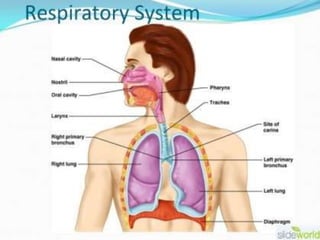
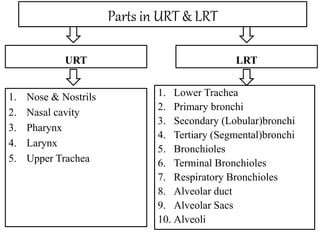
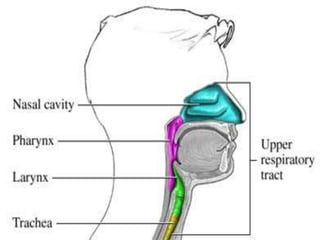
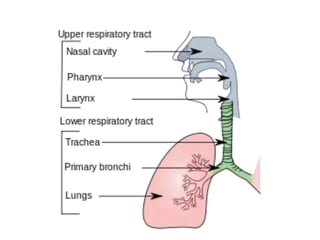
Parts in URT & LRT
URT
1. Nose & Nostrils
2. Nasal cavity
3. Pharynx
4. Larynx
5. Upper Trachea
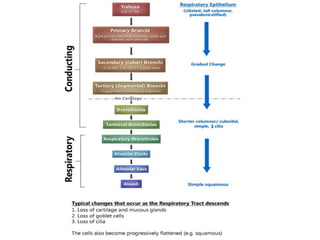
LRT
1. Lower Trachea
2. Primary bronchi
3. Secondary (Lobular)bronchi
4. Tertiary (Segmental)bronchi
5. Bronchioles
6. Terminal Bronchioles
7. Respiratory Bronchioles
8. Alveolar duct
9. Alveolar Sacs
10. Alveoli
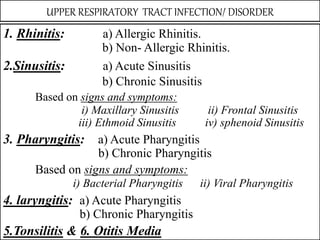
UPPER RESPIRATORY TRACT INFECTION/ DISORDER
1. Rhinitis: a) Allergic Rhinitis.
b) Non- Allergic Rhinitis.
2.Sinusitis: a) Acute Sinusitis
b) Chronic Sinusitis
Based on signs and symptoms:
i) Maxillary Sinusitis ii) Frontal Sinusitis
iii) Ethmoid Sinusitis iv) sphenoid Sinusitis
3. Pharyngitis: a) Acute Pharyngitis
b) Chronic Pharyngitis
Based on signs and symptoms:
i) Bacterial Pharyngitis ii) Viral Pharyngitis
4. laryngitis: a) Acute Pharyngitis
b) Chronic Pharyngitis
5.Tonsilitis & 6. Otitis Media
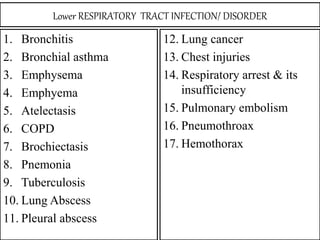
Lower RESPIRATORY TRACT INFECTION/ DISORDER
1. Bronchitis
2. Bronchial asthma
3. Emphysema
4. Emphyema
5. Atelectasis
6. COPD
7. Brochiectasis
8. Pnemonia
9. Tuberculosis
10. Lung Abscess
11. Pleural abscess
12. Lung cancer
13. Chest injuries
14. Respiratory arrest & its
insufficiency
15. Pulmonary embolism
16. Pneumothroax
17. Hemothorax
Introduction
• Rhinitis commonly known as a stuffy nose is the
medical term describing irritation and
inflammation of some internal areas of the nose.
• It is the inflammation of the nasal mucosa.
• Acute Rhinitis is also known as the common cold.
• It may be bacterial or viral.
• It may be classified as acute & allergic.
• It usually lasts 5 to 7 days.
Presented By: Mr. Manjunath. M. Beth (Lecturer) Dept: Med-Sur-Nsg
definition
“Rhinitis is a medical term for irritation and
inflammation of the mucous membrane inside
the nose”.
Presented By: Mr. Manjunath. M. Beth (Lecturer) Dept: Med-Sur-Nsg
Risk Factors for Rhinitis
• Asthma, atopic (No contact with allergens )dermatitis,
allergy
• Family history of allergy
• Bacterial & Viral infections
• Occupational exposures
• Hobbies, weekend activities
• Flying
Presented By: Mr. Manjunath. M. Beth (Lecturer) Dept: Med-Sur-Nsg
Etiology
It may be
• Bacterial
• Viral
• Irritants.
• Rhinoviruses
• Corona viruses
• Bacterial sinusitis.
• Allergy
• NARES syndrome
• Occupational
• Hormonal
• Drug induced
• Anatomic defects
• Adverse food reaction
• Emotional
• Atrophic (decrease in size of organ)
• Ciliary dyskinesia
(abnormal moment of voluntary muscle)
• Immunodeficiency diseases
Presented By: Mr. Manjunath. M. Beth (Lecturer) Dept: Med-Sur-Nsg
CLINICAL MANIFESTATION
• Increased nasal drainage. (Yellow
& green)
• Nasal dripping.
• Obstruction to nasal breathing.
• Irritation of mucous membrane
• Irritation of the conjunctiva
• Edema of eyelids
• Headache
• Fatigue
• Concentration
• Nasal Congestion
• Nasal itching
• Nasal Sneezing
• Nuisance (causing difficulty)
• Sleep disturbance
• Emotional well being
• Social interactions
• Leakage of blood vessels
• Mucosal edema
• Rhinorrhea
• Halitosis
(unpleasant-smelling breath)
• Sniffing/snorting (perceive by
inhaling through the nose)
• Blowing nose
Presented By: Mr. Manjunath. M. Beth (Lecturer) Dept: Med-Sur-Nsg
Types of rhinitis
1. Infectious
2. Vasomotor rhinitis
3. Allergic rhinitis or hay fever
4. Rhinitis medicamentosa
5. Rhinitis sicca
6. Hypertrophic rhinitis / chronic atrophic rhinitis
7. Polypous rhinitis
Presented By: Mr. Manjunath. M. Beth (Lecturer) Dept: Med-Sur-Nsg
INFECTIOUS
• Rhinitis is commonly caused by a viral or bacterial
infection, including the common cold, which is caused
by
• Rhinoviruses
• Coronaviruses
• bacterial sinusitis.
• Symptoms of the common cold include
• rhinorrhea
• sore throat (pharyngitis)
• cough
• congestion, and slight headache.
Presented By: Mr. Manjunath. M. Beth (Lecturer) Dept: Med-Sur-Nsg
Vasomotor rhinitis
• It is type of non-inflammatory, non-allergic
rhinitis is called vasomotor rhinitis.
• These non-allergic triggers cause dilation of
the blood vessels in the lining of the nose,
which results in swelling, and drainage.
Presented By: Mr. Manjunath. M. Beth (Lecturer) Dept: Med-Sur-Nsg
Allergic rhinitis or hay fever
1. Allergic rhinitis or hay fever is result of an allergen
such as pollen (fine spores that contain male gametes & are
born in anther in a flowering plant) or dust is inhaled by an
individual with a sensitized immune system.
2. When the mast cells are stimulated by pollen and
dusts, histamine (and other chemicals) are released.
This cause
– Itching,
– Swelling, and
– Mucus production.
Presented By: Mr. Manjunath. M. Beth (Lecturer) Dept: Med-Sur-Nsg
3. Characteristic physical findings in individuals
who have allergic rhinitis include
• Conjunctiva swelling and erythematic
formation
• Eyelid swelling
• Lower eyelid venous stasis
• Lateral crease/wrinkles on the nose
• Swollen nasal turbinate’s and
• Middle ear effusion.
Presented By: Mr. Manjunath. M. Beth (Lecturer) Dept: Med-Sur-Nsg
Rhinitis medicamentosa
• It is a condition of rebound nasal congestion
brought on by extended use of topical
decongestants that work by dilating blood
vessels in the lining of the nose.
Examples for topical decongestants are
• oxymetazoline
• phenylephrine
• xylometazoline and
• naphazoline nasal sprays
Presented By: Mr. Manjunath. M. Beth (Lecturer) Dept: Med-Sur-Nsg
• Rhinitis sicca:
Chronic form of dryness of the mucous
membranes.
• Hypertrophic rhinitis:
Chronic rhinitis with permanent thickening of the
mucous membrane.
• Polypous rhinitis:
Chronic rhinitis associated with polyps in the
nasal cavity.
Presented By: Mr. Manjunath. M. Beth (Lecturer) Dept: Med-Sur-Nsg
Diagnostic evaluation
1. History and physical examination
2. Sinus transillumination
3. Direct visualization with nasal specula
4. Rhinoscopy
5. Nasal smear
6. Allergy screening tests (skin tests or RAST)
7. Imaging for persistent disease
Presented By: Mr. Manjunath. M. Beth (Lecturer) Dept: Med-Sur-Nsg
Physical Examination
• NARES:
External appearance, evidence of trauma
Color, consistency of nasal discharge
Mucosal swelling
Presence of odor
Polyps, septal deviation, concha bullosa
Tenderness over sinuses
• Eyes: conjunctivitis, dark circles, Dennie’s lines
• Ears: OM, TM mobility, serous otitis
• Mouth: mouth breathing
• Lungs: wheezing
Presented By: Mr. Manjunath. M. Beth (Lecturer) Dept: Med-Sur-Nsg
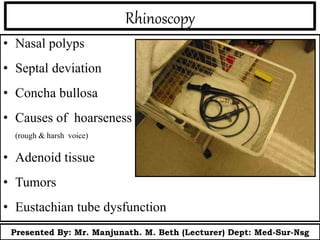
Rhinoscopy
• Nasal polyps
• Septal deviation
• Concha bullosa
• Causes of hoarseness
(rough & harsh voice)
• Adenoid tissue
• Tumors
• Eustachian tube dysfunction
Presented By: Mr. Manjunath. M. Beth (Lecturer) Dept: Med-Sur-Nsg
Nasal Smear
• Clear nose of secretions
• Gently scrape sample from mucosa of inferior or middle
turbinate with plastic ear spatula or cotton swab
• Wright’s or Hansel’s stain
• Eosinophilia
– Allergy (present in 90% of allergic patients)
– NARES syndrome
– Aspirin sensitivity
• Neutrophilia
– Infection
Presented By: Mr. Manjunath. M. Beth (Lecturer) Dept: Med-Sur-Nsg
Sinus X-rays and CT Scans Only for Chronic or Recurrent Disease
• Sinus x-rays
– Not needed for diagnosis of acute rhinosinusitis
– Water’s view for the maxillary sinuses
– Town’s view for ethmoid and frontal sinuses
– Lateral view for the sphenoid
• Limited coronal CT scan
– Osteomeatal complex
– All sinuses visualized
• CT scan gives much better imaging for minimal increased cost
Presented By: Mr. Manjunath. M. Beth (Lecturer) Dept: Med-Sur-Nsg
Medical Management
• Supplemental Humidification.
• Decongestants to reduce the edema of the nasal
mucosa.
• Increased fluids to prevent dehydration.
• Analgesics to relieve the generalized myalgia (pain
in muscle or involves group of muscles).
• Antibiotic are given to prevent secondary
infection to bacteria.
• If rhinitis is allergic it is treated with
antihistamines & steroids.

Presented By: Mr. Manjunath. M. Beth (Lecturer) Dept: Med-Sur-Nsg
Rhinitis (nasal disorder).

Rhinitis (nasal disorder).

  • 2.
    ‘ TOPIC ON “RHINITIS” Presented by: Mr. Manjunath.Beth Associate professor & HOD OF MSN DEPARTMENT
  • 3.
  • 5.
    Parts in URT& LRT URT 1. Nose & Nostrils 2. Nasal cavity 3. Pharynx 4. Larynx 5. Upper Trachea LRT 1. Lower Trachea 2. Primary bronchi 3. Secondary (Lobular)bronchi 4. Tertiary (Segmental)bronchi 5. Bronchioles 6. Terminal Bronchioles 7. Respiratory Bronchioles 8. Alveolar duct 9. Alveolar Sacs 10. Alveoli
  • 9.
    UPPER RESPIRATORY TRACTINFECTION/ DISORDER 1. Rhinitis: a) Allergic Rhinitis. b) Non- Allergic Rhinitis. 2.Sinusitis: a) Acute Sinusitis b) Chronic Sinusitis Based on signs and symptoms: i) Maxillary Sinusitis ii) Frontal Sinusitis iii) Ethmoid Sinusitis iv) sphenoid Sinusitis 3. Pharyngitis: a) Acute Pharyngitis b) Chronic Pharyngitis Based on signs and symptoms: i) Bacterial Pharyngitis ii) Viral Pharyngitis 4. laryngitis: a) Acute Pharyngitis b) Chronic Pharyngitis 5.Tonsilitis & 6. Otitis Media
  • 10.
    Lower RESPIRATORY TRACTINFECTION/ DISORDER 1. Bronchitis 2. Bronchial asthma 3. Emphysema 4. Emphyema 5. Atelectasis 6. COPD 7. Brochiectasis 8. Pnemonia 9. Tuberculosis 10. Lung Abscess 11. Pleural abscess 12. Lung cancer 13. Chest injuries 14. Respiratory arrest & its insufficiency 15. Pulmonary embolism 16. Pneumothroax 17. Hemothorax
  • 11.
    Introduction • Rhinitis commonlyknown as a stuffy nose is the medical term describing irritation and inflammation of some internal areas of the nose. • It is the inflammation of the nasal mucosa. • Acute Rhinitis is also known as the common cold. • It may be bacterial or viral. • It may be classified as acute & allergic. • It usually lasts 5 to 7 days. Presented By: Mr. Manjunath. M. Beth (Lecturer) Dept: Med-Sur-Nsg
  • 12.
    definition “Rhinitis is amedical term for irritation and inflammation of the mucous membrane inside the nose”. Presented By: Mr. Manjunath. M. Beth (Lecturer) Dept: Med-Sur-Nsg
  • 13.
    Risk Factors forRhinitis • Asthma, atopic (No contact with allergens )dermatitis, allergy • Family history of allergy • Bacterial & Viral infections • Occupational exposures • Hobbies, weekend activities • Flying Presented By: Mr. Manjunath. M. Beth (Lecturer) Dept: Med-Sur-Nsg
  • 14.
    Etiology It may be •Bacterial • Viral • Irritants. • Rhinoviruses • Corona viruses • Bacterial sinusitis. • Allergy • NARES syndrome • Occupational • Hormonal • Drug induced • Anatomic defects • Adverse food reaction • Emotional • Atrophic (decrease in size of organ) • Ciliary dyskinesia (abnormal moment of voluntary muscle) • Immunodeficiency diseases Presented By: Mr. Manjunath. M. Beth (Lecturer) Dept: Med-Sur-Nsg
  • 15.
    CLINICAL MANIFESTATION • Increasednasal drainage. (Yellow & green) • Nasal dripping. • Obstruction to nasal breathing. • Irritation of mucous membrane • Irritation of the conjunctiva • Edema of eyelids • Headache • Fatigue • Concentration • Nasal Congestion • Nasal itching • Nasal Sneezing • Nuisance (causing difficulty) • Sleep disturbance • Emotional well being • Social interactions • Leakage of blood vessels • Mucosal edema • Rhinorrhea • Halitosis (unpleasant-smelling breath) • Sniffing/snorting (perceive by inhaling through the nose) • Blowing nose Presented By: Mr. Manjunath. M. Beth (Lecturer) Dept: Med-Sur-Nsg
  • 16.
    Types of rhinitis 1.Infectious 2. Vasomotor rhinitis 3. Allergic rhinitis or hay fever 4. Rhinitis medicamentosa 5. Rhinitis sicca 6. Hypertrophic rhinitis / chronic atrophic rhinitis 7. Polypous rhinitis Presented By: Mr. Manjunath. M. Beth (Lecturer) Dept: Med-Sur-Nsg
  • 17.
    INFECTIOUS • Rhinitis iscommonly caused by a viral or bacterial infection, including the common cold, which is caused by • Rhinoviruses • Coronaviruses • bacterial sinusitis. • Symptoms of the common cold include • rhinorrhea • sore throat (pharyngitis) • cough • congestion, and slight headache. Presented By: Mr. Manjunath. M. Beth (Lecturer) Dept: Med-Sur-Nsg
  • 18.
    Vasomotor rhinitis • Itis type of non-inflammatory, non-allergic rhinitis is called vasomotor rhinitis. • These non-allergic triggers cause dilation of the blood vessels in the lining of the nose, which results in swelling, and drainage. Presented By: Mr. Manjunath. M. Beth (Lecturer) Dept: Med-Sur-Nsg
  • 19.
    Allergic rhinitis orhay fever 1. Allergic rhinitis or hay fever is result of an allergen such as pollen (fine spores that contain male gametes & are born in anther in a flowering plant) or dust is inhaled by an individual with a sensitized immune system. 2. When the mast cells are stimulated by pollen and dusts, histamine (and other chemicals) are released. This cause – Itching, – Swelling, and – Mucus production. Presented By: Mr. Manjunath. M. Beth (Lecturer) Dept: Med-Sur-Nsg
  • 20.
    3. Characteristic physicalfindings in individuals who have allergic rhinitis include • Conjunctiva swelling and erythematic formation • Eyelid swelling • Lower eyelid venous stasis • Lateral crease/wrinkles on the nose • Swollen nasal turbinate’s and • Middle ear effusion. Presented By: Mr. Manjunath. M. Beth (Lecturer) Dept: Med-Sur-Nsg
  • 21.
    Rhinitis medicamentosa • Itis a condition of rebound nasal congestion brought on by extended use of topical decongestants that work by dilating blood vessels in the lining of the nose. Examples for topical decongestants are • oxymetazoline • phenylephrine • xylometazoline and • naphazoline nasal sprays Presented By: Mr. Manjunath. M. Beth (Lecturer) Dept: Med-Sur-Nsg
  • 22.
    • Rhinitis sicca: Chronicform of dryness of the mucous membranes. • Hypertrophic rhinitis: Chronic rhinitis with permanent thickening of the mucous membrane. • Polypous rhinitis: Chronic rhinitis associated with polyps in the nasal cavity. Presented By: Mr. Manjunath. M. Beth (Lecturer) Dept: Med-Sur-Nsg
  • 23.
    Diagnostic evaluation 1. Historyand physical examination 2. Sinus transillumination 3. Direct visualization with nasal specula 4. Rhinoscopy 5. Nasal smear 6. Allergy screening tests (skin tests or RAST) 7. Imaging for persistent disease Presented By: Mr. Manjunath. M. Beth (Lecturer) Dept: Med-Sur-Nsg
  • 24.
    Physical Examination • NARES: Externalappearance, evidence of trauma Color, consistency of nasal discharge Mucosal swelling Presence of odor Polyps, septal deviation, concha bullosa Tenderness over sinuses • Eyes: conjunctivitis, dark circles, Dennie’s lines • Ears: OM, TM mobility, serous otitis • Mouth: mouth breathing • Lungs: wheezing Presented By: Mr. Manjunath. M. Beth (Lecturer) Dept: Med-Sur-Nsg
  • 25.
    Rhinoscopy • Nasal polyps •Septal deviation • Concha bullosa • Causes of hoarseness (rough & harsh voice) • Adenoid tissue • Tumors • Eustachian tube dysfunction Presented By: Mr. Manjunath. M. Beth (Lecturer) Dept: Med-Sur-Nsg
  • 26.
    Nasal Smear • Clearnose of secretions • Gently scrape sample from mucosa of inferior or middle turbinate with plastic ear spatula or cotton swab • Wright’s or Hansel’s stain • Eosinophilia – Allergy (present in 90% of allergic patients) – NARES syndrome – Aspirin sensitivity • Neutrophilia – Infection Presented By: Mr. Manjunath. M. Beth (Lecturer) Dept: Med-Sur-Nsg
  • 27.
    Sinus X-rays andCT Scans Only for Chronic or Recurrent Disease • Sinus x-rays – Not needed for diagnosis of acute rhinosinusitis – Water’s view for the maxillary sinuses – Town’s view for ethmoid and frontal sinuses – Lateral view for the sphenoid • Limited coronal CT scan – Osteomeatal complex – All sinuses visualized • CT scan gives much better imaging for minimal increased cost Presented By: Mr. Manjunath. M. Beth (Lecturer) Dept: Med-Sur-Nsg
  • 28.
    Medical Management • SupplementalHumidification. • Decongestants to reduce the edema of the nasal mucosa. • Increased fluids to prevent dehydration. • Analgesics to relieve the generalized myalgia (pain in muscle or involves group of muscles). • Antibiotic are given to prevent secondary infection to bacteria. • If rhinitis is allergic it is treated with antihistamines & steroids. Presented By: Mr. Manjunath. M. Beth (Lecturer) Dept: Med-Sur-Nsg