Download to read offline








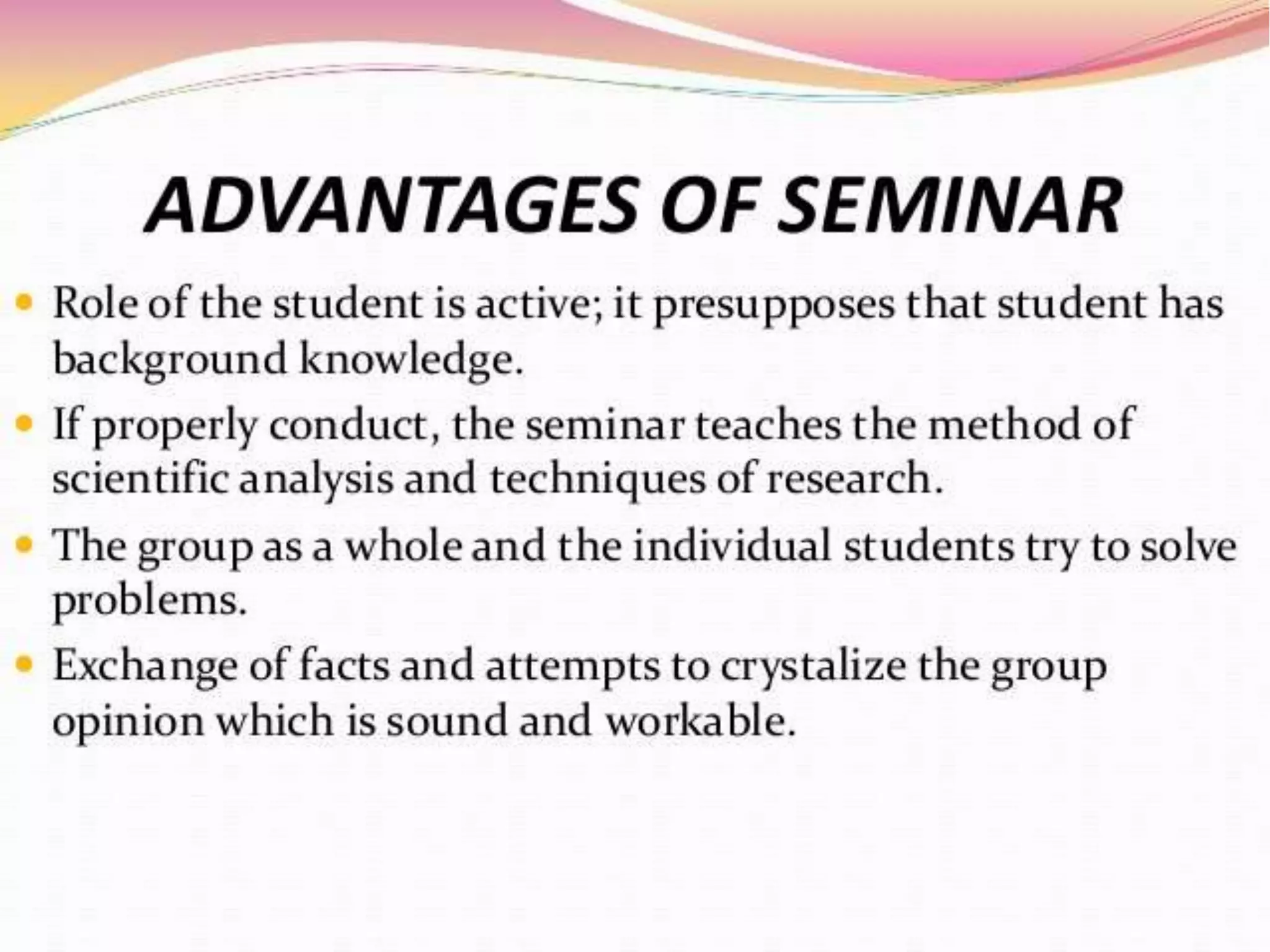
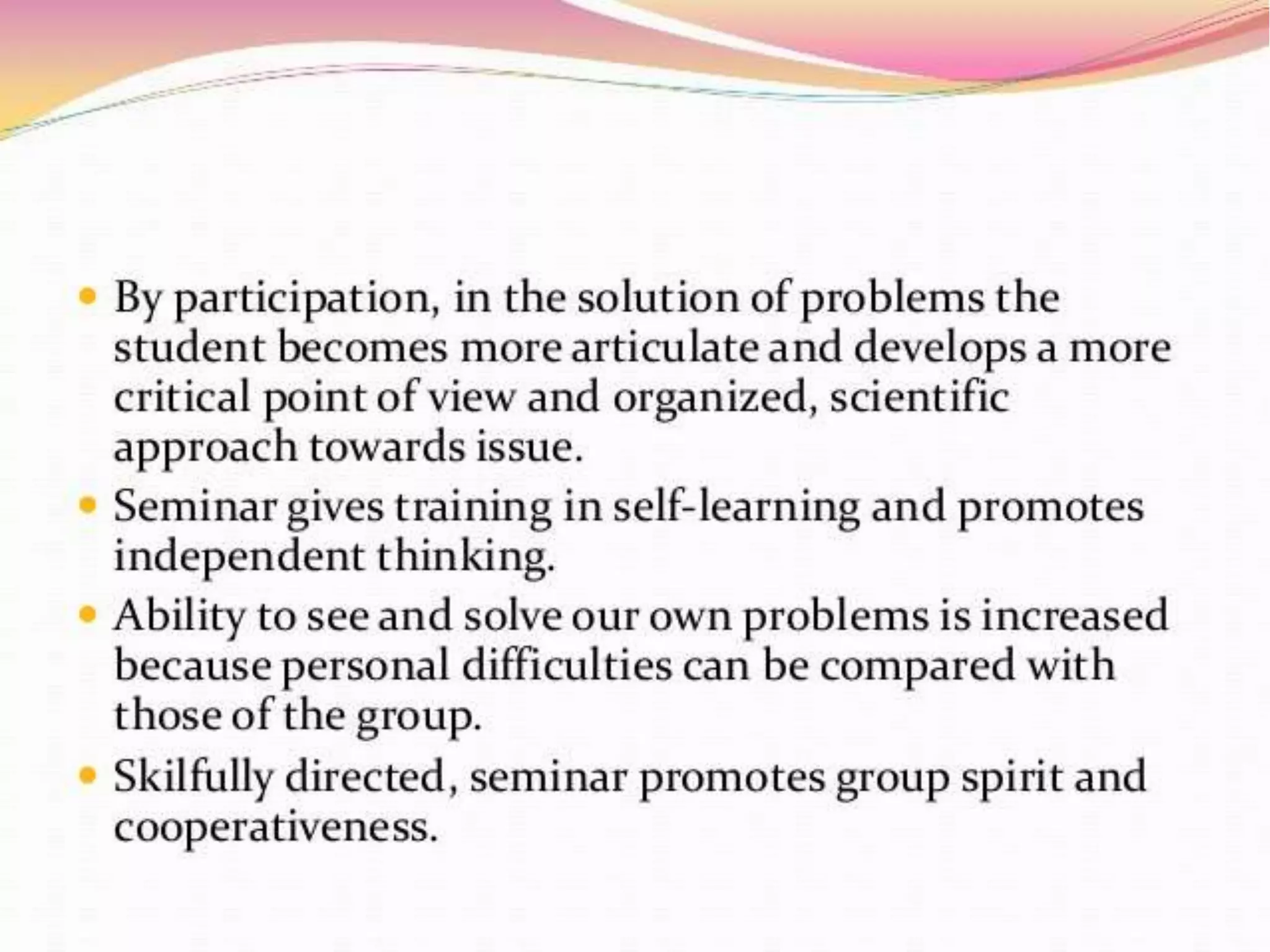
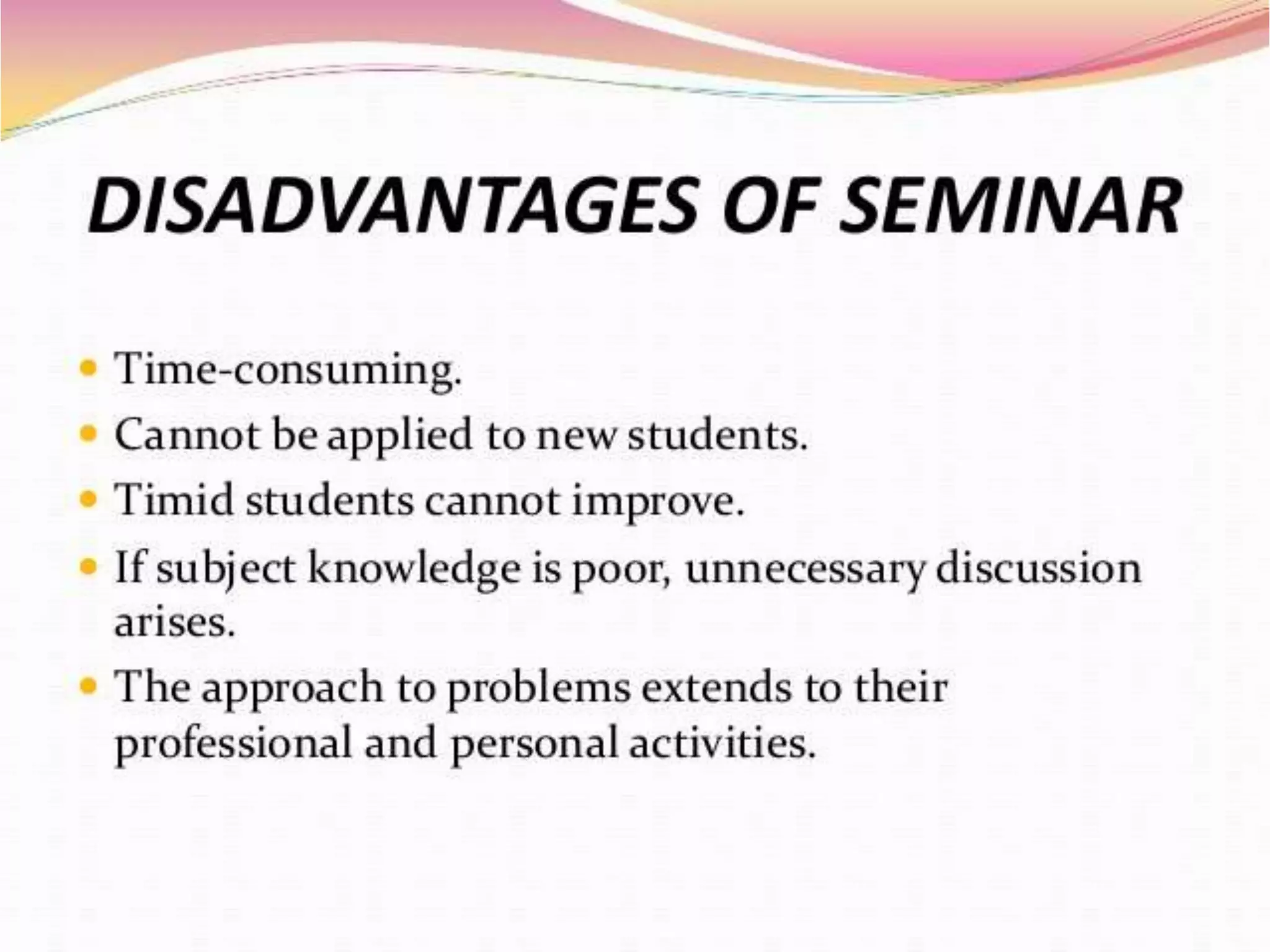








The project method, rooted in American pragmatism and developed by Dr. Kilpatrick, is a teaching strategy where students engage in real-life projects to enhance learning through active participation. While it promotes critical thinking, self-discipline, and independent work, it also has drawbacks such as inefficiency in covering the syllabus and lack of structured learning. Suggested projects for mathematics education include activities like creating a school bank and planning a garden.


