
Dr. Avinash BhondweM.B.B.S.                   President I.M.A. Pune (2008-09)Post-Mortem Examination(Autopsy)
POST-MORTEM: DEFINITONPost-mortem (meaning after death) may refer to:In science:an examination and dissection of a dead body to determine cause of death or the changes produced by disease.Post-mortem examination, or autopsy, an examination of a corpse in order to determine cause of death Postmortem studies, a neurobiological research method
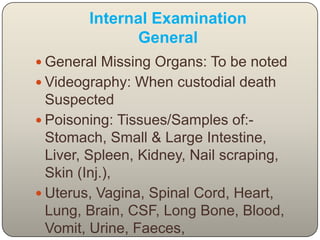
Objectives of Autopsy : To find out the Cause of Death To ascertain whether death is Natural or Unnatural Whether death is Homicidal, Suicidal or Accidental To ascertain Time passed since death To establish the Identity of the bodyWhether still-birth or live-birth of newly born infant
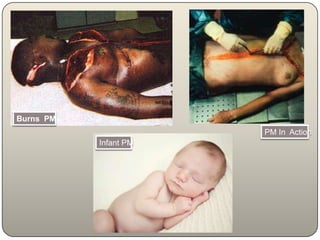
Burns  PMPM In  ActionInfant PM
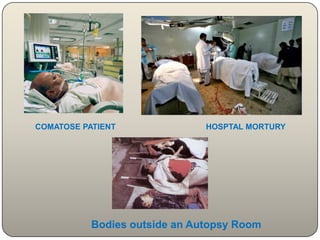
Modes of DeathAsphyxia(Respiratory Failure) Syncope(Circulatory Failure) Coma(Brain Death) Mortuary Post-Mortem
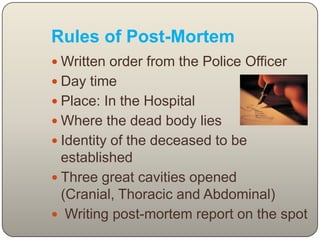
COMATOSE PATIENTHOSPTAL MORTURYBodies outside an Autopsy Room
Rules of Post-MortemWritten order from the Police OfficerDay time Place: In the Hospital Where the dead body lies Identity of the deceased to be established Three great cavities opened (Cranial, Thoracic and Abdominal)Writing post-mortem report on the spot
Contents of Post-Mortem ReportName of the deceased,Identification Place, date and time of post-mortem External Examination Internal Examination Viscera and Samples collected for analysis Opinion as to cause and manner of death
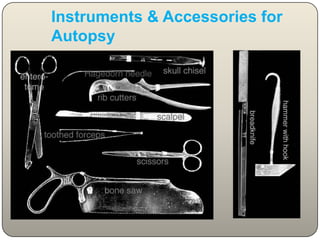
Instruments & Accessories for Autopsy
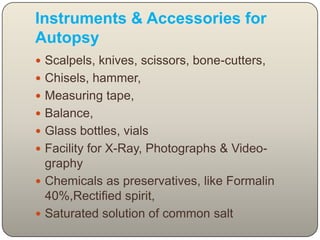
Instruments & Accessories for AutopsyScalpels, knives, scissors, bone-cutters,Chisels, hammer, Measuring tape, Balance, Glass bottles, vials Facility for X-Ray, Photographs & Video-graphyChemicals as preservatives, like Formalin 40%,Rectified spirit, Saturated solution of common salt
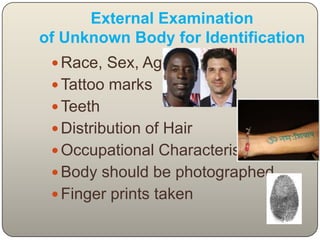
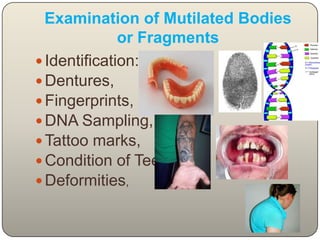
External Examination of Unknown Body for Identification Race, Sex, Age Tattoo marks Teeth Distribution of Hair Occupational Characteristics Body should be photographed Finger prints taken
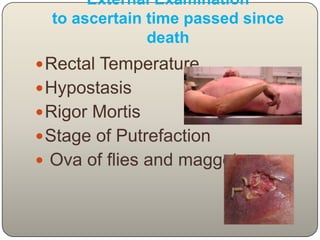
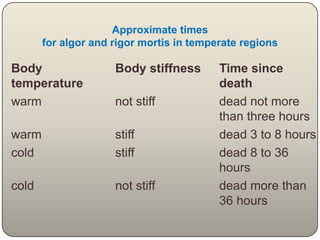
External Examination to ascertain time passed since deathRectal Temperature Hypostasis Rigor Mortis Stage of PutrefactionOva of flies and maggots
Approximate times for algor and rigor mortis in temperate regions
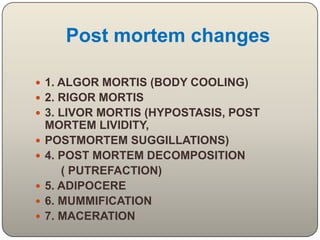
Post mortem changes1. ALGOR MORTIS (BODY COOLING)2. RIGOR MORTIS3. LIVOR MORTIS (HYPOSTASIS, POST MORTEM LIVIDITY,POSTMORTEM SUGGILLATIONS)4. POST MORTEM DECOMPOSITION ( PUTREFACTION)5. ADIPOCERE6. MUMMIFICATION7. MACERATION
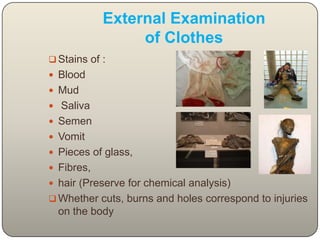
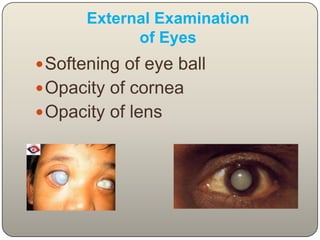
External Examination of ClothesStains of : Blood MudSaliva Semen Vomit Pieces of glass, Fibres, hair (Preserve for chemical analysis) Whether cuts, burns and holes correspond to injuries on the bodyExternal Examination of EyesSoftening of eye ball Opacity of cornea Opacity of lens
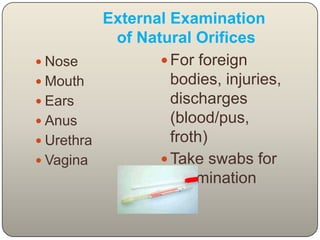
External Examination of Natural OrificesFor foreign bodies, injuries, discharges (blood/pus, froth) Take swabs for examinationNose Mouth Ears Anus Urethra Vagina
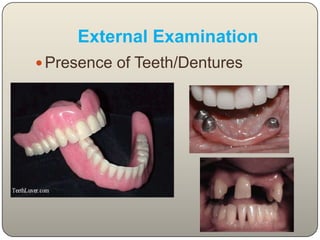
External ExaminationPresence of Teeth/Dentures
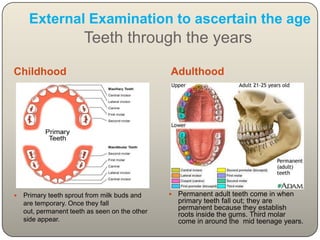
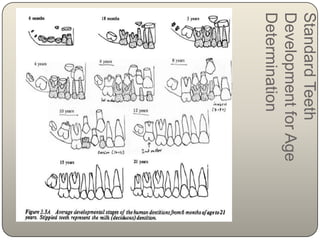
ChildhoodAdulthoodTeeth through the yearsExternal Examination to ascertain the agePrimary teeth sprout from milk buds and are temporary. Once they fall out, permanent teeth as seen on the other side appear. Permanent adult teeth come in when primary teeth fall out; they are permanent because they establish roots inside the gums. Third molar come in around the  mid teenage years.Standard Teeth Development for Age Determination
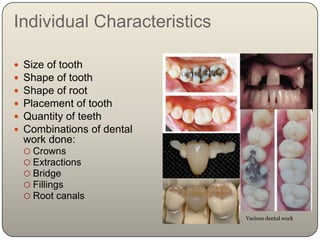
Individual CharacteristicsSize of tooth
Shape of tooth
Shape of root
Placement of tooth
Quantity of teeth
Combinations of dental work done:
Crowns
Extractions
Bridge
Fillings
Root canals Various dental work
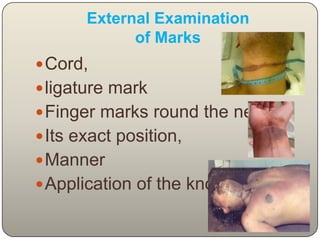
External Examinationof MarksCord, ligature mark Finger marks round the neckIts exact position,Manner Application of the knot
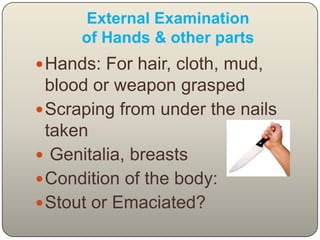
External Examination of Hands & other partsHands: For hair, cloth, mud, blood or weapon graspedScraping from under the nails takenGenitalia, breasts Condition of the body: Stout or Emaciated?
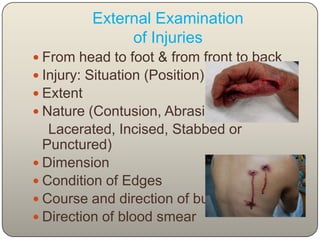
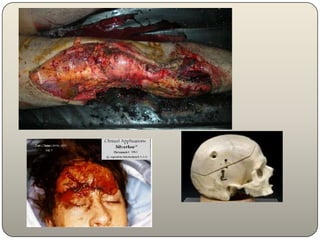
External Examination of InjuriesFrom head to foot& from front to back Injury: Situation (Position) Extent Nature (Contusion, Abrasion,     Lacerated, Incised, Stabbed or Punctured) Dimension Condition of Edges Course and direction of bullet Direction of blood smear
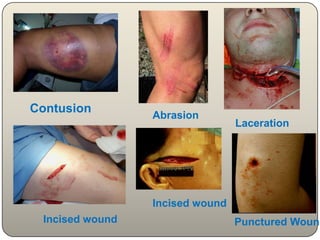
External ExaminationTypes of InjuriesContusion Abrasion Laceration Incised Wound Punctured/Stabbed wound
ContusionAbrasionLacerationIncised woundIncised woundPunctured Wound
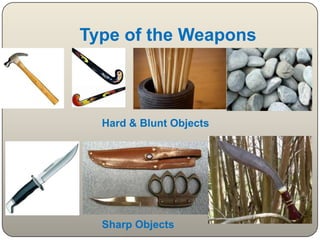
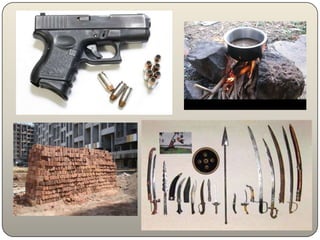
Type of the WeaponsHard & Blunt ObjectsSharp Objects
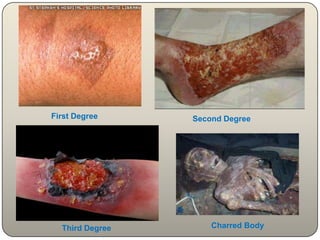
External Examinationof BurnsFirst Degree Second Degree Third Degree Cause of burns: Fire, Fluid, Corrosive, Explosive Percentage of Burns
First DegreeSecond DegreeCharred BodyThird Degree
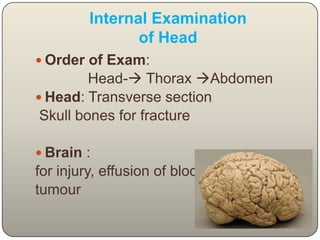
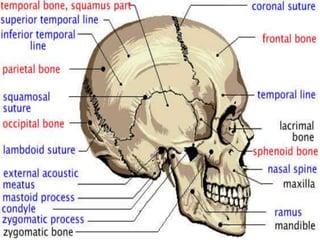
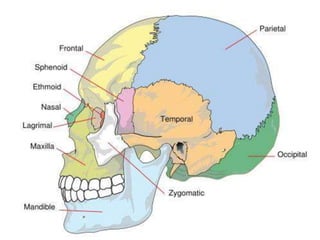
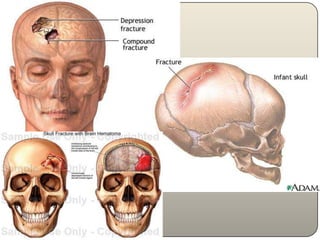
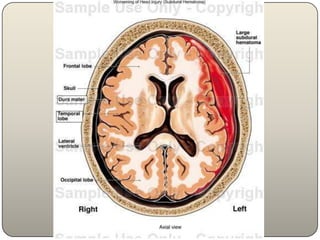
Internal Examinationof HeadOrder of Exam:              Head-Thorax Abdomen Head: Transverse sectionSkull bones for fracture Brain :for injury, effusion of blood,tumour
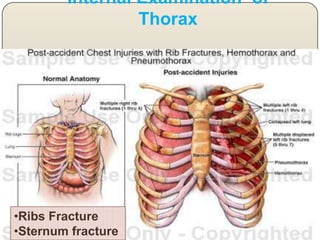
Internal Examination  of ThoraxRibs Fracture
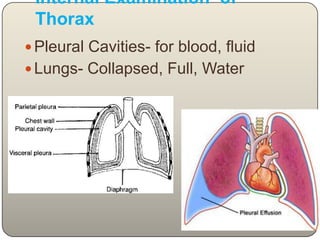
Sternum fracture Internal Examination  of ThoraxPleural Cavities- for blood, fluidLungs- Collapsed, Full, Water
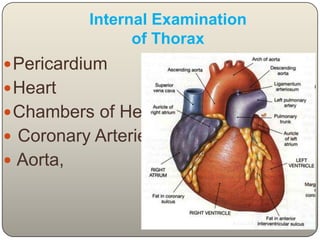
Internal Examinationof ThoraxPericardium Heart Chambers of HeartCoronary Arteries Aorta,
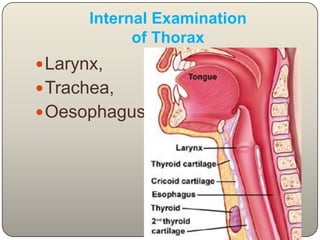
Internal Examinationof ThoraxLarynx, Trachea, Oesophagus
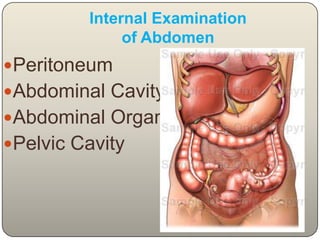
Internal Examination of AbdomenPeritoneum Abdominal Cavity Abdominal Organs Pelvic Cavity
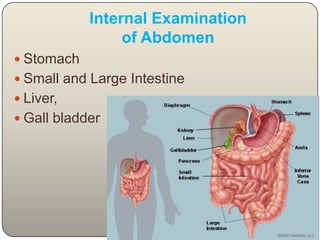
Internal Examinationof AbdomenStomach Small and Large Intestine Liver, Gall bladder
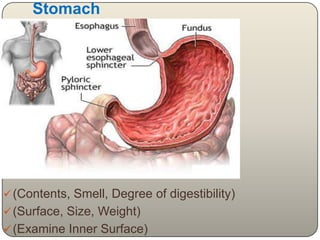
Stomach (Contents, Smell, Degree of digestibility)
(Surface, Size, Weight)
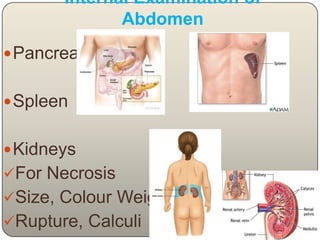
(Examine Inner Surface) Internal Examination of AbdomenPancreas Spleen Kidneys For Necrosis
Size, Colour Weight,
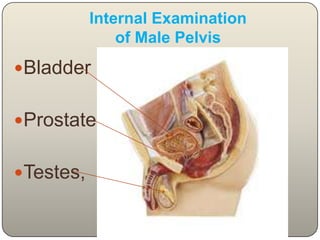
Rupture, CalculiInternal Examinationof Male Pelvis BladderProstateTestes,
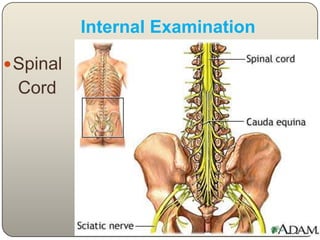
Internal ExaminationSpinal    Cord
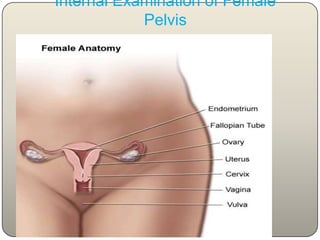
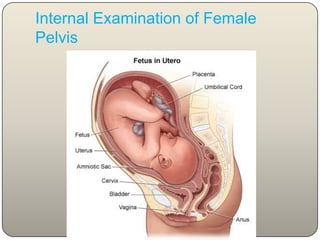
Internal Examination of Female Pelvis

Post mortem examination(autopsy)