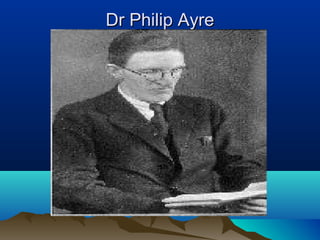
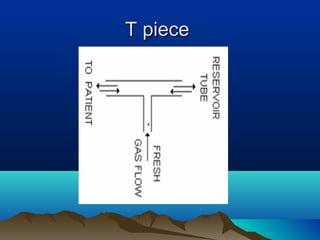
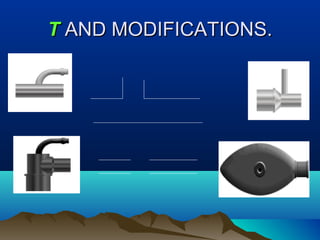
- Dr. Phillip Ayre developed the T piece breathing system for children in 1937 after losing his own child to high gas pressures during anesthesia.
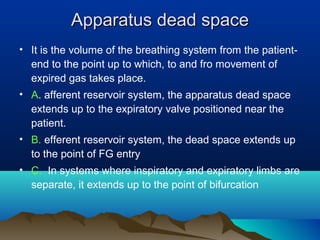
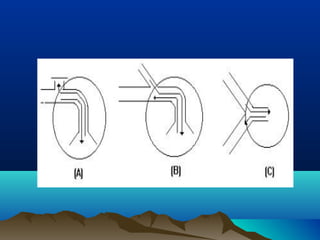
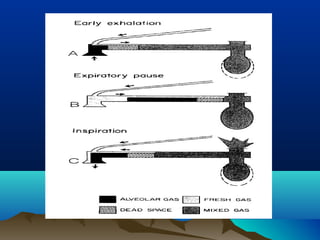
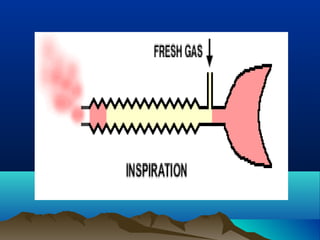
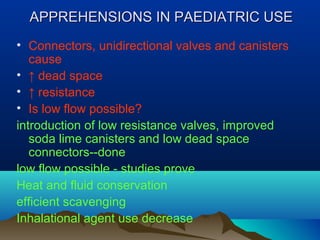
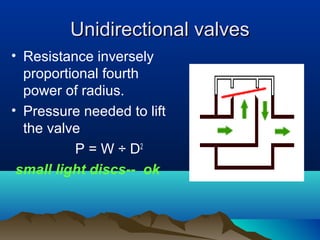
- Breathing systems for pediatric use have since undergone many modifications to suit different patients and situations. They aim to minimize resistance, dead space, and work of breathing while allowing for controlled or spontaneous ventilation.
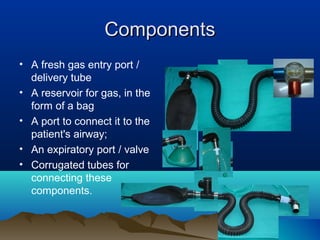
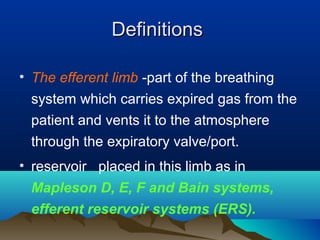
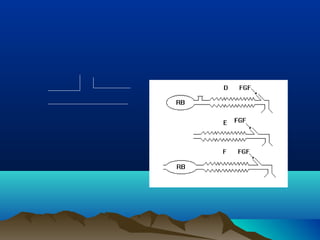
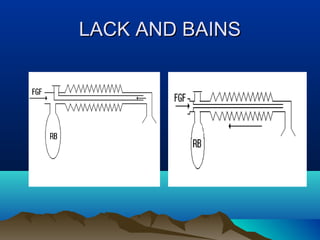
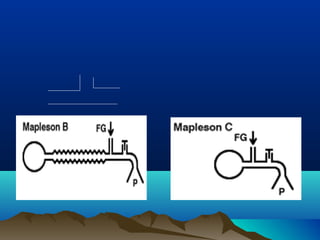
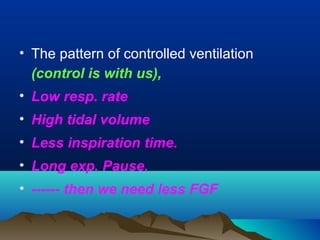
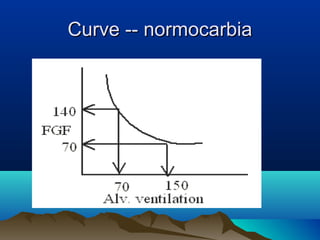
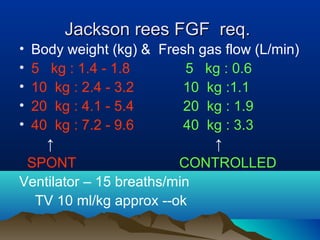
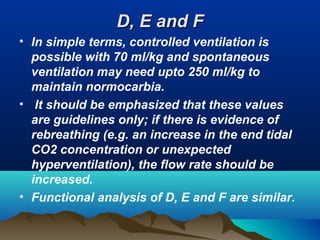
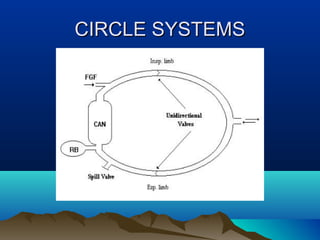
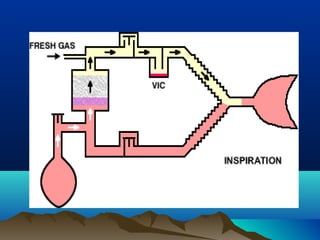
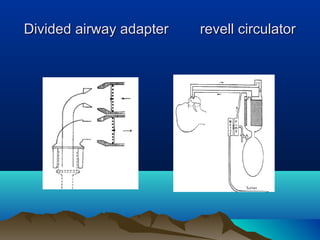
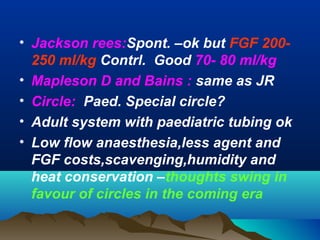
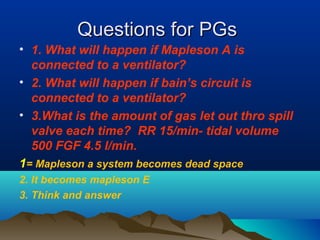
- Common pediatric breathing systems include the T piece, Jackson Rees, Mapleson D and Bain circuits, and pediatric-modified circle systems. Low fresh gas flows can be used with these systems to decrease costs and heat/fluid loss while maintaining normocarbia. Proper selection and setup of the breathing system is important for safe anesthesia in children.