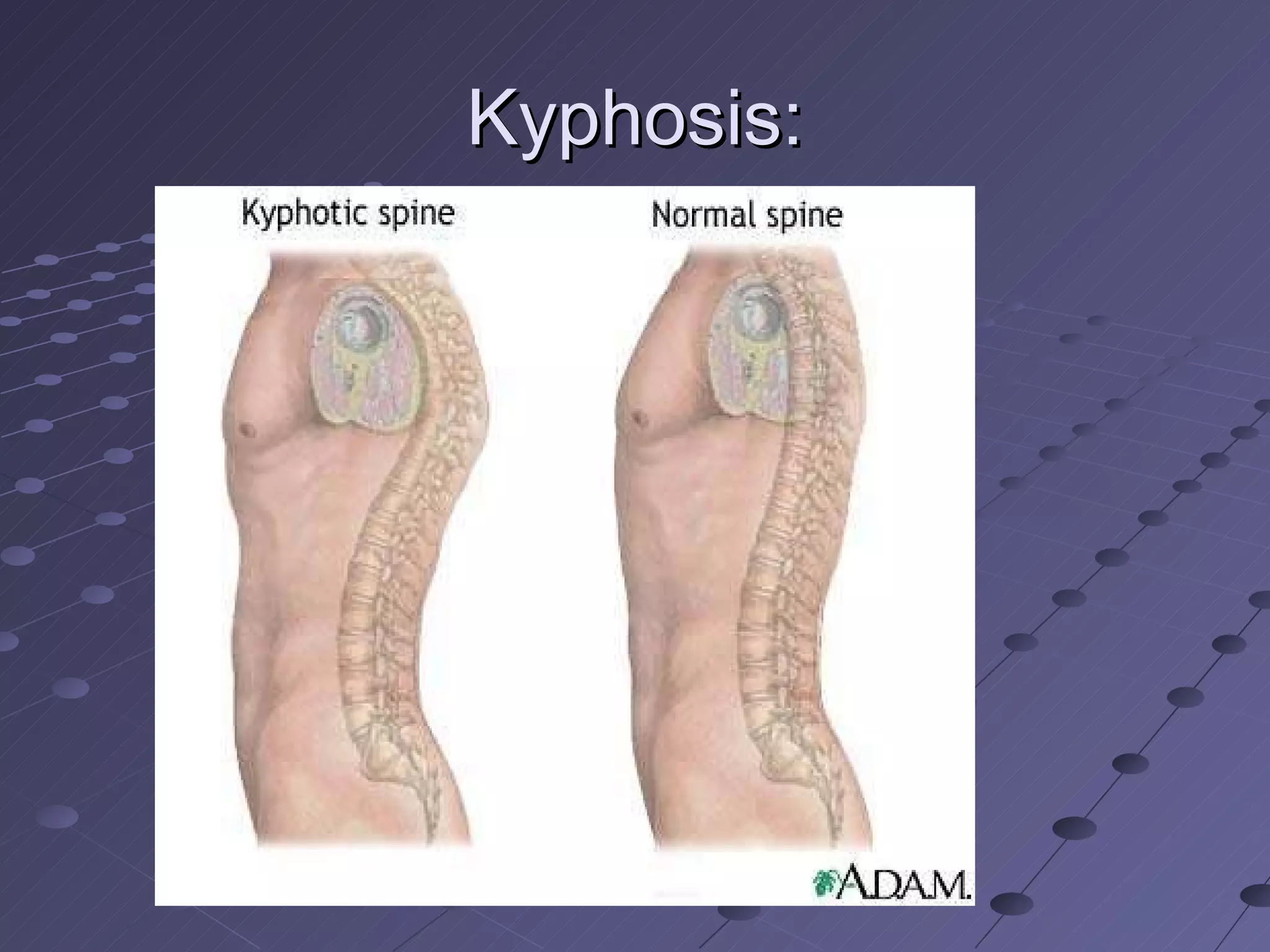
Kyphosis:
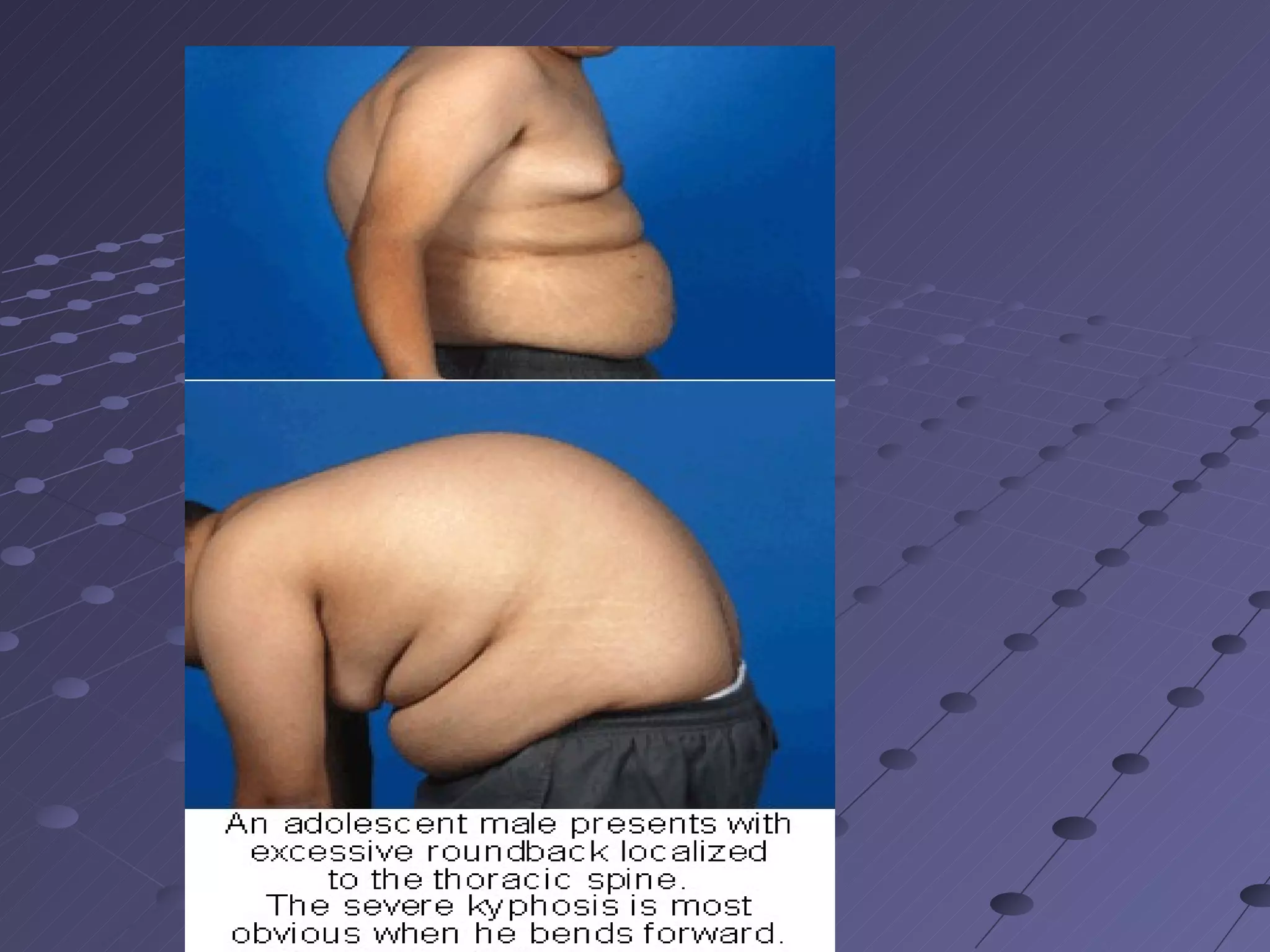
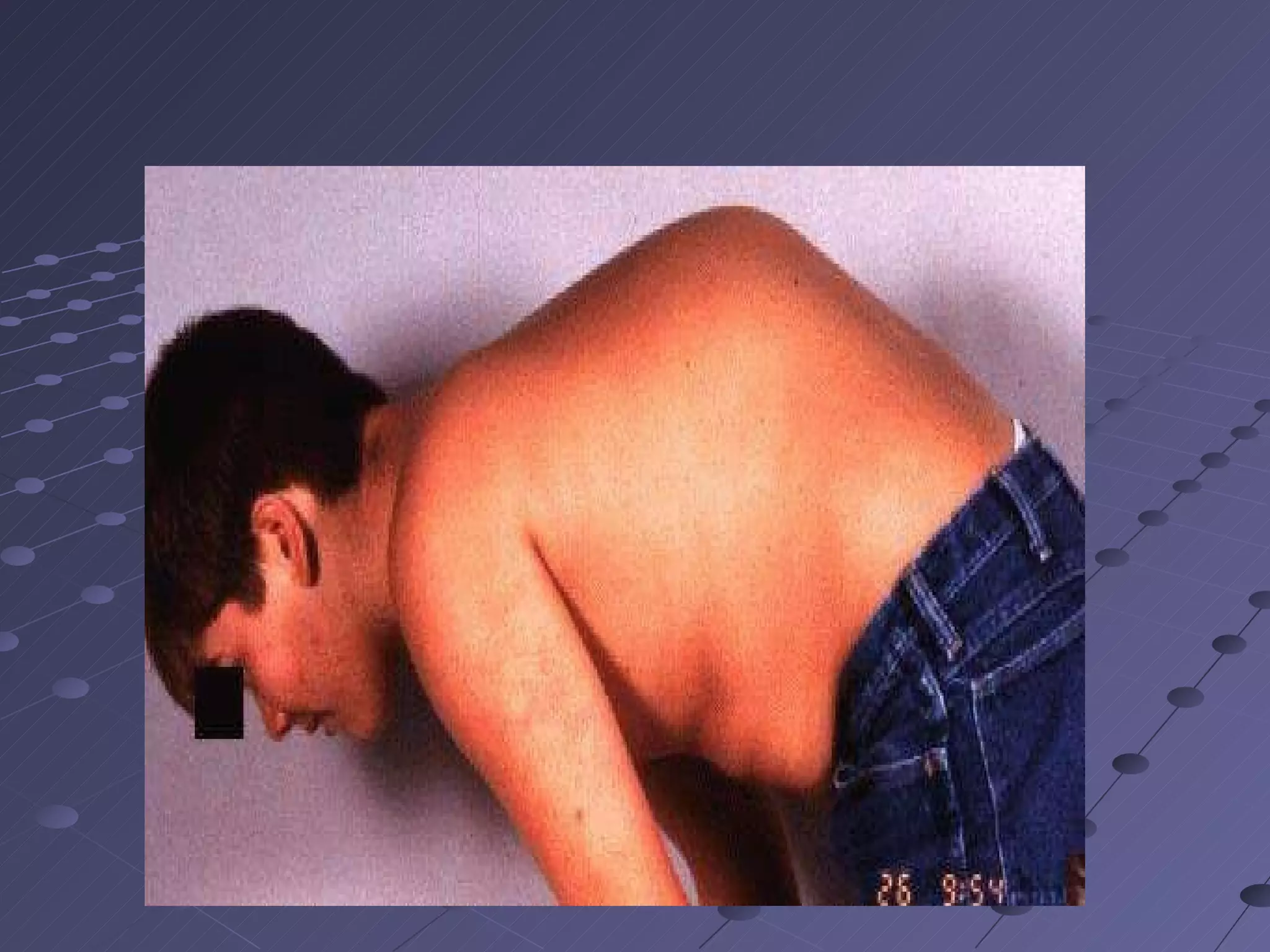
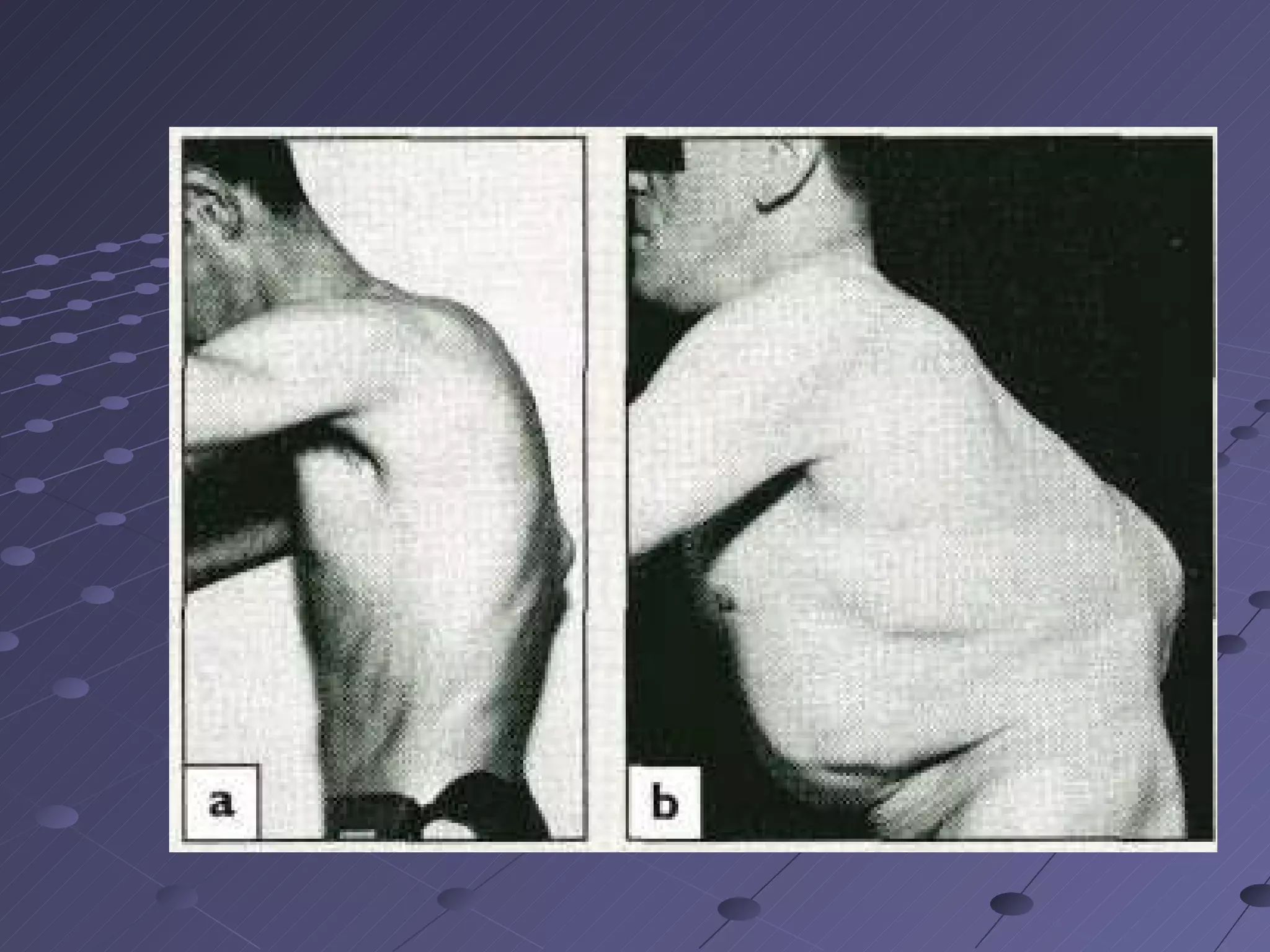
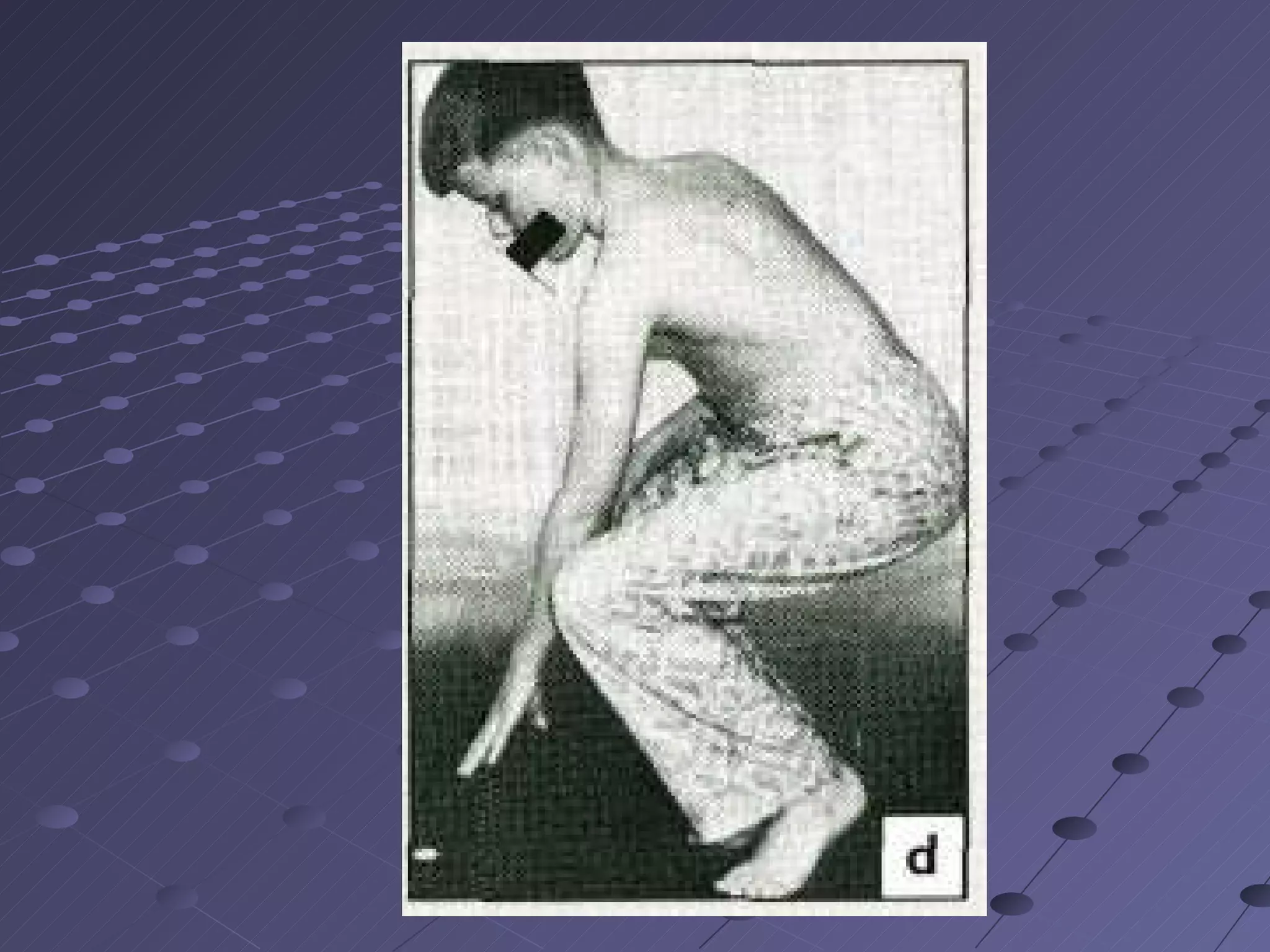
Kyphosis : Mobile  Postural &compnsatory kyphosis . fixed -Structural kyphosis : A kyphos or gibbus .


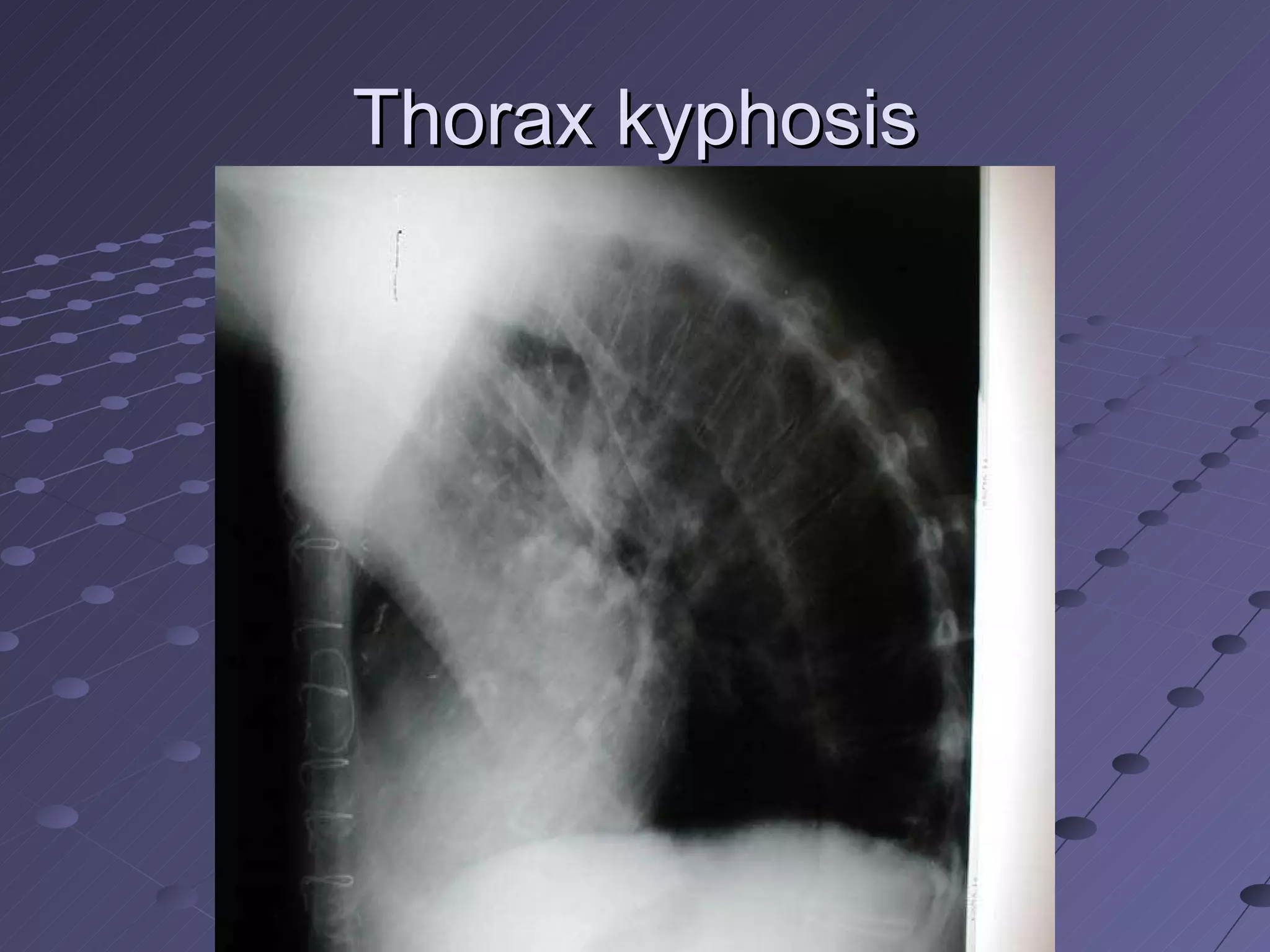
Thorax kyphosis
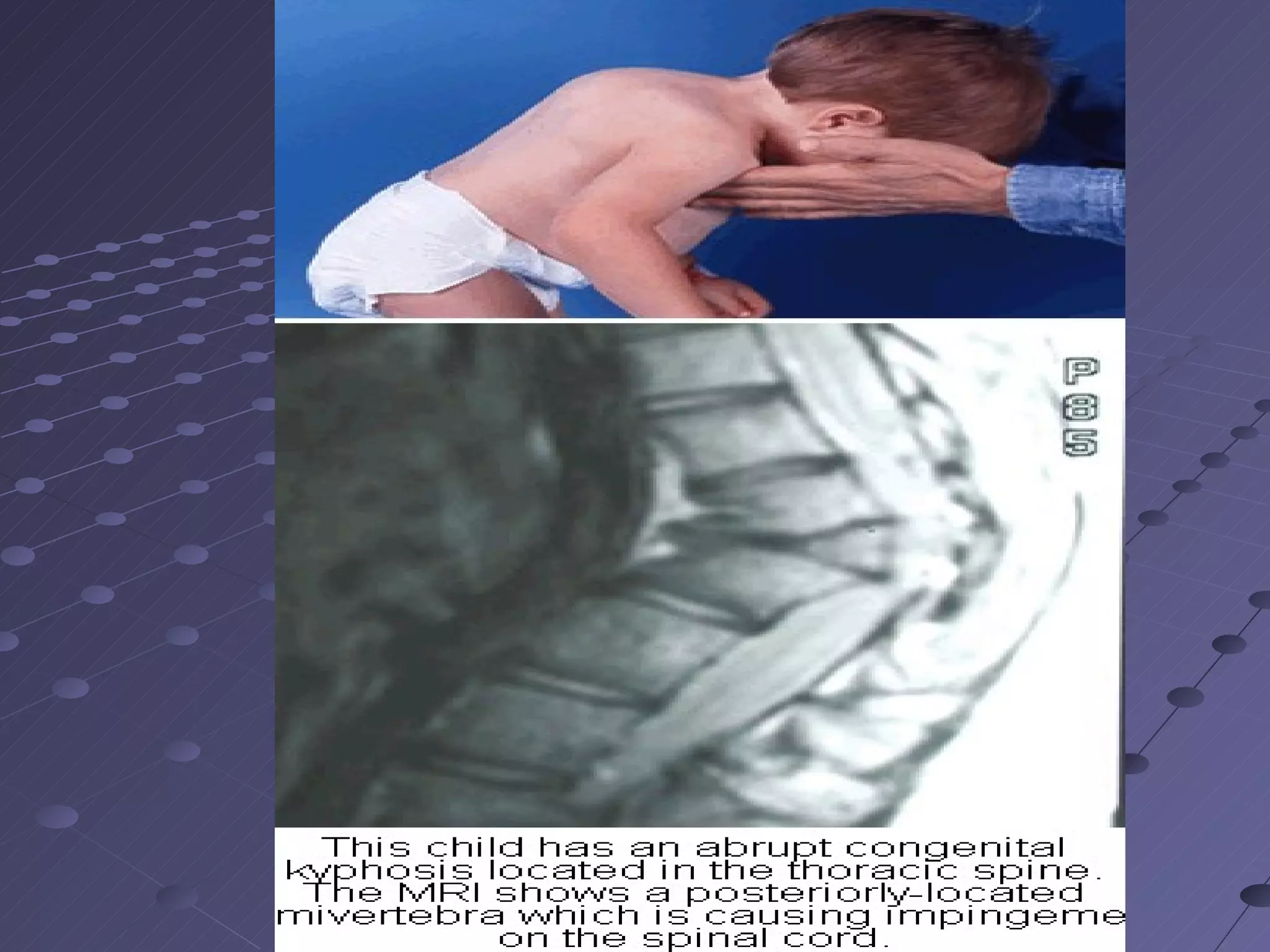
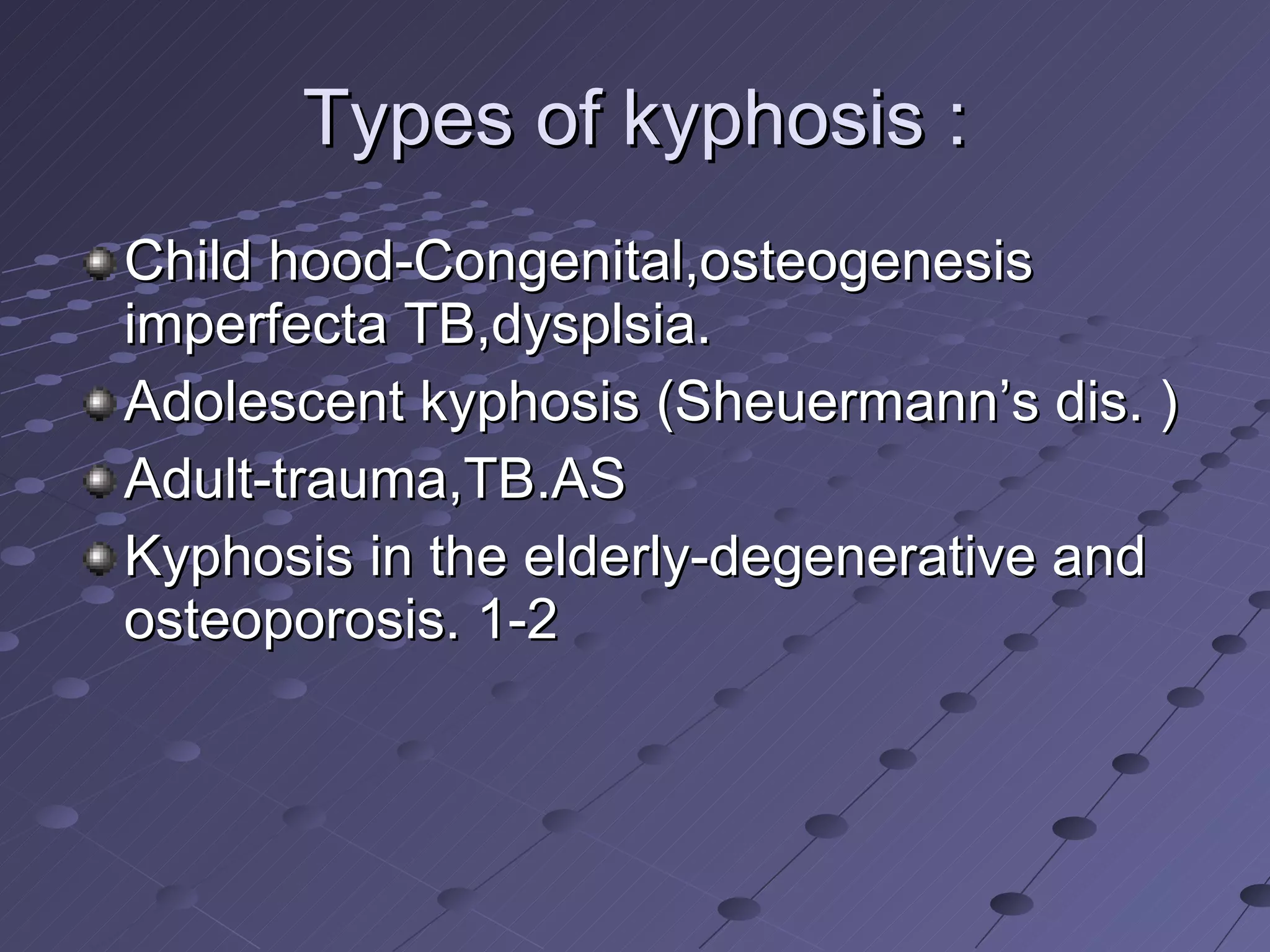
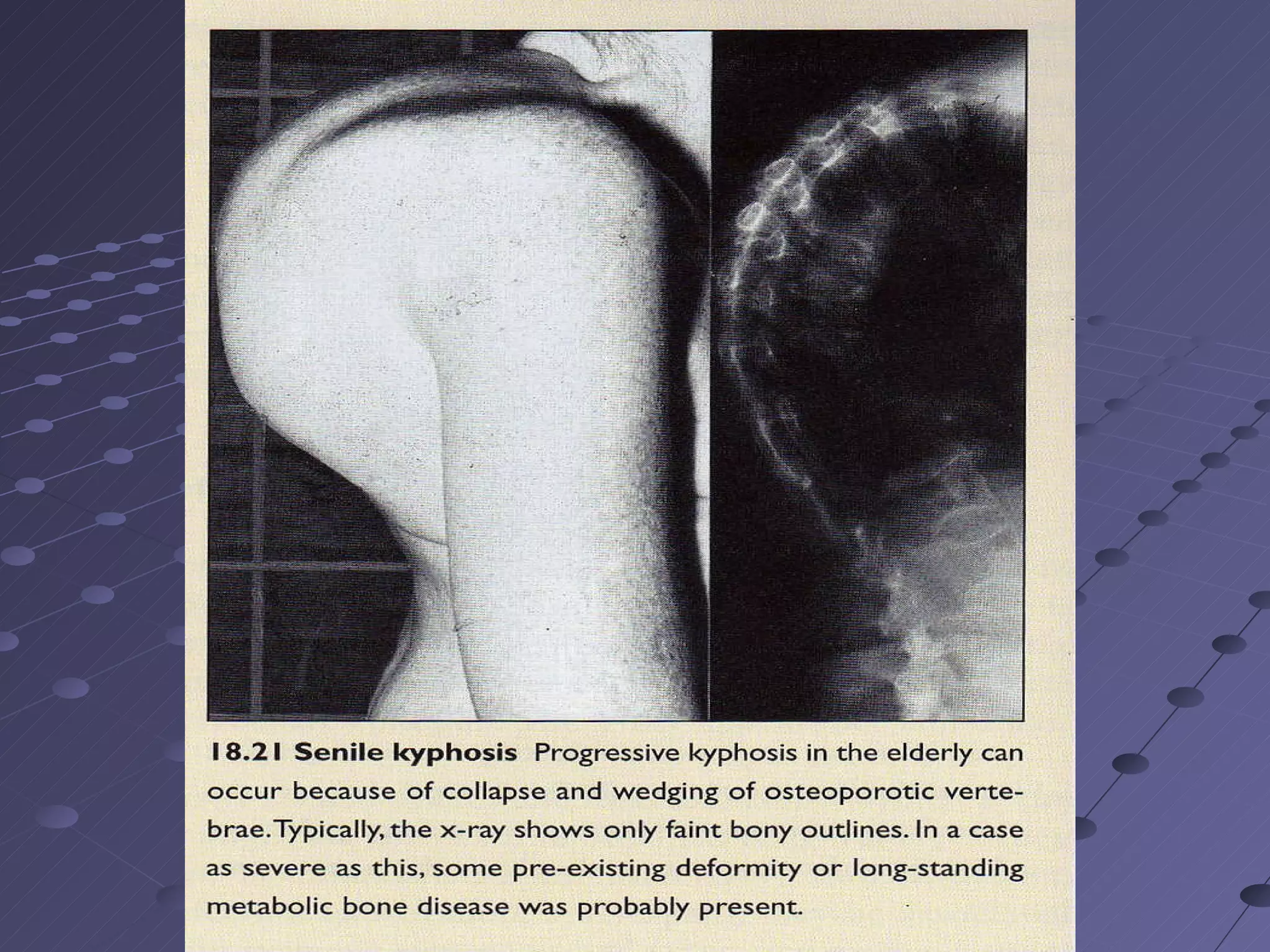
Types of kyphosis : Child hood-Congenital,osteogenesis imperfecta TB,dysplsia. Adolescent kyphosis (Sheuermann’s dis. ) Adult-trauma,TB.AS Kyphosis in the elderly-degenerative and osteoporosis. 1-2
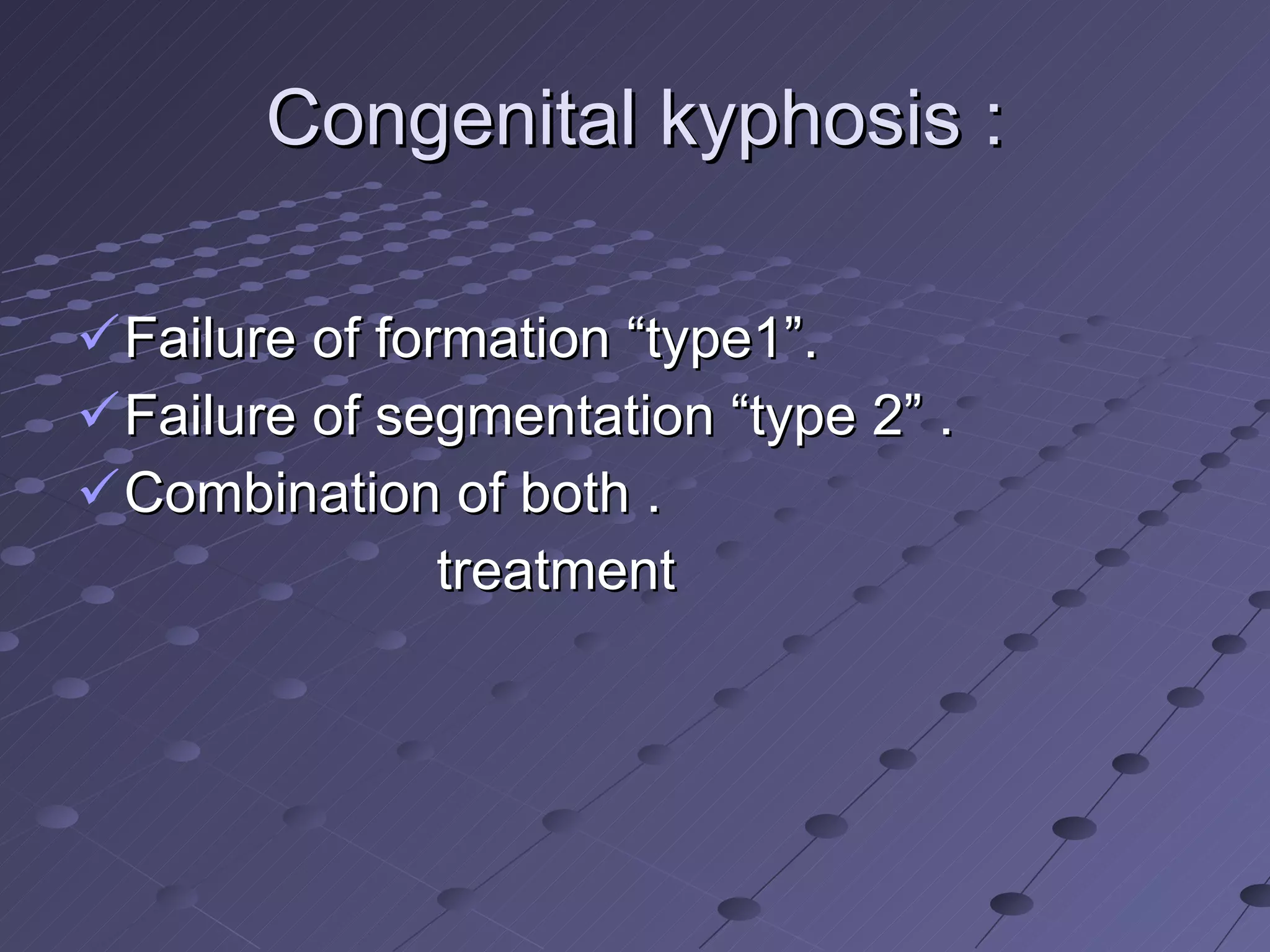
Congenital kyphosis : Failure of formation “type1”. Failure of segmentation “type 2” . Combination of both . treatment
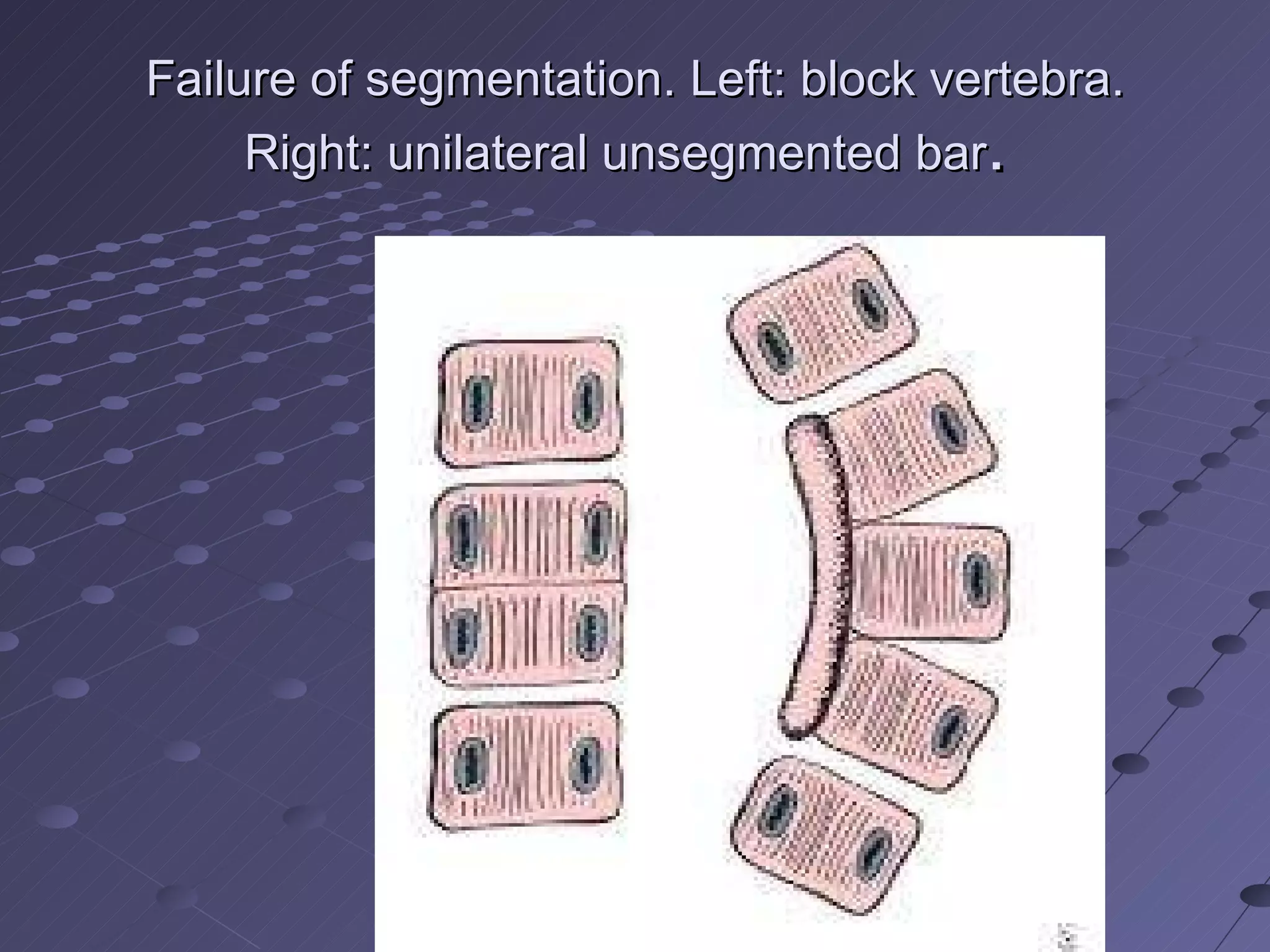
Failure of segmentation. Left: block vertebra. Right: unilateral unsegmented bar .
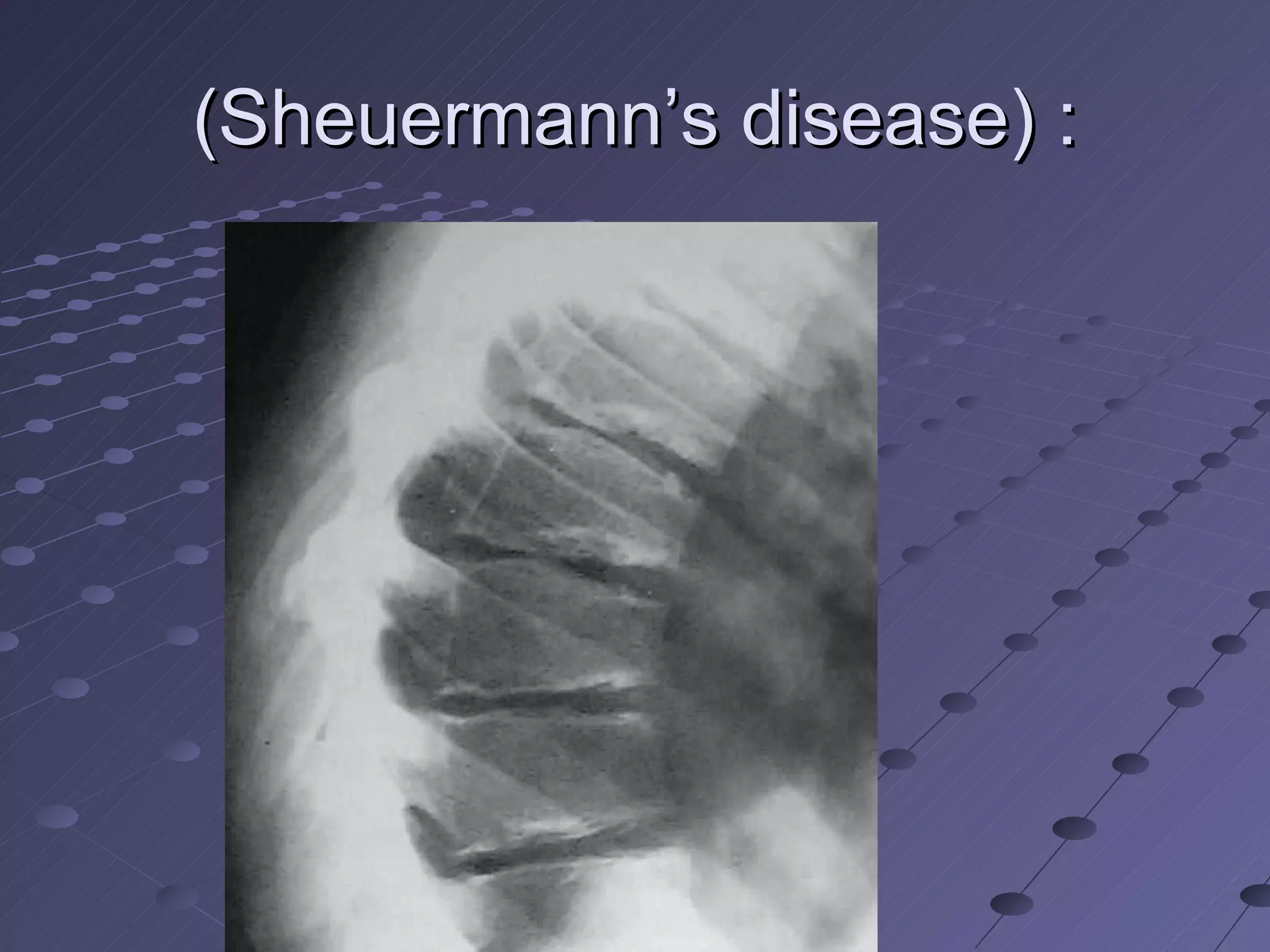
Adolescent kyphosis (Sheuermann’s disease) : In the thoracic spine. In the lumbar spine .
Clinical features : age. gender. Cl/p deformity :  backache and fatigue.
Examination : Smooth thoracic kyphosis- marked hump. lumber lordosis. Fixed deformity. Movement-hamstring Mild scoliosis is not uncommon.
complications  : Spastic paresis . Cardiopulmonary dysfunction  . lumbar backache.strain,facet, lumber sherman’s,hyperextension of lumber spine
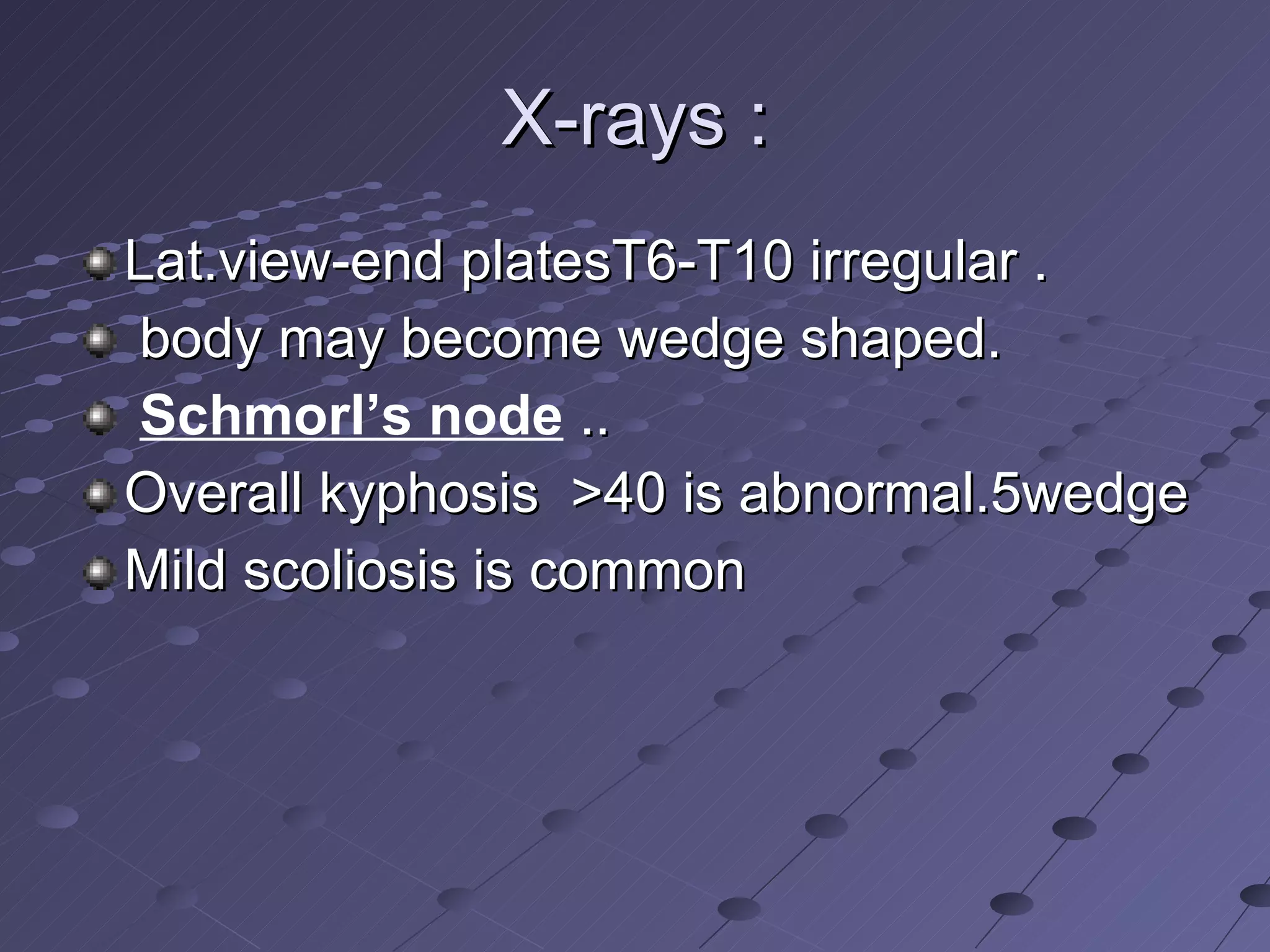
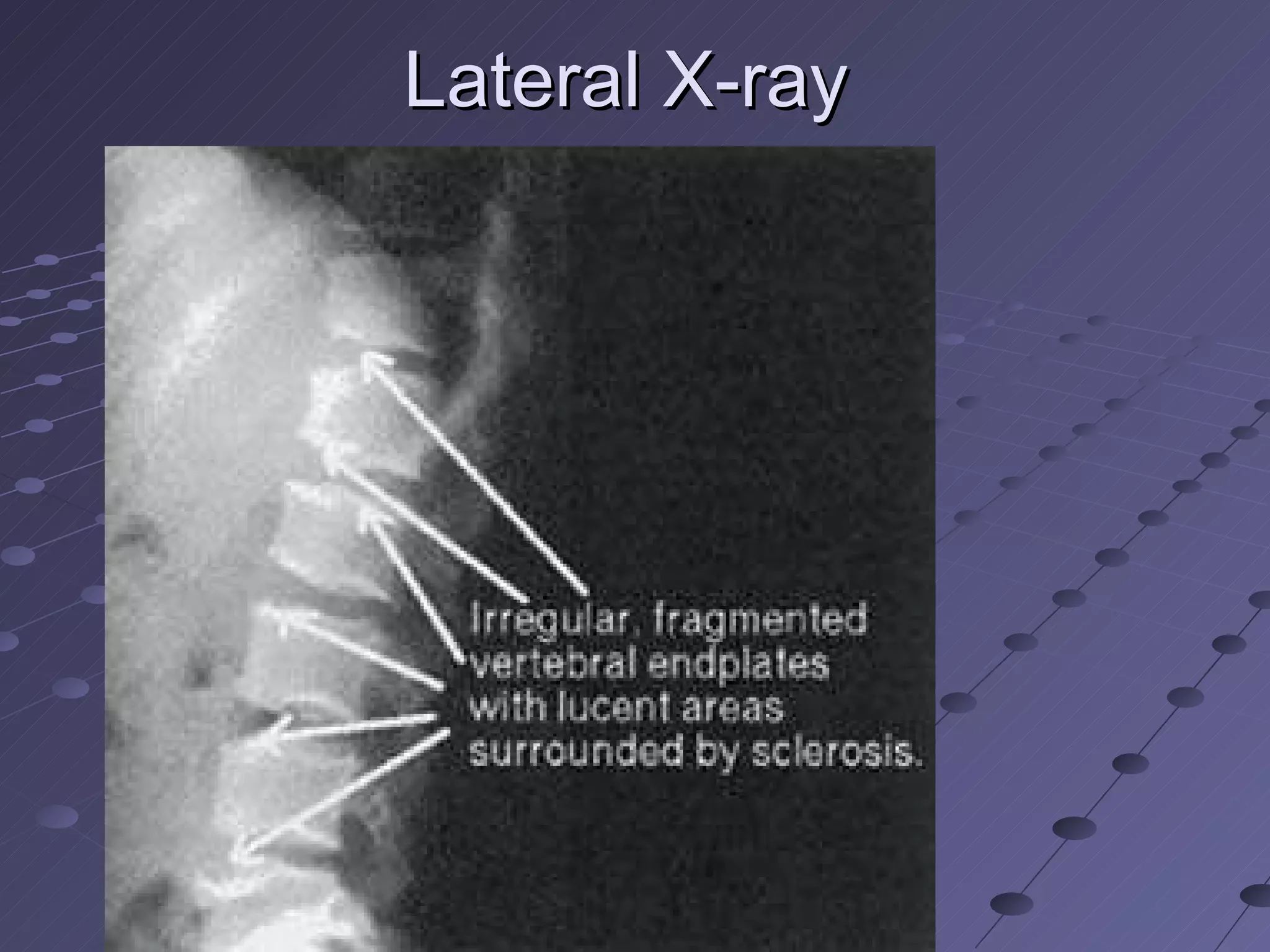
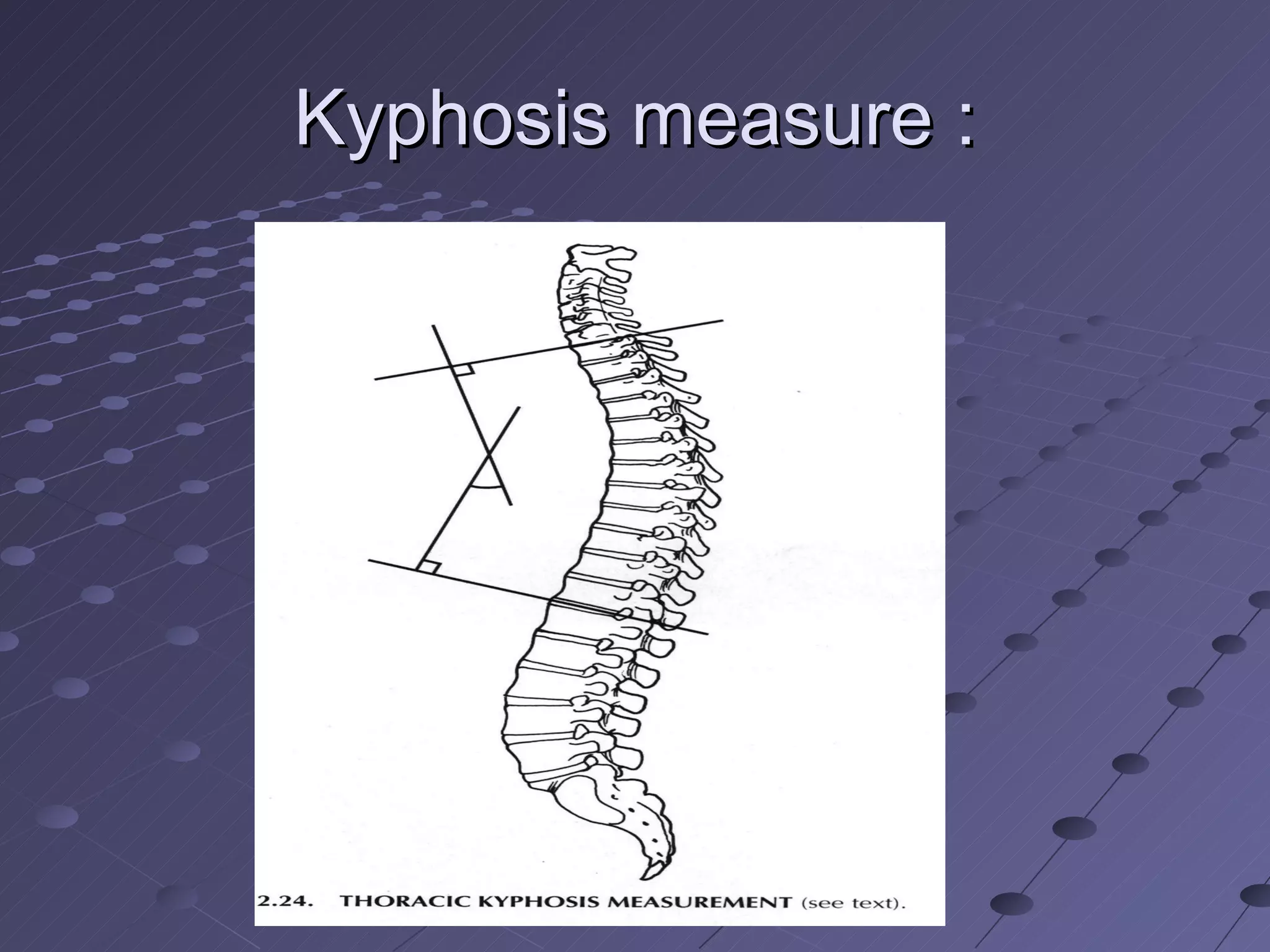
X-rays : Lat.view-end platesT6-T10 irregular . body may become wedge shaped. Schmorl’s node  .. Overall kyphosis  >40 is abnormal.5wedge Mild scoliosis is common
Lateral X-ray
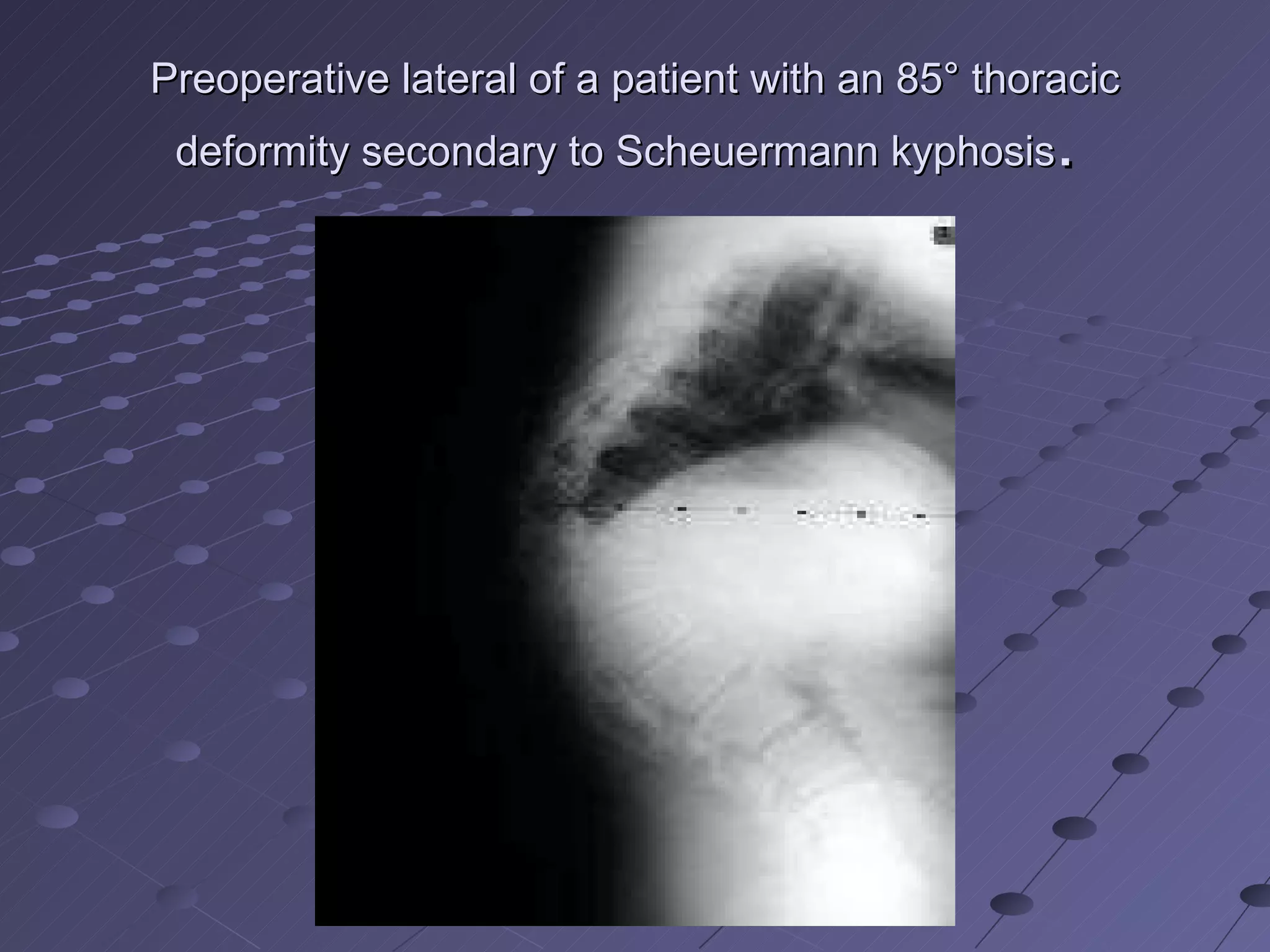
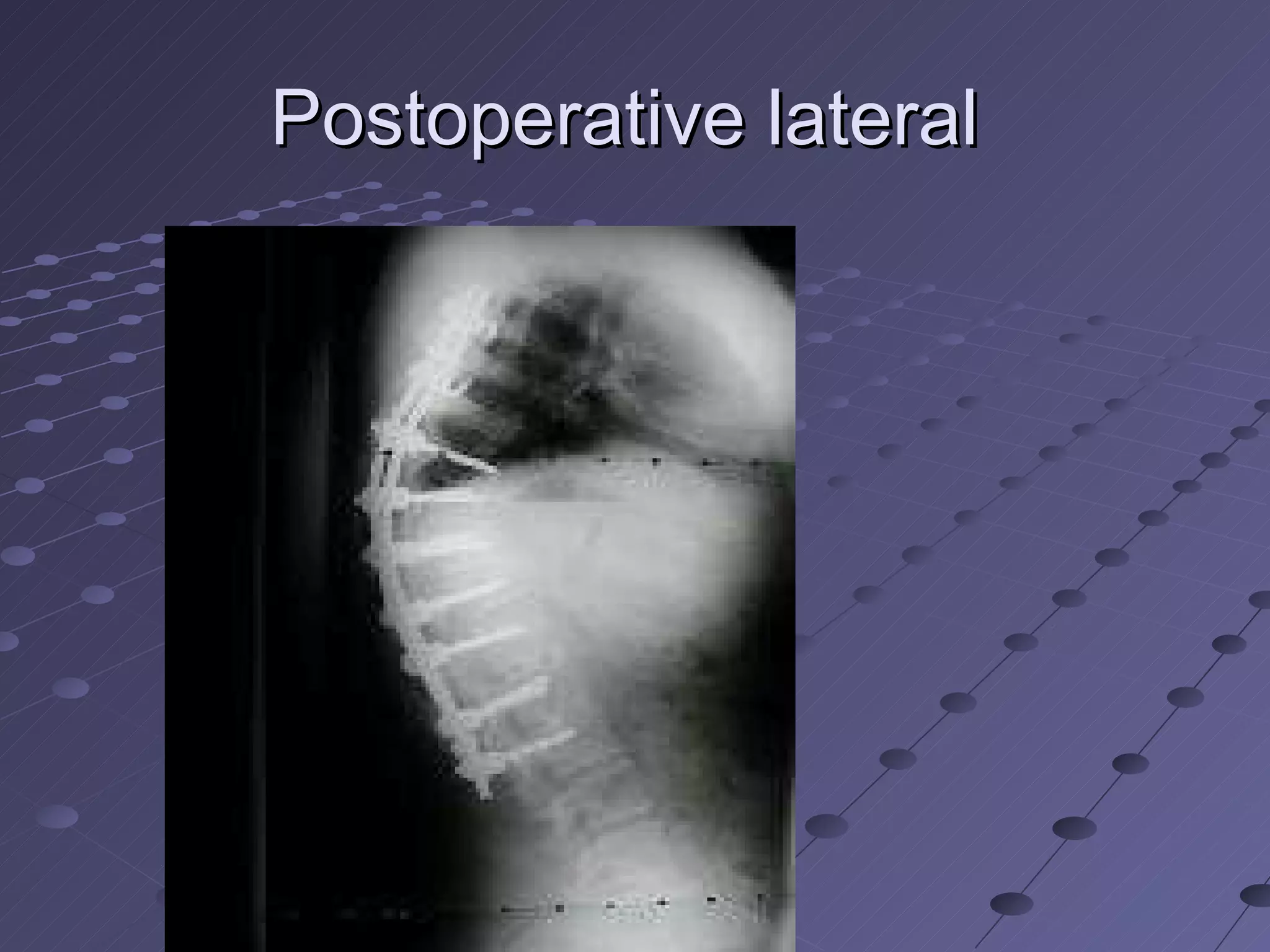
Preoperative lateral of a patient with an 85° thoracic deformity secondary to Scheuermann kyphosis .
Postoperative lateral
(Sheuermann’s disease) :
Kyphosis measure :
DDx. : Postural kyphosis :  Discitis , osteomyelitis, &TB spondylitis: Spondyloepiphyseal dysplasia:
Rx. : Back straightening exercises r indicated if curves < 40 degrees . Bracing is indicated if curves 40-60 degrees in a child who still has some years of growth ahead . Operative Rx. Is indicated for curves >60 degrees.60-75,>75
Kyphosis in elderly A-degenerative-OA of facet  B-osteoporosis -post menopausal -senile-exclude mm.2ndary-symptomatic
 
The infected spine
Pyogenic spinal infections present acute or chronic  depends on : the age , the immune response,organism most common by is  Staphylococcus aureus Escherichia coli, Proteus,  and streptococcal, pseudomonas
Pathology Source;Direct spr stab,gunshot ,disc surgery  indirect -2nd septic focus - haematogenus,  Age, site -is in the lumbar, ,post,ant -multipl-usual.  Infection may track along tissue planes, and without early control will cause 2dary abscess  vertebral canal may be invaded by pus and granulation tissue either directly from the disk space or through the exit foramenae causing meningitis or  myelitis.--recovery is uncommon Retropulsion of bone ordisk causes- neural comp destruction of vertebral body and disks causes local instability and deformity.- control,
Pridisposing factors • the   elderly • intravenous drug users • immune deficiency slates including AIDS • rheumatoid arthritis • malignancy • spinal fractures and paraplegia • infective endocarditis • renal failure • sickle cell disease • chronic alcoholics.
Clinical features  Hx-hx of spinal procedure,pain, unusual site and exacerbated by move and percussion, asso muscle spasm  --Fever… a third of cases •tachycardia Signs .localized tenderness • muscle spasm and limitation of movement • local or distant fluctuant mass • sinus formation • occasional angular defect Neurologic signs 15%-quadri,para,m-root def
Investigations  ESR above 50 mm/h miror.response to treatment  C-reactive protein and alkaline phosphatase may be raised white cell count is raised in less than half of cases.  Blood cultures when the patient is febrile are more reliable Urine culture may be valuable if urethral manipulation is considered to be causative ASO,brucella and salmonella
Imaging plain radiography …little value in early cases.  Disk-space narrowing and irregularity reactive new bone and occasionally paraspinal shadow. Radiographic changes are progressive with time but may remain limited to the disk complex. Plain radiographs are not very useful in assessing response to treatment.
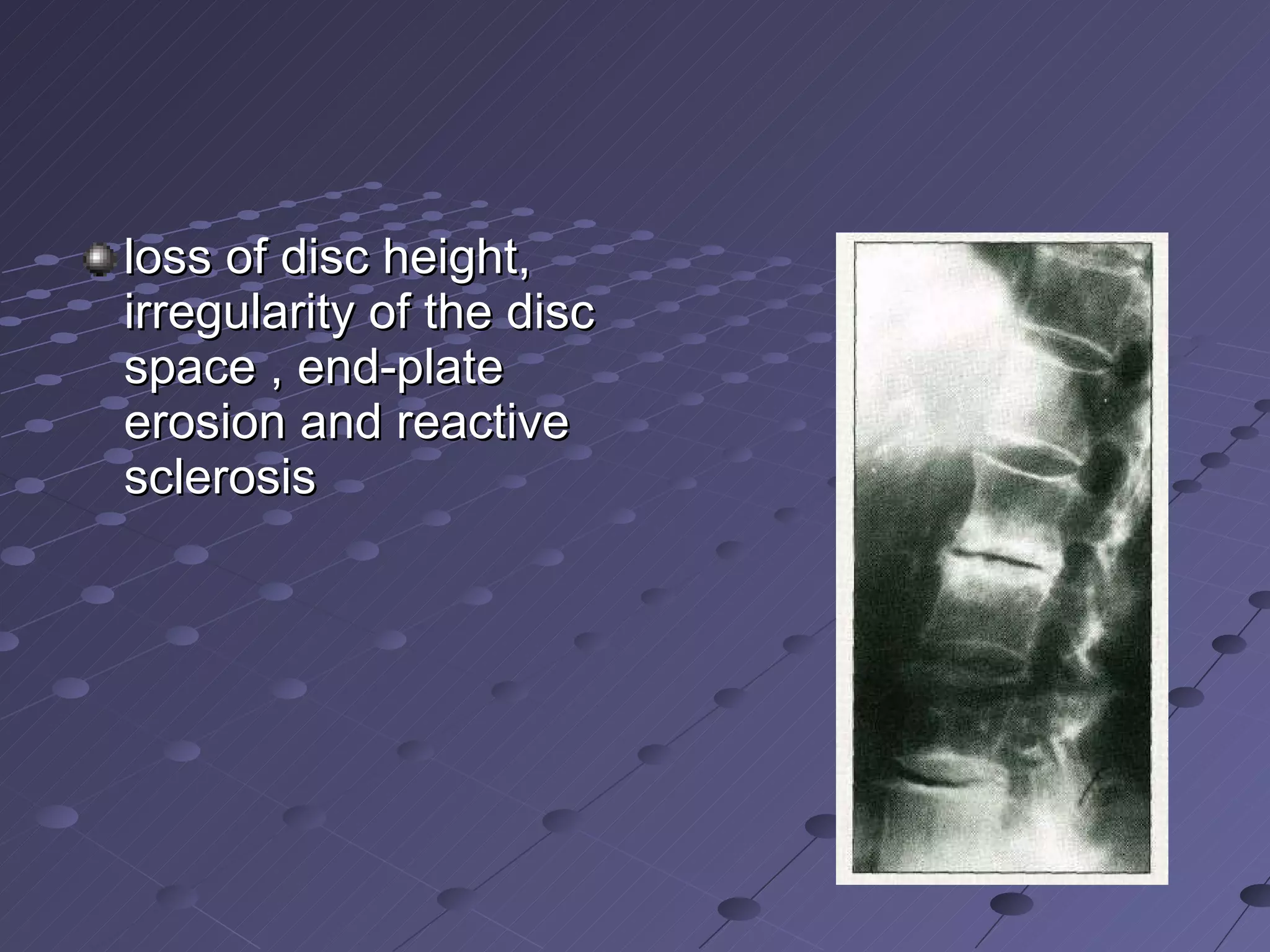
loss of disc height, irregularity of the disc space , end-plate erosion and reactive sclerosis
Nuclear studies T99m bone scans can be positive as early as 2 days… high sensitivity (95 per cent …specificity (75 per cent) Indium and gallium scans. Show incresed activity
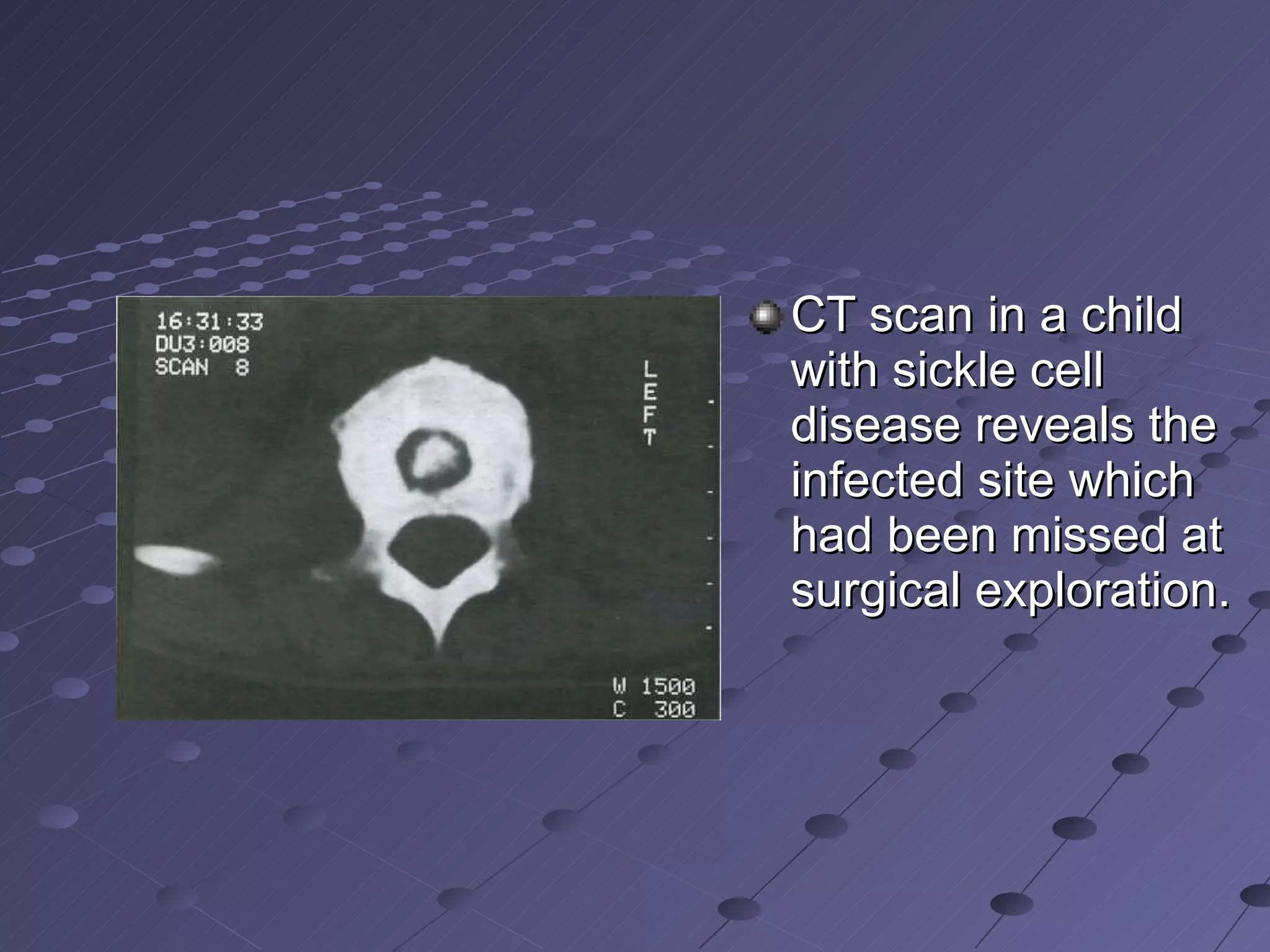
CT scanning CT scanning is useful for assessing the degree of bone destruction and examining the surrounding soft tissues. guide for needle biopsy.  usually combined with MRI to evaluate the degree of cord compression
CT scan in a child with sickle cell disease reveals the infected site which had been missed at surgical exploration.
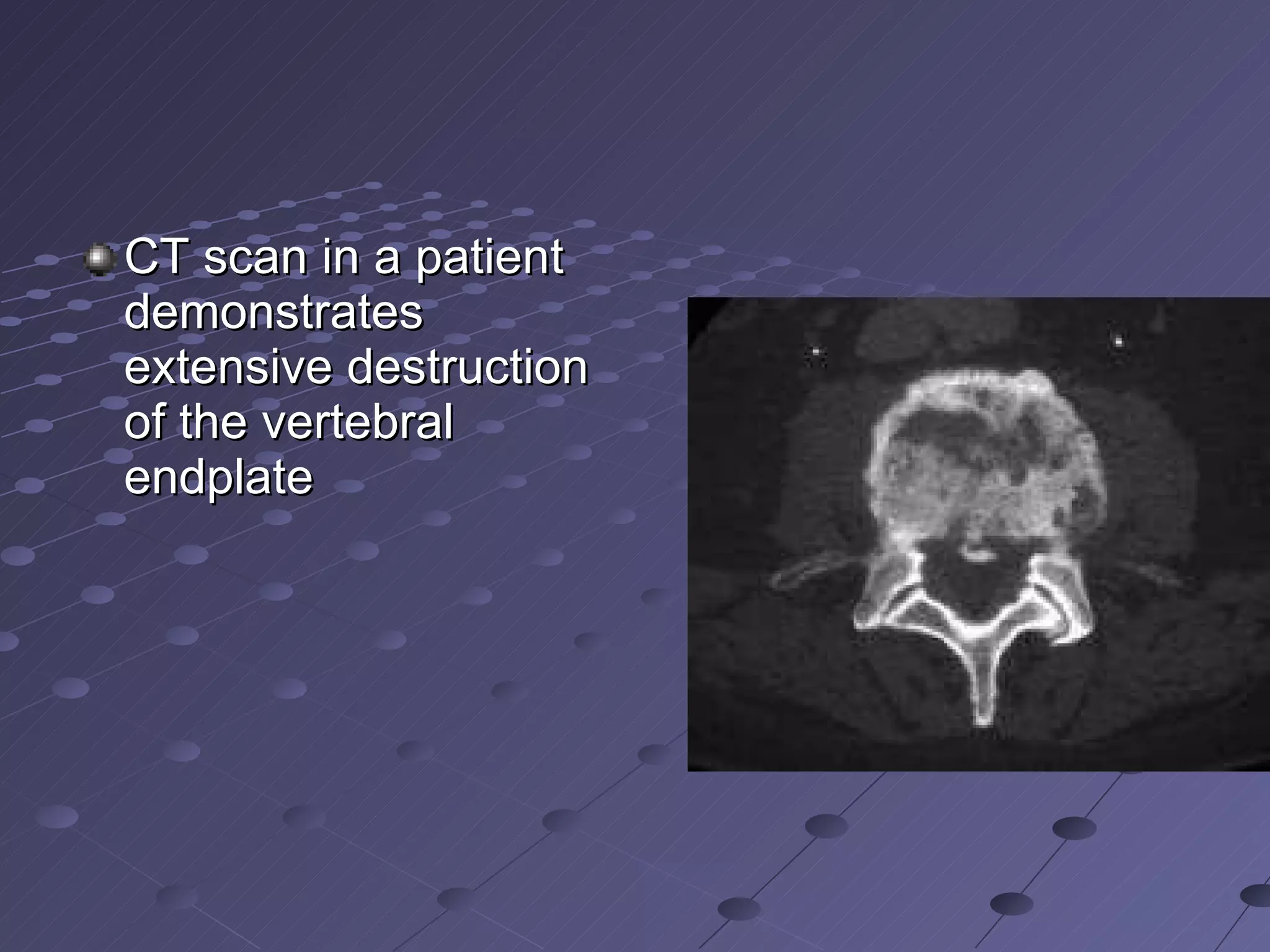
CT scan in a patient demonstrates extensive destruction of the vertebral endplate
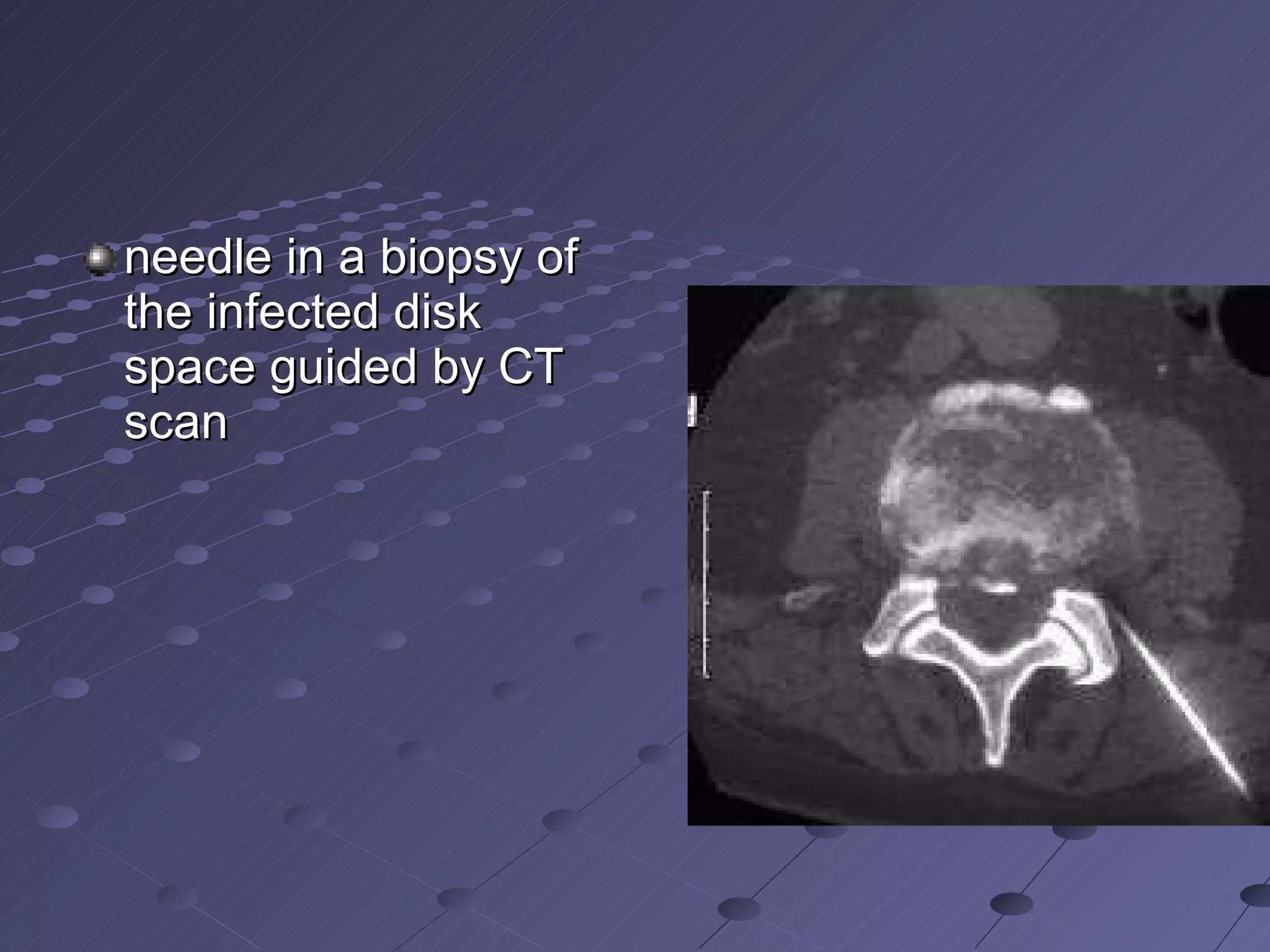
needle in a biopsy of the infected disk space guided by CT scan
Myelography  carries risks of spreading an infection and is rarely indicated nowadays
MRI scanning most important investigation  sensitivity of 96% specificity …up to 95%  MRI shows the soft tissue well, including the neural components defines abscess cavities precisely
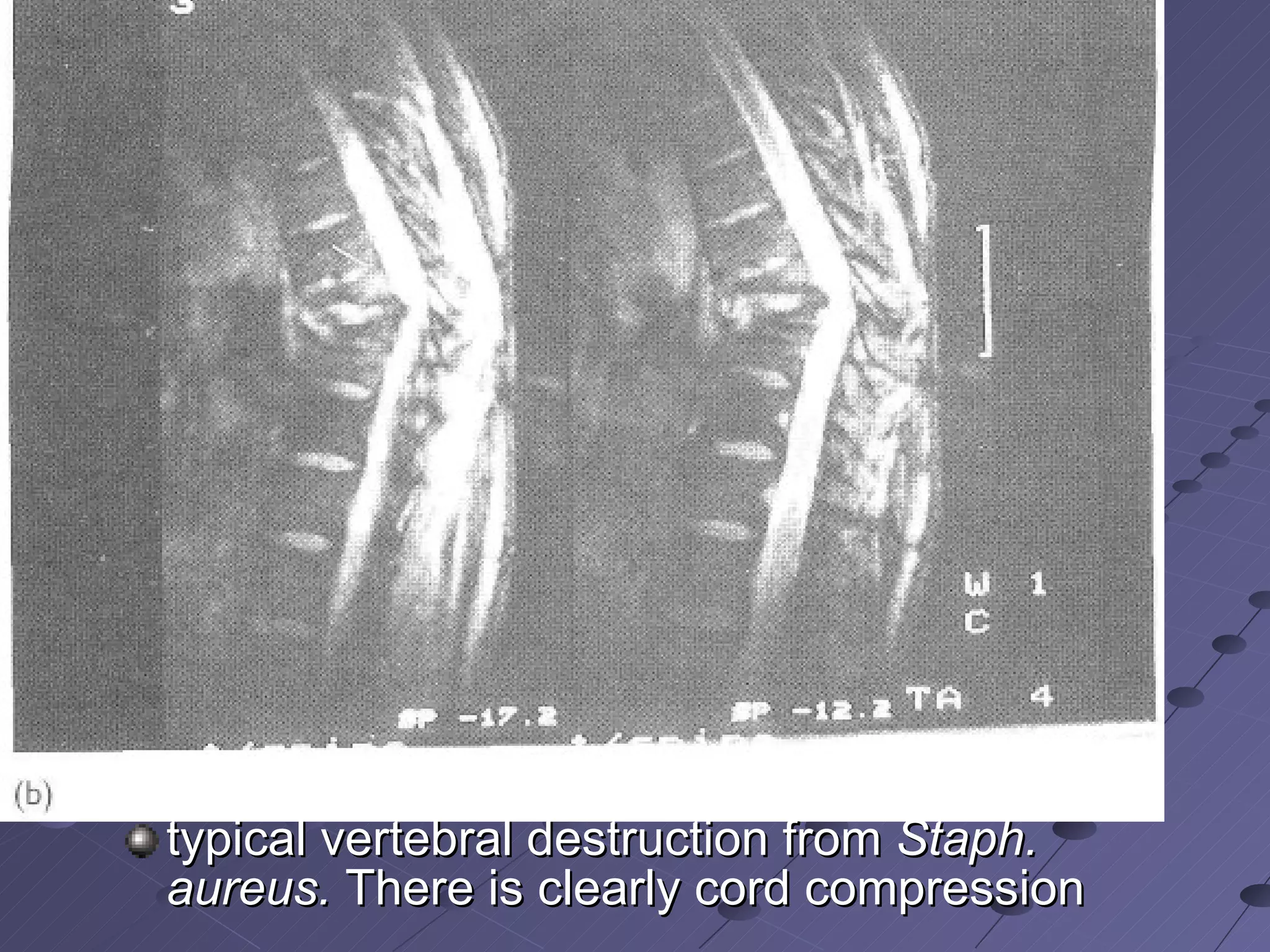
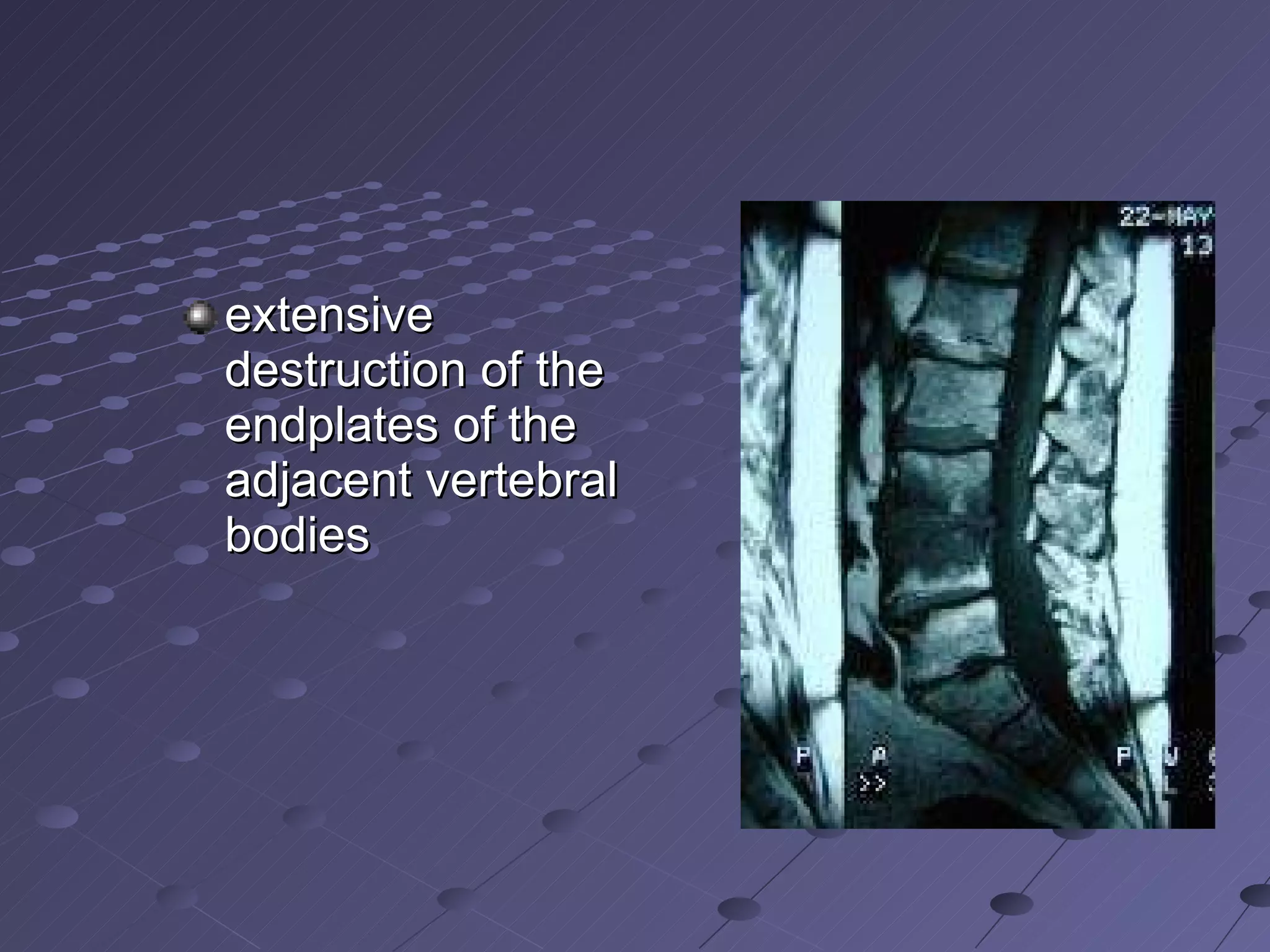
extensive destruction of the endplates of the adjacent vertebral bodies
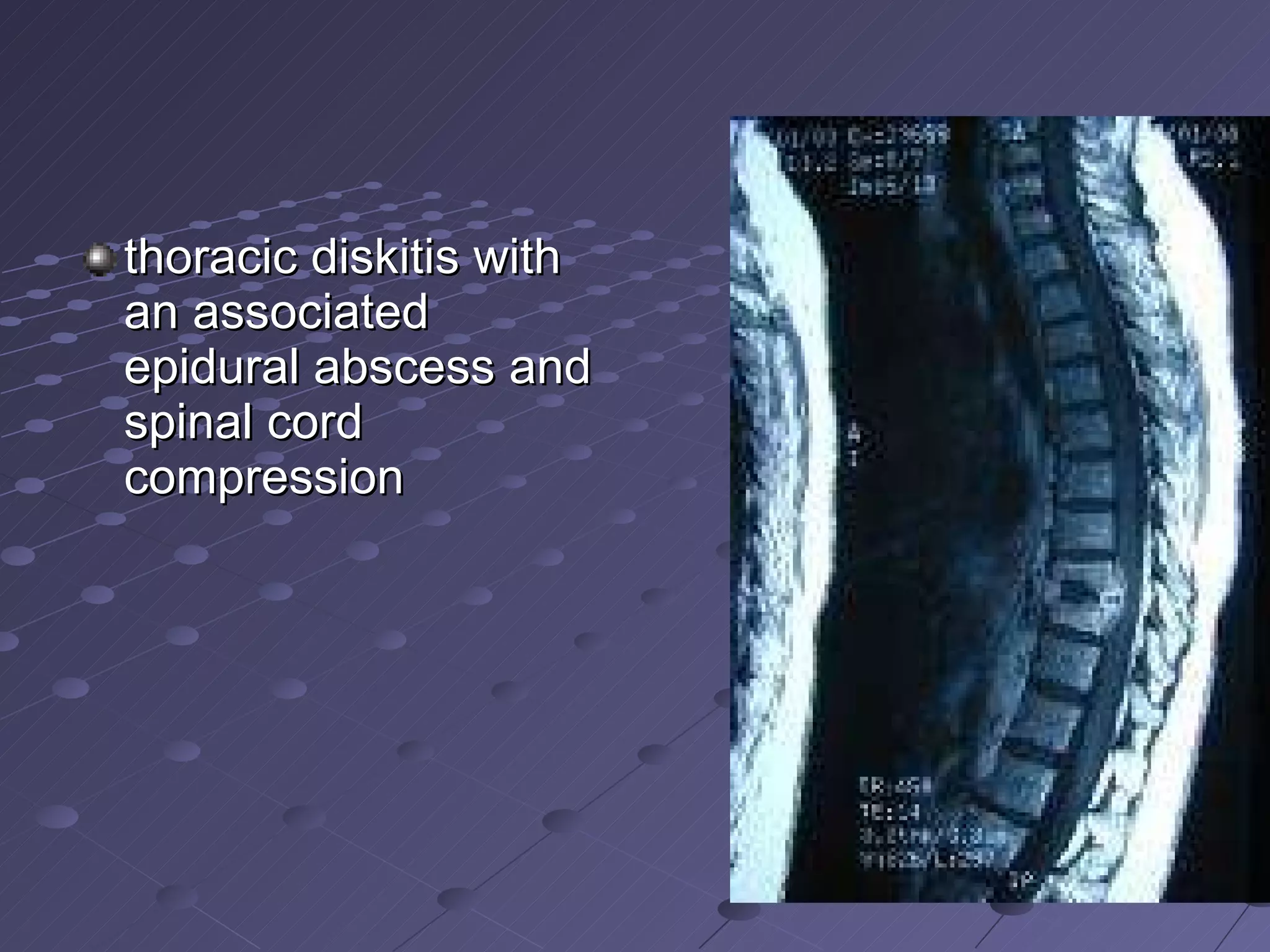
thoracic diskitis with an associated epidural abscess and spinal cord compression
typical vertebral destruction from  Staph. aureus.  There is clearly cord compression
Microbiology Pus from needle biopsy of the primary focus or from more distant abscess cavities is cultured. Reports of 80 to 90% successful culture have been published  Blood and midstream urine cultures may prove to be useful
Differential diagnosis   Infection Vs tumor.  Hematomas may mimic epidural infection.
Nonoperative treatment .indication; When the diagnosis is certain, the organism is known,and there are no progressive neurologic features,  Bed rest and intravenous antibiotics may be required initially with the acute presentation, and this should be continued until pain reduces and a response can be confirmed. The patient may then be mobilized in a brace and continue on oral antibiotics.
As a guide, intravenous antibiotics should be used for a period of 6 to 8 weeks followed by a similar period of treatment with oral antibiotics. Serial ESR examination is usually of value and antibiotics should continue for a month after both symptoms and ESR have returned to normal. Radiographic and MRI evaluation is useful, but there is a distinct lag-time before healing can be confirmed.  The risk of conservative management is failure to control disease.
Surgical management Indication; failure of conservative treatment the diagnosis and organism cannot be confirmed neurologic deficit, particularly when there is epidural spread.  Mechanical instability.
The aims are:  to drain the abscess make a definitive diagnosis decompress the neural tissue, either root or cord.  to achieve stability and rapid healing of the lesion by bone grafting.  If the organism has been identified and the patient is on antibiotic cover, it is acceptable to graft primarily and to use metallic implants for stability. Surgery…to the area of pathology. In the debilitated patient it is possible to drain an abscess by the posterolateral approach. I
Granulomatous infections of the spine Granulomatous lesions  The most common TB and brucellosis,  but fungi  can  also be a cause.
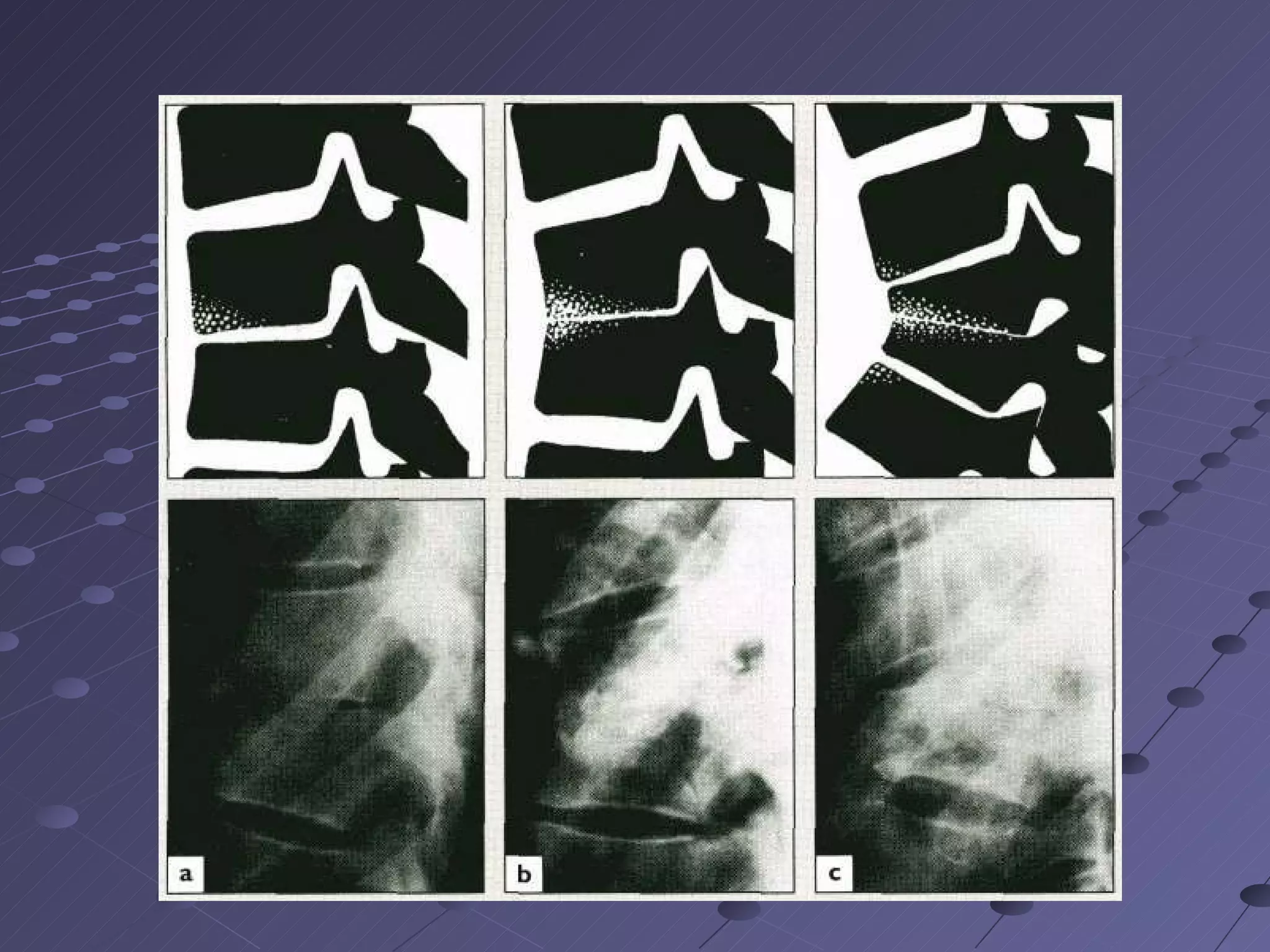
Pathology Blood-borne infection usually settles in a vertebral body adjacent to the intervertebral disc. Bone destruction and caseation follow… with spreading.  As the vertebral bodies collapse into each other, a sharp angulation (or kyphos) develops.  Caseation and cold abscess formation may extend to neighbouring vertebrae or escape into the paravertebral soft tissues. There is a major risk of cord damage due to pressure by the abscess or displaced bone, or ischaemia from spinal artery thrombosis. With healing, the vertebrae recalcify and bony fusion may occur between them.
 
Clinical features  1-Hx---usually  long history . In some cases deformity is the dominant feature.  Occasionally with a cold abscess pointing in the groin paraesthesia and weakness of the legs 2-Exam.
POTT'S PARAPLEGIA Paraplegia is the most feared complication of spinal tuberculosis.  Early-onset paresis  is due to pressure by an abscess, caseous material or a bony sequestrum.  The patient presents with lower limb weakness, upper motor neurone signs and sensory dysfunction, together with vertebral disease.  CT and MRI may reveal cord compression.  Late-onset paresis  is due to increasing deformity, or reactivation of disease or vascular insufficiency of the cord.


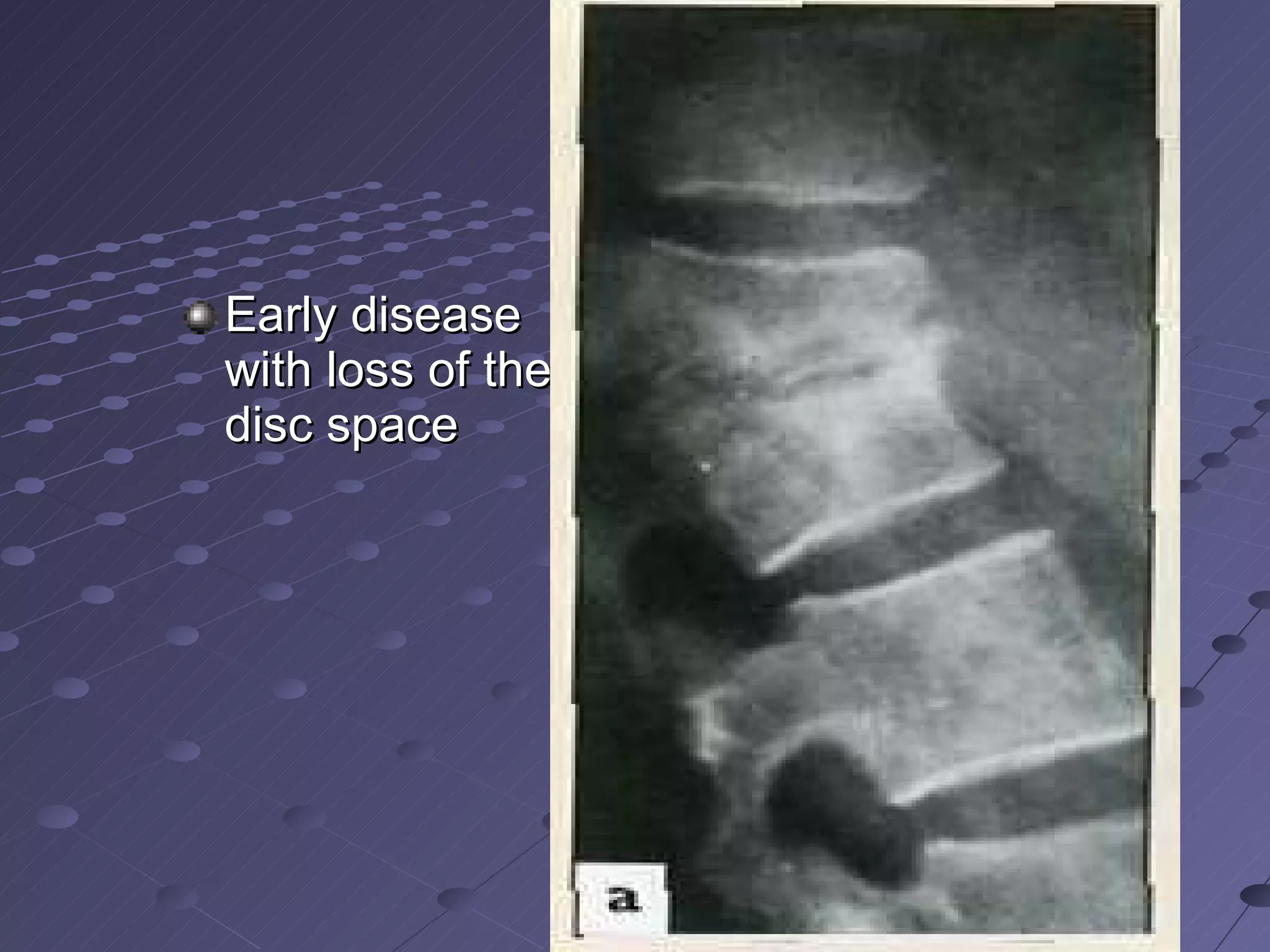
X-ray   The entire spine should be x-rayed, because vertebrae distant from the obvious site may also be affected.  The earliest signs of infection are local osteoporosis of two adjacent vertebrae and narrowing of the intervertebral disc space Later an angular deformity of the spine.  Paraspinal soft-tissue shadows may be due either to oedema and swelling or to a paravertebral abscess…thoracic disease.  With healing paravertebral abscesses may calcify.
Early disease with loss of the disc space
 
 
Investigations The Mantoux test  ESR Doubt... needle biopsy
Differential diagnosis pyogenic infection  malignant disease. If the patient presents with paraplegia, other causes of cord compression have to be excluded.
Treatment The objectives are  (1) to eradicate or at least arrest the disease (2) to prevent or correct deformity (3) to prevent or treat the major complication - paraplegia.
Antituberculous chemotherapy is as effective as any other method (including surgical debridement) in stemming the disease. conservative treatment alone carries the risk of progressive kyphosis if the infection is not quickly eradicated.
With modern anlituberculous drugs,  a  reasonable compromise would be as follows: Ambulant chemotherapy alone  is appropriate for early or limited disease with no abscess formation. Treatment is continued for 6-12 months, or until the x-ray shows resolution of the bone changes. Compliance is sometimes a problem.
Continuous bed rest and chemotherapy  may be used for more advanced disease when the necessary skills and facilities for radical anterior spinal surgery are not available, or where the technical problems are too daunting (e.g. in lumbosacral tuberculosis) - provided there is no abscess that needs draining.
Operative treatment  is indicated  (I)  abscess that can readily be drained and (2) for advanced disease with marked bone destruction  (3) threatened or actual severe kyphosis or paraparesis. (4) instability (5) sequestrae  Through an anterior approach, all infected and necrotic material is evacuated or excised and the gap is filled with rib grafts that act as a strut.  If several levels are involved, posterior fixation and fusion may be needed for additional stability. Antituberculous chemotherapy is still necessary, of course
Thank you

Orthopedics 5th year, 4th lecture (Dr. Hamid)

  • 1.
  • 2.
    Kyphosis : Mobile Postural &compnsatory kyphosis . fixed -Structural kyphosis : A kyphos or gibbus .
  • 3.
  • 4.
  • 5.
  • 6.
  • 7.
    Types of kyphosis: Child hood-Congenital,osteogenesis imperfecta TB,dysplsia. Adolescent kyphosis (Sheuermann’s dis. ) Adult-trauma,TB.AS Kyphosis in the elderly-degenerative and osteoporosis. 1-2
  • 8.
    Congenital kyphosis :Failure of formation “type1”. Failure of segmentation “type 2” . Combination of both . treatment
  • 9.
    Failure of segmentation.Left: block vertebra. Right: unilateral unsegmented bar .
  • 10.
    Adolescent kyphosis (Sheuermann’sdisease) : In the thoracic spine. In the lumbar spine .
  • 11.
    Clinical features :age. gender. Cl/p deformity : backache and fatigue.
  • 12.
    Examination : Smooththoracic kyphosis- marked hump. lumber lordosis. Fixed deformity. Movement-hamstring Mild scoliosis is not uncommon.
  • 13.
    complications :Spastic paresis . Cardiopulmonary dysfunction . lumbar backache.strain,facet, lumber sherman’s,hyperextension of lumber spine
  • 14.
    X-rays : Lat.view-endplatesT6-T10 irregular . body may become wedge shaped. Schmorl’s node .. Overall kyphosis >40 is abnormal.5wedge Mild scoliosis is common
  • 15.
  • 16.
    Preoperative lateral ofa patient with an 85° thoracic deformity secondary to Scheuermann kyphosis .
  • 17.
  • 18.
  • 19.
  • 20.
    DDx. : Posturalkyphosis : Discitis , osteomyelitis, &TB spondylitis: Spondyloepiphyseal dysplasia:
  • 21.
    Rx. : Backstraightening exercises r indicated if curves < 40 degrees . Bracing is indicated if curves 40-60 degrees in a child who still has some years of growth ahead . Operative Rx. Is indicated for curves >60 degrees.60-75,>75
  • 22.
    Kyphosis in elderlyA-degenerative-OA of facet B-osteoporosis -post menopausal -senile-exclude mm.2ndary-symptomatic
  • 23.
  • 24.
  • 25.
    Pyogenic spinal infectionspresent acute or chronic depends on : the age , the immune response,organism most common by is Staphylococcus aureus Escherichia coli, Proteus, and streptococcal, pseudomonas
  • 26.
    Pathology Source;Direct sprstab,gunshot ,disc surgery indirect -2nd septic focus - haematogenus, Age, site -is in the lumbar, ,post,ant -multipl-usual. Infection may track along tissue planes, and without early control will cause 2dary abscess vertebral canal may be invaded by pus and granulation tissue either directly from the disk space or through the exit foramenae causing meningitis or myelitis.--recovery is uncommon Retropulsion of bone ordisk causes- neural comp destruction of vertebral body and disks causes local instability and deformity.- control,
  • 27.
    Pridisposing factors •the elderly • intravenous drug users • immune deficiency slates including AIDS • rheumatoid arthritis • malignancy • spinal fractures and paraplegia • infective endocarditis • renal failure • sickle cell disease • chronic alcoholics.
  • 28.
    Clinical features Hx-hx of spinal procedure,pain, unusual site and exacerbated by move and percussion, asso muscle spasm --Fever… a third of cases •tachycardia Signs .localized tenderness • muscle spasm and limitation of movement • local or distant fluctuant mass • sinus formation • occasional angular defect Neurologic signs 15%-quadri,para,m-root def
  • 29.
    Investigations ESRabove 50 mm/h miror.response to treatment C-reactive protein and alkaline phosphatase may be raised white cell count is raised in less than half of cases. Blood cultures when the patient is febrile are more reliable Urine culture may be valuable if urethral manipulation is considered to be causative ASO,brucella and salmonella
  • 30.
    Imaging plain radiography…little value in early cases. Disk-space narrowing and irregularity reactive new bone and occasionally paraspinal shadow. Radiographic changes are progressive with time but may remain limited to the disk complex. Plain radiographs are not very useful in assessing response to treatment.
  • 31.
    loss of discheight, irregularity of the disc space , end-plate erosion and reactive sclerosis
  • 32.
    Nuclear studies T99mbone scans can be positive as early as 2 days… high sensitivity (95 per cent …specificity (75 per cent) Indium and gallium scans. Show incresed activity
  • 33.
    CT scanning CTscanning is useful for assessing the degree of bone destruction and examining the surrounding soft tissues. guide for needle biopsy. usually combined with MRI to evaluate the degree of cord compression
  • 34.
    CT scan ina child with sickle cell disease reveals the infected site which had been missed at surgical exploration.
  • 35.
    CT scan ina patient demonstrates extensive destruction of the vertebral endplate
  • 36.
    needle in abiopsy of the infected disk space guided by CT scan
  • 37.
    Myelography carriesrisks of spreading an infection and is rarely indicated nowadays
  • 38.
    MRI scanning mostimportant investigation sensitivity of 96% specificity …up to 95% MRI shows the soft tissue well, including the neural components defines abscess cavities precisely
  • 39.
    extensive destruction ofthe endplates of the adjacent vertebral bodies
  • 40.
    thoracic diskitis withan associated epidural abscess and spinal cord compression
  • 41.
    typical vertebral destructionfrom Staph. aureus. There is clearly cord compression
  • 42.
    Microbiology Pus fromneedle biopsy of the primary focus or from more distant abscess cavities is cultured. Reports of 80 to 90% successful culture have been published Blood and midstream urine cultures may prove to be useful
  • 43.
    Differential diagnosis Infection Vs tumor. Hematomas may mimic epidural infection.
  • 44.
    Nonoperative treatment .indication;When the diagnosis is certain, the organism is known,and there are no progressive neurologic features, Bed rest and intravenous antibiotics may be required initially with the acute presentation, and this should be continued until pain reduces and a response can be confirmed. The patient may then be mobilized in a brace and continue on oral antibiotics.
  • 45.
    As a guide,intravenous antibiotics should be used for a period of 6 to 8 weeks followed by a similar period of treatment with oral antibiotics. Serial ESR examination is usually of value and antibiotics should continue for a month after both symptoms and ESR have returned to normal. Radiographic and MRI evaluation is useful, but there is a distinct lag-time before healing can be confirmed. The risk of conservative management is failure to control disease.
  • 46.
    Surgical management Indication;failure of conservative treatment the diagnosis and organism cannot be confirmed neurologic deficit, particularly when there is epidural spread. Mechanical instability.
  • 47.
    The aims are: to drain the abscess make a definitive diagnosis decompress the neural tissue, either root or cord. to achieve stability and rapid healing of the lesion by bone grafting. If the organism has been identified and the patient is on antibiotic cover, it is acceptable to graft primarily and to use metallic implants for stability. Surgery…to the area of pathology. In the debilitated patient it is possible to drain an abscess by the posterolateral approach. I
  • 48.
    Granulomatous infections ofthe spine Granulomatous lesions The most common TB and brucellosis, but fungi can also be a cause.
  • 49.
    Pathology Blood-borne infectionusually settles in a vertebral body adjacent to the intervertebral disc. Bone destruction and caseation follow… with spreading. As the vertebral bodies collapse into each other, a sharp angulation (or kyphos) develops. Caseation and cold abscess formation may extend to neighbouring vertebrae or escape into the paravertebral soft tissues. There is a major risk of cord damage due to pressure by the abscess or displaced bone, or ischaemia from spinal artery thrombosis. With healing, the vertebrae recalcify and bony fusion may occur between them.
  • 50.
  • 51.
    Clinical features 1-Hx---usually long history . In some cases deformity is the dominant feature. Occasionally with a cold abscess pointing in the groin paraesthesia and weakness of the legs 2-Exam.
  • 52.
    POTT'S PARAPLEGIA Paraplegiais the most feared complication of spinal tuberculosis. Early-onset paresis is due to pressure by an abscess, caseous material or a bony sequestrum. The patient presents with lower limb weakness, upper motor neurone signs and sensory dysfunction, together with vertebral disease. CT and MRI may reveal cord compression. Late-onset paresis is due to increasing deformity, or reactivation of disease or vascular insufficiency of the cord.
  • 53.
  • 54.
  • 55.
  • 56.
    X-ray The entire spine should be x-rayed, because vertebrae distant from the obvious site may also be affected. The earliest signs of infection are local osteoporosis of two adjacent vertebrae and narrowing of the intervertebral disc space Later an angular deformity of the spine. Paraspinal soft-tissue shadows may be due either to oedema and swelling or to a paravertebral abscess…thoracic disease. With healing paravertebral abscesses may calcify.
  • 57.
    Early disease withloss of the disc space
  • 58.
  • 59.
  • 60.
    Investigations The Mantouxtest ESR Doubt... needle biopsy
  • 61.
    Differential diagnosis pyogenicinfection malignant disease. If the patient presents with paraplegia, other causes of cord compression have to be excluded.
  • 62.
    Treatment The objectivesare (1) to eradicate or at least arrest the disease (2) to prevent or correct deformity (3) to prevent or treat the major complication - paraplegia.
  • 63.
    Antituberculous chemotherapy isas effective as any other method (including surgical debridement) in stemming the disease. conservative treatment alone carries the risk of progressive kyphosis if the infection is not quickly eradicated.
  • 64.
    With modern anlituberculousdrugs, a reasonable compromise would be as follows: Ambulant chemotherapy alone is appropriate for early or limited disease with no abscess formation. Treatment is continued for 6-12 months, or until the x-ray shows resolution of the bone changes. Compliance is sometimes a problem.
  • 65.
    Continuous bed restand chemotherapy may be used for more advanced disease when the necessary skills and facilities for radical anterior spinal surgery are not available, or where the technical problems are too daunting (e.g. in lumbosacral tuberculosis) - provided there is no abscess that needs draining.
  • 66.
    Operative treatment is indicated (I) abscess that can readily be drained and (2) for advanced disease with marked bone destruction (3) threatened or actual severe kyphosis or paraparesis. (4) instability (5) sequestrae Through an anterior approach, all infected and necrotic material is evacuated or excised and the gap is filled with rib grafts that act as a strut. If several levels are involved, posterior fixation and fusion may be needed for additional stability. Antituberculous chemotherapy is still necessary, of course
  • 67.