THE FUNAMENTAL
UNIT OF LIFE
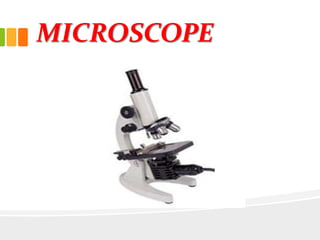
MICROSCOPE
CELL
• Cell is the fundamental unit of life .
• Cell is the structural and functional
unit of life.
• It is known as structural and
functional unit of life because
whole body is made up of cell.
• It is known as fundamental unit of
life because all functions regulates
inside the cell.
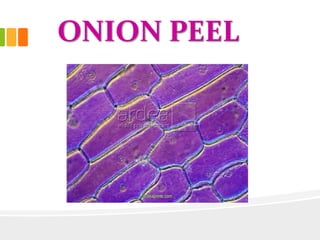
ONION PEEL
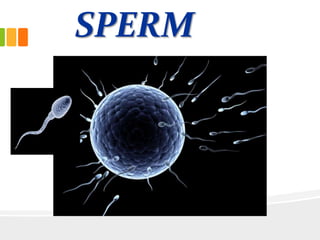
SPERM
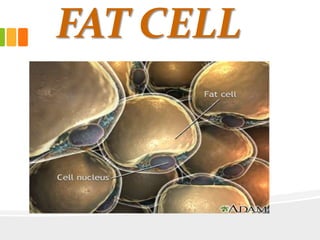
FAT CELL
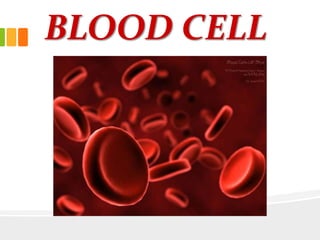
BLOOD CELL
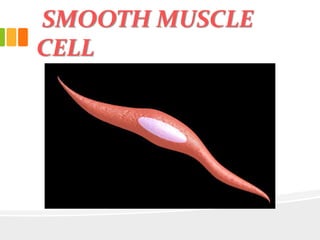
SMOOTH MUSCLE
CELL
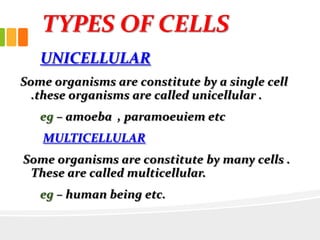
TYPES OF CELLS
UNICELLULAR
Some organisms are constitute by a single cell
.these organisms are called unicellular .
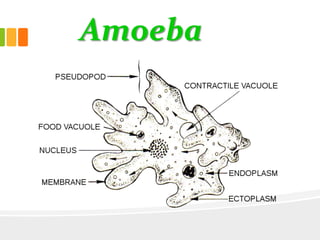
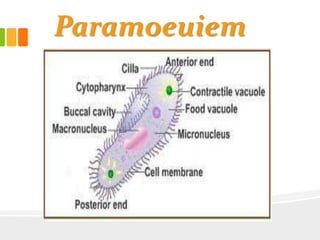
eg – amoeba , paramoeuiem etc
MULTICELLULAR
Some organisms are constitute by many cells .
These are called multicellular.
eg – human being etc.
Amoeba
Paramoeuiem
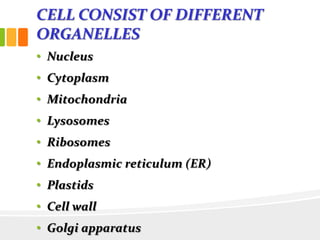
CELL CONSIST OF DIFFERENT
ORGANELLES
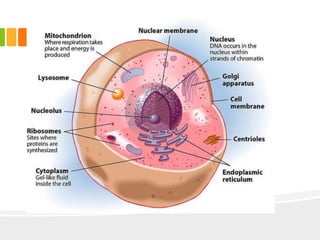
• Nucleus
• Cytoplasm
• Mitochondria
• Lysosomes
• Ribosomes
• Endoplasmic reticulum (ER)
• Plastids
• Cell wall
• Golgi apparatus
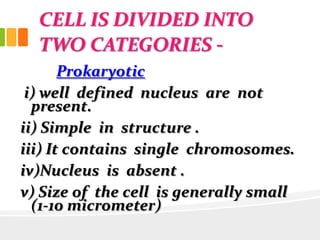
CELL IS DIVIDED INTO
TWO CATEGORIES -
Prokaryotic
i) well defined nucleus are not
present.
ii) Simple in structure .
iii) It contains single chromosomes.
iv)Nucleus is absent .
v) Size of the cell is generally small
(1-10 micrometer)
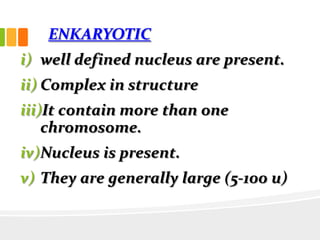
ENKARYOTIC
i) well defined nucleus are present.
ii) Complex in structure
iii)It contain more than one
chromosome.
iv)Nucleus is present.
v) They are generally large (5-100 u)
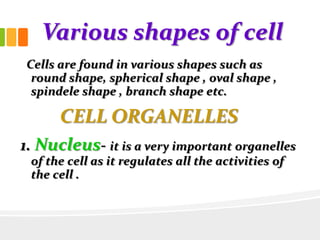
Various shapes of cell
Cells are found in various shapes such as
round shape, spherical shape , oval shape ,
spindele shape , branch shape etc.
CELL ORGANELLES
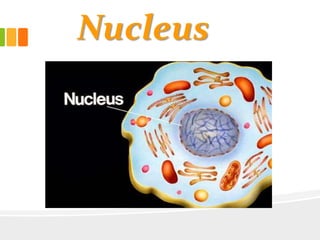
1. Nucleus- it is a very important organelles
of the cell as it regulates all the activities of
the cell .
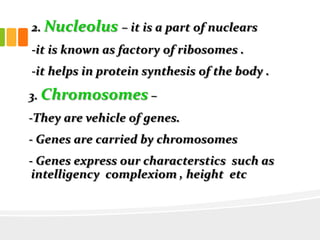
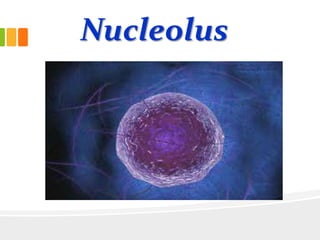
2. Nucleolus – it is a part of nuclears
-it is known as factory of ribosomes .
-it helps in protein synthesis of the body .
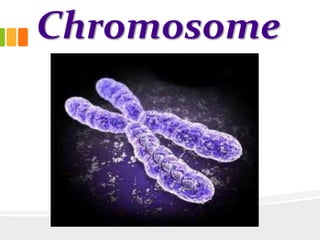
3. Chromosomes –
-They are vehicle of genes.
- Genes are carried by chromosomes
- Genes express our characterstics such as
intelligency complexiom , height etc
Nucleus
Nucleolus
Chromosome
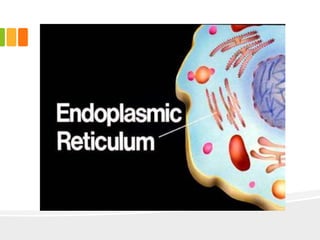
ENDOPLASMIC RETICULUM
• It is located around the nucleus of the cells.
• They are large network like structure .
• It looks like longs tubules or round on oblong
bags (vesicles)
• They are of two types –
i) RER (rough Endoplasmic reticulum)
ER -
ii)SER (smooth Endoplasmic reticulum)
The main function of ER are
detxification of poisonous material
and exchanging of material .
• Functions of RER – RER is the site
of protein and they manufacture
proteins . It consist of many
ribosomes and so the surface is
rough & they named after rough
Endoplasmic reticulum (RER).
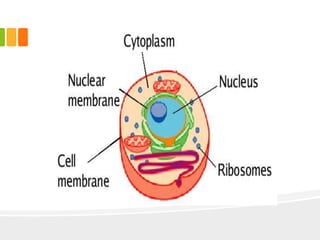
NUCLEAR MEMBRANE
• It is the outermost layer of
nucleus .
• It helps in the exchange of
material .
• It contains chromosomes .
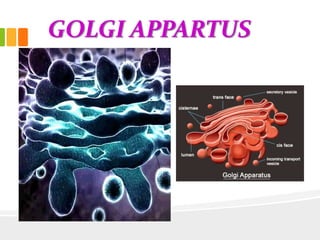
GOLGI APPARTUS
1. Camillo Golgi , a famous biologist & a
scientist recognised the Golgi body in the
nerve cell .
2. They are located in the nerve cell as well as
in every part of the cell .
3. They are in a parallel way .
4. It consist of a system of membrane –
bound vesicles arranged approximately
parallel to each other in stacks called
misters
5. The main functions Golgi body
included the storage ,
modification and packing of
products in vesicle . It helps in
the synthesis of lysosomes .
GOLGI APPARTUS
LYSOSOMES
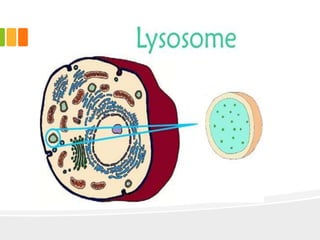
• They are known as suicide bag of the cell.
• They look like rounded bodies consist of
digestive enzymes .
• lysosomes acts as cleaners or sweppers of the
cell .
• lysosomes acts as suicide bag as they consist
of powerful digestive enzymes
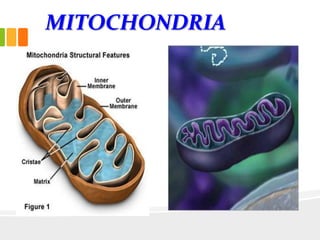
MITOCHONDRIA
• It is known as power house of the cell as it
helps in the production of ATP (adenosine tri
phosphate ).
• Mitochondria have two membrane covering in
which outer membrane is porous in nature
while the inner membrane is deeply folded .
• It is a double membrane structure outer
membrane porous and inner membrane deeply
folded to create large surface area for ATP
generation chemical reactions .
• ATP (adenosine tri phosphate) in the
energy currency of cell it is used for.
- ranking new chemical compounds.
- For mechanical work.
MITOCHONDRIA
PLASTIDS
1. Present only in plant cell .
2. There are two types of plastids .
- chromoplast (coloured plastids).
- Leucoplast (colourless of white plastids ).
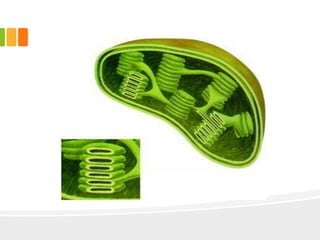
3. Plastids with chlorophyll pigment are
called as chloroplast . They can be green ,
red, yellow , brown.
4. Depending upon the types of pigment
5. Functions –
- Chloroplast are known as kitchen of the
cell . It helps in synthesis of food by the
process of photosythesis
- Lactoplast – stored material such as starch ,
oil and protein .
- Chromoplast - chromoplast impart colures to
flower which helps in pollination .
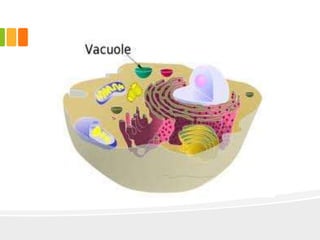
VACOULES
• Storage sacs for solid or liquid
material .
• Vacuoles are large and numerous in
plants cell.
• They are small or absent in animal
cell .
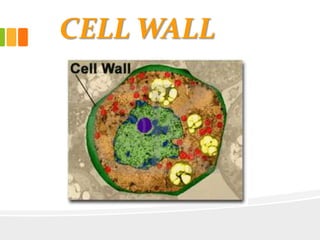
CELL WALL
• A rigid outer covering outside
plasma membrane is called
cell wall . It is found mainly
fungi , bacteria and plants cells
. It is found mainly fungi ,
bacteria and plant cells. In
plant cell wall is made up of
cellulose.
CELL WALL
MEMBRANE/PLASMA
MEMBRANE
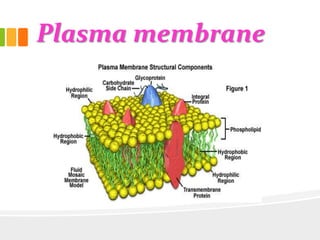
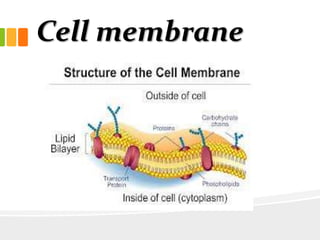
• Plasma membrane is the outermost covering
of the cell that separate the cell from external
environment . it is a semi- permeable
membrane . It is flexible and is made up of
liquids and protein microscope .
• It flexibility helps the cell to engulf in food
and other material from its external
environment. This process is called as
endrytosis . For eg - amoeba
Plasma membrane
Cell membrane
DIFFUSION
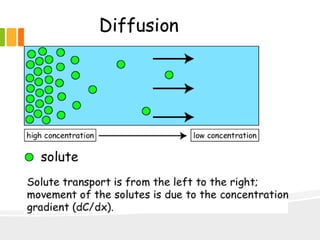
- The movement of substance from a region of
high concentration to a region of two
concentration on it is called diffusion .
- It plays as important role in gaseous
exchange between cell as well as the cell and
its external environment
- When the level of oxygen inside a cell decrease
oxygen from the external environment of the
cell enters ,by the process of diffusion .
OSMOSIS
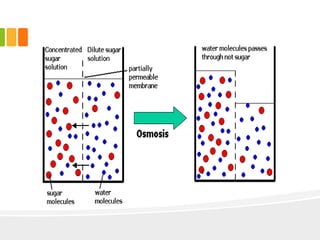
• Osmosis is the passage of water
form a region of high water
concentration to a region of low
water concentration through a
semi - permeable membrane.
• A membrane which permits the
entry and exits of some material in
the cell is called semi - permeable
membrane . It also prevents
movements of some material .
• If a cell is placed in a medium
which has higher water
concentration and lower solute
concentration , that is the outside
solution is dilute , cell will again
water by osmosis and swell up .
such a solution is called hypotonic
solution .
• If a cell is placed in a medium which
has lower water concentration then
cell sap [hytonic] , then the cell will
again water. This is called osmosis
• When cell are kept in a solution more
concentrated than cell sap
[hypertonic] they start shrinking , as
water comes out this is called
exosmosis .
• The absorption of water from soil by
plant root takes place by osmosis .
• If the water concentration outside the
cell is similar to inside the cell , it is
called as isotonic solution No net
movement of water takes place in such
conditions .
CLASS - 9 C
DONE BY- Paulomi das

THE FUNDAMENTAL UNIT OF LIFE

  • 1.
  • 2.
  • 3.
    CELL • Cell isthe fundamental unit of life . • Cell is the structural and functional unit of life. • It is known as structural and functional unit of life because whole body is made up of cell. • It is known as fundamental unit of life because all functions regulates inside the cell.
  • 5.
  • 6.
  • 7.
  • 8.
  • 9.
  • 10.
    TYPES OF CELLS UNICELLULAR Someorganisms are constitute by a single cell .these organisms are called unicellular . eg – amoeba , paramoeuiem etc MULTICELLULAR Some organisms are constitute by many cells . These are called multicellular. eg – human being etc.
  • 11.
  • 12.
  • 13.
    CELL CONSIST OFDIFFERENT ORGANELLES • Nucleus • Cytoplasm • Mitochondria • Lysosomes • Ribosomes • Endoplasmic reticulum (ER) • Plastids • Cell wall • Golgi apparatus
  • 14.
    CELL IS DIVIDEDINTO TWO CATEGORIES - Prokaryotic i) well defined nucleus are not present. ii) Simple in structure . iii) It contains single chromosomes. iv)Nucleus is absent . v) Size of the cell is generally small (1-10 micrometer)
  • 15.
    ENKARYOTIC i) well definednucleus are present. ii) Complex in structure iii)It contain more than one chromosome. iv)Nucleus is present. v) They are generally large (5-100 u)
  • 16.
    Various shapes ofcell Cells are found in various shapes such as round shape, spherical shape , oval shape , spindele shape , branch shape etc. CELL ORGANELLES 1. Nucleus- it is a very important organelles of the cell as it regulates all the activities of the cell .
  • 17.
    2. Nucleolus –it is a part of nuclears -it is known as factory of ribosomes . -it helps in protein synthesis of the body . 3. Chromosomes – -They are vehicle of genes. - Genes are carried by chromosomes - Genes express our characterstics such as intelligency complexiom , height etc
  • 18.
  • 19.
  • 20.
  • 21.
    ENDOPLASMIC RETICULUM • Itis located around the nucleus of the cells. • They are large network like structure . • It looks like longs tubules or round on oblong bags (vesicles) • They are of two types – i) RER (rough Endoplasmic reticulum) ER - ii)SER (smooth Endoplasmic reticulum)
  • 22.
    The main functionof ER are detxification of poisonous material and exchanging of material . • Functions of RER – RER is the site of protein and they manufacture proteins . It consist of many ribosomes and so the surface is rough & they named after rough Endoplasmic reticulum (RER).
  • 24.
    NUCLEAR MEMBRANE • Itis the outermost layer of nucleus . • It helps in the exchange of material . • It contains chromosomes .
  • 26.
    GOLGI APPARTUS 1. CamilloGolgi , a famous biologist & a scientist recognised the Golgi body in the nerve cell . 2. They are located in the nerve cell as well as in every part of the cell . 3. They are in a parallel way . 4. It consist of a system of membrane – bound vesicles arranged approximately parallel to each other in stacks called misters
  • 27.
    5. The mainfunctions Golgi body included the storage , modification and packing of products in vesicle . It helps in the synthesis of lysosomes .
  • 28.
  • 29.
    LYSOSOMES • They areknown as suicide bag of the cell. • They look like rounded bodies consist of digestive enzymes . • lysosomes acts as cleaners or sweppers of the cell . • lysosomes acts as suicide bag as they consist of powerful digestive enzymes
  • 31.
    MITOCHONDRIA • It isknown as power house of the cell as it helps in the production of ATP (adenosine tri phosphate ). • Mitochondria have two membrane covering in which outer membrane is porous in nature while the inner membrane is deeply folded . • It is a double membrane structure outer membrane porous and inner membrane deeply folded to create large surface area for ATP generation chemical reactions .
  • 32.
    • ATP (adenosinetri phosphate) in the energy currency of cell it is used for. - ranking new chemical compounds. - For mechanical work.
  • 33.
  • 34.
    PLASTIDS 1. Present onlyin plant cell . 2. There are two types of plastids . - chromoplast (coloured plastids). - Leucoplast (colourless of white plastids ). 3. Plastids with chlorophyll pigment are called as chloroplast . They can be green , red, yellow , brown. 4. Depending upon the types of pigment
  • 35.
    5. Functions – -Chloroplast are known as kitchen of the cell . It helps in synthesis of food by the process of photosythesis - Lactoplast – stored material such as starch , oil and protein . - Chromoplast - chromoplast impart colures to flower which helps in pollination .
  • 37.
    VACOULES • Storage sacsfor solid or liquid material . • Vacuoles are large and numerous in plants cell. • They are small or absent in animal cell .
  • 39.
    CELL WALL • Arigid outer covering outside plasma membrane is called cell wall . It is found mainly fungi , bacteria and plants cells . It is found mainly fungi , bacteria and plant cells. In plant cell wall is made up of cellulose.
  • 40.
  • 41.
    MEMBRANE/PLASMA MEMBRANE • Plasma membraneis the outermost covering of the cell that separate the cell from external environment . it is a semi- permeable membrane . It is flexible and is made up of liquids and protein microscope . • It flexibility helps the cell to engulf in food and other material from its external environment. This process is called as endrytosis . For eg - amoeba
  • 42.
  • 43.
  • 44.
    DIFFUSION - The movementof substance from a region of high concentration to a region of two concentration on it is called diffusion . - It plays as important role in gaseous exchange between cell as well as the cell and its external environment - When the level of oxygen inside a cell decrease oxygen from the external environment of the cell enters ,by the process of diffusion .
  • 46.
    OSMOSIS • Osmosis isthe passage of water form a region of high water concentration to a region of low water concentration through a semi - permeable membrane. • A membrane which permits the entry and exits of some material in the cell is called semi - permeable membrane . It also prevents movements of some material .
  • 47.
    • If acell is placed in a medium which has higher water concentration and lower solute concentration , that is the outside solution is dilute , cell will again water by osmosis and swell up . such a solution is called hypotonic solution . • If a cell is placed in a medium which has lower water concentration then cell sap [hytonic] , then the cell will again water. This is called osmosis
  • 48.
    • When cellare kept in a solution more concentrated than cell sap [hypertonic] they start shrinking , as water comes out this is called exosmosis . • The absorption of water from soil by plant root takes place by osmosis . • If the water concentration outside the cell is similar to inside the cell , it is called as isotonic solution No net movement of water takes place in such conditions .
  • 50.
    CLASS - 9C DONE BY- Paulomi das

Editor's Notes