Science Notes: Ch. 16; The Endocrine System
Endocrine Differences from Nervous system


 The nervous system works by sending an
 action potential along an axon and then a
 chemical is released at the end of the nerve
 path. Acts quickly, shorter-term effect
 The Endocrine system works by an endocrine
 gland releasing a hormone directly into the
 blood: Acts slower: longer-lasting effect.
General Functions

Regulation of metabolism
Regulation of emotions
Regulation of growth & development
Regulation of sexual reproduction
Some Specific Functions
Water balance.
Uterine contraction during birth.
Milk release from breasts.
Tissue maturation.
Heart rate.
Blood pressure.
Blood glucose concentration.
Immune cell production.
Reproduction.
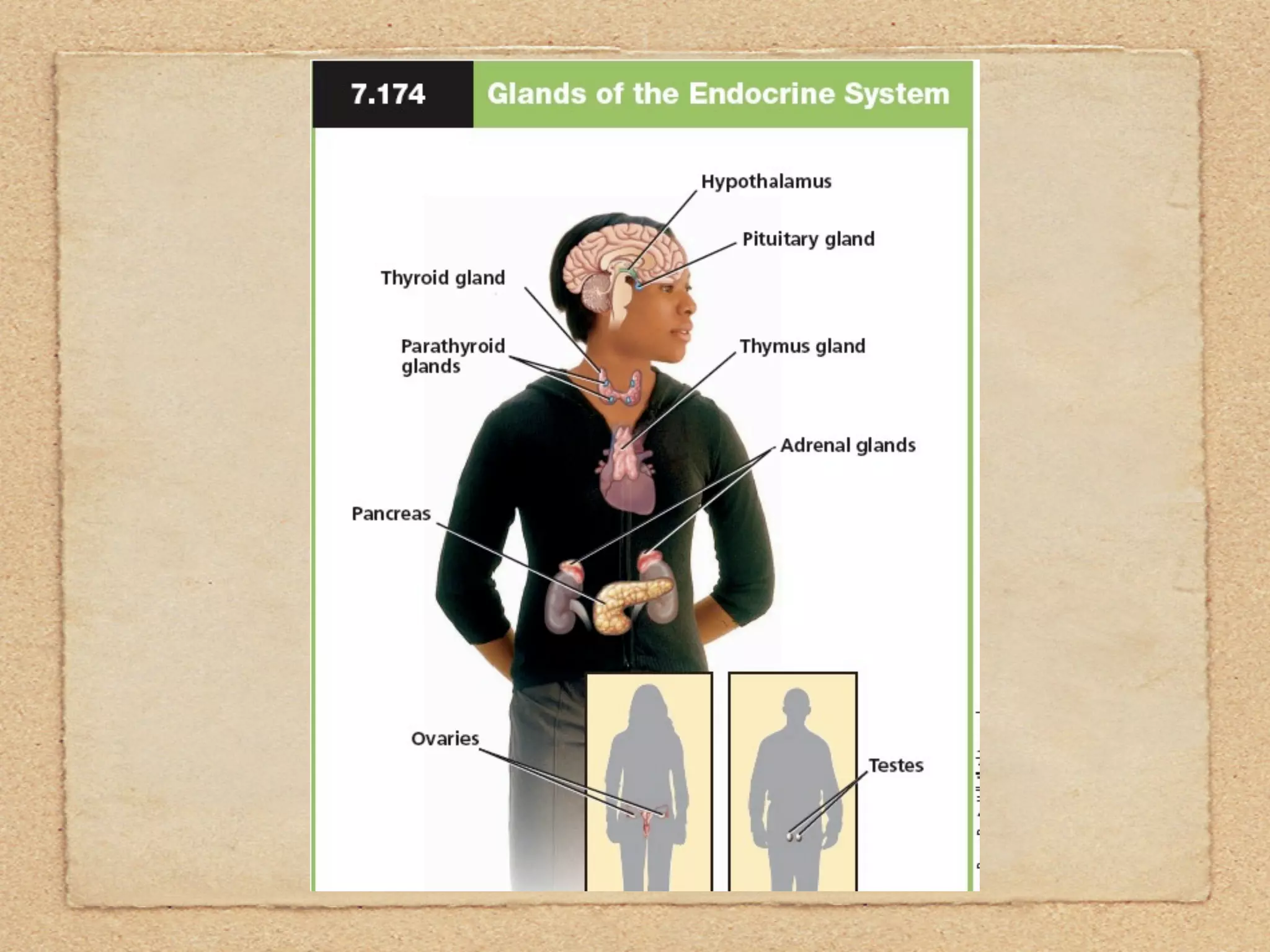
Glands of the Endocrine System
 Hypothalamus
 Pituitary
 Thymus
 Adrenal
 Testes & Ovaries
 Pancreas
 Parathyroid
 Thyroid
 Pineal body
Main Hormones & Their Functions
                Copy and memorize 6 of the following hormones

Antidiruretic hormone Regulates fluid & electrolyte balance in the kidney.

Luteinizing hormone Stimulate release of estrogen and testosterone.

Thymosin enhances the ability of the immune system.

Cortisol Immune suppression & stress response.

Testosterone, Estrogen, Progesterone Regulates reproductive processes.

Insulin Regulates blood sugar levels.

Parathyroid hormone Regulates blood levels of calcium in the blood.

Thyroxine Regulation of metabolism.

Melatonin Regulates the onset of puberty by acting on hypothalamus;
regulates our biological clock.

Click here for a detailed list of hormone actions on the Web
Definitions
Hormones--turn on, turn off, speed up, slow down
the activities of of different tissues and organs; A
chemical messenger.
The Brain & Nervous System--regulates if a
hormone is released or not, when, & how much.
Target Cell Receptor Proteins--allow hormones to
act on certain organs but not others by the presence
or absence of these cells.
Glands to Know...
Hypothalamus:
     This gland is the link between the nervous
     system and the endocrine system. Found in
     the brain.
     The hypothalamus receives nerve messages
     that produce hormones that control other
     adrenal glands.
Glands to Know...
Pituitary;
        Also found in the brain.
        Communicates with hypothalamus to regulate many
        body activities.
        Releases more types of hormones than any other
        gland.
        Stimulates production of estrogen, sperm, stimulates
        growth, milk production, & maintains skin tone.
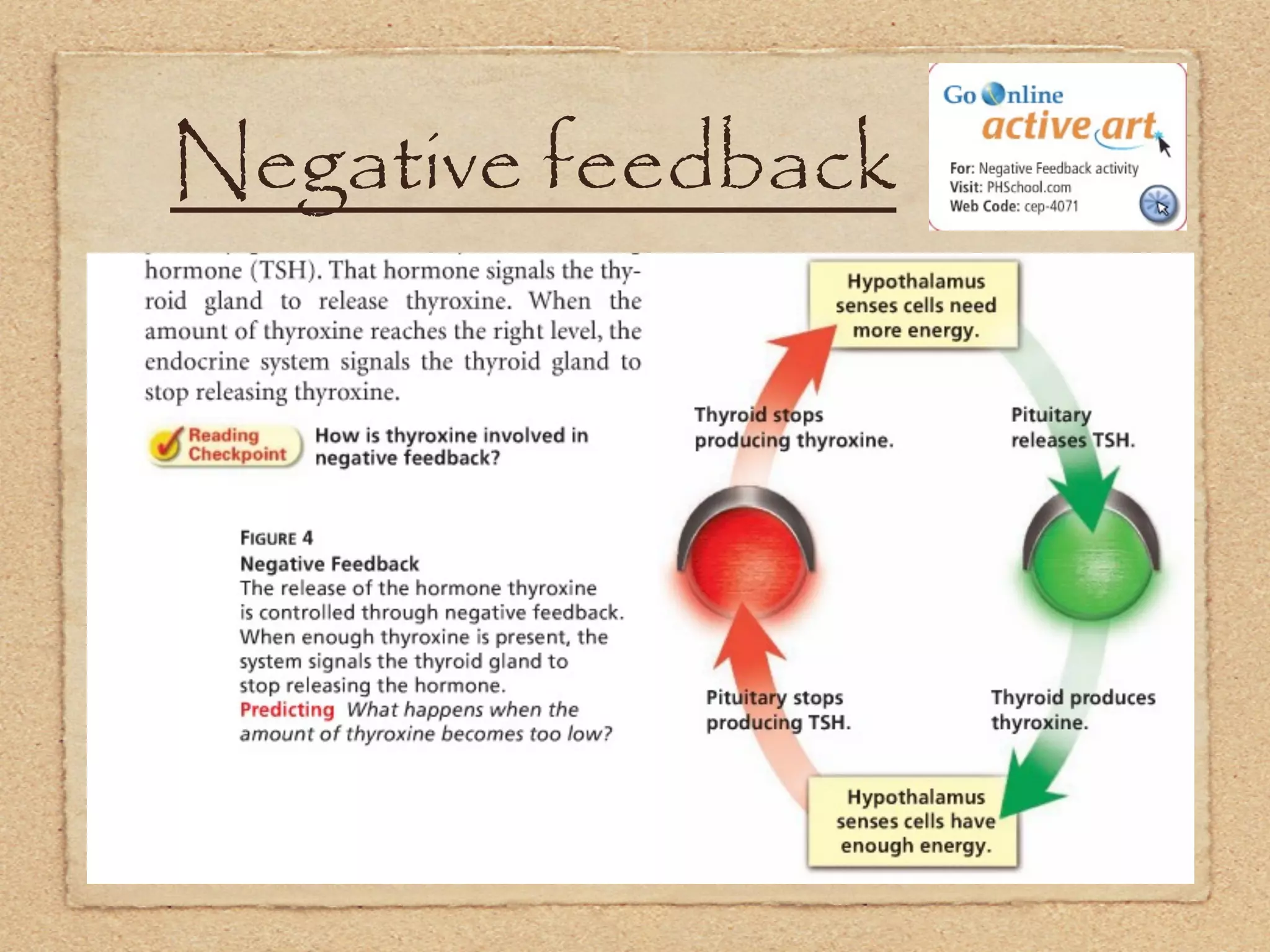
Negative Feedback

Negative feedback happens when
hormone production reaches a high level
and this triggers the adrenal system to
produce a second hormone which turns off
production of the first hormone.
Negative feedback
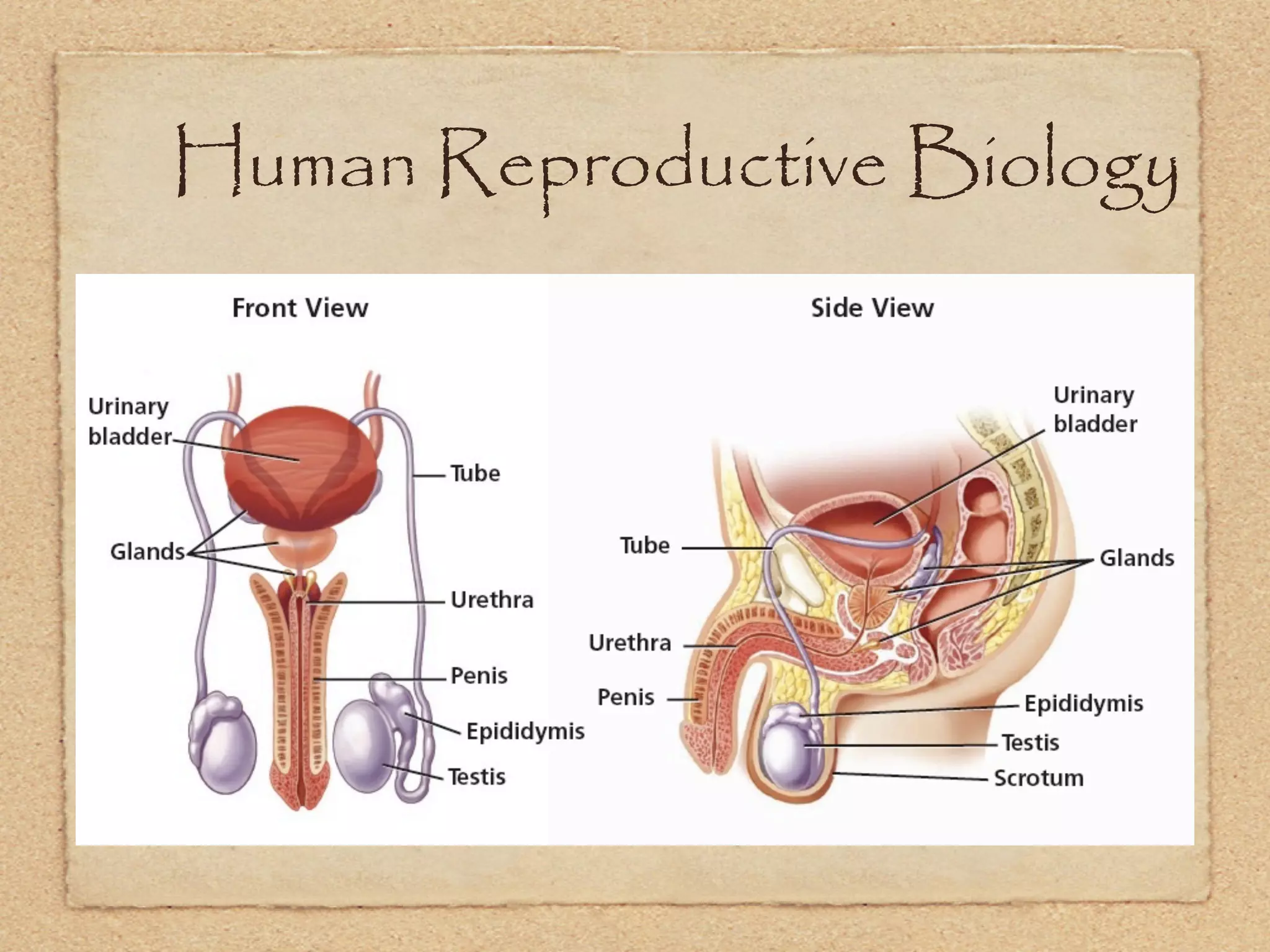
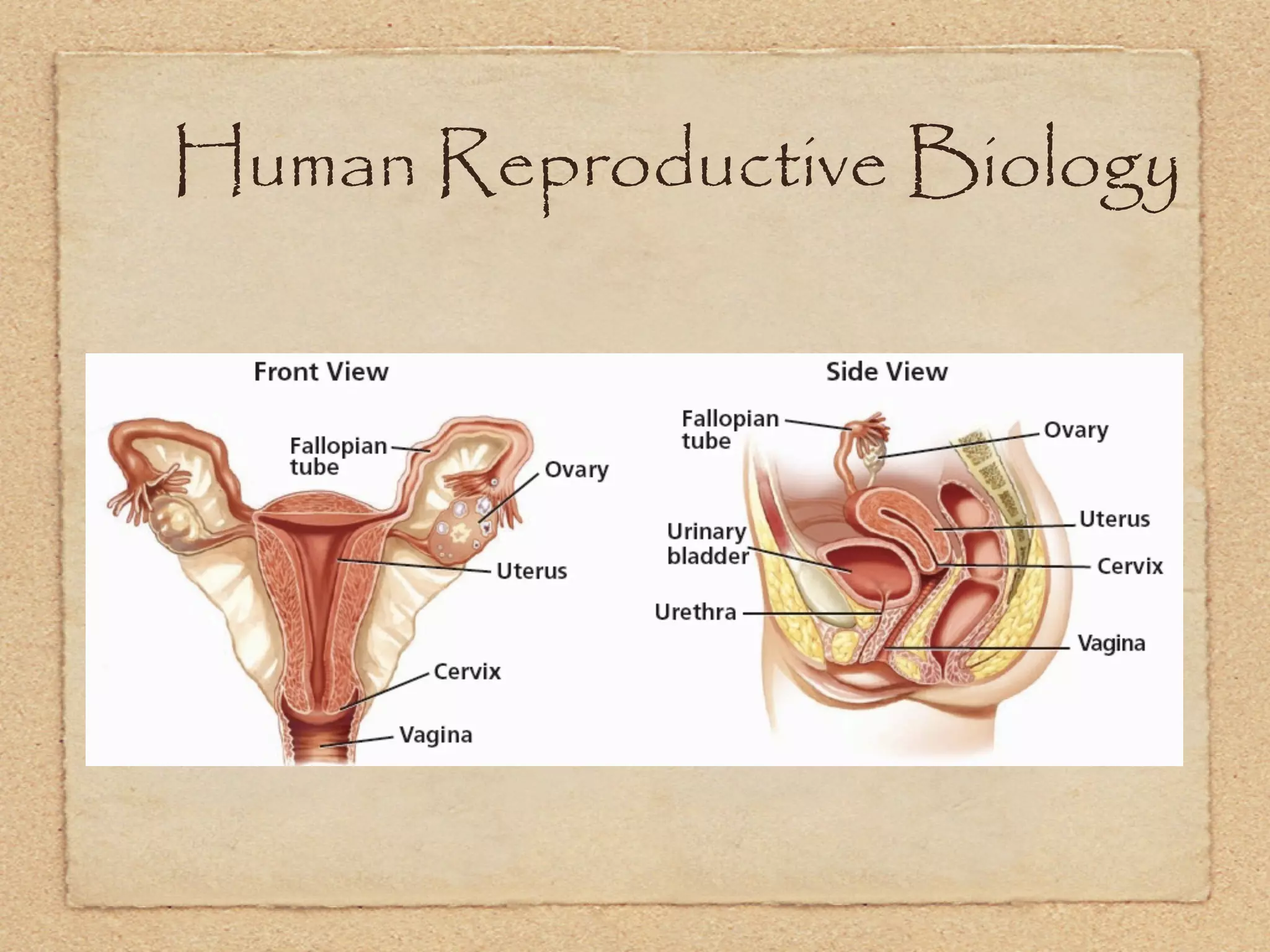
Human Reproductive Biology
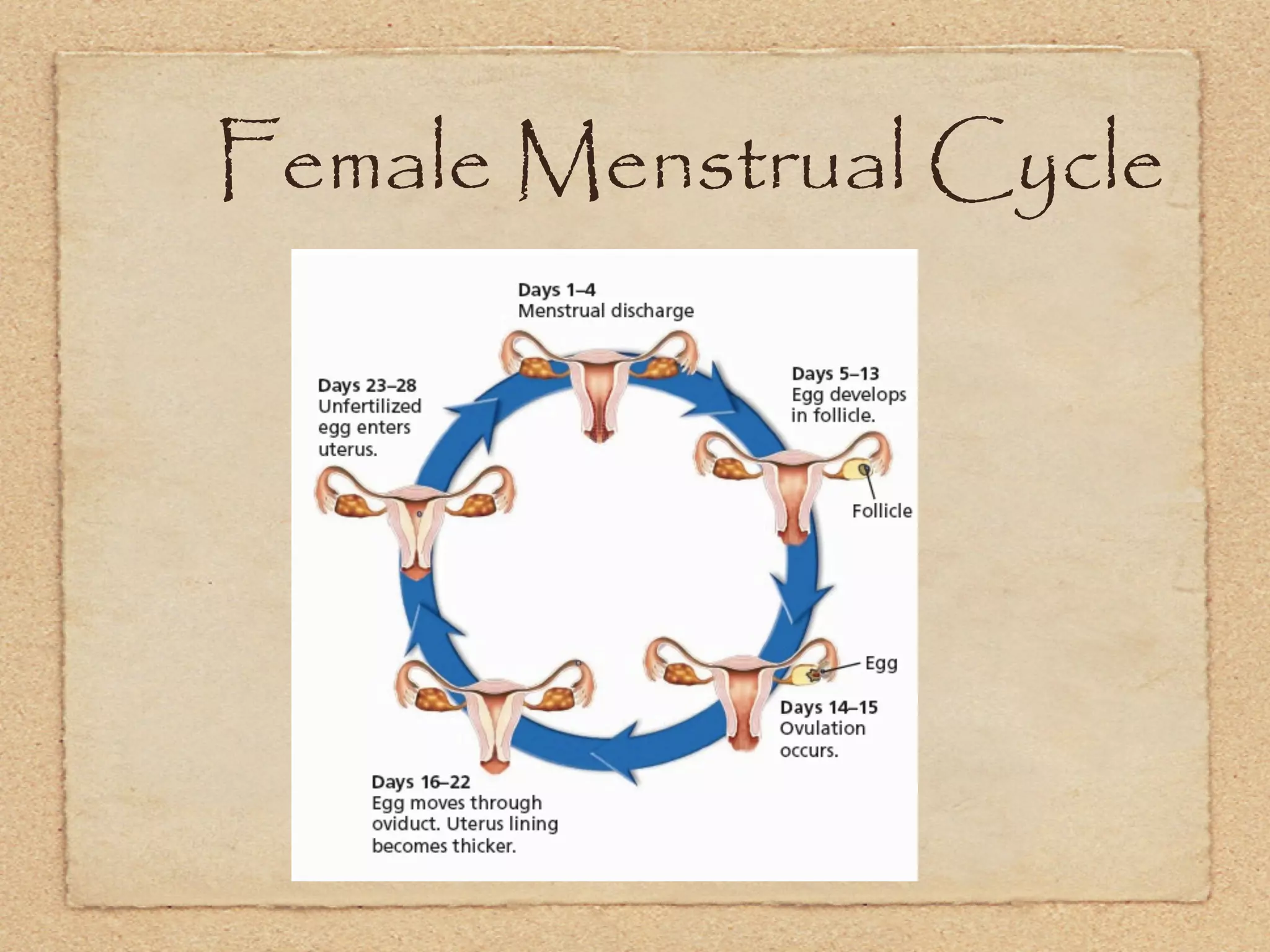
Female Menstrual Cycle
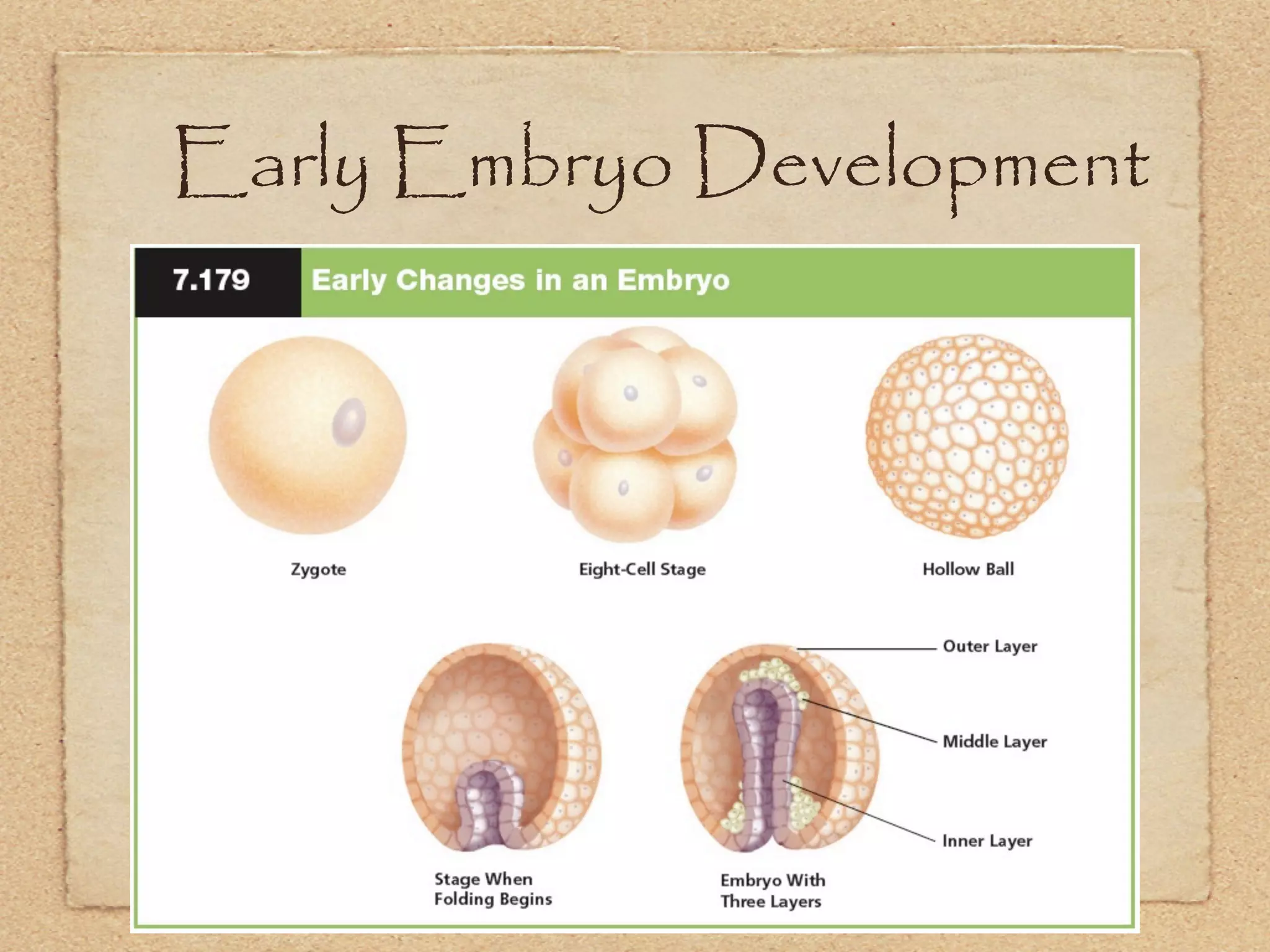
Early Embryo Development
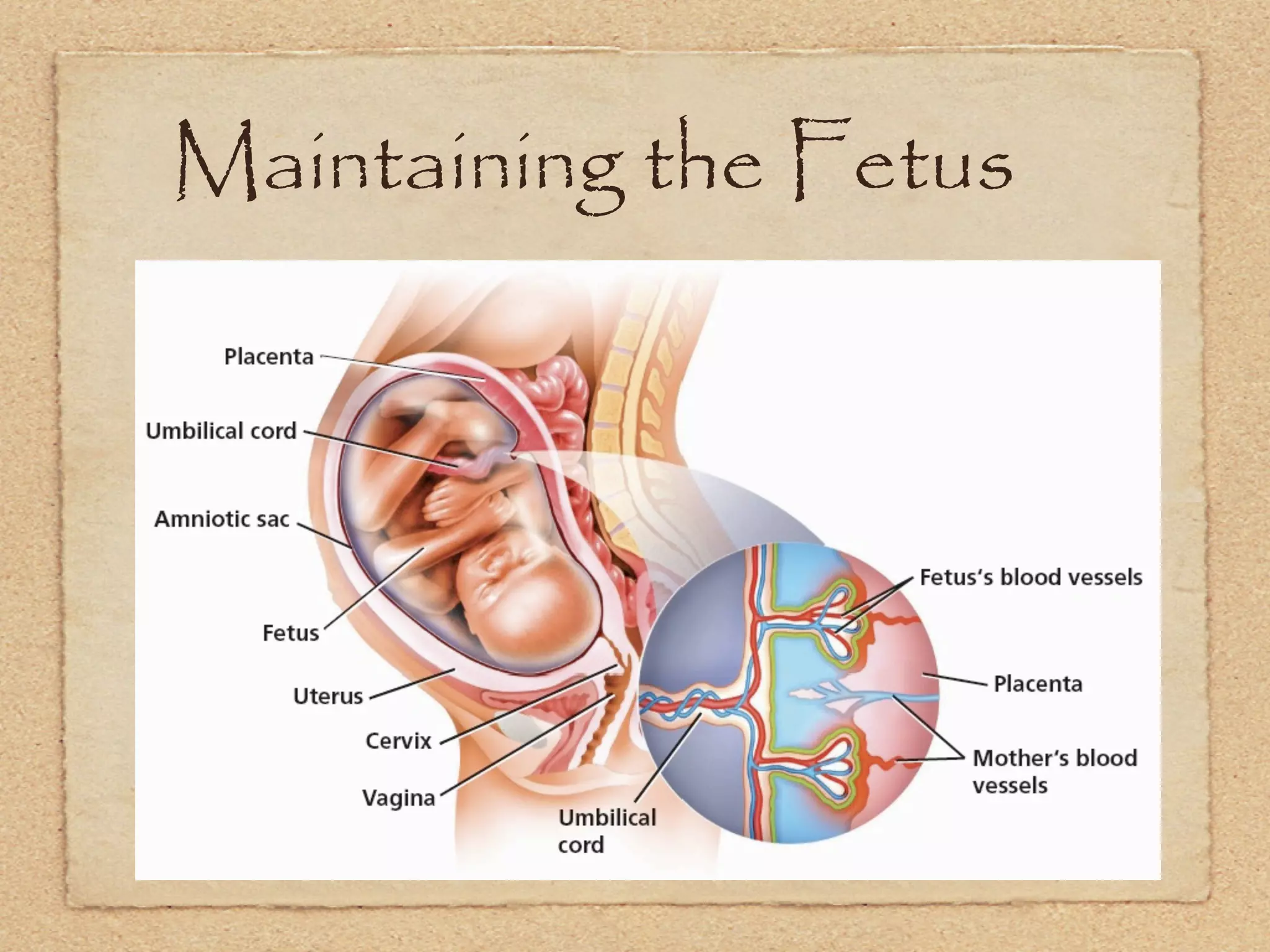
Maintaining the Fetus
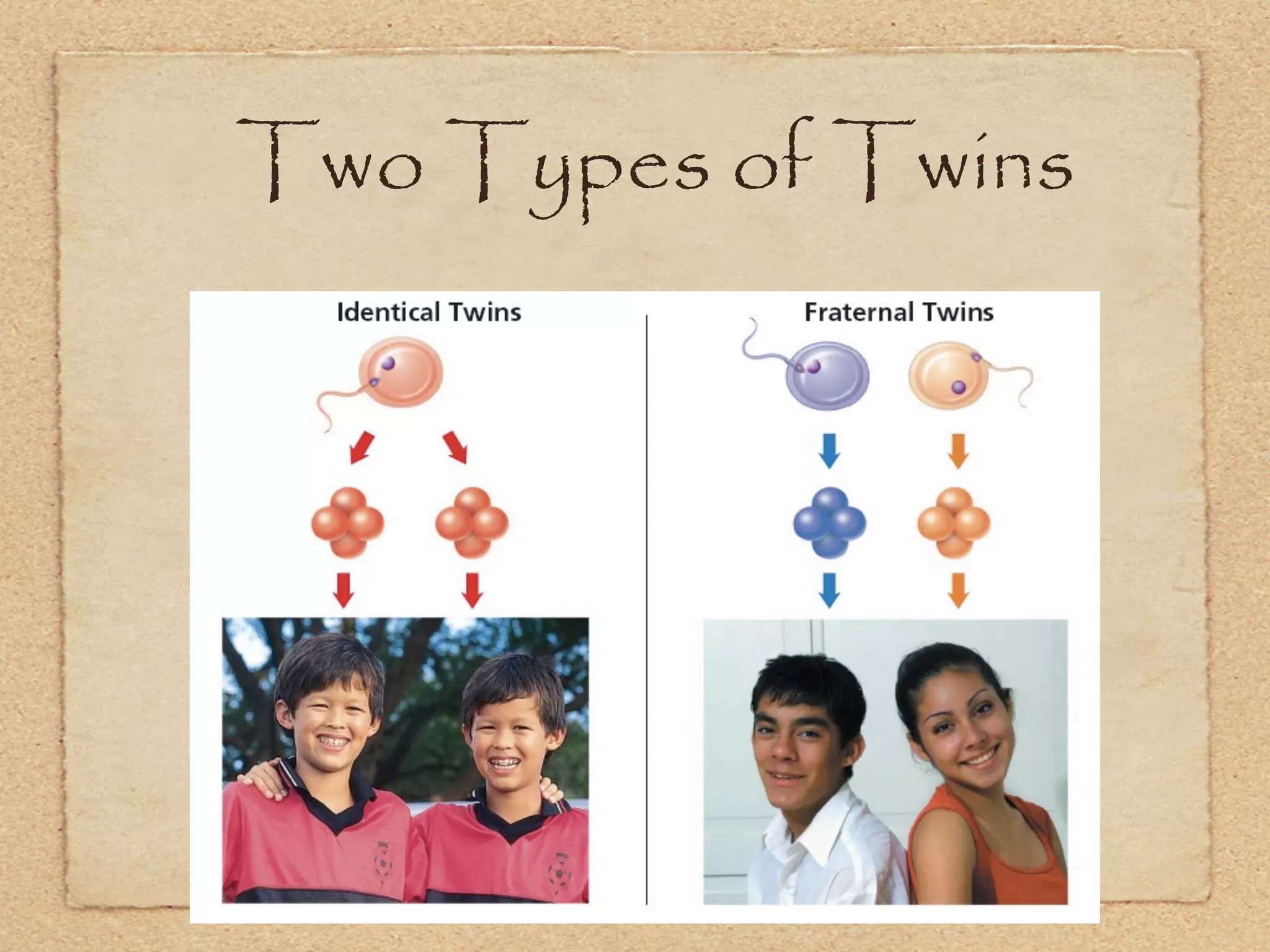
Two Types of Twins
Keynote; ch. 16; endocrine system

Keynote; ch. 16; endocrine system

  • 1.
    Science Notes: Ch.16; The Endocrine System
  • 2.
    Endocrine Differences fromNervous system The nervous system works by sending an action potential along an axon and then a chemical is released at the end of the nerve path. Acts quickly, shorter-term effect The Endocrine system works by an endocrine gland releasing a hormone directly into the blood: Acts slower: longer-lasting effect.
  • 3.
    General Functions Regulation ofmetabolism Regulation of emotions Regulation of growth & development Regulation of sexual reproduction
  • 4.
    Some Specific Functions Waterbalance. Uterine contraction during birth. Milk release from breasts. Tissue maturation. Heart rate. Blood pressure. Blood glucose concentration. Immune cell production. Reproduction.
  • 5.
    Glands of theEndocrine System Hypothalamus Pituitary Thymus Adrenal Testes & Ovaries Pancreas Parathyroid Thyroid Pineal body
  • 7.
    Main Hormones &Their Functions Copy and memorize 6 of the following hormones Antidiruretic hormone Regulates fluid & electrolyte balance in the kidney. Luteinizing hormone Stimulate release of estrogen and testosterone. Thymosin enhances the ability of the immune system. Cortisol Immune suppression & stress response. Testosterone, Estrogen, Progesterone Regulates reproductive processes. Insulin Regulates blood sugar levels. Parathyroid hormone Regulates blood levels of calcium in the blood. Thyroxine Regulation of metabolism. Melatonin Regulates the onset of puberty by acting on hypothalamus; regulates our biological clock. Click here for a detailed list of hormone actions on the Web
  • 8.
    Definitions Hormones--turn on, turnoff, speed up, slow down the activities of of different tissues and organs; A chemical messenger. The Brain & Nervous System--regulates if a hormone is released or not, when, & how much. Target Cell Receptor Proteins--allow hormones to act on certain organs but not others by the presence or absence of these cells.
  • 9.
    Glands to Know... Hypothalamus: This gland is the link between the nervous system and the endocrine system. Found in the brain. The hypothalamus receives nerve messages that produce hormones that control other adrenal glands.
  • 10.
    Glands to Know... Pituitary; Also found in the brain. Communicates with hypothalamus to regulate many body activities. Releases more types of hormones than any other gland. Stimulates production of estrogen, sperm, stimulates growth, milk production, & maintains skin tone.
  • 11.
    Negative Feedback Negative feedbackhappens when hormone production reaches a high level and this triggers the adrenal system to produce a second hormone which turns off production of the first hormone.
  • 12.
  • 13.
  • 14.
  • 15.
  • 16.
  • 17.
  • 18.