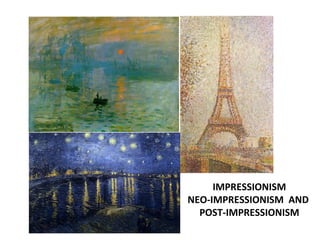
IMPRESSIONISM
NEO-IMPRESSIONISM AND
POST-IMPRESSIONISM
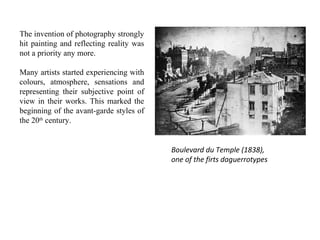
The invention of photography strongly
hit painting and reflecting reality was
not a priority any more.
Many artists started experiencing with
colours, atmosphere, sensations and
representing their subjective point of
view in their works. This marked the
beginning of the avant-garde styles of
the 20th
century.
Boulevard du Temple (1838),
one of the firts daguerrotypes
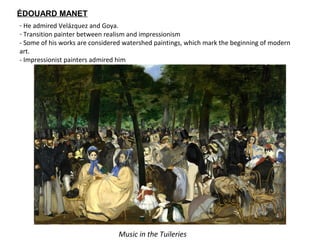
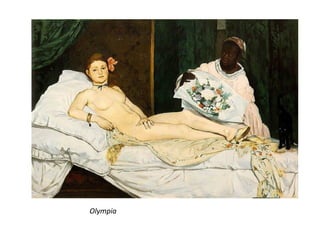
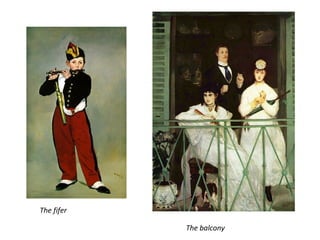
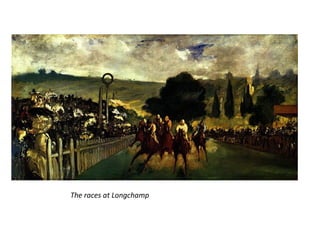
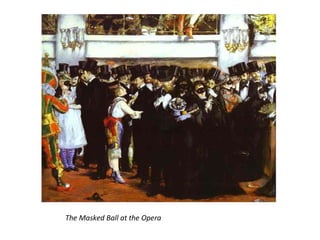
ÉDOUARD MANET
- He admired Velázquez and Goya.
- Transition painter between realism and impressionism
- Some of his works are considered watershed paintings, which mark the beginning of modern
art.
- Impressionist painters admired him
Music in the Tuileries
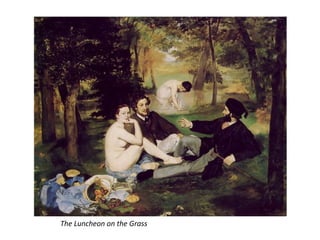
The Luncheon on the Grass
Olympia
The fifer
The balcony
The races at Longchamp
The Masked Ball at the Opera
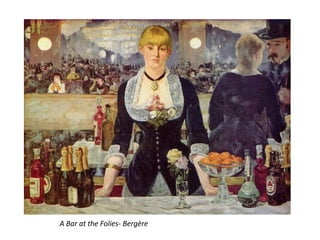
A Bar at the Folies- Bergère
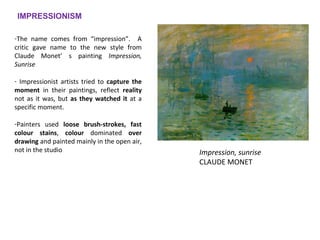
Impression, sunrise
CLAUDE MONET
-The name comes from “impression”. A
critic gave name to the new style from
Claude Monet’ s painting Impression,
Sunrise
- Impressionist artists tried to capture the
moment in their paintings, reflect reality
not as it was, but as they watched it at a
specific moment.
-Painters used loose brush-strokes, fast
colour stains, colour dominated over
drawing and painted mainly in the open air,
not in the studio
IMPRESSIONISM
CLAUDE MONET
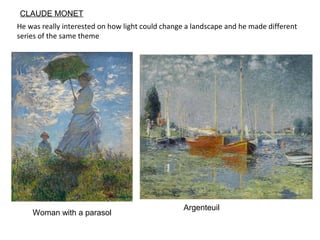
Woman with a parasol
Argenteuil
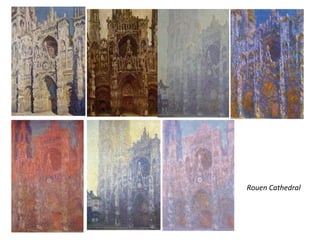
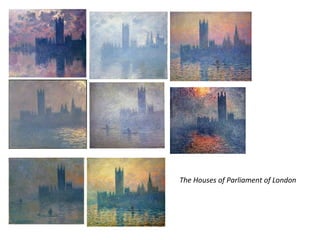
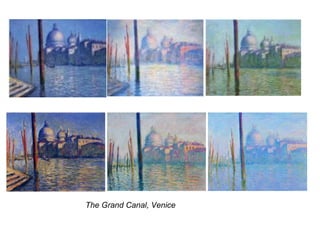
He was really interested on how light could change a landscape and he made different
series of the same theme
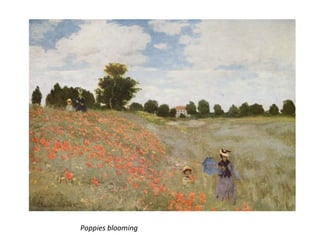
Poppies blooming
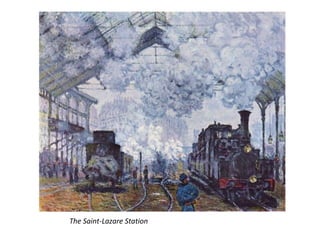
The Saint-Lazare Station
Rouen Cathedral
The Houses of Parliament of London
The Grand Canal, Venice
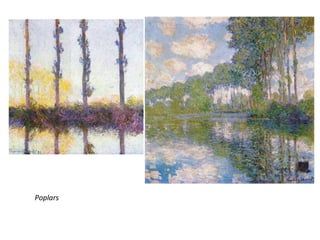
Poplars
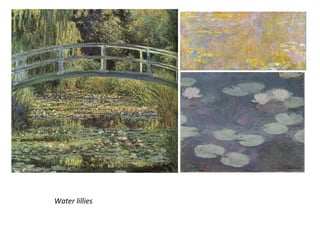
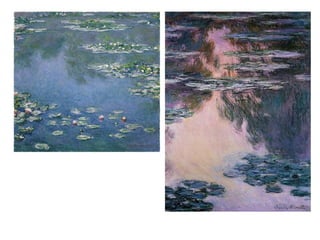
Water lillies
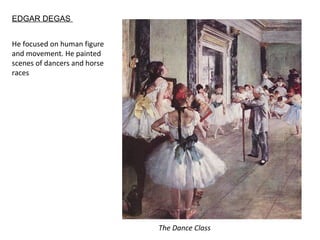
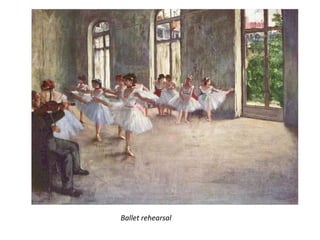
The Dance Class
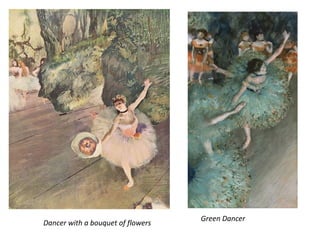
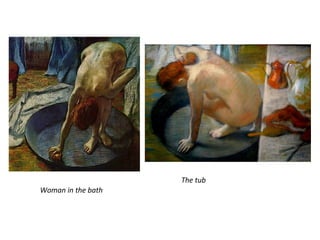
He focused on human figure
and movement. He painted
scenes of dancers and horse
races
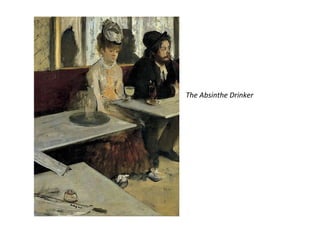
EDGAR DEGAS
Ballet rehearsal
Dancer with a bouquet of flowers
Green Dancer
Woman in the bath
The tub
The Absinthe Drinker
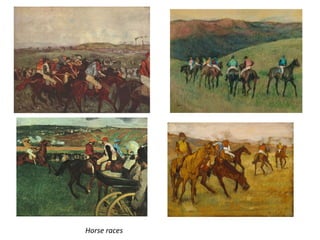
Horse races
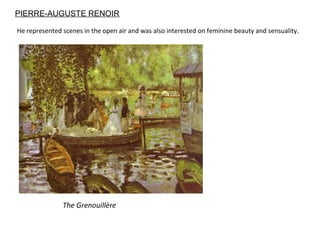
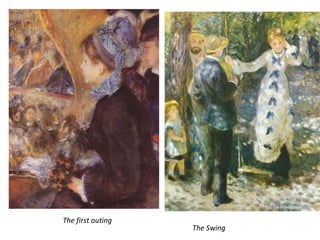
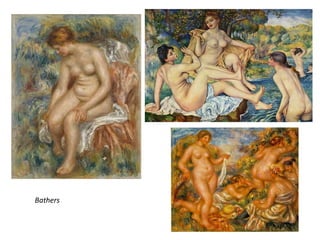
He represented scenes in the open air and was also interested on feminine beauty and sensuality.
PIERRE-AUGUSTE RENOIR
The Grenouillère
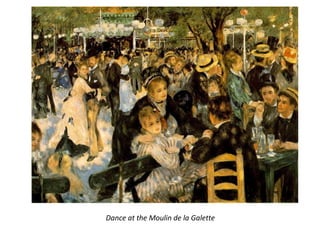
Dance at the Moulin de la Galette
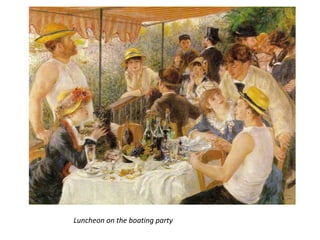
Luncheon on the boating party
The first outing
The Swing
Bathers
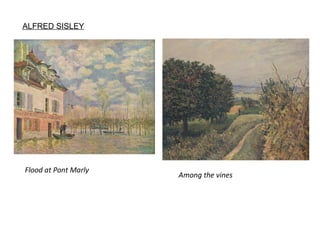
Flood at Pont Marly
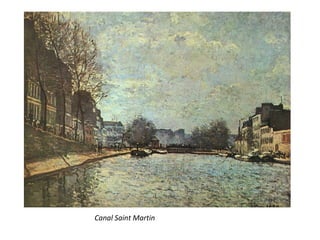
ALFRED SISLEY
Among the vines
Canal Saint Martin
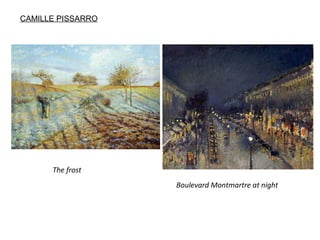
The frost
CAMILLE PISSARRO
Boulevard Montmartre at night
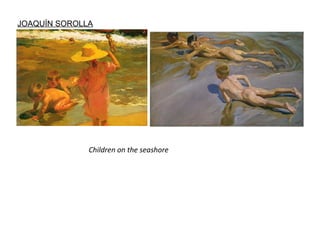
JOAQUÍN SOROLLA
Children on the seashore
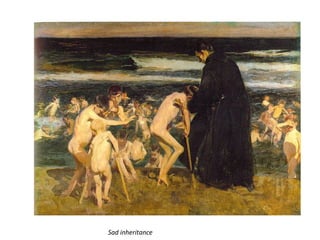
Sad inheritance
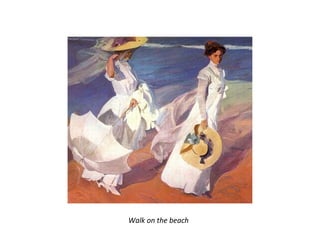
Walk on the beach
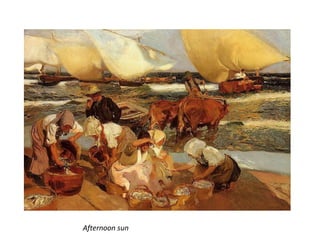
Afternoon sun
SCULPTURE
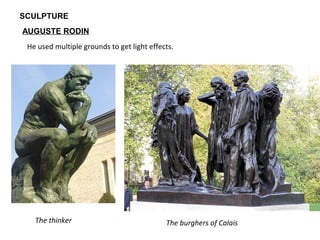
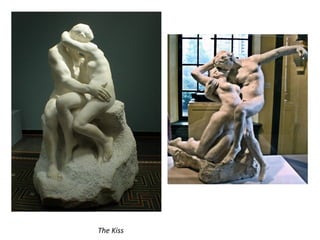
AUGUSTE RODIN
He used multiple grounds to get light effects.
The thinker The burghers of Calais
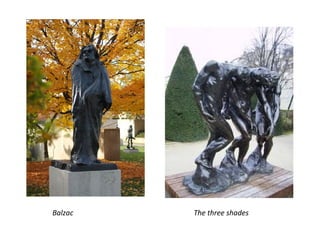
Balzac The three shades
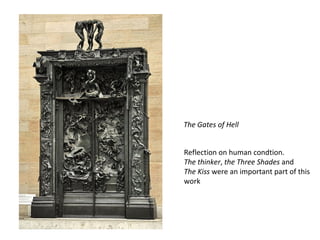
The Gates of Hell
Reflection on human condtion.
The thinker, the Three Shades and
The Kiss were an important part of this
work
The Kiss
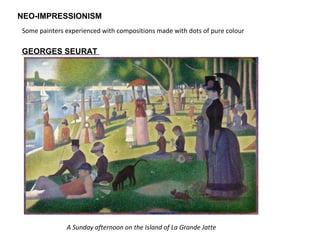
NEO-IMPRESSIONISM
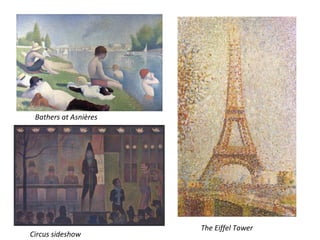
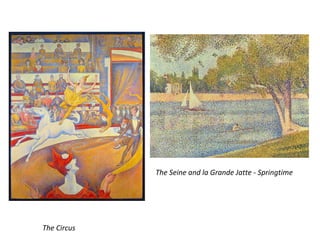
Some painters experienced with compositions made with dots of pure colour
GEORGES SEURAT
A Sunday afternoon on the Island of La Grande Jatte
Bathers at Asnières
Circus sideshow
The Eiffel Tower
The Circus
The Seine and la Grande Jatte - Springtime
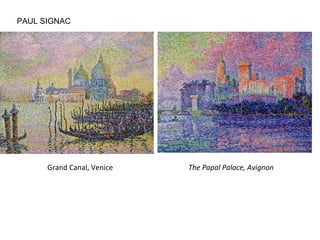
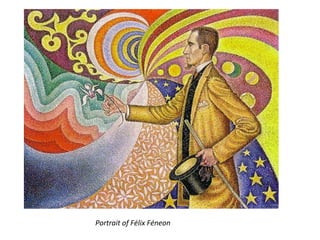
PAUL SIGNAC
The Papal Palace, AvignonGrand Canal, Venice
Portrait of Félix Féneon
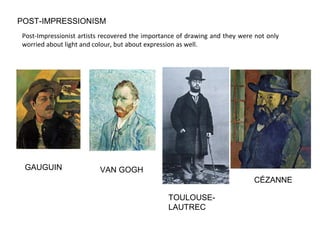
POST-IMPRESSIONISM
Post-Impressionist artists recovered the importance of drawing and they were not only
worried about light and colour, but about expression as well.
GAUGUIN VAN GOGH
TOULOUSE-
LAUTREC
CÉZANNE
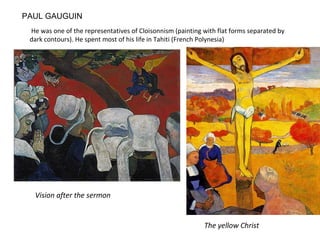
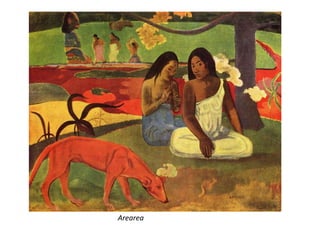
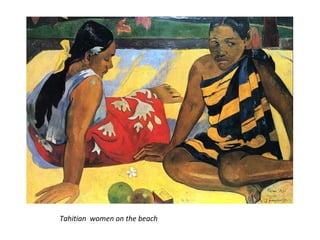
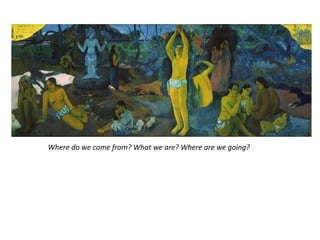
PAUL GAUGUIN
He was one of the representatives of Cloisonnism (painting with flat forms separated by
dark contours). He spent most of his life in Tahiti (French Polynesia)
The yellow Christ
Vision after the sermon
Arearea
Tahitian women on the beach
Where do we come from? What we are? Where are we going?
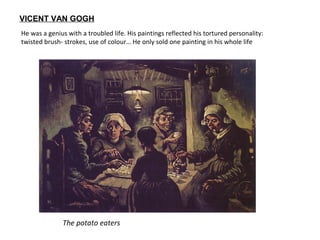
The potato eaters
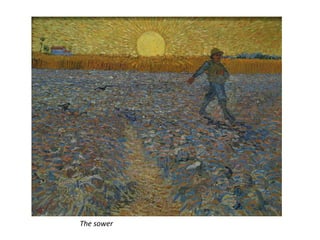
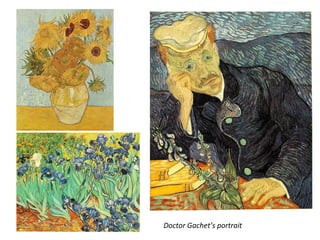
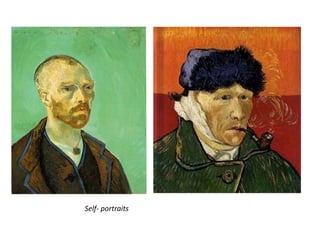
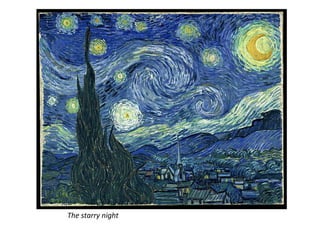
VICENT VAN GOGH
He was a genius with a troubled life. His paintings reflected his tortured personality:
twisted brush- strokes, use of colour… He only sold one painting in his whole life
The sower
Doctor Gachet’s portrait
Self- portraits
The starry night
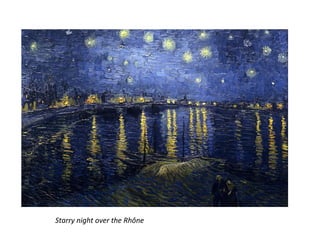
Starry night over the Rhône
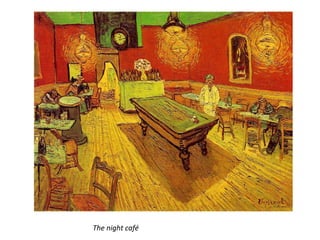
The night café
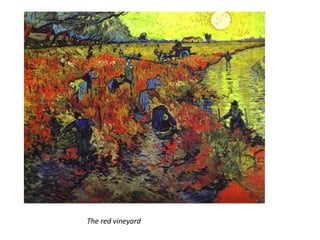
The red vineyard
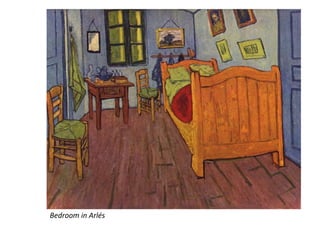
Bedroom in Arlés
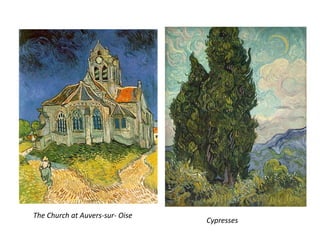
The Church at Auvers-sur- Oise
Cypresses
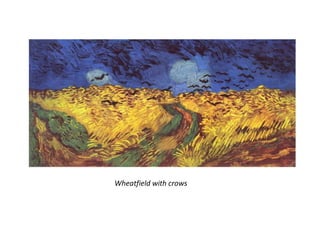
Wheatfield with crows
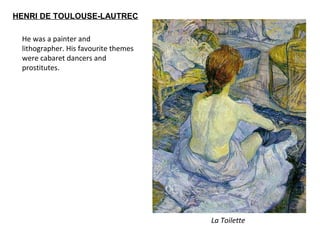
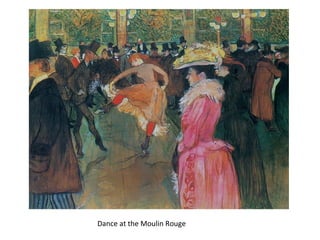
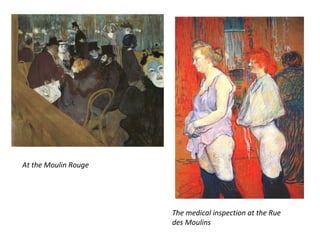
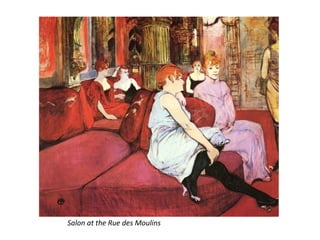
La Toilette
He was a painter and
lithographer. His favourite themes
were cabaret dancers and
prostitutes.
HENRI DE TOULOUSE-LAUTREC
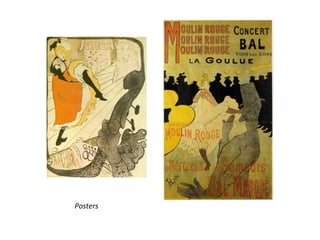
Posters
Dance at the Moulin Rouge
At the Moulin Rouge
The medical inspection at the Rue
des Moulins
Salon at the Rue des Moulins
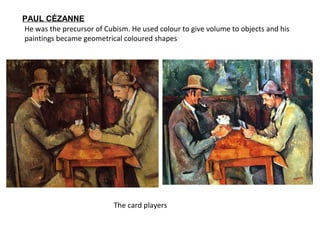
The card players
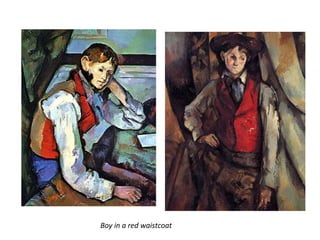
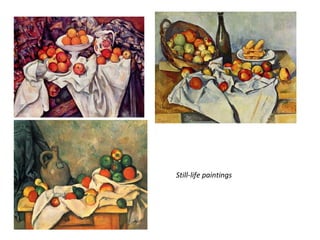
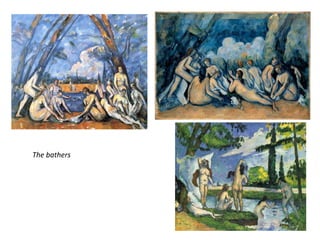
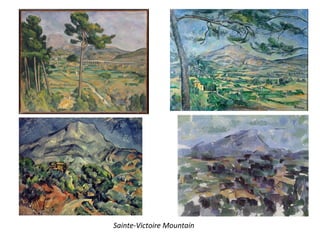
He was the precursor of Cubism. He used colour to give volume to objects and his
paintings became geometrical coloured shapes
PAUL CÉZANNE
Boy in a red waistcoat
Still-life paintings
The bathers
Sainte-Victoire Mountain

Impressionism, Neo-Impressionism and Post-Impressionism