Glaucoma :
An introduction
Professor K N Jha,MS.
Learning Aims
To learn :
Definition of Glaucoma
Secretion and drainage of aqueous humor , and control
of intraocular pressure (IOP)
Classification of glaucomas
Optic nerve head changes in glaucoma
Investigations of a case of glaucoma
Definition
Glaucoma represents a group of diseases defined by a
characteristic optic neuropathy that is consistent with
excavation and undermining of the neural and
connective tissue elements of the optic disc and by
eventual development of distinctive patterns of visual
dysfunction.
Although elevated intraocular pressure (IOP) is one of
the primary risk factors, its presence or absence does
not have a role in the definition of the disease.
Intraocular pressure(IOP)
Normal IOP : 10-22 mm Hg (mean 16 mm Hg , SD 3)
> 22mm Hg is considered abnormal.
No clear line exists between safe and unsafe IOP.
Intraocular Pressure
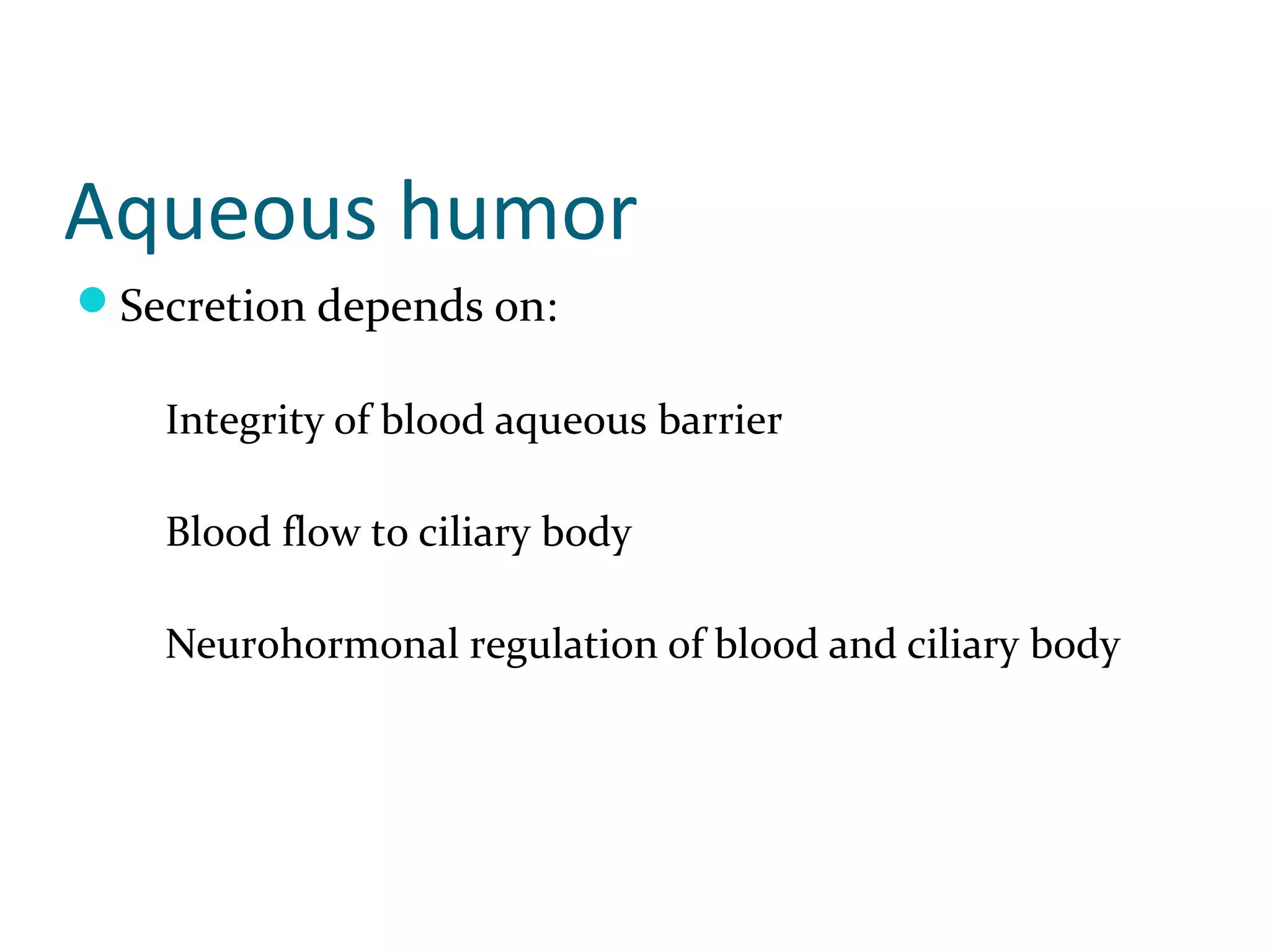
Aqueous humor production
Aqueous humor out flow
Aqueous humor production
Active secretion by
double-layered ciliary
epithelium
Ultrafiltration
Simple diffusion
Aqueous humor
Secretion depends on:
Integrity of blood aqueous barrier
Blood flow to ciliary body
Neurohormonal regulation of blood and ciliary body
Composition of aqueous humor
Essentially protein free
Excess of H+, Cl-
ion, ascorbate , and deficit in HCo3
Others: growth factor, enzymes, prostaglandins,
steroid hormones.
Rate:2.0 µl/min
Carries metabolic substrate to , and waste from,
cornea and lens.
Aqueous humor outflow
Trabecular out flow
Uveoscleral out flow
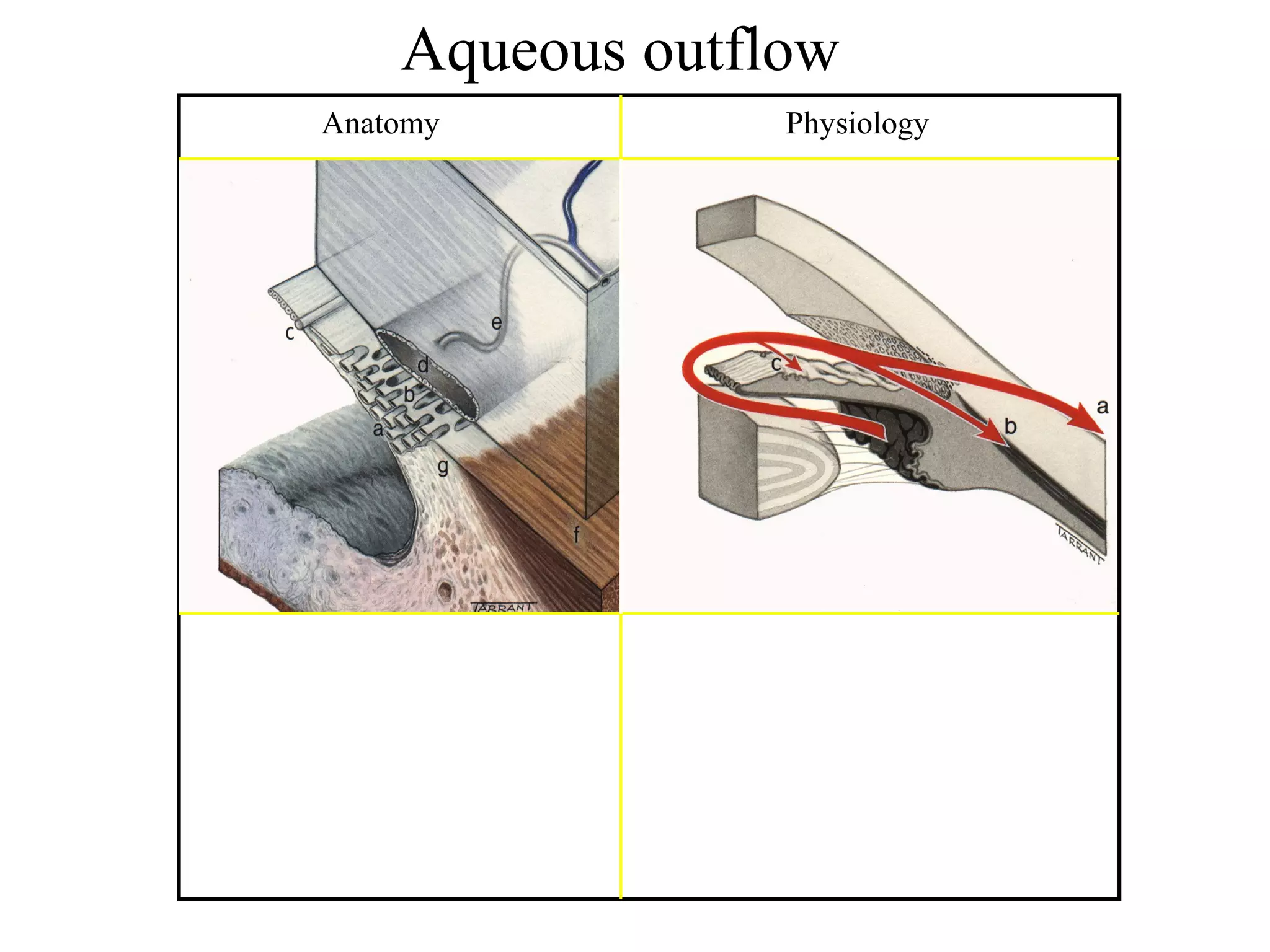
Aqueous outflow
Anatomy Physiology
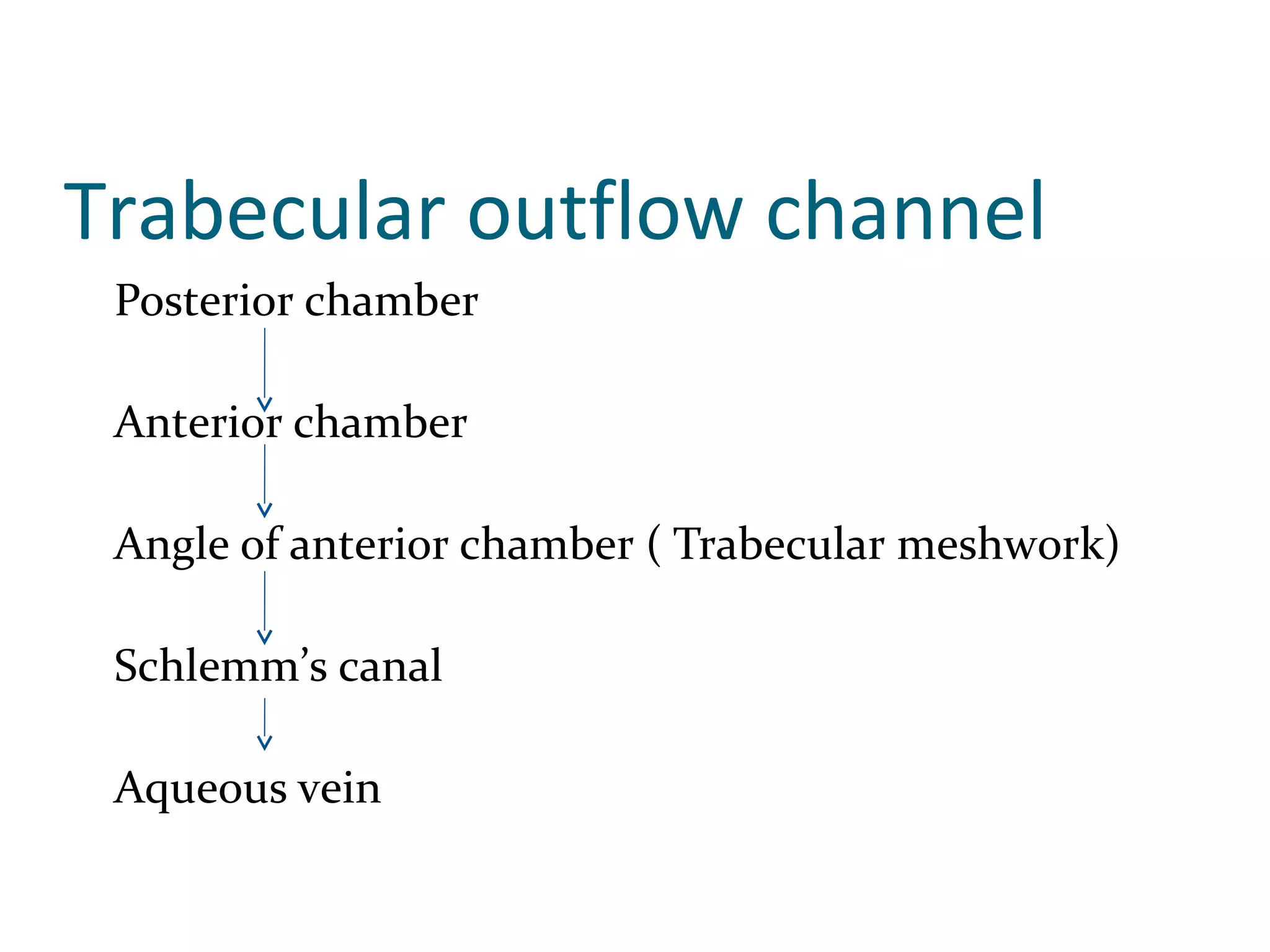
Trabecular outflow channel
Posterior chamber
Anterior chamber
Angle of anterior chamber ( Trabecular meshwork)
Schlemm’s canal
Aqueous vein
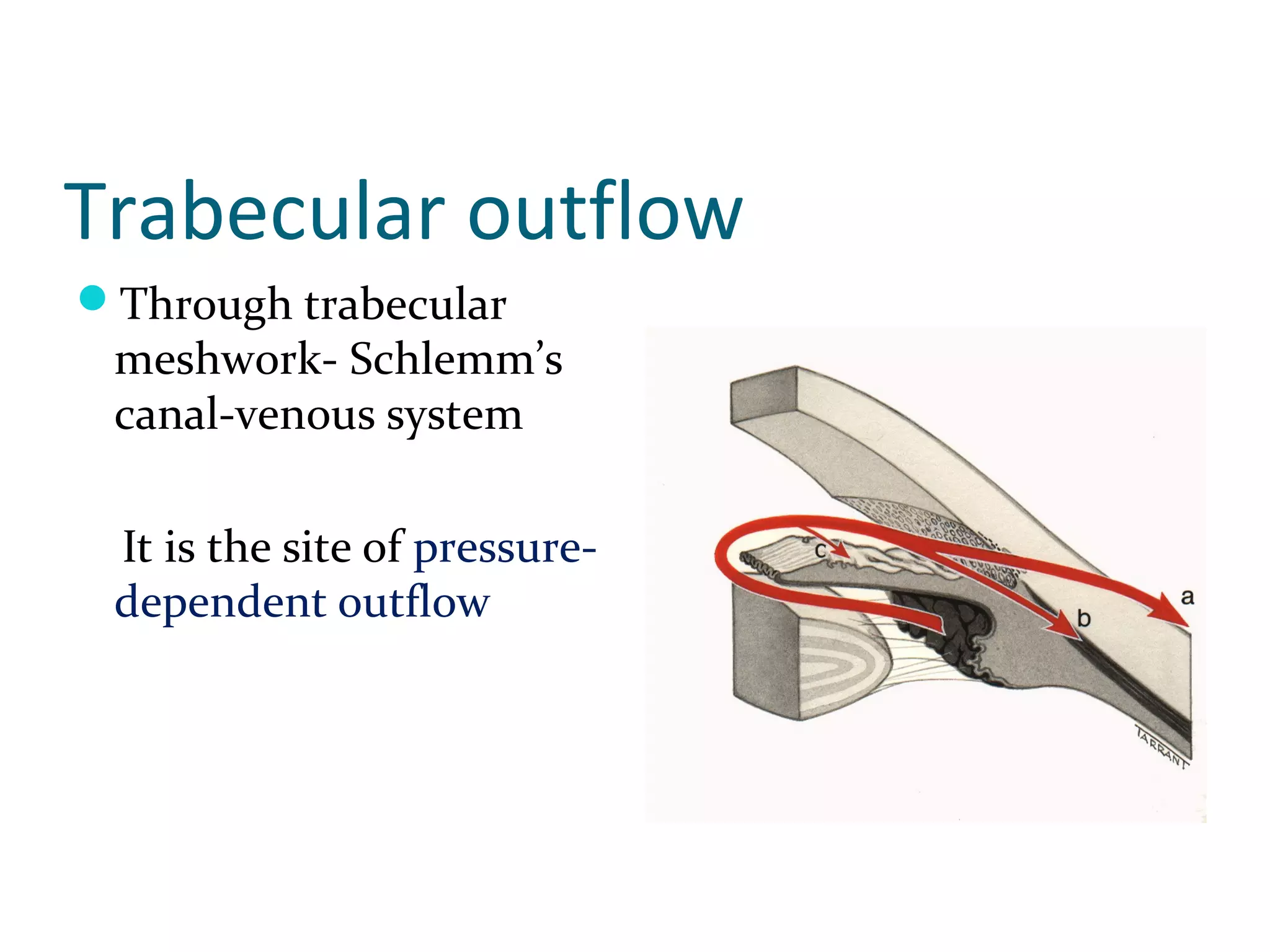
Trabecular outflow
Through trabecular
meshwork- Schlemm’s
canal-venous system
It is the site of pressure-
dependent outflow
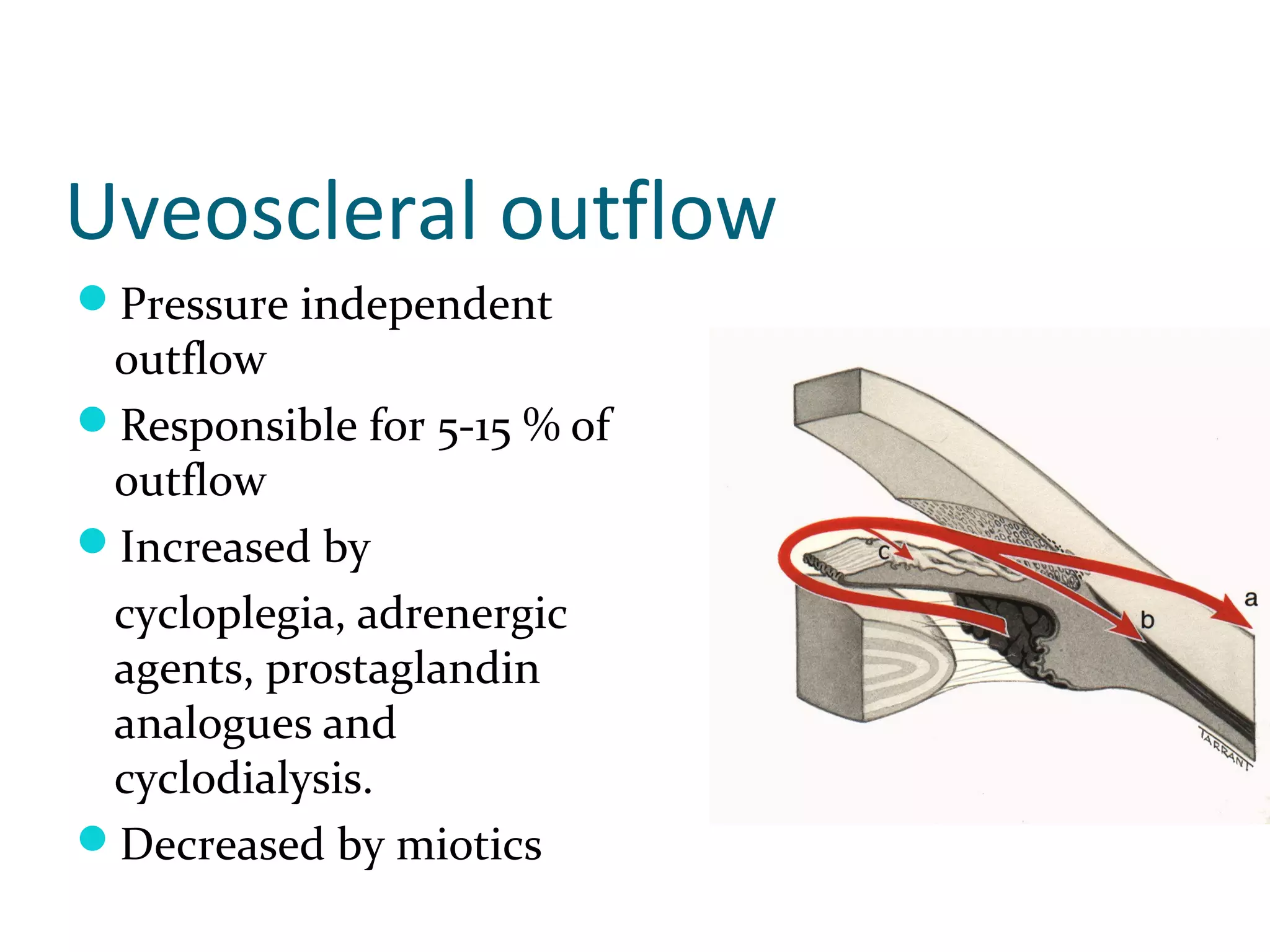
Uveoscleral outflow
Pressure independent
outflow
Responsible for 5-15 % of
outflow
Increased by
cycloplegia, adrenergic
agents, prostaglandin
analogues and
cyclodialysis.
Decreased by miotics
Factors affecting IOP
Rate of aqueous production
Resistance to aqueous outflow
Pretrabecular , trabecular and post trabecular
Level of episcleral venous pressure
Factors influencing IOP
Time of the day
Heartbeat
Respiration
Exercise
Fluid intake
Systemic medication
Topical drugs
Diurnal variation
In normal individuals 2-6mm Hg
Diurnal fluctuation > 10Hg suggestive of glaucoma
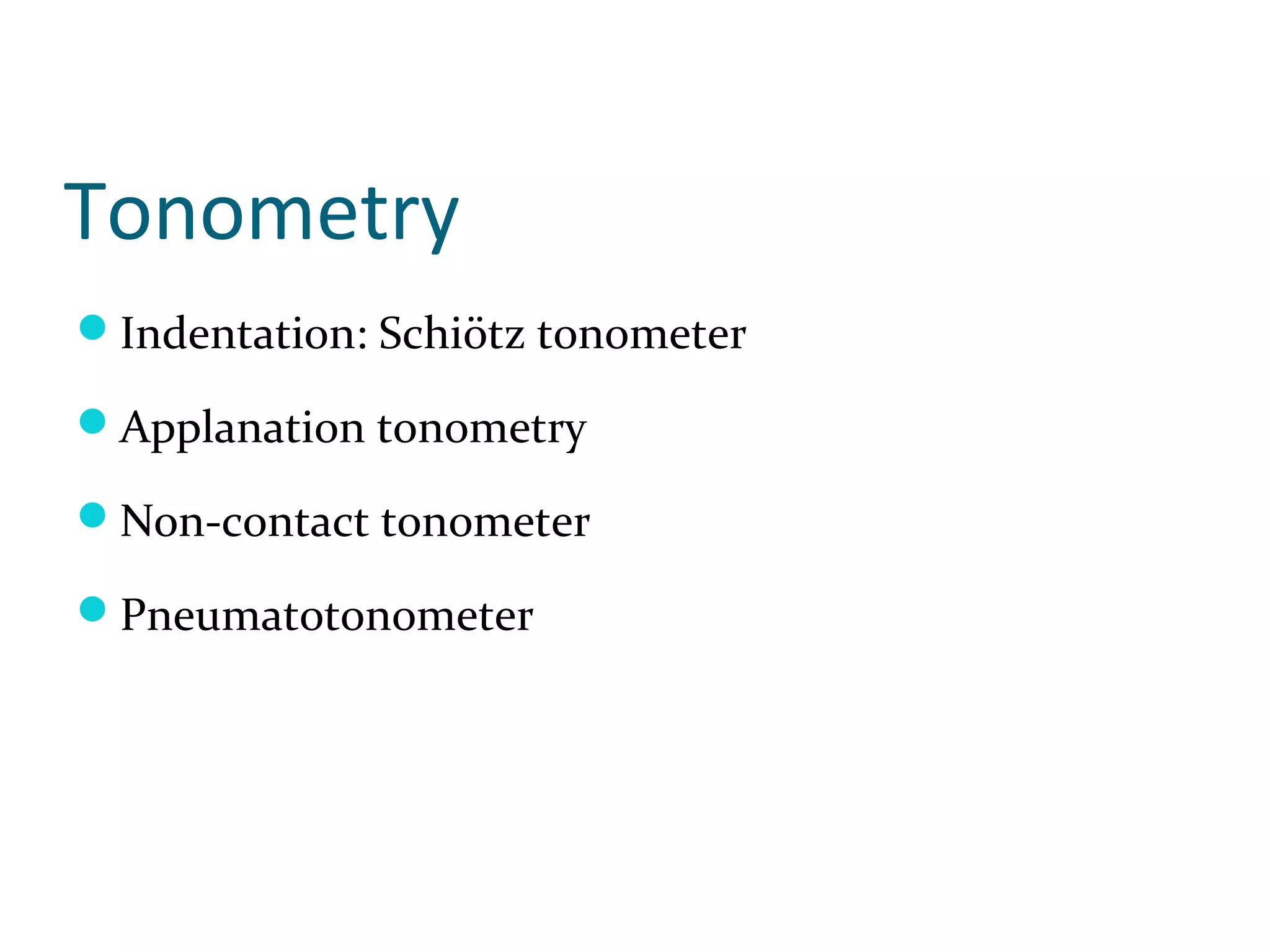
Tonometry
Indentation: Schiötz tonometer
Applanation tonometry
Non-contact tonometer
Pneumatotonometer
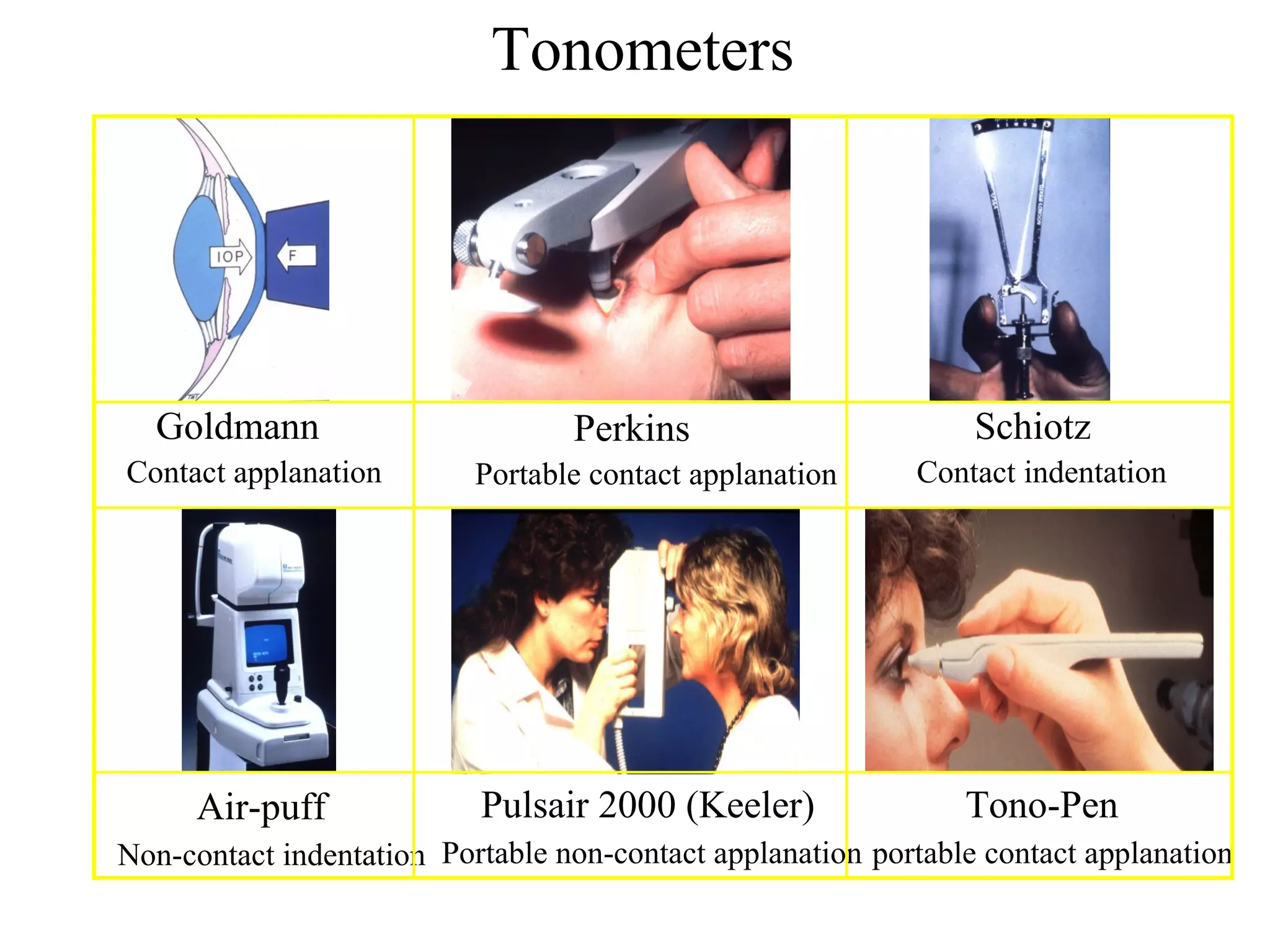
Tonometers
Goldmann
Contact applanation
Perkins
Portable contact applanation
Pulsair 2000 (Keeler)Air-puff
Schiotz
Portable non-contact applanationNon-contact indentation
Contact indentation
Tono-Pen
portable contact applanation
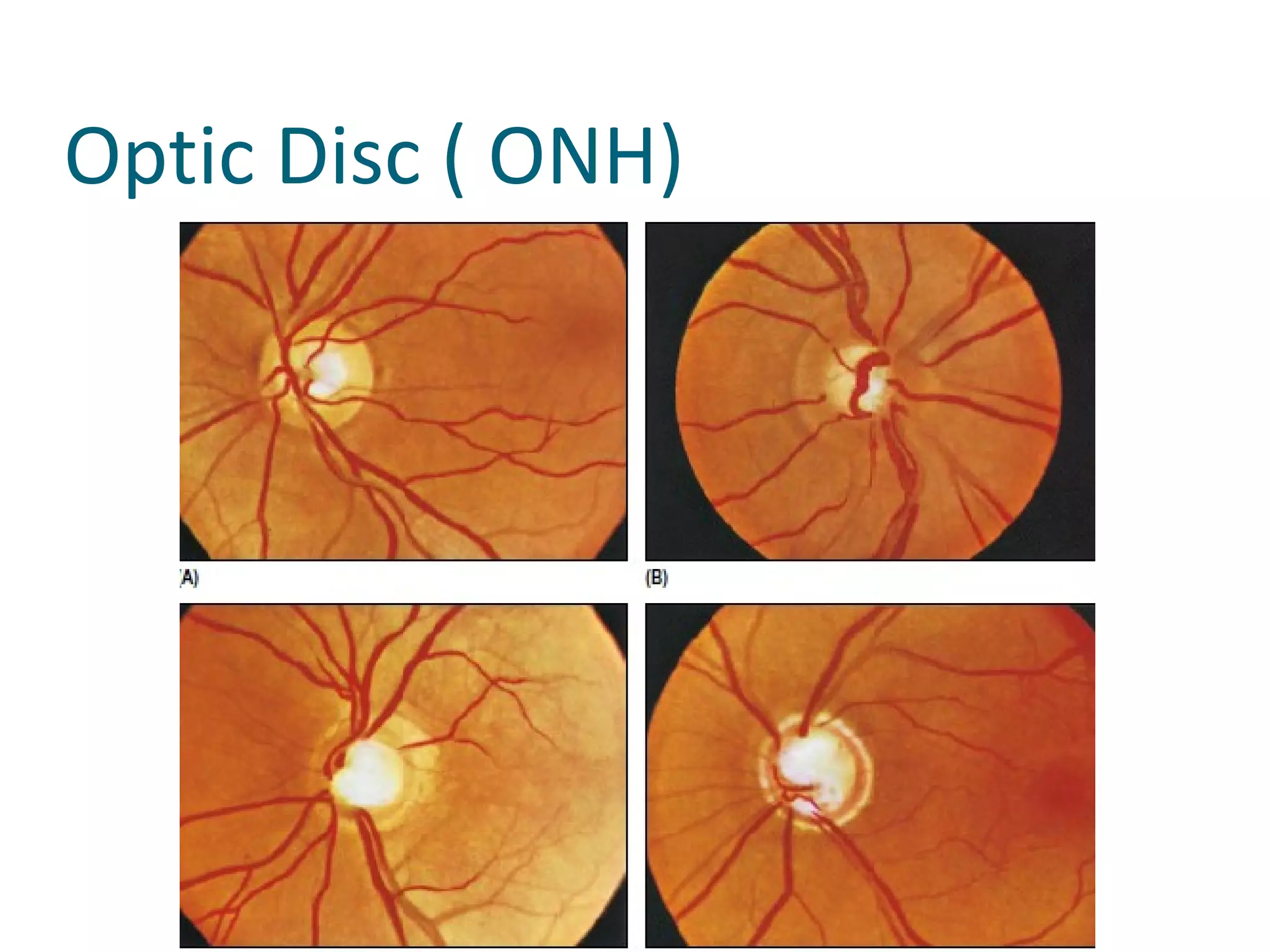
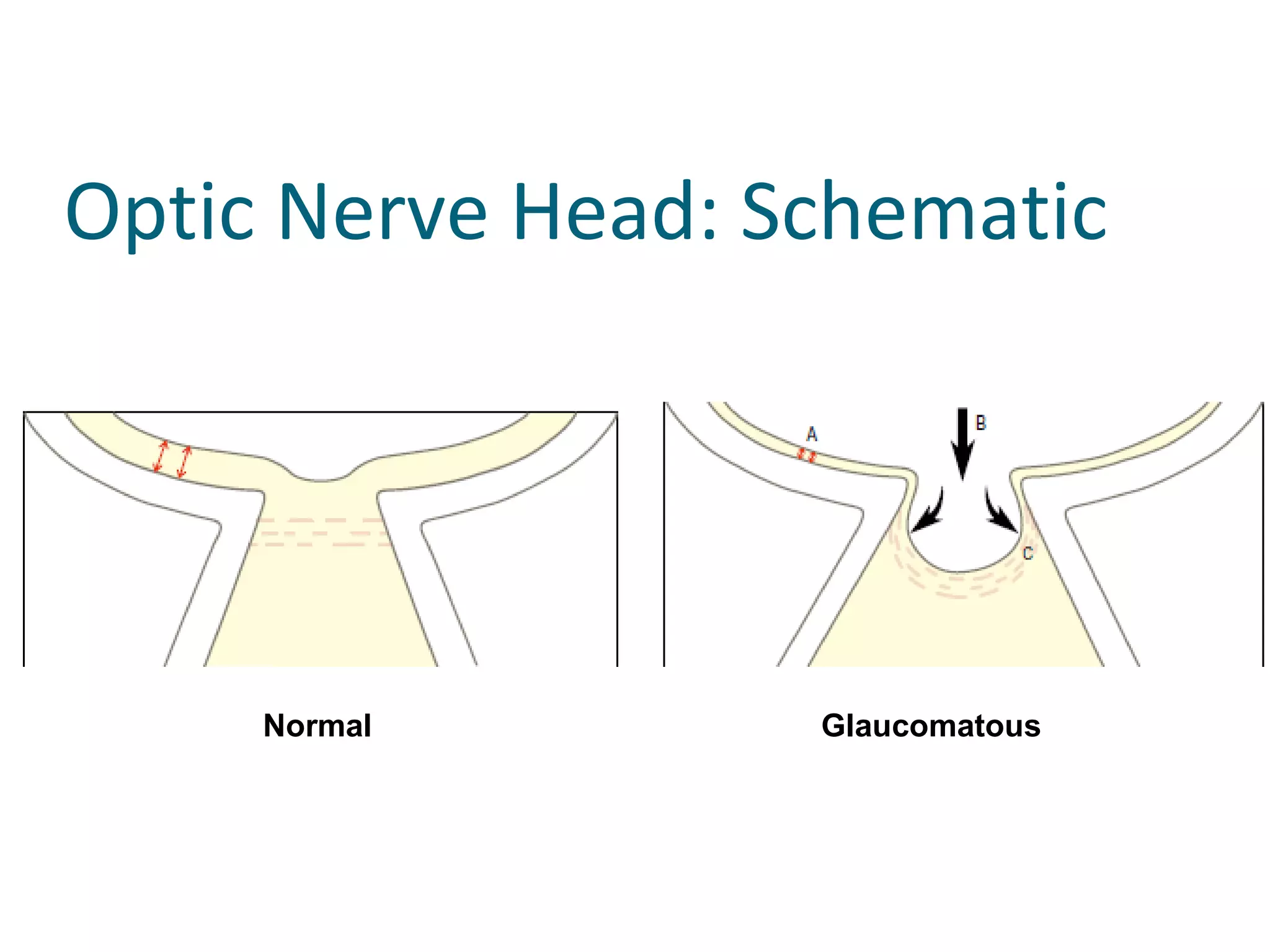
Optic Disc ( ONH)
Optic Nerve Head: Schematic
Normal Glaucomatous
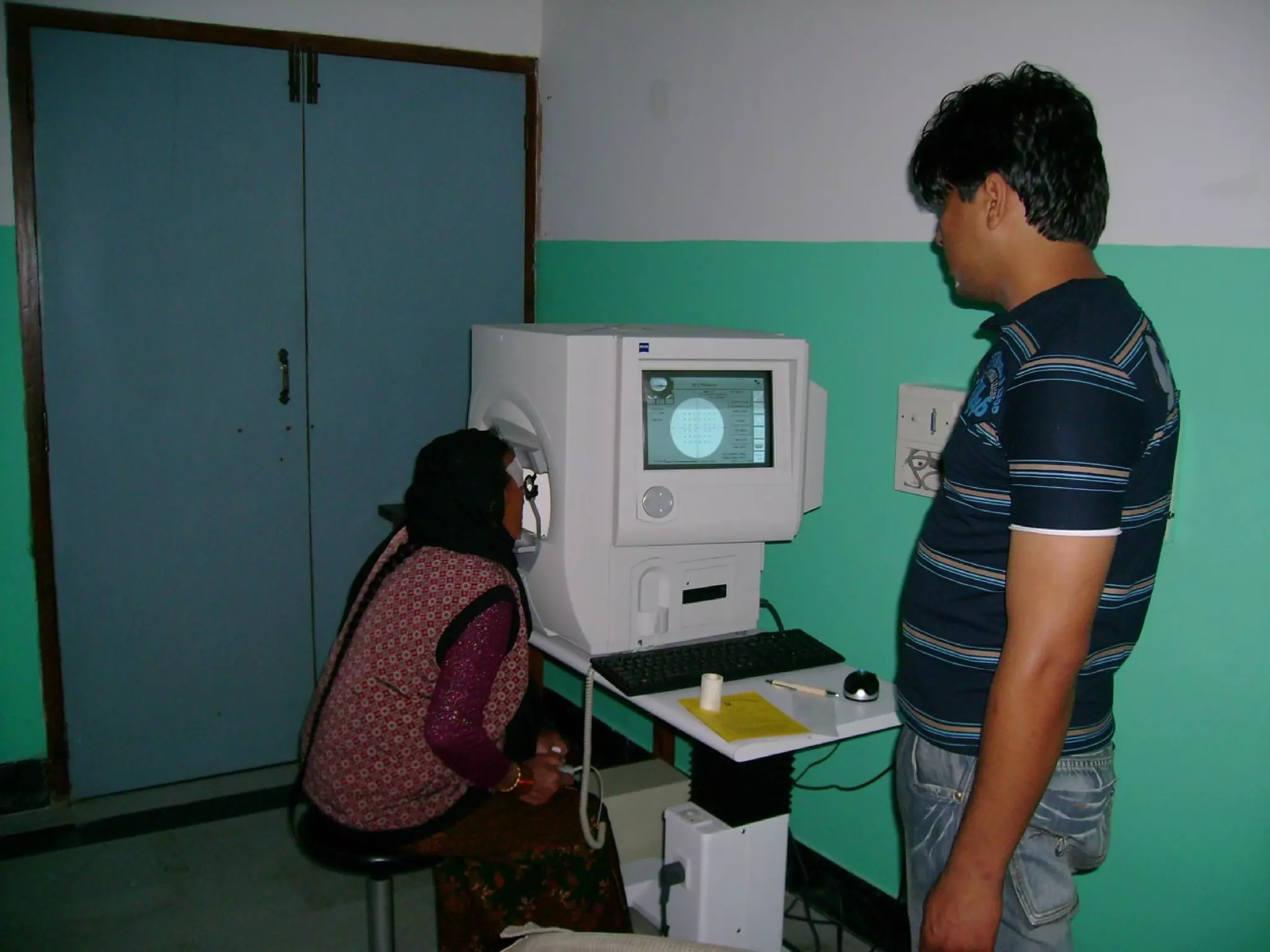
Visual field analysis
Visual field analysis gives a record of the individual’s
visual field.
Types: static/ kinetic, manual/automated,etc.
It records impairment/loss of visual function and
helps in identifying any deterioration.
It is an essential part of follow-up of the glaucoma
patients.
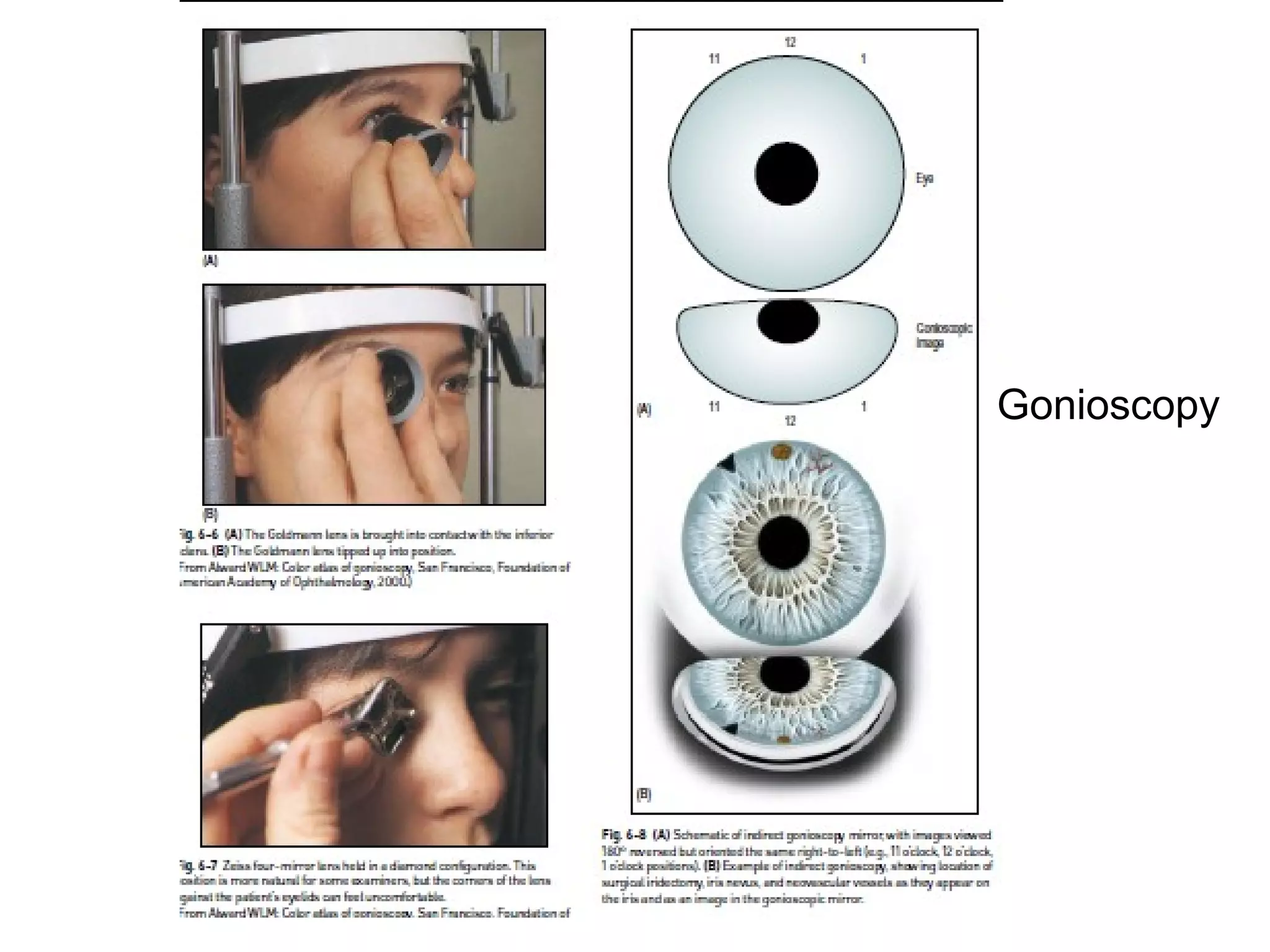
Gonioscopy
Gonioscopy is the clinical method to visualise the
corneoscleral angle and descibe it as opne, closed,
occludable,etc.
Methods: Direct/ indirect
Gonioscopy is done at slit lamp with a gonioscopic
mirror.
Gonioscopy
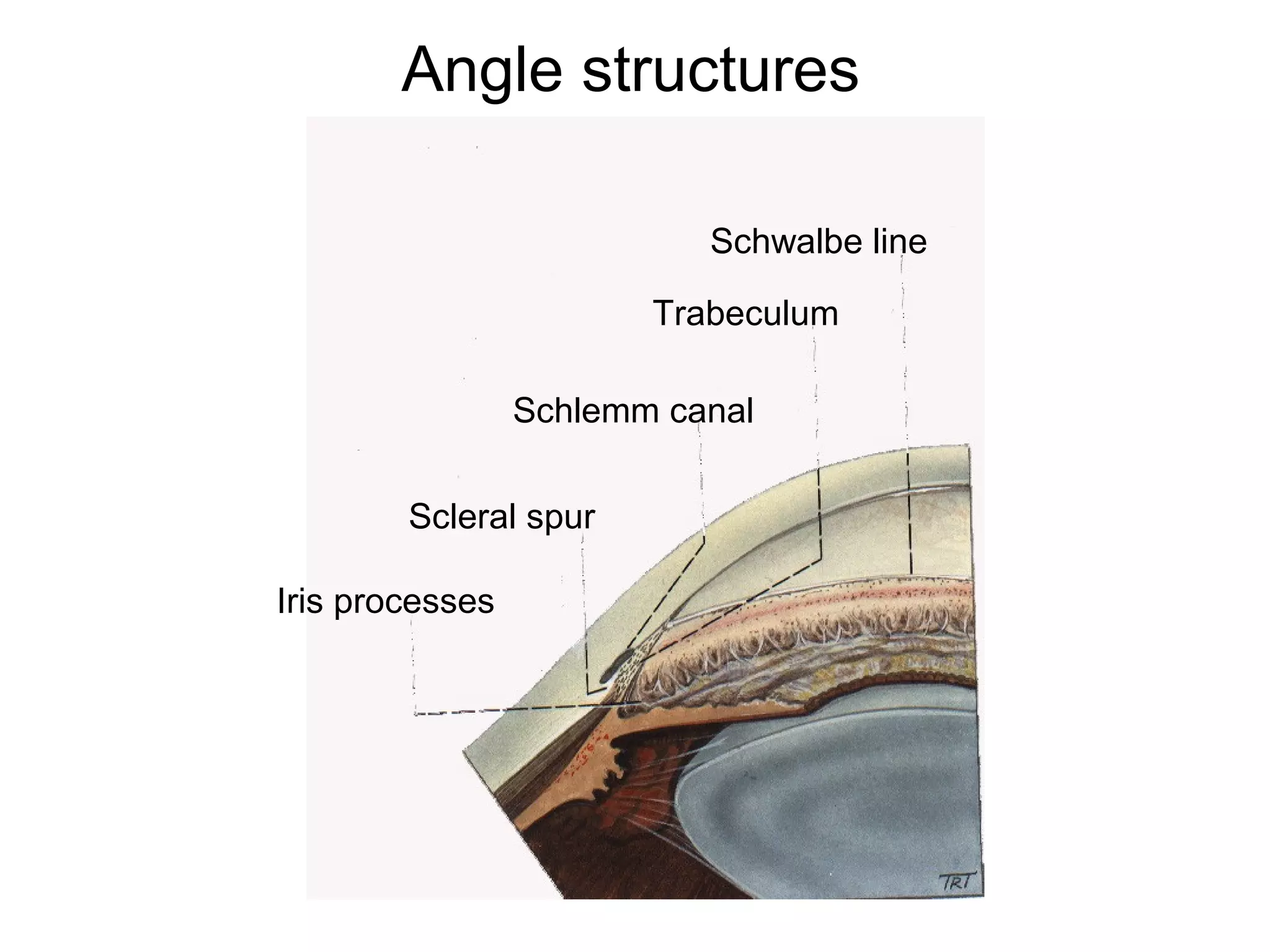
Angle structures
Schwalbe line
Schlemm canal
Trabeculum
Scleral spur
Iris processes
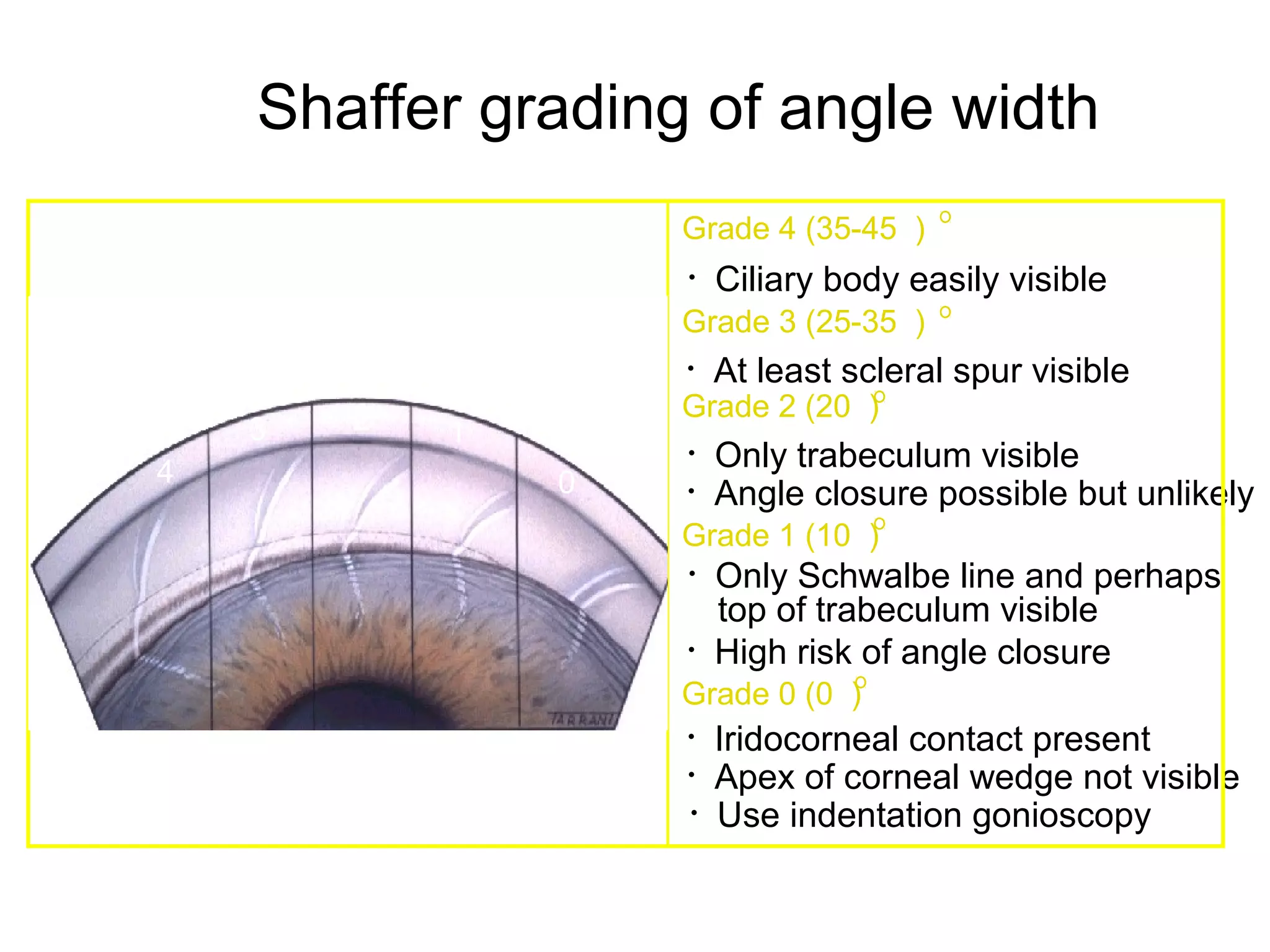
Shaffer grading of angle width
• Ciliary body easily visible
Grade 4 (35-45 )
• At least scleral spur visible
Grade 2 (20 )
Grade 3 (25-35 )
Grade 1 (10 )
• Only trabeculum visible
• Only Schwalbe line and perhaps
top of trabeculum visible
• High risk of angle closure
• Iridocorneal contact present
• Apex of corneal wedge not visible
• Angle closure possible but unlikely
• Use indentation gonioscopy
3 2 1
04
Grade 0 (0 )
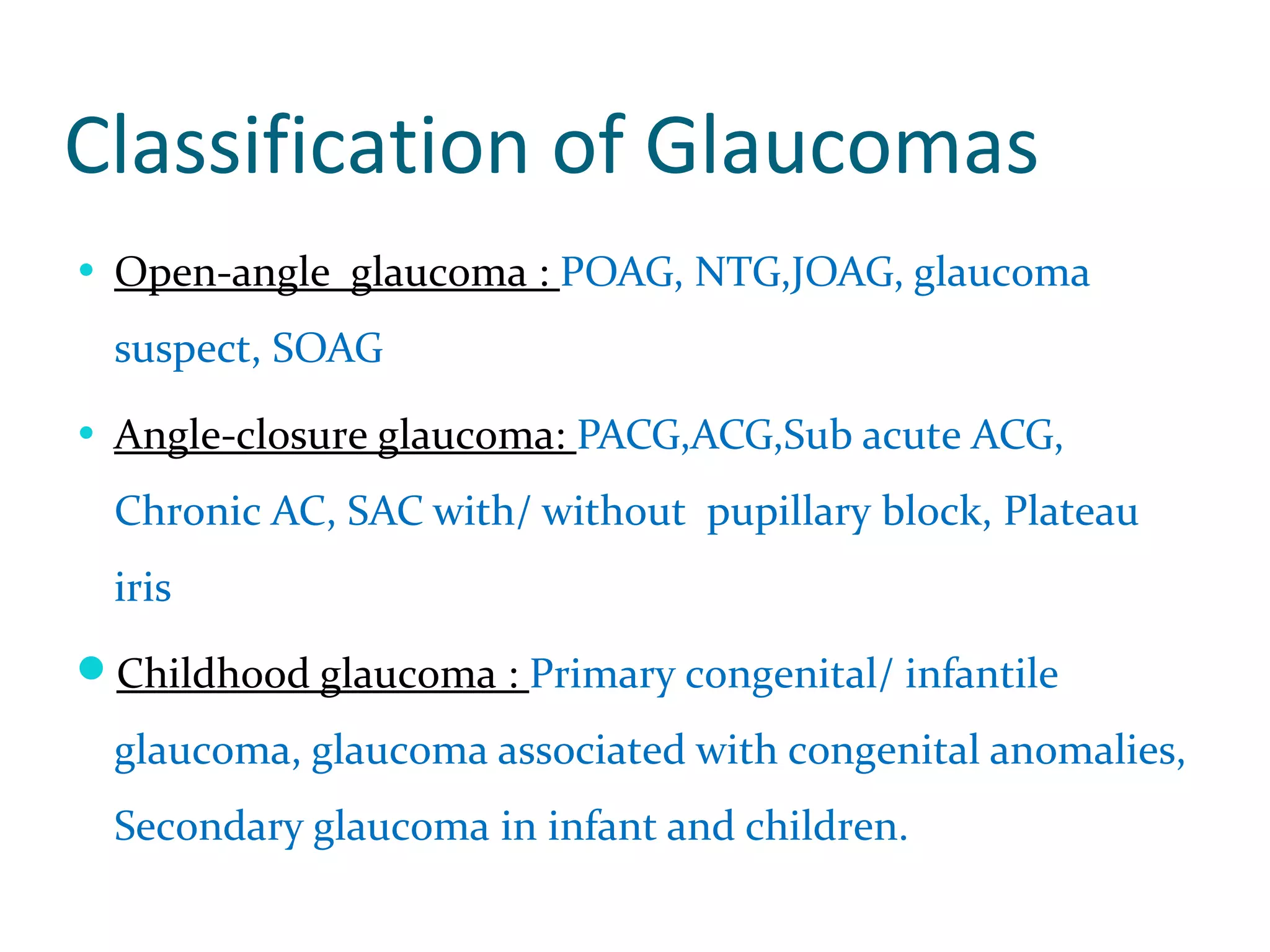
Classification of Glaucomas
• Open-angle glaucoma : POAG, NTG,JOAG, glaucoma
suspect, SOAG
• Angle-closure glaucoma: PACG,ACG,Sub acute ACG,
Chronic AC, SAC with/ without pupillary block, Plateau
iris
Childhood glaucoma : Primary congenital/ infantile
glaucoma, glaucoma associated with congenital anomalies,
Secondary glaucoma in infant and children.
Points to remember
Definition of glaucoma
Aqueous humor production and its drainage
Diagnosis, and investigation of glaucoma

Glaucoma 1 introduction,dr.k.n.jha,27.10.16