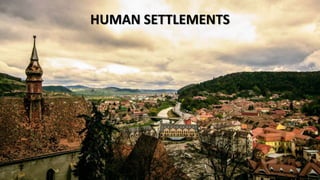
HUMAN SETTLEMENTS
DEFINITION
A settlement, locality or populated place is a community in which
people live.
SIZE
A settlement can range in size from a small number of dwellings
grouped together to the largest of cities with surrounding urbanized
areas.
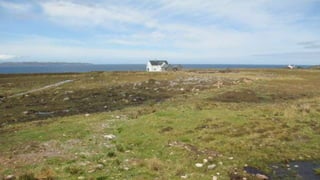
ISOLATED DWELLINGS
An isolated dwelling would only have 1 or 2 buildings or families in it. It
would have negligible services, if any.
Photo: Isolated dwelling (United Kingdom). Population 5 (Census 2006).
HAMLETS
A hamlet is a settlement with a tiny population (<100) and very few (if
any) services, and few buildings.
Photo: Wardkirch Oberwil (Switzerland). Population 23 (Census 2006).
VILLAGES
A village generally does not have many services, possibly only a small
corner shop or post office. A village has a population of 100 to 1,000.
Photo: Viscri village (Romania). Population 400 (Census 2011).
TOWNS
A town has a population of 1,000 to 20,000.
Photo: Town of Wangaratta (Australia). Population 17,677 (Census 2011).
LARGE TOWNS
A large town has a population of 20,000 to 100,000.
Photo: Large town of Veliko Tarnovo (Bulgaria). Population 68,783 (Census 2011).
CITIES
A city would have abundant services, but not as many as a large city.
The population of a city is over 100,000 people.
Photo: City of Tauranga (New Zealand). Population 124,600 (Census 2015).
LARGE CITIES
A large city is a city with a large population and many services. The
population is more than one million people.
Photo: Large city of Johannesburg (South Africa). Population 4,434,827 (Census 2011).
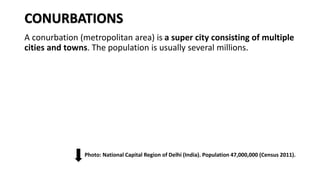
CONURBATIONS
A conurbation (metropolitan area) is a super city consisting of multiple
cities and towns. The population is usually several millions.
Photo: National Capital Region of Delhi (India). Population 47,000,000 (Census 2011).
SITE
Site refers to the actual piece of ground on which the settlement is
built. The site of a settlement is its exact location.
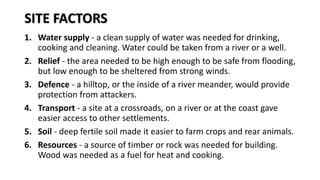
SITE FACTORS
1. Water supply - a clean supply of water was needed for drinking,
cooking and cleaning. Water could be taken from a river or a well.
2. Relief - the area needed to be high enough to be safe from flooding,
but low enough to be sheltered from strong winds.
3. Defence - a hilltop, or the inside of a river meander, would provide
protection from attackers.
4. Transport - a site at a crossroads, on a river or at the coast gave
easier access to other settlements.
5. Soil - deep fertile soil made it easier to farm crops and rear animals.
6. Resources - a source of timber or rock was needed for building.
Wood was needed as a fuel for heat and cooking.
SETTLEMENT FUNCTIONS
The functions of a settlement are the things that happen there.
The function of most early settlements was farming.
As settlements grew, the functions included markets and inns.
RESIDENTIAL FUNCTION
The main function of many settlements today is to give people places
to live. People may live in one settlement and work in another.
ADMINISTRATIVE FUNCTION
The local authority offices run the local services, such as road
maintenance and waste disposal.
INDUSTRIAL FUNCTION
Goods are manufactured in factories. Today many factories are located
in business parks on the outskirts of settlements.
COMMERCIAL FUNCTION
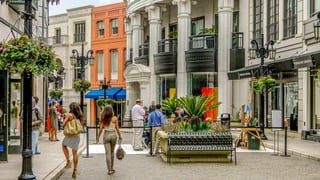
Shopping centres and recreation facilities, such as sports centres and
cinemas, provide services for people.
SERVICES FUNCTION
Settlements contain public services, such as schools, hospitals and
libraries.
TOURISTIC FUNCTION
Some settlements are attractive to tourists. Many coastal settlements
in Spain have changed from fishing villages into large tourist resorts.
GEOGRAPHY YEAR 9 - HUMAN SETTLEMENTS

GEOGRAPHY YEAR 9 - HUMAN SETTLEMENTS

  • 1.
  • 2.
    DEFINITION A settlement, localityor populated place is a community in which people live.
  • 3.
    SIZE A settlement canrange in size from a small number of dwellings grouped together to the largest of cities with surrounding urbanized areas.
  • 5.
    ISOLATED DWELLINGS An isolateddwelling would only have 1 or 2 buildings or families in it. It would have negligible services, if any. Photo: Isolated dwelling (United Kingdom). Population 5 (Census 2006).
  • 7.
    HAMLETS A hamlet isa settlement with a tiny population (<100) and very few (if any) services, and few buildings. Photo: Wardkirch Oberwil (Switzerland). Population 23 (Census 2006).
  • 9.
    VILLAGES A village generallydoes not have many services, possibly only a small corner shop or post office. A village has a population of 100 to 1,000. Photo: Viscri village (Romania). Population 400 (Census 2011).
  • 11.
    TOWNS A town hasa population of 1,000 to 20,000. Photo: Town of Wangaratta (Australia). Population 17,677 (Census 2011).
  • 13.
    LARGE TOWNS A largetown has a population of 20,000 to 100,000. Photo: Large town of Veliko Tarnovo (Bulgaria). Population 68,783 (Census 2011).
  • 15.
    CITIES A city wouldhave abundant services, but not as many as a large city. The population of a city is over 100,000 people. Photo: City of Tauranga (New Zealand). Population 124,600 (Census 2015).
  • 17.
    LARGE CITIES A largecity is a city with a large population and many services. The population is more than one million people. Photo: Large city of Johannesburg (South Africa). Population 4,434,827 (Census 2011).
  • 19.
    CONURBATIONS A conurbation (metropolitanarea) is a super city consisting of multiple cities and towns. The population is usually several millions. Photo: National Capital Region of Delhi (India). Population 47,000,000 (Census 2011).
  • 21.
    SITE Site refers tothe actual piece of ground on which the settlement is built. The site of a settlement is its exact location.
  • 22.
    SITE FACTORS 1. Watersupply - a clean supply of water was needed for drinking, cooking and cleaning. Water could be taken from a river or a well. 2. Relief - the area needed to be high enough to be safe from flooding, but low enough to be sheltered from strong winds. 3. Defence - a hilltop, or the inside of a river meander, would provide protection from attackers. 4. Transport - a site at a crossroads, on a river or at the coast gave easier access to other settlements. 5. Soil - deep fertile soil made it easier to farm crops and rear animals. 6. Resources - a source of timber or rock was needed for building. Wood was needed as a fuel for heat and cooking.
  • 24.
    SETTLEMENT FUNCTIONS The functionsof a settlement are the things that happen there. The function of most early settlements was farming. As settlements grew, the functions included markets and inns.
  • 26.
    RESIDENTIAL FUNCTION The mainfunction of many settlements today is to give people places to live. People may live in one settlement and work in another.
  • 28.
    ADMINISTRATIVE FUNCTION The localauthority offices run the local services, such as road maintenance and waste disposal.
  • 30.
    INDUSTRIAL FUNCTION Goods aremanufactured in factories. Today many factories are located in business parks on the outskirts of settlements.
  • 32.
    COMMERCIAL FUNCTION Shopping centresand recreation facilities, such as sports centres and cinemas, provide services for people.
  • 34.
    SERVICES FUNCTION Settlements containpublic services, such as schools, hospitals and libraries.
  • 36.
    TOURISTIC FUNCTION Some settlementsare attractive to tourists. Many coastal settlements in Spain have changed from fishing villages into large tourist resorts.