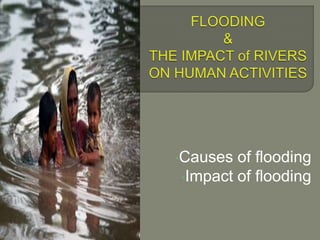
•Causes of flooding
•Impact of flooding
A discharge great
 enough to cause a body
 of water to overflow its
 channel and submerge
 the surrounding land.

 Canhave huge social
 and economic costs but
 can also be beneficial
  • E.g. creating fertile soils
PHYSICAL                    HUMAN
                         Urbanisation
 Climatological

                         Deforestation
 Natureof
 drainage basin

 Coastal   influences
    Climatological factors:
1.    Intense rainfall (rainfall intensity > infiltration
      capacity) – common in semi-arid areas
2.    Prolonged period of rainfall produces saturation of
      the soil and overland flow ( widespread flooding in
      UK during summer 2007 was the result of the
      wettest summer since 1766)
3.    A sudden increase in temperature producing rapid
      snowmelt, which can be made worse by frozen
      ground limiting infiltration
4.    (1995 Rhine flood in Germany & Netherlands)
Nature    of drainage basin:

1.   Infiltration rate depends on rock and soil

2.   Shape of the river basin, gradient and
     vegetation covers affect how quickly run-
     off reaches the channel
 Coastal   influences:

 High seasonal tides, storm
 surges, tropical cyclones
 can result in higher water
 levels in rivers and low-
 lying coastal areas

  • E.g. Bangladesh
1. Deforestation

  • Reduces interception and
   evapotranspiration

  • Increase run-off

  • Decrease in channel capacity
   due to amt of sediment being
   carried into river channel

  • E.g. Maraca rainforest in the
   Amazon Basin
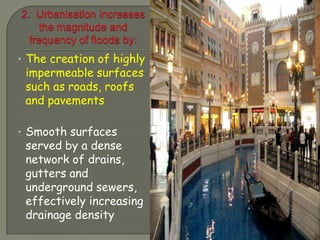
• The creation of highly
 impermeable surfaces
 such as roads, roofs
 and pavements

• Smooth surfaces
 served by a dense
 network of drains,
 gutters and
 underground sewers,
 effectively increasing
 drainage density
• Natural river channels are
 often constricted by
 bridge supports or
 riverside facilities,
 reducing their carrying
 capacity

• Straightening river
 channels and lining them
 with concrete as part of
 building projects lead to
 faster delivery of water
 downstream
 Failureof hard engineering such as a
 dam burst can produce catastrophic
 flooding
  • Dam burst in an iron ore mine near Seville,
   Spain 1999

 Land management techniques          such as:
   • drainage systems,
   • digging ditches or
   • ploughing up and down a slope
   will decrease lagtime for water to reach the
  river channel
The process of finding the probability
(how likely it is to happen) that a
hazardous event of particular size
occur within a given period of the time
and estimating its impact
   Building and property washed away by water and
    mud

   Crops ruined and farmlands saturated for months

   People and animals can drown in fast flowing water

   Transport can be interrupted; airport can be
    closed, roads and railways submerged under water

   Sewage contaminate drinking water and causes
    diseases like cholera & typhoid
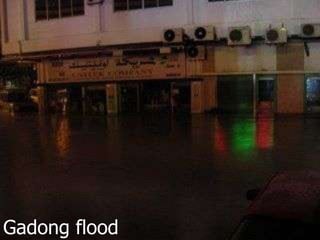
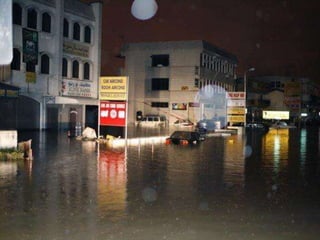
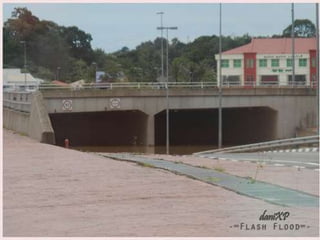
Gadong flood
Road between Mc Donald and Mall
 Replenishes   groundwater reserves

 Providesnutrient-rich sediment for
 agriculture in the dry season

 Reduces    the need for artificial fertilisers

 Flushes
        pollutants and pathogens away from
 domestic areas

 May   increase the fish supply

Floods causes & impacts

  • 1.
  • 2.
    A discharge great enough to cause a body of water to overflow its channel and submerge the surrounding land.  Canhave huge social and economic costs but can also be beneficial • E.g. creating fertile soils
  • 3.
    PHYSICAL HUMAN Urbanisation  Climatological Deforestation  Natureof drainage basin  Coastal influences
  • 4.
    Climatological factors: 1. Intense rainfall (rainfall intensity > infiltration capacity) – common in semi-arid areas 2. Prolonged period of rainfall produces saturation of the soil and overland flow ( widespread flooding in UK during summer 2007 was the result of the wettest summer since 1766) 3. A sudden increase in temperature producing rapid snowmelt, which can be made worse by frozen ground limiting infiltration 4. (1995 Rhine flood in Germany & Netherlands)
  • 5.
    Nature of drainage basin: 1. Infiltration rate depends on rock and soil 2. Shape of the river basin, gradient and vegetation covers affect how quickly run- off reaches the channel
  • 6.
     Coastal influences:  High seasonal tides, storm surges, tropical cyclones can result in higher water levels in rivers and low- lying coastal areas • E.g. Bangladesh
  • 7.
    1. Deforestation • Reduces interception and evapotranspiration • Increase run-off • Decrease in channel capacity due to amt of sediment being carried into river channel • E.g. Maraca rainforest in the Amazon Basin
  • 8.
    • The creationof highly impermeable surfaces such as roads, roofs and pavements • Smooth surfaces served by a dense network of drains, gutters and underground sewers, effectively increasing drainage density
  • 9.
    • Natural riverchannels are often constricted by bridge supports or riverside facilities, reducing their carrying capacity • Straightening river channels and lining them with concrete as part of building projects lead to faster delivery of water downstream
  • 10.
     Failureof hardengineering such as a dam burst can produce catastrophic flooding • Dam burst in an iron ore mine near Seville, Spain 1999  Land management techniques such as: • drainage systems, • digging ditches or • ploughing up and down a slope  will decrease lagtime for water to reach the river channel
  • 11.
    The process offinding the probability (how likely it is to happen) that a hazardous event of particular size occur within a given period of the time and estimating its impact
  • 12.
    Building and property washed away by water and mud  Crops ruined and farmlands saturated for months  People and animals can drown in fast flowing water  Transport can be interrupted; airport can be closed, roads and railways submerged under water  Sewage contaminate drinking water and causes diseases like cholera & typhoid
  • 14.
  • 20.
    Road between McDonald and Mall
  • 21.
     Replenishes groundwater reserves  Providesnutrient-rich sediment for agriculture in the dry season  Reduces the need for artificial fertilisers  Flushes pollutants and pathogens away from domestic areas  May increase the fish supply