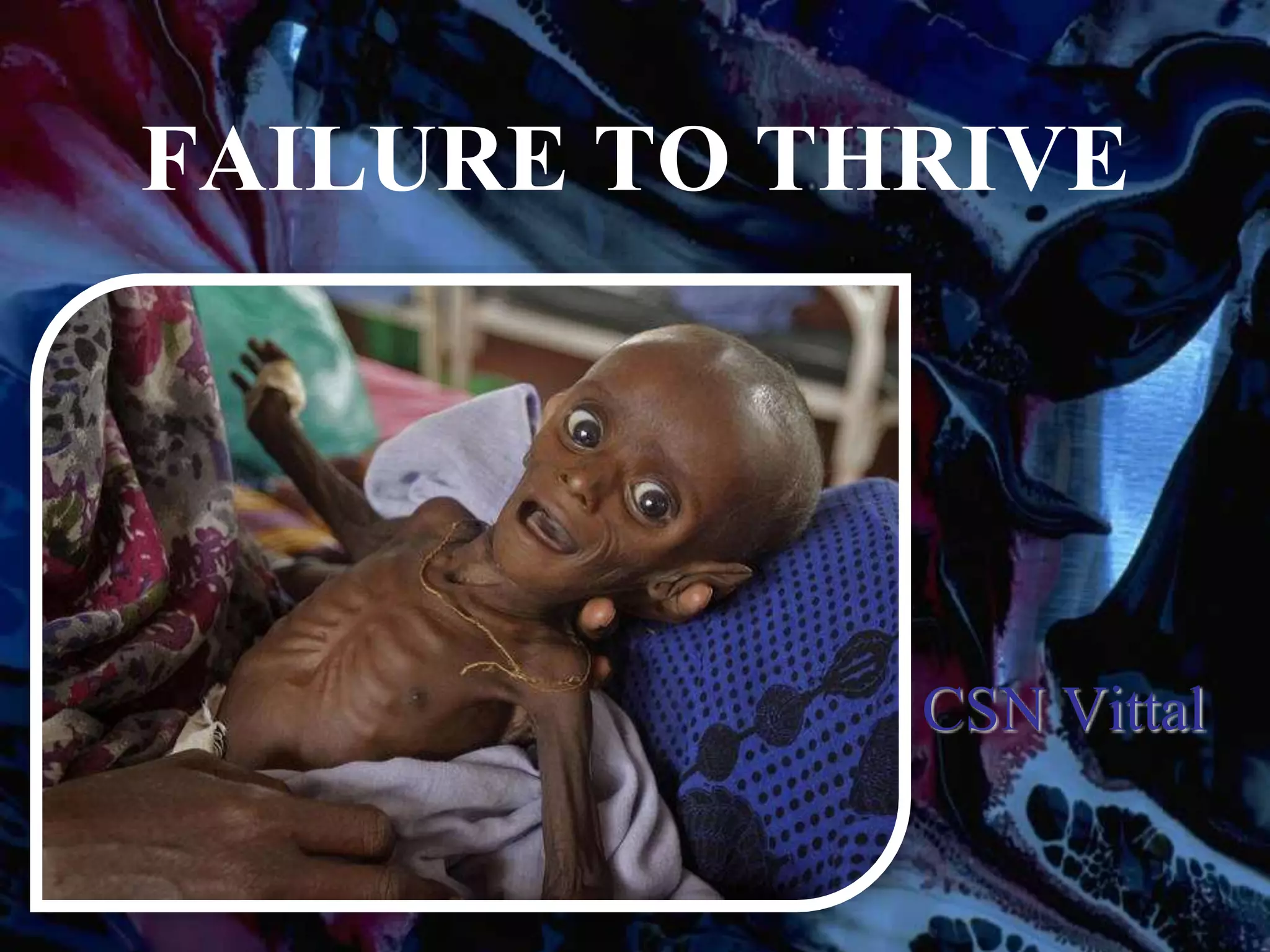
FAILURE TO THRIVE
CSN Vittal
FTT - DEFINITION
“Failure to gain weight or a persistent fall
in weight from the child`s normal centile
diagnosed by observation of growth over
time using a standard growth chart”
This excludes
1. Constitutionally light child
2. Transient weight loss associated with acute illness
CSN Vittal
Descriptive term, not a Specific Diagnosis
DEFINITION
In a child below 3yrs age
1
• Wt is below 5th Centile
2
• Weight for height ratio less than 2 SD (or
<3rd or 5th percentile) for age and gender
3
• Wt drops down of > 2 major percentiles on
growth chart
4
• Triceps skin fold thickness < 5 mm
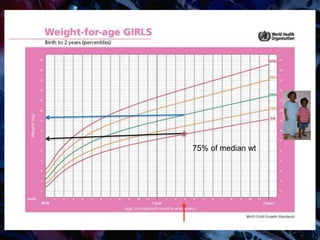
75% of median wt
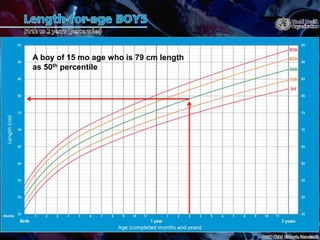
A boy of 15 mo age who is 79 cm length
as 50th percentile
A boy of 15 mo age who is 79 cm length
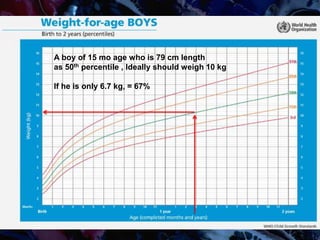
as 50th percentile , Ideally should weigh 10 kg
If he is only 6.7 kg, = 67%
A boy of 15 mo age who is 79 cm length
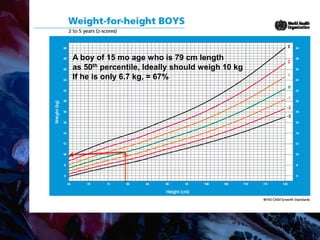
as 50th percentile, Ideally should weigh 10 kg
If he is only 6.7 kg, = 67%
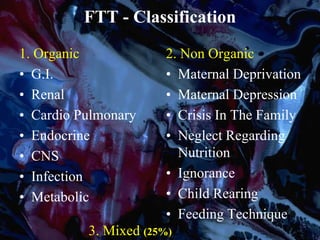
FTT - Classification
1. Organic
• G.I.
• Renal
• Cardio Pulmonary
• Endocrine
• CNS
• Infection
• Metabolic
2. Non Organic
• Maternal Deprivation
• Maternal Depression
• Crisis In The Family
• Neglect Regarding
Nutrition
• Ignorance
• Child Rearing
• Feeding Technique
3. Mixed (25%)
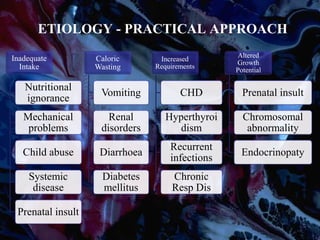
ETIOLOGY - PRACTICAL APPROACH
Inadequate
Intake
Nutritional
ignorance
Mechanical
problems
Child abuse
Systemic
disease
Prenatal insult
Caloric
Wasting
Vomiting
Renal
disorders
Diarrhoea
Diabetes
mellitus
Increased
Requirements
CHD
Hyperthyroi
dism
Recurrent
infections
Chronic
Resp Dis
Altered
Growth
Potential
Prenatal insult
Chromosomal
abnormality
Endocrinopaty
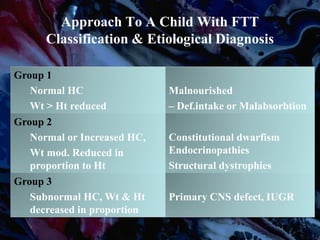
Approach To A Child With FTT
Classification & Etiological Diagnosis
Group 1
Normal HC
Wt > Ht reduced
Malnourished
– Def.intake or Malabsorbtion
Group 2
Normal or Increased HC,
Wt mod. Reduced in
proportion to Ht
Constitutional dwarfism
Endocrinopathies
Structural dystrophies
Group 3
Subnormal HC, Wt & Ht
decreased in proportion
Primary CNS defect, IUGR
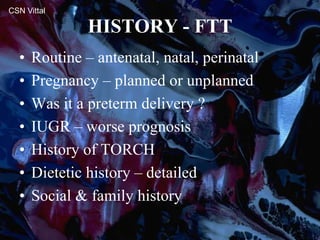
HISTORY - FTT
• Routine – antenatal, natal, perinatal
• Pregnancy – planned or unplanned
• Was it a preterm delivery ?
• IUGR – worse prognosis
• History of TORCH
• Dietetic history – detailed
• Social & family history
CSN Vittal
PHYSICAL EXAMINATION - ORGANIC FTT
CSN Vittal
• Thorough general & systemic examination
• Assessment of nutrition
– Marasmus
– Kwashiorkor
– Vitamin deficiencies
• Nutritional Anthropometry
– Weight ,
– Height ,
– Head Circumference
– Skin fold thickness ,
– Mid arm Circumference
• Neuro developmental assessment
LABORATORY AIDS TO DIAGNOSIS
• CBC & ESR
• Complete Urine Analysis
• Stool Examination &
• Mantoux Test
• X Rays – to r/o PC, Child Abuse , Bone Age Estim.
• Evaluation of Malabsorption –
• Stool Fat, Chymotrypsin, Sweat Chloride, Small
Bowel Biopsy, Upper G.I. Contrast Studies
• Barium Enema, IVP, Sigmoidoscopy
• LFT
• Electrolytes, pH, Glucose,
• BUN, Serum & Urine Amino acids
MANAGEMENT GOALS
• Nutritional rehabilitation
– Eating pattern
– Care giver skills
– Regular follow-up
• Find and treat organic cause if any
• Address psycho social and
developmental issues
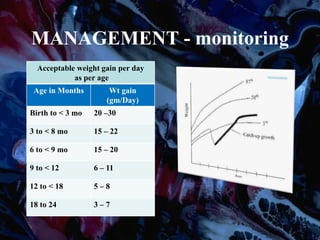
MANAGEMENT - monitoring
Acceptable weight gain per day
as per age
Age in Months Wt gain
(gm/Day)
Birth to < 3 mo 20 –30
3 to < 8 mo 15 – 22
6 to < 9 mo 15 – 20
9 to < 12 6 – 11
12 to < 18 5 – 8
18 to 24 3 – 7
INDICATIONS FOR
ADMISSION
• Weight for height less than 70 % of the
median
• Detailed evaluation for suspected organic
disorder
• Suspected child abuse or neglect
• Non response to out patient management
PROGNOSIS
• FTT in first year of life regardless of
etiology – prognosis is ominous
• Maximal brain growth occurs during the
first six to twelve months of age .
• One third of children with Psycho social
FTT have developmental delay, social &
emotional problems
• Prognosis for organic FTT - variable -
depends on the etiology
PREVENTION
• Exclusive breast feeding for early
pregnancy
• Community effort
• Parental education
• Early detection of FTT and intervention
• Prevention of low birth weight
• Neonatal screening for treatable metabolic
disorders
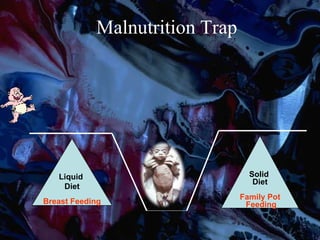
Malnutrition Trap
Liquid
Diet
Breast Feeding
Solid
Diet
Family Pot
Feeding
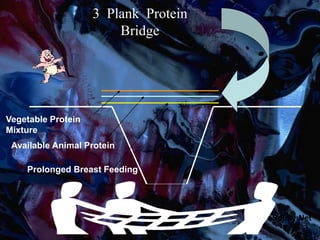
3 Plank Protein
Bridge
Available Animal Protein
Prolonged Breast Feeding
Vegetable Protein
Mixture
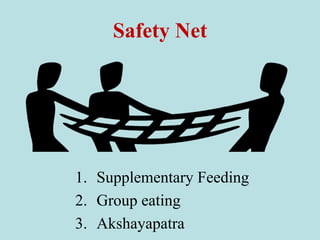
Safety Net
Safety Net
1. Supplementary Feeding
2. Group eating
3. Akshayapatra
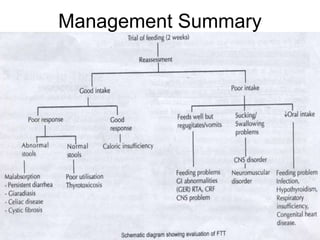
Management Summary
Failure to Thrive

Failure to Thrive

  • 1.
  • 2.
    FTT - DEFINITION “Failureto gain weight or a persistent fall in weight from the child`s normal centile diagnosed by observation of growth over time using a standard growth chart” This excludes 1. Constitutionally light child 2. Transient weight loss associated with acute illness CSN Vittal Descriptive term, not a Specific Diagnosis
  • 3.
    DEFINITION In a childbelow 3yrs age 1 • Wt is below 5th Centile 2 • Weight for height ratio less than 2 SD (or <3rd or 5th percentile) for age and gender 3 • Wt drops down of > 2 major percentiles on growth chart 4 • Triceps skin fold thickness < 5 mm
  • 5.
  • 6.
    A boy of15 mo age who is 79 cm length as 50th percentile
  • 7.
    A boy of15 mo age who is 79 cm length as 50th percentile , Ideally should weigh 10 kg If he is only 6.7 kg, = 67%
  • 8.
    A boy of15 mo age who is 79 cm length as 50th percentile, Ideally should weigh 10 kg If he is only 6.7 kg, = 67%
  • 9.
    FTT - Classification 1.Organic • G.I. • Renal • Cardio Pulmonary • Endocrine • CNS • Infection • Metabolic 2. Non Organic • Maternal Deprivation • Maternal Depression • Crisis In The Family • Neglect Regarding Nutrition • Ignorance • Child Rearing • Feeding Technique 3. Mixed (25%)
  • 10.
    ETIOLOGY - PRACTICALAPPROACH Inadequate Intake Nutritional ignorance Mechanical problems Child abuse Systemic disease Prenatal insult Caloric Wasting Vomiting Renal disorders Diarrhoea Diabetes mellitus Increased Requirements CHD Hyperthyroi dism Recurrent infections Chronic Resp Dis Altered Growth Potential Prenatal insult Chromosomal abnormality Endocrinopaty
  • 11.
    Approach To AChild With FTT Classification & Etiological Diagnosis Group 1 Normal HC Wt > Ht reduced Malnourished – Def.intake or Malabsorbtion Group 2 Normal or Increased HC, Wt mod. Reduced in proportion to Ht Constitutional dwarfism Endocrinopathies Structural dystrophies Group 3 Subnormal HC, Wt & Ht decreased in proportion Primary CNS defect, IUGR
  • 12.
    HISTORY - FTT •Routine – antenatal, natal, perinatal • Pregnancy – planned or unplanned • Was it a preterm delivery ? • IUGR – worse prognosis • History of TORCH • Dietetic history – detailed • Social & family history CSN Vittal
  • 13.
    PHYSICAL EXAMINATION -ORGANIC FTT CSN Vittal • Thorough general & systemic examination • Assessment of nutrition – Marasmus – Kwashiorkor – Vitamin deficiencies • Nutritional Anthropometry – Weight , – Height , – Head Circumference – Skin fold thickness , – Mid arm Circumference • Neuro developmental assessment
  • 14.
    LABORATORY AIDS TODIAGNOSIS • CBC & ESR • Complete Urine Analysis • Stool Examination & • Mantoux Test • X Rays – to r/o PC, Child Abuse , Bone Age Estim. • Evaluation of Malabsorption – • Stool Fat, Chymotrypsin, Sweat Chloride, Small Bowel Biopsy, Upper G.I. Contrast Studies • Barium Enema, IVP, Sigmoidoscopy • LFT • Electrolytes, pH, Glucose, • BUN, Serum & Urine Amino acids
  • 15.
    MANAGEMENT GOALS • Nutritionalrehabilitation – Eating pattern – Care giver skills – Regular follow-up • Find and treat organic cause if any • Address psycho social and developmental issues
  • 16.
    MANAGEMENT - monitoring Acceptableweight gain per day as per age Age in Months Wt gain (gm/Day) Birth to < 3 mo 20 –30 3 to < 8 mo 15 – 22 6 to < 9 mo 15 – 20 9 to < 12 6 – 11 12 to < 18 5 – 8 18 to 24 3 – 7
  • 17.
    INDICATIONS FOR ADMISSION • Weightfor height less than 70 % of the median • Detailed evaluation for suspected organic disorder • Suspected child abuse or neglect • Non response to out patient management
  • 18.
    PROGNOSIS • FTT infirst year of life regardless of etiology – prognosis is ominous • Maximal brain growth occurs during the first six to twelve months of age . • One third of children with Psycho social FTT have developmental delay, social & emotional problems • Prognosis for organic FTT - variable - depends on the etiology
  • 19.
    PREVENTION • Exclusive breastfeeding for early pregnancy • Community effort • Parental education • Early detection of FTT and intervention • Prevention of low birth weight • Neonatal screening for treatable metabolic disorders
  • 20.
  • 21.
    3 Plank Protein Bridge AvailableAnimal Protein Prolonged Breast Feeding Vegetable Protein Mixture Safety Net
  • 22.
    Safety Net 1. SupplementaryFeeding 2. Group eating 3. Akshayapatra
  • 23.