COMPREHENSIVE
ECMO TRAINING
M A N U J A C O B
P E R F U S I O N I S T
M O H K S A
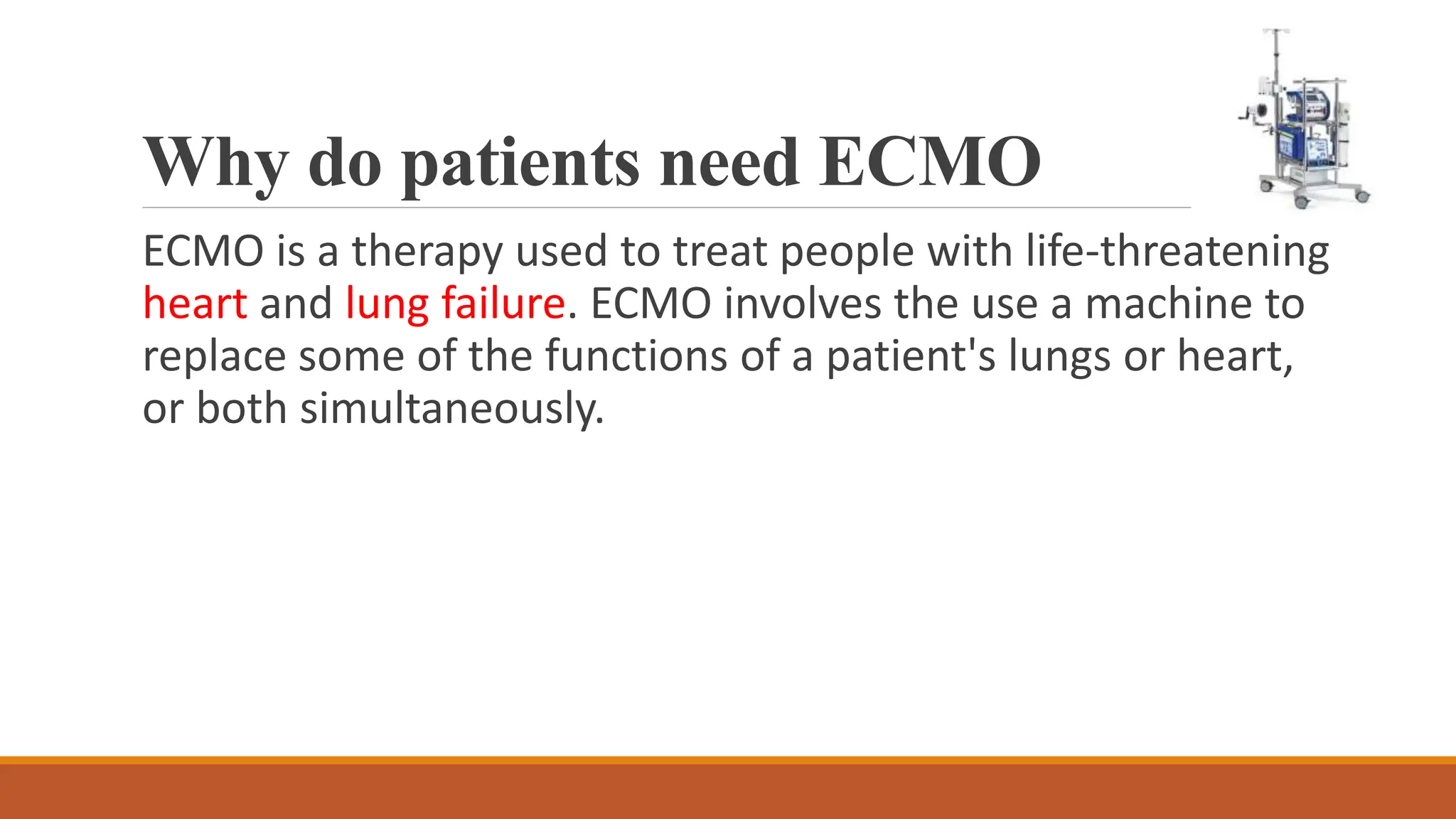
Why do patients need ECMO
ECMO is a therapy used to treat people with life-threatening
heart and lung failure. ECMO involves the use a machine to
replace some of the functions of a patient's lungs or heart,
or both simultaneously.
How many type of ECMO are there
There are two main types of ECMO support:
1. Veno-venous ECMO (VV-ECMO), which is used to support only the lungs.
2. Veno-arterial ECMO (VA-ECMO), which is used to support the lungs and heart.
Who are candidates for ECMO
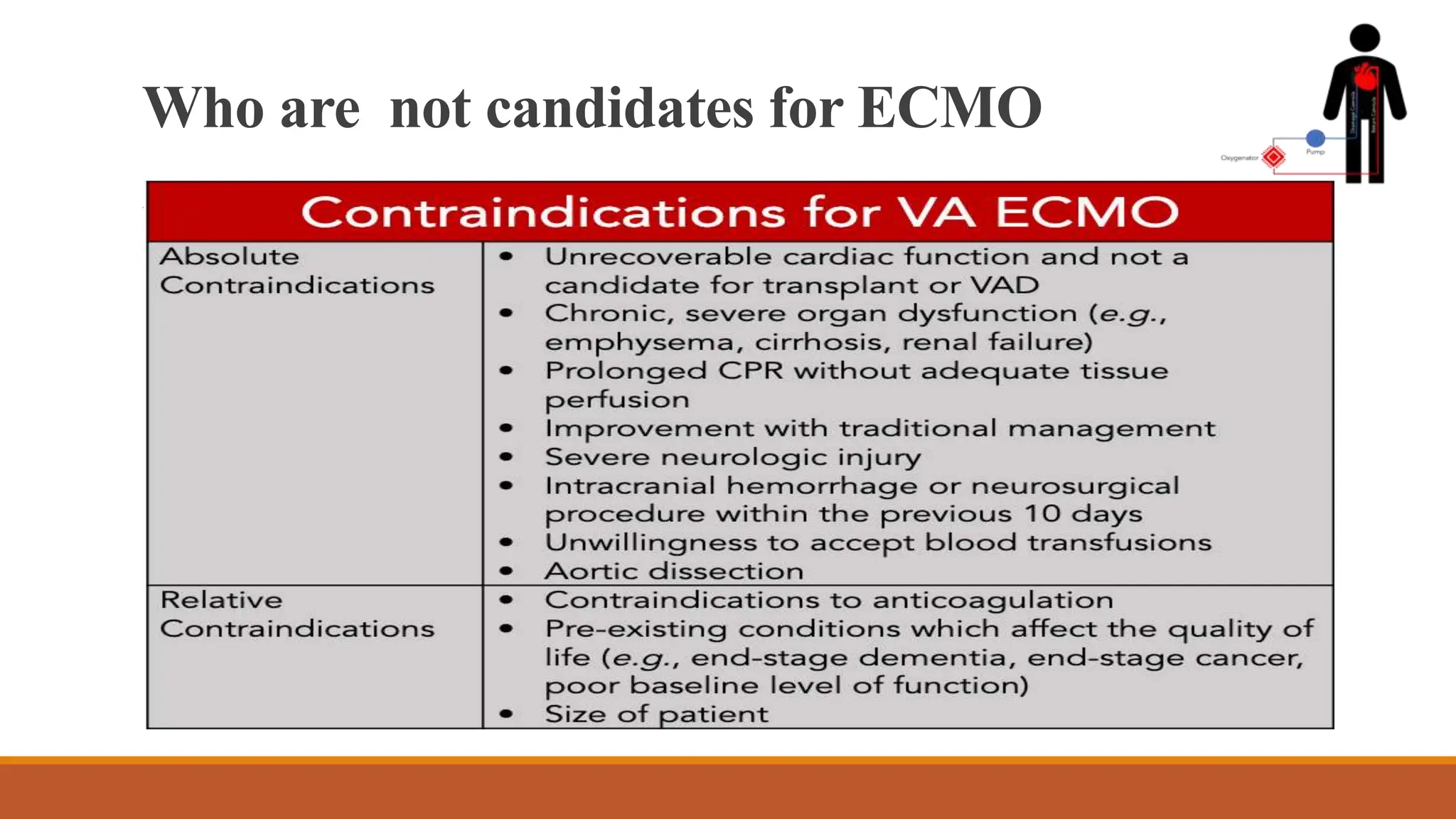
Who are not candidates for ECMO
Relative Contraindications for VV ECMO
1. Age > 70 yrs.
2. Body weight: > 140 kg.
3. Trauma with multiple bleeding sites
4. Significant Immunosuppression
5. Recent diagnosis of hematological malignancy
What are the challenges of ECMO
1. Bleeding is a high-risk event. ...
2. Clots may form in the ECMO circuit or be introduced into the patient's blood. ...
3. Poor blood flow to the limb may occur. ...
4. Any part of the ECMO circuit or machine can fail.
What are the configurations of ECMO
cannula
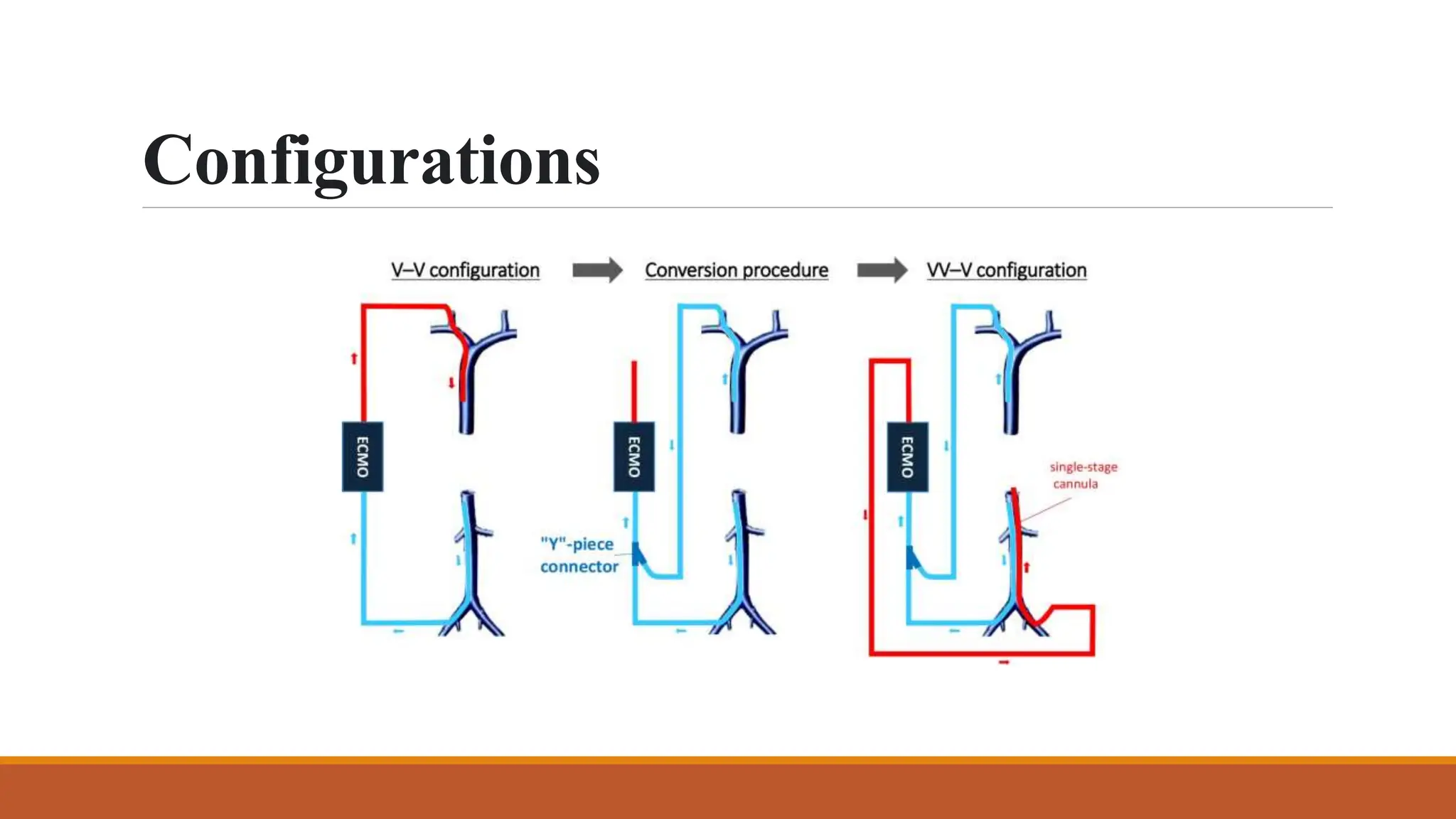
There are two separate configurations of ECMO circuit:
1. veno-venous (VV)
2. veno-arterial (VA).
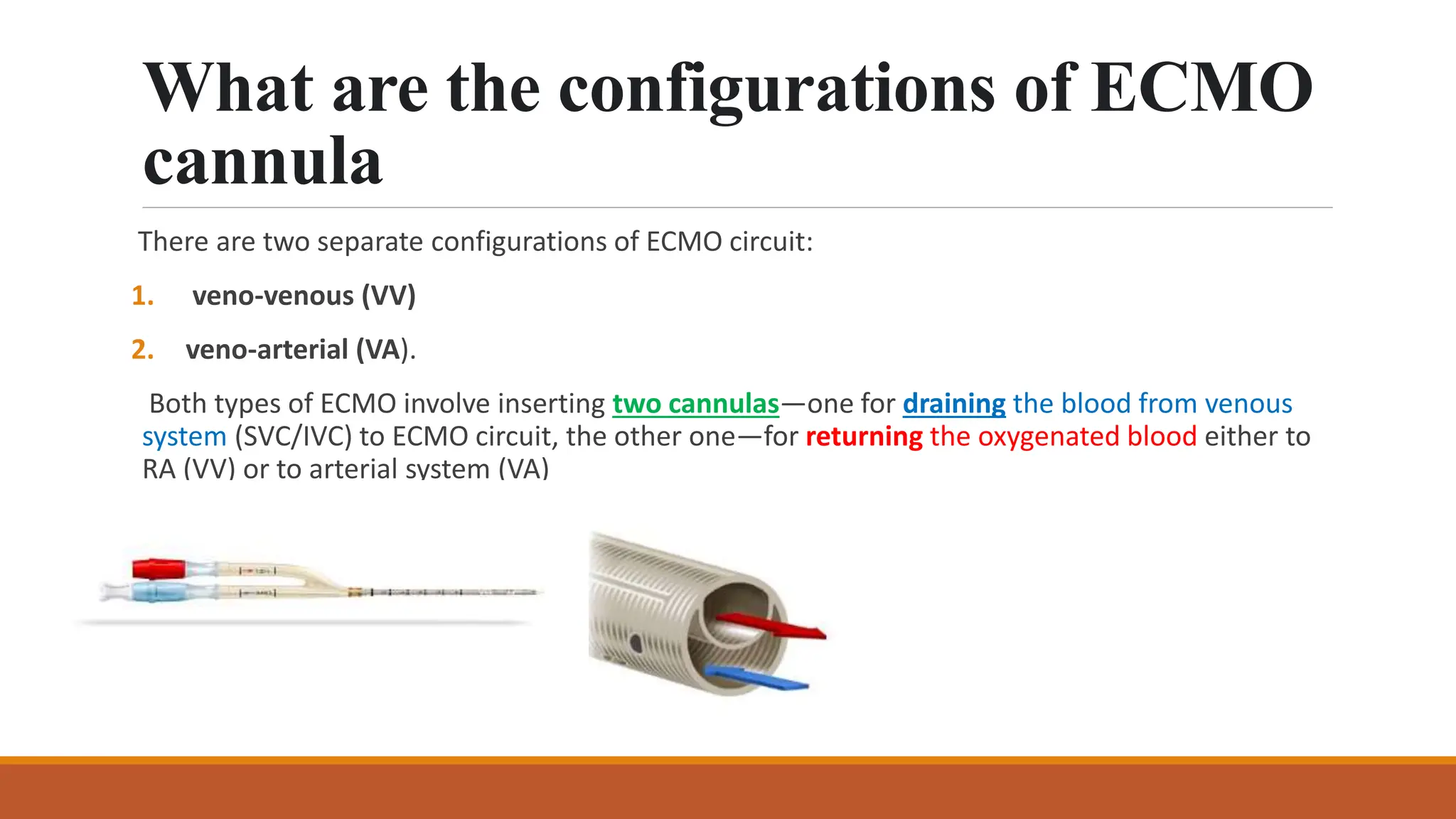
Both types of ECMO involve inserting two cannulas—one for draining the blood from venous
system (SVC/IVC) to ECMO circuit, the other one—for returning the oxygenated blood either to
RA (VV) or to arterial system (VA)
What are the configurations of ECMO cannula?
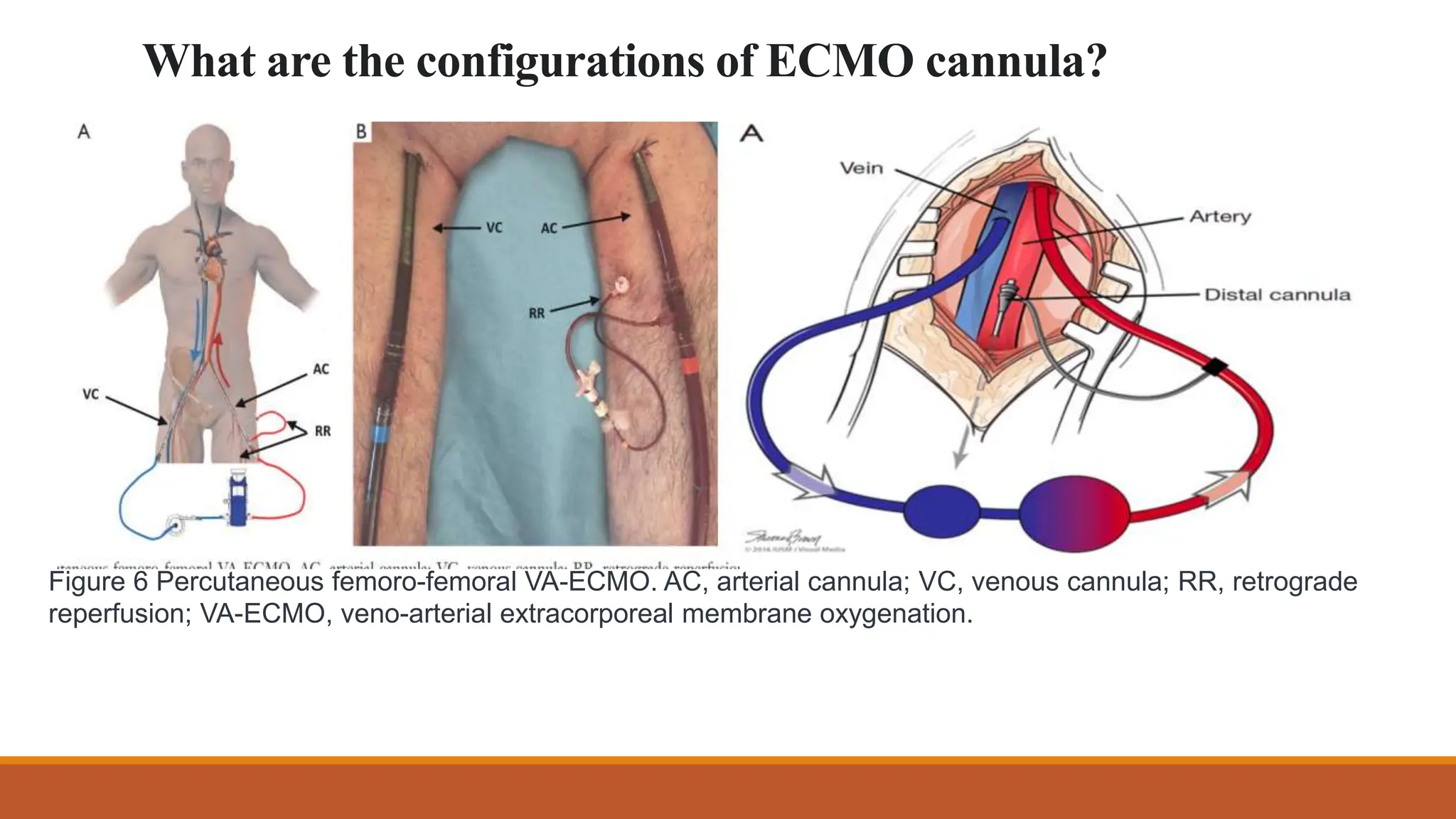
Figure 6 Percutaneous femoro-femoral VA-ECMO. AC, arterial cannula; VC, venous cannula; RR, retrograde
reperfusion; VA-ECMO, veno-arterial extracorporeal membrane oxygenation.
Configurations
Transesophageal echocardiography, mid-esophageal 93° bicaval view. The tip of the
drainage cannula is located in the SVC at the junction between RA and SVC.
IVC, inferiorvena cava;SVC, superiorvena cava;RA, rightatrium.
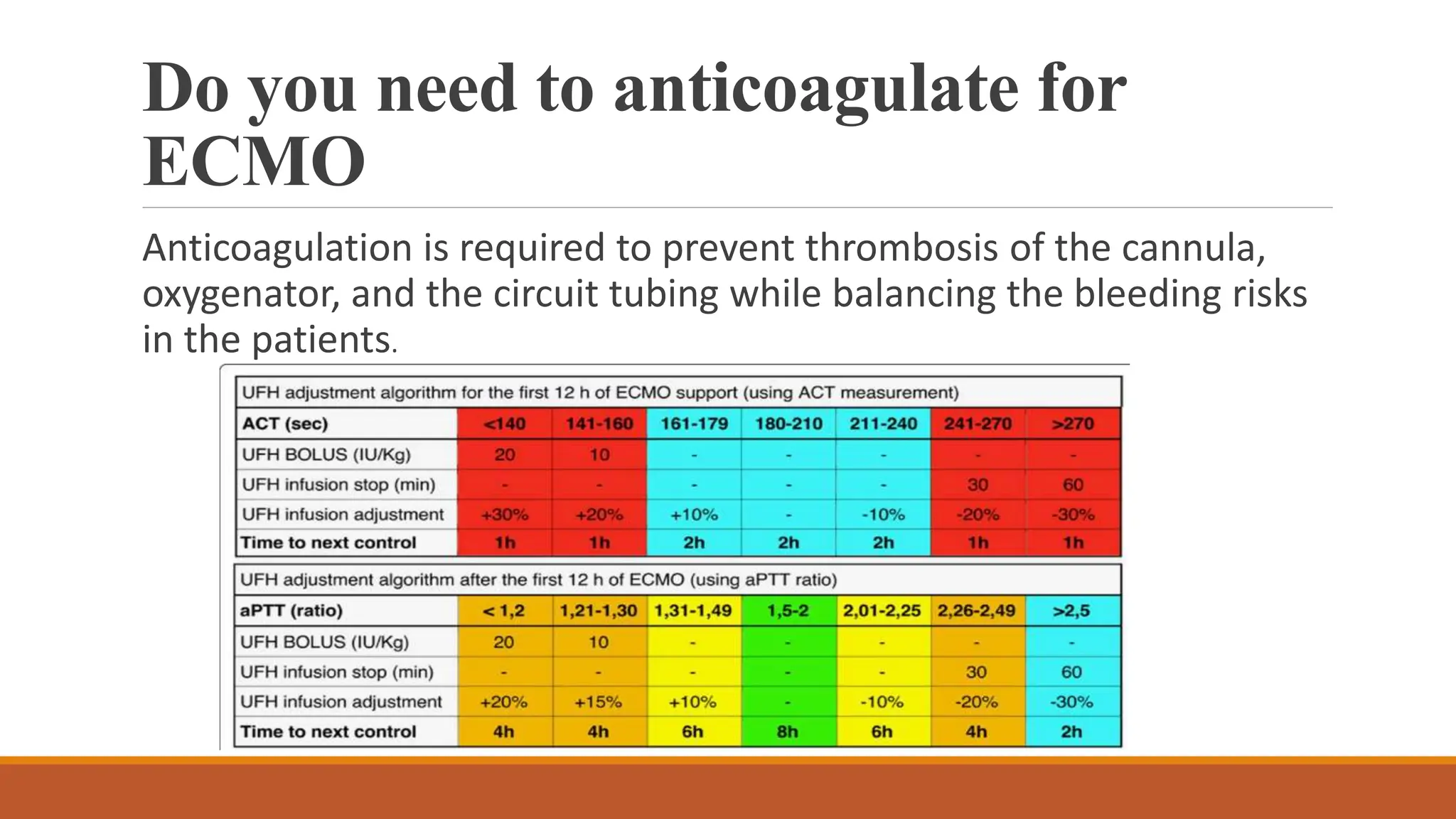
Do you need to anticoagulate for
ECMO
Anticoagulation is required to prevent thrombosis of the cannula,
oxygenator, and the circuit tubing while balancing the bleeding risks
in the patients.
How long does it take to come off ECMO?
ECMO is generally continued until the underlying cardiac or lung problem is improved or
resolved. The typical course is around five days, but in some cases, ECMO support has been
continued for up to 25 to 30 days. Long-term ECMO support increases the chances of
complications.
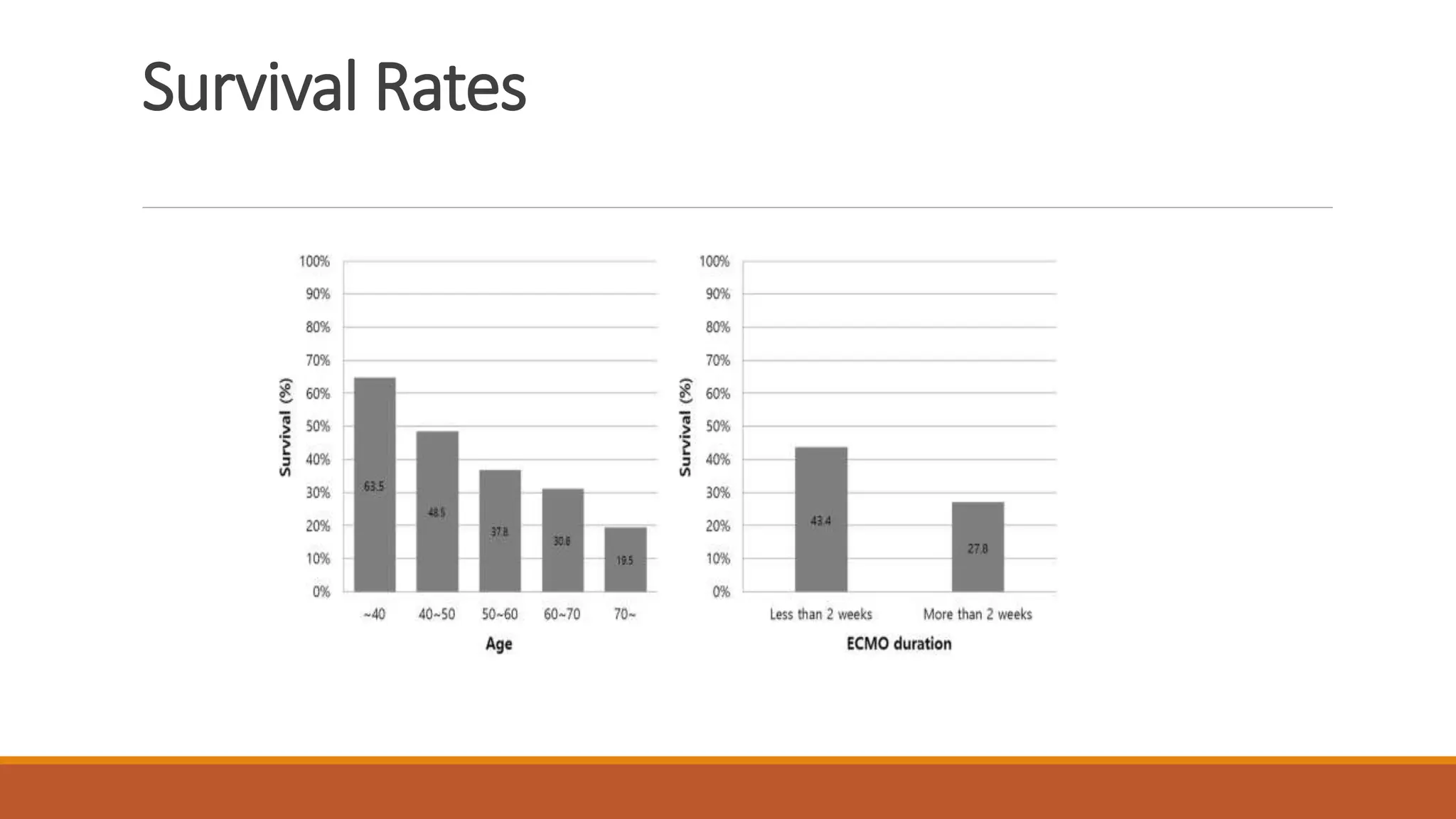
Survival Rates
Extracorporeal Membrane Oxygenation (ECMO)

Extracorporeal Membrane Oxygenation (ECMO)

  • 1.
    COMPREHENSIVE ECMO TRAINING M AN U J A C O B P E R F U S I O N I S T M O H K S A
  • 2.
    Why do patientsneed ECMO ECMO is a therapy used to treat people with life-threatening heart and lung failure. ECMO involves the use a machine to replace some of the functions of a patient's lungs or heart, or both simultaneously.
  • 3.
    How many typeof ECMO are there There are two main types of ECMO support: 1. Veno-venous ECMO (VV-ECMO), which is used to support only the lungs. 2. Veno-arterial ECMO (VA-ECMO), which is used to support the lungs and heart.
  • 4.
  • 5.
    Who are notcandidates for ECMO
  • 6.
    Who are notcandidates for ECMO Relative Contraindications for VV ECMO 1. Age > 70 yrs. 2. Body weight: > 140 kg. 3. Trauma with multiple bleeding sites 4. Significant Immunosuppression 5. Recent diagnosis of hematological malignancy
  • 7.
    What are thechallenges of ECMO 1. Bleeding is a high-risk event. ... 2. Clots may form in the ECMO circuit or be introduced into the patient's blood. ... 3. Poor blood flow to the limb may occur. ... 4. Any part of the ECMO circuit or machine can fail.
  • 8.
    What are theconfigurations of ECMO cannula There are two separate configurations of ECMO circuit: 1. veno-venous (VV) 2. veno-arterial (VA). Both types of ECMO involve inserting two cannulas—one for draining the blood from venous system (SVC/IVC) to ECMO circuit, the other one—for returning the oxygenated blood either to RA (VV) or to arterial system (VA)
  • 9.
    What are theconfigurations of ECMO cannula? Figure 6 Percutaneous femoro-femoral VA-ECMO. AC, arterial cannula; VC, venous cannula; RR, retrograde reperfusion; VA-ECMO, veno-arterial extracorporeal membrane oxygenation.
  • 10.
  • 11.
    Transesophageal echocardiography, mid-esophageal93° bicaval view. The tip of the drainage cannula is located in the SVC at the junction between RA and SVC. IVC, inferiorvena cava;SVC, superiorvena cava;RA, rightatrium.
  • 16.
    Do you needto anticoagulate for ECMO Anticoagulation is required to prevent thrombosis of the cannula, oxygenator, and the circuit tubing while balancing the bleeding risks in the patients.
  • 18.
    How long doesit take to come off ECMO? ECMO is generally continued until the underlying cardiac or lung problem is improved or resolved. The typical course is around five days, but in some cases, ECMO support has been continued for up to 25 to 30 days. Long-term ECMO support increases the chances of complications.
  • 19.