Physio Milan KC
MPT (Orthopedic and Sports)
Navajivan Physiotheray and Rehabilitation
Center
Ergonomics In School
Physio Ashik Dhakal
MPT (Neurology and Psychosomatic Disorders)
Navajivan Physiotheray and Rehabilitation
Center
Ergonomics ??
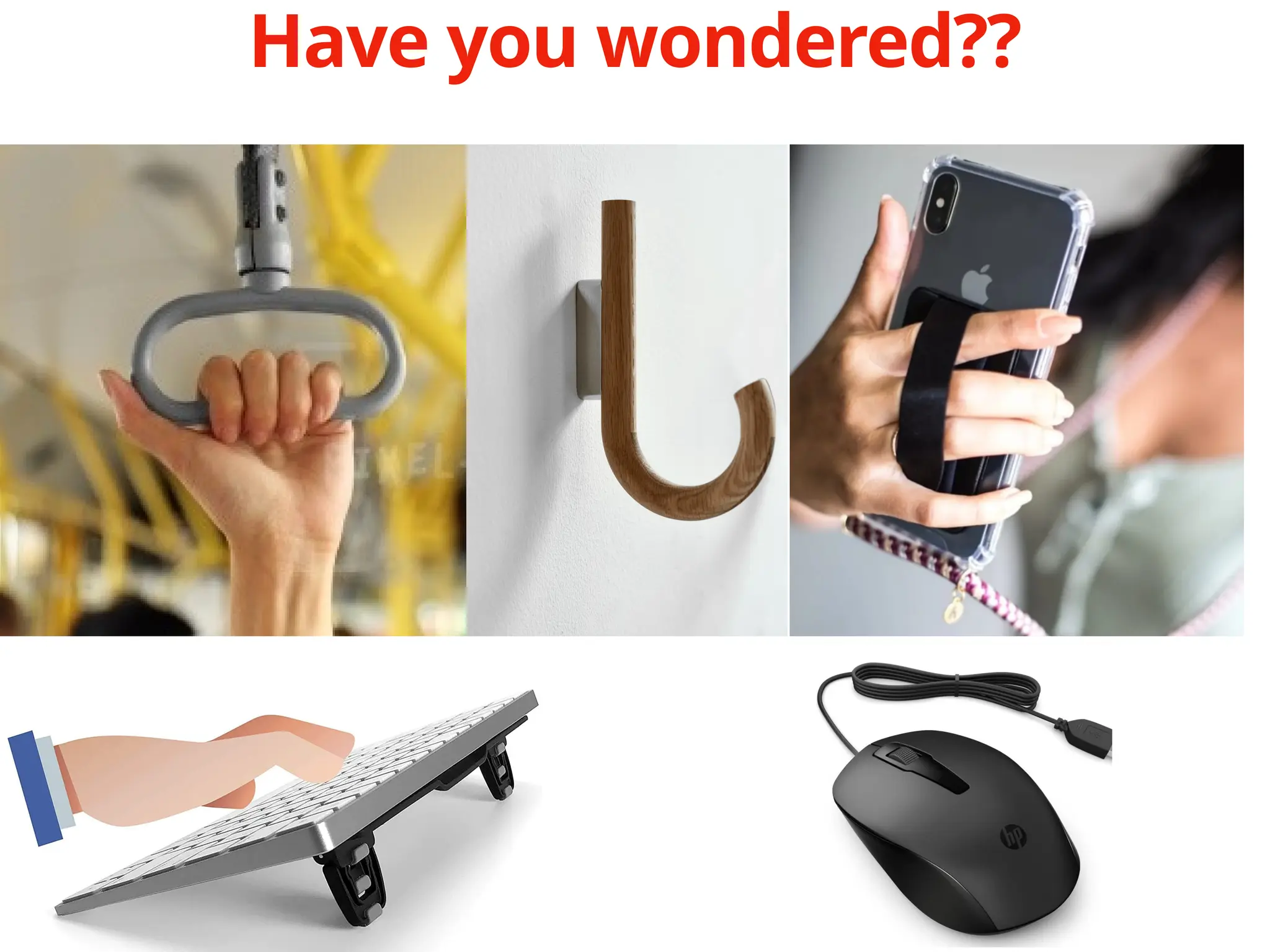
Have you wondered??
People
Answer
Comfort
Convenience
Environment
Beauty of these
designs
Comes from
The Application of Ergonomics
Introduction
The science behind ergonomic design
involves
the study of the human body
including
of the workplace wheather it be the home or office environment
how to design for improved health, better experience and
increased productivity
Research shows LBP
• World’s most common work related disability
• Huge financial loss
• Better to invest in ergonomic products creating a more active
work life.
Example
Designing products and places for Toddler to
Teens
Child Ergonomics ?
What comes to
your mind
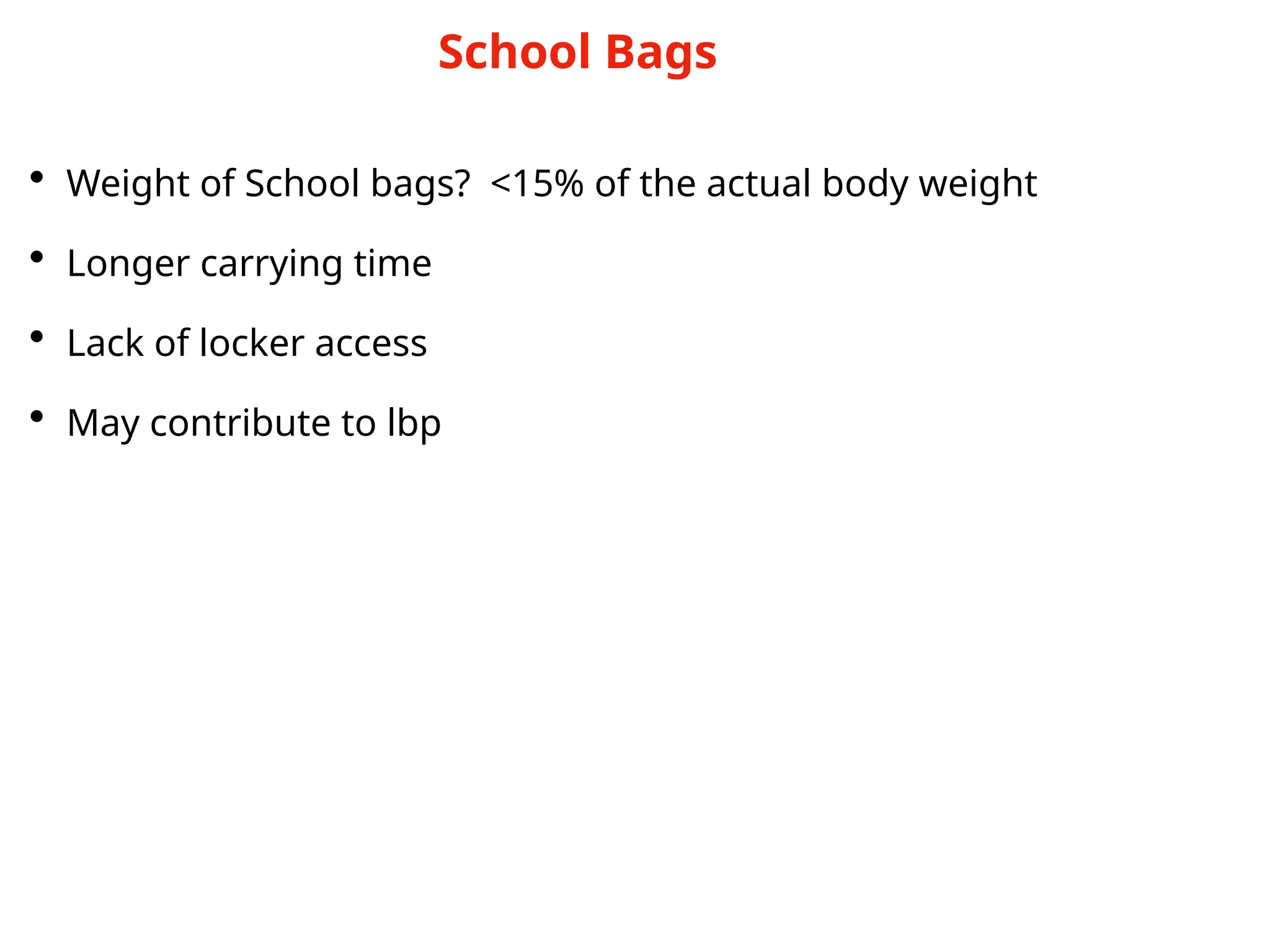
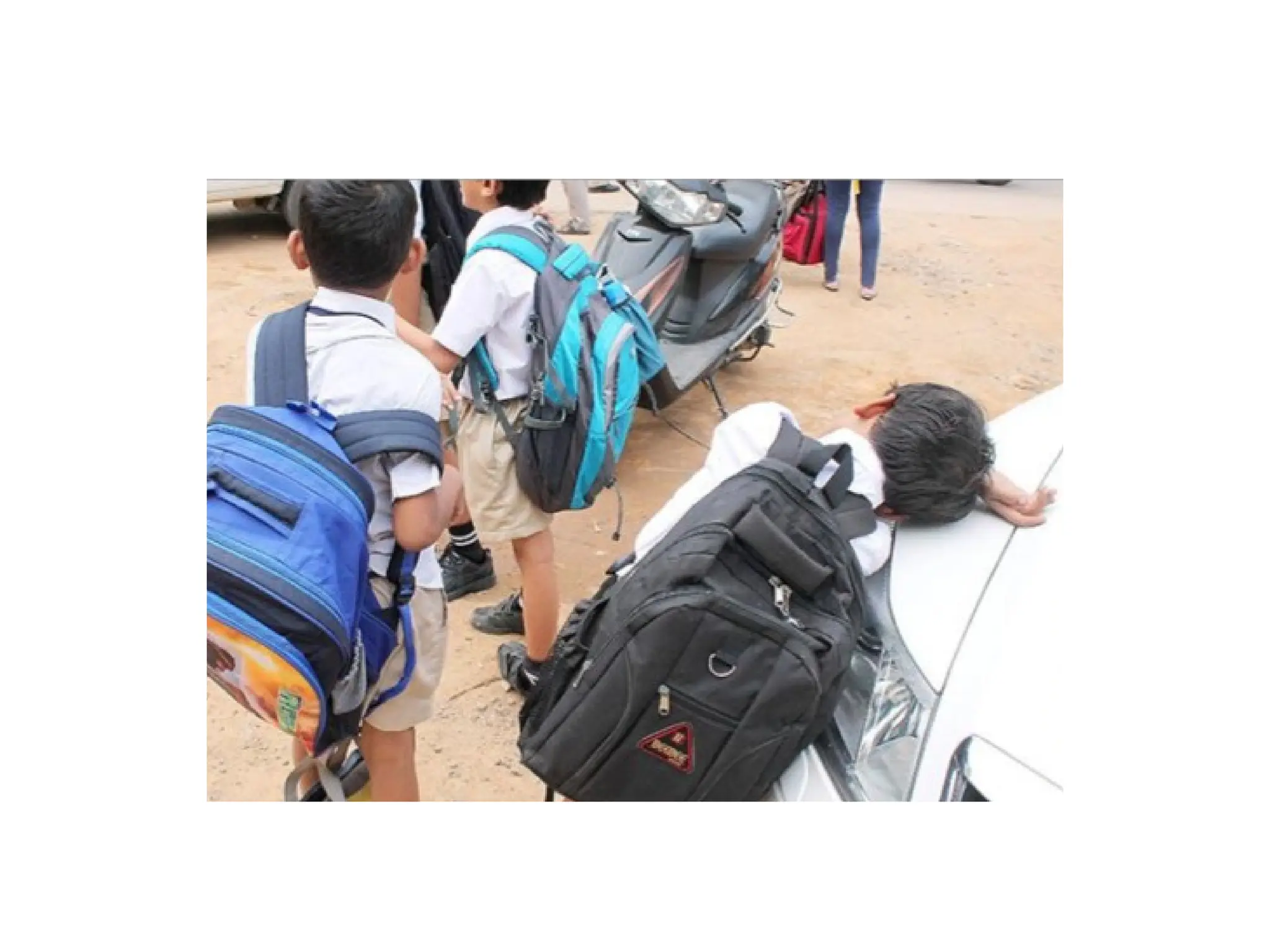
• Weight of School bags? <15% of the actual body weight
• Longer carrying time
• Lack of locker access
• May contribute to lbp
School Bags
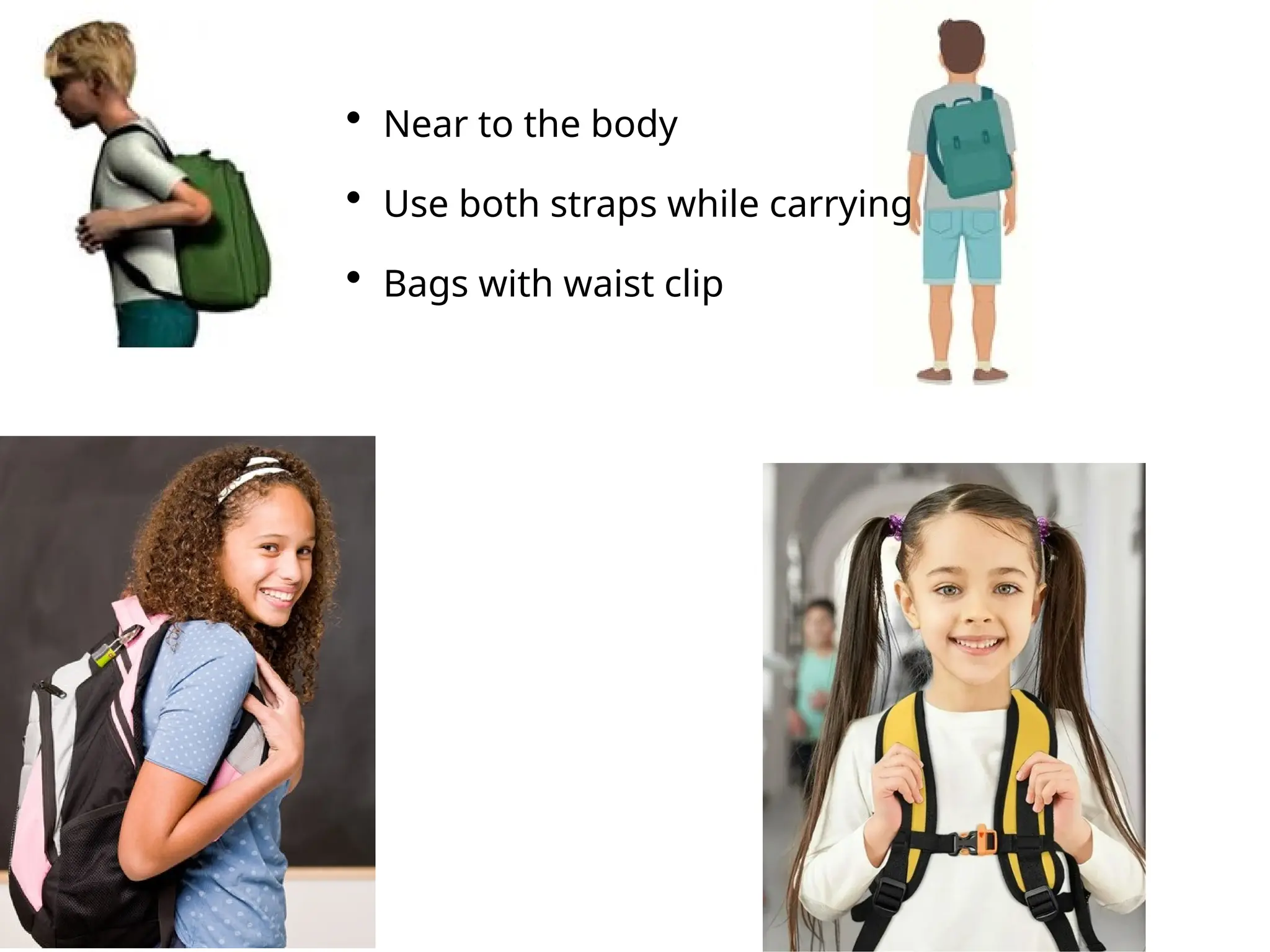
• Near to the body
• Use both straps while carrying
• Bags with waist clip
• less physically active games
• Lot of sitting
• Personal and peri-personal space management ??
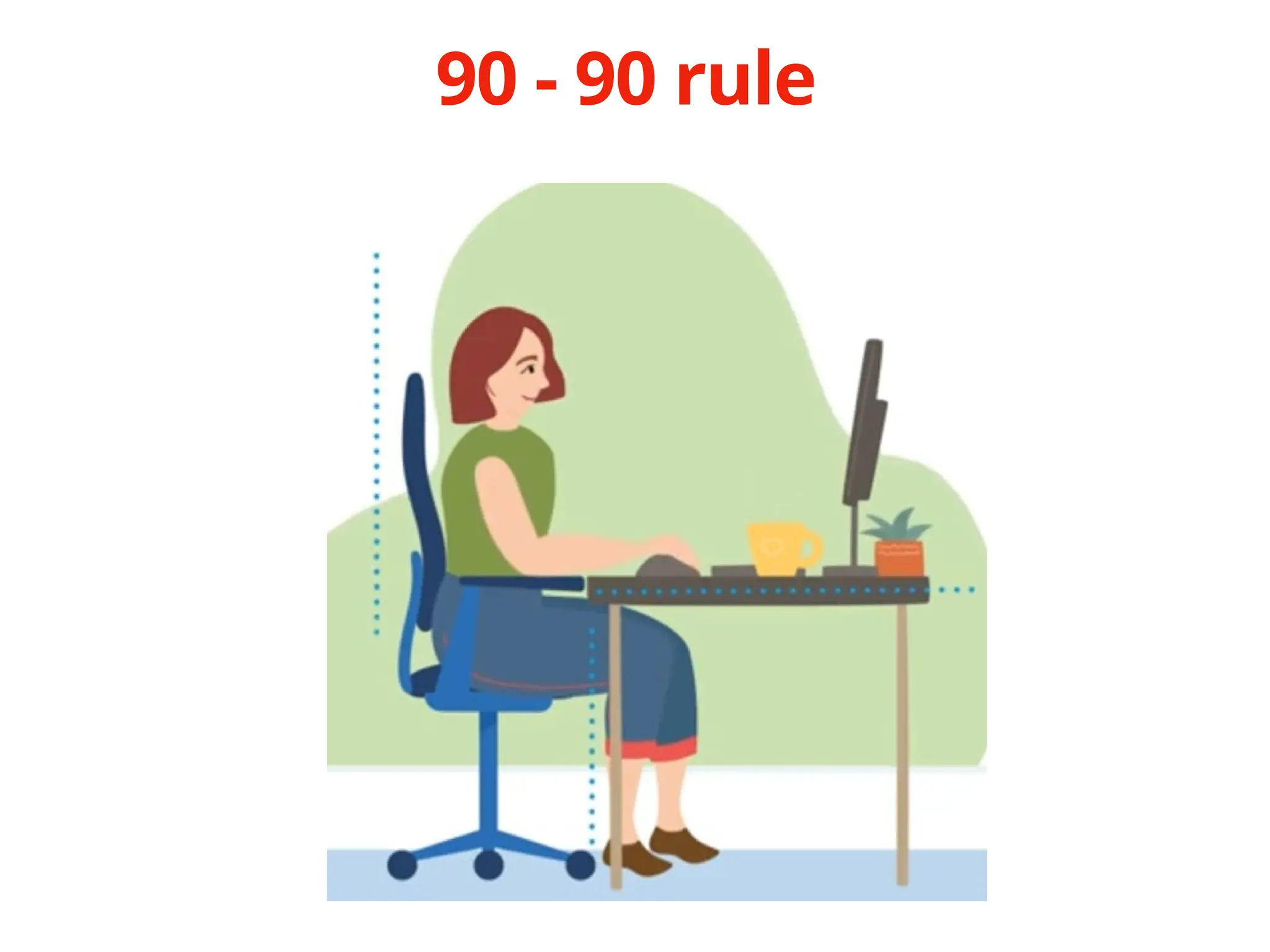
• Follow 90 - 90 rule
Furniture
Organize Supplies:
Place frequently used items within easy reach to minimize stretching
and bending.
90 - 90 rule
Vision Musculoskeletal
Common problems
• Visual skills are not fullly developed in children
• There is a correlation between
- Heavy reading and myopia (near sightedness)
- Computer, television, video games use and premature myopia
• Alter their body posture to alleviate stress on the eyes
• CVS (Computer Vision Syndrome)
Vision
• Eye and vision problems which are experienced during or
related to computer use
• eyestrain, headache, blurred distance or near vision, dry or
red eyes, neck and back ache, double vision, and light
sensitivity
• Improve classroom conditions, poor work habits, and existing
refractive errors lead to cvs
Computer vision syndrome
• Not to sit too close to monitor
• Take frequent rest breaks and eye breaks
• Stand up, stretch, and wiggle often
• Blink frequently
• Avoid using mouse or typing for longer period of time
Computer /Screen use
• Limited degree of self awareness
• Reduced blinking due to concentration
• Improper lightning
• Ignoring problems that would normally be addressed by
adults
• Looking farther up due to computer workstation design
Factor affecting
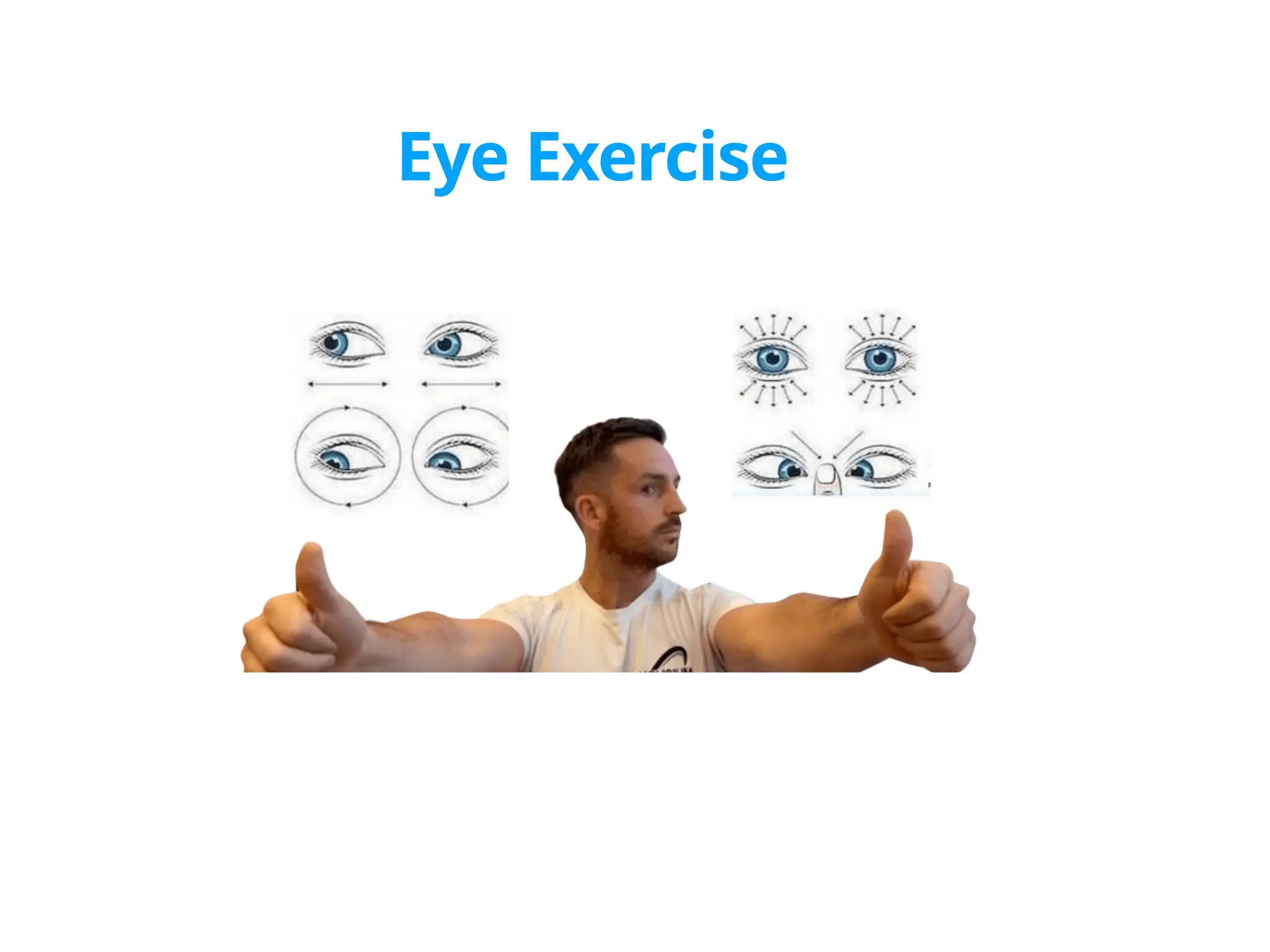
Eye Exercise
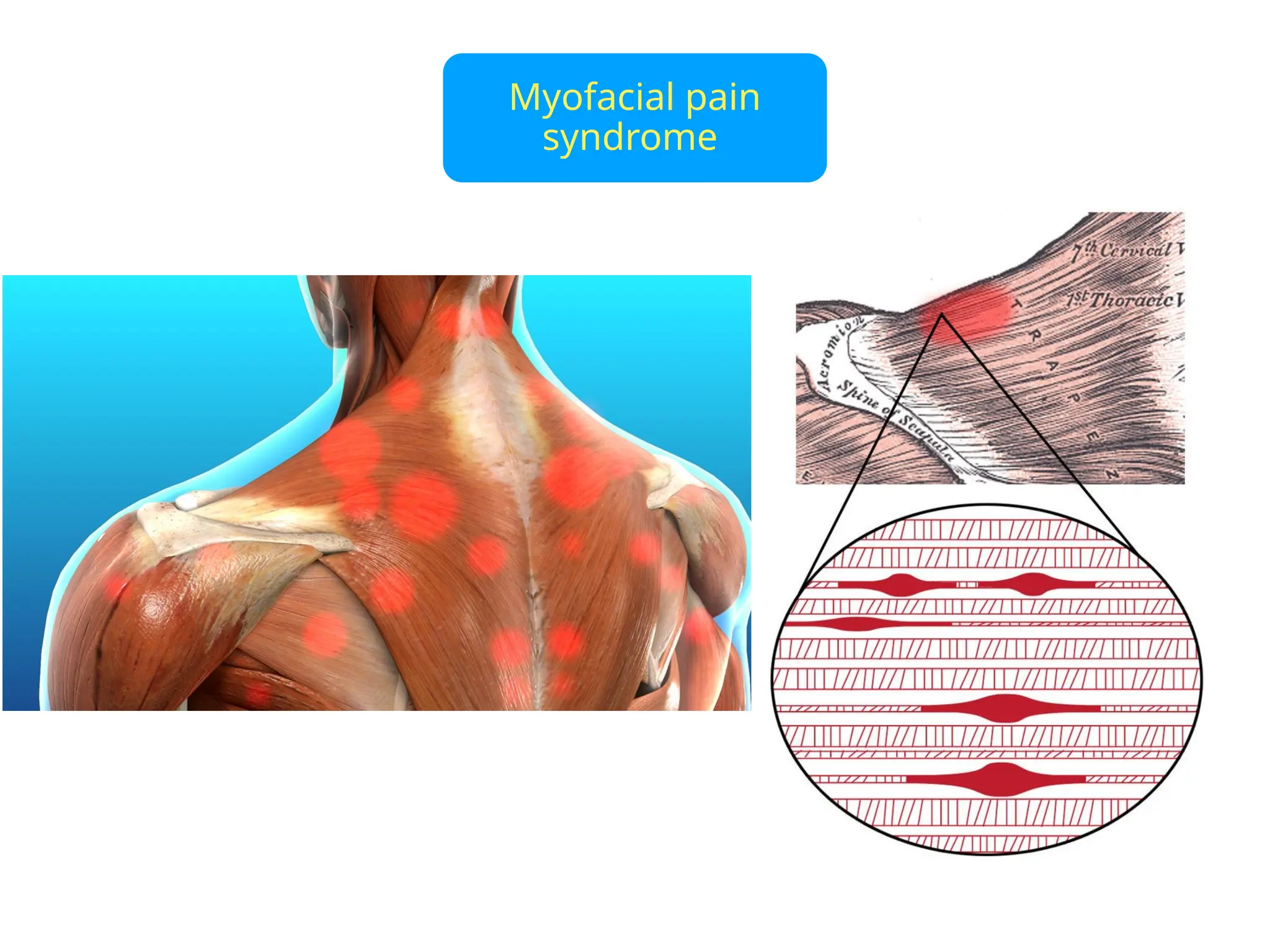
• Myofascial pain Syndrome
• Neck Pain
• Back Pain
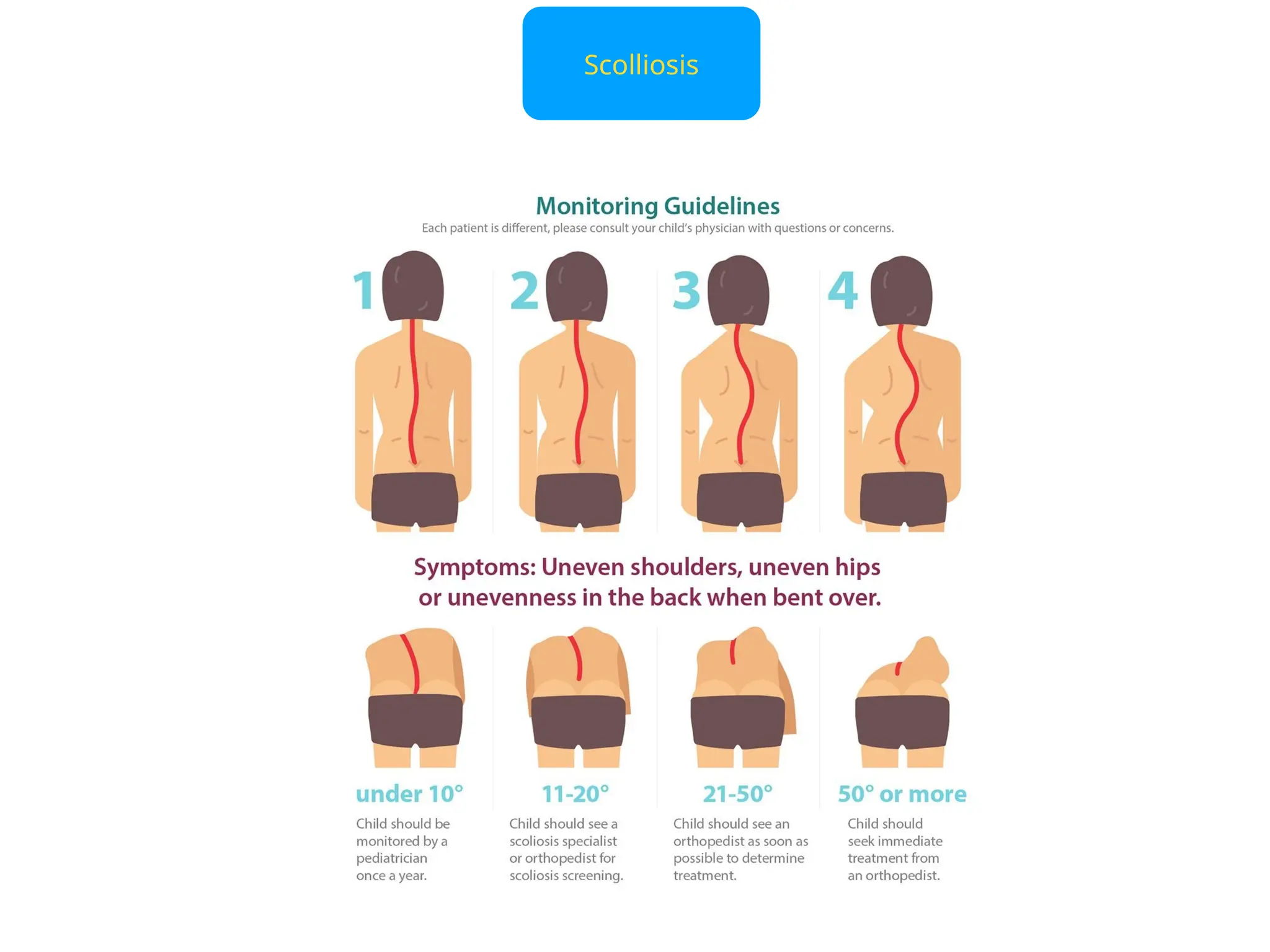
• Scoliiosis
• Bone pain
Musculoskeletal
Myofacial pain
syndrome
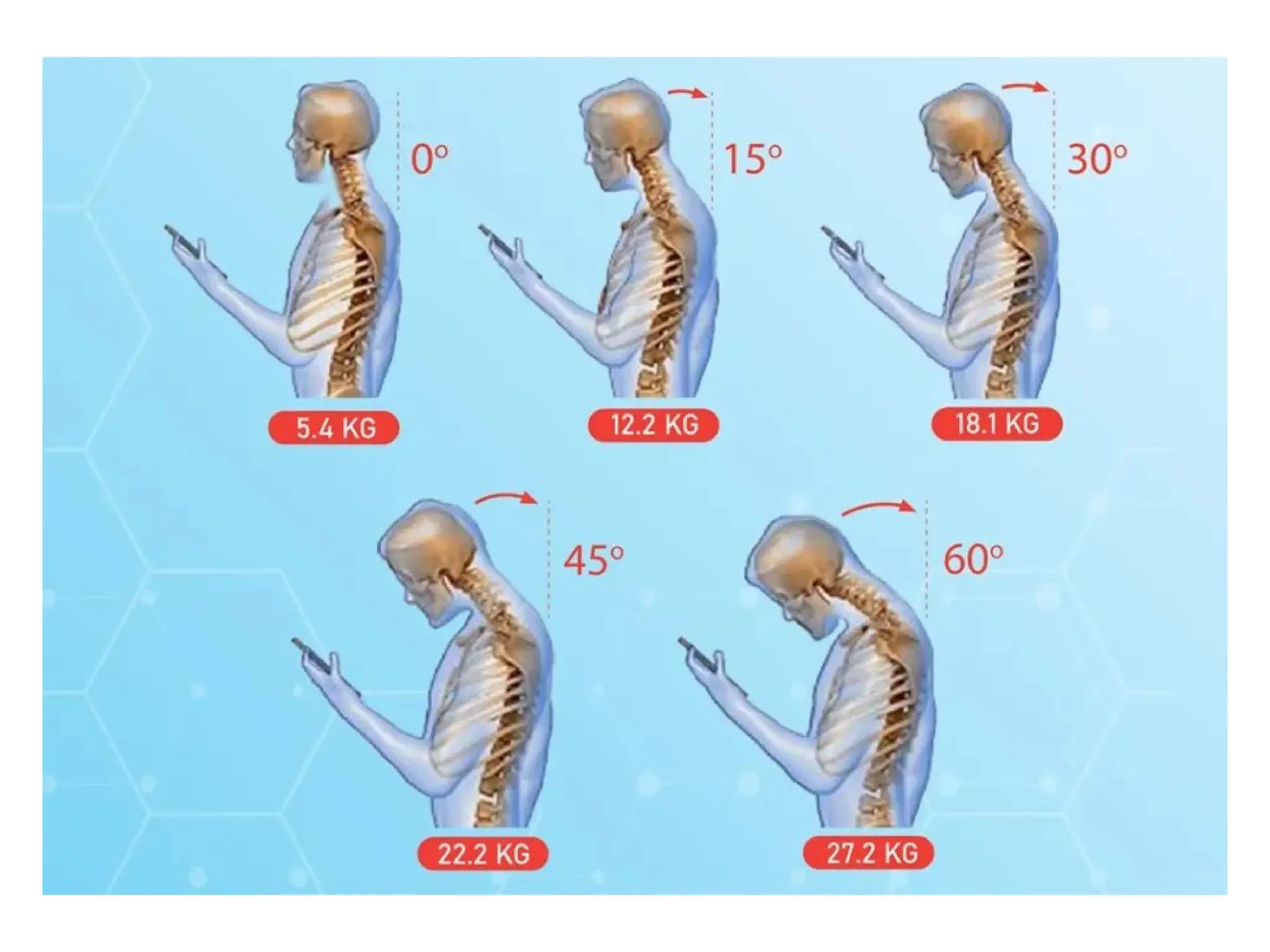
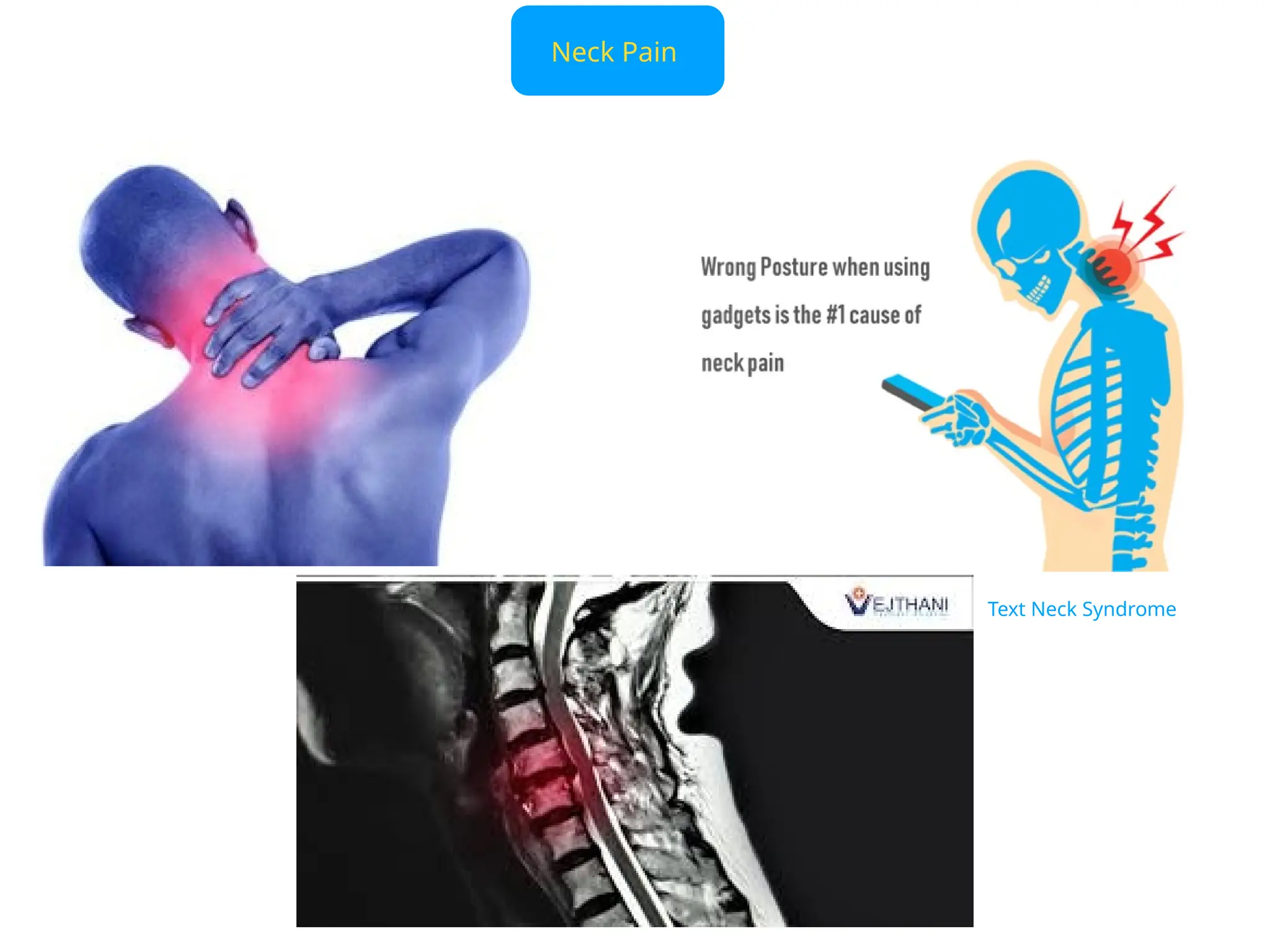
Neck Pain
Text Neck Syndrome
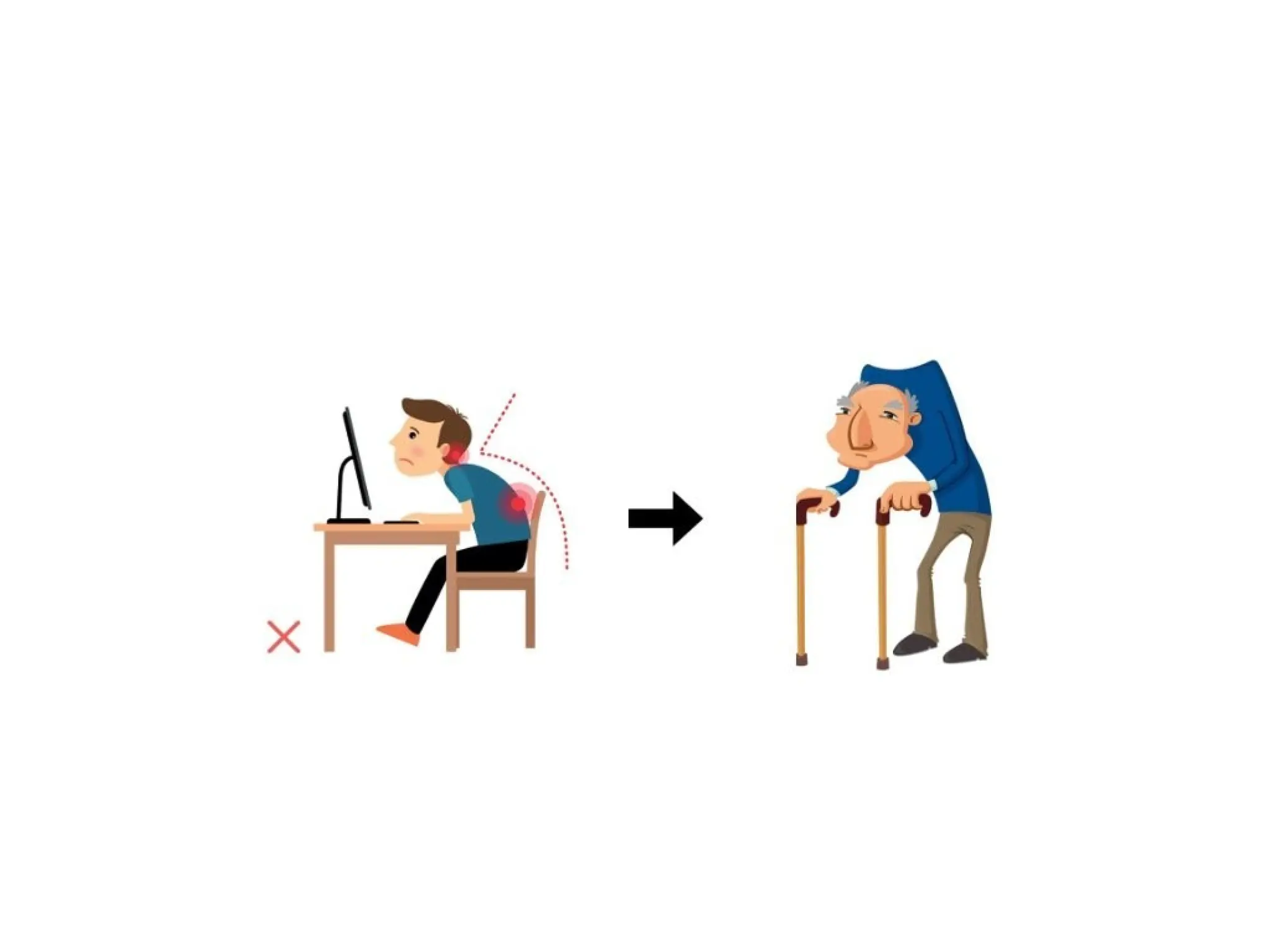
Back Pain
UBP
LBP
Scolliosis
How to detect
• Irritability
• Difficulty understanding complex topics
• Peer pressure
• Behaviourable disorder
• Imbalance in school work and extra curriculum activities
Secondary conditions
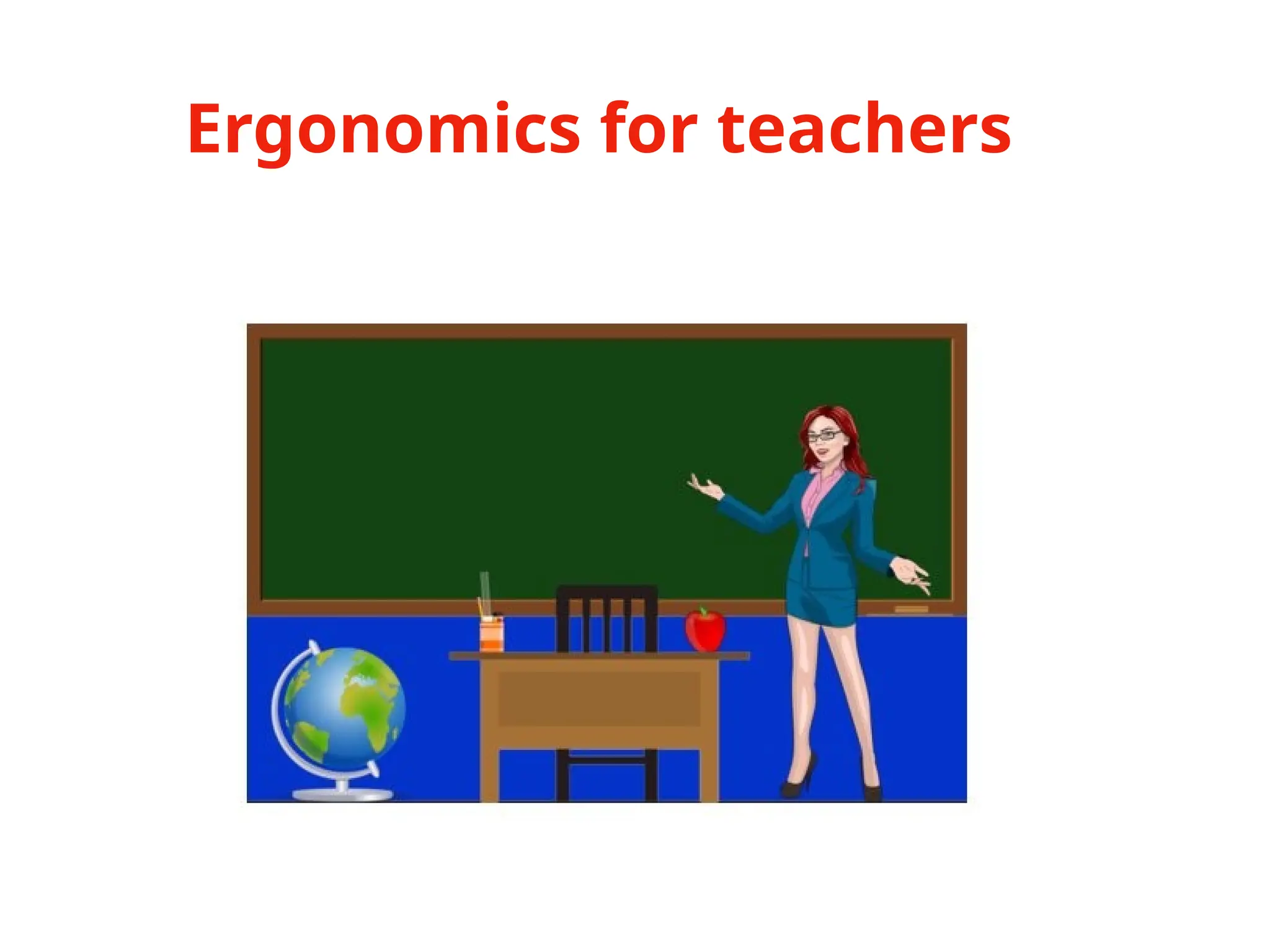
Ergonomics for teachers
• Importance:
Teachers : Teachers often face physical strain from long hours
of standing, sitting, and repetitive movements.
School : Maximizing productivity, efficiency and quality.
• Objective:
Provide practical ergonomic advice to improve, comfort and
Good Morning
Teacher
Nothing good left
• Myofascial Pain Syndrome
• Neck Pain
• Back Pain
• Frozen Shoulder
• Plantar Fascitis
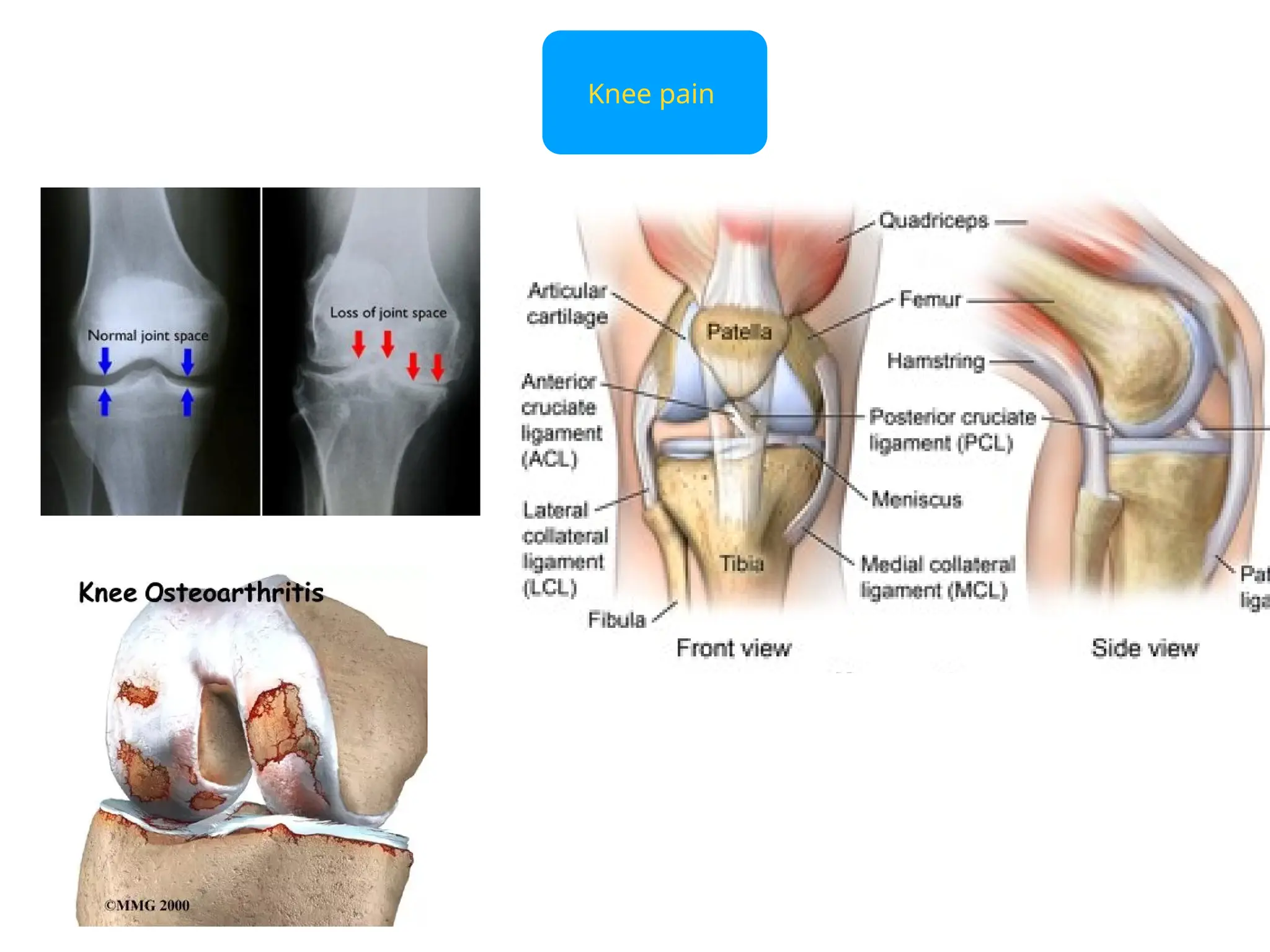
• Knee Pain
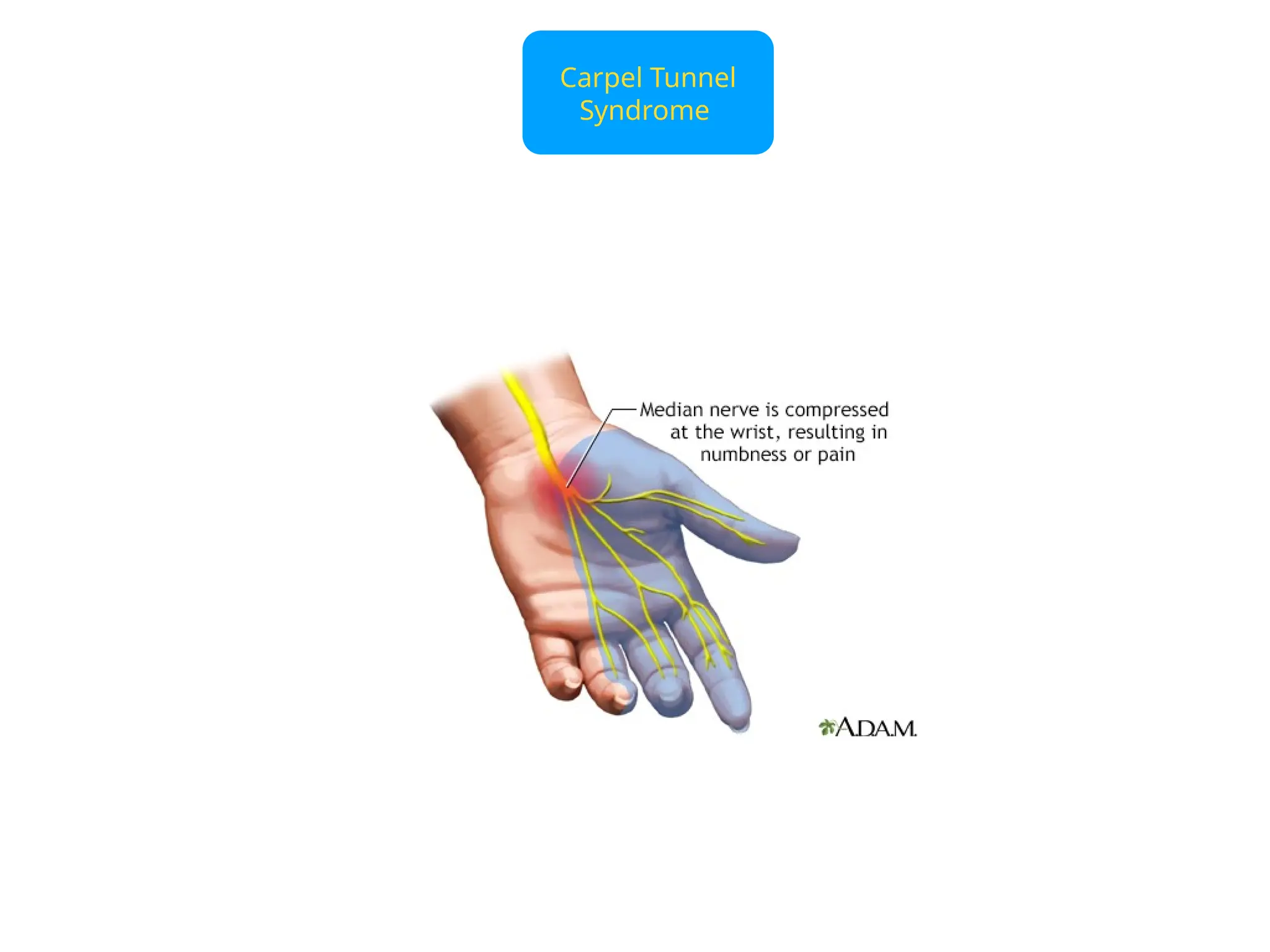
• Carpel Tunnel Syndrome
• Varicose Vein
• Chalk Dust Allergy
Common conditions seen in Teachers
Myofacial pain
syndrome
Neck Pain
Text Neck Syndrome
Frozen
Shoulder/Impingement
Syndromes
Plantar Fascitis
Knee pain
Carpel Tunnel
Syndrome
Varicose Veins
Chalk Dust
Allergy
Uric Acid
Yes we can
Can We Prevent This ?
1. Good Posture and Movement
2. Understanding ergonomic of daily work
3. Role of Technology
Maintaining Healthy
Posture
Posture and Movement
A B
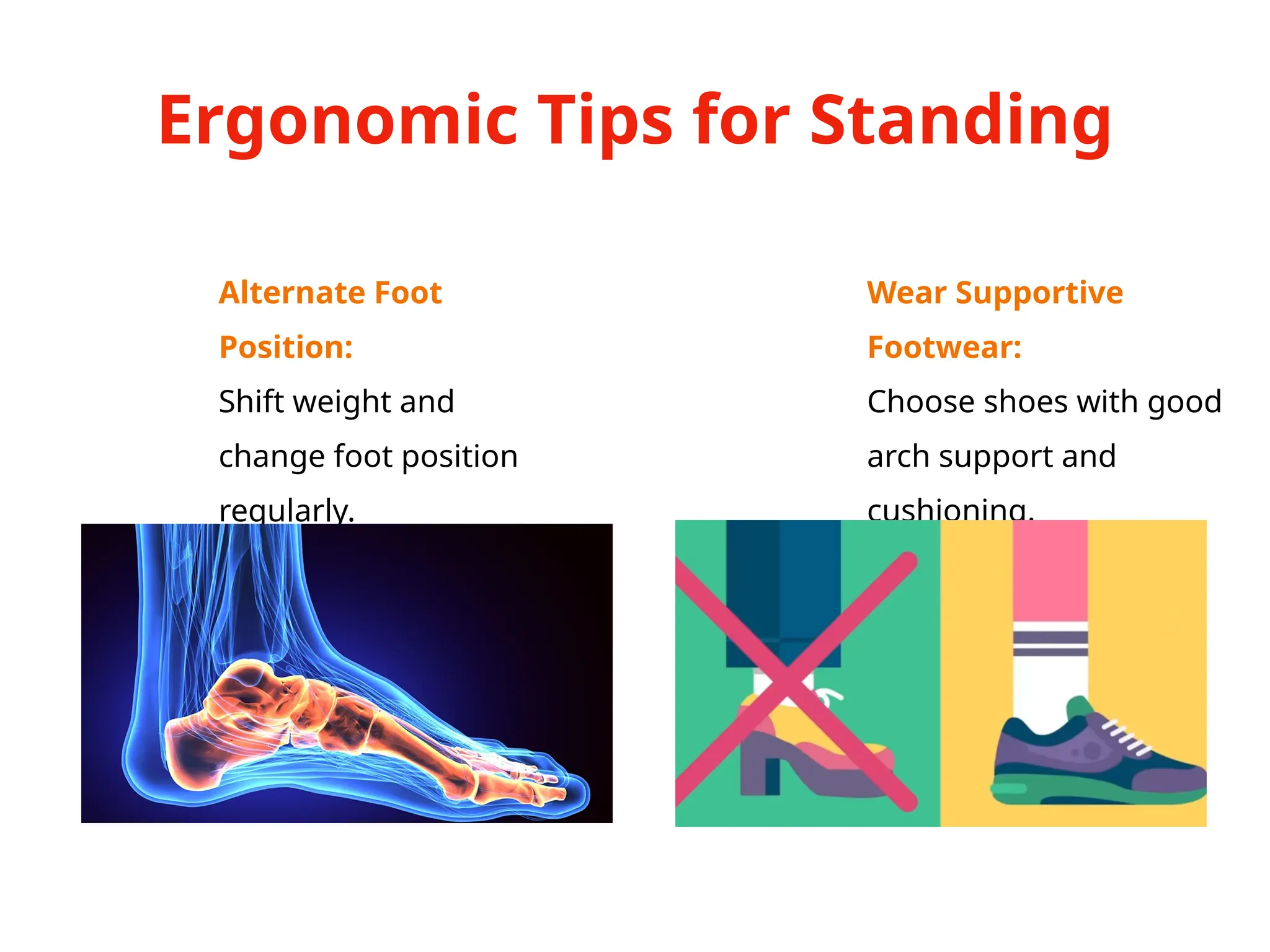
Ergonomic Tips for Standing
Alternate Foot
Position:
Shift weight and
change foot position
regularly.
Wear Supportive
Footwear:
Choose shoes with good
arch support and
cushioning.
How to Lift ?
Leveraging Technology for
Ergonomics
Technology and Tools
• Ergonomic Keyboard and Mouse
• Document Holders: Use stands to keep papers at eye level,
reducing neck strain.
• Interactive Whiteboards: Minimize repetitive writing and
reduce strain on the hand and wrist.
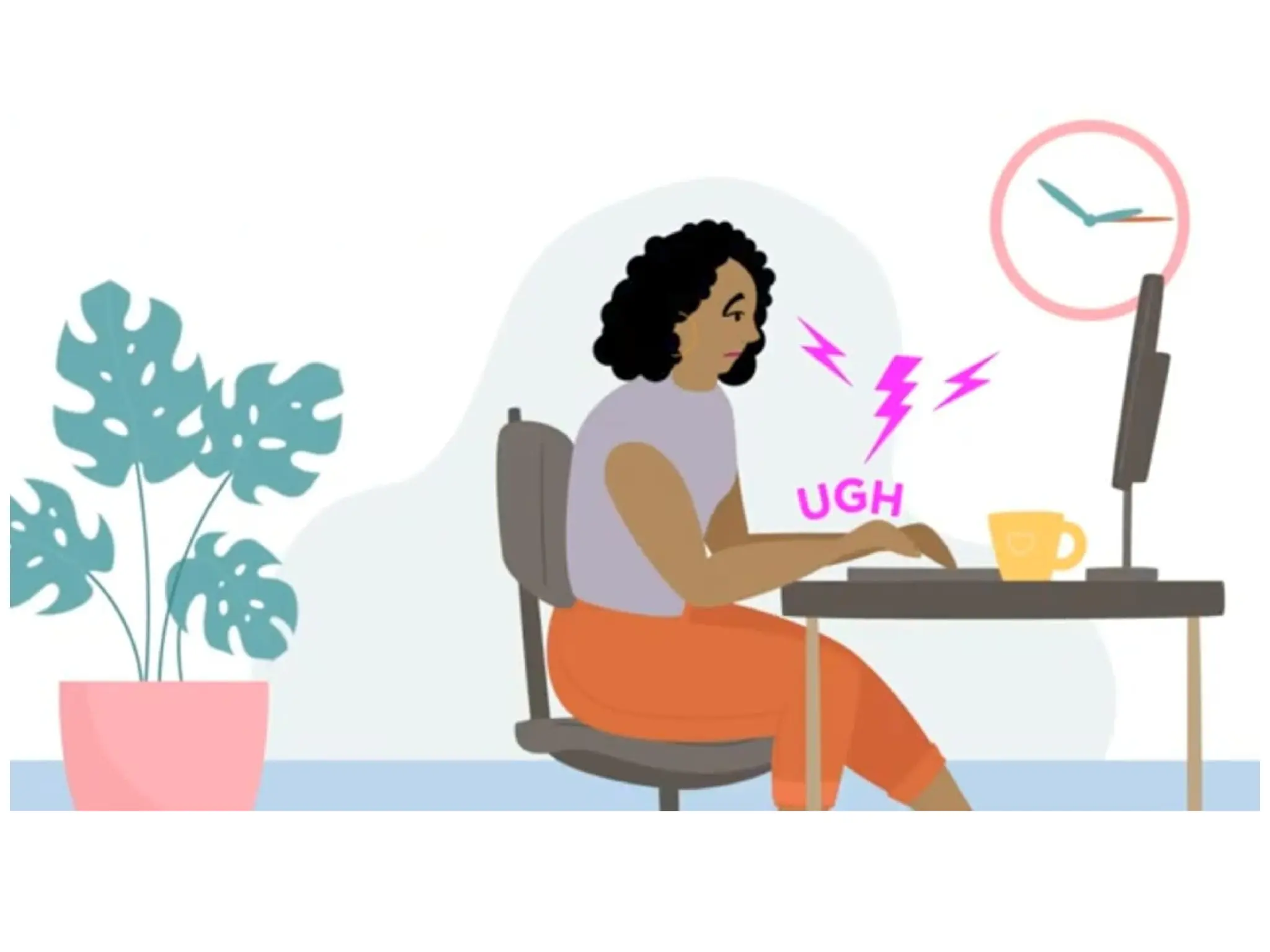
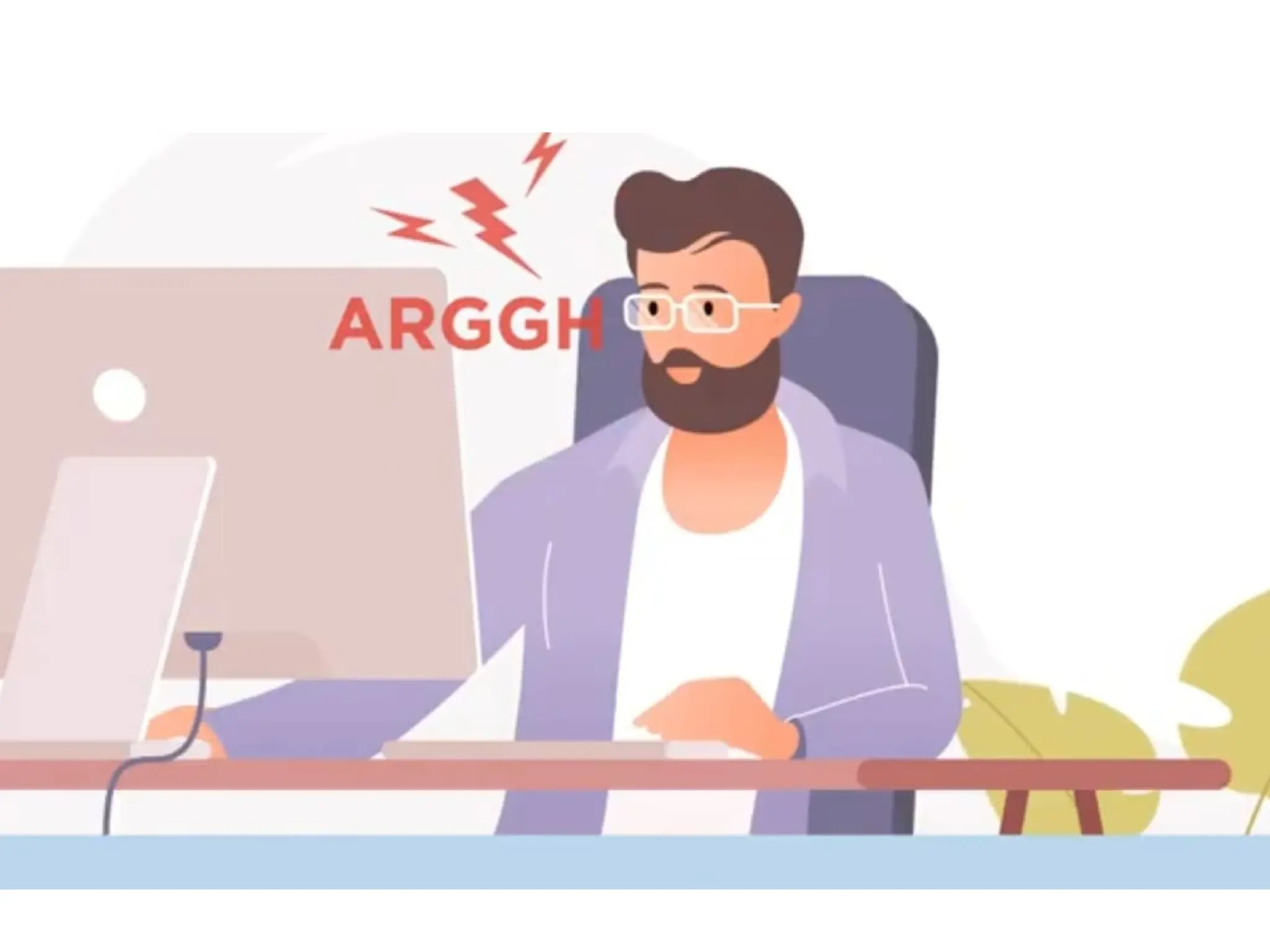
• Avoid bending neck forward for prolonged periods
• Take frequent breaks to stretch and rest hands
• Avoid static positions for prolonged time
• Avoid repetitive or prolonged grip activities
Precautions
A
B
C
General Exercise for Teachers
1. Stretchings neck, upper limb
stretch
2. Neck Isometric
3. Back squeeze
4. Flexibility exercise
5. Leg muscle stretch
6. Back stregthning exercise
Preventive Stretchings and
Exercise
• Teacher or Parents
• Medical Person Near to you
• Physical Therapist
If you have any of these
problems
Whom to contact
Navajivan Physiotherapy and
Rehabilitation center
Sports Injury Prevention
Pay Attention to your Body
Language and get your life
Active..
Common Ergonomic Issues for
Teachers
Prolonged
Standing: Impact on
feet, legs, and lower
back.
Repetitive
Movements:
Writing, grading,
and typing.
Improper Posture:
Sitting for extended
periods without
proper support.
Insufficient Rest
Breaks

Ergonomic in School. Child and Teacher..