"EMOTIONAL  INTELLIGENCE  AND WAYS  OF  USING  IT
2010-CH-71     ( Imtiaz Ali )2010-CH-119    ( NisarMahsood)2010-CH-87     ( Shiraz Daud )Group Members
What  is Emotional  Intelligence?Different Models of Emotional Intelligence.Characteristics of Emotional Intelligence.How to improve Emotional Intelligence?Six strategies for promoting Emotional intelligence.. How to use Emotional Intelligence? Why Emotional Intelligence is more important than Intelligence Quotient? Conclusion.EI presentation Cover's
Emotional intelligence  is not the triumph of heart over head  it is actually the unique intersection of both.Quote
The ability to….. Understand the needs and feelings of oneself and others
   Manage one’s own feelings
   Respond to others in a suitable wayWhat  is Emotional Intelligence?
 Here are two of many definitions out there…  Emotional intelligence  also called EI describes an ability, capacity, and skill to identify and control emotions of oneself, others and groupEI involves emotions to enhance the thought ability to accurately perceive  emotions , access, and generate emotions to convey the thoughtDefinition Of EI
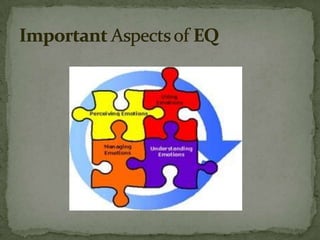
Important Aspects of EQ
we  will discuss three models of emotional intelligence.1) Ability Model.2) Mixed Model.3) Trait   Model.           But Here we will focus on ability model.Different Models of Emotional Intelligence
The ability-based model views emotions as useful sources of information that help one to make sense of and navigate the social environment.Aspects:A) Perceive emotions.B) Understanding emotions.C) Using emotions.D) Managing emotions ABILITY  MODEL
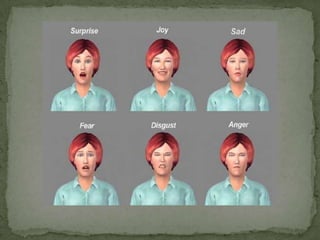
the ability to detect and decipher emotions in faces, pictures, voices, and cultural artifacts—including the ability to identify one's own emotions.Oneself…Others…Perceive  Emotions
 The ability to harness emotions to facilitate various cognitive activities, such as thinking and problem solving.
  positive and negative moods…USINGEMOTIONS
the ability to comprehend emotion language and to appreciate complicated relationships among emotions.Be clear of yourself..Understand  feelings of others..Understanding Emotions
the ability to regulate emotions in both ourselves and in others. Therefore, the emotionally intelligent person can harness emotions, even negative ones, and manage them to achieve intended goals.Four steps: awareness, acceptance, adjustment, actionManaging Emotions
.Characteristics of Emotional Intelligence
	Self-aware people are able to acknowledge their feelings, while they control their emotions and respond appropriatelyA).Self Awareness.
Helping people learn constructive responses to negative feelings will help them develop and maintain stronger relationships with others.B).Mood Management.
 listening attentively making eye contact reading facial cues sharing  compromisingcooperating making appropriate jokes being able to disagree without becoming angryC)Social Skills
Young people can learn as they develop self-awareness how rewarding it is to work hard for something and then to receive it.     Focusing  on and discussing on how good the person feels when accomplishing something, helps them develop the motivation and persistence they’ll need.Motivation
Empathy is the ability to understand the feelings of others, and empathetic people will often seek to do good for others out of genuine compassion for their situations. Empathy also allows a person to step aside from a conflict and see the problem from another point of view.Empathy
How to improve Emotional Intelligence?
One can easily improve Emotional Intelligence by doing:
Reflective analysis of past incidents where emotional reactions played a critical role can help to provide material for study of one's own EQ and the areas in which one may wish to develop further.Reflective analysis of past
You might think you already pay attention to your feelings but you are more likely paying attention to what you "think" not what you feel. Paying Attention To Your Feelings
Whenever we talk about emotional intelligence there is an immediate “click” in the mind  we recognize it as the “missing piece”.Some of the ways of using emotional intelligence are:How to use Emotional Intelligence?
 To be emotionally intelligent, you must be able to accurately identify your feelings and emotionsKnow what you are feeling.
it is important to share  your  feelings  with others regularly. Be sure you are asserting your feelings, not only complaining about a situation or problemAn emotionally intelligent statement might be, "This long project is making me frustrated.Share your feelings with others
Step outside of your own views and try to identify with the ideas and beliefs of others.  Your perception of the situation will be widened, allowing more solutions to be presentedTry to understand others.
Keeping your sights on self improvement and taking positive steps in the direction of your goals is important, even if the goal is small and insignificant to others.Have realistic goals
Looking at things with a "glass half full" approach will help you to access your emotions, identify  others and be proactive in dealing with others and your own personal goals.Be optimistic
Taking the time for mindfullnessUnderstanding the causes of feelingsDiffertiating between emotion and need to take actionsPreventing depression through learnt optimismListening for the lessons of feelingsUsing gut feelings in decision makingSix strategies for promoting EI
EI V/S IQEmptional Intelligence  vsIntelligenc  Quotient
IQ means      Intelligence Quotient  EQ means      Emotional QuotientEI means      Emotional intelligence
It has been said that your IQ can land you a job but your lack of Emotional intelligence can get you fired. 1).Overall impact on success.
There is a direct connection between our emotional health and our physical health. If our lives are filled with stress, our physical health suffers. It has been estimated that well over 80% of our health problems are stress related.. Impact on our health
There is a direct connection between poor emotional skills and the rising crime rate. Children who have poor emotional skills become social outcast at a very young age.They have learned to react with their fist rather than reason.The connection between poor EQ and rising crime
Experiencing one's self in a conscious manner--that is, gaining self-knowledge--is an integral part of learning."CONCLUSION

Emotional Intelligence

  • 1.
    "EMOTIONAL INTELLIGENCE AND WAYS OF USING IT
  • 2.
    2010-CH-71 ( Imtiaz Ali )2010-CH-119 ( NisarMahsood)2010-CH-87 ( Shiraz Daud )Group Members
  • 3.
    What isEmotional Intelligence?Different Models of Emotional Intelligence.Characteristics of Emotional Intelligence.How to improve Emotional Intelligence?Six strategies for promoting Emotional intelligence.. How to use Emotional Intelligence? Why Emotional Intelligence is more important than Intelligence Quotient? Conclusion.EI presentation Cover's
  • 4.
    Emotional intelligence is not the triumph of heart over head it is actually the unique intersection of both.Quote
  • 5.
    The ability to…..Understand the needs and feelings of oneself and others
  • 6.
    Manage one’s own feelings
  • 7.
    Respond to others in a suitable wayWhat is Emotional Intelligence?
  • 8.
    Here aretwo of many definitions out there… Emotional intelligence also called EI describes an ability, capacity, and skill to identify and control emotions of oneself, others and groupEI involves emotions to enhance the thought ability to accurately perceive emotions , access, and generate emotions to convey the thoughtDefinition Of EI
  • 9.
  • 10.
    we willdiscuss three models of emotional intelligence.1) Ability Model.2) Mixed Model.3) Trait Model. But Here we will focus on ability model.Different Models of Emotional Intelligence
  • 11.
    The ability-based modelviews emotions as useful sources of information that help one to make sense of and navigate the social environment.Aspects:A) Perceive emotions.B) Understanding emotions.C) Using emotions.D) Managing emotions ABILITY MODEL
  • 12.
    the ability todetect and decipher emotions in faces, pictures, voices, and cultural artifacts—including the ability to identify one's own emotions.Oneself…Others…Perceive Emotions
  • 14.
    The abilityto harness emotions to facilitate various cognitive activities, such as thinking and problem solving.
  • 15.
    positiveand negative moods…USINGEMOTIONS
  • 16.
    the ability tocomprehend emotion language and to appreciate complicated relationships among emotions.Be clear of yourself..Understand feelings of others..Understanding Emotions
  • 17.
    the ability toregulate emotions in both ourselves and in others. Therefore, the emotionally intelligent person can harness emotions, even negative ones, and manage them to achieve intended goals.Four steps: awareness, acceptance, adjustment, actionManaging Emotions
  • 18.
  • 19.
    Self-aware people areable to acknowledge their feelings, while they control their emotions and respond appropriatelyA).Self Awareness.
  • 20.
    Helping people learnconstructive responses to negative feelings will help them develop and maintain stronger relationships with others.B).Mood Management.
  • 21.
    listening attentivelymaking eye contact reading facial cues sharing compromisingcooperating making appropriate jokes being able to disagree without becoming angryC)Social Skills
  • 22.
    Young people canlearn as they develop self-awareness how rewarding it is to work hard for something and then to receive it. Focusing on and discussing on how good the person feels when accomplishing something, helps them develop the motivation and persistence they’ll need.Motivation
  • 23.
    Empathy is theability to understand the feelings of others, and empathetic people will often seek to do good for others out of genuine compassion for their situations. Empathy also allows a person to step aside from a conflict and see the problem from another point of view.Empathy
  • 24.
    How to improveEmotional Intelligence?
  • 25.
    One can easilyimprove Emotional Intelligence by doing:
  • 26.
    Reflective analysis ofpast incidents where emotional reactions played a critical role can help to provide material for study of one's own EQ and the areas in which one may wish to develop further.Reflective analysis of past
  • 29.
    You might thinkyou already pay attention to your feelings but you are more likely paying attention to what you "think" not what you feel. Paying Attention To Your Feelings
  • 30.
    Whenever we talkabout emotional intelligence there is an immediate “click” in the mind we recognize it as the “missing piece”.Some of the ways of using emotional intelligence are:How to use Emotional Intelligence?
  • 31.
    To beemotionally intelligent, you must be able to accurately identify your feelings and emotionsKnow what you are feeling.
  • 33.
    it is importantto share your feelings with others regularly. Be sure you are asserting your feelings, not only complaining about a situation or problemAn emotionally intelligent statement might be, "This long project is making me frustrated.Share your feelings with others
  • 35.
    Step outside ofyour own views and try to identify with the ideas and beliefs of others. Your perception of the situation will be widened, allowing more solutions to be presentedTry to understand others.
  • 36.
    Keeping your sightson self improvement and taking positive steps in the direction of your goals is important, even if the goal is small and insignificant to others.Have realistic goals
  • 37.
    Looking at thingswith a "glass half full" approach will help you to access your emotions, identify others and be proactive in dealing with others and your own personal goals.Be optimistic
  • 39.
    Taking the timefor mindfullnessUnderstanding the causes of feelingsDiffertiating between emotion and need to take actionsPreventing depression through learnt optimismListening for the lessons of feelingsUsing gut feelings in decision makingSix strategies for promoting EI
  • 40.
    EI V/S IQEmptionalIntelligence vsIntelligenc Quotient
  • 41.
    IQ means Intelligence Quotient EQ means Emotional QuotientEI means Emotional intelligence
  • 42.
    It has beensaid that your IQ can land you a job but your lack of Emotional intelligence can get you fired. 1).Overall impact on success.
  • 43.
    There is adirect connection between our emotional health and our physical health. If our lives are filled with stress, our physical health suffers. It has been estimated that well over 80% of our health problems are stress related.. Impact on our health
  • 44.
    There is adirect connection between poor emotional skills and the rising crime rate. Children who have poor emotional skills become social outcast at a very young age.They have learned to react with their fist rather than reason.The connection between poor EQ and rising crime
  • 45.
    Experiencing one's selfin a conscious manner--that is, gaining self-knowledge--is an integral part of learning."CONCLUSION