Downloaded 177 times

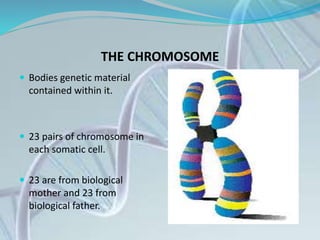
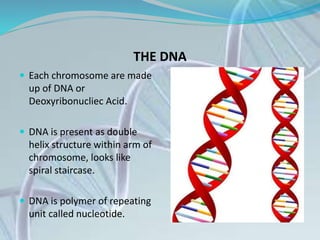

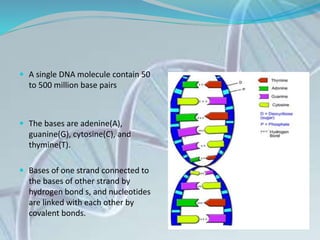
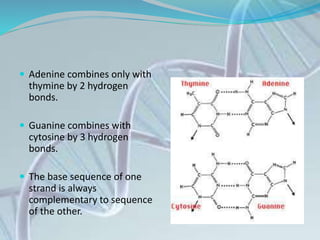
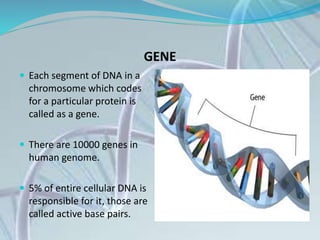

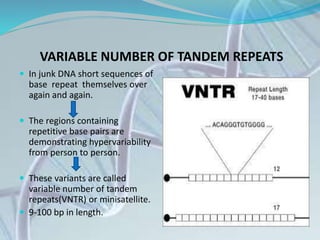
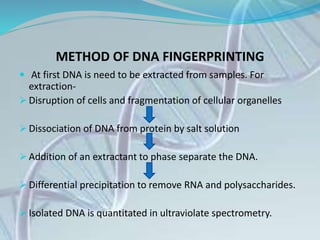
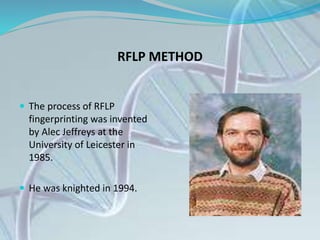
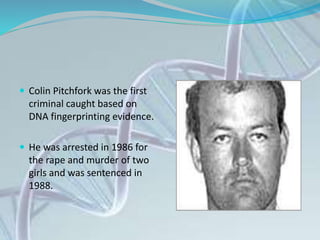
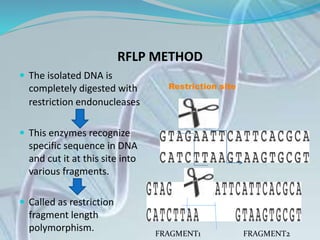
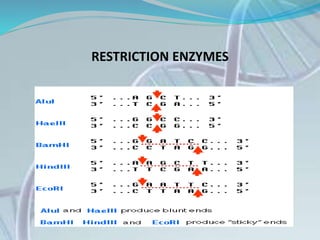
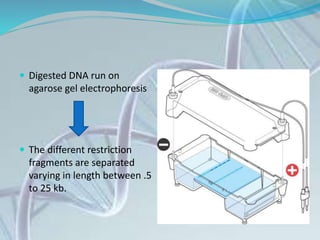
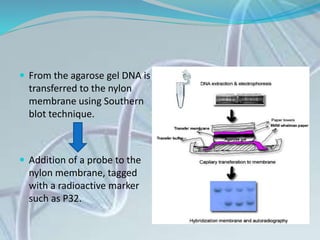
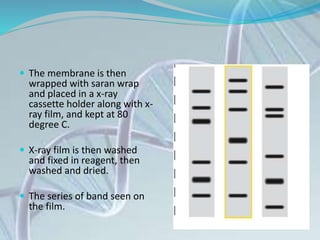

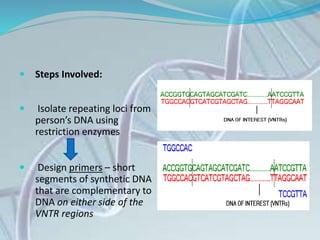
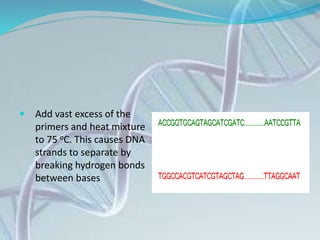
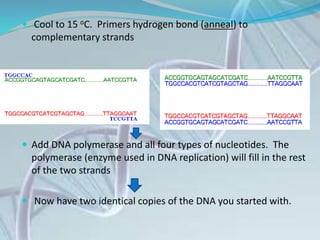
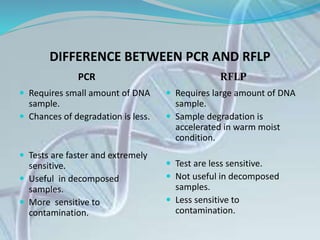
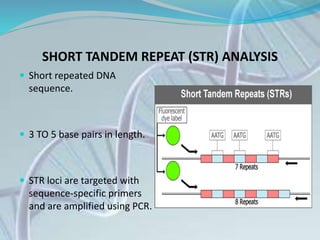
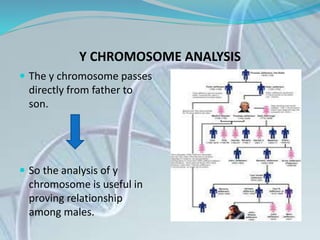

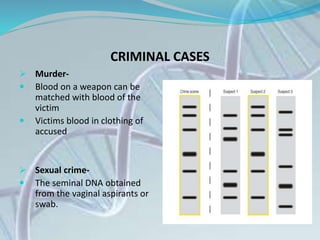
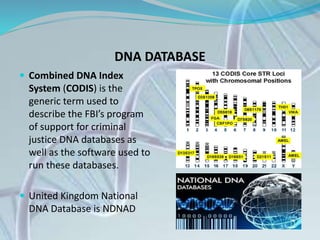

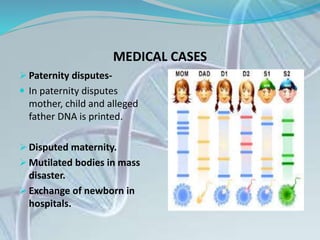




DNA fingerprinting is a technique that analyzes variations in DNA sequences at specific locations in the genome to identify individuals. There are two main methods: RFLP (restriction fragment length polymorphism) and PCR (polymerase chain reaction). RFLP involves digesting DNA with restriction enzymes, separating fragments by size, and detecting with probes. PCR amplifies specific DNA regions defined by primer sequences. Short tandem repeats (STRs) are now commonly analyzed by PCR. DNA fingerprinting is used in criminal investigations to identify suspects or victims, and in resolving medical issues like paternity disputes. DNA databases help law enforcement match crime scene evidence to suspects.


