DEMONSTRATION
OF LE CELLS
PRESENTED BY,
S.SHRUTHI VASAN
III BSC.CLT
Dr.NGP ARTS & SCIENCE COLLEGE
LE CELLS:
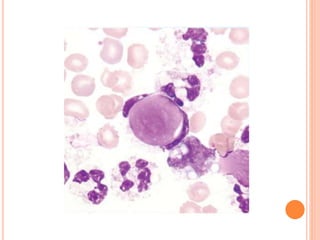
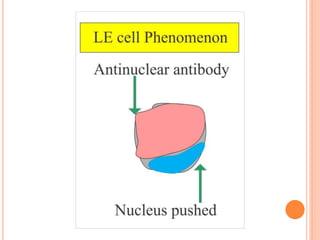
 An LE cell is a Neutrophil or Macrophage that has
phagocytised (engulfed) the denatured nuclear material
of another cell. The denatured material is an
absorbed haematoxylin body (basophilic particle also
called an LE body).
 They are a characteristic of lupus erythematosus, but
also found in similar connective tissue disorders.
 The LE cell was discovered in bone marrow in 1948 by
Malcolm McCallum Hargraves (1903–1982), a
Physician and Practicing Histologist at the Mayo Clinic.
 Classically, the LE cell is analyzed microscopically, but it
is also possible to investigate this phenomenon by flow
cytometry.
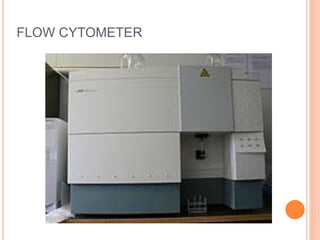
FLOW CYTOMETER
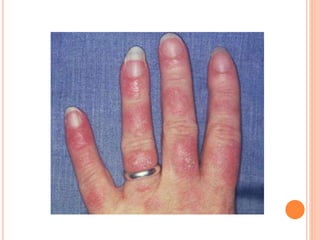
SLE
 Persons having lupus erythematosus, one of the "collagen"
diseases, have an abnormal plasma protein that causes swelling
and breakdown of certain blood cell nuclei in vitro.
 This degenerated nuclear material attracts phagocytic cells,
particularly segmented neutrophils, which engulf this nuclear
mass.
 The resulting phagocyte and inclusion material is termed an
"L.E." cell.
 Lupus erythematosus is a chronic, sometimes fatal, disease of
unknown etiology.
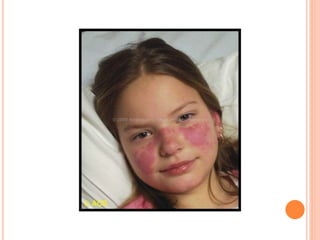
 The peculiar skin eruption across the nose and cheeks (butterfly
rash) and arthritis can be accompanied by various visceral
manifestations.
 Often the rash is not present, and diagnosis depends on
demonstration of the L.E. cell.
 Frequently the earliest symptoms appear after intense exposure
to sunlight.
 Leukopenia, thrombocytopenia, and an elevated sedimentation
rate are some of the clinical signs of the disease.
Two methods of demonstrating the L.E. cell
and antinuclear antibodies are the
 Rotary bead method and
 Fluorescent antibody method.
The rotary bead method is positive in 75-80
erythematosus.
The fluorescent antibody method is positive in
95-100 patients with lupus erythematosus.
The fluorescent antibody method requires
equipment that limits its use to larger laboratories.
ROTARY BEAD METHOD
Principle
Leukocytes are broken down in vitro allowing
the abnormal plasma protein to react on the altered
nuclear material. Incubation enhances the nuclear
deterioration and phagocytises. Slides are prepared
and examined for the peculiar "L.E." cell.
 Free masses of lysed nuclear material, with or
without polymorphonuclear leukocytes clustered
about them (rosette formation), are suggestive of
the L.E. phenomenon.
 Observing "rosettes" should encourage the
technician to repeat examinations and further
search for the true "L.E." cells.
 A positive report should not be made without the
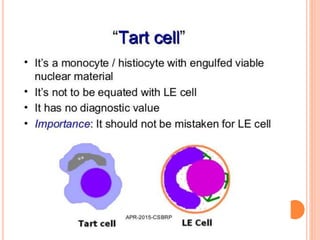
identification of this cell. The inclusion body with the
leukocyte is homogeneous and has no chromatin
pattern. This feature distinguishes the true "L.E." cell
from the "tart" cell (nucleophagocytosis).
 This latter cell contains an engulfed, damaged
nucleus, usually that of a lymphocyte, which still
contains a recognizable chromatin pattern and a
distinct nuclear membrane.
COLLECTION OF SAMPLE::
Lupus erythematosus (LE) cell testing is
performed using any of the following:
 Heparinized bone marrow
 Heparinized venous blood
 Oxalated venous blood
 Defibrinated venous blood
 Clotted venous blood
 LE factor and donor cells
LE Factor:
An Antibody found in the serum found in SLE
Patients.
 Obtaining bone marrow is usually distressing for the
patient; therefore, the buffy coat from venous blood is
an adequate substitute.
 If the equipment for buffy coat is unavailable, an
untreated venous blood sample is left to clot (from 20-
120 minutes) and the plasma removed. The residual
clot is passed through a wire mesh and centrifuged
for 5 minutes to obtain a buffy coat. This buffy coat is
then smeared on glass slides to search for LE cells. [2]
 The test may be performed by mixing the patient's
plasma, serum, or serous effusions as a source of LE
factor with bone marrow from a donor subject.
CONSIDERATIONS:
 The ideal temperature to perform this test is 22°C,
and the process may be hastened by incubation at
37°C.
INTERPRETATION
o A lupus erythematosus (LE) cell test is considered
positive when approximately 2%-30% of the cells
seen on the slide in the neutrophil count are LE cells.
o A smear is considered positive when 10 or more
characteristic LE cells are seen during a 15-minute
search, associated with the presence of extracellular,
amorphous, nuclear masses.
o The presence of LE cells indicates lupus.
o Negative findings on LE cell testing exclude (deny) a
diagnosis of systemic lupus erythematosus(SLE).
o Positive reactions are also seen in
1. Rheumatoid arthritis
2. Chronic hepatitis(lupoid)
3. Scleroderma
4. Dermatomyositis
5. Polyarteritis nodosa
6. Acquired hemolytic anemia
7. Hodgkin disease
o It may also be positive in persons taking
phenylbutazone(Fever & RE) and hydralazine(BP)
APPLICATION
 Lupus erythematosus (LE) cell testing was once
performed to diagnose systemic lupus
erythematous but has been replaced for this purpose
by antinuclear antibody testing.
Demonstration of le cells

Demonstration of le cells

  • 1.
    DEMONSTRATION OF LE CELLS PRESENTEDBY, S.SHRUTHI VASAN III BSC.CLT Dr.NGP ARTS & SCIENCE COLLEGE
  • 2.
    LE CELLS:  AnLE cell is a Neutrophil or Macrophage that has phagocytised (engulfed) the denatured nuclear material of another cell. The denatured material is an absorbed haematoxylin body (basophilic particle also called an LE body).  They are a characteristic of lupus erythematosus, but also found in similar connective tissue disorders.  The LE cell was discovered in bone marrow in 1948 by Malcolm McCallum Hargraves (1903–1982), a Physician and Practicing Histologist at the Mayo Clinic.  Classically, the LE cell is analyzed microscopically, but it is also possible to investigate this phenomenon by flow cytometry.
  • 3.
  • 6.
    SLE  Persons havinglupus erythematosus, one of the "collagen" diseases, have an abnormal plasma protein that causes swelling and breakdown of certain blood cell nuclei in vitro.  This degenerated nuclear material attracts phagocytic cells, particularly segmented neutrophils, which engulf this nuclear mass.  The resulting phagocyte and inclusion material is termed an "L.E." cell.  Lupus erythematosus is a chronic, sometimes fatal, disease of unknown etiology.  The peculiar skin eruption across the nose and cheeks (butterfly rash) and arthritis can be accompanied by various visceral manifestations.  Often the rash is not present, and diagnosis depends on demonstration of the L.E. cell.  Frequently the earliest symptoms appear after intense exposure to sunlight.  Leukopenia, thrombocytopenia, and an elevated sedimentation rate are some of the clinical signs of the disease.
  • 9.
    Two methods ofdemonstrating the L.E. cell and antinuclear antibodies are the  Rotary bead method and  Fluorescent antibody method. The rotary bead method is positive in 75-80 erythematosus. The fluorescent antibody method is positive in 95-100 patients with lupus erythematosus. The fluorescent antibody method requires equipment that limits its use to larger laboratories.
  • 10.
    ROTARY BEAD METHOD Principle Leukocytesare broken down in vitro allowing the abnormal plasma protein to react on the altered nuclear material. Incubation enhances the nuclear deterioration and phagocytises. Slides are prepared and examined for the peculiar "L.E." cell.
  • 11.
     Free massesof lysed nuclear material, with or without polymorphonuclear leukocytes clustered about them (rosette formation), are suggestive of the L.E. phenomenon.  Observing "rosettes" should encourage the technician to repeat examinations and further search for the true "L.E." cells.  A positive report should not be made without the identification of this cell. The inclusion body with the leukocyte is homogeneous and has no chromatin pattern. This feature distinguishes the true "L.E." cell from the "tart" cell (nucleophagocytosis).  This latter cell contains an engulfed, damaged nucleus, usually that of a lymphocyte, which still contains a recognizable chromatin pattern and a distinct nuclear membrane.
  • 13.
    COLLECTION OF SAMPLE:: Lupuserythematosus (LE) cell testing is performed using any of the following:  Heparinized bone marrow  Heparinized venous blood  Oxalated venous blood  Defibrinated venous blood  Clotted venous blood  LE factor and donor cells LE Factor: An Antibody found in the serum found in SLE Patients.
  • 14.
     Obtaining bonemarrow is usually distressing for the patient; therefore, the buffy coat from venous blood is an adequate substitute.  If the equipment for buffy coat is unavailable, an untreated venous blood sample is left to clot (from 20- 120 minutes) and the plasma removed. The residual clot is passed through a wire mesh and centrifuged for 5 minutes to obtain a buffy coat. This buffy coat is then smeared on glass slides to search for LE cells. [2]  The test may be performed by mixing the patient's plasma, serum, or serous effusions as a source of LE factor with bone marrow from a donor subject.
  • 15.
    CONSIDERATIONS:  The idealtemperature to perform this test is 22°C, and the process may be hastened by incubation at 37°C.
  • 16.
    INTERPRETATION o A lupuserythematosus (LE) cell test is considered positive when approximately 2%-30% of the cells seen on the slide in the neutrophil count are LE cells. o A smear is considered positive when 10 or more characteristic LE cells are seen during a 15-minute search, associated with the presence of extracellular, amorphous, nuclear masses. o The presence of LE cells indicates lupus. o Negative findings on LE cell testing exclude (deny) a diagnosis of systemic lupus erythematosus(SLE).
  • 17.
    o Positive reactionsare also seen in 1. Rheumatoid arthritis 2. Chronic hepatitis(lupoid) 3. Scleroderma 4. Dermatomyositis 5. Polyarteritis nodosa 6. Acquired hemolytic anemia 7. Hodgkin disease o It may also be positive in persons taking phenylbutazone(Fever & RE) and hydralazine(BP)
  • 18.
    APPLICATION  Lupus erythematosus(LE) cell testing was once performed to diagnose systemic lupus erythematous but has been replaced for this purpose by antinuclear antibody testing.