DATA ANALYSIS
IN
ACTION RESEARCH
Today’s Goals
Provide the teacher candidate with some background
knowledge on displaying their action research results.
Provide support to teacher candidates on completing their data
analysis section of their action research project.
Introduction
•What is Action Research?
•A systematic inquiry conducted by practitioners to improve their
own practice.
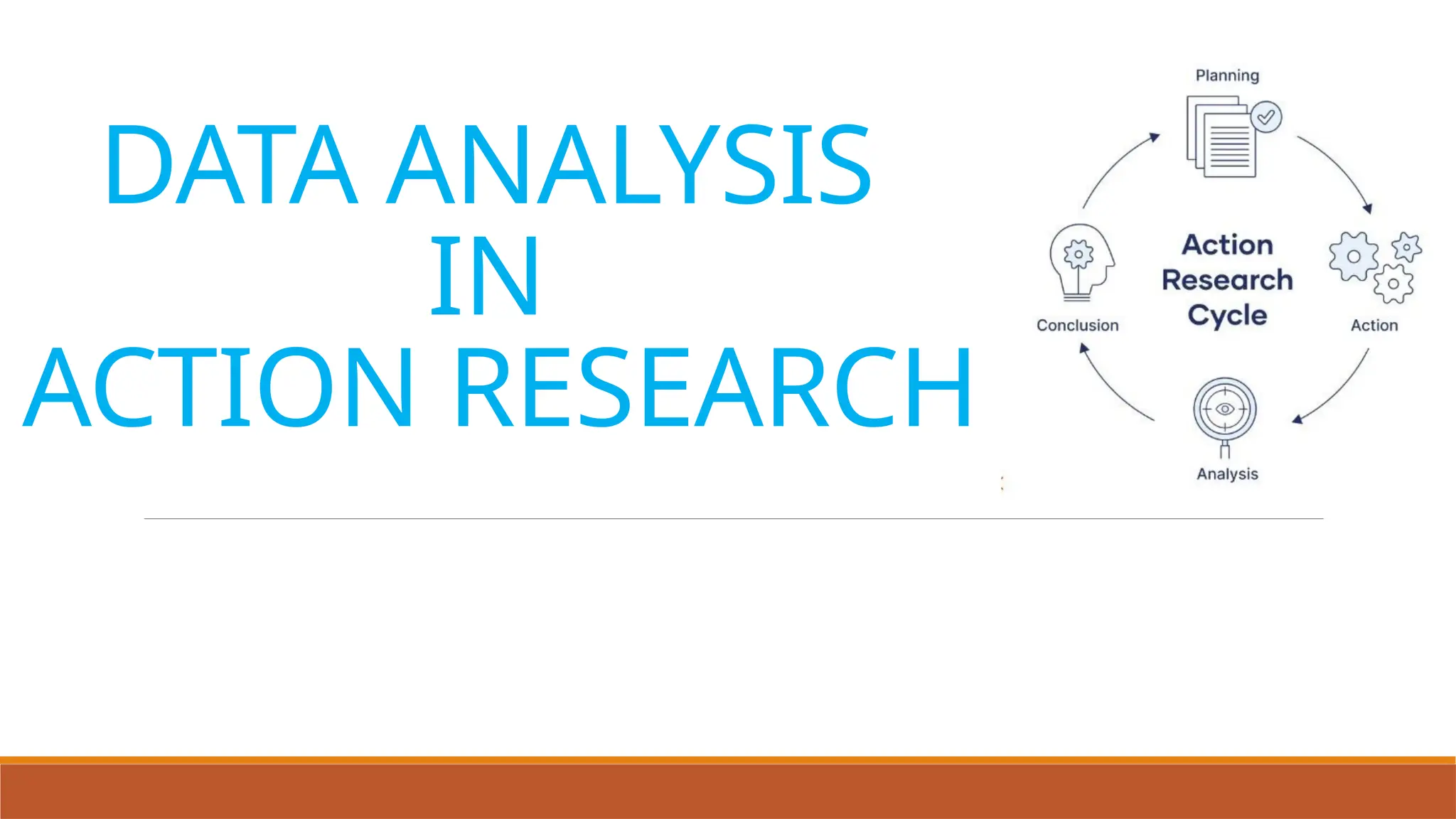
•Involves cycles of planning, acting, observing, and reflecting.
•The Role of Data Analysis
•Crucial for understanding, interpreting, and improving practice.
•Provides evidence-based insights for decision-making.
The Purpose of Action Research
•Contributes to the theory & knowledge base to enhance
practice
•Supports the professional development of practitioners
•Builds a collegial networking system
•Helps practitioners identify problems & seek solutions
systematically
•Can be used at all levels & in all areas of education
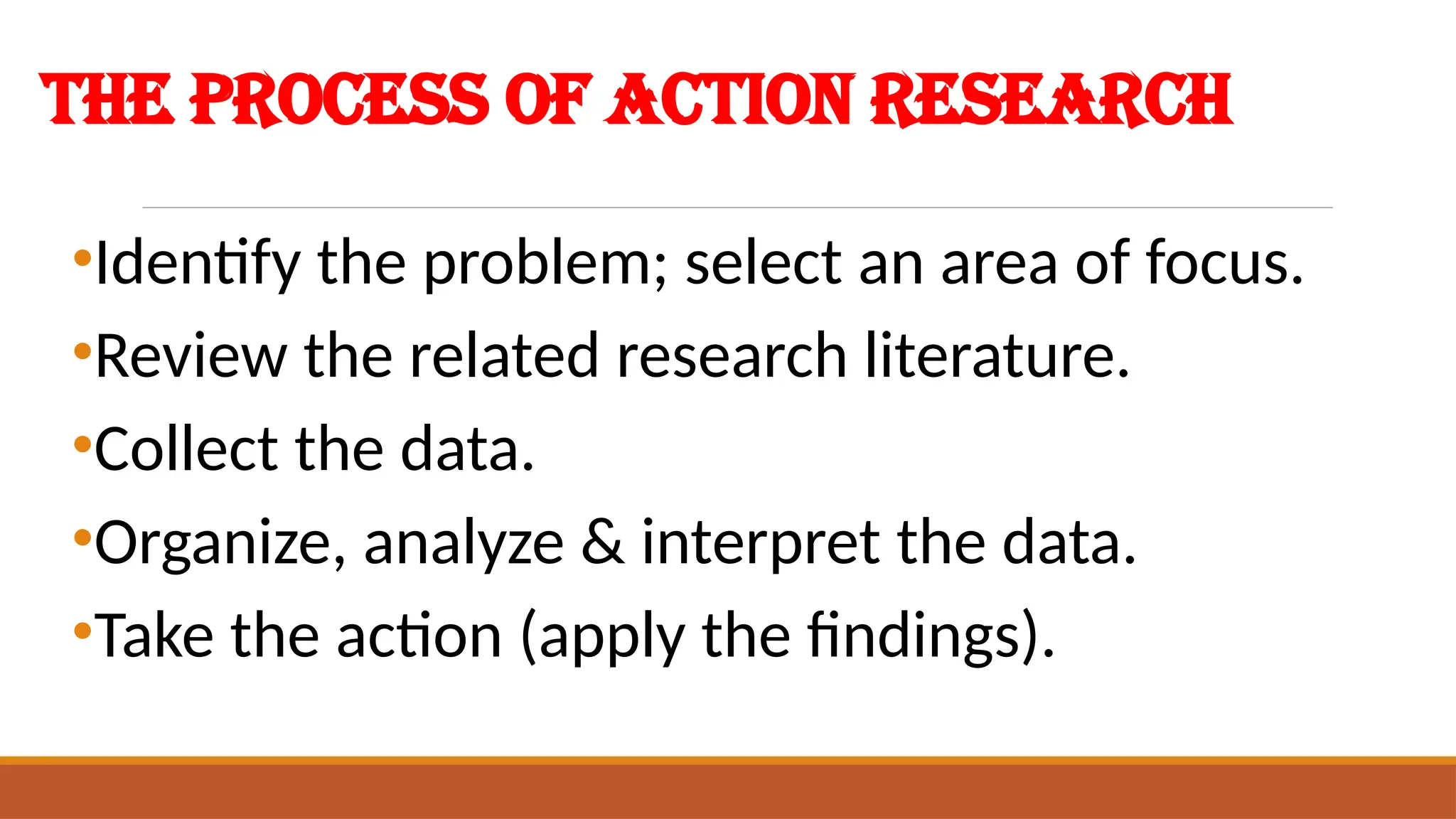
The Process of Action Research
•Identify the problem; select an area of focus.
•Review the related research literature.
•Collect the data.
•Organize, analyze & interpret the data.
•Take the action (apply the findings).
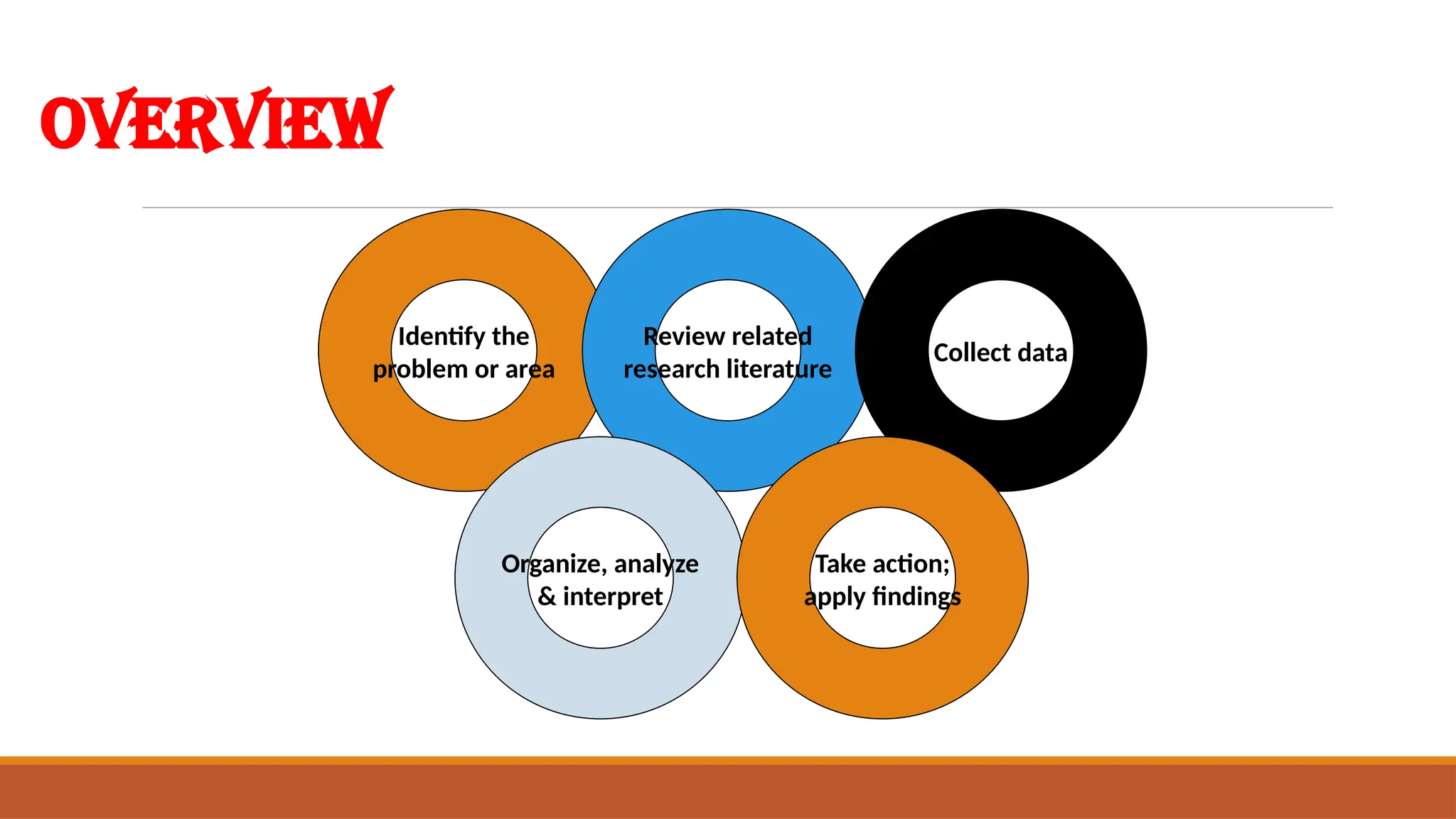
Overview
Identify the
problem or area
Review related
research literature
Collect data
Organize, analyze
& interpret
Take action;
apply findings
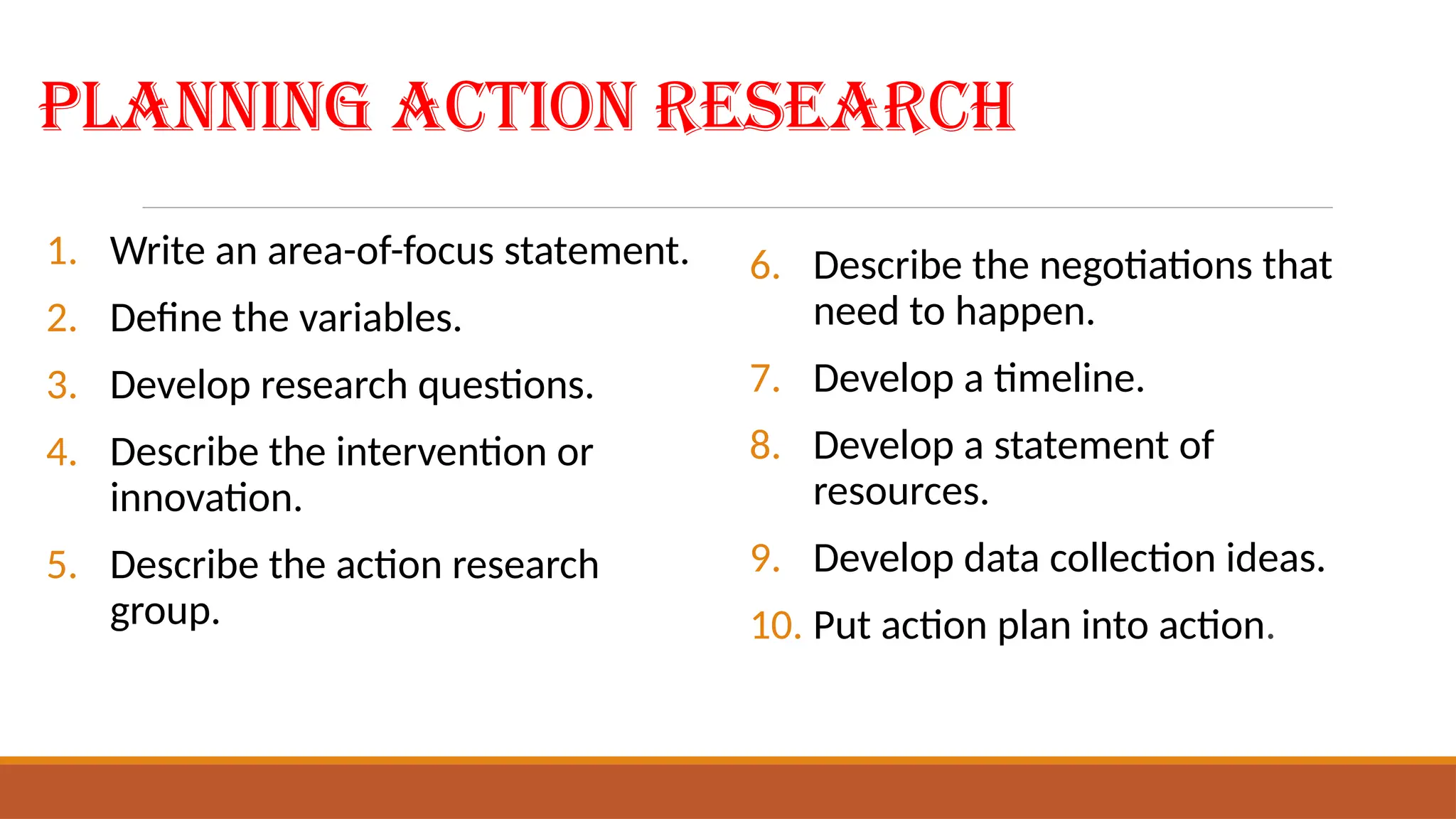
Planning
Planning Action Research
1. Write an area-of-focus statement.
2. Define the variables.
3. Develop research questions.
4. Describe the intervention or
innovation.
5. Describe the action research
group.
6. Describe the negotiations that
need to happen.
7. Develop a timeline.
8. Develop a statement of
resources.
9. Develop data collection ideas.
10. Put action plan into action.
Area-of-Focus Statement
•Identifies the purpose of the study
•Identifies the anticipated outcome
•Identifies the problem to be
addressed
•Completes the statement: “The
purpose of this study is…”
Define the Variables
•Write definitions of exactly what you will
address.
•Definitions should accurately represent what
factors, contexts & variables mean to you.
•Be clear about what is being studied, so that
you know it when you see it!
The Research Questions
•Develop questions that “breathe life” into the
area-of-focus statement.
•Research questions should be open-ended!
•Research questions help give a focus to the plan.
•They also help validate that you have a workable
plan.
Intervention or Innovation
•Describe your proposed solution to the initial
problem.
•This is just a statement about what you will do to
address the teaching and learning issue you have
identified.
•In “formal research” this would be the experimental
treatment.
Strategies for Meeting the Criteria
•Talk Little, Listen a lot!
•Begin Writing Early!
•Let Readers “See” for Themselves
•Report Fully
•Be Candid
•Seek Feedback
•Write Accurately
(Wolcott, 1994)
Data Analysis
in
Action Research
Purpose of the Data Analysis
You are to concisely and accurately display the results
of your study.
In other words, someone who views your data analysis
section should get an idea of the results of your study
at a glance.
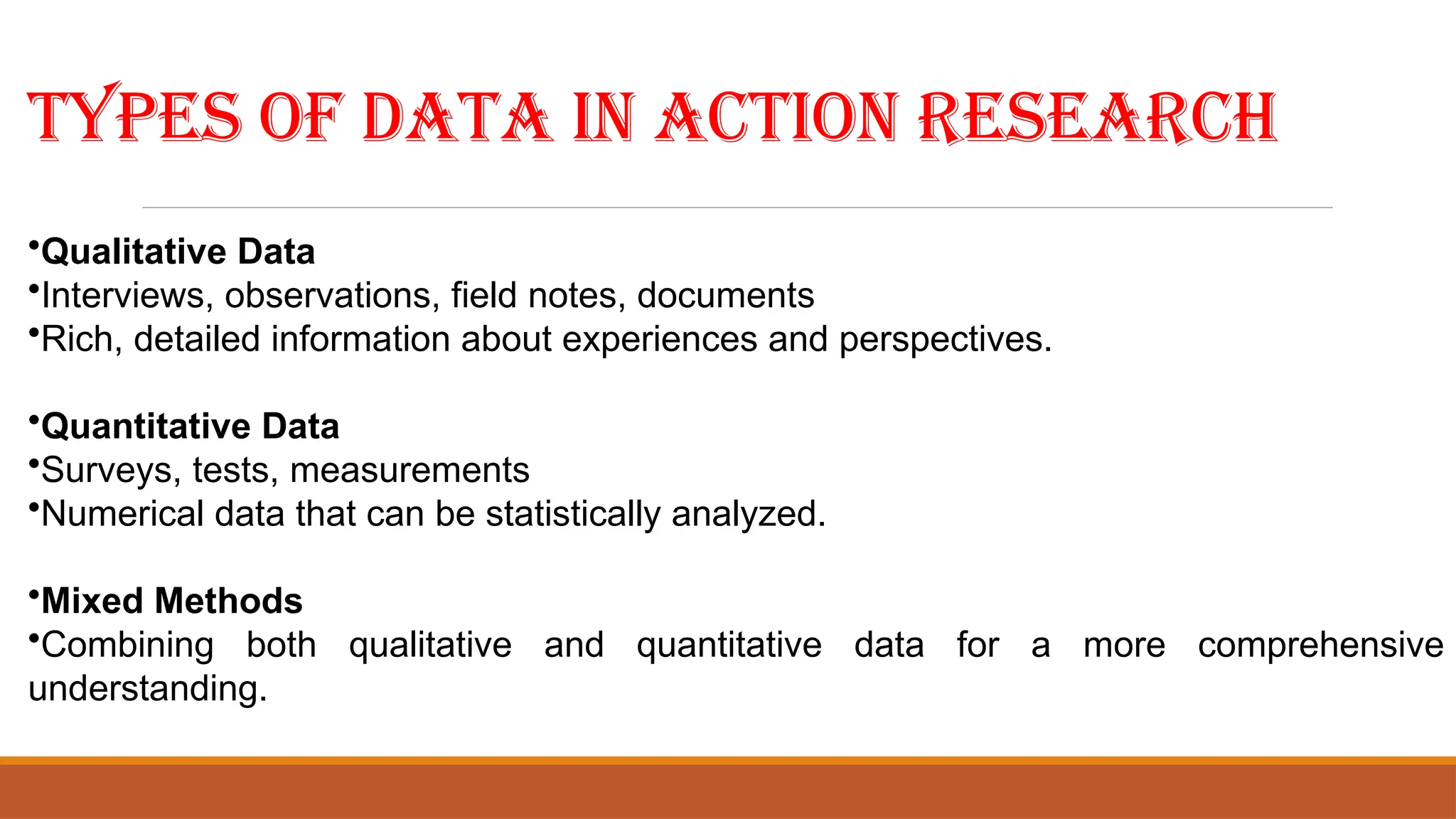
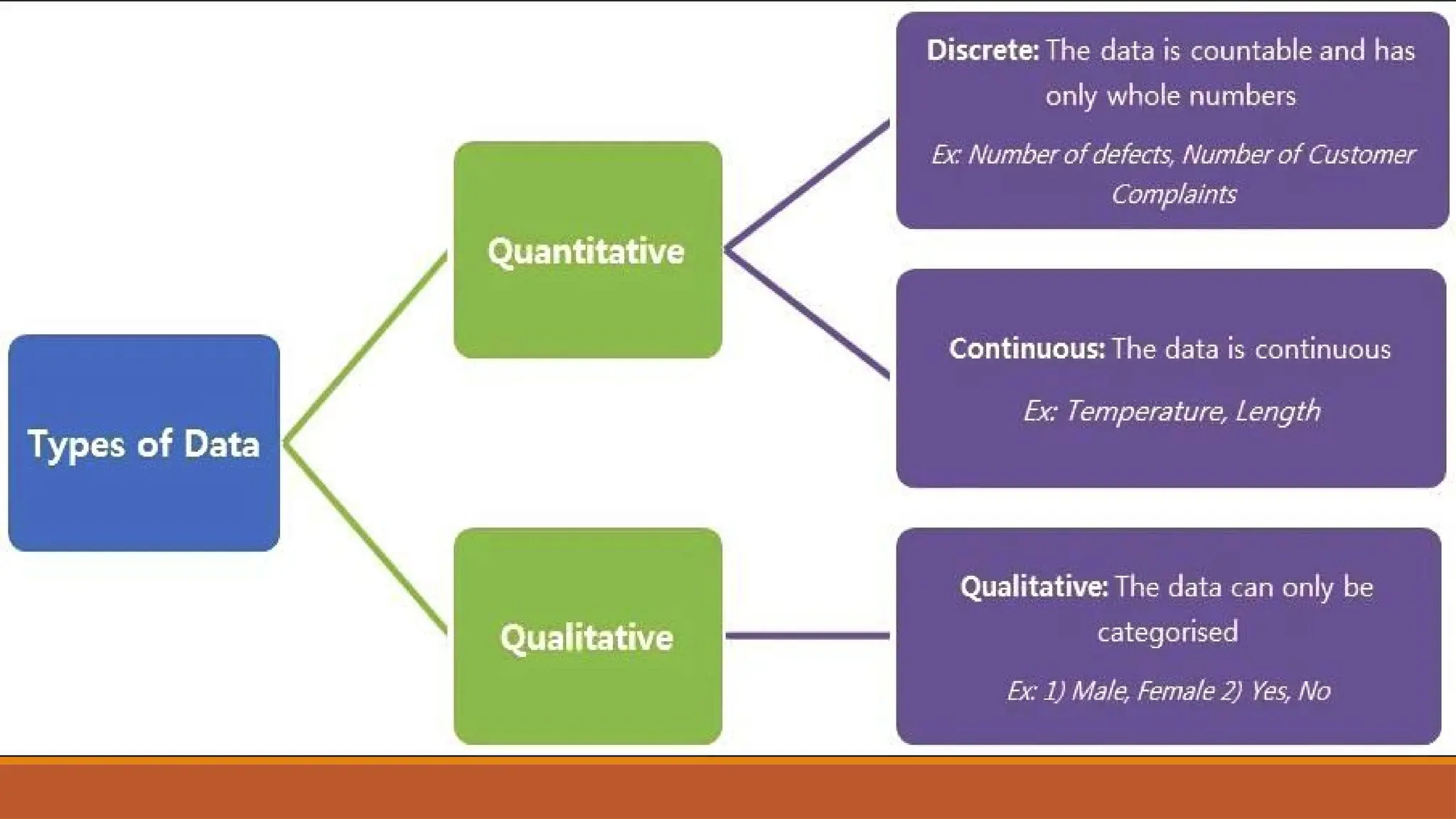
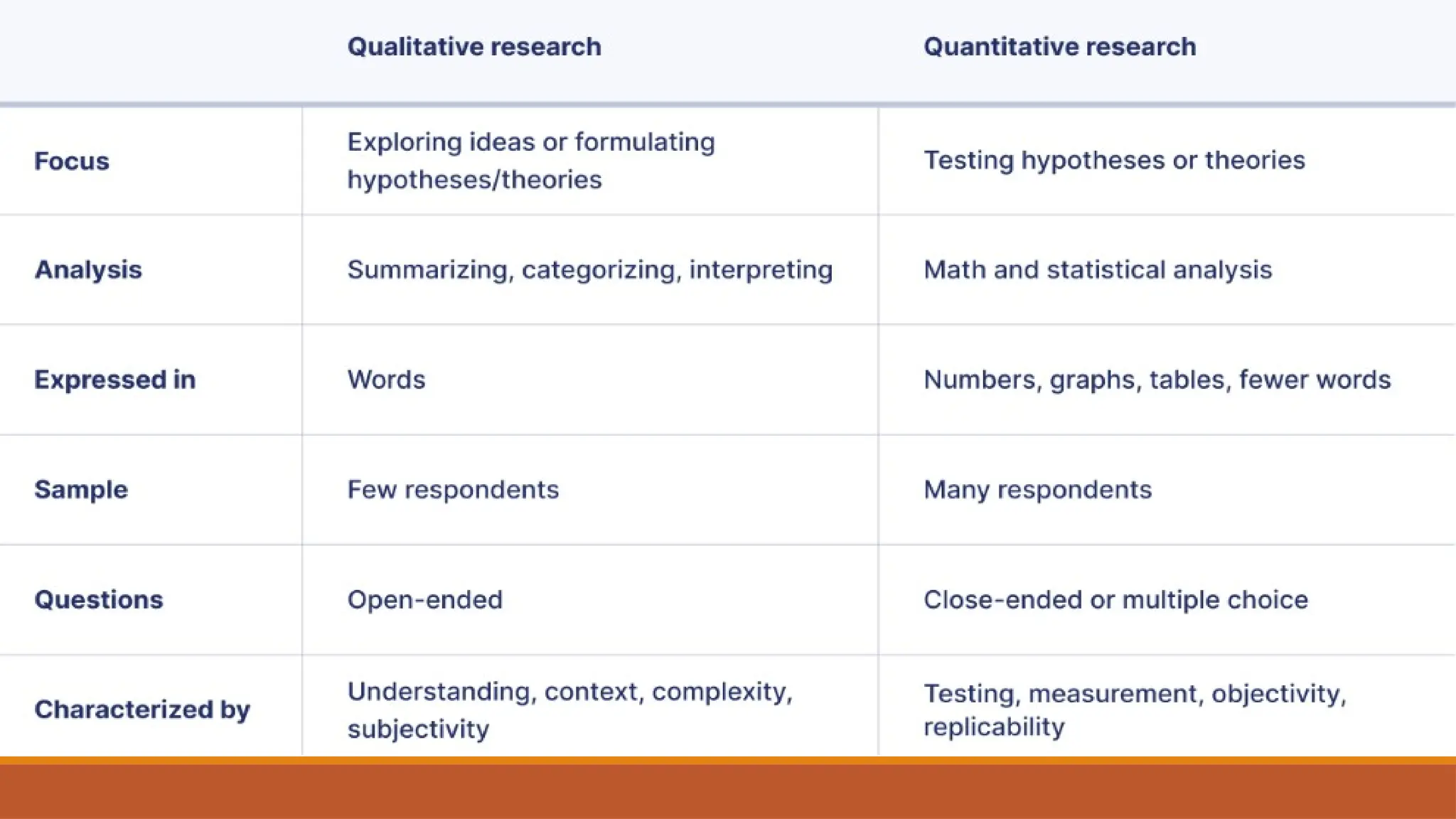
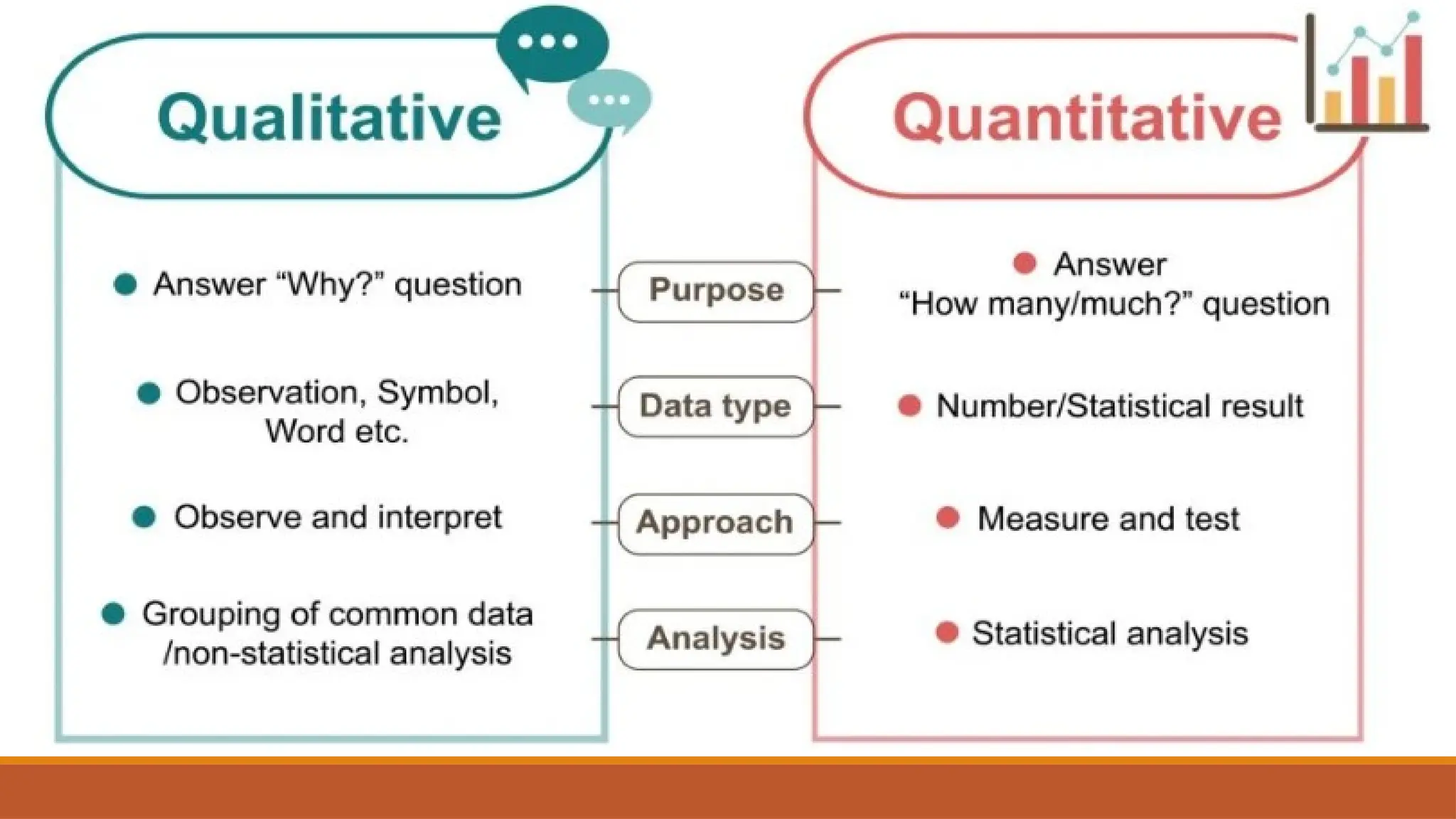
Types of Data in Action Research
•Qualitative Data
•Interviews, observations, field notes, documents
•Rich, detailed information about experiences and perspectives.
•Quantitative Data
•Surveys, tests, measurements
•Numerical data that can be statistically analyzed.
•Mixed Methods
•Combining both qualitative and quantitative data for a more comprehensive
understanding.
Collect the Data
•Using a variety of data collection strategies,
gather information that will contribute to the
findings
•Triangulate
•Data should be analyzed as it is collected
Organize, Analyze & Interpret the Data
•As the data is collected, it is also
continually organized & analyzed
•As new perspectives are gained on the
original area of focus, the problem
statement may change
•Interpretation is based on ongoing
analysis & continually reviewing the area
of focus
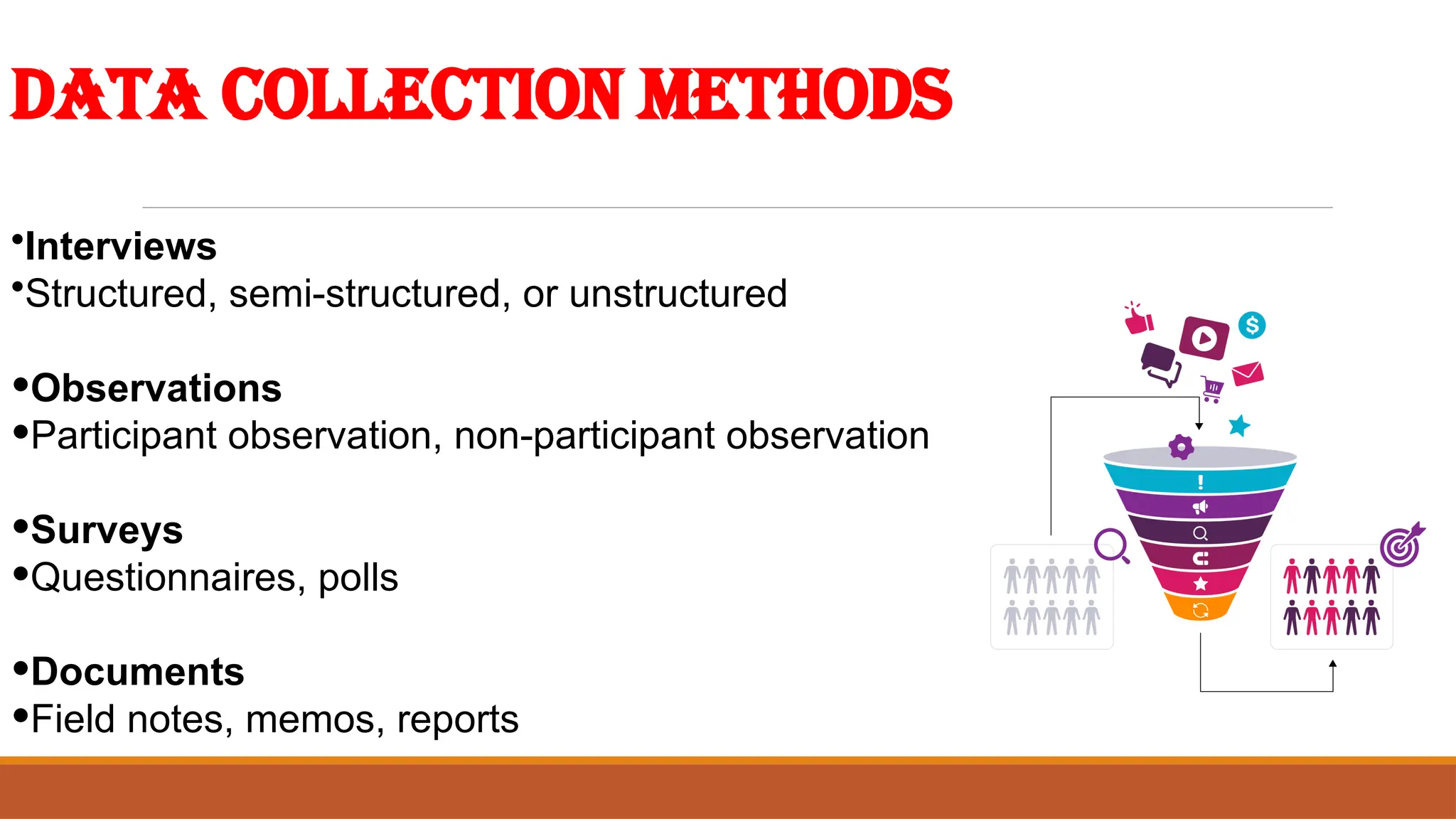
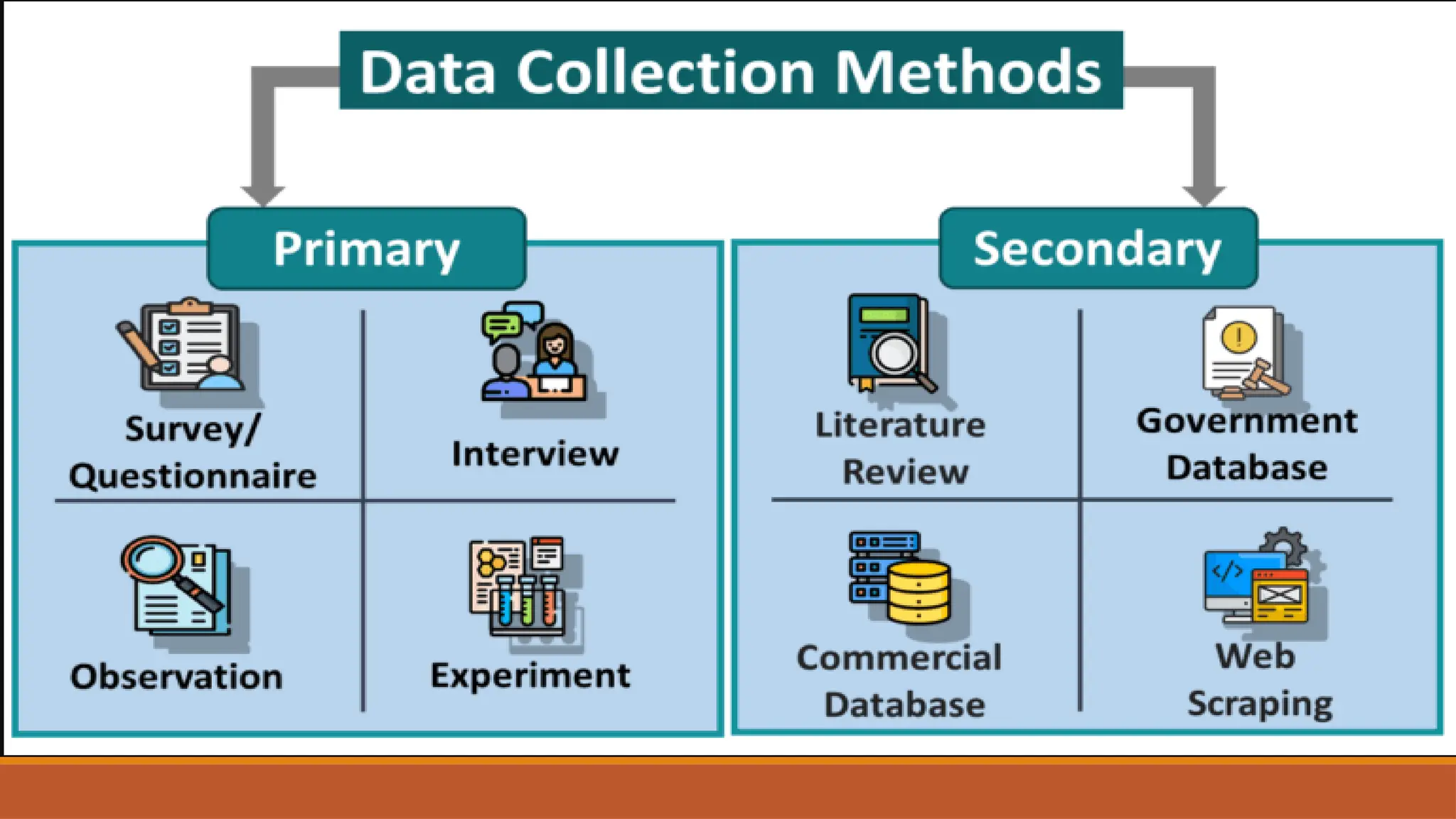
Data Collection Methods
•Interviews
•Structured, semi-structured, or unstructured
•Observations
•Participant observation, non-participant observation
•Surveys
•Questionnaires, polls
•Documents
•Field notes, memos, reports
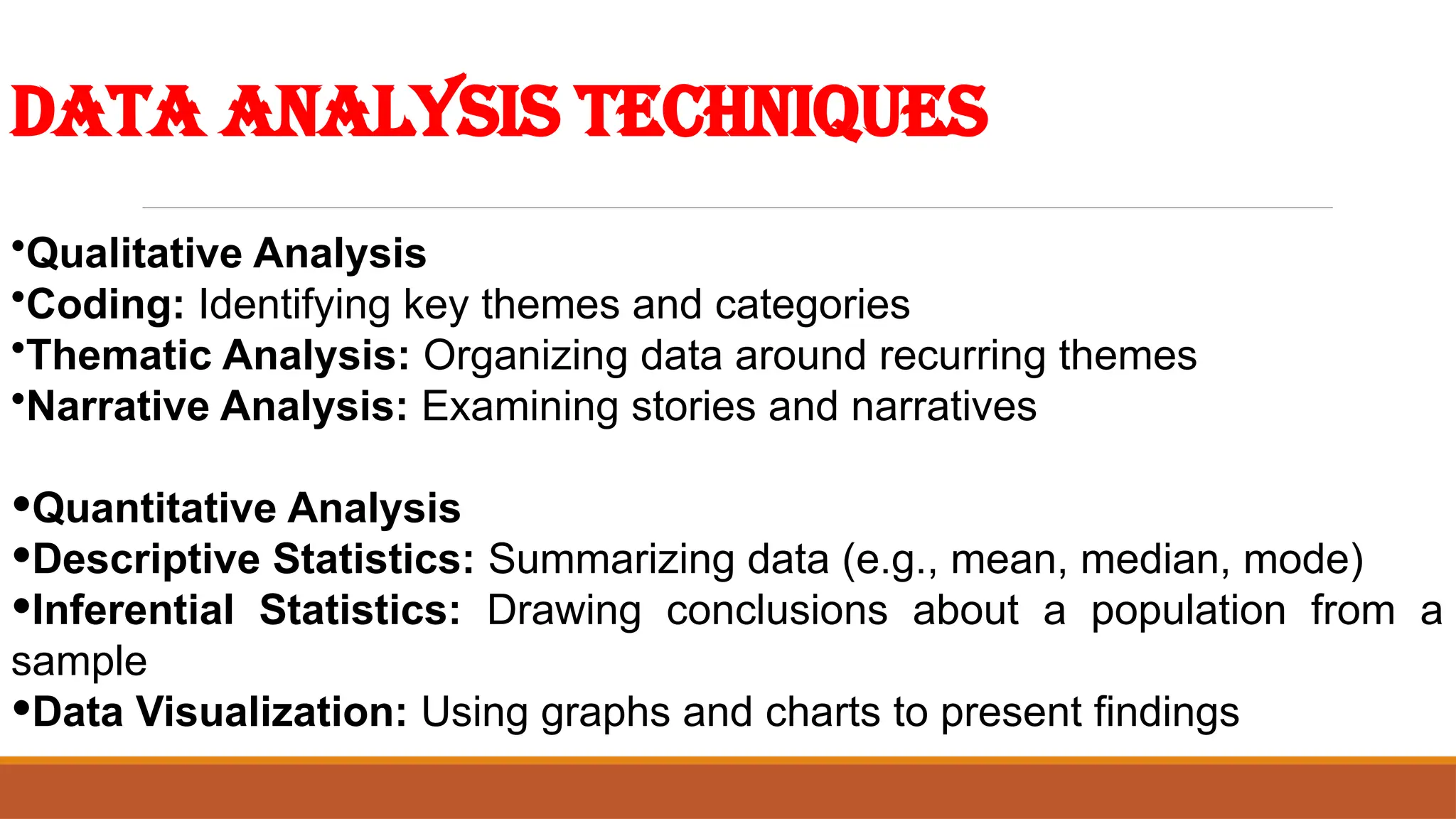
Data Analysis Techniques
•Qualitative Analysis
•Coding: Identifying key themes and categories
•Thematic Analysis: Organizing data around recurring themes
•Narrative Analysis: Examining stories and narratives
•Quantitative Analysis
•Descriptive Statistics: Summarizing data (e.g., mean, median, mode)
•Inferential Statistics: Drawing conclusions about a population from a
sample
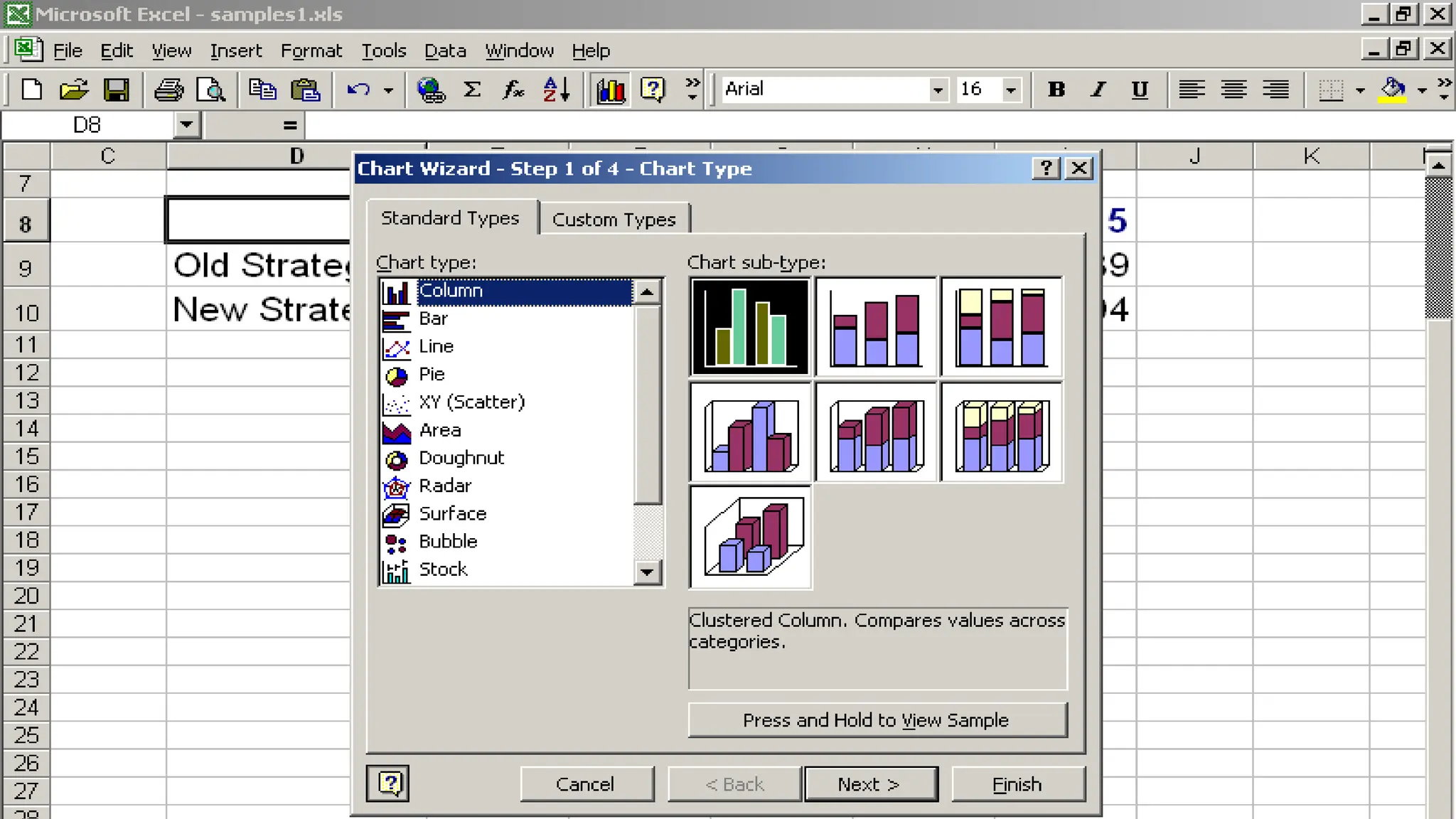
•Data Visualization: Using graphs and charts to present findings
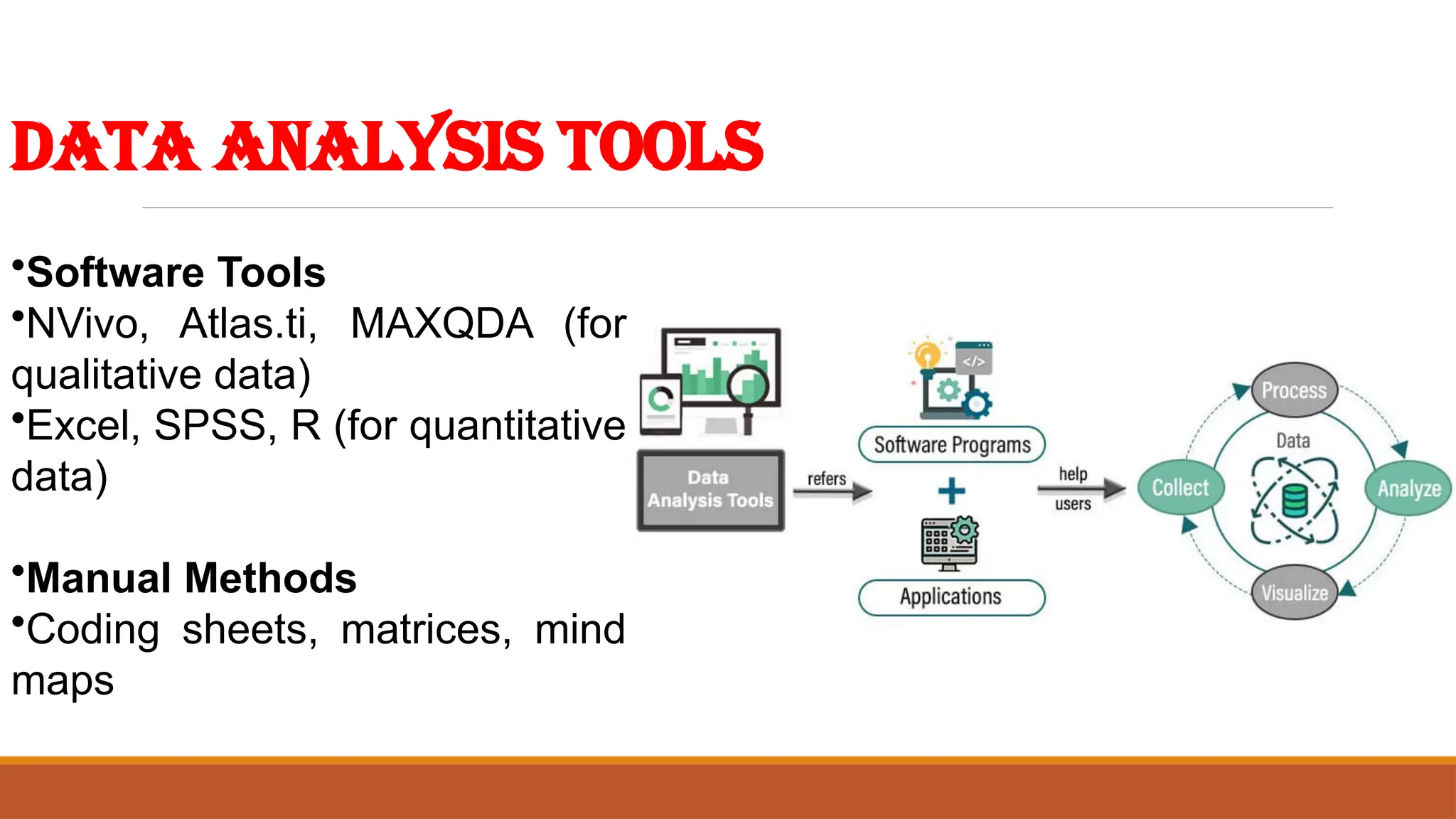
Data Analysis Tools
•Software Tools
•NVivo, Atlas.ti, MAXQDA (for
qualitative data)
•Excel, SPSS, R (for quantitative
data)
•Manual Methods
•Coding sheets, matrices, mind
maps
Data Analysis
through Excel
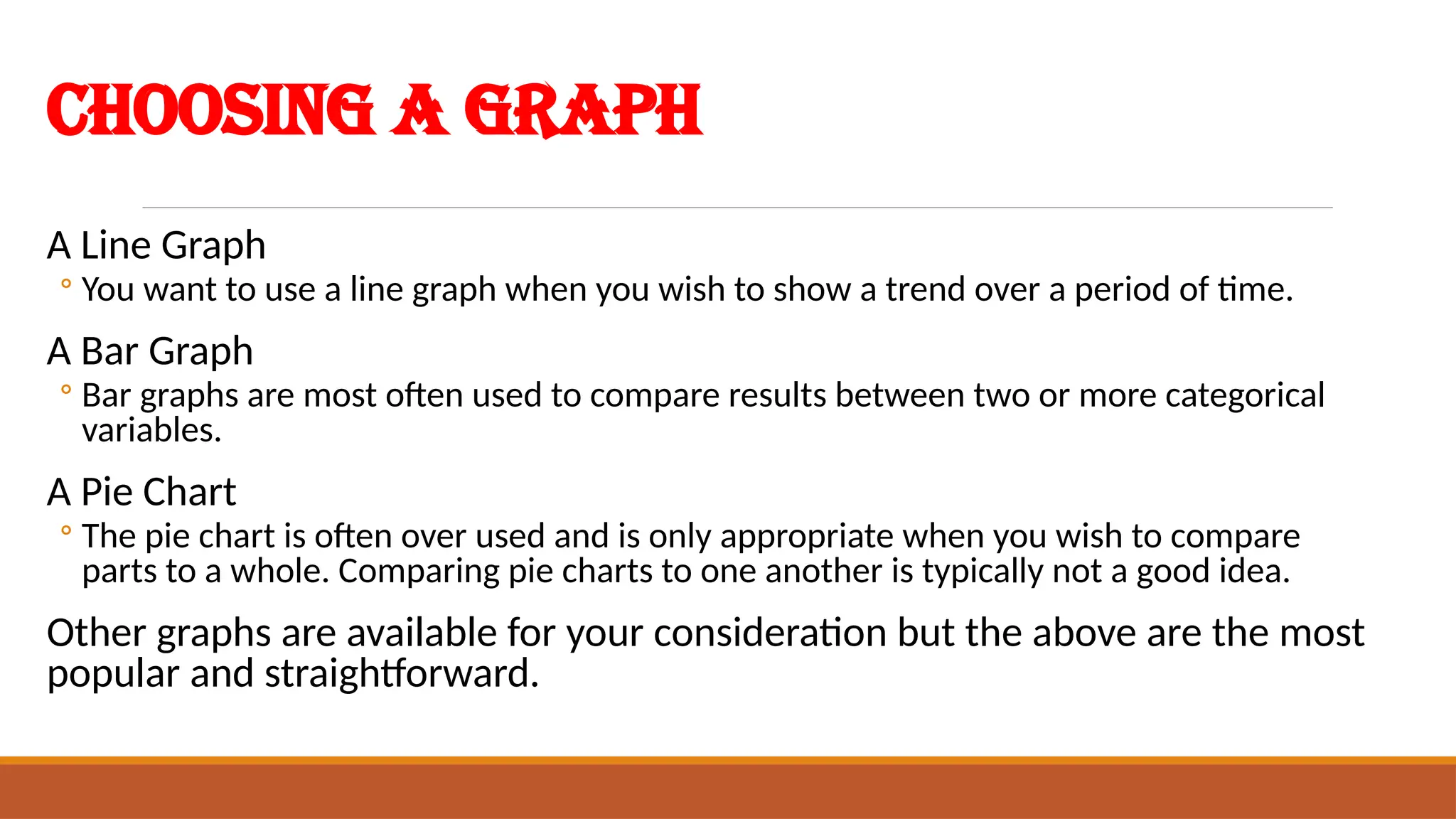
Choosing a Graph
A Line Graph
◦ You want to use a line graph when you wish to show a trend over a period of time.
A Bar Graph
◦ Bar graphs are most often used to compare results between two or more categorical
variables.
A Pie Chart
◦ The pie chart is often over used and is only appropriate when you wish to compare
parts to a whole. Comparing pie charts to one another is typically not a good idea.
Other graphs are available for your consideration but the above are the most
popular and straightforward.
Line Graph
A line graph is best used when you wish to display a trend
over a period of time.
For example, if you have been giving a series of assessments
along with implementing a new teaching strategy and you
wish to show that achievement is slowly rising (or mistakes
are decreasing) over time, a line graph would be appropriate.
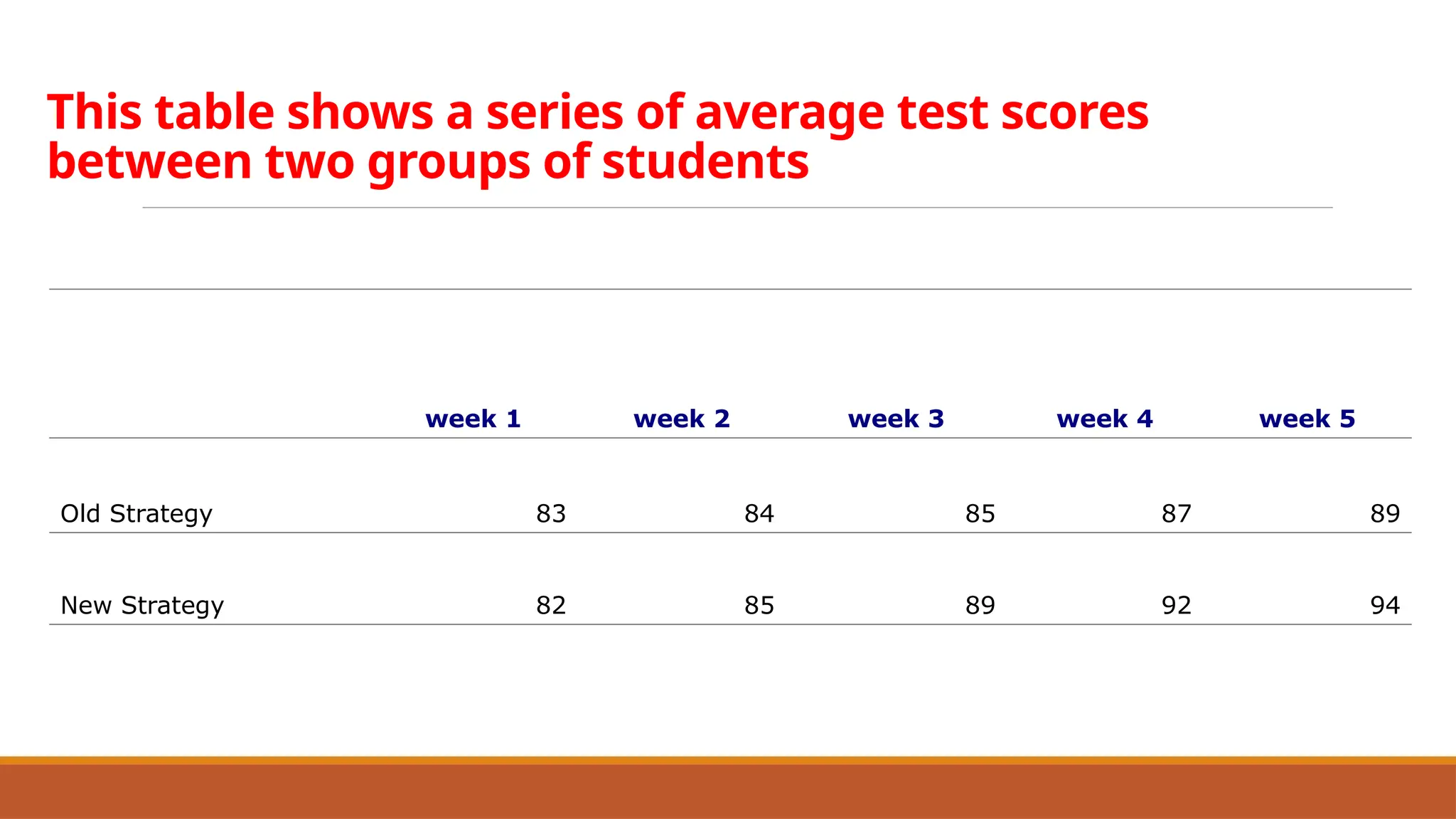
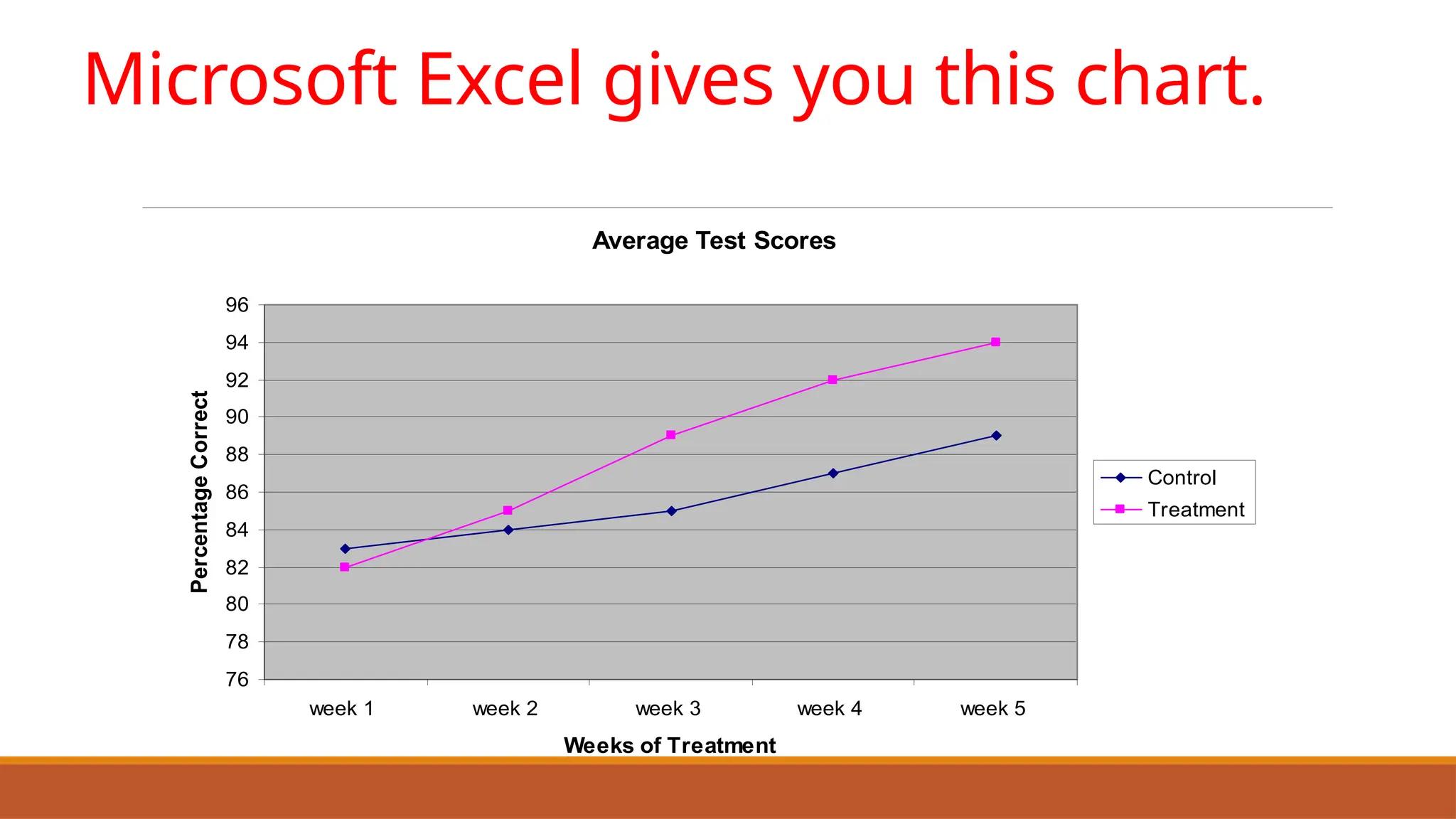
This table shows a series of average test scores
between two groups of students
week 1 week 2 week 3 week 4 week 5
Old Strategy 83 84 85 87 89
New Strategy 82 85 89 92 94
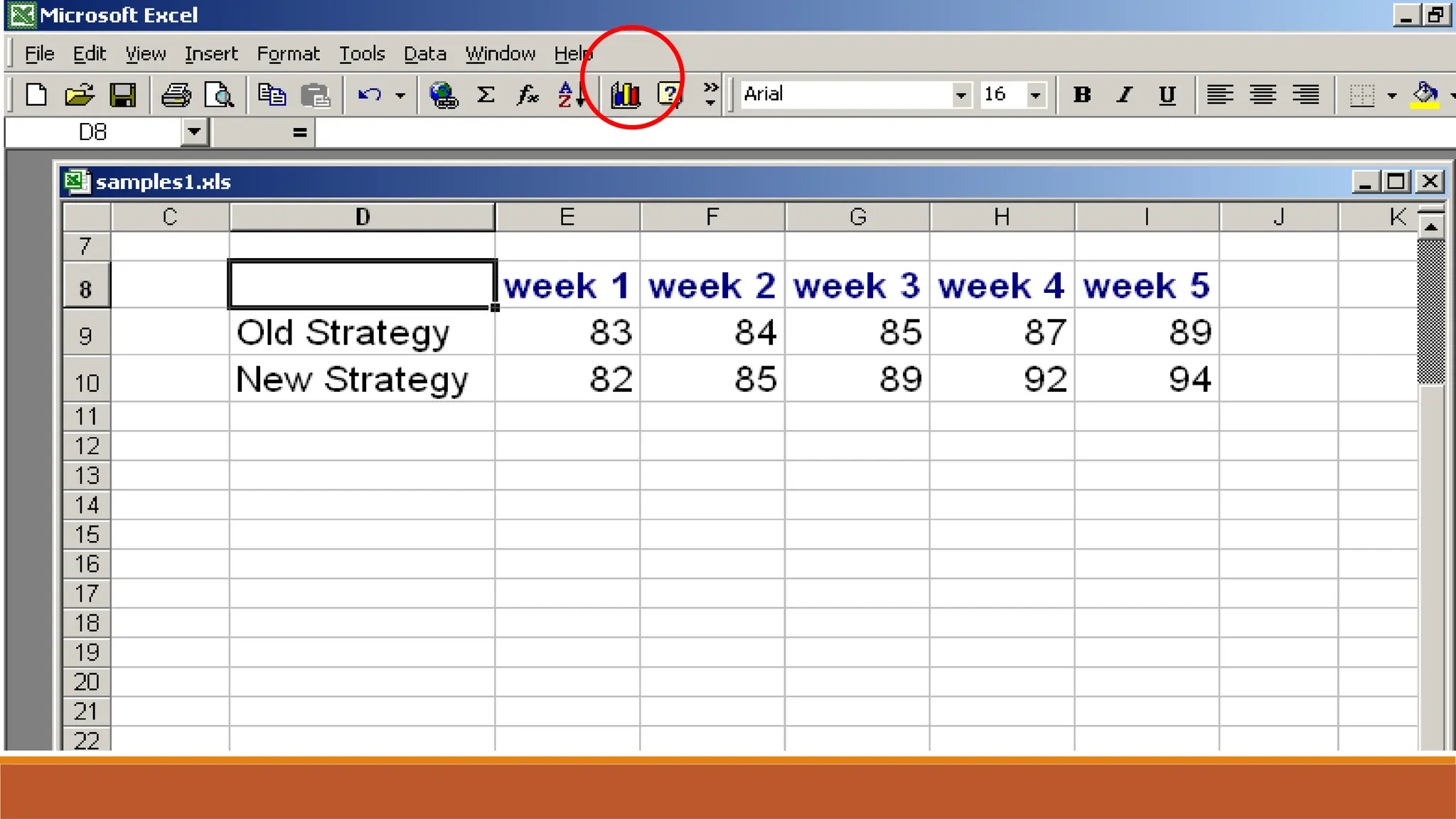
Microsoft Excel gives you this chart.
Average Test Scores
76
78
80
82
84
86
88
90
92
94
96
week 1 week 2 week 3 week 4 week 5
Weeks of Treatment
Percentage
Correct
Control
Treatment
Bar Graphs
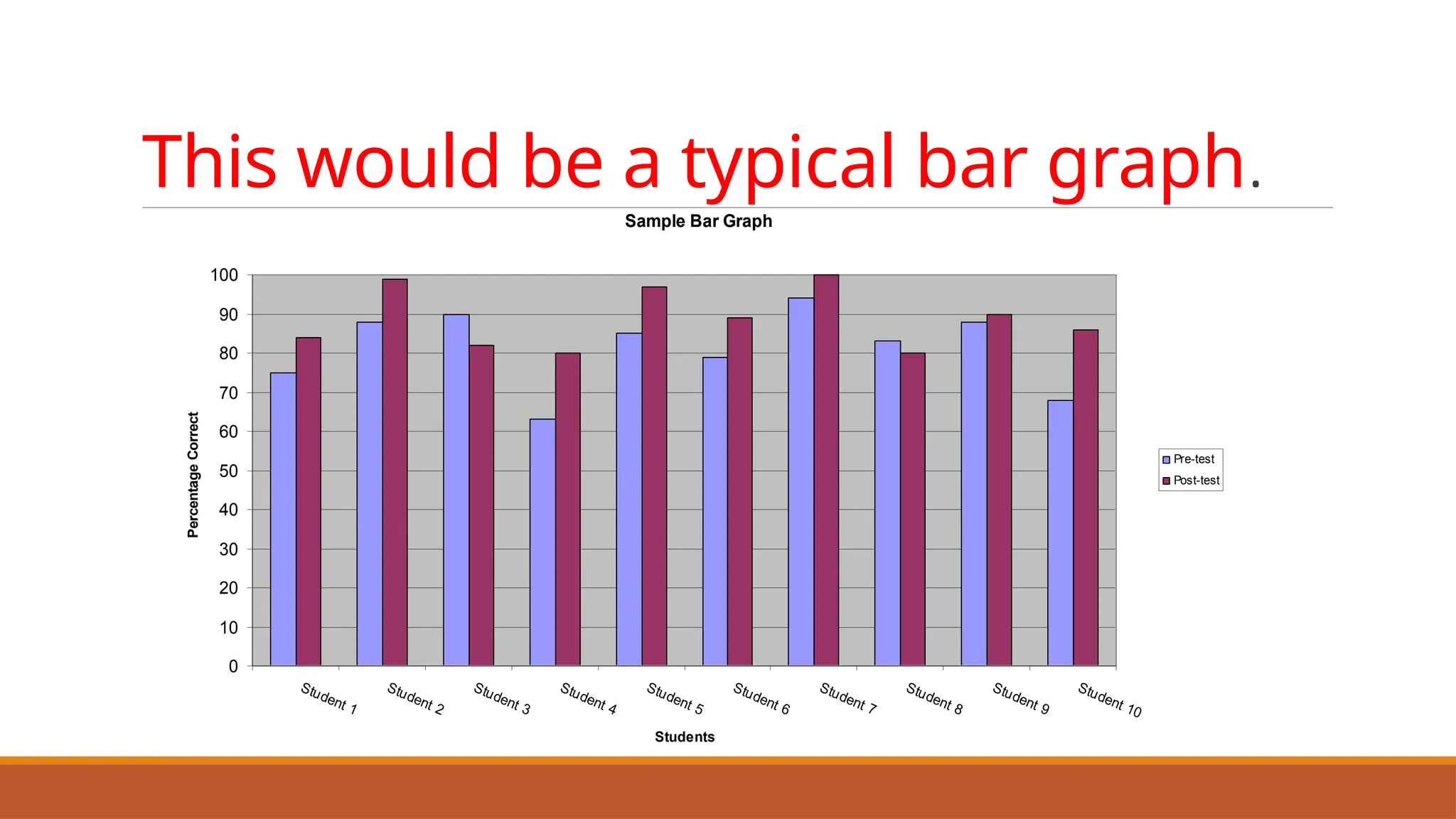
Bar graphs are best used whenever you are comparing
two or more categorical variables. In the following table
the Pre-test and Post-test scores of a group of students
are displayed.
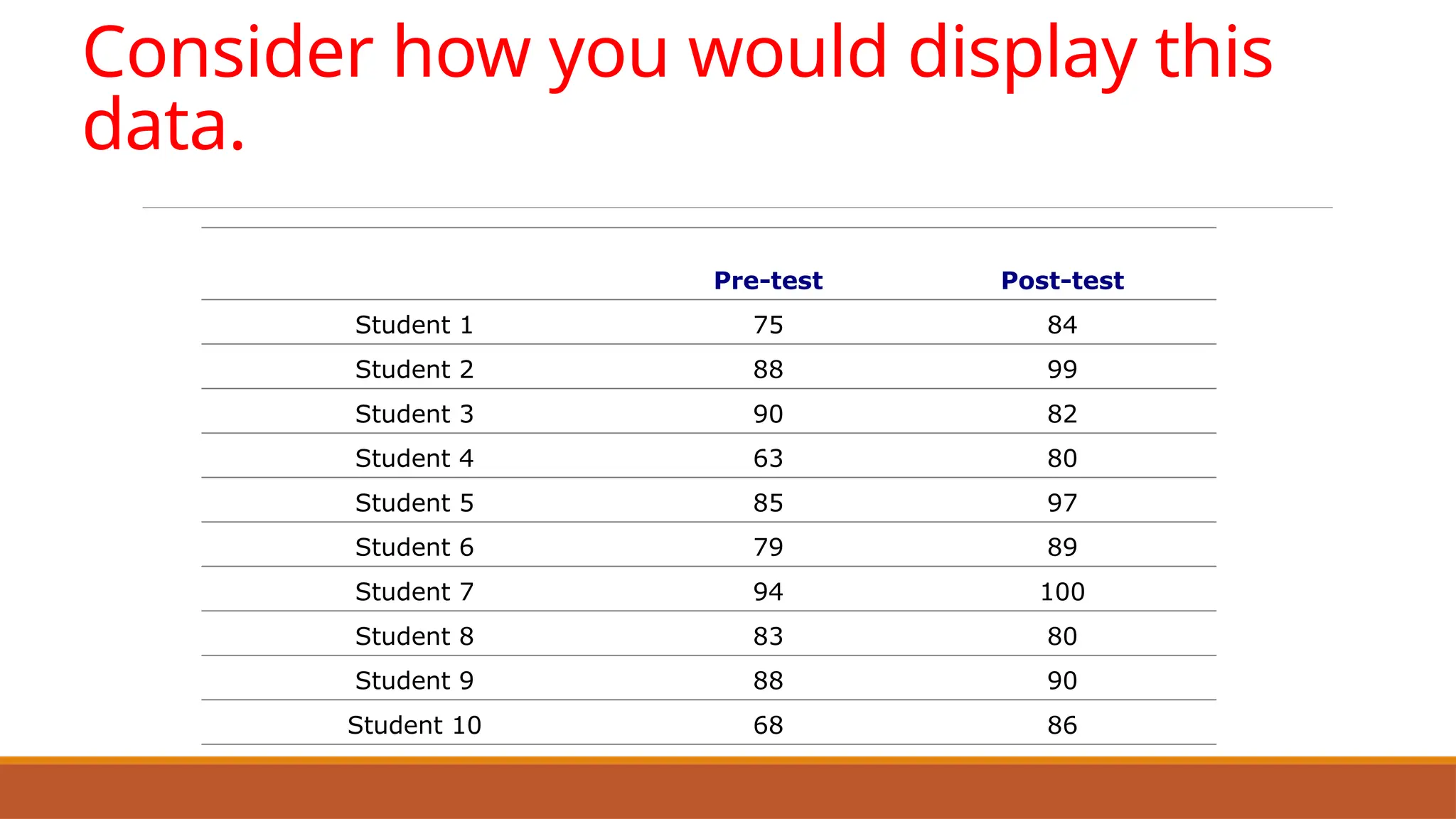
Consider how you would display this
data.
Pre-test Post-test
Student 1 75 84
Student 2 88 99
Student 3 90 82
Student 4 63 80
Student 5 85 97
Student 6 79 89
Student 7 94 100
Student 8 83 80
Student 9 88 90
Student 10 68 86
This would be a typical bar graph.
Sample Bar Graph
0
10
20
30
40
50
60
70
80
90
100
Students
Percentage
Correct
Pre-test
Post-test
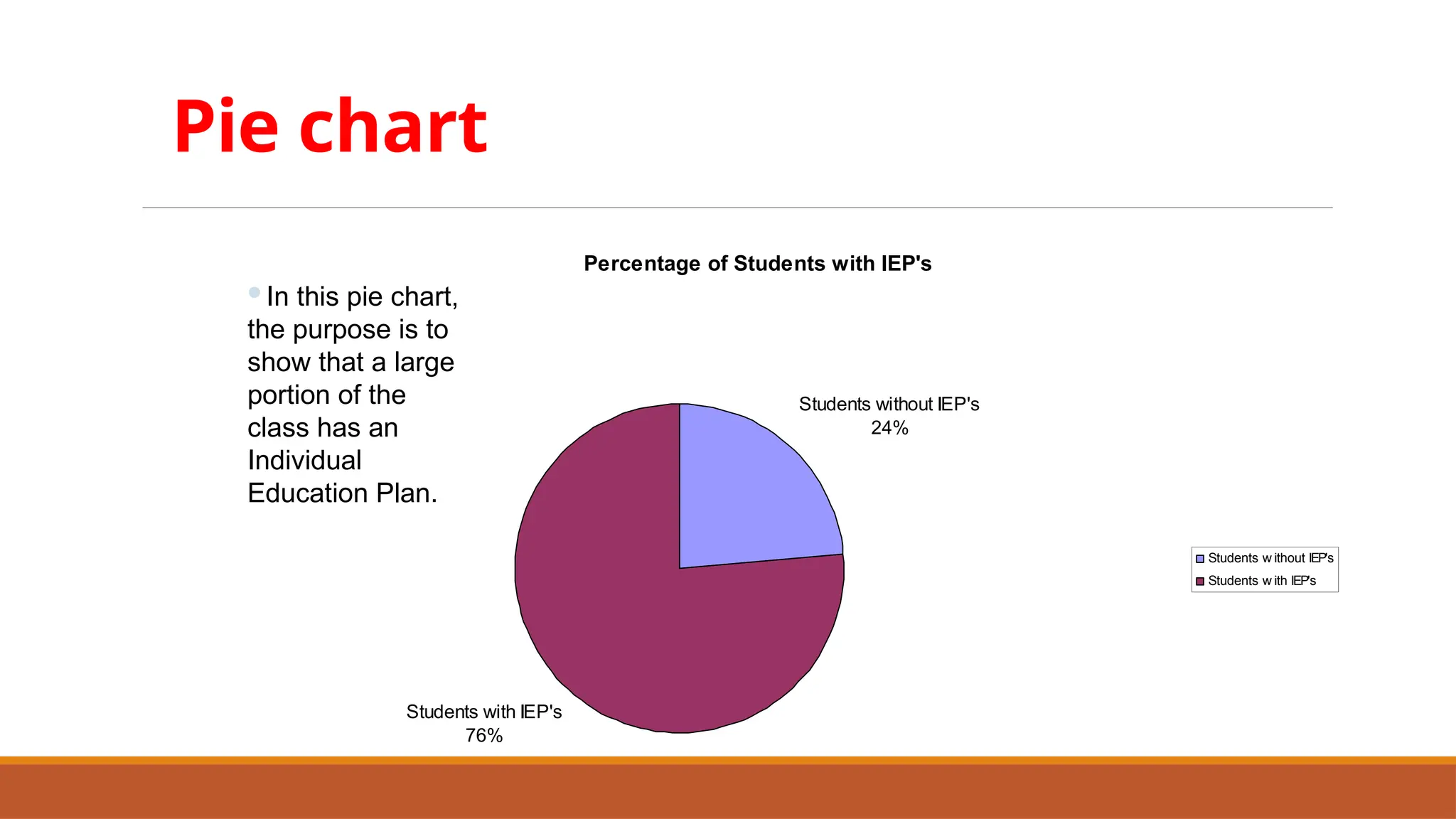
Pie chart
In this pie chart,
the purpose is to
show that a large
portion of the
class has an
Individual
Education Plan.
Percentage of Students with IEP's
Students with IEP's
76%
Students without IEP's
24%
Students w ithout IEP's
Students w ith IEP's
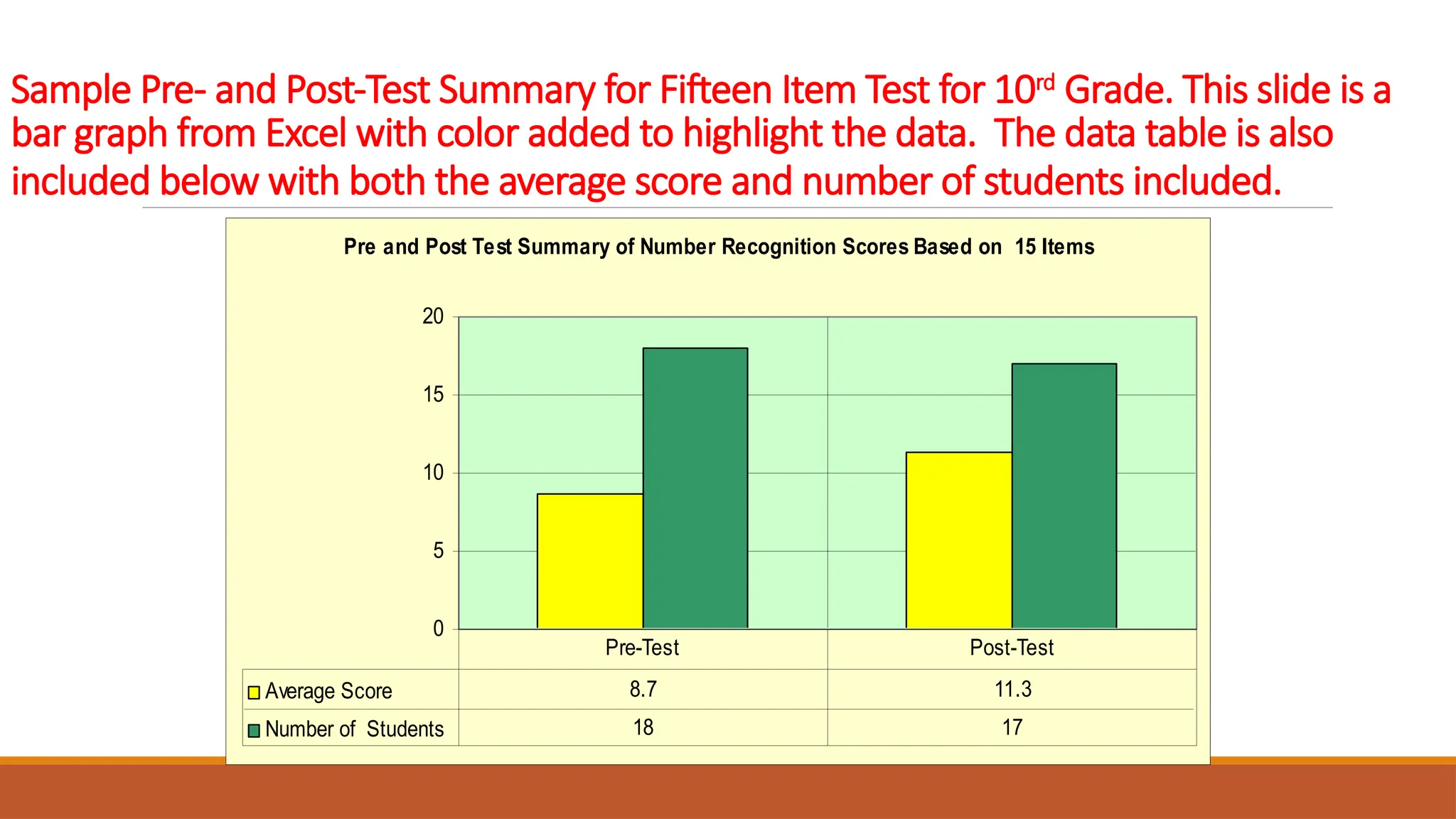
Sample Pre- and Post-Test Summary for Fifteen Item Test for 10rd
Grade. This slide is a
bar graph from Excel with color added to highlight the data. The data table is also
included below with both the average score and number of students included.
Pre and Post Test Summary of Number Recognition Scores Based on 15 Items
0
5
10
15
20
Average Score 8.7 11.3
Number of Students 18 17
Pre-Test Post-Test
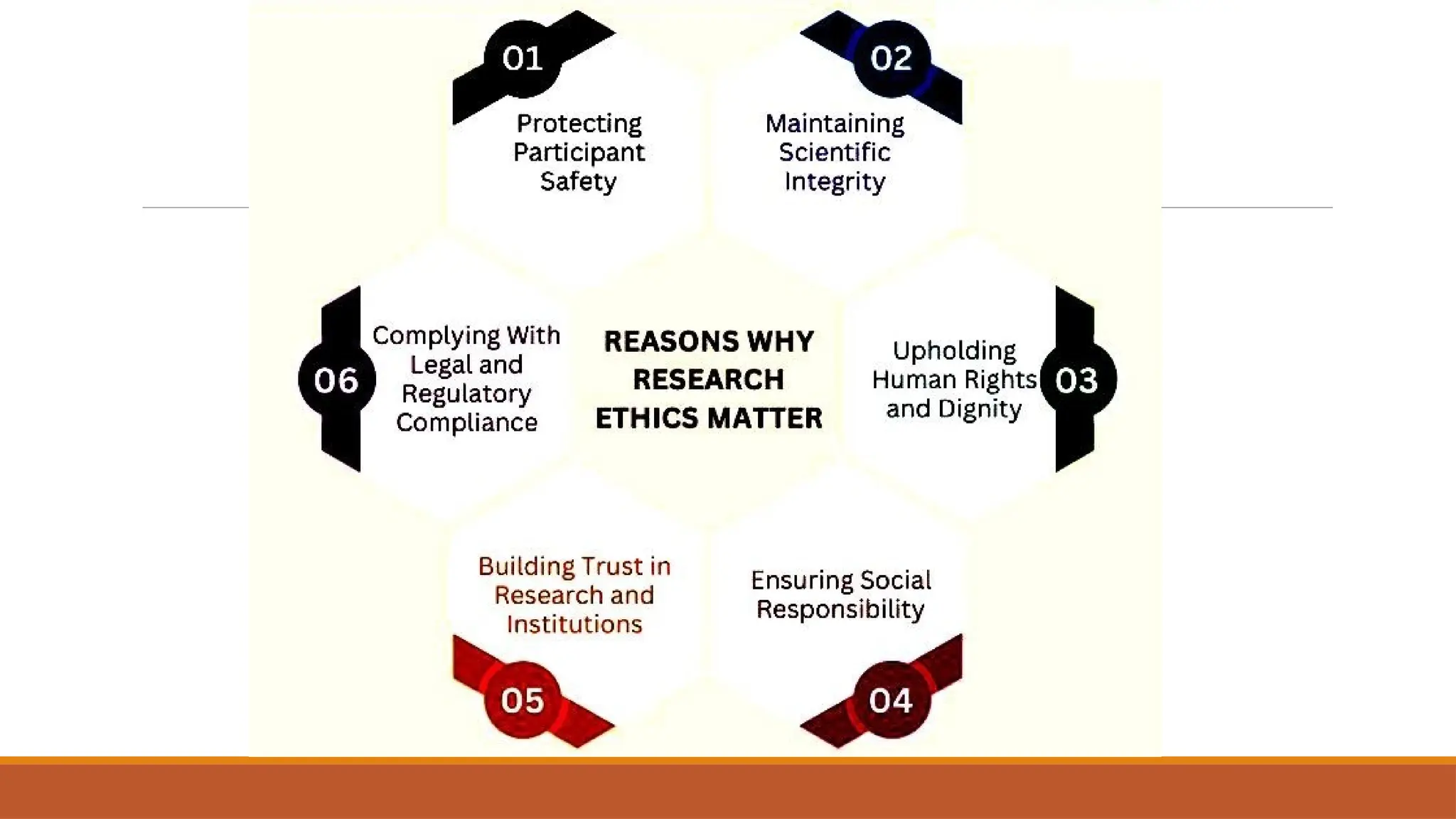
Ethical Considerations
•Confidentiality: Protecting participants' privacy
•Informed Consent: Obtaining participants' voluntary
agreement
•Data Security: Ensuring data is stored and accessed
securely
Challenges in Data Analysis
•Data Overload: Managing large amounts of data
•Data Quality: Ensuring data is reliable and valid
•Researcher Bias: Avoiding personal biases in
interpretation
Best Practices for Data Analysis
•Clear Research Questions: Ensure data collection and analysis align
with research goals
•Systematic Approach: Follow a structured process for data analysis.
•Triangulation: Use multiple data sources to verify findings.
•Member Checking: Validate findings with participants.
•Reflection and Iteration: Continuously reflect on and refine analysis.
Conclusion
•Importance of Data Analysis in Action Research
•Provides evidence-based insights for improving practice.
•Supports informed decision-making.
•Contributes to knowledge generation in the field.
•Call to Action: Encourage participants to engage in
rigorous data analysis in their own action research
projects.

DATA ANALYSIS IN ACTION RESEARCH (Research Methodology)

  • 1.
  • 2.
    Today’s Goals Provide theteacher candidate with some background knowledge on displaying their action research results. Provide support to teacher candidates on completing their data analysis section of their action research project.
  • 3.
    Introduction •What is ActionResearch? •A systematic inquiry conducted by practitioners to improve their own practice. •Involves cycles of planning, acting, observing, and reflecting. •The Role of Data Analysis •Crucial for understanding, interpreting, and improving practice. •Provides evidence-based insights for decision-making.
  • 4.
    The Purpose ofAction Research •Contributes to the theory & knowledge base to enhance practice •Supports the professional development of practitioners •Builds a collegial networking system •Helps practitioners identify problems & seek solutions systematically •Can be used at all levels & in all areas of education
  • 5.
    The Process ofAction Research •Identify the problem; select an area of focus. •Review the related research literature. •Collect the data. •Organize, analyze & interpret the data. •Take the action (apply the findings).
  • 6.
    Overview Identify the problem orarea Review related research literature Collect data Organize, analyze & interpret Take action; apply findings
  • 7.
  • 8.
    Planning Action Research 1.Write an area-of-focus statement. 2. Define the variables. 3. Develop research questions. 4. Describe the intervention or innovation. 5. Describe the action research group. 6. Describe the negotiations that need to happen. 7. Develop a timeline. 8. Develop a statement of resources. 9. Develop data collection ideas. 10. Put action plan into action.
  • 9.
    Area-of-Focus Statement •Identifies thepurpose of the study •Identifies the anticipated outcome •Identifies the problem to be addressed •Completes the statement: “The purpose of this study is…”
  • 10.
    Define the Variables •Writedefinitions of exactly what you will address. •Definitions should accurately represent what factors, contexts & variables mean to you. •Be clear about what is being studied, so that you know it when you see it!
  • 11.
    The Research Questions •Developquestions that “breathe life” into the area-of-focus statement. •Research questions should be open-ended! •Research questions help give a focus to the plan. •They also help validate that you have a workable plan.
  • 12.
    Intervention or Innovation •Describeyour proposed solution to the initial problem. •This is just a statement about what you will do to address the teaching and learning issue you have identified. •In “formal research” this would be the experimental treatment.
  • 13.
    Strategies for Meetingthe Criteria •Talk Little, Listen a lot! •Begin Writing Early! •Let Readers “See” for Themselves •Report Fully •Be Candid •Seek Feedback •Write Accurately (Wolcott, 1994)
  • 14.
  • 15.
    Purpose of theData Analysis You are to concisely and accurately display the results of your study. In other words, someone who views your data analysis section should get an idea of the results of your study at a glance.
  • 16.
    Types of Datain Action Research •Qualitative Data •Interviews, observations, field notes, documents •Rich, detailed information about experiences and perspectives. •Quantitative Data •Surveys, tests, measurements •Numerical data that can be statistically analyzed. •Mixed Methods •Combining both qualitative and quantitative data for a more comprehensive understanding.
  • 18.
    Collect the Data •Usinga variety of data collection strategies, gather information that will contribute to the findings •Triangulate •Data should be analyzed as it is collected
  • 19.
    Organize, Analyze &Interpret the Data •As the data is collected, it is also continually organized & analyzed •As new perspectives are gained on the original area of focus, the problem statement may change •Interpretation is based on ongoing analysis & continually reviewing the area of focus
  • 20.
    Data Collection Methods •Interviews •Structured,semi-structured, or unstructured •Observations •Participant observation, non-participant observation •Surveys •Questionnaires, polls •Documents •Field notes, memos, reports
  • 22.
    Data Analysis Techniques •QualitativeAnalysis •Coding: Identifying key themes and categories •Thematic Analysis: Organizing data around recurring themes •Narrative Analysis: Examining stories and narratives •Quantitative Analysis •Descriptive Statistics: Summarizing data (e.g., mean, median, mode) •Inferential Statistics: Drawing conclusions about a population from a sample •Data Visualization: Using graphs and charts to present findings
  • 25.
    Data Analysis Tools •SoftwareTools •NVivo, Atlas.ti, MAXQDA (for qualitative data) •Excel, SPSS, R (for quantitative data) •Manual Methods •Coding sheets, matrices, mind maps
  • 26.
  • 27.
    Choosing a Graph ALine Graph ◦ You want to use a line graph when you wish to show a trend over a period of time. A Bar Graph ◦ Bar graphs are most often used to compare results between two or more categorical variables. A Pie Chart ◦ The pie chart is often over used and is only appropriate when you wish to compare parts to a whole. Comparing pie charts to one another is typically not a good idea. Other graphs are available for your consideration but the above are the most popular and straightforward.
  • 28.
    Line Graph A linegraph is best used when you wish to display a trend over a period of time. For example, if you have been giving a series of assessments along with implementing a new teaching strategy and you wish to show that achievement is slowly rising (or mistakes are decreasing) over time, a line graph would be appropriate.
  • 29.
    This table showsa series of average test scores between two groups of students week 1 week 2 week 3 week 4 week 5 Old Strategy 83 84 85 87 89 New Strategy 82 85 89 92 94
  • 32.
    Microsoft Excel givesyou this chart. Average Test Scores 76 78 80 82 84 86 88 90 92 94 96 week 1 week 2 week 3 week 4 week 5 Weeks of Treatment Percentage Correct Control Treatment
  • 33.
    Bar Graphs Bar graphsare best used whenever you are comparing two or more categorical variables. In the following table the Pre-test and Post-test scores of a group of students are displayed.
  • 34.
    Consider how youwould display this data. Pre-test Post-test Student 1 75 84 Student 2 88 99 Student 3 90 82 Student 4 63 80 Student 5 85 97 Student 6 79 89 Student 7 94 100 Student 8 83 80 Student 9 88 90 Student 10 68 86
  • 35.
    This would bea typical bar graph. Sample Bar Graph 0 10 20 30 40 50 60 70 80 90 100 Students Percentage Correct Pre-test Post-test
  • 36.
    Pie chart In thispie chart, the purpose is to show that a large portion of the class has an Individual Education Plan. Percentage of Students with IEP's Students with IEP's 76% Students without IEP's 24% Students w ithout IEP's Students w ith IEP's
  • 37.
    Sample Pre- andPost-Test Summary for Fifteen Item Test for 10rd Grade. This slide is a bar graph from Excel with color added to highlight the data. The data table is also included below with both the average score and number of students included. Pre and Post Test Summary of Number Recognition Scores Based on 15 Items 0 5 10 15 20 Average Score 8.7 11.3 Number of Students 18 17 Pre-Test Post-Test
  • 39.
    Ethical Considerations •Confidentiality: Protectingparticipants' privacy •Informed Consent: Obtaining participants' voluntary agreement •Data Security: Ensuring data is stored and accessed securely
  • 41.
    Challenges in DataAnalysis •Data Overload: Managing large amounts of data •Data Quality: Ensuring data is reliable and valid •Researcher Bias: Avoiding personal biases in interpretation
  • 42.
    Best Practices forData Analysis •Clear Research Questions: Ensure data collection and analysis align with research goals •Systematic Approach: Follow a structured process for data analysis. •Triangulation: Use multiple data sources to verify findings. •Member Checking: Validate findings with participants. •Reflection and Iteration: Continuously reflect on and refine analysis.
  • 43.
    Conclusion •Importance of DataAnalysis in Action Research •Provides evidence-based insights for improving practice. •Supports informed decision-making. •Contributes to knowledge generation in the field. •Call to Action: Encourage participants to engage in rigorous data analysis in their own action research projects.

Editor's Notes

  • #8 These are the specific steps that you would take to plan out your action research.
  • #18 The literature reviewed and the definition of the area of focus should help the researcher determine what data is to be collected. In Action Research, there are always multiple sources of data, multiple kinds of data, and multiple strategies for collecting data (triangulation).
  • #25 When choosing qualitative data analysis software, you can consider features like: Thematic coding to categorize data, Sentiment analysis to understand emotional undercurrents, Advanced text analytics for pattern recognition, Data visualization tools for clear data presentation, and Collaboration tools for team-based analysis.