COMBINATION THERAPY
A.THANGAMANI
RAMALINGAM
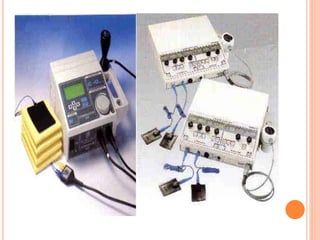
combination therapy involves the
simultaneous application of
ultrasound (US) with an electrical
stimulation therapy
 In Europe- Diadynamic Currents
 In US- bipolar Interferential Therapy
MAIN ADVANTAGES
 Accommodation effects that accompany IF
treatment are reduced
 Lower intensities are used to achieve the effect
 Localizing lesions (especially chronic) ie.Diagnostic
use
 Localization of US treatment - to provide increased
accuracy/effectiveness in treating deeper lesions
 Treating trigger points
MECHANISM
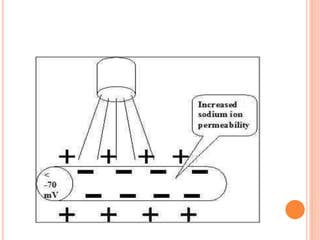
 Exposure of a peripheral nerve to US reduces the
membrane resting potential by increasing its
permeability to various ions (especially Sodium
(Na+) and Calcium (Ca++). By virtue of this
adjusted permeability, the nerve membrane is taken
closer to its threshold (the point where it
depolarizes), though doesn’t usually make the
nerve fire. The simultaneous application of the
Interferential current through the nerve induces the
depolarisation potential, though it will take a smaller
current than usual to achieve this due to the
potentiation effect of the ultrasound
DIAGNOSTIC USE
 that a continuous US output of 0.5W/cm2 should be
used
 A frequency of 1MHz is preferable
 IF output is most commonly set to 100Hz (with no
sweep) using a bipolar output.
 maximal sensitivity is assumed to be the focal point
of the lesion
THERAPEUTIC USE
 The individual doses for the US and IFT should be
those which are appropriate for the lesion and the
required effects
 advantages remain anecdotal at the moment
 no specific contraindications for combination
therapy other than those for the individual
modalities.
 ref: Tim Watson 2010

Combination therapy

  • 1.
  • 2.
    combination therapy involvesthe simultaneous application of ultrasound (US) with an electrical stimulation therapy
  • 3.
     In Europe-Diadynamic Currents  In US- bipolar Interferential Therapy
  • 4.
    MAIN ADVANTAGES  Accommodationeffects that accompany IF treatment are reduced  Lower intensities are used to achieve the effect  Localizing lesions (especially chronic) ie.Diagnostic use  Localization of US treatment - to provide increased accuracy/effectiveness in treating deeper lesions  Treating trigger points
  • 6.
    MECHANISM  Exposure ofa peripheral nerve to US reduces the membrane resting potential by increasing its permeability to various ions (especially Sodium (Na+) and Calcium (Ca++). By virtue of this adjusted permeability, the nerve membrane is taken closer to its threshold (the point where it depolarizes), though doesn’t usually make the nerve fire. The simultaneous application of the Interferential current through the nerve induces the depolarisation potential, though it will take a smaller current than usual to achieve this due to the potentiation effect of the ultrasound
  • 8.
    DIAGNOSTIC USE  thata continuous US output of 0.5W/cm2 should be used  A frequency of 1MHz is preferable  IF output is most commonly set to 100Hz (with no sweep) using a bipolar output.  maximal sensitivity is assumed to be the focal point of the lesion
  • 9.
    THERAPEUTIC USE  Theindividual doses for the US and IFT should be those which are appropriate for the lesion and the required effects  advantages remain anecdotal at the moment  no specific contraindications for combination therapy other than those for the individual modalities.  ref: Tim Watson 2010