Downloaded 25 times
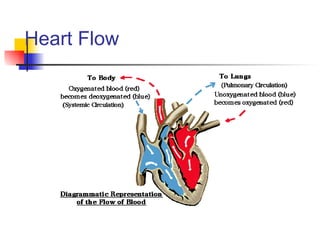
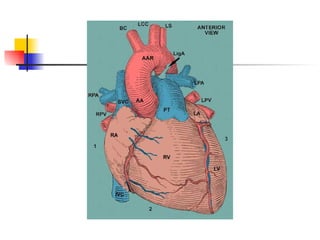
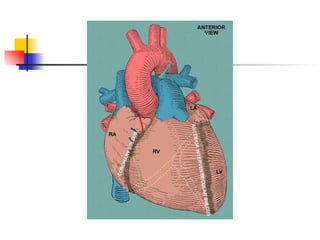
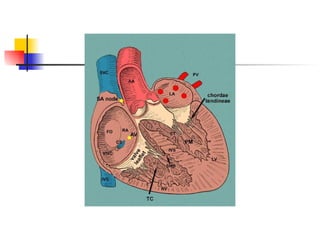
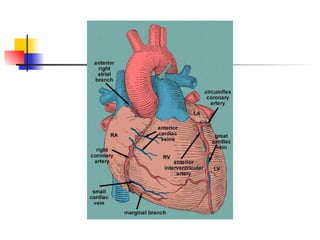
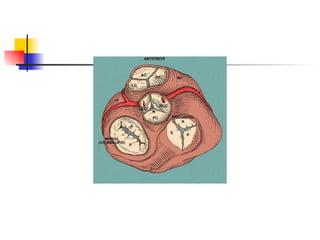
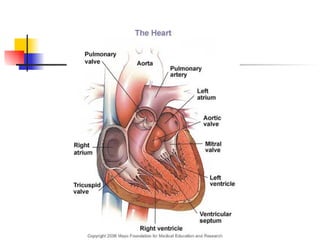

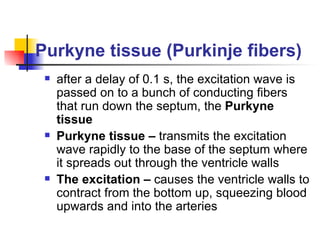
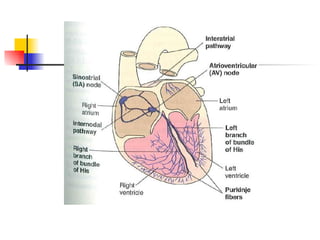
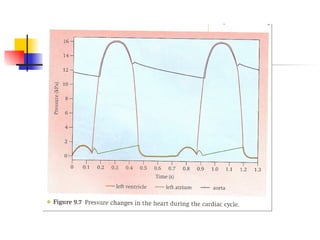
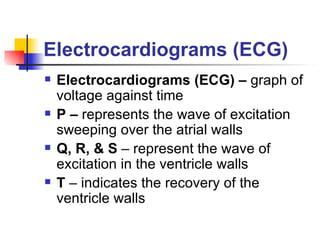
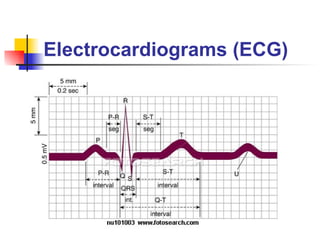
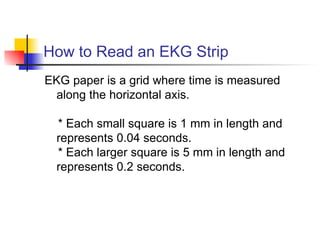
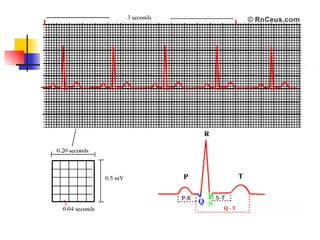
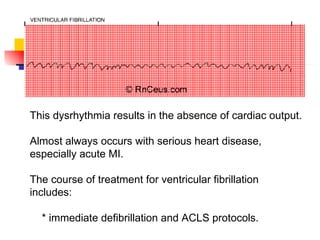
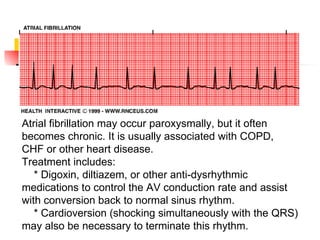

The mammalian heart is composed of cardiac muscle with interconnecting cells that facilitate the passing of electrical signals. It has four chambers - two atria that receive blood and two ventricles that pump blood out. The left ventricle wall is thicker than the right since it must pump blood around the body. The heart's natural pacemaker, the sinoatrial node, sets the rhythm for coordinated contraction and relaxation of the chambers. Electrocardiograms can be used to measure the heart's rhythm and rate.


