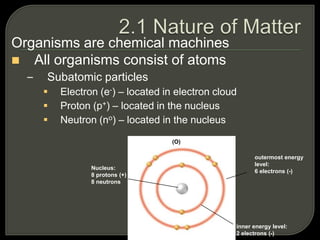
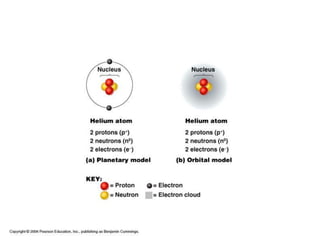
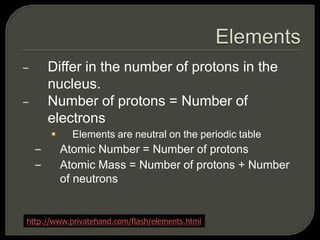
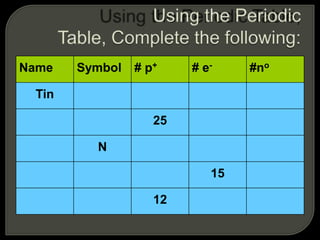
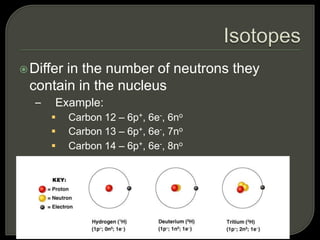
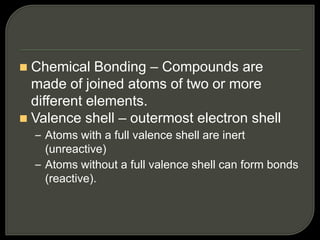
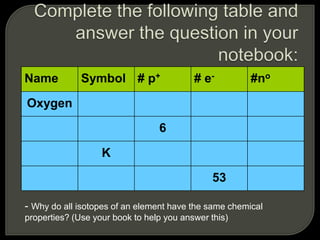
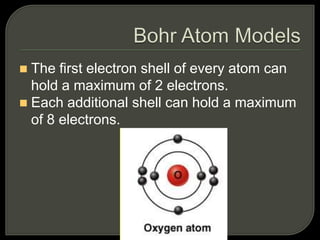
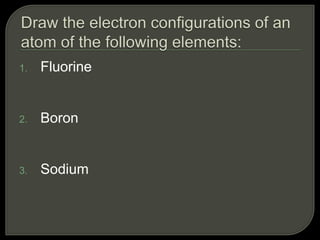
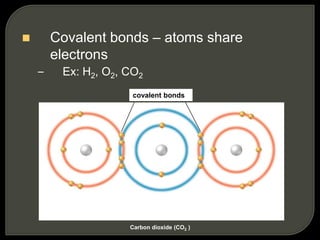
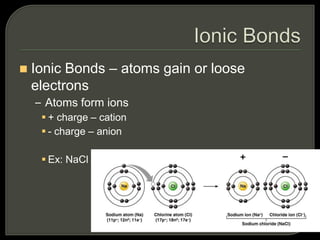
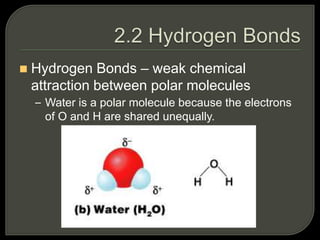
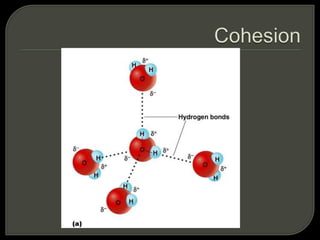
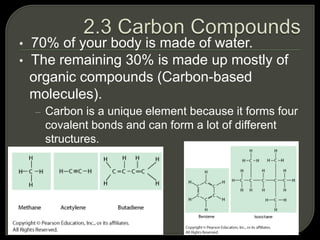
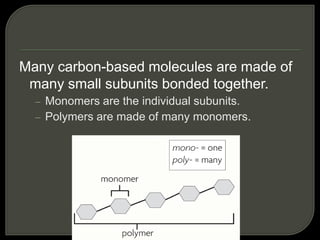
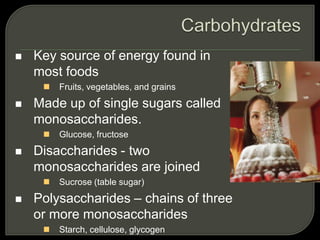
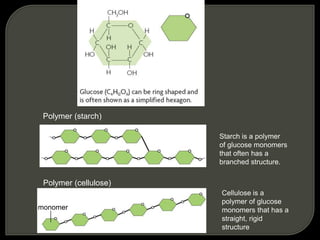
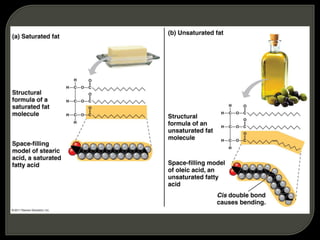
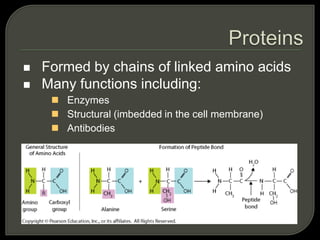
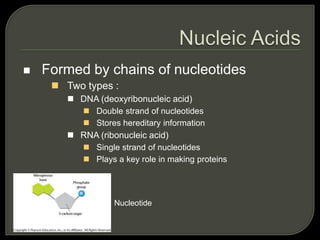
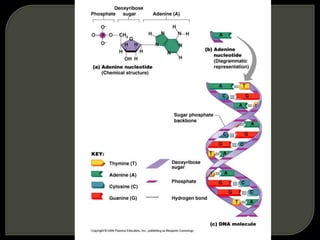
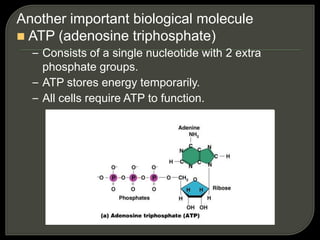
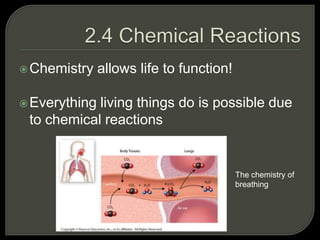
All organisms are made up of chemical compounds composed of atoms bonded together. Atoms consist of protons, neutrons, and electrons. Elements differ in the number of protons, while isotopes of the same element differ in the number of neutrons. Chemical bonds, including covalent, ionic, and hydrogen bonds, form when atoms interact and share or transfer electrons. Key biological molecules include water, carbohydrates like glucose, lipids, proteins, nucleic acids like DNA and RNA, and ATP. These molecules are essential for life processes and are made through various chemical reactions in living things.


![Getting Started with Apache Spark: Big Data Made Simple [Free Meetup]](https://cdn.slidesharecdn.com/ss_thumbnails/apachesparkgettingstarted-260203175547-8361bcc3-thumbnail.jpg?width=640&height=640&fit=bounds)

