Cellular Communication
in Multicellular Organisms
In Plants and Animals
What is communication?
Main aspects involved
 Signal – in general acoustic or vibrational signals
 olfactory or chemical signals
visual signals
 Signaller
 Signal receiver
 Honesty of Signals
 Deceptive signals
How does a cell communicate?
It uses a Cellphone
HA HAA HA
How does a cell communicate
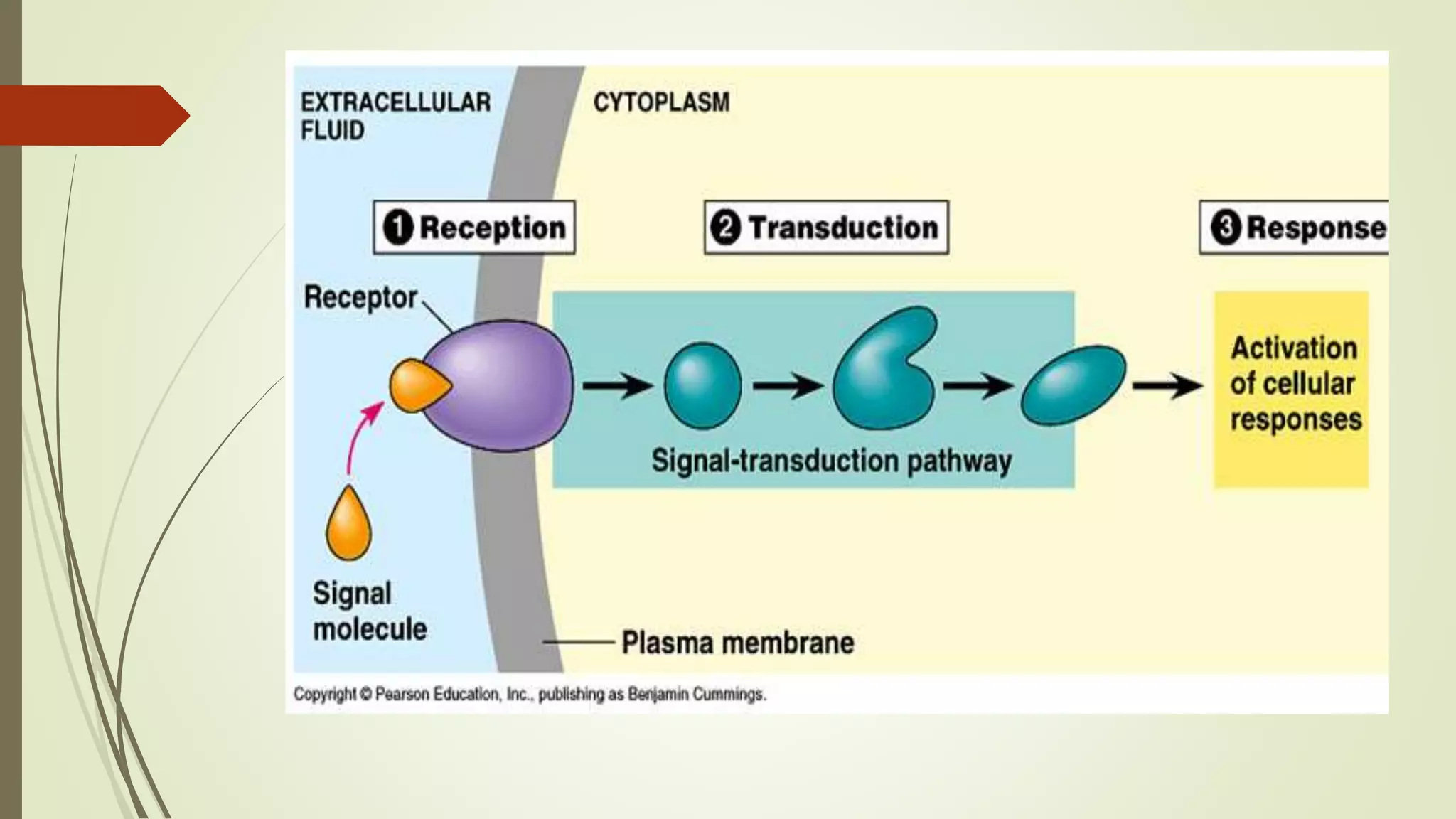
 Cells communicate by generating, transmitting and receiving chemical
signals.
 Cell communication processes share common features that reflect a
shared evolutionary history
 In single-celled organisms, signal transduction pathways
influence how the cell responds to its environment.
 In multicellular organisms, signal transduction pathways
coordinate the activities within individual cells that support the
function of the organism as a whole.
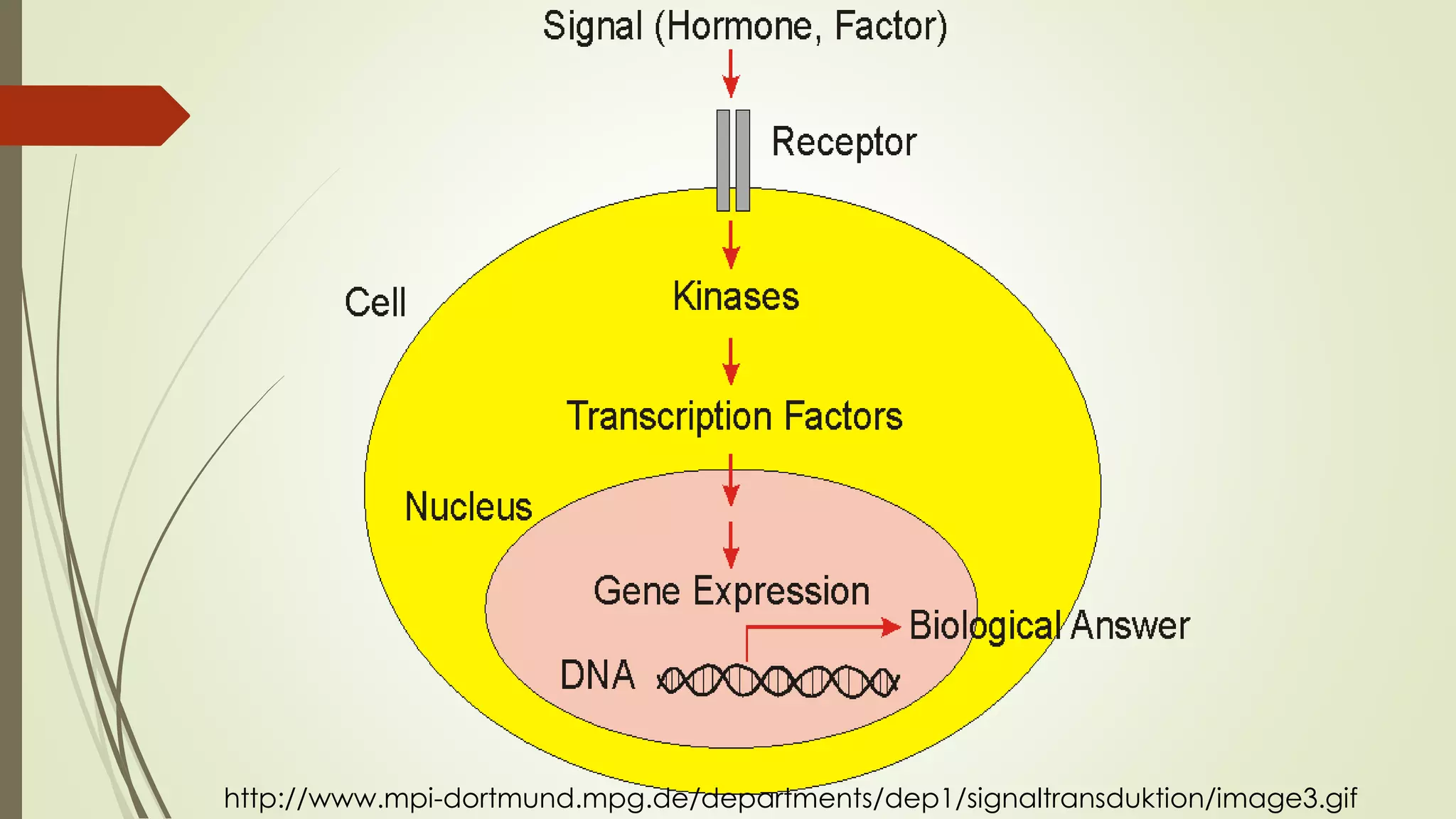
http://www.mpi-dortmund.mpg.de/departments/dep1/signaltransduktion/image3.gif
Why do Unicellullar organisms need
to communicate?
Why do cells in multicellular
organisms need to communicate?
Why cells need to communicate?
Here are a few reasons:
 Coordinate activities in multicellular organisms
 Hormone actions
 Cell recognition
 To find mates (yeast cells)
 Turn pathways on/off
 apoptosis
Cell – Cell Communication
It’s a prerequisite for differentiation and
development in multicellular organisms.
Allows cells to respond to both their internal and
external environments
It has to be tightly regulated to ensure precision.
The basic chemical processes by which cells
communicate are shared across evolutionary
lines of descent
Bacteria
Multicellular organisms
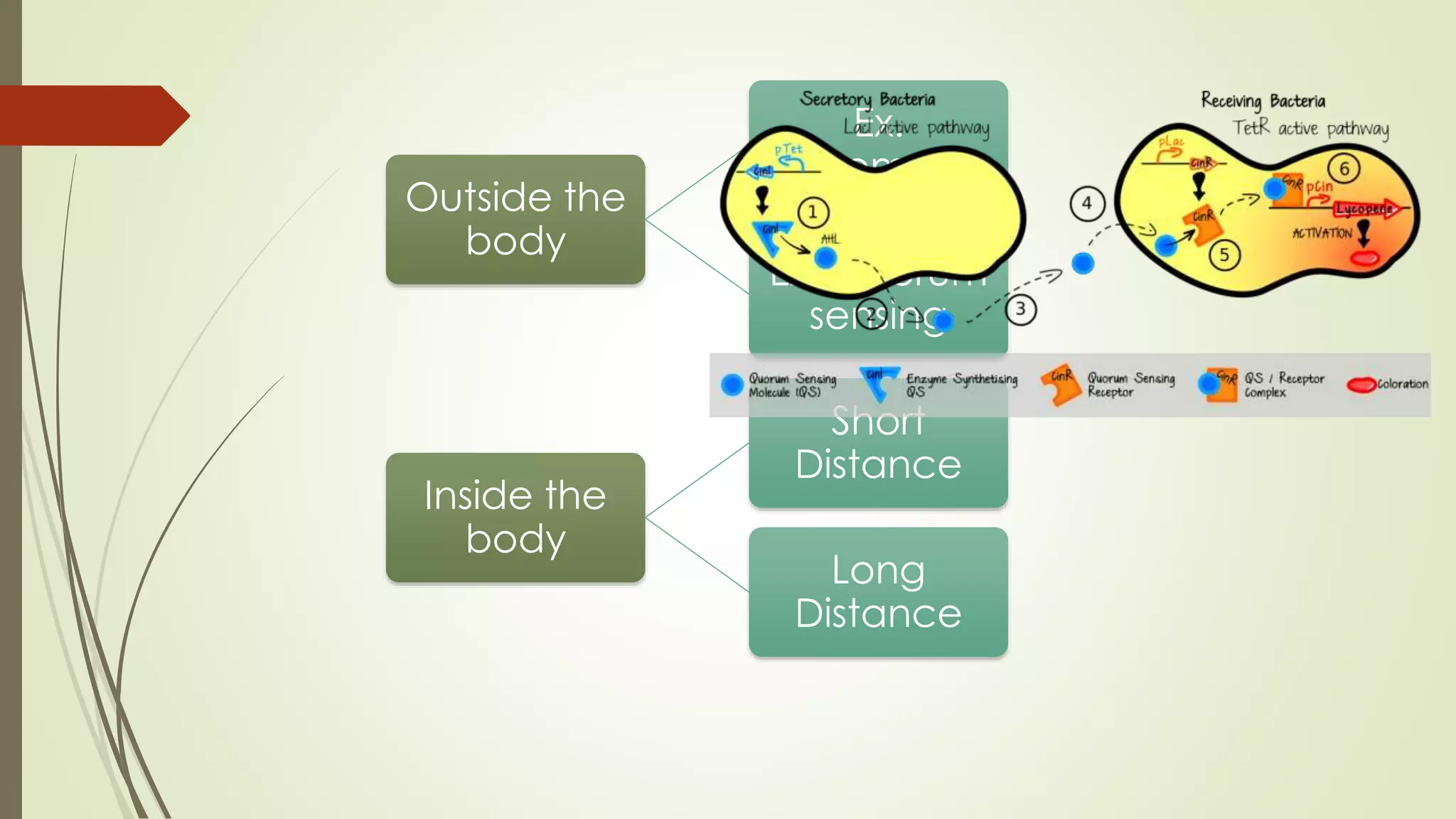
Outside the
body
Ex.
Pheromones
Ex. Quorum
sensing
Inside the
body
Short
Distance
Long
Distance
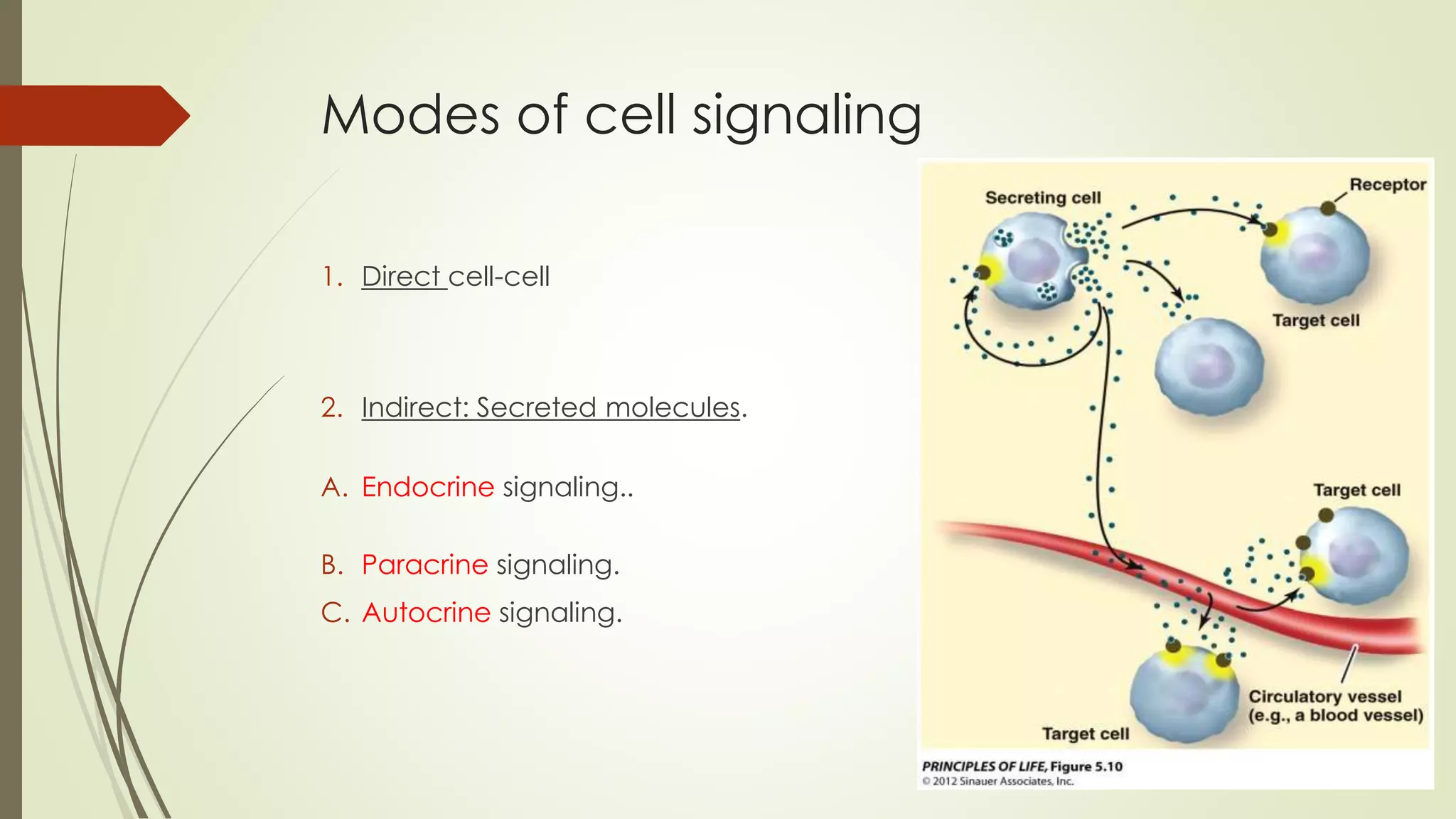
Modes of cell signaling
1. Direct cell-cell
2. Indirect: Secreted molecules.
A. Endocrine signaling..
B. Paracrine signaling.
C. Autocrine signaling.
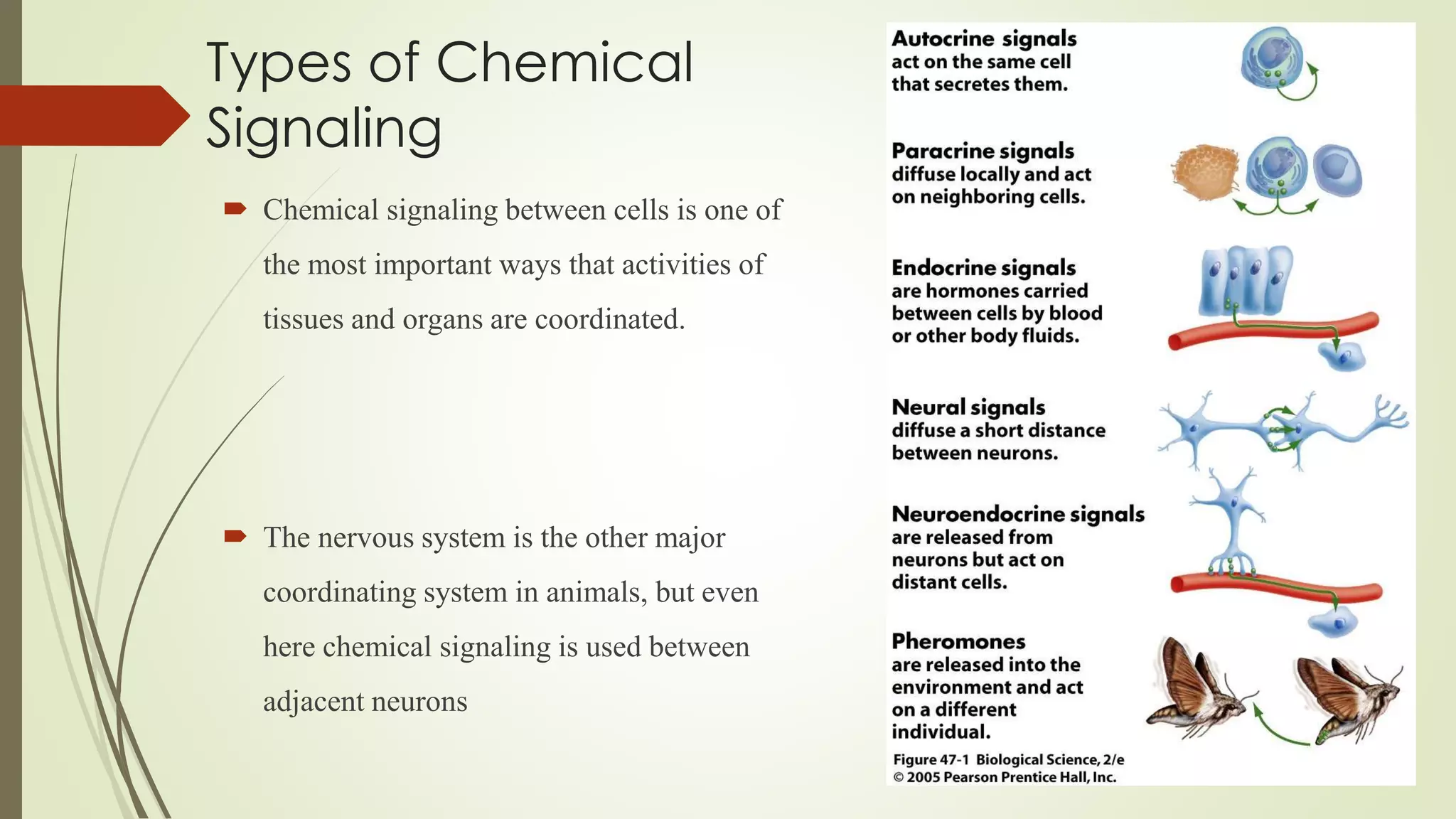
Types of Chemical
Signaling
 Chemical signaling between cells is one of
the most important ways that activities of
tissues and organs are coordinated.
 The nervous system is the other major
coordinating system in animals, but even
here chemical signaling is used between
adjacent neurons
History
 In 1879 – Eduard Tangl – first to unravel how plant cells communicate
 Referred those as ‘ cytoplasmic bridges ’
 In 1901- Eduard Strasburger named these cytoplasmic bridges
“plasmodesmata”
 Descriptions of symplasmic connections b/w animal cells – published 40
years ago - gap junctions
 During last decade – so called tunneling nanotubes (TNT) – identified in
variety of cell types.
Signalling in plants
 Plant cells surrounded by a cell wall together with the turgor pressure
provides a structural stability
 Two different signaling pathways evolved in plants
 One pathway includes the fusion of small molecules – peptides and
phytohormones through the matrix of CW and PM receptors
 Second involves a mechanism, whereby, during cytokinesis dividing cells
remain connected through the formation of plasmodesmata.
Structure of Plasmodesmata
 These were thought to be nonselective pores that passively allow diffusion
of macromolecules between neighboring cells.
 There are several different plasmodesmal morphotypes:-
 It shares diameter of about 20-50 nm and are lined by continuous PM
 Desmotubule(DT) – central axial structure having a diameter of about 15
nm
 It has been suggested to be involved in the regulation of permeability
providing stability to whole structure
 The major path for symplasmic transport through plasmodesmata is the
cytoplasmic sleeve between the PM and DT
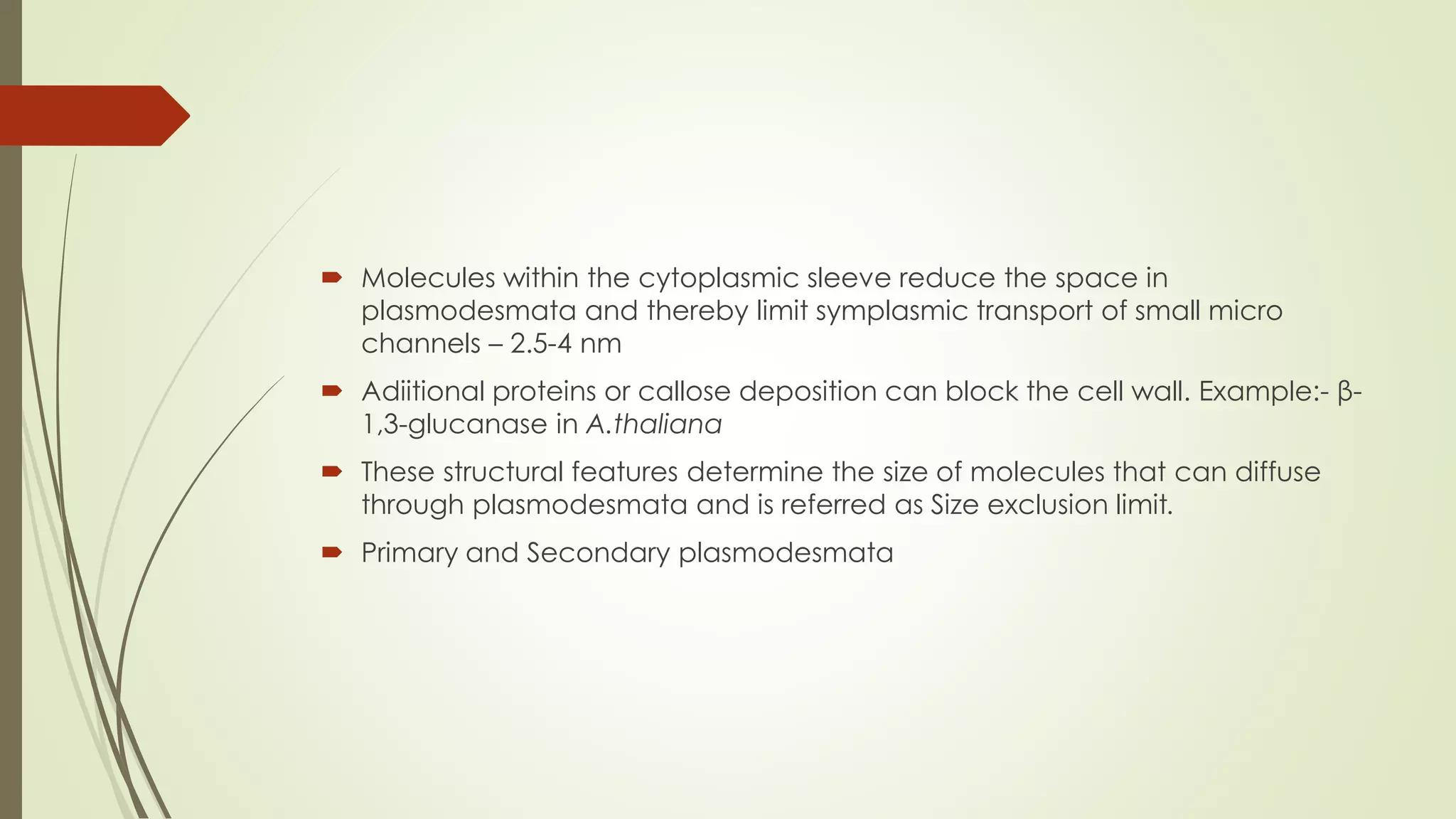
Desmotubule
formation
Tunneling
nanotube
Gap
junction
 Molecules within the cytoplasmic sleeve reduce the space in
plasmodesmata and thereby limit symplasmic transport of small micro
channels – 2.5-4 nm
 Adiitional proteins or callose deposition can block the cell wall. Example:- β-
1,3-glucanase in A.thaliana
 These structural features determine the size of molecules that can diffuse
through plasmodesmata and is referred as Size exclusion limit.
 Primary and Secondary plasmodesmata
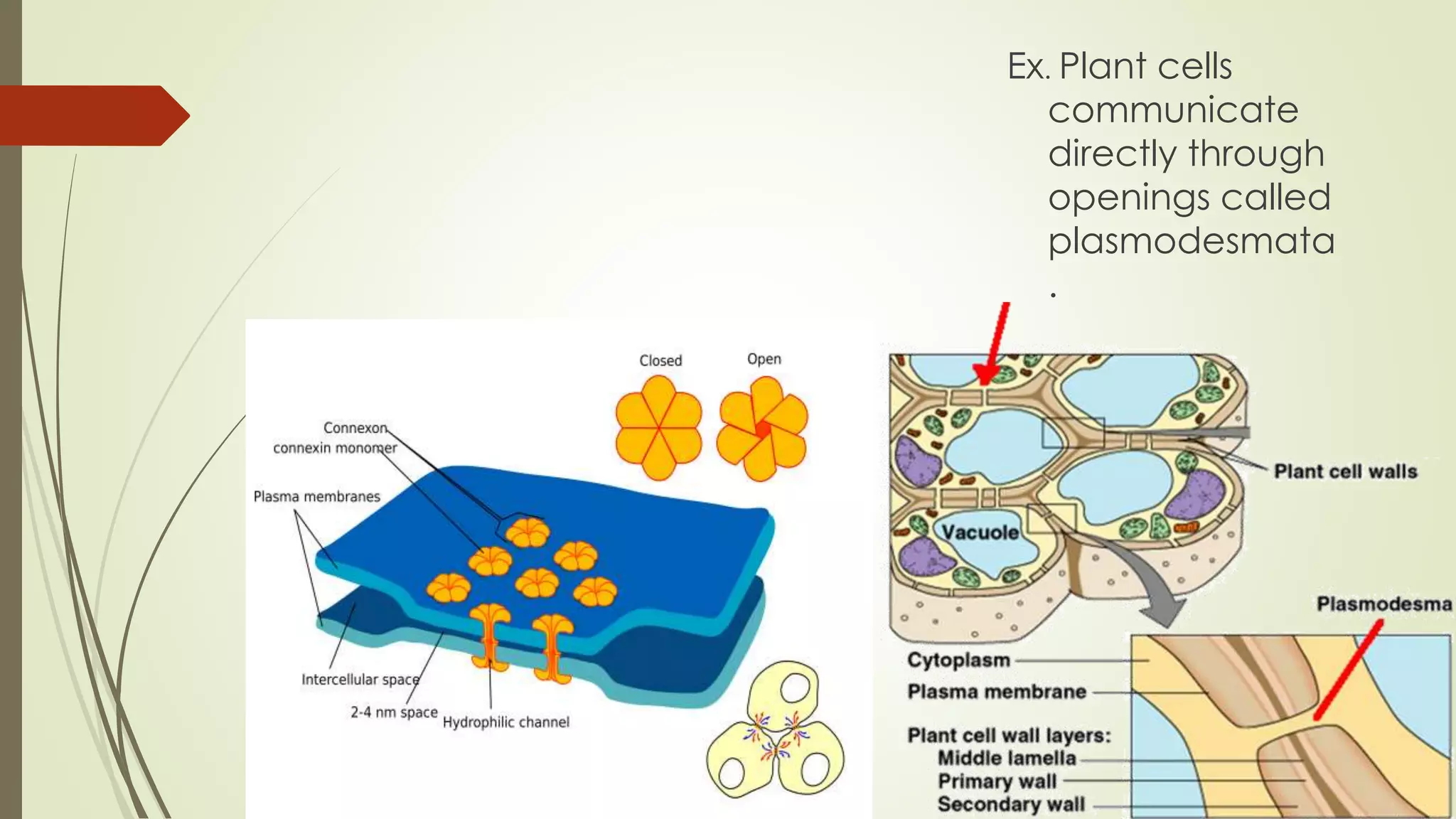
Ex. Plant cells
communicate
directly through
openings called
plasmodesmata
.
SIGNALLING IN ANIMALS
 In animals, gap junctions were identified several decades ago as
symplasmic connections between cells.
 In 2004, identified other cellular bridges, the so-called TNTs.
 Two novel forms of TNT channels- epithelial bridges I and II
 Epithelial bridges represent the longest direct tubular connections between
cells – up to 1mm
Structure of Gap Junctions
 Narrow channels with a pore size of 2 to 3 nm
 Protein building blocks of gap junctions in vertebrates are connexins which
are transmembrane proteins
 Connexins are assembled in the cytoplasm and transported to the plasma
membrane.
 Proteomic approaches have revealed a large number of connexin-binding
proteins that are collectively referred to as the “gap junction proteome”
 Posttranslational modifiers like kinases, phosphatases, and ubiquitin have
been reported to bind to and/or modify connexins
Contd…..
 Connexins, the protein building blocks of gap junctions in vertebrates, have
extremely short half-lives of about only 2 h
 20 isoforms of connexins are known, of which the most prominent is
connexin 43 (Cx43).
 Cx43 is the major gap junction protein in the heart, mutations in the
corresponding gene might be responsible for complex heart malformations.
History
 In 2004, for the first time, Hans-Hermann Gerdes as a researcher at EMBL
Germany reported a novel cell-to-cell communication channels that called
tunneling nanotubes
 Discovered these structures in rat pheochromocytoma PC12 cells and rat
kidney NRK cells
 TNTs also called as intercellular nanotubes (ICNs)
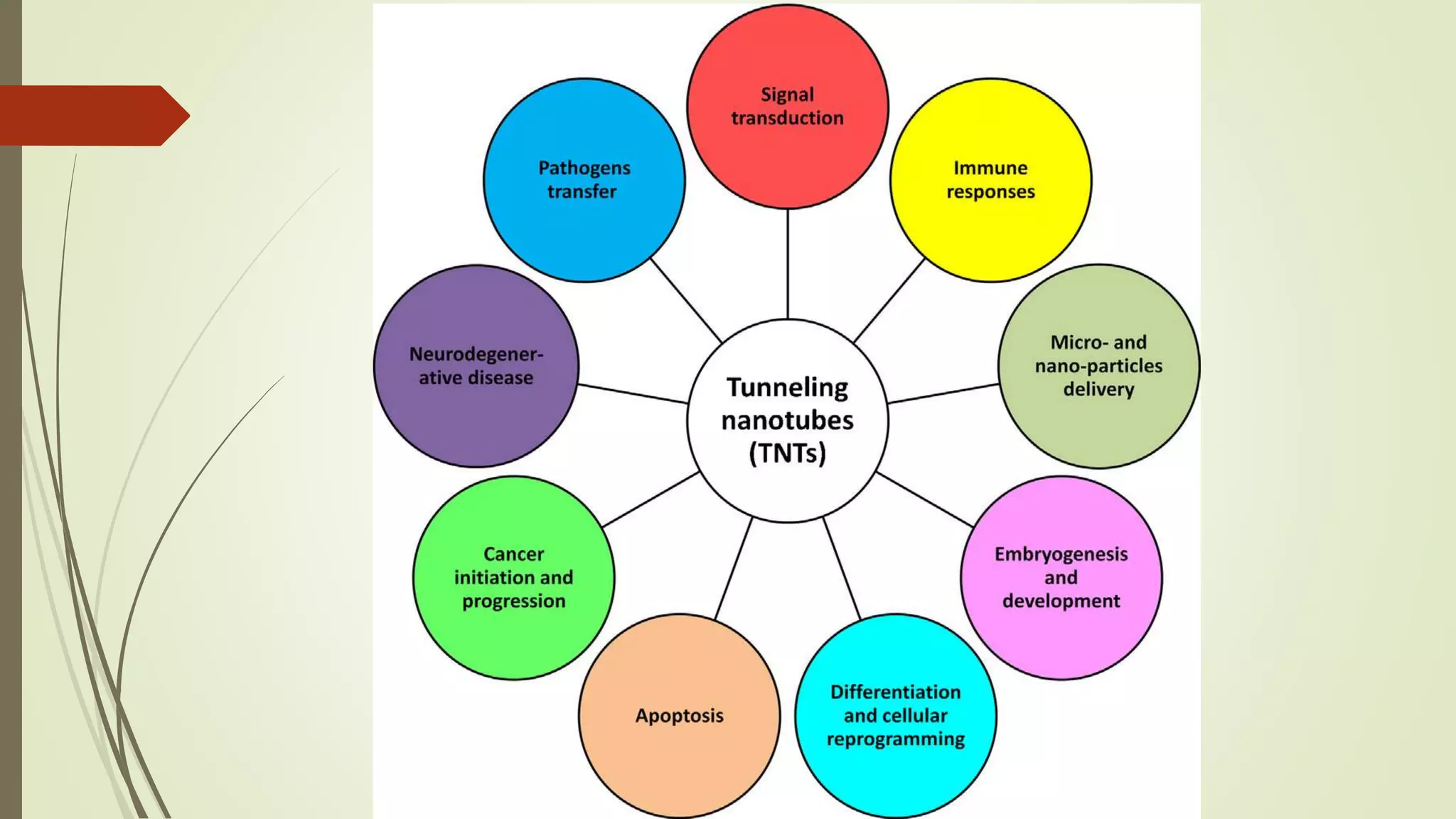
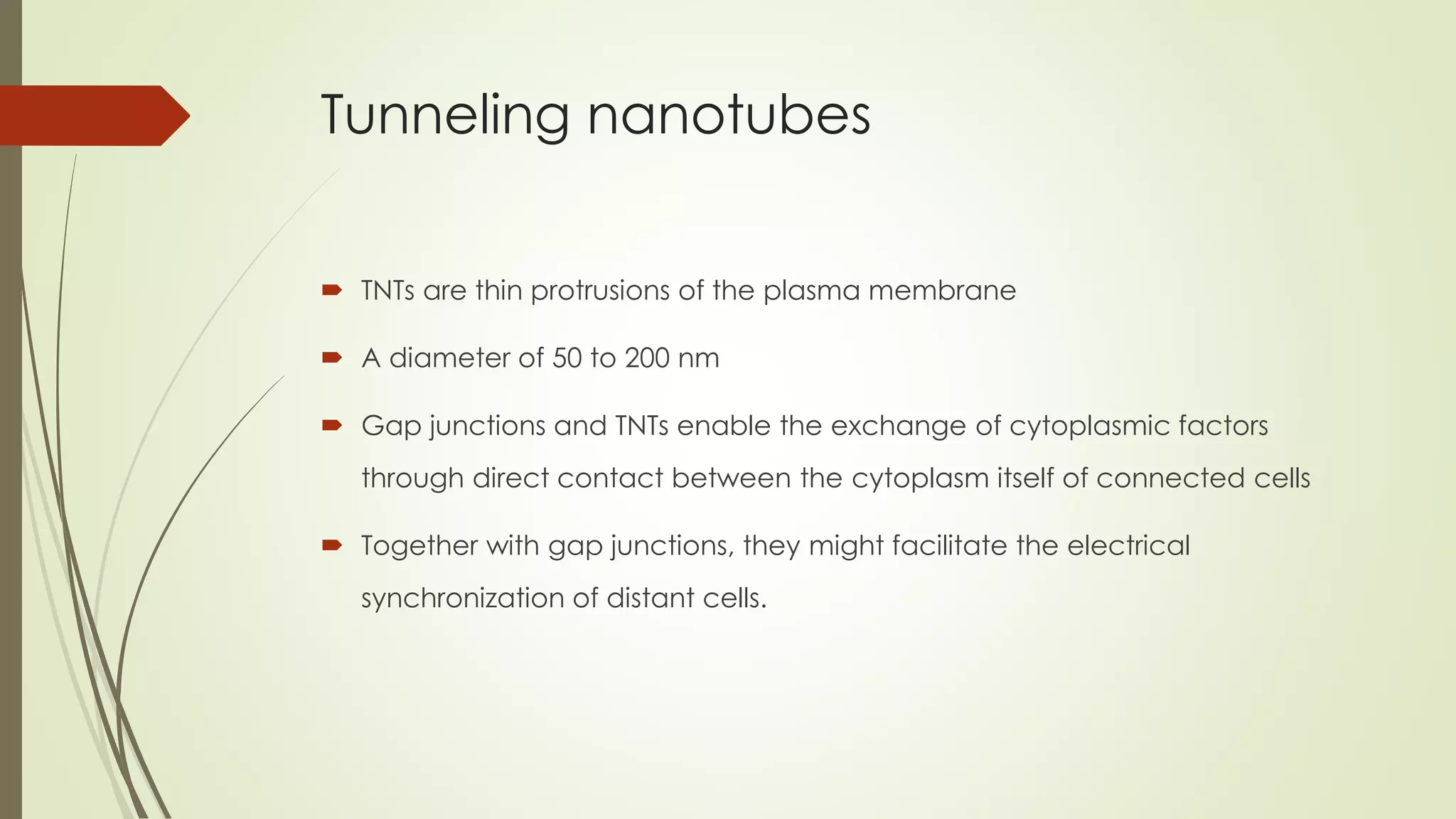
Tunneling nanotubes
 TNTs are thin protrusions of the plasma membrane
 A diameter of 50 to 200 nm
 Gap junctions and TNTs enable the exchange of cytoplasmic factors
through direct contact between the cytoplasm itself of connected cells
 Together with gap junctions, they might facilitate the electrical
synchronization of distant cells.
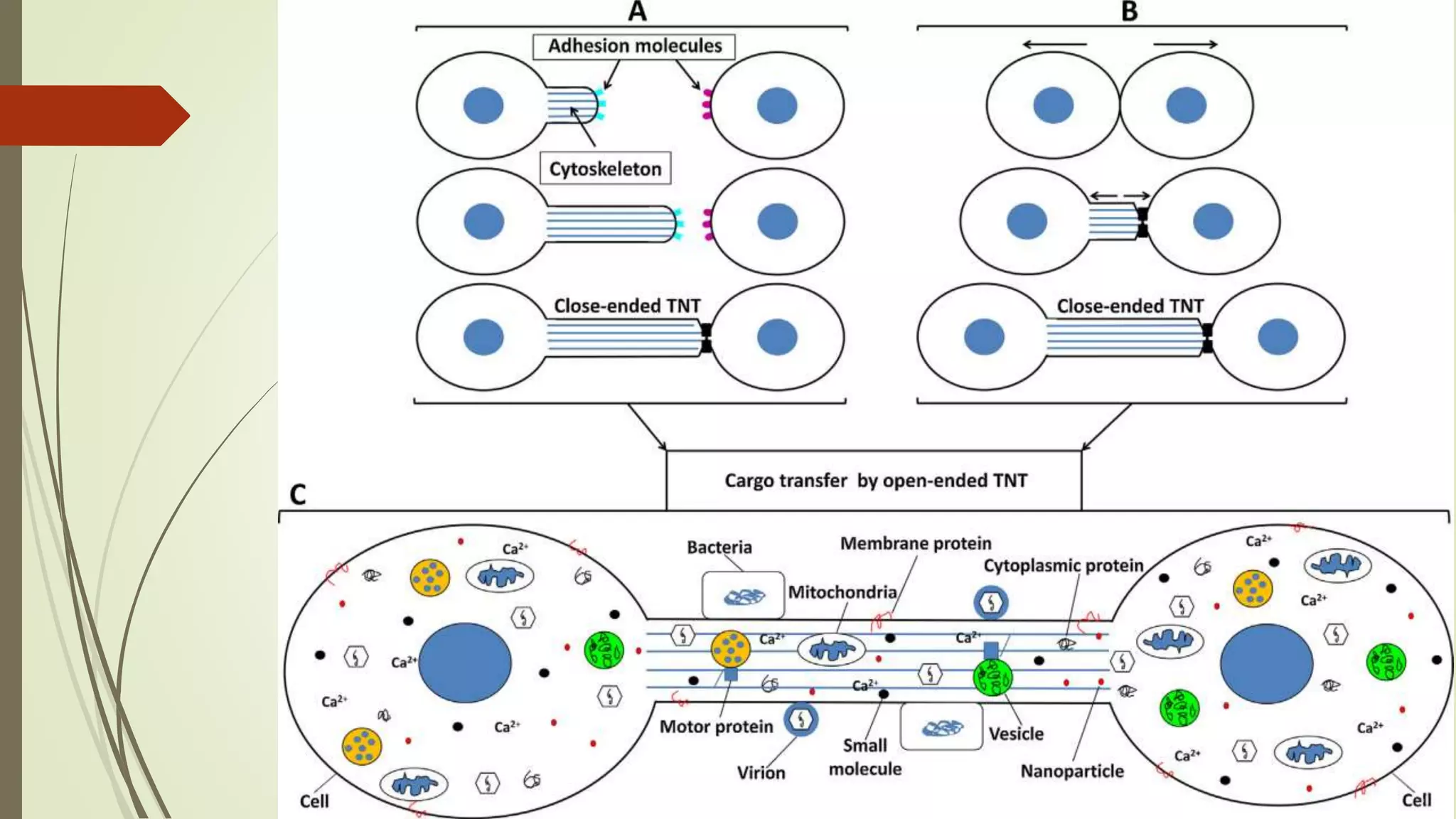
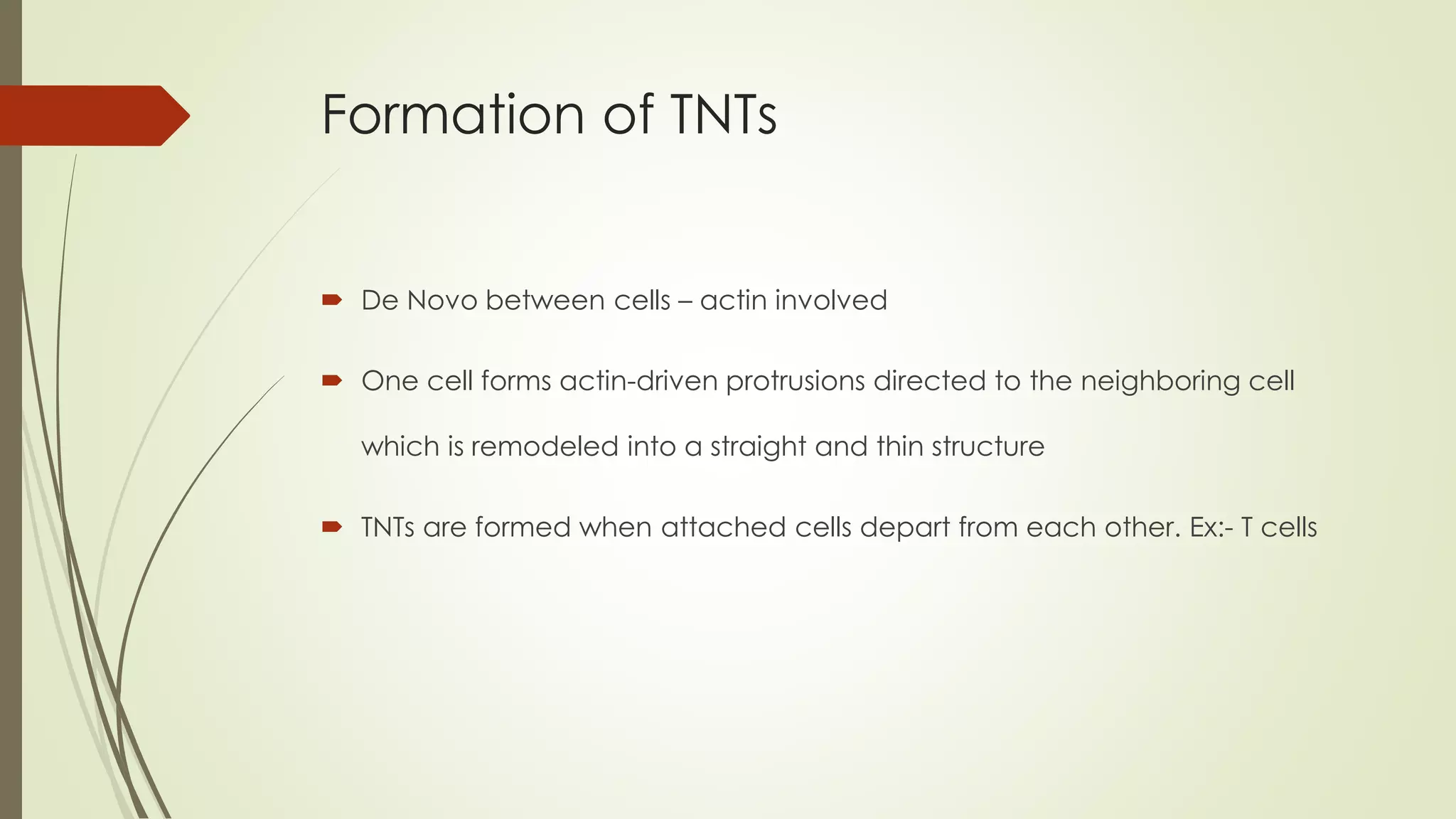
Formation of TNTs
 De Novo between cells – actin involved
 One cell forms actin-driven protrusions directed to the neighboring cell
which is remodeled into a straight and thin structure
 TNTs are formed when attached cells depart from each other. Ex:- T cells
Implication in Disease
 TNTs may be involved in the spread of pathogenic viruses and prions
 Nanotubes provide a hitherto unknown route for HIV-1 transmission
between T cells in a receptor-mediated manner.
 HIV-1-infected human T cells were recently found to be interconnected by
TNTs
 HIV-1 negative factor (Nef) protein is thought to be responsible for its
induction
 The Nef protein can block the generation of effective neutralizing
antibodies against HIV-1 by antibody-producing plasma cell progeny of B
cells in AIDS patients
Contd….
 HIV is able to utilize the communication system of TNTs to spread
intercellularly
 Creutzfeldt–Jacob disease, the pathogenic prions PrPSc enter the body
with contaminated food and can spread from the intestinal entry site to the
central nervous system by intercellular transfer from the lymphoid system to
the peripheral nervous system.
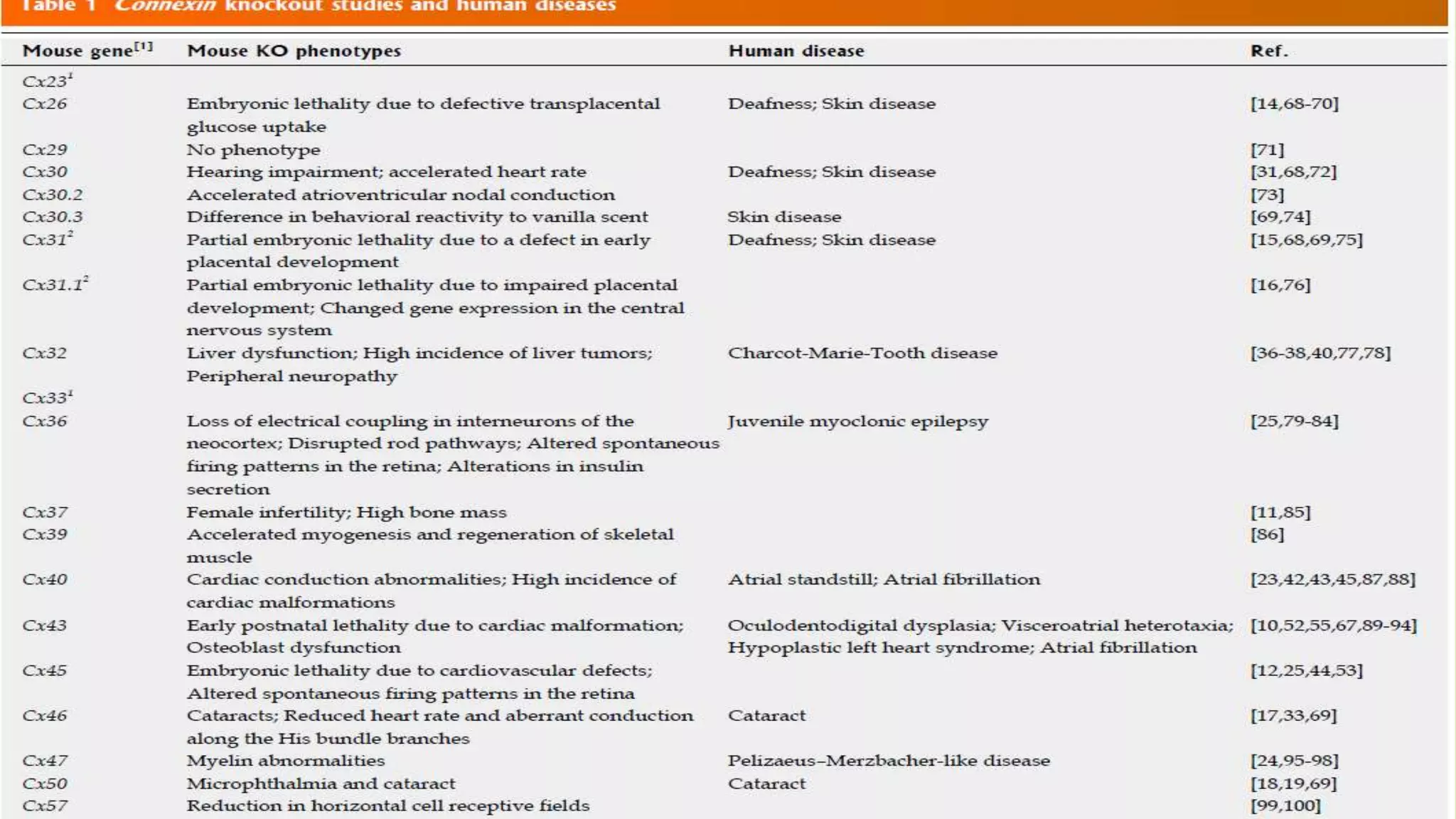
Cx mutant associated
 Cx gene knockout (KO) strategies in mice were first applied to Cx43 by
Reaume et al[10] in 1995.
 Mutant mice embryos lacking Cx43 die at birth as a result of a failure in
pulmonary gas exchange caused by a swelling and blockage of the right
ventricular outflow tract from the heart, indicating that Cx43 plays an
essential role in heart development
References
 Cell-to-cell communication in plants, animals, and fungi : a comparative
review Sandra Bloemendal & Ulrich Kück
 Tunneling nanotubes : Emerging view of their molecular components and
formation mechanisms Shunsuke Kimura, KojiHasec, Hiroshi Ohno
 Connexin mutant embryonic stem cells and human diseases Kiyomasa
Nishii, Yosaburo Shibata, Yasushi Kobayashi
 Emerging physiological and pathological implications of tunneling
nanotubes formation between cells Sajjad Sisakhtnezhad∗, Leila Khosravi
 Signalling and Reception Leena Lindstro ¨m,University of Jyva¨skyla¨,
Jyva¨skyla¨, Finland Janne S Kotiaho,University of Jyva¨skyla¨, Jyva¨skyla¨,
Finland
 Molecular Bioloy of The Cell- Bruce Alberts – 5th Edition
 Genes Benjamin - by Lewin Prentice, Hall
Cellular communication in multicellular organisms

Cellular communication in multicellular organisms

  • 1.
    Cellular Communication in MulticellularOrganisms In Plants and Animals
  • 2.
  • 3.
    Main aspects involved Signal – in general acoustic or vibrational signals  olfactory or chemical signals visual signals  Signaller  Signal receiver  Honesty of Signals  Deceptive signals
  • 4.
    How does acell communicate? It uses a Cellphone HA HAA HA
  • 5.
    How does acell communicate  Cells communicate by generating, transmitting and receiving chemical signals.  Cell communication processes share common features that reflect a shared evolutionary history  In single-celled organisms, signal transduction pathways influence how the cell responds to its environment.  In multicellular organisms, signal transduction pathways coordinate the activities within individual cells that support the function of the organism as a whole.
  • 7.
  • 8.
    Why do Unicellullarorganisms need to communicate? Why do cells in multicellular organisms need to communicate?
  • 9.
    Why cells needto communicate? Here are a few reasons:  Coordinate activities in multicellular organisms  Hormone actions  Cell recognition  To find mates (yeast cells)  Turn pathways on/off  apoptosis
  • 10.
    Cell – CellCommunication It’s a prerequisite for differentiation and development in multicellular organisms. Allows cells to respond to both their internal and external environments It has to be tightly regulated to ensure precision.
  • 11.
    The basic chemicalprocesses by which cells communicate are shared across evolutionary lines of descent Bacteria Multicellular organisms
  • 12.
    Outside the body Ex. Pheromones Ex. Quorum sensing Insidethe body Short Distance Long Distance
  • 13.
    Modes of cellsignaling 1. Direct cell-cell 2. Indirect: Secreted molecules. A. Endocrine signaling.. B. Paracrine signaling. C. Autocrine signaling.
  • 14.
    Types of Chemical Signaling Chemical signaling between cells is one of the most important ways that activities of tissues and organs are coordinated.  The nervous system is the other major coordinating system in animals, but even here chemical signaling is used between adjacent neurons
  • 15.
    History  In 1879– Eduard Tangl – first to unravel how plant cells communicate  Referred those as ‘ cytoplasmic bridges ’  In 1901- Eduard Strasburger named these cytoplasmic bridges “plasmodesmata”  Descriptions of symplasmic connections b/w animal cells – published 40 years ago - gap junctions  During last decade – so called tunneling nanotubes (TNT) – identified in variety of cell types.
  • 16.
    Signalling in plants Plant cells surrounded by a cell wall together with the turgor pressure provides a structural stability  Two different signaling pathways evolved in plants  One pathway includes the fusion of small molecules – peptides and phytohormones through the matrix of CW and PM receptors  Second involves a mechanism, whereby, during cytokinesis dividing cells remain connected through the formation of plasmodesmata.
  • 17.
    Structure of Plasmodesmata These were thought to be nonselective pores that passively allow diffusion of macromolecules between neighboring cells.  There are several different plasmodesmal morphotypes:-  It shares diameter of about 20-50 nm and are lined by continuous PM  Desmotubule(DT) – central axial structure having a diameter of about 15 nm  It has been suggested to be involved in the regulation of permeability providing stability to whole structure  The major path for symplasmic transport through plasmodesmata is the cytoplasmic sleeve between the PM and DT
  • 18.
  • 19.
     Molecules withinthe cytoplasmic sleeve reduce the space in plasmodesmata and thereby limit symplasmic transport of small micro channels – 2.5-4 nm  Adiitional proteins or callose deposition can block the cell wall. Example:- β- 1,3-glucanase in A.thaliana  These structural features determine the size of molecules that can diffuse through plasmodesmata and is referred as Size exclusion limit.  Primary and Secondary plasmodesmata
  • 20.
    Ex. Plant cells communicate directlythrough openings called plasmodesmata .
  • 21.
    SIGNALLING IN ANIMALS In animals, gap junctions were identified several decades ago as symplasmic connections between cells.  In 2004, identified other cellular bridges, the so-called TNTs.  Two novel forms of TNT channels- epithelial bridges I and II  Epithelial bridges represent the longest direct tubular connections between cells – up to 1mm
  • 22.
    Structure of GapJunctions  Narrow channels with a pore size of 2 to 3 nm  Protein building blocks of gap junctions in vertebrates are connexins which are transmembrane proteins  Connexins are assembled in the cytoplasm and transported to the plasma membrane.  Proteomic approaches have revealed a large number of connexin-binding proteins that are collectively referred to as the “gap junction proteome”  Posttranslational modifiers like kinases, phosphatases, and ubiquitin have been reported to bind to and/or modify connexins
  • 23.
    Contd…..  Connexins, theprotein building blocks of gap junctions in vertebrates, have extremely short half-lives of about only 2 h  20 isoforms of connexins are known, of which the most prominent is connexin 43 (Cx43).  Cx43 is the major gap junction protein in the heart, mutations in the corresponding gene might be responsible for complex heart malformations.
  • 24.
    History  In 2004,for the first time, Hans-Hermann Gerdes as a researcher at EMBL Germany reported a novel cell-to-cell communication channels that called tunneling nanotubes  Discovered these structures in rat pheochromocytoma PC12 cells and rat kidney NRK cells  TNTs also called as intercellular nanotubes (ICNs)
  • 26.
    Tunneling nanotubes  TNTsare thin protrusions of the plasma membrane  A diameter of 50 to 200 nm  Gap junctions and TNTs enable the exchange of cytoplasmic factors through direct contact between the cytoplasm itself of connected cells  Together with gap junctions, they might facilitate the electrical synchronization of distant cells.
  • 28.
    Formation of TNTs De Novo between cells – actin involved  One cell forms actin-driven protrusions directed to the neighboring cell which is remodeled into a straight and thin structure  TNTs are formed when attached cells depart from each other. Ex:- T cells
  • 29.
    Implication in Disease TNTs may be involved in the spread of pathogenic viruses and prions  Nanotubes provide a hitherto unknown route for HIV-1 transmission between T cells in a receptor-mediated manner.  HIV-1-infected human T cells were recently found to be interconnected by TNTs  HIV-1 negative factor (Nef) protein is thought to be responsible for its induction  The Nef protein can block the generation of effective neutralizing antibodies against HIV-1 by antibody-producing plasma cell progeny of B cells in AIDS patients
  • 30.
    Contd….  HIV isable to utilize the communication system of TNTs to spread intercellularly  Creutzfeldt–Jacob disease, the pathogenic prions PrPSc enter the body with contaminated food and can spread from the intestinal entry site to the central nervous system by intercellular transfer from the lymphoid system to the peripheral nervous system.
  • 31.
    Cx mutant associated Cx gene knockout (KO) strategies in mice were first applied to Cx43 by Reaume et al[10] in 1995.  Mutant mice embryos lacking Cx43 die at birth as a result of a failure in pulmonary gas exchange caused by a swelling and blockage of the right ventricular outflow tract from the heart, indicating that Cx43 plays an essential role in heart development
  • 33.
    References  Cell-to-cell communicationin plants, animals, and fungi : a comparative review Sandra Bloemendal & Ulrich Kück  Tunneling nanotubes : Emerging view of their molecular components and formation mechanisms Shunsuke Kimura, KojiHasec, Hiroshi Ohno  Connexin mutant embryonic stem cells and human diseases Kiyomasa Nishii, Yosaburo Shibata, Yasushi Kobayashi  Emerging physiological and pathological implications of tunneling nanotubes formation between cells Sajjad Sisakhtnezhad∗, Leila Khosravi  Signalling and Reception Leena Lindstro ¨m,University of Jyva¨skyla¨, Jyva¨skyla¨, Finland Janne S Kotiaho,University of Jyva¨skyla¨, Jyva¨skyla¨, Finland  Molecular Bioloy of The Cell- Bruce Alberts – 5th Edition  Genes Benjamin - by Lewin Prentice, Hall

Editor's Notes

  • #3 Communication is a widespread phenomenon in the natural world, occurring not only in animals, but also in plants. Signals are traits that have evolved specifically to transfer information from one individual (the signaller) to another(the signal receiver).They can occur in any sensory modality, and some signals are even sent in several sensory channels simultaneously.
  • #4  Living organisms import information about their environment to find food or avoid danger Living organisms import information about their environment to find food or avoid danger for example if there is no conflict of interest between the signaller and the receiver and the communication is cooperative, the signal may convey reliable information even if signalling is cost-free.
  • #6 A signal transduction pathway is a series of steps by which a signal on a cell’s surface is converted into a specific cellular response Signal transduction pathways convert signals on a cell’s surface into cellular responses
  • #11 This communication has to be tightly regulated to ensure that cellular components such as organelles, macromolecules, hormones, or viruses leave the cell in a precisely organized way. During evolution, plants, animals, and fungi have developed similar ways of responding to this biological challenge.
  • #16 Mechanisms of animal cells communication are much more complex than in plants. Gap juctions thought to be the only analogs to to plant plasmodata, and these was based more on function rather than structural similarity.
  • #17 However, inherent with this stability is that a physical barrier is formed that limits cell- cell signaling – an architectural feature
  • #18  With accumulating knowledge of the plasmodesmal structure, this static concept became obsolete. In fact, the structure of plasmodesmata from higher plants is very complex, suggesting a sophisticated trafficking system allowing the transport of molecules like nutrients, hormones, regulatory proteins, and RNA from one cell to another. Recent data indicate that small molecules up to 10 k da are able to move cell to cell through dt lumen. Cytoplasmic sleeve- filed with actin and another cytoskeletal proteins like microtubules, which may be involved in a regular transport of molecules from cell to cell. Beta- glucanse is involved in the plasmodesmal degradation and functions in the gating of plasmodesmata.
  • #20 unbranched primary plasmodesmata are formed during cytokinesis through positioning of the ER between fusing vesicles of the developing cell plate and subsequent transformation of the ER into a desmotubule. Secondary plasmodesmata usually occur as clusters in pectin-rich regions of the wall, termed pit-fields The proteins that are able to traffic between plant cells are named non-cell-autonomous proteins (NCAPs) and can be divided into three groups: regulatory, phloem, and viral KNOTTED1 (KN1), a homeobox protein from Zea mays involved in leaf development
  • #22 Recently, two novel forms of TNT channels, which connect primary human bronchial epithelial cells, were discovered and named epithelial bridges type Iand II (Zani and Edelman 2010; Zani et al. 2010). Epithelial bridges represent the longest direct tubular connections between cells with a length up to 1 mm and are structurally distinct from other cellular connections. The type I epithelial bridges mediate transport of cellular components between cells similar to other intercellular connections, whereas the type II epithelial bridges are functionally different from all known connections and mediate migration of epithelial cells from one epithelial cell mass to another (Zani et al. 2010). These novel observations indicate that in animal cells, special cell types require specialized intercellular communication systems. Here, we will restrict ourselves to the two general structures: gap junctions and TNTs.
  • #23 transmembrane proteins harboring two extracellular loops and three cytoplasmic domains including an intracellular loop and the amino and carboxyl termini As several connexins contain caveolin binding motifs, caveolins appear to facilitate connexin assembly, possibly involving lipid raft domains (Laird 2010). Six connexins form a hemichannel, also named connexon. Each gap junction is composed of two hemichannels that cross the plasma membrane of adjacent cells and join through hydrophobic interactions in the extracellular space between the cells (reviewed in Goodenough and Paul 2003). Hemichannels can also exist in an unopposed form to generate communication channels between the cytosol and the extracellular milieu that mediate the release of small molecules such as ATP thereby regulating channel gating events and processes involved in the turnover of connexins. In addition, cytoskeletal proteins like spectrin and cortactin link connexins to actin microfilaments (Squecco et al. 2006; Ursitti et al. 2007), and several proteins like trafficking regulators and growth regulators have been described to interact with connexins
  • #24 thus providing a highly dynamic regulatory mechanism for cell-to-cell communication in response to environmental and physiological changes. led Britz-Cunningham et al. (1995) to think that mutations in the corresponding gene might be responsible for complex heart malformations
  • #25 So far, the longest and thickness TNTs were reported for ARPE-19 and human lung carcinoma A549, respectively similar structures in various types of cells, including T24 urothelial cells, Jurkat T cells, THP-1 human monocytes and human primary natural killer (NK) cells
  • #27 gap junctions form close intercellular connections, TNTs mediate long-range intercellular communication and can develop a length of up to 100 μm. Gap junctions allow the trafficking of small molecules up to 1 kDa (Contreras et al. 2004), whereas TNTs facilitate the exchange of not only small molecules but also organelles like mitochondria and vesicles of endocytic origin Calcium flux is the best-characterized signal transmitted between remote cells via TNTs.
  • #29 that actin is involved in this formation since after treatment with latrunculin-B, a substance that depolymerizes F-actin, no TNTs were detectable. During the first formation process, one cell forms actin-driven protrusions directed to the neighboring cell. After contact has been made and the first protrusion fuses with the membrane of the targeted cell, other protrusions degenerate and the connection is remodeled into a straight and thin structure
  • #30 The Nef protein is myristoylated at its N-terminus and is recruited to the plasma membrane. This anchoring of Nef to the plasma membrane and probably subsequent actin remodeling by Nef are essential to stimulate formation of TNT-like conduit in macrophages. In addition, these investigators showed that the invasion of Nef into B cells is dependent on clathrin-dependent endocytosis and actin remodeling in Nef-donor macrophages. It is not yet known whether junctions exist in TNTs formed between macrophages and B cells and, if so, how endocytic vesicles containing Nef proteins are transferred from macrophages to B cells
  • #31 Using this pathway, HIV may infect cells more efficiently without entering the extracellular compartment, thereby also reducing exposure to natural anti-viral activities and drugs.
  • #32 First connexin linked to a human disease (Britz-Cunningham et al. 1995; Reaume et al. 1995). Interestingly, Reaume et al. (1995) showed that mutant mice embryos lacking Cx43 die at birth as a result of a failure in pulmonary gas exchange caused by a swelling and blockage of the right ventricular outflow tract from the heart, indicating that Cx43 plays an essential role in heart development