Calcium Metabolism
By
Dr kabiru Salisu
Outline
• Introduction
• Functions of calcium
• Sources of calcium
• Daily requirement
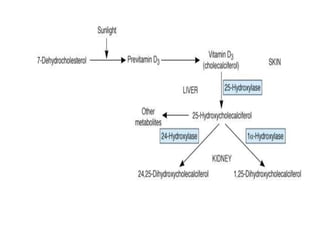
• Absorption
• Fate of calcium in plasma
• Role of parathyroid hormone
• Role of calcitonin
• Investigation
• Hypocalcaemia
• Hypercalcaemia
• conclusion
Introduction
• Calcium metabolism is the process by which
body maintain normal and adequate calcium.
• Ca2+ is the most abundant cation in the body
(1–1.5 kg),
• 99% being present in bones and teeth
• The exchangeable pool; 1–2%
• Calcium regulation can be explain using a rule
of 3.
Three tissues; (bone, intestine, kidney)
Three hormones; (PTH, calcitonin and activated
vitamin D3)
Three cell types; (osteoblasts, osteocytes and
osteoclasts).
Functions of calcium
• Bone growth and remodeling
• Tooth formation
• Synaptic transmission
• Coenzyme function
• Nerve and neuromuscular transmission
• Second or third messenger in intracellular
signal transduction pathways
Sources of calcium
• The best natural sources include; milk and
milk product, egg, fish and bone
• Cheapest sources include; green leafy
vegetable, cereal and millet
• Other sources; beans, soya-beans, and
potato's
• Drinking water may provide up to 200mg / day
of calcium
Daily Requirement
• Daily intake of 400-500mg of ca2+ has been
suggested in adult.
• Physiological requirement are higher in
children, pregnant and lactating mothers
Absorption of calcium
From 30% to 80% of ingested calcium is
absorbed. Calcium absorption in the small
intestine occurs by both active transport and
by diffusion.
- Active transport predominates in the
duodenum and jejunum, and
- Diffusion in the ileum
Ca2+ absorption is adjusted to body needs.
• Factors decreasing ca2+ absorption include;
- long-chain saturated fatty acids, i.e. palmitic
acid ( forms insoluble calcium soap)
- pytic acid
- Oxalic acid
-Caffeine
-Corticosteroid
-Fat malabsorption
-Liver disease
-high phosphate diet
Fate of calcium in the plasma
• The plasma calcium is kept 2.30 and 2.60
mmol/l.
- Free or ionised (45%)
- Protein bound (45%)
- Complexes with anions – phosphate, sulphate,
citrate, lactate (10%);
Role of parathyroid hormone
• PTH is an 84 aa polypeptide.
• secretion - chief cells
• The serum level 10–60 pg/ml
• half-life is 2–4mn
• Serum level control via –ve feed
Action
PTH maintains the plasma ionized calcium level
via;
I- Osteolysis by increasing the numbers and
activity of osteoclasts as well as transport.
II-It increases proximal renal tubular
reabsorption of calcium
III- increase activity of 1α hydroxylase
Calcitonin
• 32 aa polypeptide
• Secretion:- parafollicular or C cells of the
thyroid gland
Action
• It diminishes osteolytic activity
• Inhibition of jejunal absorption of calcium
• Inhibition of tubular reabsorption and
promotion of urinary excretion calcium
• Inhibition 1 α -hydroxylase activity
Investigation
• Sample taking, patient should fast for at least
8hr to prevent heamo-concentration of
calcium
• No use of tourniquet ca2+/albumin are
requested
Calcium correction
• Corrected ca2+ (mmol/l)= (Ca) + 0.02 (40 -
albumin)
• Corrected calcium (mg/dL) = Ca (mg/dL) + 0.8
(4.0 - serum albumin [g/dL]),
hypocalcemia
• A corrected serum calcium concentration
<2.2 mmol/L or an ionized calcium
concentration <1.2 mmol/L
causes
• Vitamin D deficiency or target organ resistance;
• Dietary deficiency or malabsorption;
• liver disease
• Renal failure
• Anticonvulsants
• PTH deficiency or target organ resistance;
• Hyperphosphataemia
• Loss of calcium from the circulation: excessive
chelation.
Features of hypocalcaemia
- Mild hypocalcemia;
may be asymptomatic or accompanied by
nonspecific central nervous system (CNS) signs
- Chronic hypocalcaemia;
may present with mild diffuse brain disease
mimicking depression, dementia, or psychosis.
cataracts and calcification of the basal ganglia
Severe hypocalcaemia < 0.75 mmol/L ;
Tetany develops, esp. when an associated
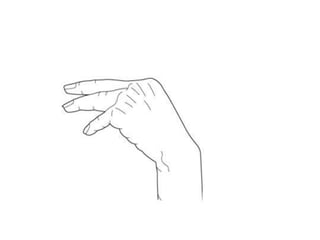
alkalosis. Tetany is characterized by
paresthesias (particularly around the mouth,
lips, and tongue) and muscle spasms,
particularly of the hands, feet, and face
• Severe hypocalcemia can also occasionally
cause cardiac arrhythmias and heart block. An
ECG typically shows a prolonged QT interval..
• Latent neuromuscular instability can be
elicited by;
- Chvostek's sign
- Trousseau's sign
Treatment
• -vitamin D3 0.5-2µg/ day and -Elemental
calcium 1-2g/ day individed doses
• -Diuretics
• IV 10% calcium Gluconate
hypercalcaemia
• A corrected serum calcium concentration > 2.6
mmol/L. Ionized calcium concentration > 1.3
mm ol/L). Hypercalcemia is common and
dangerous in the elderly.
causes
• Parathyroid hormone related:
primary or secondary hyperparathyroidism
• ectopic PTH secretion.
• Vitamin D related:
vitamin D toxicity;
granulomatous dx Excess vit. D3 production.
• Malignancy: increased osteoclastic activity due to bone
destruction by primary or metastatic tumour.
• Drugs;- thiazide diuretics; lithium; vitamin A and analogues.
• Endocrine disorders: thyrotoxicosis; adrenocortical
insufficiency.
features
• Mild hypercalcemia
- usually asymptomatic
- Affected patients may have hypertension,
muscular weakness and irritability, mild GI
disturbances, renal colic, bone cysts, impaired
renal function (polyuria), and decreased bone
mass.
• Hypercalciuria and nephrolithiasis may occur .
• Bone lesion;
subperiosteal bone resorption of the hands
and a salt-and-pepper-like appearance of the
skull can be observed radiologically. Patients
with primary hyperparathyroidism usually lose
cortical bone mass in the appendicular
skeleton
• Severe hypercalcaemia
Severe dehydration;- vomiting, anorexia,
polyurea.
When the serum calcium is > 3 mmol/L mental
confusion can occur.
concentration may increase with dehydration,
resulting in coma and death.
treatment
• Depend on;
- Cause
- Rapidity of calcium raise
- Serum calcium level
- Rehydration
- Diuretics
- Calcitonin
- Prednisalone
- NSAID
- heamodialysis
Other disease associated with defect in calcium
and it metabolism include;
Rickets & Osteomalacia
osteoporosis
Renal osteodystrophy
Conclusion
• Calcium being most abundant cation in the
body is essential for life because of it role in
skeletal system and several metabolic activity
• Thank
you
for
listening
They Need Enough Calcium

Calcium metabolism

  • 1.
  • 2.
    Outline • Introduction • Functionsof calcium • Sources of calcium • Daily requirement • Absorption • Fate of calcium in plasma • Role of parathyroid hormone • Role of calcitonin • Investigation • Hypocalcaemia • Hypercalcaemia • conclusion
  • 3.
    Introduction • Calcium metabolismis the process by which body maintain normal and adequate calcium. • Ca2+ is the most abundant cation in the body (1–1.5 kg), • 99% being present in bones and teeth • The exchangeable pool; 1–2%
  • 4.
    • Calcium regulationcan be explain using a rule of 3. Three tissues; (bone, intestine, kidney) Three hormones; (PTH, calcitonin and activated vitamin D3) Three cell types; (osteoblasts, osteocytes and osteoclasts).
  • 5.
    Functions of calcium •Bone growth and remodeling • Tooth formation • Synaptic transmission • Coenzyme function • Nerve and neuromuscular transmission • Second or third messenger in intracellular signal transduction pathways
  • 6.
    Sources of calcium •The best natural sources include; milk and milk product, egg, fish and bone • Cheapest sources include; green leafy vegetable, cereal and millet • Other sources; beans, soya-beans, and potato's • Drinking water may provide up to 200mg / day of calcium
  • 7.
    Daily Requirement • Dailyintake of 400-500mg of ca2+ has been suggested in adult. • Physiological requirement are higher in children, pregnant and lactating mothers
  • 8.
    Absorption of calcium From30% to 80% of ingested calcium is absorbed. Calcium absorption in the small intestine occurs by both active transport and by diffusion. - Active transport predominates in the duodenum and jejunum, and - Diffusion in the ileum Ca2+ absorption is adjusted to body needs.
  • 10.
    • Factors decreasingca2+ absorption include; - long-chain saturated fatty acids, i.e. palmitic acid ( forms insoluble calcium soap) - pytic acid - Oxalic acid -Caffeine -Corticosteroid
  • 11.
  • 12.
    Fate of calciumin the plasma • The plasma calcium is kept 2.30 and 2.60 mmol/l. - Free or ionised (45%) - Protein bound (45%) - Complexes with anions – phosphate, sulphate, citrate, lactate (10%);
  • 13.
    Role of parathyroidhormone • PTH is an 84 aa polypeptide. • secretion - chief cells • The serum level 10–60 pg/ml • half-life is 2–4mn • Serum level control via –ve feed
  • 14.
    Action PTH maintains theplasma ionized calcium level via; I- Osteolysis by increasing the numbers and activity of osteoclasts as well as transport. II-It increases proximal renal tubular reabsorption of calcium III- increase activity of 1α hydroxylase
  • 15.
    Calcitonin • 32 aapolypeptide • Secretion:- parafollicular or C cells of the thyroid gland
  • 16.
    Action • It diminishesosteolytic activity • Inhibition of jejunal absorption of calcium • Inhibition of tubular reabsorption and promotion of urinary excretion calcium • Inhibition 1 α -hydroxylase activity
  • 17.
    Investigation • Sample taking,patient should fast for at least 8hr to prevent heamo-concentration of calcium • No use of tourniquet ca2+/albumin are requested
  • 18.
    Calcium correction • Correctedca2+ (mmol/l)= (Ca) + 0.02 (40 - albumin) • Corrected calcium (mg/dL) = Ca (mg/dL) + 0.8 (4.0 - serum albumin [g/dL]),
  • 19.
    hypocalcemia • A correctedserum calcium concentration <2.2 mmol/L or an ionized calcium concentration <1.2 mmol/L
  • 20.
    causes • Vitamin Ddeficiency or target organ resistance; • Dietary deficiency or malabsorption; • liver disease • Renal failure • Anticonvulsants • PTH deficiency or target organ resistance; • Hyperphosphataemia • Loss of calcium from the circulation: excessive chelation.
  • 21.
    Features of hypocalcaemia -Mild hypocalcemia; may be asymptomatic or accompanied by nonspecific central nervous system (CNS) signs - Chronic hypocalcaemia; may present with mild diffuse brain disease mimicking depression, dementia, or psychosis. cataracts and calcification of the basal ganglia
  • 22.
    Severe hypocalcaemia <0.75 mmol/L ; Tetany develops, esp. when an associated alkalosis. Tetany is characterized by paresthesias (particularly around the mouth, lips, and tongue) and muscle spasms, particularly of the hands, feet, and face
  • 23.
    • Severe hypocalcemiacan also occasionally cause cardiac arrhythmias and heart block. An ECG typically shows a prolonged QT interval.. • Latent neuromuscular instability can be elicited by; - Chvostek's sign - Trousseau's sign
  • 25.
    Treatment • -vitamin D30.5-2µg/ day and -Elemental calcium 1-2g/ day individed doses • -Diuretics • IV 10% calcium Gluconate
  • 26.
    hypercalcaemia • A correctedserum calcium concentration > 2.6 mmol/L. Ionized calcium concentration > 1.3 mm ol/L). Hypercalcemia is common and dangerous in the elderly.
  • 27.
    causes • Parathyroid hormonerelated: primary or secondary hyperparathyroidism • ectopic PTH secretion. • Vitamin D related: vitamin D toxicity; granulomatous dx Excess vit. D3 production. • Malignancy: increased osteoclastic activity due to bone destruction by primary or metastatic tumour. • Drugs;- thiazide diuretics; lithium; vitamin A and analogues. • Endocrine disorders: thyrotoxicosis; adrenocortical insufficiency.
  • 28.
    features • Mild hypercalcemia -usually asymptomatic - Affected patients may have hypertension, muscular weakness and irritability, mild GI disturbances, renal colic, bone cysts, impaired renal function (polyuria), and decreased bone mass.
  • 29.
    • Hypercalciuria andnephrolithiasis may occur . • Bone lesion; subperiosteal bone resorption of the hands and a salt-and-pepper-like appearance of the skull can be observed radiologically. Patients with primary hyperparathyroidism usually lose cortical bone mass in the appendicular skeleton
  • 30.
    • Severe hypercalcaemia Severedehydration;- vomiting, anorexia, polyurea. When the serum calcium is > 3 mmol/L mental confusion can occur. concentration may increase with dehydration, resulting in coma and death.
  • 31.
    treatment • Depend on; -Cause - Rapidity of calcium raise - Serum calcium level
  • 32.
    - Rehydration - Diuretics -Calcitonin - Prednisalone - NSAID - heamodialysis
  • 33.
    Other disease associatedwith defect in calcium and it metabolism include; Rickets & Osteomalacia osteoporosis Renal osteodystrophy
  • 34.
    Conclusion • Calcium beingmost abundant cation in the body is essential for life because of it role in skeletal system and several metabolic activity
  • 35.
  • 36.