ADRENAL GLANDS AND
HORMONES
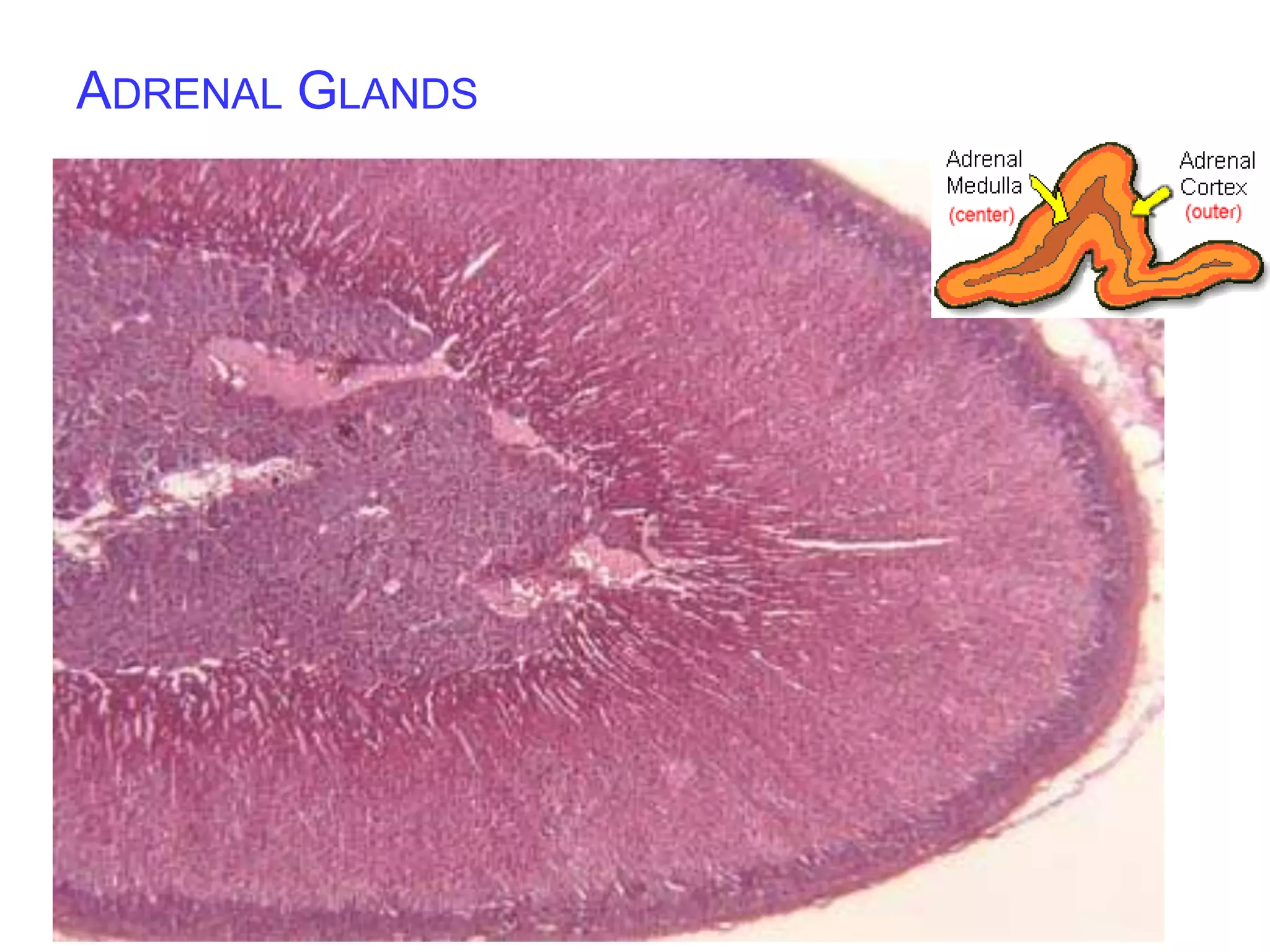
Adrenal glands
The adrenals are orange-colored glands that sit on top of the
kidneys near the spine, just underneath the last rib and extending
down about an inch. The right adrenal is shaped something like a
pyramid, whereas the left is shaped more like a half moon.
Adrenal glands – paired, pyramid-
shaped organs atop the kidneys
Weigh 6-10 g.
Structurally and functionally, they
are two glands in one
Adrenal cortex (80-90%)–
glandular tissue derived from
embryonic mesoderm
Adrenal medulla (10-20%)–
Adrenal medulla (inner part) that
constitutes 20% of the gland and a
cortex (outer part) that constitutes the
remaining 80%. The cortex consists
of three zones. The medulla and each
of the zones in the cortex each
produce different hormones that serve
a variety of functions in our body.
ADRENAL GLANDS
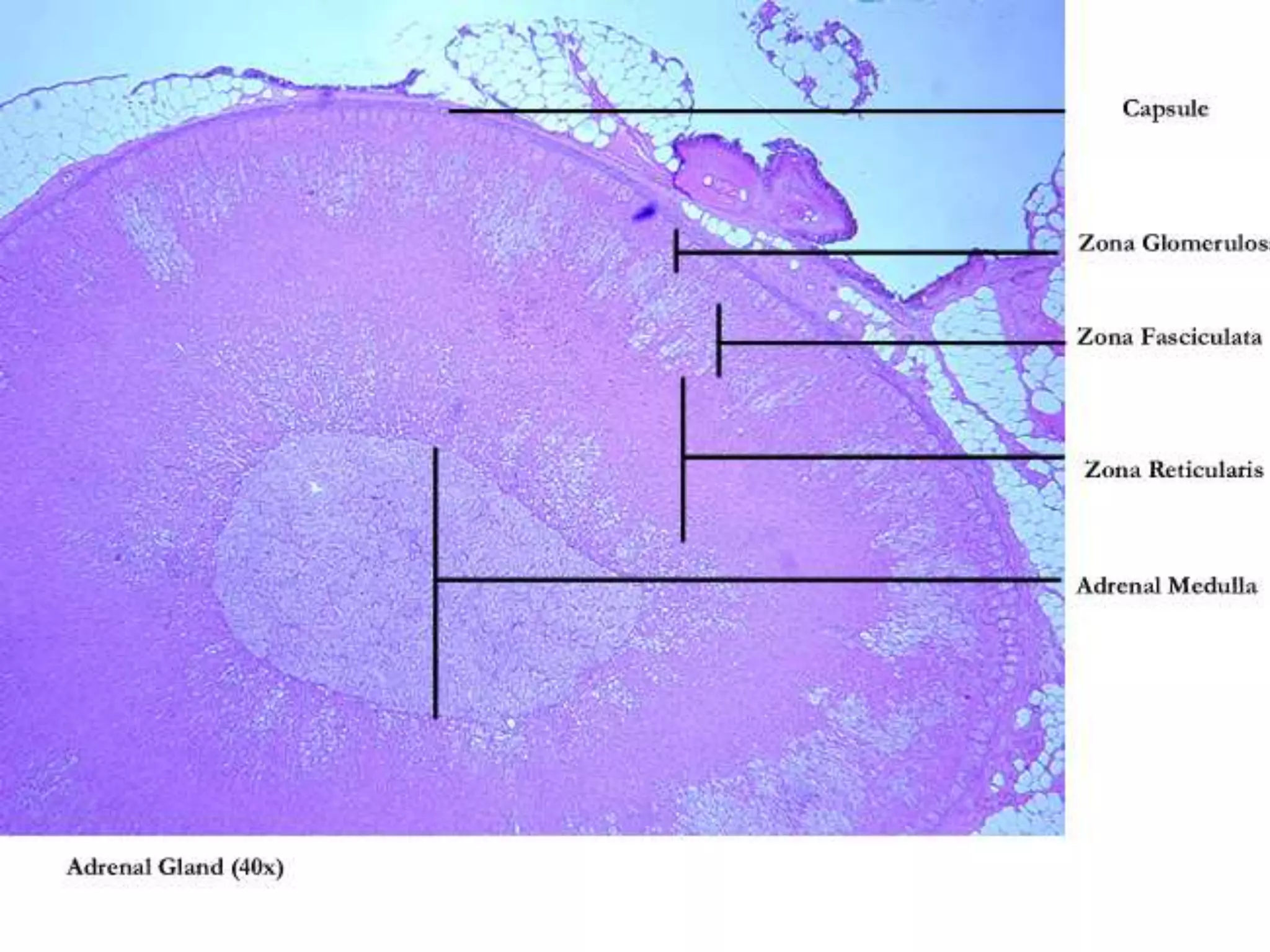
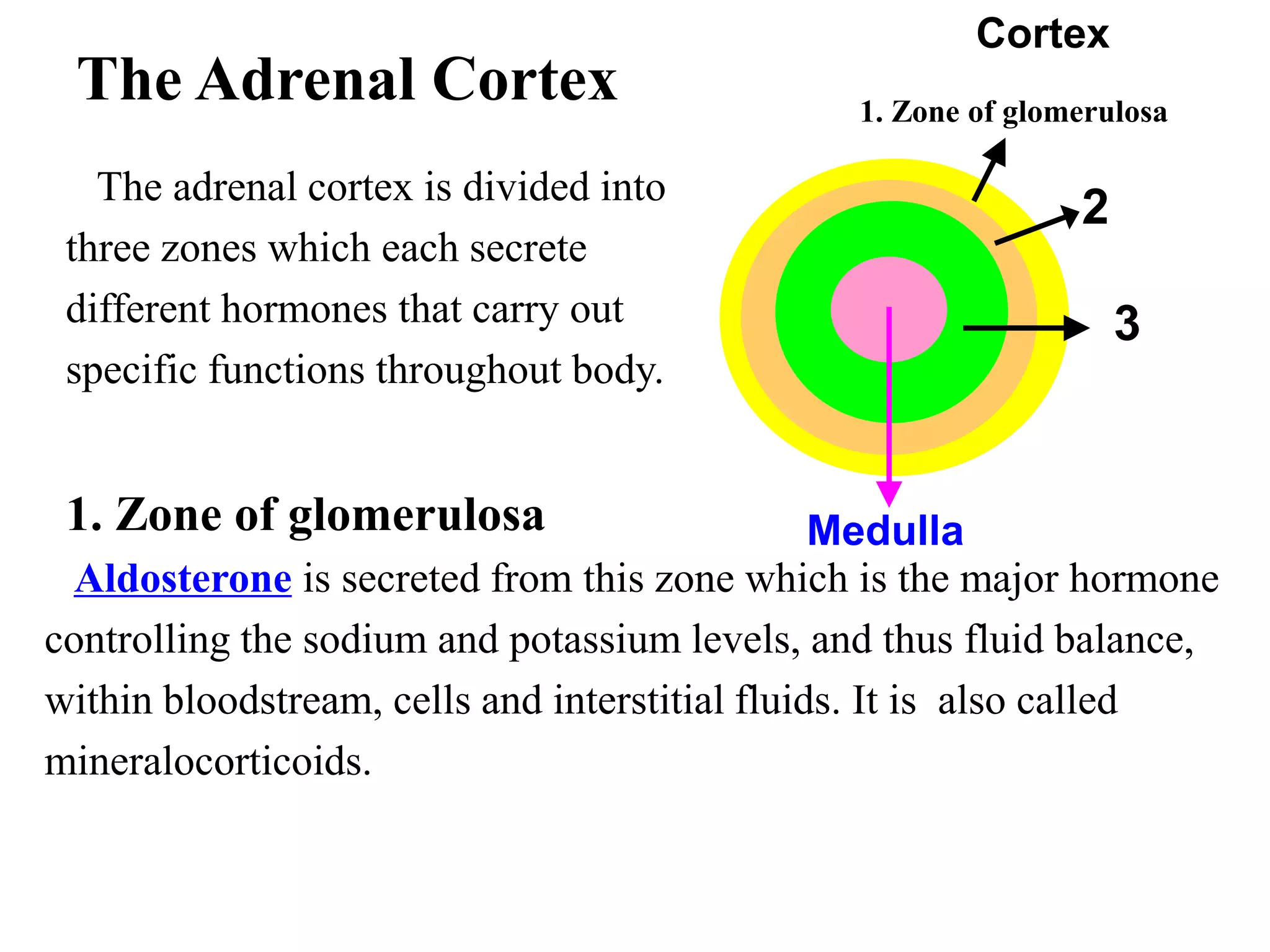
The Adrenal Cortex
The adrenal cortex is divided into
three zones which each secrete
different hormones that carry out
specific functions throughout body.
1. Zone of glomerulosa
Aldosterone is secreted from this zone which is the major hormone
controlling the sodium and potassium levels, and thus fluid balance,
within bloodstream, cells and interstitial fluids. It is also called
mineralocorticoids.
3
2
Medulla
Cortex
1. Zone of glomerulosa
The Adrenal Cortex
2. Zone of fasciculata
Coritsol (hydrocortisone) is produced,
affects glucose, amino acid and fat
metabolism, which is called glucocorticoids.
Cells of this zone are arranged into fascicles
separated by venous sinuses.
3. Zone of reticularis
Dehydroepiandrosterone (DHEA)-precursor for androgen is
synthesized. This zona manufactures an ancillary portion of sex
hormones for each sex and also produces male hormones in women
and female hormones in men to keep the effects of the dominant sex
hormones in balance .
3
2
Medulla
Cortex
1. Zone of glomerulosa
ADRENALS
Zona Reticularis
Sex steroids (androgens)
Zona Fasciculata
Glucocorticoids (Cortisol)
Glucose homeostasis and many
others
Zona Glomerulosa
Mineralocorticoids (Aldosterone)
Na+, K+ and water homeostasis
Medulla: “Catecholamines”
Epinephrine, Norepinephrine
CORTEX
Synthesis of adrenocorticosteroids
All steroid hormones have in common the 17-carbon cyclopentao-
perhydrophenanthrene nucleus. Additional carbons can be added at
positions 10 and 13 or as a side chain attached to C17.
1. Uptake of cholesterol by the adrenal cortex is mediated by the LDL
receptor. With long-term stimulation of the adrenal cortex by ACTH,
the number of LDL receptors increases. Much of the cholesterol in
the adrenal is esterified and stored in cytoplasmic lipid droplets.
2. 2. Upon stimulation of the adrenal by ACTH or cAMP, an esterase is
activated, and the free cholesterol formed is transported into the
mitochondria.
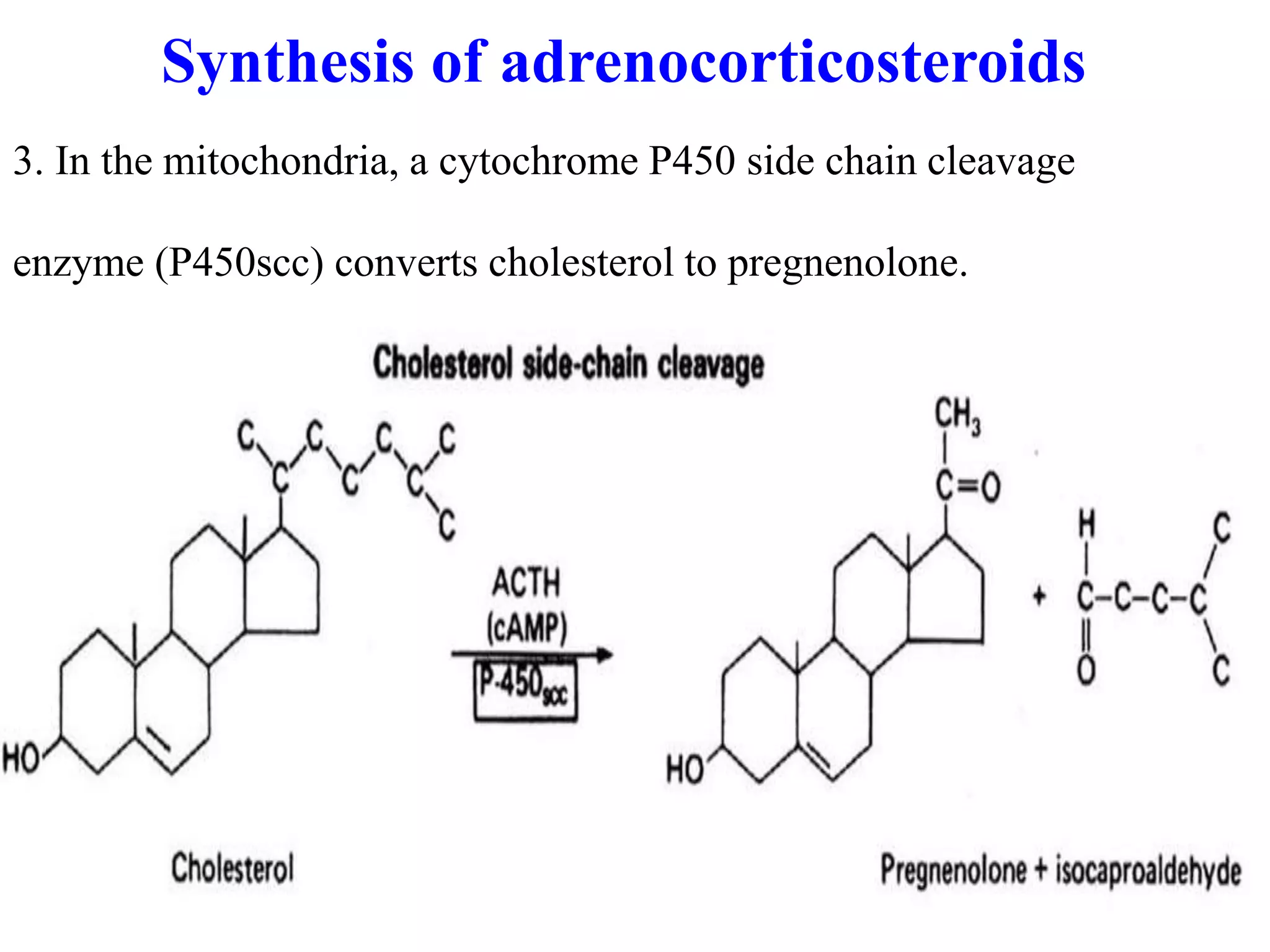
3. In the mitochondria, a cytochrome P450 side chain cleavage
enzyme (P450scc) converts cholesterol to pregnenolone.
Synthesis of adrenocorticosteroids
4. Pregnenolone may be converted by dehydrogenase/isomerase to
progesterone or else by P450c17 (17-α-hydroxylase) to 17α-
hydroxypregnenolone. Progesterone can also be converted to 17α-
hydroxyprogesterone by P450c17.
Synthesis of adrenocorticosteroids
17-α-hydroxylase
17-α-hydroxylase
dehydrogenase/isomerase
5. After the synthesis of progesterone and 17-hydroxyprogesterone,
P450c21(21-hydroxylase) can hydroxylate these steroids at the 21
position, resulting in 11-deoxycorticosterone and 11-deoxycortisol,
respectively.
Synthesis of adrenocorticosteroids
21-hydroxylase
21-hydroxylase
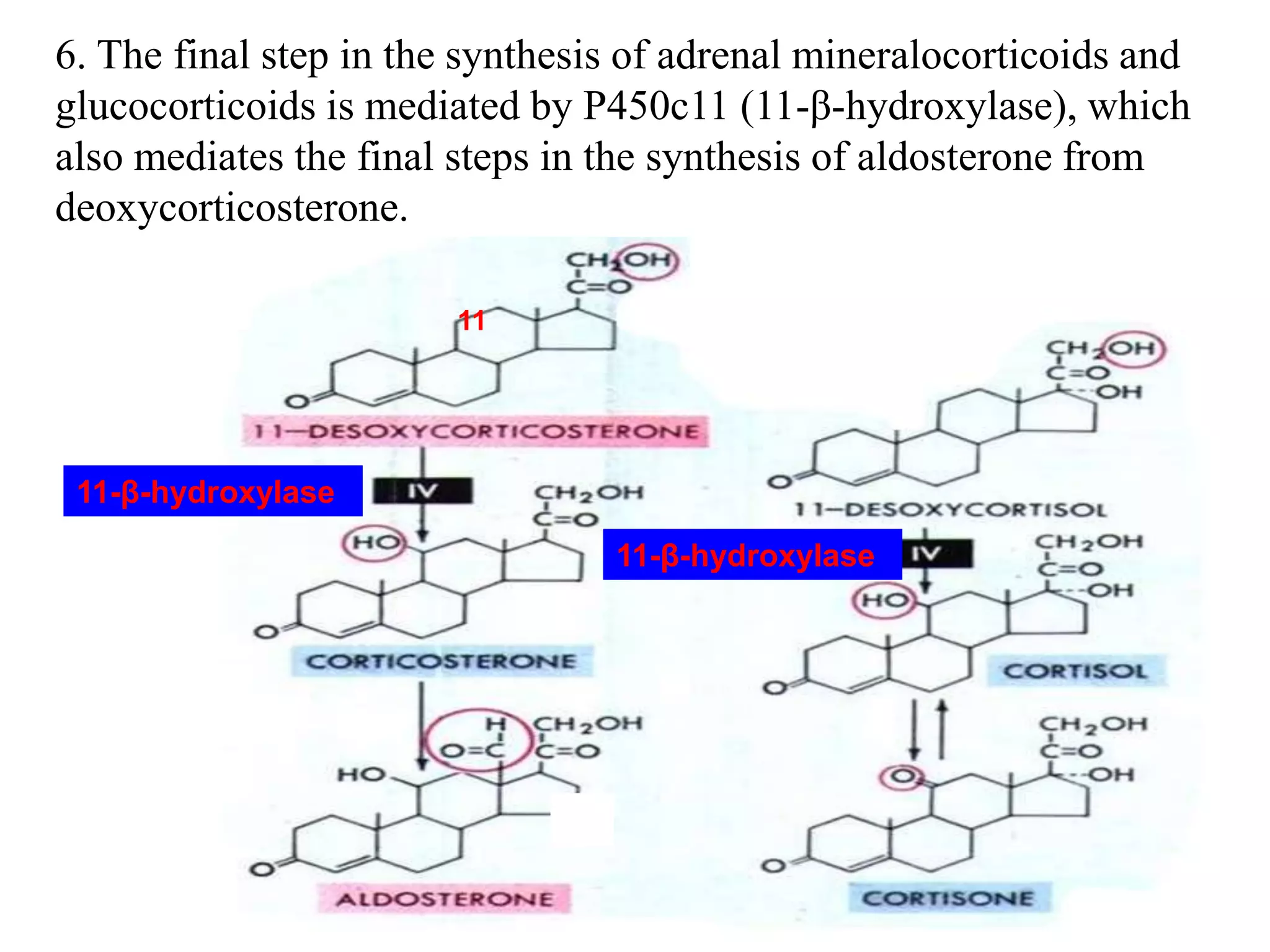
6. The final step in the synthesis of adrenal mineralocorticoids and
glucocorticoids is mediated by P450c11 (11-β-hydroxylase), which
also mediates the final steps in the synthesis of aldosterone from
deoxycorticosterone.
11-β-hydroxylase
11-β-hydroxylase
11
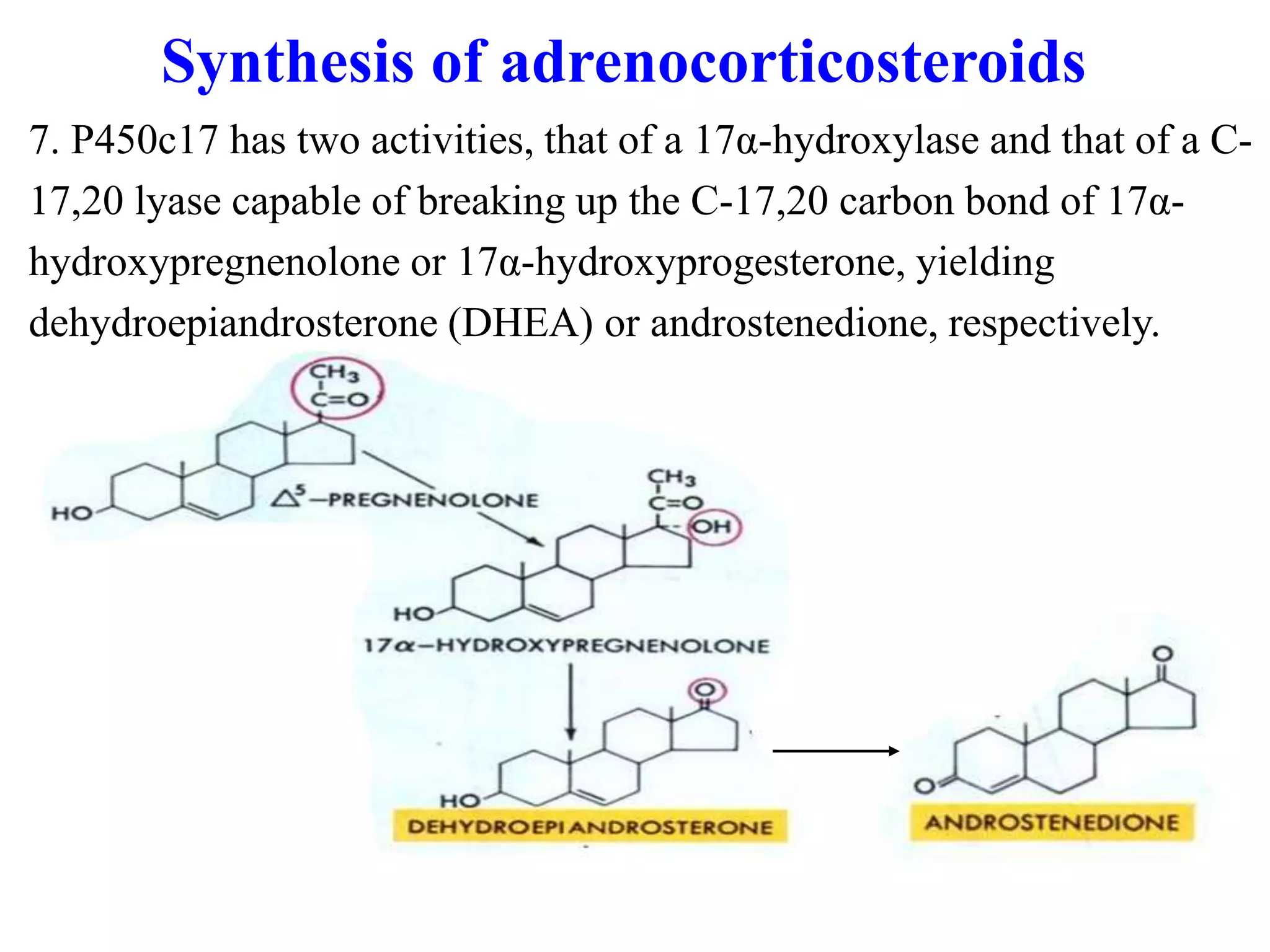
7. P450c17 has two activities, that of a 17α-hydroxylase and that of a C-
17,20 lyase capable of breaking up the C-17,20 carbon bond of 17α-
hydroxypregnenolone or 17α-hydroxyprogesterone, yielding
dehydroepiandrosterone (DHEA) or androstenedione, respectively.
Synthesis of adrenocorticosteroids
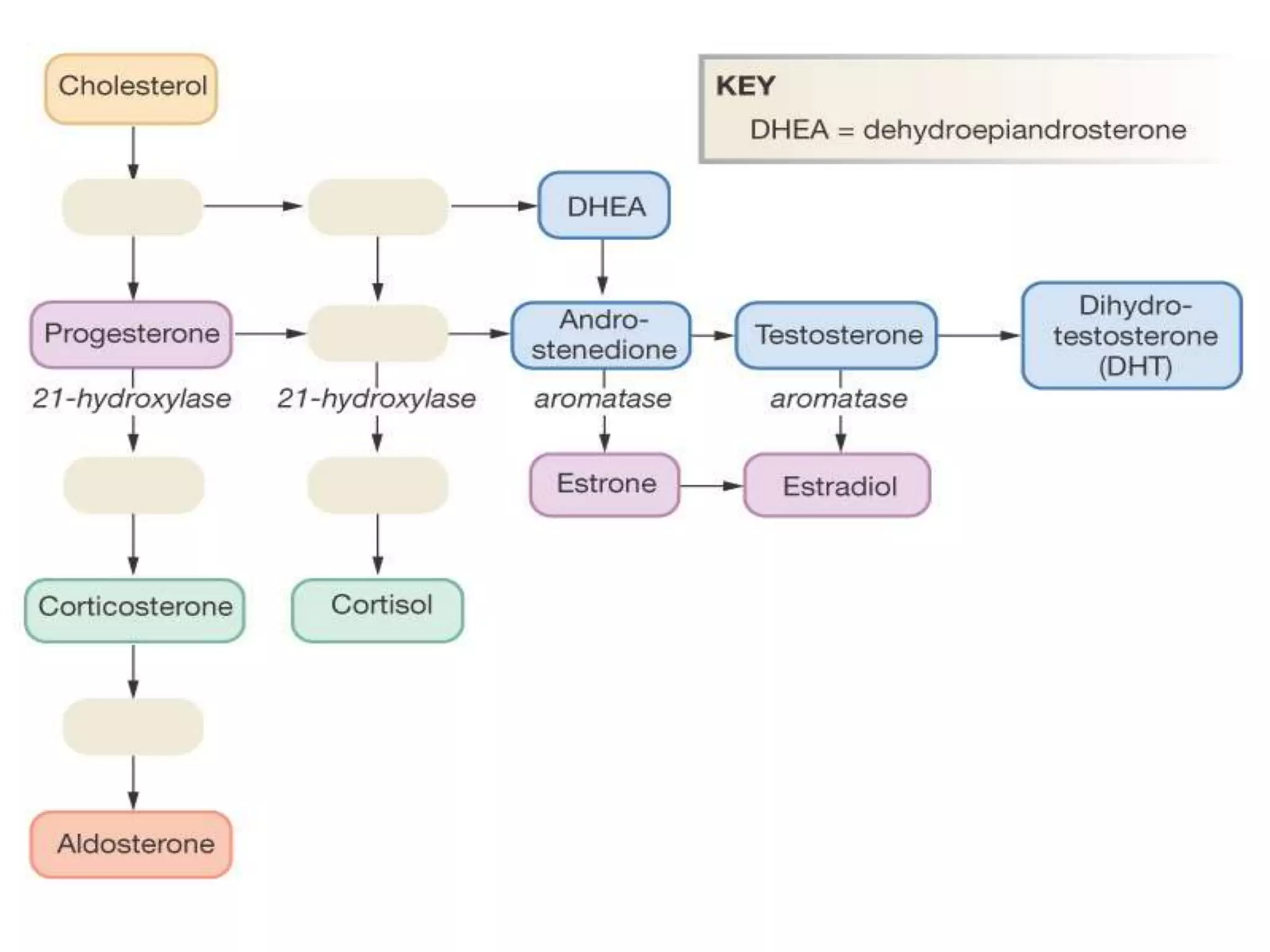
8. 17-hydroxysteroid dehydrogenase convert androstenedione to
testosterone. P450 also mediates the aromatization of androgens to
estrogens in the gonads. In peripheral target tissues, testosterone can
further be converted to 5α-dihydrotestosterone by 5α-reductase.
Biosynthesis
Of human
steroid
Hormones
Biochemical actions of adrenocorticosteroids
A. Mineralocorticoids: aldosterone
It promotes Na+ reabsorption at the distal
convoluted tubules of kidney. Na+ retention
is accompanied by corresponding excretion
of K+,H+ and NH4
+ ions.
Biochemical actions of adrenocorticosteroids
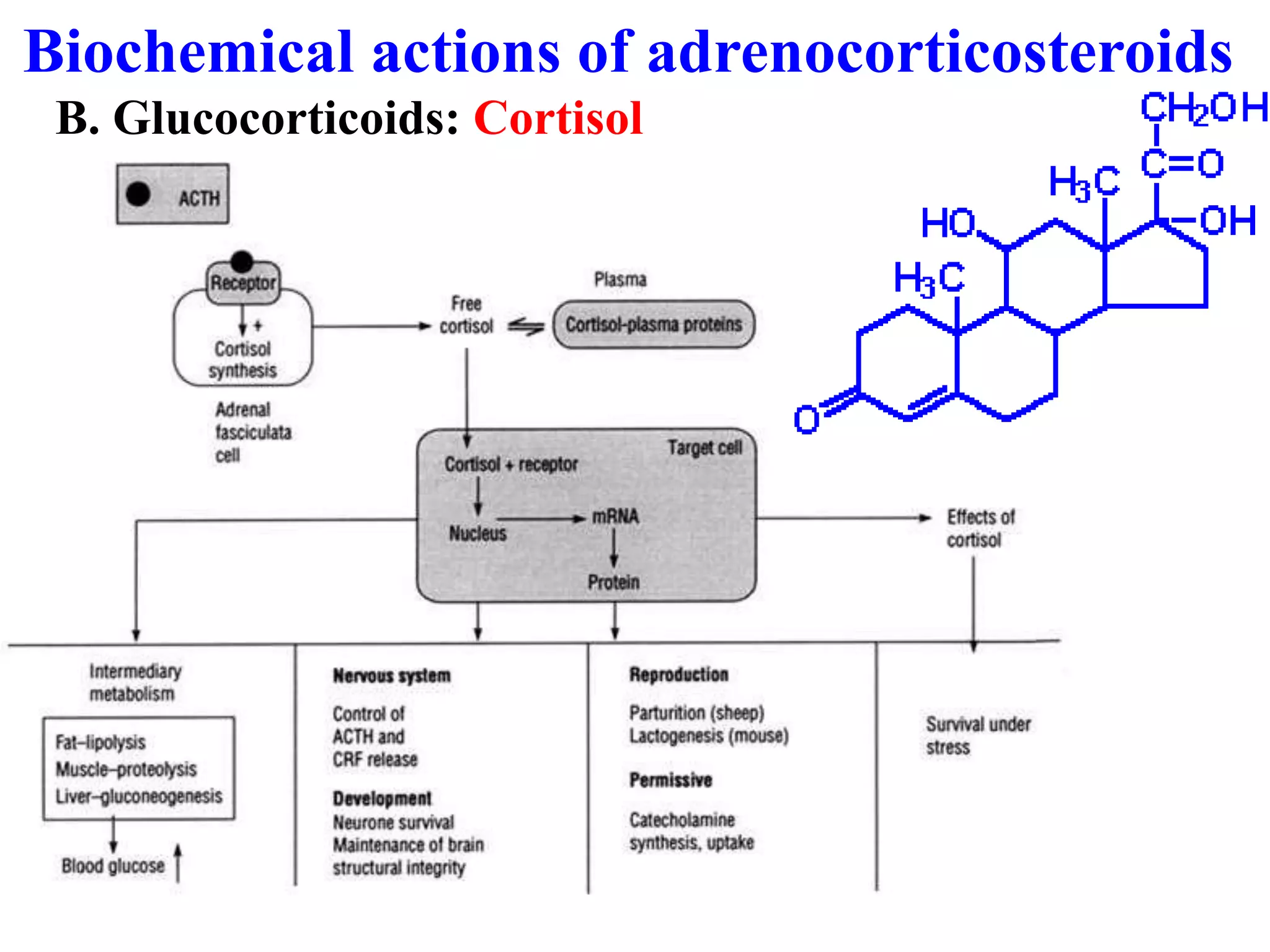
B. Glucocorticoids: Cortisol
Biochemical actions of adrenocorticosteroids
1. Effects on glucose metabolism: They promote gluconeogenesis.
They work in tandem with insulin from the pancreas to maintain blood
glucose levels in the proper balance.
2. Effects on lipid metabolism: They increase lipolysis in adipose
tissue and reduce synthesis of TAG.
3. Effects on protein and nucleic acid metabolism: They promote
transcription and protein synthesis in liver. They also cause catabolic
effects in extrahepatic tissues results in enhanced degradation of protein
B. Glucocorticoids: Cortisol
4. Effects on water and electrolyte metabolism: Deficiency of them
cause increased production of ADH which can decrease glomerular
filtration rate causing water retention in the body.
5. Effects on immune system: Cortisol suppress the immune response
directly and indirectly by affecting most cells that participate in immune
reactions and inflammatory reactions. It is powerful anti-inflammatory
even when secreted at normal levels. It also reduces the rate at which
lymphocytes multiply and accelerates their programmed cell death to
further protect the body from this overreaction. This is one of the
reasons why strong corticosteroids (prednisone, prednisolone, etc.) are
used with all diseases involving inflammatory processes, including auto-
immune diseases.
6. Effects on cardiovascular system: Cortisol could control the
contraction of the walls of the mid-sized arteries in increasing blood
pressure, but this hypertensive effect is moderated by calcium and
magnesium. It also directly affects the heart by regulating sodium and
potassium in the heart cells and increasing the strength of contraction of
the heart muscle.
7. Effects on central nervous system: The changes of behavior, mood,
excitability and even the electrical activity of neurons in the brain
frequently occur in cases of excess and deficient cortisol levels. Many
signs and symptoms of adrenal fatigue involve moodiness, decreased
tolerance, decreased clarity of thought and decreased memory. These
occur because the brain is affected by both too little and too much
cortisol.
 There are four major categories of stress:
1. Physical stress: such as overwork, lack of sleep, athletic overtraining.
2.Chemical stress: environmental pollutants, allergies to foods, diets
high in refined carbohydrates, endocrine gland imbalances.
3. Thermal stress: over-heating or over-chilling of the body
4. Emotional and mental stress
Stress
 Adrenal glands are the anti-stress glands of the body.
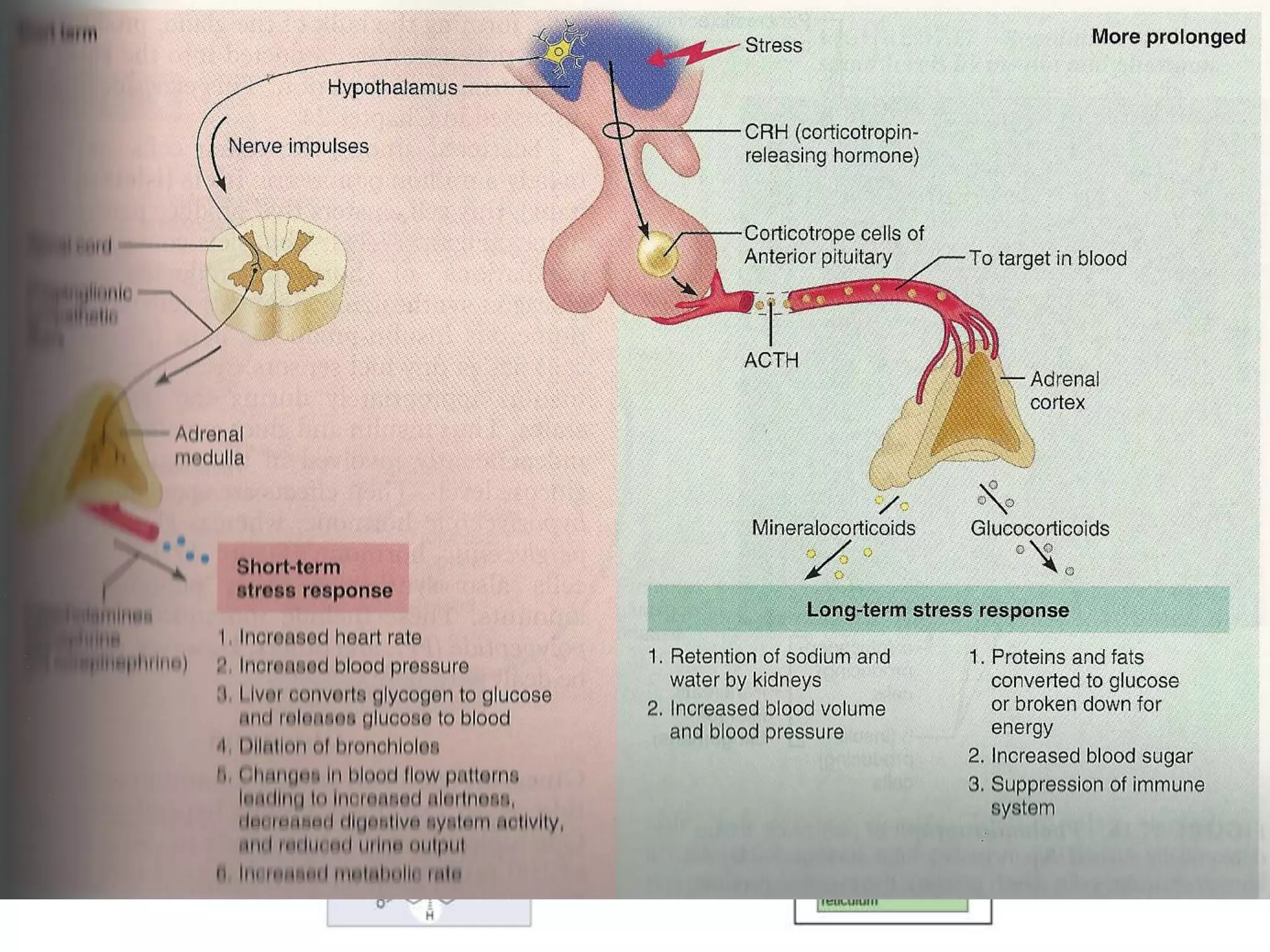
Stress: During stress cortisol must
simultaneously provide more blood glucose,
mobilize fats and proteins for a back-up
supply of glucose, modify immune reactions,
heartbeat, blood pressure, brain alertness and
nervous system responsiveness. If cortisol
level cannot rise in response to these needs,
maintaining your body under stress is nearly
impossible.
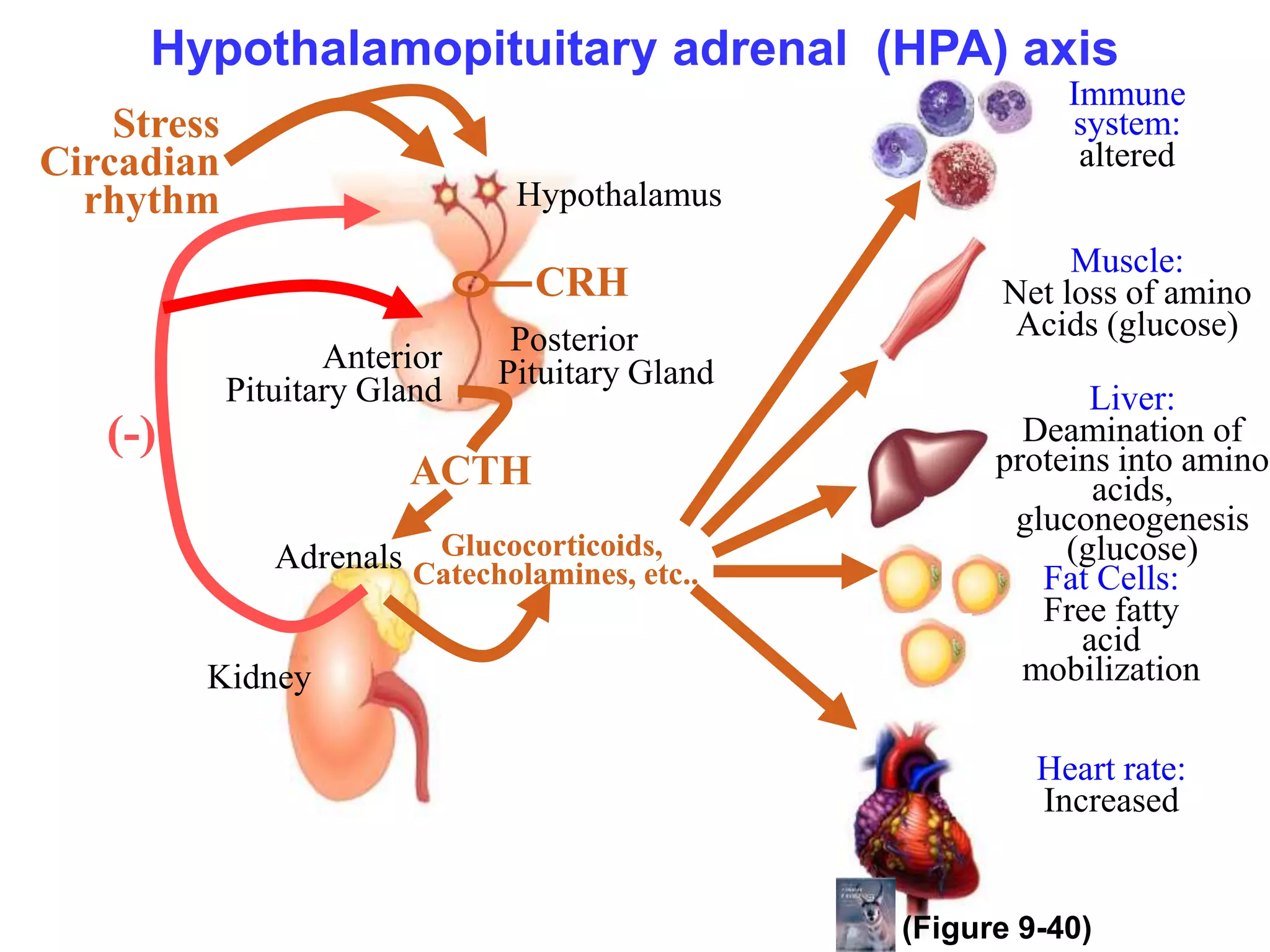
Adrenals
Kidney
Posterior
Pituitary Gland
Hypothalamus
Anterior
Pituitary Gland
ACTH
Stress
Circadian
rhythm
CRH
(-)
Glucocorticoids,
Catecholamines, etc..
Glucocorticoids,
Catecholamines, etc..
Muscle:
Net loss of amino
Acids (glucose)
Liver:
Deamination of
proteins into amino
acids,
gluconeogenesis
(glucose)
Fat Cells:
Free fatty
acid
mobilization
Heart rate:
Increased
Immune
system:
altered
Hypothalamopituitary adrenal (HPA) axis
(Figure 9-40)
Fasting
People have considerable difficulty when on a prolonged fasting.
They will always rationalize the problems encountered on a fasting
as being due to the body detoxifying.
During a fasting, the body will call on the adrenals to produce
glucocorticoids to maintain blood glucose level which is adequate for
normal level of activity. The glucocorticoids can elevate blood
glucose by breaking down protein into carbohydrates through the
process of gluconeogenesis.
THE GENERAL ADAPTATION SYNDROME
Regulation of glucocorticoids
The Secretion of glucocorticoids from the adrenal cortex is regulated
by negative feedback involving the CRH secretion by the hypothalamus.
CRH then acts on the anterior pituitary to stimulate ACTH secretion,
which then stimulates the adrenal cortex into cortisol secretion. About
70% of blood cortisol is bound to a carrier protein called corticosteroid-
binding globulin. Another 15% is bound to albumin, the remaining 15%
exists free in blood.
The HPA axis or HPA system, a negative
feedback system, is one of the most important
elements of homeostasis, the process that
maintains a steady internal biochemical and
physiological balance in our body. The HPAAxis
adjusts cortisol level according to the needs of
the body, under normal and stressed conditions,
via ACTH. ACTH is secreted from the pituitary
gland in response to orders from the
hypothalamus and travels in the bloodstream to
the adrenal cortex.
※ The Hypothalamus/Pituitary/Adrenal (HPA) Axis
The Adrenal Medulla
The functional unit of the adrenal
medulla is the chromaffin cell, which
functions as a neuroendocrine cell. In
response to stimulation, chromaffin cells
secrete the hormones epinephrine
(adrenaline) and norepinephrine
(noradrenalin) directly into the blood.
The medulla is involved in extreme stress and, within this context,
epinephrine and norepinephrine both work with cortisol from the
adrenal cortex. Epinephrine and norepinephrine are important mainly in
crisis situations.
1
3
2
Medulla
Cortex
CATECHOLAMINES BIOSYNTHESIS
1. Tyrosine is precursor for the synthesis of catecholamines.
2. The catecholamine are produced in response to fight,
fright and flight (3F). These include emergencies like
shock, cold, fatigue, emotional condition like anger.
BIOCHEMICAL FUNCTION OF CATECHOLAMINE
1. Effect on carbohydrate metabolism: Both of them can increase
glycogenolysis and gluconeogenesis and decrease glycogenesis.
①Catecholamine promote the release of glucose from liver and
decrees its utilization by muscle; ②Epinepherine inhibits insulin
secretion but promote glucagon secretion.
2. Effect on lipid metabolism: Both of them enhance the breakdown
of TAG in adipose tissue. This cause increase in the free fatty acid
in the circulation which are effectively utilized by the heart and
muscle as fuel source.
3. Effect on physiological function: Cateccholamines increase cardiac
output, blood pressure and oxygen consumption. They cause
smooth muscle relaxation in bronchi, GIT and blood vessels
supplying skeletal muscle.

Adrenal hormones

  • 1.
  • 2.
    Adrenal glands The adrenalsare orange-colored glands that sit on top of the kidneys near the spine, just underneath the last rib and extending down about an inch. The right adrenal is shaped something like a pyramid, whereas the left is shaped more like a half moon.
  • 3.
    Adrenal glands –paired, pyramid- shaped organs atop the kidneys Weigh 6-10 g. Structurally and functionally, they are two glands in one Adrenal cortex (80-90%)– glandular tissue derived from embryonic mesoderm Adrenal medulla (10-20%)–
  • 4.
    Adrenal medulla (innerpart) that constitutes 20% of the gland and a cortex (outer part) that constitutes the remaining 80%. The cortex consists of three zones. The medulla and each of the zones in the cortex each produce different hormones that serve a variety of functions in our body.
  • 5.
  • 7.
    The Adrenal Cortex Theadrenal cortex is divided into three zones which each secrete different hormones that carry out specific functions throughout body. 1. Zone of glomerulosa Aldosterone is secreted from this zone which is the major hormone controlling the sodium and potassium levels, and thus fluid balance, within bloodstream, cells and interstitial fluids. It is also called mineralocorticoids. 3 2 Medulla Cortex 1. Zone of glomerulosa
  • 8.
    The Adrenal Cortex 2.Zone of fasciculata Coritsol (hydrocortisone) is produced, affects glucose, amino acid and fat metabolism, which is called glucocorticoids. Cells of this zone are arranged into fascicles separated by venous sinuses. 3. Zone of reticularis Dehydroepiandrosterone (DHEA)-precursor for androgen is synthesized. This zona manufactures an ancillary portion of sex hormones for each sex and also produces male hormones in women and female hormones in men to keep the effects of the dominant sex hormones in balance . 3 2 Medulla Cortex 1. Zone of glomerulosa
  • 9.
    ADRENALS Zona Reticularis Sex steroids(androgens) Zona Fasciculata Glucocorticoids (Cortisol) Glucose homeostasis and many others Zona Glomerulosa Mineralocorticoids (Aldosterone) Na+, K+ and water homeostasis Medulla: “Catecholamines” Epinephrine, Norepinephrine CORTEX
  • 10.
    Synthesis of adrenocorticosteroids Allsteroid hormones have in common the 17-carbon cyclopentao- perhydrophenanthrene nucleus. Additional carbons can be added at positions 10 and 13 or as a side chain attached to C17.
  • 11.
    1. Uptake ofcholesterol by the adrenal cortex is mediated by the LDL receptor. With long-term stimulation of the adrenal cortex by ACTH, the number of LDL receptors increases. Much of the cholesterol in the adrenal is esterified and stored in cytoplasmic lipid droplets. 2. 2. Upon stimulation of the adrenal by ACTH or cAMP, an esterase is activated, and the free cholesterol formed is transported into the mitochondria.
  • 12.
    3. In themitochondria, a cytochrome P450 side chain cleavage enzyme (P450scc) converts cholesterol to pregnenolone. Synthesis of adrenocorticosteroids
  • 13.
    4. Pregnenolone maybe converted by dehydrogenase/isomerase to progesterone or else by P450c17 (17-α-hydroxylase) to 17α- hydroxypregnenolone. Progesterone can also be converted to 17α- hydroxyprogesterone by P450c17. Synthesis of adrenocorticosteroids 17-α-hydroxylase 17-α-hydroxylase dehydrogenase/isomerase
  • 14.
    5. After thesynthesis of progesterone and 17-hydroxyprogesterone, P450c21(21-hydroxylase) can hydroxylate these steroids at the 21 position, resulting in 11-deoxycorticosterone and 11-deoxycortisol, respectively. Synthesis of adrenocorticosteroids 21-hydroxylase 21-hydroxylase
  • 15.
    6. The finalstep in the synthesis of adrenal mineralocorticoids and glucocorticoids is mediated by P450c11 (11-β-hydroxylase), which also mediates the final steps in the synthesis of aldosterone from deoxycorticosterone. 11-β-hydroxylase 11-β-hydroxylase 11
  • 16.
    7. P450c17 hastwo activities, that of a 17α-hydroxylase and that of a C- 17,20 lyase capable of breaking up the C-17,20 carbon bond of 17α- hydroxypregnenolone or 17α-hydroxyprogesterone, yielding dehydroepiandrosterone (DHEA) or androstenedione, respectively. Synthesis of adrenocorticosteroids
  • 17.
    Synthesis of adrenocorticosteroids 8.17-hydroxysteroid dehydrogenase convert androstenedione to testosterone. P450 also mediates the aromatization of androgens to estrogens in the gonads. In peripheral target tissues, testosterone can further be converted to 5α-dihydrotestosterone by 5α-reductase.
  • 19.
  • 20.
    Biochemical actions ofadrenocorticosteroids A. Mineralocorticoids: aldosterone It promotes Na+ reabsorption at the distal convoluted tubules of kidney. Na+ retention is accompanied by corresponding excretion of K+,H+ and NH4 + ions.
  • 21.
    Biochemical actions ofadrenocorticosteroids B. Glucocorticoids: Cortisol
  • 22.
    Biochemical actions ofadrenocorticosteroids 1. Effects on glucose metabolism: They promote gluconeogenesis. They work in tandem with insulin from the pancreas to maintain blood glucose levels in the proper balance. 2. Effects on lipid metabolism: They increase lipolysis in adipose tissue and reduce synthesis of TAG. 3. Effects on protein and nucleic acid metabolism: They promote transcription and protein synthesis in liver. They also cause catabolic effects in extrahepatic tissues results in enhanced degradation of protein B. Glucocorticoids: Cortisol
  • 23.
    4. Effects onwater and electrolyte metabolism: Deficiency of them cause increased production of ADH which can decrease glomerular filtration rate causing water retention in the body. 5. Effects on immune system: Cortisol suppress the immune response directly and indirectly by affecting most cells that participate in immune reactions and inflammatory reactions. It is powerful anti-inflammatory even when secreted at normal levels. It also reduces the rate at which lymphocytes multiply and accelerates their programmed cell death to further protect the body from this overreaction. This is one of the reasons why strong corticosteroids (prednisone, prednisolone, etc.) are used with all diseases involving inflammatory processes, including auto- immune diseases.
  • 24.
    6. Effects oncardiovascular system: Cortisol could control the contraction of the walls of the mid-sized arteries in increasing blood pressure, but this hypertensive effect is moderated by calcium and magnesium. It also directly affects the heart by regulating sodium and potassium in the heart cells and increasing the strength of contraction of the heart muscle. 7. Effects on central nervous system: The changes of behavior, mood, excitability and even the electrical activity of neurons in the brain frequently occur in cases of excess and deficient cortisol levels. Many signs and symptoms of adrenal fatigue involve moodiness, decreased tolerance, decreased clarity of thought and decreased memory. These occur because the brain is affected by both too little and too much cortisol.
  • 25.
     There arefour major categories of stress: 1. Physical stress: such as overwork, lack of sleep, athletic overtraining. 2.Chemical stress: environmental pollutants, allergies to foods, diets high in refined carbohydrates, endocrine gland imbalances. 3. Thermal stress: over-heating or over-chilling of the body 4. Emotional and mental stress Stress  Adrenal glands are the anti-stress glands of the body.
  • 26.
    Stress: During stresscortisol must simultaneously provide more blood glucose, mobilize fats and proteins for a back-up supply of glucose, modify immune reactions, heartbeat, blood pressure, brain alertness and nervous system responsiveness. If cortisol level cannot rise in response to these needs, maintaining your body under stress is nearly impossible.
  • 27.
    Adrenals Kidney Posterior Pituitary Gland Hypothalamus Anterior Pituitary Gland ACTH Stress Circadian rhythm CRH (-) Glucocorticoids, Catecholamines,etc.. Glucocorticoids, Catecholamines, etc.. Muscle: Net loss of amino Acids (glucose) Liver: Deamination of proteins into amino acids, gluconeogenesis (glucose) Fat Cells: Free fatty acid mobilization Heart rate: Increased Immune system: altered Hypothalamopituitary adrenal (HPA) axis (Figure 9-40)
  • 28.
    Fasting People have considerabledifficulty when on a prolonged fasting. They will always rationalize the problems encountered on a fasting as being due to the body detoxifying. During a fasting, the body will call on the adrenals to produce glucocorticoids to maintain blood glucose level which is adequate for normal level of activity. The glucocorticoids can elevate blood glucose by breaking down protein into carbohydrates through the process of gluconeogenesis.
  • 29.
  • 30.
    Regulation of glucocorticoids TheSecretion of glucocorticoids from the adrenal cortex is regulated by negative feedback involving the CRH secretion by the hypothalamus. CRH then acts on the anterior pituitary to stimulate ACTH secretion, which then stimulates the adrenal cortex into cortisol secretion. About 70% of blood cortisol is bound to a carrier protein called corticosteroid- binding globulin. Another 15% is bound to albumin, the remaining 15% exists free in blood.
  • 31.
    The HPA axisor HPA system, a negative feedback system, is one of the most important elements of homeostasis, the process that maintains a steady internal biochemical and physiological balance in our body. The HPAAxis adjusts cortisol level according to the needs of the body, under normal and stressed conditions, via ACTH. ACTH is secreted from the pituitary gland in response to orders from the hypothalamus and travels in the bloodstream to the adrenal cortex. ※ The Hypothalamus/Pituitary/Adrenal (HPA) Axis
  • 32.
    The Adrenal Medulla Thefunctional unit of the adrenal medulla is the chromaffin cell, which functions as a neuroendocrine cell. In response to stimulation, chromaffin cells secrete the hormones epinephrine (adrenaline) and norepinephrine (noradrenalin) directly into the blood. The medulla is involved in extreme stress and, within this context, epinephrine and norepinephrine both work with cortisol from the adrenal cortex. Epinephrine and norepinephrine are important mainly in crisis situations. 1 3 2 Medulla Cortex
  • 33.
    CATECHOLAMINES BIOSYNTHESIS 1. Tyrosineis precursor for the synthesis of catecholamines. 2. The catecholamine are produced in response to fight, fright and flight (3F). These include emergencies like shock, cold, fatigue, emotional condition like anger.
  • 34.
    BIOCHEMICAL FUNCTION OFCATECHOLAMINE 1. Effect on carbohydrate metabolism: Both of them can increase glycogenolysis and gluconeogenesis and decrease glycogenesis. ①Catecholamine promote the release of glucose from liver and decrees its utilization by muscle; ②Epinepherine inhibits insulin secretion but promote glucagon secretion. 2. Effect on lipid metabolism: Both of them enhance the breakdown of TAG in adipose tissue. This cause increase in the free fatty acid in the circulation which are effectively utilized by the heart and muscle as fuel source. 3. Effect on physiological function: Cateccholamines increase cardiac output, blood pressure and oxygen consumption. They cause smooth muscle relaxation in bronchi, GIT and blood vessels supplying skeletal muscle.