
CORRELATIONAL
DESIGN
DR. MAHESWARI JAIKUMAR.
maheswarijaikumar2103@gmail.com
CORRELATIONAL DESIGN
(OR)
EX-POST FACTO RESEARCH
DESIGN
• Correlational design is a non
experimental research design
where the researcher examines
the relationship between two or
more variables in a natural
setting without any
manipulation or control.
CORRELATIONAL
DESIGN
FEATURES
• In correlational studies the
researcher examines the
strength of relationships
between variables by
determining how change in one
variable is correlated with
change in the other variable.
• Correlational studies have
independent and dependent
variables , but the effect of
independent variable is
observed on dependent variable
without manipulating the
independent variable.
• In some studies, identification of
the independent & dependent
variable is difficult; (some times
the variables are identified
without manipulation).
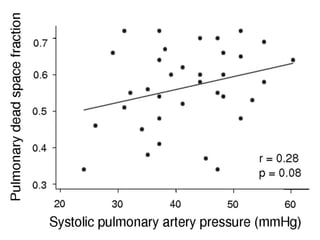
• In correlationsl study designs
the magnitude and direction of
relationship if independent and
dependent variable is measured
by using the correlation
coefficient statistical measure.
• The results may range between -
1 to +1.
• Negative results of correlation
coefficient signify negative
correlation if independent (-1:
perfect negative correlation).
• Positive relationship of
independent & dependent
variable (=1 : perfect positive
correlation).
• A zero result of correlation co-
efficient indicates no relation
between independent and
dependent variables.
• Theoretically a positive
relationship means increase of
the other variable, while
negative relationship means
increase in variable leads to
decrease in the other variable or
vice versa.
• The correlation studies are
known as cause and effect
study, where the cause and
effect relationship is investigated
in natural settings without
imposing experimental
interventions.
• The cause and effect relationship
can be investigated either in
forward manner (cause to effect
-- prospective) or backward
manner (effect to cause --
retrospective).
TYPES
• 1. PROSPECTIVE RESEARCH
DESIGN.
• 2. RETROSPECTIVE RESEARCH
DESIGN.
PROSPECTIVE RESEARCH
DESIGN
• Is a research design in which the
researcher relates the present to
the future is a prospective
research design.
• The researcher observes the
phenomenon from cause to
effect.
• Prospective studies are also
termed as longitudinal study.
(may also be cross sectional).
EXAMPLE
• A prospective correlational
study on the effect of tsunami on
stress of people of Cuddalore,
India.
RETROSPECTIVE DESIGN
• Is a research design in which the
researcher studies the current
phenomenon by seeking
information from past.
• The researcher links the present
phenomenon with the past
events.
• The researcher has a backward
approach to study a
phenomenon (effect to cause).
EXAMPLE
• A retrospective correlational
study on drug abuse related high
risk factors among adolescents in
selected colleges in Chennai,
India.
THANK YOU

COR-RELATIONAL DESIGN

  • 1.
  • 2.
  • 3.
    • Correlational designis a non experimental research design where the researcher examines the relationship between two or more variables in a natural setting without any manipulation or control.
  • 4.
  • 5.
    FEATURES • In correlationalstudies the researcher examines the strength of relationships between variables by determining how change in one variable is correlated with change in the other variable.
  • 6.
    • Correlational studieshave independent and dependent variables , but the effect of independent variable is observed on dependent variable without manipulating the independent variable.
  • 7.
    • In somestudies, identification of the independent & dependent variable is difficult; (some times the variables are identified without manipulation).
  • 8.
    • In correlationslstudy designs the magnitude and direction of relationship if independent and dependent variable is measured by using the correlation coefficient statistical measure.
  • 10.
    • The resultsmay range between - 1 to +1. • Negative results of correlation coefficient signify negative correlation if independent (-1: perfect negative correlation).
  • 11.
    • Positive relationshipof independent & dependent variable (=1 : perfect positive correlation).
  • 12.
    • A zeroresult of correlation co- efficient indicates no relation between independent and dependent variables.
  • 13.
    • Theoretically apositive relationship means increase of the other variable, while negative relationship means increase in variable leads to decrease in the other variable or vice versa.
  • 14.
    • The correlationstudies are known as cause and effect study, where the cause and effect relationship is investigated in natural settings without imposing experimental interventions.
  • 15.
    • The causeand effect relationship can be investigated either in forward manner (cause to effect -- prospective) or backward manner (effect to cause -- retrospective).
  • 16.
    TYPES • 1. PROSPECTIVERESEARCH DESIGN. • 2. RETROSPECTIVE RESEARCH DESIGN.
  • 17.
    PROSPECTIVE RESEARCH DESIGN • Isa research design in which the researcher relates the present to the future is a prospective research design.
  • 18.
    • The researcherobserves the phenomenon from cause to effect. • Prospective studies are also termed as longitudinal study. (may also be cross sectional).
  • 19.
    EXAMPLE • A prospectivecorrelational study on the effect of tsunami on stress of people of Cuddalore, India.
  • 20.
    RETROSPECTIVE DESIGN • Isa research design in which the researcher studies the current phenomenon by seeking information from past.
  • 21.
    • The researcherlinks the present phenomenon with the past events. • The researcher has a backward approach to study a phenomenon (effect to cause).
  • 22.
    EXAMPLE • A retrospectivecorrelational study on drug abuse related high risk factors among adolescents in selected colleges in Chennai, India.
  • 23.