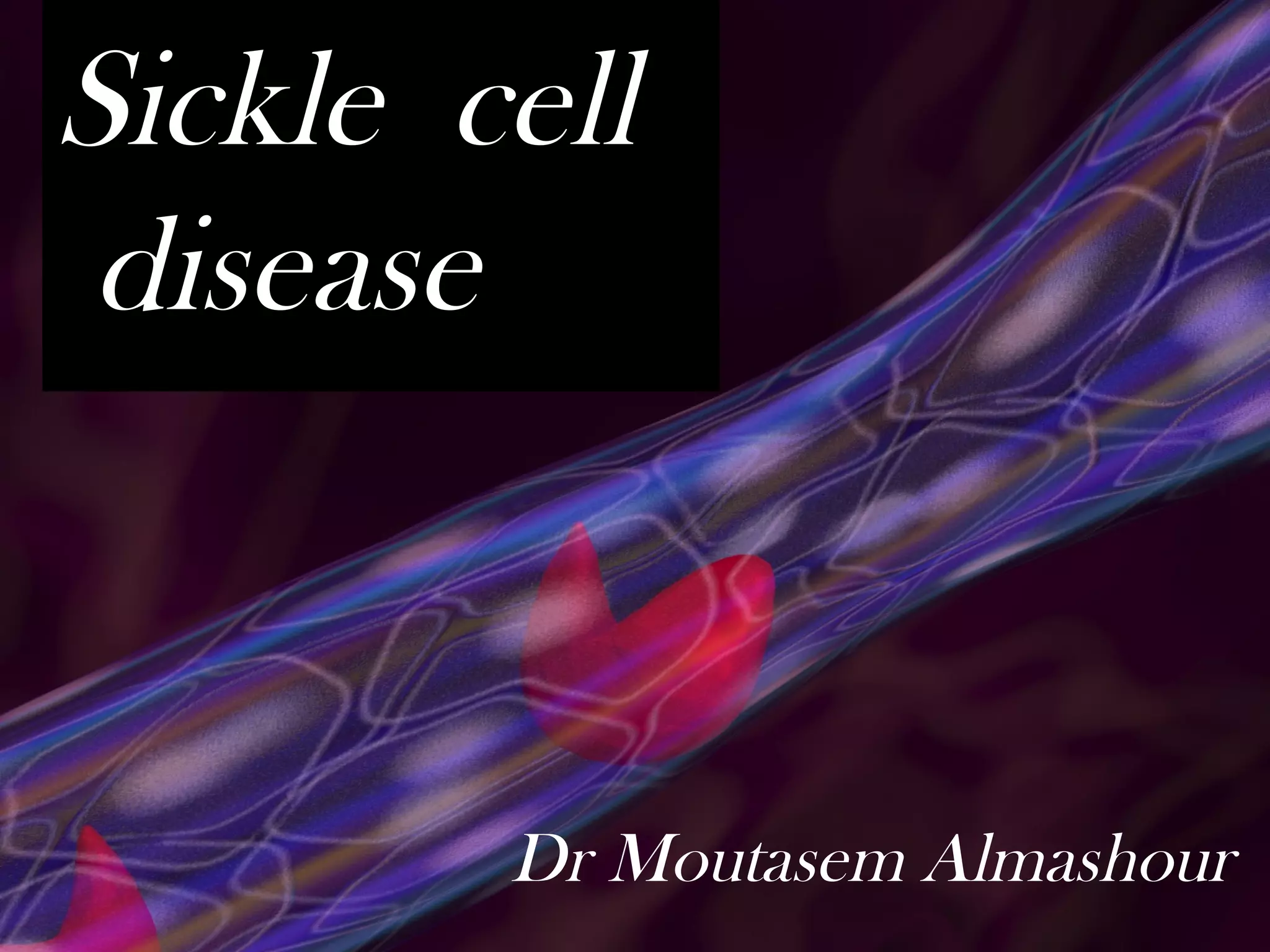
Sickle  cell disease Dr Moutasem Almashour
Definition Clinical Features of Sickle Cell Disease Pathophysiology  Distribution of the sickle-cell(Epidemiology) Mortality/Morbidity Features of sickle-cell disease  Factors That Can Cause Sickle Cell Crises Anesthetic Management  Preoperative Preparation Transfusion Predictors of Postoperative SCD complications
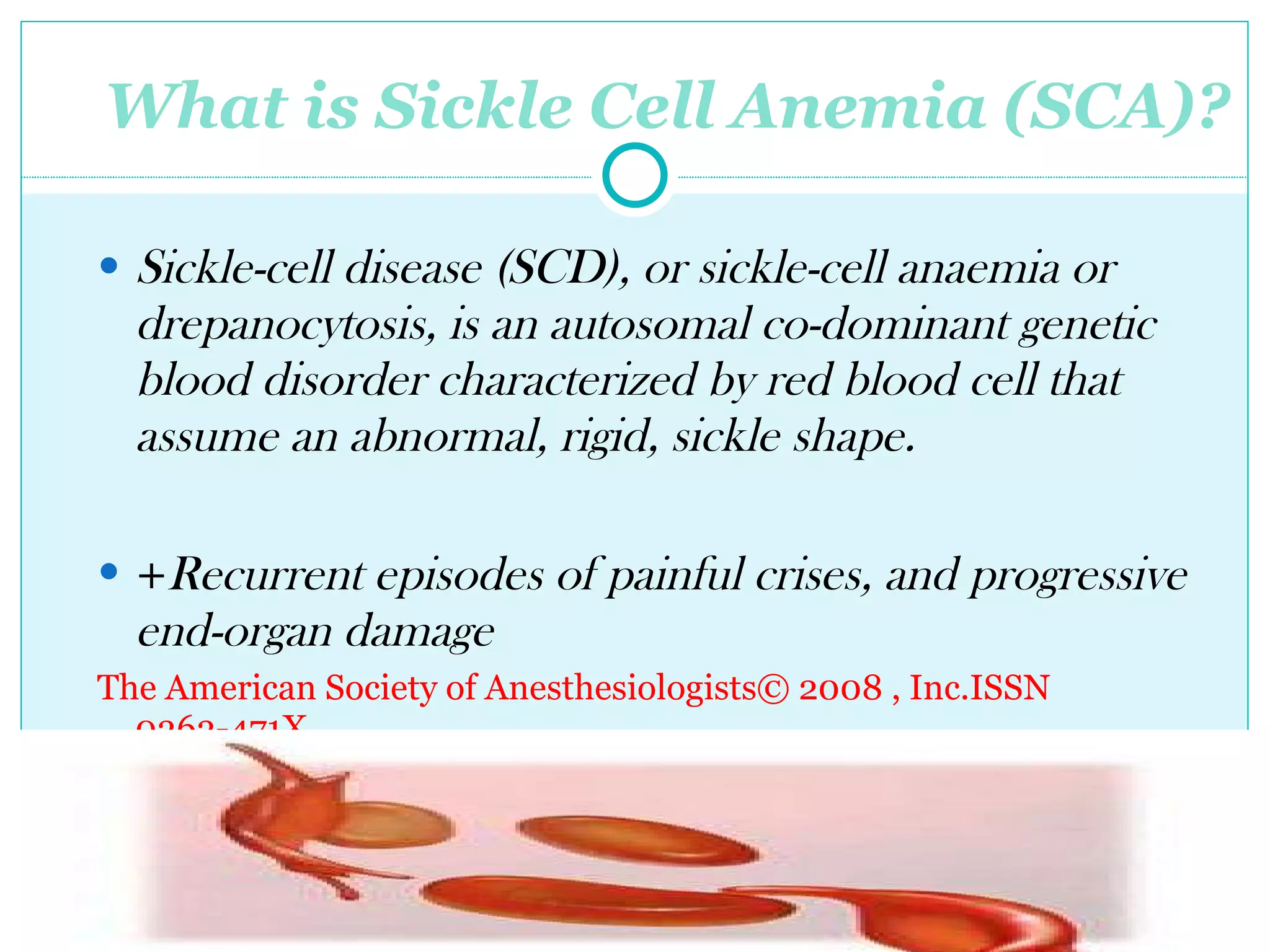
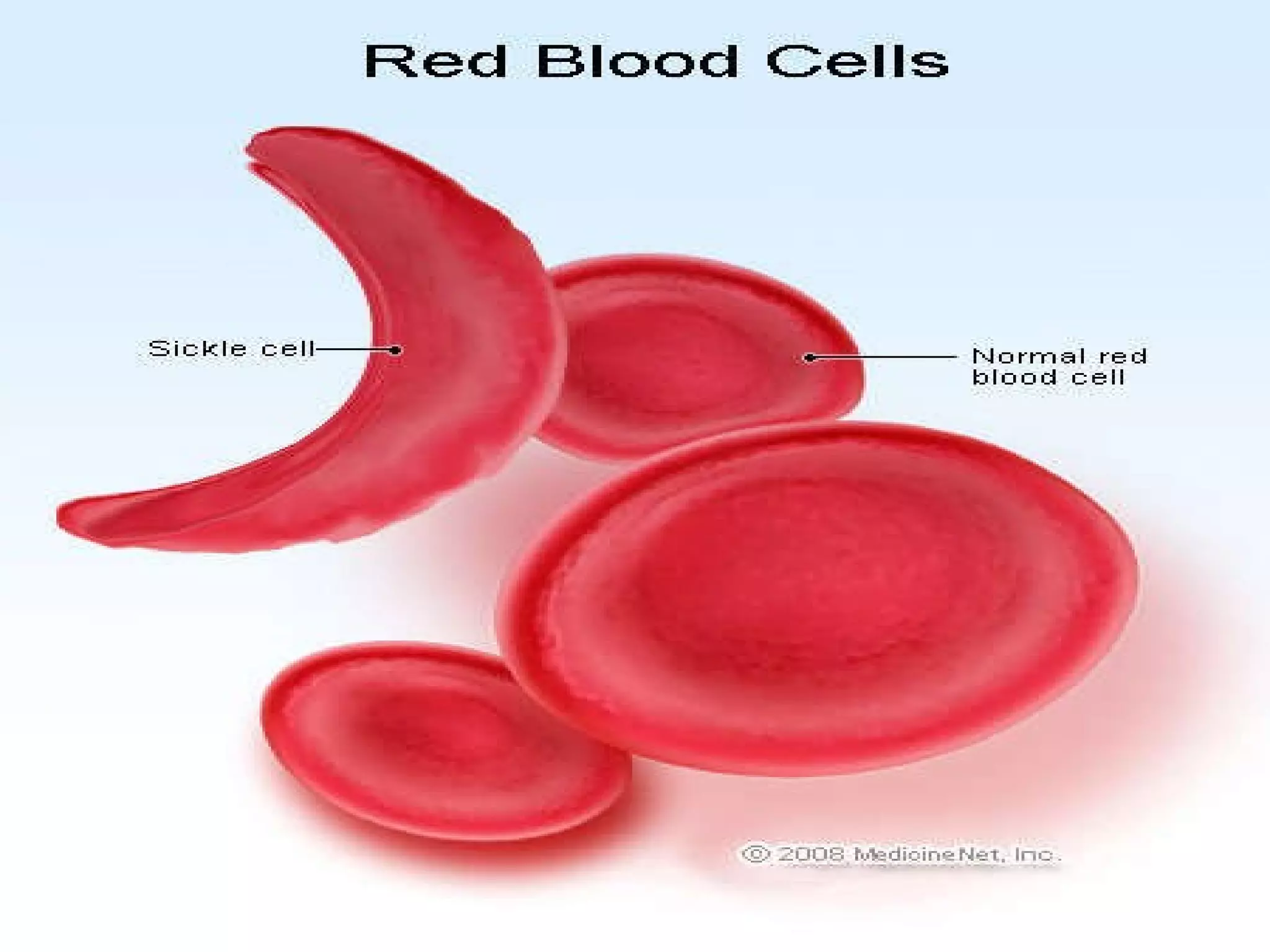
What is Sickle Cell Anemia (SCA)? Sickle-cell disease (SCD), or sickle-cell anaemia or drepanocytosis, is an autosomal co-dominant genetic blood disorder characterized by red blood cell that assume an abnormal, rigid, sickle shape. + Recurrent episodes of painful crises, and progressive end-organ damage The American Society of Anesthesiologists© 2008 , Inc.ISSN 0363-471X
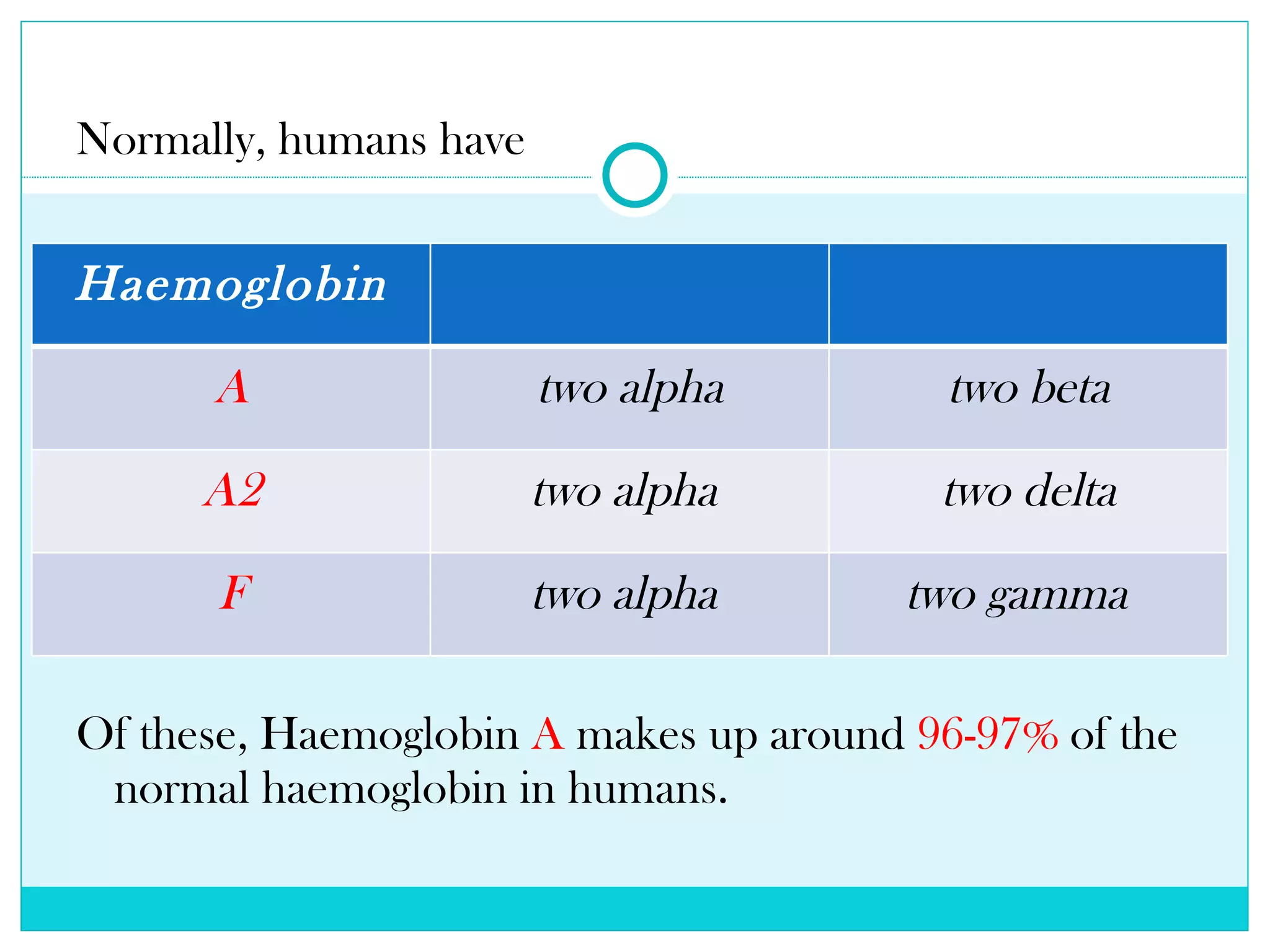
Normally, humans have  Of these, Haemoglobin  A  makes up around  96-97%  of the normal haemoglobin in humans. Haemoglobin A two alpha two beta A2 two alpha  two delta F two alpha  two gamma
C ommon types of Sickle Cell Disorders Type of anaemia Hemoglobin variation comment Sickle Cell Anemia  Sickle haemoglobin (HbS) + Sickle haemoglobin  Most Severe – No HbA Hemoglobin S-Beta thalassemia  Sickle haemoglobin (HbS) + reduced HbA Mild form of Sickle Cell Disorder  Hemoglobin S-C disease Sickle haemoglobin (HbS) + (HbC) Mild form of Sickle Cell Disorder  Sickle Cell Trait Sickle haemoglobin (S) + Normal haemoglobin (A)
Sickle Cell Trait Sickle haemoglobin (S) + Normal haemoglobin (A)  in RBC Adequate amount of normal Hb (A) in red blood cells RBC remain flexible  Carrier Do Not have the symptoms of the sickle cell disorders, with exceptions: Pain when Less Oxygen than usual (scuba diving, activities at high altitude (12,000ft), under general anaesthesia) Minute kidney problems*  *Gupta, Kirchner, Nicholson, Adams, Schechter, Noguchi, Steinberg, JCI 1991
Epidemiology  The highest frequency of sickle cell disease is found in tropical regions, particularly sub-Saharan Africa, India and the Middle-East. Africa Three quarters of sickle-cell cases occur in Africa. WHO report  2%  of newborns affected by sickle cell anemia The carrier  2% and 40% United Kingdom In United Kingdom, more than  200  babies are born annually with SCD. Middle East About  6,000  children are born annually with SCD, at least  50%  of these in Saudi Arabia. India The prevalence has ranged from  9.4 to 22.2%  in endemic areas.
Features of sickle-cell disease in Bahrain  In  56198  Bahrainis, we found that 2%  of newborns have sickle-cell disease (SCD) and  18%  have sickle-cell trait, while 24%  are carriers of the (thalassaemia  gene). It was also found that their haematological values are similar to those of patients from Eastern Province,  Saudi Arabia , where the mild form of the disease predominates. . In Qateef region of Saudi Arabia Hb F found at steady high level in sickle cell disease has been the rule rather than exception*.    Sheikha  Al Arrayed ,Eastern Mediterranean Health Journal  | Volume 1,1995 *Weatherall DJ. Some aspects of the haemoglobinopathies of particular relevance to Saudi Arabia and other parts of the Middle East. Saudi Med J 1988;9:107-15
Pathophysiology Sickle-cell anaemia Is caused by a point mutation in the  β-globin  chain of haemoglobin, causing the hydrophilic amino acid  glutamic  acid to be replaced with the hydrophobic amino acid  valine  at the sixth position.  Red blood cells typically live  90–120  days, but sickle cells only survive  10–20  days. Quinn CT,  et al.: Minor elective surgical procedures using general anesthesia  in children with sickle cell anemia without pre-operative blood transfusion. Pediatr Blood Cancer 2005; 45:43–7
Pathophysiology cont. The induction of sickling in susceptible erythrocytes requires exposure to oxygen tensions less than  40 mmHg for 2 to 4 minutes . The de-oxygenation of hemoglobin S leads to polymerization of insoluble hemoglobin S strands The initiation of polymerization may be incomplete and reversible if re-oxygenation occurs early in the process. Repetitive exposure to alternating de-oxygenated and oxygenated states can lead to membrane distortion, oxidative damage and irreversible sickling. Marchant WA, Walker I: Anaesthetic management of the child with sickle cell disease. Paediatr Anaesth 2003; 13:473–89. Anesthesiology Problem-oriented Patient Management, 6th ed. 2008, pp 980–92.
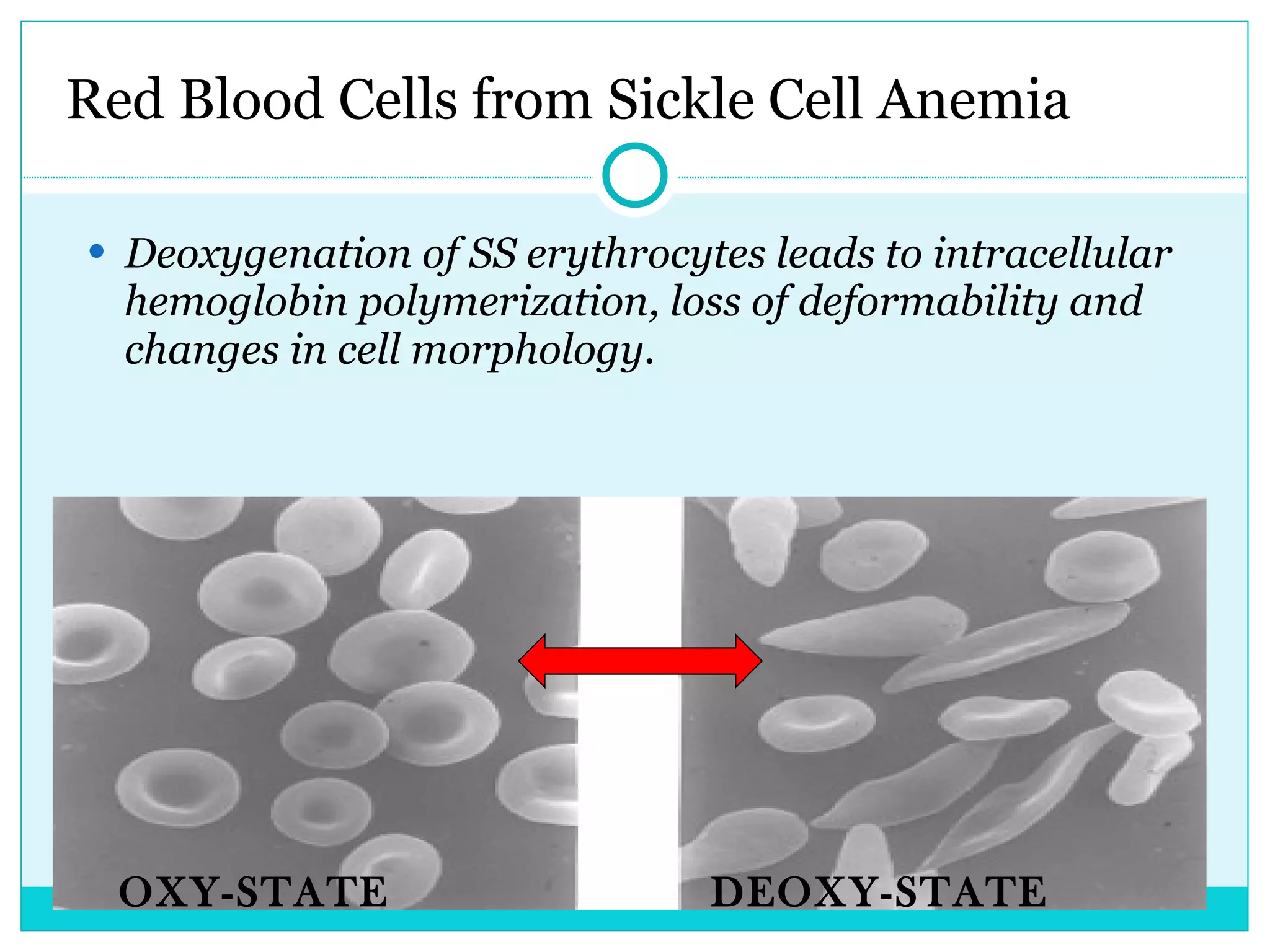
Red Blood Cells from Sickle Cell Anemia Deoxygenation of SS erythrocytes leads to intracellular hemoglobin polymerization, loss of deformability and changes in cell morphology. OXY-STATE DEOXY-STATE
 
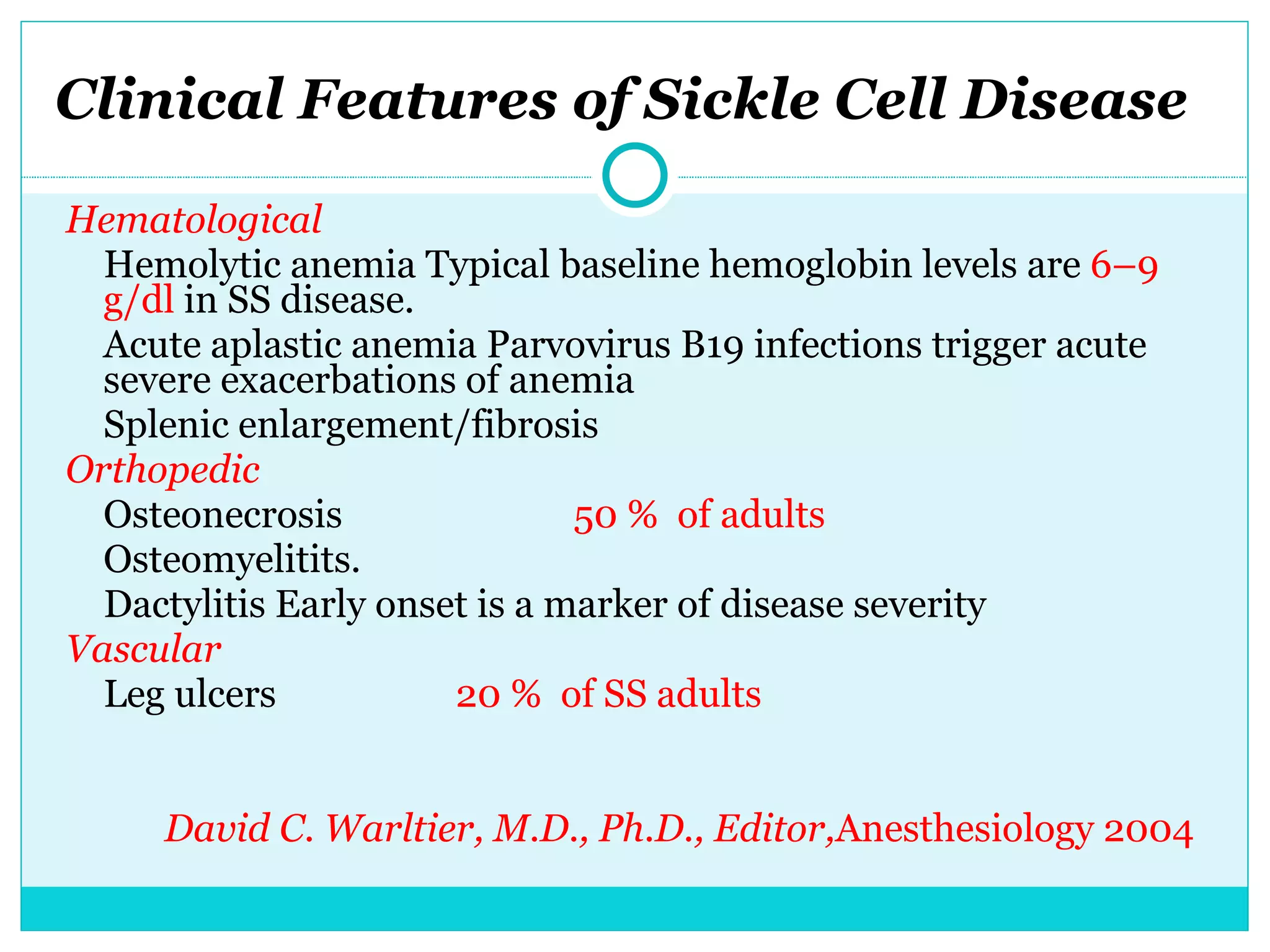
Clinical Features of Sickle Cell Disease Hematological Hemolytic anemia Typical baseline hemoglobin levels are  6–9 g/dl  in SS disease. Acute aplastic anemia Parvovirus B19 infections trigger acute severe exacerbations of anemia Splenic enlargement/fibrosis  Orthopedic Osteonecrosis  50 %  of adults Osteomyelitits . Dactylitis Early onset is a marker of disease severity Vascular Leg ulcers   20 %  of SS adults David C. Warltier, M.D., Ph.D., Editor, Anesthesiology 2004
Clinical Features of Sickle Cell Disease Neurological Pain crisis  70% of patients Stroke  10% of children;  Cause of 20% deaths. Proliferative retinopathy  50% of SC adults; rare in SS homozygotes Chronic pain syndrome  A small subset of patients Pulmonary Acute Chest Syndrome  40% of patients; mortality rate of 1.1% for  children and 4.8% for adults. Airway hyperreactivity  35% of children Restrictive lung disease  10–15% of patients David C. Warltier, M.D., Ph.D., Editor, Anesthesiology 2004
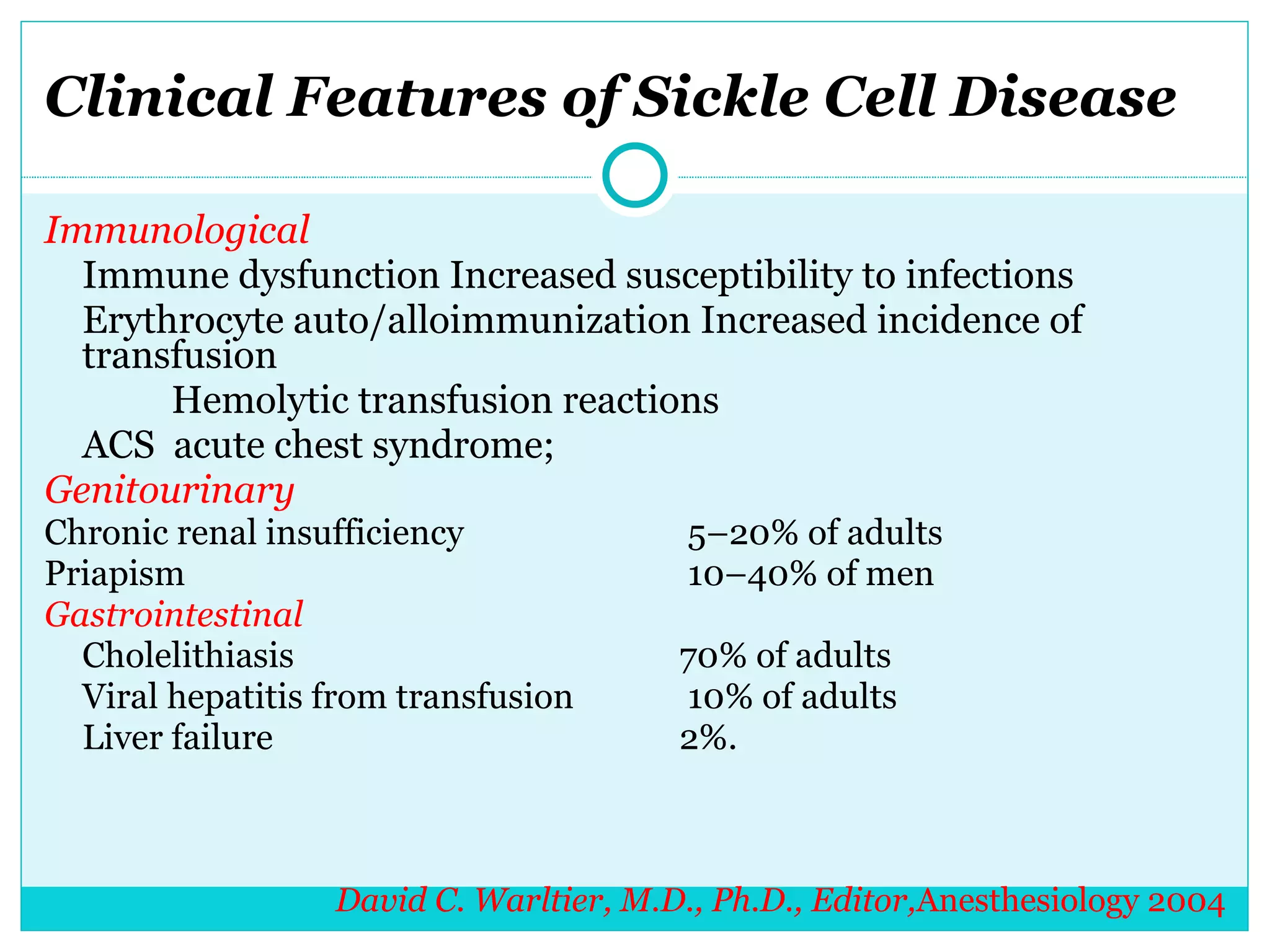
Clinical Features of Sickle Cell Disease Immunological Immune dysfunction Increased susceptibility to infections Erythrocyte auto/alloimmunization Increased incidence of transfusion Hemolytic transfusion reactions  ACS  acute chest syndrome;  Genitourinary Chronic renal insufficiency  5–20% of adults Priapism  10–40% of men Gastrointestinal Cholelithiasis    70% of adults Viral hepatitis from transfusion   10% of adults Liver failure    2%. David C. Warltier, M.D., Ph.D., Editor, Anesthesiology 2004
Defective Urine Concentrating Ability in Sickle Cell anaemia  High osmolality and low O 2  sat of the renal medulla are conditions that favor polymerization. Hemoglobin polymerization correlates inversely with urine concentrating ability. a-Thalassemia reduces %HbS, and polymerization potential . Gupta, Kirchner, Nicholson, Adams, Schechter, Noguchi, Steinberg, JCI 1991
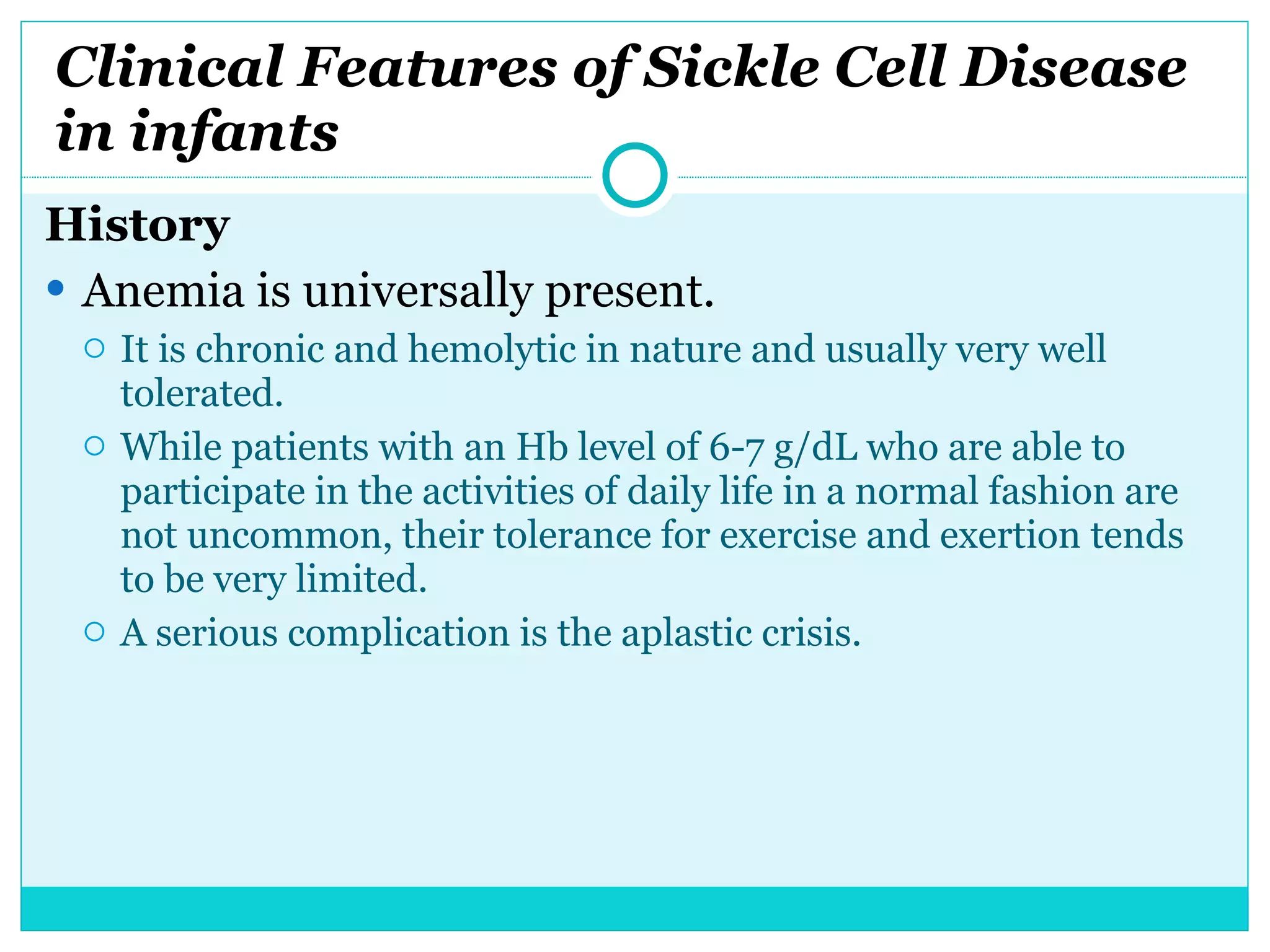
Clinical Features of Sickle Cell Disease in infants History  Anemia is universally present.  It is chronic and hemolytic in nature and usually very well tolerated. While patients with an Hb level of 6-7 g/dL who are able to participate in the activities of daily life in a normal fashion are not uncommon, their tolerance for exercise and exertion tends to be very limited. A serious complication is the aplastic crisis.
The spleen enlarges in the latter part of the first year of life.  Occasionally, it undergoes a sudden very painful enlargement due to pooling of large numbers of sickled cells. This phenomenon is known as splenic sequestration crisis. The nonfunctional spleen is a major contributor to the immune deficiency that exists in these individuals. Another problem occurring in infancy is hand-foot syndrome.  This is a dactylitis presenting as painful swelling of the dorsum of the hand and foot. The acute chest syndrome consists of chest pain, fever, tachypnea, leukocytosis, and pulmonary infiltrates.  This is a medical emergency and must be treated immediately. Fat embolism, resulting from bone marrow infarction, plays an important etiological role in the pathogenesis of this syndrome. If not attended to promptly, it may lead to acute respiratory distress syndrome (ARDS).
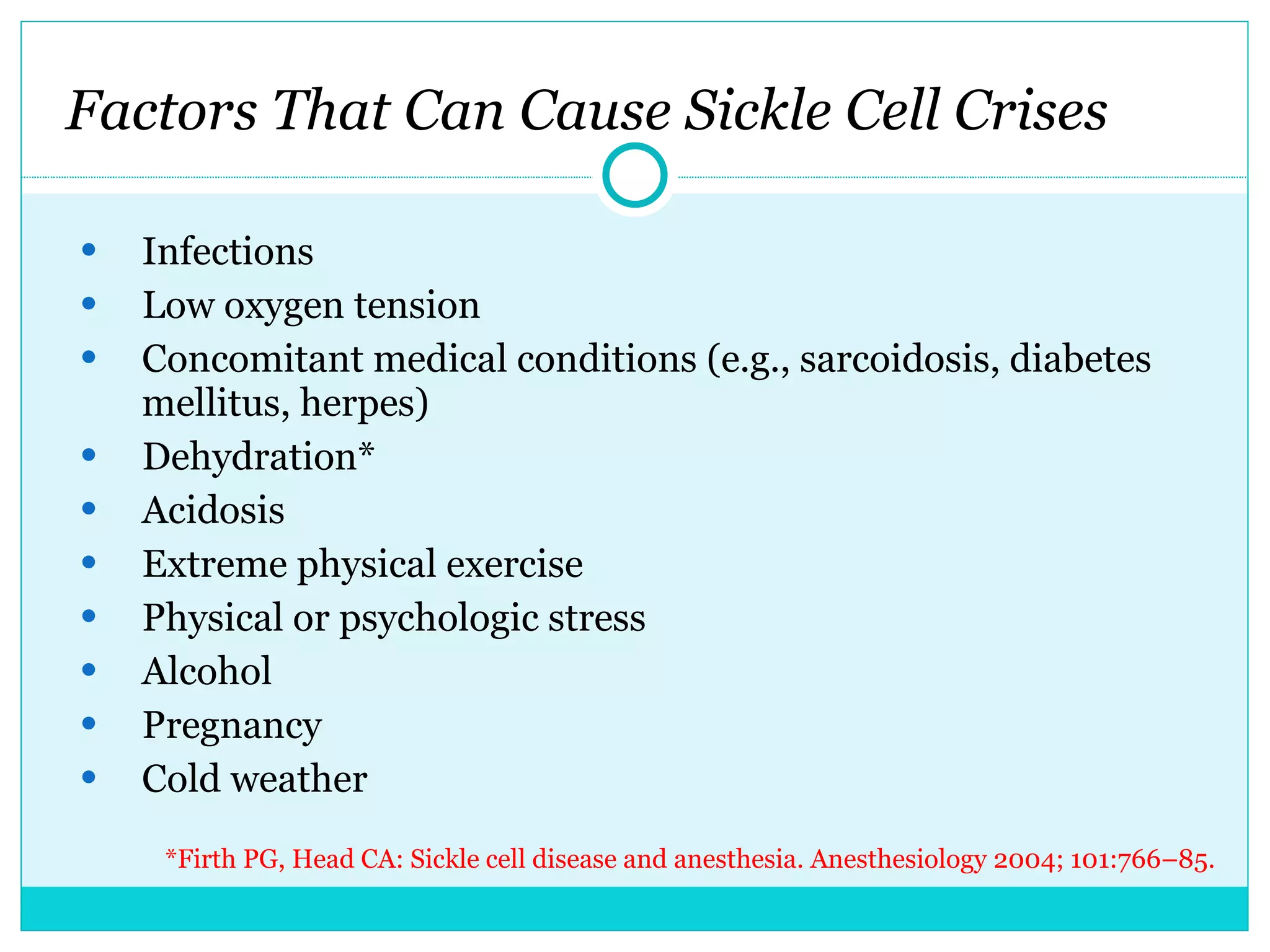
Factors That Can Cause Sickle Cell Crises Infections Low oxygen tension Concomitant medical conditions (e.g., sarcoidosis, diabetes mellitus, herpes) Dehydration* Acidosis Extreme physical exercise Physical or psychologic stress Alcohol Pregnancy Cold weather *Firth PG, Head CA: Sickle cell disease and anesthesia. Anesthesiology 2004; 101:766–85.
Measures for Preventing Pain Crises in Patients with Sickle Cell Disease  Consuming adequate amounts of fluids to prevent dehydration (especially during febrile periods and hot weather) Avoiding exposure to extreme cold, exercising to exhaustion or using drugs that can lead to acidosis (e.g., acetazolamide [Diamox]) Avoiding mountain climbing or air flights in an unpressurized cabin (noncommercial flights) above 10,000 feet Avoiding hypoxemia in the perioperative period when general anesthesia is used or when a procedure involves hypertonic radiographic dyes
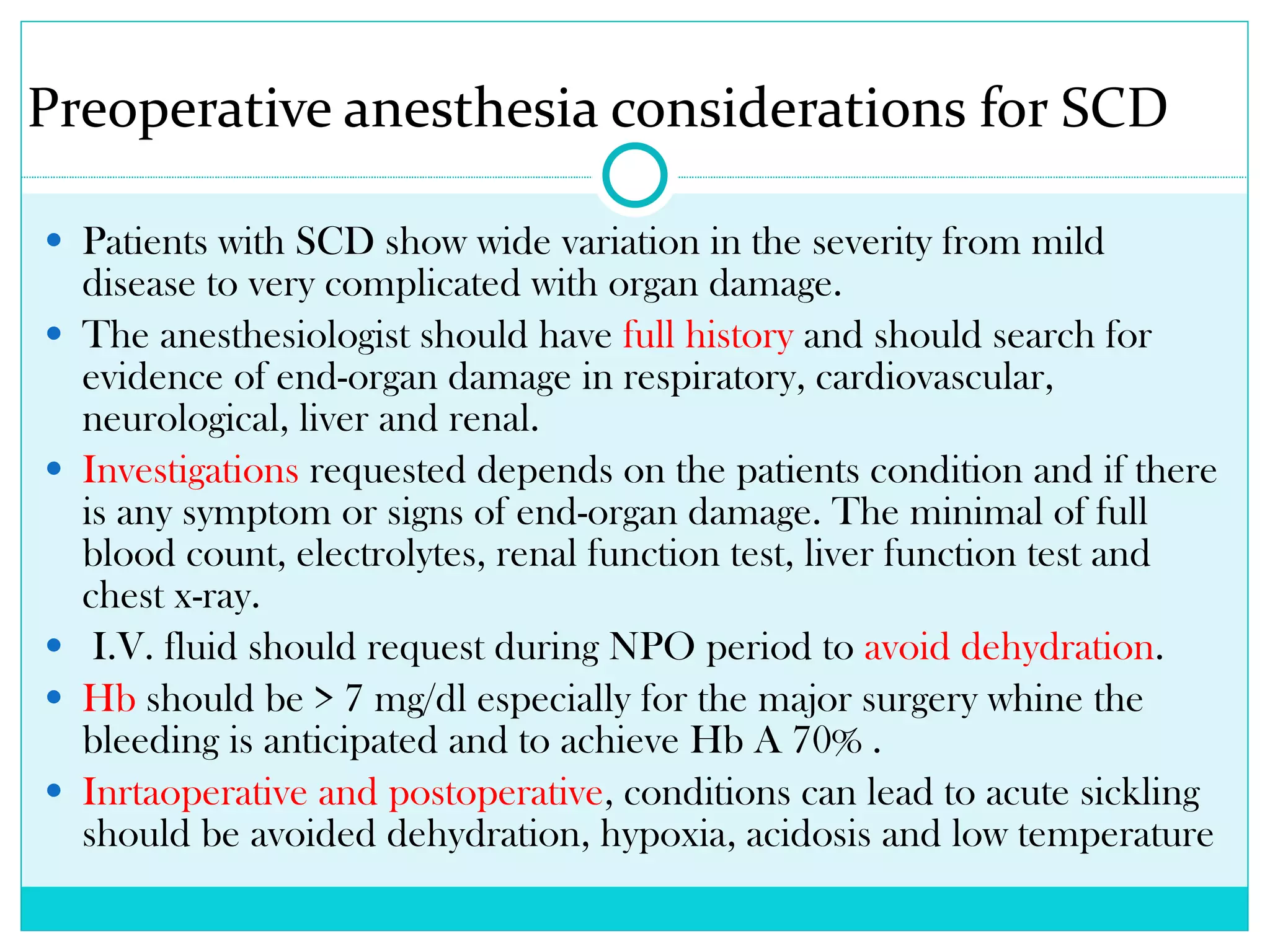
Preoperative anesthesia considerations for SCD Patients with SCD show wide variation in the severity from mild disease to very complicated with organ damage.  The anesthesiologist should have  full history  and should search for evidence of end-organ damage in respiratory, cardiovascular, neurological, liver and renal. Investigations  requested depends on the patients condition and if there is any symptom or signs of end-organ damage. The minimal of full blood count, electrolytes, renal function test, liver function test and chest x-ray. I.V. fluid should request during NPO period to  avoid dehydration . Hb  should be > 7 mg/dl especially for the major surgery whine the bleeding is anticipated and to achieve Hb A 70% .  Inrtaoperative and postoperative , conditions can lead to acute sickling should be avoided dehydration, hypoxia, acidosis and low temperature
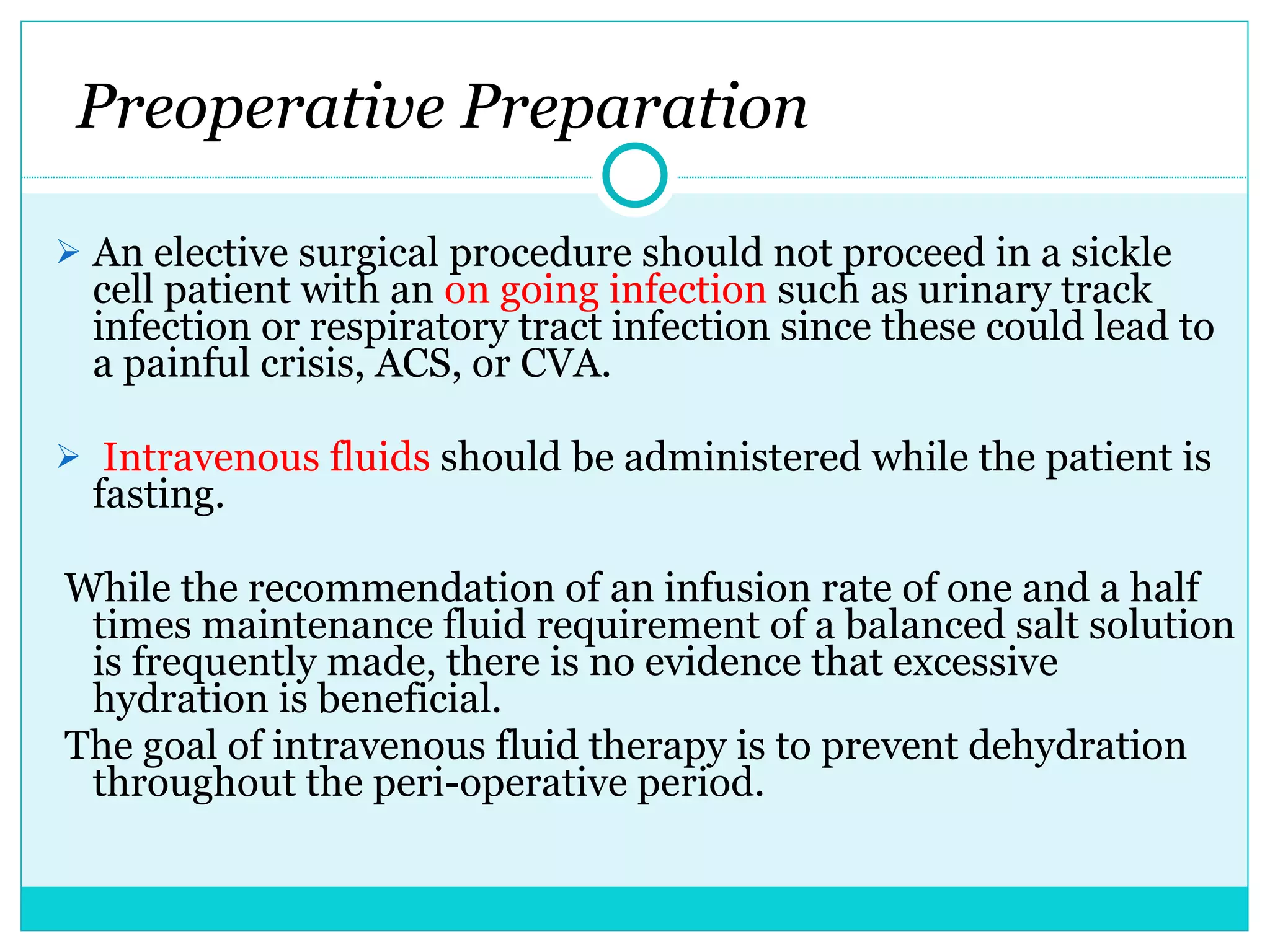
Preoperative Preparation An elective surgical procedure should not proceed in a sickle cell patient with an  on going infection  such as urinary track infection or respiratory tract infection since these could lead to a painful crisis, ACS, or CVA.   Intravenous fluids  should be administered while the patient is fasting. While the recommendation of an infusion rate of one and a half times maintenance fluid requirement of a balanced salt solution is frequently made, there is no evidence that excessive hydration is beneficial. The goal of intravenous fluid therapy is to prevent dehydration throughout the peri-operative period.
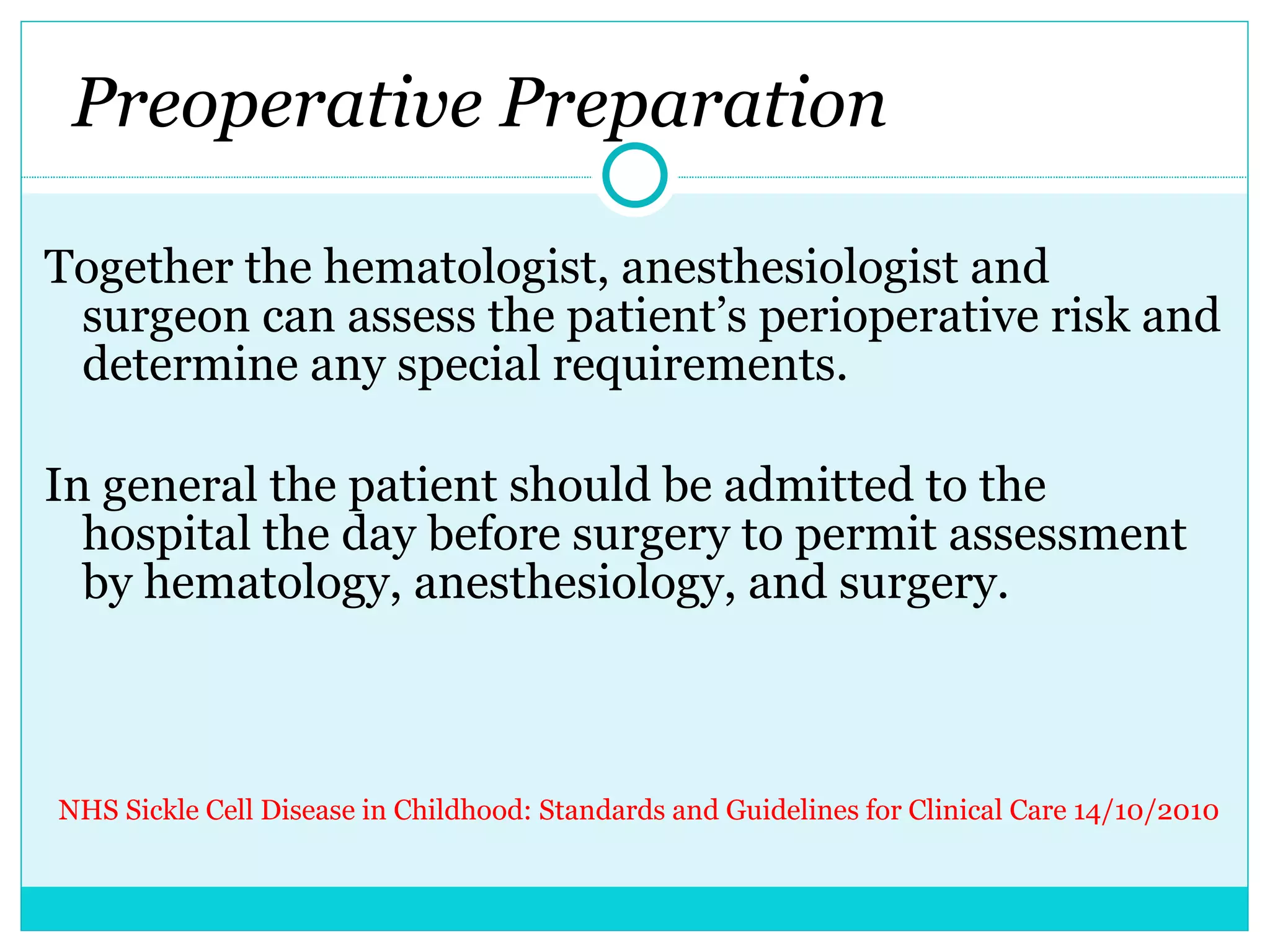
  Preoperative Preparation  Together the hematologist, anesthesiologist and surgeon can assess the patient’s perioperative risk and determine any special requirements.    In general the patient should be admitted to the hospital the day before surgery to permit assessment by hematology, anesthesiology, and surgery. NHS Sickle Cell Disease in Childhood: Standards and Guidelines for Clinical Care 14/10/2010
Investigations It is important that sickle cell disease is written on the forms so that the appropriate investigations are performed. Blood tests required include: FBC  HPLC to determine percentages of HbS, HbF and HbA Group and antibody screen  NHS Sickle Cell and Thalassaemia Screening Programme (2006)  NHS Sickle Cell Disease in Childhood: Standards and Guidelines for Clinical Care 14/10/2010
Preoperative Transfusion The need for and value of preoperative transfusion is one of the more controversial areas in managing patients with sickle cell disease.  The benefits cited are the past history of frequent complications, increased tissue oxygenation, reduced blood viscosity, and a "margin of safety". The most consistent benefit may result from prevention of the need to transfuse after surgery because of bone marrow suppression. The disadvantages include induction of hyperviscosity, significant alloimmunization, delayed transfusion reactions, exposure to infectious disease, cost, and provision of a false sense of security.
Indications for transfusion therapy in sickle-cell disease Acute Acute on chronic anaemias: splenic sequestration and severe or longlasting aplastic crises CNS: acute stroke Pulmonary: acute chest syndrome (with hypoxia or chest radiography with multisegment involvement) Acute multiple-organ-failure syndrome Preoperative (in select cases) Sickle-cell disease  Marie J Stuart, Ronald L Nagel  Lancet 2004; 364: 1343–60
Fu T,  et al.: Minor elective surgical procedures using general anesthesia  in children with sickle cell anemia without preoperative blood transfusion. Pediatr Blood Cancer 2005. 28 children with hemoglobin SS undergoing a total of 38 minor surgical procedures The findings of the study showed the preoperative blood transfusions were not necessary for minor elective surgical procedures. Vichinsky EP,  et al.: A comparison of conservative and aggressive  transfusion regimens in the perioperative management of sickle cell disease. N EnglJ Med 1995. 55 patients for a total of 60 surgical procedures The findings of the study showed the perioperative complication rate was the same for both groups; however, there were two deaths and twice as many transfusion-related complications in the aggressive group. The authors concluded a simple transfusion was as beneficial and less risky as an aggressive transfusion regimen . Preoperative Transfusion
National Institutes of Health’s 2002 publication on “ The Management of Sickle Cell Disease” recommends: “ In patients with SCD-SS and SCD-S β Thalassemia, simple transfusion to achieve a hemoglobin of 10g/dl should be performed before all but the lowest risk procedures.”  Preoperative Transfusion
General vs. regional study involving nearly 717 patients undergoing more than 1,000 surgical procedures revealed more sickle cell disease-related complications after surgery among patients with sickle cell disease having regional anesthesia as opposed to general anesthesia.Although regional anesthesia induces vasodilatation and increases capillary and venous oxygen tension in the anesthetized area, there is compensatory vasoconstriction and possible reduction in venous oxygen tension in the rest of the body.  The authors of the study qualified this finding by stating the obstetric population is inherently at higher risk for sickle cell-related complications. Koshy  et al.: Surgery and anesthesia in sickle cell disease. Cooperative  Study of Sickle Cell Diseases. Blood 1995; 86:3676  Firth PG, Head CA: Sickle cell disease and anesthesia. Anesthesiology 2004; 101:766–85
Predictors of Postoperative SCD complications T ype of surgical procedure-Low, moderate or high risk Increased age-Associated with disease progression Frequency of recent complications-Current activity of disease state Hospitalization-Marker of disease severity Temporal clustering of ACS-Progression of lung disease Abnormal lung fields on radiograph-Evidence of sickle chronic lung disease Pregnancy-Increased risk of maternal complications Pre-existing infection-Triggering agent for ACS Haplotype-African haplotypes have more severe disease than the Asian haplotype Anesthesiology, V 101, No 3, Sep 2004
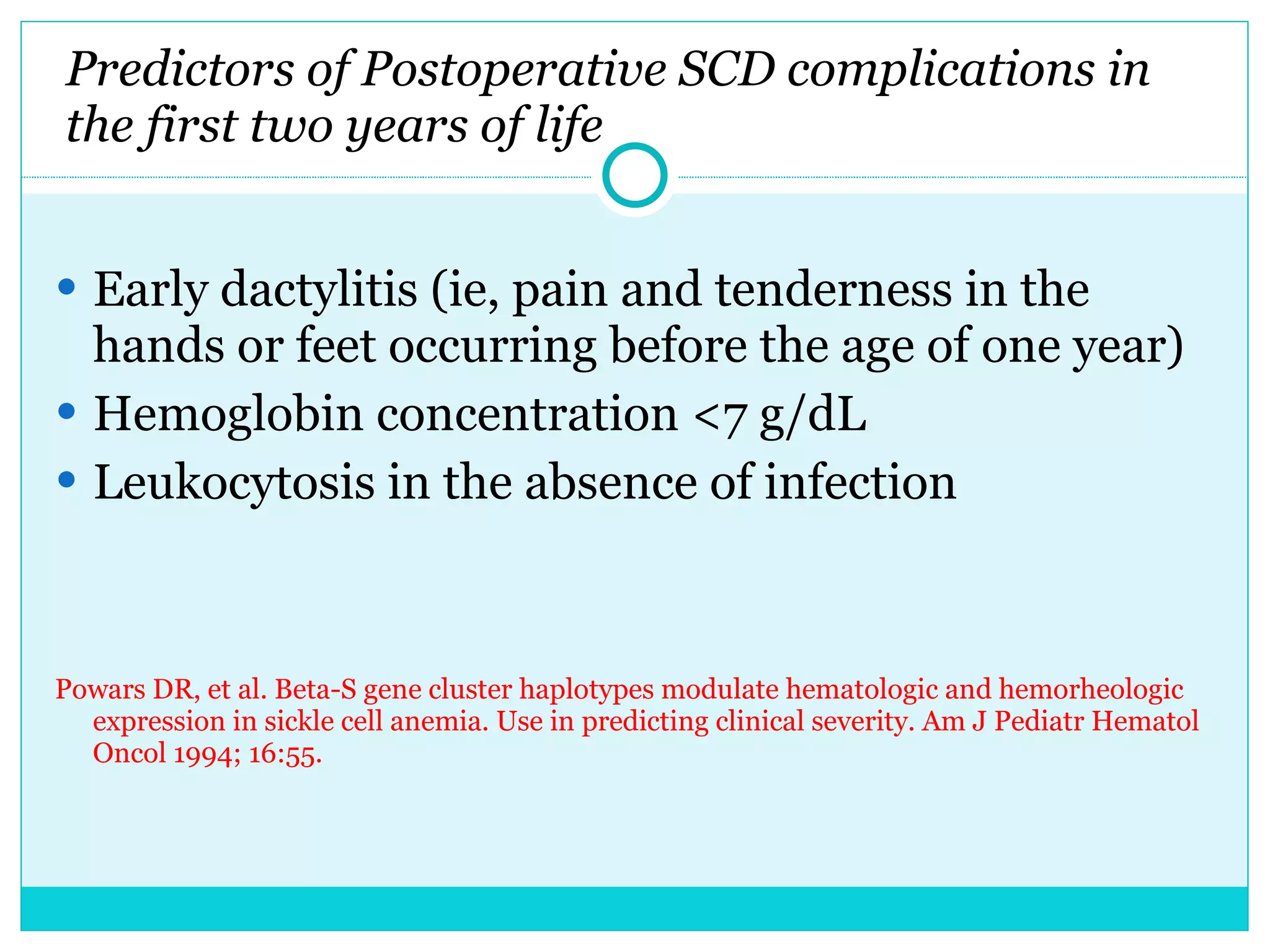
Predictors of Postoperative SCD complications in the first two years of life Early dactylitis (ie, pain and tenderness in the hands or feet occurring before the age of one year)  Hemoglobin concentration <7 g/dL  Leukocytosis in the absence of infection  Powars DR, et al.  Beta-S gene cluster haplotypes modulate hematologic and hemorheologic expression in sickle cell anemia. Use in predicting clinical severity. Am J Pediatr Hematol Oncol 1994; 16:55.
Mortality/Morbidity Among children and adults with sickle cell anemia (homozygous for sickle hemoglobin), the median age at death was 42 years for males and 48 years for females. * Historically, perioperative mortality rates as high as 10% and morbidity rates as high as 50% have been reported. More recent studies have reported a mortality of around 1%.  ** *Orah S. Platt,  N Engl J Med ;June 9, 1994 **Sickle Cell Disease in Childhood: Standards and Guidelines for Clinical Care 14/10/2010
Postoperative Management Most of the serious sickle cell disease related complications occur in the postoperative period. Vaso-occlusive crises are among the most frequent and include painful crisis, acute chest syndrome and stroke.  For these reasons the with the paradigm used in The Preoperative Transfusion in Sickle Cell Disease Study Group, which includes postoperative oxygen supplementation, hydration, and pulse oximeter monitoring.  This has obvious implications on the advisability of outpatient surgery for these patients.
Pregnant women with sickle cell disease Anesthetic management of pregnant women with sickle cell disease - effect on postnatal sickling complications Conclusion :  Our study suggests that general anesthesia could be associated with postnatal sickling complications, even when the severity of illness was taken into account. Julien Camous MD, CAN J ANESTH 2008 / 55: 5 / pp 276–283 Firth PG, Head CA: Sickle cell disease and anesthesia. Anesthesiology 2004; 101:766–85 A randomized, controlled trial in 72 patients found no significant difference in perinatal outcome between the offspring of mothers with SCD treated with prophylactic transfusions and those who were not. Morrison JC. Use of partial exchange transfusion preoperatively in patients with sickle cell hemoglobinopathies. Am J Obstet Gynecol 1978; 132:59.
Websites http://www.sicklecellsociety.org/:  Another Great Site information, Counselling and Caring for those with Sickle Cell Disorders and their families: UK based http://www.sicklecelldisease.org/:  Sickle Cell Disease Association of America The Human Genome Project Sickle Cell Education Site at  http://www.massinteraction.org/html/genome/ http://www.ascaa.org/  American Sickle Cell Anemia Association ASCAA was founded in 1971 and is the oldest sickle cell research, education, and social services organization in the United States. http://www.ncd.gov/ http://www.painfoundation.org/  

Sickle cell disease

  • 1.
    Sickle celldisease Dr Moutasem Almashour
  • 2.
    Definition Clinical Featuresof Sickle Cell Disease Pathophysiology Distribution of the sickle-cell(Epidemiology) Mortality/Morbidity Features of sickle-cell disease Factors That Can Cause Sickle Cell Crises Anesthetic Management Preoperative Preparation Transfusion Predictors of Postoperative SCD complications
  • 3.
    What is SickleCell Anemia (SCA)? Sickle-cell disease (SCD), or sickle-cell anaemia or drepanocytosis, is an autosomal co-dominant genetic blood disorder characterized by red blood cell that assume an abnormal, rigid, sickle shape. + Recurrent episodes of painful crises, and progressive end-organ damage The American Society of Anesthesiologists© 2008 , Inc.ISSN 0363-471X
  • 4.
    Normally, humans have Of these, Haemoglobin A makes up around 96-97% of the normal haemoglobin in humans. Haemoglobin A two alpha two beta A2 two alpha two delta F two alpha two gamma
  • 5.
    C ommon typesof Sickle Cell Disorders Type of anaemia Hemoglobin variation comment Sickle Cell Anemia Sickle haemoglobin (HbS) + Sickle haemoglobin Most Severe – No HbA Hemoglobin S-Beta thalassemia Sickle haemoglobin (HbS) + reduced HbA Mild form of Sickle Cell Disorder Hemoglobin S-C disease Sickle haemoglobin (HbS) + (HbC) Mild form of Sickle Cell Disorder Sickle Cell Trait Sickle haemoglobin (S) + Normal haemoglobin (A)
  • 6.
    Sickle Cell TraitSickle haemoglobin (S) + Normal haemoglobin (A) in RBC Adequate amount of normal Hb (A) in red blood cells RBC remain flexible Carrier Do Not have the symptoms of the sickle cell disorders, with exceptions: Pain when Less Oxygen than usual (scuba diving, activities at high altitude (12,000ft), under general anaesthesia) Minute kidney problems* *Gupta, Kirchner, Nicholson, Adams, Schechter, Noguchi, Steinberg, JCI 1991
  • 7.
    Epidemiology Thehighest frequency of sickle cell disease is found in tropical regions, particularly sub-Saharan Africa, India and the Middle-East. Africa Three quarters of sickle-cell cases occur in Africa. WHO report 2% of newborns affected by sickle cell anemia The carrier 2% and 40% United Kingdom In United Kingdom, more than 200 babies are born annually with SCD. Middle East About 6,000 children are born annually with SCD, at least 50% of these in Saudi Arabia. India The prevalence has ranged from 9.4 to 22.2% in endemic areas.
  • 8.
    Features of sickle-celldisease in Bahrain In 56198 Bahrainis, we found that 2% of newborns have sickle-cell disease (SCD) and 18% have sickle-cell trait, while 24% are carriers of the (thalassaemia gene). It was also found that their haematological values are similar to those of patients from Eastern Province, Saudi Arabia , where the mild form of the disease predominates. . In Qateef region of Saudi Arabia Hb F found at steady high level in sickle cell disease has been the rule rather than exception*.   Sheikha Al Arrayed ,Eastern Mediterranean Health Journal  | Volume 1,1995 *Weatherall DJ. Some aspects of the haemoglobinopathies of particular relevance to Saudi Arabia and other parts of the Middle East. Saudi Med J 1988;9:107-15
  • 9.
    Pathophysiology Sickle-cell anaemiaIs caused by a point mutation in the β-globin chain of haemoglobin, causing the hydrophilic amino acid glutamic acid to be replaced with the hydrophobic amino acid valine at the sixth position. Red blood cells typically live 90–120 days, but sickle cells only survive 10–20 days. Quinn CT, et al.: Minor elective surgical procedures using general anesthesia in children with sickle cell anemia without pre-operative blood transfusion. Pediatr Blood Cancer 2005; 45:43–7
  • 10.
    Pathophysiology cont. Theinduction of sickling in susceptible erythrocytes requires exposure to oxygen tensions less than 40 mmHg for 2 to 4 minutes . The de-oxygenation of hemoglobin S leads to polymerization of insoluble hemoglobin S strands The initiation of polymerization may be incomplete and reversible if re-oxygenation occurs early in the process. Repetitive exposure to alternating de-oxygenated and oxygenated states can lead to membrane distortion, oxidative damage and irreversible sickling. Marchant WA, Walker I: Anaesthetic management of the child with sickle cell disease. Paediatr Anaesth 2003; 13:473–89. Anesthesiology Problem-oriented Patient Management, 6th ed. 2008, pp 980–92.
  • 11.
    Red Blood Cellsfrom Sickle Cell Anemia Deoxygenation of SS erythrocytes leads to intracellular hemoglobin polymerization, loss of deformability and changes in cell morphology. OXY-STATE DEOXY-STATE
  • 12.
  • 13.
    Clinical Features ofSickle Cell Disease Hematological Hemolytic anemia Typical baseline hemoglobin levels are 6–9 g/dl in SS disease. Acute aplastic anemia Parvovirus B19 infections trigger acute severe exacerbations of anemia Splenic enlargement/fibrosis Orthopedic Osteonecrosis 50 % of adults Osteomyelitits . Dactylitis Early onset is a marker of disease severity Vascular Leg ulcers 20 % of SS adults David C. Warltier, M.D., Ph.D., Editor, Anesthesiology 2004
  • 14.
    Clinical Features ofSickle Cell Disease Neurological Pain crisis 70% of patients Stroke 10% of children; Cause of 20% deaths. Proliferative retinopathy 50% of SC adults; rare in SS homozygotes Chronic pain syndrome A small subset of patients Pulmonary Acute Chest Syndrome 40% of patients; mortality rate of 1.1% for children and 4.8% for adults. Airway hyperreactivity 35% of children Restrictive lung disease 10–15% of patients David C. Warltier, M.D., Ph.D., Editor, Anesthesiology 2004
  • 15.
    Clinical Features ofSickle Cell Disease Immunological Immune dysfunction Increased susceptibility to infections Erythrocyte auto/alloimmunization Increased incidence of transfusion Hemolytic transfusion reactions ACS acute chest syndrome; Genitourinary Chronic renal insufficiency 5–20% of adults Priapism 10–40% of men Gastrointestinal Cholelithiasis 70% of adults Viral hepatitis from transfusion 10% of adults Liver failure 2%. David C. Warltier, M.D., Ph.D., Editor, Anesthesiology 2004
  • 16.
    Defective Urine ConcentratingAbility in Sickle Cell anaemia High osmolality and low O 2 sat of the renal medulla are conditions that favor polymerization. Hemoglobin polymerization correlates inversely with urine concentrating ability. a-Thalassemia reduces %HbS, and polymerization potential . Gupta, Kirchner, Nicholson, Adams, Schechter, Noguchi, Steinberg, JCI 1991
  • 17.
    Clinical Features ofSickle Cell Disease in infants History Anemia is universally present. It is chronic and hemolytic in nature and usually very well tolerated. While patients with an Hb level of 6-7 g/dL who are able to participate in the activities of daily life in a normal fashion are not uncommon, their tolerance for exercise and exertion tends to be very limited. A serious complication is the aplastic crisis.
  • 18.
    The spleen enlargesin the latter part of the first year of life. Occasionally, it undergoes a sudden very painful enlargement due to pooling of large numbers of sickled cells. This phenomenon is known as splenic sequestration crisis. The nonfunctional spleen is a major contributor to the immune deficiency that exists in these individuals. Another problem occurring in infancy is hand-foot syndrome. This is a dactylitis presenting as painful swelling of the dorsum of the hand and foot. The acute chest syndrome consists of chest pain, fever, tachypnea, leukocytosis, and pulmonary infiltrates. This is a medical emergency and must be treated immediately. Fat embolism, resulting from bone marrow infarction, plays an important etiological role in the pathogenesis of this syndrome. If not attended to promptly, it may lead to acute respiratory distress syndrome (ARDS).
  • 19.
    Factors That CanCause Sickle Cell Crises Infections Low oxygen tension Concomitant medical conditions (e.g., sarcoidosis, diabetes mellitus, herpes) Dehydration* Acidosis Extreme physical exercise Physical or psychologic stress Alcohol Pregnancy Cold weather *Firth PG, Head CA: Sickle cell disease and anesthesia. Anesthesiology 2004; 101:766–85.
  • 20.
    Measures for PreventingPain Crises in Patients with Sickle Cell Disease Consuming adequate amounts of fluids to prevent dehydration (especially during febrile periods and hot weather) Avoiding exposure to extreme cold, exercising to exhaustion or using drugs that can lead to acidosis (e.g., acetazolamide [Diamox]) Avoiding mountain climbing or air flights in an unpressurized cabin (noncommercial flights) above 10,000 feet Avoiding hypoxemia in the perioperative period when general anesthesia is used or when a procedure involves hypertonic radiographic dyes
  • 21.
    Preoperative anesthesia considerationsfor SCD Patients with SCD show wide variation in the severity from mild disease to very complicated with organ damage. The anesthesiologist should have full history and should search for evidence of end-organ damage in respiratory, cardiovascular, neurological, liver and renal. Investigations requested depends on the patients condition and if there is any symptom or signs of end-organ damage. The minimal of full blood count, electrolytes, renal function test, liver function test and chest x-ray. I.V. fluid should request during NPO period to avoid dehydration . Hb should be > 7 mg/dl especially for the major surgery whine the bleeding is anticipated and to achieve Hb A 70% . Inrtaoperative and postoperative , conditions can lead to acute sickling should be avoided dehydration, hypoxia, acidosis and low temperature
  • 22.
    Preoperative Preparation Anelective surgical procedure should not proceed in a sickle cell patient with an on going infection such as urinary track infection or respiratory tract infection since these could lead to a painful crisis, ACS, or CVA.   Intravenous fluids should be administered while the patient is fasting. While the recommendation of an infusion rate of one and a half times maintenance fluid requirement of a balanced salt solution is frequently made, there is no evidence that excessive hydration is beneficial. The goal of intravenous fluid therapy is to prevent dehydration throughout the peri-operative period.
  • 23.
      Preoperative Preparation Together the hematologist, anesthesiologist and surgeon can assess the patient’s perioperative risk and determine any special requirements.   In general the patient should be admitted to the hospital the day before surgery to permit assessment by hematology, anesthesiology, and surgery. NHS Sickle Cell Disease in Childhood: Standards and Guidelines for Clinical Care 14/10/2010
  • 24.
    Investigations It isimportant that sickle cell disease is written on the forms so that the appropriate investigations are performed. Blood tests required include: FBC HPLC to determine percentages of HbS, HbF and HbA Group and antibody screen NHS Sickle Cell and Thalassaemia Screening Programme (2006) NHS Sickle Cell Disease in Childhood: Standards and Guidelines for Clinical Care 14/10/2010
  • 25.
    Preoperative Transfusion Theneed for and value of preoperative transfusion is one of the more controversial areas in managing patients with sickle cell disease. The benefits cited are the past history of frequent complications, increased tissue oxygenation, reduced blood viscosity, and a &quot;margin of safety&quot;. The most consistent benefit may result from prevention of the need to transfuse after surgery because of bone marrow suppression. The disadvantages include induction of hyperviscosity, significant alloimmunization, delayed transfusion reactions, exposure to infectious disease, cost, and provision of a false sense of security.
  • 26.
    Indications for transfusiontherapy in sickle-cell disease Acute Acute on chronic anaemias: splenic sequestration and severe or longlasting aplastic crises CNS: acute stroke Pulmonary: acute chest syndrome (with hypoxia or chest radiography with multisegment involvement) Acute multiple-organ-failure syndrome Preoperative (in select cases) Sickle-cell disease Marie J Stuart, Ronald L Nagel Lancet 2004; 364: 1343–60
  • 27.
    Fu T, et al.: Minor elective surgical procedures using general anesthesia in children with sickle cell anemia without preoperative blood transfusion. Pediatr Blood Cancer 2005. 28 children with hemoglobin SS undergoing a total of 38 minor surgical procedures The findings of the study showed the preoperative blood transfusions were not necessary for minor elective surgical procedures. Vichinsky EP, et al.: A comparison of conservative and aggressive transfusion regimens in the perioperative management of sickle cell disease. N EnglJ Med 1995. 55 patients for a total of 60 surgical procedures The findings of the study showed the perioperative complication rate was the same for both groups; however, there were two deaths and twice as many transfusion-related complications in the aggressive group. The authors concluded a simple transfusion was as beneficial and less risky as an aggressive transfusion regimen . Preoperative Transfusion
  • 28.
    National Institutes ofHealth’s 2002 publication on “ The Management of Sickle Cell Disease” recommends: “ In patients with SCD-SS and SCD-S β Thalassemia, simple transfusion to achieve a hemoglobin of 10g/dl should be performed before all but the lowest risk procedures.” Preoperative Transfusion
  • 29.
    General vs. regionalstudy involving nearly 717 patients undergoing more than 1,000 surgical procedures revealed more sickle cell disease-related complications after surgery among patients with sickle cell disease having regional anesthesia as opposed to general anesthesia.Although regional anesthesia induces vasodilatation and increases capillary and venous oxygen tension in the anesthetized area, there is compensatory vasoconstriction and possible reduction in venous oxygen tension in the rest of the body. The authors of the study qualified this finding by stating the obstetric population is inherently at higher risk for sickle cell-related complications. Koshy et al.: Surgery and anesthesia in sickle cell disease. Cooperative Study of Sickle Cell Diseases. Blood 1995; 86:3676 Firth PG, Head CA: Sickle cell disease and anesthesia. Anesthesiology 2004; 101:766–85
  • 30.
    Predictors of PostoperativeSCD complications T ype of surgical procedure-Low, moderate or high risk Increased age-Associated with disease progression Frequency of recent complications-Current activity of disease state Hospitalization-Marker of disease severity Temporal clustering of ACS-Progression of lung disease Abnormal lung fields on radiograph-Evidence of sickle chronic lung disease Pregnancy-Increased risk of maternal complications Pre-existing infection-Triggering agent for ACS Haplotype-African haplotypes have more severe disease than the Asian haplotype Anesthesiology, V 101, No 3, Sep 2004
  • 31.
    Predictors of PostoperativeSCD complications in the first two years of life Early dactylitis (ie, pain and tenderness in the hands or feet occurring before the age of one year) Hemoglobin concentration <7 g/dL Leukocytosis in the absence of infection Powars DR, et al. Beta-S gene cluster haplotypes modulate hematologic and hemorheologic expression in sickle cell anemia. Use in predicting clinical severity. Am J Pediatr Hematol Oncol 1994; 16:55.
  • 32.
    Mortality/Morbidity Among childrenand adults with sickle cell anemia (homozygous for sickle hemoglobin), the median age at death was 42 years for males and 48 years for females. * Historically, perioperative mortality rates as high as 10% and morbidity rates as high as 50% have been reported. More recent studies have reported a mortality of around 1%. ** *Orah S. Platt, N Engl J Med ;June 9, 1994 **Sickle Cell Disease in Childhood: Standards and Guidelines for Clinical Care 14/10/2010
  • 33.
    Postoperative Management Mostof the serious sickle cell disease related complications occur in the postoperative period. Vaso-occlusive crises are among the most frequent and include painful crisis, acute chest syndrome and stroke. For these reasons the with the paradigm used in The Preoperative Transfusion in Sickle Cell Disease Study Group, which includes postoperative oxygen supplementation, hydration, and pulse oximeter monitoring. This has obvious implications on the advisability of outpatient surgery for these patients.
  • 34.
    Pregnant women withsickle cell disease Anesthetic management of pregnant women with sickle cell disease - effect on postnatal sickling complications Conclusion : Our study suggests that general anesthesia could be associated with postnatal sickling complications, even when the severity of illness was taken into account. Julien Camous MD, CAN J ANESTH 2008 / 55: 5 / pp 276–283 Firth PG, Head CA: Sickle cell disease and anesthesia. Anesthesiology 2004; 101:766–85 A randomized, controlled trial in 72 patients found no significant difference in perinatal outcome between the offspring of mothers with SCD treated with prophylactic transfusions and those who were not. Morrison JC. Use of partial exchange transfusion preoperatively in patients with sickle cell hemoglobinopathies. Am J Obstet Gynecol 1978; 132:59.
  • 35.
    Websites http://www.sicklecellsociety.org/: Another Great Site information, Counselling and Caring for those with Sickle Cell Disorders and their families: UK based http://www.sicklecelldisease.org/: Sickle Cell Disease Association of America The Human Genome Project Sickle Cell Education Site at http://www.massinteraction.org/html/genome/ http://www.ascaa.org/ American Sickle Cell Anemia Association ASCAA was founded in 1971 and is the oldest sickle cell research, education, and social services organization in the United States. http://www.ncd.gov/ http://www.painfoundation.org/