Collapse
and
Syncope
DR IAN TURNER FACEM
Definitions
▪ Transient LOC + loss of postural tone + full spontaneous recovery
▪ Loss of postural tone +/- LOC
Multiple causes
Toxicological
Conduction blocks
Aortic dissection
Addison’s
Seizure
CVA
Psychogenic
Bradydysrhythmias
Tachydysrhythmias
Autonomic dysfunction
Aortic stenosis
HOCM
Vasovagal
Orthostatic hypotension
Pulmonary embolus
Hypoglycaemia
Subarachnoid haemorrhage
Iatrogenic
GI bleed
Case 1
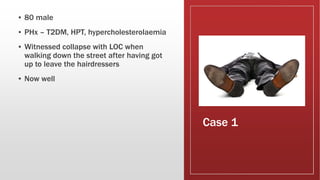
▪ 80 male
▪ PHx – T2DM, HPT, hypercholesterolaemia
▪ Witnessed collapse with LOC when
walking down the street after having got
up to leave the hairdressers
▪ Now well
Case 1 – Important Questions
History
▪ Previous episodes
▪ Associated symptoms
▪ Medications
Examination
▪ Vitals (postural changes)
▪ Murmurs
▪ Neuro (posterior circulation)
▪ PR for blood
Case 1 – Useful Tests
Bedside Tests
▪ BSL
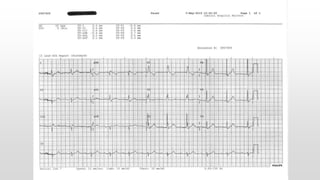
▪ ECG
▪ VBG
▪ MSU
Other Investigations
▪ As indicated
Case 1 – Now what?
▪ Admit?
▪ Indications for PPM?
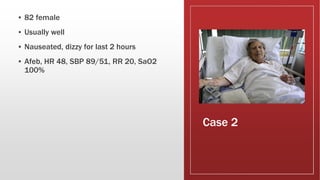
Case 2
▪ 82 female
▪ Usually well
▪ Nauseated, dizzy for last 2 hours
▪ Afeb, HR 48, SBP 89/51, RR 20, SaO2
100%
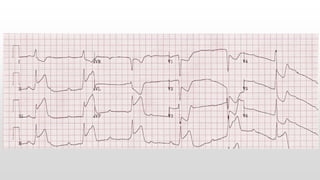
Case 2 - Interventions
Inferior STEMI
▪ Definitive – reperfusion
▪ Symptom control
▪ Antiplatelet agents
▪ Anticogaultion
Bradydysrhythmia
▪ Atropine
▪ Isoprenaline
▪ Adrenaline
▪ Pacing
▪ Reperfusion
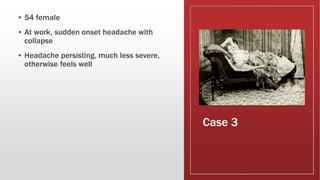
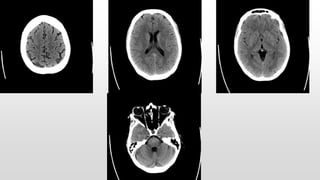
Case 3
▪ 54 female
▪ At work, sudden onset headache with
collapse
▪ Headache persisting, much less severe,
otherwise feels well
Case 3 – Important Questions
History
▪ Headache details
▪ Neurological symptoms
▪ Family history
Exam
▪ Vitals
▪ Focal neurology
▪ Meningism
▪ Papilloedema
Case 3 – Important Questions
Bedside Tests
▪ The usual
Other investigations
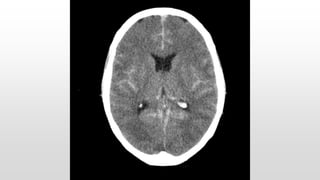
▪ CT +/- A
▪ MRI/A
▪ LP – timing?
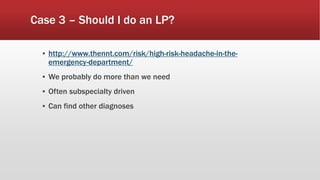
Case 3 – Should I do an LP?
▪ http://www.thennt.com/risk/high-risk-headache-in-the-
emergency-department/
▪ We probably do more than we need
▪ Often subspecialty driven
▪ Can find other diagnoses
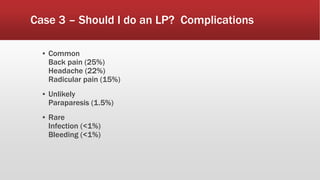
Case 3 – Should I do an LP? Complications
▪ Common
Back pain (25%)
Headache (22%)
Radicular pain (15%)
▪ Unlikely
Paraparesis (1.5%)
▪ Rare
Infection (<1%)
Bleeding (<1%)
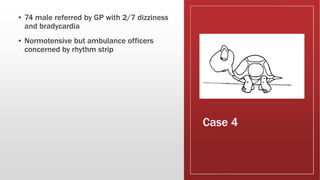
Case 4
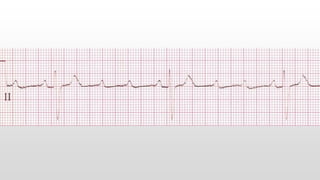
▪ 74 male referred by GP with 2/7 dizziness
and bradycardia
▪ Normotensive but ambulance officers
concerned by rhythm strip
Case 4 – What interventions will you consider?
▪ Cardiac monitoring
▪ IV access
▪ Temporising medications
▪ Electrolyte corrections
▪ Pacing
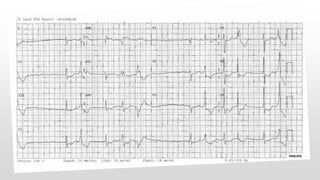
Case 5
▪ 67 female collapse at home
▪ 1/52 of dizziness, nausea, and visual
changes
▪ PHx – AF, MVR (endocarditis)
▪ Meds – aspirin, warfarin, digoxin
Case 5 – Choose two blood tests
▪ Digoxin = 3.7nmol/L (2.8ng/mL)
▪ Potassium = 4.2mmol/L
Case 5 – What interventions are indicated?
▪ Cardiac monitoring
▪ With-hold digoxin
▪ Antidotes?
▪ What if the potassium was 7.1mmol/L?
Case 6
▪ 71 male BIBA following witnessed loss of
consciousness at lunch whilst sitting
▪ Now feels fine and determined to go
home
▪ PHx – HPT, CCF
▪ Meds – prazosin, irbesartan, frusemide,
metoprolol
▪ SHx – lives alone
Case 6 – ED workup
History and exam
▪ Dizzy, followed by witnessed
period of unresponsiveness, then
return to normal GCS
Usual investigations
▪ Normal
Case 6 – Discharge or Admit
▪ Gestalt
▪ Decision rules
▪ Social circumstances
Case 6 – Decision Rules
▪ San Francisco syncope rule (“CHESS)”
▪ Boston syncope rule
▪ Rose criteria
▪ STePS criteria
▪ Generally good sensitivity
Average to poor specificity
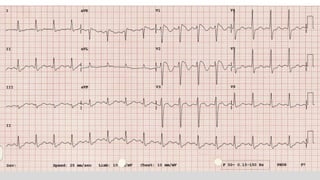
Case 7
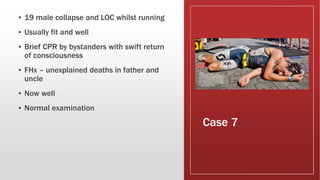
▪ 19 male collapse and LOC whilst running
▪ Usually fit and well
▪ Brief CPR by bystanders with swift return
of consciousness
▪ FHx – unexplained deaths in father and
uncle
▪ Now well
▪ Normal examination
Case 7 – Red flags?
▪ Young
▪ Exertional syncope
▪ Family history
Case 7 – Differentials?
▪ Conduction abnormalities
▪ Structural heart disease
▪ Channelopathies
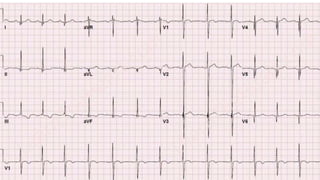
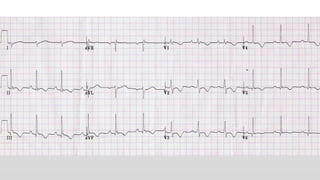
Case 7
▪ Exertional syncope and abnormal ECG – admit!
▪ Will need further cardiology workup
▪ A lot end up with AICD
Case 8
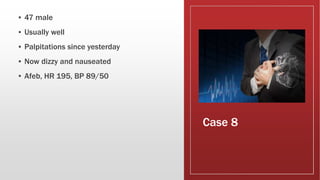
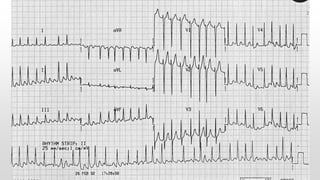
▪ 47 male
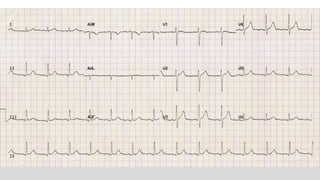
▪ Usually well
▪ Palpitations since yesterday
▪ Now dizzy and nauseated
▪ Afeb, HR 195, BP 89/50
Case 8 – what are your actions?
▪ Cardiac monitor
▪ Defib pads
▪ IV access
▪ Fluid bolus
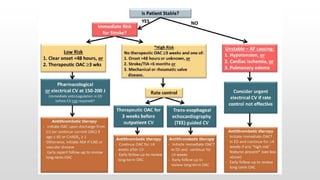
▪ Rate or rhythm control – why?
Case 8 – Rhythm control, how?
▪ Electrical
▪ Synced
▪ Sedation determined by urgency and cardiovascular stability
Case 8 – Discharge or admit?
▪ Completely asymptomatic
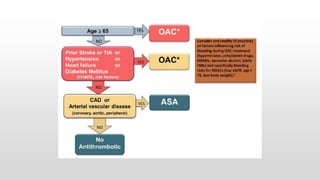
▪ Decision for anticoagulation
▪ Need for ongoing rhythm control
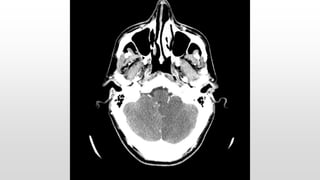
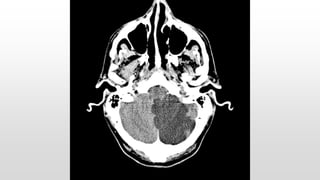
Case 9
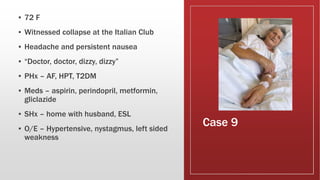
▪ 72 F
▪ Witnessed collapse at the Italian Club
▪ Headache and persistent nausea
▪ “Doctor, doctor, dizzy, dizzy”
▪ PHx – AF, HPT, T2DM
▪ Meds – aspirin, perindopril, metformin,
gliclazide
▪ SHx – home with husband, ESL
▪ O/E – Hypertensive, nystagmus, left sided
weakness
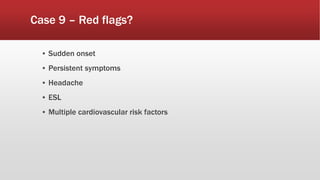
Case 9 – Red flags?
▪ Sudden onset
▪ Persistent symptoms
▪ Headache
▪ ESL
▪ Multiple cardiovascular risk factors
Case 9 – Investigations
▪ Normal ECG
▪ Normal bloods
▪ CT…
Case 9 - Management
▪ Analgesia and antiemetics
▪ Neuro obs – risk of raised ICP with larger posterior fossa strokes
▪ Blood pressure control
▪ Neurology opinion and consideration of thrombolysis
▪ Stroke unit

Collapse and syncope

  • 1.
  • 2.
    Definitions ▪ Transient LOC+ loss of postural tone + full spontaneous recovery ▪ Loss of postural tone +/- LOC
  • 3.
    Multiple causes Toxicological Conduction blocks Aorticdissection Addison’s Seizure CVA Psychogenic Bradydysrhythmias Tachydysrhythmias Autonomic dysfunction Aortic stenosis HOCM Vasovagal Orthostatic hypotension Pulmonary embolus Hypoglycaemia Subarachnoid haemorrhage Iatrogenic GI bleed
  • 4.
    Case 1 ▪ 80male ▪ PHx – T2DM, HPT, hypercholesterolaemia ▪ Witnessed collapse with LOC when walking down the street after having got up to leave the hairdressers ▪ Now well
  • 5.
    Case 1 –Important Questions History ▪ Previous episodes ▪ Associated symptoms ▪ Medications Examination ▪ Vitals (postural changes) ▪ Murmurs ▪ Neuro (posterior circulation) ▪ PR for blood
  • 6.
    Case 1 –Useful Tests Bedside Tests ▪ BSL ▪ ECG ▪ VBG ▪ MSU Other Investigations ▪ As indicated
  • 8.
    Case 1 –Now what? ▪ Admit? ▪ Indications for PPM?
  • 9.
    Case 2 ▪ 82female ▪ Usually well ▪ Nauseated, dizzy for last 2 hours ▪ Afeb, HR 48, SBP 89/51, RR 20, SaO2 100%
  • 11.
    Case 2 -Interventions Inferior STEMI ▪ Definitive – reperfusion ▪ Symptom control ▪ Antiplatelet agents ▪ Anticogaultion Bradydysrhythmia ▪ Atropine ▪ Isoprenaline ▪ Adrenaline ▪ Pacing ▪ Reperfusion
  • 12.
    Case 3 ▪ 54female ▪ At work, sudden onset headache with collapse ▪ Headache persisting, much less severe, otherwise feels well
  • 13.
    Case 3 –Important Questions History ▪ Headache details ▪ Neurological symptoms ▪ Family history Exam ▪ Vitals ▪ Focal neurology ▪ Meningism ▪ Papilloedema
  • 14.
    Case 3 –Important Questions Bedside Tests ▪ The usual Other investigations ▪ CT +/- A ▪ MRI/A ▪ LP – timing?
  • 17.
    Case 3 –Should I do an LP? ▪ http://www.thennt.com/risk/high-risk-headache-in-the- emergency-department/ ▪ We probably do more than we need ▪ Often subspecialty driven ▪ Can find other diagnoses
  • 18.
    Case 3 –Should I do an LP? Complications ▪ Common Back pain (25%) Headache (22%) Radicular pain (15%) ▪ Unlikely Paraparesis (1.5%) ▪ Rare Infection (<1%) Bleeding (<1%)
  • 19.
    Case 4 ▪ 74male referred by GP with 2/7 dizziness and bradycardia ▪ Normotensive but ambulance officers concerned by rhythm strip
  • 21.
    Case 4 –What interventions will you consider? ▪ Cardiac monitoring ▪ IV access ▪ Temporising medications ▪ Electrolyte corrections ▪ Pacing
  • 22.
    Case 5 ▪ 67female collapse at home ▪ 1/52 of dizziness, nausea, and visual changes ▪ PHx – AF, MVR (endocarditis) ▪ Meds – aspirin, warfarin, digoxin
  • 24.
    Case 5 –Choose two blood tests ▪ Digoxin = 3.7nmol/L (2.8ng/mL) ▪ Potassium = 4.2mmol/L
  • 25.
    Case 5 –What interventions are indicated? ▪ Cardiac monitoring ▪ With-hold digoxin ▪ Antidotes? ▪ What if the potassium was 7.1mmol/L?
  • 26.
    Case 6 ▪ 71male BIBA following witnessed loss of consciousness at lunch whilst sitting ▪ Now feels fine and determined to go home ▪ PHx – HPT, CCF ▪ Meds – prazosin, irbesartan, frusemide, metoprolol ▪ SHx – lives alone
  • 27.
    Case 6 –ED workup History and exam ▪ Dizzy, followed by witnessed period of unresponsiveness, then return to normal GCS Usual investigations ▪ Normal
  • 28.
    Case 6 –Discharge or Admit ▪ Gestalt ▪ Decision rules ▪ Social circumstances
  • 29.
    Case 6 –Decision Rules ▪ San Francisco syncope rule (“CHESS)” ▪ Boston syncope rule ▪ Rose criteria ▪ STePS criteria ▪ Generally good sensitivity Average to poor specificity
  • 30.
    Case 7 ▪ 19male collapse and LOC whilst running ▪ Usually fit and well ▪ Brief CPR by bystanders with swift return of consciousness ▪ FHx – unexplained deaths in father and uncle ▪ Now well ▪ Normal examination
  • 31.
    Case 7 –Red flags? ▪ Young ▪ Exertional syncope ▪ Family history
  • 32.
    Case 7 –Differentials? ▪ Conduction abnormalities ▪ Structural heart disease ▪ Channelopathies
  • 36.
    Case 7 ▪ Exertionalsyncope and abnormal ECG – admit! ▪ Will need further cardiology workup ▪ A lot end up with AICD
  • 37.
    Case 8 ▪ 47male ▪ Usually well ▪ Palpitations since yesterday ▪ Now dizzy and nauseated ▪ Afeb, HR 195, BP 89/50
  • 39.
    Case 8 –what are your actions? ▪ Cardiac monitor ▪ Defib pads ▪ IV access ▪ Fluid bolus ▪ Rate or rhythm control – why?
  • 41.
    Case 8 –Rhythm control, how? ▪ Electrical ▪ Synced ▪ Sedation determined by urgency and cardiovascular stability
  • 43.
    Case 8 –Discharge or admit? ▪ Completely asymptomatic ▪ Decision for anticoagulation ▪ Need for ongoing rhythm control
  • 45.
    Case 9 ▪ 72F ▪ Witnessed collapse at the Italian Club ▪ Headache and persistent nausea ▪ “Doctor, doctor, dizzy, dizzy” ▪ PHx – AF, HPT, T2DM ▪ Meds – aspirin, perindopril, metformin, gliclazide ▪ SHx – home with husband, ESL ▪ O/E – Hypertensive, nystagmus, left sided weakness
  • 46.
    Case 9 –Red flags? ▪ Sudden onset ▪ Persistent symptoms ▪ Headache ▪ ESL ▪ Multiple cardiovascular risk factors
  • 47.
    Case 9 –Investigations ▪ Normal ECG ▪ Normal bloods ▪ CT…
  • 50.
    Case 9 -Management ▪ Analgesia and antiemetics ▪ Neuro obs – risk of raised ICP with larger posterior fossa strokes ▪ Blood pressure control ▪ Neurology opinion and consideration of thrombolysis ▪ Stroke unit