Download as PDF, PPTX
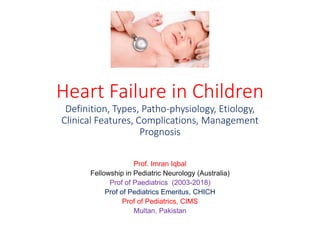

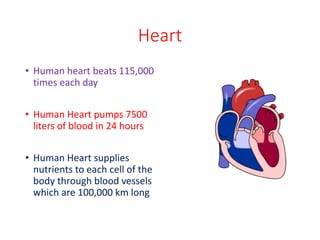
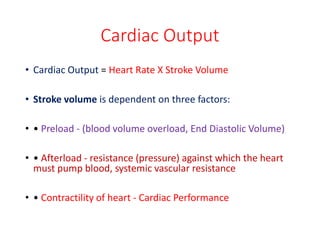
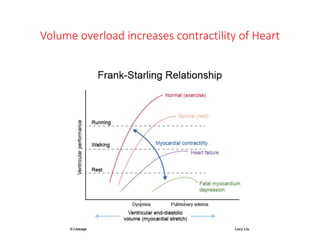
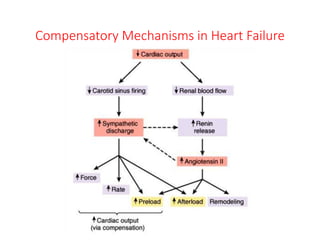
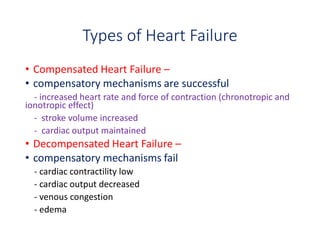
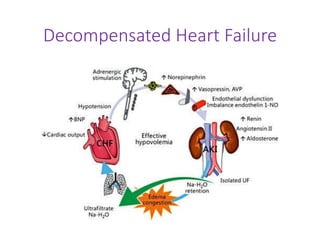
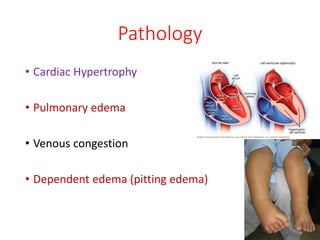
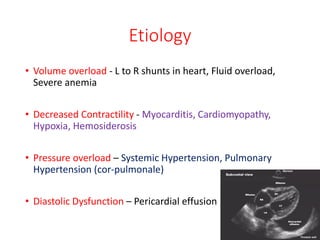

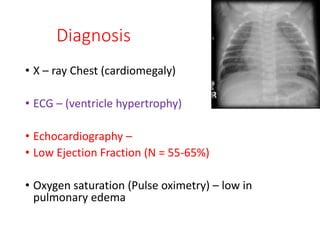

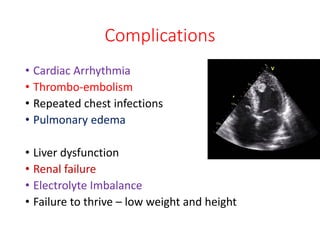




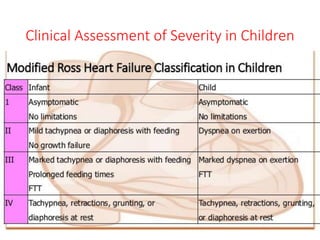


This document discusses heart failure in children, including its definition, types, causes, symptoms, diagnosis, complications, and management. Heart failure occurs when the heart cannot pump enough blood to meet the body's needs. In children, common causes include congenital heart disease, rheumatic heart disease, and cardiomyopathy. Symptoms vary by age but may include feeding issues, sweating, poor growth, and edema. Diagnosis involves exams, chest x-rays, electrocardiograms, and echocardiograms. Complications can include arrhythmias, infections, and damage to other organs. Treatment focuses on supportive care, medications to improve heart function, and treating the underlying cause. Prognosis depends on the cause,


![CTEV [ clubfoot] DR ARUN LAL ,DR MOHAMED ASHRAF travancore medical college k...](https://cdn.slidesharecdn.com/ss_thumbnails/ctevclubfootdrarunlaldrmohamedashraftravancoremedicalcollegekollamkeralaindia-260208063247-18fc466c-thumbnail.jpg?width=640&height=640&fit=bounds)


