




















































































DR.V. SATHYANARAYANAN. M.D.
PROFESSOR OF PHARMACOLOGY
• Suppresses
• Gram +ve bacteria
• Gram negative bacteria
• Rickettsia
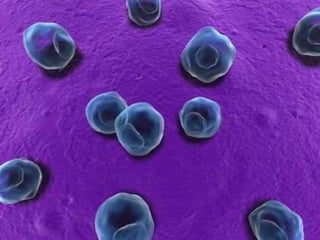
• Chlamydia
• Mycoplasma
• Some protozoa
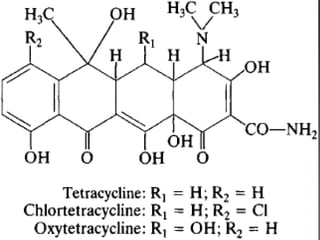
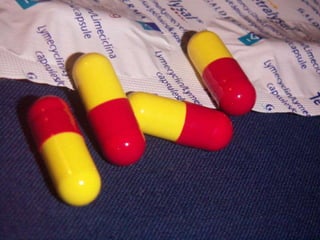
• Antimicrobial agents with 4 cyclic rings
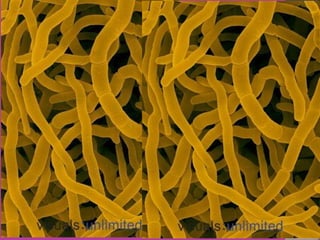
• Obtained from the soil actinomycetes
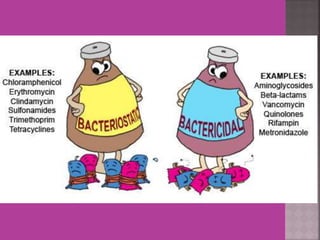
• Bacteriostatic
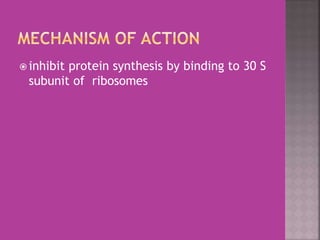
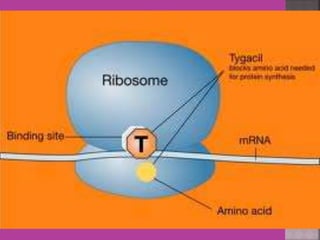
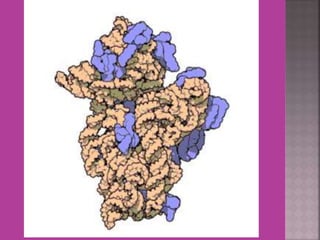
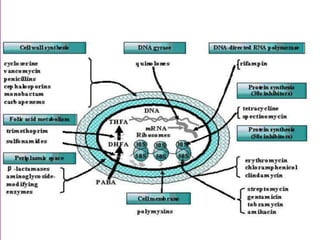
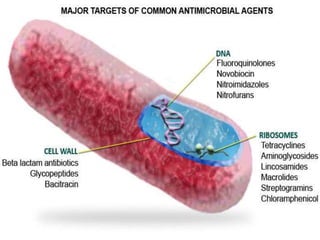
 inhibit protein synthesis by binding to 30 S
subunit of ribosomes
• Taken up by the organisms
• By active transport
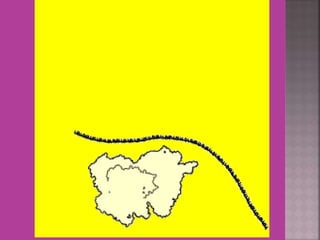
• Binds to “ A ” site of 30 S subunit of ribosomes
• Prevent binding of tRNA to this site
• Thereby prevent transfer of amino acids for
protein synthesis
• Inhibition of protein synthesis
• Failure of growth and multiplication
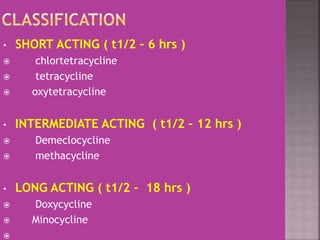
• SHORT ACTING ( t1/2 – 6 hrs )
 chlortetracycline
 tetracycline
 oxytetracycline
• INTERMEDIATE ACTING ( t1/2 – 12 hrs )
 Demeclocycline
 methacycline
• LONG ACTING ( t1/2 – 18 hrs )
 Doxycycline
 Minocycline

• Suppresses
• Gram +ve bacteria
• Gram negative bacteria
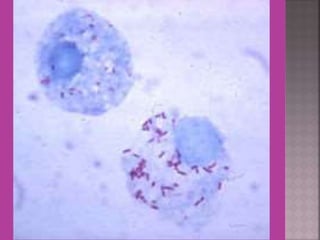
• Rickettsia
• Chlamydia
• Mycoplasma
• actinomycetes
• Some protozoa
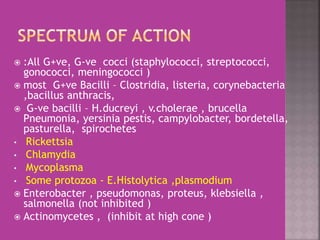
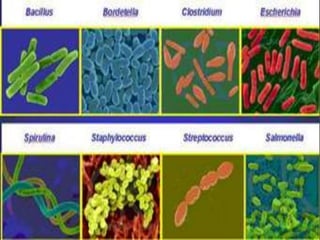
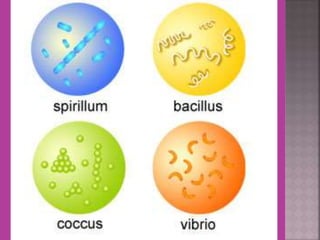
 :All G+ve, G-ve cocci (staphylococci, streptococci,
gonococci, meningococci )
 most G+ve Bacilli – Clostridia, listeria, corynebacteria
,bacillus anthracis,
 G-ve bacilli – H.ducreyi , v.cholerae , brucella
Pneumonia, yersinia pestis, campylobacter, bordetella,
pasturella, spirochetes
• Rickettsia
• Chlamydia
• Mycoplasma
• Some protozoa - E.Histolytica ,plasmodium
 Enterobacter , pseudomonas, proteus, klebsiella ,
salmonella (not inhibited )
 Actinomycetes , (inhibit at high cone )
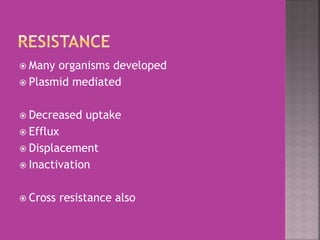
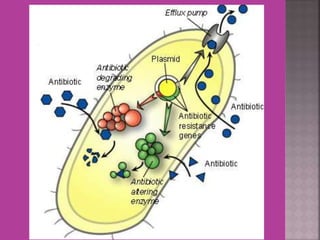
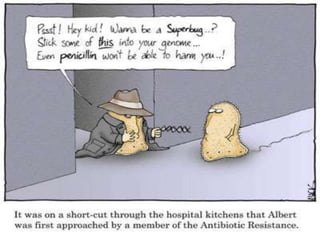
 Many organisms developed
 Plasmid mediated
 Decreased uptake
 Efflux
 Displacement
 Inactivation
 Cross resistance also
• Food interferes with absorption
• Chelating property with calcium
• milk ,iron,antacids, zinc → ↓absorption
• Undergo enterohepatic circulation
• Widely distributed
• Attain good concentration in all secretions including
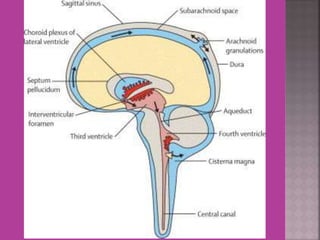
CSF
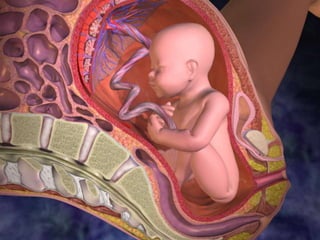
• CROSS PLACENTA
• primary excreted in urine  dose ↓in renal failure
(not doxycycline )
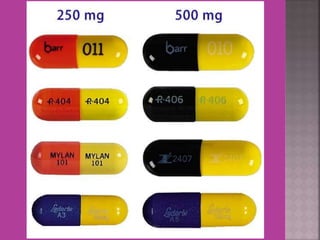
• oral capsules 250 – 500 mg QID
• ½ hr before or 2 hr after food
• I.M route to be avoided
• doxycycline ,minocycline can be given
i.v
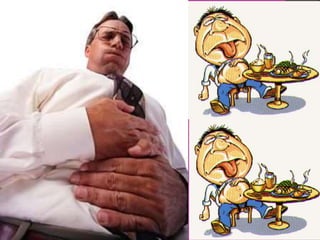
 GASTROINTESTINAL IRRITATION → Epigastric pain ,
vomiting ,diarrhea
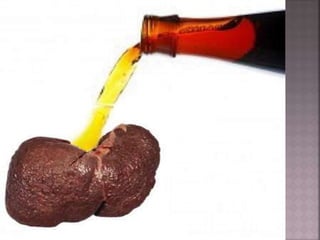
 HEPATOTOXICITY (oxy,tetra )
 RENAL TOXICITY ( except Doxy ) – aggravates renal failure
due to increased levels nitrogen from anti anabolic action
 REVERSIBLE FANCONY LIKE SYNDROME → due to out dated
tetracycline
 Vomiting, proteinuria, polyuria, glycosuria, acidosis
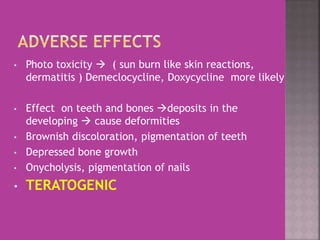
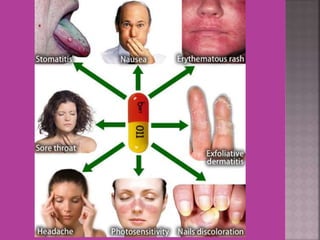
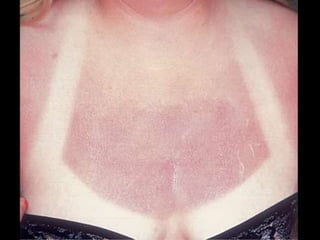
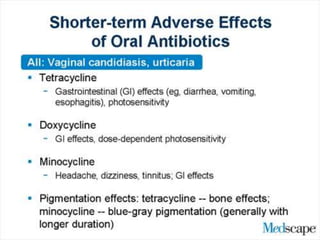
• Photo toxicity  ( sun burn like skin reactions,
dermatitis ) Demeclocycline, Doxycycline more likely
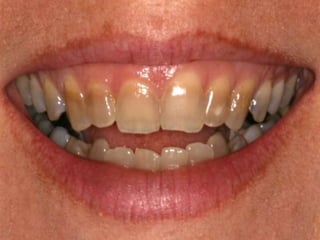
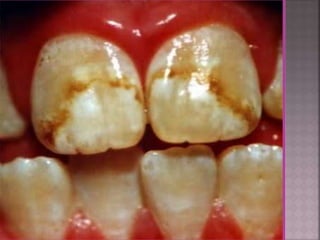
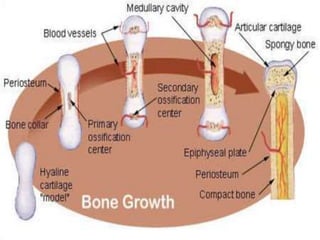
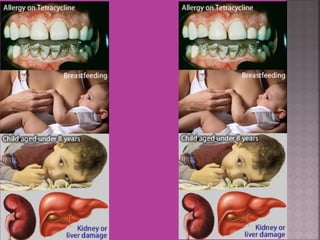
• Effect on teeth and bones deposits in the
developing  cause deformities
• Brownish discoloration, pigmentation of teeth
• Depressed bone growth
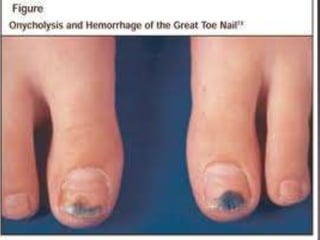
• Onycholysis, pigmentation of nails
• TERATOGENIC
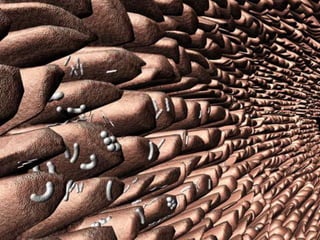
• SUPERINFECTION : most common with TCs 
due to suppression of normal bacterial flora of
intestine
• HYPERSENSITIVITY REACTION →not very
common
• ANTIANABLIC EFFECT : large doses for longer
periods 
• negative nitrogen balance →
• ↑blood urea ↑ ICT
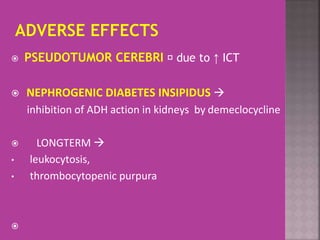
 PSEUDOTUMOR CEREBRI due to ↑ ICT
 NEPHROGENIC DIABETES INSIPIDUS 
inhibition of ADH action in kidneys by demeclocycline
 LONGTERM 
• leukocytosis,
• thrombocytopenic purpura

• pregnancy, lactation, children upto 8 years
• Renal and hepatic insufficiency
• Beyond their expiry date
• mixing with other drugs during injections
• Intrathecal, intramuscular route
 EARLIER  Was preferred for empirical
therapy for most infections
 NOW ONLY FOR SELECTED INFECTIONS
 Several organisms lost sensitivity
 Several alternatives are available
 TETRACYCLINES ARE DRUGS OF CHOICE IN
 RICKETTSIAL INFECTIONS :
 Tick typhus
 Q fever
 Rocky mountain spotted fever
 2g 6 hourly followed by 1g 6 hourly
CHLAMYDIAL INFECTIONS :
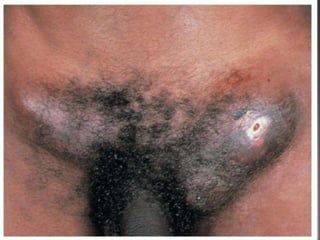
 Lymphogranuloma venereum  TC for 2
weeks
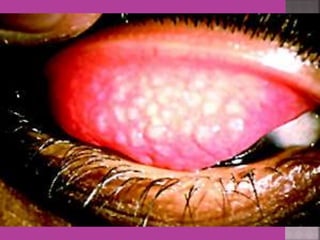
 Trachoma  topical, oral TCs upto 40 days
 Inclusion conjunctivitis
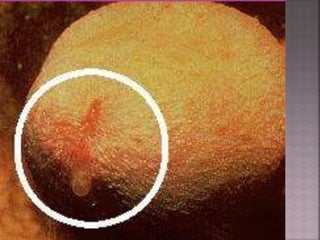
 Urethritis / cervicitis
 Chlamydia pneumoniae
 psittacosis

 ATYPICAL PNEUMONIA due to Mycoplasma pneumoniae
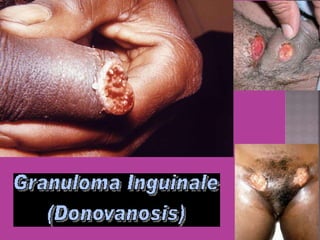
 GRANULOMA INGUINALE due to calymmatobacterium
granulomatis
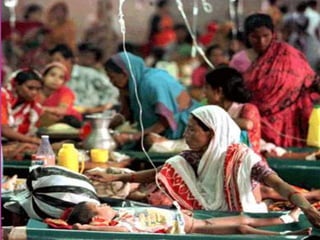
 CHOLERA –single dose of 200mg of doxycycline
reduces duration of illness ( adjuvant value )
treatment of dehydration is lifesaving
 BRUCELLOSIS
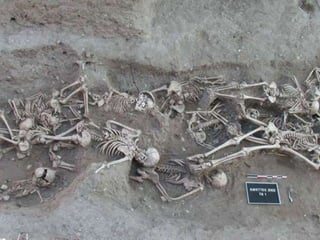
 PLAGUE
 TRAVELLER”S DIARRHOEA
 OTHER STDs like gonorrhea, syphilis , chancroid
 TULARAEMIA
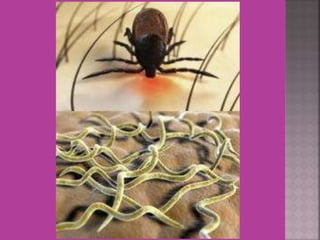
 LYME DISEASE
 RELAPSING FEVER
 LEPTOSPIROSIS
 Post exposure prophylaxis of ANTHRAX
 EYE INFECTIONS - TOPICALLY
 SOME PROTOZOAL INFECTIONS LIKE :
 CHRONIC INTESTINAL AMOEBIASIS
 MULTI-DRUG RESISTANT MALARIA
 Miscellaneous
 H.pylori infction
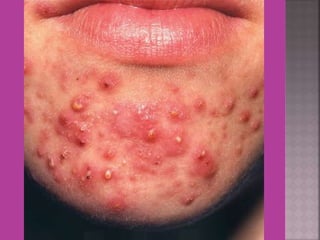
 ACNE 250 mg BD for 4 weeks
 INAPPROPRIATE SECRETION OF ADH
 Incomplete oral absorption
 75% bioavailability
 Low lipid solubility
 QID dose
 Not safe in renal impairment
 High incidence of superinfection
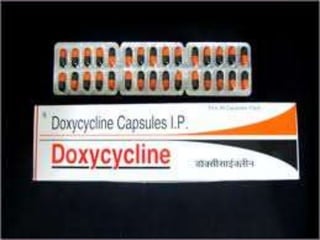
 Semisynthetic
 High potency
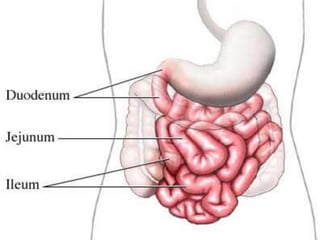
 Complete intestinal absorption ( food does not
interfere )
 95% bioavailability
 primarily excreted through gut  safe in renal
impairment
 t ½ - 18-24 hrs
 Less superinfection
 High phototoxicity
 Dose : 200 mg initially, then 100 mg OD for 6-14 days
 Semisynthetic
 100% absorbed
 Highly lipid soluble
 Long t1/2  OD dose
 Cause vestibular toxicity  vertigo,
dizziness, ataxia, nausea, vomiting
 Alternative to rifampicin for meningococcal
carriers
 SYNTHETIC BROAD SPECTRUM AMA
 MECHANISM OF ACTION :
 Binds with 50 s ribosomal subunit  inhibits
transpeptidation reaction - inhibit protein synthesis
 BACTERIOSTATIC
 Resistance seen
 similar to Tetracyclines
 (G+ve, G –ve ,rickettsiae ,chlamediae,
mycoplasma )
 salmonella ,shigella, h. influenza ,
klebsiella….. etc
BACTERICIDAL to
 Neisseria meningitidis,
 H. influenzae
 bacteroides (anerobes)
 rapidly & completely absorbed from the
intestine
 EXCELLENT TISSUE PENETRATION
 ATTAINS HIGH CONCENTRATION IN CSF
 Crosses placenta
 Metabolized in liver & excreted in urine
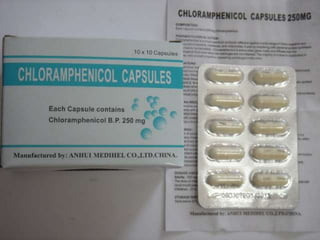
 Chloramphenicol Capsules orally 250-
500mg QID
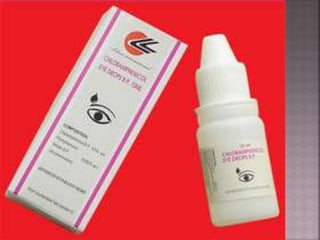
 Chloramphenicol Eye /Ear drops
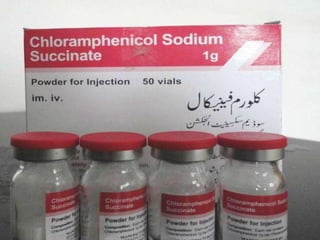
 Chloramphenicol Palmitate , succinate
– 1g vial i.v, i.m
 GI SYMPTOMS  nausea, vomiting, diarrhoea
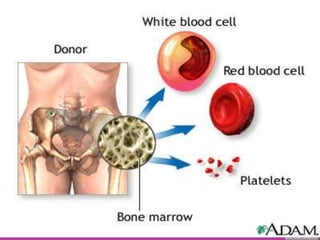
 BONE MARROW DEPRESSION  anemia, leukopenia,
thrombocytopenia
 Dose dependent -
 Idiosyncratic response – 1 in 30,000 people, genetic,
fatal
 GRAY BABY SYNDROME New born babies given high
dose, fatal, gray cyanosis(inadequate liver, kidney
function)
 HYPERSENSITIVITY REACTIONS  rash, fever 
uncommon
 SUPERINFECTION  can occur
 INHIBITS HEPATIC MICROSOMAL ENZYMES
 INCREASES BLOOD LEVELS OF
 Phenytoin
 tolbutamide
 warfarin
 INCREASED TOXICITY
 TYPHOID FEVER – sensitive strains – alternative to
other drugs
500 mg QID till fever subsides, then 250 mg QID till
14th day
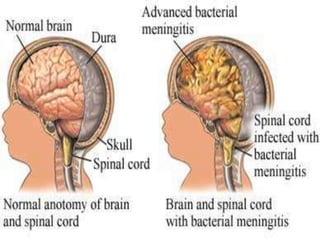
 BACTERIAL MENINGITIS – due to H.influenza &
meningococci ( alternative to penicillin &
cepahalosporins )
 ANAEROBIC INFECTIONS – only in severe cases
 RICKETTSIAL INFECTIONS – alternative to
tetracycline
 EYE AND EAR INFECTIONS - topically
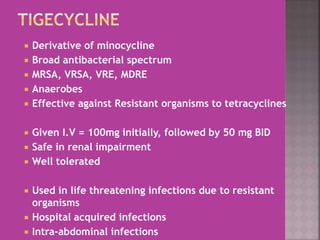
 Derivative of minocycline
 Broad antibacterial spectrum
 MRSA, VRSA, VRE, MDRE
 Anaerobes
 Effective against Resistant organisms to tetracyclines
 Given I.V = 100mg initially, followed by 50 mg BID
 Safe in renal impairment
 Well tolerated
 Used in life threatening infections due to resistant
organisms
 Hospital acquired infections
 Intra-abdominal infections
Tetracyclines and Chloramphenicol

Tetracyclines and Chloramphenicol

  • 15.
  • 16.
    • Suppresses • Gram+ve bacteria • Gram negative bacteria • Rickettsia • Chlamydia • Mycoplasma • Some protozoa
  • 19.
    • Antimicrobial agentswith 4 cyclic rings • Obtained from the soil actinomycetes • Bacteriostatic
  • 27.
     inhibit proteinsynthesis by binding to 30 S subunit of ribosomes
  • 29.
    • Taken upby the organisms • By active transport • Binds to “ A ” site of 30 S subunit of ribosomes • Prevent binding of tRNA to this site • Thereby prevent transfer of amino acids for protein synthesis • Inhibition of protein synthesis • Failure of growth and multiplication
  • 33.
    • SHORT ACTING( t1/2 – 6 hrs )  chlortetracycline  tetracycline  oxytetracycline • INTERMEDIATE ACTING ( t1/2 – 12 hrs )  Demeclocycline  methacycline • LONG ACTING ( t1/2 – 18 hrs )  Doxycycline  Minocycline 
  • 34.
    • Suppresses • Gram+ve bacteria • Gram negative bacteria • Rickettsia • Chlamydia • Mycoplasma • actinomycetes • Some protozoa
  • 36.
     :All G+ve,G-ve cocci (staphylococci, streptococci, gonococci, meningococci )  most G+ve Bacilli – Clostridia, listeria, corynebacteria ,bacillus anthracis,  G-ve bacilli – H.ducreyi , v.cholerae , brucella Pneumonia, yersinia pestis, campylobacter, bordetella, pasturella, spirochetes • Rickettsia • Chlamydia • Mycoplasma • Some protozoa - E.Histolytica ,plasmodium  Enterobacter , pseudomonas, proteus, klebsiella , salmonella (not inhibited )  Actinomycetes , (inhibit at high cone )
  • 39.
     Many organismsdeveloped  Plasmid mediated  Decreased uptake  Efflux  Displacement  Inactivation  Cross resistance also
  • 43.
    • Food interfereswith absorption • Chelating property with calcium • milk ,iron,antacids, zinc → ↓absorption • Undergo enterohepatic circulation • Widely distributed • Attain good concentration in all secretions including CSF • CROSS PLACENTA • primary excreted in urine  dose ↓in renal failure (not doxycycline )
  • 48.
    • oral capsules250 – 500 mg QID • ½ hr before or 2 hr after food • I.M route to be avoided • doxycycline ,minocycline can be given i.v
  • 53.
     GASTROINTESTINAL IRRITATION→ Epigastric pain , vomiting ,diarrhea  HEPATOTOXICITY (oxy,tetra )  RENAL TOXICITY ( except Doxy ) – aggravates renal failure due to increased levels nitrogen from anti anabolic action  REVERSIBLE FANCONY LIKE SYNDROME → due to out dated tetracycline  Vomiting, proteinuria, polyuria, glycosuria, acidosis
  • 61.
    • Photo toxicity ( sun burn like skin reactions, dermatitis ) Demeclocycline, Doxycycline more likely • Effect on teeth and bones deposits in the developing  cause deformities • Brownish discoloration, pigmentation of teeth • Depressed bone growth • Onycholysis, pigmentation of nails • TERATOGENIC
  • 71.
    • SUPERINFECTION :most common with TCs  due to suppression of normal bacterial flora of intestine • HYPERSENSITIVITY REACTION →not very common • ANTIANABLIC EFFECT : large doses for longer periods  • negative nitrogen balance → • ↑blood urea ↑ ICT
  • 80.
     PSEUDOTUMOR CEREBRIdue to ↑ ICT  NEPHROGENIC DIABETES INSIPIDUS  inhibition of ADH action in kidneys by demeclocycline  LONGTERM  • leukocytosis, • thrombocytopenic purpura 
  • 84.
    • pregnancy, lactation,children upto 8 years • Renal and hepatic insufficiency • Beyond their expiry date • mixing with other drugs during injections • Intrathecal, intramuscular route
  • 89.
     EARLIER Was preferred for empirical therapy for most infections  NOW ONLY FOR SELECTED INFECTIONS  Several organisms lost sensitivity  Several alternatives are available
  • 94.
     TETRACYCLINES AREDRUGS OF CHOICE IN  RICKETTSIAL INFECTIONS :  Tick typhus  Q fever  Rocky mountain spotted fever  2g 6 hourly followed by 1g 6 hourly
  • 99.
    CHLAMYDIAL INFECTIONS : Lymphogranuloma venereum  TC for 2 weeks  Trachoma  topical, oral TCs upto 40 days  Inclusion conjunctivitis  Urethritis / cervicitis  Chlamydia pneumoniae  psittacosis
  • 109.
      ATYPICAL PNEUMONIAdue to Mycoplasma pneumoniae  GRANULOMA INGUINALE due to calymmatobacterium granulomatis  CHOLERA –single dose of 200mg of doxycycline reduces duration of illness ( adjuvant value ) treatment of dehydration is lifesaving  BRUCELLOSIS  PLAGUE
  • 124.
     TRAVELLER”S DIARRHOEA OTHER STDs like gonorrhea, syphilis , chancroid  TULARAEMIA  LYME DISEASE  RELAPSING FEVER  LEPTOSPIROSIS  Post exposure prophylaxis of ANTHRAX  EYE INFECTIONS - TOPICALLY
  • 128.
     SOME PROTOZOALINFECTIONS LIKE :  CHRONIC INTESTINAL AMOEBIASIS  MULTI-DRUG RESISTANT MALARIA  Miscellaneous  H.pylori infction  ACNE 250 mg BD for 4 weeks  INAPPROPRIATE SECRETION OF ADH
  • 135.
     Incomplete oralabsorption  75% bioavailability  Low lipid solubility  QID dose  Not safe in renal impairment  High incidence of superinfection
  • 137.
     Semisynthetic  Highpotency  Complete intestinal absorption ( food does not interfere )  95% bioavailability  primarily excreted through gut  safe in renal impairment  t ½ - 18-24 hrs  Less superinfection  High phototoxicity  Dose : 200 mg initially, then 100 mg OD for 6-14 days
  • 146.
     Semisynthetic  100%absorbed  Highly lipid soluble  Long t1/2  OD dose  Cause vestibular toxicity  vertigo, dizziness, ataxia, nausea, vomiting  Alternative to rifampicin for meningococcal carriers
  • 153.
     SYNTHETIC BROADSPECTRUM AMA  MECHANISM OF ACTION :  Binds with 50 s ribosomal subunit  inhibits transpeptidation reaction - inhibit protein synthesis  BACTERIOSTATIC  Resistance seen
  • 154.
     similar toTetracyclines  (G+ve, G –ve ,rickettsiae ,chlamediae, mycoplasma )  salmonella ,shigella, h. influenza , klebsiella….. etc BACTERICIDAL to  Neisseria meningitidis,  H. influenzae  bacteroides (anerobes)
  • 155.
     rapidly &completely absorbed from the intestine  EXCELLENT TISSUE PENETRATION  ATTAINS HIGH CONCENTRATION IN CSF  Crosses placenta  Metabolized in liver & excreted in urine
  • 159.
     Chloramphenicol Capsulesorally 250- 500mg QID  Chloramphenicol Eye /Ear drops  Chloramphenicol Palmitate , succinate – 1g vial i.v, i.m
  • 163.
     GI SYMPTOMS nausea, vomiting, diarrhoea  BONE MARROW DEPRESSION  anemia, leukopenia, thrombocytopenia  Dose dependent -  Idiosyncratic response – 1 in 30,000 people, genetic, fatal  GRAY BABY SYNDROME New born babies given high dose, fatal, gray cyanosis(inadequate liver, kidney function)  HYPERSENSITIVITY REACTIONS  rash, fever  uncommon  SUPERINFECTION  can occur
  • 166.
     INHIBITS HEPATICMICROSOMAL ENZYMES  INCREASES BLOOD LEVELS OF  Phenytoin  tolbutamide  warfarin  INCREASED TOXICITY
  • 167.
     TYPHOID FEVER– sensitive strains – alternative to other drugs 500 mg QID till fever subsides, then 250 mg QID till 14th day  BACTERIAL MENINGITIS – due to H.influenza & meningococci ( alternative to penicillin & cepahalosporins )  ANAEROBIC INFECTIONS – only in severe cases  RICKETTSIAL INFECTIONS – alternative to tetracycline  EYE AND EAR INFECTIONS - topically
  • 178.
     Derivative ofminocycline  Broad antibacterial spectrum  MRSA, VRSA, VRE, MDRE  Anaerobes  Effective against Resistant organisms to tetracyclines  Given I.V = 100mg initially, followed by 50 mg BID  Safe in renal impairment  Well tolerated  Used in life threatening infections due to resistant organisms  Hospital acquired infections  Intra-abdominal infections

Editor's Notes

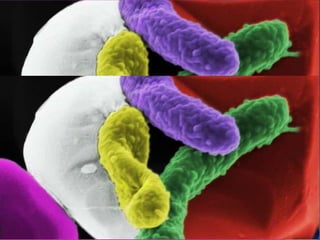
  • #23 Streptomyces rimosus is a Gram-positive, aerobic, filamentous, rod-shaped bacterium, that belongs to the Actinomycetes group. The chains of S. rimosus cells often branch to form a network of mycelium in soil and are responsible for the musty odor of soil. Streptomyces rimosus produces the antibiotic tetracycline, and is the industrial producer of oxytetracyclin. Streptomyces rimosus is a Gram-positive, aerobic, filamentous, rod-shaped bacterium, that belongs to theActinomycetes group.  The chains of S. rimosus cells often branch to form a network of mycelium in soil and are responsible for the musty odor of soil. Streptomyces rimosus produces the antibiotic tetracycline, and is the industrial producer of oxytetracyclin.  
  • #24 The tetracyclines comprise a large class of antibiotics first discovered by Benjamin Minge Duggar as natural substances in 1945. It was then when first tetracycline antibiotic, chlortetracycline, was synthesized and studied in Lederle Laboratories. The first scientific description of the discovery was released to public in 1948.
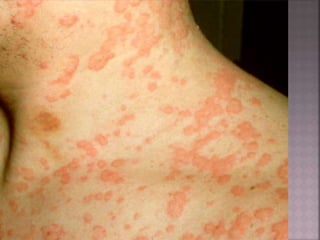
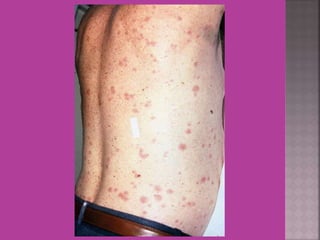
  • #96 Epidemic typhus is caused by infection with Rickettsia prowazekii and is transmitted by the human body louse. Clinical features include, after an incubation period of 1-2 weeks, fever, headache and malaise. Furthermore, an eruption consisting of pink, red, or purpuric, discrete or confluent macules starting on the lateral trunk and spreading to involve most of the body including the face while sparing the palms and soles. Skin ulceration may occur. Conjunctivae may be involved. The eruption may become red and purpuric and can become confluent. Death can occur from myocardial or central nervous system involvement. Brill-Zinsser disease or sporadic typhus is the recurrence of epidemic typhus in individuals who have previously recovered from an attack. Skin lesions are the same but more mild. Murine typhus is caused by Rickettsia mooseri, and is spread from rodent to man by the rat flea. Skin lesions are similar to those of epidemic typhus but are more mild. Other rickettsial diseases include Rocky Mountain spotted fever, tick typhus, scrub typhus and rickettsial pox.
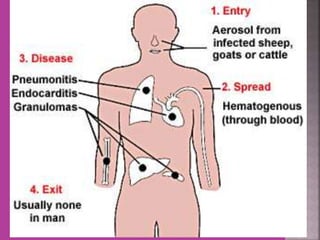
  • #97 Q fever is not a clinically distinct illness and may resemble a viral illness or other types of atypical pneumonia. The diagnosis is confirmed by serum tests. Treatment Tetracycline or doxycycline should be started 8-12 days after exposure and continued for 5 days. This regimen has been shown to prevent clinical disease.
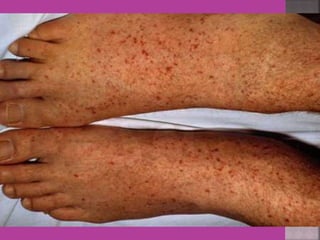
  • #99 Rockey mountain spotted fever
  • #112 Mycoplasma pneumoniae is a spherical to ovoid shaped micro-organism without a true cell wall. It causes inapparent infections and mild respiratory tract disease. It is also an etiologic agent of primary atypical pneumonia. Other manifestations of mycoplasma infection include skin rash, otitis and meningoencephalitis
  • #113 Granuloma inguinale, like syphilis, is also a sexually transmitted disease. It is a slowly progressive ulcerative condition of the skin and lymphatics of the genital, and perianal area caused by infection with Calymmatobacterium granulomatis.
  • #119 Brucellosis in cattle, also known as Bang´s Disease, is an economically important disease that is found worldwide. The etiologic agent is Brucella abortus, a gram negative rod. Losses most commonly result from reproductive disturbances, mainly abortion. Brucella is of zoonotic concern and causes Undulant fever in humans.
  • #128 Lyme disease
  • #130 rosacea
  • #132 H.Pylori