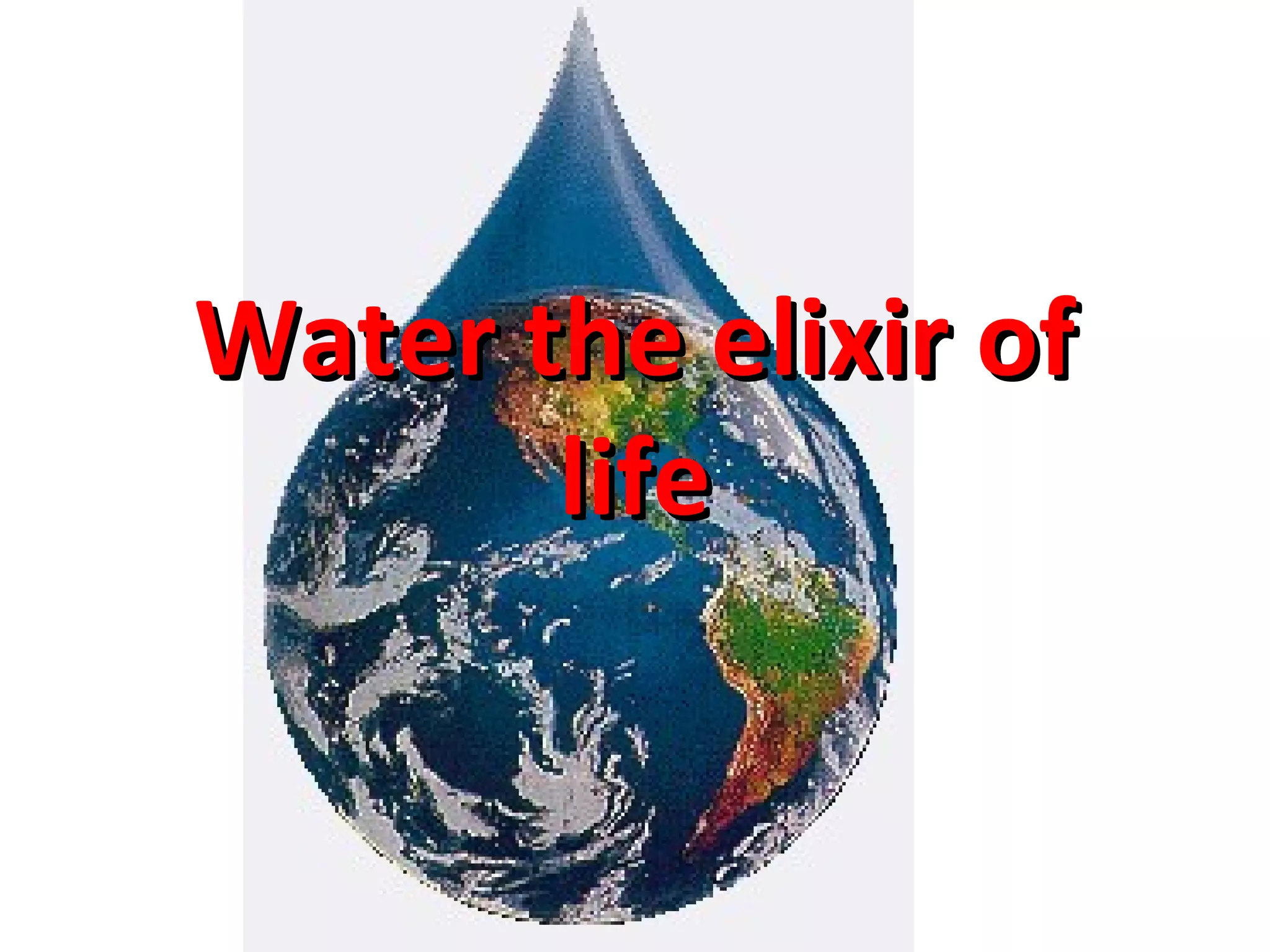
WWaatteerr tthhee eelliixxiirr ooff 
lliiffee
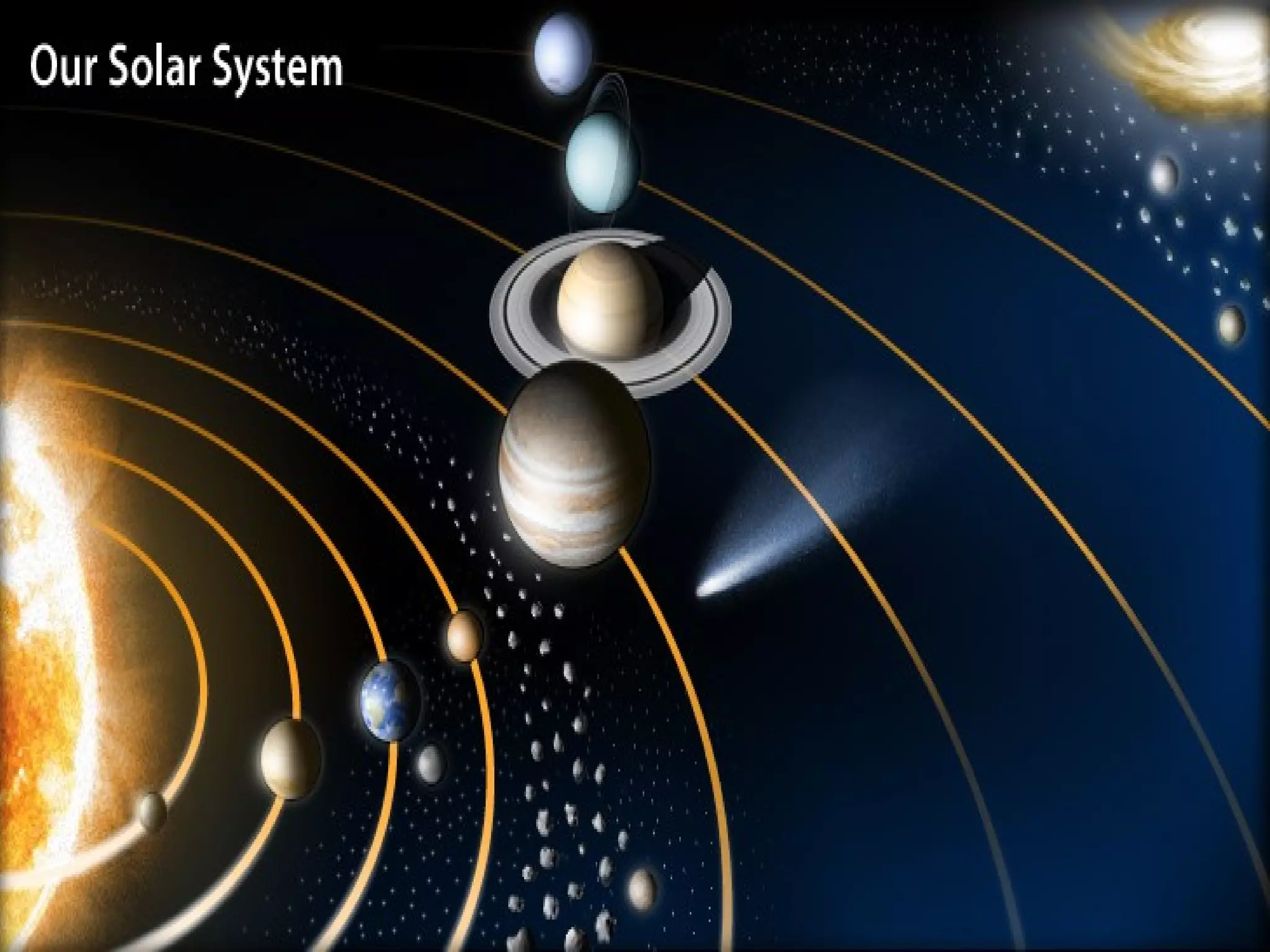
• In our solar system water in the 
liquid form only found in earth 
• 2/3 of the earth is covered by 
water 
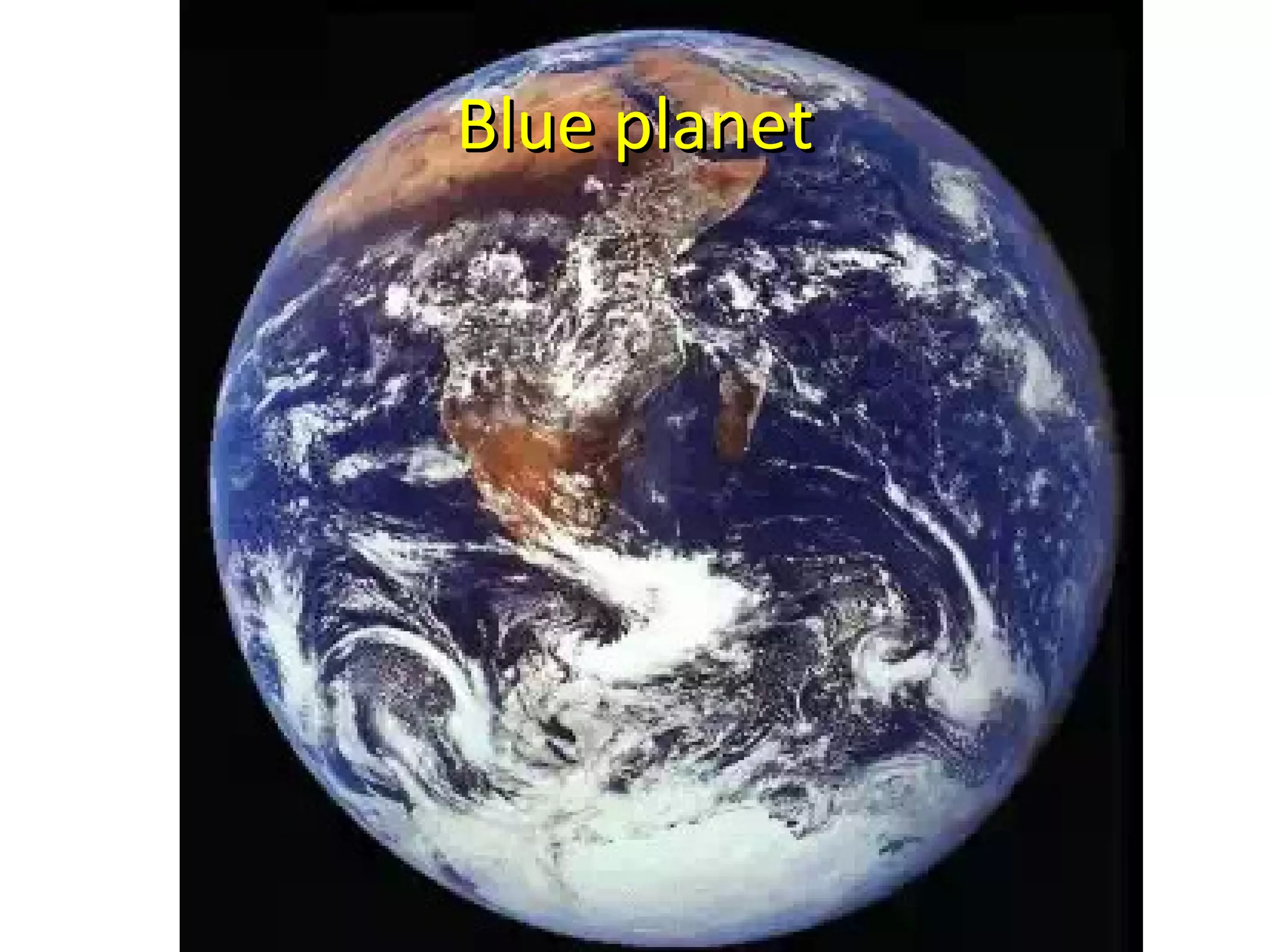
• When we look at the earth it is 
looks like a blue ball , so it is 
called blue planet or watery 
planet 
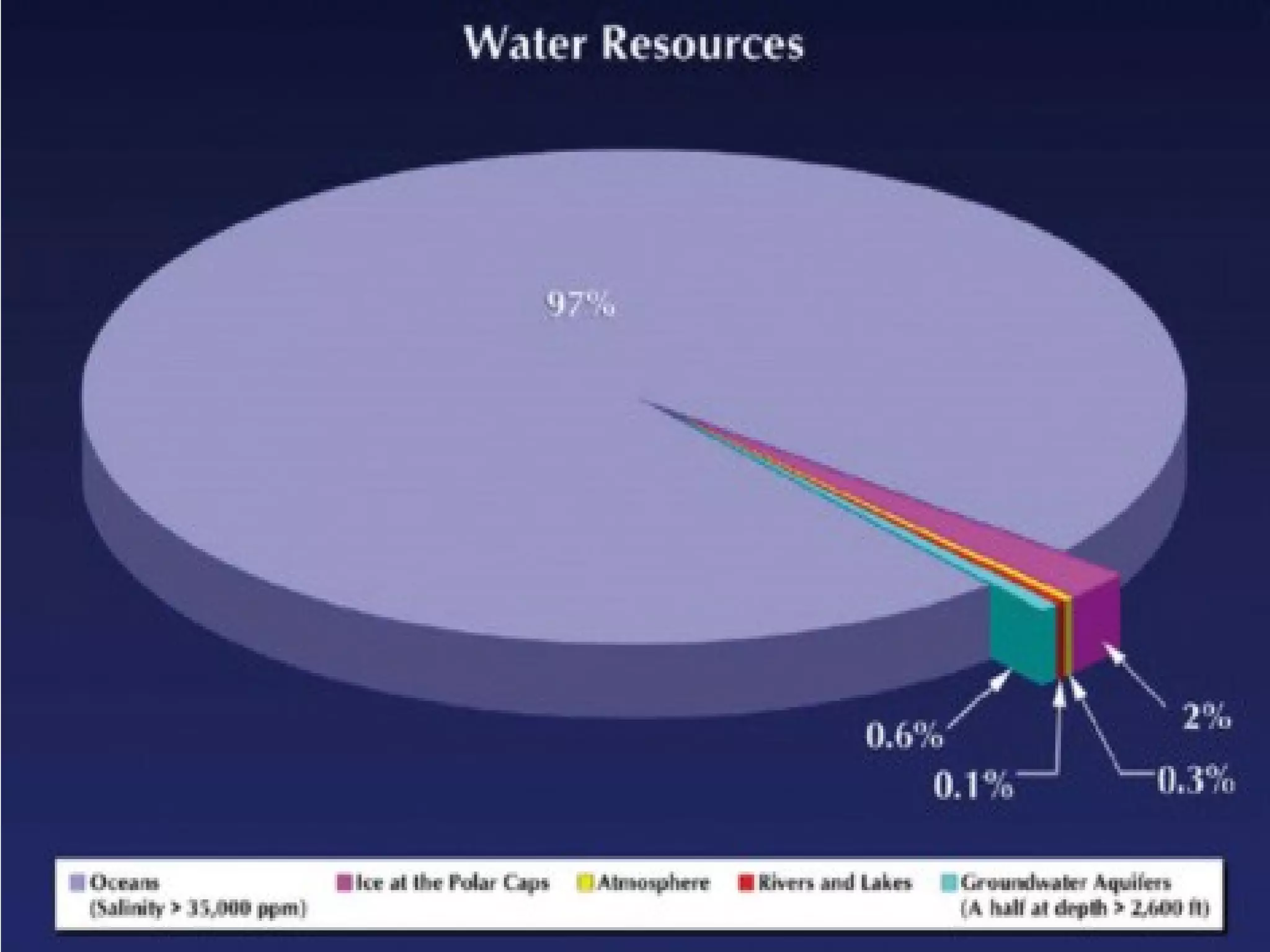
• 97% of the water on the earth is 
saline 
• Pure water contains only 3 % ,
BBlluuee ppllaanneett
• The amount of water can be directly 
used is only 0.33% 
• Total quantity of water on the earth 
is around 1386 lakh cubic metre 
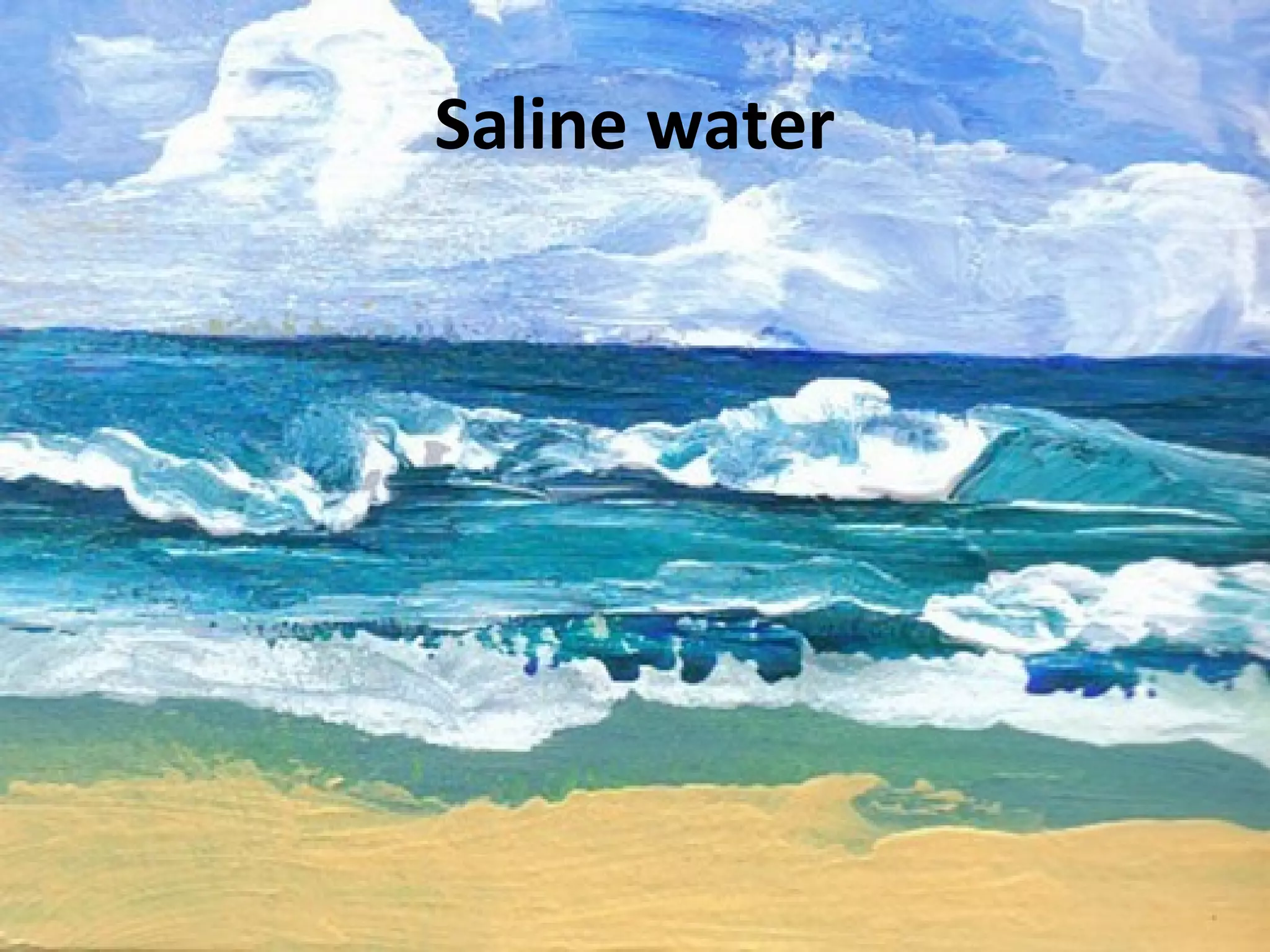
• Saline water found in ocean, 
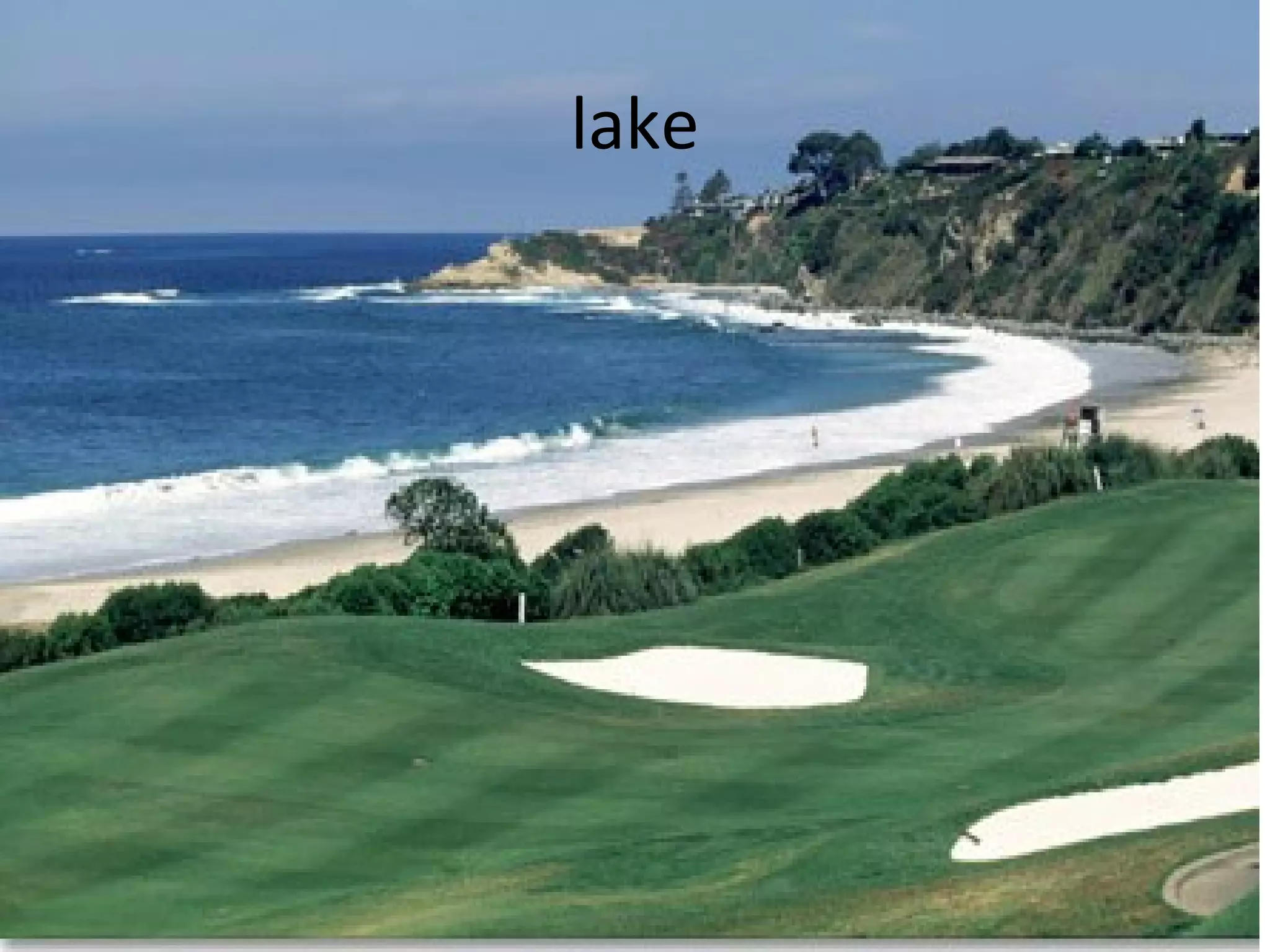
• Pure water found in river lake etc 
• It found in gases manner in the 
atmosphere
Saline water
lake
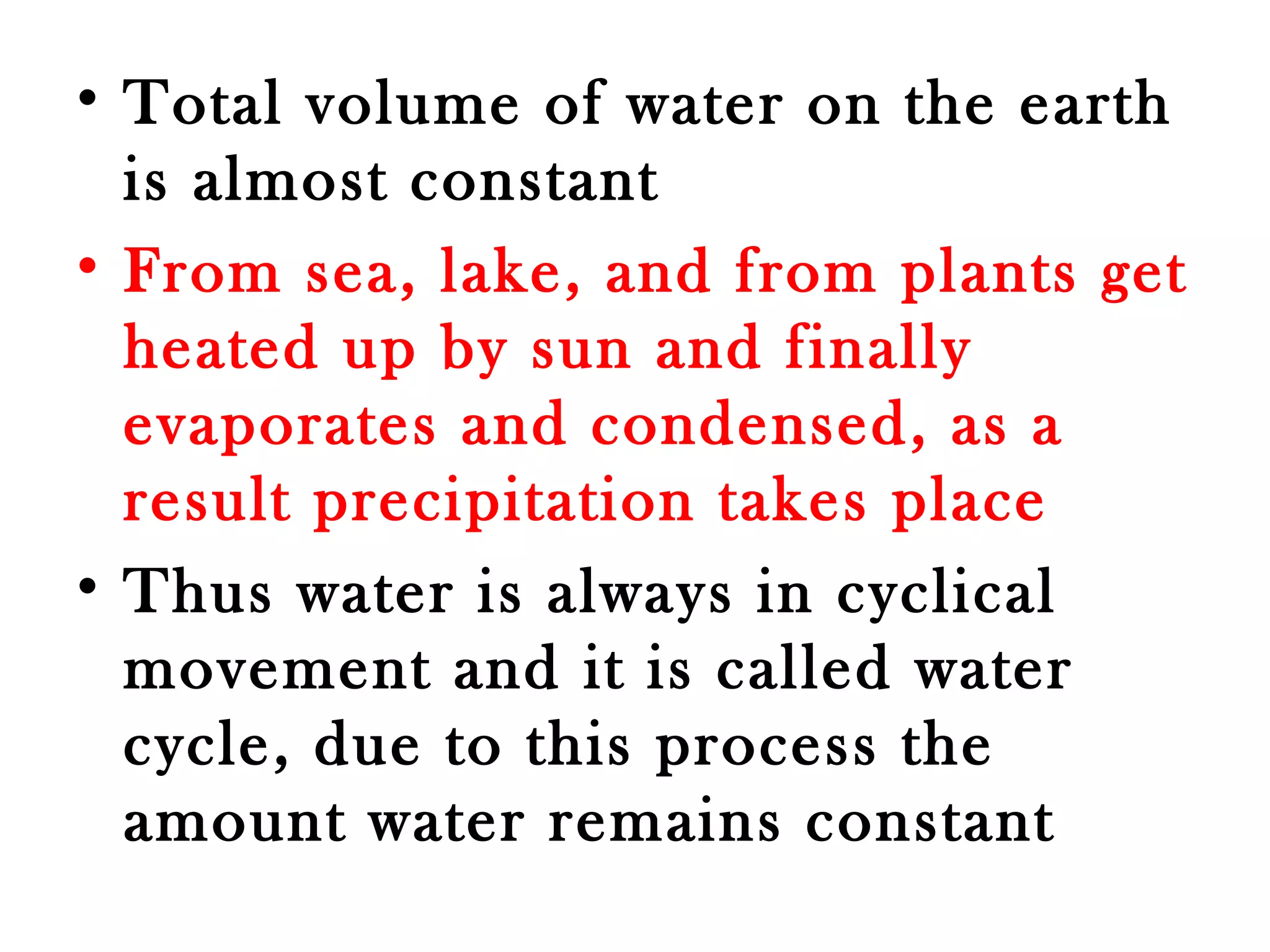
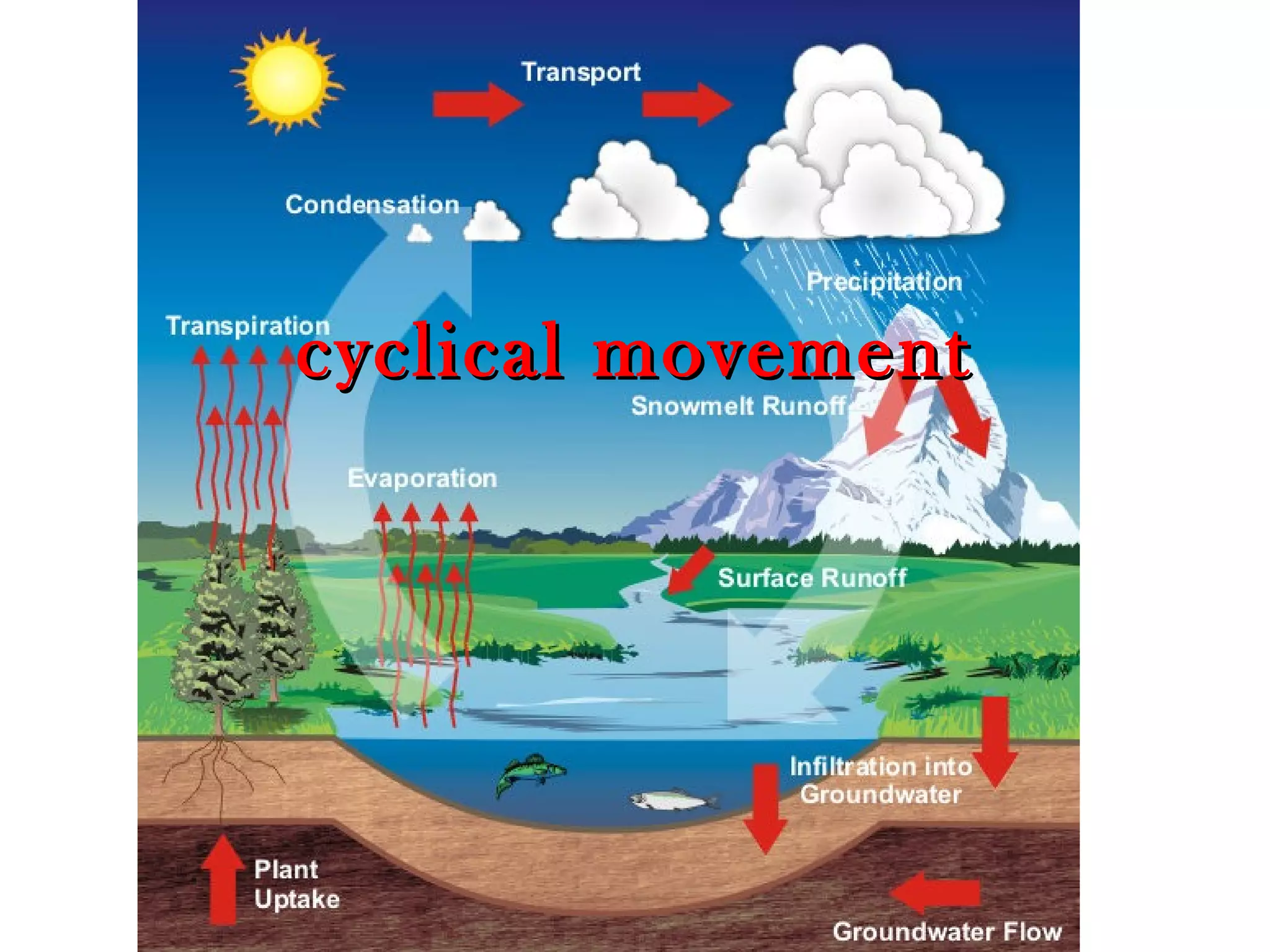
• Total volume of water on the earth 
is almost constant 
• From sea, lake, and from plants get 
heated up by sun and finally 
evaporates and condensed, as a 
result precipitation takes place 
• Thus water is always in cyclical 
movement and it is called water 
cycle, due to this process the 
amount water remains constant
ccyycclliiccaall mmoovveemmeenntt
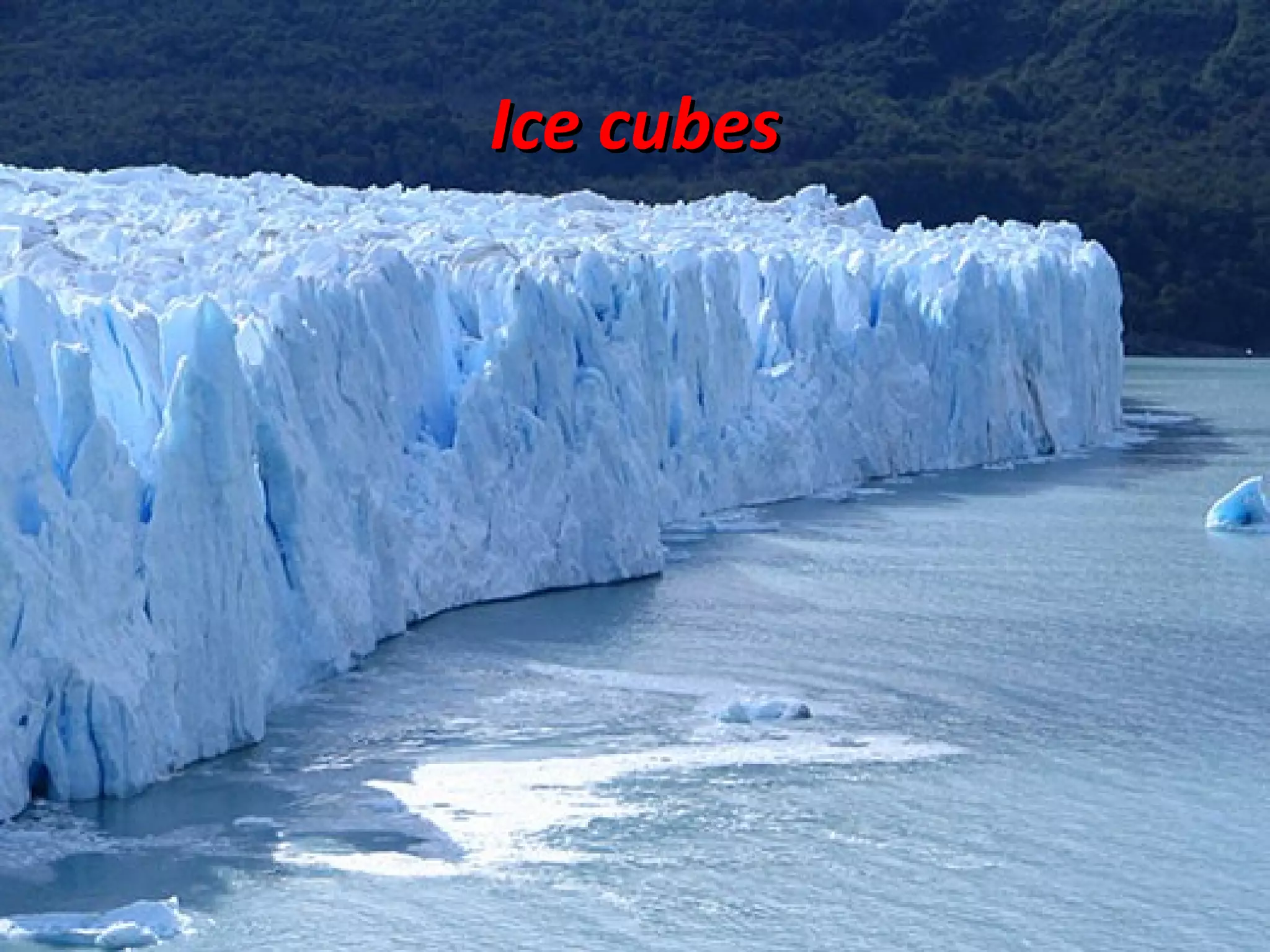
• Largest amount of pure water 
found in polar ice blocks 
• % of pure water found in river 
and lakes are 0.26 and 0.0006 
• Atmosphere contains about 
0.04 % 
• 2.5 % of pure water found totally 
on the earth
IIccee ccuubbeess
Surface water 
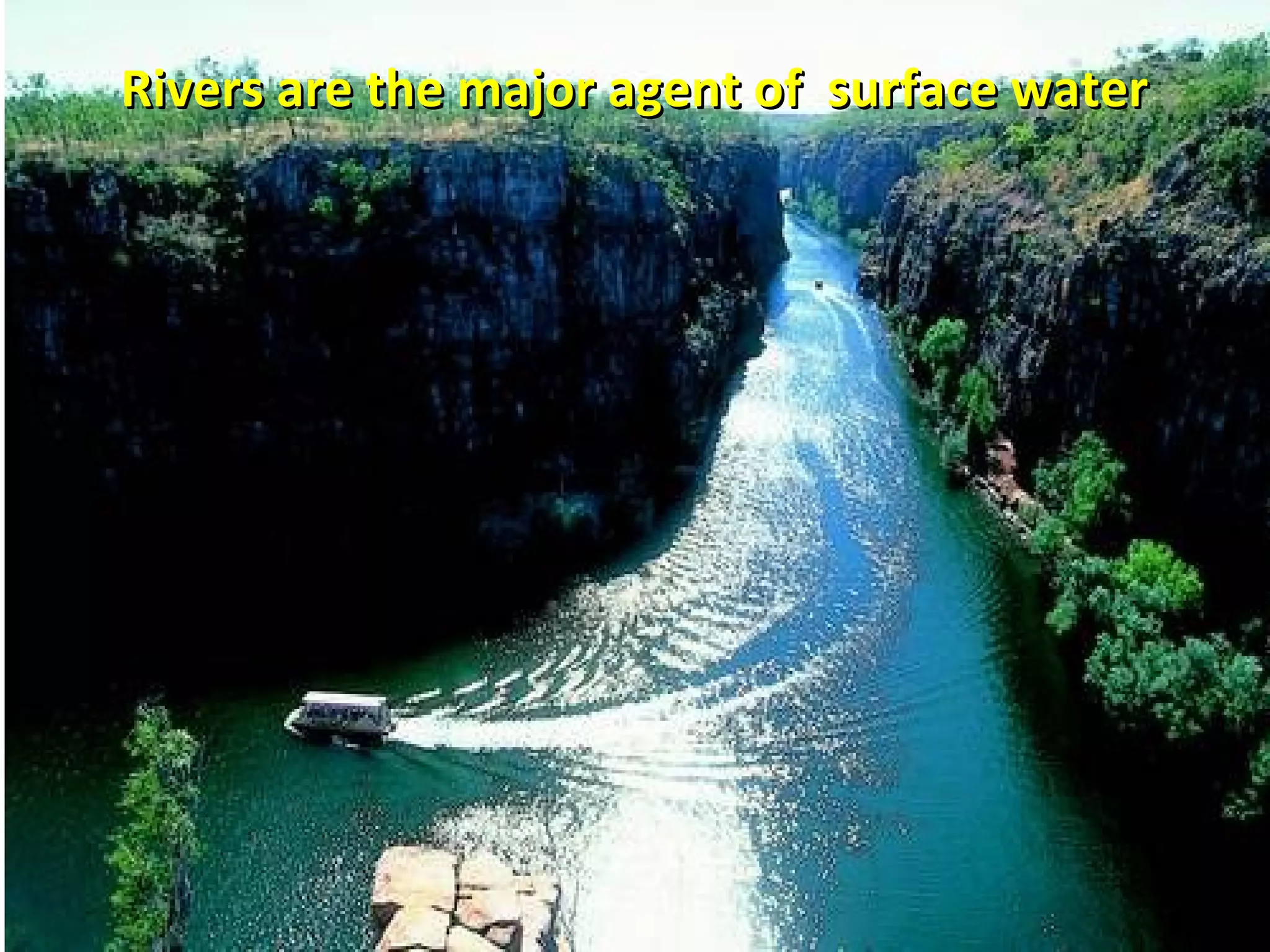
• Rivers are the major agent of surface 
water 
• Land use of the area is largely 
determine by the amount of water 
flowing through 
• River origin from the mountain where 
dense forest can be found where water 
flow throughout the year 
• If river originates from slopes where 
plantation or mixed crops can be seen 
and the river will be less flow in summer
Rivers aarree tthhee mmaajjoorr aaggeenntt ooff ssuurrffaaccee wwaatteerr
• Rivers can be divided into two basis on 
their flow 
• PPeerreennnniiaall rriivveerrss aanndd 
• NNoonn ppeerreennnniiaall rriivveerrss 
• Rivers that flows throughout the year 
called Perennial rivers 
• Rain fall and melting of snow are the 
major source of these river 
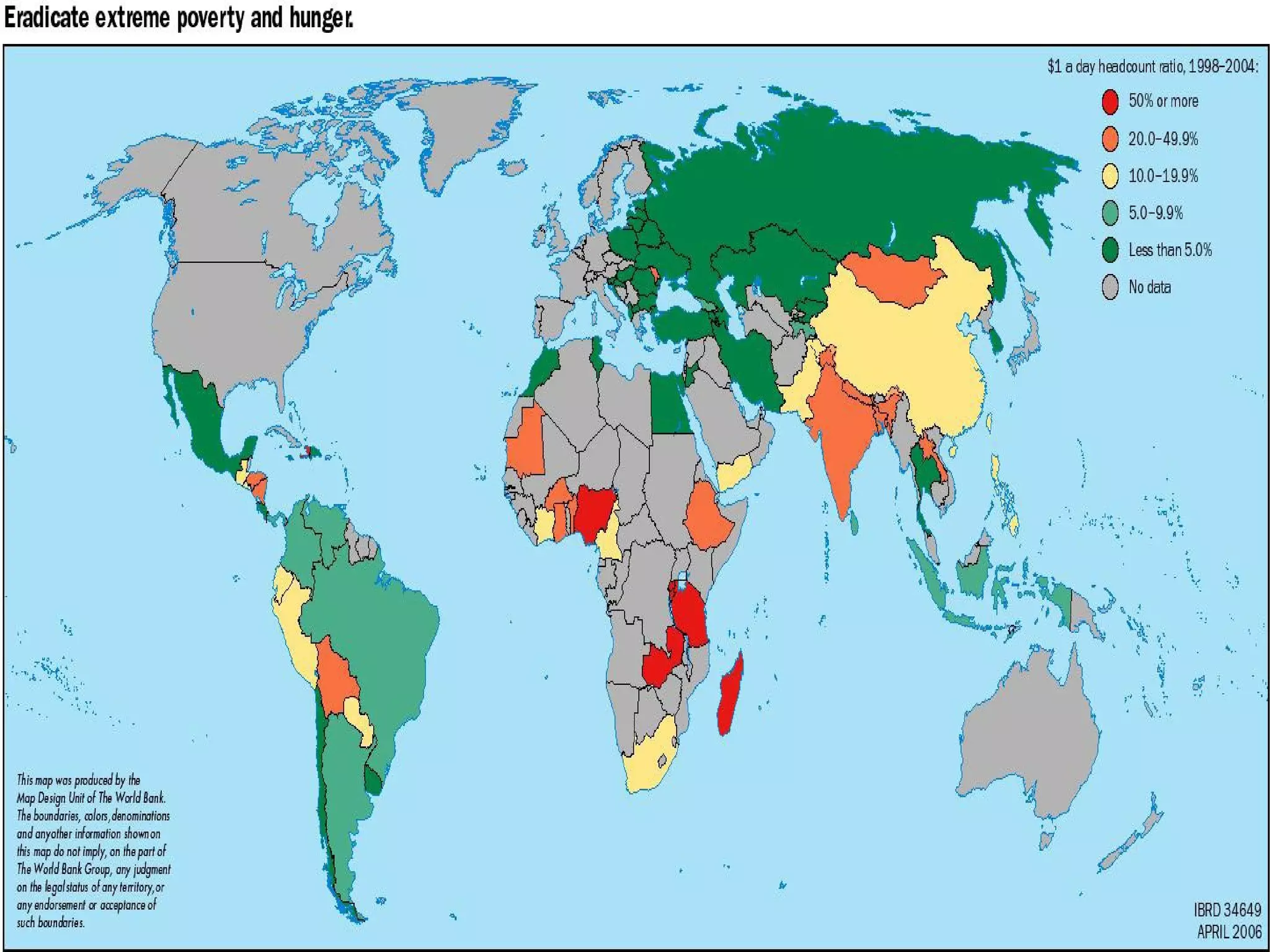
• Indus ,Ganges Brahmaputra are 
examples
• Some perennial rivers are depend 
solely on rain , which take its origin 
near the equator , where there is 
rain fall in almost days in year. 
• Amazon, Nile and Congo are 
examples 
• The only river which cross the 
equator twice is the Congo, this 
perennial river originates from the 
forest of Africa
• All the rivers except 
Himalayan rivers in India have 
lean flow during summer and 
regular flow during monsoon
• Some part of the area water seeps 
into the earth, some area water 
dries up quickly but not in paddy 
fields 
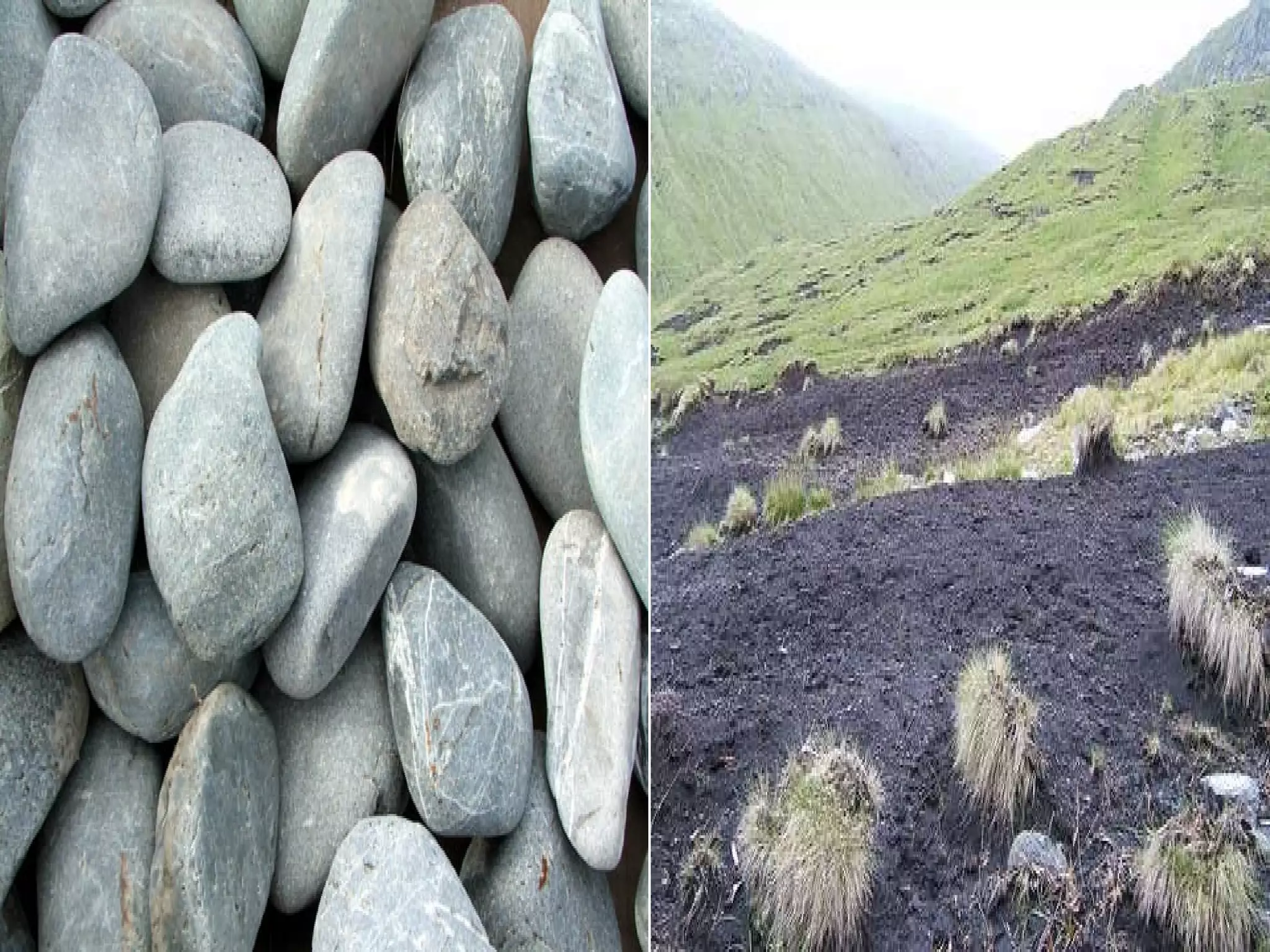
• Factors which influence rate of 
seeping are 
• Different in the composition of soil 
particles 
• Topography of the land 
• Presence of organic matter
• When the water filters from the top soil 
inward is called infiltration, if it filters 
down due to gravitational pull and 
become underground water it is called 
percolation 
• Water filters through the crack of rocks 
also 
• There difference in rate of percolation, 
depending on the composition of soil
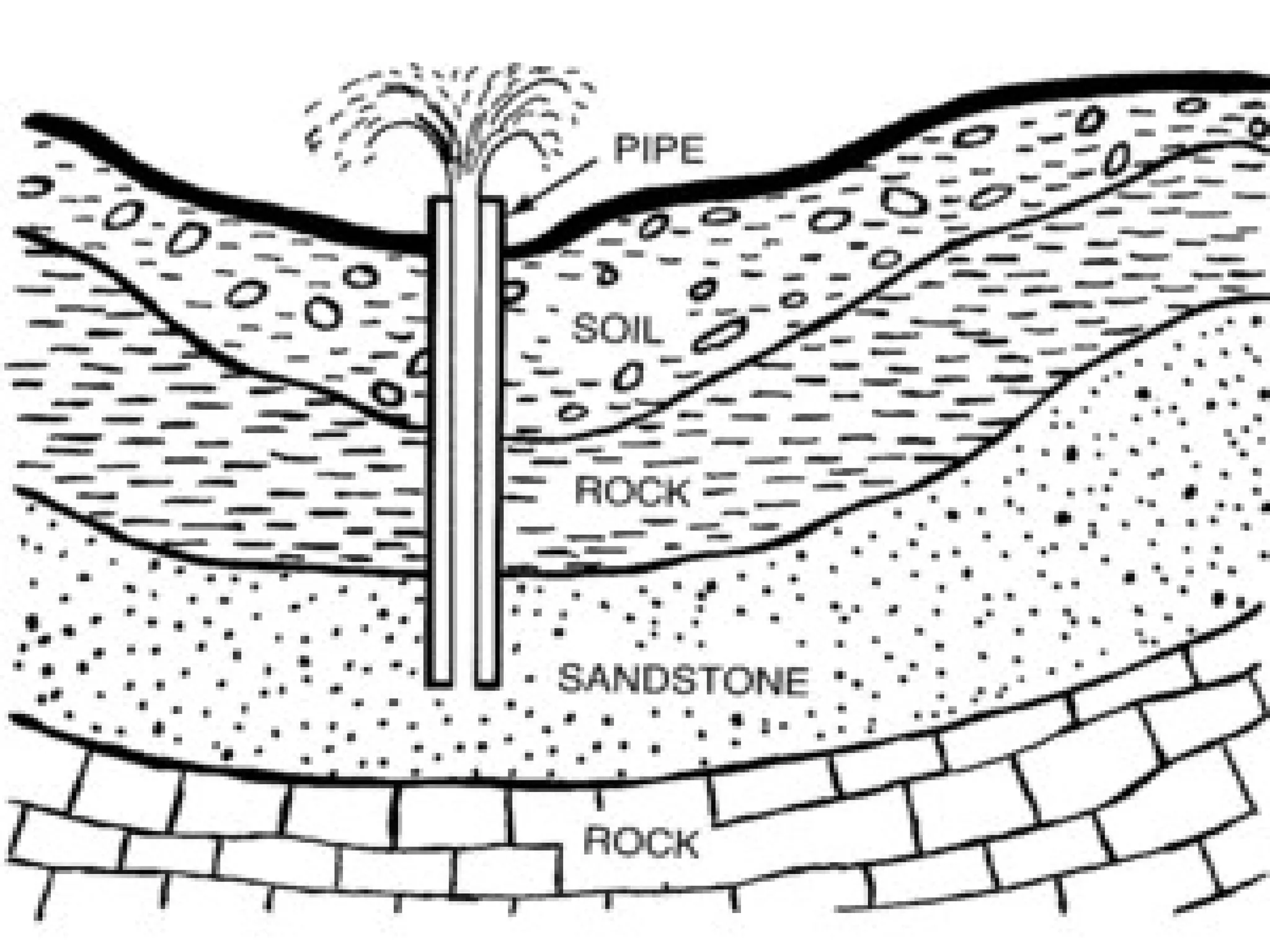
•Water infiltrates and get 
collected in rock layers 
these are called aquifers 
• These collected water 
finally reach into the rivers 
and ponds as underground 
water
Water the elixir of life

Water the elixir of life

  • 1.
  • 2.
    • In oursolar system water in the liquid form only found in earth • 2/3 of the earth is covered by water • When we look at the earth it is looks like a blue ball , so it is called blue planet or watery planet • 97% of the water on the earth is saline • Pure water contains only 3 % ,
  • 4.
  • 6.
    • The amountof water can be directly used is only 0.33% • Total quantity of water on the earth is around 1386 lakh cubic metre • Saline water found in ocean, • Pure water found in river lake etc • It found in gases manner in the atmosphere
  • 7.
  • 8.
  • 9.
    • Total volumeof water on the earth is almost constant • From sea, lake, and from plants get heated up by sun and finally evaporates and condensed, as a result precipitation takes place • Thus water is always in cyclical movement and it is called water cycle, due to this process the amount water remains constant
  • 10.
  • 11.
    • Largest amountof pure water found in polar ice blocks • % of pure water found in river and lakes are 0.26 and 0.0006 • Atmosphere contains about 0.04 % • 2.5 % of pure water found totally on the earth
  • 12.
  • 13.
    Surface water •Rivers are the major agent of surface water • Land use of the area is largely determine by the amount of water flowing through • River origin from the mountain where dense forest can be found where water flow throughout the year • If river originates from slopes where plantation or mixed crops can be seen and the river will be less flow in summer
  • 14.
    Rivers aarree tthheemmaajjoorr aaggeenntt ooff ssuurrffaaccee wwaatteerr
  • 15.
    • Rivers canbe divided into two basis on their flow • PPeerreennnniiaall rriivveerrss aanndd • NNoonn ppeerreennnniiaall rriivveerrss • Rivers that flows throughout the year called Perennial rivers • Rain fall and melting of snow are the major source of these river • Indus ,Ganges Brahmaputra are examples
  • 16.
    • Some perennialrivers are depend solely on rain , which take its origin near the equator , where there is rain fall in almost days in year. • Amazon, Nile and Congo are examples • The only river which cross the equator twice is the Congo, this perennial river originates from the forest of Africa
  • 18.
    • All therivers except Himalayan rivers in India have lean flow during summer and regular flow during monsoon
  • 19.
    • Some partof the area water seeps into the earth, some area water dries up quickly but not in paddy fields • Factors which influence rate of seeping are • Different in the composition of soil particles • Topography of the land • Presence of organic matter
  • 21.
    • When thewater filters from the top soil inward is called infiltration, if it filters down due to gravitational pull and become underground water it is called percolation • Water filters through the crack of rocks also • There difference in rate of percolation, depending on the composition of soil
  • 22.
    •Water infiltrates andget collected in rock layers these are called aquifers • These collected water finally reach into the rivers and ponds as underground water