Transvenous Lead Extraction
FAYAZ AHMAD RATHER
SKIMS SOURA
Introduction
 First implantable pacemaker - 1958
 Since the inception of pacemaker and implantable
defibrillator therapy perceptions of lead reliability,
performance, complications and approaches to
management evolved dramatically.
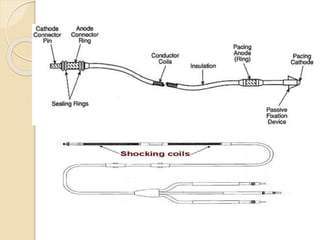
 Conductors, insulation materials, lead construction,
implantation techniques, infection and venous
occlusion - source of significant clinical problems
 Improvements in the design of leads and
implantation techniques have been done in the
pursuit of improved patient management
 Transvenous lead extraction techniques into
general use - slow due to the potential for fatal
complications and the limited training in the tools
and techniques.
 Safety and effectiveness of transvenous lead
extraction as well as the application of indications
vary widely.
 Heart Rhythm Society (HRS) [The North American
Society of Pacing and Electrophysiology,NASPE]
 May 11, 1997, convened a policy conference to
formalize standards for:
 training of physicians in extraction techniques;
 equipment and emergently needed support staff at each
institution; and
 indications and contra-indications for lead extraction.
 Published as a guidance document in April 2000
and updated in 2009
Definitions
 Lead Removal:
Removal of a pacing or defibrillator lead using any
technique.
 Lead Explant:
A lead removal using simple traction techniques
(no locking stylet, telescoping sheaths or femoral
extraction tools).
 Lead Extraction:
Removal of a lead implanted for more than one
year, or a lead regardless of duration of implant
requiring the assistance of specialized equipment
that is not included as part of the typical implant
package, and/or removal of a lead from a route
other than via the implant vein.
 Implantable cardioverter defibrillator (ICD) leads -
require specialized extraction equipment even
when implantation duration is less than one year.
Lead Extraction Approach:
 Leads are usually removed via the same
transvenous access by which they were inserted,
termed the implant vein.
 Sometimes alternative venous access is required
from a non-implant vein.
 Alternative lead extraction approaches:
femoral, jugular or subclavian veins, trans-atrial
or via
a ventriculotomy approach
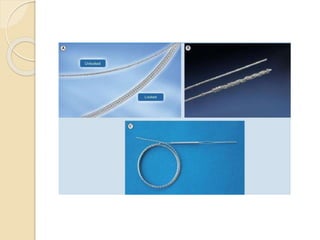
Extraction tools
 Simple Traction:
Manipulation of the lead so that the lead exits the
vasculature via the implant vein using tools
typically supplied for lead implant, with the addition
of traction [standard stylets (nonlocking), and
fixation screw retraction clips].
 Traction Devices:
Specialized locking stylets, snares, sutures,
grasping or other devices used to engage or entrap
and remove the lead or lead fragments.
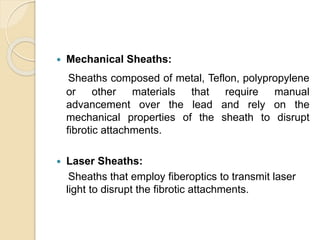
 Mechanical Sheaths:
Sheaths composed of metal, Teflon, polypropylene
or other materials that require manual
advancement over the lead and rely on the
mechanical properties of the sheath to disrupt
fibrotic attachments.
 Laser Sheaths:
Sheaths that employ fiberoptics to transmit laser
light to disrupt the fibrotic attachments.
 Electrosurgical Sheaths:
Sheaths that use radiofrequency energy (such as
found in an electrosurgical unit) emitted between
two electrodes at the sheath tip to disrupt the
fibrotic attachments.
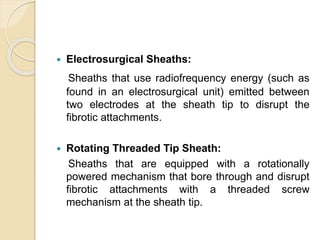
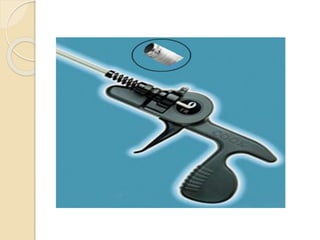
 Rotating Threaded Tip Sheath:
Sheaths that are equipped with a rotationally
powered mechanism that bore through and disrupt
fibrotic attachments with a threaded screw
mechanism at the sheath tip.
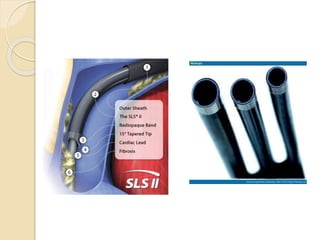
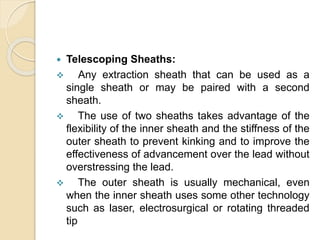
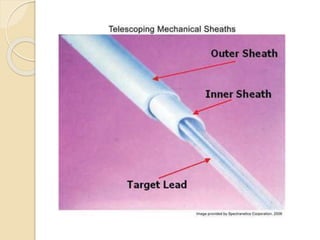
 Telescoping Sheaths:
 Any extraction sheath that can be used as a
single sheath or may be paired with a second
sheath.
 The use of two sheaths takes advantage of the
flexibility of the inner sheath and the stiffness of the
outer sheath to prevent kinking and to improve the
effectiveness of advancement over the lead without
overstressing the lead.
 The outer sheath is usually mechanical, even
when the inner sheath uses some other technology
such as laser, electrosurgical or rotating threaded
tip
Procedure Outcomes
 Complete Procedural Success:
Removal of all targeted leads and all lead material
from the vascular space, with the absence of any
permanently disabling complication or procedure
related death
 Clinical Success:
Removal of all targeted leads and lead material
from the vascular space, or retention of a small
portion of the lead that does not negatively impact
the outcome goals of the procedure.
 Failure:
Inability to achieve either complete procedural or
clinical success, or the development of any
permanently disabling complication or procedure
related death.
Defining complications
 Major complication rate 1.6%
 Predictors of complications:
 implant duration of oldest lead
 female gender
 ICD lead removal
 use of laser extraction technique
Defining complications
 Extraction events are classified as
 major complications
 minor complications
Major Complication
1.Death
2.Cardiac avulsion or tear requiring thoracotomy,
pericardiocentesis, chest tube, or surgical repair
3.Vascular avulsion or tear (requiring thoracotomy,
pericardiocentesis, chest tube, or surgical repair)
4. Pulmonary embolism requiring surgical
intervention
5.Respiratory arrest or anesthesia related
complication leading to prolongation of
hospitalization
6. Stroke
7.Pacing system related infection of a previously non-
infected site
Minor Complication
1. Pericardial effusion not requiring
pericardiocentesis or surgical intervention
2. Hemothorax not requiring a chest tube
3. Hematoma at the surgical site requiring
reoperation for drainage
4. Arm swelling or thrombosis of implant veins
resulting in medical intervention
5. Vascular repair near the implant site or venous
entry site
6. Hemodynamically significant air embolism
7. Migrated lead fragment without sequelae
8. Blood transfusion related to blood loss during
surgery
9. Pneumothorax requiring a chest tube
10. Pulmonary embolism not requiring surgical
intervention
Lead management
 Primary Operator:
A physician properly trained and experienced in device
implantation, lead extraction and the management of
complications.
 Cardiothoracic surgeon:
Well versed in the potential complications of lead
extraction and techniques for their treatment, on site
and immediately available
 Anesthesia support
 Personnel capable of operating fluoroscopic
equipment
 “Scrubbed” assistant (nurse/technician/physician)
 Non “scrubbed” assistant
 Echocardiographer
Recommendations on minimum training and
volume
 a minimum of 40 leads as the primary operator
under the direct supervision of a qualified training
physician.
 recommend the extraction of a minimum of 20
leads annually per operator.
 supervisor should have extracted 75 leads,
performed with an efficacy and safety
 Training requirements for the implantation of
pacemakers, ICDs and cardiac resynchronization
devices…….. 25 procedures of each device
type.
Facility
 Centers with accredited cardiac surgery and
cardiac catheterization programs.
 Cardiothoracic surgeon must be physically on site
and capable of initiating an emergent procedure
promptly.
 Performed in either operating rooms, or procedural
laboratories specifically designed for device
implantation procedures.
Equipment
 High-quality fluoroscopy
 Surgical instruments
 Extraction tools
 Extraction snares
 CIED implantation tools
 Transthoracic and transesophageal
echocardiography
Planning procedure
Prior to undertaking an extraction procedure, a clear plan for
management of co-morbidities, the need for ongoing CIED
therapy must be formulated.
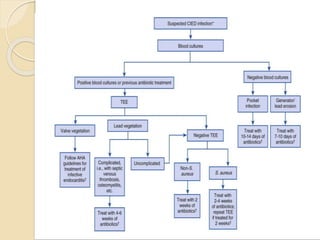
 Patients with CIED related infection
 Device and lead location
 Device, lead and adapter information(Connected and
Abandoned)
 Need for pacing support during the procedure
 Device interrogation and reprogramming
 Need for ongoing device therapy
Indications for lead removal
 Recommendations for lead extraction apply only to
those patients in whom the benefits of lead
removal outweigh the risks when assessed based
on individualized patient factors and operator
specific experience and outcomes.
 Even the strongest indication should be considered
contraindicated when the extraction team has little
experience or inadequate tools.
Infection
Class I
1. Complete device and lead removal is recommended in
all patients with definite CIED system infection, as
evidenced by valvular endocarditis, lead endocarditis or
sepsis. (Level of evidence: B)
2. Complete device and lead removal is recommended in
all patients with CIED pocket infection as evidenced
by pocket abscess, device erosion, skin adherence, or
chronic draining sinus without clinically evident
involvement of the transvenous portion of the lead
system. (Level of evidence: B)
3. Complete device and lead removal is recommended in
all patients with valvular endocarditis without definite
involvement of the lead(s) and/or device. (Level of
evidence: B)
4. Complete device and lead removal is recommended in
patients with occult gram-positive bacteremia (not
contaminant). (Level of evidence: B)
Infection
Class IIa
1. Complete device and lead removal is reasonable
in patients with persistent occult gram-negative
bacteremia. (Level of evidence: B)
Infection
Class III
1. CIED removal is not indicated for superficial or
incisional infection without involvement of the
device and/or leads (Level of evidence: C)
2. CIED removal is not indicated to treat chronic
bacteremia due to a source other than the CIED,
when long-term suppressive antibiotics are
required. (Level of evidence: C)
Chronic Pain
Class IIa
1. Device and/or lead removal is reasonable in
patients with severe chronic pain, at the device or
lead insertion site, that causes significant
discomfort for the patient, is not manageable by
medical or surgical techniques and for which there
is no acceptable alternative. (Level of evidence: C)
Thrombosis or Venous
StenosisClass I
1. Lead removal is recommended in patients with
clinically significant thromboembolic events
associated with thrombus on a lead or a lead
fragment. (Level of evidence: C)
2.Lead removal is recommended in patients with
bilateral subclavian vein or SVC occlusion
precluding implantation of a needed transvenous
lead. (Level of evidence: C)
3. Lead removal is recommended in patients with
planned stent deployment in a vein already
containing a transvenous lead, to avoid entrapment
of the lead. (Level of evidence: C)
Thrombosis or Venous
Stenosis
4. Lead removal is recommended in patients with
superior vena cava stenosis or occlusion with
limiting symptoms. (Level of evidence: C)
5.Lead removal is recommended in patients with
ipsilateral venous occlusion preventing access
to the venous circulation for required placement of
an additional lead when there is a contraindication
for using the contralateral side (e.g. contralateral
AV fistula, shunt or vascular access port,
mastectomy). (Level of evidence: C)
Thrombosis or Venous
Stenosis
Class IIa
1. Lead removal is reasonable in patients with
ipsilateral venous occlusion preventing access to
the venous circulation for required placement of an
additional lead, when there is no contraindication
for using the contralateral side. (Level of evidence
C)
Functional Leads
Class I
1. Lead removal is recommended in patients with life
threatening arrhythmias secondary to retained leads. (Level
of evidence: B)
2. Lead removal is recommended in patients with leads that,
due to their design or their failure, may pose an
immediate threat to the patients if left in place. (e.g.
Telectronics ACCUFIX J wire fracture with protrusion). (Level
of evidence: B)
3. Lead removal is recommended in patients with leads that
interfere with the operation of implanted cardiac devices.
(Level of evidence: B)
4. Lead removal is recommended in patients with leads that
interfere with the treatment of a malignancy
(radiation/reconstructive surgery). (Level of evidence: C)
Functional Leads
Class IIb
1. Lead removal may be considered in patients with an
abandoned functional lead that poses a risk of interference
with the operation of the active CIED system. (Level of
evidence: C)
2. Lead removal may be considered in patients with functioning
leads that due to their design or their failure pose a
potential future threat to the patient if left in place. (e.g.
Telectronics ACCUFIX without protrusion) (Level of evidence:
C)
3. Lead removal may be considered in patients with leads that
are functional but not being used. (i.e. RV pacing lead after
upgrade to ICD) (Level of evidence: C)
Functional Leads
Class IIb
4. Lead removal may be considered in patients who require
specific imaging techniques (e.g. MRI) that can not be
imaged due to the presence of the CIED system for which
there is no other available imaging alternative for the
diagnosis. (Level of evidence: C)
5. Lead removal may be considered in patients in order to
permit the implantation of an MRI conditional CIED
system. (Level of evidence: C)
Functional Leads
Class III
1. Lead removal is not indicated in patients with functional but
redundant leads if patients have a life expectancy of less
than one year. (Level of evidence: C)
2. Lead removal is not indicated in patients with known
anomalous placement of leads through structures other than
normal venous and cardiac structures, (e.g. subclavian artery,
aorta, pleura, atrial or ventricular wall or mediastinum) or
through a systemic venous atrium or systemic ventricle.
Additional techniques including surgical backup may be used
if the clinical scenario is compelling. (Level of evidence: C)
Non Functional Leads
Class I
1. Lead removal is recommended in patients with life
threatening arrhythmias secondary to retained leads or lead
fragments. (Level of evidence: B)
2. Lead removal is recommended in patients with leads that,
due to their design or their failure, may pose an immediate
threat to the patients if left in place. (e.g. Telectronics
ACCUFIX J wire fracture with protrusion) (Level of evidence:
B)
3. Lead removal is recommended in patients with leads that
interfere with the operation of implanted cardiac devices.
(Level of evidence: B)
4. Lead removal is recommended in patients with leads that
interfere with the treatment of a malignancy
(radiation/reconstructive surgery). (Level of evidence: C)
Non Functional Leads
Class IIa
1. Lead removal is reasonable in patients with leads that due to
their design or their failure pose a threat to the patient,
that is not immediate or imminent if left in place. (e.g.
Telectronics ACCUFIX without protrusion) (Level of evidence
C)
2. Lead removal is reasonable in patients if a CIED implantation
would require more than 4 leads on one side or more than
5 leads through the SVC. (Level of evidence C)
3. Lead removal is reasonable in patients that require specific
imaging techniques (e.g. MRI) and can not be imaged due to
the presence of the CIED system for which there is no other
available imaging alternative for the diagnosis. (Level of
evidence: C)
Non Functional Leads
Class IIb
1. Lead removal may be considered at the time of an indicated
CIED procedure, in patients with non-functional leads, if
contraindications are absent. (Level of evidence C)
2. Lead removal may be considered in order to permit the
implantation of an MRI conditional CIED system. (Level of
evidence: C)
Non Functional Leads
Class III
1. Lead removal is not indicated in patients with non-functional
leads if patients have a life expectancy of less than one
year.(Level of evidence C)
2. Lead removal is not indicated in patients with known
anomalous placement of leads through structures other
than normal venous and cardiac structures, (e.g. subclavian
artery, aorta, pleura, atrial or ventricular wall or mediastinum)
or through a systemic venous atrium or systemic ventricle.
Additional techniques including surgical backup may be used
if the clinical scenario is compelling. (Level of evidence: C)
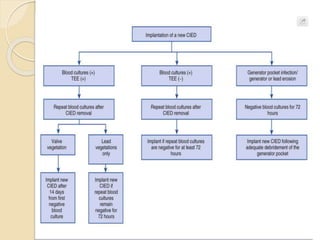
CIED replacement following infected removal
Class I
1. Each patient should be carefully evaluated to
determine if there is a continued need for a new
CIED. (Level of evidence: C)
2. The replacement device implantation should not
be ipsilateral to the extraction site. Preferred
alternative locations include the contralateral side,
iliac vein, trans-atrial and epicardial implantation.
(Level of evidence: C)
Class IIa
1. A new CIED system can be implanted into patients who
have no valvular or lead associated vegetations but
preoperative positive blood cultures, when there is no
further clinical evidence of systemic infection and the blood
cultures drawn within 24 hours of CIED system removal
remain negative for at least 72 hours (Level of evidence:
C)
2. A new CIED system can be implanted into patients who have
no valvular or lead associated vegetations but positive
lead tip cultures, when there is no further clinical evidence
of systemic infection and the blood cultures drawn within 24
hours of CIED system removal remain negative for at least
72 hours (Level of evidence: C)
3. A new CIED system can be implanted into patients who have
no valvular or lead associated vegetations but
preoperative sepsis and positive blood cultures, when
there is no further clinical evidence of systemic infection and
the blood cultures drawn within 24 hours of CIED system
removal remain negative for at least 72 hours (Level of
evidence: C)
4. It is reasonable to delay transvenous re-implantation of a new
CIED system into patients with valvular or lead associated
vegetations for at least 14 days after CIED system
removal. However there are options to reduce this delay
including debridement of the vegetations and epicardial lead
implantation. (Level of Evidence: C)
Prophylaxis
 Preoperative antistaphylococcal antibiotic before
device placement or revision – effective in reducing
the risk of CIED infecction.
i. Cefazolin
ii. Vancomycin
 Postopreative dosing not recommended
 Patients with CIEDs who undergo invasive
procedures such as dental ,GI, genitourinary –
antibiotic prophylaxis not recommended.
Conclusion
 Lead extraction - a definable, teachable art with its
own specific tools and techniques
 There remain challenges to impart these skills to
physicians so that safe and effective transvenous
lead extraction is available to patients around the
world
 Before lead extraction recognize the unique
circumstances surrounding each patient and
clinical situation.
 No longer acceptable to treat most CIED infections
in a “conservative” manner.
 Curative therapy nearly always requires removal of
the foreign bodies from the infected site, with re-
implantation of a new system at an alternate site.
 There is rarely (if ever) a place for pocket revision
by reimplanting an eroded or infected device in the
same pocket that has been debrided.
 Complications will periodically occur, even in the
most experienced hands and centers, during
transvenous lead extraction and the survival of the
patient requires that the operator and extraction
support team be prepared.
Thank you
Pacemaker Lead Extraction With the Laser Sheath: Results of the Pacing
Lead Extraction With the Excimer Sheath (PLEXES) Trial (J Am Coll Cardiol
1999;33:
1671–6)
BACKGROUND: ultraviolet excimer laser light dissolves instead of tearing the
tissue attachments.
METHODS A randomized trial of lead extraction was conducted in 301 patients
with 465 chronically implanted pacemaker leads. The laser group patients had
the leads removed with identical tools as the nonlaser group with the exception
that the inner telescoping sheath was replaced with the 12-F excimer laser
sheath. Success for both groups was defined as complete lead removal with
the randomized therapy without complications.
RESULTS Complete lead removal rate was 94% in the laser group and 64% in
the nonlaser group (p 5 0.001). Failed nonlaser extraction was completed with
the laser tools 88% of the time. The mean time to achieve a successful lead
extraction was significantly reduced for patients randomized to the laser tools,
10.1 6 11.5 min compared with 12.9 6 19.2 min for patients randomized to
nonlaser techniques (p , 0.04). Potentially life-threatening complications
occurred in none of the nonlaser and three of the laser patients, including one
death (p 5 NS).
CONCLUSIONS Laser-assisted pacemaker lead extraction has significant
clinical advantages over extraction without laser tools and is associated with
significant risks.
Results Between January 2004 and December 2007, 1,449 consecutive
patients underwent laser-assisted lead extraction of 2,405 leads (20 to 270
procedures/site). Median implantation duration was 82.1 months (0.4 to 356.8
months). Leads were completely removed 96.5% of the time, with a 97.7%
clinical success rate whereby clinical goals associated with the indication for
lead removal were achieved. Failure to achieve clinical success was
associated with body mass index 25 kg/m2 and low extraction volume
centers. Procedural failure was higher in leads implanted for 10 years and
when performed in low volume centers. Major adverse events in 20 patients
were directly related to the procedure (1.4%) including 4 deaths (0.28%).
Major adverse effects were associated with patients with a body mass index
25 kg/m2. Overall all-cause in-hospital mortality was 1.86%; 4.3% when
associated with endocarditis, 7.9% when associated with endocarditis and
diabetes, and 12.4% when associated with endocarditis and creatinine 2.0.
Indicators of all cause in-hospital mortality were pocket infections, device-
related endocarditis, diabetes, and creatinine 2.0.
Conclusions: Lead extraction employing laser sheaths is highly successful
with a low procedural complication rate. Total mortality is substantially
increased with pocket infections or device-related endocarditis, particularly in
the setting of diabetes, renal insufficiency, or body mass index 25 kg/m2.
Centers with smaller case volumes tended to have a lower rate of successful
Lead Extraction in the Contemporary Setting: The LExICon Study
Methods: analyzed percutaneous lead extractions performed from January
1991 to September 2007 in infected patients with echocardiographic evidence
of intracardiac vegetations
Results :A total of 984 patients underwent extraction of 1,838 leads; local or
systemic infection occurred in 480 patients. One hundred patients had
intracardiac vegetations identified by transesophageal echocardiogram, and all
underwent percutaneous lead extraction (215 leads). Mean age was 67 years.
Median extraction time was 3 min per lead; median implant duration was 34
months. During the index hospitalization, a new device was implanted in 54
patients at a median of 7 days after extraction. Post operative 30-day mortality
was 10%; no deaths were related directly to the extraction procedure.
Conclusions: Patients with intracardiac vegetations identified on
transesophageal echocardiogram can safely undergo complete device
extraction using standard percutaneous lead extraction techniques. Permanent
devices can safely be reimplanted provided blood cultures remain sterile. The
presence of intracardiac vegetations identifies a subset of patients at
increased risk for complications and early mortality from systemic infection
despite device extraction and appropriate antimicrobial therapy. (J Am Coll
Cardiol 2010;55:886–94)
Percutaneous Pacemaker and Implantable Cardioverter-Defibrillator
Lead Extraction in 100 Patients With Intracardiac Vegetations Defined by
Transesophageal Echocardiogram
Methods:
Leads were extracted in a series of 66 consecutive patients (69% men, age
range 53-90 years) who visited our centre between August 2008 and June
2012. The extraction procedure was performed in the catheterization lab with a
widely used system composed of a locking stylet and sheath.
Results: A total of 120 leads were extracted (51 atrial, 69 ventricular)
including 19 defibrillator leads and 9 coronary sinus leads. The most
frequent indication for lead extraction was infective endocarditis (28 patients,
42%), followed by generator pocket infection (22 patients, 33%), and lead
malfunction (16 patients,
24%). Extraction was achieved through the venous entry-site approach in all
procedures. The leads were completely extracted in 65 patients (98.5%). Only
one complication was recorded: perforation of the right atrium in one patient
(1.5%), who eventually underwent emergency cardiac surgery with a good
outcome.
Conclusions: Our data confirm that a conventional mechanical technique
is highly effective for successful extraction.
Transvenous Extraction of Cardiac Rhythm Device Leads: A Report of the
Experience from a Single Referral Centre in Greece {Hellenic J Cardiol
2015; 56: 55-60}

Transvenous lead extraction hrs 2009

  • 1.
    Transvenous Lead Extraction FAYAZAHMAD RATHER SKIMS SOURA
  • 2.
    Introduction  First implantablepacemaker - 1958  Since the inception of pacemaker and implantable defibrillator therapy perceptions of lead reliability, performance, complications and approaches to management evolved dramatically.  Conductors, insulation materials, lead construction, implantation techniques, infection and venous occlusion - source of significant clinical problems
  • 6.
     Improvements inthe design of leads and implantation techniques have been done in the pursuit of improved patient management  Transvenous lead extraction techniques into general use - slow due to the potential for fatal complications and the limited training in the tools and techniques.  Safety and effectiveness of transvenous lead extraction as well as the application of indications vary widely.
  • 7.
     Heart RhythmSociety (HRS) [The North American Society of Pacing and Electrophysiology,NASPE]  May 11, 1997, convened a policy conference to formalize standards for:  training of physicians in extraction techniques;  equipment and emergently needed support staff at each institution; and  indications and contra-indications for lead extraction.  Published as a guidance document in April 2000 and updated in 2009
  • 8.
    Definitions  Lead Removal: Removalof a pacing or defibrillator lead using any technique.  Lead Explant: A lead removal using simple traction techniques (no locking stylet, telescoping sheaths or femoral extraction tools).
  • 9.
     Lead Extraction: Removalof a lead implanted for more than one year, or a lead regardless of duration of implant requiring the assistance of specialized equipment that is not included as part of the typical implant package, and/or removal of a lead from a route other than via the implant vein.  Implantable cardioverter defibrillator (ICD) leads - require specialized extraction equipment even when implantation duration is less than one year.
  • 10.
    Lead Extraction Approach: Leads are usually removed via the same transvenous access by which they were inserted, termed the implant vein.  Sometimes alternative venous access is required from a non-implant vein.  Alternative lead extraction approaches: femoral, jugular or subclavian veins, trans-atrial or via a ventriculotomy approach
  • 11.
    Extraction tools  SimpleTraction: Manipulation of the lead so that the lead exits the vasculature via the implant vein using tools typically supplied for lead implant, with the addition of traction [standard stylets (nonlocking), and fixation screw retraction clips].  Traction Devices: Specialized locking stylets, snares, sutures, grasping or other devices used to engage or entrap and remove the lead or lead fragments.
  • 13.
     Mechanical Sheaths: Sheathscomposed of metal, Teflon, polypropylene or other materials that require manual advancement over the lead and rely on the mechanical properties of the sheath to disrupt fibrotic attachments.  Laser Sheaths: Sheaths that employ fiberoptics to transmit laser light to disrupt the fibrotic attachments.
  • 15.
     Electrosurgical Sheaths: Sheathsthat use radiofrequency energy (such as found in an electrosurgical unit) emitted between two electrodes at the sheath tip to disrupt the fibrotic attachments.  Rotating Threaded Tip Sheath: Sheaths that are equipped with a rotationally powered mechanism that bore through and disrupt fibrotic attachments with a threaded screw mechanism at the sheath tip.
  • 17.
     Telescoping Sheaths: Any extraction sheath that can be used as a single sheath or may be paired with a second sheath.  The use of two sheaths takes advantage of the flexibility of the inner sheath and the stiffness of the outer sheath to prevent kinking and to improve the effectiveness of advancement over the lead without overstressing the lead.  The outer sheath is usually mechanical, even when the inner sheath uses some other technology such as laser, electrosurgical or rotating threaded tip
  • 19.
    Procedure Outcomes  CompleteProcedural Success: Removal of all targeted leads and all lead material from the vascular space, with the absence of any permanently disabling complication or procedure related death  Clinical Success: Removal of all targeted leads and lead material from the vascular space, or retention of a small portion of the lead that does not negatively impact the outcome goals of the procedure.
  • 20.
     Failure: Inability toachieve either complete procedural or clinical success, or the development of any permanently disabling complication or procedure related death.
  • 21.
    Defining complications  Majorcomplication rate 1.6%  Predictors of complications:  implant duration of oldest lead  female gender  ICD lead removal  use of laser extraction technique
  • 22.
    Defining complications  Extractionevents are classified as  major complications  minor complications
  • 23.
    Major Complication 1.Death 2.Cardiac avulsionor tear requiring thoracotomy, pericardiocentesis, chest tube, or surgical repair 3.Vascular avulsion or tear (requiring thoracotomy, pericardiocentesis, chest tube, or surgical repair) 4. Pulmonary embolism requiring surgical intervention 5.Respiratory arrest or anesthesia related complication leading to prolongation of hospitalization 6. Stroke 7.Pacing system related infection of a previously non- infected site
  • 24.
    Minor Complication 1. Pericardialeffusion not requiring pericardiocentesis or surgical intervention 2. Hemothorax not requiring a chest tube 3. Hematoma at the surgical site requiring reoperation for drainage 4. Arm swelling or thrombosis of implant veins resulting in medical intervention 5. Vascular repair near the implant site or venous entry site
  • 25.
    6. Hemodynamically significantair embolism 7. Migrated lead fragment without sequelae 8. Blood transfusion related to blood loss during surgery 9. Pneumothorax requiring a chest tube 10. Pulmonary embolism not requiring surgical intervention
  • 26.
    Lead management  PrimaryOperator: A physician properly trained and experienced in device implantation, lead extraction and the management of complications.  Cardiothoracic surgeon: Well versed in the potential complications of lead extraction and techniques for their treatment, on site and immediately available  Anesthesia support
  • 27.
     Personnel capableof operating fluoroscopic equipment  “Scrubbed” assistant (nurse/technician/physician)  Non “scrubbed” assistant  Echocardiographer
  • 28.
    Recommendations on minimumtraining and volume  a minimum of 40 leads as the primary operator under the direct supervision of a qualified training physician.  recommend the extraction of a minimum of 20 leads annually per operator.  supervisor should have extracted 75 leads, performed with an efficacy and safety
  • 29.
     Training requirementsfor the implantation of pacemakers, ICDs and cardiac resynchronization devices…….. 25 procedures of each device type.
  • 30.
    Facility  Centers withaccredited cardiac surgery and cardiac catheterization programs.  Cardiothoracic surgeon must be physically on site and capable of initiating an emergent procedure promptly.  Performed in either operating rooms, or procedural laboratories specifically designed for device implantation procedures.
  • 31.
    Equipment  High-quality fluoroscopy Surgical instruments  Extraction tools  Extraction snares  CIED implantation tools  Transthoracic and transesophageal echocardiography
  • 32.
    Planning procedure Prior toundertaking an extraction procedure, a clear plan for management of co-morbidities, the need for ongoing CIED therapy must be formulated.  Patients with CIED related infection  Device and lead location  Device, lead and adapter information(Connected and Abandoned)  Need for pacing support during the procedure  Device interrogation and reprogramming  Need for ongoing device therapy
  • 34.
    Indications for leadremoval  Recommendations for lead extraction apply only to those patients in whom the benefits of lead removal outweigh the risks when assessed based on individualized patient factors and operator specific experience and outcomes.
  • 35.
     Even thestrongest indication should be considered contraindicated when the extraction team has little experience or inadequate tools.
  • 36.
    Infection Class I 1. Completedevice and lead removal is recommended in all patients with definite CIED system infection, as evidenced by valvular endocarditis, lead endocarditis or sepsis. (Level of evidence: B) 2. Complete device and lead removal is recommended in all patients with CIED pocket infection as evidenced by pocket abscess, device erosion, skin adherence, or chronic draining sinus without clinically evident involvement of the transvenous portion of the lead system. (Level of evidence: B) 3. Complete device and lead removal is recommended in all patients with valvular endocarditis without definite involvement of the lead(s) and/or device. (Level of evidence: B) 4. Complete device and lead removal is recommended in patients with occult gram-positive bacteremia (not contaminant). (Level of evidence: B)
  • 37.
    Infection Class IIa 1. Completedevice and lead removal is reasonable in patients with persistent occult gram-negative bacteremia. (Level of evidence: B)
  • 38.
    Infection Class III 1. CIEDremoval is not indicated for superficial or incisional infection without involvement of the device and/or leads (Level of evidence: C) 2. CIED removal is not indicated to treat chronic bacteremia due to a source other than the CIED, when long-term suppressive antibiotics are required. (Level of evidence: C)
  • 39.
    Chronic Pain Class IIa 1.Device and/or lead removal is reasonable in patients with severe chronic pain, at the device or lead insertion site, that causes significant discomfort for the patient, is not manageable by medical or surgical techniques and for which there is no acceptable alternative. (Level of evidence: C)
  • 40.
    Thrombosis or Venous StenosisClassI 1. Lead removal is recommended in patients with clinically significant thromboembolic events associated with thrombus on a lead or a lead fragment. (Level of evidence: C) 2.Lead removal is recommended in patients with bilateral subclavian vein or SVC occlusion precluding implantation of a needed transvenous lead. (Level of evidence: C) 3. Lead removal is recommended in patients with planned stent deployment in a vein already containing a transvenous lead, to avoid entrapment of the lead. (Level of evidence: C)
  • 41.
    Thrombosis or Venous Stenosis 4.Lead removal is recommended in patients with superior vena cava stenosis or occlusion with limiting symptoms. (Level of evidence: C) 5.Lead removal is recommended in patients with ipsilateral venous occlusion preventing access to the venous circulation for required placement of an additional lead when there is a contraindication for using the contralateral side (e.g. contralateral AV fistula, shunt or vascular access port, mastectomy). (Level of evidence: C)
  • 42.
    Thrombosis or Venous Stenosis ClassIIa 1. Lead removal is reasonable in patients with ipsilateral venous occlusion preventing access to the venous circulation for required placement of an additional lead, when there is no contraindication for using the contralateral side. (Level of evidence C)
  • 43.
    Functional Leads Class I 1.Lead removal is recommended in patients with life threatening arrhythmias secondary to retained leads. (Level of evidence: B) 2. Lead removal is recommended in patients with leads that, due to their design or their failure, may pose an immediate threat to the patients if left in place. (e.g. Telectronics ACCUFIX J wire fracture with protrusion). (Level of evidence: B) 3. Lead removal is recommended in patients with leads that interfere with the operation of implanted cardiac devices. (Level of evidence: B) 4. Lead removal is recommended in patients with leads that interfere with the treatment of a malignancy (radiation/reconstructive surgery). (Level of evidence: C)
  • 44.
    Functional Leads Class IIb 1.Lead removal may be considered in patients with an abandoned functional lead that poses a risk of interference with the operation of the active CIED system. (Level of evidence: C) 2. Lead removal may be considered in patients with functioning leads that due to their design or their failure pose a potential future threat to the patient if left in place. (e.g. Telectronics ACCUFIX without protrusion) (Level of evidence: C) 3. Lead removal may be considered in patients with leads that are functional but not being used. (i.e. RV pacing lead after upgrade to ICD) (Level of evidence: C)
  • 45.
    Functional Leads Class IIb 4.Lead removal may be considered in patients who require specific imaging techniques (e.g. MRI) that can not be imaged due to the presence of the CIED system for which there is no other available imaging alternative for the diagnosis. (Level of evidence: C) 5. Lead removal may be considered in patients in order to permit the implantation of an MRI conditional CIED system. (Level of evidence: C)
  • 46.
    Functional Leads Class III 1.Lead removal is not indicated in patients with functional but redundant leads if patients have a life expectancy of less than one year. (Level of evidence: C) 2. Lead removal is not indicated in patients with known anomalous placement of leads through structures other than normal venous and cardiac structures, (e.g. subclavian artery, aorta, pleura, atrial or ventricular wall or mediastinum) or through a systemic venous atrium or systemic ventricle. Additional techniques including surgical backup may be used if the clinical scenario is compelling. (Level of evidence: C)
  • 47.
    Non Functional Leads ClassI 1. Lead removal is recommended in patients with life threatening arrhythmias secondary to retained leads or lead fragments. (Level of evidence: B) 2. Lead removal is recommended in patients with leads that, due to their design or their failure, may pose an immediate threat to the patients if left in place. (e.g. Telectronics ACCUFIX J wire fracture with protrusion) (Level of evidence: B) 3. Lead removal is recommended in patients with leads that interfere with the operation of implanted cardiac devices. (Level of evidence: B) 4. Lead removal is recommended in patients with leads that interfere with the treatment of a malignancy (radiation/reconstructive surgery). (Level of evidence: C)
  • 48.
    Non Functional Leads ClassIIa 1. Lead removal is reasonable in patients with leads that due to their design or their failure pose a threat to the patient, that is not immediate or imminent if left in place. (e.g. Telectronics ACCUFIX without protrusion) (Level of evidence C) 2. Lead removal is reasonable in patients if a CIED implantation would require more than 4 leads on one side or more than 5 leads through the SVC. (Level of evidence C) 3. Lead removal is reasonable in patients that require specific imaging techniques (e.g. MRI) and can not be imaged due to the presence of the CIED system for which there is no other available imaging alternative for the diagnosis. (Level of evidence: C)
  • 49.
    Non Functional Leads ClassIIb 1. Lead removal may be considered at the time of an indicated CIED procedure, in patients with non-functional leads, if contraindications are absent. (Level of evidence C) 2. Lead removal may be considered in order to permit the implantation of an MRI conditional CIED system. (Level of evidence: C)
  • 50.
    Non Functional Leads ClassIII 1. Lead removal is not indicated in patients with non-functional leads if patients have a life expectancy of less than one year.(Level of evidence C) 2. Lead removal is not indicated in patients with known anomalous placement of leads through structures other than normal venous and cardiac structures, (e.g. subclavian artery, aorta, pleura, atrial or ventricular wall or mediastinum) or through a systemic venous atrium or systemic ventricle. Additional techniques including surgical backup may be used if the clinical scenario is compelling. (Level of evidence: C)
  • 51.
    CIED replacement followinginfected removal Class I 1. Each patient should be carefully evaluated to determine if there is a continued need for a new CIED. (Level of evidence: C) 2. The replacement device implantation should not be ipsilateral to the extraction site. Preferred alternative locations include the contralateral side, iliac vein, trans-atrial and epicardial implantation. (Level of evidence: C)
  • 52.
    Class IIa 1. Anew CIED system can be implanted into patients who have no valvular or lead associated vegetations but preoperative positive blood cultures, when there is no further clinical evidence of systemic infection and the blood cultures drawn within 24 hours of CIED system removal remain negative for at least 72 hours (Level of evidence: C) 2. A new CIED system can be implanted into patients who have no valvular or lead associated vegetations but positive lead tip cultures, when there is no further clinical evidence of systemic infection and the blood cultures drawn within 24 hours of CIED system removal remain negative for at least 72 hours (Level of evidence: C)
  • 53.
    3. A newCIED system can be implanted into patients who have no valvular or lead associated vegetations but preoperative sepsis and positive blood cultures, when there is no further clinical evidence of systemic infection and the blood cultures drawn within 24 hours of CIED system removal remain negative for at least 72 hours (Level of evidence: C) 4. It is reasonable to delay transvenous re-implantation of a new CIED system into patients with valvular or lead associated vegetations for at least 14 days after CIED system removal. However there are options to reduce this delay including debridement of the vegetations and epicardial lead implantation. (Level of Evidence: C)
  • 56.
    Prophylaxis  Preoperative antistaphylococcalantibiotic before device placement or revision – effective in reducing the risk of CIED infecction. i. Cefazolin ii. Vancomycin  Postopreative dosing not recommended  Patients with CIEDs who undergo invasive procedures such as dental ,GI, genitourinary – antibiotic prophylaxis not recommended.
  • 57.
    Conclusion  Lead extraction- a definable, teachable art with its own specific tools and techniques  There remain challenges to impart these skills to physicians so that safe and effective transvenous lead extraction is available to patients around the world  Before lead extraction recognize the unique circumstances surrounding each patient and clinical situation.
  • 58.
     No longeracceptable to treat most CIED infections in a “conservative” manner.  Curative therapy nearly always requires removal of the foreign bodies from the infected site, with re- implantation of a new system at an alternate site.  There is rarely (if ever) a place for pocket revision by reimplanting an eroded or infected device in the same pocket that has been debrided.
  • 59.
     Complications willperiodically occur, even in the most experienced hands and centers, during transvenous lead extraction and the survival of the patient requires that the operator and extraction support team be prepared.
  • 60.
  • 62.
    Pacemaker Lead ExtractionWith the Laser Sheath: Results of the Pacing Lead Extraction With the Excimer Sheath (PLEXES) Trial (J Am Coll Cardiol 1999;33: 1671–6) BACKGROUND: ultraviolet excimer laser light dissolves instead of tearing the tissue attachments. METHODS A randomized trial of lead extraction was conducted in 301 patients with 465 chronically implanted pacemaker leads. The laser group patients had the leads removed with identical tools as the nonlaser group with the exception that the inner telescoping sheath was replaced with the 12-F excimer laser sheath. Success for both groups was defined as complete lead removal with the randomized therapy without complications. RESULTS Complete lead removal rate was 94% in the laser group and 64% in the nonlaser group (p 5 0.001). Failed nonlaser extraction was completed with the laser tools 88% of the time. The mean time to achieve a successful lead extraction was significantly reduced for patients randomized to the laser tools, 10.1 6 11.5 min compared with 12.9 6 19.2 min for patients randomized to nonlaser techniques (p , 0.04). Potentially life-threatening complications occurred in none of the nonlaser and three of the laser patients, including one death (p 5 NS). CONCLUSIONS Laser-assisted pacemaker lead extraction has significant clinical advantages over extraction without laser tools and is associated with significant risks.
  • 63.
    Results Between January2004 and December 2007, 1,449 consecutive patients underwent laser-assisted lead extraction of 2,405 leads (20 to 270 procedures/site). Median implantation duration was 82.1 months (0.4 to 356.8 months). Leads were completely removed 96.5% of the time, with a 97.7% clinical success rate whereby clinical goals associated with the indication for lead removal were achieved. Failure to achieve clinical success was associated with body mass index 25 kg/m2 and low extraction volume centers. Procedural failure was higher in leads implanted for 10 years and when performed in low volume centers. Major adverse events in 20 patients were directly related to the procedure (1.4%) including 4 deaths (0.28%). Major adverse effects were associated with patients with a body mass index 25 kg/m2. Overall all-cause in-hospital mortality was 1.86%; 4.3% when associated with endocarditis, 7.9% when associated with endocarditis and diabetes, and 12.4% when associated with endocarditis and creatinine 2.0. Indicators of all cause in-hospital mortality were pocket infections, device- related endocarditis, diabetes, and creatinine 2.0. Conclusions: Lead extraction employing laser sheaths is highly successful with a low procedural complication rate. Total mortality is substantially increased with pocket infections or device-related endocarditis, particularly in the setting of diabetes, renal insufficiency, or body mass index 25 kg/m2. Centers with smaller case volumes tended to have a lower rate of successful Lead Extraction in the Contemporary Setting: The LExICon Study
  • 64.
    Methods: analyzed percutaneouslead extractions performed from January 1991 to September 2007 in infected patients with echocardiographic evidence of intracardiac vegetations Results :A total of 984 patients underwent extraction of 1,838 leads; local or systemic infection occurred in 480 patients. One hundred patients had intracardiac vegetations identified by transesophageal echocardiogram, and all underwent percutaneous lead extraction (215 leads). Mean age was 67 years. Median extraction time was 3 min per lead; median implant duration was 34 months. During the index hospitalization, a new device was implanted in 54 patients at a median of 7 days after extraction. Post operative 30-day mortality was 10%; no deaths were related directly to the extraction procedure. Conclusions: Patients with intracardiac vegetations identified on transesophageal echocardiogram can safely undergo complete device extraction using standard percutaneous lead extraction techniques. Permanent devices can safely be reimplanted provided blood cultures remain sterile. The presence of intracardiac vegetations identifies a subset of patients at increased risk for complications and early mortality from systemic infection despite device extraction and appropriate antimicrobial therapy. (J Am Coll Cardiol 2010;55:886–94) Percutaneous Pacemaker and Implantable Cardioverter-Defibrillator Lead Extraction in 100 Patients With Intracardiac Vegetations Defined by Transesophageal Echocardiogram
  • 65.
    Methods: Leads were extractedin a series of 66 consecutive patients (69% men, age range 53-90 years) who visited our centre between August 2008 and June 2012. The extraction procedure was performed in the catheterization lab with a widely used system composed of a locking stylet and sheath. Results: A total of 120 leads were extracted (51 atrial, 69 ventricular) including 19 defibrillator leads and 9 coronary sinus leads. The most frequent indication for lead extraction was infective endocarditis (28 patients, 42%), followed by generator pocket infection (22 patients, 33%), and lead malfunction (16 patients, 24%). Extraction was achieved through the venous entry-site approach in all procedures. The leads were completely extracted in 65 patients (98.5%). Only one complication was recorded: perforation of the right atrium in one patient (1.5%), who eventually underwent emergency cardiac surgery with a good outcome. Conclusions: Our data confirm that a conventional mechanical technique is highly effective for successful extraction. Transvenous Extraction of Cardiac Rhythm Device Leads: A Report of the Experience from a Single Referral Centre in Greece {Hellenic J Cardiol 2015; 56: 55-60}

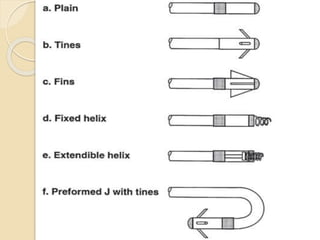
Editor's Notes

  • #5 Fixation types. A)Plain leads had no fixation device and were held in place by their weight and stiffness. b) Tines were added to act as a “grappling hook” to reduce dislodgment. c) Fins are a variation on tines. These may be less likely to become entangled in the valve. d) Fixed helix active fixation leads screw into the myocardium by rotating the entire lead. The helix is always out. Some manufacturers coat the helix with an inert and rapidly dissolving substance (such as a sugar) to protect the helix during insertion. e) Extendable helix leads have a mechanism to extend and retract the screw. f) Preformed “J” lead for simplified atrial placement.