‫تعالى‬ ‫قال‬(‫الص‬ِ‫ب‬ ‫وا‬ُ‫ن‬‫ي‬ِ‫ع‬َ‫ت‬ْ‫س‬‫ا‬َ‫و‬ِ‫ة‬ َ‫َل‬‫الص‬َ‫و‬ ِ‫ر‬ْ‫ب‬ۚ
َ‫ل‬َ‫ع‬ ‫َّل‬ِ‫إ‬ ٌ‫ة‬َ‫ير‬ِ‫ب‬َ‫ك‬َ‫ل‬ ‫ا‬َ‫ه‬‫ن‬ِ‫إ‬َ‫و‬ََ‫ي‬ِ‫ع‬ِِ‫ا‬ََْ‫ل‬‫ا‬ ‫ى‬)
The definition of tissue engineering, according to
International Union of Pure and Applied Chemistry
(IUPAC), is “to use of a combination of cells,
engineering and materials, and suitable
biochemical and physiochemical factors to improve
or replace biological functions” (Griffin et al., 2009).
Today, tissue engineering offers several opportunities
including the creation of functional grafts suitable for
implantation and the repair of failing tissues, studying
stem cell behavior and developmental processes in the
context of controllable three-dimensional (3D) models
of engineered tissues, and lastly, the utilization of
engineered tissues as models for studies of physiology,
diseases, and the medical treatment (Grayson et al.,
2010; Godier et al., 2008; Grayson et al., 2009).
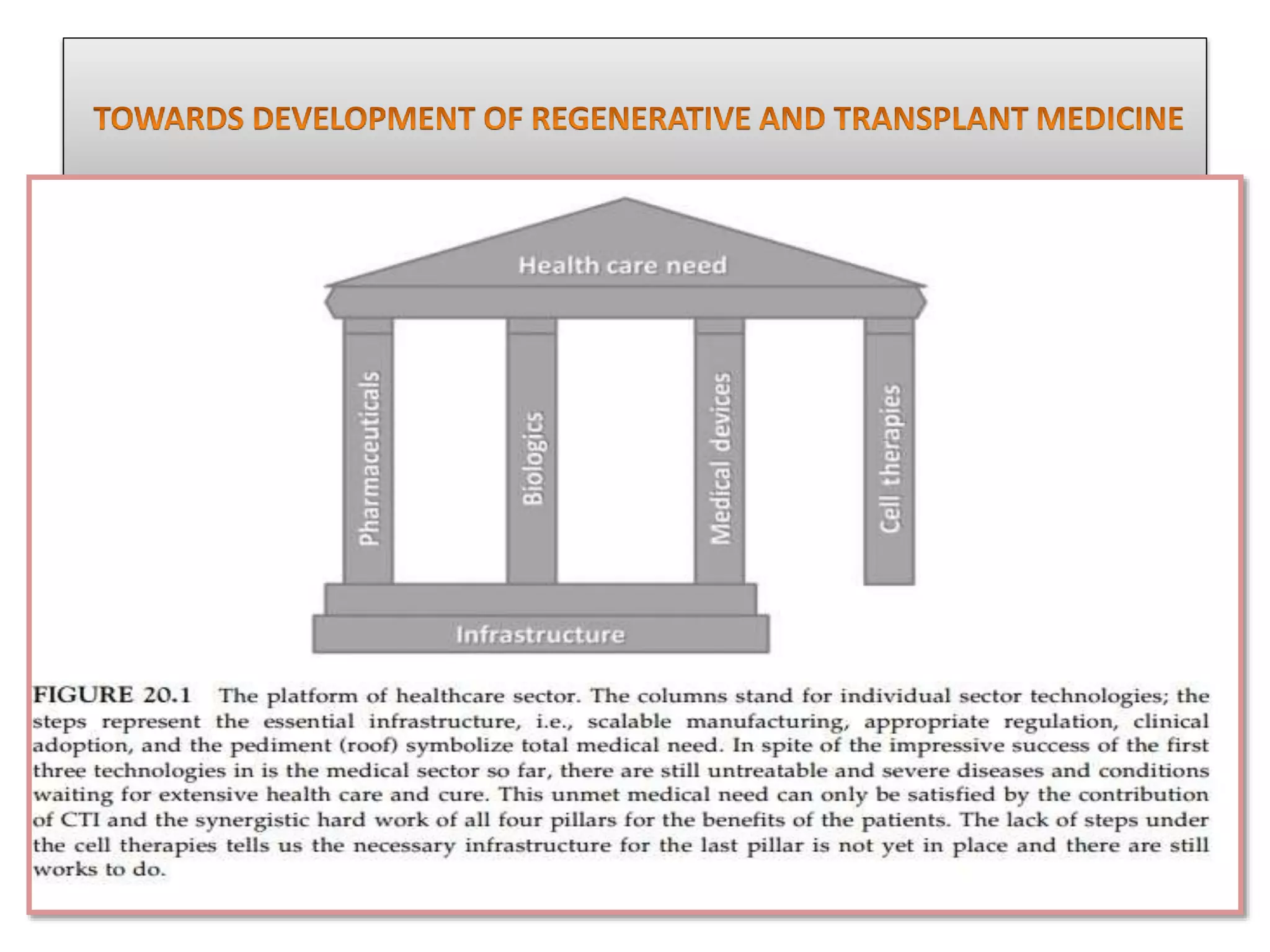
Tissue engineering is also regarded as a part of cell
therapy industry (CTI), which is accepted as the
fourth and final pillar of global healthcare, beside
the pharmaceuticals, biologics, and medical devices
(Fig. 20.1). CTI is a distinct healthcare sector being
rapidly developed the capability and capacity to be a
highly competitive, sustainable, multibillion dollar
21st century industry (Mason et al., 2011).
The main approaches of tissue engineering can be
juxtaposed as:
I. Use of an instructive environment (e.g., bioactive
material) to recruit and guide host cells to regenerate a
tissue;
II. Delivery of repair cells and/or bioactive factors into
the damaged area; and
III. Cultivation of cells on a biomaterial scaffold in a
culture system (bioreactor), under conditions designed
to engineer a functional tissue for implantation (Discher
et al., 2009).
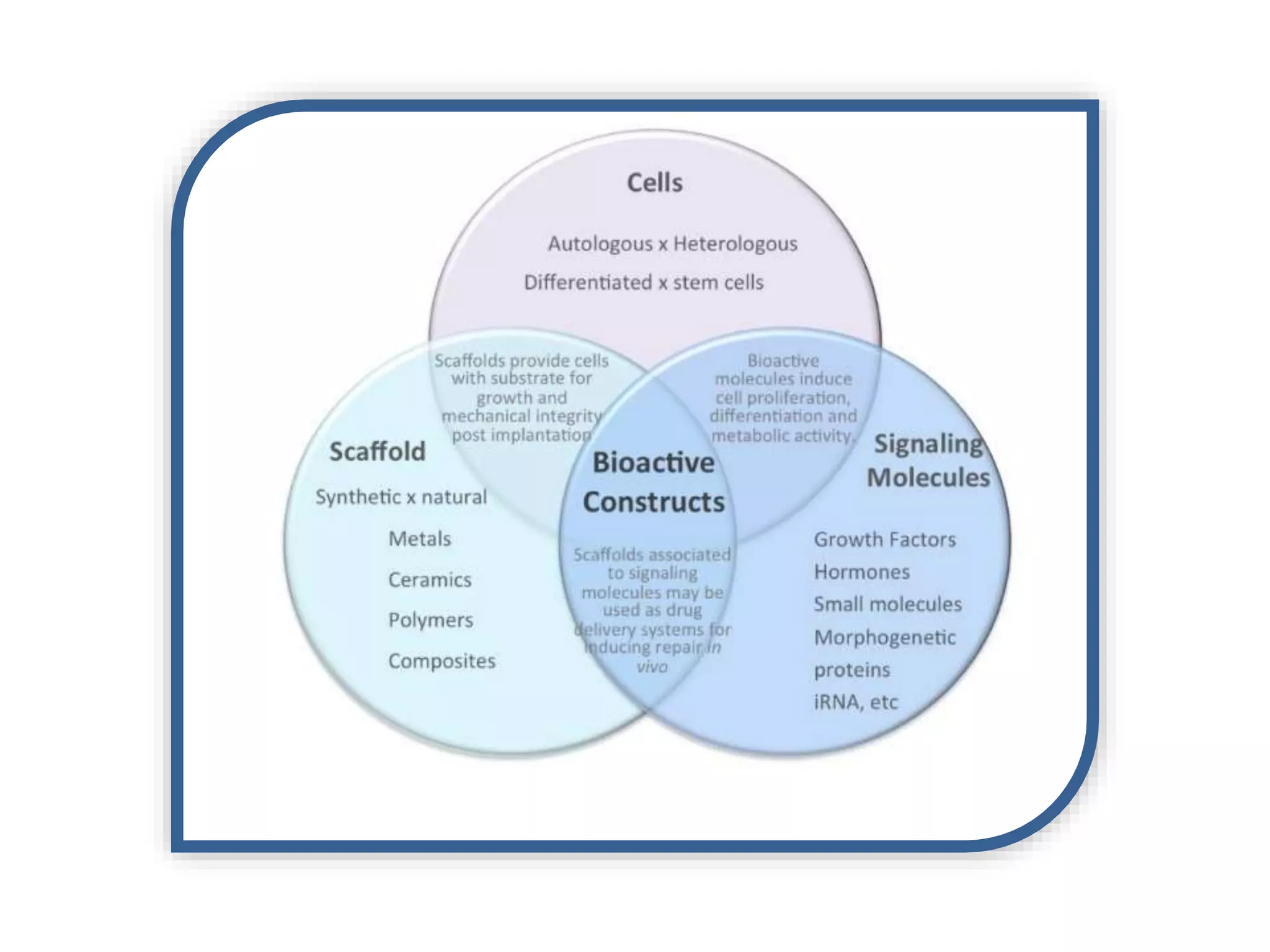
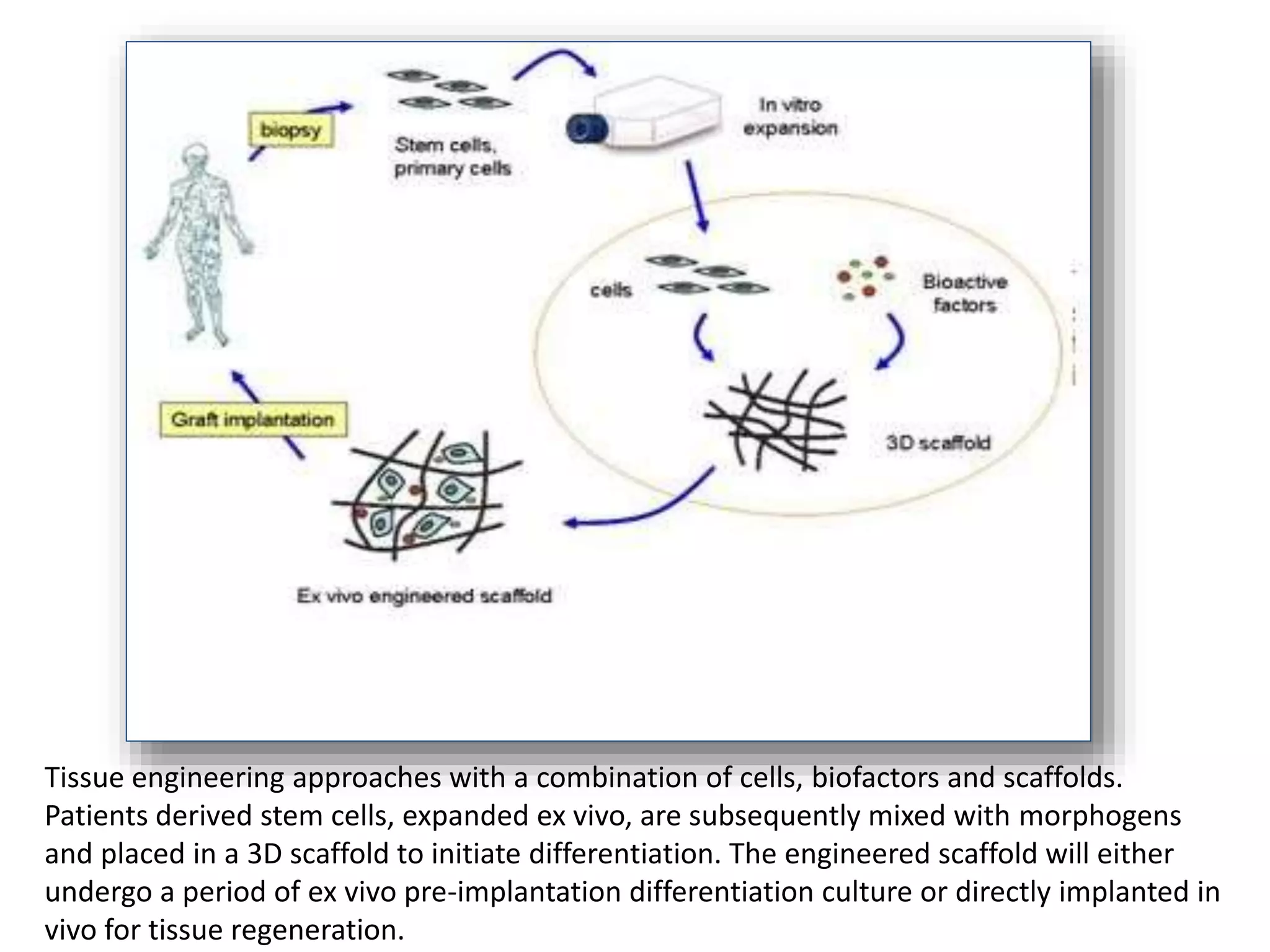
Tissue engineering approaches with a combination of cells, biofactors and scaffolds.
Patients derived stem cells, expanded ex vivo, are subsequently mixed with morphogens
and placed in a 3D scaffold to initiate differentiation. The engineered scaffold will either
undergo a period of ex vivo pre-implantation differentiation culture or directly implanted in
vivo for tissue regeneration.
TYPES OF CELLS
(PROLIFERATION AND
DIFFERENTIATION)
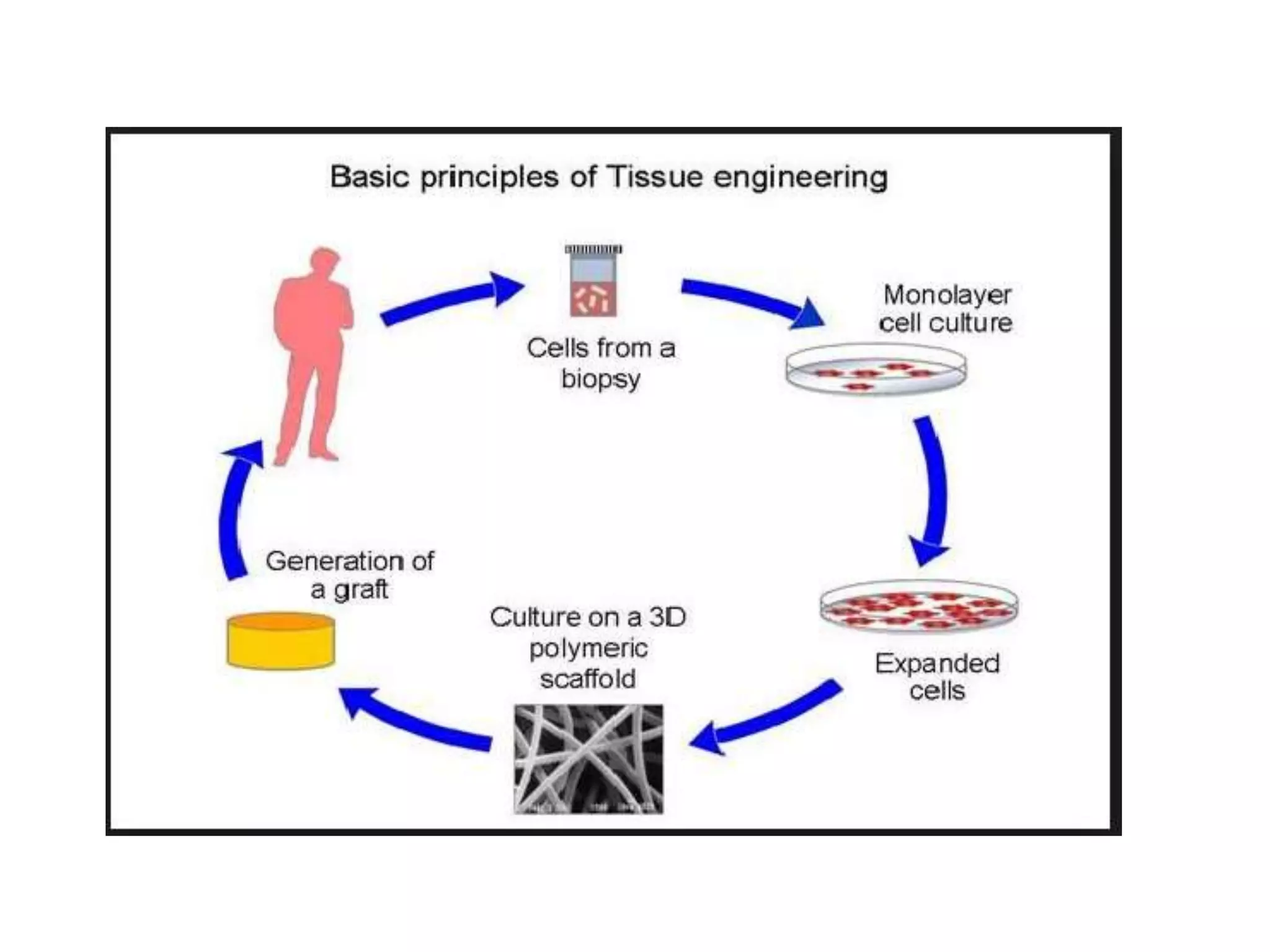
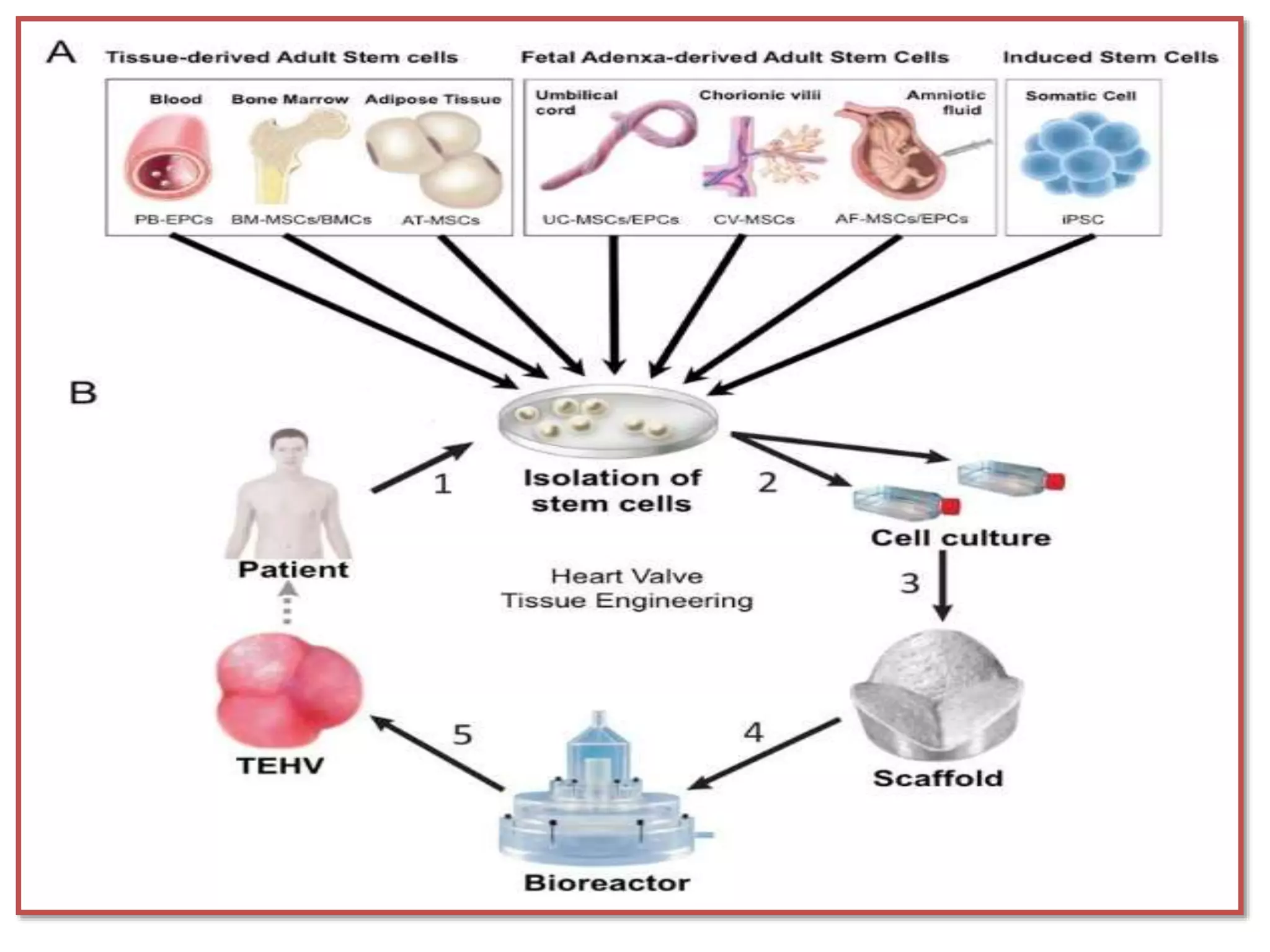
Whether it is expected to start tissue cellularization with
fully differentiated cells, it is better to obtain a cell
biopsy from the patient.
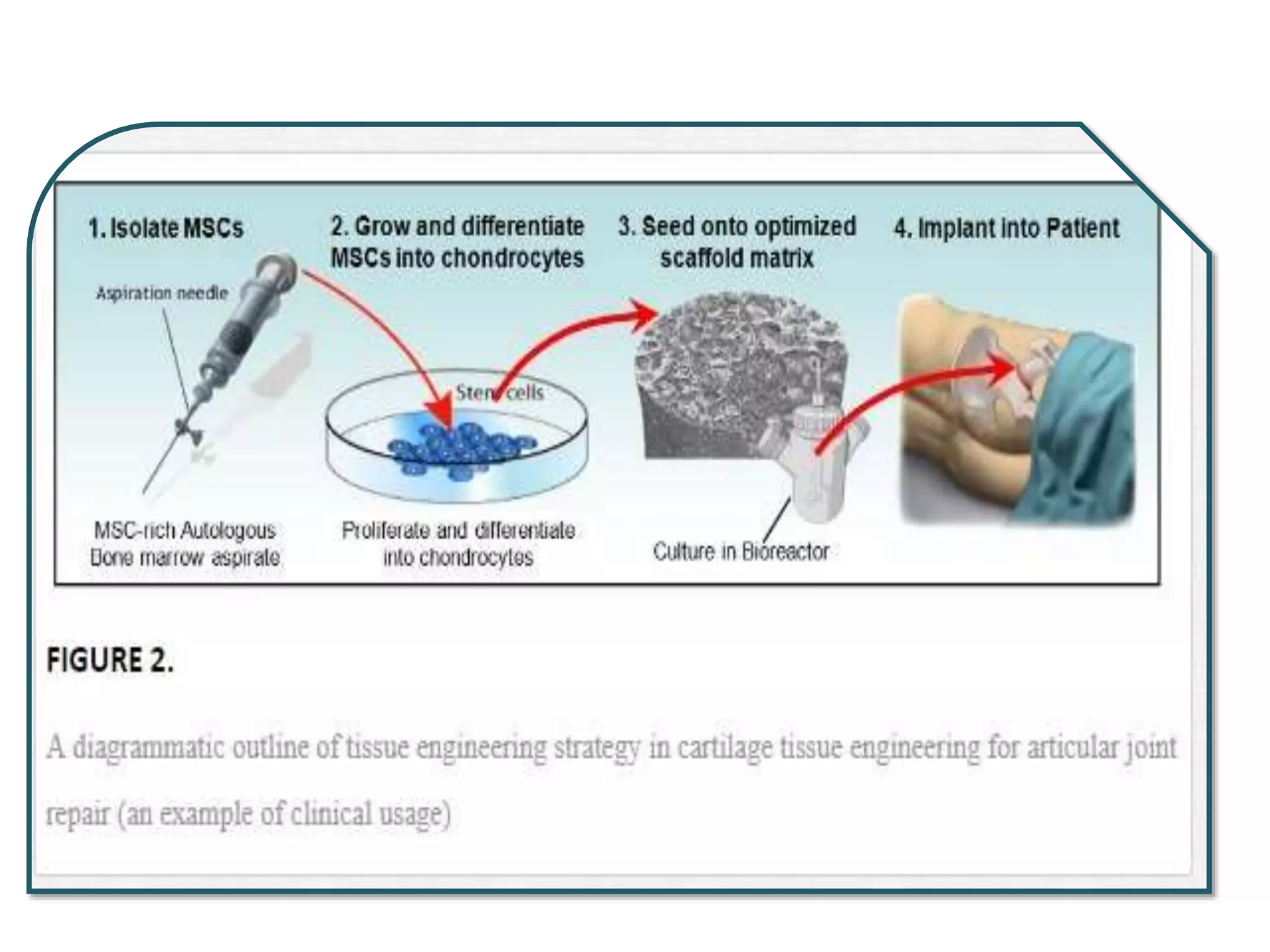
As another option, multipotent stem cells (e.g.,
mesenchymal stromal cells and endothelial progenitor
cells; EPCs) can be directed into desired differentiation.
Lastly, autologous induced pluripotent stem (iPS) cells
are a good alternative choice for the source of required
cell types.
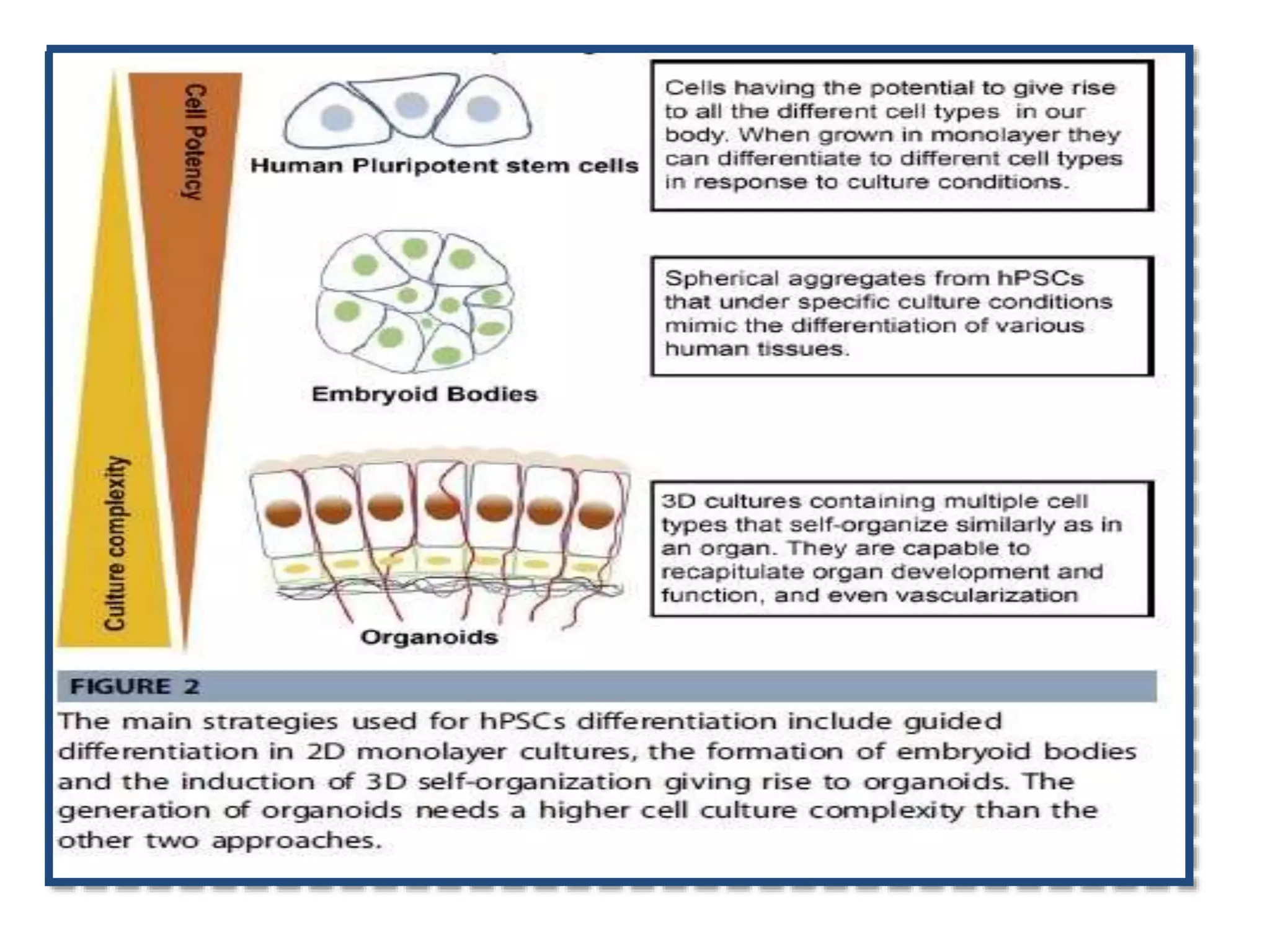
Embryonic-like stem cells, like the newly derived iPS,
have essentially unlimited potential for expansion in vitro
which might open the possibility of creating autologous
embryonic-like cells that could solve the matter of
assembling more complex tissues including cardiac
regeneration (Jakab et al., 2010).
One obvious requirement is that of immune
tolerance of the repaired cells. It is essential to
use patient-specific autologous cells, in the
transplantation to avoid disease transmission,
life-long immunosuppression, or the possibility of
rejection of transplanted organ.
Induced Pluripotent Stem Cells
Induced pluripotent stem cells (iPS) are pluripotent cell lines
obtained from the ex vivo reprogramming of fetal or adult
somatic cells, like fibroblasts. Reprogrammed cells are
characterized by a high plasticity, being able to differentiate
in cells of the three embryonal germ layers and thus
potentially having the capacity to differentiate in most of the
human body's cells (Takahashi et al., 2007; Yu et al., 2007).
To date, the limitation to the clinical use of these cells
is given by the risk of tumorigenesis deriving from the
genomic integration of the viral vectors (Mayshar et al.,
2010).
Foetal and Umbilical Cord Cells
Umbilical cord is collected at the time of birth; umbilical cord
blood cells (UCBMNCs) can be isolated from
the blood, while mesenchymal stem cells are extracted from
the Wharton's jelly. Cord stem cells are able to differentiate
in cardiomyocyte-like cells and endothelial cells (ECs) (Chen et
al., 2009; Wu et al., 2009).
Foetal-derived stem cells can be isolated from the amniotic
fluid and include both pluripotent stem cells and more
committed cells (Klemmt et al., 2011).
Adult Cells
Despite the promising potential of iPS and foetal
cells, so far most preclinical and clinical studies
have employed post-natal cells for both safety
reasons and easy accessibility to adult tissues.
Different cell types derived from post-natal
tissues can be used.

Endothelial cells and progenitor cells
The first can be isolated from peripheral, easy accessible
veins, such as the saphenous or forearm veins, while the
second ones can be purified from the peripheral blood or
bone marrow. EPCs can circulate in peripheral blood and can
be incorporated in regions of active neovascularization, (Xin
et al., 2008).
Experimental evidence suggests that EPCs participate not
only in the process of vasculogenesis substituting the lost
ECs but also in the endothelialization of grafts (Young et al.,
2007). The significance of EPCs in cardiovascular disease has
been reviewed in Madonna and De Caterina (2015).
Mesenchymal stem cells
Mesenchymal stem cells (MSCs) are a heterogeneous
subset of stromal stem cells that can be isolated from
many adult tissues, including the heart, skeletal muscle,
bone marrow and adipose tissue (Uccelli et al., 2008).
MSCs stand out as an encouraging option for cell therapy
due to their accessible isolation, great expansion
potential, immunoregulatory activity and angiogenic
properties (Dimarino et al., 2013)
Not less relevant, MSCs possess a multipotential
differentiation capacity, being able to differentiate, in vitro,
into cells of the mesodermal lineage (Dominici et al., 2006),
and possibly toward cells of endoderm and ectoderm
derivation (Uccelli et al., 2008).
The immune compatibility of the MSCs is a remarkable
advantage for the translation of their use in clinics (Castro-
Manrreza and Montesinos, 2015).
Bone marrow-derived progenitor cells
Total bone marrow-derived cells (BMCs) and especially
subpopulations of bone marrow mononuclear cells
(BMMNCs, that means either MSCs, or hematopoietic stem
cells (HSCs), or monocytes) have been used in
transplantation trials in acute myocardial infarction (MI)
patients (reviewed in Simari et al., 2014). The advantage of
using these cells is the easy accessibility with low risks for
the patients, and the possibility to harvest high numbers of
cells without requirement of long time in vitro expansion.
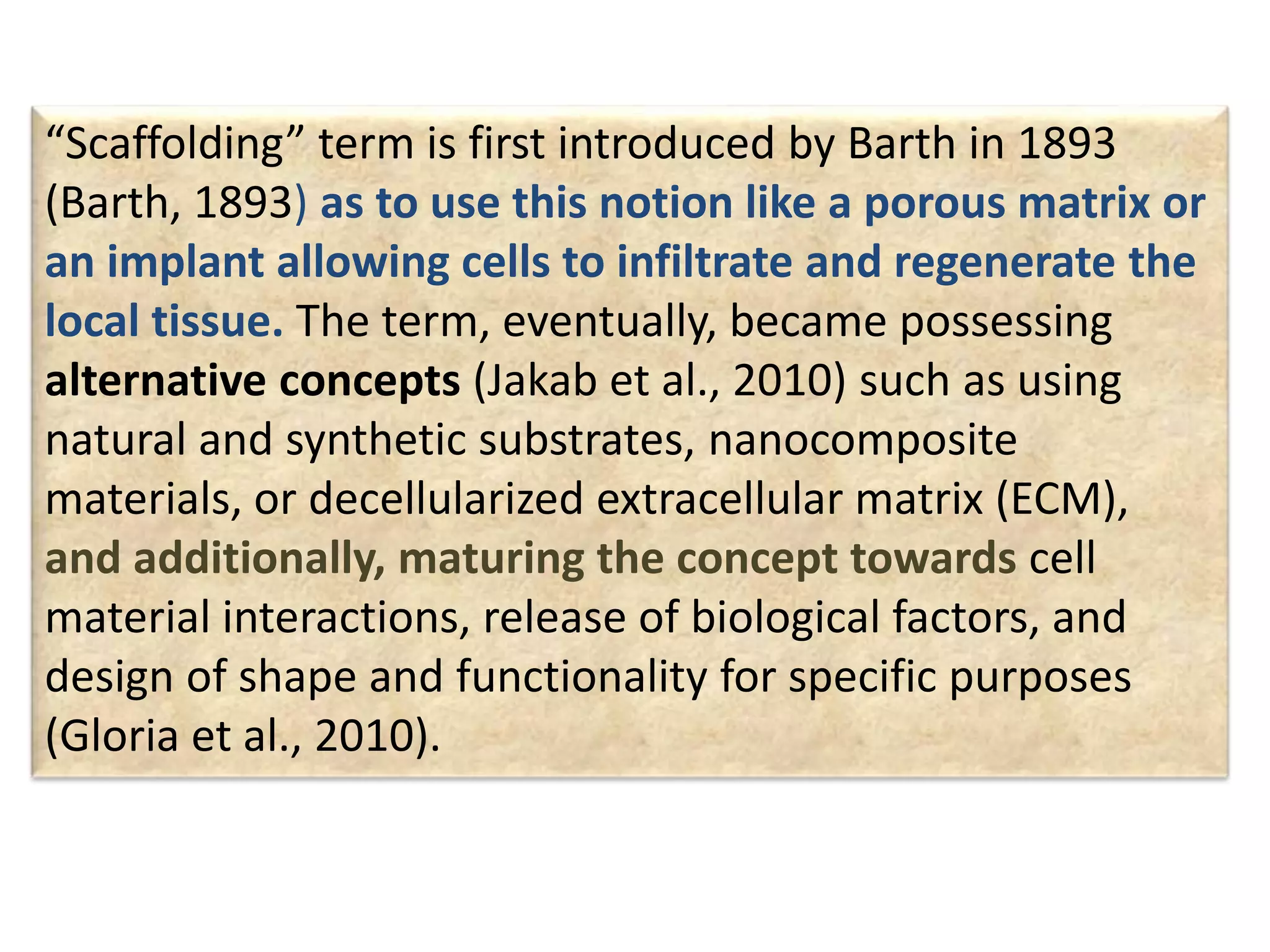
“Scaffolding” term is first introduced by Barth in 1893
(Barth, 1893) as to use this notion like a porous matrix or
an implant allowing cells to infiltrate and regenerate the
local tissue. The term, eventually, became possessing
alternative concepts (Jakab et al., 2010) such as using
natural and synthetic substrates, nanocomposite
materials, or decellularized extracellular matrix (ECM),
and additionally, maturing the concept towards cell
material interactions, release of biological factors, and
design of shape and functionality for specific purposes
(Gloria et al., 2010).
Scaffolds should also establish a tissue-specific
microenvironment to maintain and regulate cell
behavior and function (Khademhosseini et al., 2009).
The scaffold, onto which cells are seeded, enabling them
to attach and colonize, is therefore a key element for
tissue engineering.
Scaffolds can cause problems owing to their
degradation, evoking immunogenic reactions and other
unforeseen complications, which arouse the importance
of further development and research about scaffolds
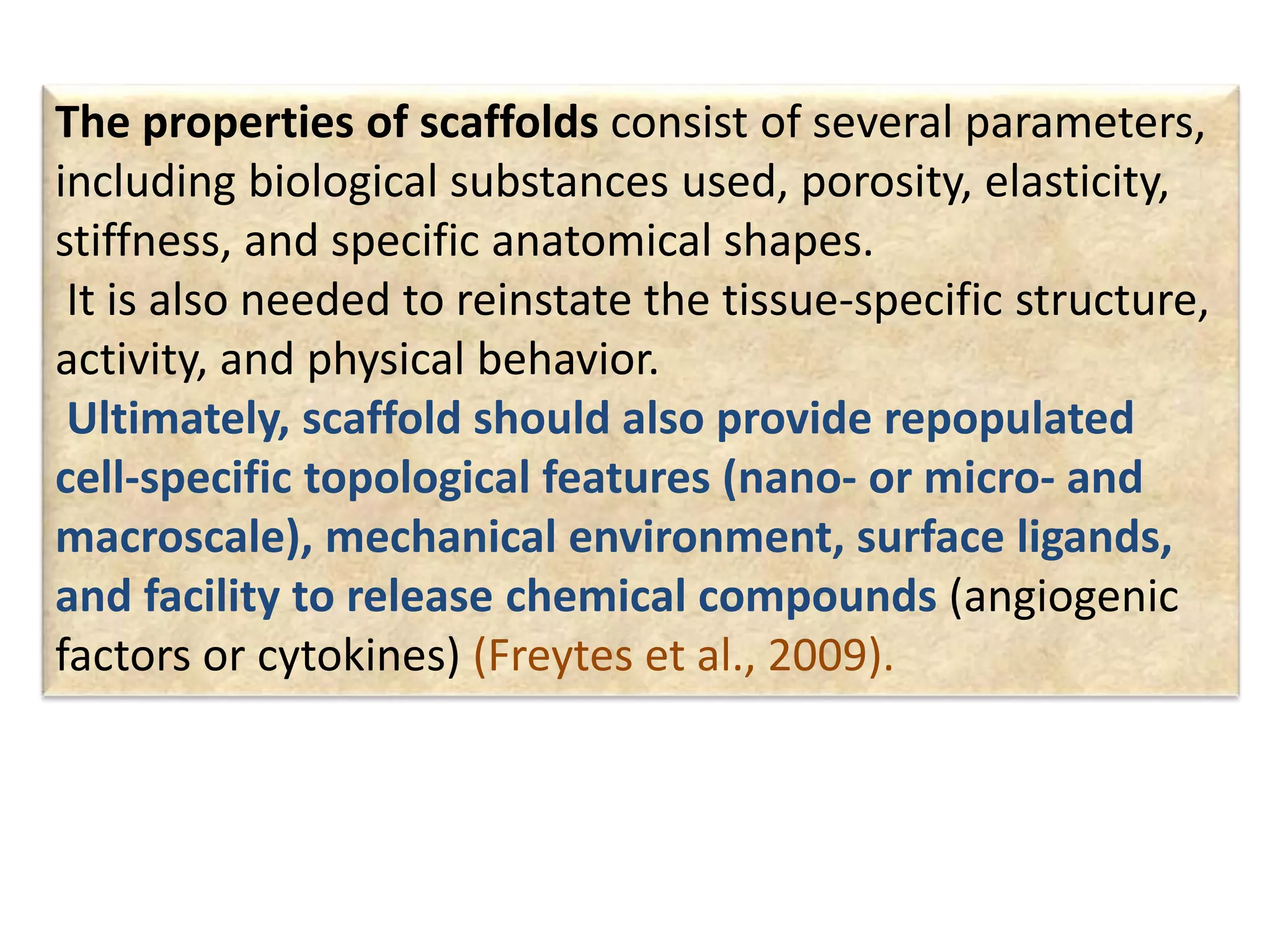
The properties of scaffolds consist of several parameters,
including biological substances used, porosity, elasticity,
stiffness, and specific anatomical shapes.
It is also needed to reinstate the tissue-specific structure,
activity, and physical behavior.
Ultimately, scaffold should also provide repopulated
cell-specific topological features (nano- or micro- and
macroscale), mechanical environment, surface ligands,
and facility to release chemical compounds (angiogenic
factors or cytokines) (Freytes et al., 2009).
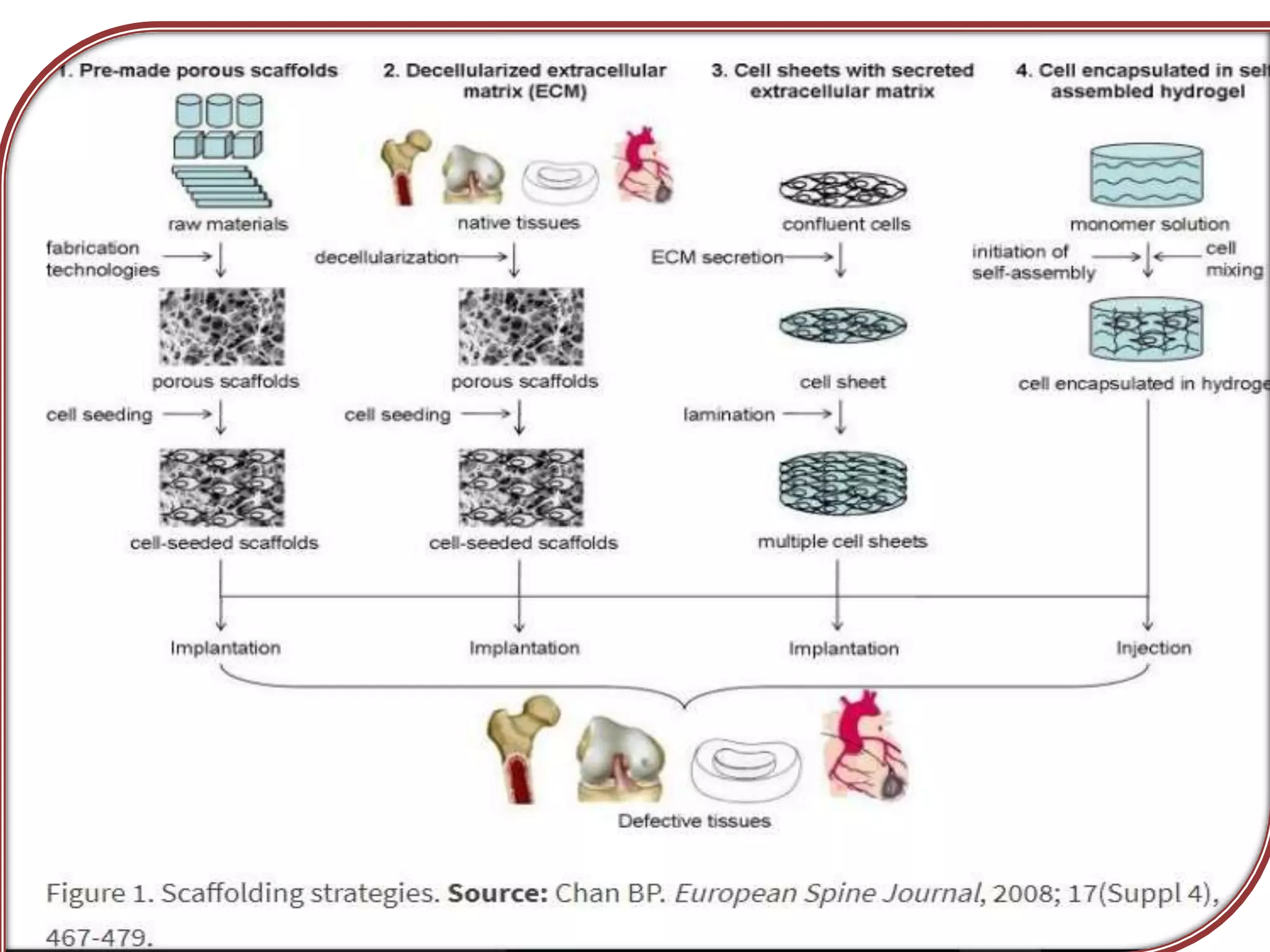
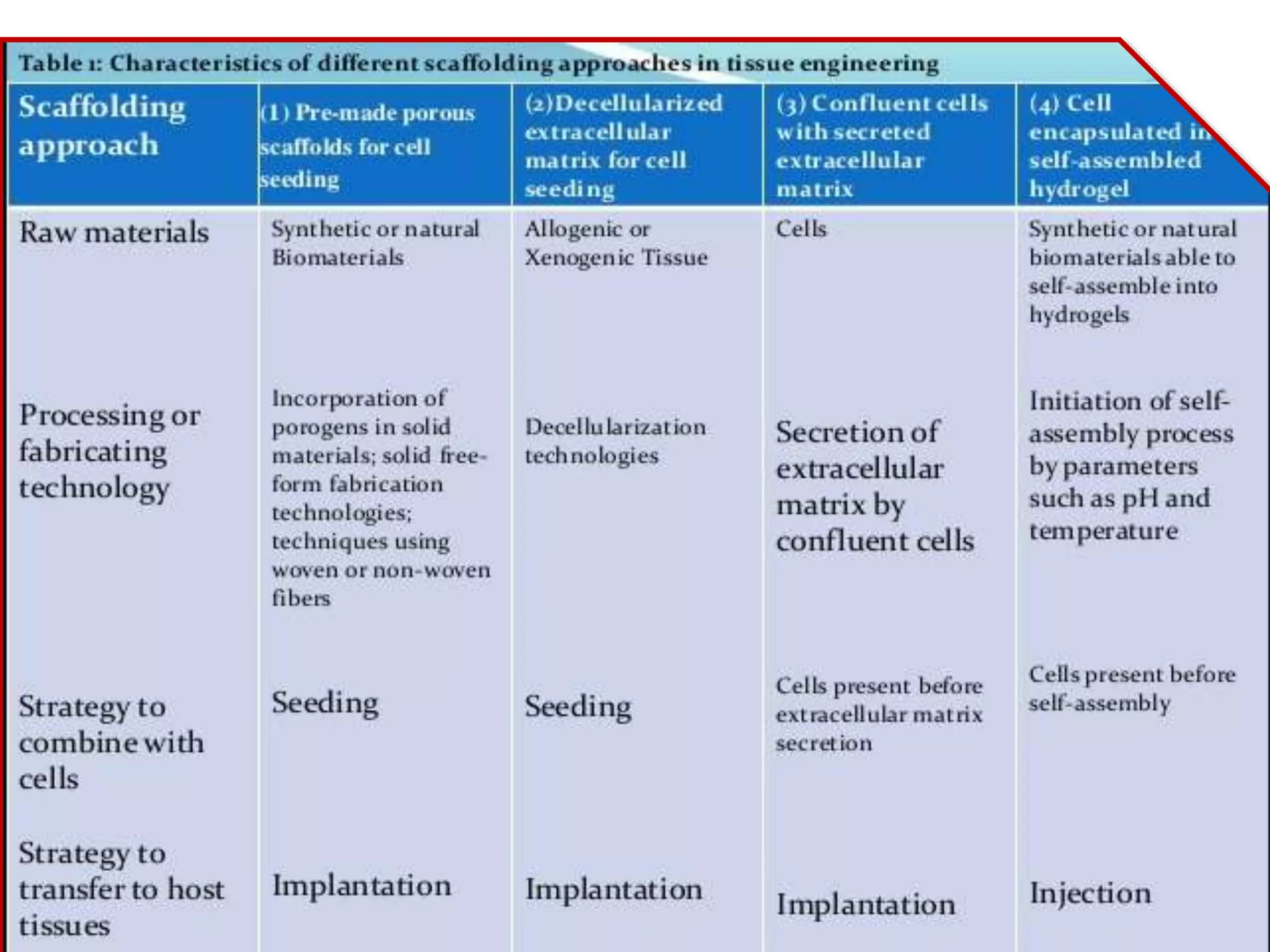
Pre-made porous scaffold can be processed and then
cell-seeded (e.g. fiber scaffold, foams, films).
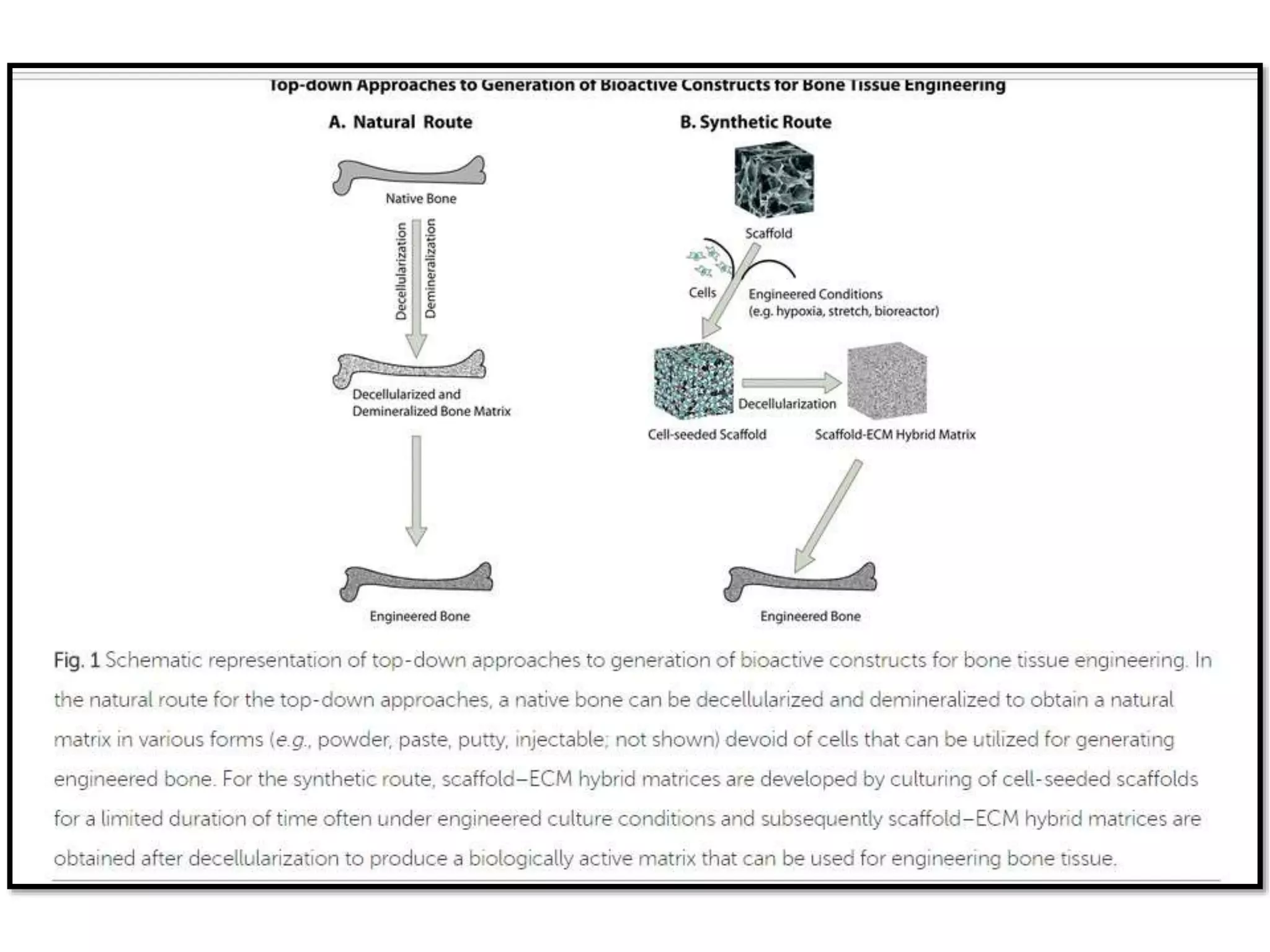
Human tissue can be decellularized using chemical
agents and then cell-seeded with treated cells.
Cells can be cultured to produce ECM and cell sheets.
Sheets are harvested and assembled layer-by-layer to
produce tissues and organs.
Polymer solution can be directly mixed with cells and
crosslink either physically or chemically and can be
used as 3D culture environment.
some examples of the diverse scaffolding strategies
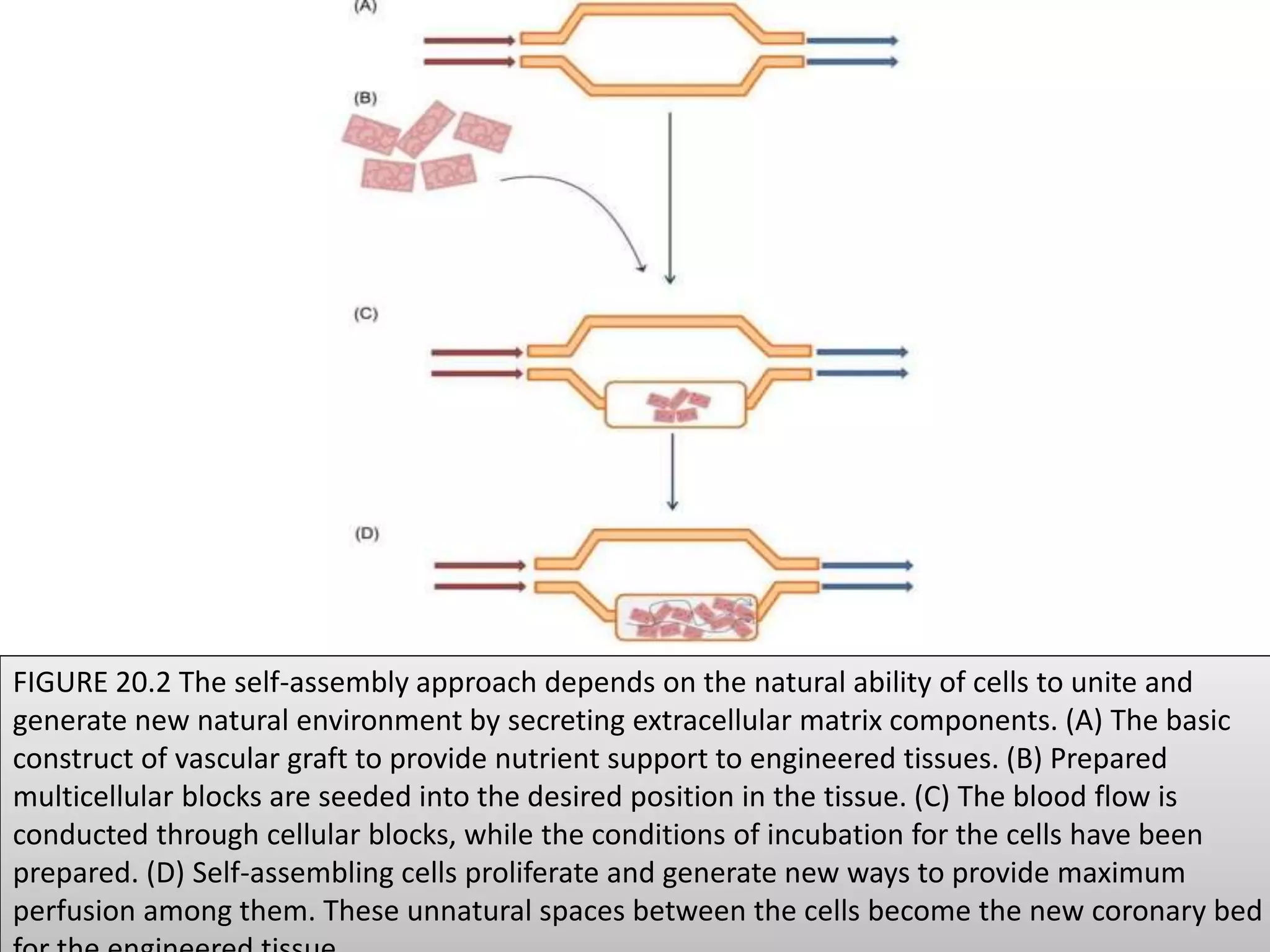
FIGURE 20.2 The self-assembly approach depends on the natural ability of cells to unite and
generate new natural environment by secreting extracellular matrix components. (A) The basic
construct of vascular graft to provide nutrient support to engineered tissues. (B) Prepared
multicellular blocks are seeded into the desired position in the tissue. (C) The blood flow is
conducted through cellular blocks, while the conditions of incubation for the cells have been
prepared. (D) Self-assembling cells proliferate and generate new ways to provide maximum
perfusion among them. These unnatural spaces between the cells become the new coronary bed
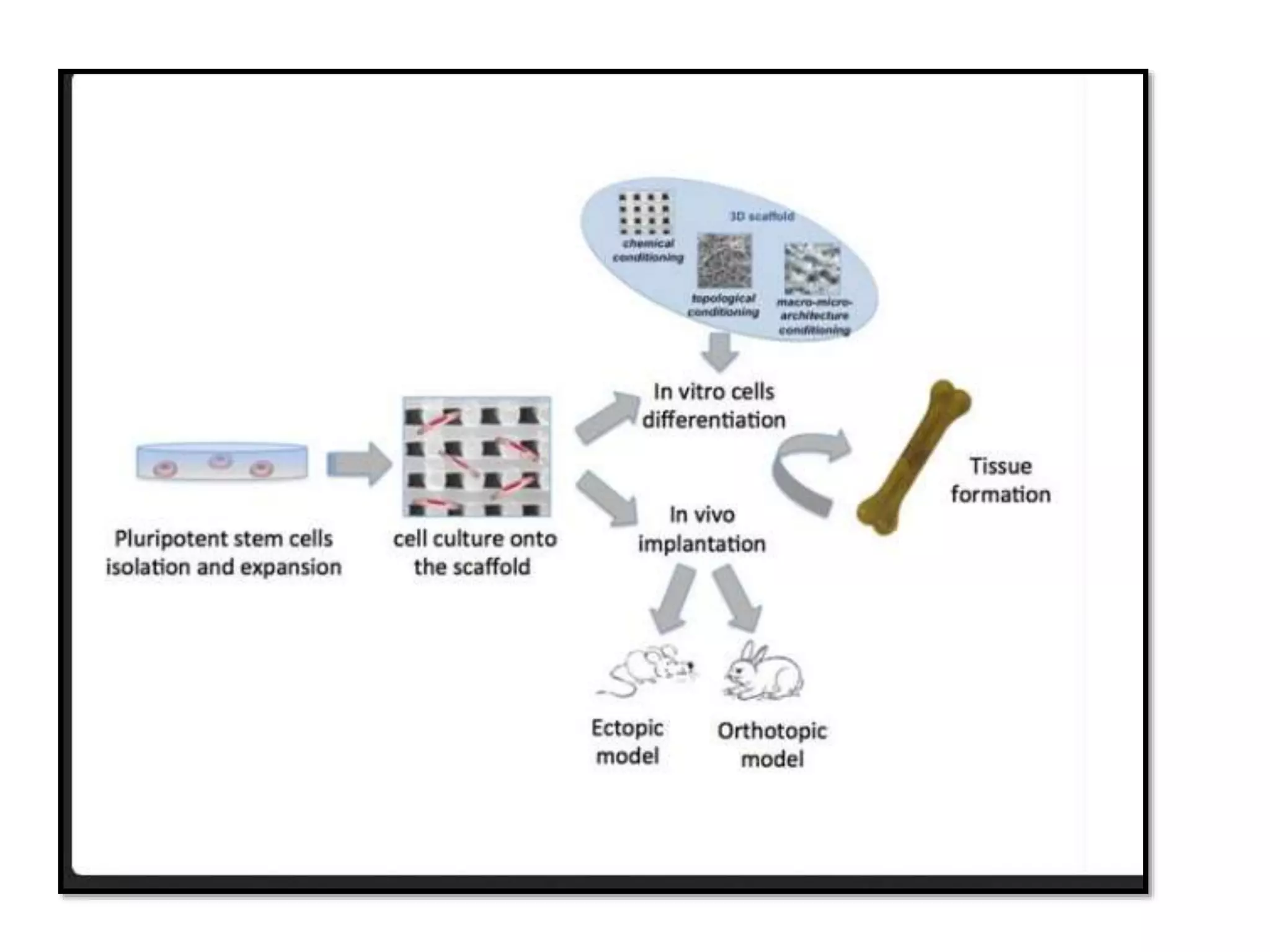
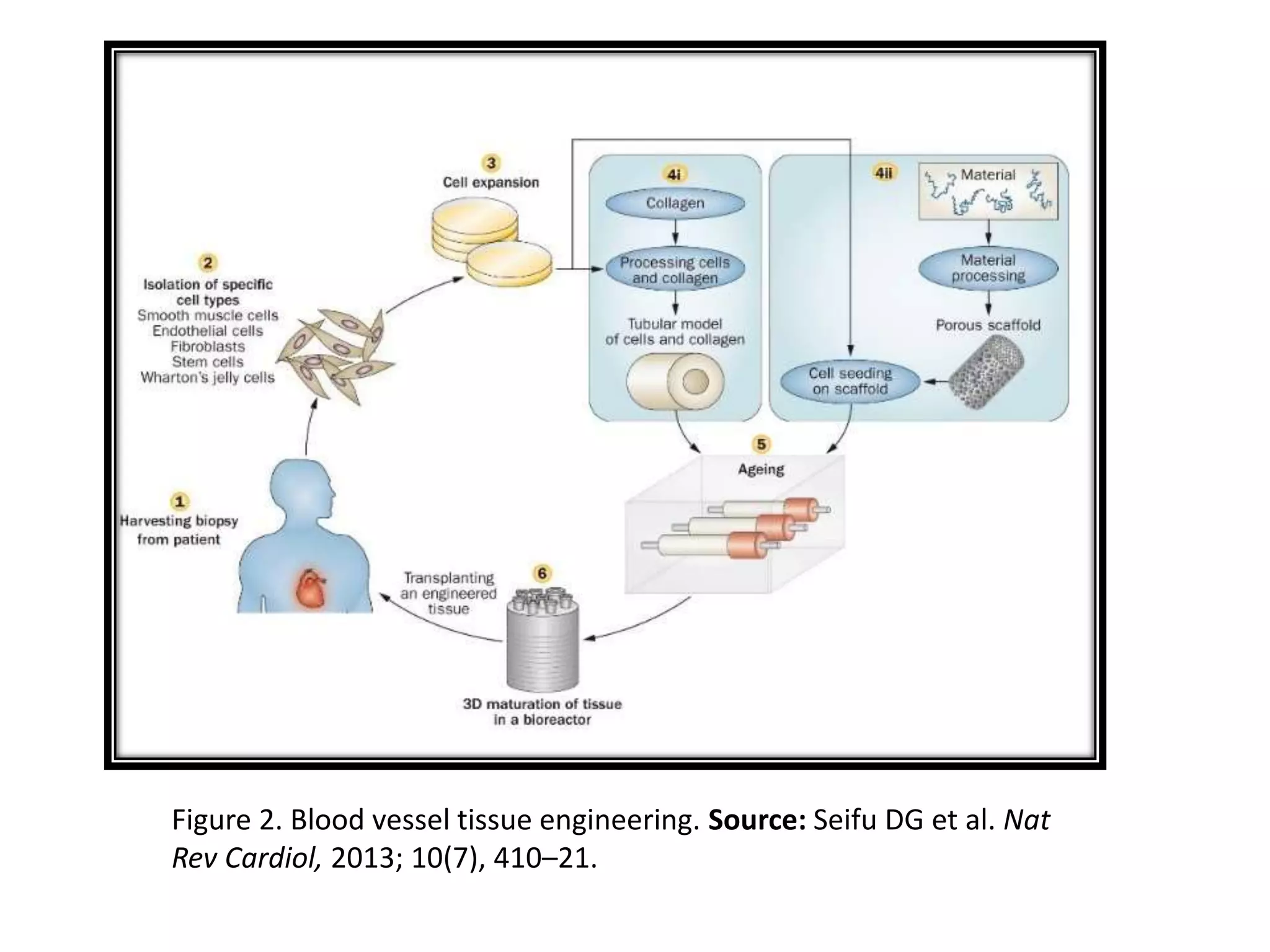
Tissue engineering can use in vitro, in vivo, or in situ strategies to
construct tissues and organs. In in vitro TE, cells are seeded in a bio-
instructive scaffold and cultured in a static (incubator) or dynamic
(bioreactor) environment. The culture media is generally
supplemented with biomolecules such as growth factors to
differentiate stem cells into the desired cell type.
Fig. 2. using TE to create blood vessels. Autologous smooth muscle
cells, fibroblasts, and endothelial cells are harvested from the
patient, and the cells are seeded in a tubular scaffold such as
collagen or nanofibers and cultured in a bioreactor for a certain
amount of time.
Figure 2. Blood vessel tissue engineering. Source: Seifu DG et al. Nat
Rev Cardiol, 2013; 10(7), 410–21.
In In vivo TE, the scaffold is implanted usually with cells and
an animal is used as an incubator to grow the tissue or the
organ before being re-implanted in the same or another
patient. Figure 3 shows the impressive example of a human
ear scaffold seeded with cow cells implanted in an immune
deprived mouse.
Figure 3. The Vacanti mouse. Original article: Y.
Cao et al. Plast Reconstr Surg, 1997; 100(2),
297-302.
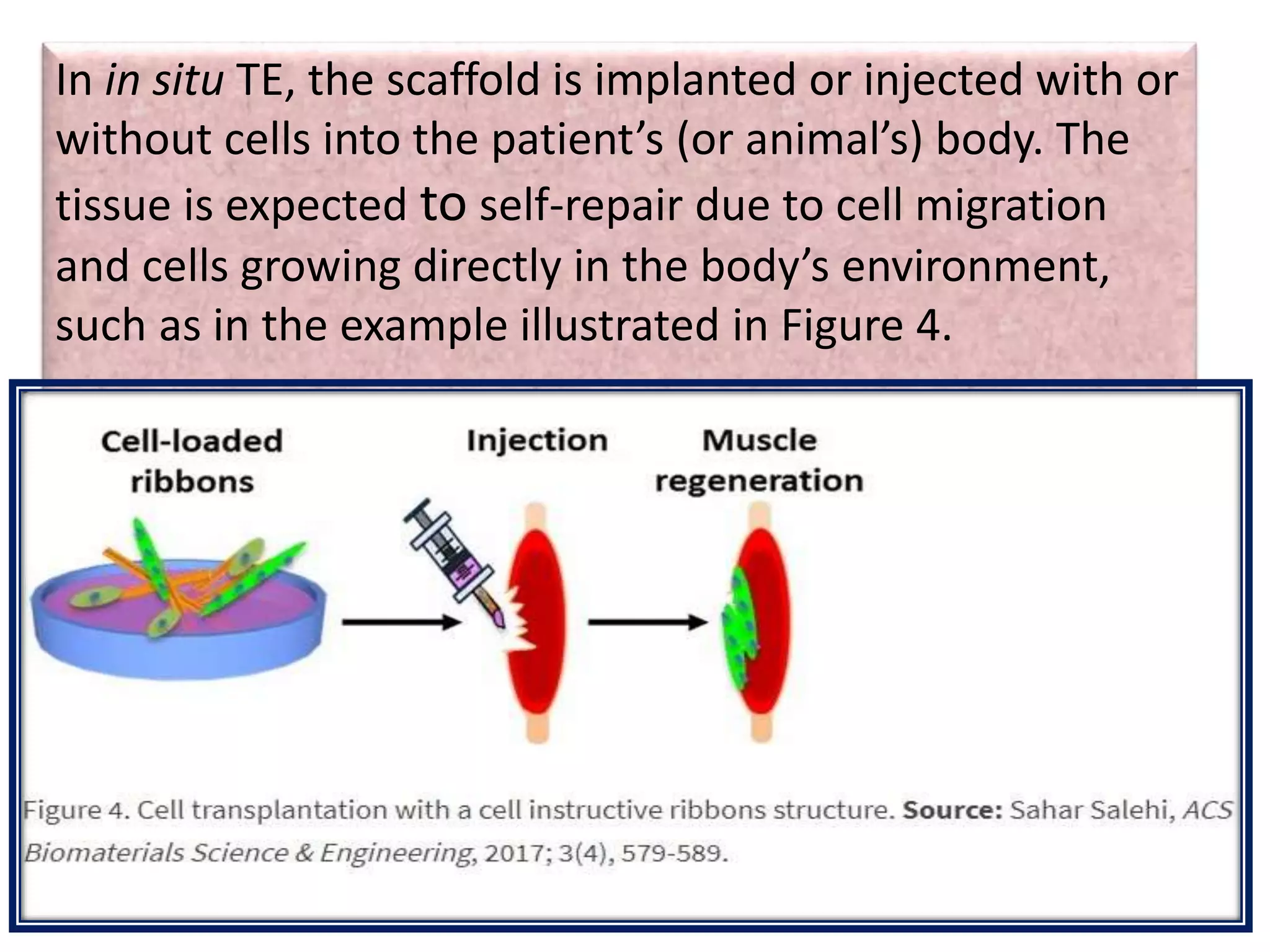
In in situ TE, the scaffold is implanted or injected with or
without cells into the patient’s (or animal’s) body. The
tissue is expected to self-repair due to cell migration
and cells growing directly in the body’s environment,
such as in the example illustrated in Figure 4.
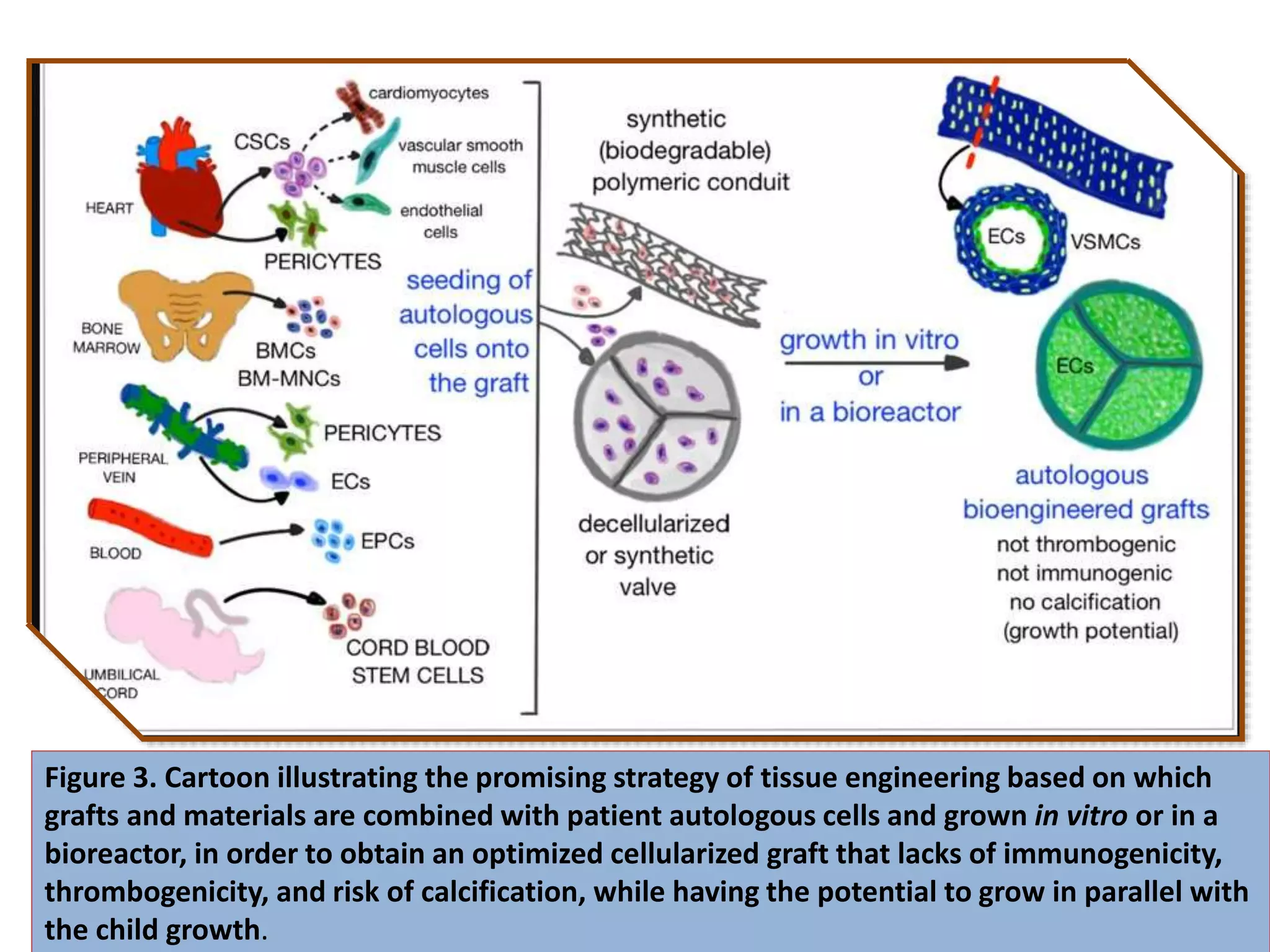
Figure 3. Cartoon illustrating the promising strategy of tissue engineering based on which
grafts and materials are combined with patient autologous cells and grown in vitro or in a
bioreactor, in order to obtain an optimized cellularized graft that lacks of immunogenicity,
thrombogenicity, and risk of calcification, while having the potential to grow in parallel with
the child growth.
ECM Scaffolds
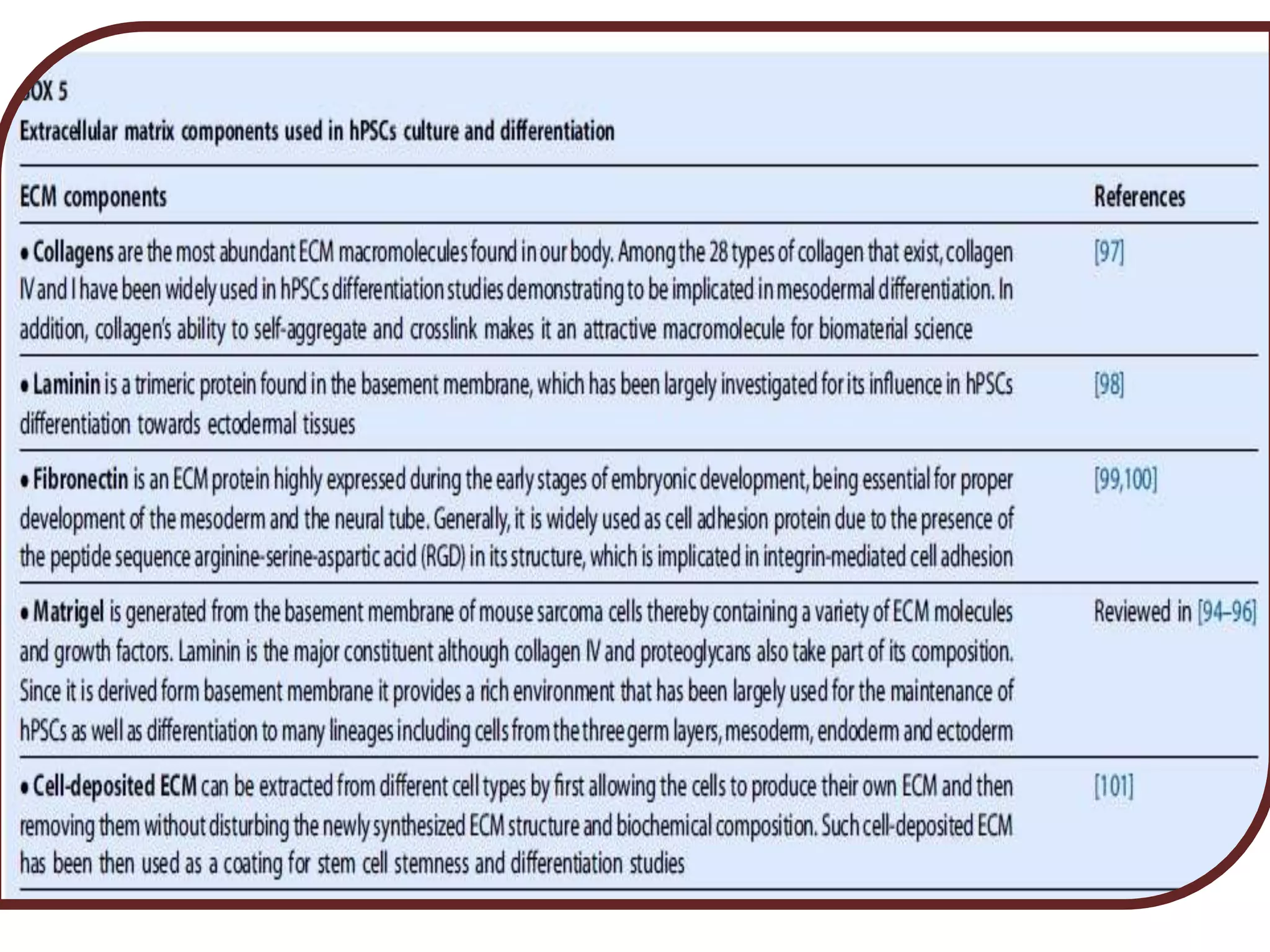
ECM is actually a secreted product of the resident cells,
composed of tissue-specific 3D environment of
structural and functional molecules. Furthermore, ECM
is considered as a dynamic interchangeable media with
the resident cell population which turns out that ECM
can affect genetic profile, proteome, and protein
functionality of cells depending on the parameters of
pH, oxygen concentration, mechanical forces, and its
biochemical milieu.
Thus, native ECM is a logical and ideal scaffold for organ
and tissue reconstruction. (Tottey et al., 2011).
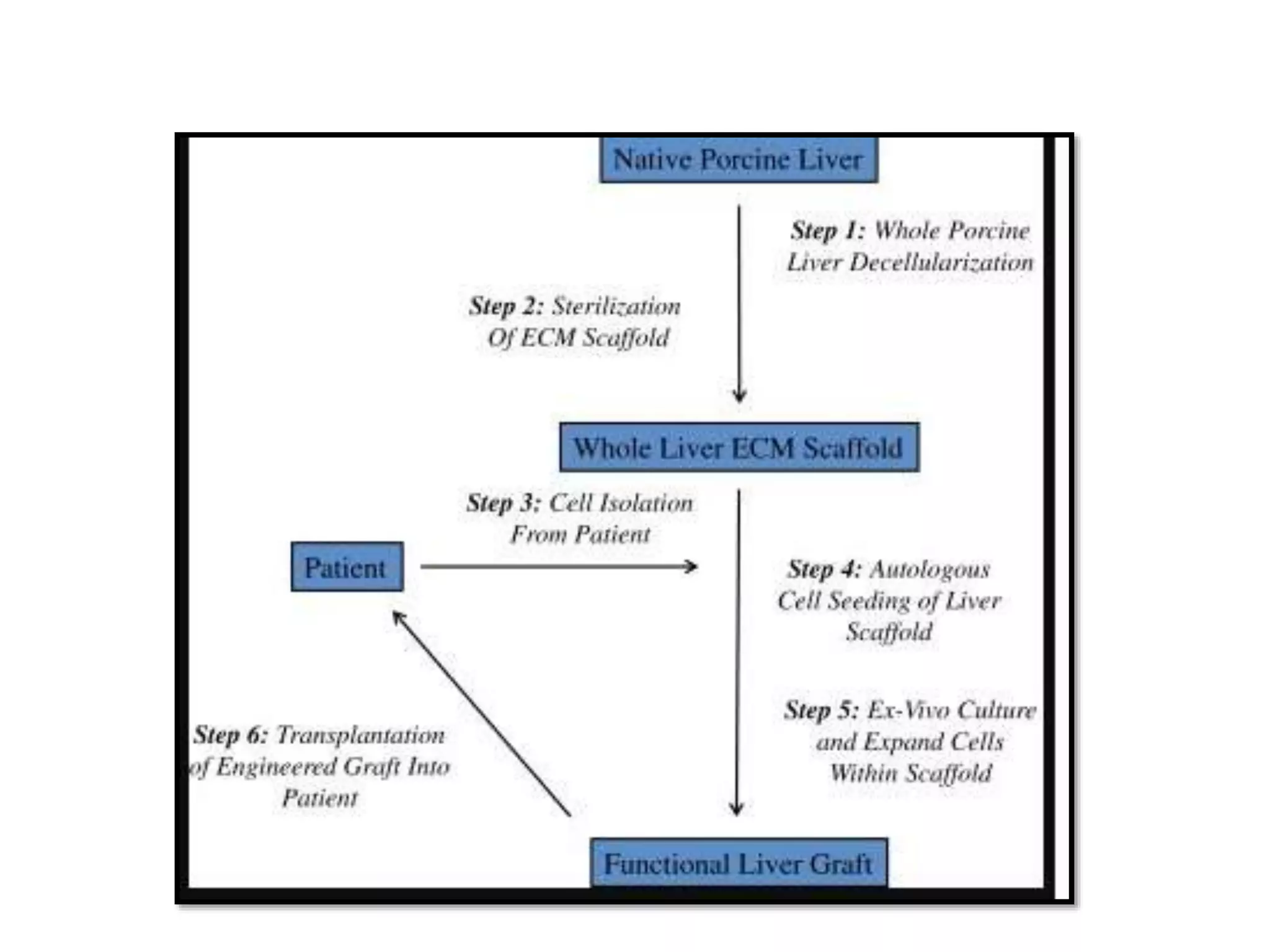
To establish intact 3D ECM scaffolds, varying allogeneic,
xenogeneic tissues and organs have been manufactured.
They are prepared by the process of decellularization.
The strategy contains the principles of decellularizing a
site-specific ECM and repopulating it with autologous fully
differentiated, progenitor or stem cells of the current
patient to prevent adverse effects of implantation or
immune responses.
It is shown that ECM successfully directed cells to
their target region and supported growth and
differentiation of local stem and progenitor cells in
skin graft that are potential cure for scar-free healing
(Guenou et al., 2009).
One additional advantage of using decellularized
ECM scaffolds is its ability to serve 3D architecture of
the capillary bed, besides its biomechanical
properties of the constituent fibers.
To empower the repopulation and differentiation
processes of implanted cells, and, to maintain life-long
restoration of tissue, enough oxygen and nutrient
support must be conducted, as well as the transfer of
bioactive molecules throughout the tissue.
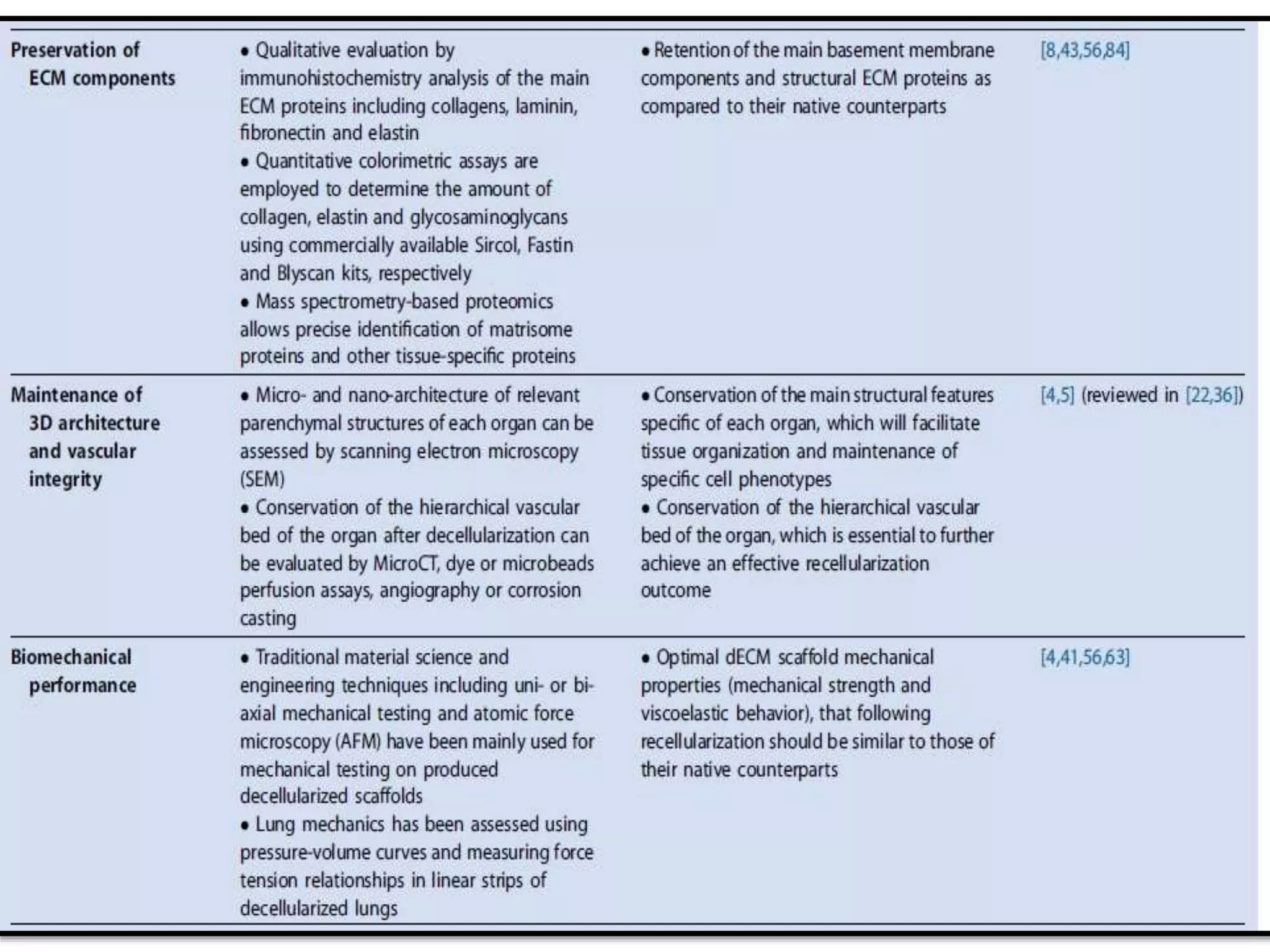
In a recent study, it is stated that after the
decellularization process, the first threefour branches of
capillary vasculature are preserved, which allows
enough perfusion and nutrition conveyance to the tissue
(Sarig et al., 2012).
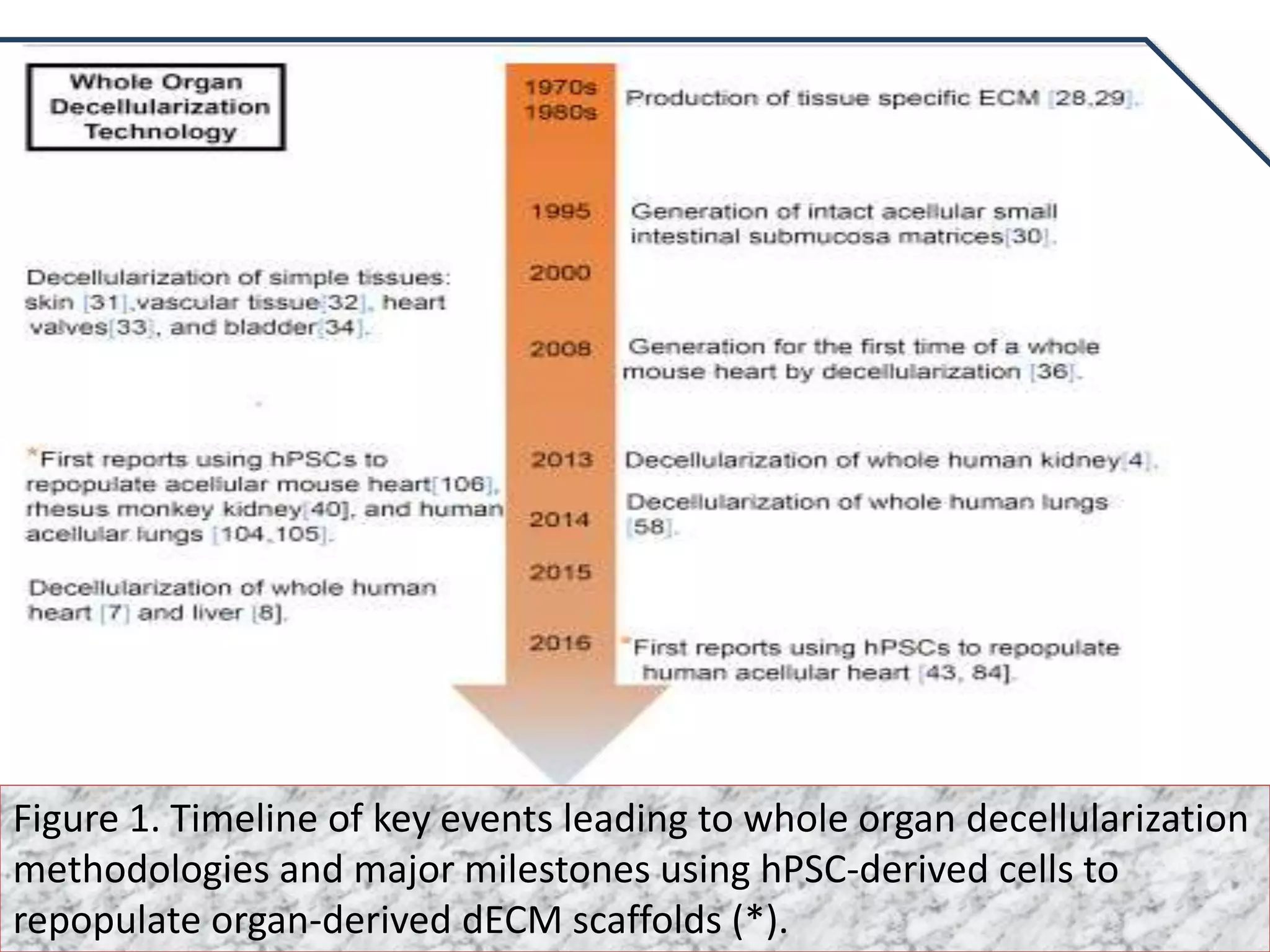
Figure 1. Timeline of key events leading to whole organ decellularization
methodologies and major milestones using hPSC-derived cells to
repopulate organ-derived dECM scaffolds (*).
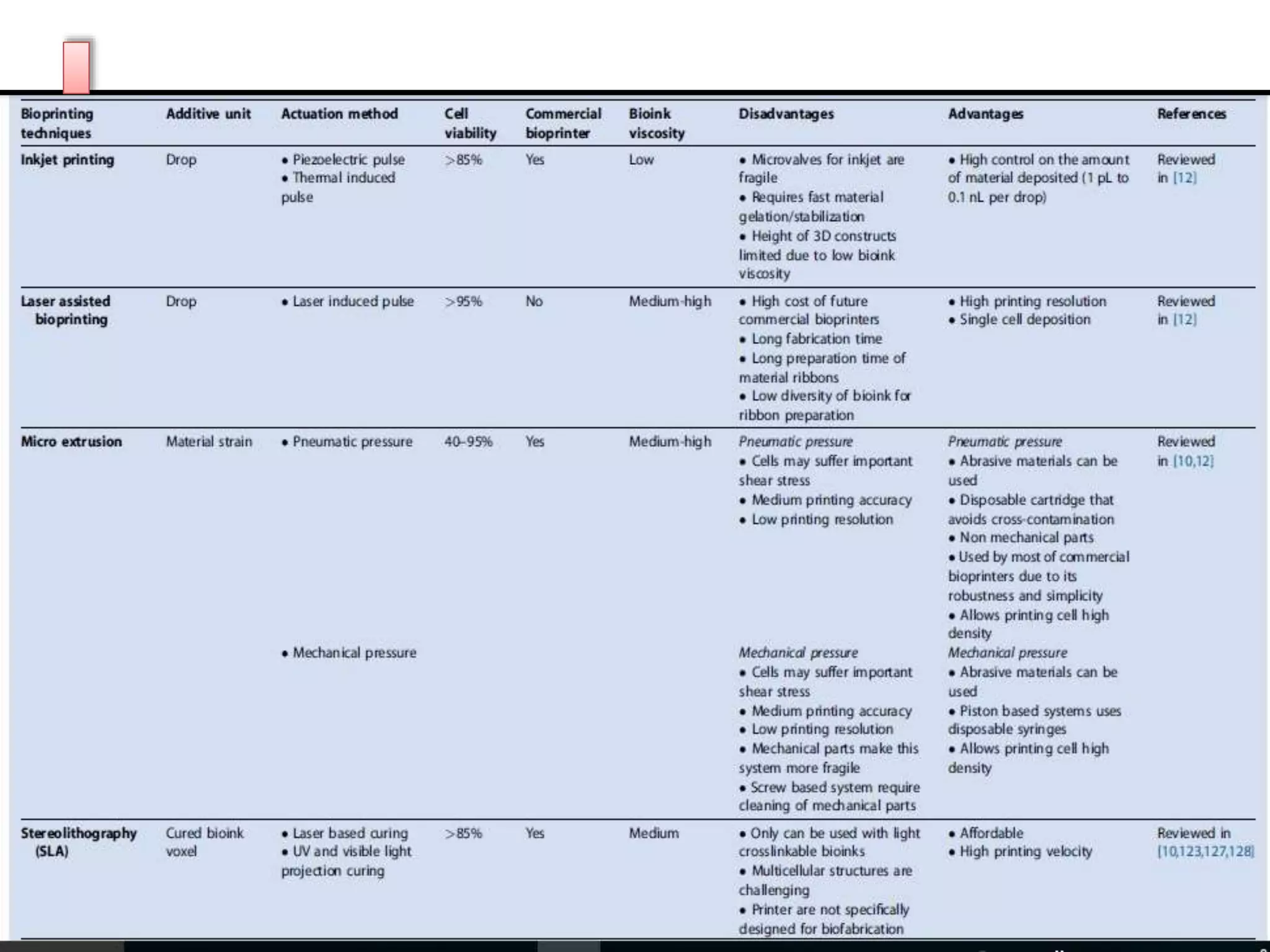
3D bioprinting techniques
Inkjet bioprinting, also referred as ‘drop-on-demand printers’
appeared early in 2003 [108]. Firstly developed inkjet printers
modified commercially available two-dimensional (2D) ink-
based printers by replacing the ink in the cartridge by a
biological material, and the paper, by an electric-controlled
elevator that moves on the z direction providing three-
dimensionality (reviewed in [12]) [109]. Nowadays, inkjet
printers make use of nozzles that generate isolated droplets of
cell-laden material by means of piezoelectric [110] or thermal
(reviewed in [111])
R.S. Tuan, G. 5 (2003), J.P. Mattimore, et al.( 2010) Y.
Fang, et al. (2012)
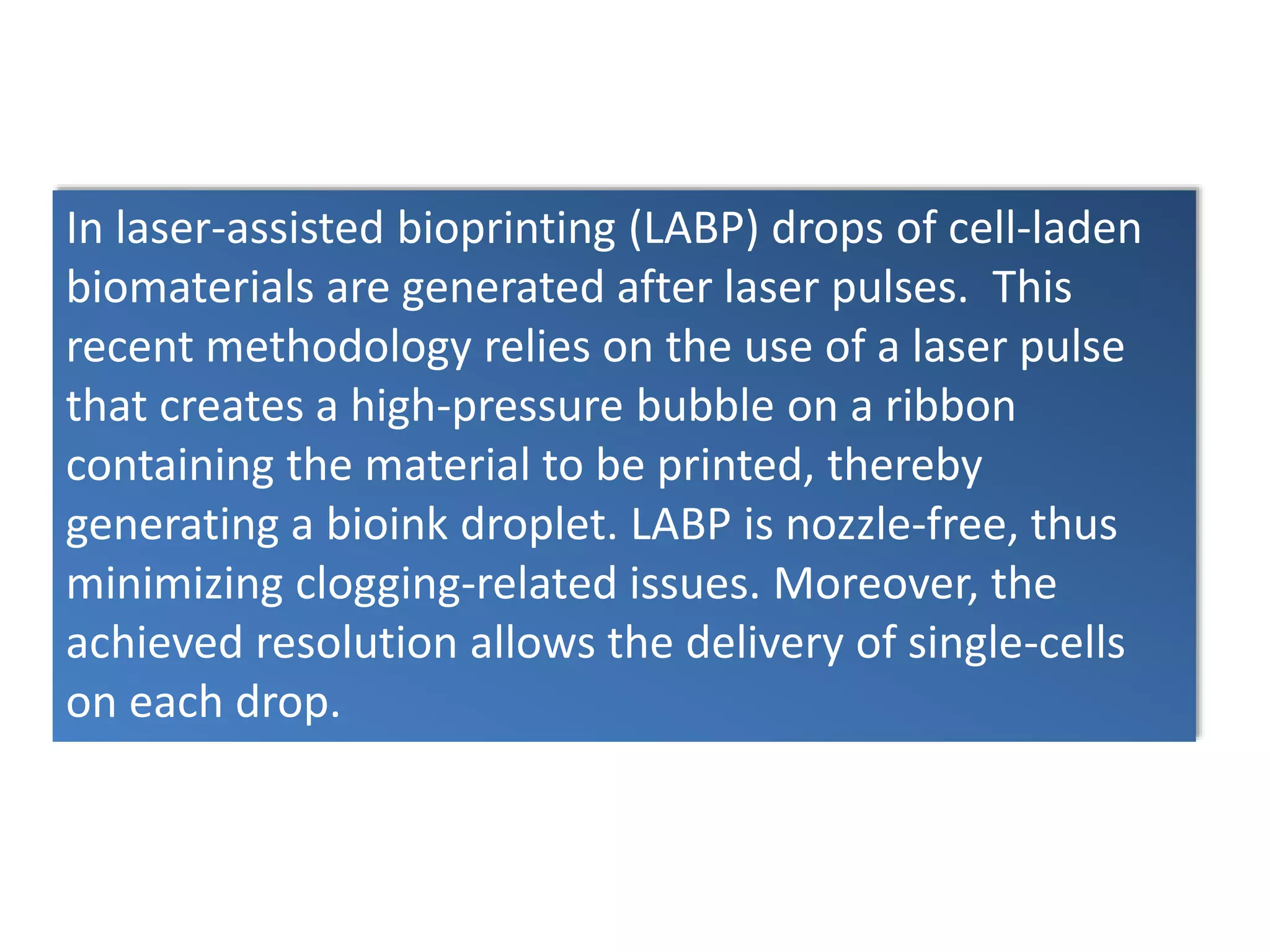
In laser-assisted bioprinting (LABP) drops of cell-laden
biomaterials are generated after laser pulses. This
recent methodology relies on the use of a laser pulse
that creates a high-pressure bubble on a ribbon
containing the material to be printed, thereby
generating a bioink droplet. LABP is nozzle-free, thus
minimizing clogging-related issues. Moreover, the
achieved resolution allows the delivery of single-cells
on each drop.
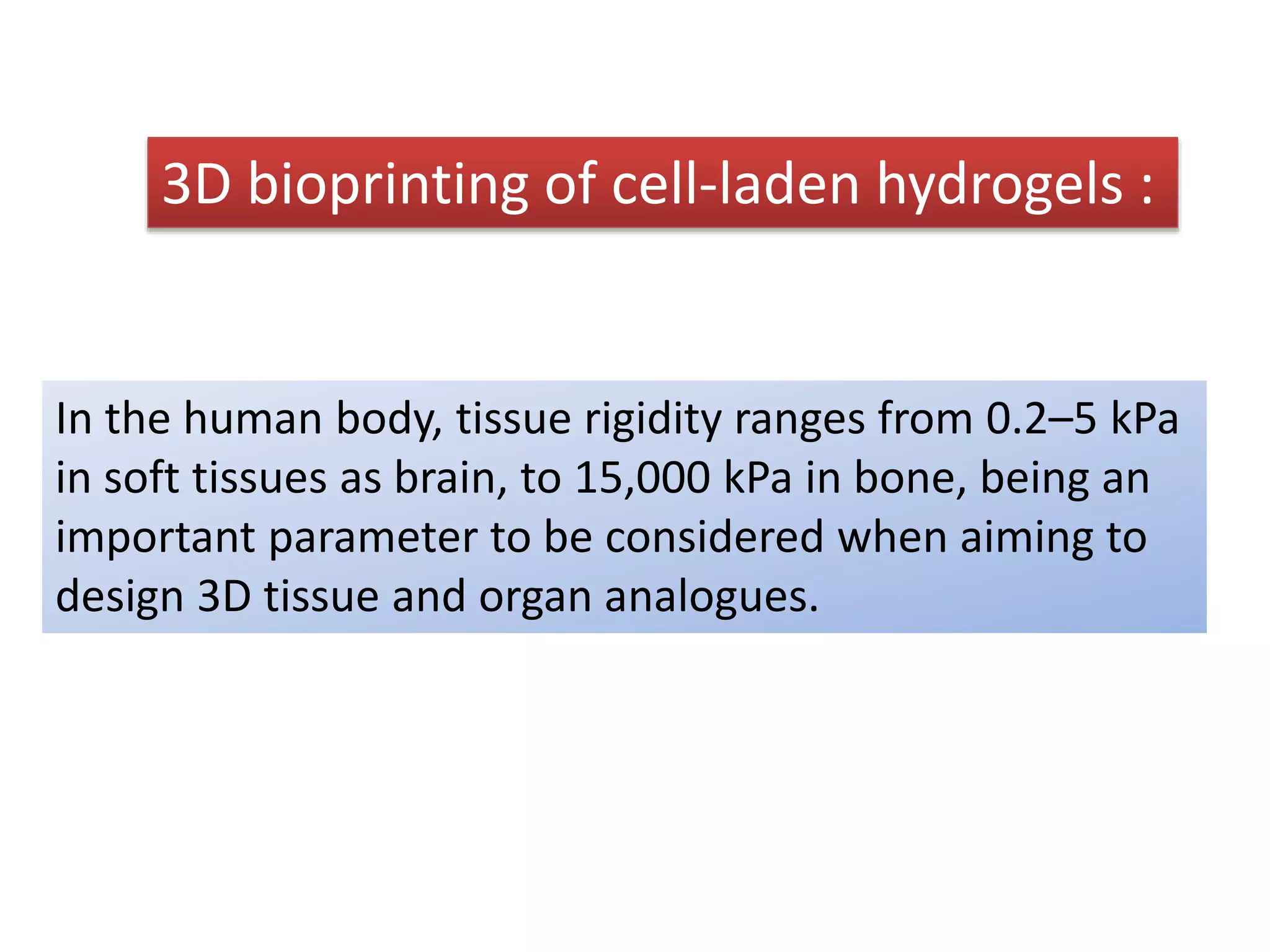
3D bioprinting of cell-laden hydrogels :
In the human body, tissue rigidity ranges from 0.2–5 kPa
in soft tissues as brain, to 15,000 kPa in bone, being an
important parameter to be considered when aiming to
design 3D tissue and organ analogues.
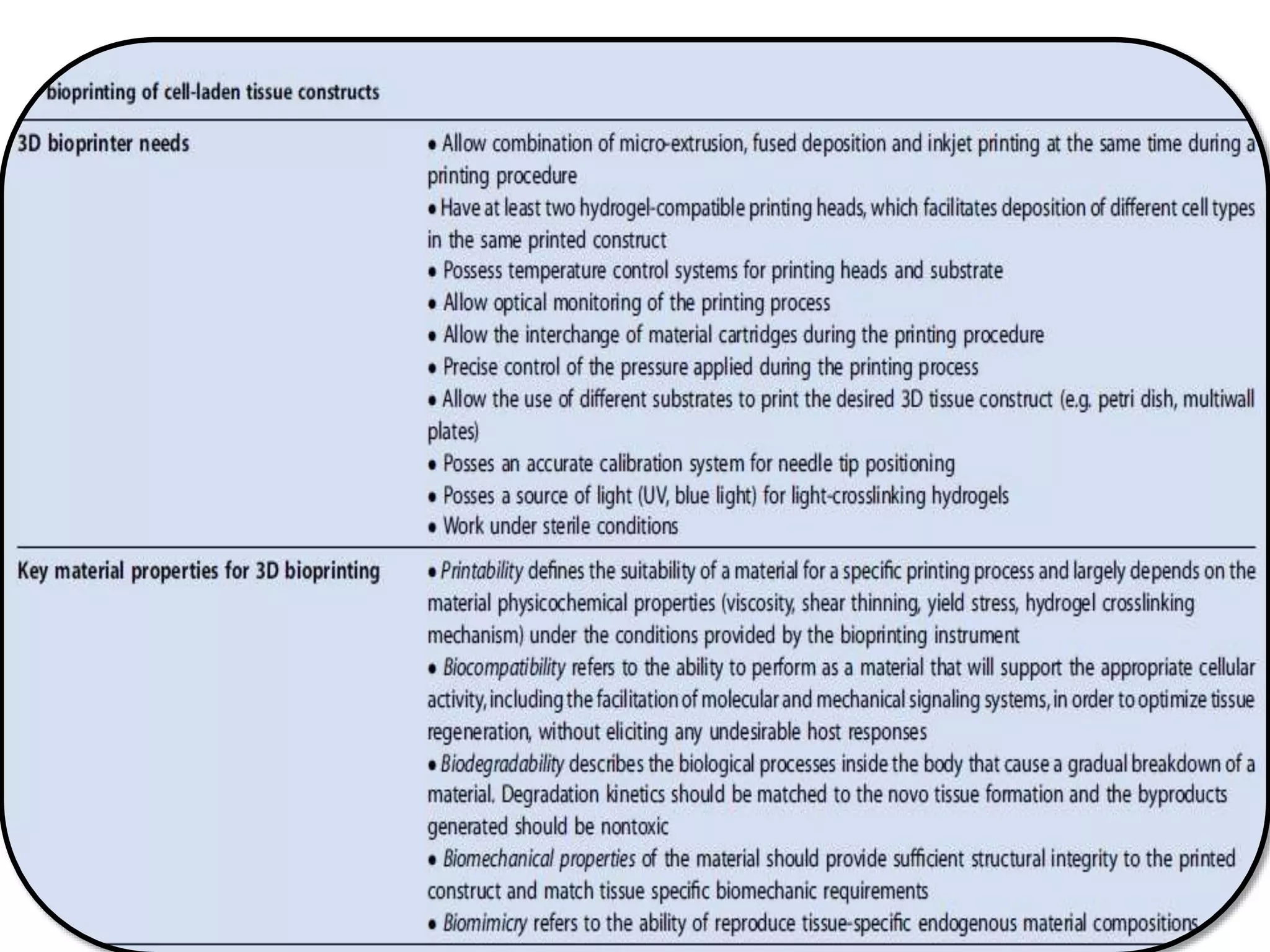
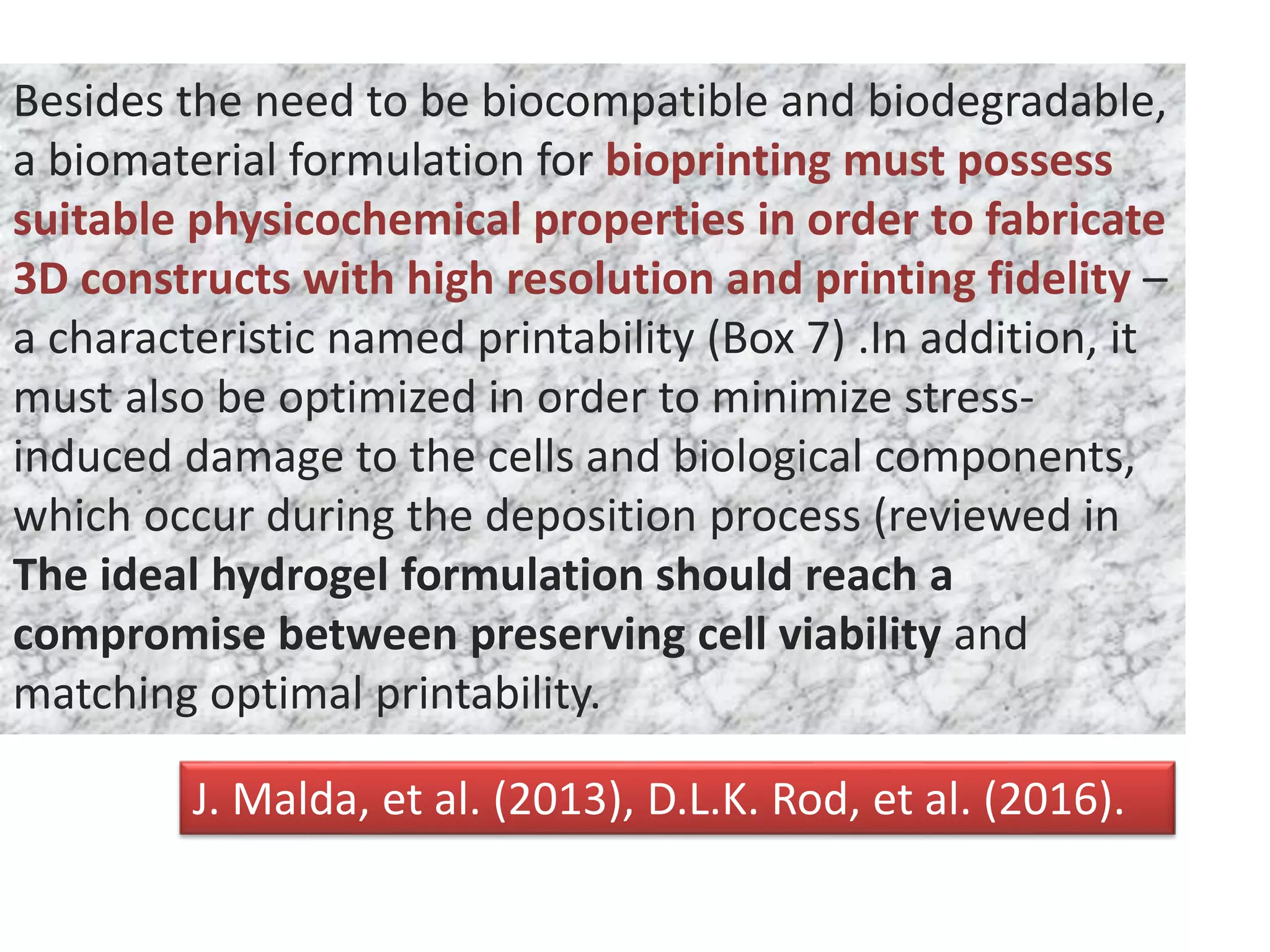
Besides the need to be biocompatible and biodegradable,
a biomaterial formulation for bioprinting must possess
suitable physicochemical properties in order to fabricate
3D constructs with high resolution and printing fidelity –
a characteristic named printability (Box 7) .In addition, it
must also be optimized in order to minimize stress-
induced damage to the cells and biological components,
which occur during the deposition process (reviewed in
The ideal hydrogel formulation should reach a
compromise between preserving cell viability and
matching optimal printability.
J. Malda, et al. (2013), D.L.K. Rod, et al. (2016).
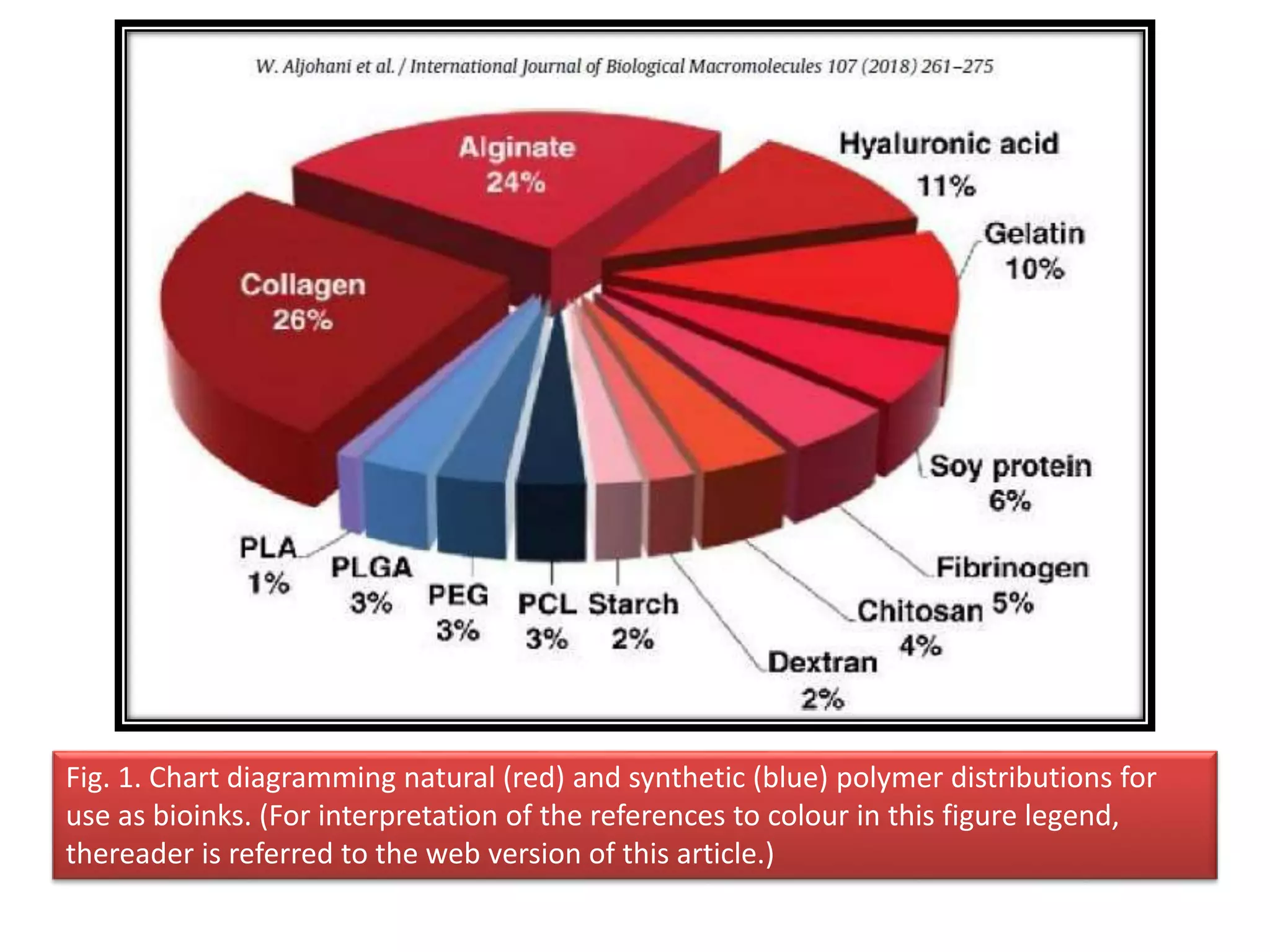
Fig. 1. Chart diagramming natural (red) and synthetic (blue) polymer distributions for
use as bioinks. (For interpretation of the references to colour in this figure legend,
thereader is referred to the web version of this article.)
Fig. 2. Illustration of various features of polymer important from bioprinting perspective: (a)
hydrophilic and hydrophobic properties, (b) cross-linking potential, (c) viscosity,(d)
mechanical features, (e) cell adhesion and biocompatibility, and (f) biodegradation
ability.The figure has been reproduced from [20] with permission from Academic Press.
Acellular organ-specific dECM
hydrogels for 3D bioprinting :
hydrogels made from decellularized tissues including
urinary bladder heart, liver, dermis , adipose tissue bone
and lung among others, were developed .
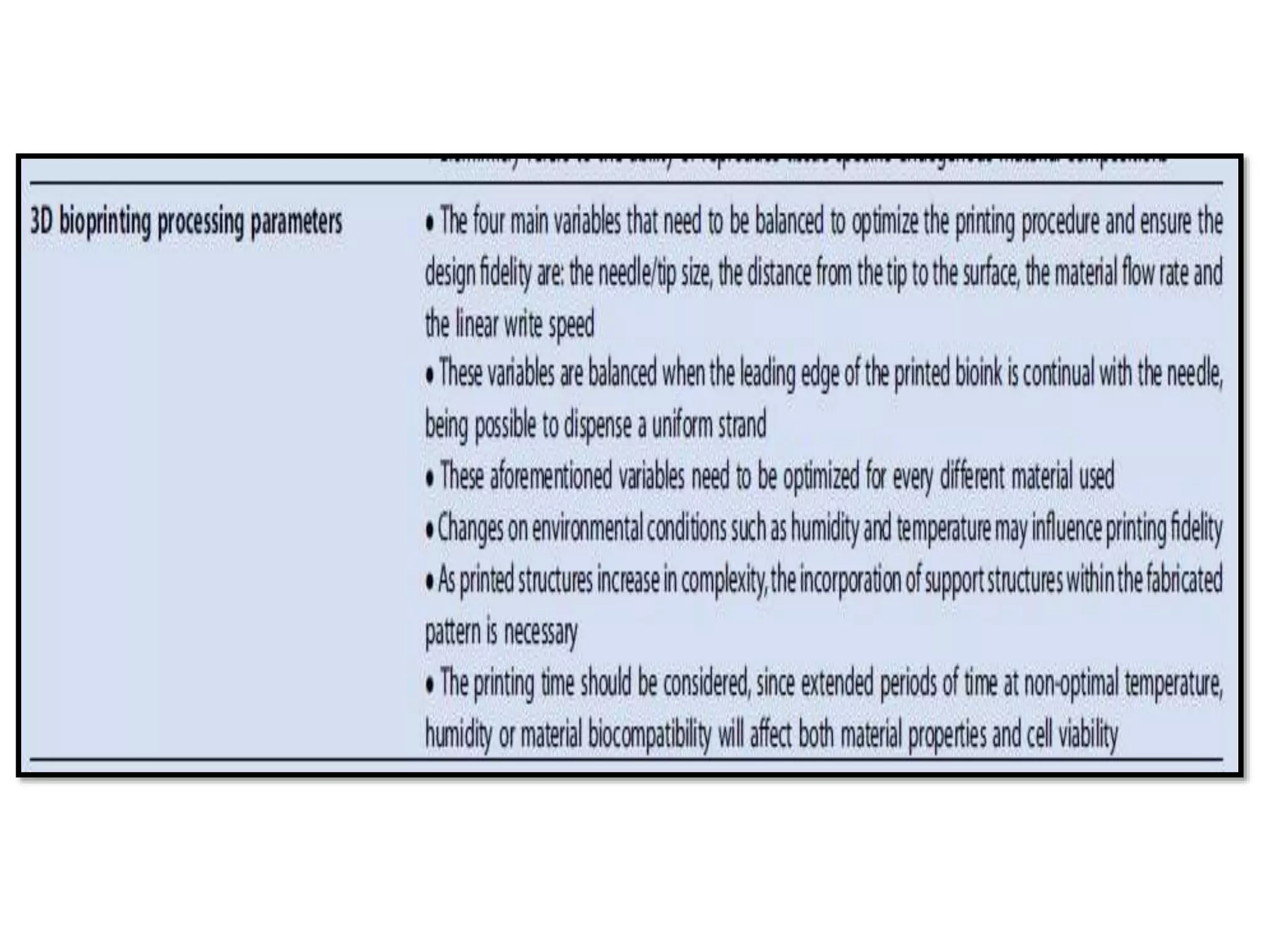
Nowadays, one of the main hurdles when using dECM
hydrogels as bioinks relies on their low viscosity, which
inevitably compromise shape fidelity of the bioprinted 3D
construct, worsening printing resolution.
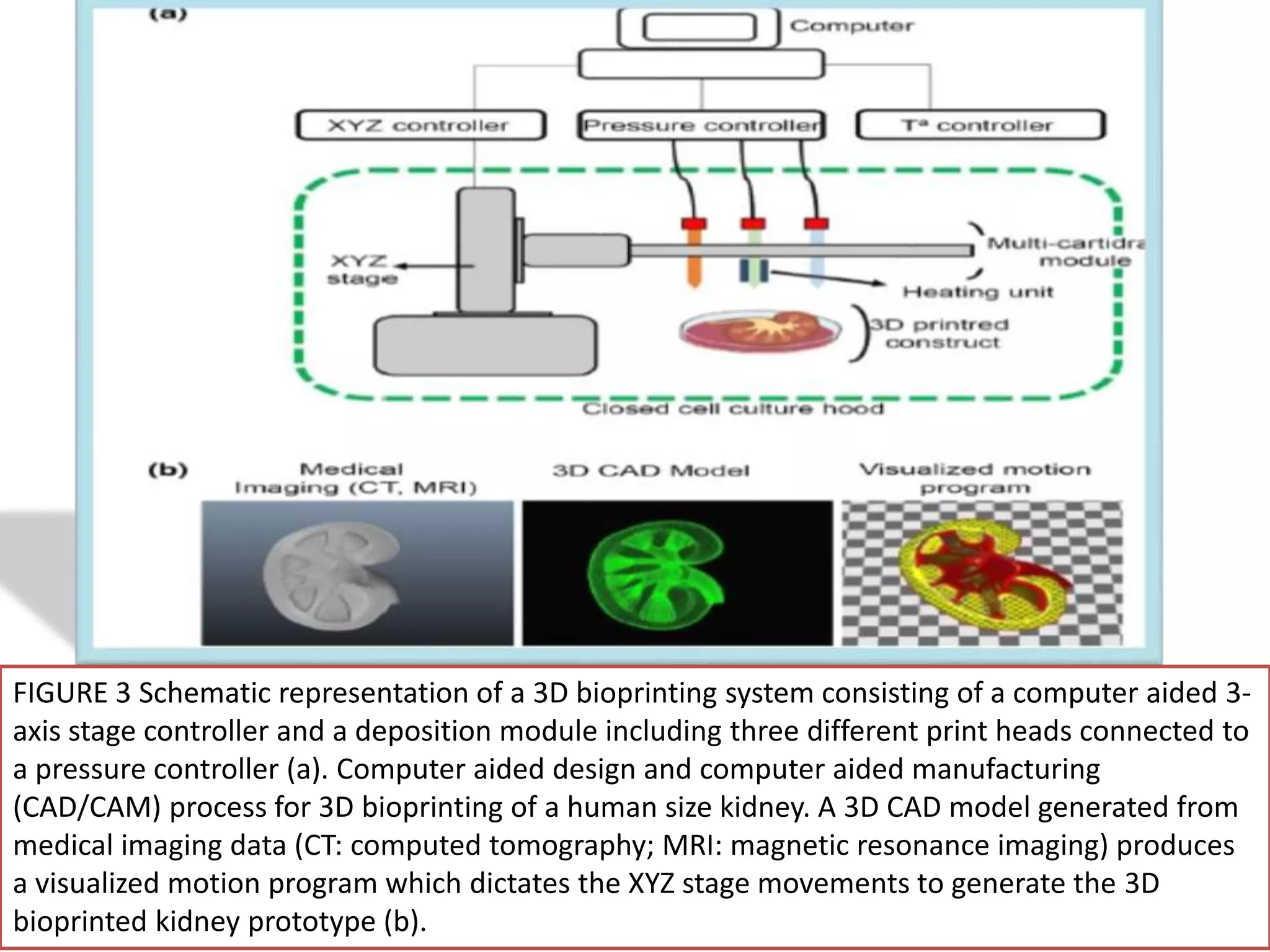
FIGURE 3 Schematic representation of a 3D bioprinting system consisting of a computer aided 3-
axis stage controller and a deposition module including three different print heads connected to
a pressure controller (a). Computer aided design and computer aided manufacturing
(CAD/CAM) process for 3D bioprinting of a human size kidney. A 3D CAD model generated from
medical imaging data (CT: computed tomography; MRI: magnetic resonance imaging) produces
a visualized motion program which dictates the XYZ stage movements to generate the 3D
bioprinted kidney prototype (b).
Natural polymers used in tissue engineering consist of
collagen, alginate, agarose, chitosan, chitin, fibrin, silk
fibroin, and hyaluronic acid (or hyaluronan). Collagen is
a natural protein material that is commonly used in tissue
engineering because environment of the cell metabolism
by collagen scaffold is close to physiological conditions.
More interestingly, it is stated that collagen, as natural
polymers, can promote cell adhesion and proliferation
better than synthetic polymers (Wang et al., 2013).
Fibrin, alternatively, can be degraded completely
after the implantation and can be gathered from
autologous plasma of the body. It has the advantages
of low price, availability, and good tolerance to cells.
Synthetic Biomaterials
Many types of biomaterials have been reported for the
development of various tissue engineering scaffolds.
Three major classes of biomaterials, ceramics,
biopolymers and synthetic polymers are widely
employed for fabrication of various scaffolds structures.
Biomaterials such as hydroxyapatite (HAP) calcium
phosphate and magnesium phosphate based ceramics
are extensively used for making porous scaffolds for
bone tissue regeneration.
S.C. Cox, J.A. Thornby. (2015), I. Denry, L.T. (2016) , J.A. Kim, J. Lim, R (2016).
Recently, nano- and bio-glass based ceramics
have also been employed in bone tissue
engineering .Biopolymers such as collagen,
chitosan (CS) and hyaluronic acid (HA) find
potential applications in various tissue
engineering fields.
S. Xu, X. Yang, X. (2014), F.M. Stábile, M.P. (2016), T.
Muthukumar, A. (2016), E. Entekhabi, M. (2016)
Hence, several synthetic polyesters such as polylactic
acid (PLA), poly(lactic-co-glycolic) acid (PLGA),
polycaprolactone (PCL) have been developed with a
desired mechanical strength and structural tunability.
However, non-conductive biomaterials cannot respond
to the electrical stimuli and hence they cannot mimic
the cellular properties. On the other hand, the invention
of synthetic conductive materials overwhelms the
drawbacks of non-conductive materials .
A. Khojasteh, F. (2016), C.-H. Chen, M.-Y. Lee, V.B.-H. (2014),
M.R. Aufan, Y. (2015)
Fig. 4. Fabrication of aligned conductive polyaniline PANI/PLGA nanofibrous mesh, cell
seeding, electrical stimulation and the mechanisms of the synchronous cell beatings.
Reproduced with copyright permission from Ref. [168].
THE CHALLENGES
OF TISSUE
ENGINEERING
The obstacles of EMC scaffolding are the need of the
identification of the optimal cell source for different
organs, the loss of an effective method for
recellularization of denuded vascular structure in
whole-organ scaffolds, and problems on the
identification of the appropriate population of
patients (Badylak et al., 2012).
In addition, scaffold-based tissue engineering still faces
the problems of immunogenicity, acute and chronic
inflammatory response resulting from the host
response to the scaffolds, and its biodegradation
products, mechanical mismatch with the surrounding
tissue, difficulties in incorporating high numbers of
cells uniformly distributed within the scaffold, and the
limitation in introducing multiple cell types with
positional specificity (Langer, 2007).
Another critical problem present in the field is
to provide sufficient vascular supply to thick
constructs, as molecular diffusion can assure
the exchange of nutrients and oxygen within
limited ranges (Ko et al., 2008). This could
only be done by conducting proper capillary
bed within the scaffold in nanoscale.
Another problem waiting for being addressed is the
transition and the integration of a tissue from an in vitro
to an in vivo setting. According to the surgical point of
view, macro- and microvascular tree must be connected
successfully to provide enough perfusion among the
tissue. Three main components of vasculature, capillary,
intermediate microvessels, and microvasculature, must
work together.
Bioprinting also faces some difficulties.
Aside from the expense of the printers, it is
hard to assure high cell density to build up
solid organs. Sometimes, high-speed
deposition of cells may damage the
construction. Additionally, the success of
printing depends on the control of the
gelation state of the collagen layers. To
integrate the final structure of tissue,
collagen must be removed, which is very
difficult.
Also, printing larger and morecomplex patterns like
branching tubes limits the use of printing, and it is
excessively timeconsuming.
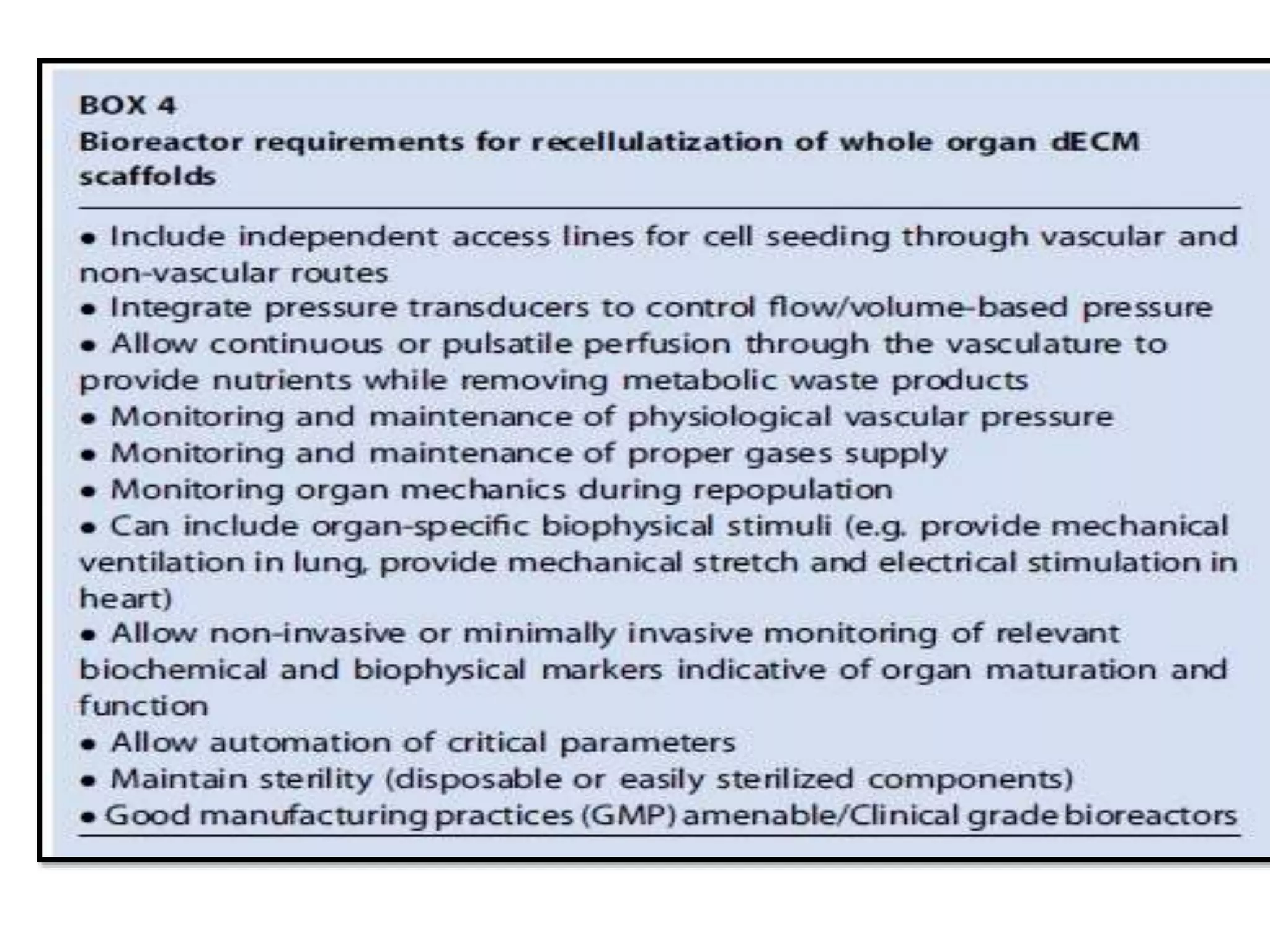
Establishing compatible bioreactors is also difficult.
The maturation of the tissue in bioreactor takes
really long time and new designs of bioreactors are
certainly needed
Economical and financial aspects of the field are in their
infancy. CTI, in which tissue engineering is one of the fields,
has some problems to market its products and to make
them approved by FDA. It is also stated that the necessary
infrastructure, including appropriate regulation,
reimbursement regimes, scalable manufacturing, robust
business models, and clinical outlets are not yet in place
(Mason et al., 2011).
Bio-engineering

Bio-engineering

  • 1.
    ‫تعالى‬ ‫قال‬(‫الص‬ِ‫ب‬ ‫وا‬ُ‫ن‬‫ي‬ِ‫ع‬َ‫ت‬ْ‫س‬‫ا‬َ‫و‬ِ‫ة‬َ‫َل‬‫الص‬َ‫و‬ ِ‫ر‬ْ‫ب‬ۚ َ‫ل‬َ‫ع‬ ‫َّل‬ِ‫إ‬ ٌ‫ة‬َ‫ير‬ِ‫ب‬َ‫ك‬َ‫ل‬ ‫ا‬َ‫ه‬‫ن‬ِ‫إ‬َ‫و‬ََ‫ي‬ِ‫ع‬ِِ‫ا‬ََْ‫ل‬‫ا‬ ‫ى‬)
  • 3.
    The definition oftissue engineering, according to International Union of Pure and Applied Chemistry (IUPAC), is “to use of a combination of cells, engineering and materials, and suitable biochemical and physiochemical factors to improve or replace biological functions” (Griffin et al., 2009).
  • 4.
    Today, tissue engineeringoffers several opportunities including the creation of functional grafts suitable for implantation and the repair of failing tissues, studying stem cell behavior and developmental processes in the context of controllable three-dimensional (3D) models of engineered tissues, and lastly, the utilization of engineered tissues as models for studies of physiology, diseases, and the medical treatment (Grayson et al., 2010; Godier et al., 2008; Grayson et al., 2009).
  • 5.
    Tissue engineering isalso regarded as a part of cell therapy industry (CTI), which is accepted as the fourth and final pillar of global healthcare, beside the pharmaceuticals, biologics, and medical devices (Fig. 20.1). CTI is a distinct healthcare sector being rapidly developed the capability and capacity to be a highly competitive, sustainable, multibillion dollar 21st century industry (Mason et al., 2011).
  • 7.
    The main approachesof tissue engineering can be juxtaposed as: I. Use of an instructive environment (e.g., bioactive material) to recruit and guide host cells to regenerate a tissue; II. Delivery of repair cells and/or bioactive factors into the damaged area; and III. Cultivation of cells on a biomaterial scaffold in a culture system (bioreactor), under conditions designed to engineer a functional tissue for implantation (Discher et al., 2009).
  • 10.
    Tissue engineering approacheswith a combination of cells, biofactors and scaffolds. Patients derived stem cells, expanded ex vivo, are subsequently mixed with morphogens and placed in a 3D scaffold to initiate differentiation. The engineered scaffold will either undergo a period of ex vivo pre-implantation differentiation culture or directly implanted in vivo for tissue regeneration.
  • 12.
    TYPES OF CELLS (PROLIFERATIONAND DIFFERENTIATION)
  • 14.
    Whether it isexpected to start tissue cellularization with fully differentiated cells, it is better to obtain a cell biopsy from the patient. As another option, multipotent stem cells (e.g., mesenchymal stromal cells and endothelial progenitor cells; EPCs) can be directed into desired differentiation. Lastly, autologous induced pluripotent stem (iPS) cells are a good alternative choice for the source of required cell types.
  • 15.
    Embryonic-like stem cells,like the newly derived iPS, have essentially unlimited potential for expansion in vitro which might open the possibility of creating autologous embryonic-like cells that could solve the matter of assembling more complex tissues including cardiac regeneration (Jakab et al., 2010).
  • 16.
    One obvious requirementis that of immune tolerance of the repaired cells. It is essential to use patient-specific autologous cells, in the transplantation to avoid disease transmission, life-long immunosuppression, or the possibility of rejection of transplanted organ.
  • 18.
    Induced Pluripotent StemCells Induced pluripotent stem cells (iPS) are pluripotent cell lines obtained from the ex vivo reprogramming of fetal or adult somatic cells, like fibroblasts. Reprogrammed cells are characterized by a high plasticity, being able to differentiate in cells of the three embryonal germ layers and thus potentially having the capacity to differentiate in most of the human body's cells (Takahashi et al., 2007; Yu et al., 2007). To date, the limitation to the clinical use of these cells is given by the risk of tumorigenesis deriving from the genomic integration of the viral vectors (Mayshar et al., 2010).
  • 19.
    Foetal and UmbilicalCord Cells Umbilical cord is collected at the time of birth; umbilical cord blood cells (UCBMNCs) can be isolated from the blood, while mesenchymal stem cells are extracted from the Wharton's jelly. Cord stem cells are able to differentiate in cardiomyocyte-like cells and endothelial cells (ECs) (Chen et al., 2009; Wu et al., 2009). Foetal-derived stem cells can be isolated from the amniotic fluid and include both pluripotent stem cells and more committed cells (Klemmt et al., 2011).
  • 20.
    Adult Cells Despite thepromising potential of iPS and foetal cells, so far most preclinical and clinical studies have employed post-natal cells for both safety reasons and easy accessibility to adult tissues. Different cell types derived from post-natal tissues can be used.
  • 21.
    Endothelial cells andprogenitor cells The first can be isolated from peripheral, easy accessible veins, such as the saphenous or forearm veins, while the second ones can be purified from the peripheral blood or bone marrow. EPCs can circulate in peripheral blood and can be incorporated in regions of active neovascularization, (Xin et al., 2008). Experimental evidence suggests that EPCs participate not only in the process of vasculogenesis substituting the lost ECs but also in the endothelialization of grafts (Young et al., 2007). The significance of EPCs in cardiovascular disease has been reviewed in Madonna and De Caterina (2015).
  • 22.
    Mesenchymal stem cells Mesenchymalstem cells (MSCs) are a heterogeneous subset of stromal stem cells that can be isolated from many adult tissues, including the heart, skeletal muscle, bone marrow and adipose tissue (Uccelli et al., 2008). MSCs stand out as an encouraging option for cell therapy due to their accessible isolation, great expansion potential, immunoregulatory activity and angiogenic properties (Dimarino et al., 2013)
  • 23.
    Not less relevant,MSCs possess a multipotential differentiation capacity, being able to differentiate, in vitro, into cells of the mesodermal lineage (Dominici et al., 2006), and possibly toward cells of endoderm and ectoderm derivation (Uccelli et al., 2008). The immune compatibility of the MSCs is a remarkable advantage for the translation of their use in clinics (Castro- Manrreza and Montesinos, 2015).
  • 24.
    Bone marrow-derived progenitorcells Total bone marrow-derived cells (BMCs) and especially subpopulations of bone marrow mononuclear cells (BMMNCs, that means either MSCs, or hematopoietic stem cells (HSCs), or monocytes) have been used in transplantation trials in acute myocardial infarction (MI) patients (reviewed in Simari et al., 2014). The advantage of using these cells is the easy accessibility with low risks for the patients, and the possibility to harvest high numbers of cells without requirement of long time in vitro expansion.
  • 26.
    “Scaffolding” term isfirst introduced by Barth in 1893 (Barth, 1893) as to use this notion like a porous matrix or an implant allowing cells to infiltrate and regenerate the local tissue. The term, eventually, became possessing alternative concepts (Jakab et al., 2010) such as using natural and synthetic substrates, nanocomposite materials, or decellularized extracellular matrix (ECM), and additionally, maturing the concept towards cell material interactions, release of biological factors, and design of shape and functionality for specific purposes (Gloria et al., 2010).
  • 27.
    Scaffolds should alsoestablish a tissue-specific microenvironment to maintain and regulate cell behavior and function (Khademhosseini et al., 2009). The scaffold, onto which cells are seeded, enabling them to attach and colonize, is therefore a key element for tissue engineering. Scaffolds can cause problems owing to their degradation, evoking immunogenic reactions and other unforeseen complications, which arouse the importance of further development and research about scaffolds
  • 28.
    The properties ofscaffolds consist of several parameters, including biological substances used, porosity, elasticity, stiffness, and specific anatomical shapes. It is also needed to reinstate the tissue-specific structure, activity, and physical behavior. Ultimately, scaffold should also provide repopulated cell-specific topological features (nano- or micro- and macroscale), mechanical environment, surface ligands, and facility to release chemical compounds (angiogenic factors or cytokines) (Freytes et al., 2009).
  • 29.
    Pre-made porous scaffoldcan be processed and then cell-seeded (e.g. fiber scaffold, foams, films). Human tissue can be decellularized using chemical agents and then cell-seeded with treated cells. Cells can be cultured to produce ECM and cell sheets. Sheets are harvested and assembled layer-by-layer to produce tissues and organs. Polymer solution can be directly mixed with cells and crosslink either physically or chemically and can be used as 3D culture environment. some examples of the diverse scaffolding strategies
  • 32.
    FIGURE 20.2 Theself-assembly approach depends on the natural ability of cells to unite and generate new natural environment by secreting extracellular matrix components. (A) The basic construct of vascular graft to provide nutrient support to engineered tissues. (B) Prepared multicellular blocks are seeded into the desired position in the tissue. (C) The blood flow is conducted through cellular blocks, while the conditions of incubation for the cells have been prepared. (D) Self-assembling cells proliferate and generate new ways to provide maximum perfusion among them. These unnatural spaces between the cells become the new coronary bed
  • 33.
    Tissue engineering canuse in vitro, in vivo, or in situ strategies to construct tissues and organs. In in vitro TE, cells are seeded in a bio- instructive scaffold and cultured in a static (incubator) or dynamic (bioreactor) environment. The culture media is generally supplemented with biomolecules such as growth factors to differentiate stem cells into the desired cell type. Fig. 2. using TE to create blood vessels. Autologous smooth muscle cells, fibroblasts, and endothelial cells are harvested from the patient, and the cells are seeded in a tubular scaffold such as collagen or nanofibers and cultured in a bioreactor for a certain amount of time.
  • 34.
    Figure 2. Bloodvessel tissue engineering. Source: Seifu DG et al. Nat Rev Cardiol, 2013; 10(7), 410–21.
  • 35.
    In In vivoTE, the scaffold is implanted usually with cells and an animal is used as an incubator to grow the tissue or the organ before being re-implanted in the same or another patient. Figure 3 shows the impressive example of a human ear scaffold seeded with cow cells implanted in an immune deprived mouse. Figure 3. The Vacanti mouse. Original article: Y. Cao et al. Plast Reconstr Surg, 1997; 100(2), 297-302.
  • 36.
    In in situTE, the scaffold is implanted or injected with or without cells into the patient’s (or animal’s) body. The tissue is expected to self-repair due to cell migration and cells growing directly in the body’s environment, such as in the example illustrated in Figure 4.
  • 37.
    Figure 3. Cartoonillustrating the promising strategy of tissue engineering based on which grafts and materials are combined with patient autologous cells and grown in vitro or in a bioreactor, in order to obtain an optimized cellularized graft that lacks of immunogenicity, thrombogenicity, and risk of calcification, while having the potential to grow in parallel with the child growth.
  • 39.
    ECM Scaffolds ECM isactually a secreted product of the resident cells, composed of tissue-specific 3D environment of structural and functional molecules. Furthermore, ECM is considered as a dynamic interchangeable media with the resident cell population which turns out that ECM can affect genetic profile, proteome, and protein functionality of cells depending on the parameters of pH, oxygen concentration, mechanical forces, and its biochemical milieu.
  • 40.
    Thus, native ECMis a logical and ideal scaffold for organ and tissue reconstruction. (Tottey et al., 2011). To establish intact 3D ECM scaffolds, varying allogeneic, xenogeneic tissues and organs have been manufactured. They are prepared by the process of decellularization. The strategy contains the principles of decellularizing a site-specific ECM and repopulating it with autologous fully differentiated, progenitor or stem cells of the current patient to prevent adverse effects of implantation or immune responses.
  • 41.
    It is shownthat ECM successfully directed cells to their target region and supported growth and differentiation of local stem and progenitor cells in skin graft that are potential cure for scar-free healing (Guenou et al., 2009). One additional advantage of using decellularized ECM scaffolds is its ability to serve 3D architecture of the capillary bed, besides its biomechanical properties of the constituent fibers.
  • 42.
    To empower therepopulation and differentiation processes of implanted cells, and, to maintain life-long restoration of tissue, enough oxygen and nutrient support must be conducted, as well as the transfer of bioactive molecules throughout the tissue. In a recent study, it is stated that after the decellularization process, the first threefour branches of capillary vasculature are preserved, which allows enough perfusion and nutrition conveyance to the tissue (Sarig et al., 2012).
  • 44.
    Figure 1. Timelineof key events leading to whole organ decellularization methodologies and major milestones using hPSC-derived cells to repopulate organ-derived dECM scaffolds (*).
  • 53.
  • 55.
    Inkjet bioprinting, alsoreferred as ‘drop-on-demand printers’ appeared early in 2003 [108]. Firstly developed inkjet printers modified commercially available two-dimensional (2D) ink- based printers by replacing the ink in the cartridge by a biological material, and the paper, by an electric-controlled elevator that moves on the z direction providing three- dimensionality (reviewed in [12]) [109]. Nowadays, inkjet printers make use of nozzles that generate isolated droplets of cell-laden material by means of piezoelectric [110] or thermal (reviewed in [111]) R.S. Tuan, G. 5 (2003), J.P. Mattimore, et al.( 2010) Y. Fang, et al. (2012)
  • 56.
    In laser-assisted bioprinting(LABP) drops of cell-laden biomaterials are generated after laser pulses. This recent methodology relies on the use of a laser pulse that creates a high-pressure bubble on a ribbon containing the material to be printed, thereby generating a bioink droplet. LABP is nozzle-free, thus minimizing clogging-related issues. Moreover, the achieved resolution allows the delivery of single-cells on each drop.
  • 59.
    3D bioprinting ofcell-laden hydrogels : In the human body, tissue rigidity ranges from 0.2–5 kPa in soft tissues as brain, to 15,000 kPa in bone, being an important parameter to be considered when aiming to design 3D tissue and organ analogues.
  • 60.
    Besides the needto be biocompatible and biodegradable, a biomaterial formulation for bioprinting must possess suitable physicochemical properties in order to fabricate 3D constructs with high resolution and printing fidelity – a characteristic named printability (Box 7) .In addition, it must also be optimized in order to minimize stress- induced damage to the cells and biological components, which occur during the deposition process (reviewed in The ideal hydrogel formulation should reach a compromise between preserving cell viability and matching optimal printability. J. Malda, et al. (2013), D.L.K. Rod, et al. (2016).
  • 61.
    Fig. 1. Chartdiagramming natural (red) and synthetic (blue) polymer distributions for use as bioinks. (For interpretation of the references to colour in this figure legend, thereader is referred to the web version of this article.)
  • 62.
    Fig. 2. Illustrationof various features of polymer important from bioprinting perspective: (a) hydrophilic and hydrophobic properties, (b) cross-linking potential, (c) viscosity,(d) mechanical features, (e) cell adhesion and biocompatibility, and (f) biodegradation ability.The figure has been reproduced from [20] with permission from Academic Press.
  • 63.
    Acellular organ-specific dECM hydrogelsfor 3D bioprinting : hydrogels made from decellularized tissues including urinary bladder heart, liver, dermis , adipose tissue bone and lung among others, were developed . Nowadays, one of the main hurdles when using dECM hydrogels as bioinks relies on their low viscosity, which inevitably compromise shape fidelity of the bioprinted 3D construct, worsening printing resolution.
  • 65.
    FIGURE 3 Schematicrepresentation of a 3D bioprinting system consisting of a computer aided 3- axis stage controller and a deposition module including three different print heads connected to a pressure controller (a). Computer aided design and computer aided manufacturing (CAD/CAM) process for 3D bioprinting of a human size kidney. A 3D CAD model generated from medical imaging data (CT: computed tomography; MRI: magnetic resonance imaging) produces a visualized motion program which dictates the XYZ stage movements to generate the 3D bioprinted kidney prototype (b).
  • 68.
    Natural polymers usedin tissue engineering consist of collagen, alginate, agarose, chitosan, chitin, fibrin, silk fibroin, and hyaluronic acid (or hyaluronan). Collagen is a natural protein material that is commonly used in tissue engineering because environment of the cell metabolism by collagen scaffold is close to physiological conditions. More interestingly, it is stated that collagen, as natural polymers, can promote cell adhesion and proliferation better than synthetic polymers (Wang et al., 2013).
  • 69.
    Fibrin, alternatively, canbe degraded completely after the implantation and can be gathered from autologous plasma of the body. It has the advantages of low price, availability, and good tolerance to cells.
  • 70.
  • 71.
    Many types ofbiomaterials have been reported for the development of various tissue engineering scaffolds. Three major classes of biomaterials, ceramics, biopolymers and synthetic polymers are widely employed for fabrication of various scaffolds structures. Biomaterials such as hydroxyapatite (HAP) calcium phosphate and magnesium phosphate based ceramics are extensively used for making porous scaffolds for bone tissue regeneration. S.C. Cox, J.A. Thornby. (2015), I. Denry, L.T. (2016) , J.A. Kim, J. Lim, R (2016).
  • 72.
    Recently, nano- andbio-glass based ceramics have also been employed in bone tissue engineering .Biopolymers such as collagen, chitosan (CS) and hyaluronic acid (HA) find potential applications in various tissue engineering fields. S. Xu, X. Yang, X. (2014), F.M. Stábile, M.P. (2016), T. Muthukumar, A. (2016), E. Entekhabi, M. (2016)
  • 73.
    Hence, several syntheticpolyesters such as polylactic acid (PLA), poly(lactic-co-glycolic) acid (PLGA), polycaprolactone (PCL) have been developed with a desired mechanical strength and structural tunability. However, non-conductive biomaterials cannot respond to the electrical stimuli and hence they cannot mimic the cellular properties. On the other hand, the invention of synthetic conductive materials overwhelms the drawbacks of non-conductive materials . A. Khojasteh, F. (2016), C.-H. Chen, M.-Y. Lee, V.B.-H. (2014), M.R. Aufan, Y. (2015)
  • 77.
    Fig. 4. Fabricationof aligned conductive polyaniline PANI/PLGA nanofibrous mesh, cell seeding, electrical stimulation and the mechanisms of the synchronous cell beatings. Reproduced with copyright permission from Ref. [168].
  • 82.
  • 83.
    The obstacles ofEMC scaffolding are the need of the identification of the optimal cell source for different organs, the loss of an effective method for recellularization of denuded vascular structure in whole-organ scaffolds, and problems on the identification of the appropriate population of patients (Badylak et al., 2012).
  • 84.
    In addition, scaffold-basedtissue engineering still faces the problems of immunogenicity, acute and chronic inflammatory response resulting from the host response to the scaffolds, and its biodegradation products, mechanical mismatch with the surrounding tissue, difficulties in incorporating high numbers of cells uniformly distributed within the scaffold, and the limitation in introducing multiple cell types with positional specificity (Langer, 2007).
  • 85.
    Another critical problempresent in the field is to provide sufficient vascular supply to thick constructs, as molecular diffusion can assure the exchange of nutrients and oxygen within limited ranges (Ko et al., 2008). This could only be done by conducting proper capillary bed within the scaffold in nanoscale.
  • 86.
    Another problem waitingfor being addressed is the transition and the integration of a tissue from an in vitro to an in vivo setting. According to the surgical point of view, macro- and microvascular tree must be connected successfully to provide enough perfusion among the tissue. Three main components of vasculature, capillary, intermediate microvessels, and microvasculature, must work together.
  • 87.
    Bioprinting also facessome difficulties. Aside from the expense of the printers, it is hard to assure high cell density to build up solid organs. Sometimes, high-speed deposition of cells may damage the construction. Additionally, the success of printing depends on the control of the gelation state of the collagen layers. To integrate the final structure of tissue, collagen must be removed, which is very difficult.
  • 88.
    Also, printing largerand morecomplex patterns like branching tubes limits the use of printing, and it is excessively timeconsuming. Establishing compatible bioreactors is also difficult. The maturation of the tissue in bioreactor takes really long time and new designs of bioreactors are certainly needed
  • 89.
    Economical and financialaspects of the field are in their infancy. CTI, in which tissue engineering is one of the fields, has some problems to market its products and to make them approved by FDA. It is also stated that the necessary infrastructure, including appropriate regulation, reimbursement regimes, scalable manufacturing, robust business models, and clinical outlets are not yet in place (Mason et al., 2011).