Tissue Engineering and Regeneration-
Past, Present and Future
Moderator Presenter
Prof. V. K. Shukla Katyayani K. Choubey
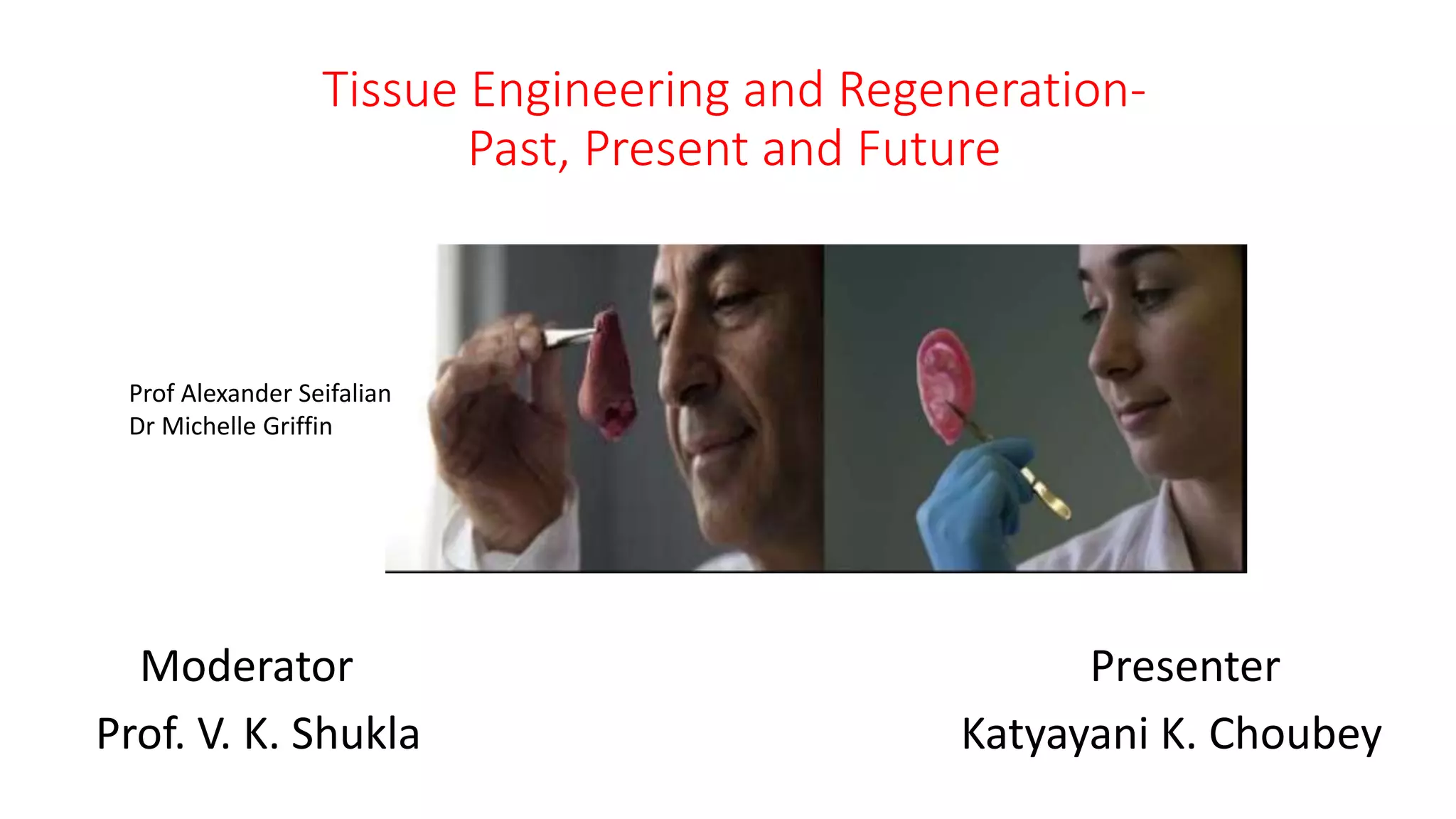
Prof Alexander Seifalian
Dr Michelle Griffin
Introduction
• Tissue engineering (TE)- “an interdisciplinary field that applies the principles of
engineering and life sciences toward the development of biological substitutes
that restore, maintain, or improve tissue function or a whole organ”
(Langer &Vacanti, 1993)
• Regenerative medicine- “the process of replacing or regenerating human cells,
tissues or organs to restore or establish normal function”
(Mason & Dunnill, 2008)
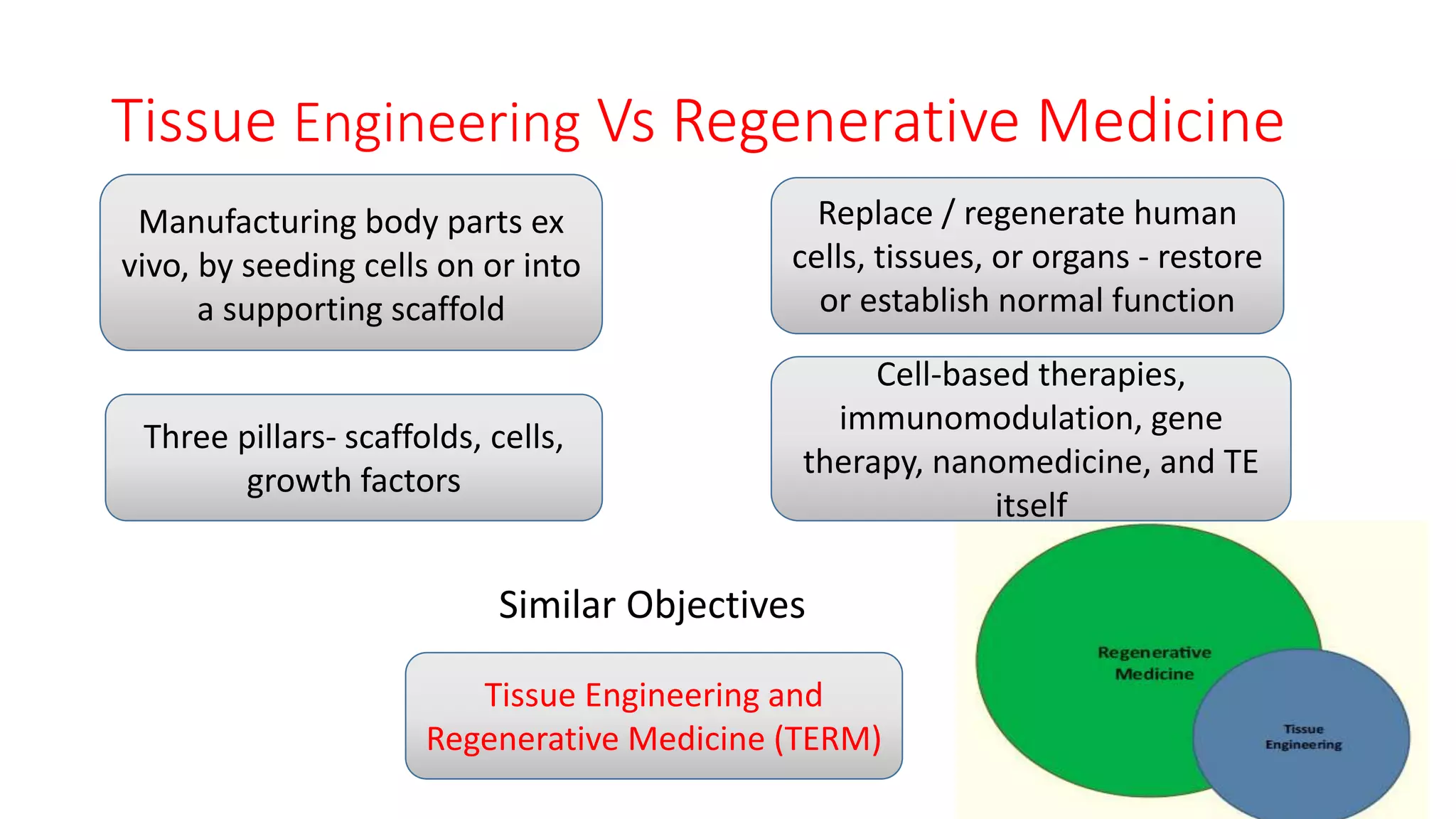
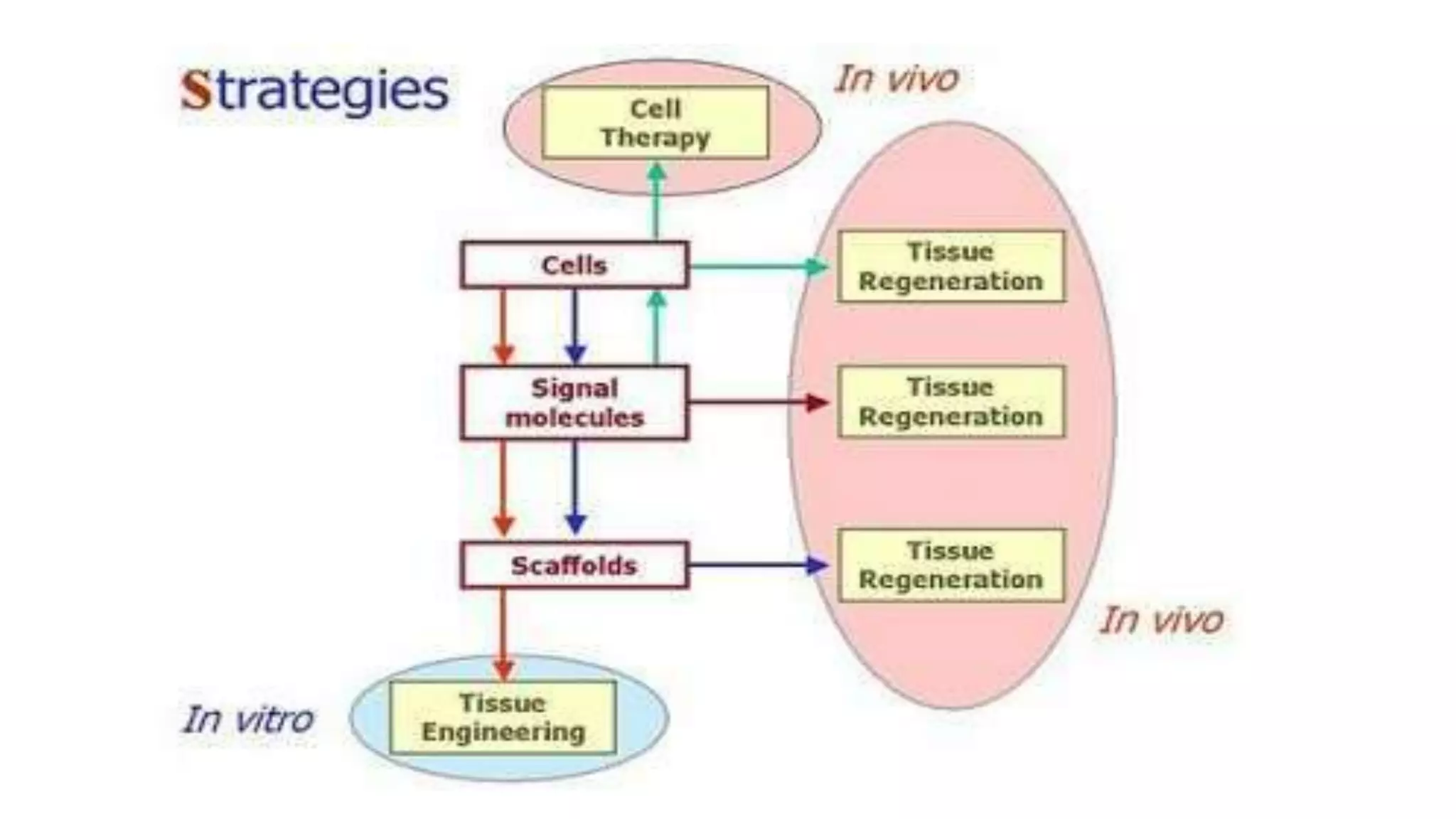
Tissue Engineering Vs Regenerative Medicine
Manufacturing body parts ex
vivo, by seeding cells on or into
a supporting scaffold
Replace / regenerate human
cells, tissues, or organs - restore
or establish normal function
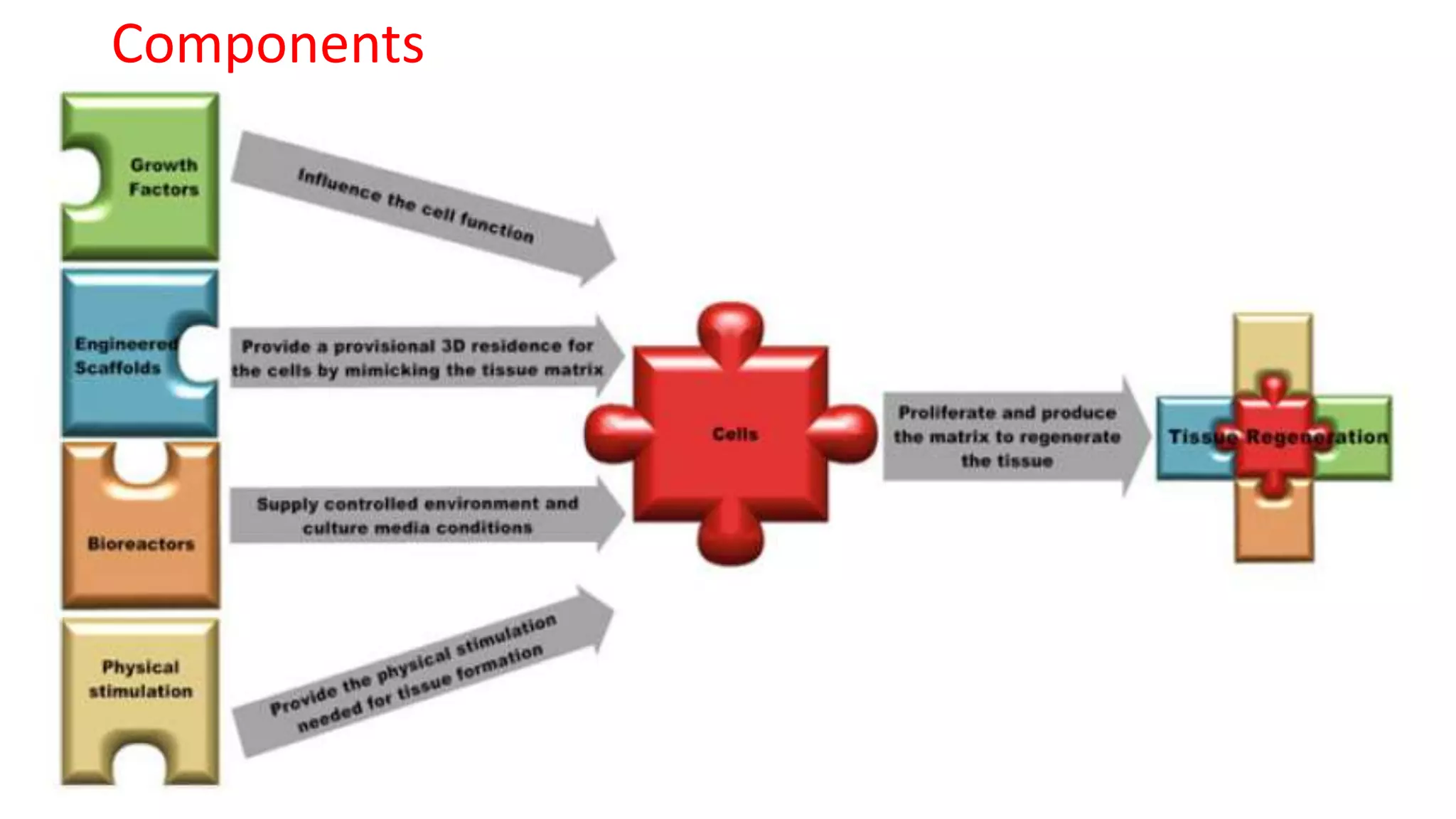
Three pillars- scaffolds, cells,
growth factors
Cell-based therapies,
immunomodulation, gene
therapy, nanomedicine, and TE
itself
Tissue Engineering and
Regenerative Medicine (TERM)
Similar Objectives
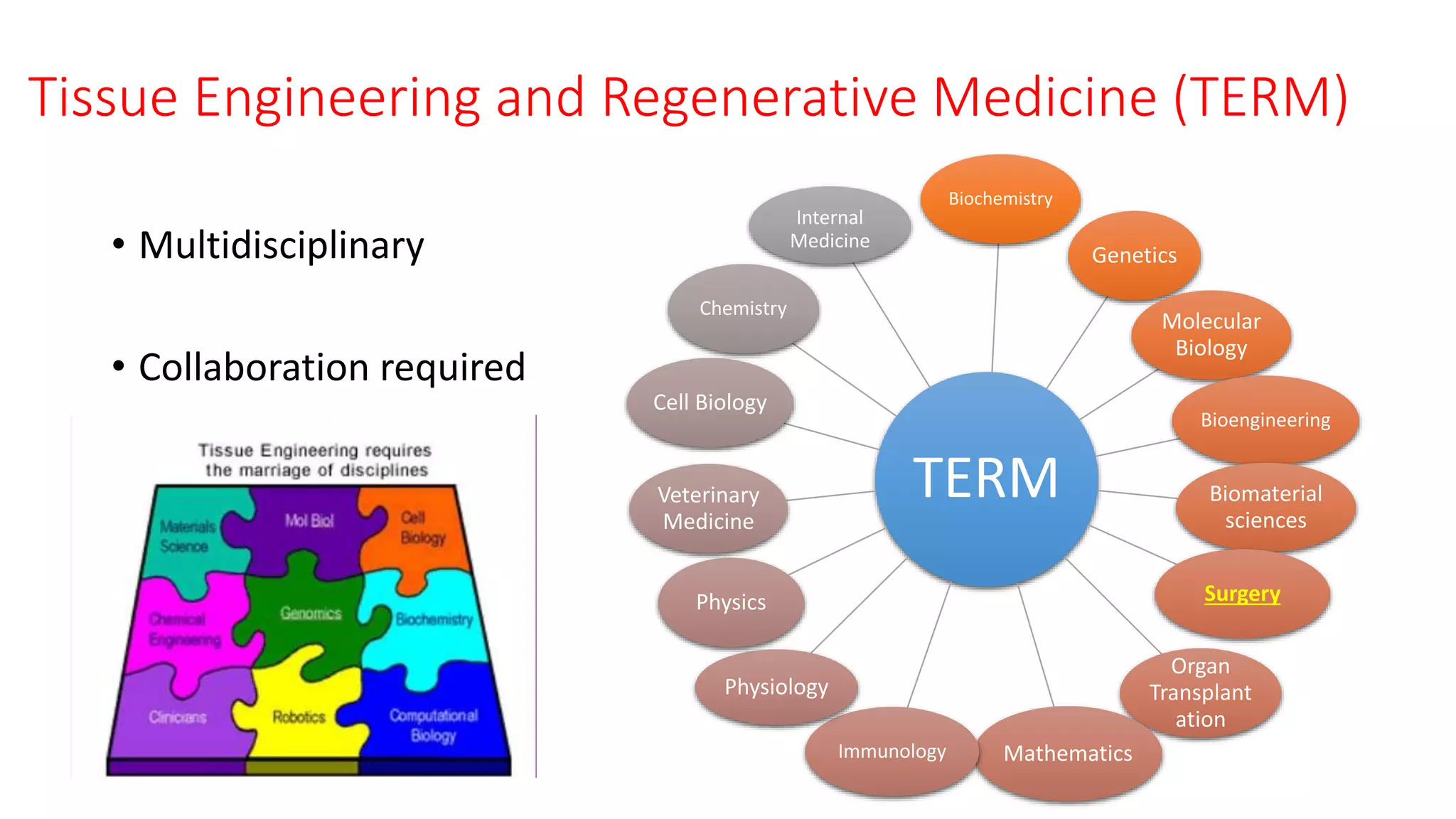
Tissue Engineering and Regenerative Medicine (TERM)
• Multidisciplinary
• Collaboration required
TERM
Biochemistry
Genetics
Molecular
Biology
Bioengineering
Biomaterial
sciences
Surgery
Organ
Transplant
ation
Mathematics
Immunology
Physiology
Physics
Veterinary
Medicine
Cell Biology
Chemistry
Internal
Medicine
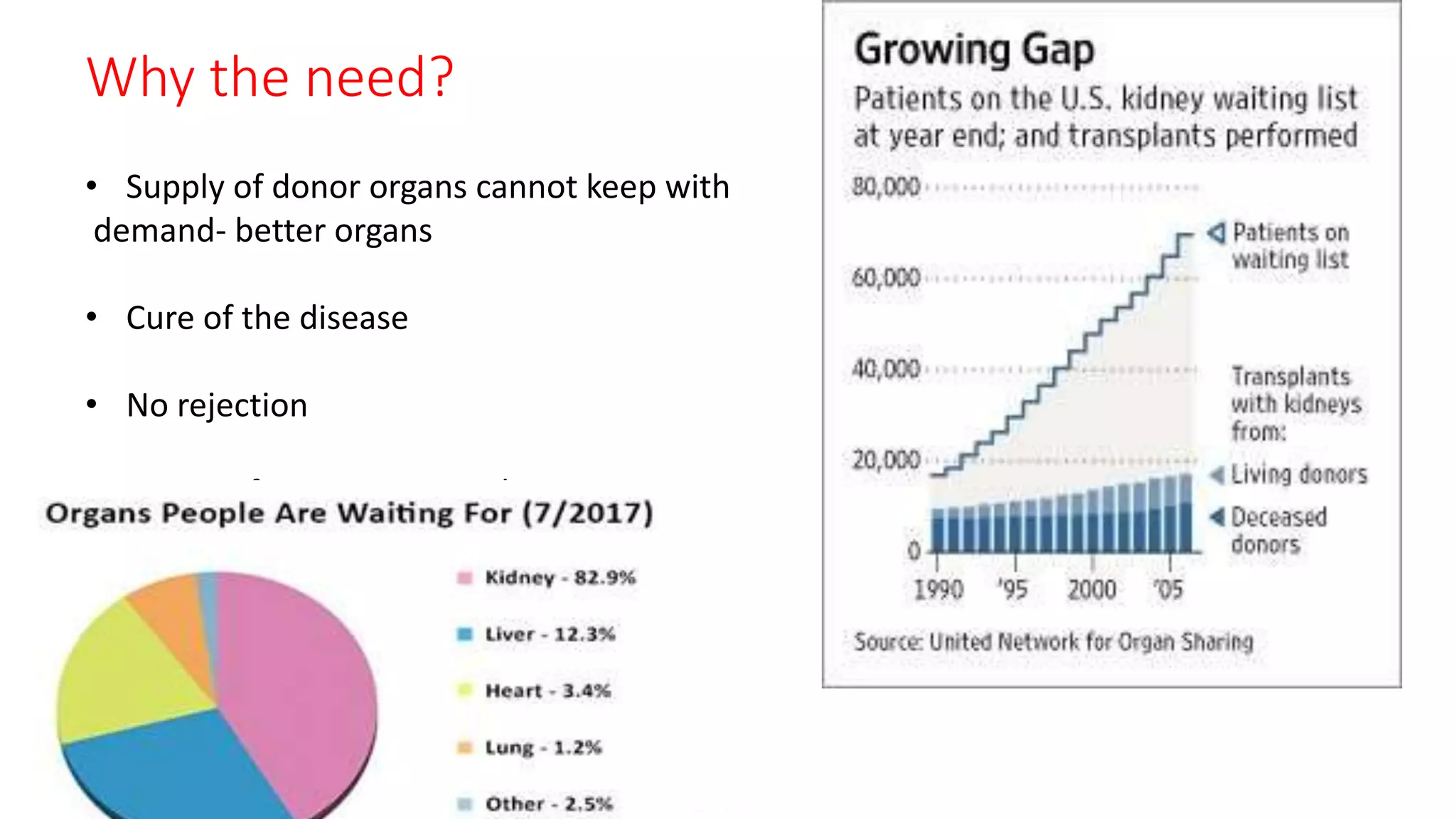
Why the need?
• Supply of donor organs cannot keep with
demand- better organs
• Cure of the disease
• No rejection
• Repair of organs, tissues, bones
Role
• Repair or replacement of injured or
diseased - cartilage, skin, pancreatic islets,
bladder, intestine, heart tissue, arteries,
larynx and bronchus
• To test therapeutic drugs for efficacy and
toxicity.
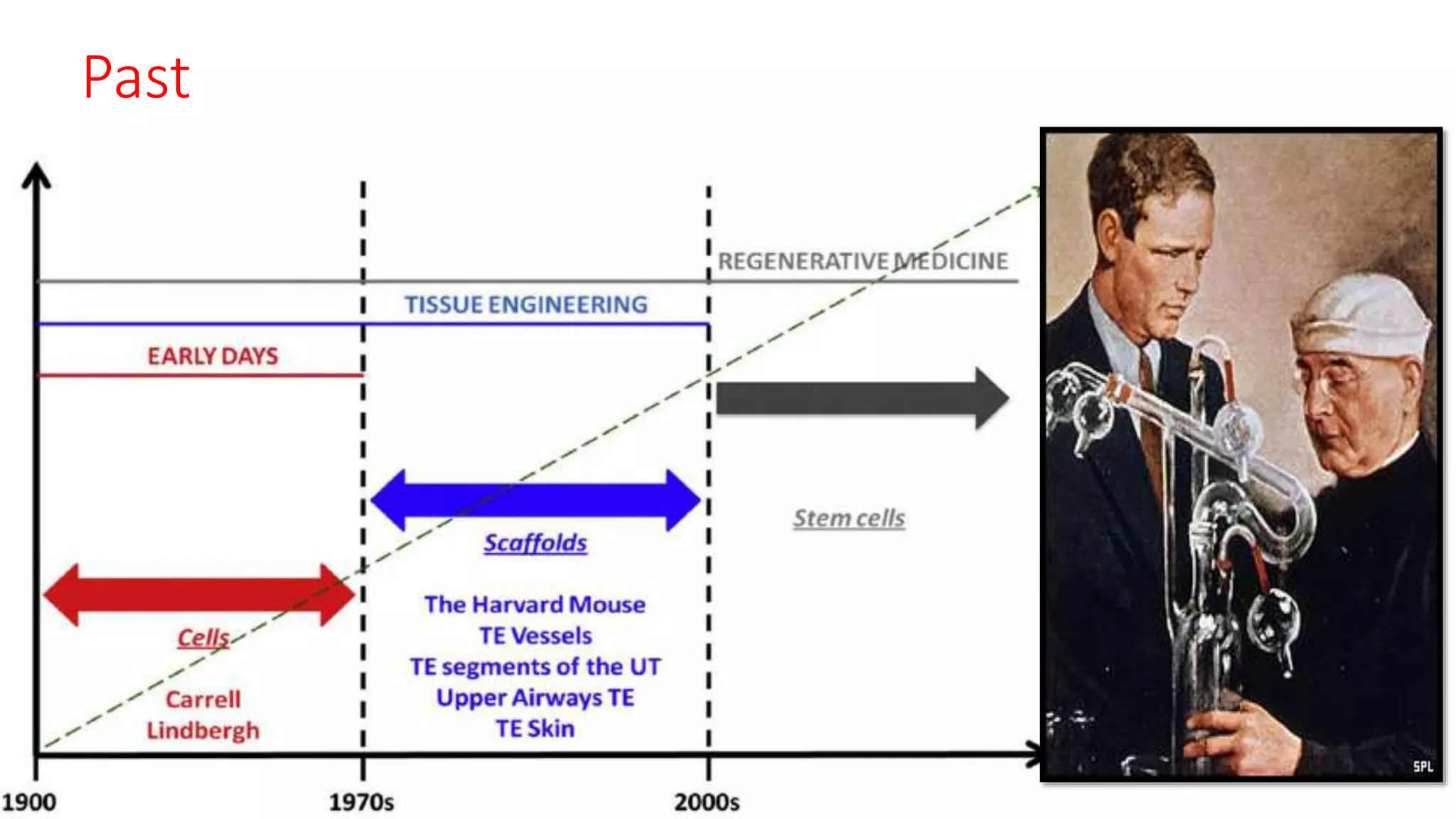
Past
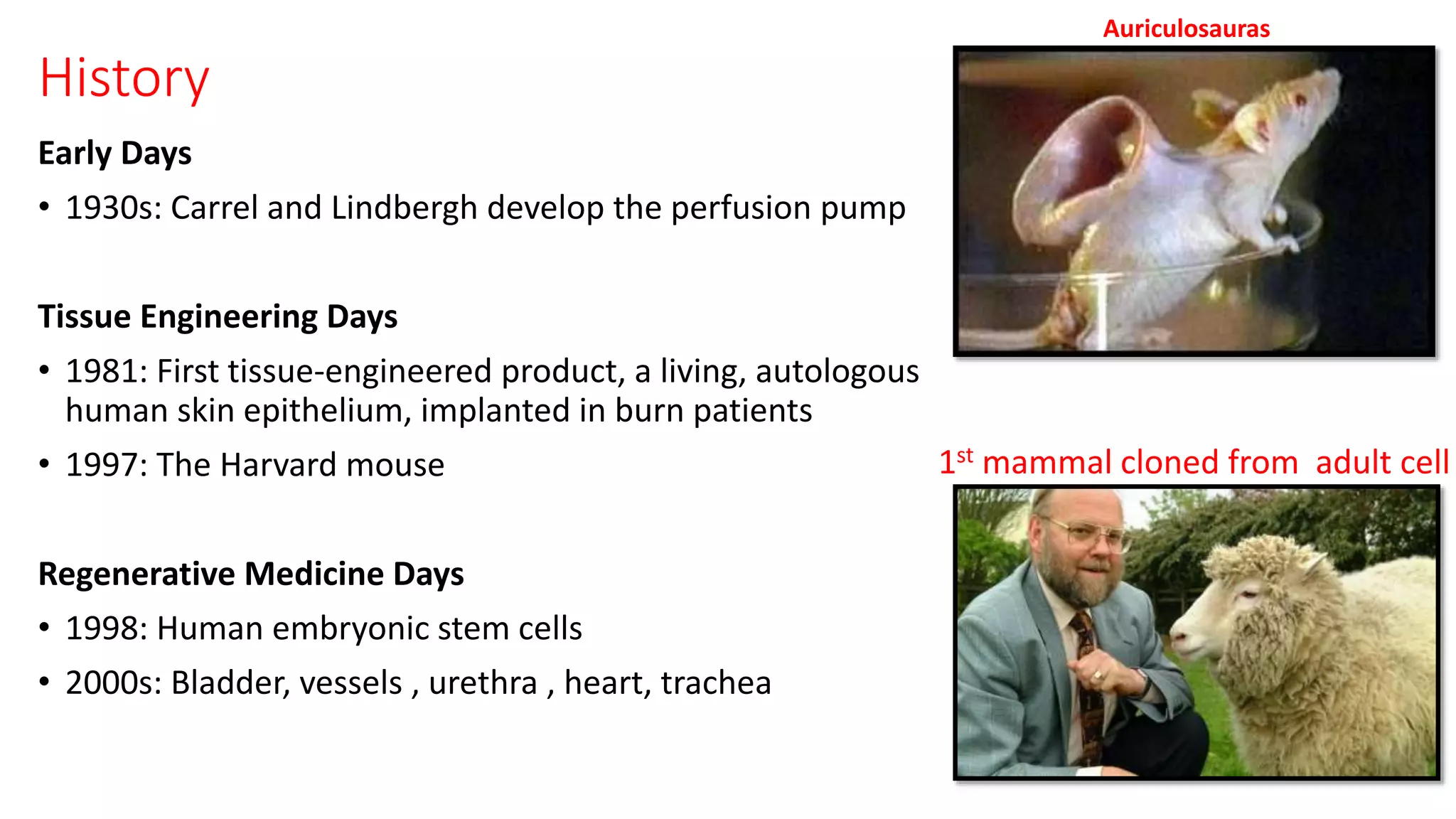
History
Early Days
• 1930s: Carrel and Lindbergh develop the perfusion pump
Tissue Engineering Days
• 1981: First tissue-engineered product, a living, autologous
human skin epithelium, implanted in burn patients
• 1997: The Harvard mouse
Regenerative Medicine Days
• 1998: Human embryonic stem cells
• 2000s: Bladder, vessels , urethra , heart, trachea
1st mammal cloned from adult cell
Auriculosauras
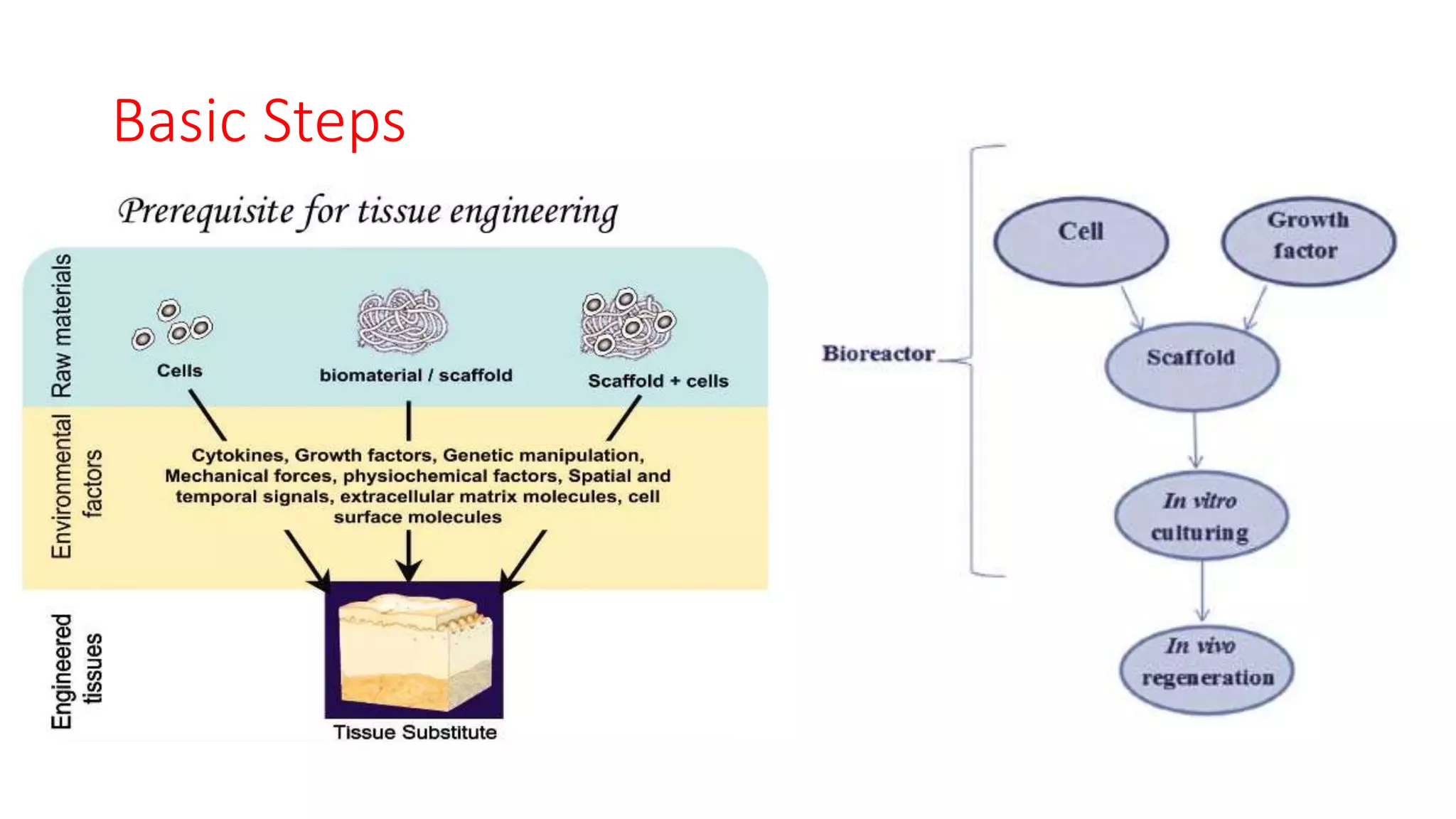
Basic Steps
Principle
Components
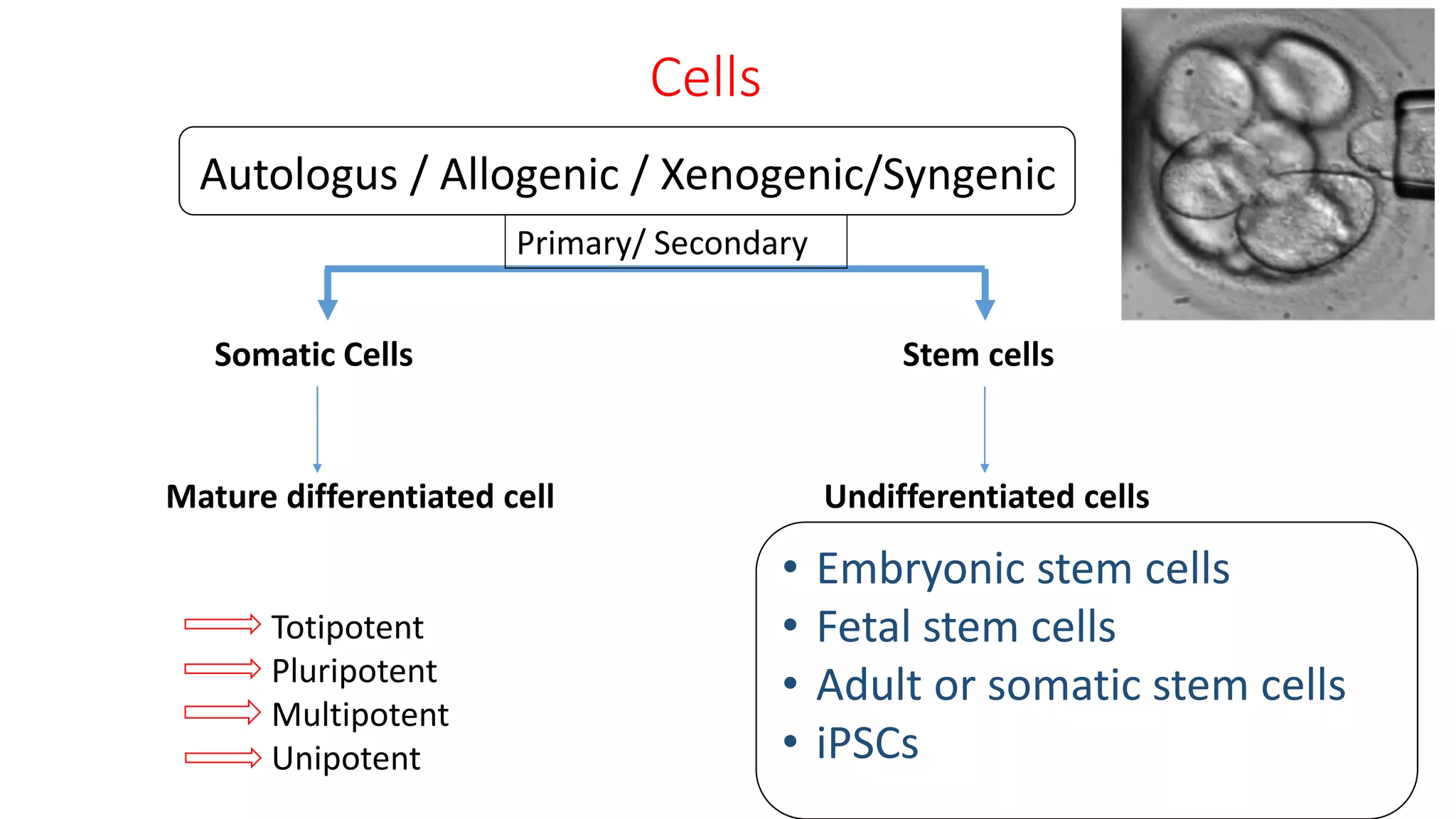
Cells
Somatic Cells Stem cells
Mature differentiated cell Undifferentiated cells
• Embryonic stem cells
• Fetal stem cells
• Adult or somatic stem cells
• iPSCs
Autologus / Allogenic / Xenogenic/Syngenic
Totipotent
Pluripotent
Multipotent
Unipotent
Primary/ Secondary
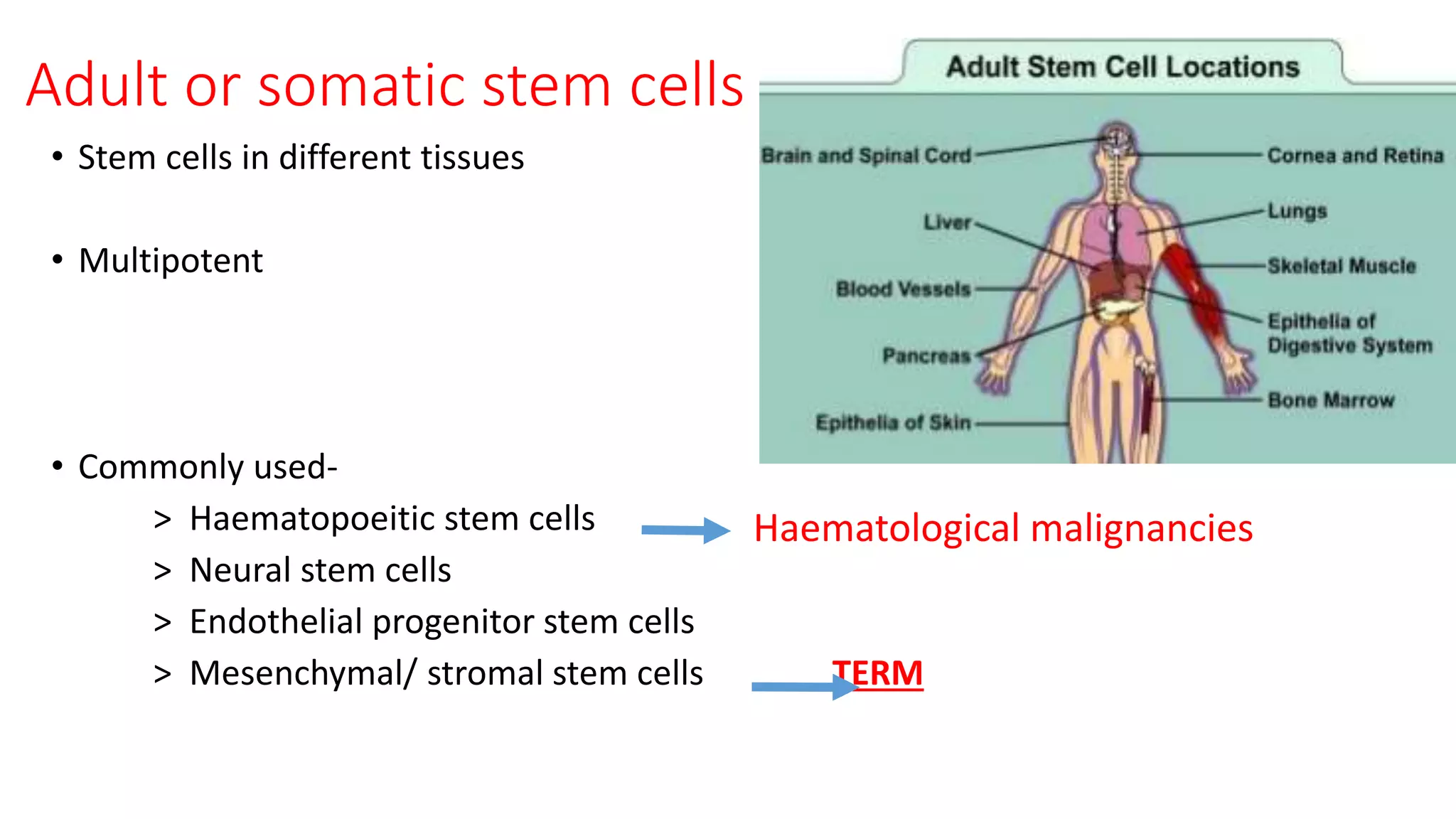
Adult or somatic stem cells
• Stem cells in different tissues
• Multipotent
• Commonly used-
> Haematopoeitic stem cells
> Neural stem cells
> Endothelial progenitor stem cells
> Mesenchymal/ stromal stem cells TERM
Haematological malignancies
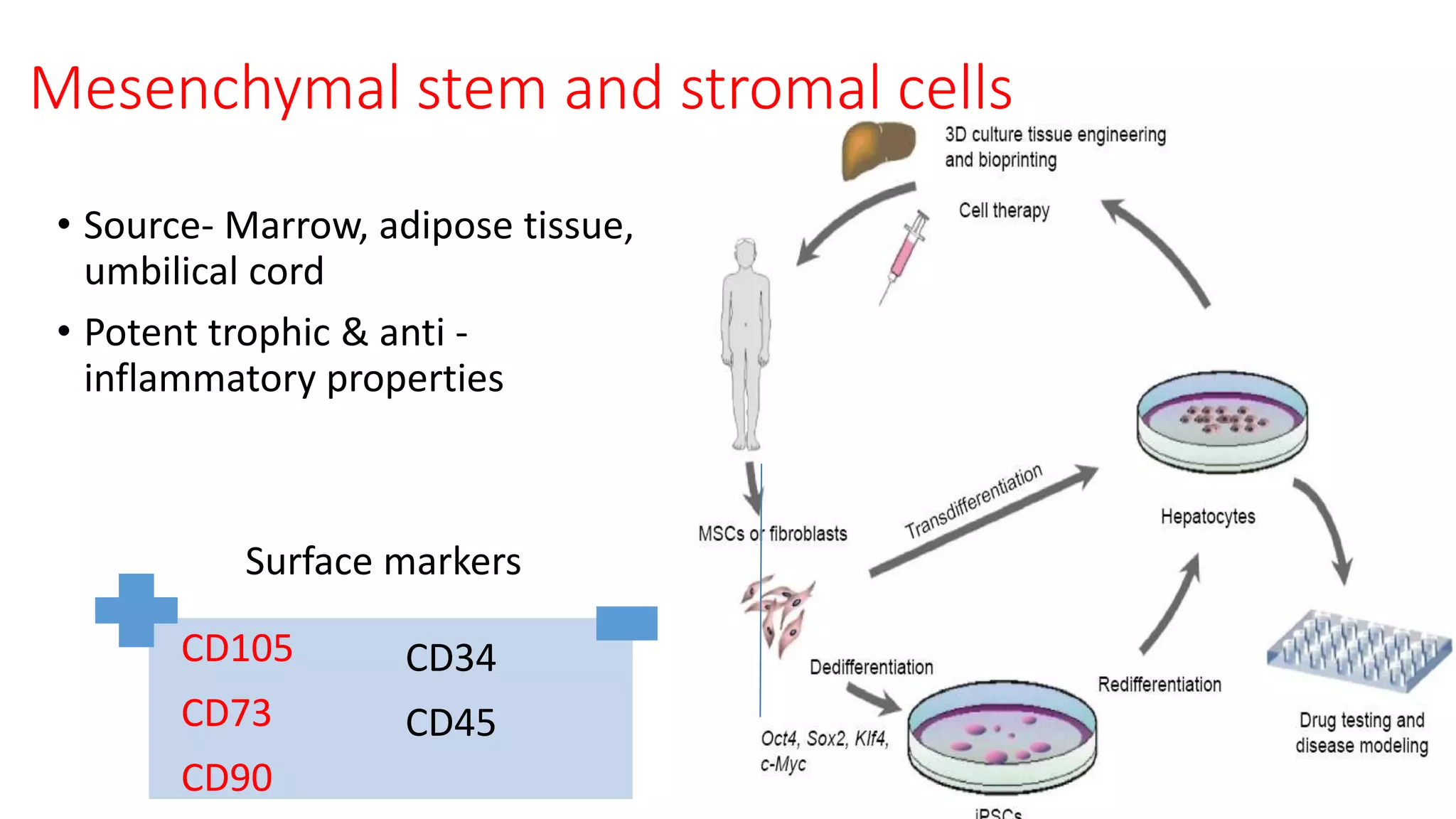
Mesenchymal stem and stromal cells
• Source- Marrow, adipose tissue,
umbilical cord
• Potent trophic & anti -
inflammatory properties
Surface markers
CD105
CD73
CD90
CD34
CD45
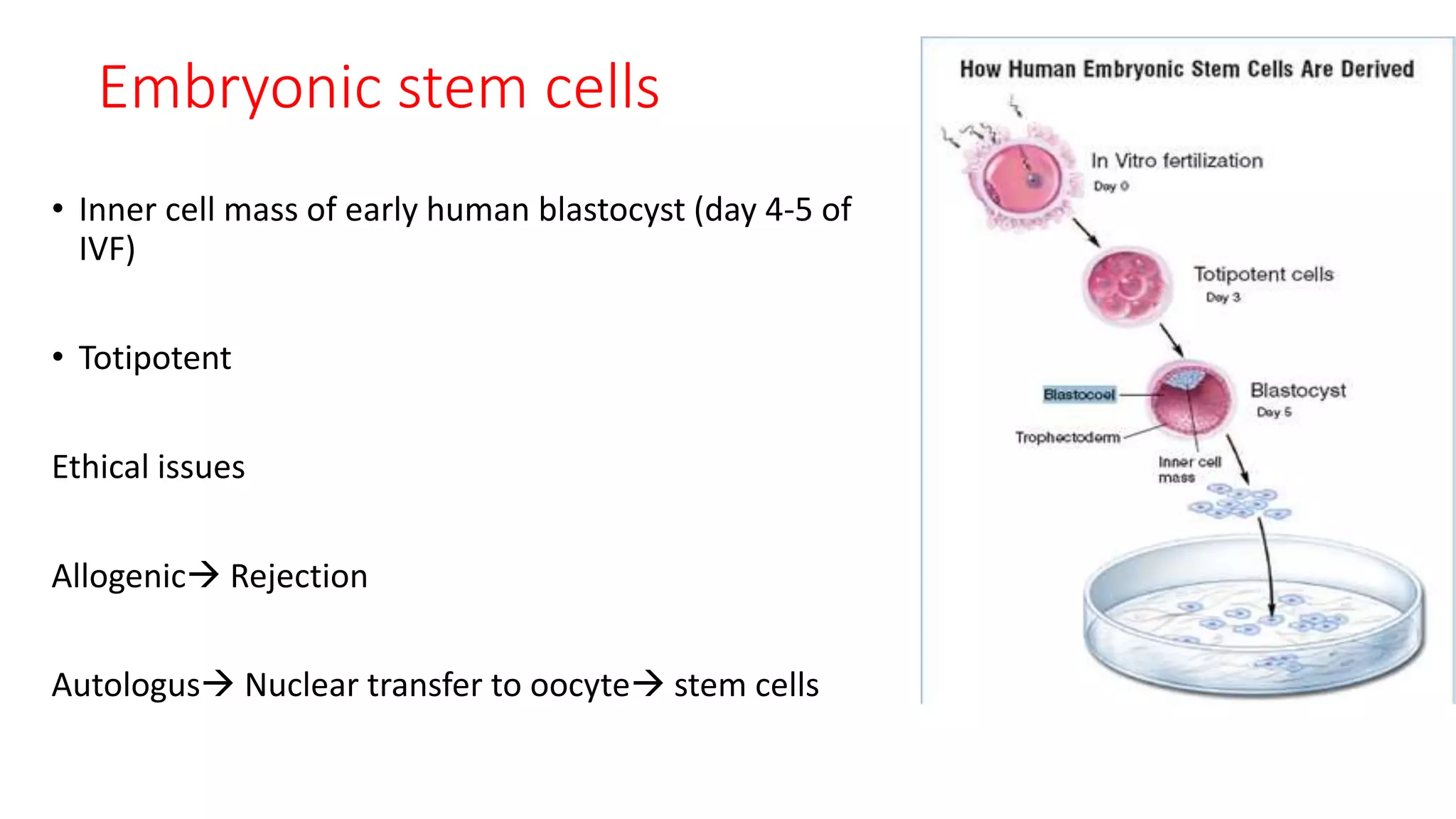
Embryonic stem cells
• Inner cell mass of early human blastocyst (day 4-5 of
IVF)
• Totipotent
Ethical issues
Allogenic Rejection
Autologus Nuclear transfer to oocyte stem cells
Fetal stem cells
• Source- Blood , bone marrow, and the tissues of aborted fetus
• Pluripotent
• Ethical issues
• Used in- PD, Diabetes, spinal cord injury
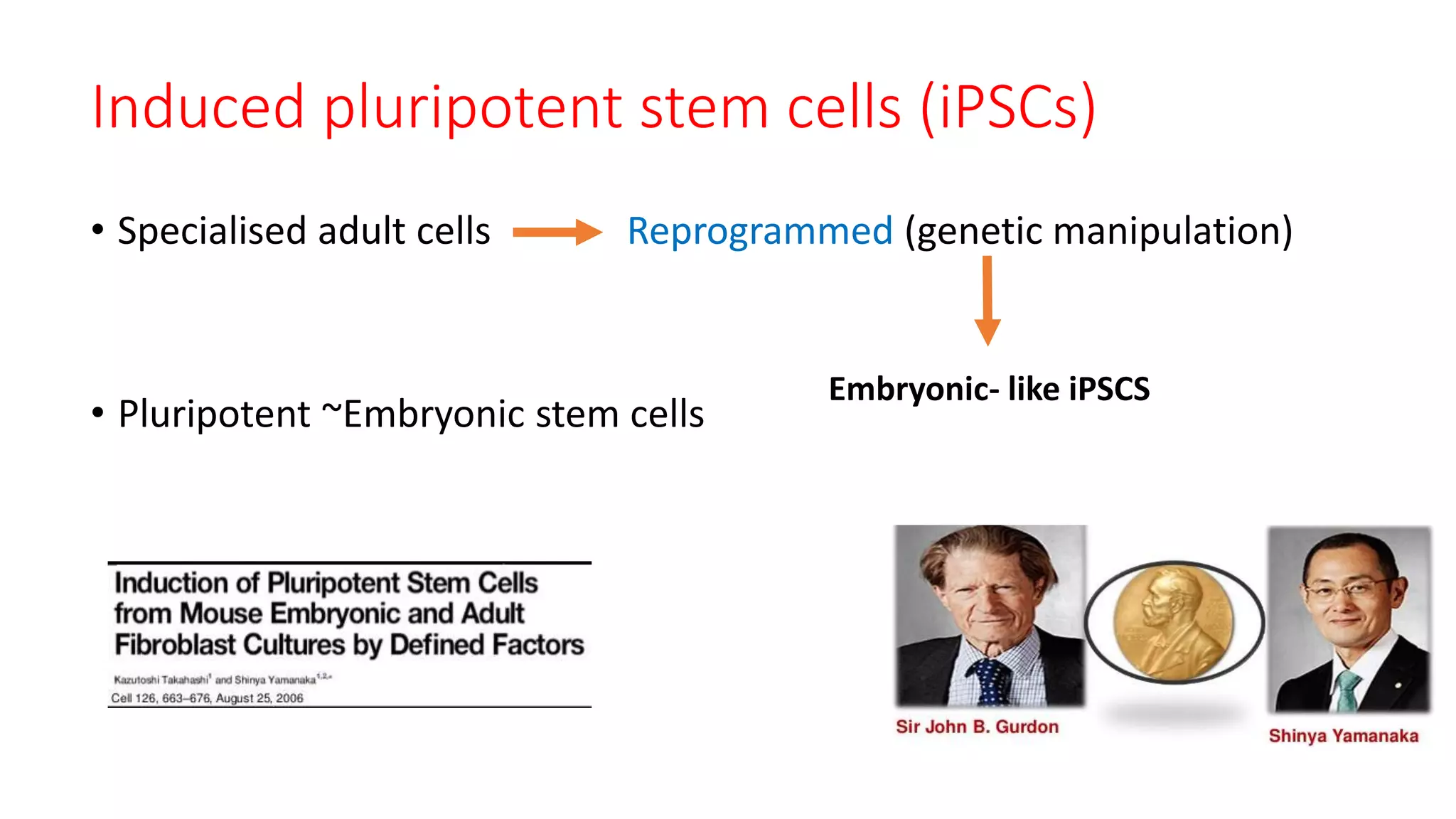
Induced pluripotent stem cells (iPSCs)
• Specialised adult cells Reprogrammed (genetic manipulation)
• Pluripotent ~Embryonic stem cells
Embryonic- like iPSCS
Characteristics of cells in TERM
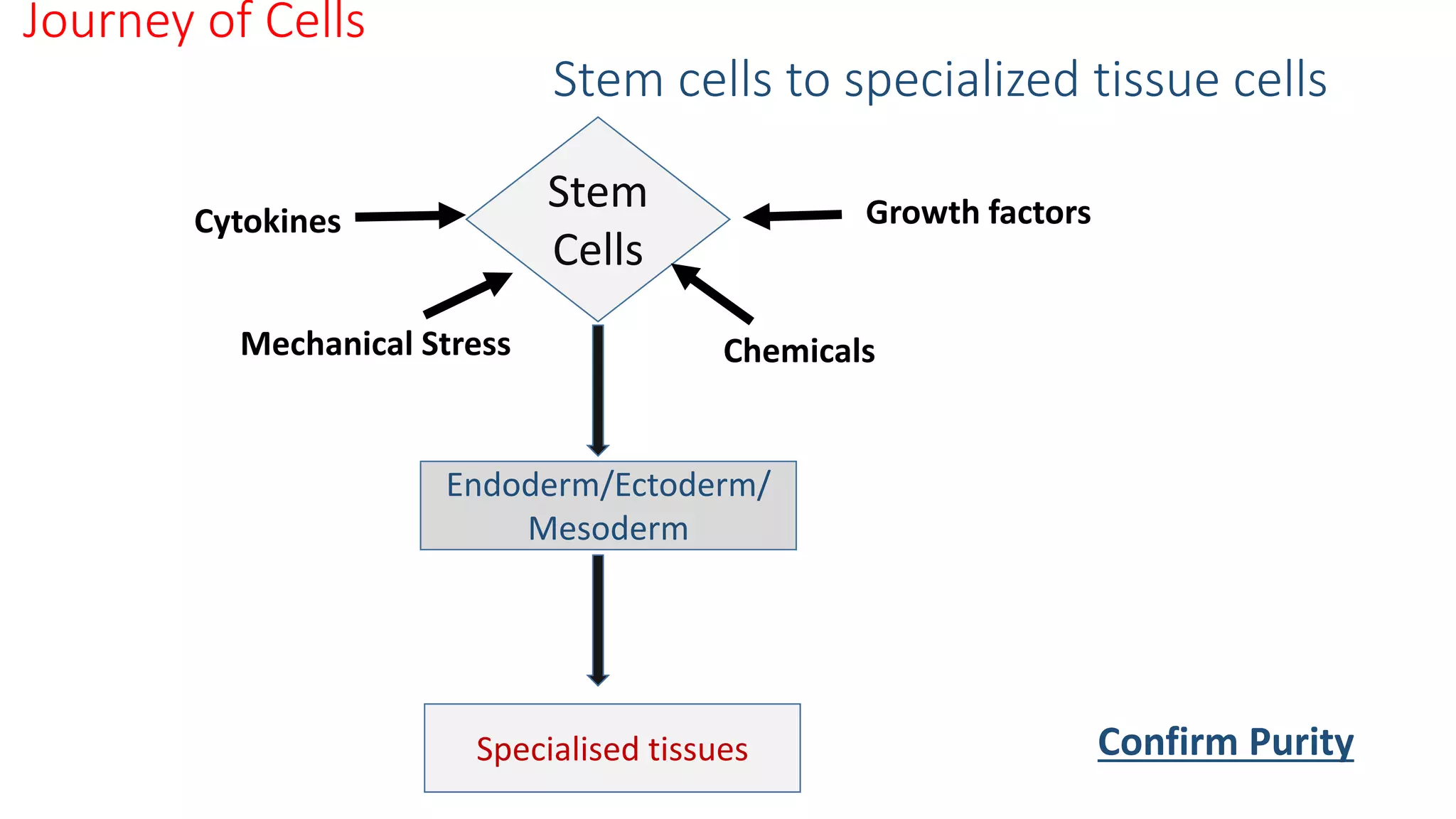
Journey of Cells
Stem cells to specialized tissue cells
Stem
Cells
Endoderm/Ectoderm/
Mesoderm
Cytokines
Specialised tissues Confirm Purity
Mechanical Stress
Growth factors
Chemicals
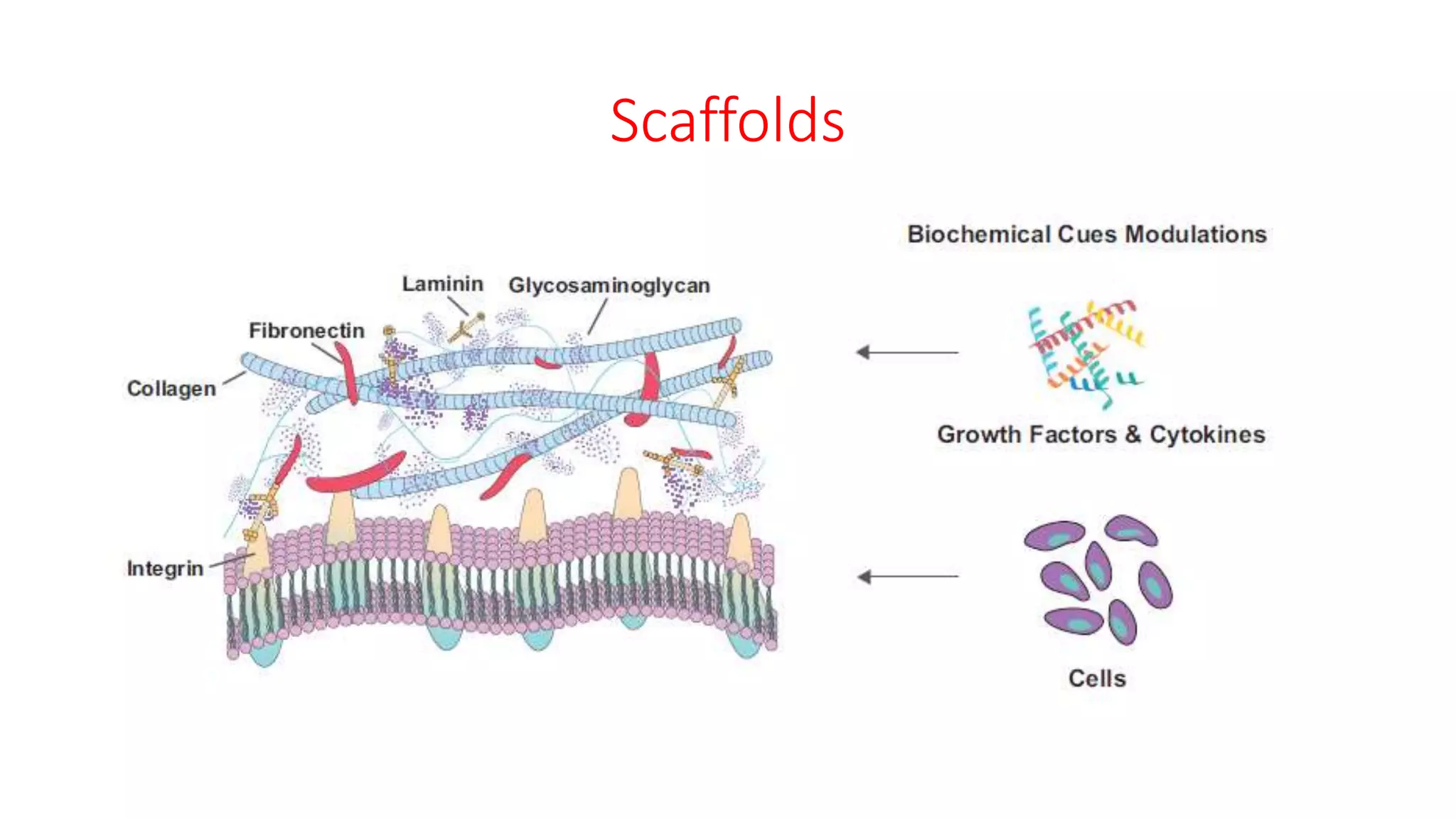
Scaffolds
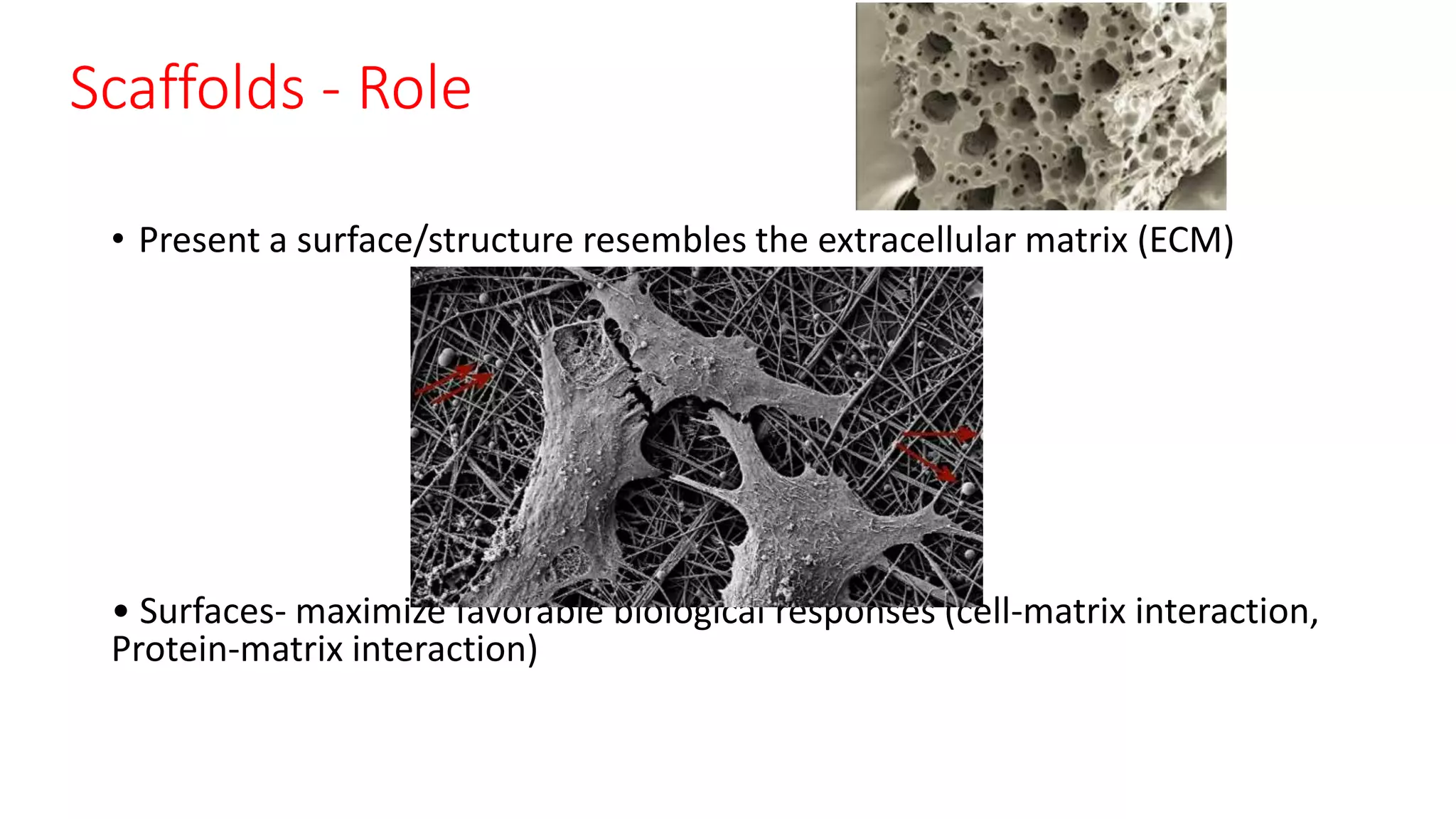
Scaffolds - Role
• Present a surface/structure resembles the extracellular matrix (ECM)
• Surfaces- maximize favorable biological responses (cell-matrix interaction,
Protein-matrix interaction)
What do we want in Scaffolds?
• Biocompatible, non-immunogenic and biodegradable
• Structural architecture and surface properties for cell adhesion and growth,
• 3D porous - large surface cell-scaffold interaction and for cell migration
• Temporary mechanical support
• Degradation rate matched with regeneration ra
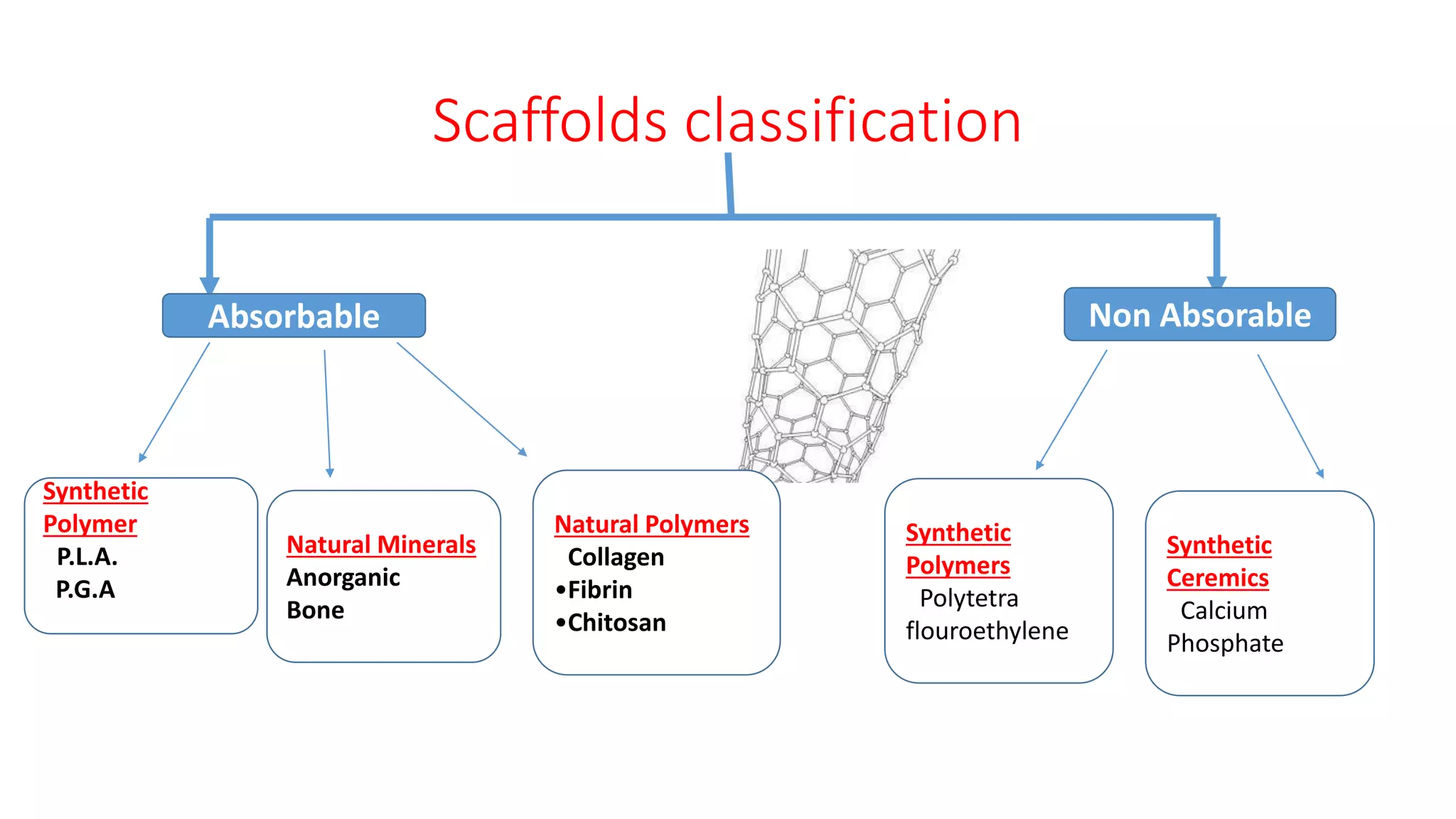
Scaffolds classification
Absorbable Non Absorable
Synthetic
Polymer
•P.L.A.
P.G.A
Natural Minerals
Anorganic
Bone
Natural Polymers
•Collagen
•Fibrin
•Chitosan
Synthetic
Polymers
•Polytetra
flouroethylene
Synthetic
Ceremics
•Calcium
Phosphate
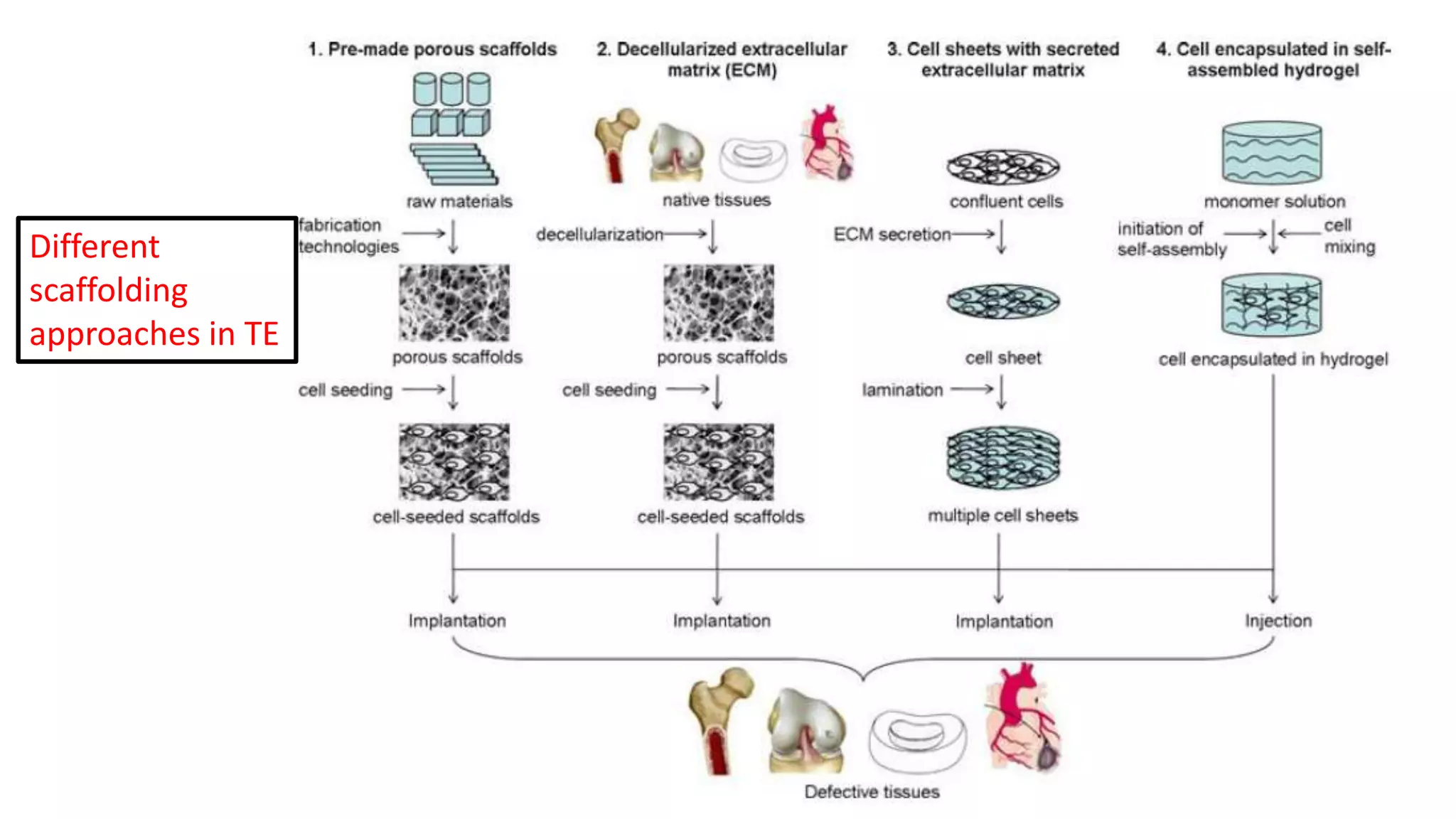
Different
scaffolding
approaches in TE
Designing
of
Scaffolds
Solvent
Casting &
Particulate
Leaching
(SCPL)
Gas Foaming
CAD/ CAM- 3D
printing
Textile
technologies
Nanofiber
self-assembly
Detergent
Growth Factors
• Inhibition/stimulation of differentiation, proliferation,
adhesion, migration.
• Secretion and activation of other growth factors.
• Concentration dependent effect.
Bone morphogenetic proteins (BMPS),
Insulin-like growth factors (IGFS),
Transforming growth factor-β (TGF-β),
Fibroblastic growth factors (FGFS),
Platelet-derived growth factor (PDGF).
Bioreactors
• A device that uses mechanical means to influence
biological processes (Darling & Athanasiou, 2003)
• Control the culture media conditions
temperature, pH, oxygen ratio, osmolality and nutrients
• Facilitate more advanced tissue regeneration in vitro.
• Uniform cell seeding, and facilitate the mass transfer
between the culture and the cells.
Skin expanding bioreactor
Mitchell et al
Spinner flask Rotating Wall Bioreactor
Flow perfusion bioreactors
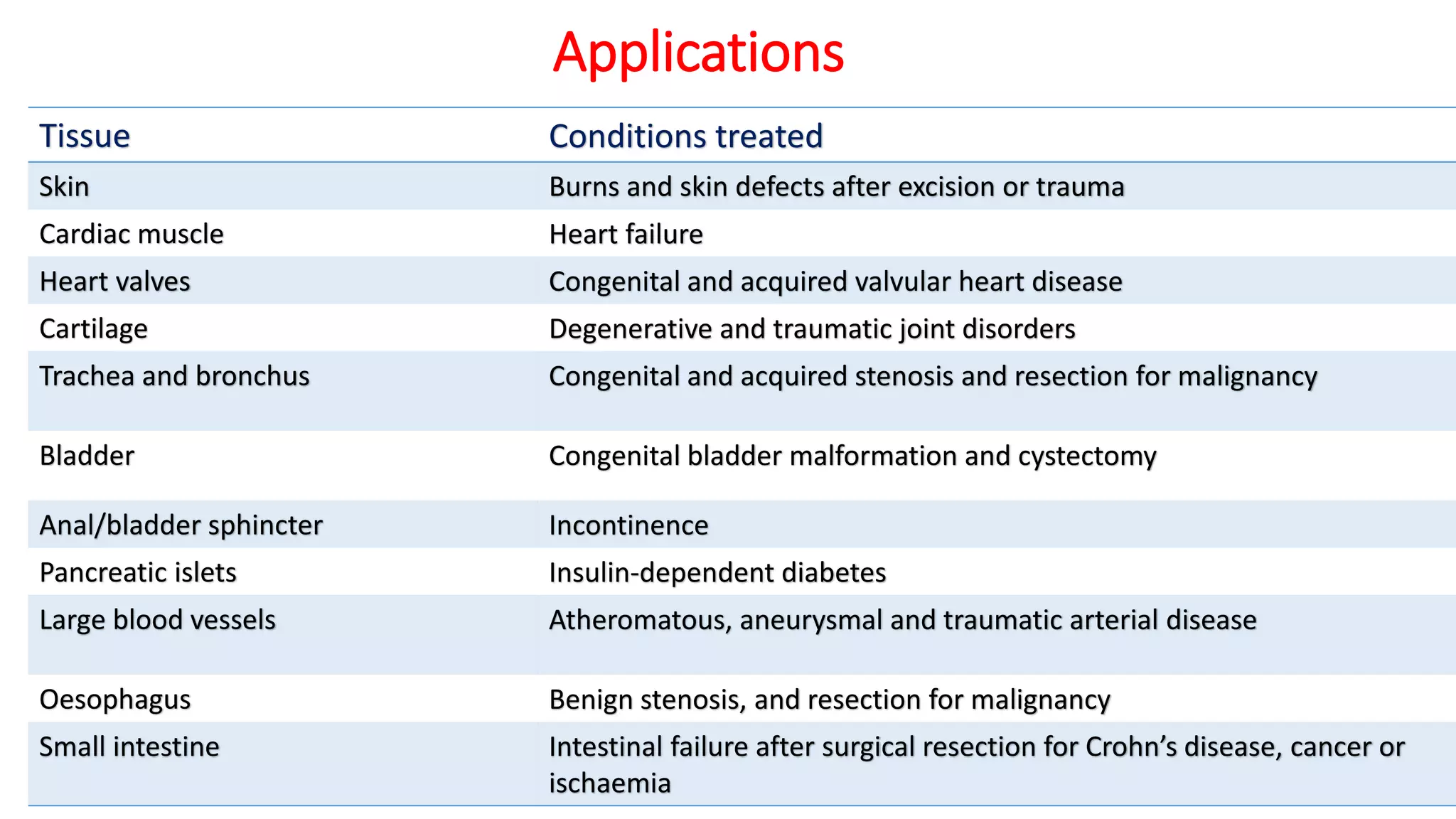
Applications
Tissue Conditions treated
Skin Burns and skin defects after excision or trauma
Cardiac muscle Heart failure
Heart valves Congenital and acquired valvular heart disease
Cartilage Degenerative and traumatic joint disorders
Trachea and bronchus Congenital and acquired stenosis and resection for malignancy
Bladder Congenital bladder malformation and cystectomy
Anal/bladder sphincter Incontinence
Pancreatic islets Insulin-dependent diabetes
Large blood vessels Atheromatous, aneurysmal and traumatic arterial disease
Oesophagus Benign stenosis, and resection for malignancy
Small intestine Intestinal failure after surgical resection for Crohn’s disease, cancer or
ischaemia
Regenerative Medicine FDA-approved
Before After
LaViv Injection and effects
Carticel Injection
Celution Machine
Skin
• Role in plastic surgey and dermatology
• Auto/allografts
Product Indications
Alloderm Burns and full-thickness injuries
Apligraf Venous and diabetic ulcers
Dermagraft Diabetic ulcers, epidermolysis
bullosa
Epicel Deep partial- and full-thickness
burns, congenital nevi
Integra Dermal
Regeneration Template
Deep partial- and full-thickness
burns
OrCel Split-thickness donor sites,
epidermolysis bullosa
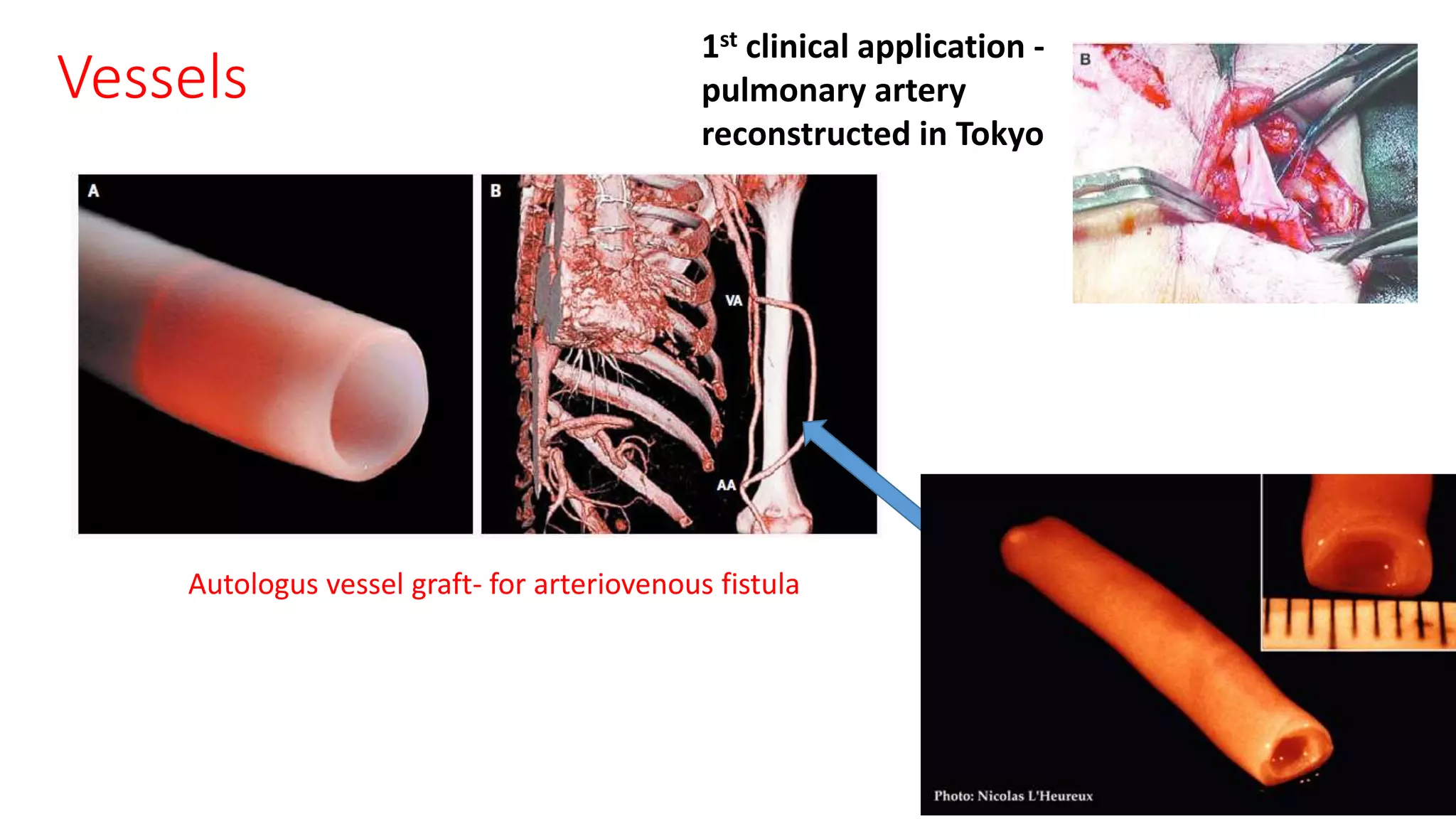
Vessels
Autologus vessel graft- for arteriovenous fistula
1st clinical application -
pulmonary artery
reconstructed in Tokyo
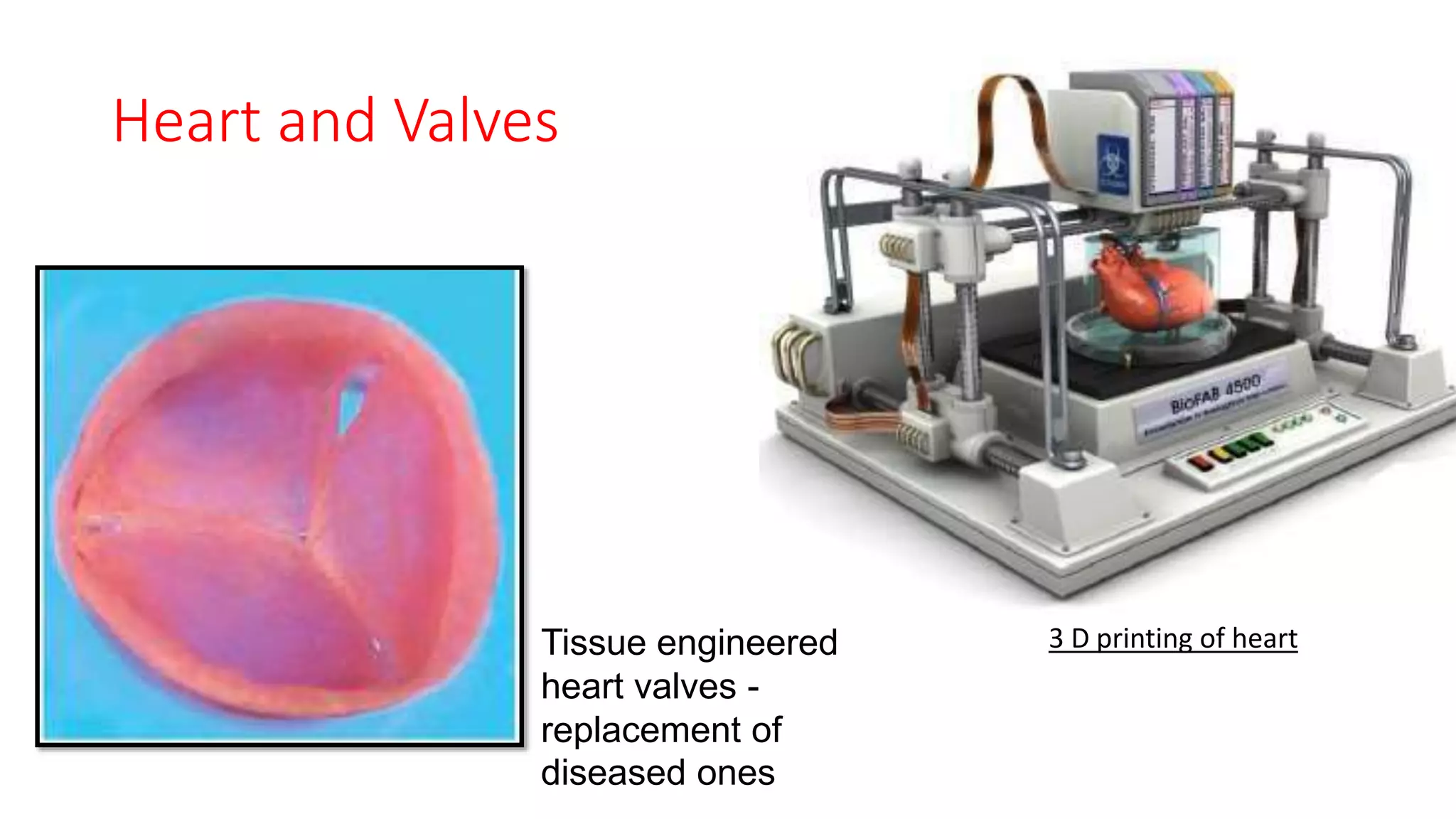
Heart and Valves
Tissue engineered
heart valves -
replacement of
diseased ones
3 D printing of heart
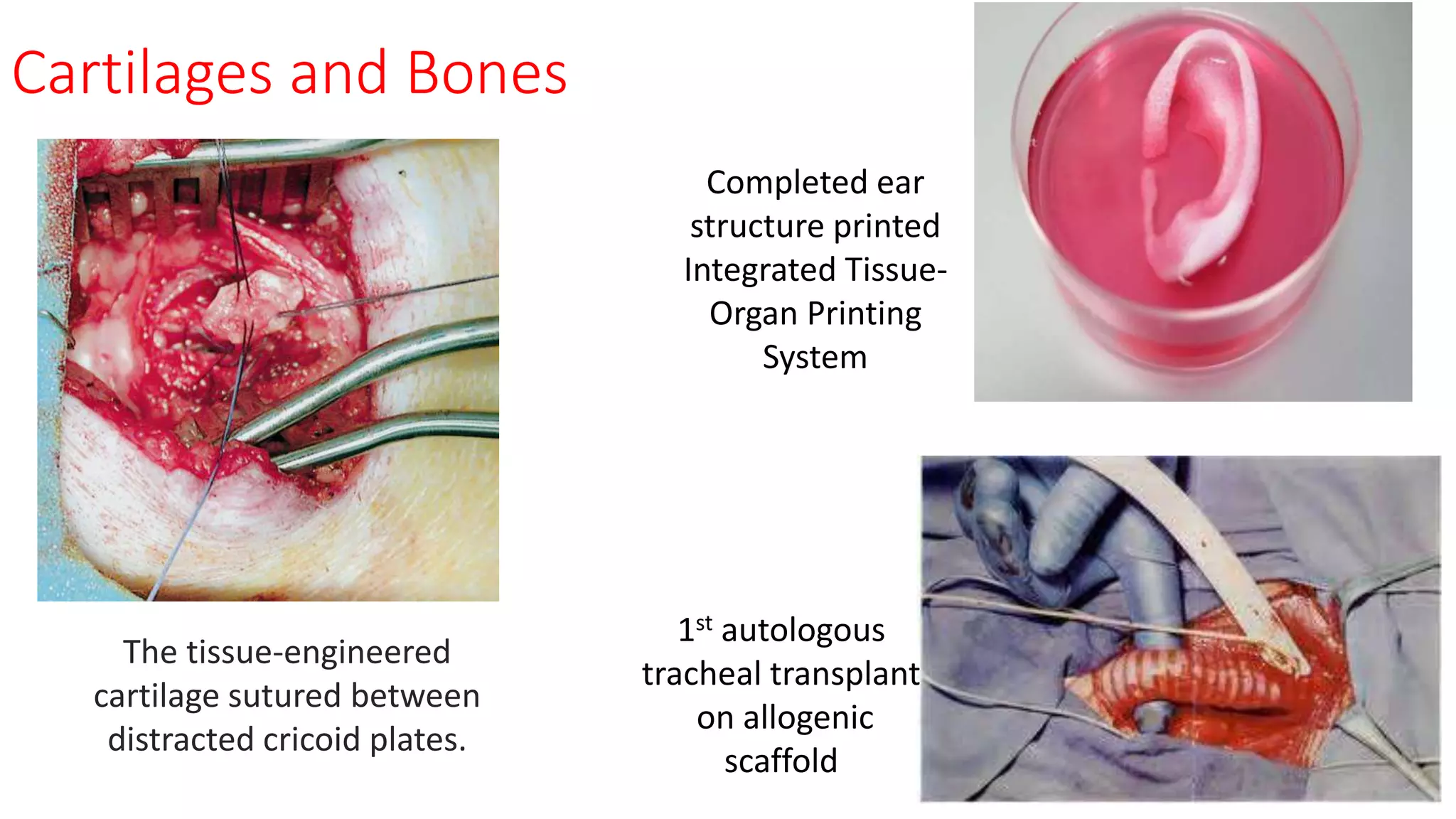
Cartilages and Bones
The tissue-engineered
cartilage sutured between
distracted cricoid plates.
Completed ear
structure printed
Integrated Tissue-
Organ Printing
System
1st autologous
tracheal transplant
on allogenic
scaffold
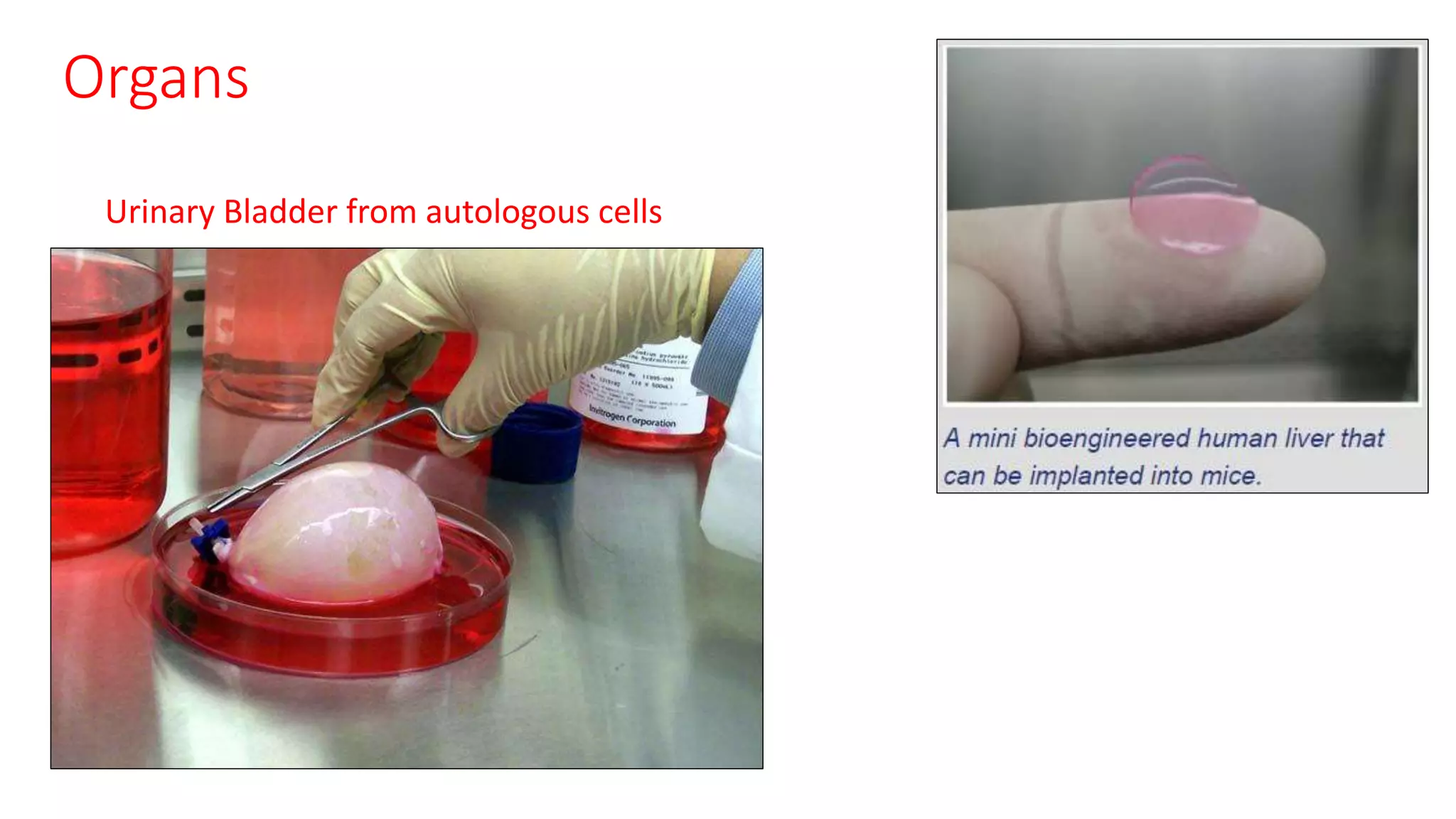
Organs
Urinary Bladder from autologous cells
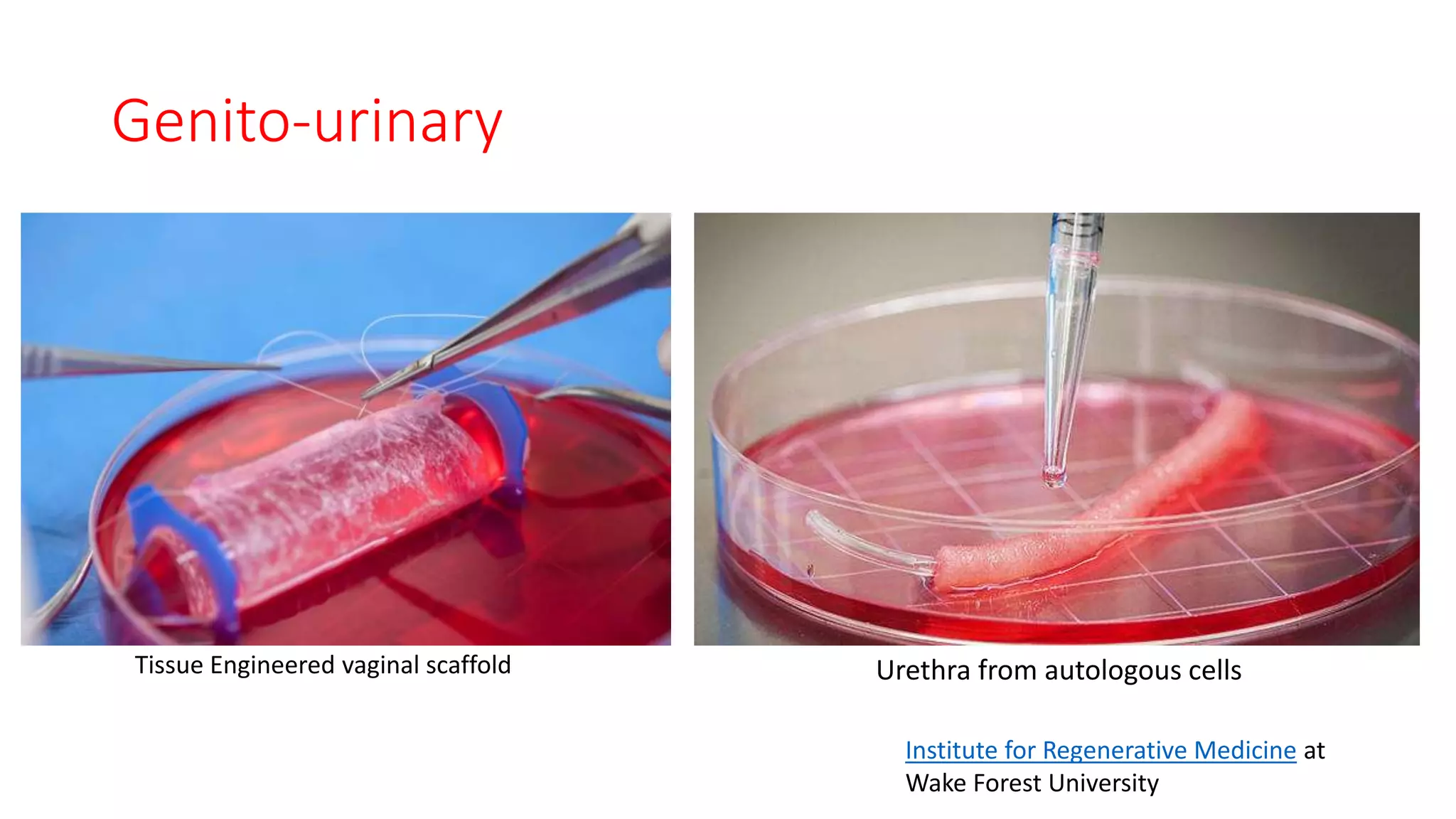
Genito-urinary
Tissue Engineered vaginal scaffold Urethra from autologous cells
Institute for Regenerative Medicine at
Wake Forest University
Kidney - Construction of engineered bladder
Scaffold seeded with
cells
Engineered bladder anastamosed
to native bladder with running
4–0 polyglycolic sutures
Implant covered with
fibrin glue and
omentum
A Atala et al, 2006
Cystoplasty in Neurogenic bladder
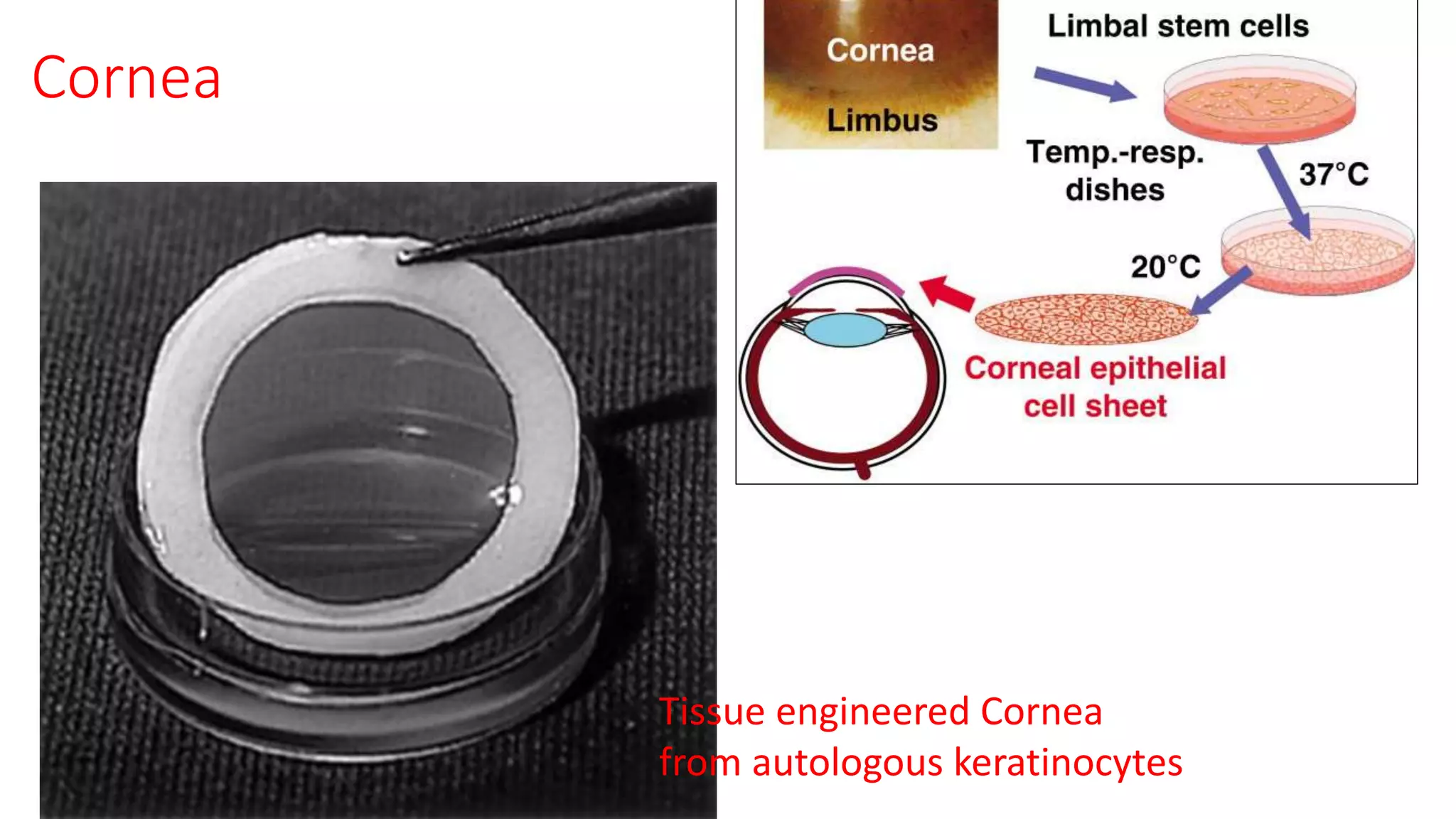
Cornea
Tissue engineered Cornea
from autologous keratinocytes
Newer Technologies
Computer Aided
Tissue
Classification
Computer Aided
Added Modelling
Computer Aided Tissue
Engineering
Computer Aided
Tissue Implantation
Nanotechnology in TERM
• Nanostructured scaffolds ~Tissue microenvironment
• An extracellular matrix-like architecture can be fabricated
by nanopatterning
• Properties incorporation of nanomaterials such as carbon
nanotubes, nanowires, and nanoparticles.
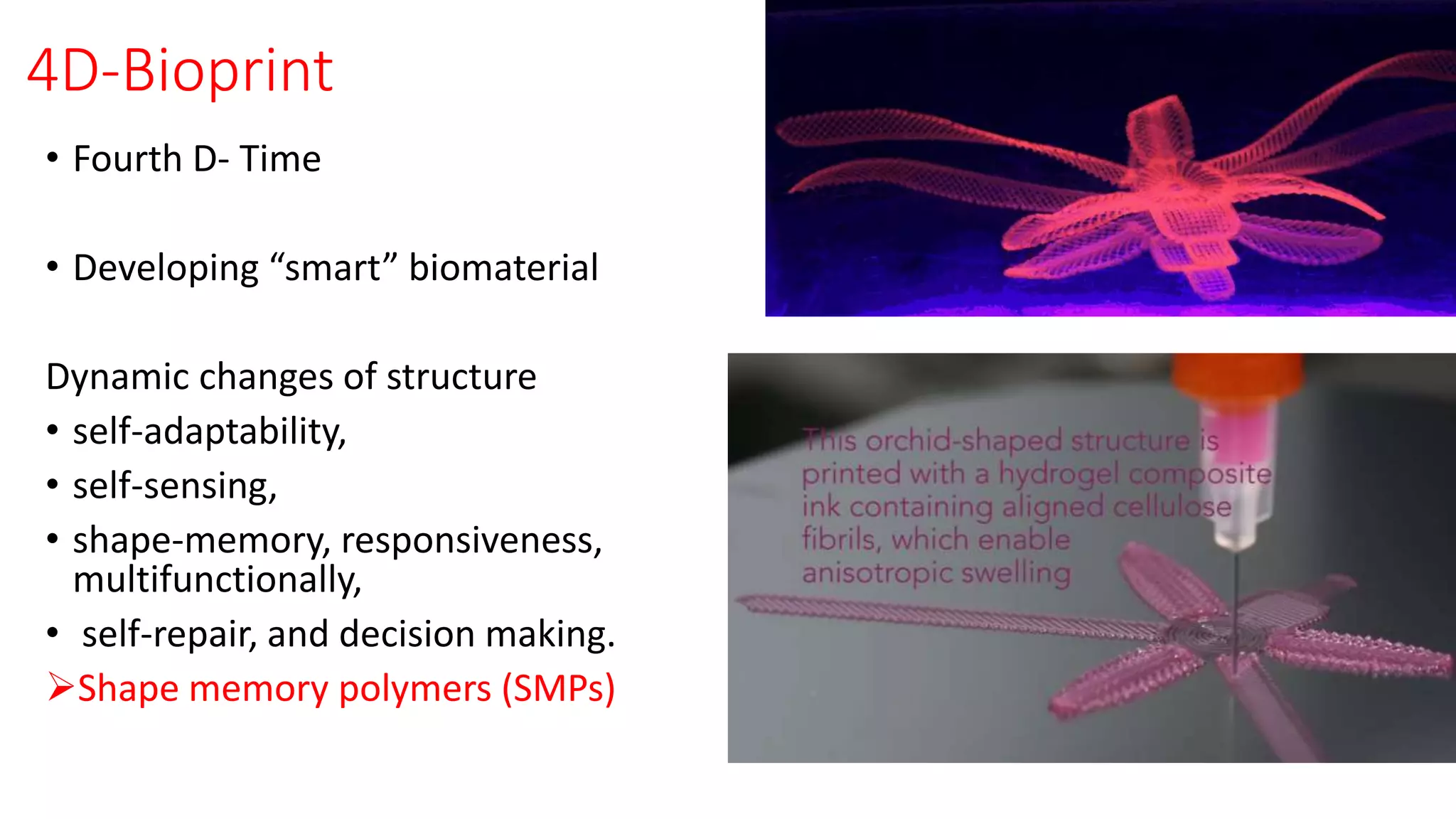
4D-Bioprint
• Fourth D- Time
• Developing “smart” biomaterial
Dynamic changes of structure
• self-adaptability,
• self-sensing,
• shape-memory, responsiveness,
multifunctionally,
• self-repair, and decision making.
Shape memory polymers (SMPs)
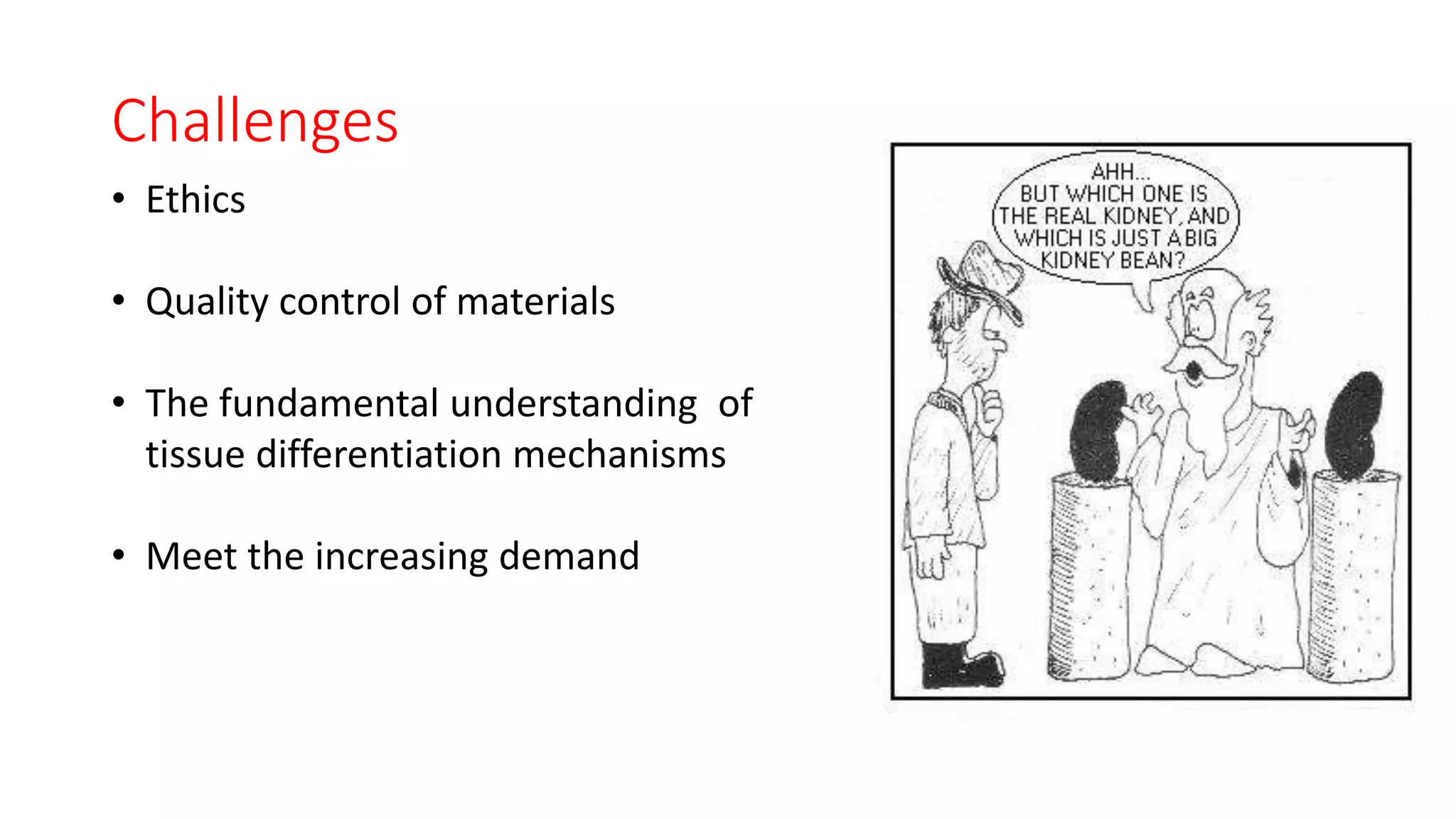
Challenges
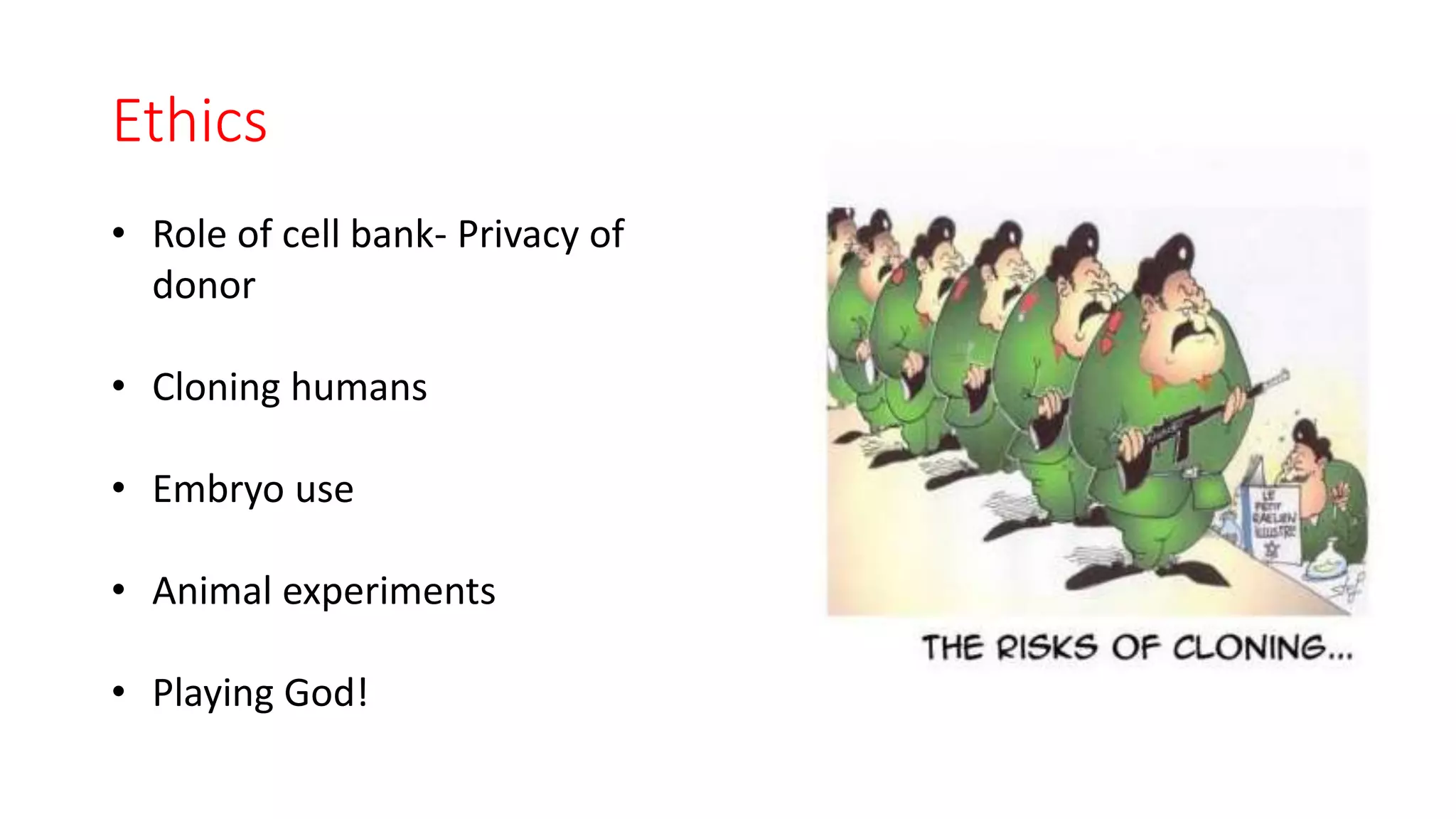
• Ethics
• Quality control of materials
• The fundamental understanding of
tissue differentiation mechanisms
• Meet the increasing demand
Ethics
• Role of cell bank- Privacy of
donor
• Cloning humans
• Embryo use
• Animal experiments
• Playing God!
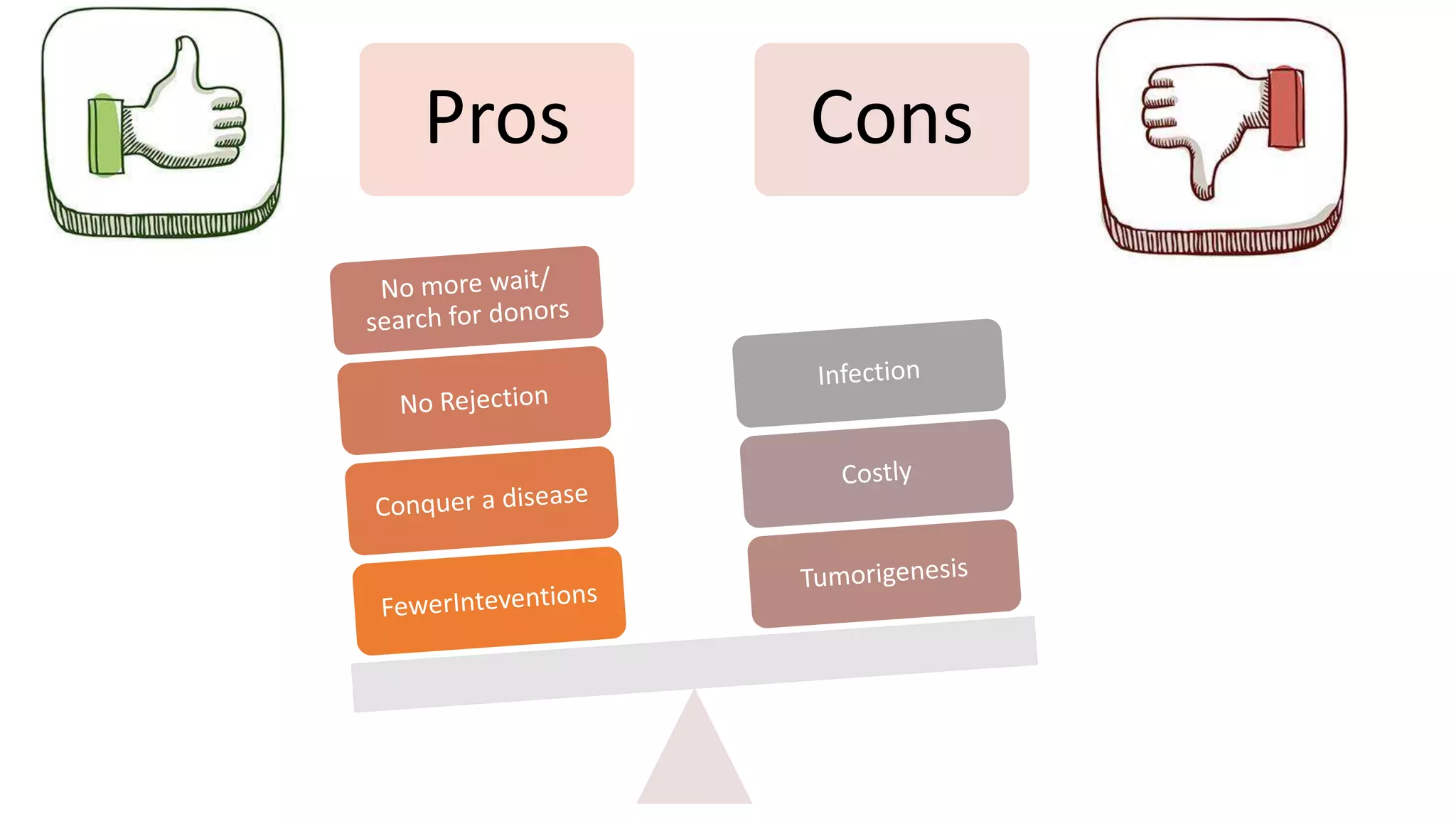
Pros Cons
Market
Orthopaedics > Skin > CTVS > Rest
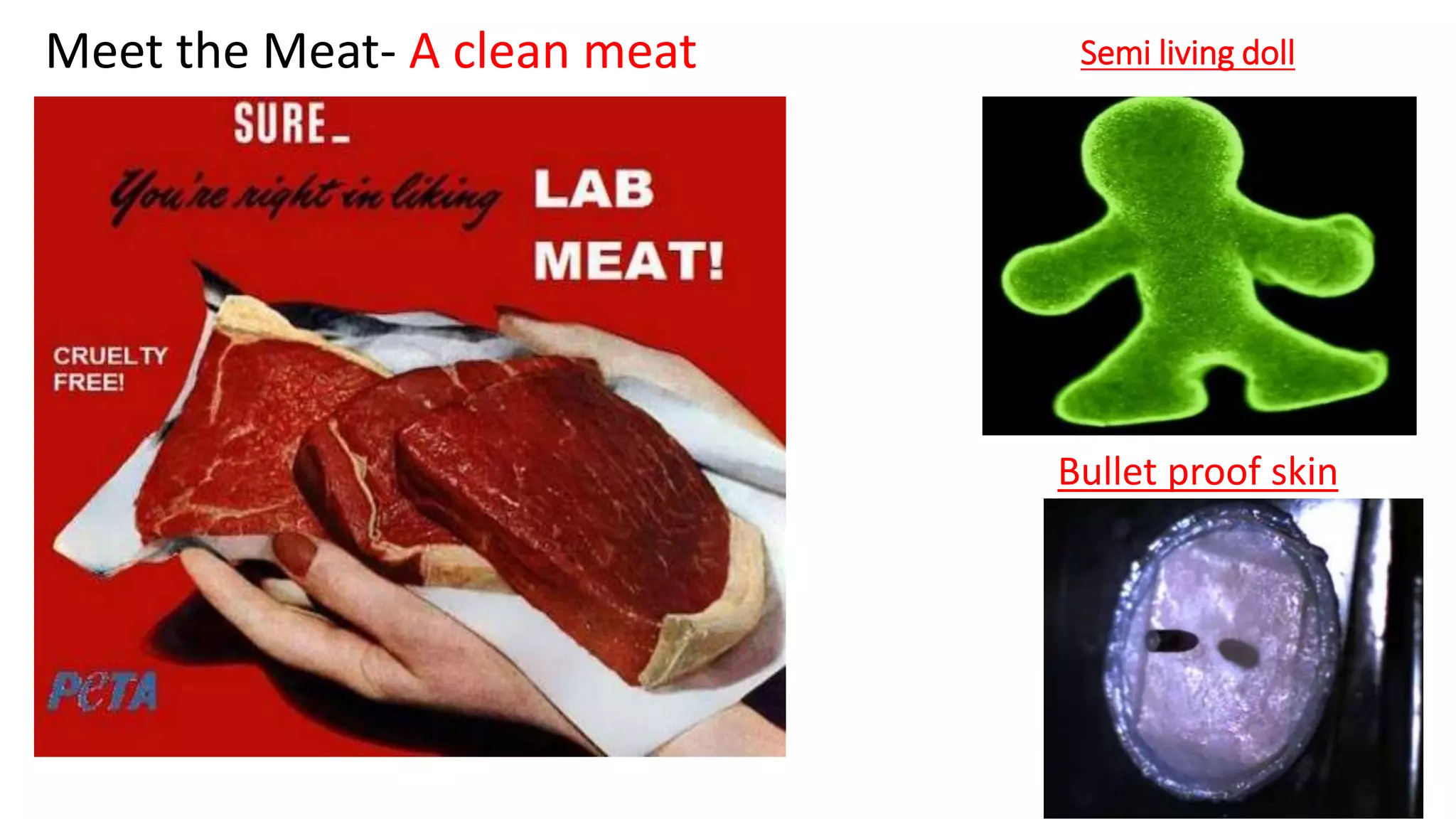
Semi living doll
Meet the Meat- A clean meat
Bullet proof skin
Conclusion
• At early phase of development.
• We are gradually living the dream.
• Lot more to explore and translate
in to clinical fields.
Thank you…

Tissue engineering and Regeneration

  • 1.
    Tissue Engineering andRegeneration- Past, Present and Future Moderator Presenter Prof. V. K. Shukla Katyayani K. Choubey Prof Alexander Seifalian Dr Michelle Griffin
  • 2.
    Introduction • Tissue engineering(TE)- “an interdisciplinary field that applies the principles of engineering and life sciences toward the development of biological substitutes that restore, maintain, or improve tissue function or a whole organ” (Langer &Vacanti, 1993) • Regenerative medicine- “the process of replacing or regenerating human cells, tissues or organs to restore or establish normal function” (Mason & Dunnill, 2008)
  • 3.
    Tissue Engineering VsRegenerative Medicine Manufacturing body parts ex vivo, by seeding cells on or into a supporting scaffold Replace / regenerate human cells, tissues, or organs - restore or establish normal function Three pillars- scaffolds, cells, growth factors Cell-based therapies, immunomodulation, gene therapy, nanomedicine, and TE itself Tissue Engineering and Regenerative Medicine (TERM) Similar Objectives
  • 4.
    Tissue Engineering andRegenerative Medicine (TERM) • Multidisciplinary • Collaboration required TERM Biochemistry Genetics Molecular Biology Bioengineering Biomaterial sciences Surgery Organ Transplant ation Mathematics Immunology Physiology Physics Veterinary Medicine Cell Biology Chemistry Internal Medicine
  • 5.
    Why the need? •Supply of donor organs cannot keep with demand- better organs • Cure of the disease • No rejection • Repair of organs, tissues, bones
  • 6.
    Role • Repair orreplacement of injured or diseased - cartilage, skin, pancreatic islets, bladder, intestine, heart tissue, arteries, larynx and bronchus • To test therapeutic drugs for efficacy and toxicity.
  • 7.
  • 8.
    History Early Days • 1930s:Carrel and Lindbergh develop the perfusion pump Tissue Engineering Days • 1981: First tissue-engineered product, a living, autologous human skin epithelium, implanted in burn patients • 1997: The Harvard mouse Regenerative Medicine Days • 1998: Human embryonic stem cells • 2000s: Bladder, vessels , urethra , heart, trachea 1st mammal cloned from adult cell Auriculosauras
  • 9.
  • 10.
  • 12.
    Cells Somatic Cells Stemcells Mature differentiated cell Undifferentiated cells • Embryonic stem cells • Fetal stem cells • Adult or somatic stem cells • iPSCs Autologus / Allogenic / Xenogenic/Syngenic Totipotent Pluripotent Multipotent Unipotent Primary/ Secondary
  • 13.
    Adult or somaticstem cells • Stem cells in different tissues • Multipotent • Commonly used- > Haematopoeitic stem cells > Neural stem cells > Endothelial progenitor stem cells > Mesenchymal/ stromal stem cells TERM Haematological malignancies
  • 14.
    Mesenchymal stem andstromal cells • Source- Marrow, adipose tissue, umbilical cord • Potent trophic & anti - inflammatory properties Surface markers CD105 CD73 CD90 CD34 CD45
  • 15.
    Embryonic stem cells •Inner cell mass of early human blastocyst (day 4-5 of IVF) • Totipotent Ethical issues Allogenic Rejection Autologus Nuclear transfer to oocyte stem cells
  • 16.
    Fetal stem cells •Source- Blood , bone marrow, and the tissues of aborted fetus • Pluripotent • Ethical issues • Used in- PD, Diabetes, spinal cord injury
  • 17.
    Induced pluripotent stemcells (iPSCs) • Specialised adult cells Reprogrammed (genetic manipulation) • Pluripotent ~Embryonic stem cells Embryonic- like iPSCS
  • 18.
  • 20.
    Journey of Cells Stemcells to specialized tissue cells Stem Cells Endoderm/Ectoderm/ Mesoderm Cytokines Specialised tissues Confirm Purity Mechanical Stress Growth factors Chemicals
  • 21.
  • 22.
    Scaffolds - Role •Present a surface/structure resembles the extracellular matrix (ECM) • Surfaces- maximize favorable biological responses (cell-matrix interaction, Protein-matrix interaction)
  • 23.
    What do wewant in Scaffolds? • Biocompatible, non-immunogenic and biodegradable • Structural architecture and surface properties for cell adhesion and growth, • 3D porous - large surface cell-scaffold interaction and for cell migration • Temporary mechanical support • Degradation rate matched with regeneration ra
  • 24.
    Scaffolds classification Absorbable NonAbsorable Synthetic Polymer •P.L.A. P.G.A Natural Minerals Anorganic Bone Natural Polymers •Collagen •Fibrin •Chitosan Synthetic Polymers •Polytetra flouroethylene Synthetic Ceremics •Calcium Phosphate
  • 26.
  • 27.
    Designing of Scaffolds Solvent Casting & Particulate Leaching (SCPL) Gas Foaming CAD/CAM- 3D printing Textile technologies Nanofiber self-assembly Detergent
  • 28.
    Growth Factors • Inhibition/stimulationof differentiation, proliferation, adhesion, migration. • Secretion and activation of other growth factors. • Concentration dependent effect. Bone morphogenetic proteins (BMPS), Insulin-like growth factors (IGFS), Transforming growth factor-β (TGF-β), Fibroblastic growth factors (FGFS), Platelet-derived growth factor (PDGF).
  • 29.
    Bioreactors • A devicethat uses mechanical means to influence biological processes (Darling & Athanasiou, 2003) • Control the culture media conditions temperature, pH, oxygen ratio, osmolality and nutrients • Facilitate more advanced tissue regeneration in vitro. • Uniform cell seeding, and facilitate the mass transfer between the culture and the cells.
  • 30.
  • 31.
    Spinner flask RotatingWall Bioreactor Flow perfusion bioreactors
  • 33.
    Applications Tissue Conditions treated SkinBurns and skin defects after excision or trauma Cardiac muscle Heart failure Heart valves Congenital and acquired valvular heart disease Cartilage Degenerative and traumatic joint disorders Trachea and bronchus Congenital and acquired stenosis and resection for malignancy Bladder Congenital bladder malformation and cystectomy Anal/bladder sphincter Incontinence Pancreatic islets Insulin-dependent diabetes Large blood vessels Atheromatous, aneurysmal and traumatic arterial disease Oesophagus Benign stenosis, and resection for malignancy Small intestine Intestinal failure after surgical resection for Crohn’s disease, cancer or ischaemia
  • 34.
  • 35.
    Before After LaViv Injectionand effects Carticel Injection Celution Machine
  • 36.
    Skin • Role inplastic surgey and dermatology • Auto/allografts Product Indications Alloderm Burns and full-thickness injuries Apligraf Venous and diabetic ulcers Dermagraft Diabetic ulcers, epidermolysis bullosa Epicel Deep partial- and full-thickness burns, congenital nevi Integra Dermal Regeneration Template Deep partial- and full-thickness burns OrCel Split-thickness donor sites, epidermolysis bullosa
  • 38.
    Vessels Autologus vessel graft-for arteriovenous fistula 1st clinical application - pulmonary artery reconstructed in Tokyo
  • 39.
    Heart and Valves Tissueengineered heart valves - replacement of diseased ones 3 D printing of heart
  • 40.
    Cartilages and Bones Thetissue-engineered cartilage sutured between distracted cricoid plates. Completed ear structure printed Integrated Tissue- Organ Printing System 1st autologous tracheal transplant on allogenic scaffold
  • 41.
  • 42.
    Genito-urinary Tissue Engineered vaginalscaffold Urethra from autologous cells Institute for Regenerative Medicine at Wake Forest University
  • 43.
    Kidney - Constructionof engineered bladder Scaffold seeded with cells Engineered bladder anastamosed to native bladder with running 4–0 polyglycolic sutures Implant covered with fibrin glue and omentum A Atala et al, 2006 Cystoplasty in Neurogenic bladder
  • 44.
    Cornea Tissue engineered Cornea fromautologous keratinocytes
  • 45.
    Newer Technologies Computer Aided Tissue Classification ComputerAided Added Modelling Computer Aided Tissue Engineering Computer Aided Tissue Implantation
  • 46.
    Nanotechnology in TERM •Nanostructured scaffolds ~Tissue microenvironment • An extracellular matrix-like architecture can be fabricated by nanopatterning • Properties incorporation of nanomaterials such as carbon nanotubes, nanowires, and nanoparticles.
  • 47.
    4D-Bioprint • Fourth D-Time • Developing “smart” biomaterial Dynamic changes of structure • self-adaptability, • self-sensing, • shape-memory, responsiveness, multifunctionally, • self-repair, and decision making. Shape memory polymers (SMPs)
  • 48.
    Challenges • Ethics • Qualitycontrol of materials • The fundamental understanding of tissue differentiation mechanisms • Meet the increasing demand
  • 50.
    Ethics • Role ofcell bank- Privacy of donor • Cloning humans • Embryo use • Animal experiments • Playing God!
  • 51.
  • 52.
  • 53.
    Semi living doll Meetthe Meat- A clean meat Bullet proof skin
  • 55.
    Conclusion • At earlyphase of development. • We are gradually living the dream. • Lot more to explore and translate in to clinical fields.
  • 56.

Editor's Notes

  • #39 coronary and peripheral bypass surgeries Bio printed BV. he first clinical use of a tissueengineered blood vessel for high pressure arterial revascularization
  • #40 avoiding the limitations faced with currently available bioprosthetic and mechanical heart valves
  • #43 Mayer-Rokitansky-Küster-Hauser (MRKH) syndrome.