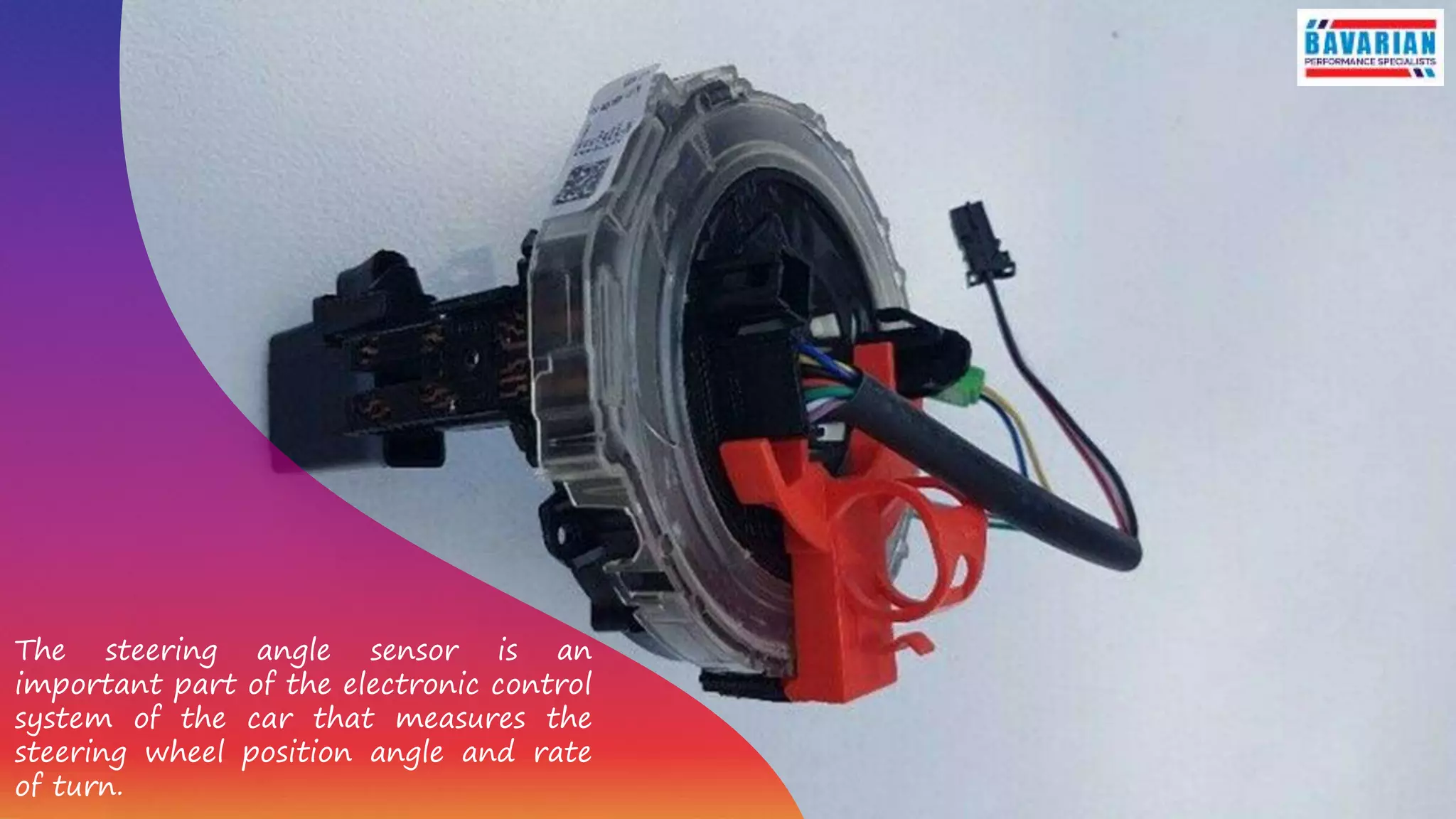
The steering angle sensor is an
important part of the electronic control
system of the car that measures the
steering wheel position angle and rate
of turn.
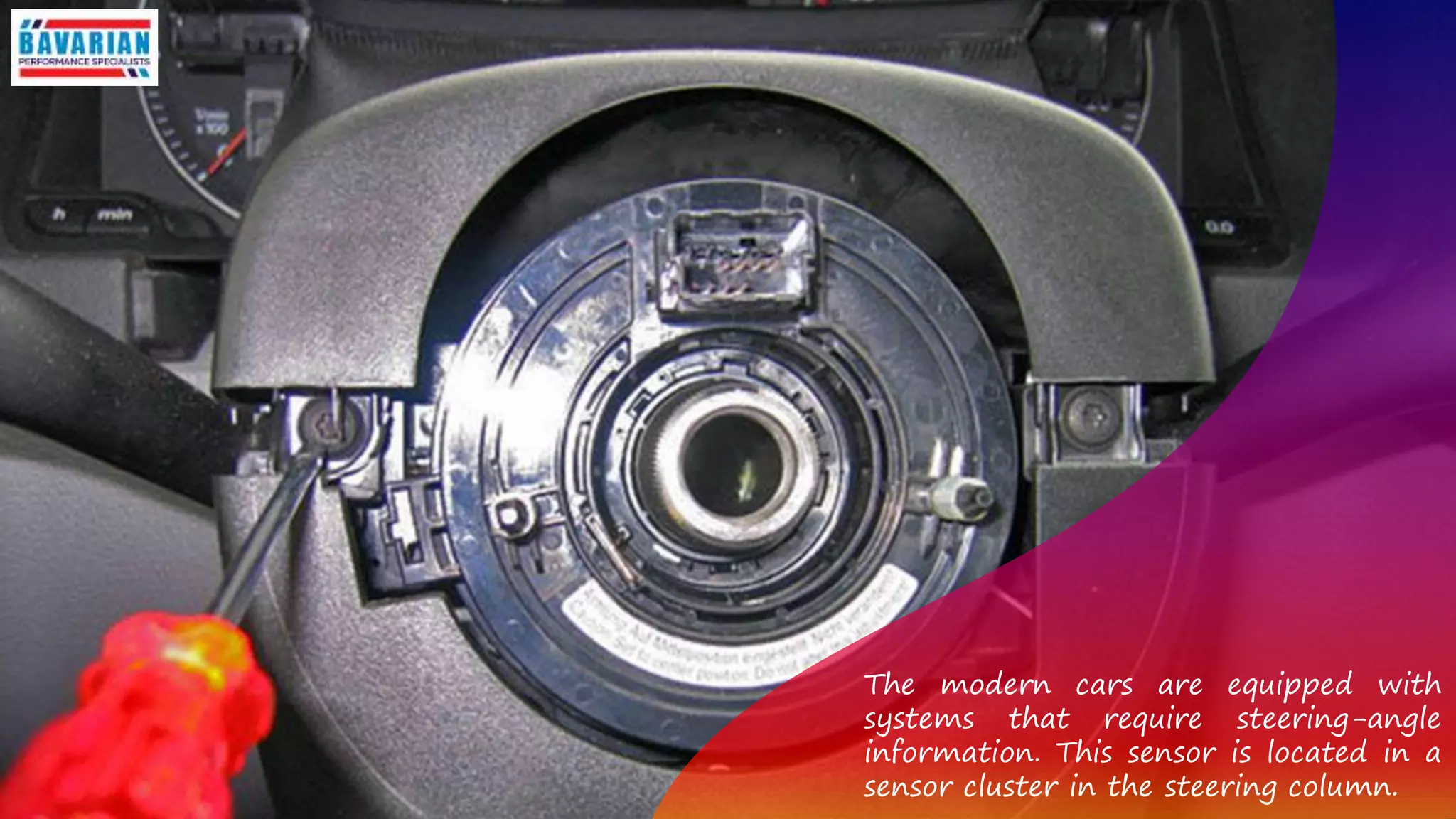
The modern cars are equipped with
systems that require steering-angle
information. This sensor is located in a
sensor cluster in the steering column.
A unique feature of this steering-angle
sensor is the output of the correct angle
within the measurement range directly
after ignition-on.
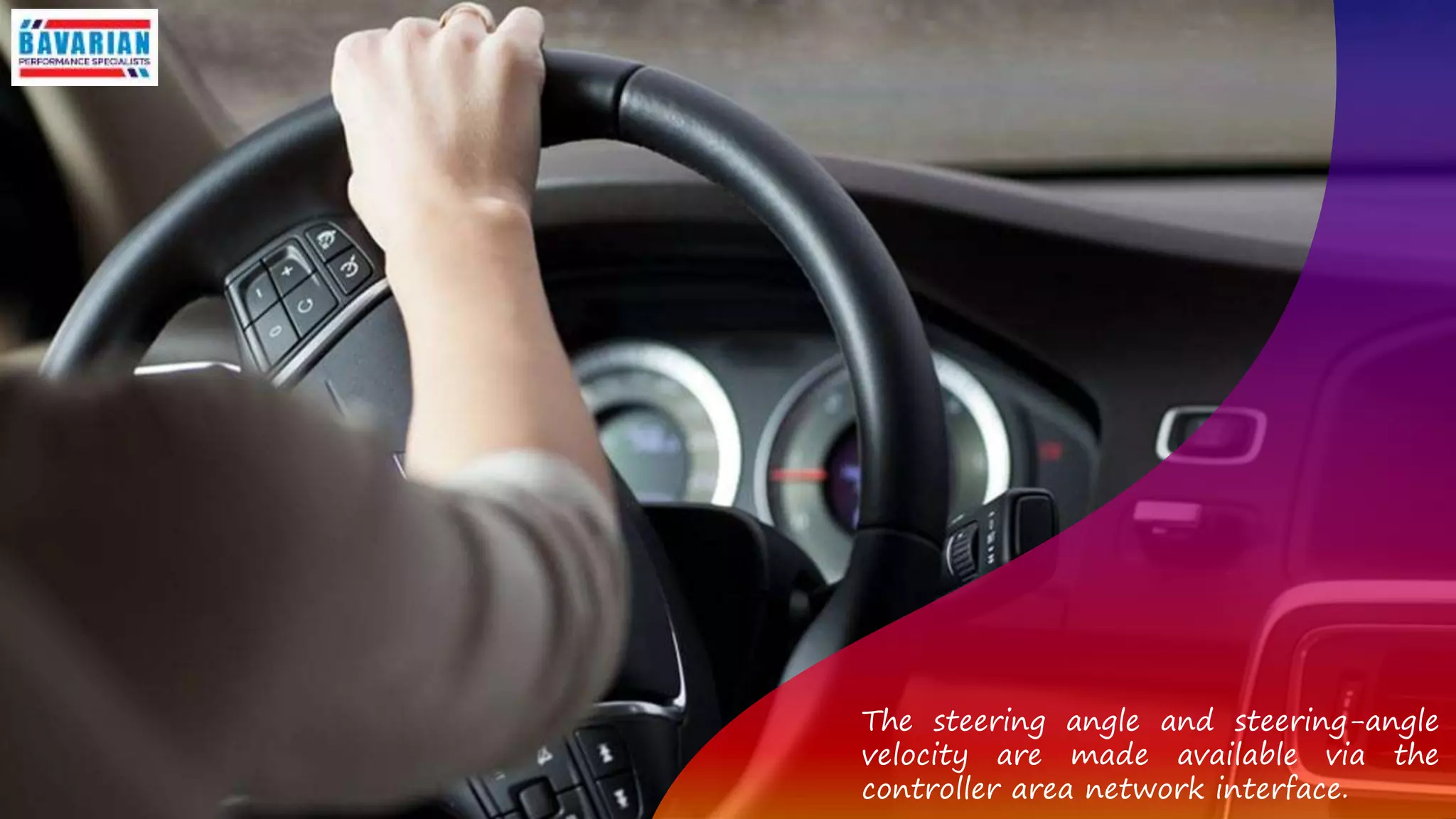
The steering angle and steering-angle
velocity are made available via the
controller area network interface.
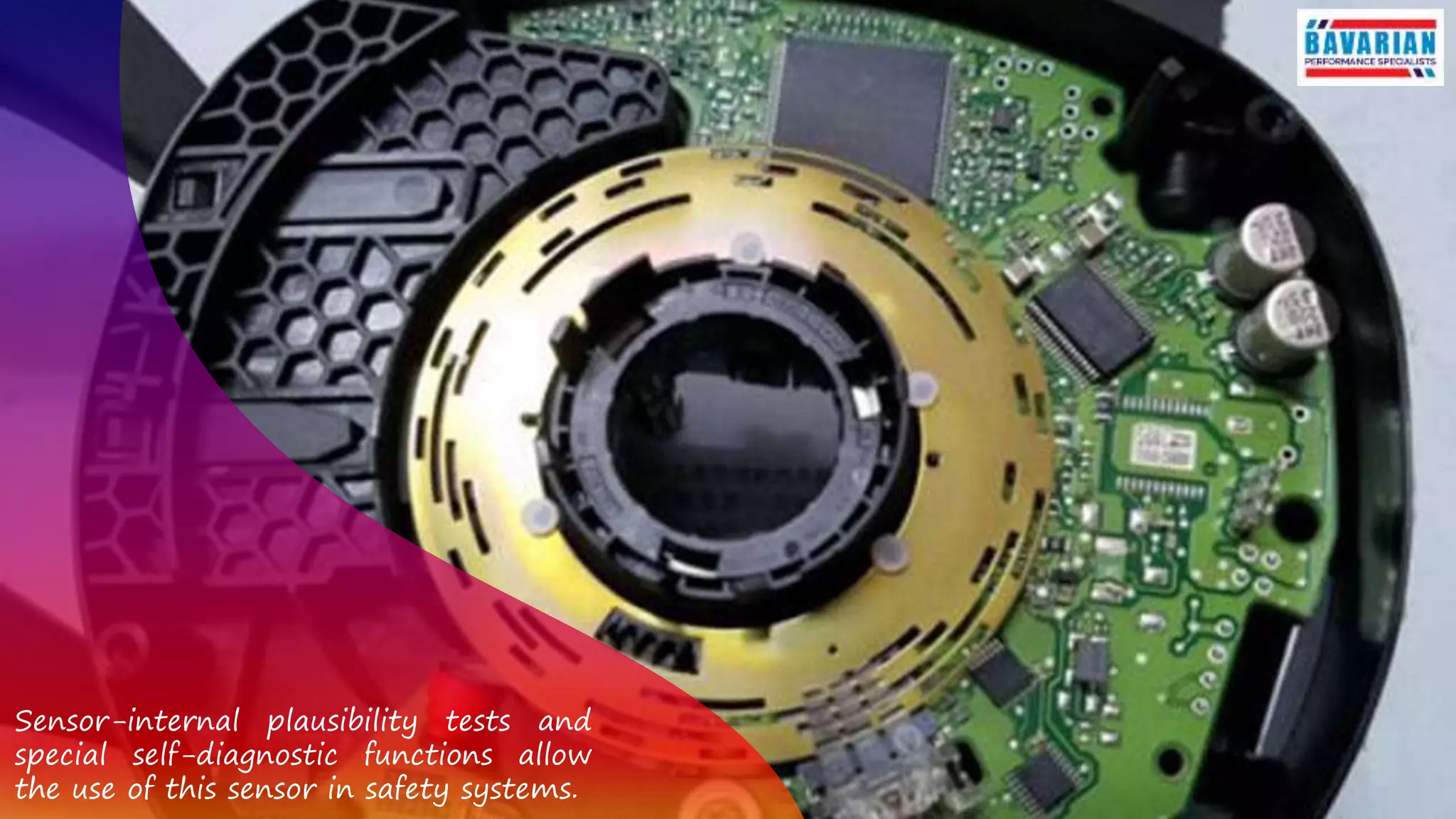
Sensor-internal plausibility tests and
special self-diagnostic functions allow
the use of this sensor in safety systems.
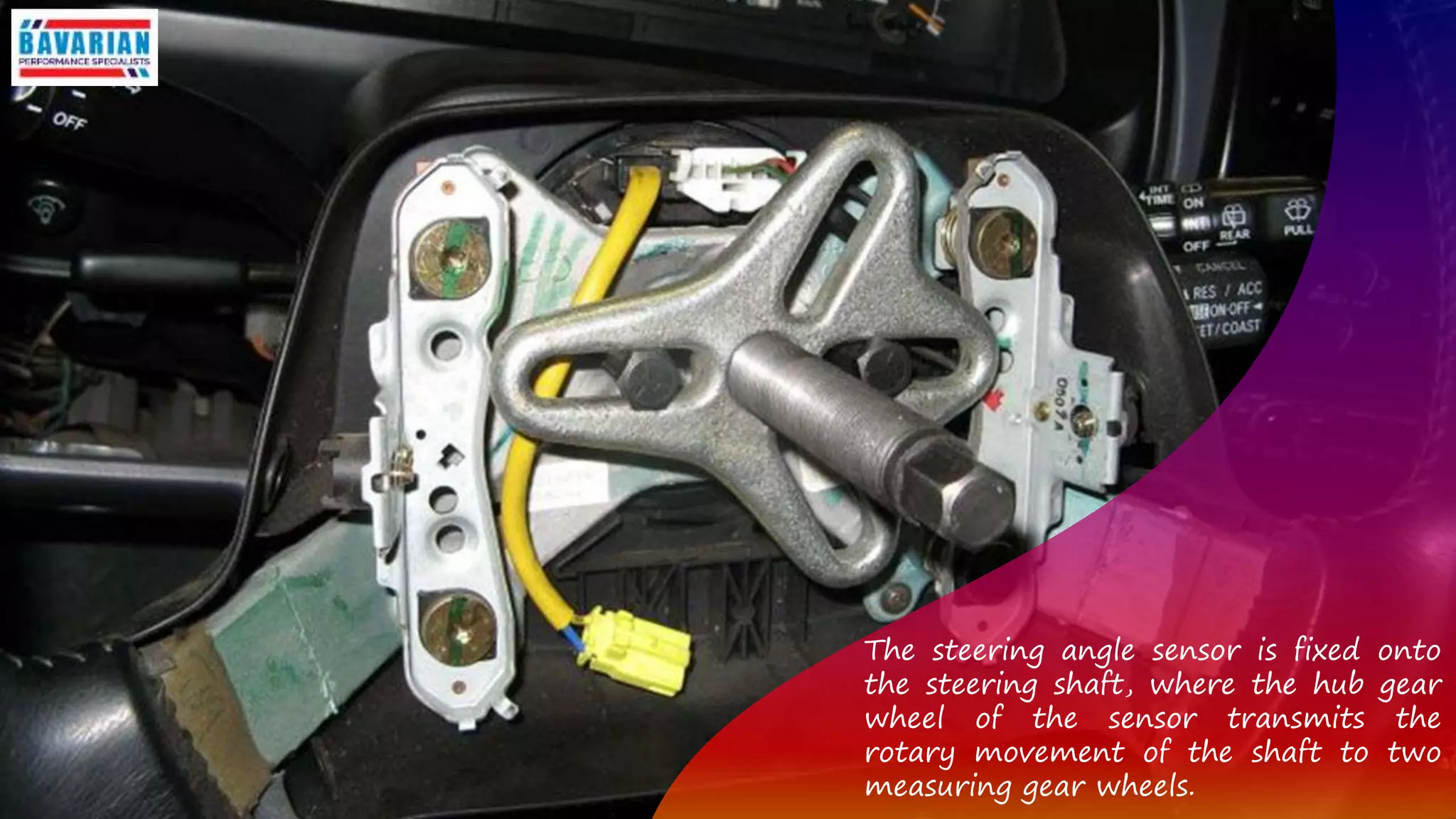
The steering angle sensor is fixed onto
the steering shaft, where the hub gear
wheel of the sensor transmits the
rotary movement of the shaft to two
measuring gear wheels.
In each measuring gear wheel, a
magnet is mounted, whose field
changes its direction in accordance with
the rotational movement.
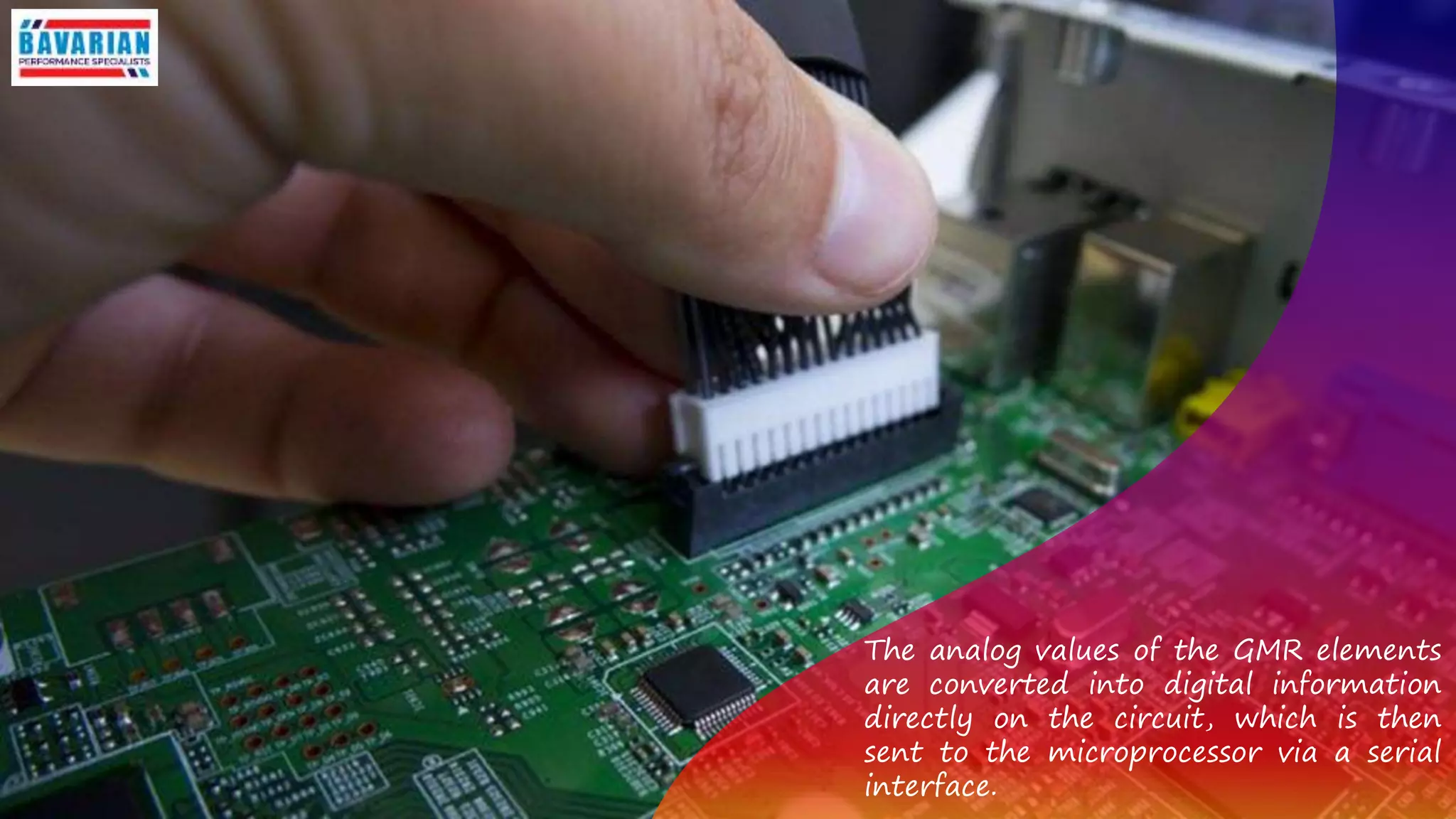
The analog values of the GMR elements
are converted into digital information
directly on the circuit, which is then
sent to the microprocessor via a serial
interface.
The measuring gears have different
numbers of teeth and therefore change
their turning position at different
speeds.
This measuring principle enables the
measurement of the complete angle
range of several steering-wheel turns
without the use of a rotation counter.
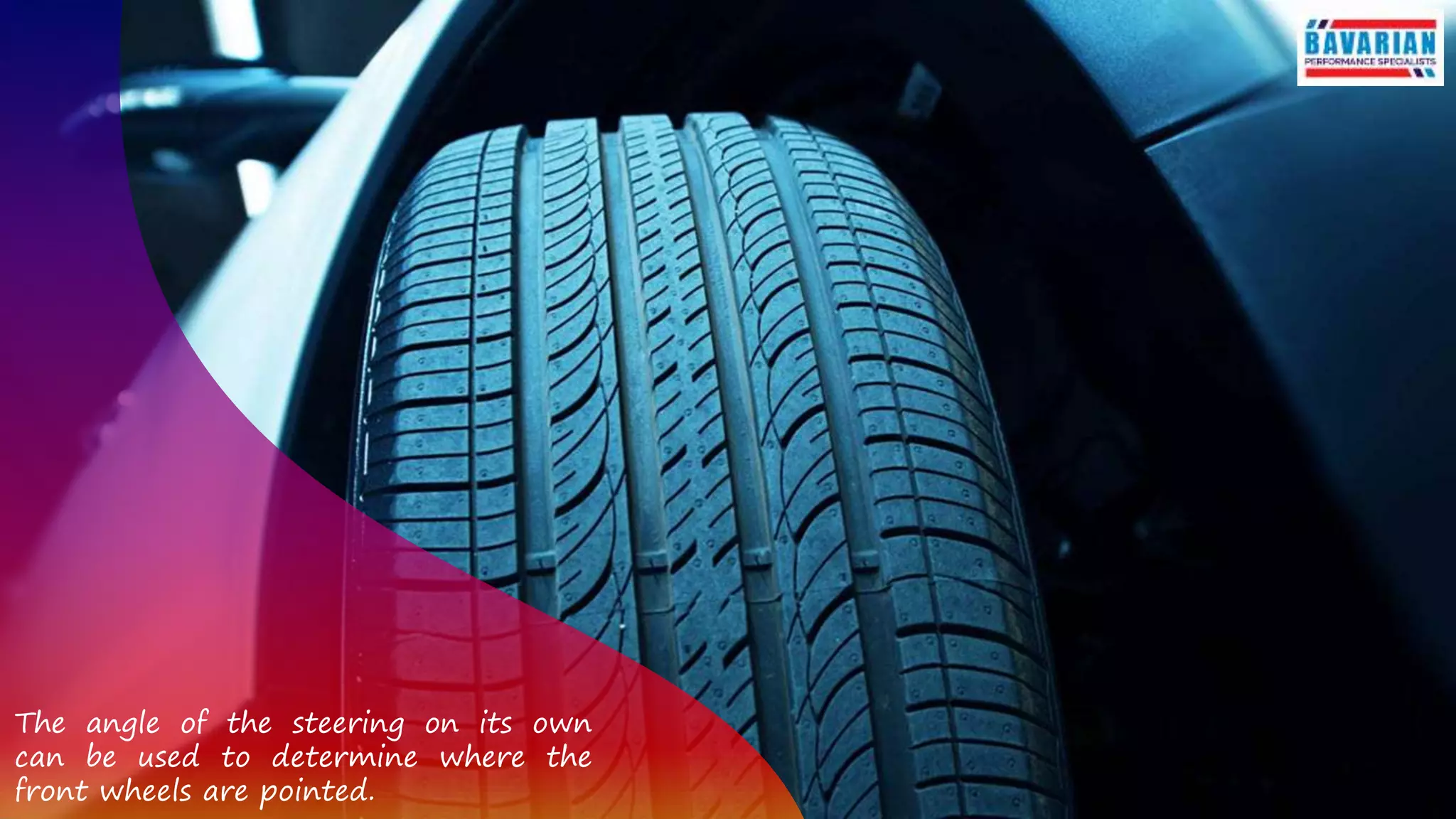
The angle of the steering on its own
can be used to determine where the
front wheels are pointed.
When combined with other pieces of
information from the accelerometer
and wheel speed sensors, it is possible
to measure the dynamics of the car.
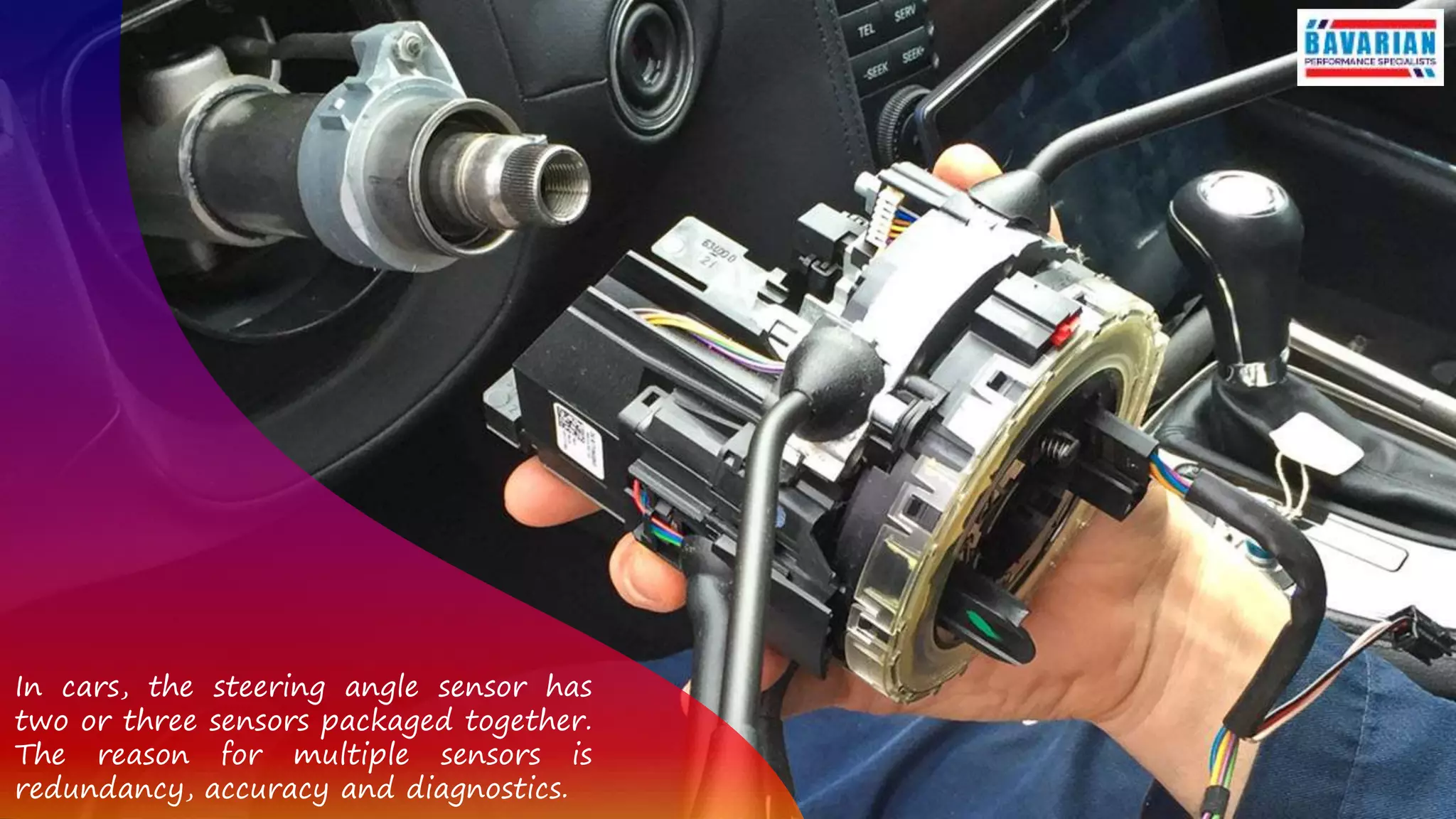
In cars, the steering angle sensor has
two or three sensors packaged together.
The reason for multiple sensors is
redundancy, accuracy and diagnostics.
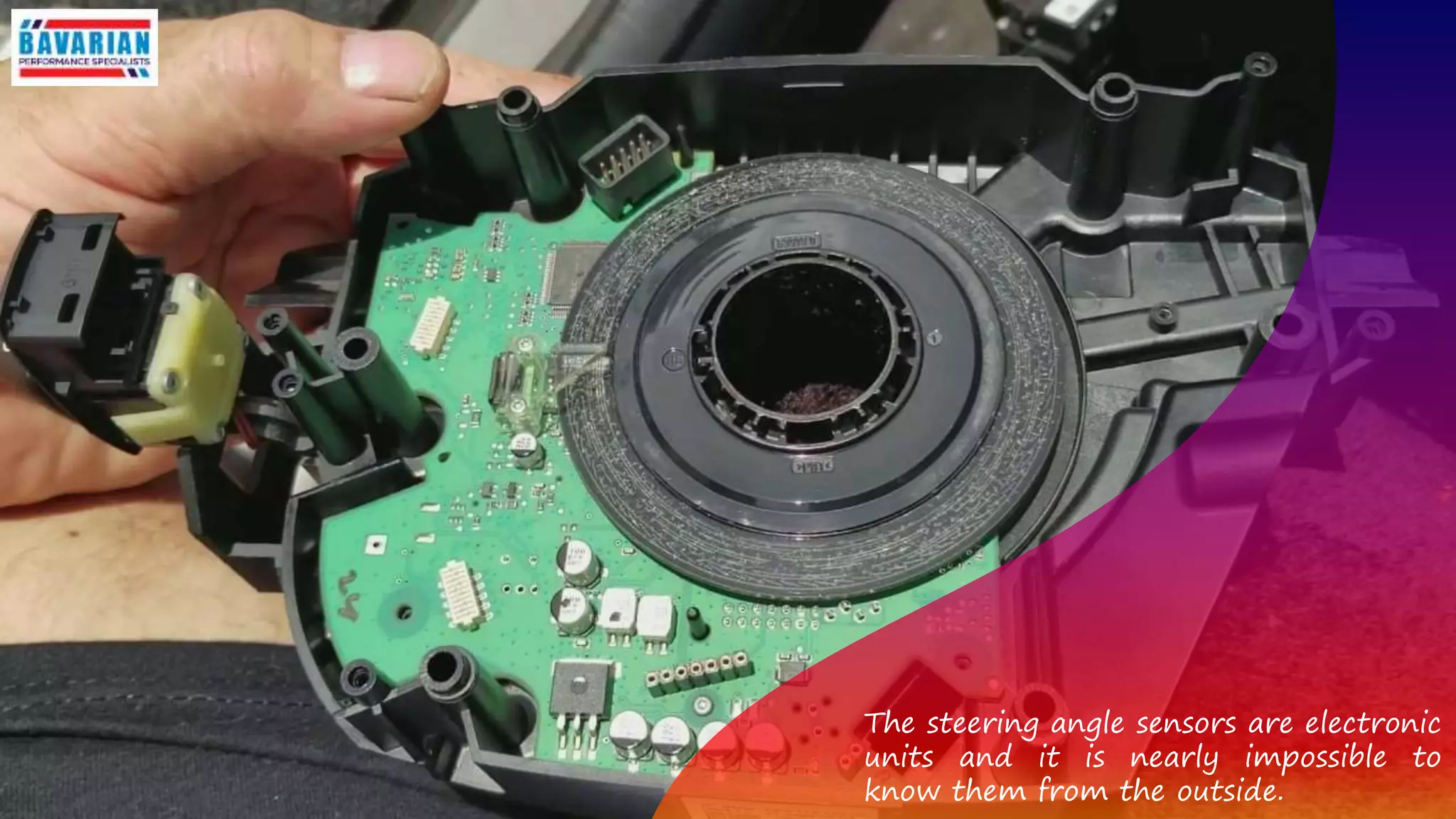
The steering angle sensors are electronic
units and it is nearly impossible to
know them from the outside.
So, in order to have your car effective
at ABS and stability control
diagnostics, knowing how sensors
measure angles and information is
critical.
http://beemerpros.com/

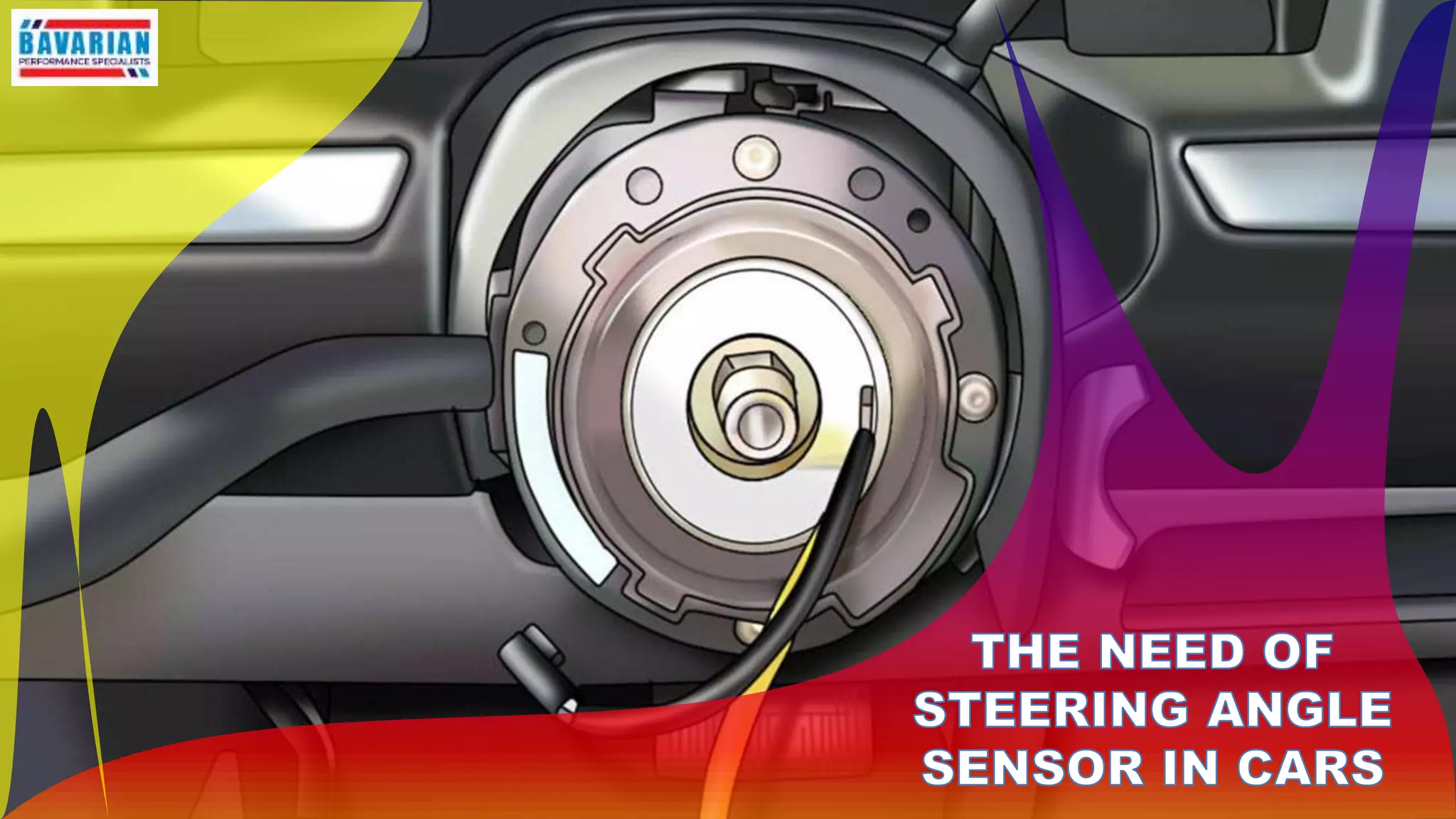
The Need of Steering Angle Sensor in Cars

  • 2.
    The steering anglesensor is an important part of the electronic control system of the car that measures the steering wheel position angle and rate of turn.
  • 3.
    The modern carsare equipped with systems that require steering-angle information. This sensor is located in a sensor cluster in the steering column.
  • 5.
    A unique featureof this steering-angle sensor is the output of the correct angle within the measurement range directly after ignition-on.
  • 6.
    The steering angleand steering-angle velocity are made available via the controller area network interface.
  • 7.
    Sensor-internal plausibility testsand special self-diagnostic functions allow the use of this sensor in safety systems.
  • 9.
    The steering anglesensor is fixed onto the steering shaft, where the hub gear wheel of the sensor transmits the rotary movement of the shaft to two measuring gear wheels.
  • 10.
    In each measuringgear wheel, a magnet is mounted, whose field changes its direction in accordance with the rotational movement.
  • 11.
    The analog valuesof the GMR elements are converted into digital information directly on the circuit, which is then sent to the microprocessor via a serial interface.
  • 12.
    The measuring gearshave different numbers of teeth and therefore change their turning position at different speeds.
  • 13.
    This measuring principleenables the measurement of the complete angle range of several steering-wheel turns without the use of a rotation counter.
  • 15.
    The angle ofthe steering on its own can be used to determine where the front wheels are pointed.
  • 16.
    When combined withother pieces of information from the accelerometer and wheel speed sensors, it is possible to measure the dynamics of the car.
  • 17.
    In cars, thesteering angle sensor has two or three sensors packaged together. The reason for multiple sensors is redundancy, accuracy and diagnostics.
  • 19.
    The steering anglesensors are electronic units and it is nearly impossible to know them from the outside.
  • 20.
    So, in orderto have your car effective at ABS and stability control diagnostics, knowing how sensors measure angles and information is critical.
  • 21.