What is the
problem with
the clutch in the
Mercedes?
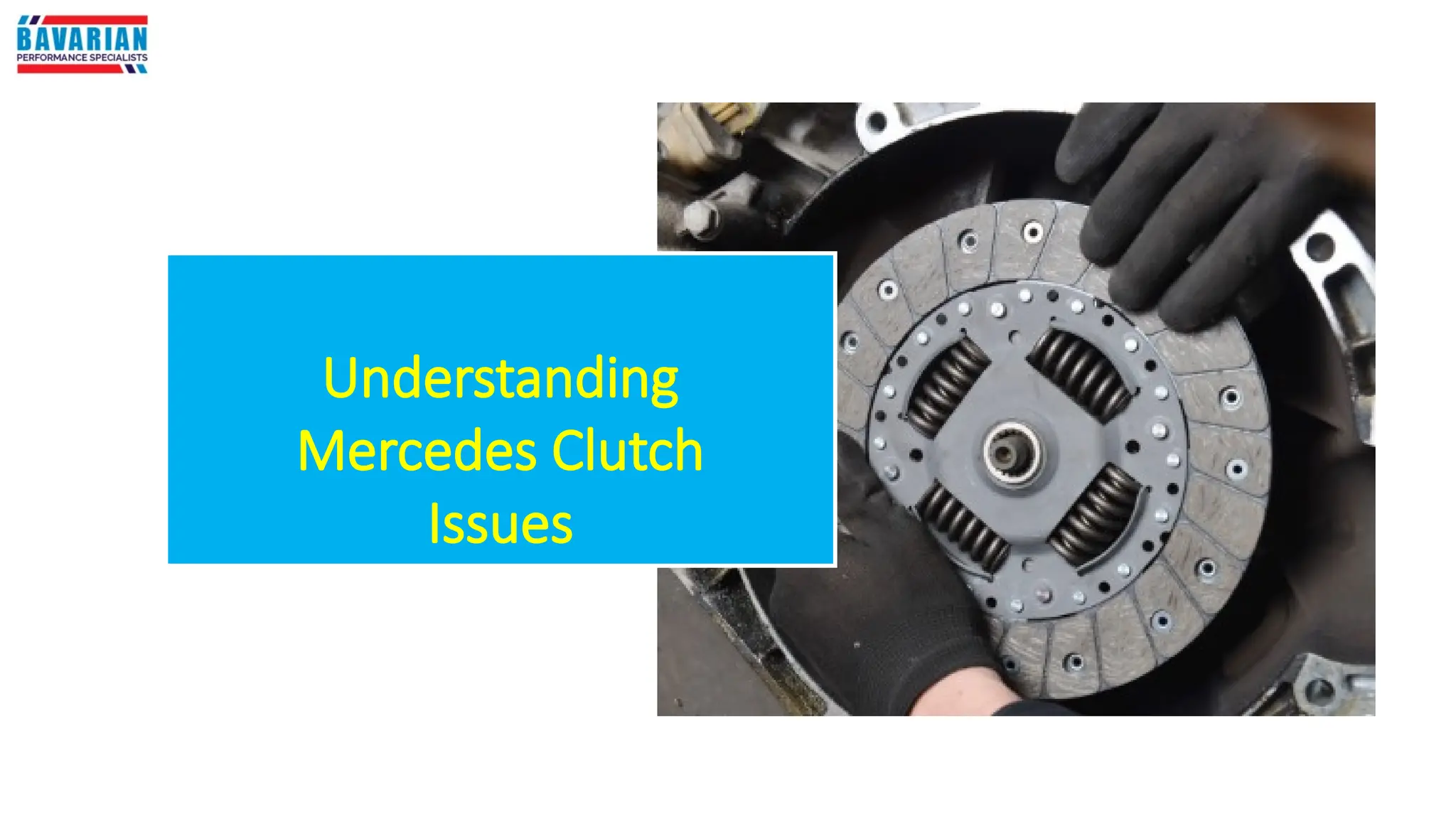
Understanding
Mercedes Clutch
Issues
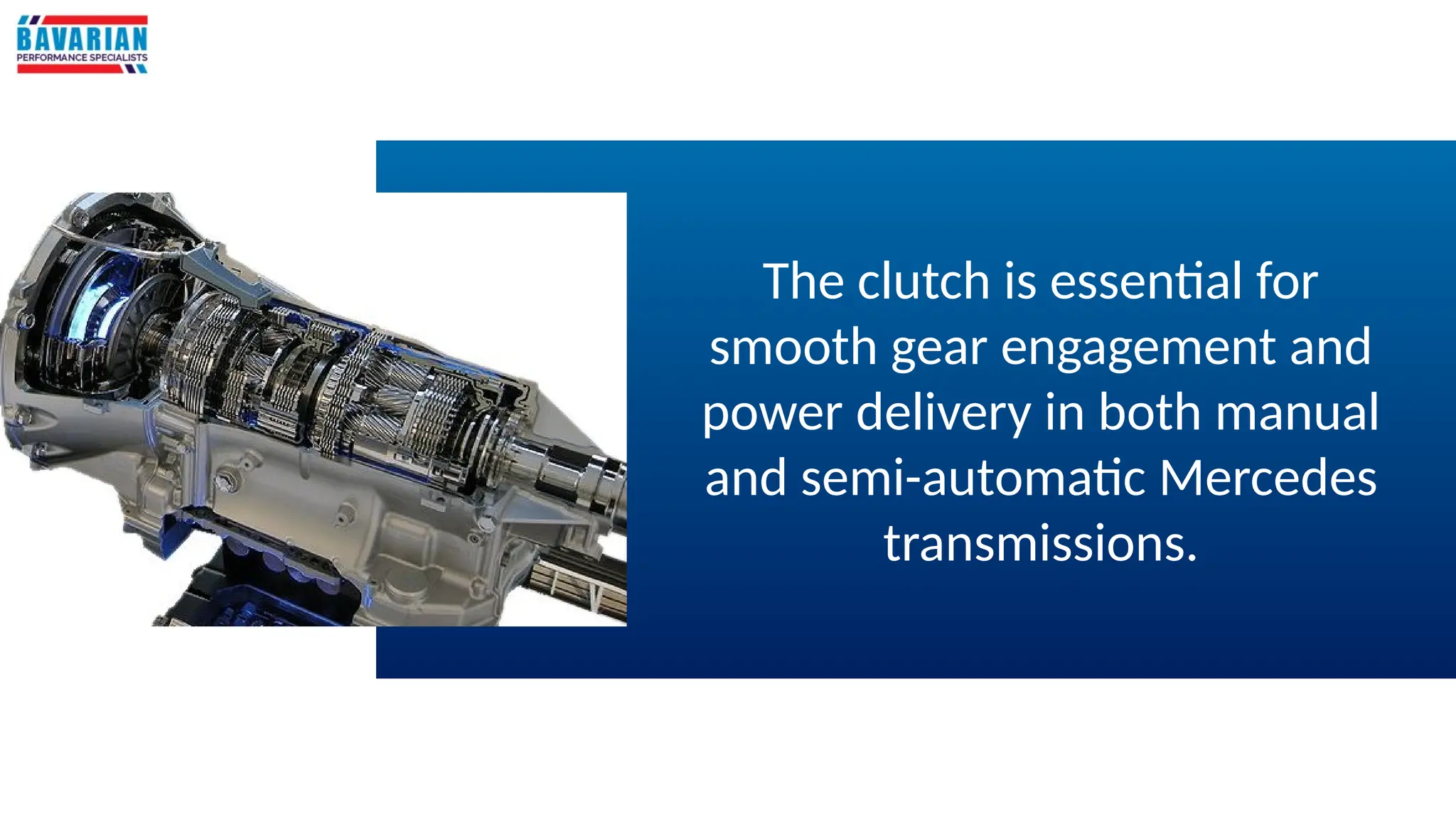
The clutch is essential for
smooth gear engagement and
power delivery in both manual
and semi-automatic Mercedes
transmissions.
Mercedes-Benz vehicles, while
advanced, are still susceptible to
clutch-related issues due to
mechanical wear or system
malfunctions.
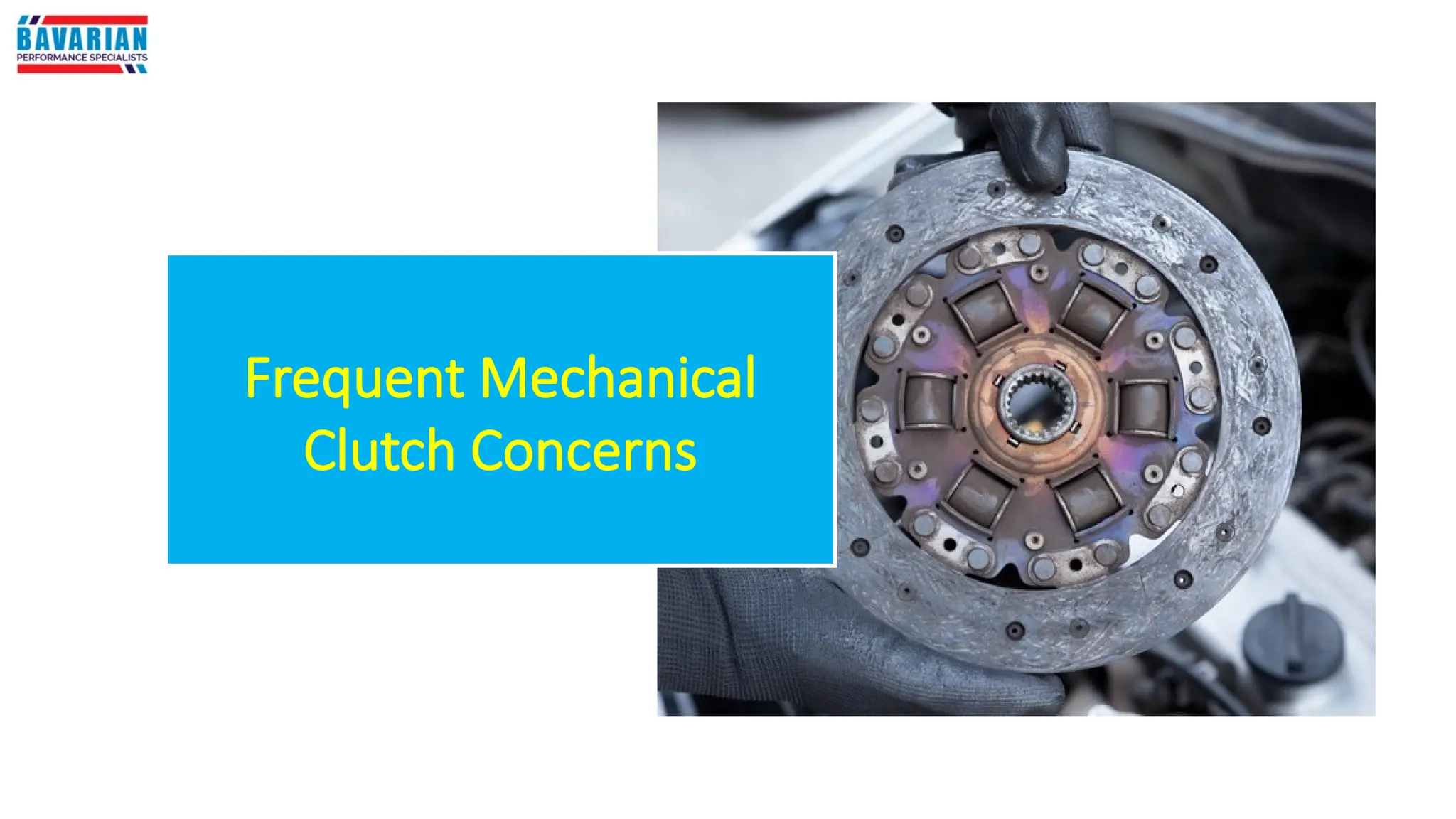
Frequent Mechanical
Clutch Concerns
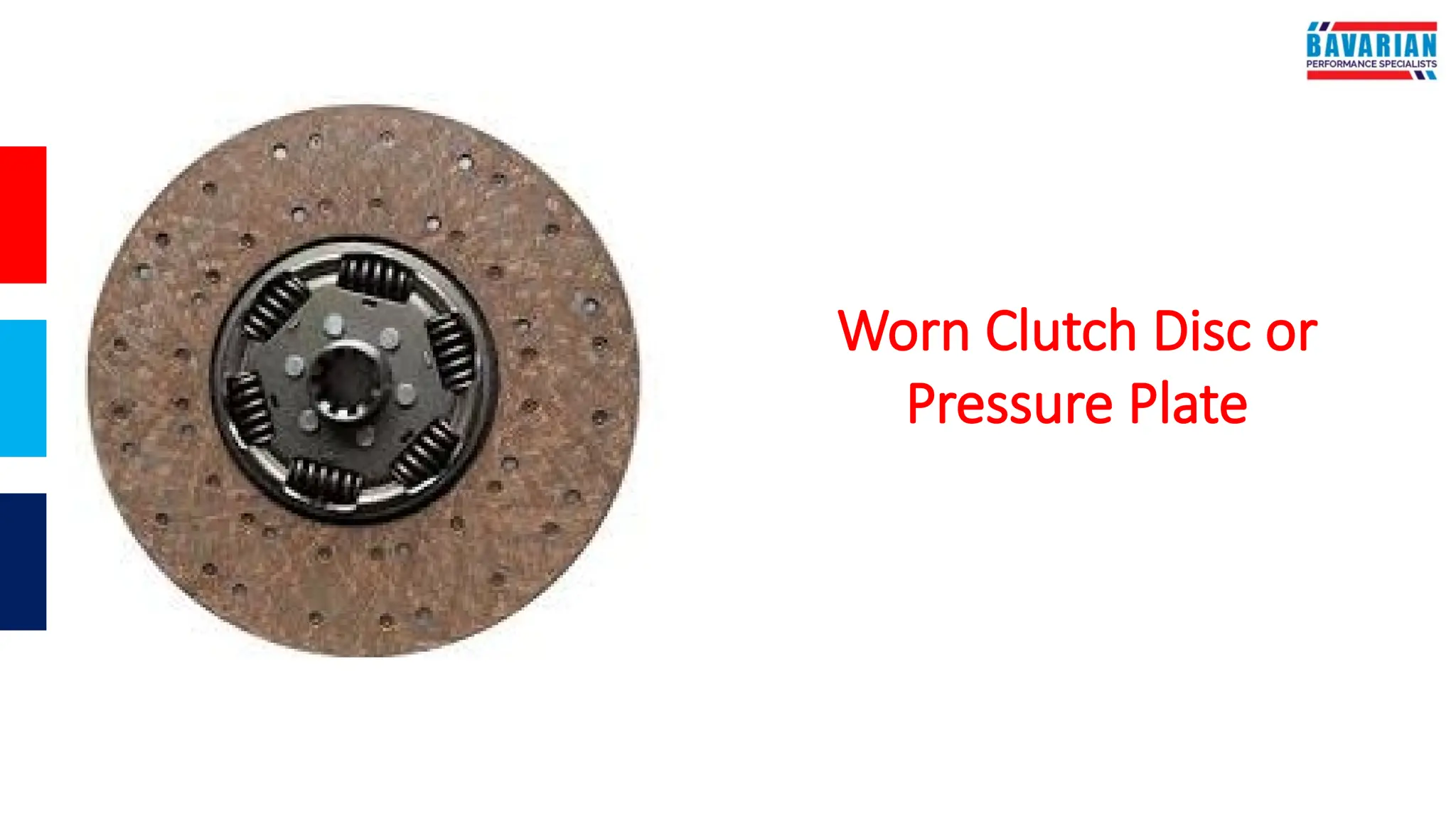
Worn Clutch Disc or
Pressure Plate
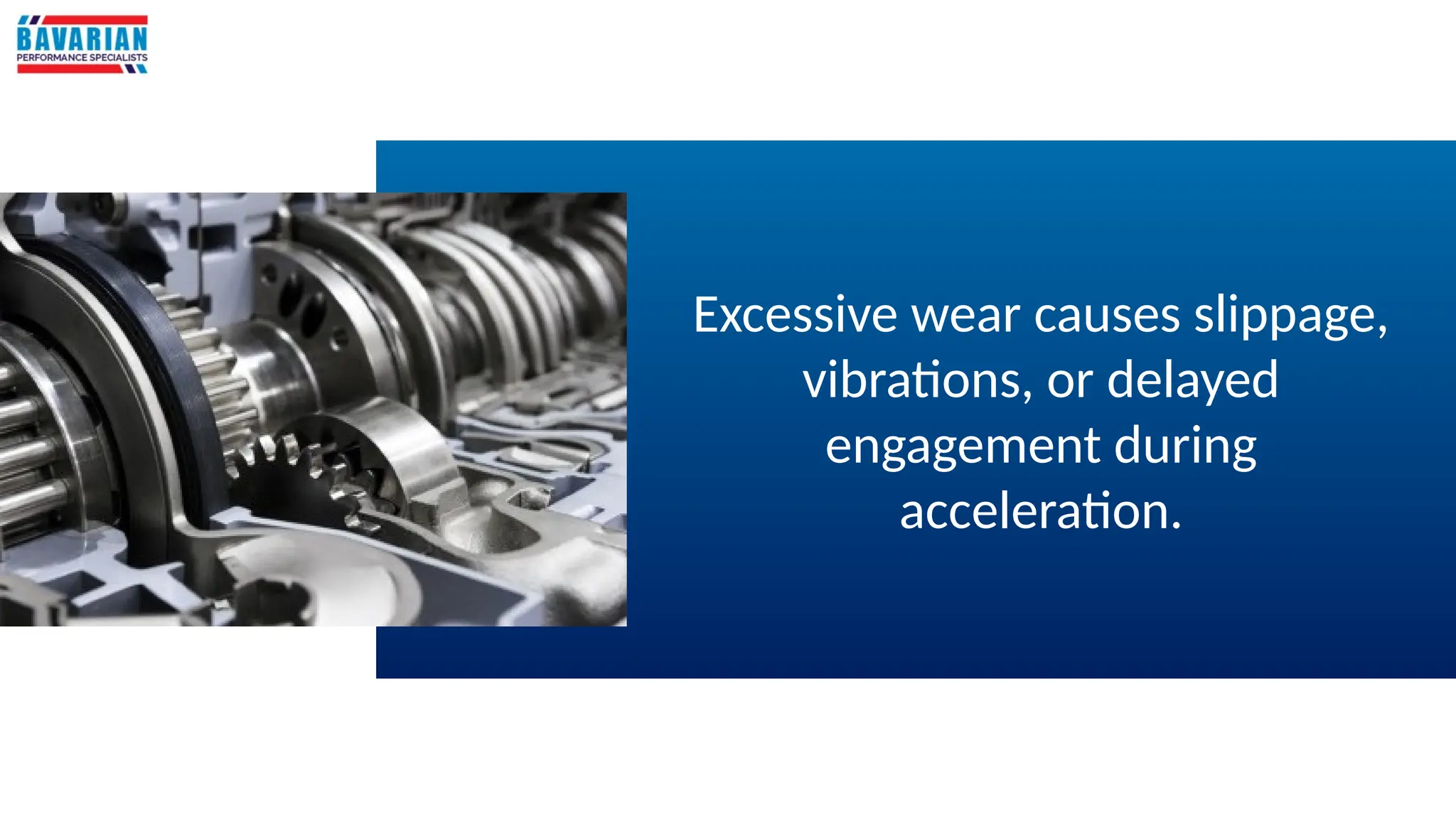
Excessive wear causes slippage,
vibrations, or delayed
engagement during
acceleration.
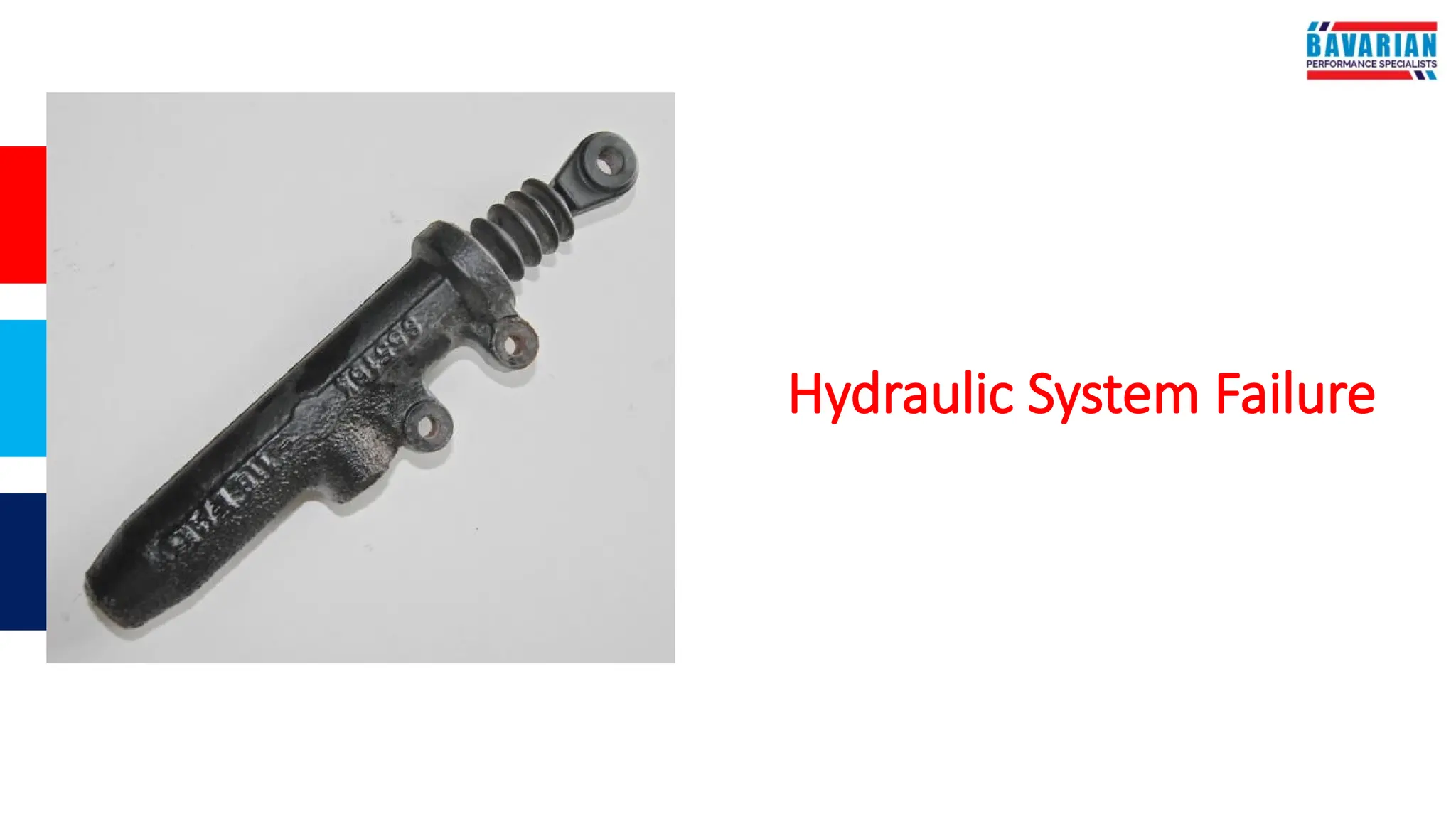
Hydraulic System Failure
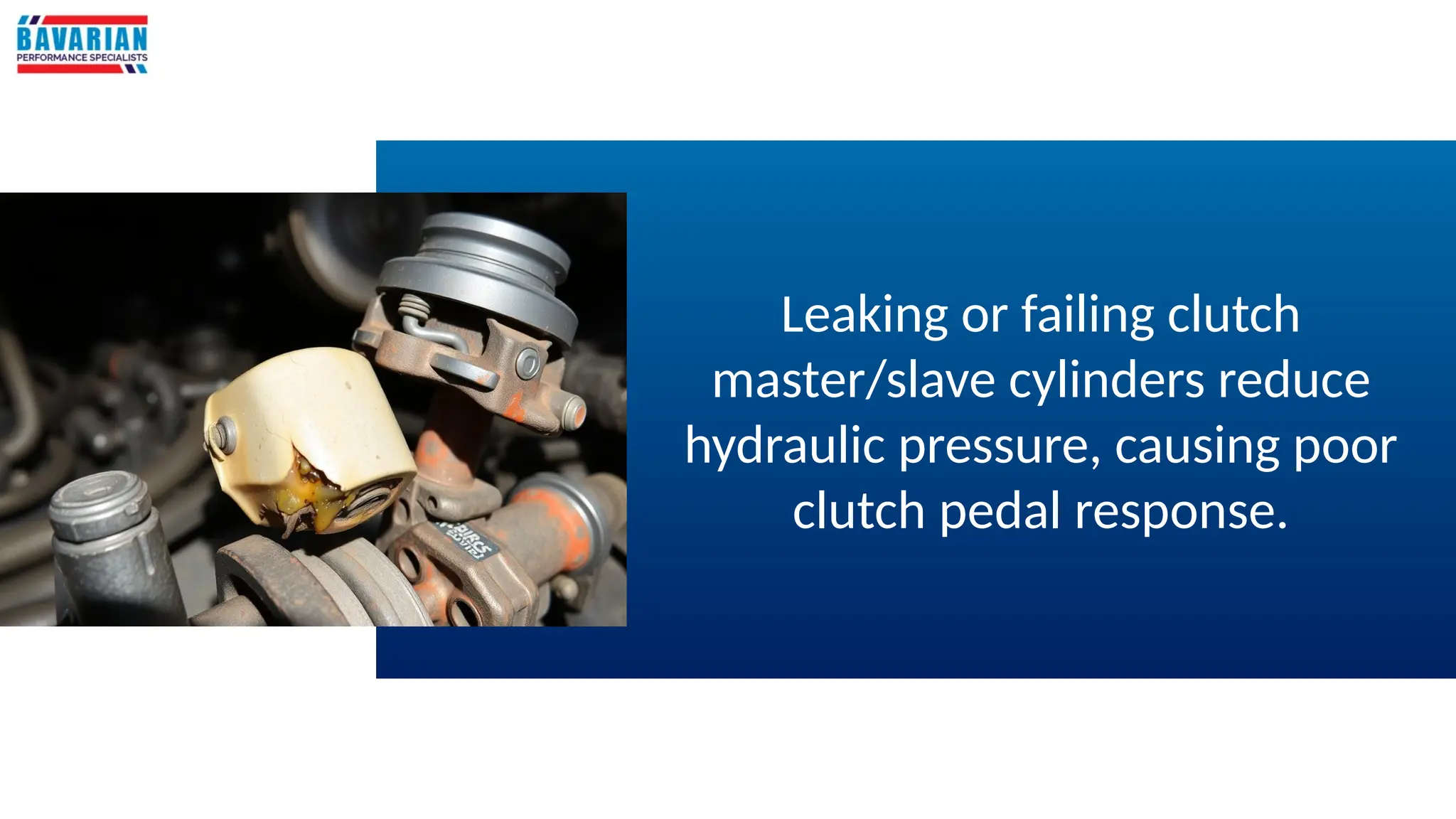
Leaking or failing clutch
master/slave cylinders reduce
hydraulic pressure, causing poor
clutch pedal response.
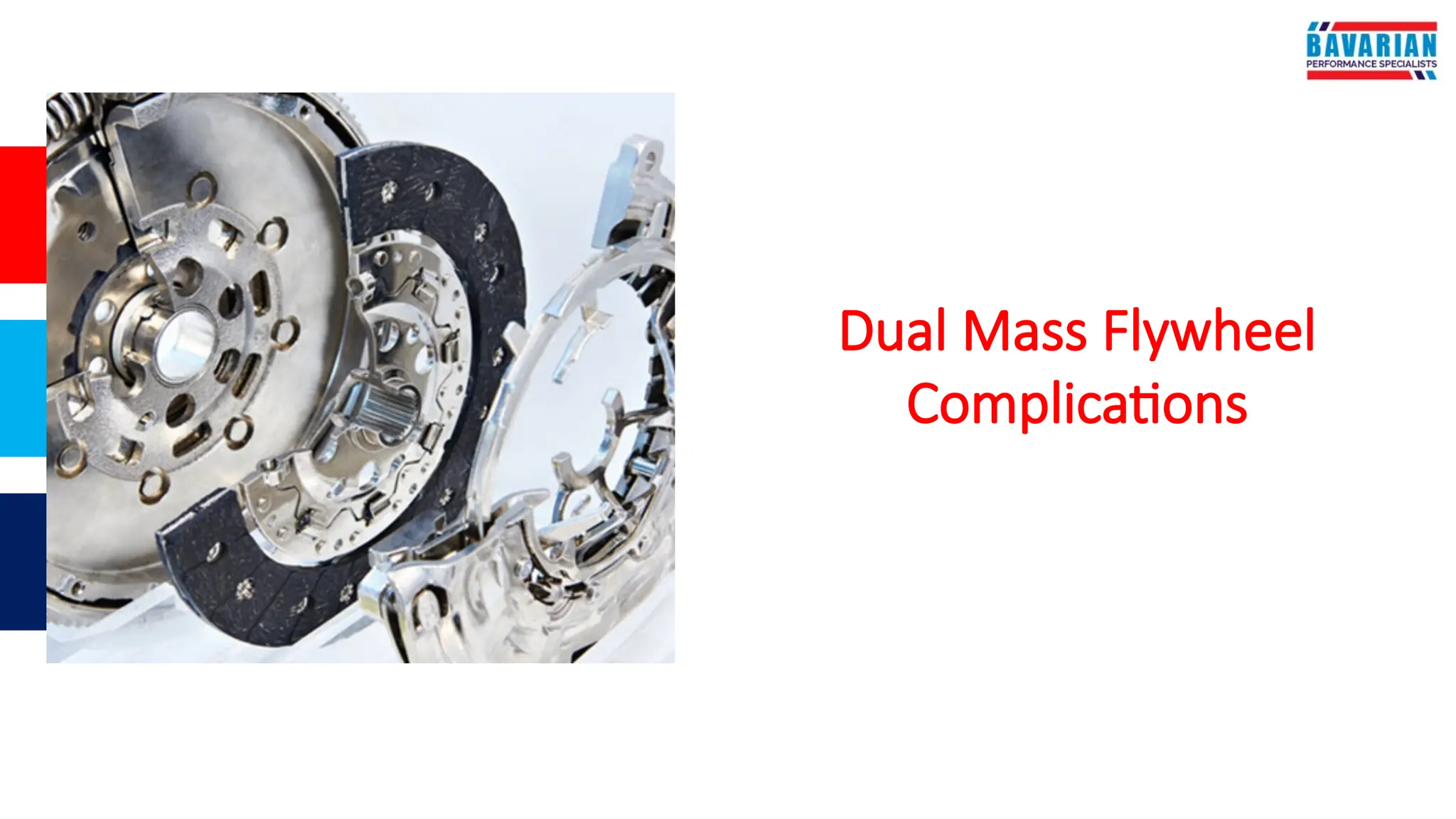
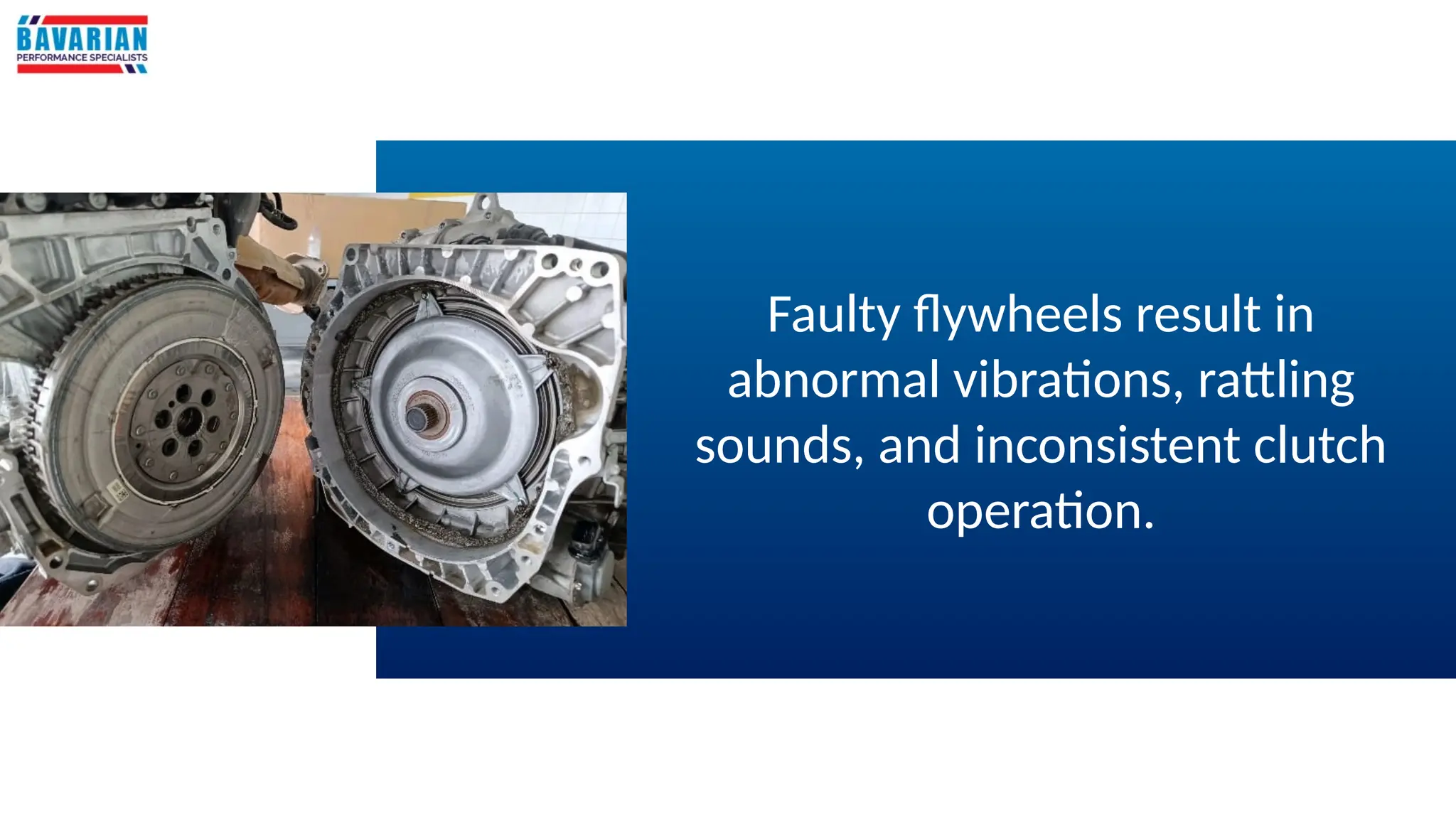
Dual Mass Flywheel
Complications
Faulty flywheels result in
abnormal vibrations, rattling
sounds, and inconsistent clutch
operation.
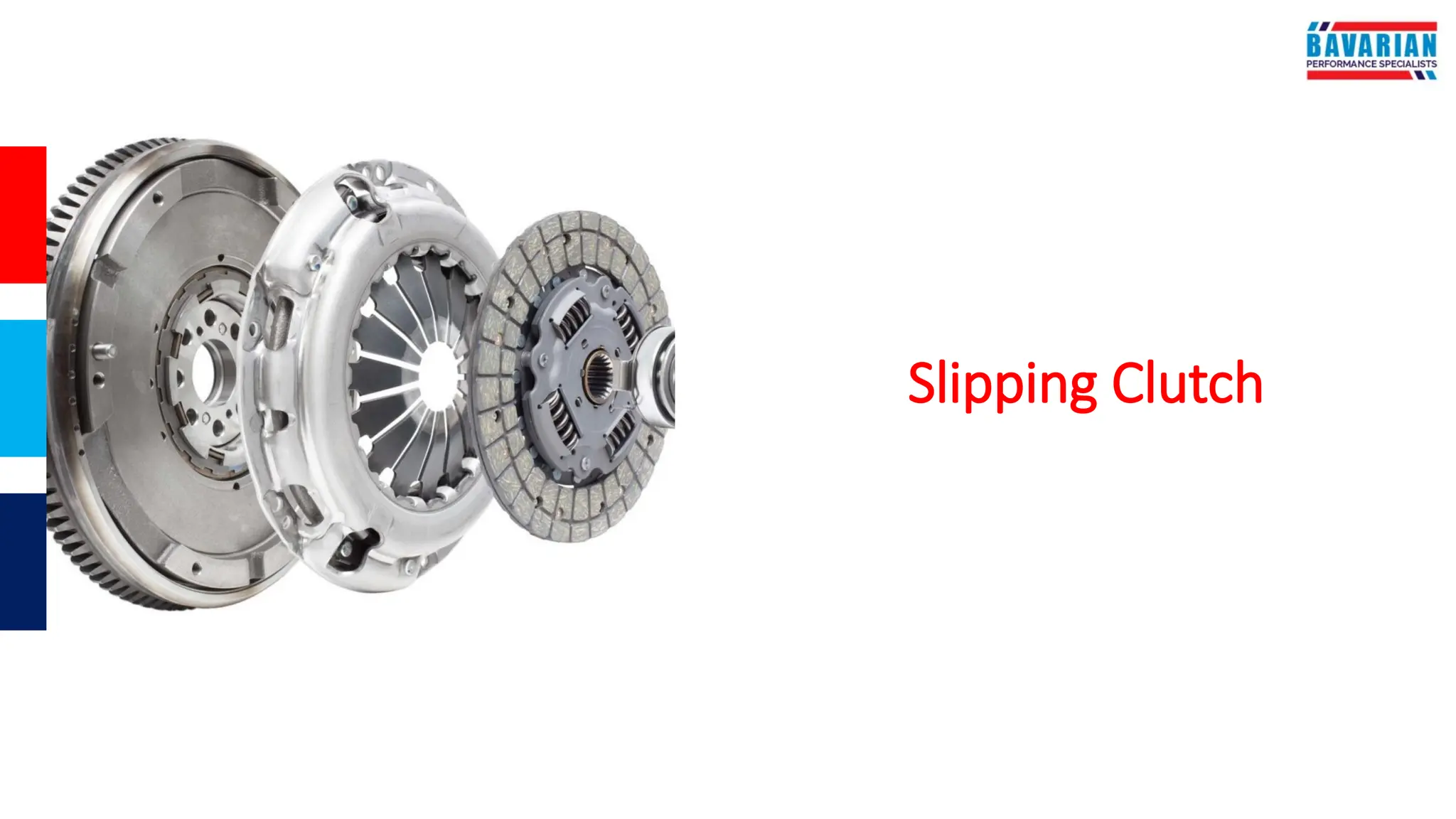
Slipping Clutch
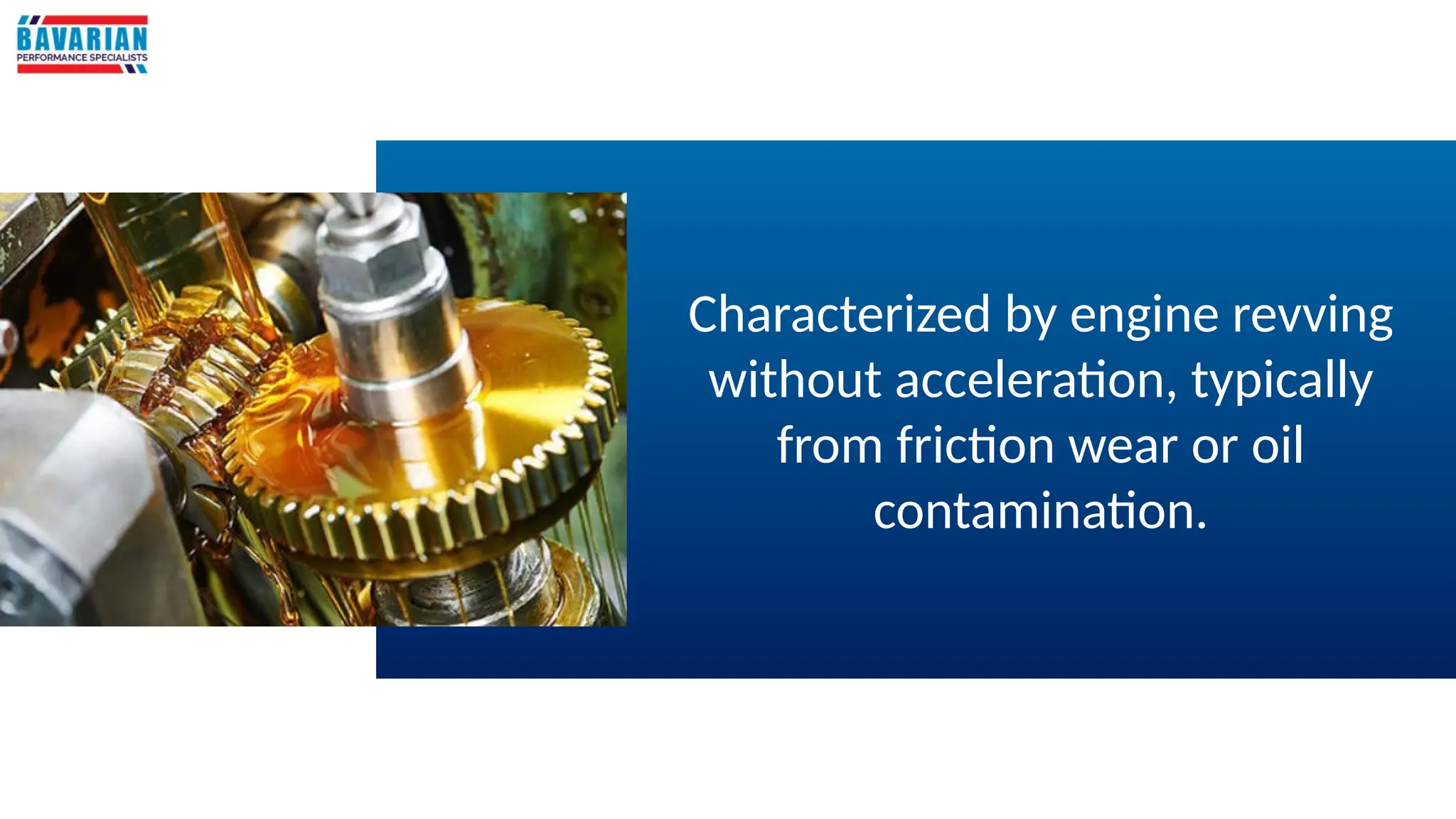
Characterized by engine revving
without acceleration, typically
from friction wear or oil
contamination.
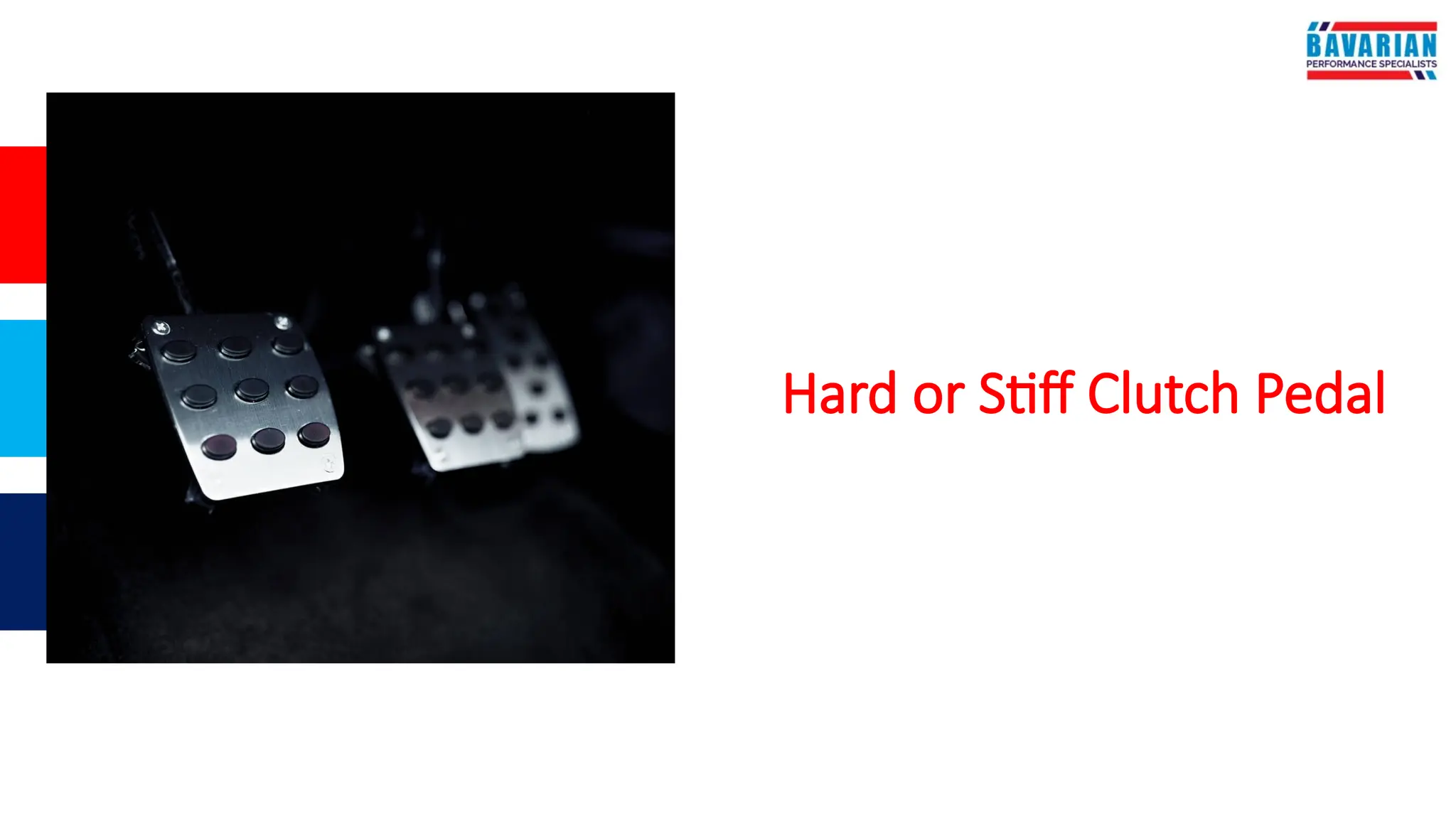
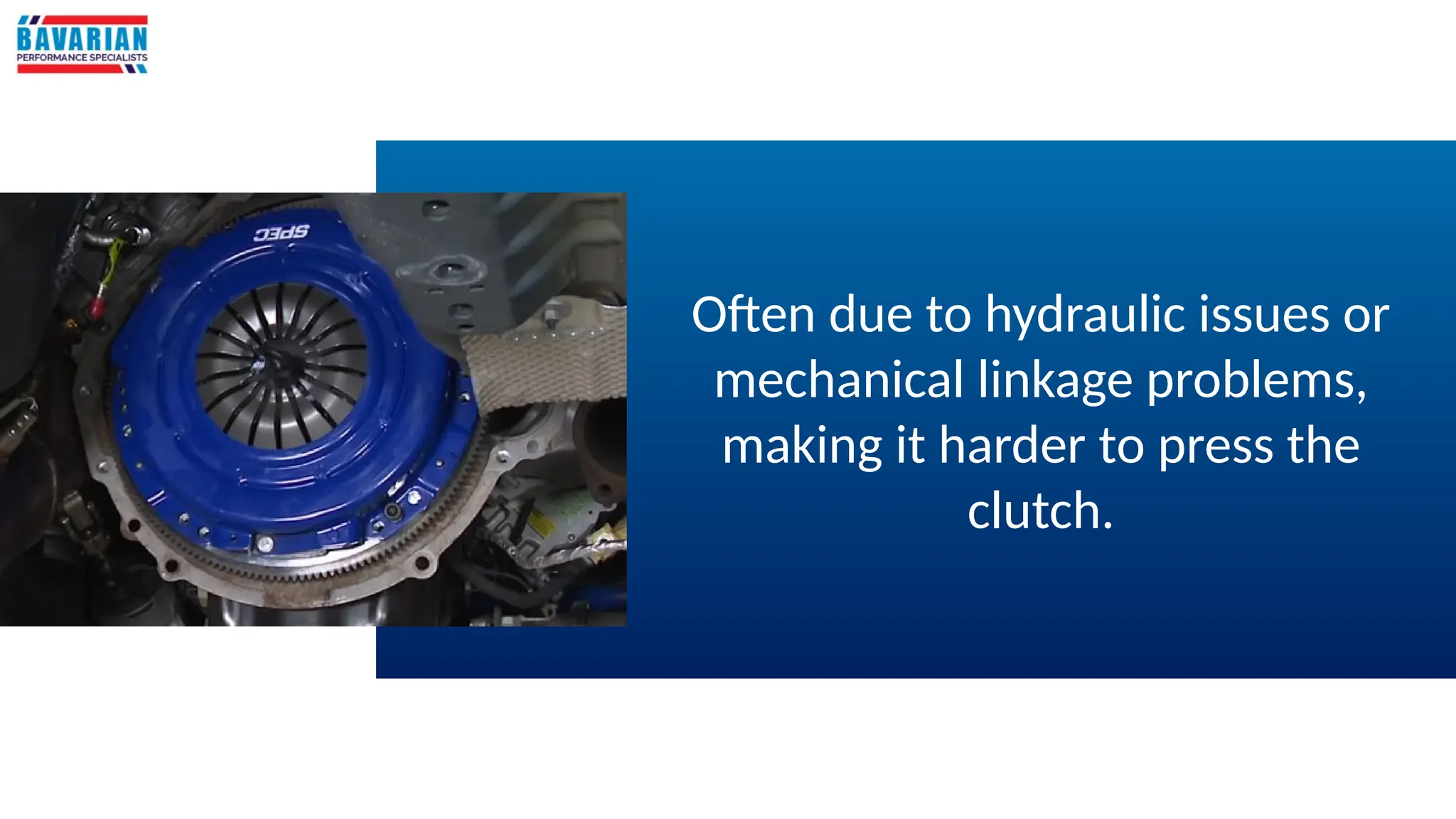
Hard or Stiff Clutch Pedal
Often due to hydraulic issues or
mechanical linkage problems,
making it harder to press the
clutch.
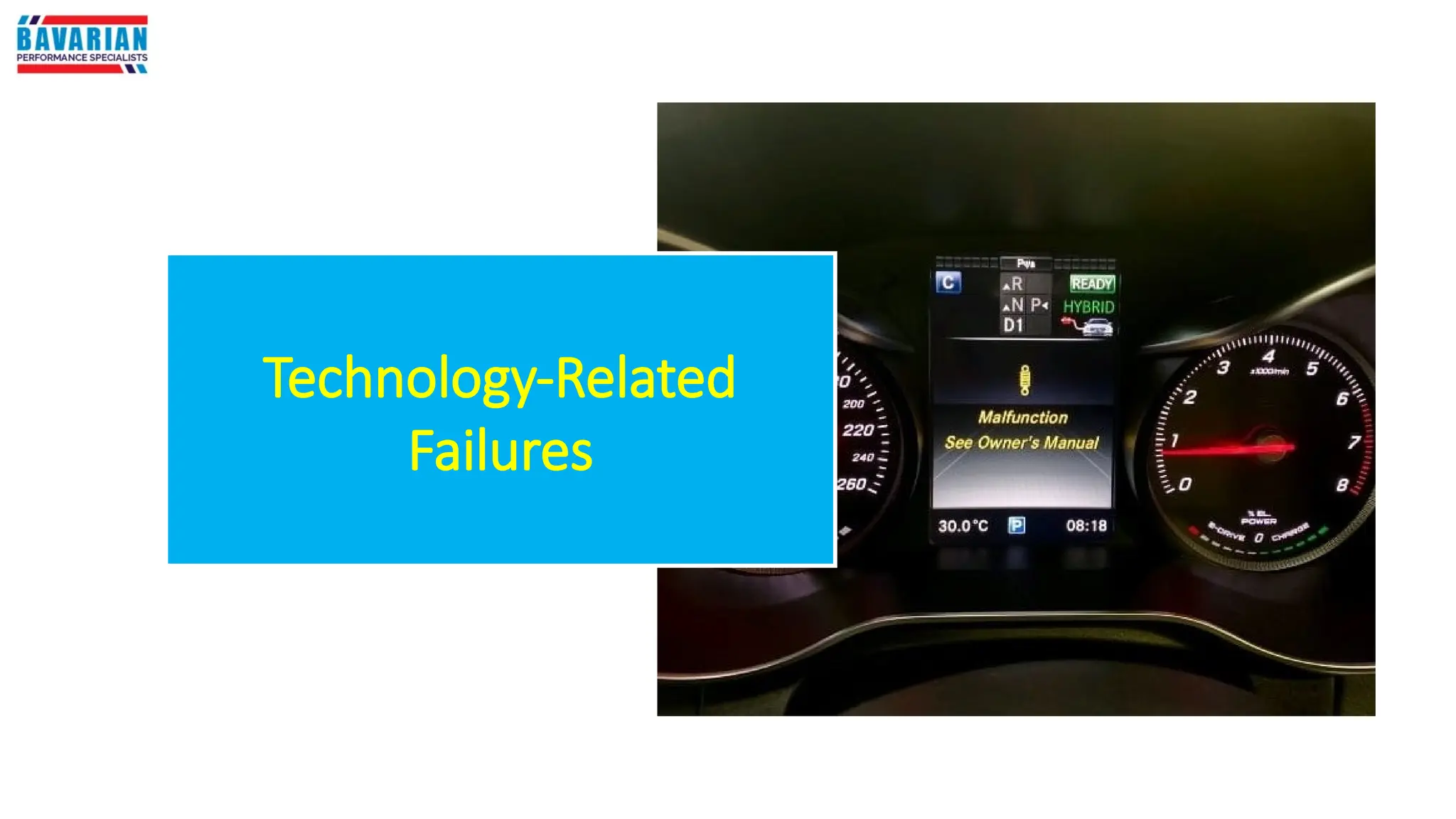
Technology-Related
Failures
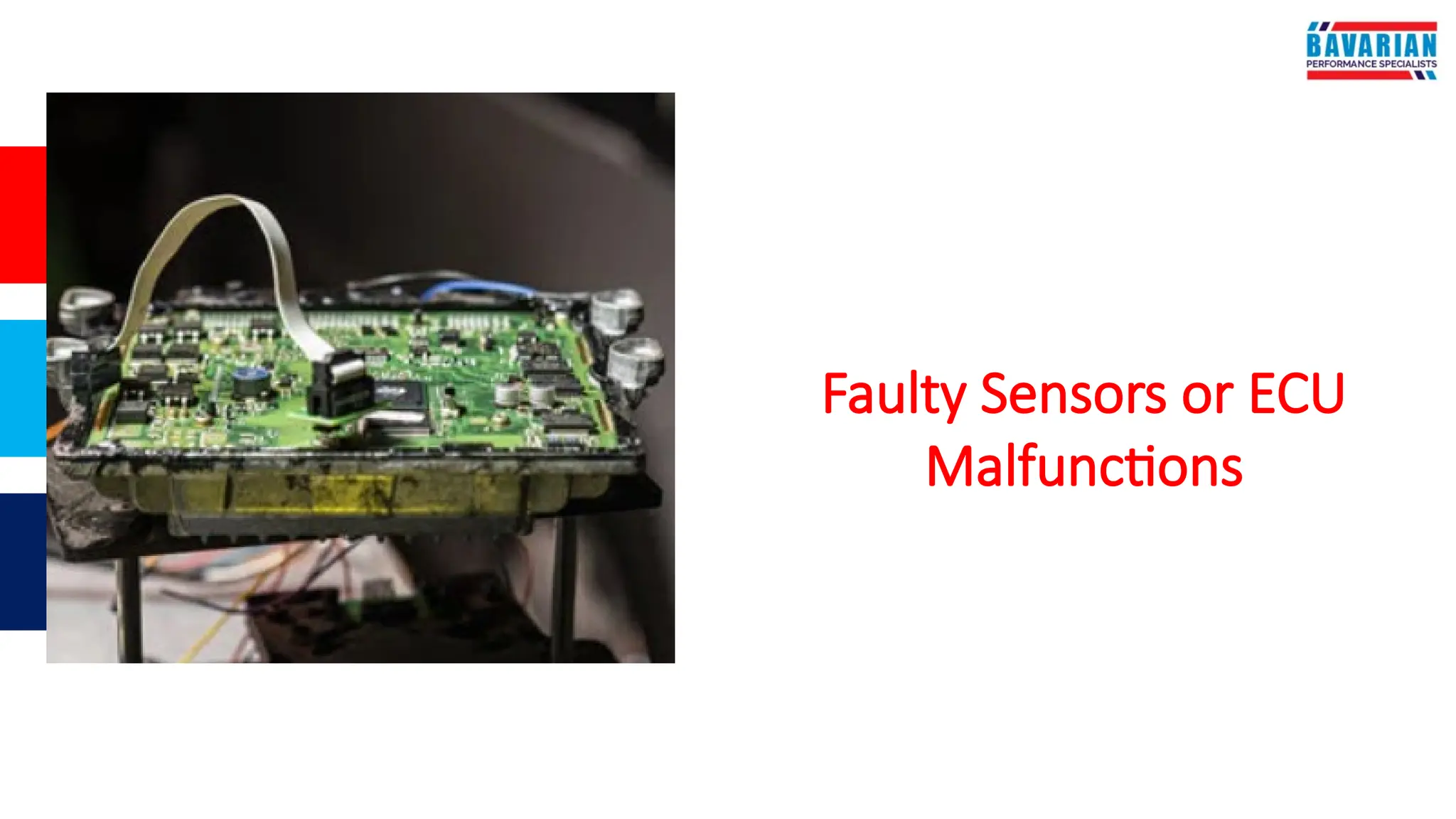
Faulty Sensors or ECU
Malfunctions
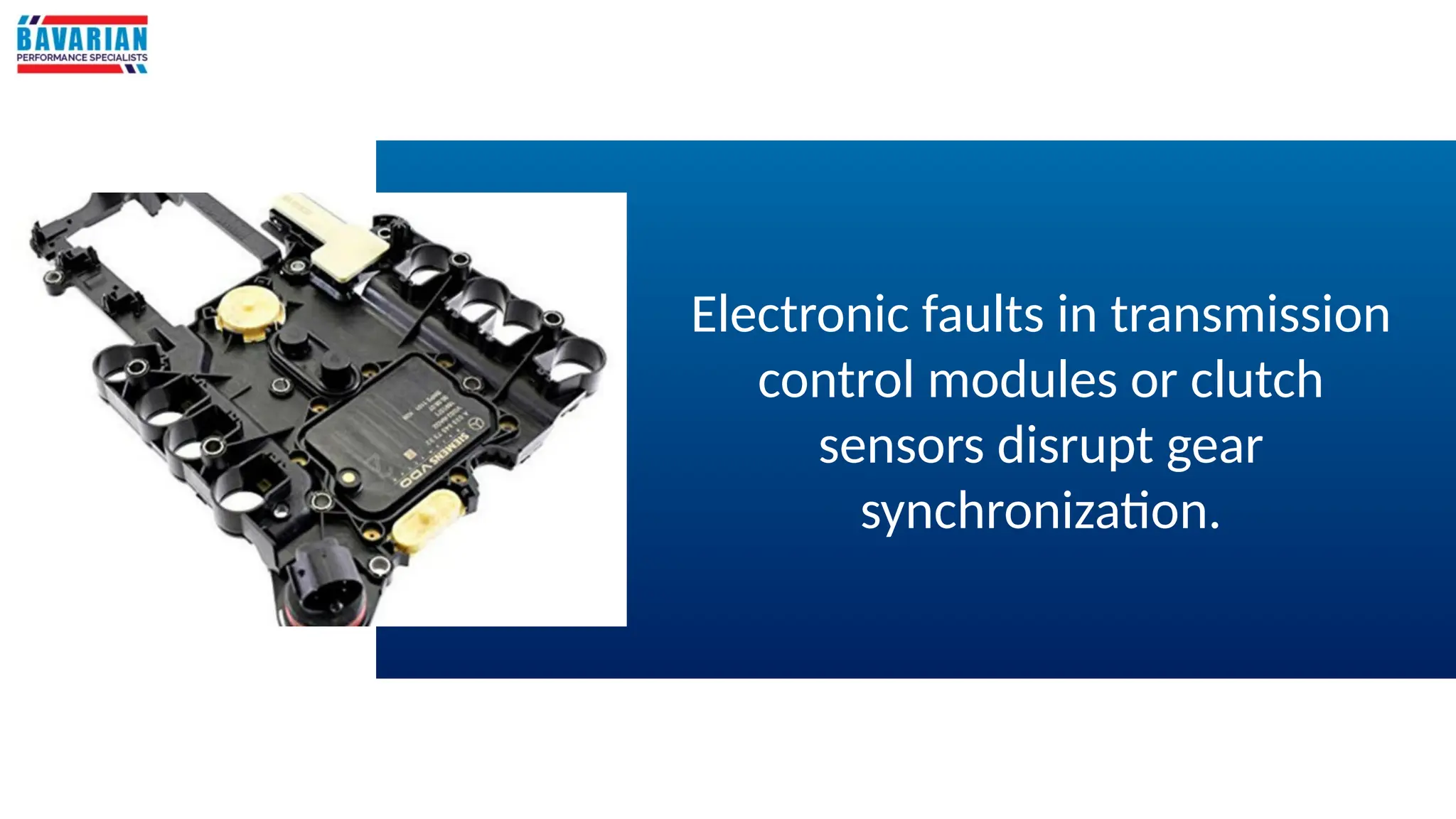
Electronic faults in transmission
control modules or clutch
sensors disrupt gear
synchronization.
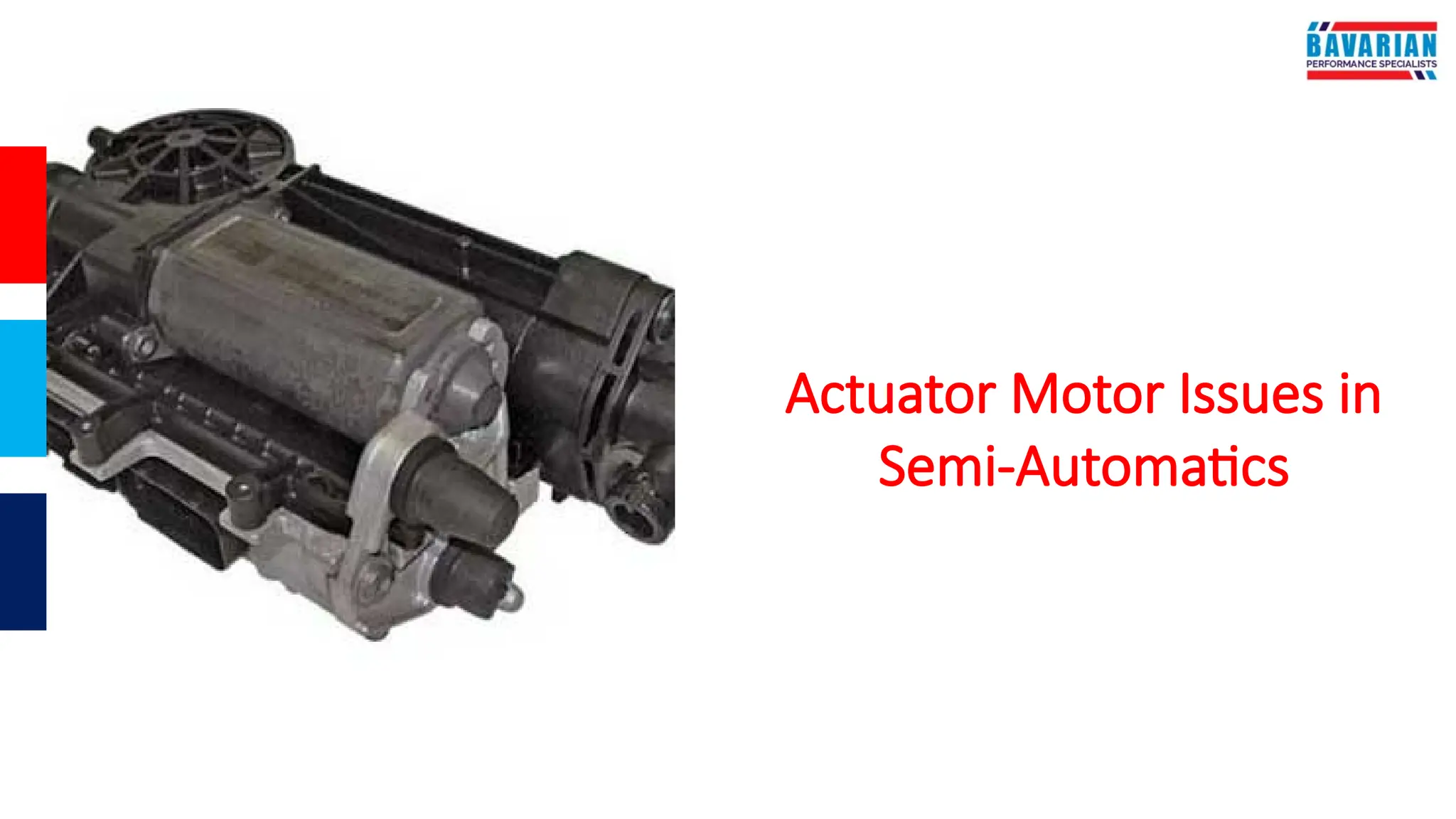
Actuator Motor Issues in
Semi-Automatics
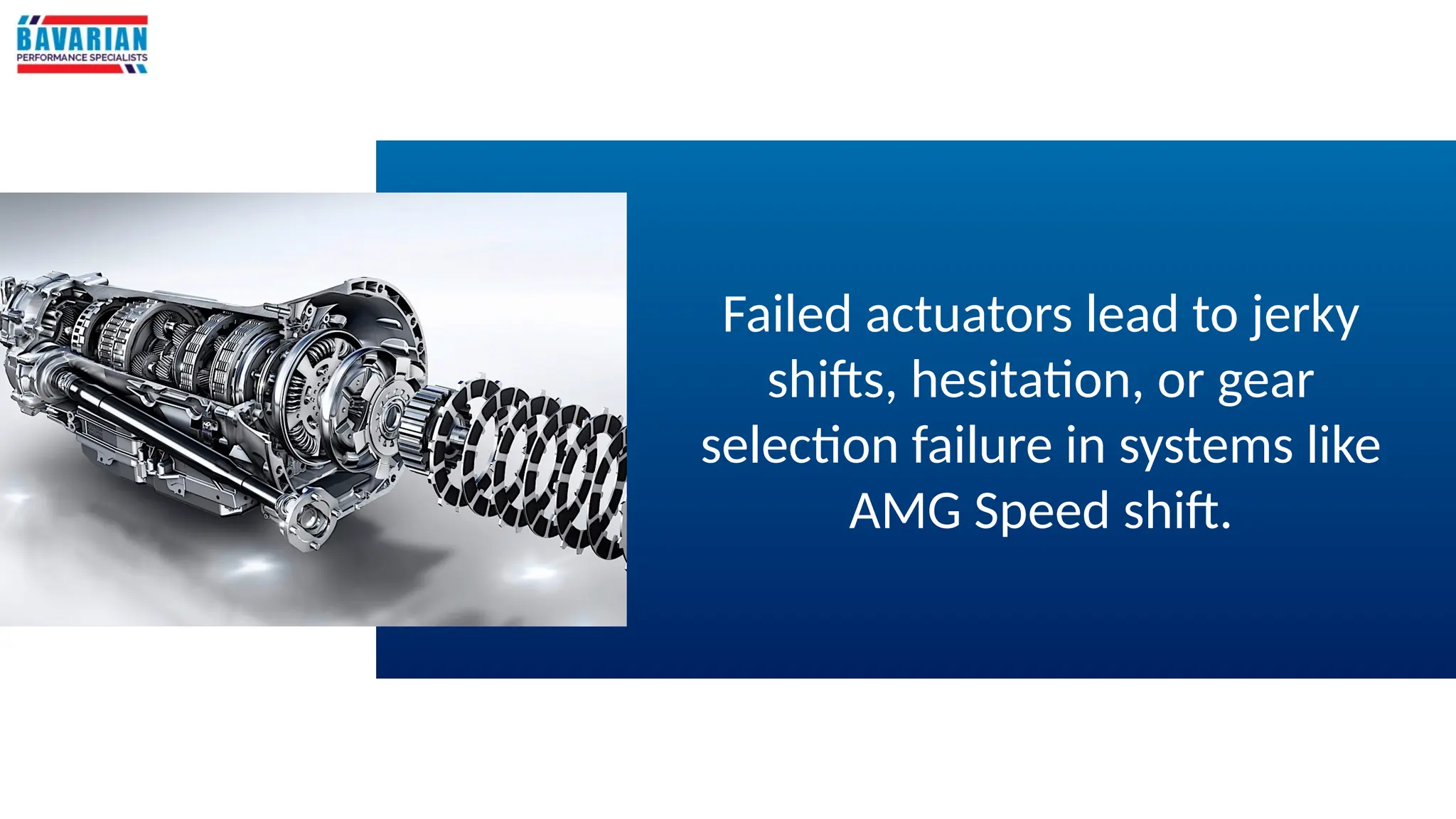
Failed actuators lead to jerky
shifts, hesitation, or gear
selection failure in systems like
AMG Speed shift.
Symptoms You
Shouldn’t Ignore
Grinding or crunching sound while
shifting gears
Burning smell near the clutch or
transmission area
Sudden changes in clutch pedal
resistance or travel
Jumpy or delayed gear engagement
during driving
Conclusion
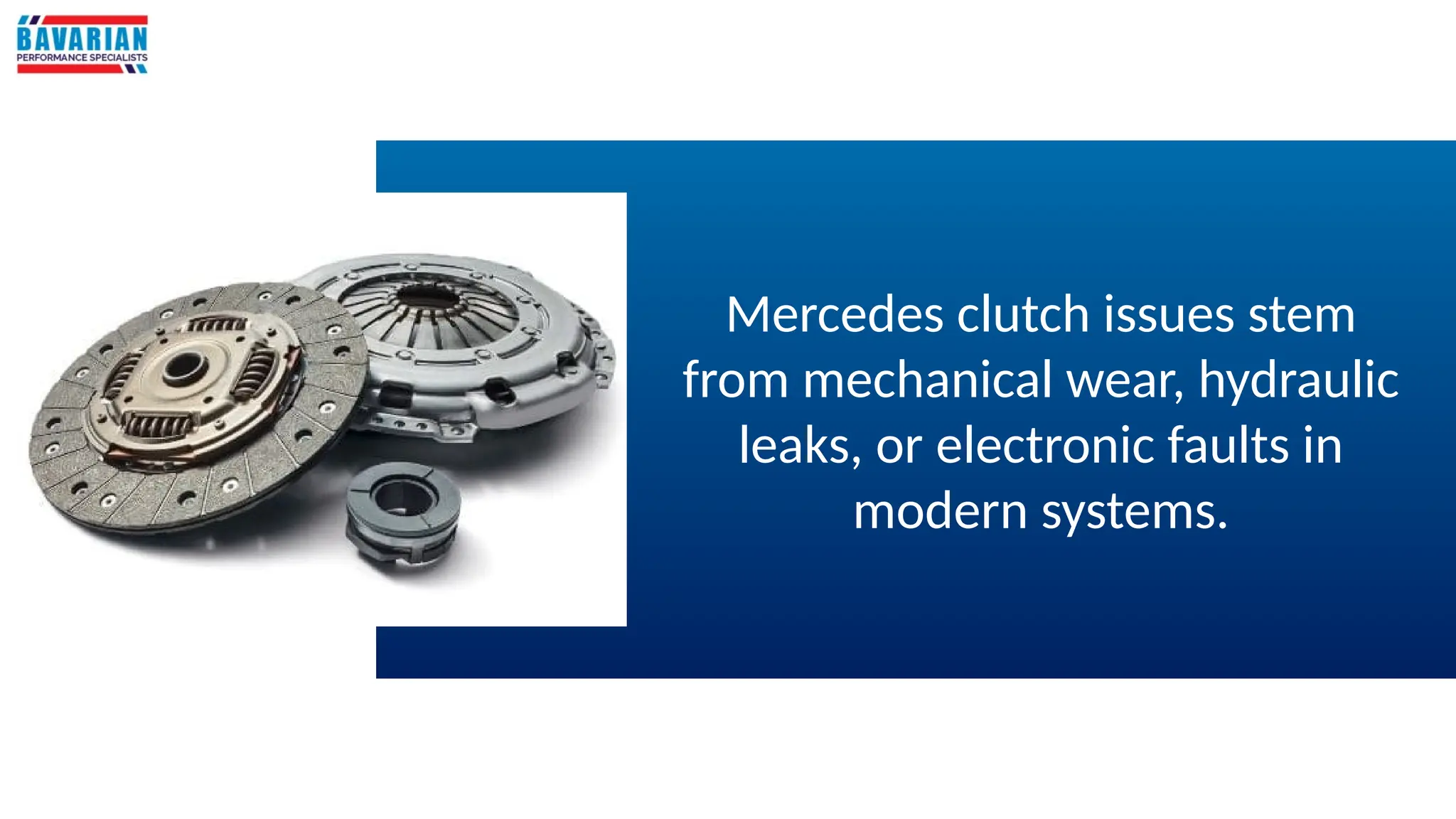
Mercedes clutch issues stem
from mechanical wear, hydraulic
leaks, or electronic faults in
modern systems.
Early diagnosis by a certified
technician ensures smooth
driving, prevents further
damage, and maintains
performance integrity.
BAVARIAN
PERFORMANCE SPECIALISTS
https://beemerpros.com/
/people/Bavarian-Performance-Specialists/100063
591552453/

What is the problem with the clutch in the Mercedes