The essential elements of a digital transformation strategy
This document discusses how digital transformation is inevitable for enterprises due to ongoing digital disruption. It defines digital transformation as using digital technologies to improve customer experience, products/services, and business operations. The document outlines three approaches to digital transformation: IT transformation, business operations transformation, and business model transformation. It recommends that enterprises focus on business operations transformation by recognizing disruption, focusing on customers, rethinking their business, and not waiting too long to transform.
Enterprises can harness their full potential by adapting swiftly in the digital age. The concept of the Lilliput Effect shows that smaller, born-digital companies thrive post-disruption.
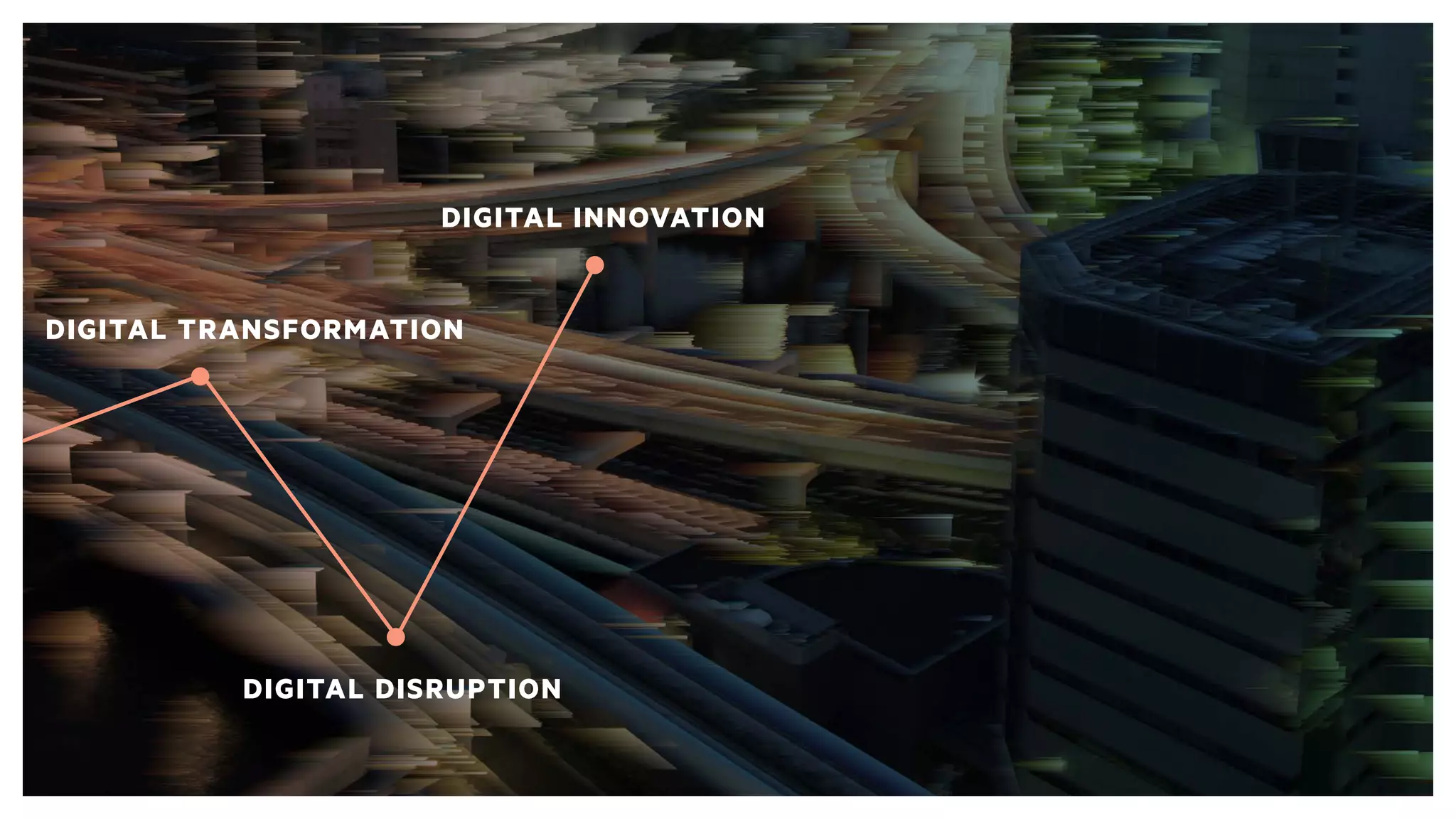
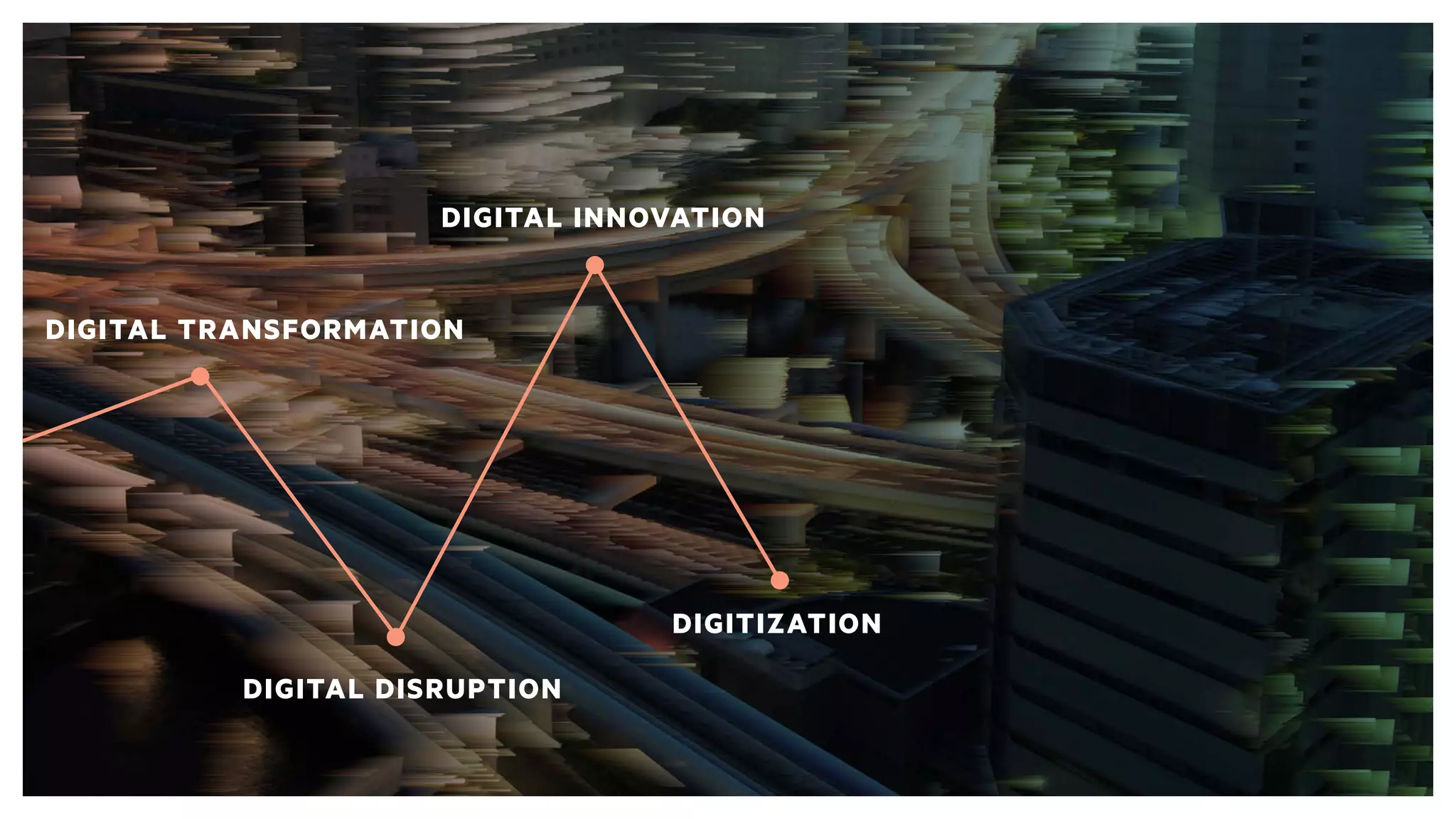
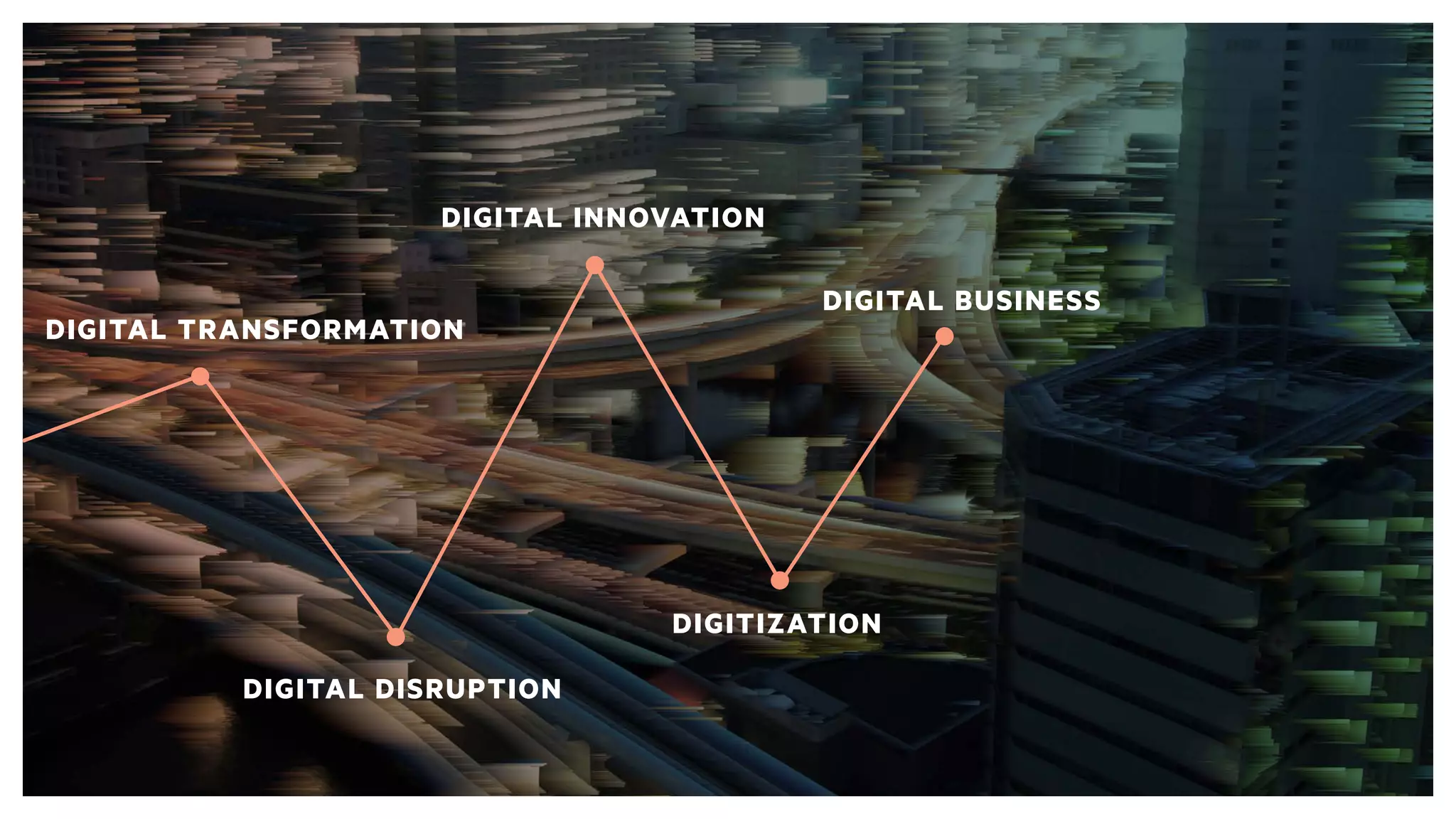
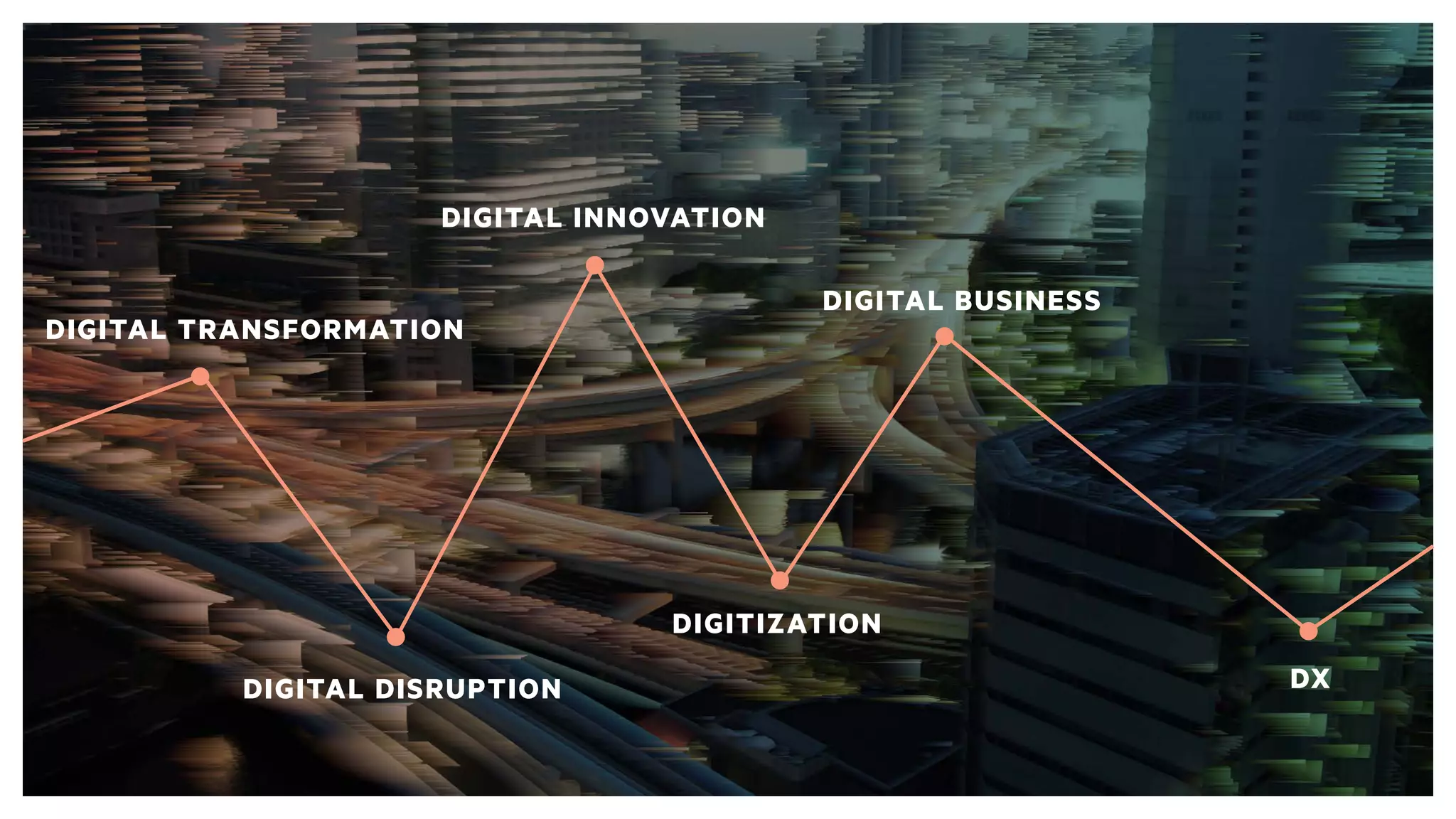
Digital transformation is crucial for enterprises, encompassing disruption, innovation, and improving customer experiences through digital technology.
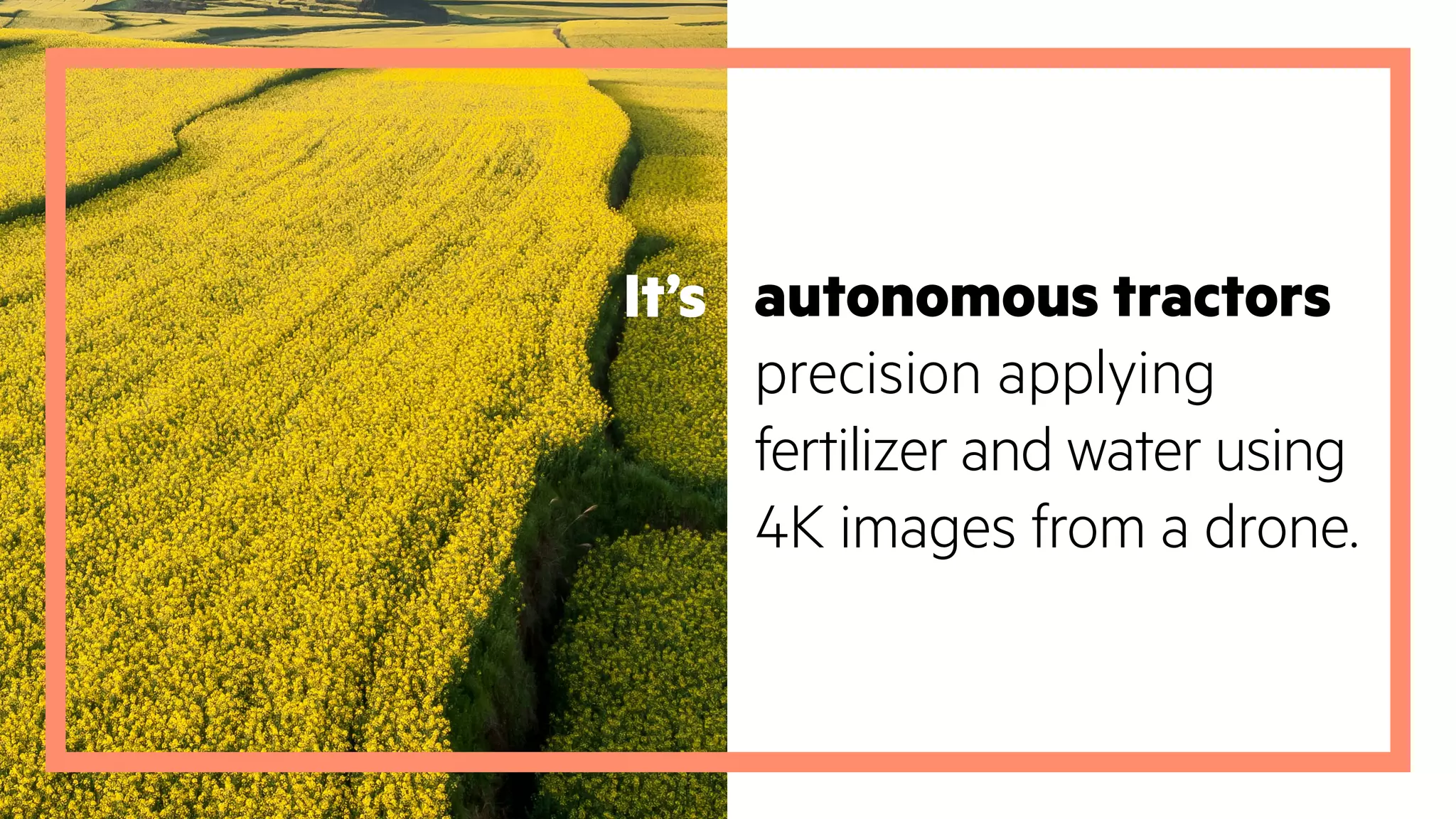
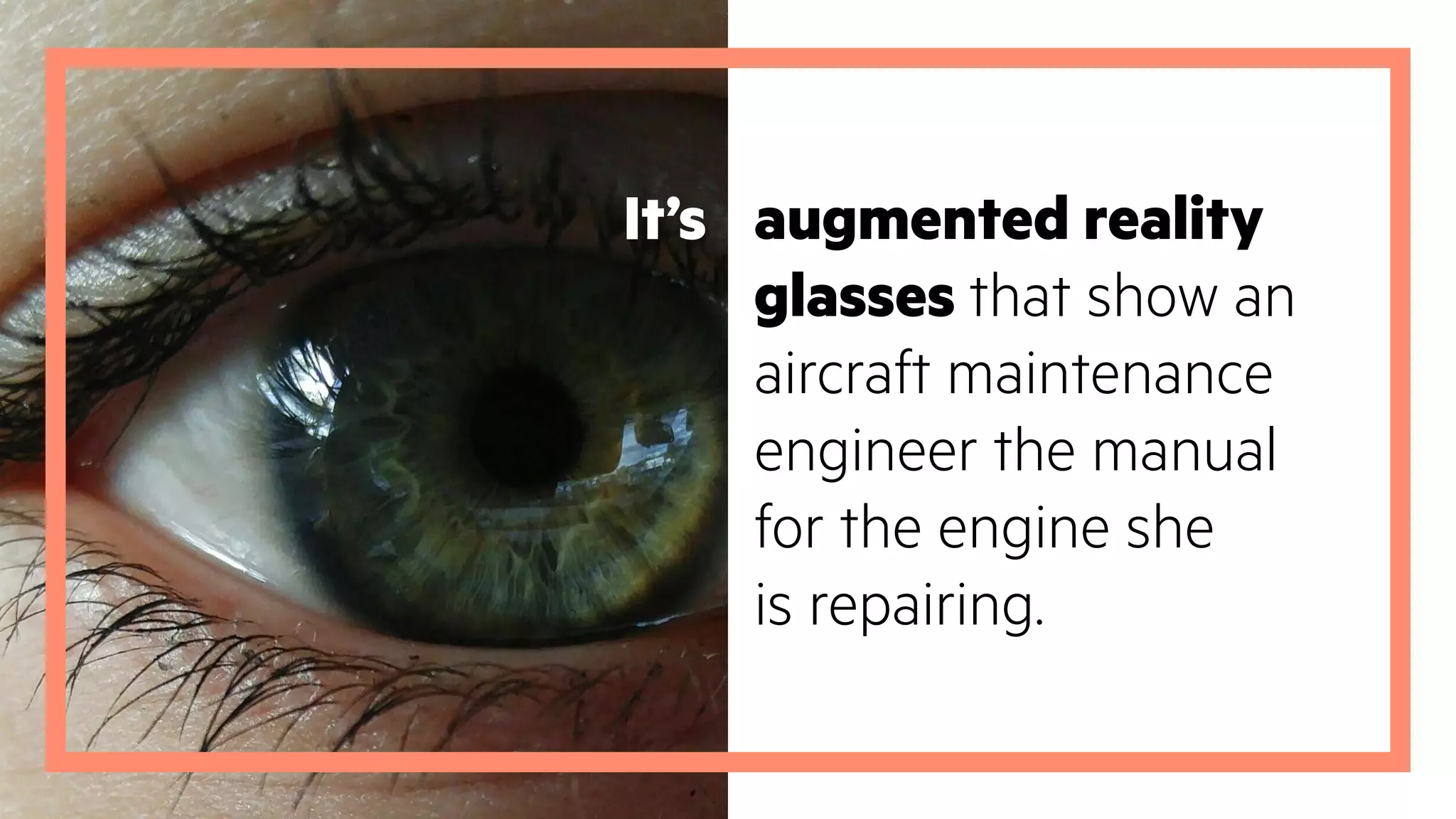
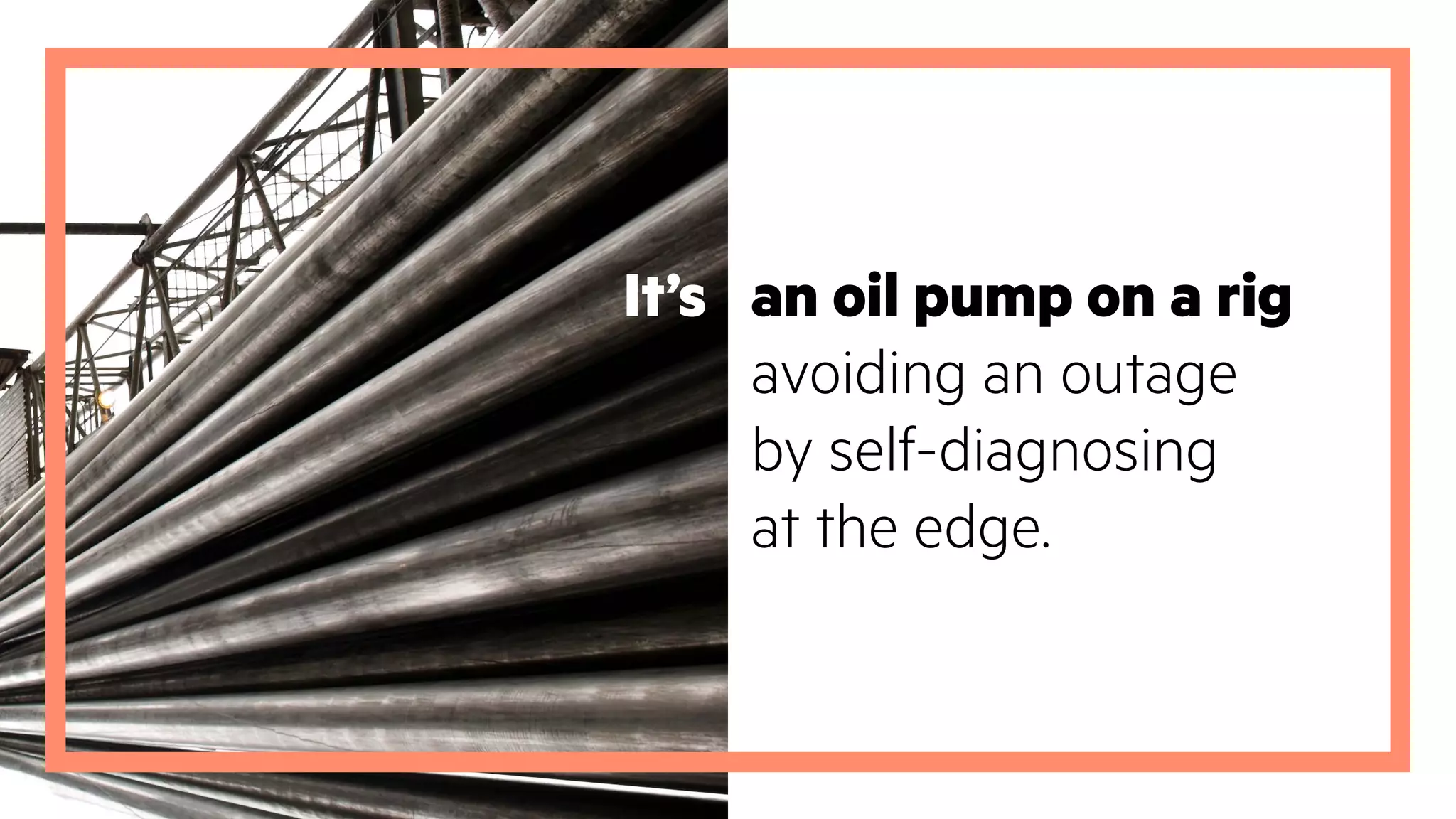
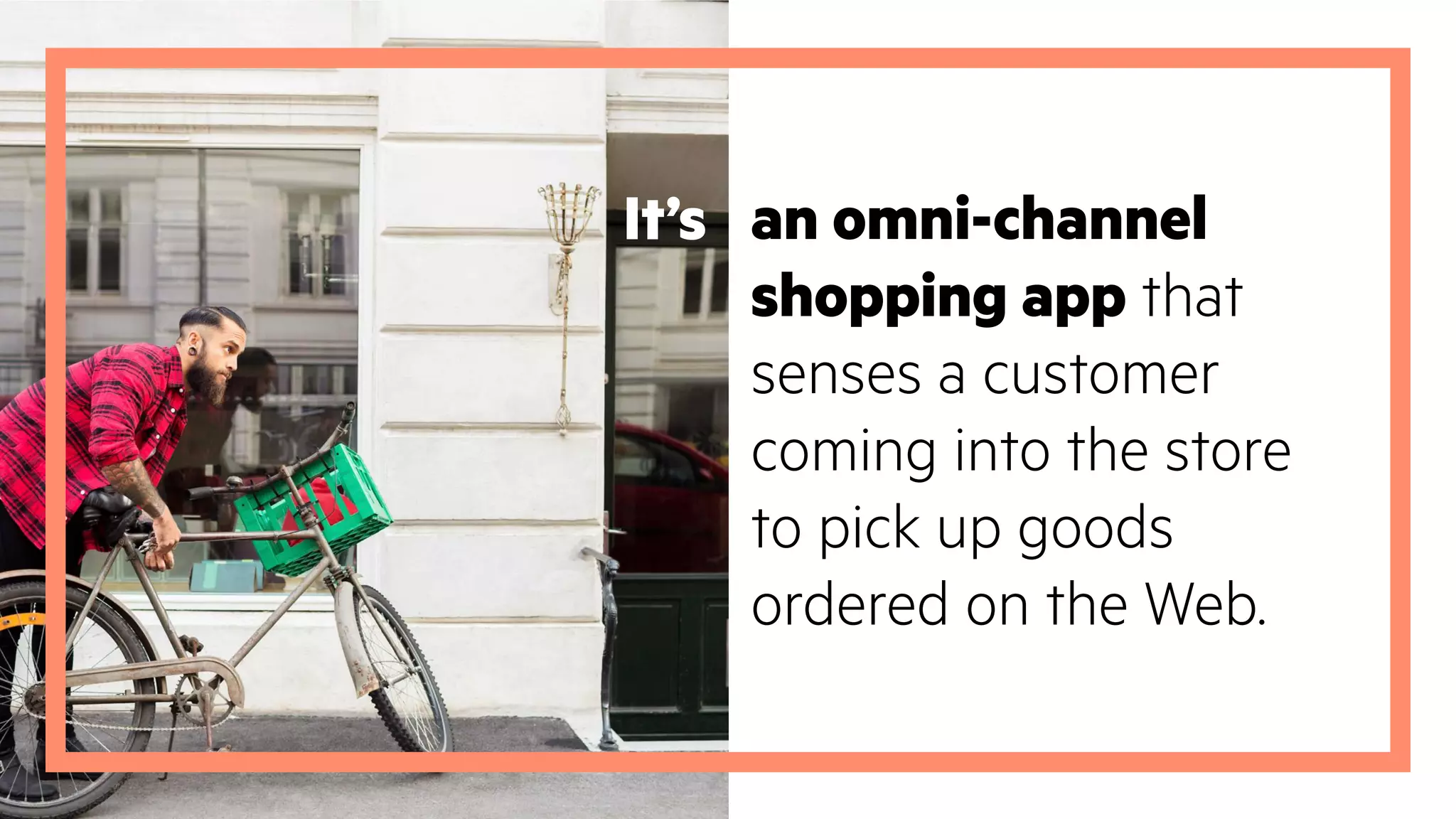
Digital transformation manifests in diverse forms such as drones, AR glasses, and smart devices, showcasing opportunities for enterprises to harness technological advancements.
To succeed, enterprises need a strategic focus on digital transformation, with evidence from global enterprises adopting these practices and structural shifts occurring across industries.
Digital transformation disrupts various industries. While the newspaper industry faces significant changes, retail banking sees FinTech startups reshaping the landscape, necessitating adaptation.
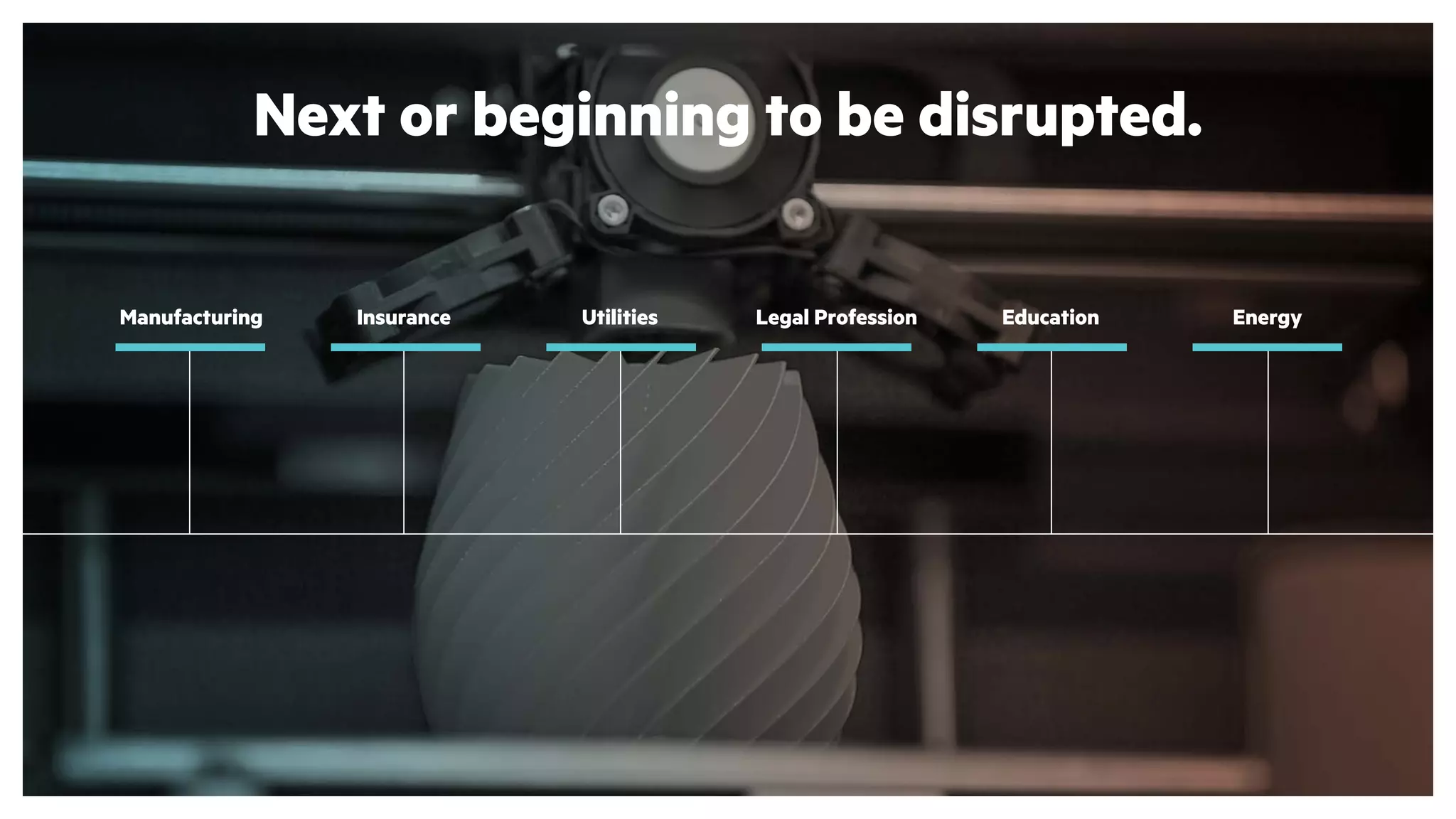
Emerging technologies like 3D printing are set to disrupt manufacturing, changing production processes and enhancing customer satisfaction, as demonstrated by GE Aviation's advancements.
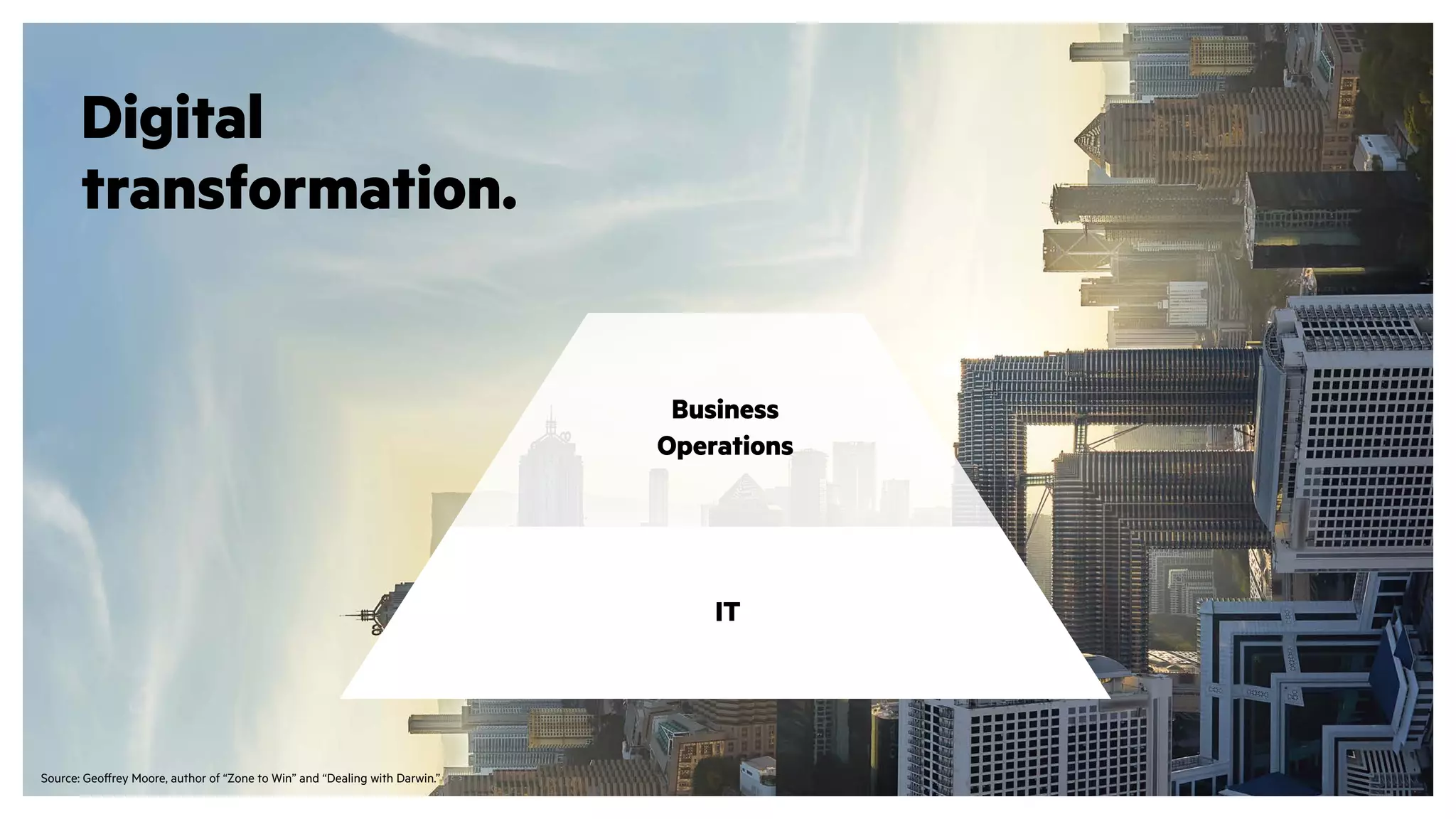
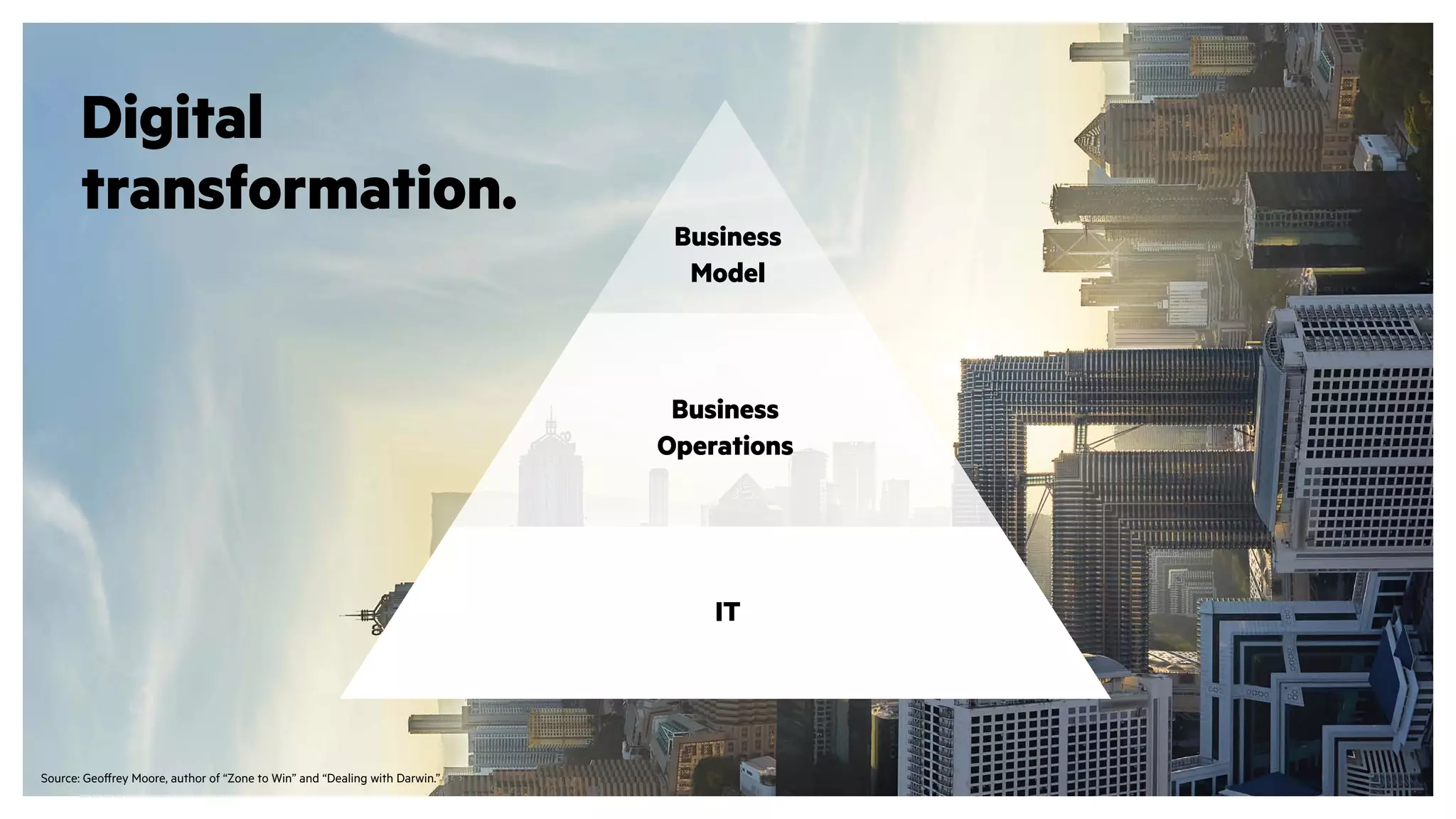
Digital transformation can be categorized into IT transformation, business operations transformation, and business model transformation, with different impacts on enterprises.
Enterprises must embrace digital transformation proactively, leveraging customer insights and focusing on improving experiences to avoid being outpaced by agile competitors.
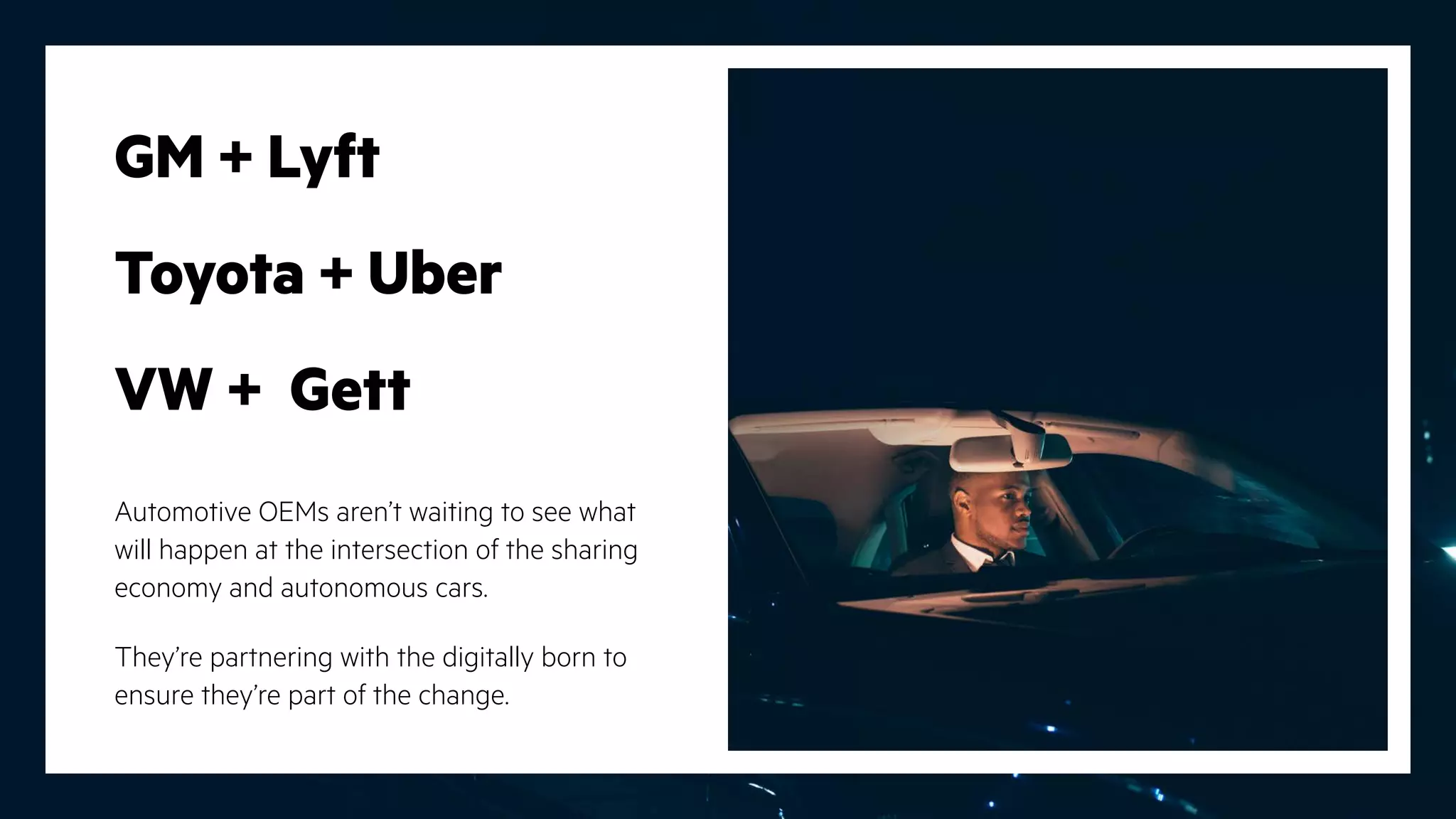
Collaboration with digitally savvy partners is vital for automotive companies to adapt and thrive in the changing landscape shaped by the sharing economy and new technologies.
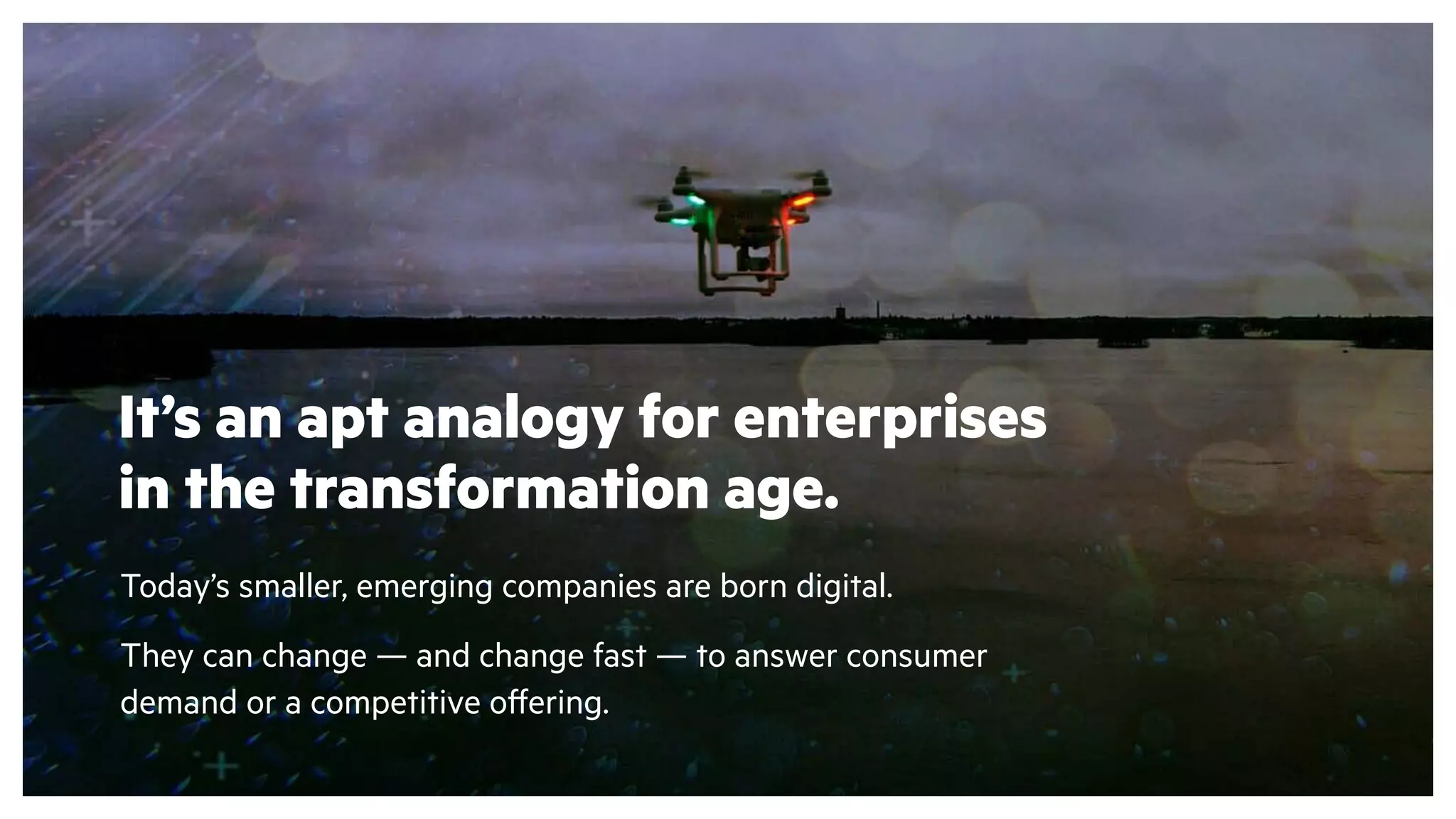
Today’s smaller, emergingcompanies are born digital.
They can change — and change fast — to answer consumer
demand or a competitive offering.
It’s an apt analogy for enterprises
in the transformation age.
6.
What must wedo to adapt and thrive?
So how can
the enterprise
win at digital?
7.
The answer liesin digital transformation.
But what is it?
We believe the answer lies
in digital transformation.
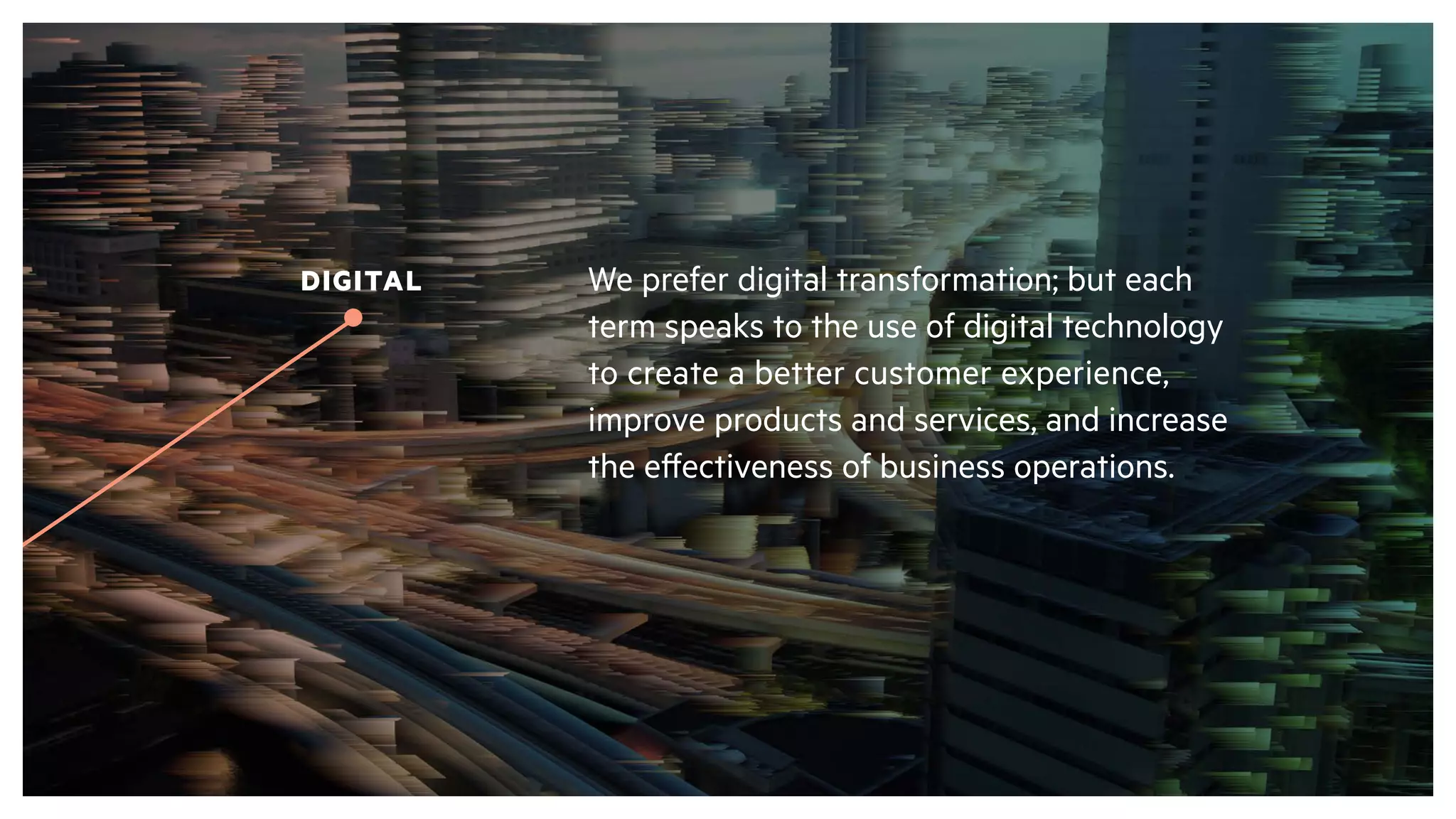
We prefer digitaltransformation; but each
term speaks to the use of digital technology
to create a better customer experience,
improve products and services, and increase
the effectiveness of business operations.
DIGITAL
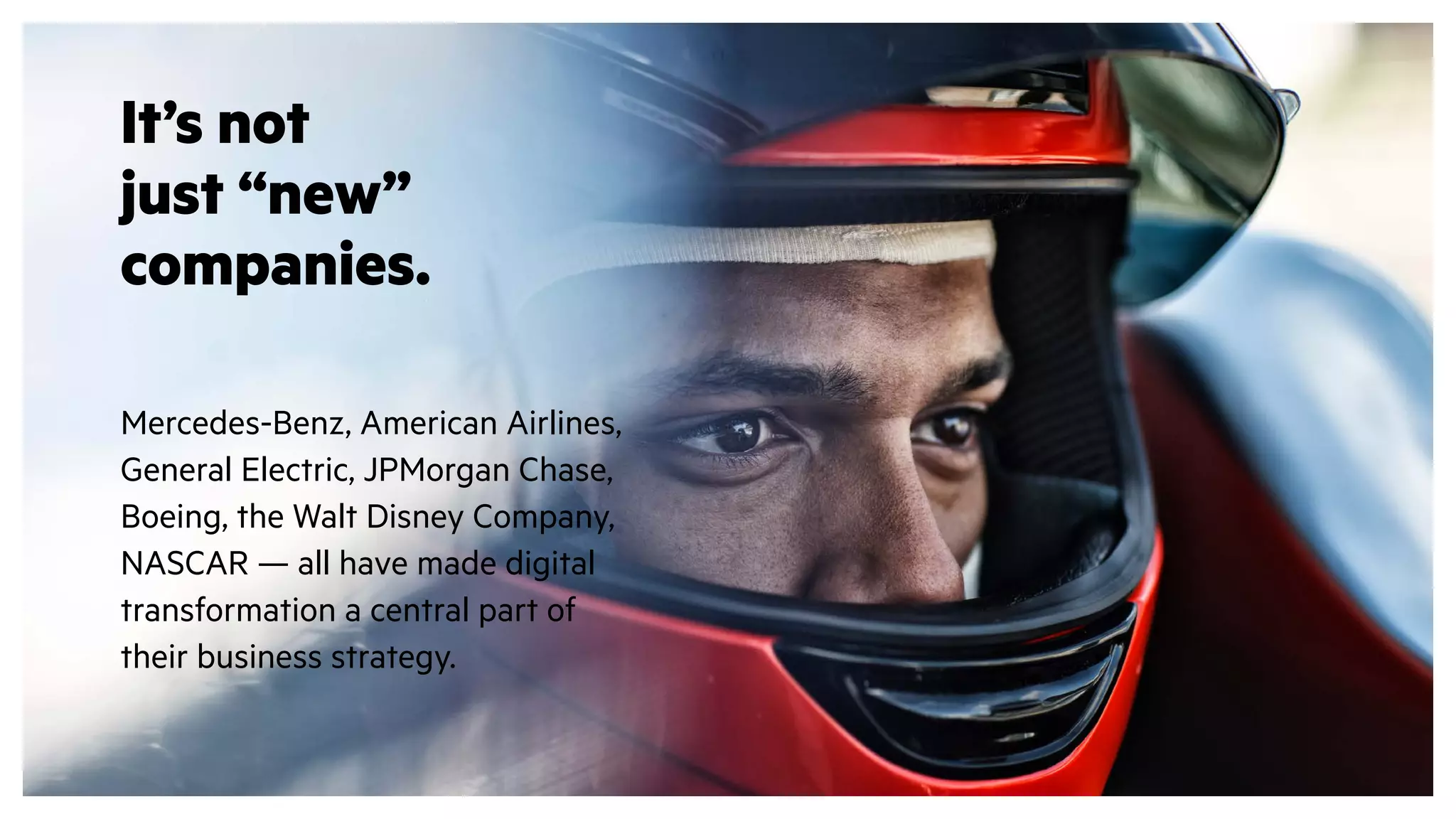
It’s not
just “new”
companies.
Mercedes-Benz,American Airlines,
General Electric, JPMorgan Chase,
Boeing, the Walt Disney Company,
NASCAR — all have made digital
transformation a central part of
their business strategy.
27.
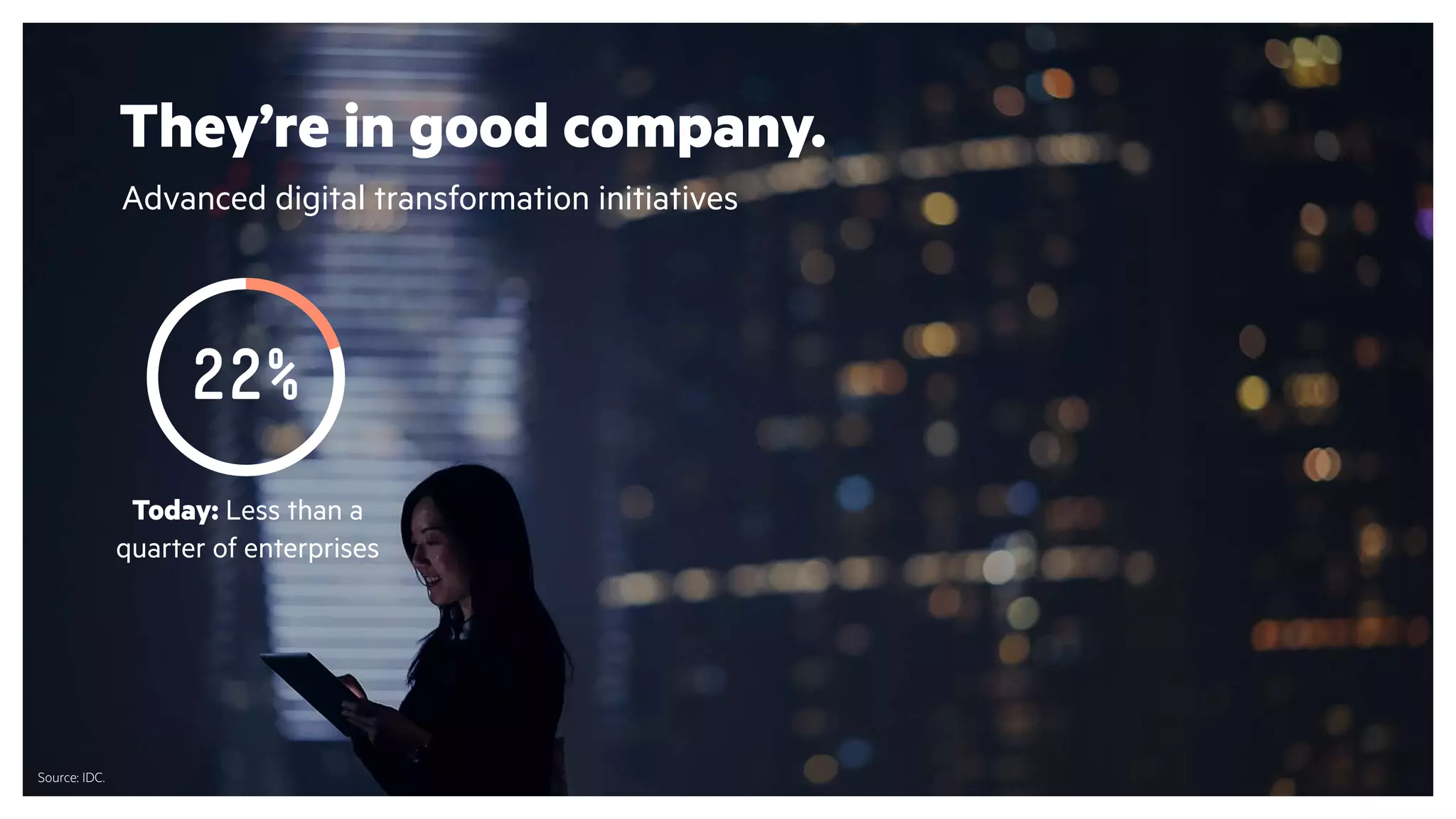
50% 22%
Source: IDC.
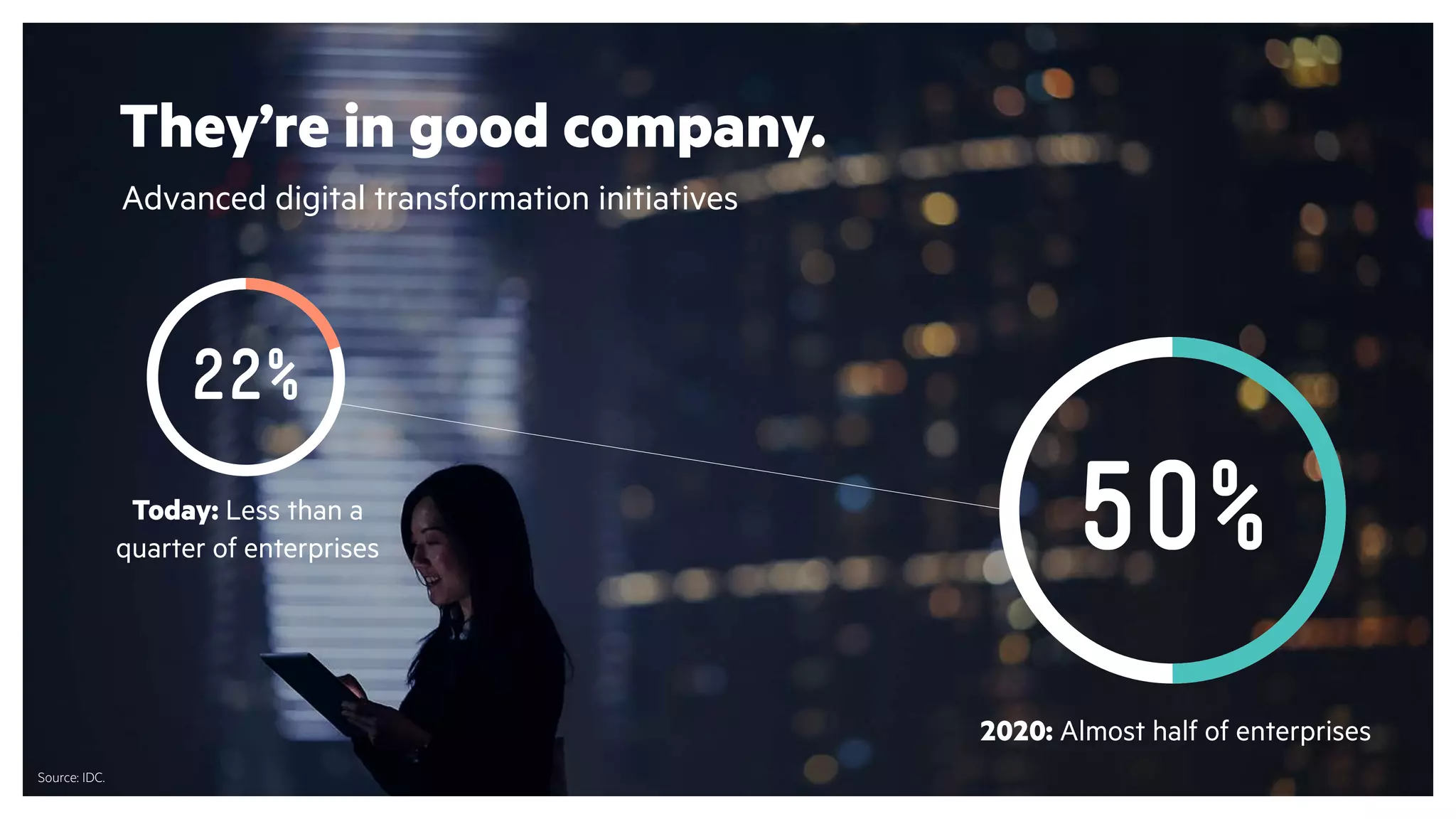
They’rein good company.
Advanced digital transformation initiatives
Today: Less than a
quarter of enterprises
28.
50% 2
2020: Almosthalf of enterprises
Source: IDC.
50% 22%
Today: Less than a
quarter of enterprises
Advanced digital transformation initiatives
They’re in good company.
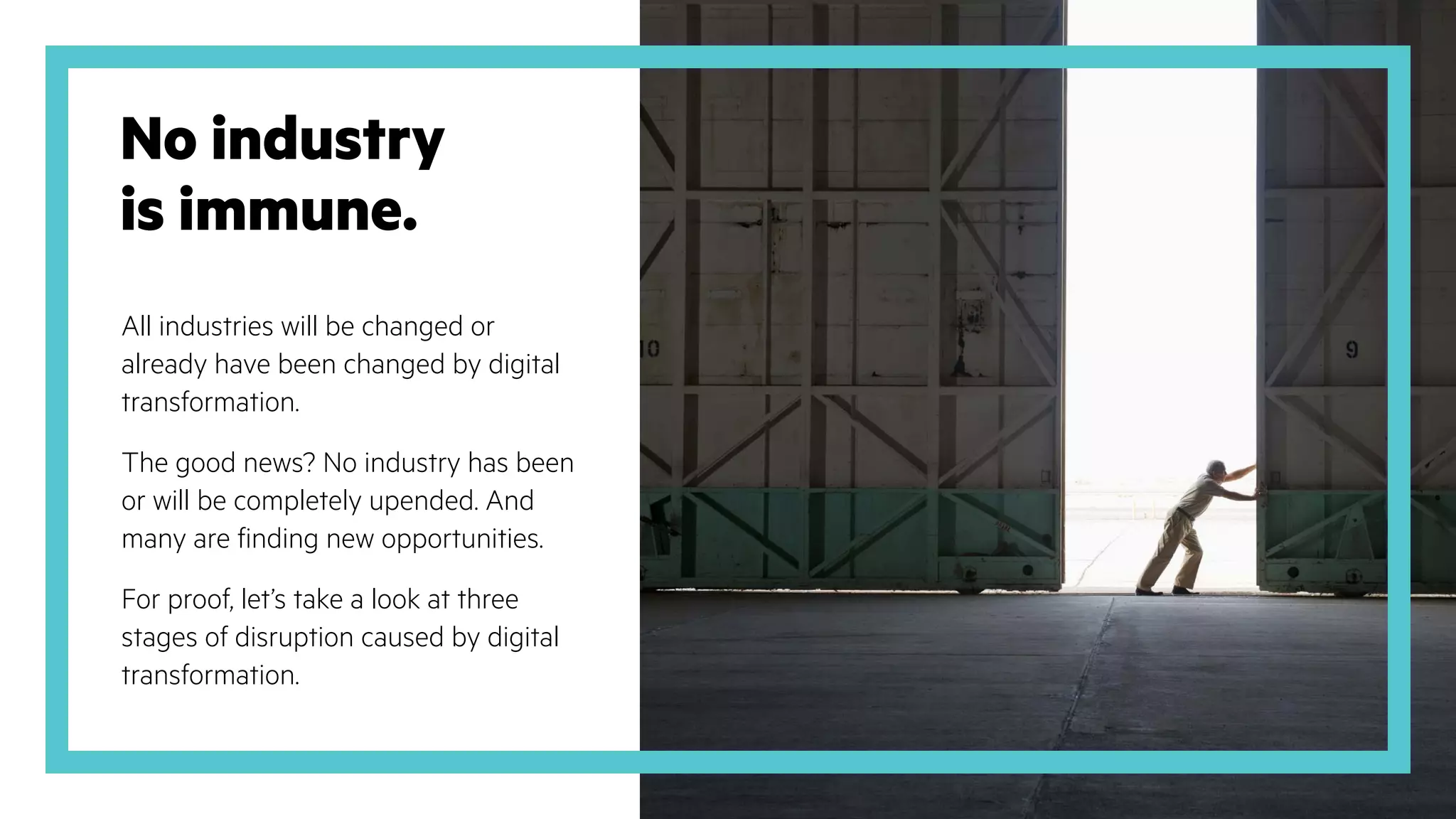
No industry
is immune.
Allindustries will be changed or
already have been changed by digital
transformation.
The good news? No industry has been
or will be completely upended. And
many are finding new opportunities.
For proof, let’s take a look at three
stages of disruption caused by digital
transformation.
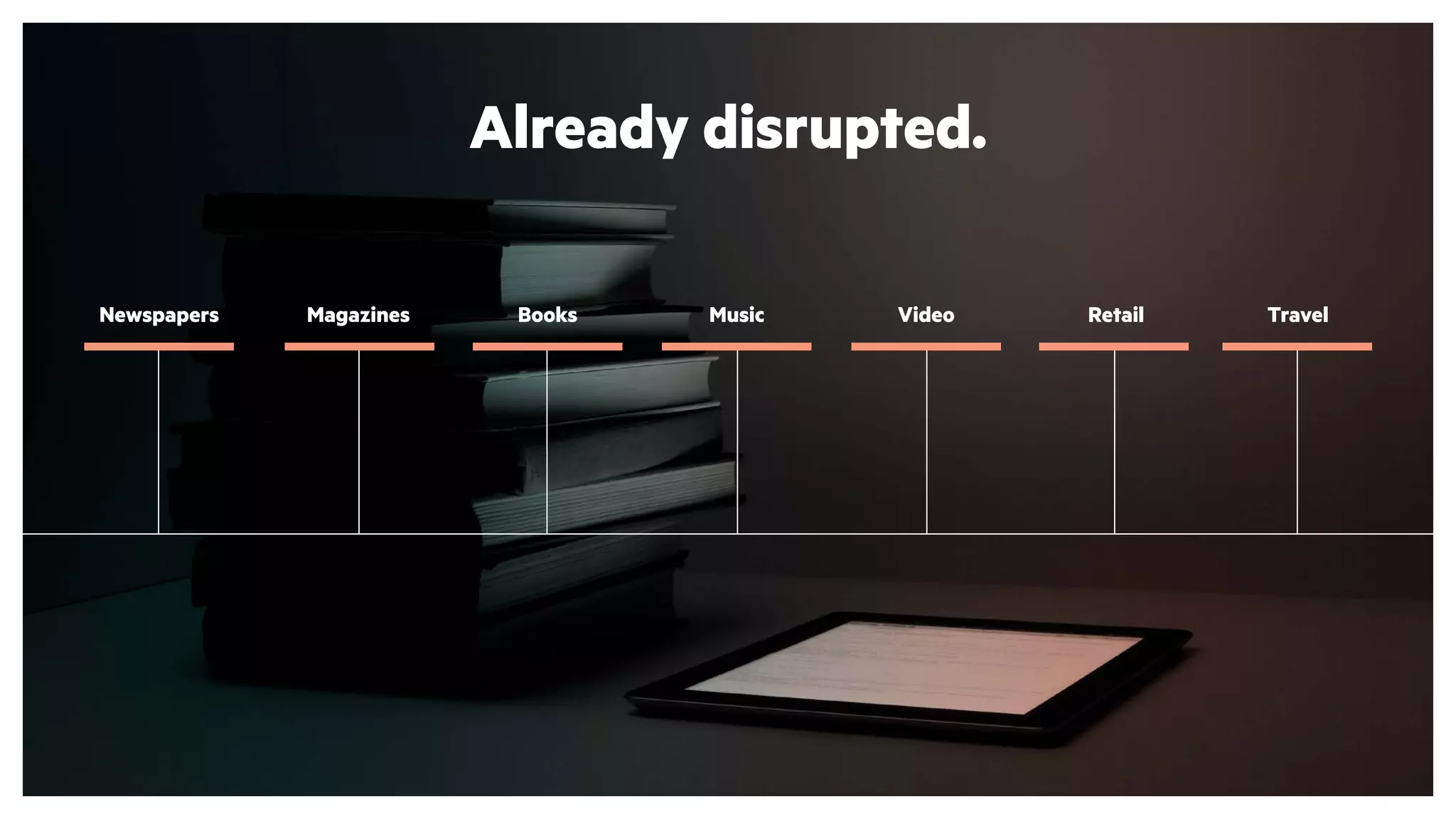
What has itmeant for
the newspaper industry?
Many long-standing daily newspapers have died, but the industry
hasn’t. It has, however, changed and will continue to change.
33.
“We will stopprinting The New York Times
sometime in the future, date TBD.”
ARTHUR SULZBERGER JR.
CHAIRMAN AND PUBLISHER OF THE NEW YORK TIMES
34.
Journalism schools nowinclude coursework
in coding, infographic creation and new
media innovation.
Print is still taught, but it’s not the primary focus.
At last count,there were more than 2,000 FinTech
start-ups, all looking for a piece of the market.
P2P (peer-to-peer) lending. Micro-loans. Mobile-only banks. FinTech
start-ups are automating key processes, removing the “face” of banking
and giving consumers the choice and speed they demand.
38.
For retail bankingto thrive, it must
find new ways to put the customer first.
Otherwise, someone smaller or more
agile and innovative will.
39.
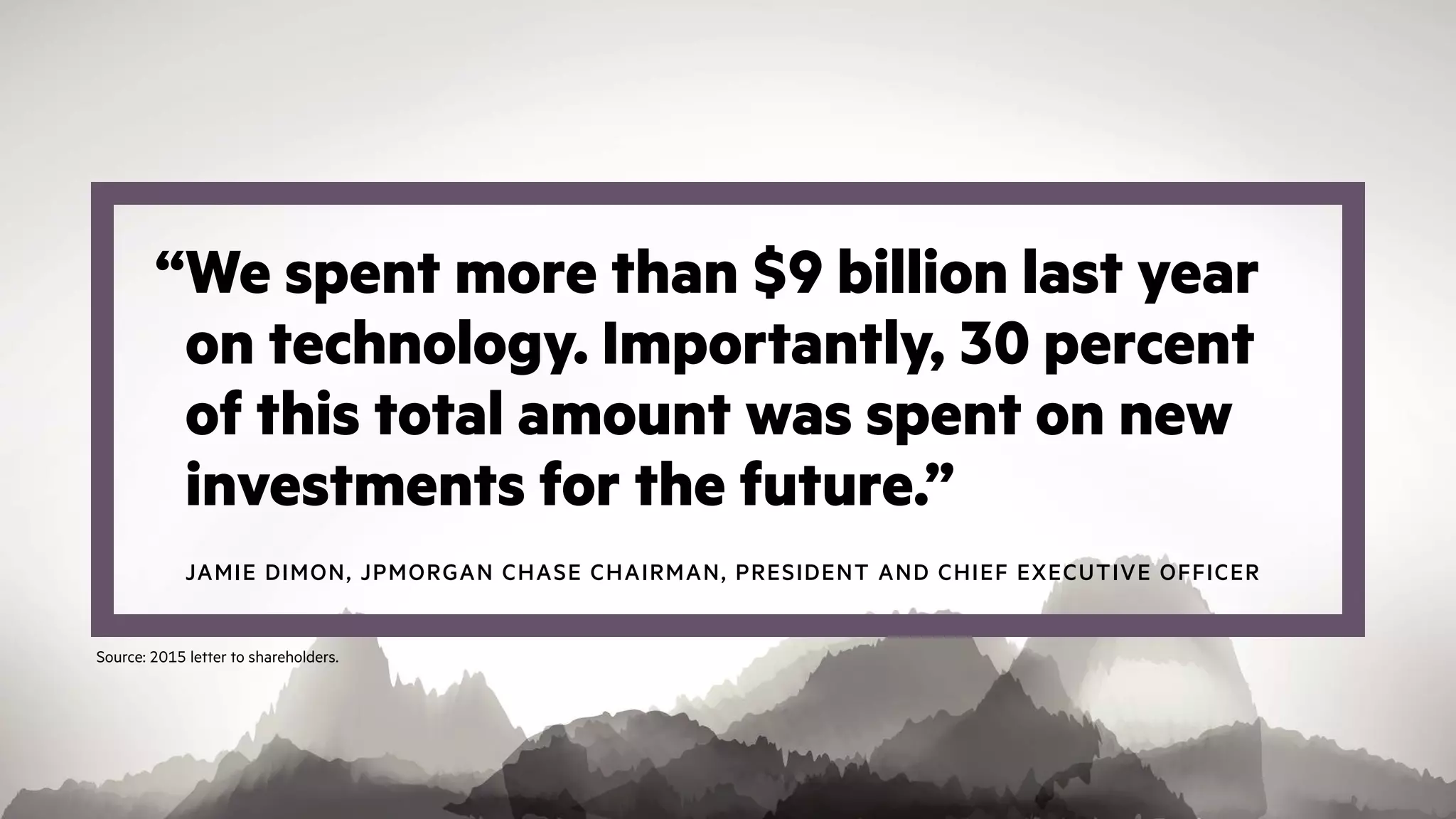
“We spent morethan $9 billion last year
on technology. Importantly, 30 percent
of this total amount was spent on new
investments for the future.”
JAMIE DIMON, JPMORGAN CHASE CHAIRMAN, PRESIDENT AND CHIEF EXECUTIVE OFFICER
Source: 2015 letter to shareholders.
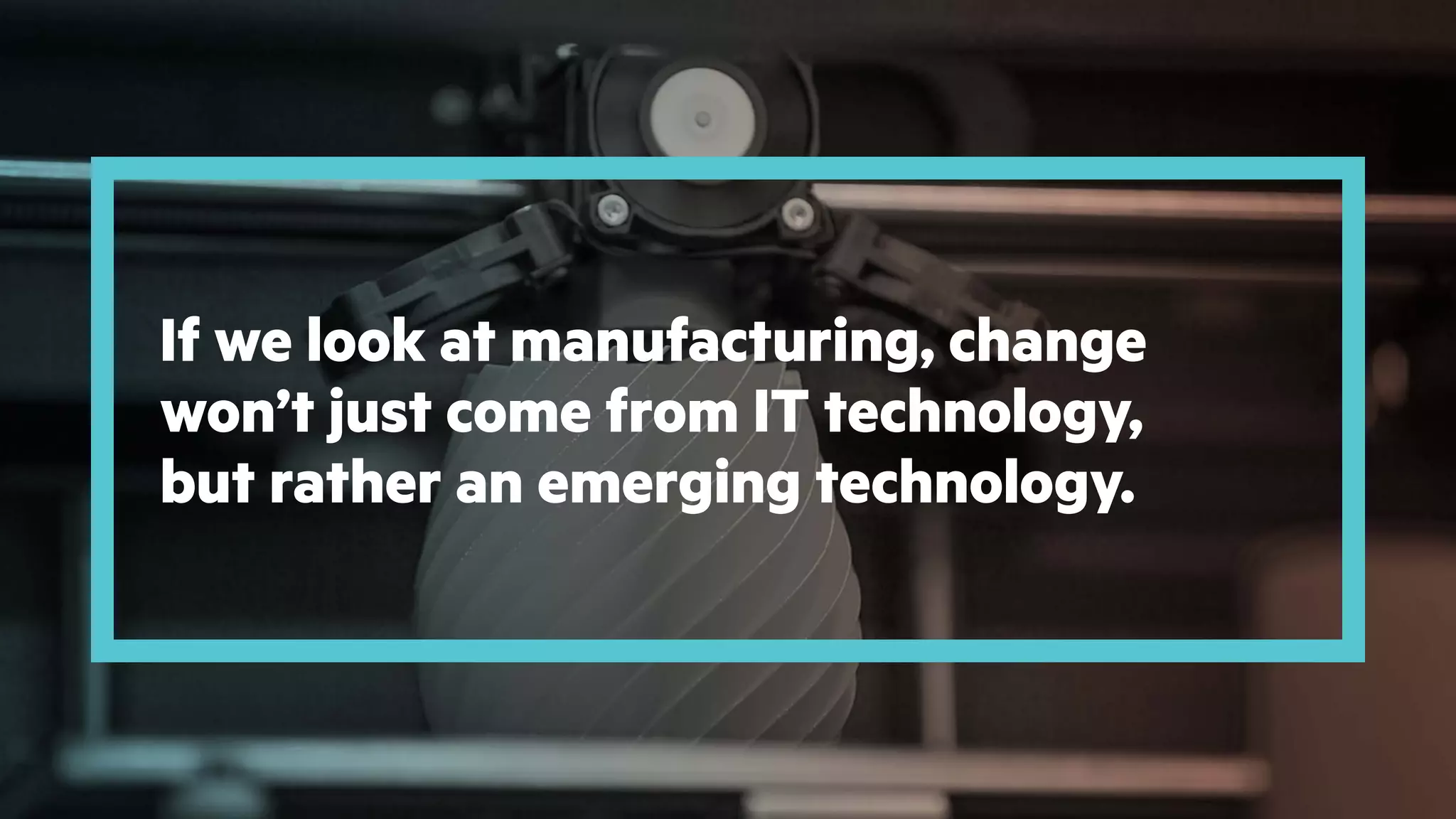
If we lookat manufacturing, change
won’t just come from IT technology,
but rather an emerging technology.
42.
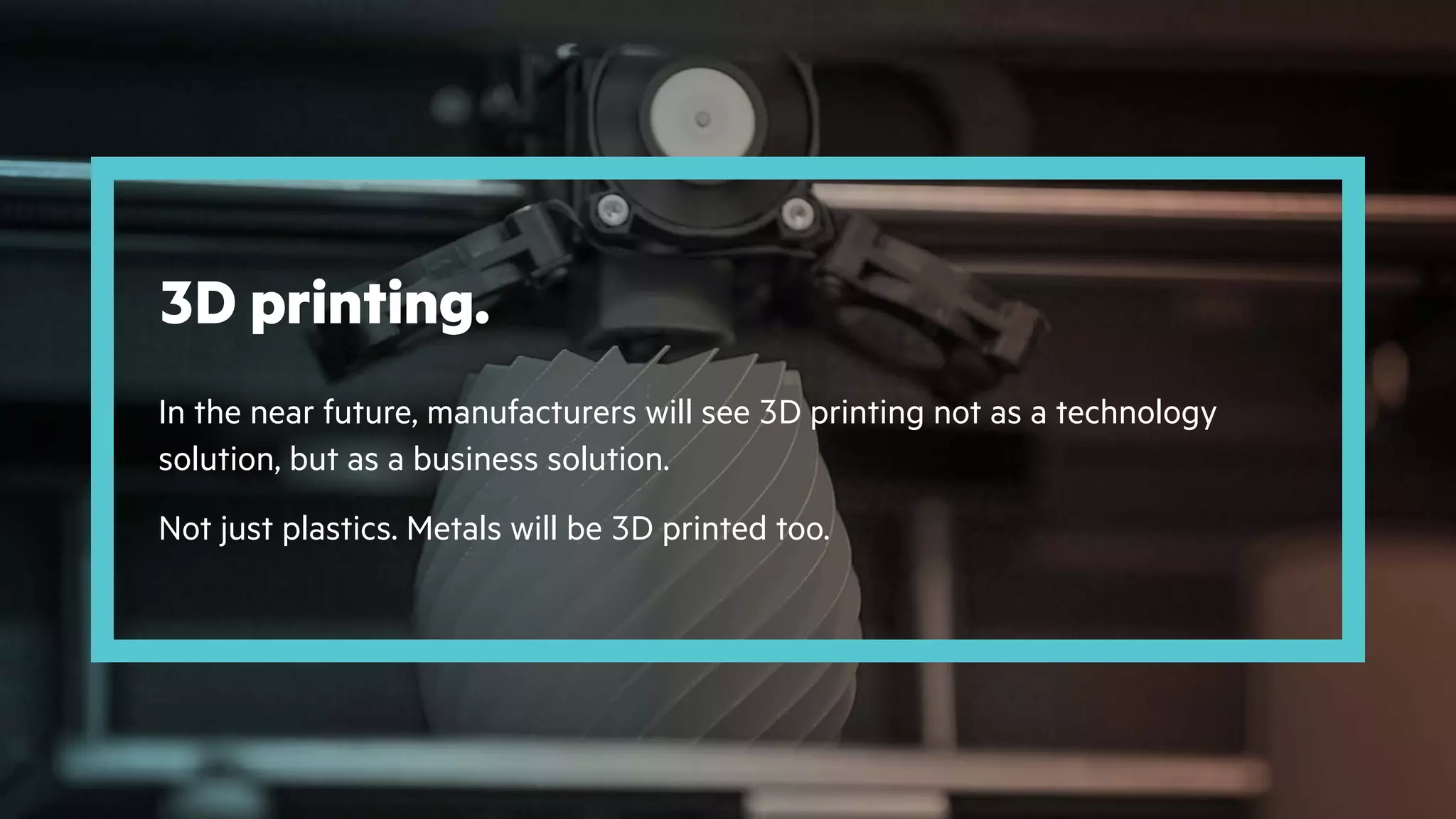
3D printing.
In thenear future, manufacturers will see 3D printing not as a technology
solution, but as a business solution.
Not just plastics. Metals will be 3D printed too.
43.
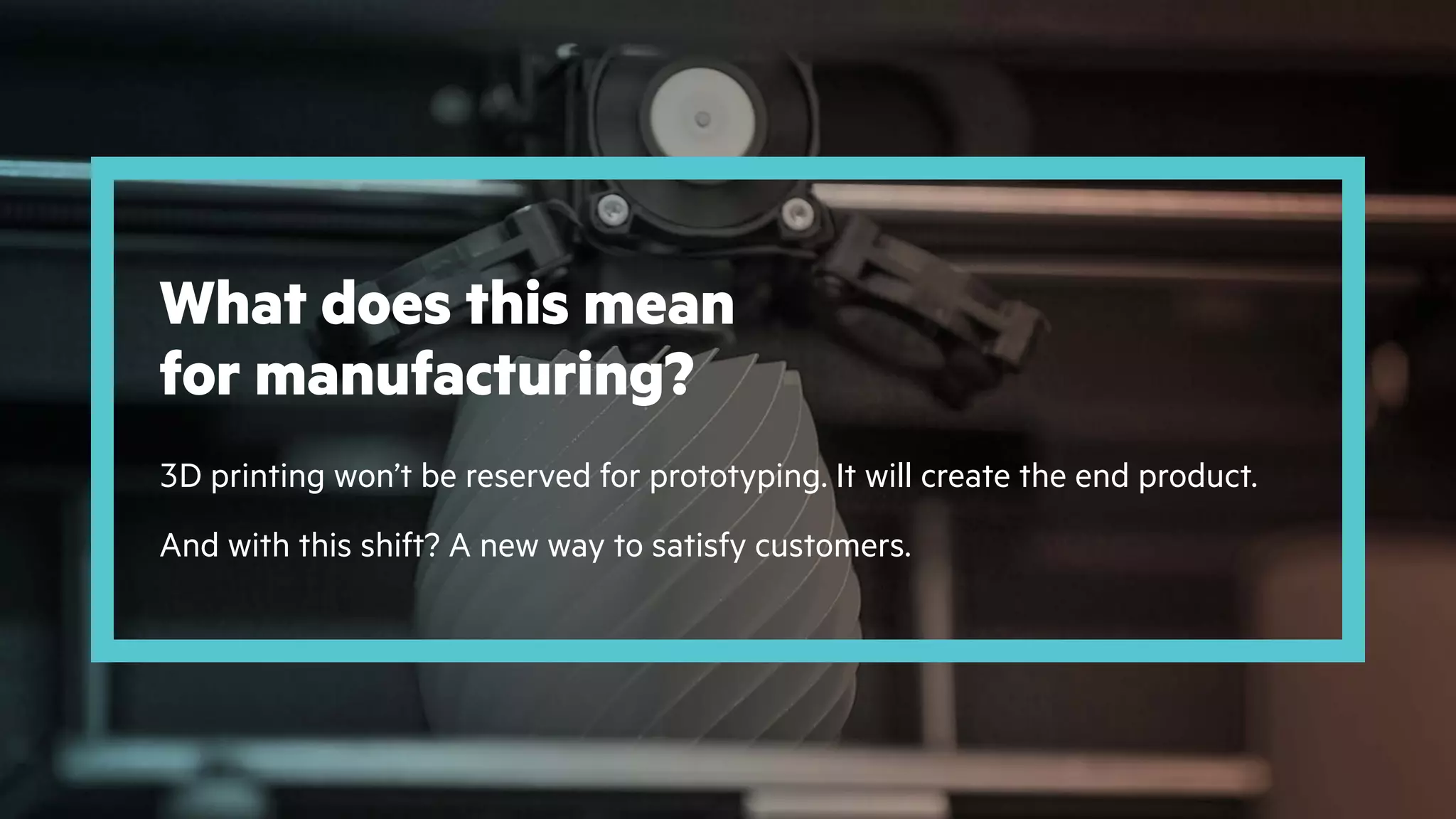
3D printing won’tbe reserved for prototyping. It will create the end product.
And with this shift? A new way to satisfy customers.
What does this mean
for manufacturing?
44.
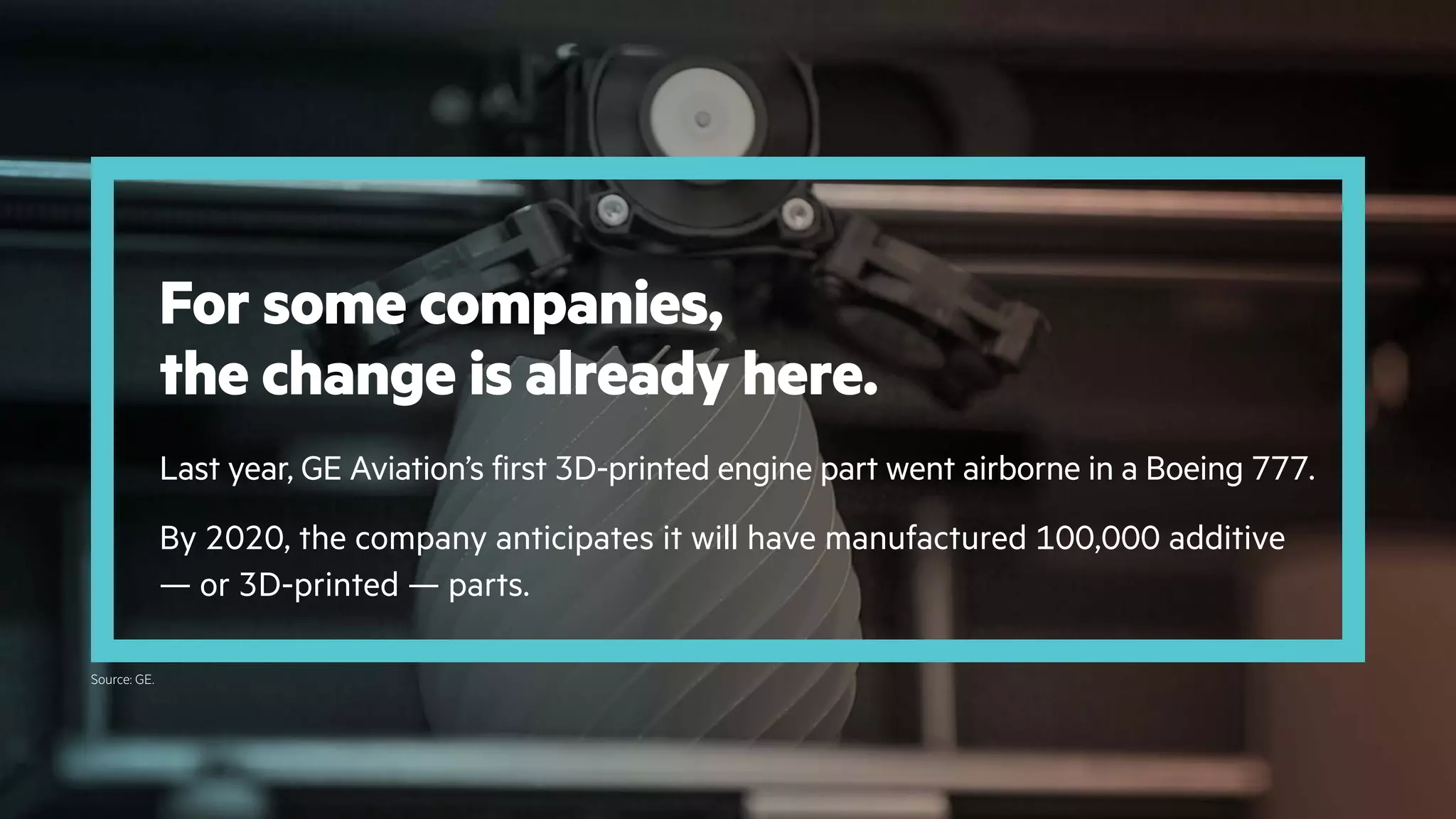
For some companies,
thechange is already here.
Last year, GE Aviation’s first 3D-printed engine part went airborne in a Boeing 777.
By 2020, the company anticipates it will have manufactured 100,000 additive
— or 3D-printed — parts.
Source: GE.
45.
We’ve talked alot about what
digital transformation is and
where it’s occurring.
Let’s take a minute to categorize and visualize it.
Technology that transformsinternally; the enterprise
is made more efficient and effective.
Includes Software as a Service (SaaS) and
virtualization.
Consumer may ultimately benefit but is not aware of
the transformation.
01
IT transformation.
48.
Business operations
transformation.
The businessmodel remains the same, but the
customer experience, products/services and core
operations are transformed.
Think 9-to-5 branch banking transformed to mobile banking.
There’s still a place for the branch, just not for routine
tasks like check depositing.
02
49.
Business model
transformation.
Typically involveschanging part of the supply chain.
Think Uber becoming a new supplier in the taxi business.
Rarest and least predictable; causes the most disruption.
03
50.
Source: Geoffrey Moore,author of “Zone to Win” and “Dealing with Darwin.”
IT
Business
Operations
Here’s digital
transformation,
visualized.
Digital
transformation.
51.
Source: Geoffrey Moore,author of “Zone to Win” and “Dealing with Darwin.”
IT
Digital
transformation.
52.
Source: Geoffrey Moore,author of “Zone to Win” and “Dealing with Darwin.”
IT
Business
Operations
Digital
transformation.
53.
Source: Geoffrey Moore,author of “Zone to Win” and “Dealing with Darwin.”
IT
Business
Operations
Business
Model
Digital
transformation.
54.
Most enterprises shouldfocus their
energies and budget on the sweet spot —
business operations transformation.
55.
If digital transformationis
inevitable, what steps should
we be taking?
Four key takeaways for enterprises.
56.
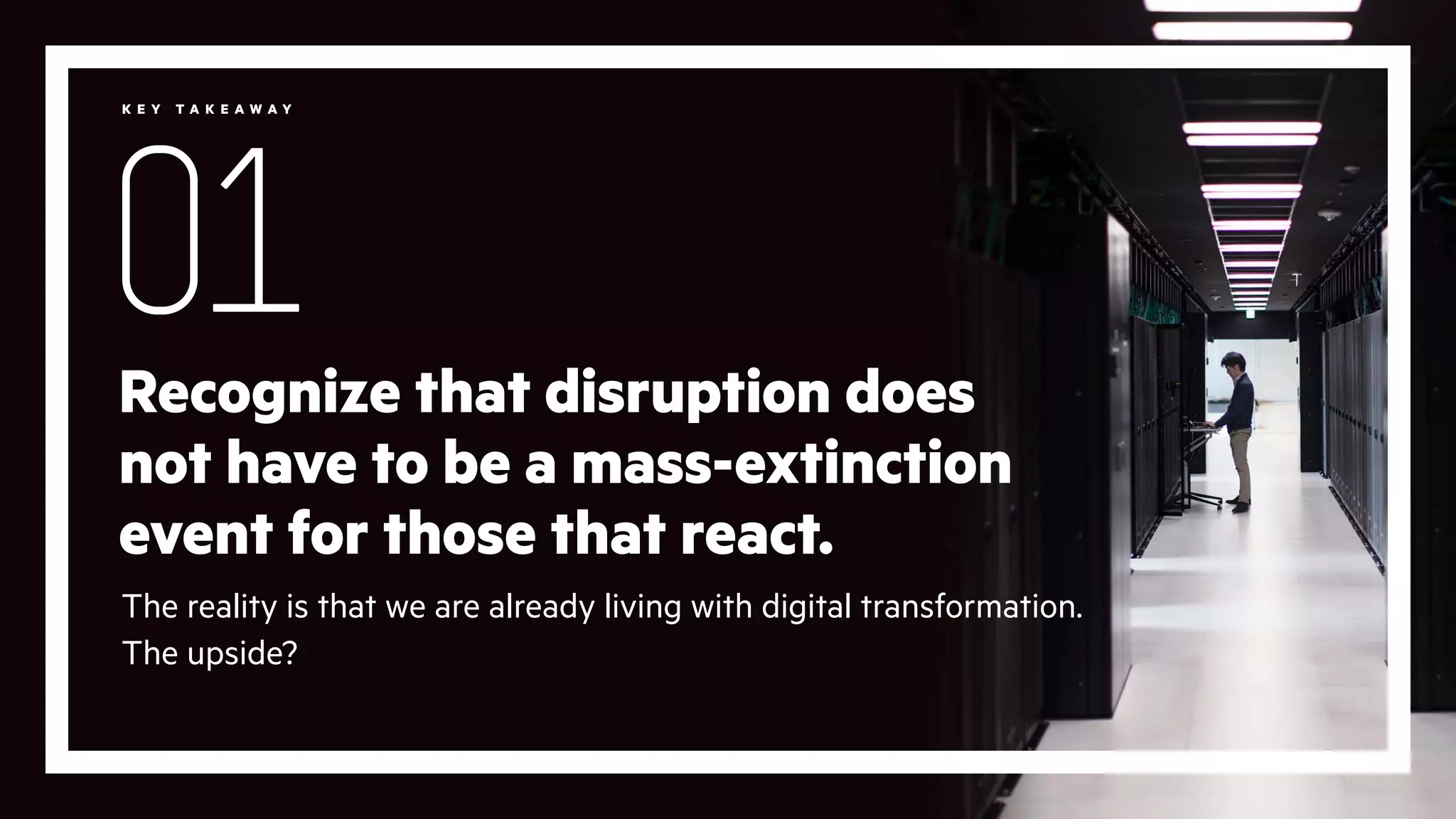
Recognize that disruptiondoes
not have to be a mass-extinction
event for those that react.
The reality is that we are already living with digital transformation.
The upside?
01
K E Y T A K E A W A Y
57.
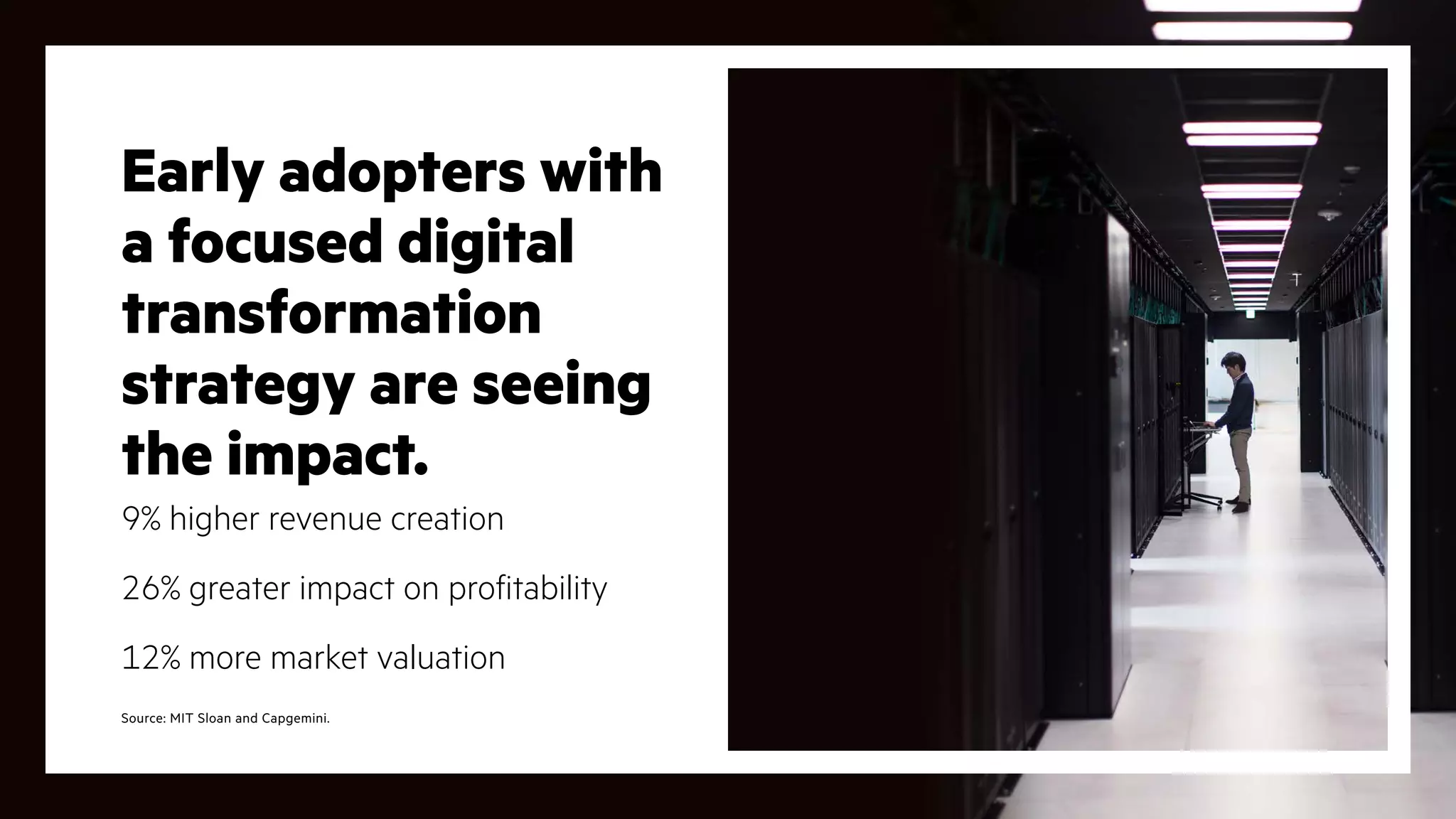
Early adopters with
afocused digital
transformation
strategy are seeing
the impact.
9% higher revenue creation
26% greater impact on profitability
12% more market valuation
Source: MIT Sloan and Capgemini.
58.
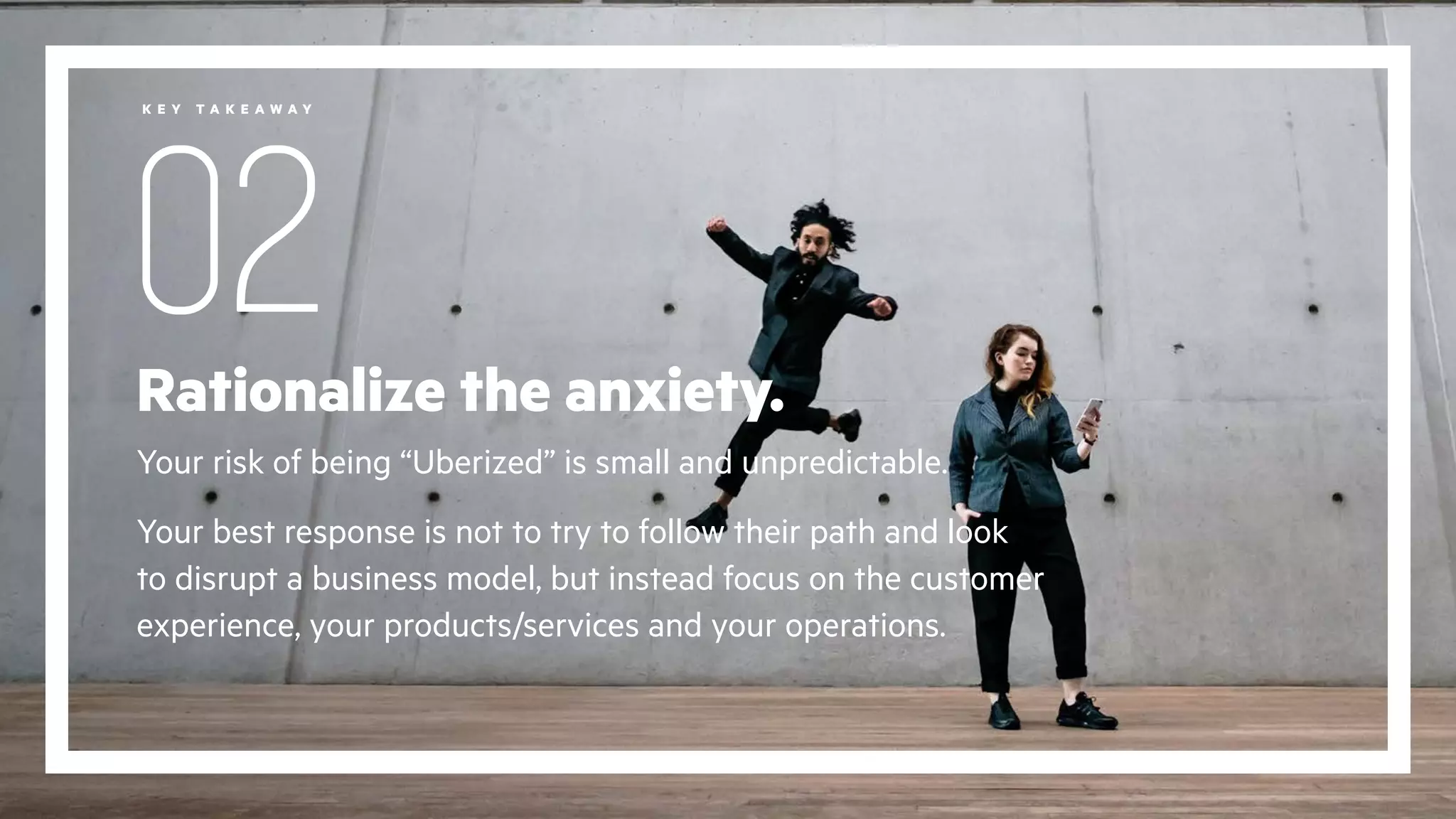
Rationalize the anxiety.
Yourrisk of being “Uberized” is small and unpredictable.
Your best response is not to try to follow their path and look
to disrupt a business model, but instead focus on the customer
experience, your products/services and your operations.
02
K E Y T A K E A W A Y
59.
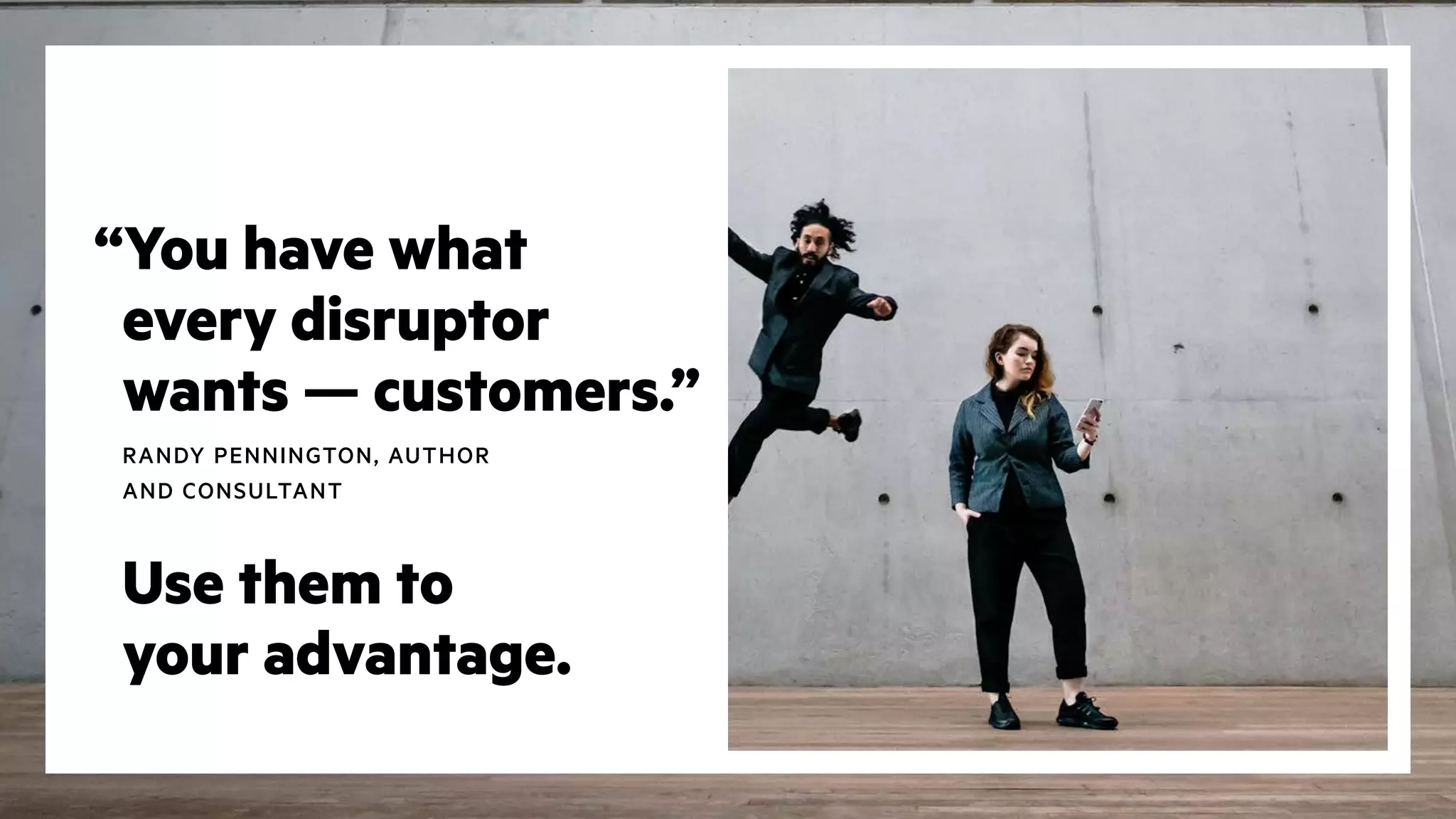
“You have what
everydisruptor
wants — customers.”
RANDY PENNINGTON, AUTHOR
AND CONSULTANT
Use them to
your advantage.
60.
Start to rethink
whatyou do.
Remember the examples of the newspaper
and retail banking industries?
Leaders in both industries continue to adapt
and change and find new ways to compete.
03
K E Y T A K E A W A Y
61.
The New YorkTimes
is still in the
newspaper business,
but is redefining
it with videos,
infographics and rich
digital-only content.
62.
Don’t wait toolong.
Today’s consumers aren’t just loyal to brands based
on quality and so-called soft features.
They’re basing loyalty increasingly on the experience.
The longer you wait to remove friction, the greater
chance you have of losing the customer.
04
K E Y T A K E A W A Y
63.
GM + Lyft
Toyota+ Uber
VW + Gett
Automotive OEMs aren’t waiting to see what
will happen at the intersection of the sharing
economy and autonomous cars.
They’re partnering with the digitally born to
ensure they’re part of the change.